Subscribe
Share
Share
Embed
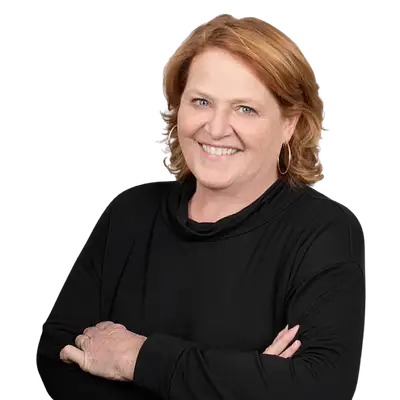
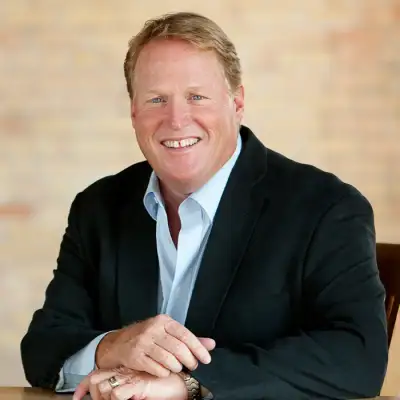

Former U.S. Senator Heidi Heitkamp and her brother, KFGO radio talk show host Joel Heitkamp, engage in animated discussions with newsmakers, elected leaders, and policymakers who are creating new opportunities for rural Americans and finding practical solutions to their challenges. Punctuated with entertaining conversations and a healthy dose of sibling rivalry, The Hot Dish, from the One Country Project, is informative, enlightening, and downright fun.
Heidi Heitkamp [00:00:05]:
Welcome to the Hot Dish, comfort food for middle America. I'm Heidi Heitkamp.
Joel Heitkamp [00:00:09]:
And I'm Joel Heikamp. You know what? We're happy we get a chance to visit with Nick Levendofski. Nick is, he's the boss when it comes to the Kansas Farmers Union. He's the Executive Director, grew up on a farm in north central Kansas. We're talking wheat, sorghum, soybeans, alfalfa, cattle. Which means he never got to even go on a date.
Joel Heitkamp [00:00:29]:
There was so much work to do. Nick, good to have you on the Hot Dish. How you been?
Nick Levendofsky [00:00:34]:
It's good to be here, Joel. And I'm just glad we got out of dairying when I was 3, because that would have really kept me at home.
Joel Heitkamp [00:00:41]:
Yeah, so here's the big question. Because you're younger than both Heidi and I, did you ever have to throw square bales, small bales?
Nick Levendofsky [00:00:51]:
Oh, yeah. Yeah. We usually put up our last cutting of alfalfa into small squares, and my grandpa was good at cranking that baler down. You know, we got every ounce of hay off of that field into those pails. So, yeah, lots of hay.
Heidi Heitkamp [00:01:06]:
And alfalfa is so light. I mean, you know, it doesn't weigh anything.
Nick Levendofsky [00:01:10]:
Yeah, not at all. Not at all.
Joel Heitkamp [00:01:12]:
So well, okay, were they feed cattle or were they dairy cattle?
Nick Levendofsky [00:01:16]:
So we, we moved from dairy in '88 into beef cattle. Yeah.
Joel Heitkamp [00:01:20]:
Yeah. You never even got to play football. You had to milk cows all the time. Did you?
Nick Levendofsky [00:01:26]:
Oh, my dad did. My dad did all, you know, and he did get to wrestle because he had those good, you know, good forearms. But.
Joel Heitkamp [00:01:35]:
So, yeah, Nick, all your soybean problems have gone away. It's going to be the shortest interview in the world. You know, all, all the Kansas Farmers Union soybean problems have gone away because apparently Donald Trump and Mr. Bessant, who farms in North Dakota - not - have said the soybean problems are going away. Give me your take on that.
Nick Levendofsky [00:01:58]:
Well, you know, I, I watch the Sunday morning shows just like you all did, and, and I heard this, and it's like, well, I'll believe it when I see it. I, I think this is too far gone. I think the damage that has been done to our trade relationship with China is maybe not irreversible, but, boy, the damage that's been done, I think is going to take a long time to recover from. And, and maybe they'll buy some soybeans.
Nick Levendofsky [00:02:29]:
Maybe they'll commit to. I don't know how much, but the, the amount of money that they have invested in Argentina and Brazil in the infrastructure. You know, they, they're building this transcontinental railroad so that they can avoid a 3,000 mile, you know, shipping issue. You know, they're going to get their money's worth. That's where they've been putting all of their money since the last time we did this in 2018. So why wouldn't they?
Joel Heitkamp [00:02:58]:
Heidi, you said all along it's loss of market that worries you the most.
Heidi Heitkamp [00:03:02]:
Well, yeah. I mean, long term, we survived somehow. The first trade war, they came back, didn't buy as much. And one of the things that I remember from that period of time is that they used to feed their hogs a lot of very rich protein. They started understanding that they could actually produce the same quality pork with much less input. So we saw a reduction. But, you know, China's, China's in a -
Heidi Heitkamp [00:03:32]:
In a war for economic dominance against the United States. And they're not going to be dependent on their food supply from our country. And so to disrupt the relationship just exacerbated and accelerated. I think that relationship. And a lot of people maybe listening would say, oh, China needs US. Less than 3% of China's GDP is American exports, is exports to the United States. And so everybody who wants to believe that, you know, China can't survive without the United States, you need to read a little bit more.
Joel Heitkamp [00:04:06]:
So, Nick, what are they saying at the Cenex? I mean, okay, you pull in, you need your cup of coffee, and you're sitting around BS-ing with the boys. I mean, what are they telling you?
Nick Levendofsky [00:04:16]:
Well, I'll tell you, lately it's been tough to find a farmer that's really willing to talk about it, mainly because we're in the middle of harvest. The only, the only reprieve we've had is we've got a little rain here the last couple days. And I was at a local church harvest festival that they always have every year, and had a couple conversations with some folks from the area, and folks are anxious. I mean, farmers are very nervous about this. And then you throw in the factor of, now we're going to start shipping in more Argentine beef. And, boy, that really got everybody's attention. I mean, you talk about a way to bring everybody and their dog together around an issue.
Nick Levendofsky [00:04:57]:
This is that. That did it. That announcement the other day that he made on Air Force One saying that, you know, ranchers don't understand. Well, you know, tell us more, Donald. You know, tell us what you know about raising cattle and cattle markets and those kinds of things.
Joel Heitkamp [00:05:13]:
Well, and Heidi, he doubled down on it. Yeah, I mean, it wasn't like he put his foot in his mouth, which he did because you just can't admit he made a mistake. I mean, he doubled down on it.
Heidi Heitkamp [00:05:24]:
This is a political calculation. Okay. He's basically said, I have farmers no matter what, and I'm going to shovel some money out the door and make everybody happy. And you know what? You know, when you, Joel, you talk to farmers and Nick, you talk to farmers and I talk to farmers and a lot of them are not willing to abandon Donald Trump. But guess who's abandoning Donald Trump? Consumers.
Joel Heitkamp [00:05:47]:
Ranchers.
Heidi Heitkamp [00:05:48]:
Consumers who are - Well, and ranchers. But I'm talking about consumers. What is he worried about right now? He's worried about $7 a pound hamburger. And so he thinks that this is going to solve the problem and reduce costs at the grocery store, which shows how naive he is actually. But that's what he's speaking to. He's decided, look, you know, I'm going to take rural America for granted because they're with me no matter what. Which has always been the danger of a one party rural America.
Heidi Heitkamp [00:06:20]:
They're with me no matter what. So, know, forget them. I don't need to make them happy. I need to figure out how I'm going to reduce grocery costs.
Joel Heitkamp [00:06:28]:
Well, and that's why I asked you the question. I mean, can he take farmers for granted?
Nick Levendofsky [00:06:34]:
Oh, I think so. I think so. He got their votes a year ago. That's all he needed. He doesn't need anything else at this point. And you know, the, the paltry economic aid that they're looking at throwing out right now, they are saying around $3 billion. That's money that was already allocated, that was money that was already set aside for crop insurance. So they're just repackaging it and calling it economic aid.
Nick Levendofsky [00:07:01]:
But how far can $3 billion go when you're looking at the loss of soybean markets, when you're looking at the potential loss on beef markets, you know, those kinds of things, Farmers are looking at this situation and in many cases there are co ops all across the country and I've heard of some here in Kansas where in particular grain sorghum, they don't want it. They don't want to take it because there's no market for it. You know, the Food for Peace program under USAID was our major buyer for grain sorghum. We're one of the largest producers of grain sorghum in the country, here in Kansas. And now they're the, the one guy that I've talked to on this said it may have to go into pet food. You know, that's -
Nick Levendofsky [00:07:43]:
That's the option we're looking at. Or biodiesel or something to that effect. So, yeah, farmers are very, very nervous about what's, what's coming, what's been happening, all of that.
Heidi Heitkamp [00:07:54]:
Nick, can I ask you. You know, the bank of North Dakota, which is a unique institution to North Dakota, is already putting together a relief package for farmers because they're hearing from their bankers about stress. What are you hearing in Kansas? And maybe just across the corn and be belt. What. What are you hearing about bankruptcies and about foreclosures?
Nick Levendofsky [00:08:20]:
Well, I, I've got a number of banker friends that I visit with regularly, and one in particular told me here very recently that the particular bank he's working with will not loan any money on anything but land right now. So if you're looking at buying cattle, there's, that's a no. If you're looking at your operating loan, that's a no. If you're looking at input costs, that's a no. And I don't know too many farmers right now that are chomping at the bit to buy land unless they're already pretty well established or have some outside backing investors, that kind of thing. Some of the other bankers in the area, you can just tell when you walk in the bank lobby, it's quiet.
Nick Levendofsky [00:09:05]:
They're not saying a whole lot about what's going on. And what they do say, it's pretty guarded. I was visiting with, with our banker in Scandia, Kansas, here just the other day, and, and he's been riding in the combine with his brothers who farm. And he said, you know, the, the yields are great. Everything looks good. And, and, you know, you go to the elevator and you see the piles of grain that are building up because they're running out of room.
Nick Levendofsky [00:09:30]:
The elevators are full. And now we're just piling it up on the ground like we're used to. We see that. But even more so this year, the problem is the numbers aren't there as far as price. It's a bumper crop with bummer price.
Joel Heitkamp [00:09:44]:
But when it comes to buying land, Heidi, there is one soybean farmer that got a lot of attention on the shows this weekend that's bought up a lot of land here in our home state, North Dakota.
Heidi Heitkamp [00:09:58]:
Oh, yes, the Secretary of Treasury wanted everybody to feel sorry for him because he's a soybean farmer, too. So he feels the pain. Number one, he's worth half a billion dollars. Number two, I want to know if he's actually reduced cash rent prices for his land since he thinks he's feeling the pain. Nick, this was a huge, huge misstep. And of course, I would say, and putting on my partisan hat, if I had been the Democratic Party in any of these places, I would have absolutely.
Heidi Heitkamp [00:10:33]:
You know, it's insult to injury. It's insult to injury for a landlord to complain and try and color himself as a soybean farmer.
Nick Levendofsky [00:10:43]:
I'm reminded of the late Ann Richards quote, when she spoke of George Bush, that he was born with a silver foot in his mouth. And that that is exactly what I saw the other day when I was watching the Sunday morning shows. And it's just like, you've got to be kidding me. You know, what, what do you have in common with somebody who's been doing this their entire life, you know, for multiple generations? He's obviously an investor. He's invested in this, and it just, it doesn't add up. I'm sorry, but I have a hard time feeling sorry for the, for him o that.
Joel Heitkamp [00:11:21]:
And in our state, Heid, and I think all over the Midwest, people don't like folks from the east or west coast owning the farmland. Yeah, in North Dakota, we, we've actually passed laws over whether or not corporations can buy farmland. And so now we've got Bill Gates, you know, we've got. We've got all of these people claiming to be soybean farmers who. I don't know if they know the difference between an air drill and a grain cart. I mean, I really don't. And, Heidi, you mentioned that if you had the opportunity, you would pound that.
Joel Heitkamp [00:11:57]:
I go back to the question that I asked Nick earlier, which is, what's the reaction from farmers? They didn't push back on it a lot. I mean, they didn't. Why?
Heidi Heitkamp [00:12:10]:
I think that there is a natural inclination, Joel, to basically stick with the President. You voted for him, yet you then go back to all the reasons why you think the Democratic Party is bad, whether that's cultural or whether it's environmental regulation, whatever that is. And they say, we're going, you know, he cares about us. Yes, he's doing things that hurt us, but he cares about us. And it is, I mean, I just keep thinking if somebody with a different party label were doing any of these things and I was still in the Senate, I would have to hire five more people to answer the phone. And so shame on American farmers for being taken for granted. Shame on American farmers and ranchers for letting him do this without any political pain.
Heidi Heitkamp [00:13:00]:
Because the next time around, there you mean - Number one, and Nick, we should talk a little bit about this, that the kind of historic relationship we've had between food security and the Farm Bill. We don't have a Farm Bill. It's good. Parts of the Farm Bill are going to have to be extended by the end of the year. That's going to be a really tough lift because it's going to take 60 votes and we've lost trust. And so, you know, I don't know at what point it's, you know, the straw that breaks the camel's back, but I don't think we've seen it. And I know we have a lot of listeners who say, when is that going to happen? Yeah, I don't think it's happened yet.
Nick Levendofsky [00:13:41]:
Yeah, I really thought it was good. Oh, sorry, Joel. Go.
Joel Heitkamp [00:13:43]:
Yeah, I mean, but I would add to that we don't have a Farm Bill yet, but it's rule of law, right? I mean, that would be in law. That'd be in place. This Administration doesn't care about that. I mean, Nick, they do what they want to do. If they want to send soybean farmers money and make them smile, they're going to do it. If they want to knock over the east wing of the White House, they just go ahead and do it. I mean, so, yeah, there may be no farm bill, but he has a real history from Trump 1.0 of sending money out to farmers. And I think the farmers that I live with are counting on that.
Nick Levendofsky [00:14:20]:
I think they are. I think they expect it. You know, there's only, what, one and a half to 2% of the population is involved in production agriculture. So, yeah, it's, it's so few of our population that, that feed, and clothe, and fuel the world, basically. So it's, it is a little bit different than any other industry. It truly is.
Nick Levendofsky [00:14:43]:
But this idea that we should be reliant on these, you know, government checks is ridiculous. Farmers want trade, they don't want aid, they don't want checks handed out. But it's not like they're going to turn them away either when they get...I mean, I remember in 2018 when this all went down and my dad got his check for his soybeans and I asked him, I said, well, where did that check go? You know, what did you do with that? And he said, well, I had to put a transmission in my 25 year old tractor, it went out, had to put a transmission in. So I said, well, what did that cost? He said, it took the whole check.
Joel Heitkamp [00:15:17]:
Wow.
Nick Levendofsky [00:15:17]:
So what did you, what did you gain? You know, and, and that's the, the whole point here. It's like, what are we gaining? We still don't have a soybean market. And yet you've got a 25 year old tractor with a new transmission in it. You never gained anything. And, and I think that's the, I think that's the mindset that we've got to try to break into and be like, folks, we're not gaining here this long term pain for, or this short term pain for long term gain. My question is, what is the long term gain? What are we gaining? And I don't think anybody knows.
Joel Heitkamp [00:15:52]:
Well, and Heidi, a good friend of ours, I'm going to say his name, Dean Meyer from out west. We've been talking a lot on my show about the difference between ranchers and farmers. Everybody assumes they're the same people. They're not, they're not at all. Ranchers are libertarians. Farmers are just as, as Nick just described them. But he gave me some numbers, you guys. I want to run over them.
Joel Heitkamp [00:16:17]:
Beef is up 355% since 1980. Now keep this in mind. This is 1980 to now. Tractors up 1,180%. Balerr's up 550%. Pickups up 847%. Coffee, 775%. Doritos - Well, I think you know where I'm going to go there.
Joel Heitkamp [00:16:39]:
My point is this: as a rancher, he's pissed off and he's mad because his product that he raises and provides, ground beef, is being portrayed as just skyrocketing and the ranchers are making too much money by the President. I mean, Heidi, he's mad. He's really mad.
Heidi Heitkamp [00:16:58]:
He's not somebody you want to be mad. No, but, but it's absolutely true. And finally, they're getting a decent price. And it's cyclical. And we all know it's cyclical. They're getting a decent price for feeder cattle, you know, kind of, you know, record amounts for a short period of time. And the first thing that happens is they say, oh, well, we can't have that. We've got to, we've got to import beef from someplace else.
Heidi Heitkamp [00:17:27]:
Because number one, that's a twofer. Because I like this guy from Venezuela, he's one. Or yeah, Venezuela, he's one of Argentina. He's one of my favorite people. So I'm going to, you know, import beef when we don't know how that beef is raised. And you know, this. I was a longtime advocate for, you know, country of origin labeling, still am, you know, because people want to buy American beef. But the other point is, and I want to, you know, kind of connect the dots to the consumer.
Heidi Heitkamp [00:17:58]:
At the same time, he has decided he, he's going to send a bunch of money out in middle of this shutdown, but he's not gonna help people who need food assistance. And so if he really wanted to help people who are struggling with their food budget, he certainly wouldn't. He'd be sitting down, negotiating with the Democrats and opening up government. But that's not where he's at because they don't wanna portray anybody who needs food assistance as anything other than a freeloader. And we all know that the vast majority of people are getting that subsidy and getting that help, you know, and, you know, I don't know how you can defend farmers getting help and you can't think about how families, family of four struggling to make ends meet on a food budget, who both are working sometimes 2, 3 jobs to make ends meet, isn't, isn't entitled in these times to get food assistance.
Nick Levendofsky [00:18:52]:
Yeah, could I tag onto that real quick?
Joel Heitkamp [00:18:54]:
Yeah, go ahead, Nick.
Nick Levendofsky [00:18:56]:
So I called our Republic County Kansas Food Bank this morning. We've got our Farmers Union County meeting tonight. And one thing I like to do at our meeting, excuse me, is pass the hat so that we can give to a local organization in need. So tonight we're going to give, you know, whatever we collect after our expenses are paid for the meeting and give that to the food bank. But I talked to her and she said they are preparing for an influx of, of assistance. I talked to both of our schools. We have two school districts in our county. Over half of the kids in our schools are on free and reduced meals.
Nick Levendofsky [00:19:35]:
So that tells me we've got a problem here and it's going to get worse. After November 1st, there's going to be a lot more folks in need and you know, the challenges that we're seeing. I talked to a guy yesterday who said that the food bank line in his community, now he lives in a, in a more urban area, was blocks long, you know, over the weekend. So it's coming. We've got to be prepared for it and we've got to do everything we can. If we can't rely on the government to step in and do it, we're going to have to do it ourselves. We're going to have to give more, we're going to have to donate more non-perishable items or just flat out cash. And that's where we're at.
Nick Levendofsky [00:20:16]:
And it's scary and it's sad and it's shameful.
Joel Heitkamp [00:20:20]:
Guys, this morning on my radio show, I had the Great Plains Food Bank on, which is exactly what you two are making reference to. They go all over my home state, every one of the towns, and deliver food to people, provide a place that people can go to for food. They're looking for money, they're looking for just what you're going to do, Nick. You can drop off all the cans of things you want and they'll be happy to take them, but they need money because they know the specific needs they have. And, and they are, it's one of those turn the microphone off and then you really get a window. And it isn't, I don't want to say they're partisan. That wasn't it at all. They were just sick to their stomach.
Joel Heitkamp [00:21:00]:
I mean, they're scared. They're, they're really, really scared. And so I'm going to ask both of you the same question, which is we, we laid out the problem. We laid out what's going on. We laid out what we know to be true because it is true. Why the hell can't a Democrat win in any of these states? I mean, I'm going to throw that to you, Nick. I mean, if, if these people are as bad at governing as what we know them to be today, why can't a Democrat win?
Nick Levendofsky [00:21:27]:
You know, I've, I've wondered that myself. And in all the years that I've been involved in this, involved in this work, not just through Farmers Union, but, you know, through other, you know, entities and the Democratic Party. I remember the days of Byron Dorgan and Kent Conrad and Tom Daschle and Heidi Heitkamp, you know, and they would come to Farmers Union fly ins or Farmers Union conventions. And you know, we all cheered him on, we all supported him. And now everything has shifted. I mean, I can't speak to it from Kansas because we, you know, when we get together as Democrats, we can meet up at a, in a phone booth most of the time. But, but the reality is that, you know, the Democratic Party has kind of turned its back on rural America. And, and I hate that I remember seeing in my grandparents's home pictures of JFK and fdr, you know, right up next to the picture of the Last Supper, you know, good, good Irish Polish Catholics.
Nick Levendofsky [00:22:27]:
But, you know, as time has gone on, we've. We've shifted. And, you know, whether that society has shifted or the party has shifted, I think you could probably blame both. But we've got to figure out how to get back out into rural America and get that message out there that there is an alternative and that we have more in common than we do different.
Joel Heitkamp [00:22:51]:
Heidi, why can't we get you elected again? You did a hell of a job. Why can't we get you elected again?
Heidi Heitkamp [00:22:58]:
You know, I think that so many of these races have become nationalized. And so I tell a story, and it's a true story about a reporter. She was out in North Dakota trying to figure out what was going on in the race in 18, and she ran into a guy who was a corn grower and he just, oh, effusive, effusive in his praise for what I had done for the corn growers. You know, kind of. We gave her a national award. And when we go to Washington, she's the most interesting and prepared of all the people. And that's kind of what I thought. I thought, oh, if I get prepared and I actually deliver.
Heidi Heitkamp [00:23:36]:
And so this person said, so you're going to vote for her? And he goes, oh, no, she's a Democrat. And it is the Democratic brand. It's not the individuals, it is the Democratic brand. And that these races have become nationalized. And, you know, I think the only thing that is going to bring it back is with a message that speaks to, you know, a broader group of people than just the urban elites and the Democrats. You know, as much as you would holler about waters of the United States and how that was creating uncertainty, here's a great example. I always use the waters of the United States as an example because so many of the people inside the Beltway, well, you, you know, we can't give up any jurisdiction under the Clean Water Act. And I would put up a picture, and North Dakota still has a flyway, you know, tons of one acre, two acre wetlands, you know, and I would point at it, you know, when I would be in hearings, and I say, is that waters of the United States not connected to anything? And the answer was never yes or no.
Heidi Heitkamp [00:24:36]:
It was maybe. And I thought that's almost the worst answer. And so when people don't respond to legitimate concerns about overreach, they don't respond to legitimate concerns about identity politics that don't match how people believe the world should be, you know, and you don't show up and all the good Democrats, as we used to say in rural areas, have just shut their mouth. They're not out there defending. They're not sitting at the coffee table. I mean, Joel, you have to do it every day because that's what you do. But, you know, people silently are cheering you on, but they're not going down to the coffee shop, you know, kind of taking on the, the hard right or the maga. The maga Republicans.
Heidi Heitkamp [00:25:24]:
They're just not.
Joel Heitkamp [00:25:25]:
But I'm going to throw this at you, Nick, because this, to me, is exactly what Heidi and you are getting at. But I think it's the best example. I'm going to ask you a question. What's the gravel road like in front of your farm?
Nick Levendofsky [00:25:39]:
It's a mess right now. We've had rain the last couple of days, and it's tore up.
Joel Heitkamp [00:25:44]:
But here's my point. During harvest, it's usually tore up. But my point is the Biden Administration passed an Infrastructure Bill. Nothing more important to rural America than to have paved roads, to have good township roads, to have good county roads, to have good state roads, farm to market roads. And the Democrats never talked about it once in the campaign. Never once. And. And that is what's important to rural America, infrastructure, whether it be water, sewer, broadband.
Joel Heitkamp [00:26:20]:
I mean, Heidi, you fought like hell for these things. I mean, but, Nick, in your state, this happened. And the first thing that, that Trump did was lay claim to a lot of it.
Nick Levendofsky [00:26:31]:
Oh, yes.
Joel Heitkamp [00:26:32]:
I don't know if farmers didn't get that or if we, the Democrats, just did a crappy job of explaining it Next.
Heidi Heitkamp [00:26:40]:
I think that it's all what you see on national media and the loss of local media and local media coverage and the unwillingness of Democrats to go on. I mean, one of the pieces of advice that I gave the incoming Secretary of Agriculture was get a list of radio stations across the country, talk radio, radio stations, you know, ag radio stations, and, you know, just randomly call them up, say, I want to visit about what we're doing here at USDA. No, I mean, you know, that's too much of a challenge, right, to actually spend some time visiting with farmers about what the goal is. And, you know, part of it is neglect, but the other part is a failure to kind of see. David Axelrod, who's a dear friend of mine, says it this way, and I think it's just right. He said when Democrats approach rural America, they approach him not as neighbors but as missionaries. And the message that you hear all the time is, look what we've done for you. That is not a winning message in rural America because look what they've done for you!
Heidi Heitkamp [00:27:55]:
Produce food, kind of raised their families, brought, brought a vibrancy to the fabric of America's culture. And, you know, they just, I think it's the best way to describe Democratic attitudes in the past towards the rural America.
Nick Levendofsky [00:28:16]:
I'm glad you brought that up, Heidi, because I have, quote, unquote, advised a handful of candidates in this upcoming election, both for U.S. Senate and Governor, Democrats that are looking to run or have already said they're running, and every one of them said, you know, we're going to go spend time in western Kansas. We're going to go out there and spend a week. And that's like, good. You need to, you need to get out there and you need to talk to these folks. You need to do all of that. But most importantly, you need to listen. All the talking in the world isn't going to do you any favors because, you know, the majority of these folks that are running for these seats are from Johnson County, Kansas, the richest county in the state, Kansas City Kansas area.
Nick Levendofsky [00:28:59]:
And it, it's not unlike what was said earlier about Mr. Bessant and the east and west coast landowners. The last thing that western Kansas farmers and ranchers want is somebody from Johnson county coming out to where they live and farm and ranch and tell them what they need or here's what I'm going to do to help you. They need to listen to those farmers and ranchers and rural citizens to understand the challenges that they're dealing with so that they can tell them what is needed out there and what is not, frankly. So my hope is that that advice, you know, go somewhere, I don't know, we'll see. But that's what I've been telling them all along.
Joel Heitkamp [00:29:37]:
Yeah. To me, the one thing the Democrats can't do is because and it goes back to what you're saying, Heidi, from David Axelrod. You know, he's talking about - I've never heard it put that way, but he's right - that Democrats come at them as though they're missionaries. The other thing Democrats can't do is stay on message. They can't. I tell people all the time, from my time in the legislature, pick the three. I don't care what your three are, you'll get elected based upon whether or not they like your three or not. Right?
Joel Heitkamp [00:30:05]:
But pick your three. In my case, it was infrastructure, it was schools and it was ag. Those three. That's all I talked about at forums. People would bring up prayer in the school and all this. And I'd say, let's talk about something important here. Let's talk about it. People would bring up abortion.
Joel Heitkamp [00:30:21]:
I'd say let's talk about something important here, something we can do, that we actually can do about. Let's focus on what we can do, you know what? And, and it would all come back around. But heaven forbid, as Democrats we could learn that because Lord knows we got to show that we're smarter than anybody else in the room, Heidi.
Heidi Heitkamp [00:30:39]:
And don't forget, we need a 20 point plan, not a three point.
Joel Heitkamp [00:30:48]:
Yeah, yeah, exactly.
Heidi Heitkamp [00:30:52]:
Have I got a 500 page plan for you, man.
Joel Heitkamp [00:30:56]:
Yeah, yeah, exactly.
Nick Levendofsky [00:30:58]:
And in eight point font.
Heidi Heitkamp [00:30:59]:
And a spreadsheet in eight point font, yeah, yeah!
Nick Levendofsky [00:31:05]:
Yeah, exactly.
Joel Heitkamp [00:31:06]:
It's great to talk to you, Nick. Keep fighting the good fight and hopefully the Administration will get their head on their ass and things will go forward.
Nick Levendofsky [00:31:15]:
Yeah, well, at this point we can only hope, right? Thank you both.
Heidi Heitkamp [00:31:22]:
Let's appreciate the economic stress and remind people that there are programs to help people during these really tough times. A lot of them were created in the '80s, but I think that this financial stress on farmers is going to take its toll.
Joel Heitkamp [00:31:39]:
You bet.
Nick Levendofsky [00:31:40]:
I would agree. Heidi. I keep hearing that. Yeah.
Joel Heitkamp [00:31:43]:
Sorry about that.
Nick Levendofsky [00:31:44]:
Thank you both.
Joel Heitkamp [00:31:45]:
Thanks for joining the Hot Dish, Nick. Appreciate it.
Heidi Heitkamp [00:31:47]:
Thanks, Nick.
Nick Levendofsky [00:31:47]:
Thank you both.
Joel Heitkamp [00:31:54]:
Heidi. Dean Myers' ticked off.
Heidi Heitkamp [00:31:58]:
Dean Meyer is one of the funniest people God put on the earth. And Dean Meyer is married to a woman who we know really well, Shirley, one of our dear friends, always kind of keeps him corralled and not too far off the rails. But I have been thinking a lot about, not Dean, but about Shirley's dad, who, Jack Murphy, who was a good old cowboy, you know, one of the historic kinds of figures in the North Dakota legislature and in western North Dakota. One of my favorite people of all time, even though he was a rock rib conservative, he and I bonded over royalty statements of all things. You know, he thought that in the first oil boom in the 80s that he was getting cheated and came in and he had this old mimeograph paper and I would just sit down with him and we'd go through all the paperwork and we became fast friends. And I keep thinking about people like Jack Murphy and John McCain and people who will call bullshit when bullshit happens. And that to me was the rural ethic is that I don't care what stripe of political party you are, if you're hurting me, I'm calling bullshit and I'm going to hold you accountable.
Heidi Heitkamp [00:33:09]:
And, and that's not what we're seeing, Joel. I mean, we aren't seeing a lot of Dean Myers out there stirring the pot. We're what? You know, we aren't seeing a lot of people in leadership who are willing to step up and say, bullshit, you're hurting me. You're taking me for granted. And guess what? I'm going to organize against you unless you fix this.
Joel Heitkamp [00:33:29]:
Yeah, well, their cattle's gone limit down, limit down, limit down all because -
Heidi Heitkamp [00:33:33]:
Can you explain that, Joel? Because a lot of people wouldn't.
Joel Heitkamp [00:33:35]:
Well, first off, the market will only allow cattle prices, in this case future prices, to drop so far. Then after that, they shut it down because they don't want the market to get all gutted in one day based upon a rumor. This wasn't a rumor. Donald Trump sent $20 billion and then $20 more billion down to Argentina. And the first $20 billion pooch the soybean farmers. The second $20 billion pooched the ranchers. Two different groups of people, by the way. You know, ranchers, independent libertarians, soybean farmers, farmers, Both of them upset, but soybean farmers a little more used to getting help from the government.
Joel Heitkamp [00:34:12]:
Fair, Heidi?
Heidi Heitkamp [00:34:15]:
Yep.
Joel Heitkamp [00:34:16]:
Okay, so ranchers, not so much the Dean Myers of the world. Good years, bad years. But you wouldn't know if it's been a good year because they're not going to rush out and buy a pickup, those type of things. But it's been a couple good years. And so the Dean Myers of the world have seen their markets go down the limit, down the limit, down the limit to the point where the people that he talks to now when he goes and has that bourbon about 4:30 in the afternoon, while Shirley saying, where the heck did you go, Dean? But the people he talked to are mad. It isn't like the farming situation, Heidi, where they're, well, let's wait and see. They're mad, Heid.
Heidi Heitkamp [00:34:57]:
Well, and you saw the kind of reaction from Deb Fischer, great example. You know, she's actually a cattle rancher, one of the few producers in the, in the Senate, her family. And you know, right away she took out after them. But not, you know, it's like, can you please, pretty please fix this? And that's really what people up and down the, you know, members who represent cattle farmers, they're hat in hand, pretty please fix this. And then we get a tweet saying, you just don't understand. You're just too stupid to know, you know, how brilliant I am. And you know, it's like, I mean, you know, the one thing that cattle ranchers don't like is sheep. But they're kind of acting, you know, little.
Joel Heitkamp [00:35:46]:
You're on your own on that one. Let, let, let me just ask you this. Do you think that there's something corrupt between the Trump family, the Trump Administration and the head of Argentina?
Heidi Heitkamp [00:35:59]:
Yep, yep. I think that this all goes back to some deals that were done. And I think it's not the family, it's kind of a whole hedge fund. There's a whole lot of rumors out there about how a lot of, you know, supporters of Donald Trump have in fact invested in Argentinian bonds. And they would be a lot of money out if, if this guy hadn't gotten reelected and if inflation, if he hadn't gotten the assistance. And so that's the big rumor on why Trump worked to try and bail out the bond market in Argentina.
Joel Heitkamp [00:36:39]:
I gotta ask you this in the little bit of time I know we have left. What's it gonna take for this Shutdown to end?
Heidi Heitkamp [00:36:45]:
It's gonna take somebody other than leadership coming. I mean, the last time I was part of that group that opened up government and, and behind the scenes, you know that there's groups that are meeting and it's, it's, I think it's harder now because the, that, that, you know, the politics are harder than they were even when I was there. But it's going to take people, you know, rational people in the Senate and in the House to sit down and say, what's it going to take to open this up? And I think there's going to have to be a deal on health insurance.
Joel Heitkamp [00:37:20]:
Well, I get up every morning at 4:30 and I go to work. I get up and I go to work and then I get home later in the day. The difference is I'm at work, so I can work. Congress isn't at work. If you look at the US House, they're not in town. You know, they're not in town. And so when you say cut a deal or people to talk behind each other, I realize they have texts and phone books and email and everything else that goes with it, but, you know, there's nothing like a handshake and a face to face. But they're not in town, Heidi.
Heidi Heitkamp [00:37:51]:
Yeah. And you know, at the risk of sounding kind of arrogant about the Senate, the Senators are in town and the Senators are meeting and you saw Rand Paul and Tim Kaine basically kind of saying, time to cut a deal. But you know, I think this is again, the, the kind of hold that this president has over rational people, they don't dare make a move without him. But, you know, we did that - You know, the President takes credit for the 2017 tax bill. Guess what the President did? The most important thing he did. Get the hell out of the way.
Heidi Heitkamp [00:38:24]:
He takes credit for, you know, the banking reform bill. Guess what the President did? Got the hell out of the way. And so, you know, that was 1.1 or 1.0? 2.0. There's. There's, I think a little. Little more attempt to exercise control.
Joel Heitkamp [00:38:42]:
Okay, last one. How many points are you going to give me in the Viking Packer game?
Heidi Heitkamp [00:38:45]:
Oh, you're gonna get beat, Joel. Poor you.
Joel Heitkamp [00:38:47]:
I didn't say I wasn't gonna get beat. I wanna know how many points.
Heidi Heitkamp [00:38:51]:
You alrady got 20 of my bucks.
Joel Heitkamp [00:38:54]:
Yeah. By the way, ladies and gentlemen, moths flew out of her wallet. The first thing she does is she looks at her husband and she goes, Darwin? And he goes, pay your own bills for once?
Heidi Heitkamp [00:39:04]:
No, no, no, ever since Venmo, it's been a godsend.
Joel Heitkamp [00:39:06]:
Here's, here's the other part that was bad about that 20 bucks. You realize a case of beer, you can't buy one with a $20 bill anymore.
Heidi Heitkamp [00:39:15]:
That's not my problem. You're the one who set the 20 bucks.
Joel Heitkamp [00:39:18]:
Bets are going up, baby. That's all I'm saying.
Heidi Heitkamp [00:39:20]:
I mean, you know, I, you never know. This is an interesting year, but boy, the Packers look good the other night, kind of, you know, and we have a die hard Packer fan. I mean, even more than me in the, in our family, who hates Love. And I'm like, why? He's so good.
Joel Heitkamp [00:39:39]:
Yeah, I don't think I wouldn't hate having Love. I don't either. I think Viking fans need a lot of Love right now.
Heidi Heitkamp [00:39:45]:
I think that the Packers said. The Packers, Packers have always had that franchise quarterback, and I think Love can be a franchise.
Joel Heitkamp [00:39:51]:
I know, you're evil. It always is good, though. Having you with us on the podcast, ladies and gentlemen. Having you here with us on the Hot Dish.
Heidi Heitkamp [00:39:58]:
Well, and you know, this is the Hot Dish brought to you by one countryproject.[org] and our goal is to really kind of explore and discuss and give people flavor for what's happening in rural America. Because it's got to be part of the political discussion going forward. So please check us out, give us a call, email us if you'd like another topic discussed or if you have comments, good or bad.
Joel Heitkamp [00:40:28]:
Yep. And know this, you can always learn more at onecountryproject.org. We'll be back next week with more Hot Dish, comfort food for rural America.