Subscribe
Share
Share
Embed
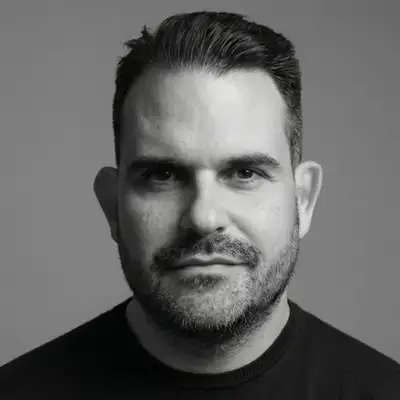
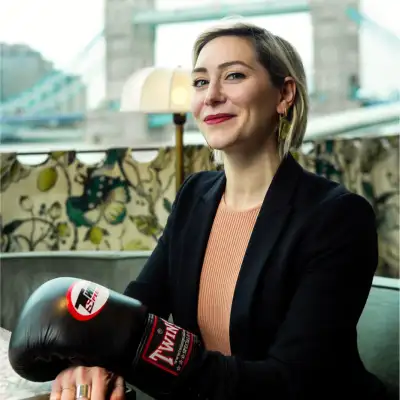
In this episode of the Maffeo Drinks Podcast, host Chris Maffeo chats with Roberta Mariani, the Advocacy Director for Savoia and Ital Spirits. Roberta shares her extensive experience in the hospitality and drinks industry, offering insights on building effective advocacy programs, the rise of the aperitivo culture, and focusing on category education over brand promotion. They also discuss the evolving role of Italian bartenders, the increasing popularity of vermouth and Amari, and the critical issue of well-being within the industry. Whether you're in the drinks business or simply a cocktail enthusiast, tune in for a deep dive into the latest industry trends and tips for achieving a sustainable work-life balance.Timestamps:00:00 Introduction and Welcome00:32 Guest Introduction: Roberta Mariani02:41 Building Brand Advocacy07:34 The Rise of Aperitivo Culture12:47 The Role of Italian Bartenders23:56 Innovative Cocktail Creation31:18 Promoting Well-being in the Industry38:49 Conclusion and Final Thoughts
In this episode of the Maffeo Drinks Podcast, host Chris Maffeo chats with Roberta Mariani, the Advocacy Director for Savoia and Ital Spirits.
Roberta shares her extensive experience in the hospitality and drinks industry, offering insights on building effective advocacy programs, the rise of the aperitivo culture, and focusing on category education over brand promotion.
They also discuss the evolving role of Italian bartenders, the increasing popularity of vermouth and Amari, and the critical issue of well-being within the industry.
Whether you're in the drinks business or simply a cocktail enthusiast, tune in for a deep dive into the latest industry trends and tips for achieving a sustainable work-life balance.
Timestamps:
00:00 Introduction and Welcome
00:32 Guest Introduction: Roberta Mariani
02:41 Building Brand Advocacy
07:34 The Rise of Aperitivo Culture
12:47 The Role of Italian Bartenders
23:56 Innovative Cocktail Creation
31:18 Promoting Well-being in the Industry
38:49 Conclusion and Final Thoughts
The MAFFEO DRINKS Podcast is a leading drinks business podcast delivering actionable insights for drinks leadership.
For founders, directors, distributor MDs, and hospitality leaders navigating the tension between bottom-up reality and top-down expectations.
20+ years building brands across 30+ markets. Each episode features drinks builders: founders, distributors, commercial directors, sharing how the drinks industry actually works. Not the conference version. Honest conversations.
Insights come from sitting at the bar.
Beyond episodes: advisory for leadership teams, subscription with episode deep dives and principles to navigate your own reality.
Beer, wine, spirits, Low and non-alcoholic.
Bottom-up Insights & Episode Deep Dives at https://maffeodrinks.com
Hey, drinks builder. This is Chris Maffeo, and you're listening to the Maffeo Drinks podcast. Today, we are reaching listeners in over 100 countries, and I'm grateful you're one of them. Before we dive in, a quick reminder that while the show is free, our paid Substack subscribers get early access to episodes, full transcripts, and exclusive deep dive newsletters. Check it out at mafayodrinks.substack.com.
Chris Maffeo:Now let's get into today's conversation.
Chris Maffeo:Welcome to the Maffeo Drinks podcast.
Roberta Mariani:Happy to be here.
Chris Maffeo:Nice to have you. Finally, after meeting at Bar Combat Berlin, we managed to sit here and record some thoughts about the industry.
Roberta Mariani:Yes. Someone at the time told me then I will like this podcast really, really a lot.
Chris Maffeo:Me too.
Roberta Mariani:I think it was you.
Chris Maffeo:Just to tell a funny story about this, it was our common friend, Alex Petza, that just before going into a presentation at Barconvent, he introduced Roberto and myself, and then he just left. He disappeared and he said, he has a great podcast. Oh, so you have a podcast? And I said, yes, and you will like it. So Roberto looked at me thinking like I was a little bit too full of myself, but then we explained the situation and it was a funny moment.
Roberta Mariani:No, it was really genuine. I love the passion.
Chris Maffeo:So let's start. Many people know you, but podcast has quite a global reach, and I'm sure that there would be a couple of people that don't know who you are. So let's spend a couple of minutes explaining your history within the industry because you have a nice blend of hospitality and drinks industry, both side of the same coin.
Roberta Mariani:Of course. Ciao, everybody. I'm Roberta Mariani. I'm currently the advocacy director for Savoya and Ita Spirits, so two amazing Italian brands. And I've been working the hospitality for more than, I would like to say, probably more than fifteen years before joining the Italicus and Savoya team.
Roberta Mariani:I worked with Martini on the global team for a little bit more than six years and before coming from hospitality. So bartending, cocktail waiters, barista is a long, long story. And my journey, I would say, started in London in 2012. Something like that.
Chris Maffeo:That's fantastic. So let's talk about your experience in terms of building advocacy. Advocacy program is something that I discuss a lot. It's part of what I talk about in the part that I call the creating demand in terms of brand. I, maybe you don't know, but I hate the word awareness and building awareness and all these kind of fluffy terms in meeting rooms in big companies.
Chris Maffeo:I like to call it creating demand because I want people wanting to buy the product, not really just like knowing a brand and a logo on a t shirt kind of thing. Was reading some of the interviews that you had and some other content online, and I was interested in the fact that you talk about the importance of explaining the category rather than I'm just a big fan of this. Can you explain more than why you think it's important?
Roberta Mariani:Of course, this is a really good question. So let me start with Zaiden. When you're developing a training or an advocacy program, you are essentially asking people to invest time, their time. So for me, it's crucial to ensure that these people, they got real value from what you're delivering. Whatever this is true in a program promoting the well-being, like I did a few years ago with the Martini racing cyclismo or through educational training, you want to make sure that they're going home with something then it's gonna benefit them.
Roberta Mariani:So focusing on the category as a whole, instead of focusing on the brand for me, they're really important. First of all, it keeps the participants with the knowledge and a deeper understanding of the category. This was mean, this really helped them to appreciate the product uniqueness in the context of other competitors. So, you're not just spending time talking about your brand and look how good is my brand, but you giving them the tools to come out with that, let's say solution in their home. It's almost like you bring them on a journey.
Roberta Mariani:The second point is if you're leading a category training instead of a brain training, you position yourself as an expert in the field. So you're not just gonna memorize few key insight or your brand or key messages. Then the marketing team is gonna sleep under your door. You actually need to spend time reading books, having extensive knowledge to be able to talk about the category in the whole. So at that time, you're gonna be able to explain the production methods, the history, how to mastering botanical structure, and it's not gonna be just related to your brand, but it's gonna be related to all the brands and all the product on the market.
Roberta Mariani:In that way, you can give a really wider overview to the participant and this is something essential.
Chris Maffeo:Fantastic. What you're saying reminds me of something I'm a big geography lover. Depending on which country you live in, the world map is different. If you are in The US, it's a US centric map and then you have Australia on one side and Europe on the other side. But if you are in Europe, you've got a European centric map with Asia East and North America South America West.
Chris Maffeo:So it's much better for me to position yourself on the map so that you actually can explain where your brand sits within that category, so that bartenders and other people can actually navigate through the flavors, the ABV, all aspects of the brand. I've been sitting in too many brand training, let's say where it was basically like, I call them brainwashing rather than brand advocacy. And at the same time, we have to be mindful of how we speak about our brands and other brands because I've also attended some where basically people were talking not very nicely about other brands without pushing themselves too high on one side. So the thin balance in navigating advocacy.
Roberta Mariani:It is, but at the same time, I believe if a brand needs to spend time talking badly about another brand is because it doesn't have nothing to say about himself. This is the main difference. Because I don't believe in spending one hour talking about my product, brand. It's done again. I want to focus on educating people and giving them the opportunity to come to the conclusion that my brand is unique, that my brand is better because I'm allowing them to learn more.
Roberta Mariani:So it's something completely different. And they, in this way you can teach them about the dynamics of the category regulation, production processes, ingredients, everything else. Now that's for me is more powerful than just going to talk badly about another brand.
Chris Maffeo:Let's deep dive into the aperitivo this time. I mean, when you moved to London, the aperitivo was not what it is today, you know? And I still remember a decade when I was working for Peroni in Europe, where I was pushing the aperitivo for Peroni and then all the markets that I was working with that they were saying, 'Aperitivo doesn't exist here'. And the funny thing was that it was even like big countries like Spain, France, where it's like, what the hell are you talking about? I mean, not talking about Sweden.
Chris Maffeo:We're talking about a Mediterranean country where you may not call it aperitivo, but it's exactly what it is. No. I had to prepare a deck to explain the opportunity of the aperitivo. Back then, probably was much different. Now I see all sorts of brands trying to jump on the wagon of the aperitivo, aperitivizing themselves, whether it's whiskey or tequila or anything.
Chris Maffeo:So tell me more about the journey of your, basically your career within the aperitivo category of how that has changed from when you started to now.
Roberta Mariani:Yeah, of course. Now that I think about, I've been talking about aperitivo for more than ten years. That's a lot of time. And as you say, you know, 2012, the concept of aperitivo wasn't widely understood in places like London or elsewhere in the world outside of Italy. And for me, it's important to start with one point.
Roberta Mariani:Aperitivo is not just trend, it's a lifestyle. If you grew up in the South Of Europe, you probably very familiar with it. It's a special moment and you're spending with your friends, your loved ones before lunch, before dinner, you sharing a drink, you sharing a nibble. It's everything like slowing down and you're fully present that moment. Now imagine to try to explain that to someone who's never experienced it firsthand.
Roberta Mariani:That's why in cities around the world, knocked this, they had the difficult to have a grip on the concept because it's something they didn't experience. Likely for us, some of the foreigners that were traveling to Italy, they had the opportunity to enjoy beautiful terrace and they fall in love with it. Because I think as Italian, we are really good in creating things, but sometimes we are not that good in being able to appreciate the things that we have. I think the raise of the aperitivo is the perfect example. It was in fact, I think they were helping us to realize the potential of the aperitivo.
Roberta Mariani:I'm talking about Bartrami in London, then I helped to open in 2014 and the Dante in New York. So you had fourteen years that were opening a Tirikivo bar. And this really, that was at the forefront of the movement. As you say, they were not there, but Tirikivo, Vermoutho, Amari at that time. So it was something quite new and brought it at the international level that really changed the game.
Roberta Mariani:Even in US, I remember my first trips to US. You could probably find one bottle of bitter, maybe one bottle of Aperol, one bottle of Vermut sadly sitting on the shelf, little bit dust on it and nothing more. Now, if you're going to us, you find Vermouth bars, Amaro bars, you find a wider selection. These are all things and then evolve over the timeframe of ten years. And I think there are three key factors that really helped the category to grow.
Roberta Mariani:Festival was the rise of the mid in Italy. Italy became really popular. A lot of people that were traveling to Italy and they start to appreciate the fashion, the food, everything that was around Italy. And then of course the drinks. The second, it was shifting towards a healthier lifestyle.
Roberta Mariani:If you remember a few years ago, there was a demonization of sugar. No one was having a sugar in any kind of coffee, tea, sugar was really bad. And also people that were starting to be a little bit more healthy. What does it mean? They were eating more vegetables and they were eating with less sugar and food with less sugar.
Roberta Mariani:So their palates, they got used to and develop a taste for the bitterness. Therefore they start to appreciate the bitter drinks more than the overly sweet than like in us that they were used to have it. And the third, and I think it was quite more recent factor is the changing on the social habits. You've probably noticed then the clubbing is almost like slowing down. People prefer to meet up during the day.
Roberta Mariani:They want to drink less, better. Than opting for lower ABV drinks. They want something lighter. So the aperitivo perfectly reflect these needs. Because usually in the aperitivo, you've got a slightly bitter drinks, longer refreshing with lower ABV.
Roberta Mariani:So definitely fit the new habits of the people. So there are like all these kinds of things that got together in the past ten years then really raise the category where it is now.
Chris Maffeo:Wow. I mean, Brett, this is like fantastic way to wrap up the trend in a nutshell of the aperitivo. One thing I want to ask is because you've been part of that journey, what role do you think has played the Italian bartender community within setting the trend, because I'm a big fan of the ethnographic, ethnic side of things that often gets underestimated. If you take Mexican bartenders and chefs in the rise of agave and Mexican cuisine, the Italian trend in the Jamie Oliver years and the big diaspora of Italian bartenders and hospitality people in London and all around the countries. Do you think that it played a role in that or it's actually not really, was more like an overall trend of what you just explained?
Roberta Mariani:It's a really good point. I think it played a role in a moment. As I say, I think the trend or like the appreciation of the aperitivo in the category started from people that were not Italian, from people from Westside until the time then Italians understood the potential and the staff to be proud, proud to be Italian, of the appletivo, proud of their products. And if you think about in the past years in all the best bars in the world, you had Italian bartenders. And then of course, I think really helped to push the category.
Chris Maffeo:Yeah. From what I hear, they played a major role in the implementation, you know, because then one thing is to know that I've been to Italy and I've seen how more or less they do an aperitivo and then I want to bring it to life in London or New York and then but then if I have somebody who was actually Italian, then I can brainstorm with and then probably the execution is going to be authentic rather than gimmicky.
Roberta Mariani:So, at the same time, so I remember that during the first year of Bath Termini, we used to run some training and master classes about vermouth and Amaro and bitters. And there were many Italians bartenders that were coming to assist the masterclasses because they themselves, they couldn't really understand the category of these products.
Chris Maffeo:I can imagine. And it's a very interesting thing because I still remember when I was working in my corporate days, we organized something with my friends in Finland and we were doing cocktails with Peroni there. We went to see some bars in Helsinki and it was the first nice cocktail bars opening up in Helsinki. My friend, the mixologist, Federigo, made me notice. He was like, you know, can you see all these drinks are made with bitters or beremos and bitters?
Chris Maffeo:Back then I was not working in spirits, was selling beer and I didn't have this kind of like developed eye for catching categories. I was asking, why do you think? Said, oh, it's just like it's booming now, like everybody bitters, everybody's doing their moods. And it was such a big change versus the past versus the usual classics that were going on back then. So I remember reading somewhere that you said that Vermouth Santa Maria are cocktails in a bottle.
Chris Maffeo:I love these expressions. How do you convince bartenders to use these kind of products into cocktails? And why do you think that has ticked to an extreme level now where you see bitters very present in cocktail menus?
Roberta Mariani:What a wonderful question. So let me start saying the versatility is the key. I think two days, the storage space in the bars is always a challenge. You've got really smaller shelves and less space to storage product. So you need to be really mindful about the product that you have in your bar.
Roberta Mariani:Now, vermouth, Amari and bitter are extremely efficient tools for bartenders to create cocktail. With just one product, you can add the layers of complexity to even the simple drinks. You having a gin and tonic, you adding a little bitter and Amaro, vermouth, you adding so many layers of flavor. They're really transforming the drink. Instead of relying on multiple ingredients to achieve a similar effect, you can just use one of them and experimenting.
Roberta Mariani:You can create diverse flavors, adding just a mix of other components to the, to the product. These products, yes, for me, they are essentially cocktails in a bottle. Because if you think about the definition of the cocktail, have alcohol, sugar, botanicals, and bitterness, and you've got all these elements inside of a beermouth, a bitter, and amaro. So they are already packed with a lot of different flavors and it can be herbal. They can be floral.
Roberta Mariani:They can be citrus and all these elements there can really transform a drink. So when I need to explain Bartenders why they need to use a cocktail in the bottle is because using this product, they can just elevate their bar program with the minimum effort. I think it makes sense.
Chris Maffeo:And personally, it's super interesting because like both of us grew up in Italy. Remember in the eighties, we grew up with Amari. If you go to any restaurants at the end of the meal, they bring you a box of the, on the table. It was for one, and it's usually a graha, limoncello or Amarro. So we grew up with that bitterness in espresso, the coffee that we grew up with this bitter palate.
Chris Maffeo:It's very interesting, like how that has developed. I mean, from Italy, you take it for granted. If you were left three, four, five Amaro bottles in the back bar. In other countries, that's not the same thing. I think it's great how that has developed.
Chris Maffeo:I'm wondering like how did this boom happen of this understanding apart from what we have already discussed, but has it been like some specific trend that has happened, like some specific brands that have really pushed it to an extreme that, you know, it has boomed and it has kind of like navigated the bartender community globally. Tell me, what do you think has been the main driver from a trade perspective, from a bartender
Roberta Mariani:I think it was connected to the fact that Getritivo and the older product related to the category, they became quite trendy. It was the new thing. All the bastard that then spent the past years using whiskies, bourbon, gin, vodka, and then something like Vermouth, Victor and Amari, they came became trendy because this made in Italy love. And there was so much to learn and so much to discover. They start almost a game trying to find the new product that no one tried the craft, the local, and also the brands in Italy in particularly, they realize, oh wait, yes, we've been doing both past ten years, but we also had an Amaro and now Amaro stand.
Roberta Mariani:Why we don't put some budget behind the Amaro? We start to talk about the Amaro as well. And the other brand that was selling gin, they started to do the same. So all the Italian brands doing this kind of a terikiri, they really step up their game because they saw the potential and that helped. And also the fact that most of the best bar in the worst, they had Italians working there and they were really willing to have some of the products that were coming from Italy because also they were proud of this kind of products.
Roberta Mariani:So again, the combination of few elements, I think they really helped to have this massive boom and interest about Amaros.
Chris Maffeo:It's sort of like the perfect that was created with that. And it's a fantastic, really, I'm fascinated for me to see how all these things happen. I always give this example, like in even here in the podcast like on this Negroni like that everybody now talks about Negroni. Back then, ten years ago when I lived in Stockholm or Helsinki, I was asking a Negroni and these people they had no idea what a Negroni was. And when I was asking for an Americano, which because it was cheaper, because in The Nordics you pay every single mixer in drink, so we always went for an Americano because it was a little bit cheaper in the old days.
Chris Maffeo:Countless times I've been given a coffee when I asked for an Americano. Oh, and it's so funny when I hear like everybody acting cool and talking about Americano and Negronis, just like pretending now it's been a thing forever, but ten years ago probably very few people knew, outside of course of the top bartenders in the world, but you know, if you went to an average bar, they have no idea.
Roberta Mariani:Very true. And I'll tell you some fact. While working at Bastermi Negronis, they were one of the main, let's say, socas. There were like different aged Negronis having a bottle. And I realized at that time, and then after working with Martin, people like the concepts of themselves liking the Negroni, but most of the time they don't like the taste of the Negroni.
Roberta Mariani:So again, it's a perception that is related to the drink more than an actual taste.
Chris Maffeo:I agree. I agree. I think when you were saying that I was minding the beginning of myself with cigars, love to think that I like cigars, but I hate it. Somebody has for me a cigar, I go for it because I like the situation of having a cigar, but I don't actually enjoy it. I think for many people it's the same.
Chris Maffeo:Probably the same thing happens with martinis, I would say. I don't like martini, I never ordered martini, for example. I'm more on the Negroni side or, you can say, old fashioned things. My favorite everybody knows in the years at the Boulevardier nowadays. It's funny what you say because Negroni has built such an image.
Chris Maffeo:Even people that don't like it, they go for it. You imagine the strength a cocktail in itself. Tell me more, like you've been working at some of the best bars in certainly in Europe, but I think around the world, you know, Sanderson Hotel, Zerto Townhouse, you mentioned Barthermini. It's many of the places that have been going, we bumped into each other already. It must have played like a huge role from your development within your experience and your development, but also like something that I talk about a lot is this connection between the hospitality industry and the drinks industry that we tend to think is the same.
Chris Maffeo:But ultimately, say two sides of the same coin, but it's still two sides. So how has that shaped you as a professional within this industry?
Roberta Mariani:It might sound obvious, but of course, all my experiences have shaped my perception of hospitality and its brands. Each of them was fundamental to where I am today. Think about the one that has probably the biggest impact, I will say the Zetter Tenthouse because it was at the early stage of my career and back in 2013, Zetta Tanaus was the hotspot. The BART program was overseen by the German factory with Toni Colliaro and the approach there was transformative. We applied scientific metal cocktails, learning how to communicate ideas and the mood through drinks.
Roberta Mariani:It wasn't just about creating a cocktail in an usual way. It was about transforming and concept or an experience into something that you could taste and enjoy. So for example, I will ask, we will ask ourselves, how do I replicate the smell of a morning rain in a cocktail? If you approach the question with the normal thinking is something almost impossible, but that kind of thinking change everything. So before that you might boil the drink thing, with an ingredient or a flavor.
Roberta Mariani:I want to make a strawberry cocktail and then I add the ingredients to compliment the flavor. But when you start from a concept, then the possibilities that become infinite, because you start to think, okay, the smell of rain, what kind of chemical, they are behind, where I can find the same chemical, the same flavor to replicate, to replicate that. One of the things that you can draw inspiration from different things. You starting from a concept and it can be an art form. It can be an idea and experience, and then you making a drink and you can deliver that concept to another person.
Roberta Mariani:That is a game changer for me.
Chris Maffeo:Wow. That's so fascinating. It makes me think of another earlier episode I discussed with Stephen Grass from QCM and he asked him, does a brand start from the brand or from the liquid? No. He was talking about the Big Bang theory.
Chris Maffeo:It starts with an idea of Big Bang where all the universe gets created, no? And it sounds like in a similar way, like creating a cocktail, really starting from a certain ingredient or flavour, but really this overall idea that then manifests itself into specific flavours and cocktails.
Roberta Mariani:I think it's an approach then, it's just more analytic and synthic and you can apply to cocktails as much as a product. You were talking about is the liquid starting before or is the branding. They are like two things they are going together. You starting from an idea, what want to tell people with your product. And then you start to develop the branding or the lead from a concept first.
Roberta Mariani:If you don't have clear the concept, you're not gonna be able to deliver a liquid or branding. That is one thing that I learned in my career is less is every ingredient in a cocktail, every ingredient in a product or anything that you put on the label on the branding, on the identity of the branding, it needs to be there for a reason. I like a minimalistic approach. So whatever is a garnish or drink component or product design, everything is for the reason. If you remove even a single piece is going to completely change the idea.
Roberta Mariani:It's not going to be able to deliver. So you can apply that to cocktails as much as a product.
Chris Maffeo:This is very interesting. Know it's very interesting when you manage to bring people on that kind of journey connected to one of the things that I talk about a lot is about this focus on the target occasion. But at the same time, it's very easy to get sidetracked to your point about the minimalism and simplicity, which I love. It's very easy to get it over complicated, know, and trying to build a brand that it's so complicated that basically people don't get it. People struggle with understand again, am I going to use this brand and what do I do with it?
Chris Maffeo:Whether you are a bartender and it's located on the back bar, but I have no idea what to do with it.
Roberta Mariani:Simon Sinek is one of the person that I love to hear when he does talks or when he writes books, why? People, they buy the why you do things, not what you're doing. So buying consumers and particularly they buy your product because they want to feel in a certain way. Imagine if you will go into a bag and instead of being asked, what flavors do you like? They will ask you, how do you want to feel today?
Roberta Mariani:And that is going to lead them to create a cocktail to make you feel in that way. That's magic.
Chris Maffeo:Would be fantastic. That would be my dream. And it probably, I mean, I'm even going as far as saying that it would change total game in attending. Now I was discussing this fun, like, Fritza in a previous episode that sometimes people get scared of entering a cocktail bar. And if you take the average person, you know, especially the way cocktail bars have developed in the last years, it can be overwhelming.
Chris Maffeo:And it's like, she don't know how to behave and why do I sit here and now they give me a cocktail and they give me a glass of water. Do I put my hands and what do I need to do? You know, feel cared and give me all these rules in this bar that I really don't know what to do. It can be quite, let's say, exclusive rather than inclusive in this term. But if you had that kind of welcome from a person behind the bar, then it would be like, wow, I feel at home and now I can be myself and ask where I want to be and how I Let's want bridge to the next question that I remember when we bumped into each other at Parcum and then we also bumped into each other at breakfast.
Chris Maffeo:Remember talking about with you and Josep, like about the fact that we were the actual, you know, early birds at the hotel, you know, breakfast. Quality during Barconvent is the biggest shipment. It means you have behaved the night before. I remember reading something from you about the fact that this industry can be quite challenging, know, like the late nights, the drinks, the traveling, the flying, the I've been there before to travel much more. I've seen you from your Instagram.
Chris Maffeo:What do you think you could do and what change would you like to see? I mean, being on what we were saying about the dream of sitting at the back and, you know, being that request like, what do you like to feel and what would you like to be? What kind of change would you like to see in the industry to feel more sustainable and having a more sustainable kind of work life balance, health balance and Oh, so
Roberta Mariani:a topic very close to my heart. And I've been advocating for both time as well-being for many years now. It started with my personal experience, of course. And I've been trying to encourage the industry to improve on this area. Conversation around well-being, inclusivity and diversity have been growing the past years.
Roberta Mariani:And there is more and more organization around the world, trade show industry people, they are looking the industry more sustainable, I will say. Over the years, I've led seminars, talks, round tables, even organized a self defense workshop at Elsop de Cocktail, I believe was 2022. But here is my controversial point on the conversation that all this discussion often tend to focus on what we expect governments, organizations, and employers to do. While all of those things are essential, I believe the change might all start within us. And this might sound controversial, but I often ask them, what are you doing for your well-being?
Roberta Mariani:You eating healthy? Do you exercise? Do you take time to take care of yourself? Are you avoiding the situation of danger? Too often we expect others to act without taking responsibility for our own actions.
Roberta Mariani:And I'm telling you a story. A few years ago, I had my moment. I think it was during a business trip for a trade show. I was so often traveling by myself. I felt unsafe while traveling in the city.
Roberta Mariani:And of course, during trade show, you got a lot of people drunk around, people that can be aggressive. They might be not respectful and I would love to live and work in an environment where people, they are not aggressive, they are not drunk, they drink responsibly, are respectful, but we can't control them. I can't control the others people. What I can control is my own preparation and actions. So when I return home, I sign up for a self defense class.
Roberta Mariani:And last year I became a certified instructor to help other, particularly women, to learn how to protect themselves and how to prevent, to put themselves into a stranger. So yes, I believe governments, employers, organization, even the trade shows, they can all contribute to making the industry better, but at the same time, we all play a role through small, meaningful actions. You can consider whether offering a shot to a friend is truly beneficial to this person. You know, most of the time when you visit a bartender in a bar, a friend that they're gonna offer you welcome drink and a shot and glass of champagne. Do we really need this drinks?
Roberta Mariani:Or you're not really looking after you, the person while you pretend to care. Not because you don't care, but because you realize you're actually making worse. So this is my controversial view about the topic. Then it's starting from us to make the changes then there we want to see. Because as soon as we start to act, then we can ask the other to start to act as well.
Chris Maffeo:But you raise an important point because there's always this kind of, you know, if it's not mandatory, then I can live with it. Okay. I remember it was to have a scooter. It was this law. I don't know if it was in your age as well, but until you were 18, helmet was not mandatory.
Chris Maffeo:So until I was 17, I remember, you know, not wearing a helmet and, you know, a few accent as well. But it was funny because it was like, what kind of law is that, that if you are over 18, you can avoid, you know, do you have a, you know, a thicker head or what happens between 14 and 18 that develops for, you know, clones on your head, you know. And I go back, you know, looking at me in hindsight, it was just a little bit nice because you wear helmets, you know, belts. Well, tend to wait until it's legal or until forbidden. Were saying about the shot, which do water for everyone when I go out, you know.
Chris Maffeo:Whether you're drunk or not, always have a bottle of water, you know, or I start ordering glasses of water and I start to give it out to people. Some people in the industry, they look at me like, if I'm crazy, you like, why are you giving me a glass of water? As I say, you'll thank me tomorrow morning. These can all elements to really say, you know, we are always talking about mindfulness and well-being. We were discussing that during that breakfast, no?
Chris Maffeo:And it's like seminars and all these things. And then you still see everybody hangover the day after. And, you know, do you need to go to that extra bar at 3AM? I think it's a responsibility to break that chain of events sometimes, you know, because now, for example, I've stopped drinking for a couple of months. I thought like, oh, can I work in this industry without drinking for two months?
Chris Maffeo:You know, I avoid it for a week or something. And then I started this kind of, and now it's not that I want to do it forever, but I looked at things from a different perspective, you know, and grew out with someone and I started drinking. First time it's like even in some bars, which is very painful, you know, even like a bit because I'm part of the Hindu's life. And sometimes I've noticed that if I go out, let's say I go out with you, then if I tell you I'm not drinking tonight, then you feel more comfortable in saying like, still don't wanna drink, you know, get shots, you know, say, you know, was not drinking, you know, I just leave it on the table. And it's a different step than kind of like faking that I had the shot Because faking that I had the shot will ignite this second shot later on.
Chris Maffeo:While if I tell you I leave it on the table because I don't want to drink it and I told you no and you still ordered it, then send you a bigger signal that says, okay, he's serious about this, you know.
Roberta Mariani:Respecting the no for an answer, respecting that this person in that moment doesn't want to do a shot. I think he's all about caring for each other. Again, he's asking, oh, may I offer you a shot? And if the person say no, just okay, smile. And friends before, nothing happened.
Roberta Mariani:Just that person didn't want a shot in the moment, whatever, for whatever reason it is. And again, I'm not even saying, oh, people, they should stop drinking all at all. Then you can pace yourself. Most really often I start the evening with an alcoholic drink on an alcoholic or sometimes I just decide that the night I don't want to drink because I might need to train the morning after I have a big meeting. There can be millions of reasons for me to decide to don't have a shot the night.
Roberta Mariani:And it's important for us, as you say, don't be fooled though. Don't be have the finger points if we make this kind of decision. That way we can improve our industry and make it more sustainable, that we can make it more like inclusive. So it can start from us. And then when this happens, we can start to raise the voice and say, hey, okay, we've done all our part and now employer, organization, ratios, now it's your time to show us then you can do the same.
Chris Maffeo:Fantastic. So that's, I think it's a nice way to wrap this up. I hope that people will listen to, especially this part so that they don't miss the final part of the episode. That is moment of, you know, wisdom from, you know, people that have been in the industry for quite a while and to give you the opportunity to tell people how to find you, how the brands that you're working with.
Roberta Mariani:So nice of you. Put me on Instagram, PeritivoWithMe, kind of really easy handle to remember. And you can look at the brand I'm working at the moment, Italicus and Casa Savoya. Feel free to DM me if you have any question, if you want to talk about safety, well-being, aperitivo, always open to any kind of conversation.
Chris Maffeo:Fantastic. So thanks a lot, Roberta.
Roberta Mariani:Thank you so much, Chris. Lovely to be here with you.
Chris Maffeo:That's a wrap on today's episode. If these insights helps you, take a moment to leave us a quick review. It really helps other drinks builders find the show. And speaking of sharing, pass these insights along to another drinks builder who needs to hear this. Wanna get next week's episode right now?
Chris Maffeo:Head over to mafairdrinks.substack.com where paid subscribers get episodes a week early plus full transcript and deep dive analysis. Until next time, remember that brands are built bottom up.