Subscribe
Share
Share
Embed
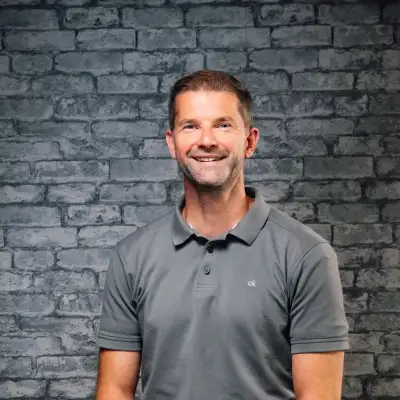

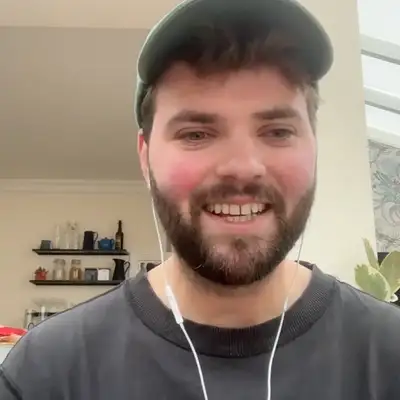
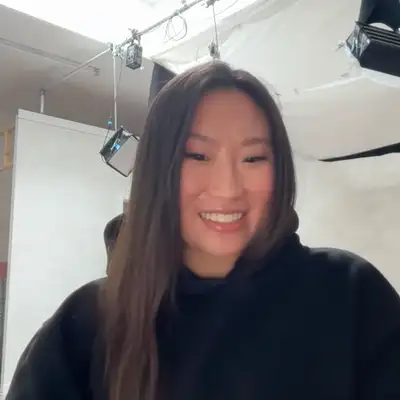
We discuss how churches are strengthening discipleship and helping people grow in confidence in the Bible in a changing culture.
The Quiet Revival Podcast: what's the story? explores the stories behind a renewed interest in Christianity in England and Wales.
Whether you’re a church leader, small group leader, Bible communicator or simply curious about the Church in the UK, this podcast will inform, encourage, and equip you to discover your place in this unfolding movement.
The Quiet Revival sparked a national conversation about faith, church and what God might be doing in England and Wales today. Since its publication and the recording of these podcast episodes, we've had to retract the report after the underlying data was found to be flawed – but the conversation it started hasn't ended.
The Quiet Revival was always more than a single survey. Across England and Wales we're seeing signs of renewed interest in Christianity, especially among younger people: rising Bible sales, more conversions and adult baptisms, growing attendance at evangelism courses. Many of you have shared stories that point to a changing spiritual landscape. The questions this moment raises are more important than ever.
How is your church responding to this missional moment? And how can you invite today’s spiritually open Gen Z to experience Scripture?
Michelle (00:00)
for the church leaders, I would say
creating spaces where
hard conversations are brought up and welcomed challenged and spoken about. mentoring and discipling us through that would be so helpful for us.
Rhiannon McAleer (00:13)
what's going on with Gen Z and religion?
Michael Yelland-Brown (00:16)
they're looking for answers, they're looking for hope, and I think they're also looking for structure.
Michelle (00:20)
Hmm.
Michael Yelland-Brown (00:22)
to
young people what they need. And I delving into scripture is
they need right now if we're going to give them
Andrew Ollerton (00:28)
I'm hearing more and more young people just saying, actually, we just want to do a really raw, no frills Bible
Rhiannon McAleer (00:34)
there comes a point where you got to come out of the online space community.
Andrew Ollerton (00:38)
everyone's being discipled one way or another, aren't they?
So if we go silent, if we don't have safe spaces to raise difficult questions it's not like the formation process isn't happening, it's happening, it's just happening without us,
Michael Yelland-Brown (00:49)
It's not our job to tell
young people at your church what to believe around
or topics like slavery or women in leadership. And I think churches need to create spaces for that and walk people through those discussions.
Michelle (01:02)
I think there's a difference between mentorship and discipleship, discipleship is different where it's actually sitting with somebody in the dirt, having tough conversations and, doing it together
And we need more people in the church who want to do that. And that actually rise up and say, I will be that person for
next generation
Andrew Ollerton (01:21)
The church is aging and declining, getting older, right? Well, actually, wrong. Middle-aged people are the least likely people to be coming to church now. Young people are returning in their droves. And we're going to find out why in this podcast episode. I'm Andrew Ollerton. Welcome to the Quiet Revival podcast. I'm joined again by Rhiannon McAleer, co-author of the Quiet Revival research. And one of the surprising things it shows is that young people are back in church and reading the Bible.
Rhiannon McAleer (01:48)
That's right. There's a notable change happening among Gen Z when it comes to being open to spirituality in general and the Christian message in particular. Four times as many people aged under 35 say they go to church regularly than they did in 2018. And this is the age group that within church are reading the Bible most. They're showing really high Bible hunger, really high Bible confidence, but there are some warning signs.
Andrew Ollerton (02:16)
Yeah, so the question is, how can we support Gen Z young people? How can we mentor and disciple them in the way that builds up Bible confidence and helps them to build a lifelong faith that's robust? We're going to hear a lot more about this in today's podcast. But before we get started, would you please review and share the podcast? Subscribe, review and share, because we'll get so much more impact that way and we appreciate your support.
Andrew Ollerton (02:41)
We're delighted to have the guys from the Way Studios joining us. Michael and Michelle, I've got to know a bit myself, been on their podcast and we love what you guys do. We really do. And could you just, before we dive into the sort of spiritual openness of Gen Z, which is what we're going to really focus on, just step back a bit tell us what you do. Cause I don't know, I see you guys out on the streets, in the studio, you do short form, you do long form.
Tell us, know, what is the way studios, what do you do? And don't be shy about telling us some of your reach as well, some of the incredible reach you're getting. ⁓ So yeah, welcome. Tell us a bit about what you're up to.
Michael Yelland-Brown (03:13)
Thanks so much for having us, Andrew and Rhiannon Thanks so much for having us. So The Way is a digital ministry. One of the things that we're most passionate about is reaching young people. Our vision is to reach every young person online with the good news of Jesus. It's a big vision. The Way Studios is a production company. And what that means is that we effectively create videos that go on Instagram, TikTok, YouTube, which hopefully engage young people online.
And we've had some success in that. We've got a following of just over 1.2 million across those platforms. And yeah, one of the most amazing things is seeing young people engage with scripture.
engage with faith conversations. yeah, Michelle, from your perspective, as somebody that's on camera. I'm behind camera. I'm the director. So Michelle, what about you?
Michelle (04:07)
Yeah, so I mean, being a part of the way basically means getting to chat to really incredible people about their faith, about how Jesus has changed and transformed their lives, but also talking to people on the streets who don't know God or don't know Christianity or religion in general, and they're like spiritually open. But then, you know, the whole point of us going out on the streets and asking people these questions is to stir up the conversation around faith, because I think a lot of people can go around.
their day-to-day life, not really giving much thought to it at all. And we actually want to nudge people and say, hey, there's actually God that loves you. There's somebody that's out there that really wants to shower their love on you. And we want to do that. And that's what we get to do as presenters is talk about Jesus. But also we're curious to hear what other people have to say as well.
Andrew Ollerton (04:57)
just love what you do and thank you for joining
Rhiannon McAleer (05:00)
So can I start off with a big question? It's question that everyone's asking me at the moment, which is what's going on with Gen Z and religion? We're hearing a lot about this generation being less likely to be atheists than previous generations, more spiritual openness and hopefully even more openness towards the Bible. What are you guys seeing and what do you think is behind that?
Michelle (05:23)
I mean, you know, there's been surveys that have been done in the recent, you know, year showing how there's like 62 % of Gen Z are more likely to be spiritually open rather than calling themselves atheists. And, you know, there's this spiritual curiosity and I think that's in part because there's this digital accessibility that we have and everyone, like the whole of Gen Z is on social media.
And there's cultural influences that are shifting and that's having a huge impact on the way that we view religion and like faith in general. I mean, for example, a big time writer, know, Sally Rooney, in a recent interview when she was asked like, what would you recommend? Like what's an underrated book? She pointed towards the gospels and, you know, most of all like...
know, public figures also on social media are being more open about their faith and I think that's tapping into something for Gen Z where they're like, well, people that I'm looking up to are curious and open about sharing about Jesus and walking out faith. Why is that? Why are they doing that? And does that have an impact on me? Like, how have I never thought about Christianity? How have I never thought about faith? And that's, I think there's this like, I don't know.
temperature that Gen Z are kind of like setting amongst culture right now that, you know, there is a God. There clearly is something higher and bigger above us that is, you know, something that we can't really put words to and they're curious about it and it's great that, you know, us as a way get to kind of facilitate a space where they can come and come with their questions and kind of find.
that, if that makes sense. Gen Z are curious and it's so cool.
Andrew Ollerton (07:03)
Mm.
Michael Yelland-Brown (07:06)
Yeah,
I think one of the things that I'm seeing a lot, especially around young men, I think they're looking for answers, they're looking for hope, and I think they're also looking for structure. And what's really interesting that some of the stats that you guys have released around ⁓ young men, especially coming into church, is that a lot of them are...
Michelle (07:17)
Hmm.
Michael Yelland-Brown (07:30)
not particularly going to kind of your charismatic church that has modern worship songs and modern preaching and stuff like that, but actually going to more, some would say more conservative, more traditional styles of church. And I feel like actually one of the things that I'm seeing a lot is young guys that maybe in the last kind of 10 years have been seeing a lot stuff online about
Michelle (07:41)
Hmm.
Michael Yelland-Brown (07:58)
getting fit, getting healthy, and so maybe they're following a bunch of gym TikTokers and people, and they're looking for structure in their life when it comes to that. But what actually is really interesting, I think, is that they've realised that being healthy is great and being fit is amazing, but actually that doesn't give you hope.
And I think something that I find even conversations, my school friends who in their late twenties, they're not even in like the Gen Z category, but they're finding amazing structure in church and finding hope in church. And that's something that even the gym doesn't give you. So I think it's really interesting seeing a lot of guys heading into churches, especially more traditional churches where they actually can see a lot
structure and they can see they know what they're going to get. I think as churches what are we offering to young people in terms of structure in their lives? when maybe actually in the world there isn't much structure.
Andrew Ollerton (08:58)
Hmm.
Rhiannon McAleer (08:59)
If I can ask you guys, with Quiet Revival, it's made loads of headlines like church press, mainstream press. And from my point of view, the main reason of this is because it's a Gen Z story. And there's been so much conversation about your generation, what's going on, people speculating over motivations and all of this, like, what's it?
been like to be on the receiving end of so much conversation and speculation.
Michelle (09:25)
Well, really good question. think me and my friends have been talking about this a lot actually and I think a lot of us come to the point of, you know, it's actually not about us at all. Gen Z hasn't gone and done this. It's not, it's not us at all. And we need to remember that there's actually been forefathers, like people who have gone before us who've been praying, like praying fervently for a generation to rise.
And we are basically living on those, we're riding on those prayers. And it's not about us, we haven't done it at all. Like it's actually people who have gone ahead of us. you know, because I think there's been such a limelight put on Gen Z, like Gen Z, my gosh, there's a rise in Gen Z coming to church, all of that, like, that's all cool. But actually, you know, God is actually moving really powerfully in a generation above us as well. You know, there might just be a rising number of
Andrew Ollerton (09:56)
Hmm.
Michelle (10:16)
Gen Z is coming than there were in the previous years, but that doesn't mean that God isn't moving also in the other generations. He cares about Gen Alpha, and also the millennials and the guys above us. It's not just Gen Z, and I think we need to be cautious in putting so much emphasis on Gen Z, because God isn't just moving in Gen
Michael Yelland-Brown (10:36)
Well, as
a cusper or whatever they call it, when I'm kind of like very late millennial or very early Gen Z, To be honest, maybe it's just because of my age, but most of the stories I hear are actually people of my age coming to faith. So, like the people that I'm seeing in church that are just randomly...
Andrew Ollerton (10:39)
Ha ha.
Michael Yelland-Brown (10:55)
what like had a dream about Jesus or suddenly thought, oh, I need to turn up to church. Quite a lot of them have been people my age and I've seen school friends being more open about faith than ever before. So yeah, I think Michelle's right. think we're seeing it a lot in Gen Z, but I think it's really exciting to also see like, I feel like culture wake up a little bit in all the generations. So yeah, I think it's exciting.
Rhiannon McAleer (11:24)
absolutely. it's in quite a revival data set. It's definitely a millennial effect just to a lesser extent than Gen Z. But we certainly heard about older people as well coming to faith and people perhaps you've had children like there's something moving. And I love what you were saying, Michelle, that was just really pointing us towards importance of
intergenerational church and that this isn't about one group of people, this is about a movement that's picking up us all and we've all got a role to play.
Michelle (11:50)
Yeah, I agree. And you know where in the Bible where it says your young men will dream dreams and your... wait is it?
Rhiannon McAleer (11:57)
Yeah.
Michelle (11:59)
That.
Andrew Ollerton (11:59)
Young men will see vision,
old men will dream dreams. Yeah, yeah, that's right.
Michelle (12:02)
Yeah,
there you go. And I remember I had somebody say something saying basically like the interpretation of that and I found it really inspiring was, you your old men as they get older, like they kind of start losing their dreams because, you know, they think, I'm just getting, you know, older now there's not much for me to do, da da da da. But actually when the two generations come together, you know.
the dreaming and the passion and the zeal of the young generation partnering with the older generation where they have the wisdom and the vision, that coming together is so powerful and that's what I think God is doing and we need to like wake up to that as a church and leaders that you know we have to equip both generations and working together in what God's doing globally.
Andrew Ollerton (12:47)
Beautiful, I love that.
Rhiannon McAleer (12:49)
We hope you're enjoying the Quiet Revival podcast so far. Did you know that Bible accessibility is one of the biggest challenges facing Christians today? About a third of Christians
they find the Bible hard to understand and they don't know where to begin. We think the key to unlocking this is both relationships and resourcing. And we are delighted that we have just released the new edition of the Bible course.
Andrew Ollerton (13:13)
Bible course is an eight session small group resource that takes you through the big story of scripture from Genesis to Revelation. And it shows you how it all fits together. It's going to unlock the navigation accessibility problem that Rhiannon's referring to. This time we've just released a new edition
younger hosts. We use the latest technology, it's all an incredibly visual experience that in the end gets people confident.
I can make sense of the Bible and I can get into it for myself. So check out biblesociety.org.uk forward slash Bible course podcast and find out how you could run this in your church, making sense of the Bible for Christians and inviting curious seekers on the journey to.
Andrew Ollerton (13:53)
I think it's like there's an incredible shift as well, isn't there, in the way that the faith, Christian faith or the Bible's talked about in popular culture as well. Cause I just think, you know, when I was, when I was young, sounds like I'm really old now, doesn't it? But when I was younger, you know, in sport, let's take sport as an example, right? I played a lot of rugby, not football so much, but if someone was a Christian in rugby, it was almost certain that they were going to be from South Africa or one of the Islanders from New Zealand. or whatever.
you know, there's a tiny minority, but now you think of Ballers in God and the incredible rise of bold, confident faith expressed in football, Premier League football, elite sports, you know, and it's true in the music industry as well, isn't it? How much do you think that shift is giving permission to younger people to just to be completely upfront, bold about their faith as well? Because this is what I'm noticing is even my own kids, even young teenagers in our church context.
There's so much bolder than that. I was hiding, I was even lying about stuff that I was doing on the weekend in terms of church just to avoid it. But there's this kind of no shame, know, are you seeing some of that and where do think that's coming from?
Michelle (14:57)
I think in part it might just be like our character. Gen Z are kind of known to be... I don't want to say it in a bad way but kind of like an entitled generation where they feel like they know everything and with that comes with confidence and whether that's false confidence or actual confidence it's just like okay if they see somebody online
like somebody that they look up to give them this permission to be bold about it because oh they're doing it and they've got all these followers following them on social media and they're doing all these like big things then surely like I can do that too in my own context and I think that's what separates our generation to maybe the generation above us or you know who are older that we just we just kind of go for it and we don't we actually kind of
in a way where we don't care what other people might have to say. Yeah.
Andrew Ollerton (15:52)
guess there's that kind of confidence to broadcast yourself as well, isn't there? Because that's the kind of culture as well. Yeah, so no, that's helpful.
Michelle (15:58)
Because like, if you think about it, like social media, everyone's their own little influencer in a way, and like because that's so normal, it's almost like a given for them to be that bold in person as well in a way. Yo Michael, what do think?
Andrew Ollerton (16:10)
Mm. Mm.
Michael Yelland-Brown (16:13)
Yeah, I just find it really interesting that this generation have access to anything they want, especially through platforms like OpenAI and Gemini that they can literally ask any question and it will come back with the whole knowledge of the internet. rather than that stir more...
more kind of ideas of actually this isn't true, this is like the facts don't line up, this seems like inconsistent, actually they're landing on no this gives me hope, this gives me purpose and it gives me meaning and I think that's just really interesting to me because I'm like you, I think the new atheists back in the the 90s and the early 2000s would just would have told us that
the more access to knowledge, the more access to science we get as a country and around the world that people are going to fall away from faith. But it's amazing how we're now in this time where any young person can have access to any information they want. And actually it's going the other way. And the confidence thing is amazing. I mean, I see it among our team, like,
Michelle (17:16)
Hmm.
Michael Yelland-Brown (17:25)
⁓ our team are a lot more confident than if we had started this 20 years ago. It would look very different and I think it's really interesting that I don't see it as a false confidence. I see it as like that our young people, our team are able to spend time in scripture, spend time working out what they believe and then do just feel confident in sharing that because ⁓
Michelle (17:48)
Mm-hmm.
Michael Yelland-Brown (17:49)
I think when I was younger specifically, I would second guess myself. I would be like, is this actually true? Is this maybe just something I've been told? But actually, nowadays you can search like all of the different opinions online and you're actually able to come to a conclusion. You're not just relying on the people, your mom and your dad and your youth pastor. You're able to actually...
Michelle (18:09)
Mm-hmm.
Michael Yelland-Brown (18:14)
do your own research. And I think that's what's, I think, given Gen Z, the confidence is that I feel like they have access to that knowledge and they're using it with confidence, I think.
Michelle (18:22)
Mmm.
Andrew Ollerton (18:23)
Hmm.
Michelle (18:25)
And like on top of that, Michael, like I think our generation, they like to critically like analyze things and they debate and ask and doubt and also question things. And the fact that we have that accessibility to like, you know, Gemini and AI and all of that actually helps us develop our own, like you said, conclusion, but also thoughts on what the...
like the Bible but also culture might have to say. Yeah.
Rhiannon McAleer (18:52)
that's so interesting, guys. Thank you. And it just so chimes with what we see in our research, The young people in the survey are most likely to say it's a positive thing for Christians to talk about their faith with non-Christians. And that's Christians and non-Christians agreeing with that.
and they're most likely to say I'd be comfortable to be seen reading a Bible in public. And one of the things that I really love in the survey is how kind of what we would call Bible confident the young Christians are. they, confidence talk about it. They want to know it better. They just really love the Bible. You get this sense of real Bible hunger. And one thing that
we've heard a lot about over the summer is this idea of full fat faith. The Gen Z want the real deal, they want to go deep both around the Bible but also like Christian theology and thinking. And I'm wondering kind of what your reflections on that are and how does the way go about offering that full fat faith.
Andrew Ollerton (19:37)
Hmm.
Hmm.
Michael Yelland-Brown (19:53)
I think, well, internally, we kind of have some language around how we kind of split our content. And internally, we kind of call it 101 and 202. And that's very kind of simple in our eyes, because it's 101, we're trying to share some sort of inspiration to new or non-Christians. And that's very much trying to explore, just like the basic questions, which is like, who is Jesus?
What is prayer? What happens? I mean, it might not be basic, but what happens when we die? Those sorts of questions. But then we do then explore what we would call kind of 202, is something that we definitely have Andrew on for, which is something like, why is there, why is there slavery in the Bible? or maybe questions as Christians, we would ask ourselves, like,
especially with teenagers around like sex, ⁓ should we have sex before we get married? Like, should we even date to just casually date or should we date with the, should we date for marriage? Like, I think those sorts of questions, we kind of categorize as 202 because we very much see it as a way to be able to,
like disciple and then also share faith at the same time. And we try and really kind of balance those across our YouTube, TikTok, Instagram. And one thing that's been very popular with our kind of YouTube audience, especially as kind of our Bible studies. And that's something that we've seen
Andrew Ollerton (21:16)
Yeah.
Michael Yelland-Brown (21:18)
be very popular just because I think it's just simple. We go through one...
one chapter of one book of the Bible and we do it week on week. And I think, again, it speaks to that structure thing as well. I think young people just want to be able to explore a chapter at a time and be able to really take it in and do a deep dive rather than just quote Bible verses whilst you're kind of giving an idea. Actually, let's break this down and work out what it means.
So that's what our team has been doing really. And it's been super popular. It's really funny watching kind of, we'll put out a series like we did Philippians last year. And when we put out Philippians, the first episode got, I think like over a hundred thousand views. And then the second episode got like 50,000 views and it kind of kept going down. like, I was still like so inspired by like,
by the end people were still still engaged. There's still like tens of thousands of people watching this Philippians series. And I think it's really interesting to see the fact that the fact even though that people are jumping in maybe just to Philippians one that they've got at least that intention of like, really want to like learn and I really want to be able to see what Paul is saying in this letter. And I think
Andrew Ollerton (22:34)
Hmm.
Michael Yelland-Brown (22:37)
I think it's quite interesting to see young people doing that, especially as like, when I was a teenager, that just wouldn't have happened. I was like on the internet looking for Judah Smith talks to like really kind of just some inspiration, I think, when I was like a young person, I wouldn't have clicks on a Bible study. So it is like, the difference is quite interesting, I think.
Michelle (22:58)
And I also think Gen Z, they don't want fake. Like we don't want fake. We just want real. just people to be real with us. And I think our podcasts kind of provide that because, you know, none of us try to pretend as though we know everything. And we were like, we don't pretend as though we're scholars and we know.
what each verse means and what like we're quite confident in saying that we don't know if we don't and saying like this is my thought on it but what do you think and I think that's what attracts our podcasts as well because I think vulnerability breeds vulnerability and us being able to do that on our podcast shows other young people that you know you can you can wrestle with the Bible, you can still have questions, you cannot understand it fully to be
fully and still be a Christian. still believe in God. Yeah, because I think sometimes it can feel scary reading the Bible when you don't understand and your friends seem to be pulling things out but then you don't get anything out from it. And then when you watch a podcast where somebody actually says, I actually don't know, I think that's quite relatable and they feel like they're seen in that too. Yeah.
Andrew Ollerton (24:09)
I love that and I just generally love the fact that Bible study is back, know, because I think so often the church in the past, know, Bible studies always had this kind of slightly stuffy connotation and loads of churches have gone out of their way to rebrand what used to be called a Bible study to sort of life groups or cell groups or whatever. And I just love the fact that I'm hearing more and more young people just saying, actually, we just want to do a really raw, simple, no frills Bible study. was talking to a
Michelle (24:21)
Mm-hmm.
Andrew Ollerton (24:36)
a youth leader just the other day this weekend and she was saying that one of their 15 year olds is obviously quite gregarious, quite popular at school and he's invited some of his mates and like 14 or 15 of them come after school and it's just a Bible study and the youth leader was like maybe we should sort of play some games or you know show some videos and they're just like we don't want to do that we just want to look at the Bible and I just love that that kind of raw
intrigue and curiosity to the actual and I love the way you guys have done it. was saying that to Jesse when I saw him in the summer, he's on your team that actually what you've done with Philippians, know for a fact that that has sparked a kind of approach in other young people who've almost just seen what you're saying there, Michelle, just seen the simplicity of it, the honesty of it. It's so transferable. It's not like you need expertise and that means they go off and do it themselves, don't they? know, just on WhatsApp or whatever.
you know, it's really exciting and just thinking about, I guess, as we're thinking, talking, especially with leaders who are joining us on this kind of podcast, it's just like, let's not overcomplicate it. Let's not ⁓ overplay other things as if we have to sort of make up for the Bible, as if it's some kind of big deficit that needs to be sort of substituted. So yeah, it's really encouraging. Can you also that? mean, the Bible's...
Michelle (25:35)
and
Andrew Ollerton (25:48)
trending again, which is great. The Bible is also pretty tricky at times as well. And when you guys are having that Bible study or when you're hearing about other young people engaging with the Bible, what barriers are they coming up against as well as the sort of positive vibe? What are the things that are barriers to their engagement? What are the things that you're having to help young people kind of make sense of or...
Is it just the sheer scale of the Bible sometimes, how big and compact it is? What would you say are the the younger generation is struggling with the most?
Michael Yelland-Brown (26:17)
I do think that...
application is quite is one thing that I think is like a lot of the questions we get when we do like a Q &A for example are it's funny because they're not Bible based but it's a lot it's a lot of questions that you could find in scripture and the team do we'll just we'll quote scripture as the answer and say this is kind of like
what we should do as Christians. And I think that to me, tells more in terms of like application rather than anything. I mean, I think we're all guilty of kind of reading the Bible and then still when we come up to like big questions in life, we're like, what should we do? And like in the end, like, I think it's quite simple in some ways, but like the application of it.
know obviously not all scripture is simple and, but I think sometimes the easiest thing is to when we're having these questions, just going back to scripture again and again. And obviously we need to sit and discern and ask God. And when we have a relationship with Jesus, can...
help discern these things through the Holy Spirit, but also like the Bible's there to help us. And I find the application part of it is something that these guys do really well when it's like how do we apply this to like our everyday lives? And that's kind of, I guess what I see the most what people are finding in terms of
what things they're finding hard. think also the big topics as well. think with cultural conversations going on at the moment, I think they find it quite difficult to square culture and scripture sometimes.
Michelle (28:00)
Mm-hmm.
Michael Yelland-Brown (28:01)
this is me massively generalizing, so feel free to cut this. But I feel like a lot, most men I meet these days that are in their early twenties are like are more conservative, I would say. And on the side of like when they read parts of scripture, they might not actually maybe worry about like the cultural differences between what scripture says and.
what the world is currently promoting. when I have conversations with even like my cousins like that have faith and but maybe in their early 20s, I think they really struggle with how they can have conversations that are loving, kind and making sure that maybe where the Bible sits on quite conservative
Yeah, quite conservatively on a topic, I think that's quite difficult. But that is a generalization and won't be the same for every single young woman. But yeah, what do you think, Michelle, as a young woman?
Michelle (28:55)
Well, I would agree in part, I actually would agree. I was just thinking like the cultural conversations that are happening right now. A lot of our generation find themselves in it and they don't know how to respond to it and they don't know what the Bible has to say about it. And they want to
They want to stand on truth. They want to say, you know, have a value and standpoint of what the Bible has to say. But then also, you know, it's so heavily debated that they don't feel... Some cannot feel safe enough to like feel like they can say anything, even in a church context, because I think it can get a bit controversial. I think, you know, for the church leaders, I would say like...
creating spaces where those hard conversations are brought up and welcomed and challenged and spoken about. mentoring and discipling us through that would be so helpful for us. because forming your own opinion on it is quite hard if you don't know what to base it from. yeah, I think we really just need spaces for that.
Andrew Ollerton (30:08)
What
do you, tell us a bit, you're both being quite cryptic here. What sorts of things going on, like name it. What do you, if you think, right, these are the top couple of things, top three things that are gonna be, if we put out something about this, it's gonna get a lot of attention. These are the things, know, what, is it the sexuality stuff? Is it identity stuff? Where would you see the biggest expression of what you're talking about?
Michael Yelland-Brown (30:28)
I like what Michelle said because...
I don't particularly believe that these conversations are always helpful to have online. Mainly because like sometimes it's just not like the right space. And that's why I think what Michelle is saying is really important it's not It's not our job to tell the young people at your church what to believe around sexuality and...
or topics like slavery or women in leadership. and things like that. It's not our job to tell your young people. And I think churches need to create spaces for that because it's in person. You can have relationship with those people and you can grow that relationship and walk people through those discussions. You're not just giving them information and then they're gonna scroll on on their phone.
⁓ But you're right, you're right, Andrew. We are being maybe a little bit coy. I think the biggest topics are like sexuality and I don't think it's around when I say that I'm not really talking about homosexuality However, I Think the biggest topics that I think people are really wanting to chat about is like
What does, like, if I'm born as a man, can I become a woman? And the other way around, and is gender a social concept? So I think those are sorts of questions that people are really struggling with just because I think some people would say the Bible is very clear on it, but at the same time, like,
like it doesn't say anything specifically against it. So I think, yeah, I think that's what I think people find difficult to, especially because it's in relationships. when you're, when you've got a relationship with somebody who is going through those situations, it's hard to work out what to say.
I've not seen many people out outwardly talk about that
yeah, I think online, again, it's just a really difficult space to have those conversations. So we don't talk about them too much, just because I think it's not particularly the best space,
Andrew Ollerton (32:15)
Hmm.
Michelle (32:22)
I think also like political conversations as well. Things are so crazy right now in terms of like politics, social media, all of that and it's so noisy and it's hard to navigate that I think and we need to talk about it and we need the safe space to talk about it and that is probably one of the like one of the main topics.
Andrew Ollerton (32:31)
Hmm.
Michelle (32:46)
and also obviously like the sexuality thing, you know, why does like does God still love me if I'm trans? Like those questions, they're really hard to answer and it's not an appropriate space to on social media, I'd say because it's so, you can get gaslit for saying something, you know, even if you haven't fully formed your own thoughts, somebody can cancel you and...
You know, obviously we're not scared of cancel culture, but it's still out there. You know, we're called to live above reproach. if we want to do that, that means doing things wisely. And I think you need wisdom to navigate those conversations. And, you know, we all have our thoughts on it and sharing that I'm sure in person would be a way more fruitful conversation than saying something online and then somebody taking it out of context.
Andrew Ollerton (33:38)
I think that's really, no, I think you guys are really helpful here. I think actually, you know, a lot of church leaders will probably have understandably felt also afraid and therefore avoid it. You know, sometimes for good motive, it's almost like this sense of, don't want to get distracted talking about these other things. We want to talk about Jesus. We want to talk about the gospel, keep the attention on that. But the problem with that is, you know, in the end, everyone's being discipled one way or another, aren't they? Either the world is discipling us. You know, there's this
Michelle (33:38)
And yeah.
Andrew Ollerton (34:05)
process of formation going on continuously and young people are immersed in that, there's no stopping that. So if we go silent, if we don't have safe spaces to raise difficult questions and risk offending, risk speaking out of turn, risk disagreeing, but in love and in relationship and in the room together, if we don't do that, it's not like the formation process isn't happening, it's happening, it's just happening without us, isn't it? So I think your challenge there, I'm taking that as a challenge really too.
Michelle (34:19)
You heard it.
Andrew Ollerton (34:30)
to us who are leaders is in the church context, just we've got to lift the lid a little bit and let young people especially just have a safe space. I'm actually hearing that to encourage, I'm actually hearing more and more youth groups and churches hosting sort of series or content on difficult topics, almost just waking up to the fact we cannot shy away from this and just say we're only going to talk about the sort of unifying gospel stuff. We've got to also go into the difficult areas and...
Michelle (34:47)
Mm-hmm.
Andrew Ollerton (34:56)
So I think it's gonna, I think it's shifting, but it needs to shift quickly, I think. I think you've helped us here.
Rhiannon McAleer (35:05)
I mean, thank you so much, both. It's just so powerful. And one of the themes that we've kind of covered a little bit around this podcast is the real opportunities of online discipleship and exposing people to different ideas and helping people explore faith. But there comes a point where you got to come out of the online space into community.
And one of the things that we highlight in the report, but also have just become so much more convinced of the need for is resourcing and relationships. And from our data, we know that young adult Christians are the age group most likely to say they struggle to find people to learn from and they struggle to find appropriate resourcing about the Bible. So.
would love your thoughts on that, but really just appreciate what you're saying here. Like this is the role now for the church and community is make spaces for these conversations, come alongside, wrestle, journey together. And I wonder if you could both maybe give us your top reflections really on what you've learned about how the church should engage both with seekers around the Bible and perhaps
young people who are new to faith and who didn't have that childhood exposure and are coming in in their kind of their twenties really.
Michael Yelland-Brown (36:21)
Yeah, I think what Andrew was talking about earlier is just one of the, yeah, I think that's so encouraging to hear about that group of young people wanting to just do a Bible study, because I think that is what young people need. And they might not express that they want that, but I think...
I think we're past the point where we should just give young people always what they want. I think we just We need to give young people what they need. And I think scripture and delving into scripture is what they need right now if we're going to give them hope. So I think one of the most amazing things is just that, is simply gathering a group of young people and saying, where should we start?
should we start at the beginning? Should we start in the gospels? Should we start in one of Paul's letters? And to just explore a book just simply over a few weeks. And I think that's something that I, be honest, I would want to even see in churches. Like the amount of times where I turn up to church and it's another kind of series on a theme. And I love that. And I do, and there's a space for that, but actually it'd be great if again, we just went back to a simple.
Okay, like for the next six weeks, we're gonna go through Galatians. I'm like, that'd be great. So I think that sort of simplicity really would help young people. And it just keeps it easy, it means that also when a young person comes, like goes back to school the next day.
Michelle (37:44)
Mm-hmm.
Michael Yelland-Brown (37:51)
If, if somebody says, what were you doing last night? They can just simply say, I was doing a Bible study on Galatians. And rather than have to like repeat the whole talk to their friend because they're trying to, trying to remember what the theme was about and what they learn and all of that. I think it's an amazing way of being able to equip our young people to also share their faith because it's one of those things where, we need to really make sure that,
Michelle (38:11)
Mm-hmm.
Michael Yelland-Brown (38:15)
these guys are equipped to not just be disciples, but also to be able to share faith with their friends. I actually, it's funny, I have a view of this quiet revival where I don't think it was built because a load of church leaders or youth pastors or student pastors were doing an amazing job. I actually think it was the Holy Spirit being like, we're not doing enough.
and the Holy Spirit was like, okay, I'm gonna have to step in here. And I know that might be a bit of maybe a sad view on it, but I do think that that could be a massive reason why our culture is being opened up because actually the church has been majorly declining in the last, well, 25 plus years. And I think...
I think the Holy Spirit wants to meet young people across this country. And if the youth pastors, the student pastors weren't doing the job, I think the Holy Spirit is gonna do it for us. the rocks will cry out, won't they? So I think that's one of the most important things is that we just need to equip this generation so that when in 15 years, when we get a whole new generation,
going up, don't have to, well, revival is amazing all the time, but I would love just to see consistency in how young people are sharing their faith. That'd be amazing. Anyway, I thought that was a bit of a rant, sorry.
Michelle (39:38)
Mm.
Andrew Ollerton (39:45)
No, no, I actually like that, Michael. I I've thought the same thing about this quiet revival. There's no doubt none of us have caused it. It's not like the quiet revival is happening because someone's found a winning formula, developed a new resource that we didn't have before. It's like the ground is shifting, isn't it, beneath us all. It's not like we've worked so hard digging some trench that it's all happening. I think you're right. I think, ironically, when it comes to the Bible, voices outside the church have probably contributed more.
Michelle (39:45)
You
Hmm.
Andrew Ollerton (40:11)
to young people re-engaging with the Bible than inside the church. Like them or not, we've said before in this podcast that the likes of Jordan Peterson and Tom Holland and others have been almost more clear about the positive role the Bible has to play in providing meaning. I think you're right, it's provocative but it's helpful that actually we as a church have actually been gifted something here that we've not caused, that we're not responsible for.
But it's so crucial that we get our Bible confidence back now because there's such a hunger outside the church. Sometimes it's almost highlighting that what's lacking within the church. And what you're saying is actually just preach the Bible, you know, in the Sunday study the Bible, get back to the really raw, simple, honest, authentic expressions of Bible-scented Christianity. And that's actually
refreshing for young people. think it's great. What about you, Michelle? What other top tips would you have for leaders to help young people engage with scripture?
Michelle (41:01)
I would say young people led groups. Like, keep an eye out on those leaders amongst the young people, those evangelists, those people whose hearts are really burning to help the next generation or the generation that they are a part of themselves to grow in the word and for the gospel to be preached. And when you pay attention to that...
and to those people and you back them with what they need like the resources or the space then you actually there's so much fruit in that I mean we see that even in our own church where you know us as the young adults are just basically empowered to go and do it and go and lead in those spaces and to lead our generation because I think there's there's way more relatability in that and
and we're seeing the fruit and the Holy Spirit's moving. It's so divine It's not by our own power. It's very much the Spirit. Praise God for that. That means none of us can get in the way, but yeah.
Andrew Ollerton (42:03)
Yeah, lovely. the quite revival report, which Rhiannon is responsible for and I'm not, so the brilliance is definitely her own, but you've talked in that having you about mentoring, you know, this sense that actually the role of the older generation is to mentor the younger generation in the faith and mentor in scripture. And I guess the point is there's so much content online, but it's uncurated, it's unmanaged, it's unedited, and some of it's helpful and some of it's not. So I guess there's that role for...
in terms of what you're saying, Michelle, empowering young people to lead themselves and mentoring them as they do say.
Michelle (42:33)
Yeah, I think there's a difference between mentorship and discipleship, because I think mentorship is like somebody sitting with you and basically saying, okay, tell me what's going on and let me give you advice. I think discipleship is different where it's actually sitting with somebody in the dirt, where, you know, having tough conversations and, you know, being so real and raw and doing it together and you're
you the person that you're doing life with saying, you know, who's helping like disciple you who's older and who's willing and who wants to be invested in your life saying, no, actually even as bad as the situation is, I'm not going to leave. I'm actually going to walk this out with you. And we need more people in the church who want to do that. And that actually rise up and say, yeah, I want to do that. I will be that person for you know.
the next generation of this person that I really care for.
Rhiannon McAleer (43:26)
What a powerful way for us to finish. Thank you so much both. Really, really rich conversation and so much for us to take away and hopefully everyone listening at home as well.
Andrew Ollerton (43:39)
I want encourage our listeners as well. You might be a bit older than Michelle. Probably you are. But I think you're still allowed to follow the way, even if you're older. You're not, they're not going to know. So why not follow the way on, on, on the socials? Cause you'll see what they're doing. And I just, I, I follow you guys and I just think, you know, you're leading the way in how to engage young people with the Bible. So thank you so much for joining us. Do check out the ways content and approach and join us for the next podcast.
when we'll be with Pete Winter, who is the founder of One Life, another brilliant organization that works with young people and also leading St. Paul's Church in Hammersmith. He's going to be talking about the incredible effect the Bible's having on the streets in mission. All of that next time. Guys, thanks so much for joining us.
Michael Yelland-Brown (44:19)
Thank you.
Michelle (44:19)
Thank you.