Subscribe
Share
Share
Embed
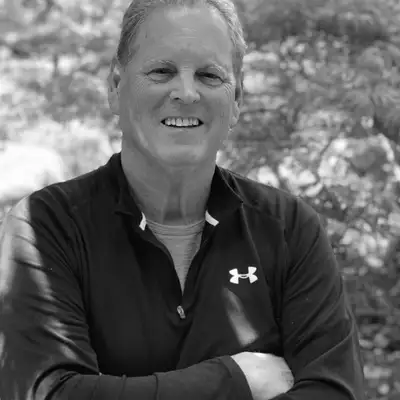
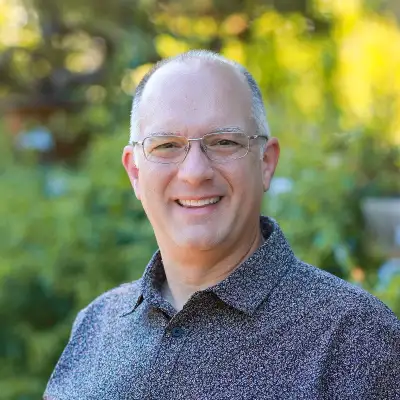
Mark Simon and Bob Marks revive their long-running cable TV show The Game, where they interview local leaders and talk widely about politics, business and sports.
Produced by Frank Bravo, BravoITC.com
00;00;26;07 - 00;00;27;25
Speaker 1
I'm Mark Simon.
00;00;27;27 - 00;00;49;27
Speaker 2
And I'm Bob marks. And welcome to the game. We have assembled a stellar panel to talk about the election just days before the voting. Votes will start to be counted. We're joined by Congressman Kevin Mullin. Kevin, thank you for being here. Jon Mays, editor of the San Mateo Daily Journal, and Julie Lind, head of the Central Labor Council for San Mateo County.
00;00;49;28 - 00;01;14;22
Speaker 2
Thank you all for joining us. Let's plunge right in. Excuse me. I've got cold. I'm coming close to losing my voice, which a lot of people have been waiting years for that to happen. Is anger the driving force of this election? Kevin, you just put out a piece that calls about that says the results of a fighter. You watch any of the ads, see any of the reels online?
00;01;14;23 - 00;01;26;09
Speaker 2
Everybody's talking about fighting. Is that the prevailing attitude this election? People want to fight. People want a Democrat who fights and people are angry.
00;01;26;11 - 00;01;57;06
Speaker 3
People are absolutely angry that Donald Trump is the president. When I say people, I'm referring to to the overwhelming majority of my constituents. Certainly on the Democratic side of the aisle, there's a lot of anger about how we find ourselves at this point in our country with an authoritarian president who led an insurrection, who never should have been within a football field of the Oval Office again after January 6th.
00;01;57;06 - 00;02;29;24
Speaker 3
And instead we have him running the country and taking us into a war in search of a rationale. The president was elected ostensibly to deal with cost of living issues and inflation, and to get us out of foreign entanglements. And he's done exactly the opposite. He hasn't focused really at all on affordability, challenges, cost of living issues that people are dealing with across the country.
00;02;29;24 - 00;03;00;26
Speaker 3
And he's brought us as a country into a war. That's up gas prices and creating all sorts of turbulence and the global economy that we're going to be dealing with, frankly, for quite some time. I fear even if some kind of a deal is put together that ends the war and reopens the Strait of Hormuz. There are all sorts of economic shocks that are rippling through the system, and I fear what that's going to bring for quite some time.
00;03;00;26 - 00;03;44;12
Speaker 3
So people certainly want Democrats who are fighting back against Trump and MAGA, Republicans who control Washington, who hold the gavel. So certainly a desire for that. It's hard to see how the anxiety and anger is, is directly impacting, say, the governor's race. I think that you have the candidates trying to channel at the governor at the gubernatorial level, sort of the anti-Trump mood, but really position themselves as the ones to properly deal with kitchen table costs that are affecting voters in our state.
00;03;44;12 - 00;04;19;27
Speaker 3
So it's a little more of a direct line in terms of the anti-Trump mood at the federal level and the federal conversation, perhaps in the state level. But look, it's just upset electorate that we're dealing with. We certainly have a confused electorate when it comes to the gubernatorial contest. Given all the the, the the fallout from Swalwell dropping out and where we are at the top two, this is really just a highly unusual gubernatorial cycle that we find ourselves.
00;04;19;27 - 00;04;28;10
Speaker 3
And I'm interested to hear from the other panelists on what their take is on this really very unusual June primary.
00;04;28;13 - 00;04;35;15
Speaker 2
Julie, let's go to you. Julie. What are you hearing from your members? Are they upset? Are they angry?
00;04;35;17 - 00;05;01;10
Speaker 4
To the congressman congressman's point that at least on my end is showing up more on the federal level, or when I speak to colleagues that represent not blue states? And then in California, as the congressman referenced, the gubernatorial election, the conversations that I've been having with people that have reached out have been of the Democrats, because for a good chunk of folks, there is no top line candidate.
00;05;01;10 - 00;05;26;09
Speaker 4
They didn't feel that somebody rose to the top, that they were really passionate about getting behind. So it's been more of the like the top two individuals be like it. And whom do people find will be more impactful, more effective, and more able to carry the state forward to where we need to be push back against the administration, but also take care of people at home.
00;05;26;11 - 00;05;57;05
Speaker 4
Address the cost of living to figure out opportunities for pathways into family sustaining careers. Address the cost of housing, access to health care. So it's less about. And the conversations that I'm having less about anger than it is about fear isn't really the word that I want, but about apprehension. How can we put controls in place? How can we put leaders in office that are going to stand up for us, that are going to fight for us and are going to carry us forward to where we need to be?
00;05;57;07 - 00;06;06;26
Speaker 2
John, how about you? You're you're almost sort of at a grassroots level when you hear from people, letters to the editor of forums that you provide, what are you hearing?
00;06;06;28 - 00;06;39;08
Speaker 5
I mean, I think, I mean, first, there wasn't much interest in the gubernatorial race for a while until about April when all hell broke loose with the Swalwell situation. But I think the the gravitation towards Swalwell before that was sort of indicative of looking for someone who's kind of a known quantity and a, an operator, moderate operator who can sort of do the job.
00;06;39;10 - 00;07;04;28
Speaker 5
You know, obviously he wasn't the one because of the situation that happened. And then of course, after that, and, you know, that's one of the reasons why Matt Mehan jumped in to because there wasn't a lot of traction being built by some of the other candidates. And so Mehan thought, well, you know, see what I can do. So after that, as you saw a lot of the support for Swalwell, move over to Becerra.
00;07;05;01 - 00;07;23;21
Speaker 5
You know, I think that's sort of the mood overall is that people are looking for someone who's been around, who knows where the levers of power are, who's familiar, at least with the Trump administration, how it works and how it works in particular situations, whether it be crisis or day to day. And so you've seen that sort of surge a little bit.
00;07;23;21 - 00;07;52;19
Speaker 5
And then, of course, there's Tom Steyer, who is, you know, spending millions and millions of dollars on ads, you know, with a lot of platitudes and ideas that have been thought of before, tried before, whether it be deregulation of of the power industry or single payer health care. So his numbers aren't really rising. And I think maybe it's because people are looking for someone who's just a manager, someone who could manage the state rather than try new things.
00;07;52;20 - 00;08;21;05
Speaker 5
We've tried new things recently and it hasn't really gone great. So maybe someone who could just be normal and manage the state as well as it can. And so I think that's why you've seen heavier viscera surging. And probably too, I think what we'll end up seeing is probably Steve Hilton and Becerra in the winning, maybe someone who can, you know, sort of take on the Republican challenger in a normal way.
00;08;21;05 - 00;08;45;29
Speaker 5
So we'll see what happens. You know, the devil's in the details. I haven't filled out my ballot yet, and I know that there's a lot of people who haven't. I usually wait until this weekend. I'm still reading through the ballot summary. There's, I think, 64 candidates for governor. And and so I'll get I'll get through that tomorrow and send it, send it over and hopefully concert by Tuesday.
00;08;46;01 - 00;09;05;17
Speaker 2
Julie, right now it looks like, based on the numbers so far, that the turnout in San Mateo County and statewide might be very, very low. With all the anger that's out there, you would expect a bigger turnout. What do you think's going on in the voters minds?
00;09;05;19 - 00;09;36;01
Speaker 4
I think that John just addressed it sitting on your ballot watching how things play out. Going back to the conversation about there being no front runner that everybody is rallying behind. People are watching things roll out until the end. They have not made their decision yet. We had some interesting adventures throughout. The gubernatorial primaries have also been referenced, but I think the turnout kicks.
00;09;36;04 - 00;09;40;04
Speaker 4
What was it? Mark, you said it's around what, like 10% right now?
00;09;40;11 - 00;09;42;01
Speaker 2
Yeah. Right now. Yeah.
00;09;42;04 - 00;10;05;09
Speaker 4
And so I looked at the last open gubernatorial primary election in our county, and I think it was in like the high 40s, low 50s. So I don't know how. I don't know how high it gets. I don't know that we hit that amount though I think I think Kevin has some predictions, but I think a lot of people are sitting on their ballots.
00;10;05;09 - 00;10;28;12
Speaker 4
They're taking in additional information. They're reviewing all of the facts at hand. They are waiting to see if anything changes. And then you have the Dems going back to the gubernatorial candidates, trying to figure out and waiting to the last minute saying, we want to have a Democratic governor. Which of these people are going to come to the top to make sure we have at least one dem?
00;10;28;12 - 00;11;02;02
Speaker 4
But who's going to win? Who's going to carry it through? And that is where I want to send my vote. So the conversations that I have been hearing have been less about I'm incredibly passionate about Steyer or about Becerra. It goes to Jon's point of, okay, the Sarah is more of a manager, has experience in multiple levels of government, state and federal versus Steyer, who comes in with a lot of money and a lot of rhetoric, but trying to figure out who's who's going to take it across the finish line.
00;11;02;03 - 00;11;18;22
Speaker 4
So I think it comes up. It suits my purposes, the the turnout hikes. But we tend to be a late vote county and then expect us to be quite this late. But I would think we get into at least the high 30s. Low 40s.
00;11;18;24 - 00;11;24;18
Speaker 2
Of course, you know that. They know Kevin Mullins on the ballot. There'll be a huge surge of rush to.
00;11;24;21 - 00;11;26;05
Speaker 3
I'm waiting for it. Mark.
00;11;26;07 - 00;11;27;14
Speaker 2
You've actually got to.
00;11;27;17 - 00;11;28;28
Speaker 3
Materialized yet?
00;11;29;00 - 00;11;42;22
Speaker 2
Yeah. You've actually got two opponents in the primary. So what do you think? You love following elections. You live and die for this stuff. You think the turnout is going to be better than 10%, I assume. But how could it be a pretty low turnout overall?
00;11;42;25 - 00;12;17;14
Speaker 3
Well, I certainly hope I live and not die if I if I have a choice between those two. I think Julie's absolutely right. As is John, the sense that voters are going to be voting strategically, as opposed to being driven to the polls with their passion. I mean, look, let's just talk about this for a second. So Tom Steyer is now at $216 million in attempts to purchase a spot in the top two.
00;12;17;17 - 00;12;18;28
Speaker 3
I mean, I'm I'm all.
00;12;18;28 - 00;12;24;08
Speaker 2
That how much money he has spent, and he doesn't seem to have made anybody like him any more than they already did.
00;12;24;09 - 00;12;47;16
Speaker 3
Right. And, you know, he has been able to move the number. I think he's you know, we started off in single digits and is now, you know, anywhere between 15 and 18%. So the money has bought him something. And, and you know, he is not out of the equation just yet, but I'm just kind of stunned by the amount of money.
00;12;47;19 - 00;13;13;15
Speaker 3
I shouldn't be. You know, we are the land of multi-millionaires and billionaires, but it's been really interesting. Interesting to see somebody who is a self-funding billionaire been able to garner some progressive support and some and some labor support. I'm old enough to remember the al checkbook Checchi election. And usually self funders kind of disqualify themselves among Democrats in a sense.
00;13;13;15 - 00;13;46;21
Speaker 3
But we are in a different world. And Tom Steyer is sort of presenting himself as an outsider. But I have been really fascinated, just as a political practitioner, to see in with the Swalwell departure, as John talked about, sort of really popping up pretty quickly to inherit some of that Swalwell support. In fact, the most interesting number I found with the pick poll that came out was is at 32% in the Bay area.
00;13;46;22 - 00;14;27;02
Speaker 3
He has really consolidated Bay area support and he's an LA guy. But I think maybe Bay area voters are really sort of gravitating towards somebody who is a mainstream, mainstream candidate for governor who could sort of run up the middle against the Republican, ensure that we have a Democratic governor come November, but also the Latino support. I'll be fascinated to see when when we crunched the numbers after the primary, you know, he will be if he's successful in November, the first Latino governor of the modern era, certainly.
00;14;27;06 - 00;14;47;28
Speaker 3
And the Latino vote in California is is significant. It will be, I think, probably a combination of really running very strong in the Bay area without another. And I'm sort of leaving Matt Mehan aside here. He's he's at 4% in the latest poll. He really never caught fire outside of San Jose and maybe not even in San Jose.
00;14;48;00 - 00;15;20;01
Speaker 3
Smart guy, nice guy, but just was never able to get significant support in his backyard and in other counties around the bay. But somehow Becerra has been able to consolidate that. And it'll be interesting to see if he that was a central part of his strategy to really move the needle in the Bay area. And I'm I'm certainly biased here, but I think the Bay area winds up picking our statewide office holders for the most part, given the level of turnout we have in the nine county Bay area and the ability to sometimes consolidate significant support in the Bay area.
00;15;20;01 - 00;15;49;10
Speaker 3
So, you know, starting to get his number in the Bay area. But it's it's pretty clear that is in the driver's seat at the moment. But again, lots of late deciders, lots of folks holding onto their ballot. What's weird about this, and I know filibustering here just a little bit, but we've got a situation where we're concerned about the post office and frankly, attacks on voting by mail by the president and concern about postmarks.
00;15;49;11 - 00;16;13;28
Speaker 3
You know, the laws, if it's post if the ballots are postmarked by Election Day, they count. But the Post Office has put advisories out about the potential inability to postmark on time. So at at a at a time when we want people to be voting early, they're holding onto their ballots. And my hope is that people find those vote boxes.
00;16;13;28 - 00;16;33;21
Speaker 3
Don't just assume that if they drop it in a regular mailbox, it's going to be postmarked. People are going to have to take that extra step. Those that are holding on to their ballots, like John and myself, I haven't voted yet that we actually get our ballots to those vote centers and or those vote boxes, the red, white and blue boxes around the county.
00;16;33;23 - 00;16;38;04
Speaker 3
We know that those will be tabulated and counted.
00;16;38;07 - 00;16;50;09
Speaker 2
John, whoever wins the race for governor talk about the issues they're going to be facing over the next few years.
00;16;50;11 - 00;17;16;06
Speaker 5
Sure. I mean, it's the same issues we're facing right now. I mean, we have a budget problems left and right. We have an overreliance on capital gains. The top 2% of our population pays for most of our taxes. That's something that probably should be reformed at some point. There's prop 98 guarantees that haven't been, that have been messed with a little bit.
00;17;16;08 - 00;17;35;27
Speaker 5
Overall, school officials are fine with that, but there's a number of changes to the curriculum. There's also the changes to the superintendent's office and how our education oversight is done. That's a big one finishing up high speed rail. It's a big one if that ever, ever happens. But it's been worked on. I hear also they're talking about a high speed bus.
00;17;35;29 - 00;17;59;12
Speaker 5
So maybe they're trying different things to, you know, get at least get something done. Transportation wise in the Bay area, we also have our transportation tax that we're talking about and making sure that our transit agencies are solvent. If the taxes in pass, how does that work and how does that work with the state? It all goes back to the budget.
00;17;59;15 - 00;18;22;00
Speaker 5
The budget is such that, you know, I think we have ongoing debt obligations. We have although this term has been retired, the wall of debt, we still have the wall of debt. But if you talk to anyone from the budget office in Sacramento, they say they don't like to use that term anymore, but it's still there and it's something that we need to address overall.
00;18;22;00 - 00;18;44;26
Speaker 5
So if there's enough room in the budget to do the things that we want to do and to make sure that we can handle it, you know, people talk about the impact of the federal government on local governance as well. I think that's an issue that's ongoing. It's definitely more pronounced, and maybe people are more aware of it now that Trump is president.
00;18;44;26 - 00;19;13;23
Speaker 5
But I think it's always an ongoing issue dealing with making sure that we get the federal resources that we deserve as a donor state. We provide more taxes than we receive. How do we do that? I think Kevin is familiar with that and has worked on that in his tenure. So that's something that we have to deal with and working with different federal officials to make sure that we get that money that we deserve for the the amount that we pay.
00;19;13;25 - 00;19;48;01
Speaker 2
Julie, you certainly, in your role with organized labor, went through the ups and downs of this primary. There is a ballot measure that's been submitted for to the Secretary of State. It's entitled Undo the Top two. What do you think about the future of the jungle primary? You think it's a good idea to go back to just Partizan primaries?
00;19;48;03 - 00;20;14;06
Speaker 4
And be very honest? I have not spent time to ruminate on that extensively. I will consider doing so beginning on approximately June 3rd. Is there only so many things that can maintain space and my pointy little head at one time. So I don't want to just pull stuff out of my toes. So I will defer to the congressman on that.
00;20;14;09 - 00;20;22;08
Speaker 2
I think you're unwillingness to speak in uninformed position. Position? Yeah. I think disqualify you as a guest on this show. But, Mr. Congress.
00;20;22;08 - 00;20;28;11
Speaker 4
I got plenty of things I'll pop off about. Mark. This just isn't it. So get in time, Mr..
00;20;28;11 - 00;20;31;03
Speaker 2
Congressman. What do you think?
00;20;31;06 - 00;21;05;18
Speaker 3
So I'm probably not going to take a position on that until it qualifies for the ballot. It's interesting when there was all this panic about two Republicans getting through. First of all, I never thought that was going to be a reality. Even with the number of Democratic candidates and the split of the Democratic vote. I just figured given the numbers in California, there would be some consolidation, some candidates would drop, some candidates would still be on the ballot, but but really not be considered serious contenders.
00;21;05;18 - 00;21;36;18
Speaker 3
And then that no matter what, we would have a Democrat get through the top two. So I think we're going to have that happen either one, maybe two Democrats, but probably just the one. And that'll probably take some of the oxygen out of any effort to reform the top two. You know, I've sort of at this stage of the game for me, there's no perfect electoral system.
00;21;36;18 - 00;22;08;02
Speaker 3
I'm always open to reform ideas that can encourage more participation. I think the one concern I would have and, you know, I'm a I'm a dud in the world Democrat, but, you know, minor parties are boxed out and and can't really participate in the general election. There's certainly a case to be made. I think part of the problem with our politics, frankly, is how weak the parties are.
00;22;08;04 - 00;22;44;06
Speaker 3
And that can lend itself to extremism, embedding its way into political parties. And I actually think strong political parties are a good thing for the country. It gives ourselves a way to to organize under under philosophies. I think it can be good for democracy. But, you know, large institutions like political parties have been continually undermined. You know, the trend is really away from party politics.
00;22;44;06 - 00;23;26;07
Speaker 3
Just generally people are moving away from that. And at least a sense of independence declined to states. The number is sort of varied. But, you know, for quite a while there was a trend of growing declined to state no party preference voter in California. So I will see if that if that effort gains traction, if doing away with the top two can mean stronger political parties and better political organization, and and preventing money from completely dominating our politics, which is maybe too much to ask in a post Citizens United world.
00;23;26;09 - 00;23;35;21
Speaker 3
I would all certainly consider that. That's a long way of saying I haven't decided yet, so check back.
00;23;35;23 - 00;23;39;22
Speaker 4
He copied me, but it sounded better. That's what I took from that.
00;23;39;24 - 00;23;59;19
Speaker 2
One of the things that characterized this particular election is that there were 2 or 3 people who could have gotten in, in, changed the whole dynamic, would have run away with a Kamala Harris, quite possibly like us, a couple of other Senator Padilla, and they opted not to get in. What do you think is behind that? Why do you think they didn't want to get in?
00;23;59;19 - 00;24;20;12
Speaker 2
Because it's it's not often you have an open seat for open race for governor seat. It's such an odd turn of events. I guess the answer is that there are all different circumstances. If she ran for governor, Kamala Harris might not be in a position to run for president two years from now. But, John, what do you think was behind that?
00;24;20;14 - 00;24;41;23
Speaker 5
Well, I just first I wanted to say what I thought about the jungle primary. If I may. I think it's fine. Just leave it. You know, it's the idea was to smooth it out a little bit so we get more moderate candidates versus the extremes. I don't know if that really played out, but just because the Democrats had a scare at one point, do we have to change the whole system for that?
00;24;41;23 - 00;25;00;22
Speaker 5
I think just leave it as it is and I mean is going to be our governor, so why not just relax with that and just kind of proceed and maybe try harder when it comes to the the primary to make sure you have a solid candidate that can kind of blow people away. As far as Kamala Harris, I think she wanted to run for president.
00;25;00;22 - 00;25;29;20
Speaker 5
I think Padilla likes the job. He's probably going to be in that job for a while, more than eight years. And as far as I think, she tried and didn't get any traction. So it just was a matter of circumstance for those two. And then Adam Schiff, of course, wasn't interested, and he just got started with it and has been kind of forming into the role that Dianne Feinstein had as far as being the infrastructure senator and sort of working with a lot of different parts of the state.
00;25;29;20 - 00;25;54;01
Speaker 5
So I think there's a lot of work to be done at the Senate level, and both of our senators are interested in staying there. And I think Kamala probably has different ideas in the governor's race. So we had what we had. And and that's how it goes. And so we'll have a pretty left of center, moderate governor for the next eight years and see how that goes.
00;25;54;04 - 00;26;13;16
Speaker 2
Well, in fact, to your point, Viceroy is probably the more moderate of the candidates that are in the top tier. So maybe it is working the way it's supposed to. Let's talk a little bit about the national scene. Kevin, let's start with you, because it's clearly important to you and to your colleagues that the Democrats take back the House.
00;26;13;18 - 00;26;36;00
Speaker 2
You you alluded to it earlier. There's a New York Times poll that just came out. Nobody likes either political party. The negativities for both parties are remarkably highly unfavorable. How do you overcome that and win back the House? Or is it just that you sit back and let President Trump and the Republicans self-destruct?
00;26;36;02 - 00;27;10;19
Speaker 3
Well, I wish it were that simple. It's not. However, midterm elections are referendum on the governing party. I think it's it's clear that the Republicans hold the levers of power, the white House, the House and the Senate. We have on occasion been able to peel off Republican support for something called discharge petitions and move, actually push items to the floor and and put them before the full House.
00;27;10;20 - 00;27;35;01
Speaker 3
As a minority party, we've been effective actually using those levers, but there's nothing like having the gavel and controlling the flow of business. I absolutely am doing everything in my power to make sure that my party takes control of the House of Representatives this fall, to be a check on this authoritarian president, to make them a lame duck when we are sworn in.
00;27;35;02 - 00;27;59;16
Speaker 3
That being said, I do believe will be successful, but the campaigns have to be run. We have to present not only an anti-Trump message, but a message around cost of living and actually addressing people's concerns, starting with health care and restoring some of the cuts that were made there. But the wind is at our back. I wish the election were to morrow.
00;27;59;17 - 00;28;24;20
Speaker 3
It's not. We have to get through the summer and fall, and we don't know what's happening this fall. When it comes to the war in Iran and where we are with gas prices and and cost of living issues at that point. So nonetheless, prop 50 was very helpful in California, essentially creating a prospect of netting five seats here.
00;28;24;22 - 00;29;07;16
Speaker 3
I think the larger concern I have just beyond this election, I know we're doing an elections sort of preview. Here we are with the Supreme Court, undermining section two of the Voting Rights Act, essentially eliminating race as a consideration in the drawing of districts. You're going to see cycle after cycle of map redraws in the state at the state level, starting with many of red states in the South that will, I have no doubt, make attempts to eliminate some of the majority African-American districts in the South to try to maintain power on the Republican side of the aisle and red Republican states.
00;29;07;19 - 00;29;34;15
Speaker 3
You're going to see a counteroffensive in blue states, which I certainly support, because we the reality is we are we have to counter what's happening on the right with a Supreme Court that is frankly politicized, with a politicized Department of Justice. We are fighting a battle for democracy in this country, and we have to use any lever we can.
00;29;34;18 - 00;30;03;28
Speaker 3
The truth, though, is over time, blue states are probably going to become bluer, red states are going to become redder, and we're going to have just a polarized America. We already do, of course, but I am concerned that the polarization will just get deeper, the divisions more difficult to bridge. So we have huge issues when it comes to court rulings.
00;30;03;29 - 00;30;34;25
Speaker 3
The, the, the democratic, small Democratic playing field that we're all operating on and the disconnection from the public, the public, I think, feels disconnected from the political conversation. And if you have simply blue states versus red states all the time, and a political war happening with redistricting at the heart of it, I think the public will feel many segments of the public will feel that they are not represented properly by their government.
00;30;34;25 - 00;30;42;23
Speaker 3
So I'm talking about these structural, big structural challenges that go beyond this election cycle that we're going to have to deal with.
00;30;42;26 - 00;30;44;07
Speaker 2
John.
00;30;44;09 - 00;31;12;09
Speaker 6
What's your take on redistricting? When Newsom introduced his measure, he said, this is a one time thing, and we're going to return to normal in the future. But as Kevin says, it's all out war and it's going to be 28, 30 and beyond. Congress, you know, in some polls, has a 15% approval rating. And as Kevin says, we're going to be even more polarized.
00;31;12;10 - 00;31;18;08
Speaker 6
We're going to have fewer competitive districts. What's your take about where we're headed?
00;31;18;10 - 00;31;22;00
Speaker 5
Are you talking about with the redistricting in California.
00;31;22;01 - 00;31;24;04
Speaker 6
Or redistricting nationally?
00;31;24;11 - 00;31;32;26
Speaker 5
Oh, I mean, I mean, I, I, I would agree with what Kevin was saying, I think.
00;31;32;29 - 00;31;53;02
Speaker 5
There's a there's a yeah, we're going to be going through that quite a bit. And while I didn't necessarily agree with the tactics of 50, I understand why it was necessary and why it passed because people are freaked out and they want to do something about it. So I think we're going to see this for a while until it kind of settles down.
00;31;53;02 - 00;32;20;19
Speaker 5
The one thing that I have thought about is that some of the blue states are seeing population decreases, not a large scale, but depending on how we sort of handle this in the next few years or so, if businesses leave, then people will leave and they will leave to new population centers in probably the South. And so we might lose congressional seats and they may gain congressional seats.
00;32;20;19 - 00;32;49;25
Speaker 5
And it's not enough of a population shift to change the overall demographic of that state. So, for instance, if people move to Tennessee for then it may not change it to purple or even blue. So we'll lose population. They'll gain congressional seats there. So it's something to be concerned about. Careful with in California. But like I said, I agree with what Kevin is saying, that it's something that we're going to have to experience for the next few years.
00;32;49;27 - 00;33;18;03
Speaker 2
There are a handful of small handful of tax measures on the ballot this time, and then we're expecting in November to be quite a few. What is the atmosphere toward tax measures, Julie, right now, is it negative? I mean, you always hear from the people who are against these things, but there does seem to be a growing dissatisfaction with the tax structure, not just the political structure.
00;33;18;06 - 00;33;53;00
Speaker 4
I think. So we've had a lot of conversations about economic realities, looking at wedge issues, and people even more so are like they did in the the presidential election. They're voting with their pocketbooks. You are looking at folks and appealing to their self-interest. And I don't mean that negatively. They're going to vote for the candidates that they feel are going to represent them and represent them in a way that allows them to pay their bills, to feed their family, to have a health care, to get child care for their kids so they can go to work.
00;33;53;00 - 00;34;15;13
Speaker 4
So for the taxes, taxes are always challenging because people are struggling financially, but also looking at what those taxes are. So take for example, the Bay Area Transit tax and figuring out folks trying to look at, okay, it's a tax measure. I don't want to pay more money. You have the same Mateo piece of making sure we're not a donor county.
00;34;15;13 - 00;34;40;27
Speaker 4
But also you juxtapose that to the fact that gas is pushing $7 a gallon, which means more people are going to likely be dependent upon transit. So how does that play in to the willingness to tax to ensure these systems continue to run, and that also they can have levels of interconnectivity so that you can navigate throughout the Bay area given the live work divide.
00;34;40;27 - 00;35;08;04
Speaker 4
So I think it's it's difficult. It's dependent upon what the taxes are and how they are messaged in ways that can highlight the benefit of those additional resources and having conversations you see taxes play in and folks talking about the cost of public sector workers. But our workforce gets more expensive when the cost of doing business gets more expensive.
00;35;08;05 - 00;35;37;19
Speaker 4
So the taxes, I think there's some fatigue, but there's also understanding of the economic reality, the fact that the current resources on the table are not going to cut it for all of the integral systems that need to operate, the services that need to be delivered. So I think people will be cautiously open to that because it's a hit on one side, but a benefit on the other.
00;35;37;19 - 00;35;41;17
Speaker 4
So you got to figure out what are you willing to pay for.
00;35;41;20 - 00;36;00;13
Speaker 2
That is the question, isn't it, John? I mean, let's talk a little bit about the the atmosphere for tax measures, because you know better than I do, it's quite likely that quite a few cities and the county are looking at putting a measure on the ballot in November. Not to mention the regional tax measure. And also we'll get into this in a second to billionaire tax.
00;36;00;15 - 00;36;03;11
Speaker 2
So John, what do you think?
00;36;03;14 - 00;36;35;07
Speaker 5
I think anyone who's asking for tax measure in November or beyond has to be explicitly clear as to what the people are going to be getting for it. What is the benefit for it? What what has been created with prior taxes and why this is necessary? Because, you know, I remember was a measure K. There was a period when measure K that's a half cent sales tax, which is now measure A in San Mateo County passed.
00;36;35;08 - 00;36;54;14
Speaker 5
There was a time when county officials were saying, we have we're rolling in money. We have a lot of money to to do a lot of different things. And we had Covid money and there was a lot of money to do different things. And when that money is dried up, then there's a little bit of a panic as far as what we're going to do.
00;36;54;16 - 00;37;21;28
Speaker 5
But the average person is still stuck in a situation in which they're not. Haven't really seen improvements based on those prior taxes. And so I think it's a challenge to explain what the benefit is rather than just what the need is, if that makes sense. And it's going to be a tough hill to climb. What's interesting is that people are feeling the economy in two different ways.
00;37;21;28 - 00;37;52;17
Speaker 5
So one, gas prices are going up. I find it fascinating that I, I hear grumbling, but not to the level of, you know, when Bush was president, when it went up to 450, everyone was complaining about it. People are complaining about it, but people are just sort of grinning and bearing it more in this situation. So you have inflation going up and you have gas prices going up in day to day costs are rising.
00;37;52;20 - 00;38;18;04
Speaker 5
On the other hand, you have the stock market, which is doing well. If you are invested in any kind of AI adjacent company, your stock portfolio is doing great and there's a wealth effect to that. And I think that affects a lot of people in this area where they're feeling pretty good about paying $7 a gallon because they just made thousands and thousands of dollars on, you know, Intel or Dell or any of the other companies.
00;38;18;07 - 00;38;47;00
Speaker 5
If you're if you have the means to invest, that is not necessarily the average person. I think around here, it's it's more average than other places. And so you're feeling the economy in two different ways. You're feeling wealthy, but you're also feeling stuck. And so that's sort of a mixed bag for tax measures. It'll be interesting to see how the people who are asking for the taxes try to sell it and what the results are.
00;38;47;02 - 00;39;03;13
Speaker 2
Go ahead. Speaking of how they're selling it, I found it distressing to Caltrain. Their answer to how to sell the regional transit tax was to tell everybody how much service would be missing, rather than to your point, John, about here's what we do and why you need it. Yeah.
00;39;03;19 - 00;39;14;27
Speaker 5
I mean, that's that's it's unfortunate that people, you know, cuts are threatened. I mean, they're trying to be realistic about it. Right? But really it's you know, people are.
00;39;15;00 - 00;39;40;16
Speaker 5
There's a certain extent that you can go when you're saying, here's what we're going to do to you rather than for you. I think the messaging has to be, what can we do for you? What how can we make your life better? How can we make the lives of your children, your community, your family, better overall? If you if you think on those terms, generally speaking, as a person, right, you're going to be a successful person, right?
00;39;40;17 - 00;39;59;02
Speaker 5
You're going to be you're going to have a successful measure. How can we make things better? Not how not threatening people. It's a bad move to to threaten people with anything, right? Especially in politics. I mean, you should be trying to make people's lives better and listening to them and listen to their concerns and incorporating those concerns into your activities.
00;39;59;02 - 00;40;21;27
Speaker 5
And so, you know, there's a little bit of a disconnect. And everyone on this panel knows when it comes to regional transportation and the local user, there's a huge disconnect. And how do we how do we connect those two thought processes? I don't I don't know, I mean, try harder I guess.
00;40;21;29 - 00;40;40;09
Speaker 2
Well, speaking of threatening people, there are 214 billionaires in California. Kevin, it looks like it's almost a certainty that the billionaire tax is going to qualify for the ballot. You prepared to take a position on it right now, or you want to wait until you see if it's on the ballot. And either way, is a is it good politics?
00;40;40;09 - 00;40;48;05
Speaker 2
Is it bad politics? You talked about the divisiveness that would seem almost to be trying to take advantage of that sentiment now.
00;40;48;08 - 00;41;20;22
Speaker 3
Yeah, there's there's no question, I think that the the groups behind the billionaire tax, the wealth tax trying to channel that billionaire feeling and, you know, the sense that I'm falling behind while others are getting ahead and just really the extreme wealth that is being built at the top. I just think when it comes to this kind of policy, I'm generally not a huge fan of making fiscal policy at the ballot.
00;41;20;23 - 00;41;50;01
Speaker 3
I you know, certainly when it comes to local measures, when the federal government is not providing enough resources or the state government, locals have to step up and put measures like the regional transit measure on the ballot. It's really indicative of, you know, the need for local self-help when it comes to those kinds of measures. But in terms of the of the billionaire tax, I'm not a fan of what the what might happen in California to our budget.
00;41;50;02 - 00;42;21;15
Speaker 3
I mean, the whole point of this, right, would be to bring dollars in to the budget. I want to really look at Leo and other analyzes of what the potential hit would be to the budget if billionaires move out of California. Look, we rely on capital gains. We rely on wealthy income owners. We at the top really drive the state budget.
00;42;21;15 - 00;43;02;22
Speaker 3
And these are the geese that lay the golden eggs that fund all of our public services. If I could be assured that those individuals would hide those dollars and change their primary place of residence relatively easily, as some have already done, I'd be more open to it. What I am open to, and would be openly supportive of, is a more progressive federal income tax structure and returning, say, the corporate rate at the federal level to where it was the last time we had a balanced budget under President Clinton with the Deficit Reduction Act in 1993, that caused some Democrats to their seats, but the corporate rate was 35% at that point.
00;43;02;22 - 00;43;40;24
Speaker 3
It is now 21%. And look, we are home to some of the the most robust, dynamic corporations in the world right here in our backyard in San Mateo County. So I'm certainly aware of the value in terms of employment and wealth generation that these companies have. But the reality is we have an income tax structure that has really enabled great wealth at the top, tremendous wealth inequality, a shrinking middle class and lower socioeconomic classes that are really, really hurting in this country.
00;43;40;25 - 00;44;06;16
Speaker 3
The question is, really, do you want to make that policy at the state level or the federal level, and that you're better equipped in terms of what the impacts would be to do that work at the federal level? Now, the politics aren't aligned for that to happen. I'm going to have to if the voters would allow me stick around long enough where we have a majority and a Democratic president to actually move some of these progressive policies forward.
00;44;06;18 - 00;44;31;27
Speaker 3
But I think, you know, I certainly understand the frustration and the anger and the impulse to do it at the state level, given that we are the land of billionaires, I get that, but we need to think about what will this do to the state budget over time. And it's going to be very difficult, though, to analyze how many of these billionaires will move out of California.
00;44;31;29 - 00;44;45;25
Speaker 3
That's going to be very challenging to sort of get our hands around, certainly get the get the impulse. But we need a more equitable tax structure, certainly at the federal level, which is where my focus is. Of course.
00;44;45;28 - 00;45;07;27
Speaker 5
If I could jump in here with that. I agree with a lot of what Kevin said. I think the 21% corporate tax rate for a certain businesses, especially in California and high cost areas, have been beneficial. There's a lot of small businesses that are LLCs that benefit from having that lower rate, but I think that we could sort of change some of the corporate tax rates.
00;45;07;27 - 00;45;28;21
Speaker 5
If there are employees of a corporation who are receiving public services in any form, that there be an additional tax to pay for those public services, and it could be based on how much income those corporations are making, because I think if you're not paying your your workers the living wage, then perhaps then you don't get or you have to pay additional taxes to pay for that.
00;45;28;26 - 00;45;38;02
Speaker 5
Also, I think if you were to raise the capital gains taxes for sea level.
00;45;38;04 - 00;46;06;03
Speaker 5
Sea level people who are making over $1 million a year, that they pay income tax at maybe a 42% at the highest rate, I think 42% is the highest rate or 40% is the highest. I'm not sure at the highest rate, rather than the capital gains rate of 21%. That way you can realize some some tax revenue from them without overtly taxing them just for being billionaires.
00;46;06;03 - 00;46;31;00
Speaker 5
But you're basically paying at the highest rate overall rather than the lower rate, because a lot of the CEOs will sell stocks at the capital gains rate at 21%, and that's how much their tax rate is, whereas the regular folks are paying up to 40%. So I think if you shift that a little bit, then you can realize some tax revenue that way without really sticking it to them.
00;46;31;02 - 00;46;46;15
Speaker 2
Julie, when you were on the show a few months ago, you were very strongly in support of the billionaire tax. I assume that hasn't changed, but are you concerned to Kevin's point, that it will drive away people who are actually contributing to the state budget and contributing to the tax base?
00;46;46;17 - 00;47;21;12
Speaker 4
So I would love so say I was fervently and supportive of the billionaire tax, because I was very clear to not take a position at that point, as my position will be driven by the position of the California Federation of Labor Unions, who will not have a position until July. That being said, I think that we do need to have an approach that is exponentially more equitable, because if you look at John's point that regular folks pay about 40% of their income in taxes, the billionaires in the state of California paid a collective 0.2% of their net worth.
00;47;21;12 - 00;47;45;18
Speaker 4
So there are some there are some challenges there. But I also think it's interesting that the billionaire tax is only polling at just over 50% right now, because you have people that are very passionate about taxing the rich. But if you look at this measure and it predominantly going to health care funding, I think that might be where they're running into some challenges.
00;47;45;18 - 00;48;16;23
Speaker 4
Going back to the earlier conversation about people vote their self-interest, you have to meet them where they are. If this does not feel like a top line issue for you, and then you also add in the piece that Kevin raised about worrying that this will push out these folks that are making these contributions to the tax base. I think folks have some more some more hesitancy there, but also trying to figure out going back to whom our wealthy people are and what that divide is.
00;48;16;23 - 00;48;44;26
Speaker 4
I had also read an article yesterday that said, even if the marketing, you said 214 billionaires in the state, even if all of them decided to scamper out, it would take 25 years for the revenue loss to offset what the state would have received from the wealth tax over five years. So it's not this passes, everyone dips out and the budget goes to crap.
00;48;44;27 - 00;49;12;25
Speaker 4
There are different. There are different factors in play. I agree that there needs to be a multifaceted approach to figure out what a more equitable tax structure looks like, that takes into account what these folks contribute to the budget, but also looking at the continuously growing wealth divide and who those billionaires are and utilizing the tech industry. I get the warm notices for our county.
00;49;12;25 - 00;49;38;03
Speaker 4
I got a Warren from Facebook, I think three days ago, 2 or 3 days ago that they are laying off over 2800 people in our county and Santa Clara County. 2500 of them work in San Mateo County, 7000 overall, 10% of their workforce. Because another article that I had read with Zuckerberg saying, oh, these employees are so wonderful.
00;49;38;04 - 00;49;55;17
Speaker 4
Look how well they trained the computers to take their jobs. So these people are getting wealthier because they are utilizing employees to work themselves out of a career, thereby increasing profit, but consigning more individuals to poverty.
00;49;55;19 - 00;50;22;11
Speaker 6
Kevin, you know, I can't think of three people that are more in tune with the local level and what goes on in San Mateo County than the the three of you. I want to start with you, Kevin. What San Mateo County going to look like a decade from now or two decades from now? How is it going to be different?
00;50;22;13 - 00;50;51;21
Speaker 3
Well, it's a county that is in transition. I was just refreshing some data numbers about my own district, which is heavily San Mateo County. I have a 15% of San Francisco in my district, the southeastern part of San Francisco. But but the overall majority of my district is in San Mateo County. Of course, 40% of my district are foreign born individuals.
00;50;51;23 - 00;51;40;05
Speaker 3
You know, we clearly our nation of immigrants who are a state of immigrants. I represent a district, very heavily immigrant population, foreign born population. You're seeing the majority of my district being a API and certainly a growing Latino population as well. It's a it's a county that is going to become more diverse over time. I think what I'll be fascinated to see, whether that's as an elected official or an observer of, of politics and the economy, you know, we have these massive tech giants right here in our backyard.
00;51;40;06 - 00;52;31;16
Speaker 3
I represent meta, I represent YouTube, they are big employers in my district. More life science companies than any district in America. We are quite literally the epicenter of the innovation economy and just the impacts of what AI is going to do to the sectors and what it means for the workforce. It is an open question, right? So it is impossible to really project what AI will mean outside of clearly it's going to have huge impacts on our workforce, on who can maintain employment, what education level, or those individuals who will be thriving in an AI economy versus hurt by an AI economy.
00;52;31;16 - 00;52;52;02
Speaker 3
What I do know is we can't have we can't have federal policy, and we'll be the direct well, there'll be a direct impact on my district about what we do with federal regulation on AI. We can't have a federal policy that says we're going to preempt states from getting involved at all in regulating AI in favor of federal policy, and then do absolutely nothing.
00;52;52;02 - 00;53;18;15
Speaker 3
And really, to date, the federal government has done virtually nothing when it comes to AI regulation in any meaningful way. You have a the president talking about it. You have a bipartisan blue ribbon panel report about it. But really, no substantive policy AI is being put into practice right now, even as we speak in our county at these big employers.
00;53;18;18 - 00;53;38;25
Speaker 3
And we're we're starting to get a feel for what those fault the fallout is going to be, especially for entry level white collar workers, but certainly blue collar individuals whose jobs are being automated away. I mean, that's a long story with a long history, but this is just the latest iteration of that challenge as we as our economy transitioned.
00;53;38;25 - 00;54;09;11
Speaker 3
So this here's what, I guess, if I can boil it down, we are a county in transition that will look, I believe, very different than it does right now. But we have to make sure that we benefit in this county from the changes that are coming with AI and that we build up the middle class in this county and lower socioeconomic strata, who are going to be displaced by a lot of this economic activity.
00;54;09;12 - 00;54;37;08
Speaker 3
We have to, on one hand, encourage the innovation and the job creation and the wealth creation, and the other hand, make sure we have policies in place that are really dealing with the negative byproducts of where we're going in this economy, and make sure that everybody we build an economy for everybody, and not just the not just the wealthy and not just the well-educated, but the masses, and that is going to be a challenge for those of us at any level of government.
00;54;37;10 - 00;54;44;00
Speaker 6
John, what's your take on this? How we're going to look a decade or even two decades from now?
00;54;44;03 - 00;55;19;19
Speaker 5
I mean, I think it will have higher buildings, a lot of more buildings, higher buildings. There will be more people than there were. I mean, it's look, I mean, if you look at the history of things, I mean, London, New York were, you know, financial epicenters and still are and are increasingly unaffordable. You know, Los Angeles, you know, was built in the early part of last century, you know, established as an entertainment center and, you know, also is largely unaffordable.
00;55;19;22 - 00;55;33;15
Speaker 5
This area is, you know, tech is, as Kevin referenced, tech. Biotech is the epicenter of this. There are going to be companies who leave and who move around. And we're not going to be the the.
00;55;33;18 - 00;55;56;26
Speaker 5
Petri dish as much as we were, you know, 10 or 15 years ago after the text search. But I think this is going to remain the same. It's not like people are going to leave this area. It's not going to be a ghost ghost town or anything like that. I think it will grow and I think will continue thriving.
00;55;56;29 - 00;56;18;23
Speaker 5
I think the lower middle class is evaporating and I think that's a real concern. We have subsidized poor and we have the ultra rich and we have the upper middle class, but there's not a way for the subsidized poor to get into that lower middle class. And anyone who's lower middle class, you know, have, have gone elsewhere.
00;56;18;25 - 00;56;42;25
Speaker 5
Is that a death knell for this area? Probably not. But it would be nice to have a diversity of population overall and have a transition from poor lower class economically to lower middle class. And that is usually through home ownership opportunities. And I think that as long as we keep that in mind, then we can be successful for for everyone.
00;56;42;27 - 00;56;46;15
Speaker 6
Julie.
00;56;46;17 - 00;57;36;02
Speaker 4
So a lot of share a lot of concerns that that the congressman had mentioned, particularly looking about or looking at rather technological advancements and how those will come into play. My worry is to John said there's a potential for exacerbation of the already sizable gap between the haves and the have nots in our county. When you look at like where Steph Curry lives in Atherton, but then you're going down to like EPA and West Menlo, and you add in these technological advancements that don't center center the future of work in workers and folks like the individuals I have the honor to represent are trying to figure out what is this look like for me.
00;57;36;02 - 00;58;00;10
Speaker 4
And so what what are those jobs going to be, and what are the different access paths going to be? For the progress seminar last month, one of the panels dealt with AI, and a panelist was talking about his humanoid robot that he was creating, and they were going to do all of the things and this will be a companion.
00;58;00;10 - 00;58;01;23
Speaker 7
And they said, oh, blah, blah, blah, blah, blah.
00;58;01;24 - 00;58;36;24
Speaker 4
And take over some more of like, service sector tasks. So I had asked this individual, okay, so for these individuals whose jobs you are taking away. How do you foresee those individuals existing within this new workforce that you're attempting to design? And the answer I received was that they can polish the robots. So clearly some are missing. And because I have restraint, I did not go like jump over a desk and rain holy hell fire down.
00;58;36;24 - 00;59;05;04
Speaker 4
But that I think that really drills down a lot of the problem. There's so much focus on what shiny and new look at what these different robots can do. Isn't that exciting? You can have your very own robot in your house. I can't afford a house. You just took my livelihood away. I can't pay for groceries. I can't buy my kid, her and Hayler.
00;59;05;06 - 00;59;31;29
Speaker 4
So talk to me less about your shiny new shiny new technology and how I can continue to live, to work, to raise my family here. So there are no good answers as to how we keep workers centered in these new advancements. And I think that is scary because we see. So you had the congressional approval ratings like 15% labor.
00;59;31;29 - 00;59;50;27
Speaker 4
We're pushing 70%. So we in a lot of ways, to a lot of people, we're the face of the fight back when it comes to the future of work, because we are the people representing those at risk of long term and in ways permanent displacement. So trying to figure out, yes, absolutely. More housing you can't build out. So you got to build up.
00;59;50;27 - 01;00;14;20
Speaker 4
But figuring out who who lives here. And Kevin and I, we have small children trying to figure out my daughter is eight. Okay. In ten years, 20 years, are you going to be driving or are you going to be teleporting? So just realistically, what does it looks like look like in juxtaposition to now? But my fear is that the gap widens between the haves and the have nots.
01;00;14;24 - 01;00;49;04
Speaker 4
We have the diversity that we are really rich in here is negatively impacted. Again, to Kevin's point, that we are this center of tech, of biotech, and of the types of jobs that may or may not continue, who can afford to live here and who has access to careers here. So a lot of a lot of questions with no good answers, but only the assertion that we collectively will continue to push back.
01;00;49;05 - 01;01;06;15
Speaker 4
We'll continue to advocate for responsible guardrails on technology, for the importance of integrating workers and having those human touches and maintaining our not only our workforce, but really the fabric of our society.
01;01;06;18 - 01;01;26;05
Speaker 2
Let's wrap up with a couple of predictions. One statewide, one local. Who's going to win the governor's nomination for the Democrats and for the Republicans. And we have a hotly contested race for, of all things, assessor between David Canopy and Jim Irizarry. Who's going to win that race? Let's start with you, John.
01;01;26;07 - 01;01;32;06
Speaker 5
Sarah and Hilton and Becerra. And for assessor, I'm not sure, but probably canopy.
01;01;32;08 - 01;01;35;18
Speaker 2
Yeah. Kevin.
01;01;35;20 - 01;02;05;09
Speaker 3
Ditto on Sarah and Hilton with just one eye on if Steyer can somehow nab that second spot with a late close and maybe another $100 million, but unlikely. And I think, you know, assessors feels like a toss up. I guess if I had to put money down, I'd say canopy. With this experience running, I had to run against David.
01;02;05;09 - 01;02;21;10
Speaker 3
And he's a aggressive campaigner. And campaign experience matters in these kinds of things. So I think he wins. And I think Hector Camacho, I'm going to throw another one in there. Hector Camacho It's our schools for the county. Come, come Tuesday night about midnight.
01;02;21;13 - 01;02;25;29
Speaker 2
Yeah. Julie.
01;02;26;02 - 01;02;49;00
Speaker 4
So I would agree with the predictions on the governor, but I'm going to come in a little bit stronger for Supervisor Canada and his probability of success in just the approach to the counter campaign and the discussion of experience with Mr. Irizarry. I think a lot of credit is being given to his experience and, frankly, his ballot designation.
01;02;49;01 - 01;03;12;18
Speaker 4
Whereas you have Supervisor Canada, to Kevin's point, is a very aggressive campaigner. The Labor Council is also a very aggressive campaigner. You have some of the concerns with self-funding that you mentioned for Steyer coming into play with Mr. Irizarry, putting in like a quarter million dollars of his own funds. I don't trust self-fund candidates. It looks like you're attempting to buy the election.
01;03;12;18 - 01;03;38;06
Speaker 4
And it also tells me you don't have a group of people behind you that are invested in your success and are invested in your leadership. So Supervisor Canada is working hard. We are working hard. We represent the employees that serve the CRA. They are incredibly passionate about the opportunity to work with and for Supervisor Canopy versus their current experience with Mr. Irizarry.
01;03;38;07 - 01;03;46;25
Speaker 4
So I am very excited to see Supervisor Canopy be successful on Tuesday right around 801.
01;03;46;28 - 01;04;07;09
Speaker 2
Well, I'm not on that note. We're going to wrap up. Thank you. Bob and I will make a few post panel comments, but I want to thank John Maze of the San Mateo Daily Journal, Congressman Kevin Mullin and Central Labor Council leader Julie Lynn for being our guest today. Thank you so much for wrapping up the 2026 primary.
01;04;07;11 - 01;04;09;00
Speaker 5
Thank you.
01;04;09;03 - 01;04;09;29
Speaker 3
Thank you.
01;04;10;03 - 01;04;11;28
Speaker 6
Thanks, Bob.
01;04;11;28 - 01;04;30;12
Speaker 2
I've never understood why you'd spend $200 million to win a governor's race win. For that amount of money, you can buy the entire legislature and get them to do whatever you want them to do. I know it's very cynical, but it's it's an insane amount of money. And it's interesting to me that it doesn't seem to get you what you would think it does.
01;04;30;13 - 01;04;50;05
Speaker 2
I mean, he has been on the airwaves relentlessly now for months and months and months. If you have not seen an ad of his, if they don't, don't know what the hell you're doing with your time because he's everywhere. But it's interesting time and time again, it doesn't seem to work in this state that you can just pour a lot of money into it.
01;04;50;05 - 01;04;58;01
Speaker 2
You have to have more credentials than that. You have to have more going on than simply a point of view and a lot of money.
01;04;58;03 - 01;05;33;02
Speaker 6
You know, as a former political consultant, I've always believed you can't spend enough money in races, partially because the consultants will make a lot of money off of that $216 million so far. So I you know, I think in these times, more so than normal, as you point out there, several Huffington Checchi that have run, I think now more than even when those guys were running.
01;05;33;04 - 01;05;53;09
Speaker 6
It makes people suspicious. And in California. I think the idea of a billionaire, even though he's saying the things that I think a lot of Democrats would like to hear, I think they're they're a little bit concerned about electing a billionaire.
01;05;53;11 - 01;06;26;19
Speaker 2
And, you know, to our prior discussion about the jungle primary, it may actually be doing what is supposed to do in a normal Democratic primary. Was just Democrats voting. Steyer would probably be doing a lot better, because we know the June primary electorate would skew heavily toward the progressive side, but in fact, it's clear that the relatively more moderate I mean, the fact is, is more moderate except anywhere else in the country, but it shows that it's skewing a little more toward him.
01;06;26;19 - 01;06;46;09
Speaker 2
And someone says, I think that part of our discussion, they just want a sense of somebody who knows what they're going to do and how to do it. Steyer, for all of what he's done, has has no experience running government, and a CEO is not the same job as governor. It just isn't. This doesn't require the same talents.
01;06;46;09 - 01;07;06;10
Speaker 2
And Julie made a great point, which is as hard as it is for these candidates to raise money. It speaks to their ability to convince people to do what they want them to do, to walk into a room full of people and convince them to give him money, him or her money. That's an important element of success in politics is persuading people.
01;07;06;10 - 01;07;21;05
Speaker 2
And it starts with, I'm running for office and I want your support, and I want you to give me money. So it fires. Never had to do that. He just simply hasn't had to. Okay. So what are your predictions. And wrap up what everybody else said.
01;07;21;08 - 01;07;52;26
Speaker 6
Well, I think, you know, the polls have been very consistent over the last 4 to 6 weeks. And viscera is is going to be one of the top two. Hilton is also going to be one of the top two and is going to win in November. It's you know, what's interesting to me is how quickly there was a shift once Swalwell was out of the race to be Sarah.
01;07;52;28 - 01;08;16;15
Speaker 6
And, you know, I think that was kind of the lesser of evils for for a lot of people, more of a safe choice. So I think, you know, again, in November, we're not going to have a very exciting race here in California, but Soviet.
01;08;16;18 - 01;08;41;12
Speaker 2
Well, it is interesting, you know, the the prospect of both Hilton and one Point Bianco being at the top of the ticket clearly has energized Republican voters. They're still badly outnumbered in this state. But I noted in my column this week that turnout among Republicans is higher than it's been four years ago. In is certainly percentage wise that there are more Republicans voting than Democrats.
01;08;41;12 - 01;09;07;00
Speaker 2
There's still a number 2 to 1. But meanwhile turnout among Democrats is down. So it tells me that if nothing else is energized, the Republican base in a way that might not have been before, it looks like the Sarah, the assessor's race is very tough to call for. The very reason people outlined. David Canepa has been aggressively present in the county for years, has met a lot of people.
01;09;07;00 - 01;09;26;22
Speaker 2
As a as I like to say, if you didn't meet David Canopy and you were involved in civic affairs in one way or another, it's because you chose not to walk across the room and say hello to him. He's everywhere. That's versus a ballot designation. Assistant assessor, clerk, recorder. There's got to be a plus. And that's a tough race to call.
01;09;26;22 - 01;09;30;27
Speaker 2
If I had to pick, I would think that it might be canopies. Turn to win this thing.
01;09;31;00 - 01;10;07;21
Speaker 6
Yeah, I agree with you. You know, San Mateo County has a long history of voting for incumbents. You know, that's true everywhere. But here we certainly vote year in, year out for incumbents, for assembly, for other races. And I think in a strange way, canopy is really the incumbent in this race. He's the guy that has more notoriety and, you know, but as I've said all along, the ballot designation for Irizarry is a big plus.
01;10;07;22 - 01;10;12;28
Speaker 6
I just don't think it's enough to carry carry him over the top.
01;10;13;00 - 01;10;20;29
Speaker 2
Well, on that note, we're going to be back in a week and it'll be after the election, and we'll have plenty to chew on and talk about. In the meantime, I'm Mark Simon.
01;10;21;00 - 01;10;22;09
Speaker 6
And I'm Bob marks.
01;10;22;09 - 01;10;29;25
Speaker 2
Thanks for joining us on the game. And of course we want to give our kudos to our producer, Frank Bravo. Thanks. We'll be around. We'll see you soon.