Subscribe
Share
Share
Embed
Real Talk: Men, Divorce & Rebuilding is a podcast for men navigating life after separation, heartbreak, and major life transitions. Through honest conversations and real stories, we explore divorce, co-parenting, rebuilding confidence, finding love again, and growing into better fathers, brothers, and husbands. This is a space where men are heard, supported, and reminded they’re not alone. Whether you’re newly divorced, years removed, or still healing, this show exists to help you move forward with clarity, strength, and purpose. Your life did not end when your marriage ended. Now it's time to do the work so your "next" doesn't deal with the same things as your "ex."
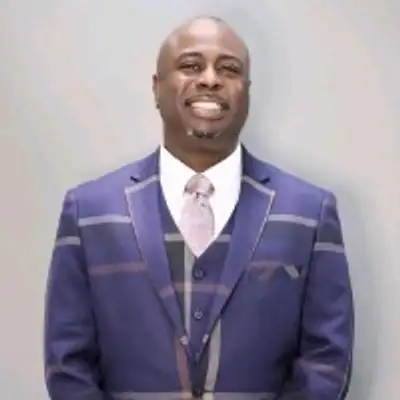
[00:00:18] Speaker: Welcome back to Real Talk, the place where men have honest conversations about healing, growth, relationship, faith, rebuilding after life's hardest moments, and I am your host, Lawrence.
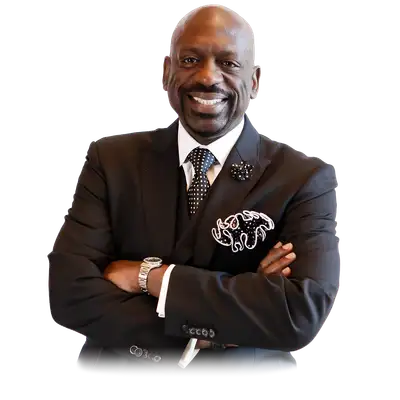
And today, we have a conversation that every man, and every woman, needs to hear. Tonight, we're joined by Pastor Will Nichols as we discuss healing, emotional restoration, breaking toxic cycles, and what it really means to move your pain into purpose. Pastor Nichols has developed a powerful teaching called The Four Stages of Healing and Restoration, and today we're unpacking practical and spiritual tools to help people heal from betrayal, disappointment, divorce, rejection, grief, and emotional wounds.
You're in for a treat. Get your cups out. Let's get ready. It's time for Real Talk. Pastor Nichols, thank you so very much for joining us on today. You know, we're excited to have you. You are my pastor, you are my mentor, and it is such an honor to have you on today. Come on, Pastor. Greet the audience.
[00:01:25] Speaker 2: Well, good. Uh, I, I'm excited about being here, and, uh, welcome, uh, to this conversation and talk. I'm, I'm normally doing this live- ... uh, with an audience, so this is interesting to be able to share with you.
Uh, but we're gonna have a great discussion today to talk about healing. Uh, that was a nice little opening speech. Was that a teleprompter or do you have all that up in your head? Hey, you know, you know, you know, can't tell all my secrets now, Pastor.
[00:01:52] Speaker: See, see, shh. I'm like, I, I... That, that was pretty good though.
That was pretty good. See, some stuff's supposed to stay in Vegas, you know. So Pastor, once again, thank you. Thank you so very much for coming on here, and also being a very integral of my healing process. Mm-hmm. Uh, and so that's what we're gonna talk about today, the thing that you took me through that got me through my divorce.
So let's talk about what healing, you know, why does healing matter? So Pastor Nichols, what inspired you to write The Four Stages of Healing and Restoration?
[00:02:22] Speaker 2: Uh, it actually started, uh, for me it was just my own personal journey. I wasn't trying to write anything, I was just trying to survive. Yeah. Um, to those that don't know my story, uh, my marriage of 34 years ended- Um, six years ago.
And it was a very devastating time in that, um, not only did the marriage end, a month later the pandemic hit, a few months later my, my father passed. So I'm dealing with all of these issues at the same time, and I still got to pastor this church, and I still got to go on with life. And, um, because I believe in everything that I teach, I knew that I had to figure out how to get out of this.
And I really believe God just started downloading things to me, and I just started doing them. And, um, I don't journal, but I was talking with a, um, a bishop who talks about the importance of journaling. And, uh, and his reason for journaling, believe it or not, is so that you can go back and tell your story.
Mm. And so my healing program came out of me going back to tell my story. I didn't journal it, I just memorized it. Mm-hmm. That's why I was asking about the teleprompter, 'cause- ... my memory ain't as good as it used to be. But I knew everything that I was going through, and I just started writing it out because people were coming to my office with the same issues.
Yeah. And if anybody knew about the pandemic, uh, a lot of y'all said, "You know what? I don't think I like this dude no more." "I, I don't think I like this girl no more, 'cause I got to stay with them for 24/7." Okay, y'all don't like this. Uh, uh, and so a lot of people kept coming to me, and they wanted to be healed either through trying to restore the relationship, uh, because there had been a break or some really painful things had happened, or trying to heal from a relationship.
Uh, some of them I was able to restore- Mm-hmm ... and some of them I was just able to help them heal afterwards. But I used the very same things that I went through. Mm-hmm. And so I just started journaling it and writing it down. Before I knew it, I had a four-stage program, four-step program. Man, that is amazing.
[00:04:40] Speaker: So- ... and it helped you and it helped so many other people, but why do you feel so many people wait till things fall apart to try to deal with the emotional healing piece?
[00:04:49] Speaker 2: Um, it's an interesting question, um, because one of the things that I do when people go through, uh, a break or, uh, a devastating loss- is they start doing these other things, and I always ask them, "Well, why weren't you doing that before if those things make you happy?"
Mm-hmm. You know, a lot of times people when they go through a divorce, they wanna go to the gym and lose weight, and they start taking pictures of look at me now, and all of this here kind of stuff. And I'm like, "Well, if those things will make you happy, why weren't you doing them beforehand?" Mm. And, um, so what I'm trying to do is not only teach people to heal, but teach people a new lifestyle.
You know, that's what they say about weight loss. It's not about crash dieting. It's about developing a new lifestyle. And so it's healing, but it's also a new lifestyle. Mm.
[00:05:43] Speaker: Well, you know, there's this misconception that, uh, time heals everything. Mm-hmm. But in your teaching it says time doesn't heal everything, but it actually infects it.
Can you explain a little bit
[00:05:53] Speaker 2: more about that? Well, sometimes when people, uh... I, I got a few stories, but one of them is I was... This couple, the husband had been unfaithful, and, uh, they had come to me because they, uh, were still struggling with the unfaithfulness. And so the woman is telling me this story about what the husband did, and so on and so forth, and, and she's just boohooing and tell- I mean, she's just going in.
And the Holy Spirit said, "Ask her when it happened." Mm-hmm. And so I said, "Uh, when did this happen?" And with a straight face she said, "10 years ago." Mm. And I said, "Well, has it happened since then?" She said, "No." So I looked at the dude. I said, "Well, have you cheated since then?" He said "No." Now, he's sitting in the pastor's office.
I told you he ain't gonna lie to the pastor. Some of y'all do lie to me. Uh, but, uh, um, but to hear her tell the story, it was as if it had just happened last week, and that's when I realized that time does not heal all wounds. Uh, sometimes time just makes it worse. Mm-hmm. That your, your, your mind makes it feel worse and look worse.
You got all this stuff going on in your head and- And, uh, everything that turns around, it, it's like it just happened. Uh, uh, "Baby, you wanna go to the store?" "Did you ask that woman if she wanted to go to the store?" You know, y'all ain't working with me. "Uh, you want something from the grocery?" "Did you ask that woman, does she want some groceries?"
Mm-hmm. I mean, it's, so it just gets in your head, and it just metastasizes. It gets worse and worse. And that's because simply waiting on time. And then the, the person who did the cheating can get frustrated because they feel like, "Well, what more can I do? I done said I'm sorry 50 million times, and 50 million plus one ain't gonna change anything."
And so they're getting frustrated, and so it's a dual process that you literally have to go through. Uh, the, the, the, the person that was hurt has to heal. The person that did the hurting has to heal, and even if you want to restore, both of you have to go through this journey together. So I actually did develop two different programs, one where they have to heal together, and one where they have to heal apart.
[00:08:15] Speaker: You talk about healing. How do you f- what are the signs that someone has not healed emotionally, but they're hiding it well? I have no
[00:08:25] Speaker 2: idea. Uh, 'cause if you had it, well, I would not know. Mm. Uh, but one of the things that somebody asked me a while back because of my own personal situation, um, "Have you healed?"
Um, my marriage ended six years ago, and they said, "Have you healed?" I said, "I don't know." I don't even know how to describe it, because different people heal different ways at different levels and so on and so forth. I'll give you a perfect example. Um, some people, they go through separation, or they go through pain.
They go through separation. They go through divorce, and you look up, and they best friends with their ex. Mm. I mean, they get along. I've known couples where the, the husband, the wife, and the other woman, the baby mama, and then all that kind of stuff happen, they all good friends. They're going to ga- Yeah.
I'm like, "God bless y'all," 'cause if that's what healing is, I ain't gonna never get there. I, I, I... That ain't gonna happen for me. I'm just telling y'all right now. Mm. I ain't gonna ever. Mm. You know, I, I, I'll be nice. Mm. Jesus- Mm ... teaches us to love everybody. Mm-hmm. But he said, "But you are I call friends." Mm.
You know what that means? Everybody ain't gonna be my friend. Right. And I'm okay with that. So if, if me having to be friends- Mm ... like at that level- Mm-hmm ... then no, I haven't healed. Gotcha. But what I say is this. Here's what I've done for the last six years. Mm-hmm. Now, you define that. For example, if you break your arm, and, um- Uh, you go to the doctor, he's resets it, he puts it in a cast for six weeks, and then he takes it out of the cast, and then you go through physical therapy, and so on and so forth.
And let's assume that it's now two years later. Has your arm healed? Well, how do you define healing? It may never get back to what it used to be before it broke.
[00:10:36] Speaker 4: Mm-hmm.
[00:10:37] Speaker 2: Okay? But these are the things that I've been doing for the last two years.
[00:10:41] Speaker 4: Mm-hmm.
[00:10:42] Speaker 2: So that's the way I define it. And so when, when I, in, in my whole dating saga, Lord bless me-
with all this dating stuff. But in my dating saga, uh, and that question comes up, I say, "These are the things that I've been doing for the last five years. I've put my cast on, I've taken my cast off, I've been through my physical therapy," da, da, da. And I actually call it, um, five, uh, uh, self-care programs- Mm
that I've been going through, that I teach people in four stages how to do these things, and I've been doing them for six years. Mm-hmm. So I'll let you figure it out. Mm-hmm. But I will tell you this- Mm-hmm ... w- we, we, we, we ain't, ain't going out. We, we ain't best friends. I'm just gonna say that upfront. You go- But I am, I do feel like I am going
[00:11:27] Speaker: through the healing process.
Right. And I think one of my guests in the past, he talked about is it not being a destination, but a process. Okay. So I, you know, I may not get back to where I was prior to the hurt- Mm-hmm ... but I'm better than I was the day after the hurt, you know? And then I guess, what ha- you know, how does unresolved pain affect relationships?
How does
[00:11:48] Speaker 2: unresolved pain hurt relationships? I don't, I don't think about it that way. I, because, see, all depends what a person means by resolved. If you're waiting on the person that hurt you to come back and apologize, to say, "I'm sorry," and all of that, you might be waiting the rest of your life. Mm.
Especially if the person don't think they did anything wrong. So if you're going to live with that unresolved pain of what somebody else done, I think that's wrong. I, I don't believe that you should be, uh, allowing your healing to be dictated on somebody else's behavior. I literally say that at the very beginning of the healing program, that I know you got together with this social contract with that person, and that social contract was, "I'm gonna be there for you, you're gonna be there for me."
And, and you just thought that we're gonna live happily ever after and ride off into the sunset barefoot, and, and, and pregnant, and, and, and whatever. And, and that did not happen, and I get that, and now you're feeling some kind of way that these things did not happen. But you are not, other people are not accountable for your happiness, and other people are not accountable for your healing.
You are accountable for your happiness. You are accountable for your healing. So when you say unresolved, if unresolved means I'm waiting on somebody else to do something, uh, no. W- I, I don't believe in that. I believe that you are responsible for handling that yourself. Mm. And that's what I walk people through, how to heal yourself.
Even if you're gonna restore with somebody else, I even, when a couple comes to me and they want to do restoration, my four f- my first four sessions are individual. I do not do them together. Yeah. Because if you really don't like that dude, I want you to be able to say it without him sitting in the room.
Mm-hmm. If you really think, 'cause I don't, I want you to heal, and I want you to know that they're going through the same process, because I ain't gonna be any good to you if I'm not healed myself.
[00:13:51] Speaker: Okay. So it goes back to the statement of accountability. You are accountable for your, both healing and happiness.
Mm-hmm. Therefore, it's not the other person. I think you talked about this before. Sometime even in marriage that is still a marriage, your spouse is not necessarily accountability to your happiness. Mm. They bring happiness to your life, but they're not accountability to your happiness. You are. Mm-hmm. And, you know, find those things that make you happy.
[00:14:14] Speaker 4: Mm-hmm.
[00:14:15] Speaker: So we're gonna make a shift now. So audience, so i- in, in your teaching you're gonna describe the pain of cycle people get trapped into. Let's talk about that. What is the cycle of hurt and pain?
[00:14:26] Speaker 2: So life is a cycle. I mean s- life, everything is a cycle. We go through seasons. The Bible says that there are, uh, 28 seasons in life.
A time to be born, a time to die, a time to get, a time to lose, a time to rejoice, a time to mourn. We have four seasons, and you circle back. I mean, everything is in a cycle. The question isn't about that. There are seasons in life. There are seasons in this world. Yeah. We go through seasons. The question is, when you circle back around, where will you be?
I, um, if, if you grew up in the South and you move to the North not realizing that it actually gets zero degrees outside- ... that first winter you might freeze to death. Mm-hmm. Just about. Okay. Well, when you come back around to that winter the next season, you should have gotten that together. You're right.
You should have figured some things out.
[00:15:23] Speaker 4: Mm-hmm.
[00:15:24] Speaker 2: And so, um, what happens is life is always in a cycle. The question is what are you doing while you're in that cycle. The cycle is something happens that creates pain. That pain invokes emotions. Emotions cause reactions. Uh, those reactions then kind of, we, we go through whatever, push, buttons get pushed.
And then what happens with most people, most relationships, is they just kind of go through this period where things calm down. And then they get back together. But then they start it all over again. But every time you go through that cycle, you're getting worse and worse. You're doing nothing about it other than waiting for things to calm down.
But the second time through that cycle, it's even worse. The Bible says when the spirit goes out of a man, he walks to and fro, but when he comes back, he brings seven more spirits with him, and the state of that man is worse than it was before. Now, if you keep going through that over and over, it's just gonna get worse and worse.
This is why a couple who's loving at the beginning of a relationship, and baby I could drink your bathwater, about seven cycles, he's ready to drown her in it if he could get away with it. Uh, I, I'm not, I'm not speaking on domestic violence. I'm just trying to tell you th- thank God for CSI. If it weren't for CSI...
Okay, I'ma stop right there. But all of that being said, the bottom line is every cycle is just, we're just getting worse and worse until eventually the relationship fails. It fails because it's like a slow poison. Every cycle, I'm just poisoned more and more and more. And the Bible talks about that. These spirits just keep coming, coming, coming, coming.
If you ever seen an old movie called War of the Roses, it was this couple that just kept trying to get each other and hurt each other, and it just got worse and worse and worse. And this is what happens with many relationships. That cycle never changes The question is, uh, uh, because we are always going to offend each other, we're always going to hurt each other, we're never going to reach nirvana.
We're not in heaven. The question is, can you change the cycle? Mm. I'm always going to. The Bible says it's impossible that the offense will occur. We are always going to offend each other. We're always gonna hurt each other. But instead of allowing it to get worse, can it get better? And the answer is, it can.
You have to change the cycle. You have to go from reacting to what is happening to you to responding to it. Mm-hmm. And this is what we go through. We show people that when these cycles happen, when that next winter comes, this time we gonna have a big parka, we gonna have some w- some wood- Mm ... to put in the fireplace.
Mm. We, we gonna have all, all kind of stuff because we know it's coming. Yeah. We know it's coming, and therefore we get stronger rather than weaker.
[00:18:22] Speaker: Okay. So it, it also brings up the thought, is it because that people end up in this cycle of hurt that hurt people continue to hurt
[00:18:29] Speaker 2: people? Well, that's certainly one, one reaction, and I actually bring that up to you.
When this happen to you, what do you do? Mm. When this happen to you, what do you do? Mm. And so the whole point of changing the cycle is changing what do you do.
[00:18:44] Speaker 4: Mm-hmm.
[00:18:44] Speaker 2: Because now I know it's coming. I'm no longer reacting to it. If my natural reaction was to lash out, if my n- natural reaction was to hurt back- Mm
if my natural reaction was vengeance, if my natural reaction... I was talking to, uh, I don't know what to say. I think it was a couple, and they was talking... W- oh, I, I was on my podcast. Yeah. And we were talking about if your mate cheated on you, would you want to know.
[00:19:10] Speaker 3: Mm-hmm.
[00:19:11] Speaker 2: Wow discussion, right? Most men said no.
Most women said yes. Uh, um, but the bottom line was, you know, it was funny 'cause some women said, "I wanna know." And I said, "Why?" "So I can free them." Okay, you know. That could be the worst thing. I would forgive them, but I would free them. Mm-hmm. And then others was like, "'Cause I wanted to get the payback." And so he walking around like, "Okay, well, when she gonna cheat on me now?"
And- Mm-hmm ... and so all of that kind of craziness stuff happens- Yeah ... unless you learn how to develop a response versus a reaction, and that's what I'm trying to teach in my program. Mm. How to respond to hurt and pain rather than react to it.
[00:19:54] Speaker: You know, something that i- that I hear from you is that changing the pattern- You know, the, the or the cycle.
The original pattern or cycle was the hurt happened, you know, feel the hurt, and you continue this hurt situation. Mm-hmm. But on, in your program, instead of, uh, continuing the cycle of hurt, you're healing, getting better, better, and getting stronger. Therefore, when the attack comes or when the issue or the offense come, you're stronger because you have a, a response plan instead of a reaction plan.
[00:20:25] Speaker 2: And that response plan breaks down into what I said earlier, my five care plans. Mm-hmm. I call them self-care. Okay. I call them five self-care plans. There's a spiritual self-care plan- Mm-hmm ... a physical self-care plan, an emotional self-care plan, uh, an enjoyment self-care plan, and a reaction self-care plan.
In other words, I'm literally encouraging the person that's walked through the healing, I want you to write these down. This is your prescription. Okay. This is something that's gonna become what you do. Some of it's gonna be proactive, some of it's going to be, uh, uh, responsive, but you're not gonna continue to be a victim of another person's behavior.
[00:21:08] Speaker: Mm. That is good. That is powerful. Um, how do you feel that, now we're talking about what you went through as a child, how do you feel that childhood trauma feeds into our responses or reactions as adults?
[00:21:20] Speaker 2: The Bible says that, um, David, in dealing with, uh, a challenge that he was having, he said, "Behold, I was shapen in iniquity and in sin did my mother conceive me."
He was speaking of two things. His nature and his nurturing. Mm-hmm. Shaped in iniquity, that's how you're formed. That's your nurturing. This is what life has done to you. Um, conceived in sin, this is your nature. Before you even became conscious, you just, this is who you are. And, um, our nature and our nurturing, we have very little to do with it.
It is what it is. You come from one family, everybody just loud and that's just who they are. That's how they show love. Come to another family, "Why you screaming at me all the time?" And you know, "I'm just talking. I'm just talking." Yeah. Mm-hmm. Well, that's their nature. And, uh, some of them don't even feel love unless you screaming and hollering at them, you know?
That's the way they was raised. Mm-hmm. And others, you know, they just feel like you raise your voice a little bit, they feel hurt. And so those are what are called your nature and your nurture, and they can be wrong They can be wrong. Your, you know, your parents learned what they learned. Your nature is whatever it is, but we need to find out what's the right thing to do.
This is why as a pastor, I lean on the one truth that I have, which is God's word. And I don't want to know, "Well, this is just who I am." Okay, but who you am may be crazy. Mm-hmm. You know, "Well, this is the way we was raised." Okay, well maybe your parents was crazy. I don't know. But the bottom line is, is that you can't rely on your nature or your nurture because the Bible says, "Your heart is deceitful and desperately wicked.
Who can know her?" You can't trust how you, "Let me see how I feel about it." You can't trust how you feel about something. "Well, this was the way I was raised." But what if they were wrong? And many of them were wrong. Mm. You know, we, you know, especially in our community, you know, you used to have this saying, you know, parents like, "I brought you in this world and I'll take you out."
Mm. Now, you can't do that for real. They'll put you in jail for that. Mm-hmm. Yeah. You know? And using that as a discipline. Them kids got, got a, a phone number now they can call, 1-800-CHILD-ABUSE. Y'all ain't working with me. Uh, uh, but the bottom line is, is that there are other methods. Just because you weren't raised that way or brought up that way don't mean it's, it's, it's the right way or the wrong way.
You have to learn what's a better way, what's the right way. Right. And this is what I feel. E- even whe- whether we're talking about healing or relationships, I feel, the Bible says we are destroyed because of a lack of knowledge. We just don't have the right information. Right. And we've got to go get it.
We've got to learn it and then begin to imply it, employ
[00:24:11] Speaker: it. Man, that is powerful. That is s- Because oftentimes you just sit back and think, if you look at the way you, your, you see your parents, the way they interacted- Mm-hmm ... a lotta times we end up interacting that way with our spouse. Mm-hmm. And then sometimes, as you state, if you grew up in not so pleasant,
Your wife might be like, "I ain't dealing with that." So you end up, because of the way you raised, and that seemed the right to you because that's all you knew- Mm-hmm ... and you didn't take the time to learn the right way, you end up destroying a relationship based off of what you saw growing up- Mm-hmm
versus getting the knowledge. Right.
[00:24:45] Speaker 2: But you know, it was interesting. A famous, um, gospel artist was, was, uh... I'm, uh, actually gonna be speaking a little bit about this in my next sermon about exposing. A famous gospel artist was exposed. He was cussing out his son, and the son recorded it and then blasted it all over social media. And I remember my first take was He just cussing out his son like this and that and so on and so forth, and I'm ready to get in the pulpit and just blast the dude.
He was a gospel artist. How dare you get up and cuss your son out, and you doing all this stuff. You supposed to be representing Jesus. And, and then it clicked on me. I never cussed my son out. It wasn't 'cause I was all that holy. Mm. I never cussed my daughter out. It never, and it wasn't because I was all that holy.
I never cussed my wife out, and it wasn't because I wasn't all, I was all that holy. You know what it was because? 'Cause I never was raised that way.
[00:25:51] Speaker 3: Mm-hmm.
[00:25:51] Speaker 2: I never seen my mom and my dad going like that. Mm-hmm. That was my environment. That was my nature. I don't know nothing about, uh, uh, cussing folk out.
You know, I know a couple of cuss words, but I don't know how to lose, use them like some of y'all be using them. Y'all know all the whole cuss word dictionary- Mm ... because that's how you was raised. And then it dawned on me, uh, that was his environment. I'm pretty sure that's how he was raised, and so that was his culture.
I'm not saying it was right. I'm saying, uh, I don't, I don't try to make myself more holy than he was. Mm-hmm. I never seen that. I wasn't raised that way. Mm-hmm. And therefore, I, it, it had dawned on me, he was. Mm-hmm. That that probably was just standard fare. You know, that's just something that, that they probably did in their family- Mm
and so it just come right off the lips- Right ... uh, uh, when he went through his generation. We have to change things, and this is what I'm trying to get people into. Regardless of the cycle that you're in, there's a better one, and let me show you how to get out of that, that, that destructive cycle into a healing cycle.
Mm. And that's when you asked me that earlier about healing and how do you know you're healed. I just know I'm in the right cycle.
[00:27:06] Speaker 4: Mm.
[00:27:07] Speaker 2: Okay, I, I, you know, I don't... My arm may never get back to the full strength it was, but I know what I'm doing.
[00:27:13] Speaker 3: Yes.
[00:27:14] Speaker 2: I know that I'm doing all of these things that I should be doing every cycle.
I'm doing my spiritual plan, my physical plan, my emotional plan, my enjoyment plan, and, and, um, and so I got all those things, and my response plan. I have it all down, and so I still get depressed, but I'm not clinically depressed. I still get angry. I just don't sin. Mm. Uh, I still go through these pains and emotions, and I have disappointments and, uh, uh, I'm, I'm telling you, I, I'm really- Mm
you know, I had issues with my marriage, but I ain't liking this dating thing at all. But I'm having to go through that cycle- Yeah ... and I learn through, uh, through every cycle.
[00:27:56] Speaker: Okay, cool. Thank you so very much for being very transparent on that one. So let's, uh, shift into, in your teaching you talk about identifying the pain.
It always gives pe- you always give people a roadmap. So you talk about the five A's. You talk about awareness, acceptance, ask, attend, and act.
[00:28:14] Speaker 2: Walk us through that. Okay. Well, the, the first one, and, and I'm, I'm glad you remember all them five A's, 'cause I don't. So I may ask you what they are. Uh, uh, but I always start with awareness.
I don't know if I go through all of 'em, but I will start with awareness. You know, imagine if you will, you're sick, and you go to the doctor and the doctor say, "What's wrong?" And you say, "I can't tell you," or, "I don't know." Well then how he's gonna help you? You have to be aware of what's wrong. You have to be aware.
So I always ask people, and I give them little prompts. "What emotions are you feeling? Do you feel humiliation? Do you feel anger? Do you feel bitterness? Do you want revenge?" You know, I want them because once we become aware, identify what we're dealing with, then we can start giving you a diagnosis. The diagnosis will give you a treatment plan, and then the treatment plan you follow that you should get better.
But until you tell that doctor what's going on, he can't help you. And the same thing with this type of healing. Until you really identify what's going on, you can't develop a plan, and time ain't gonna heal it. You know, if, if, if yo- if you cut yourself and, and, um, but you don't go through the healing process, meaning you don't clean out the cut, you don't put a Band-Aid on, you don't do this or that, it can actually become infected.
Mm-hmm. And if it becomes infected, it can be- it can spread. And if it spread, all of a sudden a cut that could've healed three months, we're a year later and they talking about chopping off your whole foot. Mm. Because it had become gangrene, it's turning black, and that's all because the time didn't heal it.
It made it worse.
[00:30:16] Speaker 4: Mm-hmm.
[00:30:17] Speaker 2: And so we have to identify, we can't ignore it. We have to understand it, because a lot of times stuff that happens to us make us angry, and it make us bitter. And, um, all of this stuff happens, and it was supposed to happen. Mm-hmm. It w- it was supposed to make you angry. It was supposed to make you depressed.
But if you don't address the anger, then all of a sudden you don't, you're not just simply experiencing that emotion, you're becoming that emotion.
[00:30:47] Speaker 4: Yeah.
[00:30:47] Speaker 2: So all of a sudden you go from being an angry person to everybody see you, you just a angry Black man. You're just a angry Black woman. So now you've become the personification of what you was experiencing.
Mm-hmm. Now that's all people know of you. "Don't talk to Lawrence 'cause he's just, he's just angry. He's mad at the world- Yeah ... and he this and that." Yeah. W- versus if we would've gave him a plan to deal with his anger, he could've been healed from that by now. Still getting angry, but now he knows what to do when he gets angry.
You know,
[00:31:18] Speaker: you reminded me of a story. There was a pastor. He, he preached about this one time before, where he had, uh, a sinus infection.
[00:31:28] Speaker 4: Mm-hmm.
[00:31:28] Speaker: And he was taking medication for the sinus infection, but it wasn't the proper medication.
[00:31:33] Speaker 4: Mm-hmm.
[00:31:33] Speaker: Um, he was sick for a while. Then all of a sudden he went to the doctor, the doctor gave him antibiotic, and he was healed in three days.
[00:31:40] Speaker 4: Mm-hmm.
[00:31:40] Speaker: So same thing with this story here is you, uh, once you, uh, are aware of it, you get the proper treatment. Mm-hmm. Because if you are tre- you could be treating something but not the right something. Mm-hmm. You know, it goes back, I'm a business analyst as a profession. It goes back to identifying the problem before you try to develop a solution, because you may have a solution, but it may not be the right solution for what you're dealing with.
So for you, I know now you have your 6:00 AM prayer. Why do you feel prayer is so important with the healing process?
[00:32:12] Speaker 2: So, um, my healing process, uh, is four steps that I walk couples through identifying. You talked about the five A's. Aware. What were they again? Aware, accept. Accept. Ask. Ask. Attend. Attend. Act.
Act. I'm gonna get back to my prayer in just a minute. Aware goes from, did you say second one was what? Accept. Accept. So, uh, to accept it means to stop making excuses for it. It's already been done. Uh, you know, stop living in your pain or in your past. What was number three? Number three was ask. Ask. You gotta get help.
You going to the doctor. Uh, you've got to get help for your problem. What's number four? Attend. Attend. They gonna tell you what to do. You got to go do it. Mm-hmm. You got to go do it. And what was the last one? Was you act, which is probably- Act ... got to go do. Uh, uh, act upon that. Keep doing it over and over and over again.
Mm-hmm. So in my plan, uh, o- of these five stages, one of the things that I speak to is, uh, your spiritual side. We have all these different sides in life. You are body, soul, and spirit, and any one can affect the other ones. If you're not emotionally well, it can impact you physically. Do you know a lot of people during the pandemic started getting physical ailments because of anxiety and fear?
It, it was an emotional problem, but it was all of a sudden people are saying, "I'm having anxiety attacks. I've never had anxiety attacks before." And this is how, what, what was going on emotionally was impacting them physically. The same thing can happen spiritually. We are body, soul, and spirit. And so the first three plans deal with those first three parts of who you are.
What is your physical plan? Are you taking care of yourself physically? Are you getting rest? Are you exercising? Are you doing this? What's your emotional plan? Who do you talk to? Who's talking you off the ledge? Uh, uh, who are you getting care? Is it, is it friends? Is it professional? Is it pastorial? But who are you dealing with to help you emotionally?
And then spiritually, what are you doing at a spiritual level? I have a spiritual plan that's been on lock probably because I'm a pastor. But everybody should have a spiritual plan that's on lock. I go to church every Sunday. I go to church every Wednesday. I do study for those 'cause I gotta preach, so I'm studying every week to minister on Sunday.
I'm studying every week to minister on Wednesday. I started during that period of time a morning prayer, 6:00 AM prayer, five days a week. Uh, initially I just thought it was gonna be for three weeks. It's now been six years, I'm still doing it. Mm-hmm. And I get up at 6:00 AM, so I'm spending time with the Lord in my prayer time.
Uh, the Bible says we should always pray. The Bible says pray without ceasing. I come to realize that that wasn't hyperbole. He actually did want us to pray all the time. Mm-hmm. You know? And not n- not n- don't mean that you gotta become a monk, you know? Sitting in the temple just bowing and all of that.
But just have a regular diet of prayer. A regular diet of prayer and, um, uh, a regular diet of study. Um, blessed is the man that walketh not in the counsel of the ungodly, nor standeth in the way of the sinner, nor sitteth in the seat of the scornful. But his delight is in the law of the Lord. And in this law doth he meditate day and night.
That means to study God's word on a regular basis, not just when you get in trouble, not just when, "Oh, I need Jesus in my life." No, you need Jesus always in your life, not just when you get in trouble. So all of this, whether it was the 6:00 AM prayer or doing the podcast or when I was doing the radio DJ-ing, all of these things were strategic plans.
Strategic plans. They were my medicine. They were my prescriptions. They were the things that I needed to do and/or are still doing for healing Man, that's good stuff.
[00:36:16] Speaker: Good... Hey, I told you this was gonna be a powerful interview. I'm a tell you. It's straight from the man himself. So how does the peace of God guard your heart and mind?
[00:36:26] Speaker 2: Um, so I was saying this the other week. I said, "Isn't it interesting that a child can go to a new school for the first time, um," you know, your baby going to kindergarten. Mm-hmm. At the end of the day, they come home with five best friends. Mm-hmm. They just got their five best friends. Uh, um, the next day they get into a fight with them, and you wanna come up there and tear up the school.
But the following day, they back best friends again. Um, and I find it interesting the Bible says, "Except you become as one of these little children, you shall not inherit the kingdom of heaven." Um, they develop friends very quickly. Not so much as adults. Mm-hmm. And the reason for that is because of our past pains.
And so we don't trust people, and we feel like, you know, kids don't even, ain't thinking about that. But, you know, after you done been through some pain for a couple of decades, now you thinking about it. Yeah. And so you put up these walls and these guards. You don't wanna be hurt no more. You've been through an ugly divorce, you'd probably be like me.
I, I, I, you know, you probably wanna swear off women. I didn't swear off men. Let me be just straight. I just... I was like, "I'm through with all y'all." I'm like, I, I... And, and, uh, you know, but I realized that I did want companionship, so I came back around. Mm-hmm. And, and those of you that have given up, you gonna come back around.
Right. Okay. But a lot of times the reason why we do that is because we don't wanna be hurt. And so what we're doing is we're trying to guard our heart. We're trying to protect our heart. The Bible s- says if you pray, God's peace will come upon you and guard your heart. I tell people, "Get out of God's business.
Trust God." I'm not saying that you're never gonna get hurt again. You probably will. We're in this world. Offenses is gonna occur. But it is not your job to guard your heart. You don't gotta be stupid, don't misunderstand me. Mm. But if you sitting here worried about who's gonna hurt you, then you will never find the person who's gonna help you.
Mm. And even if the next person hurts you, well, the same God that healed you back then will heal you again. You know, um, yeah, you're gonna get hurt, but that don't mean just lock yourself away so that you never get hurt again. You take some precautions, sure enough, but you have to trust the process and trust God that He will never put more on you than you can bear.
Uh, you take your necessary precautions, but you have to allow God's peace- To heal you. God's peace to protect you. God's peace to guard you. Re- because remember I told you, people are not accountable for your happiness. Mm-hmm. You're not accountable for your healing. You are. Where you gonna get that from?
Gonna get it from God. That's where the peace
[00:39:27] Speaker: of God comes in. You know, one thing that comes to mind is a statement, I think you preached about this before. The, the thing about walls, yes, it protect you from people that may hurt you- Mm-hmm ... but also pr- it prevents people who would help you from getting in.
Correct. So it prevents you from getting to that relationship that actually maybe God ordained that your m- you know, your knight in shining armor or the young lady that you want, you know, putting up that wall. So you have to allow God's spirit to protect your heart.
[00:39:53] Speaker 3: Mm-hmm.
[00:39:53] Speaker: So, um, do you feel that when one doesn't forgive, it keeps them in that cycle of hurt a little bit longer than what they should?
[00:40:03] Speaker 2: When one doesn't forgive, does it keep them in the cycle? Well, uh, it's an interesting question. I know that the Bible teaches that we should forgive. Mm-hmm. S- Peter said, "Lord, how many times should we forgive our brother, seven times?" He said, "No, 70 times seven." Another passage said, "You forgive if they, if they hurt you seven times in one day, forgive them seven times in a day."
So I know we are literally taught to forgive. I've heard that, that when you hold on to something that it holds you, and I guess there's some validity to that.
[00:40:39] Speaker 4: Mm-hmm. But
[00:40:39] Speaker 2: the bottom line is literally what we're actually taught is we should forgive because God forgives us. We should release because God releases it from us.
As a matter of fact, He doesn't even remember it. When we's asked Him for apologies, He's throwed it in the Sea of Forgetfulness. And if God is willing to forgive us for everything we do, we ought to be willing t- to forgive that person for the three things they
[00:41:04] Speaker 3: did.
[00:41:05] Speaker 2: Mm. Uh, they ain't did that much to you.
Yeah. I, I know you feel like it's like, "I can't take it no more." You actually
[00:41:12] Speaker: can. Oh, man. One thing I really appreciate about your teaching is it talks about, you know, normalizing grief and self-care. So why do you feel that you put the five stages of grief as part of this program?
[00:41:26] Speaker 2: Um, if we're talking about relationships, when a relationship fails- That relationship has gone through a death, the relationship, and so something in your life has died.
You know, when we think about natural death, you lose a loved one, you go through grief, and those ... I always tell people, "Go study what grief looks like," and, uh, whether we're talking about denial, anger, depression, uh, bargaining, and acceptance, you have to go through that. And that same thing happens. The Bible says, "And the two shall become one."
So when you come together with someone, y'all form this entity, uh, that's a relationship. If it fails, that relationship just died. Now, you may come back together, you may restore, you may revive it, but at that moment it died.
[00:42:24] Speaker 4: Mm.
[00:42:24] Speaker 2: And so you're going to feel the same, uh, uh, feelings and stages of grief as if a person had physically died.
And I studied that, and I realized that that was going on in my life, that I was angry, I was depressed, I was, "Well, maybe if I would've did this," that's the bargaining. And, and so you're going through these stages, and eventually I had to just accept it. It's, you know, good and evil happens to us all. It rains on the just and the unjust.
We're not exempt. Uh, well, I was a good guy. Why did this happen to me? I w- I remember on my podcast, I s- I said, uh, on my podcast, I said, "I'm a good guy." All the women said, "Pastor, all the men say they good guys." I said, "But I really am a good guy." They said, "All the men say they really are a good guy." So I was like, "Okay, fine."
Yeah. But, but the bottom line is that that's, that, that grief is a part of it, and, and those that really study it understand you don't try to deny it. You embrace it. You just embrace it properly. Mm. Uh, don't run from anger. Handle anger. Don't run from depression. Just don't become clinically depressed.
Mm-hmm. And so I want people to embrace their emotions, their feelings, but develop the right responses to them so you don't become stuck in them. Mm-hmm. Uh, I don't want you to become this person just, just chronically depressed, that's always angry. You're just a bitter person now because of what you're going through.
Don't let life dictate who you are. Don't let life dictate what you do next. Don't let these emotions become. Don't live in them. Experience them and get on about your business. Even when they come back, have a plan for them.
[00:44:16] Speaker 4: Mm-hmm.
[00:44:16] Speaker 2: So
[00:44:17] Speaker: how does one rebuild their confidence after disappointment, after depression, after the struggle, after the pain of going through, "Okay, I'm in this, this grief stage."
Mm-hmm. How do, how do I gain my confidence back? How do I overcome, you know, once ... How do I finally get to the point of acceptance?
[00:44:37] Speaker 2: Uh, when you figure that out, come, come holler at a brother. It's like, it's we gonna learn together. Mm. I think every, all of my programs, all of my care programs do that for you, especially the spiritual one.
See, a lot of things, um, who we are was shaped and formed. Now, all of a sudden, it has to be reshaped and reformed, and I believe the best way to do that is to start with a spiritual connection and relationship with God. I mean, the Bible talks about, "I can do all things through Christ that strengthens me."
You say that enough time, have enough people say that to you, be like, "Well, maybe I can do it then." Mm-hmm. Mm-hmm. You know, you just need that encouragement. We that are strong bear the infirmities of the weak. You need somebody in your life that can say, "You can do it." Somebody that when you fall down, they're there to pick you up.
When you're cold, they're there to encourage you and warm you up. When you in a fight, they're there to back you up. Uh, you need ... These are all spiritual concepts, but they should be lived out practically. The Bible says, "Confess your faults one to another. Pray for one another that you may be healed. The effectual fervent prayers of the righteous availeth much.
Where two or three are gathered in my name, I will be there in the midst of them." Yeah. "And whatever they bind on Earth will be bound in heaven, whatever they loose ..." You need to have people and life and scriptures and experiences like that happening to you over and over and over so that you can rebuild your confidence until you get to that place where you can say, "Being confident of this very thing, that he which hath begun a good work in you."
Just because you got knocked down don't mean that I didn't begin a good work. Just because you got humiliated, frustrated, angry, bitter don't mean that God didn't start something in you. He did. Mm-hmm. You are still that dude. You're still that girl. I had a r- young lady come to me, and she just so depressed.
She had, had went to college and worked her way up to a six-figure career, and then she got laid off, and then she couldn't find another job. Then she couldn't find another job, and now it's a year later, and she just so ... She had her own office. She's so depressed, and I just looked at her and I said, "You still that same girl who started from nothing and built a six-figure career.
That same girl is still in front of me." You didn't change, the world changed. You didn't change, life changed. You didn't change, your industry changed. But you still that same girl, and if you did it before, you can do it again. Uh, if you are who you are, then you are who you are no matter where you are. I'm just like, you know, if they put me out in the, uh, uh, in the, uh, in Alaska there with the Eskimos, they better move over 'cause I'm a bad man.
And I'ma figure out how to make my stuff work, uh, uh, uh, in Alaska. And that's who you are, and you are where you are. Somebody told me cream always rises to the top. Yes. I don't care how much coffee you put on there. I could've been drinking coffee, but didn't have no sugar tonight. So I d- I just got this water right here.
But, but I gotta have my stuff in my coffee. Mm-hmm. All right.
[00:47:59] Speaker: All right. So why do you feel isolated people ... 'Cause one of the things we talked about in multiple, um, episodes is about having your circle. So why do you feel like isolated people stay stuck a little bit longer than those who have the right people around them?
[00:48:13] Speaker 2: Um, I, I think it's literally because of what I said in the previous segment. They don't have anybody to pull them out. They don't have anybody to talk them down, to talk them out, to encourage them. Um, and, um, you can ... You know, I know sometimes, you know, the Bible talks about you gotta encourage yourself.
Sometimes you don't feel like encouraging yourself. Mm. I'm sick and tired of this. I don't wanna do it no more. And, and so although I'm accountable for my own healing, and I'm accountable for my own, uh, happiness, you still need people. And if the people who were there to help you with that have failed you, then find you some new people.
If you got a bad doctor, don't try to self-medicate. You know, they put you in jail for that. Y'all can come work with me. You go find you another doctor. Mm-hmm. Mm-hmm. You, you, you, you, you just move on. Uh, God did put us here for each other. Let me be real clear. Uh, a man was made for a woman, a woman was made for a man.
We were put here for each other. We were supposed to make each other's lives better because we're in it. Mm-hmm. We were supposed to pick each other up when one of us fell down. But when that person fails to do that, we still have God. Mm. And we still have the Lord. But He still want us to go find that person, whether it's the other person or a new person or the first person who didn't got they act together.
Mm-hmm. But the bottom line is we were not created to be solitary creatures. Mm. We were created to be social creatures. We were always supposed to be with each other. Yeah. The church was people coming together. Mm. I'm just gonna do church at home on social media, on Facebook. No, no. That was not how that was supposed to work.
We did that during the pandemic. Y'all do know the pandemic is over, right? It's been over with for a long time. Y'all still sitting at home watching this podcast right now. Mm-hmm. Ain't been to church in four years. You can come out. You can, really, you can come out now. They, they got stuff for you if you...
Well, I might get sick. Okay, I still get sick too, but you can come out of the caves now. It's safe. It, it really is, it's safe. I'm telling you truthfully, it really is safe. You can come out now.
[00:50:38] Speaker 3: Mm.
[00:50:39] Speaker 2: And so we have to regardless, we just got to
[00:50:42] Speaker: come out. Mm-hmm. And we talk about being there for each other, you know, iron sharpening iron, that type of thing- Yeah
of us helping others. How does healed people help other people heal?
[00:50:53] Speaker 2: Um, one is by telling your story, which is somebody told me that I shouldn't talk about what I'm going through, and initially I was humiliated by it. I'm Mr. Marriage Man and my marriage failed. I'm Mr. Relationship Guy and my relationship failed.
I wrote five books on it, uh, I got a doctorate in it, and how this gonna happen to me? And it was quite humbling and humiliating for me. And, um, I would talk about it from time to time, and people say, "Pastor, you need to let it go and just don't talk about it." And I just, it never resonated with me to act like I don't see that big old elephant sitting over there, you know?
I wrote five books on relationships. I was Mr. Marriage Man. Well, I'm just gonna stop talking about marriage now? Yeah. No, that, that was not my thought on this. My thought went back to the Bible says, "And they overcame him by the blood of the lamb and by the words of their testimony." Our testimony was about helping somebody else while they were going through their test- Mm
so that they can have a mony. I don't know if that's a word, but it sounded cute when I said it. Uh, uh, um, but, but, but our testimony was to help somebody get through their test. So they said, "Well, if you can do it- Mm-hmm ... then I can do it." And I'm just like, "No, I'm not gonna let my experiences stop me from doing what I feel like I've been put on this earth to do.
I'm not going to let it stop me. I was here to help marriages. I am here to bring knowledge. I've gotten doctors, I've written books on this, and I'm not going to stop." And I just believe that every time I tell about my failure, I tell about my successes, I'm giving a testimony. For instance, the Bible says, "Make known my deeds among the people."
And the greatest testimony is not the person who was perfect. It was the person who fell and got up and kept striving for perfection. A lot of people have these failures and they just shrink and they disappear because they feel like, "I'm not perfect." But never allow perfect to become the enemy of the good.
And I believe that our testimonies are good.
[00:53:21] Speaker: Okay. So what kind of encouragement would you give to somebody right now that feels emotionally exhausted about going through what they're going through? You know, I'm going through divorce, I'm going through separation, I'm going through the anger, I'm going through depression, I'm going through everything except acceptance.
You know, what kind of encouragement would you give that person? Um,
[00:53:40] Speaker 2: hit rewind and listen to this one more again. I've been sharing this. You've got to hear me right now. You've got to get people in your life. You've got to learn the process of healing. You gotta break out of that cycle and get into a cycle of healing.
You've got to develop five different care plans. That means physical. Are you taking your... I, I notice that when people have, people stop eating healthy, maybe they ain't eating at all. They stop working out 'cause you don't feel like it, you know. Uh, but you've got to, you've gotta have an emotional plan. Who are you talking to?
'Cause if you're talking to yourself, that's not a good advisor right now. Because yourself gonna tell you, "Don't do nothing. I'm just depressed. I'm down." And so you have to have a good emotional plan. You have to have a good, uh, uh, spiritual plan. Uh, I mean, it's just so much that you can get from a relationship with God and a relationship with the scriptures and the Bible and, and these words of encouragement that are just life-changing.
You've got to learn how to respond. You have to have a response plan. You've got to have that in your life. How do I respond when I feel depressed? 'Cause you will get depressed again. How to respond when I get angry? 'Cause you will get angry again. And then you just got to have enjoyment. I get a, um, a, a, a hot stone deep tissue massage every week.
I have m- my massage therapist come to my house every week. I used to say masseuse- And then I was dating a massage therapist, and she said, "Don't use the word masseuse." She said, "That means something else." Something about some kind of endings. I don't know. But, but I digress.
She said, "We are massage therapists." Yeah. So my massage therapist come and give me a hot stone, deep tissue massage. That's a part of my enjoyment. I go to the movies, uh, uh, every week. As a matter of fact, if you let me out of here, I'm gonna go check out one tonight. Uh, uh, but, um, I go get me a big box of popcorn, and so I have my enjoyment plan.
I used to like to travel, but I realized I don't like traveling by myself, so. Hmm. Uh, uh, but all of these things that bring you joy and enjoyment, you have to do these, and you have to keep doing all these things. So to that person that's listening to this, I want you to know that this podcast was divine.
You're supposed to hear this. You're supposed to see it. Hit rewind, go listen to it five more times- Yeah ... and begin to start doing those things.
[00:56:27] Speaker: And before I let you go, you know, being, you being a pastor, what is the scripture that help you through your dark moments?
[00:56:34] Speaker 2: Mine is Philippians 4:6-8. I know the first two verses.
I don't know the last verse. Uh, but the Bible says, "Be careful for nothing." Philippians 4:6. Be careful for nothing means don't stress, don't have anxiety, don't worry. Then it goes on to say, "But with prayer," that's general prayer, "supplication," that's prayers of specificity, something specific that you need, m- uh, with thanksgiving.
That means stop, g- get, get out of your emotions, 'cause just because you're going through hell don't mean that God didn't give you a couple of cubes of ice, okay? Don't, don't mean just 'cause everything is bad don't mean that you ain't got something good. You woke up, right? You're still in your right mind, right?
There's always something good in your life, and so you always give God thanksgiving. You know, you always thank God. Even if you feel like you still in hell, you still have a reason to give God thanks. So with thanksgiving, make your request known unto God. Then the seventh verse says this is what's going to happen.
Some people give up on prayer because they want the stuff to get fixed. That ain't what God said. What God said was, "And my peace, the peace of God, which passeth all understanding, shall keep your hearts and minds." In other words, you tell me all about it- And what I'm gonna give you in response is peace about it.
A lot of times we want it not to happen, want it to get fixed, we want it to get repaired, and God says, "You might be in this for a minute, but I'm gonna give you peace about it." And the, and shall what? Guard, keep, protect. So that's what happens when we pray. God gives us peace. And so I don't like having gone through a divorce.
I don't like having been depressed. I don't like having to s- do this dating thing all over again. I don't like none of that stuff, but I got peace about it. It is a necessary thing, and so I, it is what it is. Good and evil happens to us all. I ain't so special that I can't go through this. Well, who am I?
Why God let this happen to me? I don't know. You know, why, why is, um, certain people who are wicked billionaires? I don't know. That, that is above my pay grade. I just thank God for what I am and what I'm going through, and He'll give you peace. And then the eighth verse, which I don't have memorized, says, uh, uh, um, "Whatsoever things are good and pleasant and virtuous, if there be any praise, uh, um, if there be any virtue, think on these things."
And in other words, I, I butchered it, but what it simply says is you need to find, I think it's eight different things he says. You need to find eight good things about life and God, and learn how to focus on those things when these negative thoughts come. Think on good things. Think on virtuous things.
Think on things that are testimonial. Think on things that have happened that are good. Yeah. When I was going through my divorce and separation, my daughter gave me a grandbaby, and it was the greatest joy watching her grow up. Mm-hmm. And so I could focus on that. See, I could've been sitting right here bitter and angry at the world, and my grandbaby's like, "I don't wanna go in there."
'Cause I'm just this mean, angry man. Mm-hmm. But she loves her granddaddy. She can't wait to come and see me, and she just runs to me, and that's my grandbaby. And I can't believe it. She getting ready to go to kindergarten. And, and so these are the things in those three verses, Philippians 4:6-8. As a matter of fact, they're part of my healing program.
E- everybody who come for healing with me, they gotta learn them verses. Mm-hmm. Uh, because they got me through. So Pastor, where can people see you preach on Sunday morning, and at what time? Um, what you can do, if you're in the Raleigh-Durham area, just get in your car and just drive around till you hear a Black man hollering.
It'll be me. And you gonna have a great time. But if you don't want to waste all that time trying to find me, uh, our church is Victorious Praise, and you can go to our website, victorious, V-I-C-T-O-R-I-O-U-S, not Victoria S, but victoriouspraise.org. Uh, if you go there, you can learn all types of information about the church, including where we're located.
There's a link on there about plan your visit. We would love to have you come visit us. We will be prepared for it. We got a gift for you. You gonna get to greet me and meet me, and you gonna have some really, really, really, really good church. We have one of the best praise teams and worship teams, and, um, uh, uh, I, uh, uh, love to preach and dance and shout.
Now, one warning. If you don't like a lot of energy and you like it really quiet, this ain't the church for you. We gonna make some noise. We gonna do that Black thing. And I'm gonna holler. We gonna dance. We, and, uh, you know, we got that bass guitar, nothing but the bass, but the bass. You gonna hear all of that.
We got the lead guitar. We got the organ, the keyboard, some of the best singers in the world, and, uh, and then I try to do my thing a
[01:02:06] Speaker: little
[01:02:07] Speaker 2: bit.
[01:02:08] Speaker: Well, apprec- pastor, I appreciate you coming here, and let me tell you, if this episode bless you, make sure you subscribe, share this episode, and send it to someone who needs the encouragement.
This is Real Talk, where men have real conversations about healing, real life, and growth. I'm Lawrence Flowers, and we'll see you next episode.