Subscribe
Share
Share
Embed
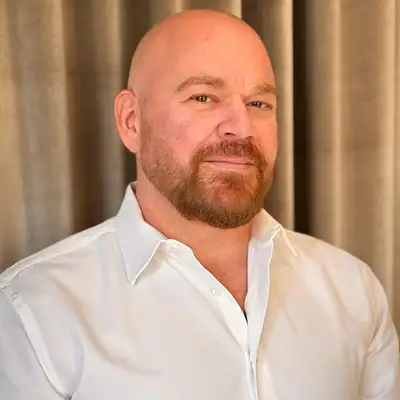
David Strickel examines consciousness, fear, judgment, and how humans orient themselves in a rapidly changing world.
His perspective is shaped by his ongoing relationship with Source consciousness known as the Stream.
These episodes provide context, inquiry, and reflection through conversation and lived experience.
The podcast exists to support clear thinking and sovereignty of mind during periods of uncertainty.
(00:00:01):
The Tya Podcast.
(00:00:03):
Discover the daily practice that makes spirituality actually work.
(00:00:07):
Going beyond law of attraction to turn struggle into prosperity and success into real happiness.
(00:00:14):
Tya is an advanced operating system for life, and you're about to learn it right now.
(00:00:21):
Welcome to the Tya Podcast.
(00:00:22):
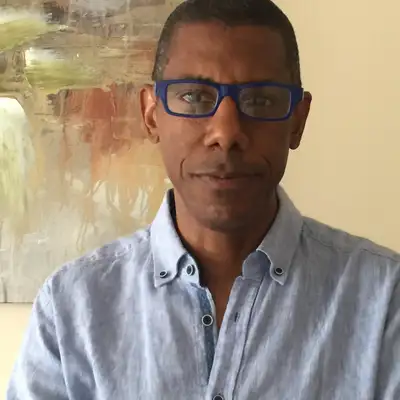
I am here with Tya Coach Derek.
(00:00:27):
And I have to start off with, you've been on before.
(00:00:31):
People loved you when you were on, so I think they're going to love you this time.
(00:00:34):
Okay.
(00:00:35):
And the interesting thing about you is that you actually have a scientific education.
(00:00:39):
You have a degree in physics.
(00:00:42):
But somehow you landed over here in the woo-woo world with mindset and energy work
(00:00:49):
and things that are beyond physical.
(00:00:53):
The first question that I have for you that I want to dig into,
(00:00:55):
and I know we have a second topic we're going to get into in this episode as well.
(00:00:58):
But the first one is how do you marry or how did you marry your scientific
(00:01:04):
education and you still work in a related field with energy work like this?
(00:01:10):
The truth is, is that when I was growing up, I wasn't really involved in a particular religion.
(00:01:18):
And my dream was to become an astronaut when I was a kid and
(00:01:23):
I liked building spaceships with different things around the house.
(00:01:28):
And so I decided to become an aerospace engineer.
(00:01:33):
And on the way to becoming that, I needed to get a physics degree as part of it.
(00:01:38):
I was in a double degree program.
(00:01:41):
And while I was working my way through that program, I had a few strange experiences happen.
(00:01:50):
And I don't recall the first one,
(00:01:52):
to be honest with you,
(00:01:53):
but there were a few different events that all happened around the same time.
(00:01:59):
And some of them got me a little scared, like maybe I need to pay attention to religion.
(00:02:07):
And then the very last thing happened, and that was my Kung Fu teacher.
(00:02:13):
My hobby was Kung Fu when I was a student.
(00:02:15):
And my Kung Fu teacher actually pushed me with...
(00:02:19):
with chi or ki.
(00:02:23):
And this wasn't something that I believed in.
(00:02:26):
And it really caused a big problem for me because his studio where we practice
(00:02:34):
martial arts was just a garage with center block walls that had been painted over
(00:02:40):
and a fan to cool it off,
(00:02:43):
not even air conditioning.
(00:02:44):
Like there was literally nothing around that room
(00:02:48):
that could have pushed me from a distance.
(00:02:51):
And it bothered me so much.
(00:02:53):
And I actually had kind of a mini stressful,
(00:02:58):
not breakdown,
(00:02:59):
but it was a really bad time for me because my belief system was being crashed.
(00:03:04):
And I went to my physics professors.
(00:03:07):
I went to the head of the department and he said, well, it didn't happen.
(00:03:11):
It was your imagination.
(00:03:12):
And I just kind of quickly discounted him.
(00:03:15):
I moved on to the other professors.
(00:03:18):
The second one told me,
(00:03:19):
well,
(00:03:20):
science doesn't look at things that it doesn't have the tools to measure.
(00:03:26):
So there may be many things out there that are true,
(00:03:29):
but if we don't have the tools to measure those things,
(00:03:31):
we don't look at them.
(00:03:32):
And I thought, huh, okay.
(00:03:34):
The third one told me, well,
(00:03:38):
Science doesn't really look too far away from the current model or theory that it's
(00:03:42):
operating from.
(00:03:43):
And that what we call science is actually our best, our current best model of reality.
(00:03:48):
It's not meant to be the final say on everything.
(00:03:51):
It's still growing and expanding.
(00:03:53):
And so a lot of times we don't look at things that are too far outside of the current model.
(00:03:58):
And this really bothered me because I had built my, my model of reality on science.
(00:04:04):
For me, science was kind of like my religion or my God.
(00:04:07):
And now
(00:04:09):
Here are two of my professors telling me,
(00:04:11):
well,
(00:04:11):
look,
(00:04:11):
there are a lot of things that science just won't look at.
(00:04:14):
And so this, you know, this really bothered me.
(00:04:17):
And I thought,
(00:04:17):
well,
(00:04:18):
how many things out there are actually true that I've had a closed mind to or have
(00:04:23):
been ignoring because I built my entire model of reality on science?
(00:04:27):
And then I just thought that I would rather know what's actually true.
(00:04:33):
And at that point it was tough because I couldn't ask anyone around me because
(00:04:37):
people pretty much believe the same things.
(00:04:39):
Even the things they don't believe in,
(00:04:42):
they pretty much don't believe in the things that they don't believe in because
(00:04:45):
other people around them don't believe in the things.
(00:04:48):
And it's not because they've tested it for themselves and they knew and they
(00:04:51):
learned,
(00:04:52):
it's just because it's kind of all secondhand information.
(00:04:56):
And so I decided, well, nobody else is looking at these things really around me.
(00:05:00):
If I really wanna know,
(00:05:02):
was true or not, I'm going to have to study and test and experiment for myself.
(00:05:07):
And I think that ties into something that you said earlier related to Tya,
(00:05:12):
to test for yourself.
(00:05:13):
And that's what I did.
(00:05:14):
Everything I had previously had a closed mind to before that point,
(00:05:19):
I just made a list and I had an open mind and I would go and I would get a book on
(00:05:25):
it and I would study it and I would experiment with it.
(00:05:28):
And I went through
(00:05:30):
a host of different things like that,
(00:05:31):
like astrology,
(00:05:32):
numerology,
(00:05:33):
palmistry,
(00:05:34):
different world religions and philosophy,
(00:05:38):
like in metaphysics,
(00:05:39):
just anything I'd had a closed mind to.
(00:05:42):
And a lot of this stuff worked.
(00:05:44):
And some of it worked, but I couldn't find a practical application for it, so I shelved it.
(00:05:49):
Some of it didn't work, and that stuff got pushed aside.
(00:05:53):
And then some of it did work.
(00:05:55):
And I played with that stuff, and
(00:05:59):
It evolved over time,
(00:06:00):
you know,
(00:06:01):
it worked its way back into religion and it kind of tied into science.
(00:06:06):
If you look at like quantum theory or quantum mechanics,
(00:06:10):
the idea that the idea that at the subatomic particle level that it's actually
(00:06:18):
responding to the expectations or the
(00:06:22):
uh,
(00:06:22):
what the observer has in mind is like,
(00:06:24):
we're not actually outside of the experiment,
(00:06:27):
but we're,
(00:06:28):
we're a part of nature.
(00:06:29):
And so our,
(00:06:30):
our observation and expectation actually influences the probability of what,
(00:06:36):
what shows up.
(00:06:37):
So, and I was able to tie it all back in through things like, like that.
(00:06:42):
And if you look at the, uh, you know, different, um,
(00:06:49):
David Price- ancient texts and things like that,
(00:06:50):
you know they all start to hint that you know mind is creating our reality.
(00:06:54):
David Price- And this is where it tied back into kind of the quantum the quantum
(00:06:58):
theory,
(00:06:58):
and so I was able to resolve it in that way,
(00:07:02):
but then it put it put all of the responsibility back on the observer because.
(00:07:12):
Now what I do and how I show up is actually influencing the results I get.
(00:07:17):
And even though that quantum mechanics and quantum theory has been out for more
(00:07:23):
than 100 years now,
(00:07:25):
people still don't live their everyday life from this perspective that I'm actually
(00:07:31):
walking around an interactive universe and
(00:07:34):
you know, my vibration and how I show up is influencing what I get.
(00:07:38):
I mean,
(00:07:38):
and I guess this goes back to culture,
(00:07:40):
you know,
(00:07:41):
and I guess in normal everyday culture or what you would call matrix thinking,
(00:07:46):
we do have this,
(00:07:48):
there is some social reward for being a victim.
(00:07:51):
You know,
(00:07:51):
you get support,
(00:07:53):
you can commiserate with people,
(00:07:54):
you know,
(00:07:55):
so there is some of that,
(00:07:56):
but,
(00:07:58):
and it's easier for people
(00:08:01):
guess psychologically if they don't take responsibility but in reality if you do
(00:08:06):
take responsibility for what shows up in your life even the things that you you
(00:08:11):
don't like then it empowers you and you know that you can start to work on it and
(00:08:16):
shift it and uh and a lot of i guess the last thing i should say about that is is
(00:08:22):
that
(00:08:23):
A lot of the results that we are creating for ourselves in our lives are also
(00:08:28):
showing up from a subconscious level,
(00:08:31):
not the conscious mind.
(00:08:32):
I'm not saying people consciously go out and create accidents or attacks or things
(00:08:37):
like this for themselves.
(00:08:40):
Yeah, yeah.
(00:08:41):
And so that entails, I guess, a certain amount of cleanup work, you know.
(00:08:48):
Yeah.
(00:08:49):
Well, in the matrix, again, that's victim blaming.
(00:08:51):
How dare you?
(00:08:52):
I used to interact a lot.
(00:08:54):
We post a lot on social media and share a lot of teaching on social media.
(00:08:58):
I used to interact a lot more on social media when I had more time.
(00:09:03):
And when I did,
(00:09:04):
I would always run into these people that sort of wanted to argue about Tya or
(00:09:09):
conscious creation or law of attraction or any of these things that we talk about.
(00:09:13):
And I'm always amazed and a bit amused by people who
(00:09:18):
claim to be highly intelligent and present themselves this way,
(00:09:22):
but then they refuse to believe anything that isn't proven by science.
(00:09:27):
And people say, well, where's the science behind this?
(00:09:29):
I need scientific evidence.
(00:09:31):
And I would always say, well, why don't you prove it to yourself?
(00:09:35):
Why don't you apply it in your life and see if it works?
(00:09:38):
Because the scientific community, if there is one,
(00:09:44):
It's kind of like the LGBTQ community.
(00:09:45):
There's not really a community.
(00:09:47):
It's just a whole bunch of people lumped together that,
(00:09:49):
you know,
(00:09:50):
we're told as a community that's not true.
(00:09:52):
But the scientific community,
(00:09:55):
quote unquote,
(00:09:56):
would call law of attraction or anything that we really teach us pseudoscience,
(00:10:01):
that it's something that's presented as scientific fact.
(00:10:03):
I don't really present it as scientific fact,
(00:10:05):
or a lot of people may believe that it's scientific fact and it's not.
(00:10:09):
There are certain things that I do believe just cannot be proven because,
(00:10:17):
for example,
(00:10:18):
conscious creation,
(00:10:21):
it's very easy in the matrix thinking to look at someone who is an abused child and
(00:10:28):
say,
(00:10:28):
okay,
(00:10:29):
You know, how is that child creating their own abuse from their consciousness?
(00:10:34):
So it's kind of like they go to the most outlying extreme example to disprove
(00:10:39):
something immediately before exploring it kind of between A and B,
(00:10:43):
right?
(00:10:44):
And I always say,
(00:10:45):
well,
(00:10:46):
I do believe there's an element of that present,
(00:10:48):
but that's a very complex scenario.
(00:10:51):
And the reason that we can't prove conscious creation is because you don't know
(00:10:55):
what's really going on in someone else's subconscious mind.
(00:11:00):
And we don't know because we don't have a recollection of what we project into this life with.
(00:11:09):
Are we an energy force that existed before conception that we're bringing something else in?
(00:11:15):
Pat, yeah.
(00:11:16):
And a lot of people believe that we're,
(00:11:17):
I know there's some religions even that believe that we're here paying a debt for
(00:11:21):
things that we did in the past.
(00:11:22):
I think karma sort of has some elements of that in it.
(00:11:25):
And
(00:11:27):
We also just don't know what that person,
(00:11:30):
even a very young person,
(00:11:31):
is absorbing in their environment.
(00:11:34):
I remember at a very young age, my grandmother telling me this horrific story.
(00:11:41):
We were on a vacation, and it was my brother and I and my mother and my grandmother.
(00:11:45):
Well,
(00:11:45):
my brother and I,
(00:11:46):
I was really young,
(00:11:47):
like six,
(00:11:48):
seven years old,
(00:11:49):
and we needed to go to the bathroom.
(00:11:50):
And she goes, oh, you can't go to the bathroom by yourself.
(00:11:55):
I'll never forget this.
(00:11:56):
You cannot go to the bathroom by yourself.
(00:11:58):
You need your older brother to go to the bathroom with you because there was a man
(00:12:02):
waiting in the bathroom one time and he cut this boy's penis off and killed him in
(00:12:09):
the bathroom.
(00:12:10):
And I'm seven years old just needing to pee and I'm trying to process this.
(00:12:16):
So you absorb this thing.
(00:12:17):
And I would imagine in my grandmother's mind,
(00:12:21):
And, you know, she was raised in a German immigrant household.
(00:12:25):
So probably very matter of fact and to the point.
(00:12:27):
Right.
(00:12:28):
And in her mind,
(00:12:29):
she was probably looking out for me saying,
(00:12:31):
hey,
(00:12:31):
you know,
(00:12:31):
you're seven years old.
(00:12:32):
You should go to the bathroom by yourself.
(00:12:33):
And here's the very practical reason why.
(00:12:36):
But good God, when you're seven, that's all you've got.
(00:12:38):
I can't go to the bathroom now.
(00:12:39):
Somebody's got to cut my dick off in the bathroom.
(00:12:42):
Yeah.
(00:12:44):
I know that's how we pick these things up and then you absorb these fears and then
(00:12:49):
you carry these fears into your life.
(00:12:52):
Right?
(00:12:53):
So we just don't know what's going on in someone else's subconscious mind.
(00:12:56):
So you can't judge anyone else's creation at any time in their life because you just don't know.
(00:13:03):
So there's a reason that you really can't prove what's going on subconsciously.
(00:13:07):
And I've gone very deep in conversation with my source, with my stream,
(00:13:13):
And why has science never been able to prove or disprove God or source or whatever
(00:13:24):
we want to call that?
(00:13:25):
And the stream came back saying,
(00:13:27):
because we,
(00:13:29):
source,
(00:13:30):
whatever you want to call that,
(00:13:32):
is in everything.
(00:13:34):
So if source consciousness is present always at all times and all things,
(00:13:42):
the statue behind me and you and me everywhere,
(00:13:46):
how do you prove or disprove something like that?
(00:13:49):
You can't isolate it, right?
(00:13:50):
You can't really test it because source is the most benevolent person on the planet
(00:13:56):
and the most evil,
(00:13:58):
damaging person on the planet simultaneously and everything in between.
(00:14:02):
Source is all of it.
(00:14:04):
So how do you prove that?
(00:14:07):
But what you can prove is your own ability to create from your consciousness.
(00:14:12):
And when Law of Attraction came online as a mainstream thing,
(00:14:18):
of course,
(00:14:18):
there's been books and theories about this,
(00:14:20):
as you said,
(00:14:20):
for at least 100 years and probably even beyond that.
(00:14:24):
But I think The Secret did a lot to sort of bring...
(00:14:28):
law of attraction,
(00:14:29):
at least into the mainstream,
(00:14:30):
because it was just so well presented and well marketed and Oprah's talking about
(00:14:35):
it.
(00:14:35):
And suddenly the secret, it was everywhere.
(00:14:38):
And people don't really talk about it as much anymore, but people still hear about it.
(00:14:42):
And I was talking to somebody the other day that was 28 years old and he knew about the secret.
(00:14:46):
So it's still a thing.
(00:14:48):
And that book presented it as something so simplistic that you can just dream of
(00:14:54):
something and boof,
(00:14:55):
it's just going to pop in front of you.
(00:14:57):
And
(00:14:58):
I think that was part of its success,
(00:15:00):
giving people a lot of hope that you can change your life through your
(00:15:03):
consciousness.
(00:15:04):
And I believe it was sort of a gateway into consciousness creation or whatever you
(00:15:11):
want to call it,
(00:15:11):
spirituality.
(00:15:12):
It was a gateway for a whole lot of people and it drove a mass awakening.
(00:15:16):
So I think that book was pivotal for humanity,
(00:15:20):
though flawed,
(00:15:21):
because the flaws in it are this conscious creation process is
(00:15:26):
We are absolutely able to do this,
(00:15:29):
but we're operating in an environment that teaches us the contrary all the time,
(00:15:34):
all over the place.
(00:15:40):
And I say that because, and I call this the matrix, the collective consciousness of humanity.
(00:15:44):
I say that because I think we needed the matrix, right?
(00:15:50):
I think we needed to sort of say,
(00:15:52):
okay,
(00:15:53):
enable for humanity to advance beyond where all the other beings on our planet are
(00:15:59):
operating,
(00:16:00):
create things,
(00:16:01):
technology and travel and all these things.
(00:16:04):
We need to have some structure.
(00:16:05):
And how do we create structure?
(00:16:07):
How do we reign all these wild people that are out there killing each other and
(00:16:11):
doing who knows what before we were in organized societies?
(00:16:15):
How do we reign all that in?
(00:16:17):
How do we reign that behavior in?
(00:16:19):
Well, you create a God, you create a deity, you say there's rules.
(00:16:23):
If you don't follow the rules, you're going to suffer because you don't follow the rules.
(00:16:27):
So these systems that we created that are very limiting actually did propel us.
(00:16:33):
But I believe we've outgrown them now.
(00:16:35):
We just simply don't need them anymore.
(00:16:37):
It's like we're just in a giant thought projection field,
(00:16:41):
you know,
(00:16:42):
almost like the holodeck from Star Trek.
(00:16:45):
But how do you actually know what you have in your consciousness if you can't see it?
(00:16:52):
How do you know what's in your subconscious mind or even at times your conscious mind?
(00:16:59):
While you're active in the world, sometimes you can't see these things.
(00:17:04):
But if they get reflected back to you in experiences and people and events,
(00:17:08):
then you know what's happening.
(00:17:11):
You know,
(00:17:12):
and I think the secret,
(00:17:13):
I think the secret was amazing because it did bring so many people.
(00:17:18):
It did put conscious creation on so many people's radar.
(00:17:23):
And for the first time,
(00:17:24):
a lot of people did start experimenting with it and a lot of people did start
(00:17:28):
seeing results and a lot of people didn't because,
(00:17:31):
yeah,
(00:17:31):
there was some some information missing as well,
(00:17:34):
too.
(00:17:35):
But as a starter, I think it got a lot of people
(00:17:40):
in the lane.
(00:17:40):
Like you said, I think it was pivotal for awakening a large group of people.
(00:17:48):
And I think there's going to be a ripple.
(00:17:50):
And a lot of those people continued on with other material like Abraham Hicks or
(00:17:56):
even the Tya material now.
(00:17:57):
Could you just come off of the street and into Tya without having any kind of
(00:18:04):
previous exposure to
(00:18:07):
the law of attraction or through some of those other, like you called gateway teachings.
(00:18:11):
Like it's almost like you needed some experience with it to see the full benefit of
(00:18:16):
a practice like,
(00:18:17):
like Tya.
(00:18:18):
Yeah.
(00:18:18):
It's funny that you say that because,
(00:18:20):
uh,
(00:18:20):
I I've always said I didn't create Tya for the novice because there's so many
(00:18:26):
other things out there.
(00:18:27):
I mean,
(00:18:27):
if you go put law of attraction in Google search or go to Facebook and you're going
(00:18:31):
to find hundreds,
(00:18:33):
if not thousands of
(00:18:34):
people teaching that and books about it.
(00:18:36):
And it's just everywhere.
(00:18:38):
I didn't think that I needed to teach that because I I've understood this my whole life.
(00:18:42):
I didn't know what it was called when I was a kid,
(00:18:44):
but I understood law of attraction very early on and it worked.
(00:18:49):
I look back at my high school life and those of you that have been listening for
(00:18:53):
years,
(00:18:53):
I apologize.
(00:18:54):
You're going to have to sit through the story again, but I promise it'll be done in two minutes.
(00:18:57):
I grew up in a very poor household and I was envious of my extended family who were
(00:19:03):
upper middle class,
(00:19:04):
my half sister,
(00:19:04):
my cousins,
(00:19:05):
they all were upper middle class,
(00:19:08):
four bedroom,
(00:19:08):
two story houses,
(00:19:09):
new cars every couple of years,
(00:19:11):
vacations.
(00:19:12):
And we were not,
(00:19:12):
we were two bedroom,
(00:19:13):
roach infested apartment,
(00:19:14):
prostitutes in my community,
(00:19:17):
no money,
(00:19:17):
you know,
(00:19:17):
can of beans for dinner.
(00:19:18):
We were,
(00:19:20):
We were the trash of the family, if you will.
(00:19:23):
We weren't trashy, but we were certainly poor.
(00:19:26):
And when you grow up like that, I think it's almost worse.
(00:19:30):
I think if you grow up around just poor people,
(00:19:32):
you don't really know you're poor until you get a little older.
(00:19:35):
We were very aware that we were poor at a very young age.
(00:19:38):
And being exposed, we would, again...
(00:19:43):
wear hand-me-down clothes, have nothing.
(00:19:45):
And then we'd go to my half sister's house.
(00:19:48):
She got a swimming pool for Christmas one year.
(00:19:50):
It was a very different existence.
(00:19:52):
Her bedroom suite was the size of our whole apartment that we lived in.
(00:19:55):
So it was just very, very different, very unbalanced.
(00:20:00):
Oh my gosh, it was so in my face.
(00:20:02):
And that motivated me to want to figure out, I really hated where I was
(00:20:08):
And the only thing that I had,
(00:20:10):
because I wasn't a good student,
(00:20:11):
if I had been a good student,
(00:20:12):
I probably said,
(00:20:13):
I'm going to become a physician or an attorney or something,
(00:20:16):
and I'm going to make a lot of money and it's going to be great.
(00:20:18):
I was a terrible student.
(00:20:20):
Now we know I had ADHD and dyslexia and all these lovely things,
(00:20:23):
but it wasn't diagnosed in Louisiana public schools at that time.
(00:20:28):
So the only thing I had was my mindset.
(00:20:30):
And that inner knowing that, let me go into that.
(00:20:32):
Let me keep going into that.
(00:20:34):
And I did.
(00:20:34):
And again, by the time I was in high school, I looked like one of the rich kids in town.
(00:20:39):
Brand new car, nice clothes, fancy watch, ran around with all the rich kids.
(00:20:44):
You know, we ran around in BMWs and IROC Zs.
(00:20:47):
And, you know, I had a brand new Ford Thunderbird, which was a nice car at the time.
(00:20:51):
And, you know, I manifested in my teens.
(00:20:55):
And I continue doing that until I finally realized,
(00:20:58):
well,
(00:20:58):
wait a minute,
(00:20:59):
there's more than just money and material things to all this.
(00:21:02):
So I'm glad that I went through all of that.
(00:21:03):
But the gateway of law of attraction is a wonderful gateway.
(00:21:08):
But if you just stop there, you're going to be very frustrated by it, I think.
(00:21:13):
And to answer your question about can you pick this up as a novice,
(00:21:18):
I've never necessarily focused on that.
(00:21:20):
But I will tell you that Carrie, who works with us,
(00:21:24):
Uh,
(00:21:25):
she knew she never was into law of attraction or any of these things ever,
(00:21:29):
ever,
(00:21:29):
ever until she met me.
(00:21:30):
Something about this really resonated with her.
(00:21:32):
She got into it.
(00:21:33):
She took our program and she's worked for me ever since.
(00:21:36):
She's been so into it, grew ups and downs on everything.
(00:21:40):
So she's really that into it.
(00:21:41):
So I guess you can, but it's not really designed necessarily for that.
(00:21:45):
I think there's just, that's so prolific out there.
(00:21:47):
I don't need to talk about it and teach it.
(00:21:49):
I'm going into, okay, now, you know, all of that.
(00:21:51):
what is it?
(00:21:52):
You use the term practical application.
(00:21:54):
What is the practical application of universal law?
(00:21:57):
That's what Tya is.
(00:21:59):
Like, okay, you know, all of these things exist.
(00:22:02):
Spirituality can be a big tent of a lot of confusing things.
(00:22:07):
I believe everything has the power that you choose to give to it.
(00:22:09):
So there's nothing wrong with any of it, but what is a practical application?
(00:22:13):
How you can
(00:22:15):
operate your life in harmony with universal law in our modern day society.
(00:22:21):
And that's why I created Tya.
(00:22:24):
So I know there's another topic you want to dive into, and I love it.
(00:22:27):
And it's about, and it kind of ties to all of this.
(00:22:31):
Yeah.
(00:22:31):
Changing
(00:22:33):
deeply held beliefs that were established probably in early childhood that continue
(00:22:37):
to recycle and haunt us.
(00:22:39):
We'll also touch on the how do you identify what's going on in your subconscious
(00:22:44):
mind and start to shift that.
(00:22:45):
We're going to take a quick break.
(00:22:46):
We come back,
(00:22:48):
we will be talking again to Coach Derek,
(00:22:50):
Tya Coach Derek,
(00:22:52):
about exactly how to do that.
(00:22:53):
We'll be right back.
(00:22:55):
If you have walked away from religion,
(00:22:57):
outgrown spirituality and realized that law of attraction was just more
(00:23:03):
consumerism,
(00:23:04):
you're not lost,
(00:23:05):
you're actually awake.
(00:23:07):
You were promised peace and prosperity.
(00:23:10):
Religion took your power away and told you how to live.
(00:23:14):
Spirituality promised a new earth that never materialized.
(00:23:18):
And Law of Attraction turned creation into a shopping list in order to feel worthy.
(00:23:23):
But now you're standing out in the wilderness,
(00:23:26):
not knowing what to believe,
(00:23:28):
but knowing that there must be more truth out there than that.
(00:23:31):
And there is.
(00:23:33):
It's called emotional intelligence.
(00:23:36):
Understanding how energy and polarity actually create your reality and how to live
(00:23:42):
in authentic peace no matter what's happening around you.
(00:23:45):
That's the foundation of TYA, T-Y-A, an advanced operating system for life.
(00:23:51):
If you're ready to get your power back and finally make sense of life, TYA is not a religion.
(00:23:56):
It's a proven mindset practice that is transforming lives globally.
(00:24:00):
And you can begin learning TYA today by getting our book on Amazon,
(00:24:04):
available in paperback,
(00:24:05):
hardcover,
(00:24:06):
Kindle,
(00:24:06):
and audiobook formats.
(00:24:08):
Check it out at the link below on Amazon.com.
(00:24:13):
We are back with Thai coach Derek, and we're talking about all kinds of things.
(00:24:17):
As always,
(00:24:18):
we're all over the place,
(00:24:18):
but we're going to rein it back in now and get a little more into the meat and
(00:24:21):
potatoes of how do we,
(00:24:24):
first of all,
(00:24:24):
identify what's going on in our subconscious mind so we're just aware of it,
(00:24:28):
and more importantly,
(00:24:29):
these deeply held subconscious beliefs that we believe are so deeply rooted in us
(00:24:38):
that we can't
(00:24:40):
get away from them we can't solve or heal them how do we do that let's get into
(00:24:44):
that so let's start with you you kind of give me your take on it and then i'll i
(00:24:53):
mean obviously we we have tools we can chip we can chip away at it um but i was
(00:24:59):
really wondering if if if you in this dream had your own take on this because like
(00:25:04):
i'll take i'll give you an example like for example diet diet and fitness you know
(00:25:10):
And it's one thing to eat a healthy diet.
(00:25:15):
It's one thing to eat a healthy diet.
(00:25:17):
And it's another thing to eat the healthy diet or exercise because of a fear of sickness.
(00:25:24):
Like the, what you're doing is different.
(00:25:26):
Why you're doing it is more important than what you're doing because it's,
(00:25:29):
there's a base like emotion and feeling behind it.
(00:25:32):
So
(00:25:33):
If you grow up in a situation where there's a lot of sickness around you or,
(00:25:37):
or parents are sick or things like that.
(00:25:39):
And you,
(00:25:39):
you take on this belief system that,
(00:25:42):
you know,
(00:25:42):
sickness is real and it's something I need to protect against.
(00:25:46):
And so you,
(00:25:47):
you start living your life and you,
(00:25:50):
you,
(00:25:50):
you,
(00:25:51):
you follow the latest scientific research studies.
(00:25:54):
And I know,
(00:25:54):
I don't know if you've been paying attention,
(00:25:55):
but over the years,
(00:25:57):
all of those things have changed back and forth.
(00:25:59):
Oh yeah.
(00:26:00):
But it's good, but it's bad, but it's good again.
(00:26:03):
Yeah,
(00:26:03):
I remember the era of where everyone was trying to figure out what caused cancer,
(00:26:08):
and it was sort of everything.
(00:26:10):
Life causes cancer, and then now you just don't hear about that anymore.
(00:26:12):
You just hear about treatment for cancer, and that's it.
(00:26:15):
I will tell you that I did not, my household was not a sickness-oriented household.
(00:26:21):
My mother was raised in a German household.
(00:26:25):
Neither of my parents, they were both healthy, health-minded people.
(00:26:29):
And my mother, I can't recall her ever missing a day of work for illness.
(00:26:33):
Ever, ever, ever, ever.
(00:26:34):
The woman had an amazing work ethic.
(00:26:37):
And
(00:26:38):
I just didn't grow up as a sickly kid, and I just didn't think of myself as a sickly person.
(00:26:43):
However, I have always, always, always been challenged with weight.
(00:26:50):
Always.
(00:26:51):
When I was a little kid, I was a fat little kid.
(00:26:54):
I would sit on the couch every day after school with my bag of Lay's potato chips
(00:26:56):
and watch all the reruns.
(00:26:57):
I wasn't very active.
(00:26:58):
And I was a chubby little kid.
(00:26:59):
And then when I got a little older, I didn't want to be that anymore.
(00:27:01):
And I changed all that for a while.
(00:27:04):
And that lasted until my late 20s.
(00:27:08):
And then in my 30s, I got really overweight, like 300 pounds overweight.
(00:27:13):
And all these back problems, all these things came up as a result of being overweight.
(00:27:18):
And then when I got into my early 40s, I decided I'm going to shift all of that.
(00:27:22):
I have this, you know, I know how to manifest money and material things really well.
(00:27:27):
Why can't I apply this to health and fitness?
(00:27:30):
And I did.
(00:27:31):
I lost 70 pounds and started working out with a trainer and basically ate a keto
(00:27:36):
diet most of the time and stayed fit for quite some time.
(00:27:40):
Still healthy.
(00:27:42):
And now I'm very much, I will flow into a period where I'm never weight conscious anymore.
(00:27:51):
I'm never overly conscious about what I eat.
(00:27:53):
I love food.
(00:27:54):
I enjoy food.
(00:27:54):
I love cooking.
(00:27:56):
I love going to good restaurants.
(00:27:58):
You know, I just love food.
(00:27:59):
I'm from the South.
(00:28:00):
We're all about food in the South.
(00:28:02):
And so I just don't worry about that.
(00:28:03):
I will go through periods where I'm really into going to gym.
(00:28:06):
I love lifting weights, love going to gym.
(00:28:08):
And then I'll kind of fall off that a little bit and then I'll get back into it.
(00:28:11):
And I'm just like that.
(00:28:12):
And I'm just consistently healthy.
(00:28:14):
I'm not sick.
(00:28:16):
And I have a cousin who I did not grow up with,
(00:28:20):
but she's somebody that I see her on Facebook and things like that.
(00:28:24):
And I know her.
(00:28:26):
And she is always fitness oriented.
(00:28:29):
She has never been an ounce overweight that I'm aware of in her life.
(00:28:33):
She's always in the gym.
(00:28:34):
She's always eating healthy.
(00:28:35):
She's always health crazed and always sick.
(00:28:40):
All of her Facebook communication almost is what's wrong with her health now.
(00:28:45):
And she's around my age.
(00:28:46):
And so I look at that and then I think about the people that I grew up with and my
(00:28:52):
two friends that were unrelated different times in my life.
(00:28:57):
But these two people were both fitness fanatics.
(00:29:01):
Both of them died from cancer in their 30s.
(00:29:06):
And it was sort of,
(00:29:06):
the message I got was sort of like,
(00:29:08):
okay,
(00:29:08):
you know,
(00:29:09):
there's nothing wrong with being healthy,
(00:29:10):
nothing wrong with being fit,
(00:29:11):
certainly.
(00:29:11):
And when I'm, my weight is down, I feel better, have more energy.
(00:29:15):
So yeah, there's benefits to that.
(00:29:17):
But when you are so fitness crazed that you are trying,
(00:29:21):
that it's fear-based,
(00:29:24):
I believe that you are,
(00:29:26):
you're either afraid of something that you believe is inevitable and you're
(00:29:29):
manifesting that,
(00:29:31):
or
(00:29:32):
you are creating illness with all of this hyper-focus on your fitness.
(00:29:39):
And even the Steve Jobs,
(00:29:42):
I reference Steve Jobs and Apple a lot because I was very fascinated by him at one
(00:29:45):
time in my life.
(00:29:46):
He was very health-obsessed.
(00:29:47):
He died at 54 from cancer.
(00:29:48):
So...
(00:29:52):
I am not saying that being overweight is the way to be.
(00:29:56):
Certainly not.
(00:29:57):
But I'm also not going to beat myself up about it.
(00:29:59):
I'm going to be the weight that I am and love myself the way that I am,
(00:30:04):
take care of myself because I do want to live a nice long life.
(00:30:06):
I want to teach Tya for a long, long time and just enjoy life.
(00:30:10):
But I'm just not going to be hyper-focused in a fear-based sense.
(00:30:16):
And when I go to the doctor and the doctor says,
(00:30:17):
you know,
(00:30:18):
you could stand to lose 20,
(00:30:18):
30 pounds.
(00:30:21):
I'm just,
(00:30:21):
okay,
(00:30:22):
I'm sure you're right,
(00:30:23):
but I'm just not going to be so focused on that,
(00:30:26):
that I torture myself with some diet that I don't enjoy and probably won't sustain.
(00:30:32):
Yeah, you, I think you touched on it.
(00:30:35):
Like there's been lots of, everybody knows the case of the,
(00:30:39):
The person that lives to 9,402 and they smoke.
(00:30:44):
You know, I love that.
(00:30:44):
The woman who's lighting her cigarette on her 100 birthday candles.
(00:30:48):
I love that.
(00:30:49):
I love that.
(00:30:50):
It's kind of in your face.
(00:30:51):
It's belief over everything else.
(00:30:53):
And I do operate that way.
(00:30:56):
And then that's that's that's still what it is.
(00:30:58):
And that's that's why I'm bringing this question up today,
(00:31:00):
because if you you're lucky enough to not grow up in a in a household where that
(00:31:05):
belief in sickness was taken on by you as a child.
(00:31:09):
But if you did grow up in a place like that or have parents around you that were
(00:31:14):
you know,
(00:31:14):
very concerned about that and that just got absorbed into your subconscious while
(00:31:20):
you were a child,
(00:31:21):
then you may be taking all the action you can think of to try to counter that fear,
(00:31:27):
to avoid that outcome while your subconscious is still focused on it.
(00:31:31):
Yeah,
(00:31:32):
you're wanting to think one thing and you're monitoring one thing and your
(00:31:35):
subconscious is back there saying,
(00:31:37):
no,
(00:31:37):
that's not true.
(00:31:37):
You're poor, you're fat, you're this, you're that, whatever.
(00:31:40):
You know, sickness is coming.
(00:31:41):
Yeah, basically.
(00:31:42):
So how do you...
(00:31:44):
How do you go about like what you mentioned earlier was basically willpower?
(00:31:48):
Like you made a very firm,
(00:31:49):
strong decision that I'm going to turn this whole ship around and we're going to do
(00:31:55):
this differently.
(00:31:55):
Like it's, it takes a lot of, you know, resolve or willpower.
(00:31:59):
And then you start the process using the tools that you have to shift it.
(00:32:03):
But
(00:32:04):
But if you go out into the world,
(00:32:05):
like we're in the US,
(00:32:07):
when you turn on the TV,
(00:32:08):
drug commercials are on every other,
(00:32:11):
every 15 minutes is a drug commercial on telling you,
(00:32:14):
trying to scare you into all of these things that you're gonna get if you don't
(00:32:18):
take these drugs.
(00:32:19):
And so there are,
(00:32:22):
I think a lot of us that have these belief systems of sickness and a fear of
(00:32:28):
getting sick.
(00:32:29):
So if they're entrenched and deep seated, then how do you release these?
(00:32:34):
Yeah, that's a very good...
(00:32:37):
question because most people suffer on some level.
(00:32:41):
And usually we talk about the big three, right?
(00:32:43):
Money, health, and relationships.
(00:32:45):
There's other things that are spinoffs of that.
(00:32:47):
But for most people,
(00:32:48):
money,
(00:32:49):
health,
(00:32:49):
and relationships is going to have a big impact on how happy you are in life.
(00:32:54):
And usually we all absorb one,
(00:32:59):
at least one of those is somewhere where we are deficient in some way.
(00:33:04):
And
(00:33:06):
The only way,
(00:33:07):
first of all,
(00:33:08):
to reprogram your subconscious mind is to,
(00:33:11):
first of all,
(00:33:12):
know what's back there.
(00:33:13):
I call this your vibrational basement.
(00:33:15):
It's just a teaching point.
(00:33:16):
Know what's there, and it reveals itself to you.
(00:33:20):
We have been taught to systematically ignore it by and large,
(00:33:23):
but what I find is that as we move through detuning our life's transgressors,
(00:33:30):
anything about our life,
(00:33:31):
present,
(00:33:31):
past,
(00:33:32):
whatever,
(00:33:32):
that we cannot appreciate fully,
(00:33:36):
And we detune it by finding deeper understanding of it.
(00:33:39):
And that's what allows us to release these things.
(00:33:42):
So understanding what's buried in our vibrational basement.
(00:33:47):
And if you want to know what your belief system is, just look at your life.
(00:33:51):
Your life is a reflection of that.
(00:33:52):
So I would say step one is claiming ownership,
(00:33:56):
taking inventory of what your life is without beating yourself up for where you
(00:34:01):
are.
(00:34:03):
That's so important because if you say, well, gosh, I'm always broke.
(00:34:07):
I'm always underemployed.
(00:34:09):
I never have enough money.
(00:34:10):
I'm always struggling.
(00:34:11):
I'm terrified about the economy and money.
(00:34:13):
And that's just the way that I am.
(00:34:16):
You need to embrace that.
(00:34:18):
This is an experience that you've had and all physical experience is temporary.
(00:34:27):
So a physical experience,
(00:34:29):
no matter what we're talking about,
(00:34:31):
whether it's your entire lifetime or just something that we're experiencing,
(00:34:34):
is going to have a beginning,
(00:34:35):
middle,
(00:34:35):
and an end to it.
(00:34:37):
So if the physical experience of believing that you're not good enough or you're
(00:34:46):
always broke or going to be poor or you're not worthy of love or money or good
(00:34:51):
health or you're always sick,
(00:34:52):
whatever it is,
(00:34:54):
understand that it can have a beginning,
(00:34:56):
middle,
(00:34:56):
and an end.
(00:34:57):
And you might be in the middle of it right now and you can create the end of it.
(00:35:02):
You have the power to do that.
(00:35:04):
So that's why I say,
(00:35:05):
take a look at what your life is right now and understand that it's a reflection of
(00:35:08):
your foundational belief system.
(00:35:10):
And then absolutely start embracing exactly what you've created for yourself.
(00:35:18):
Because I promise you,
(00:35:20):
your source being,
(00:35:21):
which absolutely you have,
(00:35:23):
you have this soul,
(00:35:24):
the source being in you,
(00:35:26):
we all do.
(00:35:27):
That being is loving every experience that you create for it.
(00:35:36):
So your ego is the thing that's beating you up about not being thin enough or
(00:35:42):
beautiful enough or young appearing enough or rich enough or famous enough or
(00:35:46):
whatever it is.
(00:35:47):
And your ego is plugged into this matrix of beliefs.
(00:35:50):
You go on Instagram,
(00:35:51):
you go on social media,
(00:35:53):
and I just saw something about the Kardashian mother.
(00:35:57):
Kris Jenner had a 70th birthday party.
(00:36:00):
My God, this woman looks amazing.
(00:36:02):
She had this facelift that she's very public about that she looks like she's 30.
(00:36:06):
She just looks incredible.
(00:36:07):
It'd be very easy to look at that and flip through.
(00:36:10):
Oh, that must be so nice.
(00:36:11):
Oh, isn't that wonderful?
(00:36:12):
Oh, I wish I was that.
(00:36:13):
I'm less that.
(00:36:14):
No, they're here having a different experience.
(00:36:16):
You're having a different experience than them.
(00:36:19):
So whatever it is you've got going on in your life,
(00:36:23):
love it and embrace it and make peace with it as a first step.
(00:36:27):
as a first step, understanding that's not sticking you there.
(00:36:30):
But the more you say, I'm always broke.
(00:36:34):
I'm always poor.
(00:36:35):
This is just how I am.
(00:36:36):
I can't change it.
(00:36:36):
Or I'm always overweight or I'm always sick or whatever it is.
(00:36:40):
The more you're creating more of that, you're fueling it.
(00:36:43):
You are feeding that subconscious belief exactly what it wants.
(00:36:47):
Oh yeah.
(00:36:47):
More of that.
(00:36:48):
Yeah.
(00:36:48):
That's a belief.
(00:36:49):
So you're flipping the script saying, you know, I'm okay.
(00:36:53):
I'm okay with this.
(00:36:55):
Maybe I'll be this for a while longer.
(00:36:57):
Maybe I'll be this for my entire life.
(00:36:59):
This is how I've been.
(00:37:00):
This is what I've experienced.
(00:37:01):
My soul loves it.
(00:37:02):
I came here to have this unique one-off experience.
(00:37:05):
The matrix is telling me I'm supposed to be something specific, but source is not saying that.
(00:37:10):
Source is not saying that.
(00:37:12):
So get really, really, really dialed into that as a first big step.
(00:37:17):
Loving what is.
(00:37:18):
Then understand that the only way to shift from there is a daily practice that's
(00:37:25):
going to allow you the tools to start changing those beliefs.
(00:37:31):
And you've got to be diligent about it.
(00:37:32):
You've got to put the work in.
(00:37:34):
And I found that
(00:37:36):
There are a whole lot of people in the world that on the surface say, I want to be thinner.
(00:37:41):
I want to be wealthier.
(00:37:42):
I want to be more successful.
(00:37:43):
I want to be happier.
(00:37:44):
I want to be in a great relationship.
(00:37:46):
And then you start telling them what they need to do to do it.
(00:37:49):
Oh, I have to do work.
(00:37:52):
Oh, this takes effort.
(00:37:54):
I want the magic pill.
(00:37:56):
I can't tell you one of the things that really frustrated me when I was into the
(00:38:01):
Abraham Hicks teachings was all this concept of,
(00:38:04):
I'm just going to shift my mindset.
(00:38:06):
It's going to happen instantly.
(00:38:07):
It's going to be easy.
(00:38:07):
I'm going to sit on my butt and I want to manifest millions of dollars with no
(00:38:11):
effort whatsoever.
(00:38:12):
And the overriding message that sold lots of tickets to events was, of course you can do that.
(00:38:16):
Of course you can.
(00:38:18):
I will say that anything is possible.
(00:38:20):
The stream says that anything is possible, but what's probable?
(00:38:24):
Is it probable that you're going to sit and just decide that you're a
(00:38:28):
multimillionaire when you've always been broke and that suddenly you're just going
(00:38:32):
to manifest that?
(00:38:34):
Probably not.
(00:38:36):
So let's kind of bring a little science back into this and deal with probability.
(00:38:39):
What can you do, however?
(00:38:41):
What you can do is start momentum building in the direction where you want it to go.
(00:38:45):
And it's a daily thing.
(00:38:47):
And it takes work.
(00:38:49):
So if it's going to take work and it's going to be something you do every day,
(00:38:53):
why not enjoy the process?
(00:38:57):
Right?
(00:38:58):
That's why we want to make Tya fun.
(00:39:01):
When I spin out,
(00:39:02):
when I go down my spiral,
(00:39:05):
even if I hate it in the moment,
(00:39:09):
I'm really thinking,
(00:39:10):
gosh,
(00:39:10):
this is good information.
(00:39:12):
Right?
(00:39:13):
I catch myself and realize and rationalize I'm just operating in low vibration right now.
(00:39:19):
That's why life seems dark and hopeless and terrible,
(00:39:22):
not because this is my life,
(00:39:25):
but it's just because I'm operating in that vibrational wavelength right now.
(00:39:29):
But instead of running from it the way spirituality teaches us to do,
(00:39:33):
oh,
(00:39:33):
I need my crystals and my oils and I need to clear my chakras and let me meditate
(00:39:38):
and get up my spiral.
(00:39:39):
It's good to know how to do that when you need to do it,
(00:39:41):
when you need a fast action up the spiral.
(00:39:44):
But why not lean into, I'm DTS right now.
(00:39:48):
I'm down the spiral right now.
(00:39:53):
Let me explore what's down here before I take myself back up.
(00:39:58):
So in Tya, we don't hide from low vibration and we don't even run from it.
(00:40:02):
The steps are, just to clarify, identify what's going on in low vibe.
(00:40:09):
rationalize that you're just in low vibe.
(00:40:11):
Life may seem hopeless, but just remember, oh, I'm just in low vibration right now.
(00:40:14):
That's why life seems hopeless.
(00:40:16):
I'm listening to that channel.
(00:40:19):
You know, I always say I love all kinds of music except bluegrass.
(00:40:22):
If you play bluegrass,
(00:40:24):
It's my version of hell.
(00:40:25):
I'll listen to rap.
(00:40:26):
I'll listen to country.
(00:40:26):
I'll listen to pop.
(00:40:27):
I'll listen to, you know, old music, whatever it is.
(00:40:30):
But if you start playing bluegrass music around me,
(00:40:32):
which,
(00:40:33):
you know,
(00:40:33):
I don't think there is a bluegrass station,
(00:40:36):
certainly not Southern California.
(00:40:37):
But if I were exposed to that, I would just think this is the most awful thing.
(00:40:42):
I can't stand listening to this.
(00:40:43):
Turn it off.
(00:40:44):
Well, that's what low vibration feels like, right?
(00:40:47):
And we want to rush out of there.
(00:40:49):
But we're trained to rush out of there.
(00:40:51):
Spirituality teaches us to rush out of there.
(00:40:53):
That's why I say spirituality, by and large, is just another product of the matrix, really.
(00:40:57):
It's been matrixized, if you will.
(00:41:00):
And when you rush out of there,
(00:41:02):
you never really solve and heal the things that are available down there.
(00:41:06):
That's where the good stuff is.
(00:41:08):
That's where the root of, I'm not good enough.
(00:41:11):
I'm not pretty enough.
(00:41:13):
I'm not worthy.
(00:41:13):
I'm not smart enough.
(00:41:15):
I'm never going to be rich.
(00:41:16):
I'm never going to
(00:41:17):
you know, get ahead on my bills, whatever it is, that's where all that stuff is.
(00:41:21):
So you've got to use your low vibration time in a rational way to identify what's down there.
(00:41:29):
Then you go and sit with it in what we call quiet contemplation because you do want
(00:41:33):
to get your vibe up a bit to have the tools available to you to solve it.
(00:41:38):
But what I find is that once I get the clarity of what's there,
(00:41:42):
I love that so much and give that so much power.
(00:41:44):
That shoots my vibration right back up.
(00:41:47):
And now I'm back up in source territory.
(00:41:49):
Source is present on the top half of your spiral.
(00:41:52):
That's where all the solving, healing, creative power resides.
(00:41:55):
And I can actually heal myself.
(00:41:57):
and solve and change that deeply rooted belief.
(00:42:01):
And then things do change as a result of that.
(00:42:04):
And when you really love this practice and you love doing that as a way of life,
(00:42:09):
then that's where you start solving and healing and evolving and changing things.
(00:42:14):
And you start manifesting differently.
(00:42:16):
Can I ask you specifically what your practice is once you're back up the spiral and
(00:42:23):
in this source source range?
(00:42:26):
How do you deal with what you found?
(00:42:31):
Do you reason it out?
(00:42:35):
Reasoning it out is a good way to put it.
(00:42:37):
It's just seeing that, oh, wow.
(00:42:39):
We will have to end up on this one.
(00:42:42):
That's where what I call firewalking comes in.
(00:42:46):
You know, the path to detuning any transgressor is to find authentic appreciation for it.
(00:42:51):
Authentic.
(00:42:52):
And you can't.
(00:42:53):
There is no transgressor that you cannot find ultimately authentic appreciation for.
(00:42:57):
I don't care what it is.
(00:42:59):
I have known people and worked with people in our programs that have been through
(00:43:02):
the worst of the worst that you could possibly imagine.
(00:43:05):
And they have found authentic appreciation for it.
(00:43:07):
And I didn't know if that was possible because that's how I detuned my mother.
(00:43:10):
You know,
(00:43:10):
my mother disowned me for,
(00:43:12):
you know,
(00:43:12):
the last 20 years of her life and we never reconciled and that's how it ended.
(00:43:16):
And I detuned that.
(00:43:17):
And I knew how powerful that was.
(00:43:20):
And then there was this video floating around on Facebook about 10 years ago of
(00:43:24):
this woman who was an identical twin.
(00:43:27):
And she was in Germany during the Holocaust.
(00:43:29):
And she had been sent to a concentration camp with her identical twin sister.
(00:43:33):
And they did all of these horrible experiments on she and her sister.
(00:43:37):
And she talks about how her sister died.
(00:43:40):
Her whole family was murdered.
(00:43:42):
you know, in the concentration camp, starved to death essentially.
(00:43:45):
And she was the only one left.
(00:43:47):
And the only thing she had left was to, to forgive her captors, to forgive the remaining Nazis.
(00:43:54):
And she made her life work forgiving Nazis.
(00:43:58):
And that she just glowed when she talked about that.
(00:44:02):
And that the,
(00:44:02):
the relationships that she forged with these people that were her torturers and her
(00:44:06):
captors,
(00:44:07):
including the doctor that,
(00:44:09):
that damaged her so much and killed her sister.
(00:44:11):
And,
(00:44:12):
So when I heard that,
(00:44:14):
I thought,
(00:44:14):
okay,
(00:44:15):
my little being disowned by my mother pales in comparison into my whole family was
(00:44:19):
murdered.
(00:44:19):
I was captured and systematically tortured for, for years.
(00:44:24):
if she could do that, then any of us can, can move through anything.
(00:44:28):
So I want to find that video.
(00:44:31):
I forget where it is now or what her name was.
(00:44:34):
I don't think she's still with us, but that was so powerful.
(00:44:37):
And that's when I really took the ball.
(00:44:39):
It ran with this concept of appreciation of all things.
(00:44:43):
So I do this thing called firewalking and it's not the Tony Robbins walking on hot coals thing.
(00:44:49):
It is, I'm going to walk into the fire of my biggest fear to detune it.
(00:44:55):
So there was a deep-rooted fear that if I didn't have a business around what I teach...
(00:45:09):
I wouldn't be able to continue to teach this the way that I do.
(00:45:12):
Of course, there's a business functionality to all of this.
(00:45:16):
And I'm not a charity.
(00:45:18):
I'm not a church.
(00:45:18):
I'm not saying send me donations.
(00:45:20):
The academy is the business function.
(00:45:22):
We offer a lot of value for it,
(00:45:23):
but it's a high ticket thing and people come in and them coming in and taking our
(00:45:29):
programs is highly transformative for them.
(00:45:31):
And that allows me to do this, right?
(00:45:33):
But reinventing the program this year
(00:45:38):
businesses shifted.
(00:45:40):
And I think there was a fear back there that,
(00:45:42):
wow,
(00:45:43):
if this doesn't take off and work the way it's been working,
(00:45:46):
I'll have to maybe go get a job.
(00:45:49):
And I said years ago,
(00:45:50):
I'll never work for anyone else again,
(00:45:52):
which was a wonderful proclamation,
(00:45:54):
right?
(00:45:55):
I was told by a psychologist in my last career,
(00:45:58):
I was interviewing to be the president of a pretty significant company,
(00:46:02):
And they loved me and they sent me to the psychologist.
(00:46:04):
The psychologist said, you have no business working for anyone else.
(00:46:06):
You're very entrepreneurial.
(00:46:08):
You're very headstrong.
(00:46:09):
You should be running your own thing.
(00:46:11):
I quit right after that and have done this ever since.
(00:46:14):
So I didn't realize that that proclamation of I will never work for anyone again
(00:46:19):
was actually a fear of having to work for someone again.
(00:46:23):
Boom.
(00:46:24):
Boom.
(00:46:25):
There it was.
(00:46:26):
There's a fear because somebody in my neighborhood saw our home and
(00:46:31):
And I,
(00:46:32):
I used to be an interior designer in that field and they saw our home and said,
(00:46:35):
this is the most beautiful home I've ever seen.
(00:46:37):
I either want to buy it.
(00:46:38):
They made us an offer that we didn't accept,
(00:46:41):
or we want to hire you to design the same,
(00:46:45):
you know,
(00:46:45):
something similar to it for us.
(00:46:47):
And I was like, God, no, I don't ever want to work for anybody again.
(00:46:50):
I don't want to be in that business again.
(00:46:51):
And it wasn't just because I would rather do this and I don't have the time to do it.
(00:46:56):
It was really like, there was a fear behind that.
(00:46:58):
Like, I don't want to do that.
(00:47:00):
So I detuned it.
(00:47:01):
I firewalked it.
(00:47:02):
I went right into, Tya completely blows up and goes away.
(00:47:05):
I have to go work again somehow, somewhere.
(00:47:11):
Big deal.
(00:47:12):
That's not so bad.
(00:47:13):
Big deal.
(00:47:14):
If that were to happen, let's just firewalk that happening.
(00:47:16):
And then after I did that, I was fine.
(00:47:20):
I was fine.
(00:47:21):
I know Tya will be fine.
(00:47:22):
I know that that's, but I'm not worried about it.
(00:47:24):
But that solid proclamation was actually rooted in fear.
(00:47:27):
And so often they are.
(00:47:30):
As God is my witness, you know, all that sort of thing.
(00:47:32):
That's always, there's fear under that, right?
(00:47:34):
I'll never be poor again.
(00:47:36):
You probably never watched that movie, but... So...
(00:47:42):
Yeah, that's the process.
(00:47:44):
Firewalk it.
(00:47:45):
Identify what your greatest fear is and sit down and emotionally allow yourself.
(00:47:50):
And I will tell you,
(00:47:51):
I've had people whose biggest fear was something happening to their children.
(00:47:55):
And I've also had people for whom something did happen to their children.
(00:48:00):
I've dealt with both.
(00:48:01):
And I have guided people.
(00:48:02):
Why not just sit and experience that mentally so you can go through it,
(00:48:07):
come out the other side of it,
(00:48:09):
and then just release it?
(00:48:11):
It is such a powerful thing to do.
(00:48:14):
That's the ultimate detuning is just allow yourself to vibrationally experience it
(00:48:19):
and then realize,
(00:48:20):
wow,
(00:48:20):
on the other side of that,
(00:48:23):
I'm still an eternal being.
(00:48:24):
Even death.
(00:48:26):
Even death.
(00:48:27):
On the other side of death, we're also afraid of death.
(00:48:30):
The one thing that we all know we're going to experience,
(00:48:32):
but the matrix says fear this,
(00:48:34):
but why?
(00:48:35):
We're all going to experience.
(00:48:37):
Why fear it?
(00:48:38):
It might happen tomorrow.
(00:48:38):
It might happen 20 years from now, 30 years.
(00:48:40):
Who knows?
(00:48:42):
move through it vibrationally to detune it.
(00:48:47):
Very healing, very powerful, very, very powerful.
(00:48:50):
And yes, people are challenged with identifying their root transgressors and dealing with that.
(00:48:55):
This is why we have a coaching program.
(00:48:57):
You work with these people all the time.
(00:48:59):
You know this.
(00:49:00):
This is the value of high-stakes change is,
(00:49:02):
yes,
(00:49:02):
sometimes you just can't figure all that out for yourself.
(00:49:05):
That's why we have a program where we take you deep into all of that in a very
(00:49:10):
intensive way over a period of time so that you are exploring these things over
(00:49:15):
several weeks and
(00:49:16):
detuning, identifying.
(00:49:18):
And really the process is you are learning the practice on a very deep level.
(00:49:22):
You're clearing out a lot of things while you're in there.
(00:49:24):
But then when you leave, you now know how to do this for the rest of your life.
(00:49:28):
That's the value there,
(00:49:30):
which is why we have people like coach Derek coaching in the program with his very
(00:49:37):
scientific mind.
(00:49:39):
All right.
(00:49:39):
We need to wrap up.
(00:49:41):
Always a good conversation with you.
(00:49:42):
I love the way that you think in your,
(00:49:46):
yeah,
(00:49:46):
I love the blending of science and what you might call metaphysics.
(00:49:51):
I use the term spirituality,
(00:49:52):
but I think,
(00:49:53):
you know,
(00:49:53):
spirituality just means so many things to so many people.
(00:49:56):
I do like the way that you use the term metaphysics because it really is more of
(00:50:00):
that than,
(00:50:03):
you know,
(00:50:03):
talking to dead people and aliens and all that fun stuff.
(00:50:06):
So Derek, thank you so much for being on.
(00:50:08):
And I want to take this opportunity to thank each and every one of you for listening.
(00:50:12):
Thanks for listening to the Tya podcast.
(00:50:14):
If this resonated,
(00:50:15):
share it with someone who's ready for something real and leave us a quick review.
(00:50:20):
It helps us reach the millions of people who are searching for something more than
(00:50:23):
empty promises.
(00:50:25):
And if you're ready to go deeper,
(00:50:27):
sign up for your free weekly Tya Sunday invite and begin your journey at
(00:50:32):
TyaAcademy.com.
(00:50:34):
That's T-Y-A-Academy.com.
(00:50:36):
Thanks for listening.