Subscribe
Share
Share
Embed
In Episode 051, I continued the conversation with Ilias Mastrogiannis from Episode 050 so feel free to listen to that as well. I hope you will enjoy our chat
Time Stamps
0:00 Intro
0:15 Winning Large Retailers
5:28 Securing The Foundation
8:34 Non-Scalable Tasks
13:31 1% Better Everyday
17:57 The Necessity of Obsession
25:07 Wrap Up
27:24 Outro
About The Host: Chris Maffeo
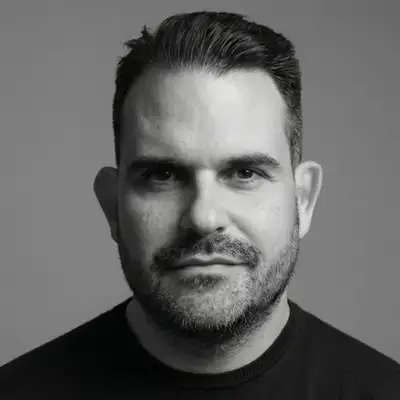
About The Guest: Ilias Mastrogiannis
In Episode 051, I continued the conversation with Ilias Mastrogiannis from Episode 050 so feel free to listen to that as well. I hope you will enjoy our chat
Time Stamps
0:00 Intro
0:15 Winning Large Retailers
5:28 Securing The Foundation
8:34 Non-Scalable Tasks
13:31 1% Better Everyday
17:57 The Necessity of Obsession
25:07 Wrap Up
27:24 Outro
About The Host: Chris Maffeo
About The Guest: Ilias Mastrogiannis
The MAFFEO DRINKS Podcast is a leading drinks business podcast delivering actionable insights for drinks leadership.
For founders, directors, distributor MDs, and hospitality leaders navigating the tension between bottom-up reality and top-down expectations.
20+ years building brands across 30+ markets. Each episode features drinks builders: founders, distributors, commercial directors, sharing how the drinks industry actually works. Not the conference version. Honest conversations.
Insights come from sitting at the bar.
Beyond episodes: advisory for leadership teams, subscription with episode deep dives and principles to navigate your own reality.
Beer, wine, spirits, Low and non-alcoholic.
Bottom-up Insights & Episode Deep Dives at https://maffeodrinks.com
Welcome to the Maffeo Drinks podcast. I'm your host, Chris Maffeo. In episode 51, I continued the conversation with Ilias Mastroiannis from episode 50. So feel free to listen to that as well. I hope you will enjoy our chat.
Chris Maffeo:I'm interesting to know, like, let's say the journey to get to total wine, know, like, did you start first with smaller kind of like mom and pop stores if they are a thing in, you know, in Washington state, like, how do you get there? Because that's in a way that's the ultimate goal of everybody, you know, to get into a big retailer that can do more volume than the the bars that can do, you know, like in two, two ounces at a time that, that takes a while. But what, what is the journey that got you there to the bigger retailers?
Ilias Mastrogiannis:Yeah. Yeah. As we started seeing more pullback from essentially bars during that COVID period, Well, you know, we obviously pivoted to direct to consumer so that, that helped us sustain during that period. And then we're looking, I think around that time, it was like, okay, where, where can we go to, to be able to sell some products? Total Wine actually has a great onboarding process for craft spirits.
Ilias Mastrogiannis:I think they do it for wine and possibly beer, but I know from the spirits, because that's, that's all we focus, with them. They have a great, ability to essentially onboard, essentially submit a new product. We started with Total Wine really right after COVID when we essentially saw all those accounts pull back and we wanted something new to add to our mix. So it started as a necessity because again, of consumer behaviors through those bars and it really expanded very localized. I'm a big fan of trying to win within your city first.
Ilias Mastrogiannis:The visualization that I put it's kind of like puddles, ponds, lakes, and oceans. That's how I see when you talk about, you know, winning within your local market or perhaps within your state, or now you go to a different state or then to a different country. I think it's super important to, to win in that puddle first. I think it's much harder to win. It might, it might take twenty years to really win.
Ilias Mastrogiannis:And what I mean by that is do people wear your, your distillery shirt when you walk down the street? Do, do they wear the merchandise? When I see great brands, Harley Davidson, do they tattoo their logo on you? That's a sign of winning. Not really people think, oh, I'm in 200 accounts, but nobody's moving anything.
Ilias Mastrogiannis:And they think they're winning and then that's a sign for them to expand to the next level. And I think they underestimate that quote unquote winning mentality. I think it really takes a lot of time to win within your puddle. It's a lot, a lot more harder to win within your puddle because more people perhaps know you. So they might not really give you a hand.
Ilias Mastrogiannis:So there's, there's more dynamics that work against you, but it's super, super important to win in your local market before you even expand. So with Total Wine, really, started with one store and now we're up to three or four. So very, very small. And that's intentionally because we want to be able to support them and we want to be able to win before we even consider anything else. And we're now on year nine and I don't think we've won remotely in our puddle.
Ilias Mastrogiannis:You know, it's, there's a lot more work that needs to be done.
Chris Maffeo:That's very interesting. And actually, it was a question that I wanted to ask you on the the path and the journey of the city, you know, how to win the city and and and so on. And it's very interesting what you say because listening to you, I'm a big fan of driving velocity while expanding distribution, especially like big brands, for example, that have the muscles. I mean, I remember in my old times in, in, in beer, you know, sometimes we would go with a huge distributor or, I mean, they were a brewery in their own country, for example. So they could unlock, I mean, they had an army of like hundreds of sales guys, you know, they could unlock the thing and in some countries it that's what happened.
Chris Maffeo:And I was telling them, let's not do that. Let's do, you know, 1,000 hectoliters to start with, and then we grow to 5,000, and then we go to 10,000 to 20,000. But they were just like, no. Year one, we can do 20,000 hectoliters. Mhmm.
Chris Maffeo:And it's like, it's never gonna happen because 20,000 hectoliters, it it means that basically you spam the country, all the supermarkets, all the bars, you know, they will list it because we are with one of the biggest players there. So of course they will say yes, but ultimately what's gonna happen in terms of rotation and dust on the shelf. So listening to you, it's very interesting what you say, because you mentioned in total wine as an example, but it's like, okay, it's one store, it's two stores, it's three stores. And you do activations before you go to the second store. And before you go to the third store, you know, you don't leave the outpost until you it's secured with rotation.
Chris Maffeo:Yeah. That that's very important because it's very easy to be seducted by big retailers in that sense and say, oh, I think you're doing great. You would you could expand in 50 stores. Shall we do that? And then it's like, oh, you know, hold, hold your horses, man.
Chris Maffeo:You know, it's, you know, be careful what you wish for. Always say.
Ilias Mastrogiannis:Super important. Think again, we bring total wine because that's the experience that I have, but you know, I definitely see if I don't support them, there's a decline in sales, which tells me that, again, going back to the consumer, the consumer doesn't recognize my brand. So my, my puddle is not really secure, going back to what you just said with the post being secure before you leave. So those indicators tell me that, you know, I have a lot of work to do in order, for a consumer to go into Total Wine without me being present there, sitting and trying to do a taste for them to purchase and purchase a bottle of our product on their own. That, that takes a lot.
Ilias Mastrogiannis:So it's very important to be patient and take it slow and be strategic with what direction you want to take, because there's competition everywhere, even in the brandy category. So it's super important to be patient and, and play your cards right and do it the right way, I think from the beginning. And again, those was lessons that I learned really by seeing accounts when I would make a sale and I would be happy and then crickets after that. And it was because this the same concept, it just, at a different scale.
Chris Maffeo:I can I can imagine? It's tough and it doesn't mean that we should be just kind of like dreamers, you know, like in, Islam, okay, take style, let's chill. You know, it's normal. It takes time. I mean, you can take opportunities, you know, there will be some sales that are more opportunistic.
Chris Maffeo:There will be some sales that are more, you know, that are easier than others because the product has a perfect fit with that target occasion. You know, the, the, the product actually rotates and that helps you pay the bills. Now at the same time, then the longer term journey is actually doing things as you say, you know, like properly and with this lower kind of like approach that it's, you know, it's securing the foundation of the building or of the, you know, whatever we wanna, we wanna call it.
Ilias Mastrogiannis:Yeah. You see that in the, in the tech world a lot, right? Do the things that don't scale. I think Airbnb was one of them. Maybe the story worked.
Ilias Mastrogiannis:They would actually go to the apartment and the founders would take all the pictures and they would be there to welcome the guests. And what that helped them do is understand what the requirements were from a consumer, you know? So the founders would fly to New York, do the onboarding, and then write the handbook and try to automate it through code. Right? So it's the same process where I think it's super important, at least for the founders or people that are involved in the business to go to those accounts, to be able to go to events, talk to people, and not really hide behind a conference call or, or whatever, Zoom and make decisions that way, because it's, it's super important, especially for a smaller brand to, to connect, show your face and, and be present.
Chris Maffeo:Absolutely. I mean, and I call it instead of the non scalable things, like I, I call them the boring stuff, know, the unsexy stuff, because it's, you know, how it is with things, I guess with you is like, you know, imagine distilling for you must be like a big dream now, you know, like, and then you go and you get nerdy into the woods and the ingredients and the grapes and everything, you know, that's, that's hard work, but it's also beautiful for a distiller. But then like going out there and it's like, okay, now it's cold and, you know, I need to go out and get into the car and load it with a couple of bottles and go out and hit some bars and some, some stores. Then it's like, okay, now I can, I can delegate that to a sales guy? You know?
Chris Maffeo:But Yes. Yes. Yes. Ultimately, if you haven't done it yourself, then you you're gonna be fooled by people because then it's gonna be, oh, yeah. It's hard because you know it's hard, but then, you know, people lack a system as as well, you know, with selling, with doing the things that are non I mean, non scalable.
Chris Maffeo:I love that. And going to going to this, actually, I mean, you said, you you know, you're a small business, so, you know, you're a family business. So you are actually the guy who, you know, jumps in the car and goes and,
Ilias Mastrogiannis:and sell. Right? It's really mostly me and my wife, as I mentioned, I try to focus mostly on the back end, so distilling, but yeah, there, there are situations where I have to go to an event and it's pouring and it's outside and it's cold. We're in Washington. So it's always raining up here and you have to stand for six hours.
Ilias Mastrogiannis:Right. And hopefully somebody shows up. It's always a battle, but I think it's one of the it goes back to, I think what you just said too, is it's super important, I think, at least for a small brand to be able to understand every position all the way from the taxes to how do you do your monthly reports to how do you sell, to how do you produce the product. I think it's very important to be in those positions because not only helps you later on, hopefully when you hire somebody to be able to delegate it in the right way, but it helps you understand, all aspects of the business and hopefully make the right decisions, either through putting money, effort, perhaps cutting that excess, if you think that it's not needed. It's super important for, I think, founders to, to do this regularly.
Ilias Mastrogiannis:And obviously with, with small business week, we are forced to do it just because there's nobody else that did, but it's a great way to, to really understand the business and the sector.
Chris Maffeo:Yeah, absolutely. I was smiling now because I, yesterday I got an email that I forgot to pay a bill, you know? And, and usually, you know, I'm also a family business. I mean, like my wife helps me in some extent more on the admin kind of things. Basically she forgot to, to, to, to pay the bill now, but then I was typing the email to apologize, and I was gonna say, you know, like, I I wanted to blame someone someone else.
Chris Maffeo:No? I want because ultimately, it wasn't me. But then I was like, shit. You are the responsible person. You're accountable.
Chris Maffeo:So it's you who forgot to pay. It doesn't matter who else forgot to pay, you know? And this is one of those things when you do the podcast, you do the, you know, the invoices, you do all these sort of things that eventually at some point it's gonna scale and, you know, you will be delegating them. But you have to know what it is because you have done it at least a few times and you know what it is about. No?
Chris Maffeo:And we were discussing about, you know, podcasts, you know, like I may not be doing the editing nowadays, but I I edited, you know, half of the episodes, you know, and then since a few months, I'm not editing them anymore, but I know how to edit the podcast. I provide the tools to edit and and so on. So it's these kind of things that is very important with small businesses to understand what it takes. And I love what you were saying before, you know, like getting these things is not the holy spirit that came and and lied to you. It's you making mistakes, you know, and learning from them and it's like, okay, shit, this account is not reordering.
Chris Maffeo:What happened? You know? And then you go there and maybe you you get some complaints from them and then they shout at you in Greek that you never show up. Then all of sudden you apologize and then you have a glass together and then a new order is in. You know?
Chris Maffeo:And then it it takes time and maybe you have postponed it for a couple of weeks. I don't wanna go there. Like, you know, they will shout at me and so on. But this is ultimately what this business is about. No?
Chris Maffeo:It's it's a people business. You know, we do mistake. We do things. It's about fixing them, learning from the mistake and, you know, this, you know, ever ever tried, ever failed, fail again, fail better. You know, this,
Ilias Mastrogiannis:you know, actually I have a quote that I want to read to you, if that's okay. It's actually one of my favorite books. It's called The Winemaker. I'll put it up for you to see, but essentially this guy, Richard Peterson, he was a old school winemaker in California. Great story.
Ilias Mastrogiannis:I think if you're into wine or winemaking in general, it's a great book because it walks you through old school Napa and how it started, you know, from the guy who worked in E and J and moved up, but he was talking with the owner of Silver Oak, which is a big winery, very known for their Cabernet Sauvignon in Napa. Essentially says, Justin concluded that the single most important reason for success or failure is how inexpensively the owner has gotten into the wine business. Essentially, essentially those are built really fancy all the way up and they just put port money with really no understanding of the business. He essentially said they failed versus people that started really with a smaller budget, people more involved were the ones that really succeeded in those business. And essentially, essentially takes the acceptance.
Ilias Mastrogiannis:It says it can be up to at least ten years in terms of the brand being relevant in a consumer's mind. So, having that in mind, think is really important. And it's, it's a quote that I always go back because it just puts perspective into what we're trying to build. It just takes a lot of time. And I think being able to understand every aspect of the business is very beneficial.
Ilias Mastrogiannis:So it's
Chris Maffeo:a great reminder. That's a great quote. I will get your book. I remember that you've always asked the books to recommend in your episodes. And it's very interesting what you say, because I raised this example with my podcast.
Chris Maffeo:Sometimes like to get a new followers, I may spend an evening with talking to a person and then I see that they're interested and then they follow my, you know, my other say, oh, you have a podcast, you know, we were discussing before, you know, like, you know, they take Spotify, they click follow and so on. I mean, and that was half an hour conversation for one Yep. You know? And it's like, was it worth it? Yes, it was worth it because, you know, like, first of all, I, I explain what I do back to, to your point about the narrative that you're using.
Chris Maffeo:Now, maybe I used a little bit of a different route because this person doesn't have anything to do with the industry. It could be somebody that is into drinks, but is not from the industry. Somebody that has nothing to do with never heard what a podcast is. And then I, I have to download, you know, the, the application for them. Ultimately, this is the things that, you know, you are able to tell a story back to the beginning of the conversation about word-of-mouth.
Chris Maffeo:You know, it's these people and, you know, two people, three people, and then another person. And then sometimes I get recommended by random people that have no idea who they are. I get a message on LinkedIn as like, I would like to have a call with you. You know, you got recommended by this friend and the marketing director that was working in this company and he was, or she was recommended you by this other person with, you know, and all these names, I have no idea who these people are. You know?
Chris Maffeo:And it's just because it travels. Why? Because of the consistent messaging, you know, of what I talk about. So if you wanna build bottom up, if you're launching a brand, if you wanna do it, this is the person you have to follow-up.
Ilias Mastrogiannis:Yeah. Absolutely. What you said, you know, doing the non scalable, right? Talking thirty minutes to one person in order to get one follow that may or may not listen to you. You know, they might listen to an episode and then, you know, two years later, they might remind remember you again.
Ilias Mastrogiannis:I think it goes back to what you said, if you, if you do a great job and be upfront and honest with the audience, I think that that tells a lot about your personality, which, it clearly shows that you care about this business. And that's why you really started the podcast too, correct me if I'm wrong, but it really shows that you care about this aspect. Listeners understand that, you know, they can pick up the bullshit and they will listen and recommend you because you're doing it because it really is in your heart. So I think it's one of the best ways to do anything, start a brand, do a podcast, do anything personal or anything in terms of your life. It's one of the great, north stars I think that we should all follow.
Chris Maffeo:Absolutely. Absolutely. And, and actually, building on what you just said, it's interesting because I was having, a couple of drinks on Christmas, night, you know, like, another Christmas Eve, like, the the night after twenty fifth. And, you know, I went to this friend of mine and he's a restaurant owner and basically was a gathering for industry people, you know, all the chefs and waiters and everybody because the restaurant closed and, you know, so I was invited as one of the few, let's say, known, you know, I was part of the extended team, so to say. And and I remember that when I was talking to this person that explaining what I do and how I do it and so on and and she told me, you're crazy.
Chris Maffeo:You know, like, you are like, where where do you find the time to do all this? Like, you're you're obsessed with this. Right? And I said, yes, I am. And then my friend who is the restaurant owner that passed by and just listened to the the tale of the conversations, like, he stopped and he said, if you're not obsessed, you will never succeed on anything.
Chris Maffeo:Mhmm. You know? And I love that thing. You know? It just like it was, like, literally, like, three seconds of my friend.
Chris Maffeo:And it made me think. And I said, actually, you're right. You know, it's not about, you know, there is this guy, Justin Welch that I follow on social media and he's, he's always talking about don't pick a niche, you know, pick your obsession. You know, what are you obsessed about? It's not about what you're interested because I'm interested in many things.
Chris Maffeo:I'm obsessed about a few things. And those are the things that you can drive. And I read on your website, the story, what drove you, the heritage, your father, you know, the the Meraki, it's clear that there is a special drive behind it now that that pushes you further when it's raining, when the laptop doesn't switch on, when the distillery has a power failure and all these things that happen. And you're thinking like, who told me to do this? You know, why am I doing this?
Chris Maffeo:But ultimately, you know, we are all in, in this one. And ultimately, it's also about the founder's journey. I I reflect on this many many times, you know, it's a lonely journey sometimes, no? We are out there with people, you know, we talk to people all the time and so on, but actually we are by ourselves, no? So having this kind of conversation like we're having now, it's, you know, people from the other side of the world with totally different background, with totally different industry, but let's say skills or like, you know, specifics in the industry, the same ultimately.
Chris Maffeo:We share the same pain. There's people out there that are passionate about something, whether they make shoes or they make blue jeans or they make brandy or a podcast or a consulting company, you know, they care about something specifically and they go for it. No. And this is what the message that I want to give to the listeners of the podcast is like, no matter how hard it is, you know, like you're not alone and there's a lot of people out there struggling as you are and you know, we can all learn from each other and that's the ultimate role of, you know, what what I do with the podcast, what you do with the podcast, sharing information that we we would otherwise keep for ourselves. I mean, we would, we would have not recorded this and this could have been a normal video call that we would make with each other and nobody No, will find
Ilias Mastrogiannis:that's a, that's a great point. The, the obsession, I think, you know, because without that, I would personally quit a long time ago, I wouldn't still be do from the podcast to the business, it's really tough, as you said, it's very can be you can feel very lonely, even when you have a big staff, it doesn't matter the position that you are within the business, you know, from a sales to a distiller to marketing, you can feel very lonely in, in that role. One of the examples that I bring with the podcast is many years ago, I had to release a podcast when my father passed away. I still did it. You know, it takes that level of dedication and some people might take it wrong, but, know, I didn't feel that month to release a podcast, but I decided let me be consistent.
Ilias Mastrogiannis:And I think that's what, what my dad would want, but it's also understand that, it does take obsession in some areas in order to, to be able to make it because it's, it's hard, you know, you, you're gonna send the email and you're gonna hear no responses. You're gonna call and you're gonna hear no responses. You're gonna go to the account, have a great visit, but no orders. We tend to blame ourselves. You know, we kind of spin in our mind, but at the end of the game, there's so much that we can do, but being obsessed, think is, it's a good way, hopefully in a, being obsessed in a good way, not in a bad way, it does take patience in order to be in this business.
Chris Maffeo:Yeah, just clarifying this for the listeners. I mean, when we talk about obsession and I'm speaking for you as well, you know, he's not obsessed in a in this kinda like crazy hustling, you know, like I don't sleep and I don't see my family. I'm just working all the time and so on. It's just that it's just like about caring. I wrote an article once.
Chris Maffeo:Don't be the guy at the party that is on it's it's in all the photos, but be the person who refills the fridge that is getting empty so that, you know, you can get the, the party going. It's this kind of things that you have to care about because I remember like one, once I was at the fiftieth birthday of a friend of mine and I didn't know anybody there. It was my wife and I, and, you know, I was just there and, and then I put myself in their shoes and there, there were like bottles of champagne at the beginning of the evening. And we were like a small group, maybe like 20 people. And there were these full bottles of champagne and empty glasses all around me.
Chris Maffeo:No. I just took the bottle and for a couple of hours before dinner, I was a waiter basically. You know? You Refilling. The champagne bottles, I opened them and, you know, that just the stuff didn't show up.
Chris Maffeo:And I was just like, fooling. And and then I remember I was sitting next to a lady and she was like, yeah. I saw what you were doing. It's very interesting, you know, like, how you took that that task. No?
Chris Maffeo:Because nobody told me, but I was like, okay. It's not gonna be my friends nor his wife. You know? Like, they need to enjoy this evening. For me, it's it's a fiftieth birthday of of a friend.
Chris Maffeo:You know? It's not my fiftieth birthday. It's not my wife's. It's not my daughter. It's not it's it's it's like I'm a guest like any anybody else.
Chris Maffeo:You know? I want them to enjoy and they shouldn't think about filling glasses because I hate to fill glasses when it's my party. You know? So and and this is the kind of obsession or commitment is like their attention to details on Carrie when nobody's watching. So as they call Exactly.
Ilias Mastrogiannis:Yeah. Yeah. No. Do the things where nobody's watching. Yeah.
Ilias Mastrogiannis:Whether it be the podcast or as we talked earlier about an event or, you know, do doing something that really, you've done it for the hundredth time, you don't feel like doing it, but it's still required to be done in order to, you know, inch a little bit forward. And that type of obsession, I think that's absolutely key is loving what you do because it drives everything else from the backend.
Chris Maffeo:Yeah. Fantastic. Fantastic. Let's wrap it up with, first of all, how, how can people find you and the winery and distillery, but also, you know, like a couple of books to, to give some inspirations to our listeners on what you like to do and how you like to close the episodes.
Ilias Mastrogiannis:Absolutely. No, I love books. So, yeah, that's one of the questions that I ask every guest is what book they recommend. Cause I, I usually pick up that book. I'll start with one of the past guests.
Ilias Mastrogiannis:I think Daniel Swar with Coldwell's Distillery. I think it's one of the recent ones that I read. It's called In Search of an Authentic Life. Very short book, but it talks about how Dan really started the business. And it's a great little short story.
Ilias Mastrogiannis:I read it within a couple nights. Very, very close to my heart, just because I feel I'm on the same path. So it's a great book. What I mentioned earlier, The Winemaker by Richard Peterson, a great book. If you're into the wine story, if you like wine, if you want to know a little bit about the history, at least from the Napa side.
Ilias Mastrogiannis:And then, you know, from other books, Atomic Cabits, I think it's one of my all time favorites. It's a great book. Those are the top that come to mind and the best way to connect with us is listen to the podcast. If you're into the production side of the business, it's a great podcast, Distillery Nation, that's a great way to hear my voice, but also social media MastroganasDistillery on Instagram and then mastroganasdistillery.com on the web.
Chris Maffeo:Fantastic, fantastic. And I would say that this podcast and your podcasts are nice, You know, they're very complimentary, you know, being in each other because, you know, you focus more on the hardcore stuff of distilling and that side of part of the, of the business. And I, I, I focus more on the commercialization and, you know, what happens outside of the doors. So it's like, you're the first part of the, of the journey and I'm the second one. So fantastic.
Chris Maffeo:So fantastic. So thanks a lot, Elias. It was a pleasure. And I I wish you happy new year. Happy 2024.
Chris Maffeo:And I I hope you will be as obsessed as you are today. And I wish you all the all the best to you and and your family.
Ilias Mastrogiannis:Thank you, Chris. Thank you for having me. It's been a pleasure.
Chris Maffeo:That's all for today. Remember that this is a two part episode fifty and fifty one. If you enjoyed it, please rate it, comment, and share it with friends, and come back next week for more insights about building brands from the bottom up.