Subscribe
Share
Share
Embed
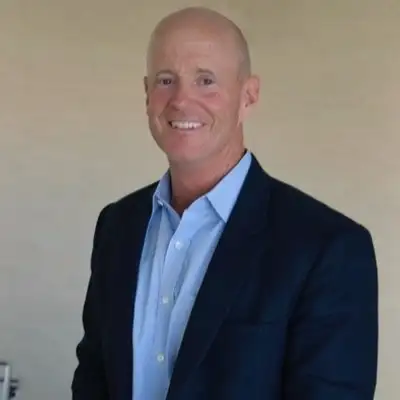
Hot Takes with Jim Baker is where real-world business experience meets honest conversation with Host, Bill LuMaye.
Hosted by entrepreneur, advisor, investor, and CEO Jim Baker, this podcast explores the challenges leaders face every day—from raising capital and managing growth to hiring, firing, sales, culture, leadership, acquisitions, and long-term value creation.
Through the Hot Takes series, Jim sits down with business owners, executives, investors, and industry leaders to discuss timely issues shaping today’s business landscape. These candid conversations offer practical insights, hard-earned lessons, and perspectives you won’t find in a textbook.
The podcast also features the Wisdom Series, in which Jim and Bill interview accomplished guests whose decades of experience offer timeless lessons on business, leadership, success, failure, and life.
Whether you’re a CEO, entrepreneur, business owner, executive, or aspiring leader, Hot Takes with Jim Baker delivers actionable insights to help you build stronger organizations, create greater value, and lead with confidence.
Presented by Sumus Development Group, LLC. Helping organizations enhance value, strengthen leadership, and prepare for what’s next.
23 - Hot Takes
===
[00:00:00]
Jim Baker: Hello everyone and welcome to another edition of 50 Cups Hot Takes Today, a special entrepreneurial edition. Also a very special guest, my daughter Molly Baker Schwartz who's also the founder and the CEO of Indie Consulting. who recently moved back to Raleigh from New York City.
And I'm pleased to have her on as a guest today 'cause we can certainly learn a lot from her. And since we are related, we [00:01:00] probably share some hot takes. That we have more in common than not. But before we begin, as always a little iced de-stress tea today to start the day. Wow. And I've learned how to pour so there's no spillage now.
Great job. And, um, we'll get going. This is my famous, um, Villanova University. Love it. We both went there and graduated. Mm-hmm. Pope University Yeti and, um, serves as purposeful when you we're pouring the tea. Beautiful. How are you today?
Molly Baker-Schwartz: I'm good. Thanks for having me.
Jim Baker: Good. So you just recently came back from a little trip.
Yes. Where'd you go? Yes.
Molly Baker-Schwartz: To Canada, Banff. Mm-hmm. In Lake Louise. It was beautiful. 70 degrees.
Jim Baker: Wow.
Molly Baker-Schwartz: Forties at night. I've never felt better in my life. It was great.
Jim Baker: You weren't cold?
Molly Baker-Schwartz: No. I don't think you can be cold when you're pregnant. That's what I've learned.
Jim Baker: So the Fairmont Hotel, which is the world famous hotel up there that I think was owned by the Canadian Railroad at one point in time.
Yes. Um. [00:02:00] Is that Lake Louise or is that Banff?
Molly Baker-Schwartz: There's one in both locations. Okay. And they're both owned? They were both owned by Canadian Pacific at some point.
Jim Baker: And how's that hotel?
Molly Baker-Schwartz: Beautiful.
Jim Baker: Do you feel like you're out in the middle of nowhere or
Molly Baker-Schwartz: the Lake Louise one? Yes. Banff for You're close to town.
Jim Baker: Okay.
Molly Baker-Schwartz: It was beautiful. Would recommend.
Jim Baker: Yeah. Well maybe we'll put that down in the bucket list. I'm sure I don't
Molly Baker-Schwartz: on the bucket list.
Jim Baker: Well, it's good to have you today and I thought we'd start, but just tell us a little bit about yourself and how you ended up becoming an entrepreneur.
Molly Baker-Schwartz: Yeah, sure. How did I become an entrepreneur?
I think I became an entrepreneur because I always enjoyed doing my own thing. I heard something recently that said that entrepreneurs love freedom more than anything else. And I, that stuck with me because I don't really like being told what to do. I like making my own decisions, and I think I've always had a little bit of that at least.
But growing up I did entrepreneurial [00:03:00] things and was encouraged to do so by you and mom too, of summer camps and babysitting and water plant watering companies, you name it. And it's nice to be able to, to call your own shots. So anyway, I did think that I was going to be a therapist at one point in my life and which was kind of funny, studied psychology and sociology and took all these classes in human services that was my major so that I could go to grad school and then be a social worker of some sort, um, which I know you didn't really love at the time, but didn't happen.
So here we are, um, and studied abroad, took a marketing class and loved it and found that I, the connection that I was looking for, I could do in a business setting, not just in a. Social work or therapy type of setting. And so it kind of, you know, took the marketing path from there. But I think the desire to really start my [00:04:00] own business came from wanting to have really independent freedom again.
I mean, sure I had some ideas about things that could be done differently in the marketing space, but what I really wanted at that time was to get out of the corporate and business structures that I had been in and have the independence to do things how I wanted to do them.
Jim Baker: So you are in college, you're thinking about becoming a therapist, and I think you ended up getting a internship, um, between junior and senior year at Toll Brothers, I think.
Mm-hmm. And how did that happen? And then I see a lot, 'cause I do some work at Cardinal Gibbons High School and then stay in touch with some kids that are in college now. And some of 'em seem to struggle, you know, when they get outta college there's no jobs. Right. And I think the market's a little bit different than what it was maybe three or four years ago where everybody was looking to higher entry level people.
But now that's not the case. Walk us through your experience during that [00:05:00] time and then what you did to end up getting your first job in New York City.
Molly Baker-Schwartz: Yeah. Yeah. So I had taken, you know, studied abroad my junior year, taken a marketing class, found that I was very interested in it. Had a great professor like this storybook experience, and knew that I needed to try to find some sort of experience or work experience so that I could build.
Some credibility in that space, given that's not what I studied. And Villanova had a like career portal or internship portal, um, with a ton of opportunities on it. And I think that stands true for college students today too, that, I mean, I know we at Indy now work with UNC and NC State and they have similar setups.
And I for that, that specific internship, 'cause I had a couple others as well. I just scoured that for opportunities. And it didn't matter to me what the internship was as long as it was within marketing. And maybe sometimes now people can be too [00:06:00] picky, like. It doesn't matter exactly what your internship is, as long as it's something that's gonna give you exposure and experience ultimately.
So I found the Toll Brothers opportunity through that. And it, this was at like the birth of social media and it was a social media internship, which is hilarious. That was like when everyone gave social to interns and said, you know, the real marketers aren't gonna do this. Um, and now real marketing is social media, which is crazy, but that's, that was what the job was, was to come do our social media.
And I wrote blogs and made a Pinterest board and set up their Facebook accounts and did all the things in that space. So doing that internship and then I continued working with them while I went back to school my senior year. And I also had an internship with College Fashionista. I'm sure you remember.
Mm-hmm. Being an editor and a writer to get more digital experience and. I also started working for a nonprofit doing [00:07:00] communications and social media there too. So that gave me at least some credibility to then try to find a marketing job. Um, after school I really wanted to move to New York City, as I'm sure you remember.
I was like, hell bent on doing that. And I tried to just, yes, I applied to a lot of things, but also asked a lot, asked around a lot. I mean, I think I got the job at 360 I, which was my first job outside, out of after school through like a family friend who connected me to another person who connected me to another person.
So it was a tree of people offering or me asking, you know, is there anyone else that you can connect me with? And three connections in was able to get an interview there. So I think you have to work, work your network, even if it's not really your network yet, and just ask people for introductions.
Jim Baker: Yeah, I think one, one of my first hot takes is nobody.
It's forced, I guess you could say, to work when they're, they turn 16, 17, [00:08:00] 18. I see a lot of high school kids that, you know, are, they're not working, they're just being subsidized by their parents for money, for social stuff, or they're, the emphasis is on athletics or it's on academics. And it drives me crazy because in 99.9% of the time, once that person graduates college, whether it's a regular degree or a higher degree, they're gonna work, they're gonna get a job mm-hmm.
At some point in time. So there's so many soft skills in working that you're, that you learn just by going to a grocery store and working at a grocery store, or working as a intern or, you know, cutting grass or whatever it is where you're part of a team, you know, you're interacting with other people.
You know, you pick up all these intangible skills and. It drives me crazy hot. Take that they're, these, these kids aren't doing that. And what I loved about you is you always wanted to work. So speak to that. You know, it's when you're hiring people today, you [00:09:00] know, do you, are, are you hiring people that have never worked before?
Molly Baker-Schwartz: I try not to, to be honest, because they don't have the foundational skills and I don't wanna teach somebody that at this point. I mean, I, I also don't understand the mentality of like, who doesn't wanna have their own money,
Joe: right?
Molly Baker-Schwartz: I wanted to have my own money when I was like 10 years old. Are you kidding?
That's, that's the ticket. Then you can do whatever you want. So I never really understood that. But I do think you're a hundred percent right. Like even if, even if it is babysitting or running summer camps or whatever it may be, I mean, I think I learned probably my client services skills. When I was in high school, because I learned very early on when I was babysitting for families, if I did a little extra, I unload the dishwasher, I bring a craft for the kids, I can charge a premium rate.
I was probably the highest paid babysitter and all of Preston would, because you just do a little bit more. I serviced a little bit more than the standard babysitter who would come over, watch TV on the couch, [00:10:00] eat the popcorn out of the pantry, and you get paid more. And then you're in demand, which then means my price is gonna go up even more.
Then I could go after the big families that really had the cash.
Joe: Right.
Molly Baker-Schwartz: You know? So I do think now when we're hiring for people, I wanna know what jobs they did before their career, quote unquote. And I wanna see they've worked in different environments, restaurant, you know, service of some sort. Manual labor because you learn different things from those types of experiences.
And then if they haven't, you're less appealing. I'd rather have somebody that doesn't have perfect experience, but that has done things than, oh, I've been in grad school for the past five years. I,
Jim Baker: well, I think also because they haven't had that experience than when it, to your point, you, you have to network.
'cause most jobs are found through connections and they don't know how to network. And then they're, or they're afraid that they're gonna be quote, unquote bothering somebody when in most cases people [00:11:00] actually want to help other people out because they do remember when it was their turn to find a new job when they were 21 years old, or 15 or 16 or whatever.
They didn't know what to do. Yeah, right. So I do think that there is is it pay it forward. There's, there's that mentality I think, when it comes to finding a job. But if you don't have that. Intangible skillset to be able to talk to strangers, to be able to sell yourself a little bit, to ask for a favor, then it's becomes even more hard.
Yeah. To get a job.
Molly Baker-Schwartz: I agree.
Jim Baker: So you that work around, you get your job at 360 and you're I think to your point earlier, social media back then was a loss leader for the company, and you got tossed on a couple of car accounts, I think and, and some other things. I was, yeah. And you know, tell us a little bit about that and how you
Molly Baker-Schwartz: Yeah, so I actually took a, um, even crazier at the time, paid social media [00:12:00] role, which was like at its talk about infancy, where I was buying ads on Instagram, on Facebook, on Twitter.
Um, I had absolutely no experience doing this. I mean, thankfully no one really did at that time, but I didn't know anything about paid media either. And I remember in my interview, they asked me what my experience was with advertising and with media, and I basically looked at the, who would then become my boss and said, I don't have any, but I am a quick learner.
I'll work harder than anybody else here. And I love this space. Like, I, I just wanna do it. I just wanna be here. And she was like, okay. Like that's, you know, she told me, she told me what to say in my next three interviews after that, she's like, here's what the interview team's gonna ask you. Here's the answers that you should give, and if you do these things, you'll get the job.
And it was a, I thought I was being punked, right? You're like, mm-hmm. Am I being set up? Is this a test? But I [00:13:00] figured I don't have the answers, so I might as well listen to what she said. So I answered exactly how she told me to answer and I got the job. Um, and I did ask her afterwards like, why did you do that?
And she was like, I don't know. I just liked you. I thought you had the qualities that would make first a good person to have on the team and who really knows about this space yet. So I was paid media buyer. I basically spent the first six months of my job, and I joke about this with people on my team today, sitting next to someone and watching her pull Excel reports and make pivot tables every single day.
And it was boring as hell. But she was training me on how to do the technical basics of analyzing data, making a good report, understanding what performance indicators are, but it was really boring. But I, I pulled up my seat next to her and that's all I did for, I wasn't client facing, like I had to earn my stripes.
I was working on when I started actually buying, yeah, enterprise National Rental Car. I did some [00:14:00] stuff on American Girl, which was a little bit cooler. Toyota. And then I started working on Hanes and then Ben and Jerry's. Mm-hmm. So I was able to graduate to some bigger clients over time. But I also, I mean 360 I, and I think a lot of agencies, you know, hopefully offer this kind of said like, if you have good ideas or if you wanna learn different things, you know, raise your hand.
And so even though I came in as a media buyer, I ended up doing some content creation and community management. I had a mentor on the strategy team and I worked as a strategist for a while on a couple accounts. I got exposure to account management and worked underneath an account manager. I mean, I was volunteering for these opportunities, but I got to see so many different parts of.
Business that I was probably one of the best experiences that I could have had to get started.
Jim Baker: And when you first started, were you dictating to your employer when you can and can't work and No. What you like to do and what you [00:15:00] don't like to do?
Molly Baker-Schwartz: No.
Jim Baker: You didn't? No. I thought,
Molly Baker-Schwartz: I mean, believe it or not, I went to the office five days a week, Monday through Friday.
Everybody, because I was in New York City, it starts late, ands late. So most people wouldn't roll in until like 9 30, 10. I would get there at 8 30, 9 'cause you wanna be the first one there. And most people wouldn't leave until seven if I left at six on a Friday. That was an early day. Yeah. And that was normal.
That, and that's what everybody was doing. It wasn't like, I'm clocking in at nine, clocking out at 4 59 and I'll be here one day a week on my mandatory day in. It was a totally different mentality.
Jim Baker: How does a company create that culture?
Molly Baker-Schwartz: I mean, I think it was a place where people wanted to be like. I loved, I had a great time there.
I met friends that I still keep in touch with today there, and people that have worked in my business or that are clients. I mean, it was a good group of people and it was an environment where [00:16:00] it, not that it was, not that it was always fun, but they encouraged you to be social with your coworkers too. I mean, we would go to drinks together, we would eat lunch together.
We worked on different accounts together. It was fun. So, I mean, I think the ultimate message was like, you need to get your job done. And people definitely did. But I think we enjoyed working together. I think the in-person piece was so huge, and as I've battled with that topic for my own business of remote versus in-person, works a lot more fun when you're doing it with people.
Jim Baker: Mm-hmm.
Molly Baker-Schwartz: And I think my previous experiences would suggest that too.
Jim Baker: You find today some of the. People coming into jobs wanna dictate when they wanna work and when they don't wanna work.
Molly Baker-Schwartz: Absolutely. I mean, 75% of the time it's crazy, honestly.
Jim Baker: And is what I mean, you're younger, so what? What's the reason for that?
Like [00:17:00] why is that suddenly, shouldn't I suddenly, why is that more of a trend now than it was when you were coming up?
Molly Baker-Schwartz: I think, I mean, I think COVID was such a hard reset for work culture because it forced everyone to operate in the complete opposite way that they've been operating in business for so many years.
Like it was all about. Collaboration, time in person, office, time being about community and socialization to you're gonna be alone with your laptop at home, no distractions except for the 16 house chores that you're gonna get done while you're there and you can do it in your sweatpants and you don't have to get ready, you don't have to commute, you don't have to do all these things.
It was literally the polar opposite. And I think people felt empowered by that experience of like, wait a minute, I can call my own shots. And I think we still have that entitlement now of like, I wanna make the decision of when I go in and when I don't go in, I wanna make the decision of what I wear, of how much time [00:18:00] I spend in the office every day, or even online every day.
I just think there's this entitlement. But the piece that's is like shocking to me is. When you have a job, you're literally getting paid for your time. Guess who gets to decide what you do with your time now, the person who's paying you for your time. Right. And people seem to forget that piece of it.
Jim Baker: Right.
Molly Baker-Schwartz: Which I don't really get.
Jim Baker: Yeah. I think there maybe there's a quarter percent of the 1% that have a phenomenally valuable skill. Like an athlete, for example, or somebody that's got some piece of technology knowledge no one else has. They probably can call their own shots. Yeah. But everybody else, you really can't.
And I think, um, you know, there's that old adage that whoever has the money, you know, controls the decisions and, that, that seems to like, that's gone out the window little bit these days. It has out the window. This is getting better. Yeah. But I think it's, but it has gone out
Molly Baker-Schwartz: the window. I also think too, it's like since when did all of this become an individual sport, right?
Like work is a team sport,
Jim Baker: right.
Molly Baker-Schwartz: Otherwise, none of [00:19:00] us would have com. We wouldn't have companies, we wouldn't have groups or departments or we would just be all and doing individual things. So I don't, I don't know how you can argue that it's better when you're on your laptop at home every day. I
Jim Baker: think there's a comfort in that, but it's also I think every human has to have human contact.
And I think when you get away from it, then to your point, it's easy. You don't have to worry about doing much. Yeah. You just have to shuffle over to your laptop. Right. You've had your coffee and your check, a few emails you worked out or whatever, hang out, and it's, you get comfortable in that, but I think you're also missing out on so much.
Yeah. You know, during that process. And I mean, hey,
Molly Baker-Schwartz: I've had a huge mental mind shift on this. I mean, we've had, you and I have had many arguments and debates about it. I was of the ideology pre COVID that in this digital virtual world that I bought into that. You could be this global nomad and work from anywhere and, and not be with a team and still get [00:20:00] incredible work done.
And I think in short periods of time that's true, but over long, over years, it's not true. Like we're human
Jim Baker: Right.
Molly Baker-Schwartz: People at the end of the day, not computer screens.
Jim Baker: Very profound. So,
Molly Baker-Schwartz: so you're right. Is that what you wanted to hear? No.
Jim Baker: Um, I just, I'm not right. I just, I just, you know, you look at all the successful companies in the world and you know, none of 'em are virtual.
No. People are coming in every day. People are working.
Molly Baker-Schwartz: Yeah.
Jim Baker: So you leave 360 to go to the client? Yes. Ben and Jerry's. Yeah. I did the, so you go up to Vermont,
Molly Baker-Schwartz: I did the unforgivable sin look
Jim Baker: a little ice cream, you know, hang out up there for a while. And what was it like on the client side?
Molly Baker-Schwartz: Totally different.
It's funny you think when you're service side or agency side, that you understand what it's like to be the client. You're like, I work with these people every day. I get it. You have no idea what their day-to-day looks like and what the inside of a business looks like when you're a few [00:21:00] degrees removed.
So I thought I knew, and when I moved to Vermont and had this huge cultural shift even of being, you know, 25 in New York City to living in Burlington, Vermont, where there's like three people that are my age and people that have been working at a company for 30 years versus all these like young people that I was working with at 360, I, it was a total shift.
But I learned a lot. I mean, there's so much that goes into building a brand. Ben and Jerry's has done a. Brilliant job at that. Over the past 35, almost 40 years now I learned about an A business and how it operates on a, not on a product based level versus service based level, which I still benefit from that experience today.
And at scale too. I mean, Ben and Jerry's is part of, is part of Unilever, so having a view into an enterprise organization just gave me another layer of learning that I was able to do as well. So it was great. I definitely found it a little bit repetitive. [00:22:00] I mean, there's annual cycles in a product-based business, especially one that's been around for a while that, you know, this is what we do every year and this is how, especially when they've been around for, for decades.
Um, this is how we approach product launches and we don't need to shake it up. Um, so, you know, I came from an environment that was all about experimenting and learning and like trying new things into something that wasn't that. Um, so that was
Jim Baker: big shift. That frustrated for you? Big.
Molly Baker-Schwartz: Yeah. Yeah. And even sometimes I would have ideas that were really good and I would get approval, but then I couldn't make them happen because it was so layered and there were so many blockers that you just kept hitting walls all the time.
Jim Baker: Yeah. And that's an art too. 'cause now you gotta be a politician, so to speak. Yes. With inside a company. And I think ultimately that's how some of these people get to the top. Oh, for sure. Because they know how to work the system. Right. Yeah. And I've
Molly Baker-Schwartz: seen brilliant people at that. Like there are people that are incredible at that, and I think that's a skill in and of [00:23:00] itself.
And I, I had a lot to learn in that space and, and did, but I like to, I, I like to get things done too.
Jim Baker: Mm-hmm.
Molly Baker-Schwartz: Like, I wanna operate, not just talk about it.
Jim Baker: Yeah. From a personal standpoint, what was it like living in Vermont?
Molly Baker-Schwartz: I mean, Vermont is its own. Its own entity. I mean, what do they say? Keep Vermont weird or Vermonters are weird.
I mean, it is a weird place. So I will say that, and I think everyone who lives there would probably agree. Um, it's Beau it was beautiful. I mean, the access to the outdoors was amazing. I, my life looked and my lifestyle looked so different compared to the East Village to then go there. I mean, you're in a small town, you see people from work all the time on Main Street, and you ski before, before work if you want to.
I mean, that's a completely different life. But I thought it was too small. I, I don't like, I want some variety. So that to me felt like old after a while [00:24:00] that you're kind of doing the same thing, going to the same places. But I met some great people, people that I still keep in touch with and that I would consider hopefully lifelong friends.
So it was a cool challenge and. I wouldn't do it differently.
Jim Baker: Yeah. So then you decided to go off on your own?
Molly Baker-Schwartz: Yeah.
Jim Baker: To start the company. Yeah. And then you decided to live in Boston?
Molly Baker-Schwartz: Yeah.
Jim Baker: To do the company in Boston with no Boston clients? Correct. Okay. Correct.
Molly Baker-Schwartz: Yeah. I mean, that whole transition was a little clunkier than it needed to be, but I, I didn't think I want, I wasn't sure if I was ready to start a company.
So I like Wafered, as I'm sure you remembered, remember a lot on that at the time. Yeah.
Jim Baker: You were a consultant for a little while, right? Yeah, and I
Molly Baker-Schwartz: was like, still applying for full-time jobs, and I got that job at Amazon in Seattle, but then I didn't take it and I was sort of, I don't, I wasn't all over the place, but I, I feel like sometimes people think that you start a company because you have this, like, you know, you're struck down by God, [00:25:00] that you have this brilliant idea that you have and it's not really, I don't think, always that clear for everyone.
It's like a, it. It ends up becoming a decision. Sure. But it's not like you wake up one morning and you're like, today is the day I'm starting the business. At least that wasn't my experience. So Yeah. Was freelancing for a little bit, applying for other jobs, and then decided, well, if I'm gonna, if I'm gonna try to get back into the services space, like I should really go for it because why would I just kind of cruise along and half as it, if I can give it a go?
I have no reason not to, and I didn't wanna go through. The shift of going from Vermont back to New York, and I wanted to try another place, so I figured why not? Boston's a good middle ground, like I can still get access to the outdoors easily. It's a smaller city. I had a couple friends there and yeah, went to Boston.
So I mean, in hindsight, should I just gone back to New York? Like probably, [00:26:00] but since I ended up back there anyway, but I had a good time in Boston.
Jim Baker: Yeah, that was a good time. And you were there during COVID too, right? I was,
Molly Baker-Schwartz: yeah. That was an interesting experience. Yep. Yep. Sure.
Jim Baker: Up there you had to wear like 40 masks to go to.
You did. If
Molly Baker-Schwartz: when you were running outside you had to wear a mask and I mean, I, I Another hot
Jim Baker: take.
Molly Baker-Schwartz: Yeah. And I was in a, you know, one bedroom apartment by myself. Like, I think those first two weeks before I drove back down here, like I was, didn't see anyone. Right. I was just in my apartment alone and I'm way too social for that.
So, yeah. No,
Jim Baker: yeah. Crazy stuff. [00:27:00] ultimately you make the jump to basically use your freelancing as a springboard to start this company. Yes. And so tell us a little bit about the company, what it does. Yeah.
Molly Baker-Schwartz: Yeah, all that good stuff. So when I decided that I was gonna actually try to start a business, I wanted to do two things.
I wanted a marketing services company that would be strategy led, because at the time, and even now to a certain extent, you can find brand strategy, you can find creative strategy, you can find media strategy, but you can't really find a group that specializes across channels, across paid, earned, owned, that will give you a strategic guidance on how to invest, how to [00:28:00] resource, and then actually help you execute those plans too.
You have to choose more specialist groups. So I wanted to be a go to market strategy shop first and foremost as our core service offering. And then the second piece was. To be an agency that people actually liked working with. Like, it felt like agency was a dirty word, which is why it's called a consultancy, because no one likes their agency.
No one trusts agencies. I, I think it's, it's a disservice to the industry to a huge extent because what a privilege to be able, as a service partner to come into someone's business and see it at such an intimate, in such an intimate way, but then no one ever likes each other. Like, why? That's, that's like such a broken part of the, of the system.
And I think you can be brilliant marketer, but if you're not good at the relational and the services piece of things, you're never gonna be successful. So how do I have a group that [00:29:00] brings some of those things? Again, going back to my, my social work and therapist days and dreams where we focus and talk about.
Conflict resolution and communication styles and how to build emotional intelligence and how to be a leader even when you're the most junior person on the team. And how do you build a culture around those types of soft skill development aspects versus just, here's the best practice for Instagram or TikTok today.
And I hadn't experienced that. Like 360 I was great, but I never learned how to be a good client partner. Mm-hmm. Or, or a good customer service person.
Jim Baker: So when you say nobody likes each other, what do you mean? Is that the tension between the client and the Yeah, and the service partner. Service partner, yeah.
Molly Baker-Schwartz: And it usually comes down to just honestly misalignment on what success looks like. That's usually the biggest challenge. The, the agency partners trying to succeed against marketing trends, goals, KPIs, and the clients trying to succeed [00:30:00] against business goals and KPIs. And they're like ships passing in the night because they're not aligned.
And then they don't know how to communicate with each other about those things. And that, I think is the, the baseline of why it's usually, there's so much distrust between the partner and the client.
Jim Baker: But do you go to clients and ask them for their business goals? Oh, yeah. And then that's the first part of every conversation.
I'm assuming when you make the recommendation, here's what we're gonna do to get you achieve your business goals. They don't want that in some cases,
Molly Baker-Schwartz: sometimes. No.
Jim Baker: Yeah.
Molly Baker-Schwartz: And then, but then that's a conversation, right? But that's how we start all of our engagements and, and when I was brand side at Ben and Jerry's, rarely, we worked with so many different agencies.
Probably one out of five would ask, what are the business goals this year? Nobody would ask that. Mm-hmm. They'd ask about like, chunky monkey and like, what new flavors being launched. Right. Or like what celebrity we're partnering with and how we could make a jingle about it. Right. Like there was never a conversation about hard business [00:31:00] aspirations.
That has to be part of the conversation.
Jim Baker: But if you, but I would think then if you get a client aligned to that and you agree on a strategy, then there's less tension then. Yeah. Is that correct? Yeah,
Molly Baker-Schwartz: absolutely.
Jim Baker: Yeah. What do you do when you run across clients that they're maybe not achieving their business goals, but they did a post, you guys did a post and they got a billion likes and they were featured in the post and they're walking around glowing, but didn't translate to dollars.
Like how do you level set the client on that?
Molly Baker-Schwartz: I mean, that's happened. Yeah. It has one post doesn't mean anything.
Jim Baker: I know that and you know that. Yeah.
Molly Baker-Schwartz: But I think, but I think we don't over celebrate those types of wins because it's not really, I mean, sure it's great that we got some additional eyeballs on this, but it's, that's only beneficial to the brand if we can continue to do that and attract more people to the brand and then have a next step for them to trial your product or service otherwise.[00:32:00]
It's just vanity. And I definitely experienced a lot of that at Ben and Jerry's, partially because of the time, you know, that it was where you could go viral very easily and you could get millions of likes on an Instagram post and tweet, retweet, and you know, we don't even call it that anymore. Um, but I think you have to see, you have to, even if you can just correlate it loosely, bring that back to the business.
And if you can't, then it's great.
Jim Baker: Who cares? Yeah.
Molly Baker-Schwartz: Cares. Yeah. 'cause
Jim Baker: when they had Ben and Jerry's, for example, they got 300,000 likes. Is that translate to 300,000 cartons of ice cream being bought?
Molly Baker-Schwartz: I mean, in their case,
Jim Baker: probably generate some, right? It does
Molly Baker-Schwartz: generate some, yeah, it does generate some. And they were able to do it so consistently that they had such an engaged base of people who then would go try the new product
Jim Baker: Right.
Molly Baker-Schwartz: Launch. So I do think that they had. Success in that for sure.
Jim Baker: Are they trying, are they [00:33:00] catering to their committed customer base where I'm Drake eating Rocky Road and suddenly I'm gonna do Chunky Monkey now? Or are they trying to get someone like me who doesn't eat Ben and Jerry at all?
Molly Baker-Schwartz: No, they're really trying to get their committed base to buy, continue to buy more.
Buy more. Yeah. Yeah. I mean, their whole thing is we love our fans more than they love us and we want them, we want, you know, the top selling flavor by far, for Ben and Jerry's, it makes up, I think like 75% of their sales is cookie dough. Okay. So why do they launch all these other flavors all the time?
They're launching 5, 6, 7 flavors a year solely to get the, the cookie dough buyer to think maybe I'll try that. Mm-hmm. Or you know, I saw that new launch, I should get another pint of the cookie dough. That's it.
Jim Baker: So when they try something else today. Stick with it? Or do they still buy more than just cookie dough?
Or do they eventually just buy a couple, then they'll go back to buying cookie dough, buy a couple and
Molly Baker-Schwartz: go back to cookie dough. Yeah. Which is why then you just keep creating new stuff. It's all for the buzz. [00:34:00] That's all it is. It's just to have news. Right. Because what other news, I mean, well, I don't wanna go down that rabbit hole because they've obviously tried to create other news.
Right. But for a long time, the only news they had was crazy flavors.
Jim Baker: Yeah. Yeah. And then you did a great job naming those. Yeah. As well. So today, how many employees where you located and what's your client mix look like?
Molly Baker-Schwartz: Yeah, so we have total about 40 people on the team. We have I think like 25 or 26 full-time employees.
And then we have a lot of contract talent that we work with as well. We're based between Raleigh, North Carolina and New York City and have offices in both places. And we do strategy, so that's still a core part of our offering. It's our lead service. Um, in the go to market space, we do some data strategy, digital strategy, um, audience work, and then we have a creative team where we're doing content [00:35:00] production, social media management, and influencer marketing.
And then we have an activation team, which is paid media, S-E-O-S-E-M. SMS, all the S's and our client mix, we mostly work within the CPG space. So we've certainly dabbled in other industries over the years, but at this point I would say 80% of our client base is in the consumer goods world. Food and Bev has been really big for us over the past couple of years.
Um, beauty, personal care, health and wellness, some supplement brands. But I would say our sweet spot is a consumer brand that's being sold across multiple purchase points. So if you are in retail, in traditional retail, online storefront and e-commerce, that's where we succeed.
Jim Baker: Have you ever thought you'd be where you are today, four years ago?
Molly Baker-Schwartz: No. No. I mean, I think I, when [00:36:00] I started India, I was like, well, let's see if I can get through a year and, and sustain. Make more money basically, than I was able to in a corporate job. And then when I was able to do that and I started thinking about building out a team, I was like, you know, I'm just gonna keep it really small and we're gonna be this collective of, you know, four or five people and boutique and blah, blah, blah.
And now, I mean, I, it's hard to believe what it's turned into. And someone asked me the other day, like, do you still wanna be, because I had said things a few years ago, four years ago, five years ago, like, I'll never have a hundred employees. We're never gonna be that big. I'm, I'm not ta trying to take this anywhere crazy.
And they were like, do you, is that still how you think? And I was like, no, that's just what I said, because I didn't think I could achieve bigger things, right? Mm-hmm. So I have no idea where it will go, but I wanna keep trying.
Jim Baker: Sure. You know, obviously every time you hit a milestone in a company [00:37:00] the work becomes different, in some cases harder.
Um. From the time that you were sub 5 million in revenue, for example, now you're above that. What are the differences, you know, where, where have you have had to change? Yeah. Um, through the years,
Molly Baker-Schwartz: I've had to change a lot and I, the challenges have changed, to your point, have changed so much. I mean, the problems that I used to solve for were completely different than the problems that we have today.
I think, you know, some of the things in the early days are like very operational of how do you, how do you get your books to be as streamlined as possible, and how do you make sure that you have the right process in for onboarding a new client and you don't, or like, how do you write, have a scope that actually keeps to the work that you're doing.
And it's not too specific to give people flexibility, but not specific enough where you, it's the [00:38:00] wild, wild west out there. And now. The problems are more about having the right people in the right seats and forecasting for the future. And yes, there are operational things, but at a bigger scale. I mean, we certainly had a period a couple years ago where, you know, we had grown a lot and some of our quality standards weren't where I wanted them to be.
And so how do you establish, how do you establish culturally and tangibly a quality output that is reflective of what you want all indie work to look like? And that's hard to put specifics around honestly. And how do you define that when you're offering so many different services? So I think now, like I never, now it's funny, it's like I see work go out and I'm like, oh, that's beautiful.
Like it hits the quality standards, but defining that wasn't like black and white.
Jim Baker: Right. What are the threats these days
Molly Baker-Schwartz: for agencies? Mm-hmm. [00:39:00]
Jim Baker: Consulting firms
Molly Baker-Schwartz: for consulting firms. I mean, I hesitate to even call us a full consulting firm. I think we're like a hybrid consultancy slash agency because we do execute as well, which a lot of consulting firms don't do.
I think the threats are, I mean, the threats are always gonna be competition. Mm-hmm. They're, it's a very competitive space, right? Like there are 20,000 plus agencies alone in the us That's huge marketplace. Of course, AI has entered the space and there are things that can be done now by AI that humans used to do.
I don't really view that as a threat though, to be honest.
Jim Baker: Let's go deeper on that. Why? Yeah.
Molly Baker-Schwartz: That's my hot take. Um, because if you, I mean, just like with the digital boom in marketing, if you use ai, like we use digital to do marketing smarter. [00:40:00] And you're gonna be fine. And it's about adapting to the tools and leveraging the tools in the right way to maintain the quality of service and output that we have today and or, and or make it better.
So I don't think it's a full replacement because these tools are ultimately fed still by human inputs, but it's gonna require a shift in how we work and in how we deliver. But it's not a replacement.
Jim Baker: So what do you do with a company, let's say in a year you're on a campaign with them and you have your team doing creative, they're doing ad buys or whatever, and they say, Hey, Chachi, BTI just came up with this beautiful post and I'm using chat, I'm using Gemini in this case to buy Google ads.
What do you say to that?
Molly Baker-Schwartz: Well, I would be curious to see what the output looks like genuinely, because right now, from what we're seeing and we're using the, these tools, [00:41:00] when we let ai, for example run an ad campaign for us, a Google ad campaign, for us, it is not as effective as if we are still manually involved leveraging the ai.
Sure. But we're not just saying flip the switch on. Good luck. So I, I think again, the human inputs are needed to work with AI to get it to a place where it can deliver what, how you want it to, how, and that goes the same on the creative side too. Like the output today is just not super strong. So I think, I mean, for us, the strategy that we have right now is we're, I'm going to this like.
AI day on August 4th in New York where we're gonna be going through, or someone's gonna be taking me and a couple people from my team through the enterprise solutions across all the major AI tech stacks, so Chad, GBT, Gemini, Claude, and we're going to, we're gonna have to pick an enterprise solution, and then we need to [00:42:00] start building a foundation against an enterprise solution that goes across our teams services and clients so that we can start all the inputs now so that hopefully a year from now we're not caught with our tail between our legs of mm-hmm.
Oh God. We haven't done any of the foundational work that's needed to be smart at this and have strong outputs. So I think it's just about being prepared.
Jim Baker: So what's your high take about it? You still need humans.
Molly Baker-Schwartz: Yes.
Jim Baker: So there's not, and
Molly Baker-Schwartz: that, that, I don't think that that. I don't think that businesses should be threatened by it.
I think they should view it as an opportunity.
Joe: Yeah.
Molly Baker-Schwartz: But I've, I always have felt, I've felt that way with social media. I, I just think we have these tools that, if you think about it, optimistically can be used for good and better. And does that mean I'm gonna have to make changes to my potentially team services and business model?
A thousand percent. But that doesn't mean that, why can't I make those changes?
Jim Baker: I I agree with you. So one of my high takes is this whole [00:43:00] using AI for search now as opposed to the traditional search engines. Yeah. And then obviously you go on duck, duck go, for example, and there's our little AI tool right in front.
And I. Used it the other day and it basically spit out the same exact stuff that white Wikipedia spit out. Mm-hmm. So then I'm thinking, well, you just got all your, because Google owns Wikipedia, right? Mm-hmm. Mm-hmm. You just got all your information from one source. So that's my hot take. Yeah.
What, what, what's your thoughts on that? Because you listen to these podcasts now. Oh, why bother going over to Google and you could just go right to AI and get everything you want?
Molly Baker-Schwartz: AI is not always right to your point. So I, I think you have to check multiple sources. I mean, I use Chat, GI Chat, GPT. Yes.
And I have done like the voice conversations with it, and I'll search for things there, but then I also still use Google. And just like with Google, I look at multiple sources. So I don't think, [00:44:00] if this isn't a purist. Information society. Right? I think we have to look at multiple inputs before you make a decision about something.
Jim Baker: You still can't find the cheapest airline ticket either.
Molly Baker-Schwartz: No. You know,
Jim Baker: no. Wildly disappointing.
Molly Baker-Schwartz: Google Flights I think is the best option for that, honestly. I stand by that.
Jim Baker: All right. So obviously AI is a tool Yeah. Going forward. And you'll see that incorporated probably with a lot of agencies. Yes.
Et cetera, et cetera. Yes.
Molly Baker-Schwartz: So I don't think that that's, I don't think that it's a threat. I think if you view it as a threat, then you're operating with a scarcity mindset and out of fear and I don't know, I don't think that works for any entrepreneur if that's where you're at.
Jim Baker: And what about the opportunity, so we talked about the threat.
So what about what's the biggest opportunity that's non-AI related?
Molly Baker-Schwartz: That's non-AI related? Yeah, I think biggest opportunity that's non-AI related is, I've seen so many different takes on this recently. I mean, I think it has to be. Selfishly looking at your [00:45:00] marketing toolkit across the whole ecosystem. I, I think that if people are willing to do that and not be so siloed in how they choose to service brands, then they're, they'll be more successful because there's not just one.
I mean, those days were gone 10 years ago of here's the formula for being successful at building a brand. You buy a print ad, you buy a 32nd TV VC and you put a billboard in your, in the key markets and let it rock. I mean, the, the options for how you bring your brand to market just continue to grow.
So I think if you're willing to experiment and test and you're, you have a partner, a client partner that's trusts you to do that, that's the biggest opportunity, which I get a lot of pushback in the industry about this. Why? Because people think that if you are a generalist service provider, [00:46:00] then that means you're not good at anything and you have to be a specialist.
And I adamantly disagree with that.
Jim Baker: It's interesting 'cause one of my client companies recently was sold and they're, they're specialists and it seems like a lot of strategics are Yeah. Potential buyers are interested in specialists. Specialists, yeah. They're
Molly Baker-Schwartz: that's the obvious answer.
Jim Baker: But I mean, you could be a generalist in a specialized area as well, correct?
Correct. Right.
Molly Baker-Schwartz: Which is why we're choosing to continue to hone in on the CPG space. Right. I'd rather our specialty be consumer goods and not our marketing service offering and have that be more generalist,
Jim Baker: any, you know, to give away the brand or anything like that. But any stories in the past where you were, were doing a strategy on a particular brand and they.
Showed you what they were gonna do for the Super Bowl, for example, or for some other thing. And you were like, don't do that, and they did it anyhow. [00:47:00]
Molly Baker-Schwartz: I mean, yeah, that, I feel like that happens. I'm trying to think of a good example. I mean, I know, I know speaking on behalf of our team, that we had a client recently who, um, who had this whole idea about, we've been getting insights feedback that it's a, it's a bees wax alternative to Saran wrap.
So it's like a sustainable no plastic, right? Yeah. We have it home. You have it at home? Yeah. The biggest reason why, because it has a long shelf life, you can hold onto this piece of beeswax for like three to six months. Mm-hmm. And we want to increase purchase frequency. Right. The reason why people will buy again is because a new print comes out.
They like the prints. People like it's news, right? They like the design. Just like a new flavor. Oh, I want the new print. Cool. So we pitched this whole idea about let's partner with different, like influencers, artists to collaborate on a print. We get cross, they will do the design and then we'll get [00:48:00] cross promotion to a new audience.
No. Will not listen to us. They're like, they're like, we came up with a new print idea. We're gonna do wild flowers. And it's like something totally random that's not baked in any like consumer insight. Um, so I know that that's just been like an uphill battle of, I don't know if it's, I mean it's pro, there's probably some operational challenges behind doing a collab.
Mm-hmm. Or doing a like custom design that we're unaware of likely. 'cause that's usually what stops those types of things. But we're trying 'cause it, we are like, this would be so cool. I mean, why would we not
Jim Baker: Yeah.
Molly Baker-Schwartz: Go, go this way.
Jim Baker: What's your take on the influencer world?
Molly Baker-Schwartz: Yeah, I mean I have been I don't wanna say avoidant, but I have been hesitant on the influencer world for a while because I just think it's so, it, it feels watered down to me and like the way that it was being done was felt inauthentic and now it just feels like, okay, I [00:49:00] am gonna get product out to as many people as possible and have them create some dumb TikTok about it.
And is that really strategic? However, I think its staying power has been impressive. I think that people, there are so many more creators now and different types of influencers than ever before, but I just think they have to be leveraged strategically. I think that people can be really amazing microphones for brands and create beautiful content that reaches people or connects with people, but I think it has to be about quality and not quantity.
And that's where it's not. I don't think we're like, that's not the POV in this space right now. It's just this mass influencer, content creator game.
Jim Baker: Well, it seems like a lot of younger people to grew up on Instagram basically think they could just do it, right? Correct. And that's not true either, right?
Molly Baker-Schwartz: I mean, and that's part of the problem of this like quantity, quantity, [00:50:00] quantity is that then you're getting product to people who aren't even good at this and they're charging you a premium and it's not representing your brand in a good way. It's not reaching people impactfully. It's a waste. It's complete and it takes a lot of work to get these campaigns going.
It's very manual. There's not an automated way to do this type of work right now. So I think it has to be my biggest, my hot take on influencer right now is that it has to be about quality, brand fit, and frequency. I mean, think about when you are listening to podcasts and you hear the same advertisements over and over again.
Jim Baker: Well, I scroll right through 'em.
Molly Baker-Schwartz: Yeah. But if you were listening, you're not gonna buy a G one because you heard one advertisement about Ag one, you're buying ag one because you're like, holy shit, I've heard this same thing for the past 10 episodes. I guess I, I guess I could try it. You know what I mean?
Right, right. So I think consumers have short-term memories and they skip half 90% of what's put in front of them. [00:51:00] I think the same goes with influencers and content creators. There has to be a frequency play.
Jim Baker: Yeah. The thing that drives me nuts about 'em is that they wanna be paid for everything they do.
Molly Baker-Schwartz: Yeah.
Jim Baker: Like everything.
Molly Baker-Schwartz: Yeah. And I mean it's, it's amazing. Honestly, I think it's kind of cool to a certain extent because there's no like structure or. Industry practice or regulation around the pricing model or engagement? It's all, I mean, talk about the Wild West. Yeah. It's a complete entrepreneurial playing field right now.
And so kudos to some people who like have worked the system to make a lot of money that way.
Jim Baker: Or if there's like a business opportunity down the road where agencies can buy a stable of influencers.
Molly Baker-Schwartz: People are doing it. Are
Jim Baker: they?
Molly Baker-Schwartz: Yeah. They're creating what they call like their like UGC network or their community that's proprietary to indie, let's [00:52:00] say.
Mm-hmm. And then we would tap that group up a hundred people every time we want to create something and then we set a standard pricing structure across the creators. Got it. To give it some, I mean, sure there's negotiating, but you're, you're setting the standards versus having to then always go out and find somebody new.
Jim Baker: Interesting.
Molly Baker-Schwartz: Yeah.
Jim Baker: So.
Molly Baker-Schwartz: Kat wants to start one. Does she? Yep. In all of her free time.
Jim Baker: Kat's, your sister and my daughter. Yes. Tell us a little bit about your personal situation. You love to run. You never sit still. You travel all over the place. You're expecting a beautiful baby in a couple more months.
Who is Molly Baker? Molly Baker Schwartz, sorry. Molly
Molly Baker-Schwartz: Baker Schwartz. Yeah, I mean, I love experiencing new things and moving, really, that's probably the basis of me as a human being. I, so, [00:53:00] I love to travel. I love to try new food. I love to ski, run, hike, bike. I love racing. I did my first half Ironman last year.
I wanna do a full. We did like our Die with zero bucket list planning when we were in Canada these past few days. And I'm gonna run seven marathons in seven continents. I'm doing it. So I have a lot of big challenges slash like, things that I think are, would be fun to do just for the sake of doing it.
Jim Baker: So you've done five right?
Molly Baker-Schwartz: Marathons? Yeah. Done. 10? No, no.
Jim Baker: Five continents.
Molly Baker-Schwartz: Oh. No you haven't. No, I haven't.
Jim Baker: You've only done three?
Molly Baker-Schwartz: No.
Jim Baker: Europe,
Molly Baker-Schwartz: I've done four
Jim Baker: us. Yeah. South America.
Molly Baker-Schwartz: Yeah.
Jim Baker: When Didd you do South America?
Molly Baker-Schwartz: Patagonia.
Jim Baker: Where? [00:54:00]
Molly Baker-Schwartz: Patagonia in Chile.
Jim Baker: You ran the marathon then, right? Oh
Molly Baker-Schwartz: no. I hadn't run a marathon.
Yeah. Yeah. Oh, where I've run marathons? Yes. Yeah. I've only run marathons in four continents. Yeah.
Jim Baker: What's the fourths?
Molly Baker-Schwartz: Three. What are the three you're, you're run marathons in Europe, in North America.
Jim Baker: That's two.
Molly Baker-Schwartz: Yeah, I know. That's it. Oh yeah. So you got five to go? I got five to go. Yeah. Yeah, yeah. Okay. Yeah.
All but have you seen this's? Just wanted to make sure I was losing my mind. Have you seen this? That it's seven marathons, seven days, seven continents. I did
Jim Baker: see that, yes. Yeah, that's pretty impressive. Yeah.
Molly Baker-Schwartz: Sounds cool.
Jim Baker: Seems like you would not be able to enjoy the experience though.
Molly Baker-Schwartz: No, I think you would.
It just would be, it's type two fun. There's
Jim Baker: no way, 'cause you're on mile 15 and you're an Asian, you're thinking, oh my God, I gotta finish this in the next hour and a half, two hours, and I gotta get on a plane and I gotta get down to Antarctica. Yeah. Chris, tomorrow's, it's like, it's type
Molly Baker-Schwartz: two Fun. Do you know what type two fun is?
Jim Baker: Not being able to joy Type one. Fun.
Molly Baker-Schwartz: Yeah.
Jim Baker: Okay.
Molly Baker-Schwartz: It's like type two. Fun is like, this is miserable, but you get joy out of it. That's type two. Fun.
Jim Baker: Okay. [00:55:00] Sound like a lot of fun.
So, um, what are your. Three primary hot takes in life.
Molly Baker-Schwartz: My three primary hot, hot takes in life never solved.
Jim Baker: Yeah.
Molly Baker-Schwartz: Well my first one is that men should never wear flip flops unless they're near a very large body of water.
Jim Baker: Oh, okay. Why?
Molly Baker-Schwartz: Because we don't need to see your toes and we don't need to see you flip flop around.
So why do you guys all buy burges socks B are fine, but I don't wanna hear the flop.
Jim Baker: Okay. Alright. It's sloppy. So something more structured. Your husband lost his Birkenstocks on an on the beach. Yeah. A few weeks ago. Well, I figured out what happened. In our community there's a Barney Fife like beach patrol.
Okay. That they started right after the fourth. They literally, anything that's not next to a human
Joe: could stay him, let's say
Jim Baker: 6 37 o'clock at night. They come up with their little. Gators and [00:56:00] they pick it up and dump it in the back. So everybody's belongings, I think, are stacked in a giant warehouse in Brunswick County at this point in time.
Molly Baker-Schwartz: That's great.
Jim Baker: Where the Birkenstocks are probably sitting there at this point in time. Yep. We were like,
Molly Baker-Schwartz: is Uncle Fred from the beach walking around in the Birkenstocks right now? No. No. They're in, they're in a warehouse. They're in
Jim Baker: a garbage can or they're in a warehouse right now. RIP. Um, so no flip flops.
Molly Baker-Schwartz: No flip flops.
Jim Baker: All right. What else? No flip
Molly Baker-Schwartz: flops. Um, other hot takes. There should never be carpet at an airport. Rip it up. Put tile down. For the love of God, we all have rolly bags. Why do we have carpet? If you have a soundproofing issue, find another way to solve it. I feel very strongly about this.
The Calgary airport in Canada, tile only spectacular, made my day.
Jim Baker: It's interesting. I don't know, maybe you've never thought about that. How did all the American, um, airports use the same contractor? I
Molly Baker-Schwartz: mean, it's gotta go, it makes no sense. [00:57:00] Also,
Jim Baker: you know, it's not clean.
Molly Baker-Schwartz: No, it's disgusting. And it makes, no, if you think about it, what sense does it make in today's day and age to have carpet at airports?
It doesn't.
Jim Baker: It's the only possible day I think of is sound. It's just cheaper than doing soundproofing everywhere. We'll find
Molly Baker-Schwartz: another way.
Jim Baker: All right. That's, it's 2025. What about the plane that's delayed? 'cause there's no pilots.
Molly Baker-Schwartz: I mean, that's insane.
Jim Baker: Speaking of air course or,
Molly Baker-Schwartz: or, or the classic, which we also had last night.
Oh, we got here and there's just, even though we've been in the air for four hours, there's no gate.
Jim Baker: Oh, I know. I love that.
Molly Baker-Schwartz: Unbelievable. Also, you're looking out the window. There's six gates open. Right?
Jim Baker: Right.
Molly Baker-Schwartz: Why can't we go to one of those? And I know why. 'cause I don't know. Those are spirit airline gates and you're not allowed to.
Right. But like we can't shuffle.
Jim Baker: Right. Yeah, there's, there's zero flexibility.
Molly Baker-Schwartz: Insane. No. And I don't get how, if you're on a four hour flight, you can't have a backup plan for an open gate. Like, it's not like they're surprised. Yeah. No, you're coming. Yeah. For four hours. No, that's what I mean. It's not like, Ooh, they got here.
What happened? I mean, that's insane.
Jim Baker: One of my hot takes is, um, premium gas versus regular gas. So you buy these cars. Yeah. They [00:58:00] all need premium and you know, the certain cars only take premium and I'm thinking, well, if you want the world to burn clean fuel mm-hmm. And 'cause it's cleaner and it's performs better, I guess.
Then why wouldn't you want more people to buy premium? So the day I had to get gas and it says 2 64, I'm in South Carolina. I'm thinking, okay, well I gotta put 93 in this. I know the price is 87 that they advertise for what's $2 more? Yeah. It wasn't like a dollar more. It was like $2 more. I'm thinking, why wouldn't you figure out a way technology wise to make.
Cleaner, cheaper gas as opposed to the dirtier gas, I guess that's less expensive. And they have this additive in it, it's called acolyte. And, um, it's used in pesticides and fertilizers. So basically we're eating indirectly the primary ingredient in premium gas to make it no knock and make it burn cleaner.
Oh. Just so you know. Good. So that's [00:59:00] my hot take.
Molly Baker-Schwartz: Yep. That's a pretty good one. Mm-hmm.
Jim Baker: You know, if you want to burn cleaner, then you should make it cheaper for people to do so.
Molly Baker-Schwartz: Yeah.
Jim Baker: But, okay. Anyhow.
Molly Baker-Schwartz: Okay.
Jim Baker: How do you feel about that? You don't care? I,
Molly Baker-Schwartz: I, I do care if, because it's gonna cost me more, but like I, the science behind it I dunno.
Yeah. Why, why, why can't they make cars that can handle the grosser gas? Or the cheaper gas they do. No, I know, but why do the premium cars all need the premium gas? Yeah. I don't
Jim Baker: know. Great question. You know?
Molly Baker-Schwartz: Yeah. It feels like it's a pyramid scheme or something. Yeah, agree. Like they want us to just buy the more expensive car and then we're gonna buy the more expensive gas.
Jim Baker: Maybe they think we can afford it. I don't know. Maybe.
Molly Baker-Schwartz: Yeah.
Jim Baker: But if they want the entire driving population in all different economic areas Yeah. To be able to burn cleaner. Right. They can't afford electric cars. Yeah. So at least to make it affordable. I agree. To burn the cleaner gas.
Molly Baker-Schwartz: No, I agree. But then they're not gonna make as much money.
Jim Baker: So that was my hot take [01:00:00] on that.
Molly Baker-Schwartz: Yeah.
Jim Baker: Um,
Molly Baker-Schwartz: I have a third one.
Jim Baker: Yeah. I was gonna ask, go ahead.
Molly Baker-Schwartz: I don't think that Mark Zuckerberg's a bad guy, and a lot of people disagree with me on this. I think he's the scapegoat of the tech community. I think he's a weirdo. So he's opened himself up. He's made some questionable decisions in the past, but I don't think he's the devil reincarnated.
Jim Baker: And the sense he's a devil, reincarnate 'cause of the censorship or
Molly Baker-Schwartz: censorship and like, oh, he's trying to take over the world with Facebook and you know, art artificial, like VR and all the AI stuff. Before it was interesting to have ai and like everyone's like, he's a creep. Look how ugly he is. I mean, give the guy a break.
What is the CEO of Google Hot is all of a sudden, I mean, come on. This is nuts. I just think he gets beat up and Sure. He has a, a state in Hawaii with a very large wall around it. That's weird. But like, maybe the guy wants some privacy. I don't know. They're all [01:01:00] weird. All these guys are weird.
Jim Baker: Yeah. I think they're, they're their own.
And he worst enemies too, right? Yes. And
Molly Baker-Schwartz: he made some de questionable errors, but I don't think that he is the devil and I think he was painted as such.
Jim Baker: Yeah.
Molly Baker-Schwartz: And like no one else was.
Jim Baker: Well, he was the big kahuna at that point in time. Yeah.
Molly Baker-Schwartz: But so, but the sleeper and is always Alphabet slash Google. No one ever is talking crap about them.
Jim Baker: I know. And and that's because they're, and I sent you that article too, because Yes, of course. Yeah. They do a lot of government work, but also, I think Facebook's wrongly, by the way, quote unquote downfall is they used that they had that partner firm.
Molly Baker-Schwartz: Yeah, I remember that. That's not great
Jim Baker: that during the 2016 election, the surprise candidate won.
Yeah. And that, I think, upset a lot of people and they pointed their finger at Facebook at that point in time. And this guy's like, look, I'm just
Molly Baker-Schwartz: right.
Jim Baker: I'm a social media engine. That's all I am. Yeah. You know, and [01:02:00] anybody wants to, whether you're. Conservative, you're liberal. If you wanna spend money on my platform, go ahead.
Like, I don't, I get it. Yeah. You know?
Joe: Yeah.
Jim Baker: You know what I don't like is the fact that he was in cahoots with Google and everybody else to censor everybody during COVID.
Molly Baker-Schwartz: Right. Agree. And I think he did that because of the backlash that he got during the 2016 election course. Right. So he over co, he course corrected way too hard.
And so that he didn't get, you know, spit up and shoot out with the Supreme Court again because he had to go through that. And I don't know, sometimes you make a bad choice as an entrepr, like a business owner. I
Jim Baker: don't it, but I think the people that survive in this world that are admired by everybody, they're the ones who admit to their mistakes, stick to their core values.
Yeah. And don't apologize.
Joe: Yeah.
Jim Baker: Don't change.
Joe: Yeah.
Jim Baker: So, yeah. Trump got elected. That's not my problem. Yeah. You guys voted for him. Yeah. Right. No. Yeah. I'm not censoring, you know, I'm not gonna go do whatever do you guys want me to do? Yeah. Right. I'm ju this is who I am. [01:03:00]
Molly Baker-Schwartz: Yeah, I agree.
Jim Baker: He's got billions of what does he care?
Molly Baker-Schwartz: I agree. And
Jim Baker: also don't tell me how much you love people in this world and how you care for the little guy when you're in a secluded compound on probably half a billion dollars worth of real estate in Kauai. Don't you know, don't preach to me. If they just don't preach, they're fine.
Molly Baker-Schwartz: Yeah. Does he preach that often?
Jim Baker: He doesn't. I'll give him that much. Yeah. He doesn't, yeah. Yeah. So anyhow, a lot of celebrities do though, as we know. They do. They, um, five takeaways you'd like to impart your, to your audience today,
Molly Baker-Schwartz: five. Oh boy. Where do I, what do you learn in life that
Jim Baker: could be helpful to others?
Molly Baker-Schwartz: I mean, raise your hand for more opportunities. Things aren't gonna be given to you. You have to ask for them. And I don't think that that's the [01:04:00] mentality a lot. I think people wait for things to come to them versus Sure. Trying to get them to speak up. Gosh, five takeaways. I should have thought about this more off. I mean, I have a, I have a lot of things that, that would be my first, you have to speak up, you have to raise your hand. It's okay if you're not a hundred percent sure about something. I think I've made a lot of decisions where I don't know if I'm a hundred percent sure and you have to just move forward and then you can always change.
So, but I think if you're gonna make a decision, you have to commit fully to it and go for it. Like moving to Vermont or starting Indy or being all in on New York. You just have to, if you're gonna do it, don't do it half halfway. Right. I think experiences are everything. It's, they're worth it. I mean, I, I wasn't, I was like thinking [01:05:00] this trip to Canada was not worth it.
Ugh. I don't really have the time. It's not a good time with work. It's, it's only five days. And it was a great experience and I have now a memory that, a memories that I'll probably always have. So I think it's worth going and doing the things that you wanna do. I don't know. Those are my three. Well, I've only got three. It's fine. We're gonna go with three. Yeah. If I cough with something else, I'll share it. But those are my three. Well,
Jim Baker: it's been an honor talking to you today.
Molly Baker-Schwartz: Thank you for having me. Yeah, this is fun. Thanks
Jim Baker: for doing it. Yeah. And good luck with everything.
Molly Baker-Schwartz: Thank you.
[01:06:00]
