Subscribe
Share
Share
Embed
The Future of Selling is the go-to podcast for sales professionals looking to sharpen their skills and stay ahead in the competitive world of B2B sales. Each episode features expert interviews, real-world case studies, and actionable tips to help you navigate the complex B2B buyer's journey. Whether you're dealing with long sales cycles, multiple decision-makers, or rapidly changing technologies, we’ve got you covered. Tune in to discover the latest trends, best practices, and proven strategies for closing more deals and building lasting relationships in the B2B space. Perfect for sales leaders, account managers, and anyone aiming to master the art of B2B selling.
Future Of Selling (00:01.64)
All right, hey, welcome to the Future of Selling podcast. My name is Rick Smith. I'm the Chief Customer Officer at Conquer. Conquer is a sales communications platform. We live natively right inside of Salesforce. We work with some of the largest enterprise companies in the world. And I've been around sales for a long time as a CEO, Chief Operating Officer, Chief Revenue Officer, and now again, Chief Customer Officer here at Conquer.
Future Of Selling (00:31.338)
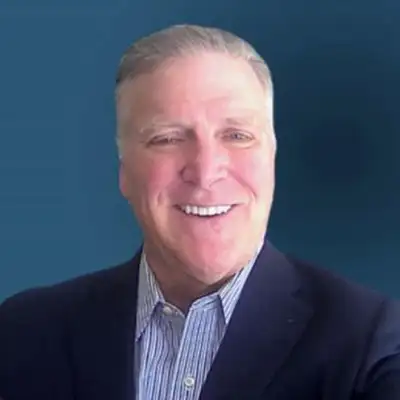
Anyway, enough about me though. I want to talk about my guest today. Today our guest is Andy Smith, right? So Andy is the SVP of sales at Talk Me Up. And Talk Me Up is, we're going to learn more about that today, but it's an AI powered platform designed to help sellers and organizations, these are my words, achieve best in class communication skills. So it's really pretty cool. I was looking at, I've known Andy for a while and
and we've talked about his company before, so really, really glad to have him on. Andy's been in sales and marketing and leadership for over 25 years now and has worked in startups where he and I worked together a few years ago. It was kind of a small startup, but also with companies as large as Fortune 50 and everything in between. So anyway, Andy, thank you. Thanks for being here. Welcome.
Andy Smith (01:23.81)
Well, thank you, Rick, very, very much. I appreciate it. It's cool to talk about the future of selling with a couple of people that have the history that we know. with great deal of just decades of history behind us, we should be able to talk about the future. And those lessons learned the hard way, I think, from my perspective, some not. But I'm really honored that you asked me to be here. Thanks very much. And you did a great job describing Talk Me Up. I was hoping this is recorded so we could use that as maybe our new tagline.
Future Of Selling (01:43.783)
Agreed.
Future Of Selling (01:53.936)
Yes, you absolutely can. So we're good, man. Well, thanks for being here. Really am looking forward to talking about, mean, AI is the future. And so what you guys are doing to me is really exciting. So I want to dig into that, but I also want to start with some fun facts. I always like to start every podcast with a few fun facts. Is that okay? All right. Well, that'd be pretty fun. So let me give them to you real quick. So recently you hosted a webinar
Andy Smith (02:11.534)
But okay, you promised it'll be fun, yeah, sure. All right.
Future Of Selling (02:23.338)
that I was looking at. listened to whole thing yet, right? On the four dialogue protocols of civility in discourse. That's a mouthful right there. And also pretty impressive. think you had a guy from... Where was your guest from? Okay.
Andy Smith (02:39.895)
Dr. Ron Placone is a professor at Carnegie Mellon University and his doctoral thesis was on civility and discourse.
Future Of Selling (02:44.458)
Nice.
Future Of Selling (02:49.276)
Okay, awesome. All right. So hopefully I would imagine probably some of our conversation will cover some of that today. So that's fun fact number one. Fun fact number two is because I know you, I know that your kind of passion hobby outside of sales and outside of family is really serving as a broadcaster for Argala High School. And you've been doing that for a number of years and you cover all the sports, right? Everything they're doing.
Andy Smith (03:14.862)
That is a fun, it's a fun fact to me. So yeah, yeah. Argyle is a really fast growing school, north of Dallas, northwest of Dallas. It's not normal in that they're just very successful. And so a lot of reasons for that. But so yeah, we started up on a streaming broadcast about 12 years ago and yeah, you name it, football, volleyball, basketball, softball, soccer, baseball. And I think I may have missed one. In fact, they did the, we did the
Future Of Selling (03:17.118)
Yeah, to fuck me too!
Future Of Selling (03:39.615)
All of it.
Andy Smith (03:43.692)
5A State Semifinals in volleyball last night.
Future Of Selling (03:46.154)
Right. Okay. Cool. Cool. Cool. Yeah. You're great at that. I've listened to it before and I know that's something you love. So I think that's a fun fact for people to know about you. You're also an advisor for One Heart, and I think you're still doing that as far as I know, which is a nonprofit that works with incarcerated kids, incarcerated youth to help them reintegrate into and really just have a successful life once they're out of the juvenile justice system.
You know, that's one thing I'd say about you is because I know you, you're very mission-minded, very, I want to make a difference in the world around me type of person. And I've always valued that.
Andy Smith (04:26.21)
Yeah, well, thank you. Some days are better than others, but that's what I'm striving for. In fact, The One Heart is a movie that's coming out. It's based on a true story. A football team of incarcerated youths that compete against another school. And it's like the whole script was flipped and they supported these incarcerated youths during this game. And it's a really heartwarming story. And it was based on the movie actually coming out has launched this movement.
Future Of Selling (04:28.362)
Cheers.
Future Of Selling (04:36.093)
wow!
Andy Smith (04:54.574)
But of course the movement is more important than the movie. And the movement is to prevent recidivism. And it's depending on what you read, but it's above 75 % for youth, male youth that come out and try to get to become productive members. And so we want to prevent that as best we can and help them get a fast start.
Future Of Selling (04:57.258)
Sure. Sure.
Future Of Selling (05:15.882)
That's awesome. So thanks for what's the name of the movie? if you know it or the one art movie. Okay, great, great. We'll check that out then. That's awesome.
Andy Smith (05:20.546)
The One Heart Movie, that's where the name of the One Heart Movie. Major motion picture. And if you're really insightful, here's a very insignificant but fun fact. Look for the slightly pudgy prison guard in the background that's pretending to run across the field in one of the scenes.
Future Of Selling (05:39.55)
Do I know him? Yeah, okay. All right, good deal. I will definitely do that. So thank you for that. And last fun fact, and it's truly just a fun fact. I don't know why you and I think this is funny, but we always have. Your last name is Smith, my last name is Smith, and your wife's name is Gina, and my wife's name is Regina. And for whatever reason, we just sort of thought that was funny. So I can't tell you why, but we talked about it often and it's kind of...
Andy Smith (06:04.078)
I mean, on the funny scale, it's probably in the middle, but I think it's funny. Sure.
Future Of Selling (06:07.882)
I do too. We've always had a good time with it. So anyway, few fun facts to get us warmed up and get us started. but let's jump into it. Hey, me a favor. So share a bit about your kind of your journey in sales and sales leadership and kind of what about that journey led you to focusing on communication and as being kind of this cornerstone of a sales success.
Andy Smith (06:34.278)
Thank you. When we look at our journey, I don't know that we always intended it to take the path that it has, but when you look back on it, you go, okay, now I get why that happened. So I came out of Baylor University, I went to work for Xerox because that's where you go if you want to be in sales at the time. And boy, it's like getting a master's in street selling and how that all works. And so I left there, I went to Exxon and actually was asked to take over
Future Of Selling (06:52.19)
Yeah, right.
Future Of Selling (06:57.705)
Right.
Andy Smith (07:03.958)
a training program to train junior military officers to get them onboarded into a sales career. And so that's how I found this path that I'm still on. And since then, you know, I've spent the past 25 years consulting and training leaders in the sales profession and the B2B profession with companies like MasterCard or Honeywell or Microsoft and Dell. And I'm so grateful that I've been able to learn from them. what I've
I mean, as I think about the journey that the driving principle of all of that has been what I learned long ago from a really wise man named Randall Murphy was that the best professionals in sales adopt this three R philosophy or actually the principles of three R and it's not a complicated model. So I could remember it and also just live by it. But he always said, and what I've tried to teach my entire career and adhere to is that it's the relationships.
and the results that equal the revenue. And think about it as an equation. If you're trying to drive revenue, the way to do it in a very meaningful, relevant, sustainable way is focus and obsess on connecting with people at the relationship level. And then we're not just talking about friends. Relationships in business would mean mutual trust, respect, rapport, and then there's got to be some kind of value.
Future Of Selling (08:30.772)
Right.
Andy Smith (08:31.66)
have that and then focus on the results. I get asked from time because I've been invited to be on boards of professional sales schools, colleges and sometimes I get asked like what's the one tip you give and it's been pretty much the same and it's focus on the results of what you're selling to your customer more than you focus on the revenue that you're going to get out of the deal and if you do that you'll be plenty successful because
Future Of Selling (08:54.996)
Yeah.
Yeah. So the formula for you then would be kind of relationship, relationship plus results equals revenue, right?
Andy Smith (09:03.692)
revenue, right? And I know that some listening and watching might go, well, okay. But if you think about it, from a customer's point of view, a buyer's point of view, how long would it take for them to figure out what's motivating you in the conversation? It doesn't take very long to see that this salesperson is motivated by the revenue. It's just this focus that I've learned and tried to advocate, you know, since I've been in sales, sales leadership is what makes it
Future Of Selling (09:18.078)
Yeah. Yeah.
Andy Smith (09:33.408)
It moves it away from this transactional, what do I need to do to get this deal conversation into more of this to me? I'm more meaningful. How do I serve and help others? And at the same time, because we're not in nonprofit, we're required. How do we achieve our revenue as well? so, you know, as I think about it, Rick, I look back over the career of the deals that I've done on this journey. I don't remember the terms of the deals that I've done, but I do remember the people.
Future Of Selling (09:35.945)
Right.
Future Of Selling (09:48.862)
All right. Yeah.
Andy Smith (10:02.316)
and the relationships and the outcomes. And I think that's to me why professional selling is maybe the most satisfying, gratifying career. Because if you like solving problems and helping others, this is a great way to do it. And you get compensated along the way. Yeah.
Future Of Selling (10:02.516)
Yeah. Yeah.
Future Of Selling (10:15.561)
Yeah.
Yeah. Gotcha. Gotcha. Kind of reminds me, your, your model kind of reminds me a bit of the, you and I may have talked about this at one point, but the, trust equation, you know, and, you know, the trust equation is high reliability, high credibility, high intimacy and, low and low self-interest. Right. So it's not all about me. In other words, I'm not always seeking the revenue, right? I'm trying to, you know, so anyway, so great model, great model. love it.
Andy Smith (10:40.046)
Right, right. I'm not, right, I think that's exactly right. And there are some in sales that it's transactional to them and it's maybe more self-serving and that's just not what I've aspired to do. others may find, they might define that differently, but that's, you I've just felt that those three R's have really served me well.
Future Of Selling (10:55.892)
Yeah, yeah, yeah.
Future Of Selling (11:01.884)
Gotcha. Well, and then when you tie that back into kind of your focus now, right, communications, I mean, it's in really kind of best in class communications. The relationship is driven through communication. The results have to be driven through communication as well. Right. And that was how do you demonstrate that return on investment? So that makes perfect sense. So how has the experience that, you know, at Talk Me Up,
How's that shaped your perspective on communication, right? And those three Rs. And also sales process itself, because I know you've just got a massive, huge background in sales process and what that means as well.
Andy Smith (11:44.214)
Yeah, the sales process to me, the best sales process, this is not probably an epiphany to anybody, is that that is grounded in the buying process. And as sales professionals, we aspire to be an important and meaningful part of our customers' buying process. It's not a lot of... I suppose if somebody called and wanted to place an order, we'd all take it.
Future Of Selling (12:13.374)
Right. Yeah. Right.
Andy Smith (12:13.922)
be real on the other hand, it's not like that. And we'd like to at least do some of our best work and have some input and influence and healthy persuasion over the way buying decisions are made. Buyers today though, because of maybe their experiences with salespeople that didn't communicate very well, they had consistently said that they would prefer not
to really engage with a salesperson until they absolutely have to. And even then, if they don't need to, I know Conqueror have some stats around that as well, but they don't really, and I think it's up to us to change the conversation with customers. And so that's what communication is about. It's about creating meaningful dialogue, insightful and healthy persuasion around it so that customers go, well, that was worth it to me.
I wasn't just asked a bunch of questions that didn't seem to have much to do with me, or I don't really understand how this helped me. because buyers consistently have said it's picking a supplier is not the hard part of the buying process. Deciding on how to decide is the hard part. They have not seen us engage in those kinds of conversations. We haven't earned the right. And when we are there, maybe we aren't communicating as effectively as we can. Take all of that aside, Rick.
Future Of Selling (13:36.638)
Right.
Andy Smith (13:39.138)
We have fewer and fewer opportunities in the sales process to actually have conversations like this. Makes more sense to me. Well, I think the buyers just haven't found a lot of value in the conversations they have had. So they're trying to minimize the touch points and do a lot of it on their own or only come to the salesperson when it says, here's what we want. Do you have it? So there's just not a lot of chance for dial.
Future Of Selling (13:44.308)
Yeah, why do you think that is?
Future Of Selling (13:53.098)
Okay.
Future Of Selling (14:05.386)
Yeah. So because there's less conversation opportunities now, that just puts more weight and importance on each interaction, right? Each time you get to talk to them. then especially then going back to your, because you're right, sales process sometimes can be, I mean, you always want to have a process. You always want to have a default approach, right? But it can also, you know, it can't be just 100 % of, it's this or,
Andy Smith (14:15.352)
Yeah.
Future Of Selling (14:33.384)
or nothing at all, right? So I hear you saying that you got to take your sales process and you have to dovetail that into the buyer's process, right? Otherwise, you're kind of creating a bad experience for them. And now the buyer's process is to do more research ahead of time as well.
Andy Smith (14:50.766)
Well, yeah, research from lots of folks, know, Deloitte and Harvard Business Review and others have said that in Gallup, I, you know, I could cite many others, but in general, if I were to summarize those, that buyers today are about 70, 75 % through making a decision before they feel like they should talk to a salesperson. And that's a shame because they don't always get to that point with the best input.
Future Of Selling (15:12.202)
Wow, 75%.
Andy Smith (15:19.246)
but they haven't seen sales professionals. In fact, a study just came out from a sales enablement tool. I don't remember which one. I could go find it, but it's similar to what you guys are doing is that 92 % of buyers say that salespeople struggle with creating an engaged conversation. They struggle with creating engagement. Virtually, it's different. This is different than maybe what has been
Future Of Selling (15:19.251)
Right.
Future Of Selling (15:42.366)
Yeah. Yeah.
Andy Smith (15:48.364)
in the past, at least it felt different a couple of years ago, it's kind of the norm now, but even still, they just don't feel like that salespeople are as effective on engaging them in the conversations that feel relevant and insightful and beyond maybe just a checklist of questions type things.
Future Of Selling (15:49.524)
Yeah. Yeah.
Future Of Selling (16:00.094)
Yeah. Yeah. Yeah.
Right. So a couple of variables coming in here at the same time that one, as a buyer, I've got the opportunity, I've got the ability, right, to go out and do more research before I never need to talk to a salesperson, right? And then you've also got the virtual impact, especially over last four five years. What do you think, what is that, how has selling changed because of the virtual and how has communication changed because of the virtual impact we have?
Andy Smith (16:32.504)
Yeah, well, at least three ways, maybe more, because we, you know, I can start with three and then I'll probably come up with a few more. But I know that just thinking about how has, because I get asked this all the time. So I'm selling virtually now. In fact, salespeople love it because we can get to more people. Buyers find it very efficient when they do have to talk to salespeople. It's maybe we've lost a little of the effectiveness. But I think the number one reason, thing that has changed is that
Future Of Selling (16:35.561)
Okay.
Future Of Selling (16:55.07)
Jump.
Andy Smith (17:01.774)
All of our collective attention spans are shortened. Prospects are just much more distracted in virtual meetings.
Future Of Selling (17:10.74)
Yeah.
Andy Smith (17:13.678)
The things that we do as sales professionals to create greater engagement require a higher level communication skills like storytelling, like really insightful questions, other interactive things that we can do that don't feel contrived but are a really important way to keep people engaged. think the second thing is that we're, we haven't, it's an opportunity but it's maybe you didn't really ask what's
Future Of Selling (17:27.348)
Yeah. Yeah.
Andy Smith (17:42.86)
the challenge, but the change has been people are getting more comfortable with sort of asynchronous communication. Not sort of, it is asynchronous communication. So we have a chance to communicate in lots of different ways now, virtually, that buyers often find relevant. And I'm thinking about prerecorded videos or other ways that you could add some personalization to your message. That said, if you're going to do that,
Future Of Selling (17:50.772)
Okay.
Andy Smith (18:12.748)
It's like leaving a voicemail that's so old school these days.
Future Of Selling (18:14.708)
Yeah. Right. Yeah. Yeah.
Andy Smith (18:18.742)
And sometimes we don't even really think about what we're saying. How many times have you listened to a voicemail that it took a while to get to the point? And by that time, I find that myself and I think our customers probably have stopped listening if we don't have a really clear, concise, articulate, articulated message, despite what I just said, be articulate. yeah. Yeah.
Future Of Selling (18:36.436)
Yeah, yeah. Yeah. If you can't say it. So that really kind of brings us back. So those changes along with the other things we've talked about, that kind of brings us back then to Talk Me Up, right? And the focus on communication, the focused on creating best in class communication. So how does Talk Me Up specifically help sales professionals improve
their sales communication, given all these barriers, these changes, these things that have to be dealt with. How does TalkMeUp help with that?
Andy Smith (19:13.784)
So Talk Me Up was created as a communication skills coach. So our founder out of Carnegie Mellon University, when she was in the doctoral program with Carnegie Mellon, her and her fellow students in that program said the most value that they got out of being there wasn't the knowledge they gained, it was the coaching that they got from one another. And in particular, know, Warren Buffett says that communication skills, just improving that will add 50%.
value to your career. So if you plan on making say a million bucks, you can make half a million bucks more by getting good communication. So they all bought into that, which I think a lot of us would agree. It's just hard to get coaching for that. It's hard to get it that coaching around your communication is real labor intensive. And so it requires someone to be available to coach you. It requires that that coach knows what good looks like and has the
Future Of Selling (19:56.361)
Right.
Andy Smith (20:13.122)
the knowledge and the skill set to give you that kind of feedback. And then it also has to be something that can happen when you need it. So Talk Me Up was created to do those things. It's on demand that you can practice very specific short elements of your sales communication. Let's say you're going to have a call here later on today and you're going to get asked the question, so tell me about yourself or tell me about your company or whatever.
Wouldn't you like to have practiced that? So Talk Me Up allows you to practice it, record it, and get individual personalized feedback. The artificial intelligence will analyze your communication over 10 factors, categorized into verbal, vocal, and visual, and give you very specific feedback and an evaluation. Here's what you did great and why. Here's what you did okay. Here's what you could do to be great. And if you were below the line or in need to improve,
Future Of Selling (21:01.481)
Right.
Andy Smith (21:13.208)
Here's why and what to do. That's really tough to get on demand. so talking up stepped into that and that's what we do. So you get real time objective, supportive feedback. The other thing I would say, and assuming that a lot of people listening to this or watching are probably experienced sales professionals, we all have blind spots and a definition we don't, you nobody really knows what their blind spots are because they can't see them.
Future Of Selling (21:18.451)
Right.
Future Of Selling (21:39.145)
because they're blind spots.
Andy Smith (21:40.622)
And so Talk Me Up will listen and it's not, you know, there's no there's no bias in it. There's no emotion in it. It just looks at it and says based on the large language model that we use, here's how you came across. And by the way, did you know that you use the word awesome a lot? Like this 20 second video, you used it seven times. Good job. Maybe use it less.
Future Of Selling (21:59.891)
Right.
Future Of Selling (22:06.632)
Yeah, yeah, yeah.
Andy Smith (22:09.55)
So it gives you that kind of feedback, blind spots.
Future Of Selling (22:11.582)
Okay. So it's kind of cool. You mentioned something there. You know, we did a survey a while back. It was LinkedIn survey, right? But just, just on the co on what we were calling coaching challenges or coaching killers and the first, and the first coaching challenge or first coaching killer was just finding the time managers finding the time to coach. I mean, that's, that was the big one, right? It was like 60 % or something. The one that you mentioned that I, that I didn't anticipate being rated so highly was.
Andy Smith (22:29.944)
Well, thank you.
Future Of Selling (22:39.498)
coaching bias and it goes back to your question that I learned from you, what does good look like? Right. And, and making sure that there's a strong benchmark to comparison for, but also that you're not walking, you're not as a coach. I'm not coming into this with, you know, at a bad night's sleep last night, or I, you know, I, I don't know. I'm, I'm my, I'm over scheduled today. So I've, so.
you know, maybe I'm a little shorter of attention, shorter of temperament, whatever it may be. So I'll walk into that with bias, but I didn't expect that to be rated so highly, but it, but it really was. mean, that's, that's a, that's a coaching challenge, coaching killer.
Andy Smith (23:13.058)
Well, I think we can relate to that. have a way that I think works. Maybe you have a way that works differently. And I don't think bias is intentional. It's that unintentional bias that come in. And so if you had a way to take that out of the equation, not to replace the coach, but just to take that out. mean, coaches like talk me up because it gives them a place to start to make it less time consuming. Like there are lots of tools that would analyze
Future Of Selling (23:40.265)
Yeah.
Andy Smith (23:42.796)
conversations. Talking up is different than it looks at the actual behaviors. What was your empathy? What was your pace, your enthusiasm, which is difficult to do without a model. Like you said, that could without a model, could introduce bias. It's also time consuming. You don't have to, you know, this is just a way to eliminate the need to have to personally listen to those and try to catch up to those moments. Thank you.
Future Of Selling (23:52.414)
Right, Yeah.
Future Of Selling (24:08.714)
Yeah. if I were using CoachMe or TalkMeUp, search the CoachMeUp, if I were using TalkMeUp and I'm a seller, right? I'm an individual contributor on the sales team. it would serve my needs and that I can, know, 30 minutes or an hour before the call, I can actually pitch and practice, right? And see what feedback it gives me. I'm assuming there's also a manager's point of view. I don't know if that's the case, but is there a manager's point of view?
Andy Smith (24:16.782)
This is the product.
Future Of Selling (24:38.57)
So if you're my leader, is there a point of view for you to be able to use Talk Me Up as well, or is it designed simply for their individual contributor?
Andy Smith (24:45.132)
Yeah, it's both. It's for the end of, so you could pop on and just record yourself and get that feedback. You could also actually, let's say you're using it for a Teams or a Zoom or it doesn't even matter, but it's being recorded. You could have the AI analyze that actual conversation with all the right permissions. So not practice, that's like game film for those professionals. And all of that is also available to the manager to view.
Future Of Selling (24:57.118)
Right. Yeah.
Future Of Selling (25:04.574)
Yeah. Yeah.
Hey
Future Of Selling (25:12.01)
Okay, yeah.
Andy Smith (25:12.608)
and to cite and sort into specific things that they're looking for.
Future Of Selling (25:16.01)
Right. Yeah, that's incredible. What do you think are some of the common communication pitfalls that salespeople face and then, you know, that they kind of fall into? then how does, you know, how does Talk Me Up help them with those things?
Andy Smith (25:34.232)
Yeah, because we study this communication, we've got all of this data that would say, and it's anonymized, but data that would say, what are the top three areas that need the most improvement? I mean, I could just base this question, answer to that question on the data that's come out of the thousands and thousands of conversations we've analyzed. the first is not enough empathy. It's almost a universal thing. And empathy would be described as the
Future Of Selling (25:47.582)
Okay.
Future Of Selling (25:53.172)
Yeah.
Andy Smith (26:04.372)
ability to put the other person into the picture, to communicate a keen understanding and interest in what's important to the other person. Empathy is, you know, that's huge. And so there's just been this, that's been a pitfall, not enough empathy, because we love the words I and me and us. And we don't really often talk about
Future Of Selling (26:18.058)
You're the one.
Andy Smith (26:32.962)
them and you and put together. We like to tell a story and sometimes this will sound familiar to you based on our background. We make ourselves the hero of the story when really the hero of the conversation in sales is the customer.
Future Of Selling (26:35.294)
Right. Right.
Future Of Selling (26:49.928)
Yeah, they want you to be the guide. Yeah.
Andy Smith (26:51.918)
So that lack of empathy. The second thing that we see is a missed chance to display confidence or legitimacy. Buyers will engage with you. They're not looking for arrogance. They're not looking for, you know, some other form of confidence, but they feel comfortable and they want to trust you because they feel like you got it.
You know, there's a little legitimacy to them. And I think we we undermine that because we we speak too fast. We use a lot of filler words or we sort of monotone or our facial expressions don't really line up with. Right. I'm saying, trust me, follow me. And at the same time, I'm like, like, or whatever I could be doing to do that. So and we don't we don't see that.
Future Of Selling (27:21.64)
Right, right.
Future Of Selling (27:38.6)
what you're saying so there's not there's not a
Future Of Selling (27:46.218)
Right, Yeah.
Andy Smith (27:50.03)
And I think in that lack of confidence, what's the root cause of talking too fast or using a lot of ums or uhs or likes or not displaying the appropriate amount of it? It tends to be somewhat of a lack of preparation.
Future Of Selling (28:07.85)
Yeah. Okay. Yeah.
Andy Smith (28:09.666)
That's hard because you got a lot of people to talk to and customers today want every conversation to be personalized. so that not conveying that confidence. And I think the third one was sort of interesting to see is that we are persuasive or influential in a sales conversation because we have maybe we have a quantitative argument to make or we have a third party.
expert story or we have testimonies or case studies, all of those things influence the way or how customers see us as being helpful and persuasive. There tends to be a lately a over reliance on the quantitative side. you know, just citing stats and numbers that sometimes just seem out of context. Four out of five doctors say that we use numbers too much. You know, well, OK, you know, so.
Future Of Selling (28:59.412)
So what's
Yeah. Yeah. So let's see. So I'll repeat the three back to you, right? Not enough empathy. Got it, right? That makes perfect sense. Missed chances to display confidence and legitimacy. And you kind of describe that as like an incongruence between what I'm saying and what I'm doing. At least that was part of it. And then over-reliance on the quantitative.
Andy Smith (29:06.527)
What does that mean?
Future Of Selling (29:32.842)
So now think about, talk me up, is it's gonna give me feedback on those, I guess, right? And tell me, know, because really in communication, I'm assuming what you're trying to do is trying to get me to one, communicate clearly. You use, you know, don't use too many words, don't use too few words, but also put me in an emotional state where we're connecting with one another, where we're creating kind of this integrated experience. And I've been thinking a lot of...
lately about positive feedback loops and negative feedback loops. Positive leads to positive, but it just gets this momentum going. So I'm assuming that's what it's doing. So how does TalkMeUp help me with these challenges?
Andy Smith (30:16.45)
Yeah, great question. So thanks for asking. Because that's what Talk Me Up looks at. It looks at and analyzes the degree of empathy in the conversation. So it looks at the phrases that you've said, the tone of voice that you used, the stories that you might have told. And it actually analyzes that against the model with over 90 million conversations that are in this large language. That's the power of AIs. It can just do this. It compares what you said to that.
And it gives you a score. It said you were a 70 on empathy here. And here's why you were a 70. If you want it to be a 90, here's what you could do differently. Very prescriptive. Yeah, this is helpful. And that scoring also helps. And the same thing on, like the lack of confidence is a reflection. How does it manifest itself in a conversation like this?
Future Of Selling (30:55.678)
very prescriptive than things that can do.
Future Of Selling (31:10.248)
Yeah.
Andy Smith (31:10.392)
you speak too fast. So we look at the pace. So we'll tell you, you spoke at this many words per minute. The research says that if you want to be effective, you've got to be in this band. And it'll tell you what points in the conversation. Same thing with filler words. It'll actually count the number of times you said or like. Having a couple of 20 year old plus daughters, that's a fun one sometimes. And my 30
Future Of Selling (31:35.786)
the
Andy Smith (31:39.288)
four-year-old son, he really likes the you know.
Future Of Selling (31:43.314)
I bet. Well, good luck with that, by the way.
Andy Smith (31:46.382)
Yeah, yeah. So we don't intentionally start to do that. So we look for, if you saw that number, that would be insightful in itself. And then it would say, instead of that, pause or think about transition words you could use that would replace those filler words. Your enthusiasm. Sometimes we just aren't feeling it or we come across as, so we're going to look at and talk, I'm just going to tell you, and I think you'd want to know this.
Future Of Selling (32:02.154)
Mm-hmm.
Future Of Selling (32:05.876)
Yeah.
Andy Smith (32:15.466)
at any moment of the conversation, I being, is my enthusiasm low, is it neutral or is it high? We're not suggesting that you should always be high. That would be, if I was pegged at a level 10, you would have stopped this conversation maybe, just be exhausting. So you want to know how you manage that piece of it as well.
Future Of Selling (32:21.364)
Sure. Yeah.
Future Of Selling (32:35.382)
Are you able to take actual recordings with the prospect and put them back in and then have it analyzed? Okay, cool.
Andy Smith (32:43.586)
Yeah, in real time, in real time and your practice too. And that quantitative piece has to do with your persuasion. This goes, you ready? I bet you weren't expecting me to bring up Aristotle in this conversation. You were not. He's the father like the great, great times 20 grandfather of persuasion. And he and it's true today, you're persuasive because of the way you communicate and what you're so it's
Future Of Selling (32:53.662)
I was not. It's true. True. That's a good point. But please, have at it.
Future Of Selling (33:03.944)
Okay.
Andy Smith (33:12.586)
It's based on the stories that you tell, the logic of your argument, the legos that he talks about. And that's done through statistics or citing numbers, but it's also done through stories, third party references, studies, things that just add logic to your argument. And what we've noticed is that people are doing better about people. Salespeople in general are doing better at
Future Of Selling (33:18.783)
Yeah.
Future Of Selling (33:34.505)
Right.
Andy Smith (33:42.818)
being persuasive and supporting their discussion with numbers, they're not always, they need to come up with different strategies. Don't drop, like don't let go with that to get a better grip on everything, but just thinking about different ways to tell your story. Besides, we have a study that says you've done, if you do this, you'll get 30 % better. Look for more ways, different ways. Yeah.
Future Of Selling (33:49.726)
Right. Okay.
Future Of Selling (34:05.426)
Right, right. So use the data, use the quantitative, but there's also a number of other factors that come into that, like your energy and your influence and all the other things. So interesting, and even the stories I tell, that's interesting that it would be able to look at the stories I tell and know whether I connected with those or not.
Andy Smith (34:24.346)
the best sales professionals would know what resonates with the audience, the other person. And so knowing that maybe it's numbers and a story, or it's really a scientific discussion. And so they need statistical validity, but they also need to know the efficacy of it and what was the sample size. There's lots of examples like that. And the knowledge that you need to have to do that with tools like yours.
It's all there. You just have to be able to turn it into something that's compelling and relevant to the others.
Future Of Selling (34:55.368)
Right. Do you have any specific success stories that you can share? Even if you can't say the name of the client, it's fine. But if you can, that's awesome too. But just a specific success story where either a client or someone was struggling and through the use of your platform, improved their outcomes.
Andy Smith (35:18.798)
Yeah, so it was a software provider selling a SaaS or a subscription. it was so they were they were struggling with renewals. So people would get an initial term. And so their renewal rates were in the you know, in the 80 to 85 percent, which they felt like was low for their benchmark.
Future Of Selling (35:43.102)
Yep.
Andy Smith (35:44.766)
One of the reasons for that is that they felt like the conversations that they had to lead up to the renewal, like what's the case for the renewal. So setting aside what they couldn't control, talking about the customer success team or the sales team that was responsible for that. They felt like the conversation that they had to discuss the renewal had some room for improvement. And in particular,
They had all the data that you could imagine. A lot of SaaS companies are just drowning in data. What they had a difficulty was taking all of that and conveying it in a conversation that engaged. And so they felt like that was the cause, one of the primary causes of this. And so they brought in Talk Me Up to assess those conversations, build a model for what good looks like. In other words, saying those that converted above that rate
this was their profile, they had this much empathy, this much enthusiasm, this degree of positive sentiment, and so on. That was cool, but then actually using it, they saw their renewal rates go up above 90%, like at about 92%, which was a significant improvement in this space. And we had enough data to say those that improved the most on their communication skills and got the same amount of support
Future Of Selling (36:58.068)
Wow. Sure.
Andy Smith (37:10.818)
in the coaching, the effect of that was their renewal rates were better. So we had a real strong body of evidence. I suppose if you wanted to take it to a court and say like an ironclad proof, you might say, well, maybe other variables, but we had a lot of really credible evidence that says if you get better at these skills and use this tool, you will see higher renewal rates. mean, we also looked at levels of improvement. So those that learned how to communicate
Future Of Selling (37:33.94)
Yeah. Okay.
Andy Smith (37:40.79)
in real time using a tool that gave them feedback where they could practice. It's like we're talking about. They were at a proficiency level, 35 % higher than those that just got the traditional kinds of communication skills training, or, you know, here's a presentation skills course, which makes sense. mean, if you just, because the way we all learn is we got to maybe learn it, but then we got to go do it. And we're really going to learn it by practicing it and doing it. That kind of narrative loop.
Future Of Selling (37:53.226)
Yeah.
Andy Smith (38:10.594)
talk me up to some facilitative. So that's one story that we have, that we're a real product in sales.
Future Of Selling (38:13.694)
Yeah, that's incredible. So they moved from 80 or mid 80s, I guess, to 92 % gross retention, which is incredible.
Andy Smith (38:24.27)
Well, you'd like to be up over 100%, I think. I never really understood how that you're a customer success expert, but like our renewal rate was 114 % and not, I didn't major in math, but I'm like, I don't know how that works, but I'm sure there's some logic. Nevermind. We don't need to get into that. They were really happy and they, and I think it sort of proved the obvious. The better those conversations, the better they were able to influence those renewal rates. Yeah.
Future Of Selling (38:40.426)
But yeah
Future Of Selling (38:51.038)
Yeah, that makes perfect sense. So what do you see, mean, you're AI technology based, obviously, how do you see AI and technology just continuing to push this communication and coaching on communication? How do you see it moving that forward over the next year, two years? Because everything I'm seeing is that people are still discovering, companies are still discovering how they're going to leverage AI in the market.
What do you see? How's it going to keep pushing this forward?
Andy Smith (39:22.83)
I think you're going to, we're going to see a continuing to push this efficient preparation piece. We know, and we've been shown time and again that not being prepared as, I mean, being prepared as table stakes, used to differentiate you years ago. could just, like I've actually prepared. Well now if you're not, you're behind already. The challenge is like, just like managers had said to you and to me around coaching, why don't you coach more? It's time consuming.
Preparation is time consuming and there's not a lot of value placed on it internally, unfortunately. And if you do like what's efficient. So I think AI is going to be able to very efficiently prepare us to be personal. you know, in a way, I think, I think predictive coaching, it's not so much like, so I'd like to have the ability to say, kind of do some what if scenario.
Future Of Selling (39:52.34)
Right. Yeah.
Future Of Selling (40:01.406)
Right. Yep.
Andy Smith (40:21.966)
and scenario-based simulation. So we're in this opportunity and we're going to have this opportunity planning or discussion session and there's different ways that we could go. What if we did this? What if we did that? What if we did this and our competitors do that? think AI is going to help us to do that. I mean, it's already doing it in other types of business.
Future Of Selling (40:22.004)
Mm-hmm.
Future Of Selling (40:45.46)
Yeah, so kind of create kind of create that predictive outcome and then really combine that what you guys are doing now that allows me to practice those different outcomes as well, which is which is really
Andy Smith (40:55.116)
Right. So if our strategy is going to be, let's, let's really promote our differentiators on service. Well, everybody says they offer great service. So how do we justify it? So you made me to kind of role play that or scenario based that I think the third thing, the one I get really excited about is context based guidance. And that has to do with learning and coaching. AI should be able to tell us that here's the context of this
Future Of Selling (41:02.356)
Yeah. Yeah.
Andy Smith (41:25.336)
conversation or this situation. And because of that, here's the best approach you should take next. And so be able to recognize that context. so you could, with that, you could create personalized learning paths that not only are we, you know, based on success, but they're personalized. They're relevant to me. You learn differently than maybe I do. I, or someone else. And so
Future Of Selling (41:33.246)
Yeah, okay, got it.
Future Of Selling (41:40.842)
Mhm.
Andy Smith (41:54.606)
I should be able to do that and adapt it. Now there's already happening in some ways. I just think it's going to get even more precise over time. And such that the learning that I take in my learning path or my training plan anymore, it's got to be highly relevant and immediately applicable.
Future Of Selling (42:03.006)
Right. Got it.
Future Of Selling (42:17.535)
That's true. It's like we just don't have the patience for anything else now.
Andy Smith (42:22.272)
I know, I don't know if that's good or not, but it's real. I've been dabbling in golf for 45 years. I still make five on every hole, but I feel like at least I'm consistent. So if I'm going to go get better at it, it's not like I don't need to learn about the theory of something. I need something I can go do right away. It's going to help me. And so I think AI can do that as well.
Future Of Selling (42:26.137)
Is what it is. Yeah
Future Of Selling (42:44.82)
Yeah, yeah, gotcha.
So what do you think? So I know we're almost at time. We've got probably five minutes left. So just a couple of questions for you real quick, and then we'll let you get out of here. So thinking about communication, thinking about improving and kind of getting to that best-in-class communication, because that helps me do everything else, right? The relationship piece, The communicate, the results piece, and all the things we're trying to do in sales.
So are there specific exercises or habits other than using TalkMeUp that salespeople can adopt to become better communicators? What do you think? I if somebody's out there listening one, don't, man, I can't get TalkMeUp just yet, but what can they do?
Andy Smith (43:30.946)
I think so.
Andy Smith (43:37.134)
Yeah, it's a great question. Just talk me up is a way to maybe make it easier to do some of these things. But I think the first thing is just make practice a priority. Make it a part of your daily routine, even if it's just for a few minutes. In our profession, in selling, every day is game day for us. And that's cool. That's fun. We don't often set aside a little time to practice, but it's got to be very intentional. It can't be...
I just want to get better today. a specific area that you want to get better and practice it. Just whether it's on your own. In the old days, we used to speak to a mirror, which is kind of weird, probably still is. Or find a way or find somebody to say, can I run this idea by you? think, you know, here's some questions I want to ask. Make practice a priority. That's number one. I think the other thing for sales is because every day is game day, it doesn't mean we shouldn't learn.
Future Of Selling (44:19.23)
Hahaha
Future Of Selling (44:24.286)
Yeah. Yeah.
Andy Smith (44:34.978)
I mean, if you looked at any other, any profession and so having been a broadcaster, I love game film. We don't have game film in sales. So well, we didn't used to, but maybe now we're doing it. But I think you should sort of think of learning as something that happens while you perform. So if there's an area you need to get better at, learn to get better at it by doing it. So learn to improve through your performance.
Future Of Selling (44:47.764)
Yeah, yeah.
Future Of Selling (45:01.609)
Right.
Andy Smith (45:06.464)
And then the final is...
Don't practice the easy scenarios. Find yourself trying some increasingly challenging scenarios. Try different things. And it's okay to not be okay, but the way you get really good, if you were trying to get really good at, I'm sorry, another sports analogy, at golf, I could get really good at playing maybe the putt-putt course that's nearby.
Future Of Selling (45:30.13)
good.
Andy Smith (45:37.142)
And I got to get good at those skills, but if I wanted to master them, I'd probably go putt at Augusta National. It's going to be different, but a little harder. And so put yourselves in situations where you can practice.
Future Of Selling (45:43.506)
Right. Yeah. Yeah. So kind of put yourself in situations where it's uncomfortable, right? Don't always look for the easy game. So one, make practice a product. To me, this is like, I've been really stuck on the word lately, intentional, and how I can do more of that, right? Not just haphazard, I stumbled upon whatever, but how do I intentionally, where are some, if I restated that,
What are intentional exercises and practices I could use to get better? You would say, make practice a priority, continuous learning through performance, and then don't just practice easy stuff, right? Challenge yourself, put yourself in uncomfortable situations and learn from that.
Andy Smith (46:29.066)
masters do and you're a great example of that and all the things that you've talked and written about in terms of mountain climbing and other things that you do. I live in Oklahoma now and I could go climb the hill that's over there and that's not gonna be very hard right? Yeah but if I really want to get good at it I probably ought to go west to Colorado and try some of those so yeah. Right. Yeah.
Future Of Selling (46:35.21)
Well, thank you. Yeah, thank you. I appreciate that. Thanks for following my growth.
There are some good things to climb in Oklahoma. Come on. Come on.
Yeah, probably. Yes, that's true. Okay, good deal. So let's kind of talk about some takeaways. I always like to end the podcast with two, three, four takeaways. I've got a couple of things written down, but let's do it together. The first one to me, I thought was really the three Rs philosophy.
Andy Smith (47:09.238)
Yeah, sure.
Future Of Selling (47:16.53)
around. So if I want to be an effective salesperson, I want to be good at what I'm doing. First takeaway, focus on relationship, Focus on results. Don't focus on the revenue because that follows the relationship building and the results. Is that a good takeaway?
Andy Smith (47:37.058)
I love that. If that could be a takeaway that people get, I would be very meaningful to me because that changes the way you talk and communicate with others.
Future Of Selling (47:45.77)
Okay, got it, got it. Okay, that's a good takeaway. What's another one, Andy? What's another good takeaway for you?
Andy Smith (47:50.822)
I think we all have blind spots. Discover your communication skill blind spots. Most of us are in this profession because we feel like we're okay at communicating and we don't know what our blind spots are. So find out what those are.
Future Of Selling (48:04.35)
Okay, got it. So find out what your blind spots are, number two. I've got one queued up for number three, but I'm going to see what you've got. Anything else?
Andy Smith (48:13.342)
I would, because every conversation has a heightened sense of importance because they're fewer and we have, I think, elevate your emotional, your EQ. And I define that by your insight and your empathy and treat every conversation with that level of importance that you really want to differentiate on the quality of the conversation. You do that, you'll have greater insight and show more empathy. The result.
Future Of Selling (48:36.223)
Yeah.
Future Of Selling (48:40.33)
Yeah, I love that one. And I'm going to take your third one and roll it into the one I was highlighting because I think this, because this really gives the one I was going to highlight some, some, you know, like a, like a focus, right? So, so, make practice, make practicing empathy a priority, right? continuous learning through performance regarding your empathy and how you're, how you're connecting with people. And then, and then,
And then again, your third piece on habits and exercises, just don't practice the easy stuff. So maybe using those three to really lean in on the empathy piece of the conversation, because that's really part of the magic fuel that creates that best-in-class communication is what I'd say. Yeah.
Andy Smith (49:28.034)
Right. Yeah, let technology help you with that and objectively assess how you're doing. Absolutely.
Future Of Selling (49:33.652)
Absolutely. Okay. So that's awesome. So man, Andy, it's been a great conversation today. I said just good to connect with you again. It's been a while, but, but really love what you guys are doing at talk me up. It's very interesting at, anybody listening to podcast and interested in many, they should reach out to you on, on, LinkedIn or at you know, talk me up.com. believe that's a, is it talking about.com or dot IO. CEO. Okay. Good deal. Good deal. All right.
Andy Smith (49:57.048)
talkmeup.co
Well, my pleasure, Rick. Thanks very much. I love what you guys are doing. Thanks for doing this podcast and we need to talk more about the future of selling for sure.
Future Of Selling (50:09.642)
Absolutely. All right. Thank you, sir. Have a good rest of the day. All right. Bye bye.
Andy Smith (50:11.63)
All right. Take care.