Subscribe
Share
Share
Embed
In Ep. 61, I continued the conversation with Nick Gillett from Ep. 60. He’s the Managing Director of Mangrove Global. We spoke about all the aspects of bringing Drinks Brands to market from start to scale, including distributors, Wholesalers, and all the links in the Drinks Ecosystem. I hope you will enjoy our chat.
Time Stamps
0:00 Intro
0:25 Portfolio Selection
8:20 Creating Your Own Category
16:42 Micro Categories & National Cuisines
23:20 Traditional & Modern Serves
25:53 Geographic Centered Marketing
30:25 Building a Neighborhood Presence
32:33 Overcomplicating Cocktails
34:10 Value of Off-Trade
37:44 Transitioning to Chains
41:21 Where To Find Nick
42:23 Outro
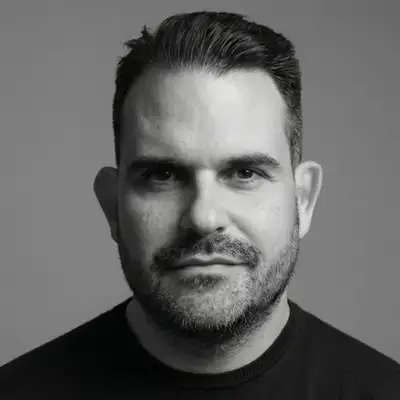
About The Host: Chris Maffeo
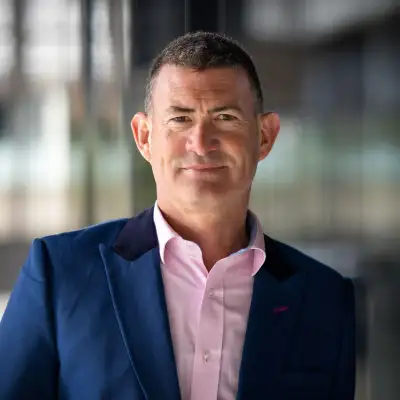
About The Guest: Nick Gillett
In Ep. 61, I continued the conversation with Nick Gillett from Ep. 60. He’s the Managing Director of Mangrove Global. We spoke about all the aspects of bringing Drinks Brands to market from start to scale, including distributors, Wholesalers, and all the links in the Drinks Ecosystem. I hope you will enjoy our chat.
Time Stamps
0:00 Intro
0:25 Portfolio Selection
8:20 Creating Your Own Category
16:42 Micro Categories & National Cuisines
23:20 Traditional & Modern Serves
25:53 Geographic Centered Marketing
30:25 Building a Neighborhood Presence
32:33 Overcomplicating Cocktails
34:10 Value of Off-Trade
37:44 Transitioning to Chains
41:21 Where To Find Nick
42:23 Outro
About The Host: Chris Maffeo
About The Guest: Nick Gillett
The MAFFEO DRINKS Podcast is a leading drinks business podcast delivering actionable insights for drinks leadership.
For founders, directors, distributor MDs, and hospitality leaders navigating the tension between bottom-up reality and top-down expectations.
20+ years building brands across 30+ markets. Each episode features drinks builders: founders, distributors, commercial directors, sharing how the drinks industry actually works. Not the conference version. Honest conversations.
Insights come from sitting at the bar.
Beyond episodes: advisory for leadership teams, subscription with episode deep dives and principles to navigate your own reality.
Beer, wine, spirits, Low and non-alcoholic.
Bottom-up Insights & Episode Deep Dives at https://maffeodrinks.com
Welcome to the Maffeiro Drinks Podcast. I m your host, Chris Maffeiro. In episode 61, I continued the conversation with Nick Gillett from episode 60. I hope you will enjoy our chat. One last thing, if you enjoy this podcast, you will also like the Maffeiro drinks guides, where you will find all you need to build a brand bottom up.
Chris Maffeo:You can subscribe free or paid on maffeirodrinks.com. And I mean, like you mentioned a couple of things and, you know, occasion and brands. So we'll, we'll dig into that little bit more, but let's start with the brands, you know, like I'm, I'm, I'm interested. And I think also the listeners that, especially like the brand owner side of things, like they're interested into how do you select the brands in your, in your portfolio? Is there some element or is there something you, you know, like, is it linked to, is it linked to this occasion to the, I don't know, the purple, the category?
Chris Maffeo:How does that work?
Nick Gillett:The truth is a bit of a bit of everything. We get offered a multitude of brands all the time, but I'm sure we don't def we don't get offered every brand all the time. It's like, we are choosing from what's in our sphere of influence and what we're offered. We're in touch with the market. So, you know, at the end of the day, we're a commercial organization.
Nick Gillett:We need to make profits. So we need brands that sell. So we will be looking at trends. We would like to think we're ahead of that. And this is where, and looking at food trends, looking at talking to bartenders, looking at other parts of the world, which we do on a regular basis, we'll be trying to get ahead or at least be relevant to our audience.
Nick Gillett:Sometimes wholesalers will ask us because a particular customer has asked them for a brand they've not been asked before or a category. And that gives you an indication. We will then look at the liquid things that potentially we can, we can get. And then we'll look at what the category is, how big it is, what market share. And then we'll talk about resources.
Nick Gillett:Like we need products that can be commercially successful over a period of time. We would like to have a solution for every drinking occasion and every cocktail. We want that in most categories, some categories you can have more than one product because it's differentiated by style. Whiskey is a great example. Sometimes it's differentiated by price because there'll be different, different occasions.
Nick Gillett:And so it becomes a bit of a melting pot of factors. One, one of the key things for, for mangrove is we are looking for long term brand partners. Right. And we view it very much as a partnership. So I want to try and make sure we can meet brand owner expectations.
Nick Gillett:Some brand owners have expectations that we think are undeliverable or undeliverable with the resources. And we'd rather say no early on than take them on. So that takes a bit of fact finding. And then there's a couple of other elements which are very difficult to quantify and you couldn't tick box, but does it fit what we do? Can we do a good job for them?
Nick Gillett:Do we like the people involved? That's quite important because you're on a journey and those journeys have ups and downs and we certainly don't get everything right all the time. We quite often propose ideas. Lots of them are incredibly successful. Some aren't.
Nick Gillett:We need to go through that journey with a brand owner. We don't take brands and then not talk to the brand owner. For us, brand owners have access to an awful lot of data, far more than some. They can see the journey of their brand. They can see how every penny spent and allocated from marketing budgets.
Nick Gillett:We don't do stuff and not tell people we don't take money upfront. So we're delivering stuff. And I use the word partnership quite carefully. Having said that, every now and then there's a product that we just go, yeah, let's do it because, well, up until recently it was my business. Right?
Nick Gillett:So we've got a couple of things in there where I just really liked the guy. I really liked the product. I found it. It doesn't make people money. We, we work with some brands because I think they're the right thing to do.
Nick Gillett:We're lucky we're in a position where we can help support some brands because the people are great or the ethos or the brand is really good. Often that's ahead of the market. So, you know, we've had sustainable spirits. We've had fair trade spirits for many years before they were a thing because of the people involved and because we thought they're right. And because the liquid's great.
Nick Gillett:Right. I mean, that, that bit doesn't change. We're probably one of the very few companies to have an Arak in our portfolio. I'm very proud because the family behind it are great. The product's lovely.
Nick Gillett:It's just always going to be super niche, but we can carry that. And we have one of those I'll offer, but our portfolio develops according to where the market is. And sometimes we've got gaps, know, we've had a gap in, you know, a house bourbon for many years because we haven't quite found the right, the right fit. One of the lessons I was taught, you know, John, John Coe was a great business partner to have. He taught me a lot of things about business, but one of the things he, I get terribly enthusiastic.
Nick Gillett:I love what I do. And so I can get seduced quite easily by brands and people and beautiful settings. He reminded me on a frequent basis. It's what you say no to that defines your business. So it's very easy to say yes to everybody.
Nick Gillett:And sometimes we say no to brand owners. We know the brand may well be successful, but it's probably going to be more successful with somebody else because of their coverage or their segment or what they're trying to achieve. I've said no to products that I, part of me wishes we could have done, but it wouldn't have been the right, it wouldn't have been the right thing. I do remember that mantra on a regular basis. I think the other thing that as a important, I don't want to make it sound like the biggest responsibility in the world, but we have a responsibility to some of the new brand owners who have put their life and soul and quite often their, their, their money and their savings into a brand.
Nick Gillett:I don't believe we should take it on unless, you know, we're pretty convinced by the success we can deliver because it's too important for them. I mean, for us, it doesn't work. We could probably go ahead and get another brand, But for some of these brand owners, it might be their one shot. And if there's a better partner out there or a different model, then I think we have a duty of care to tell them. So, you know, it's a, it's a big variety of factors.
Nick Gillett:The commonality is the liquid in the people, but we spend a lot of time out in market. We, we speak to a lot of people in the trade. We look at a lot of trends around the world to try and make sure we are relevant. We have brands that leave us because their priorities change or their resources change. And I think if you looked at cocktail trends as a, as a really, really good example, back when I did cachaca, mojitos and caipirinhas were the number one, they flip flop for number one and two of the biggest selling cocktails.
Nick Gillett:They're still prevalent on most lists, but once they weren't the trendy, I think we're espresso martinis and porn star maripenis and spritzes at the moment. Drinking trends change. And so your emphasis on having brands in that portfolio change. And then every now and then you take on brands and the phenomenon that is Aperol around the world, us like everybody else went great. We'll just take on Aperol.
Nick Gillett:And we we've, we we've had products that gone head to head. What you find is, I would argue we have a better tasting product, more compelling argument, story to tell. But when you remove Aperol from the list consumers, well, you haven't got Aperol? I'll just drink something else. I'll have a beer.
Nick Gillett:And you're a bit like, well, okay. So sometimes, you know, we, we get products in, we can see a category growing, but the work that's being done by others is tough to shift and you have to, you have to flex with them.
Chris Maffeo:Yeah. To the last point, just before I forget, like, are some guys that I that I follow, like, on online and they talk about, you know, creating category design basically, you know, so, like, creating your own category as a brand. You know? And they say that basically the category leader takes usually the 76% of the category and then all the others are fighting for 24%, you know. Now I don't know about the evidence, but it rings true, you know, as a rough number.
Chris Maffeo:If you are and by category, I don't mean, you know, whiskey or, you know, bourbon or, you know, like those kind of things, but I mean, like this kind of like micro categories, like to the upper example, you know, they created a demand that was not there. I mean, it didn't exist. I mean, like, even even for me being Italian, I mean, in Rome, where I grew up, when I was, 20 years old, the sales guy, like, I've never seen anything around Rome with Aperol. Like it was always like a Northeast Italy, kind of like Veneto region, you know, then they took on Milan, then they started spreading, then they went outside. And that is also like very important to understand when we think about successful brands, because otherwise we always cherry picking on what we think works, you know, like whether it's a brand, whether it's a typology of bar, like in the bar that sells loads of cocktails and then all of a sudden we think that everybody goes out and drinks a lot lots of cocktails.
Chris Maffeo:And I I remember those years when I was going out, it was all about Mojito, Capirosca, Capirinha, you know, in Rome, like those were the three magic cocktails. Nobody drank gin and sonic. Maybe they were, like, you know, vodka, vodka soda, vodka lemon, like, whatever. But what what you answered to my question may brings me back to what Paul, Letko from Few Spirits told me in, one of the earlier episodes. And also, I mean, whenever I was chatting to him, they was always saying like it goes back to three elements.
Chris Maffeo:You're either emotionally relevant, strategically relevant, or financially relevant. Does it make sense money wise? You know, you bring more money, more margins in. You know, you are emotional because you're a great guy, a great girl, and, you know, like Nick loves you because of the passion that you're bringing and maybe doesn't really bring in more margins, it doesn't really bring more business, but you know, he wants to bet on you kind of thing. Or then strategically, it's like what you were saying before, you know, like I'm missing a bourbon, you know, or I'm missing a mezcal in the portfolio, you know, let's go with this one.
Chris Maffeo:And and I think there's a lot of stuff of what you were saying about managing expectations from a brand owner perspective, from a trade perspective, from a distributor perspective because when I work with brands and there's always this kind of like, you know, everybody wants to take over the world, but then like, you have do you have what it takes and do you have the money? Think a big misunderstanding about the industry whenever I talk to, you know, younger, but also like senior leaders is that it's considered an FMCG fast moving, but it's actually not fast moving, you know, like it takes a long time to build it. And especially a lot of people that come into the industry, not from an on trade perspective, you know, when they come from an off trade perspective, you know, people that have been working, I don't know for P and G or Johnson and Johnson or whatever you name me, like pharmaceutical companies and so on. They take a slight different angle because they are used to big numbers, big agreement, push the button, have a meeting with the buyer, get distribution into a 100 stores. That's not how, you know, drinks brands are built.
Nick Gillett:I, I couldn't agree more. I mean, you, you mentioned a couple of things there that are true. Just to use your football analogy. It always makes me smile when they talk about a young player bursting on the scene. It's as if he woke up one day and put a pair of football boots on and went out, it was an overnight success.
Nick Gillett:Typically he's been ten years in the making for academies and everything else. A lot of brands are the same. The work was done. They probably remember their first bottle they sold. That was probably the hardest bottle, right?
Nick Gillett:Whether it's your first thousand cases or your first 10,000 cases, they are definitely the hardest compared to the next 50,000 because you have zero awareness. Consumers never heard of you. They probably don't even know what the product is. You're in a category that it's not, not top of the list. It's not there.
Nick Gillett:I mean, if you were coffee liqueurs ten years ago, there were a couple espresso martinis weren't a thing. Suddenly a drinks trade comes and you find these brands that have been around for a long time. Now it's crowded with new entrants and people extend the category both in terms of quality, price, or devalue the category. And so it becomes wider and bigger, but the building blocks that go in, and I always find it quite interesting. There's clearly money to be made.
Nick Gillett:You know, you see celebrity brands, you see brand owners who, who get great and sell out to the big companies. Some of the most successful global companies are in drinks. That's not by accident.
Chris Maffeo:You know,
Nick Gillett:Diageo aren't the biggest company because they're lucky or because of the consumer trend, they're clearly doing an awful lot of things right. But a lot of their brands have been around for a very long time. And when people come in and one of the things we get from brand owners is, you know, I want to be a percentage of you know, brand X or brand X has been spending tens of millions for decades. If you look at some of the Italian spirits, they've been around for a very long time.
Chris Maffeo:Absolutely.
Nick Gillett:And now they're experiencing a renaissance because cronies are incredibly popular. Right. Everybody has one list. So Campari's done, done great. And I think sometimes you gotta be there and your time will come, but unfortunately money has a big part to play and brands typically will fall into a number of categories.
Nick Gillett:You either start the very big pot of money and you spend it all gaining market share and you hope to, you'll go to your next stage of brand, either a sale or an investment cycle or whatever, before you run out. I mean, that's, that's a perfectly legitimate business model that some people have followed and done very well, or you are living hand to mouth. And so you can't invest too much ahead of your brand sales, which just makes your journey much longer. And it means that every listing you get and every penny you spend has to work very hard for you. That's where we help a lot of brands.
Nick Gillett:There's always someone with more money and bigger reach and various things. I think one of the biggest changes and one of the biggest challenges for brand owners is even when you have all the constituent parts to go together, you might find a buyer, could be a grocery buyer, could be a wholesaler buyer, just says no, just doesn't get it. Just doesn't share your love and passion and doesn't give you the opportunity. So if you're new brands, especially in grocery at the moment, it's quite challenging sector in The UK, and the buyers are tasked with getting return on their shelves, make perfect sense. It's exactly what they should be tasked with.
Nick Gillett:And some are relatively new to drinks and some don't understand the taxation system and just the sheer capital employed for brands to get to that stage. And they say, oh, you know, we back small brands. We'll give you a chance. We'll give you six months. Well, in spirit purchases, you know, most consumers, they'll take it home.
Nick Gillett:They'll have a couple of drinks a week. It takes a while for that bottle to go down. So you wouldn't know if you have a repeat purchase or not. And so the expectation on brands to return FMCG sales and multiples of is unrealistic in a lot of, a lot of areas at the moment. And I think when you find drink specialists who love and nurture brands, it's very different to work with and you, you get some opportunities to do it because to win over consumers in today's crowded market is tough.
Nick Gillett:It's very difficult and takes a lot of time and explanation, but all trends start somewhere.
Chris Maffeo:Going back to the previous point about this micro categories that I'm starting to talk more about. It's also about having a bit of a bet now, because you also need to create that demand, you know, to do your previous example about the espresso coffee liquors and, you know, espresso martinis. It's always like a bit of, it's a bit of a chicken and egg, you know, like, was it for the espresso martini or was it for the, the coffee liquor people pushing it and to the right people so that they created the coffee, you know, the espresso martini. There's always an element about, you know, all these new categories and and you made a a very interesting point at the beginning that I didn't follow-up on that it's about history. I'm a big history lover.
Chris Maffeo:No, everybody knows about it now. But for me, it's always about this kind of like traditional occasions, you know? So, I mean, here I'll, I live in Czech Republic, you know, beer is the top of the game, you know, and I've been lucky to work it for the, you know, one of the top breweries here in the country. Like my, my wife, when we go to like talking about Pilsen and Rourke now, for example, like when we go to a small town in a village that we don't know anything about, you know, like instead of checking Google maps, my wife just points at a sign of Pilsen Uruquil on a square with, you know, this this four different signs of beer outside pubs. She just picks that one because she says automatically that's gonna be the best restaurant to eat because they spend on the most expensive beer.
Chris Maffeo:So automatically probably they're gonna have like better meats, better chicken, better veggies or whatever, you know. And this is like not only my wife, you know, it's just like I I I've I've tested that across all people that I know, but long term brand building, as you said, I mean, like they've been around for one hundred and eighty years with this beer brand, you know, it has linked to a certain perception, you know, another example, like I used to sell Peroni in The UK, you know, whenever we were selling it, I, I, I built it in most of Europe, a part of The UK because there was another team there. And I was always sold in these arguments from The UK, you know? And it was like, oh, look at what the UK team is doing. I mean, would and for me, what the answer was always like, first of all, let's look at the investment that are totally different ballgame from my country.
Chris Maffeo:And then the other thing is that, you know, Nasratzu Roperoni like has been in The UK since the sixties. So to your previous point, you know, people have been eating pizza and drank that beer for forty years, generation, your father, your uncle, you know, everybody go into an Italian restaurant. So check that, you know, like how, how developed is the Italian trade into that country. If if you take an Italian brand, it's totally different to talk UK, Germany, France, or talking Poland, Czech Republic, or Finland, you know, because you may have 10 Italian restaurants versus, you know, 7,000 Italian restaurants in a in a country, you know. So there there there are always like different kind of things that you need to take into consideration when you start a small trend, but you have a very fertile ground there where there like, there's a lot of, like, demand and and knowledge about a certain category.
Nick Gillett:I think beer beer is quite an interesting category partly because of the scale and and who owns it. But if you looked at something like Madri, Madri is that Spanish beer that's been created and Molson Coors make it in The UK. Right. But it went everywhere really quickly. And so people were like, oh, I think I've had this on holiday.
Nick Gillett:I've had this inspired because it just resonated with the occasion. Triumph of marketing, an absolute triumph of marketing. And it proves what can be done if you have the resources and you can control the market to put out a million terraces or, you know, however they've done it. But you talk about different countries and The UK traditionally probably had, you know, a beer culture. And I would say around the world, not necessarily as a rule, the best drinking culture.
Nick Gillett:That's not what it was there. You know, when I started out, everyone went to look at New York for cocktail trends and things. And very quickly, I think The UK became a hotspot for creativity and some, some, some amazing drinks trends, but everyone's different. You know, now at the moment kind of spritzes, long refreshing drinks, more fashionable in The UK than, than perhaps the drink service in The States, which are still quite small, strong brown drinks, obviously sweeping generalizations. But we see a huge interest in column inches in, in, in like world whiskey and people learning.
Nick Gillett:I think that's a result of COVID apart from anything else. And so people are experimenting into different categories and, and I find it quite rewarding and the world's best single malt. It comes out of the English distillery, which is great. And so thing quality is springing up from, from all over. We are fortunate enough to represent Molinari, right?
Nick Gillett:An Italian staple, Italy's number one, Sambuca. Molinari would love nothing more than everyone to sip a Sambuca alongside their coffee as an Italian cafe culture. But we have a history of shots and people setting it on fire. Right? So we're trying to explain to people that it's totally different and this is how we want to explain.
Nick Gillett:And so for us, in this particular instance, we've taken a quality argument rather than a volume argument. But it's a tough, long build, right? To change a culture and a perception around occasions and drinking occasions. And it's not quite the same, but you know, the number of people that go away on holiday and they they'll drink a product or a wine on that occasion on a beach and it's the best product ever. And I kind of bring it home and it tastes terrible, you know, because drinking it on a rainy day in London is not the same.
Nick Gillett:And I think for brands, the part where I, I kind of understand the global marketing is you're tapping into an emotional need, Right? Nobody needs to drink amazing cocktails to survive. You know, it's a luxury and it's a choice. No one needs to spend loads of money on premium brands. You can, you can tick tick the box for their health, but people want quality and some aspiration on a bit of TLC, but it's very difficult to tell consumers how to, how to drink it.
Nick Gillett:I don't know how true the story is, but an anecdote from a leading marketing agency who were doing a lot of
Chris Maffeo:work
Nick Gillett:on Jagermeister and Jagermeister was the shot. It was in frozen shots. It was a bartender's choice and it was a phenomenon. It was driven by The States and everything they were doing, but some of the original employees and founders of Jagermeister were a bit like, that's not how it's supposed to be drunk. It's supposed to be sent as a digest.
Nick Gillett:Think it hit about a million cases at that point. And sometimes drinking occasions may not be traditional
Chris Maffeo:Things change. Absolutely. And nowadays, I mean, is consumed that like that with an ice cold shot. And so you can change it like from a, you know, from a bottle market perspective that is really like, this is what the trade. I remember, like, when I when I was living in Sweden, there was this brand called Galliano, and I had never seen it in Italy.
Chris Maffeo:And then I I checked in as I the name sounds Italian. I said, can you pass me the bottle? Can you can you check it out? And and then I realized it was an Italian brand, and I've never seen it in, you know, growing up in Italy. And it was like the biggest thing in in Sweden, for some years because, you know, it just took on as a trend of somebody really created a a serve or a poor.
Chris Maffeo:I can't remember how it was consumed back then, but like if it was a shot or anything, but it was totally different thing. So it's very interesting like how you can blend the tradition and the, and the modern take of consumption as well now, because there's always this element of especially on the drinks that are more on the earlier side of the evening and they're fighting on, you know, you take a gin and tonic or you know, they're fighting with beer or Prosecco or whatever. And then there are some other that are more on the later side of the evening and they want to get closer to the to the beginning of the evening, you know, like all these digestive things they may want to be consumed as a high bowl, as a, you know, as a long drink while, you know, like the other brands they want people to stick to it. It's like the gin and tonic trying to steal on wine and say, like, you know, if you had two gin and tonic before dinner, why don't you carry on during dinner to still drink another gin and Sonic rather than having a glass of red wine?
Chris Maffeo:I always feel that you still need to take advantage and capitalize on the traditional occasion first and then you move on. You know, like what I was always saying, like to my colleagues when I was selling Peroni, for example, is like, you know, let's secure this Italian trade. And then we move on to stylish bars and and fancy clubs, you know, let's not forget about the Italian trade because that will give you this kind of like bronze sort of volume that will help pay the bills while you are building this aspirational brand in a fancy Cipriani's or Ciccone's or whatever. But let's also say here the the traditional white and red square tablecloth kind of places because there is something there, no? And, and what, what, what do you, what is your take?
Chris Maffeo:Like we mentioned earlier about the geographical areas, no, like the, some brands want to take on a specific geographical area and on.
Nick Gillett:What, what do
Chris Maffeo:you think about that in terms of brand building? Does it work to, from your angle to really take on a specific neighborhood of the city and make it big there instead of approaching the city at really bigger, bigger level?
Nick Gillett:I mean, we've just, just finished our largest recruitment drive ever or, you know, coming towards the end of that. And we've recruited people all over The UK. We we've done that for a couple of reasons. I think if you're trying to test proof of concept, then sometimes working in a neighborhood and coming out works quite well. If you've got a product that resonates particularly with somebody or some group of people, then maybe you start to establish a heartland.
Nick Gillett:I think the mistake that a lot of brands make, no, no city, no person has a exclusivity on creativity and knowledge and everything else. A lot of, a lot of brands, especially when they come, they focus on London, right? Lots of brands focused on London. It's got high profile and everything else, but I just returned from traveling around some other cities around The UK. And you can find great places of people, independents who want to be different, who want to try stuff, who want to support new brands.
Nick Gillett:You know, Liverpool, Manchester, Leeds, obvious places, right? They're big cities, but you know, Glasgow, Edinburgh. So, you know, these cities all have some of the world's best bars, right? I mean, they may or may not be winning the awards, but they've got some incredibly passionate, talented people. But so does Bulmer, Southampton, Bristol.
Nick Gillett:So the small villages who've got one restaurant and, and, and one bar. So I think for brands, yeah, if you've got a finite amount of resources, might focus on one place. But I also think you need to have a look at where your perceived target audience is these days with working from home quite often as a commuter belt, you know, rather than just traditional city centers. And you also have to look at what your competitors are doing. For me, I, I'm not sure I can ever have enough salespeople because I just think there's great examples everywhere of hospitality at its best.
Nick Gillett:National chains are great. They offer a consistent product up and down training and so on and so forth. Rarely are they trend setting. So decide where you want to play and whether you need market share or whether you want to create your own trend. I think the rewards for being a trend and establishing a drinking occasion, Douglas Ankara, who, you know, unfortunately is no longer with us, you know,
Chris Maffeo:bless him.
Nick Gillett:Yeah. I think he would have had a chuckle about what the porn star Martini has become. I think he would have looked at that. He he's, he, he tried for years and it's become a phenomenon in a number of places. But when you look at big brands, you know, we mentioned Aperol earlier, that's become a recognized drinking occasion.
Nick Gillett:Guinness is another, you know, people are looking at the way it's consumed and everything else. The rewards are big if you're successful in most cases.
Chris Maffeo:Absolutely. Absolutely.
Nick Gillett:And so that's what brands are obviously trying to take. And there's still amongst consumers, the willingness. You've still got those people who wanna be different and wanna find something for themselves.
Chris Maffeo:That is another great point. I mean, like, about not going only to the bigger city. You know? But once that you decide, let's say assuming you decide to go for, I don't know, Manchester because it's just say, okay, London is too crowded and everybody is asking for money and everybody's focusing there. Do you think there is a way of actually kinda like owning a neighborhood rather than just like stopping at the transecting cities as such and and and do you think there is an element of, you know, on and off trade kind of chance of building a certain presence or, or is it a little bit more scattered like to your previous point about the commuter belts, you know, like there's no, there's no such thing.
Chris Maffeo:So you just need to make the availability wider because there will be people coming from North London, South London.
Nick Gillett:I think your first strategy of trying to own neighborhoods is very difficult to do from being pushed in by a brand. You gotta bear in mind that your brand is often a guest in the outlet, right? You know, certainly, if it's an independent outlet, they've probably put their life and soul into, you know, hospitality is not an easy industry. They've designed their bar, their outlet in their fashion. And so saying you must stop my brand because we're everywhere in this neighborhood is not necessarily an easy thing to do.
Nick Gillett:And I'm not necessarily sure it's the right thing. Having said that brands become a phenomenon amongst neighborhoods because people discover them and to build brands, you need consumers to have many touch points. If for example, every time you order a gin and tonic in a neighborhood and it's your gin, whether that's local, because they like the guy or whatever, that becomes a thing. Then people start to ask for it or a particular cocktail that's served. I think what you find in places like Manchester and Liverpool, arguably the bartender community is tighter, it's closer.
Nick Gillett:And they share good practice. There's probably more independence in a smaller, smaller area. And sometimes they just champion things because they like them. It works for them. I also think sometimes brands don't complicate it.
Nick Gillett:We get brands with a perfect serve that bars need 25 ingredients in which to do this perfect serve with all the garnishes and everything else. We represent bounty rum out of St. Lucia, right? It's known as spirit St. Lucia.
Nick Gillett:It's everywhere in St. Lucia. Every St. Lucia has grown up with it. It's bright colors.
Nick Gillett:It's loud music. It's fun. And when we were talking to them about perfect serves and doing our research and everything else, they're rum and Coke, right? They're rum and Coke with friends and having a great night out. That is their perfect serve.
Nick Gillett:You suddenly go, actually, it makes a lot of sense. Obviously in, in, in St. Lucia, they're, they're very proud that it's just drinking the rum that comes from down the road. But I think that element of fun where brands can help facilitate those great memories and those occasions can form that emotional thing. And not every time is that a pre strive avocado garnish.
Nick Gillett:Right.
Chris Maffeo:I totally agree with you on that one. It's one of my battles to really get brand owners to be more pragmatic into, I, I remember an interview with, with some bartender in Paris. I think they were, they were talking about a brand that was doing something with a vanilla stick and he was like, do you know how much it is? You know, like, do you know how expensive every drink would be if if we did, know, like, so it's, you know, sometimes it's cool on a PowerPoint slides, then it's a little bit like going back to the getting paid and the payments and and and so on. And at the beginning, you were you were talking about, like, I love that thing, the outlets where there's a story to be told.
Chris Maffeo:No? This is very much in line with something I'm I'm pushing out on this new nomenclature of, you know, I call it the bottom up trade rather than on and off trade. No? The top down trade and the bottom of trade, because it's not only about on and off. It's like, you know, you've got some on trade outlets in which you cannot tell the story.
Chris Maffeo:And there are some off trade outlets in which you can tell the story, you know, if you take all these wine shops and the, the bottle shops, and there are many in The UK as well. How important also like the off trade independent is in brand building to support on trade?
Nick Gillett:Incredibly important. I, I can't, I can't emphasize that enough for a couple of reasons. Typically they need a point of difference to differentiate between them and the grocers because they can't compete on price. So they're competing on service levels, availability and so on and so forth. Typically, certainly an independent off trade, they will have a consumer who's gone in to buy, right?
Nick Gillett:They're there because they want to buy a bottle of something. If I am a brand owner, that's the person I want. I want that undecided thing. You know, why don't you try this, this and that and everything else? And the power of a salesperson who can bring a brand to life, you can see.
Nick Gillett:So when we train people and we say, look, we've got an amazing whiskey here from Denmark. It's made by seven mad friends. They're doing formal things. They're doing stuff differently. It's sounding, it was originally made in the family kitchen within an abattoir.
Nick Gillett:People are like, wow, I didn't know that. And they're engaged and they're coming through it. Compare that to here's a bottle of whiskey. I know nothing about it. And so those people have the time and the contact to a winning consumer.
Nick Gillett:And I, and I liken people who work in, in those stores and bartenders are saying are, they've got someone there who wants a 100%. And so they can help influence that choice and that where the stories come in. And the, the difficulty is for, for us, these places are few and far between other than Majestic, who I think do a great job. There's no real national chains of off premise alcohol stores. So you're having to train individuals with, with stores that are quite often far apart, who don't necessarily meet up.
Nick Gillett:And that's just labor intensive and legwork. And you talk about brands being built from the bottom up. One of the people, one of the reasons we're recruiting a lot of people is we got a lot of stories to tell and we need to tell them in person. So we need more people to do it. It's not more complicated than that.
Nick Gillett:I think anybody who can engage with customers and if I'm a customer as well, I need to understand why I'm being directed away from something I thought I wanted or why I'm being upsold. Often for a small investment in terms of spirits or wine, because taxation's such a big part of every bottle for a relatively small increase in money, you can take a huge jump in quality. And you need to understand why you're doing that. You've earned, you've worked very hard all week to earn your money to go and buy thirty, forty, 50 pound bottle of spirits. It's a considered purchase.
Nick Gillett:You want to understand a little bit about why it's getting a recommendation. So that's why we spend a lot of time telling stories.
Chris Maffeo:That's great to hear. And, and what, what do you think, like you mentioned chains now, like if you were to recommend as a rule of thumb, when to move from independent kind of outlets to moving on to bigger chains, whether they are on or off trade, When is the right time for doing that? And, you know, I always say be careful what you wish for, not to to brand owners. Is there a a signal that you can smell and and say, it's
Nick Gillett:probably
Chris Maffeo:a good time to do that? Or does it happen earlier on the journey? Like, what what would you say is the rule of thumb?
Nick Gillett:The rule of thumb is actually there's no rule of thumb. I mean, we we have brands that should be in grocery because they're everywhere in the old trades, don't necessarily resonate with buyers or don't necessarily want to invest the money. You have to invest a prerequisite of money to be in, unfortunately. And we've got brands that we just launched that have gone straight into grocery because they just hit the spot with the buyer or a trend, or you got lucky on a day or whatever. I think the advice is no matter when opportunity, because it's not in your control.
Nick Gillett:You can present every day of the week, strong commercial, strong brand. Sometimes buyers just don't see it. They don't view it as important. And you're up against the truly big boys. Right.
Nick Gillett:And they are amboozling with data and amazing images and all the resources they can bring to bear and a substantial checkbook. So the most important thing is once you're in is you need to rotate. And if you're not going to rotate, you're going to be out in six months or, you know, maybe twelve months. And then getting back in is really, really difficult. So I think that the point where you go in, you want to have a fairly good idea that you've got a chance of staying in.
Nick Gillett:And that will be an open conversation with the buyer. That will be your commercial support, your plan that's there, but it's very difficult. People used to use price promotions to encourage shoppers in to try, and then you hope, you know, old fashioned brand building, you hope that a proportion of them prefer it to their previous choice and stay with you. But now you just see massive category discounts in supermarkets as they battle against each other. That doesn't help build a brand.
Nick Gillett:It doesn't give you a chance to stand out and talk to consumers. So you engage in media and you engage in advertising and it's a big considered purchase for a brand. Right. It's very, very difficult. And we say to some of our brands, look, honestly, you'd be better in the independence.
Nick Gillett:You'd be better working with those specialists. You'd be better working with some of the online guys where you can communicate, tell a story and not spend a huge amount of money. And I think when you get approached by three or four supermarkets at the same time, that's when you know, you probably cracked it and you're going to stay in. I think it's what a lot of brand owners think they want as quickly as possible. But in truth, the rotation numbers are relatively small and you can invest in bar chains that will do the same number of bottles, if not more for you than a major supermarket listing.
Nick Gillett:So it's not a straightforward answer. It is very difficult to turn around when they bang on them. I acknowledge that.
Chris Maffeo:Yeah. Yeah. Yeah. That's a precious advice. I think people will really listen the last few, few minutes of your answer, like to, they, they will find some gold nuggets there on when to do it, or at least like, you know, really assessing if they really want to do it or, or not.
Chris Maffeo:So thanks, thanks a lot for your time, Nick, because I'm conscious of your time and I just want to leave a little bit of space for you to say, you know, how can people find you and, you know, redirect them to you if they want to reach out to you and so forth. And thanks for your time.
Nick Gillett:I was very kind of enjoyed it. Enjoyed it immensely. Maybe it'll help one person out there or it gives someone a spark of enthusiasm. I, I'd like to say the drinks industry is full of great people and is a wonderful place to work and be very fortunate to visit a lot of things. And I think if you're a brand owner out there, whether it's me and other far more qualified people than me, there's a lot of people out there willing to help and provide advice.
Nick Gillett:It's worth reaching out. If people want to get ahold of us, I'm nickmangroveuk dot com. I can be found on LinkedIn and I'm more than happy. It may take me a little while, but I'm more than happy to try and provide some advice and steering. And, thanks very much for having me.
Chris Maffeo:Fantastic. Thank you, Nick. It was a pleasure. That's all for today. Remember that this is a two part episode sixty and sixty one.
Chris Maffeo:If you enjoyed it, I have a small ask. Please rate it, comment, and share it with friends, and come back next week for more insights about building brands from the bottom up. One last thing. If you enjoy this podcast, you will also like the Maffeiro drinks guides where you will find all you need to build a brand bottom up. You can subscribe free or paid on maffeirodrinks.com.