Subscribe
Share
Share
Embed
In Episode 038, I continued the conversation with Daniel Szor from Episode 037. Feel free to listen to that, as well. He has an incredible story as he left his 30-year Investment Management career in NYC, Paris, and London behind to build one of the first English Whisky Distilleries. I hope you will enjoy our chat. I hope you will enjoy our chat.
Time Stamps
(0:00) Introduction
(0:10) Home Turf Advantage
(3:05) Starting A Distillery: Sales
(8:44) Bridging Categories
(16:34) Discerning Your Market
(20:46) Home Turf Authenticity
(27:57) Creating A Sales Team
(33:51) Small Brand Owner Expectations
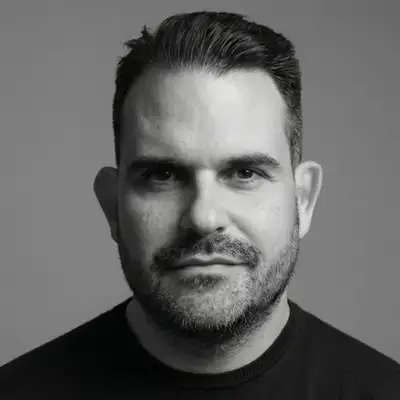
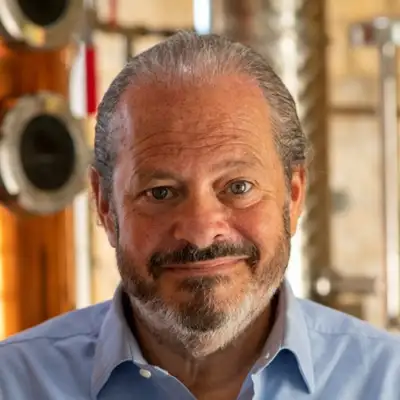
About the guest: Daniel Szor
About the Host: Chris Maffeo
In Episode 038, I continued the conversation with Daniel Szor from Episode 037. Feel free to listen to that, as well. He has an incredible story as he left his 30-year Investment Management career in NYC, Paris, and London behind to build one of the first English Whisky Distilleries. I hope you will enjoy our chat. I hope you will enjoy our chat.
Time Stamps
(0:00) Introduction
(0:10) Home Turf Advantage
(3:05) Starting A Distillery: Sales
(8:44) Bridging Categories
(16:34) Discerning Your Market
(20:46) Home Turf Authenticity
(27:57) Creating A Sales Team
(33:51) Small Brand Owner Expectations
About the guest: Daniel Szor
About the Host: Chris Maffeo
The MAFFEO DRINKS Podcast is a leading drinks business podcast delivering actionable insights for drinks leadership.
For founders, directors, distributor MDs, and hospitality leaders navigating the tension between bottom-up reality and top-down expectations.
20+ years building brands across 30+ markets. Each episode features drinks builders: founders, distributors, commercial directors, sharing how the drinks industry actually works. Not the conference version. Honest conversations.
Insights come from sitting at the bar.
Beyond episodes: advisory for leadership teams, subscription with episode deep dives and principles to navigate your own reality.
Beer, wine, spirits, Low and non-alcoholic.
Bottom-up Insights & Episode Deep Dives at https://maffeodrinks.com
In episode 38, I continued the conversation with Daniel Shore from episode 37. Feel free to listen to that as well. I hope you will enjoy our chat. You mentioned about, you know, the lighthouses and so on. Like, how do you How did you start with?
Chris Maffeo:You mentioned Chipping Norton. The way, one of my big loves was a trip to Northavage.
Daniel Szor:Wonderful brewery.
Chris Maffeo:When I was, I think I was like 16 or 17 because I used spend my summers in England with a dear family. Called them my English family. And that's where I learned English, actually, like my friends. And they took me there for a weekend in a small cottage that a friend of theirs owned. So, I remember very well at Shipping Norton as well.
Daniel Szor:Hook Norton, great bunch of guys, and we've done projects with them. We made a rye whiskey together with rye beer that they made and we distilled. And, I mean, they've got one hundred and sixty five years, one hundred and seventy five years of history going for them.
Chris Maffeo:One of the things that I always talk about is winning your home turf first. Because, I mean, being being I mean, having a region in your name with a Cotswolds distillery, you know, you you have to be credible in the Cotswolds before expanding into London and where, I mean, a very expensive
Daniel Szor:It's kind of so important and it is still, I mean, as important as these sort of lighthouse accounts are and the of the glamorous account, it has always been for us very much a question of, as we say, owning our backyard. And we have a wonderful backyard because, first of all, Cotswolds is a surprisingly large area. It goes from the city of Bath in the Southwest almost all the way up to Birmingham, so sort of Southwest to Northeast. And there's a lot of wonderful towns there. There's Oxford, there's Bristol, there's Cheltenham are all kind of bordering more or less the Cotswolds.
Daniel Szor:And so it was very important for us at beginning. And also, you know, we're of limited means, so we can't be everywhere all the time. And we're not gonna be able to win every bar or or do lots of big deals. But in Bath, for example, there's a bar called The Hideout, which is regularly in the sort of top 50 in The UK. And I think we started with them just on a trial of the gin.
Daniel Szor:They now list the entire whiskey core range. The gin is the house pour. And they even bought a single cask for the bar, which is amazing. So, you know, it's a story of growing this again from small bases. Again, people got to know our gin in the beginning.
Daniel Szor:We had a program at one point we called Win with Gin, where we basically went out and we agreed with a certain number of bartenders that if they were able to pour a certain amount, make us the house poor, then we would come back and kind of help them out in various ways, but really get them on the side. So that's been really, really important to make sure that we have great coverage in our home area.
Chris Maffeo:And how did you start? Because this is also like another piece that I'm kind of like evolving my thinking. I used to call it like, you know, you that you need to build bottom up, you need to build in the on trade exclusively. But then I am actually evolving this thinking now. And I call it I like to call it instead of on and off trade.
Chris Maffeo:I like to call it bottom up and top down trade because I believe that actually there is a big need. And actually, is due to the talk that I had with with Duncan MacRae of woven whiskey on on, you know, like the importance of off trade, you know, the the small bottle shops, you know, the small places that are off trade, but they actually almost act as on trade, you know, because there is an owner that is buying the bottles, there is an owner that is actually telling the story of each bottle and so on. So how did you how did you start? Like, did you start like what was it like a mix of on and off, like in this kind of like bottle shops? Or did you focus mainly on pubs and bars and restaurants?
Daniel Szor:We did things a little bit backwards. We very much focused more on the off than on the on. That may have been in the beginning an extension of my own sort of personality and that I had been Whiskey geeks are probably more off trade guys than on trade guys because they buy their bottle, they bring it home, they share it with friends or whatever, or that might even be sad lonely drinkers. Have a relationship with their spirit, which they don't really require that intermediary sort of the bartender. But actually, I mean, like I knew from all the years in France that the intermediaries that were really important for me were exactly those guys you were talking about, the cavistes, the small off trade guys.
Daniel Szor:France particularly is amazing for that because no matter what village you're in, no matter how small, there'll be a cabiste and you can go in looking for a bottle for Friday night when you've got some friends over and he will spend a half an hour, he or she will spend a half an hour talking to you about various things. And so for example, in that market, you know, where France is one of our important kind of export markets, I realized that we didn't matter enough in terms of our volumes to justify the kind of attention that I felt we needed to tell the story literally cavist by cabise. So we ended up hiring someone in France whose job was literally to go in and tell that story, you know, six to eight times a day and then move on to the next city and the next city and the next city. And he's been doing that now for five, six years and doing an amazing job, just building up from the very basic level with these chemists. And we started also in The UK very much doing that and talking to local shops and stuff.
Daniel Szor:Of course, The UK is a very different model because you can't really ignore the bigger channels, the grocers, the online guys, the cottos, and the just sort of like the big online shopping network or Amazon. But depending on the market, if that is an important channel, then you have to give it its time. And again, it was always just one account at a time.
Chris Maffeo:It's true that for whiskey, the off trade is is is crucially important. I mean, this niche kind of off off trade, but also like because it also depends on the market you're in. For example, here in Prague, there's very few of those kind of, you know, you would call it a list. It's very limited. So it's, you go from on trade to, to modern trade right away, you know, but then in Rome where I grew up, I never bought a bottle of wine or my parents never bought a bottle of wine in, in a supermarket for many years.
Chris Maffeo:You know, like just recently, then you started to get like some nice bottle of wines in a supermarket, but before you would go to an enoteca and buy buy there and it didn't have to be super expensive. And then there would also be a sense of pride having those kind of like bags and putting the wine in one of those bags because it means you bought it there. So it automatically was a kind of like a validation of the cavies to the French example now.
Daniel Szor:We started out there and probably, you know, 80% of our business is is off trade. And I think you'll find with brands like us, that's typically the case. It's difficult for us to dominate the, you know, in the on trades. It's a real challenge. The entree, you're trying to do volume, if you're trying to do mass, if you're trying to it's just very difficult because we can't pay huge amounts for cocktails.
Daniel Szor:We can't pay for listing fees and we can't, you know, do these contracts and whatever. So how do we do it? I was at a trade show the other day with one of our team that covers the sort of cash and carries and the off trade and small whatever, but also on trade as well. There there were sort of restaurant bar owners from around The UK. And I was speaking with one guy in particular.
Daniel Szor:I remember he owned a steakhouse or something in in Essex. And he said, oh, we we you know, our guys drink a lot of whiskey, it's a steakhouse. I said, Well, how many Scottish whiskeys you have up there? He said, Probably about 15 or so. I said, How many English whiskeys you have?
Daniel Szor:He said, None. I said, Well, we're the local, right? We are the local for 50,000,000 people, right, who live in England. And I think honestly, talking about an on trade strategy that ought to work or needs to work for English whiskey, is we need collectively as a business to make sure that every restaurant and bar in England has at least one bottle of English whiskey, you know, of some brand because we are the local. And why would you not want to offer up the local, right?
Daniel Szor:If it's good.
Chris Maffeo:Absolutely. Absolutely. And then that goes back to the conversation we were having earlier about about categories now because it's still the right balance between taste profile and categories now because I don't like too much to think in category very often because I think it's very limiting. I was here, like, in a whiskey fair a couple of weeks ago here in Prague. And and I I went there with a friend of mine, and he's a big rum drinker.
Chris Maffeo:He doesn't drink whiskey. So I used, for example, like we drank a Glenfiddich, I believe it was like the 21 year old rum casks finish. So and I said, let's try this one. It was like a rum cask to get him into the whiskey. And I love doing that those kind of experiments because I like to to shift people through taste.
Chris Maffeo:But you can use category to your needs, you know, like sometimes they can be limiting. Sometimes they can be actually the enabler of the foot in the door you exemplified earlier. It's like how many English whiskeys do You use it
Daniel Szor:opportunistically. You use it where you need to. And if I'm selling in my backyard, I'm Cotswolds whiskey. If I'm selling in England, I'm English whiskey. If I'm selling to whiskey geeks who are in Australia or Japan or France or Germany, I'm New World whiskey.
Daniel Szor:But most importantly, and above all three of those, I'm delicious, right? That's what matters. The novelty in the category might sell the first bottle. They will not get through that bottle, nevermind ordering a second one if they don't find it surprisingly delicious. Like I found that Taiwanese whiskey, which made me want to buy it again until they the prices went so crazy.
Daniel Szor:I could no longer afford it. It's gonna take us a long time, longer than my years for, you know, let's say English whiskey to have the kind of renowned that has taken, you know, decades and hundreds of millions of pounds of marketing for scotch to achieve. Which means that in the time that I have left to sort of be involved in this, it's still gonna be like the best kept secret kind of thing, even though it feels like, you know, one thing as a brand owner, you got to be aware of is believing your own BS or drinking your own Kool Aid as they sometimes say, because you know what you find? You're surrounded by people who know you, therefore, because they know you, they know your brand. And because they know your brand, they happen to see it everywhere.
Daniel Szor:They notice it everywhere. And they say, Oh, dude, you're killing it. You're all over the place. You're on every shelf. You know, you're doing so great.
Daniel Szor:You start to think, No, I am doing so great. Then you realize that actually for every one person that's your friend, there's about 10,000 that have never heard of you. But if you know that, and if you know that those 10,000 haven't heard of you, then you are still the best kept secret kind of thing, and you will be for years. And everybody likes to be on the in on a best kept secret. They love to tell their friends, they love to say, Hey, have you tried this?
Daniel Szor:You would be surprised. Hey, let me give you a glass of this. What do you think? And again, that's when the quality of the liquid and the flavor is going to win people over. You mentioned your friend with rum.
Daniel Szor:I love that. I got into rum after I got into whiskey because I realized I was just into flavor. That's taken me into being crazy about Amaro's and Chartreuse and all sorts of all the classic aperitivo's and becoming a bit of a taste sort of junkie, a flavor junkie. But if you lower those gateways and particularly, I think sometimes when it comes to, you know, sort of people who didn't think they like whiskey, they'll try our whiskey. And again, we have a whiskey which is easy to love because there's a vinous quality to it.
Daniel Szor:There's a brand brandy like kind of a smoothness and a depth and flavor. It's not, you know, a peat monster that we do do a very nice lightly peated whiskey, but basically we have a flavor profile that I think can bring people in to the category. And then again, they tell that story for us. That's why the brand home is so important. It's not just about sort of a showplace for, let's say, the entree to whatever, but it's literally everybody who comes to our doors becomes a brand ambassador.
Daniel Szor:If I could scale that infinitely, I would. It's the most wonderful experience. Somebody pays you £25 to advertise them for ninety minutes and they buy two bottles at full margin, go home, give you a 5 star review on Google and tell all their friends. I mean, it's brilliant. The best bit of what we do, but we obviously have to do a lot of other things too.
Chris Maffeo:Absolutely. But this is like, this is very interesting because when you were talking like to the previous examples, now, about being everywhere and using categories, like it reminds me, for example, when I when I was selling Peron in Stradzura in Scandinavia, you and and we were in, we were selling in Helsinki, actually, Jonas is is is another guest of my podcast in one episode 31. And he was he was one of the owners of this group of this group in Helsinki where we were selling it. And I remember that at some point we got a call, some friends met some CEO from another company that I won't mention the name. And these people were bringing all their people, but then they went to two or three bars in Helsinki thinking they would drink their beer.
Chris Maffeo:But then in those right three people, we had had Peroni there. And then all these people that were trade people, you know, from ferries and, you know, like from all over Scandinavia, they started drinking Peroni. And this person was so pissed off. And then our, you know, representative there that knew her, and he was like, wow, you're doing you're doing an incredible job, like, in soapy stuff. Everyone is drinking Peroni here.
Chris Maffeo:And, you know, like, you are everywhere in Finland. And and he he mentioned that to me, and I knew we were literally in, 20 bars in Helsinki. Yep. You know? But the perception, even from a competitor, was that we were everywhere because we were in the right places where that occasion resonated, you know, to your previous point.
Chris Maffeo:No? And for example, the way we were doing that was that sometimes we there was a contract or like some agreement and so on. But we were like, yeah, I know you have a lager. I know you have a contract with this brand. But do you have an Italian lager?
Chris Maffeo:You know, do you have an Italian beer? Oh, no. We don't. Okay. So then you don't have a lager.
Chris Maffeo:You have an Italian beer, you know? And then all of a sudden, one draft was free for us or, you know, space in the fridge for bottles was free for us. So sometimes like you can use these categories to really play in a smart way to actually get, as long as you have clarity all over your target occasion, really bringing, bringing people in and to your previous point, again, able to explain in a simple way when people come over, because you give them some social currency, you know, that, you know, now I heard a couple of three, you know, two or three points from Danielle. And now I'm gonna show off because I I bought a bottle. I have a dinner on Saturday night with some friends coming over.
Chris Maffeo:And I'm gonna show off with even though I'm not a whiskey expert, you know, with those two or three things, saying those two or three things, now I'll be perceived, you know, as an interesting guy, you know, like talking, navigating people through, because that is the power when when you are inclusive into industry and you drag people in before you actually go into the geeky conversations about how many months was it, you know, like, and how many years and how many months and now what wood and was toasted, how was it toasted and all those things that nobody came about.
Daniel Szor:This is thing, and you to pick your audience, but I think particularly when you go internationally, because in your home market you will have an advantage. I mean, I've gone on a lot over the past few years about, oh, we have to really push exports harder. I don't wanna be as as vulnerable to sort of the economic conditions in my home market. And I can tell you that our home market is a pretty pretty dismal place right now. I mean, you know, the major cost of living crisis, inflation, price pressure.
Daniel Szor:We believe that in a few weeks we're gonna be hearing about a second duty increase in three or four months. I mean, it's very rough. So, yeah, it would be great to sort of be out there more in the rest of the world, but you have to always remember that your salience, your relevance is always going to be highest in the whole market. I always joke, you know, sort of English sparkling wine is a big new trend and they they make some fantastic sparkling wines in in England. If you're in Rome and, like you said, you're invited Saturday night to someone's home, what are the chances you're gonna say, I gotta bring an English sparkling wine?
Daniel Szor:It doesn't have necessarily the same relevance out of the box. You might gain relevance from your disruptive quality. That will definitely happen more among the geeks, the spirit fans, the people who really care than others, but that's not going to be huge swaths of the world, nor can we, you know, given our limited capacity and production capacity, we're not looking to sort of be world dominators, but I think it is important to understand which markets you're most likely to do well in. For example, somebody once told me in the Far East, you have markets of what they call discerners and markets that are status markets. Simply put, the discerners care more about what's inside the bottle, the status people care about what's outside of the bottle.
Daniel Szor:If you think about the Japanese versus the Chinese, perhaps, again, are broad things. I'm sure there's a lot of Chinese discerners and there might be some Japanese status seekers, but when whiskey, for example, was considered in terms of gift giving, very much it was relevant to the age or the fancy baccarat bottle or something, whereas I think Japan is a land where culturally people really put a lot more focus on how things are made. And I think that's like, for me, that feels like a very important market for us to to concentrate on. France being the same thing, again, a market of discerners. The other thing is to just think about what natural advantages your category might have.
Daniel Szor:I remember also, I think it was Brian Rosen who's talking about not selling your Minnesota bourbon and trying to take over LA, but trying to take over Minnesota. It's the same thing. Well, we're on a small island. What can we do to get off the island that will sort of Where can we have a natural advantage? Well, I thought about a strategy that we should sort of be looking at, which I call follow the Brits.
Daniel Szor:Basically, think about where the Brits go, where do they go on holiday? Where do they immigrate to? Where are the Anglo loving cultures in the world? One of our bigger export markets Australia, Cotswolds actually resonates. They kind of get that they know what that place is and what it sort of means.
Daniel Szor:You know, India, if you're going to go to the Caribbean, well, there's a certain number of islands you should probably be focusing on that are more of the Anglo kind of story. In The States, you you can't take on the whole state. So where do you start? And I thought, well, you start with the 13 colonies. You you start with the Eastern Seaboard.
Daniel Szor:England still has a lot to offer. I mean, in terms of its, you know, I mean, used to actually call it cool Britannia. I'm not sure it's so cool anymore, but there's still a lot of elements of Englishness that really resonate with people. The Cotswolds is as English as it gets, it's not like the heart of the country. So these are all the things that help us because a lot of brands that are of our size, they might say, Oh yeah, we're in 30 markets, we're in 40 markets.
Daniel Szor:Well, sounds, countries, that sounds nice, but how much are you really selling to each of those markets? You know, if you're selling a pallet a year, great, but that's not gonna pay any salaries. Mean, that's nice to say it's bragging rights and it's good that it is available in those countries, but you have to focus on two or three countries, I think first before you can do the whole world.
Chris Maffeo:Absolutely. A 100% agree. You have to be no matter how many markets you are selling it to, it's be relevant in your homeland. Because I always bring the example, know, like lot of people like ask me, I was like, do you know this Italian gin? Never heard.
Chris Maffeo:Sorry. You know, but we say, you know, they're selling in Germany. It's like, yeah, and what? You know, like it's like, know, if I go to my my restaurant owner friends in Rome, and this is a gin from Rome, and they have never heard about it, you know, there's something off. No?
Chris Maffeo:So make sure that you win in your home turf before venturing abroad, and then, you know, continue to be relevant there. Because if all of a sudden it starts to be, nobody drinks it anymore because it's so much, abroad. And I was interviewed with by a journalist on an Italian magazine that is called Spirito Doctano. That is a very dedicated, you know, craft spirits, Italian craft spirit. And and he was mentioning distillery in Piemonte that actually they locked their volume so that they will never they don't want to do, more than a certain percentage for export because I said I want to I want to make sure that my people are always getting enough allocation of my of my, you know, whether it's grappa or whiskey or whatever they are they are distilling.
Chris Maffeo:Because, you know, you need to be relevant in your homeland before, you know, even as much as The US may be driving or Australia or, you know, France or the big whiskey markets may drive your revenues, all of a sudden it's like, you know, don't just do opportunistic things. Then at the same time, like it's very interesting what you were saying about the follow the Brits because I, we actually did that for real with Peroni. Because Peroni was so strong in The UK, for example, like Dubai was really strong and is really strong with Peroni because of all the Brits living there. The thing is that you ensure by being available, you ensure that there is demand, there is consumer pool, you know, because automatically people will drink it. The same thing, for example, then when because I started working with Peroni on twenty ten, that was just after the financial crisis that you fortunately mentioned before.
Chris Maffeo:But, you know, there were there was a diaspora of Scandinavians and Nordic people going back to their countries, you know, leaving London. Then at that time that I was selling Peroni to Stockholm, Helsinki, Oslo, and so on, all of a sudden, like, you know, those countries were going so well because, you know, we were selling in bars and restaurants around the city center where the stock exchange was, where, you know, the financial institutions were. And it wasn't bad channel. We were doing exactly the same thing in Oslo and in Paris, but in Paris, it was not resonating as much as in Oslo or Stockholm. Why?
Chris Maffeo:Because it was a returning diaspora of, they were not Brits back then, but you know, they were like Norwegians, Swedish and so on. And then also, for example, I remember like in Barcelona, there were some bars where a lot of Swedish tourists would go, and they were the highest selling Peroni outlets in Barcelona. You need to connect all those dots if you just like spam the world It's not with gonna work.
Daniel Szor:Not gonna work. Mean, example is Spain, which is obviously, was a market everybody wanted to get into, like, who made gin, because it's like, was was where the whole gin renaissance really kinda came from and whatever. But it's such a competitive market. It's cutthroat. It's really difficult.
Daniel Szor:So for me, the idea is don't try to get into Spain nationally, but maybe you want to try to get into the Costa Del Sol or to Ibiza or Mallorca, where the Brits are kind of going, and again, it's followed the Brits. The other place is make sure that when they leave the island, they take something with you, right, which is all about travel retail, you know, that they that they bring bring you with them. And I feel very strongly about travel retail that it's gone the wrong direction for many years and that it's been focused only on big global brands, mainly because they're the only ones that can afford to sort of have margins that are that small because of how expensive it is to play in those channels. However, should whiskey be sold like cosmetics, like Chanel or Clinique that it's the same thing in Tokyo that in Paris or London or New York? You know, I don't know about you, but I got to the point where I just didn't even look in the duty free because I knew what I was gonna see.
Daniel Szor:Right? They kind of figured that out. Think they realized that there was demand for local product, product that was from that region. Like just by the time we had just managed to get into UK airports before COVID and they were doing very well, very important for us, very important shop window as everybody calls them for getting the brand out. Then COVID came and of course we don't bring in the kind of money the big guys do, so the first people to get kicked out were the little guys.
Daniel Szor:We went back to Squares, I mean, was nobody traveling during that time. But now the people are traveling and they're traveling a lot. And one of the few bright spots really on a difficult market for spirits is travel retail. They, the duty free operators, are realizing that that's what people want. So both, you know, two of the big ones that are in The UK, Dufry and Lagardere are now dedicating fixtures to what they call a sense of place, you know, sort of a terroir local people.
Daniel Szor:And we're finally now as of a few weeks ago, back in all The UK airports. And I think that's really important as well as the cruise ships and the ferries, Because again, you know, we are of our country, so we want people to take a little piece of England, you know, the Cotswolds when they are going somewhere as a gift or whatever. A very important channel.
Chris Maffeo:And yeah, absolutely. And and and that is that's also connected to the to the occasion again, because I mean, if I'm flying back from London or whatever, like Rome and so on, you know, I don't want to buy it, you know, why why should I buy a bottle of Scotch whiskey flying out of from Rome to Prague? You know, it doesn't make any sense, you know. And especially with people not being able to buy a bottle, you know, maybe you struggle with time, you know, you don't want to carry a bottle all over the place and so on. What's the easiest way to then buying it in an airport, Like with the liquid allowance and all these
Daniel Szor:Commoditizing kind of premium spirits will be the death of spirits. You can't do that. I mean, because by its nature, if it's premium, it shouldn't be a commodity, really. I mean, maybe in a very few situations, people do it successfully and keep it going that way. But I don't know.
Daniel Szor:I mean, I personally, again, as a whiskey lover, as a whiskey drinker, I lose interest in that extremely quickly. I'm looking for things that are interesting, that are original or that, you know, that do something for me that I can't find globally.
Chris Maffeo:Going back to the way you are selling and the way you are working. So how did you start? So you said like you didn't have any sales guy and you started on, you know, your own, which is a, which is a great things and a very big learning for me now, because when I speak to some founders that they don't want to do that. Then I say, then you yourself into the wrong industry if you don't want to sell yourself. Can you tell me more about how you sell and did you go direct, indirect?
Chris Maffeo:How did you set up the team, like growing with, you know, the different phases
Daniel Szor:That's of what meant when we started out and didn't have any salespeople and it was only me, it was also because I didn't think we'd really be selling much for the first three years because we were a whiskey distillery and we didn't have whiskey. The growth of the gin completely took us by surprise, as I mentioned, and we realized that we did have something to sell and something we should sell and that we could help build the brand in that way. That's what happened was. So again, it wasn't this kind of master plan to start with the gin and move to the whiskey, but once people knew us for the gin, they were probably more likely to try the whiskey and then grew into that. And, you know, we hired what?
Daniel Szor:We had one sales guy, and then we had a second, a third, and then we hired someone who helped sort of bring us into the world of grocery. That was a learning experience because that's a very challenging thing to sort of deal with. Internationally speaking, you know, I'd love to say that we were really smart and found the best distributor in every market in 30 countries, but we weren't like that. It was mainly people who found us and who came to us and said, We'd love to distribute you in such and such a country. And then, you know, you do your diligence, you check them out, you see which other brands they have, if there's a commonality.
Daniel Szor:You know, our Scottish mentor, Jim Swan, you know, passed away sadly a few years ago, was involved with a number of wonderful brands and we actually find ourselves very friendly amongst each other and very often working with the same distributors in certain countries. Because again, we're kind of known in a way as the Jim Swan distilleries and whiskey of a certain kind of level. We might be distributed alongside of pandaren from Wales or milk and honey from Israel, any number of different distilleries that the gym helped to make fantastic whiskeys. So the model has been up until now, it's been very much a distributed model, you know, working with distributors in most countries, except for The US where up until now we've basically self distributed. So we import ourselves via MHW who helps us to bring it in and do all the logistics to The US.
Daniel Szor:And then we have somebody who's local in The States who's worked with us for many years, who then will deal with distributors in a certain number of States. Again, it's very limited because our means are limited and The States are far bigger than we can do in the way that we one day would hope to do it. And in The UK, we've done our own trade distribution and then obviously there's our retail as well that we do from we have not only the visitor center that is sorted, but two other shops in the Cotswolds area. So we actually have a total of three shops. So we do about 20% direct customer retail between our website and three distributors, three shops rather.
Daniel Szor:We are gonna make a change in the new year and we have decided that based on the sort of the sales plan and the ambition that we do need to work with a bigger distribution platform. And so we are gonna start working with with a distributor in The UK from the beginning of next year, that will be an interesting sort of a transition. But we felt that ultimately, we couldn't bring the kind of resource to bear internally that we require to continue the growth of the brand and to continue to scale.
Chris Maffeo:And this is like, this is also like clarifying the Lola, the, you know, the journey now that a that a founder led brand or distillery goes through now, with because very often you think too big, too soon. I'm building actually a digital course that I will sell in the new year. I'm going to call it one bottle, one case, one palette. And because I want to create the journey for founders so that basically, like you don't I don't want to talk about distributors and importers until the last part, because first you need to master how to go out yourself. Absolutely.
Chris Maffeo:To bars, to bottle shops, to understand what people want before you go and take a bottle to a wholesaler.
Daniel Szor:When people do start to think about distributors, they should always refer back to Brian Rosen's comment about that, Nobody needs your shit. Nobody needs what you have. And you start with that. Another comment that someone made that I thought was very good about working with distributors is you have to remember whether you're paying their mortgage or not. You know, their sales guys, who's paying the mortgage?
Daniel Szor:Probably Jack Daniels is paying the mortgage. It ain't you. It ain't Cotswolds. And and so you have to understand the place that you will occupy. And even, you know, the new guys we're working with, we we have to be realistic and set our expectations.
Daniel Szor:But I I think that what you're talking about doing makes all the sense in the world about one bottle, one case, one palette. And I think it makes sense because this industry went through its biggest growth over the last ten years based on an awful lot of tailwinds. You know, it was, I mean, low interest rates, Goldilocks economies, which we didn't, I think, really even knew at the time were Goldilocks, but we look back on them and say, If only we were where we were five years ago or whatever. You know, I spend a lot of time from my old job thinking about where we are in the big picture, big cycle, and I don't think we're in a particularly great place. I think a lot of people feel that way.
Daniel Szor:There's people who are very contrarian and say when everybody is depressed and down, when there's blood on the streets, that's when you should be buying the stock market, as they say, because it's going to turn around. I'm not yet sure I believe that. I think as a small brand owner, you can't afford to be contrarian. You have to listen to the way the winds are blowing. And I think instead of tailwinds, we're going to have headwinds.
Daniel Szor:We're going to have headwinds for a couple of years. That's not to say that you can't do well. That's not to say that brands cannot succeed, cannot grow, cannot do good things. It's just to say it's going be a lot harder than it was in the past. And I, you know, would be the first one to say that I think some of the elements in our success, yes, we had, you know, the guy who ran the company, who founded the company I worked for for thirty years, he used to have it.
Daniel Szor:He said something to me once in my first years, he said, In life, it's not enough to have a gimmick, and it's not enough to work hard. You have to have a gimmick and work hard. And that's exactly so. I think we have a lot of gimmicks. It's not really fair to say gimmicks, but we have a great brand story.
Daniel Szor:We have a great whiskey, But without the hard work, it's not going to get you where you need to get. And I think over the coming years, work is going to be what it's all about.
Chris Maffeo:They also say like, you luck is when opportunity becomes preparation. You know, it's it's also like sometimes, like, you you see my LinkedIn post daily and and, know, sometimes, like, people comment now. It's like, yeah, come on, dude. Know, like, this takes too long. Like, you know, what are you talking about?
Chris Maffeo:And it's like, like, this is the only way to make it work. It doesn't mean that it will work, you know, but if you do it the other way from top down, it surely won't work because this is not the days anymore. And I'm having a bit of a crusade now against this, you know, media and trade media when I see all these articles saying this guy is like, you know, I didn't know what I was doing and now I sold for a billion dollars and to XYZ. And it's like, you know, I mean, these things are what drag people into the industry with false myths and fake hopes kind of thing. And it's like, it's it's about it's about, you know, like, you you remember your own struggles, you know, like, and it's not about, like, I was lucky and then I sold out.
Daniel Szor:I, you know, I know, haven't been in this industry a very long time, you know, coming up on ten years, but it's funny. There was somebody who I met years before I ever had this idea when I was living in Paris. And this guy by the name of Alexandre Gabriel, who if you are familiar with Plantation Rums, Citadel Gin, Old Cognac. I met Alexandre just by chance in Paris. Our wives became sort of friends, and I I thought what he did was really fascinating.
Daniel Szor:But I said, god, that guy works hard. And he's been building brands for, you know, now thirty years or whatever, and he's still out there at it. And I've watched how he does it and it's very much always been bottom up. It's one bar conference at a time, one speaking gig at a time. And I hugely respect that.
Daniel Szor:And that's, you know, I think it's really, it is important also as you grow to have people who become your kind of, you know, your idols and or people who you want to emulate to serve as models for you in terms of how they do things.
Chris Maffeo:100%. And I always bring the example because I don't have my own brand now or yet, or I don't know if I will ever have. But, you know, let's say my brand is the podcast now. And I like making parallels between the podcast brand building and drinks brands brand building. And it's really like, you know, sometimes I think about it and I go to a bar, I speak to the to the barman, and then somebody sits next to me, and then it's like, you know, the conversation goes on, like having a cocktail or two, and then it's, oh, like, oh, by the way, have a, you know, I have a podcast.
Chris Maffeo:Oh, what's the name of the podcast? Oh, yeah. And then I I literally, like, 80% of the time, literally, I type it into Spotify or Apple Podcast for them. I I follow it myself, you know, on their phone. And those are two people, you know, and it took and I I was there, I don't know, like an hour.
Chris Maffeo:And it's two people, you know? So it's like to to gain two followers, that's what it takes, you know? And then sometimes it's, you know, you about it. I mean, you discovered it through Morris Doyle when he posted it on LinkedIn, you know, and it's it's really like that. It's really bottom.
Chris Maffeo:And then, you know, one thing is to press follow. The other thing is to repeatedly consume it. So I got the distribution. I got the bottle on the back bar with the follow button. And now then I need I need to build relation.
Daniel Szor:You know, another good good example, one of one of our guys who focuses on the entree and very much has been focusing on sort of pub groups. I think the one that he's really worked the hardest on has been Fuller's, which is a really nice chain of of pubs, good demographic, good you know, it's Southeast. It's know, the demographics are good or whatever. You know, that started with a couple of couple of pubs, a bar behind a couple of things. Then he went back and he went back and he just I mean, it's been a couple of years working on it, now finally, you know, we've got a must talk across 200 pubs and we do, you know, a few 100 cases a year.
Daniel Szor:But I mean, that wasn't sort of coming in and saying, can we get a must talk and do a few 100 cases? That was literally starting with, you know, a few relationships and just a lot of hard work. So that's how you have to do it.
Chris Maffeo:So I think that's a nice way to wrap it up. I don't want to take and steal more of your time. I know you're on the road and you need to hit some pubs now and bars. Let us know how how can people find you and where to find you and how to to contact you.
Daniel Szor:Yeah. Well, I mean, I'm certainly, you know, on on on LinkedIn, I try and do as much of of of my own PR as as I can, but we do have fantastic guys who do that as well for us and get us a fair bit of press. But we've got our website, we've got our online sales, we're in various places. And if you want to hear more about this crazy story, even, over COVID, wrote a book about it, which is on Amazon. You know, and I'm also just happy to talk to anyone.
Daniel Szor:If you come to the distillery, which I hope you do and all your listeners do, ask for me. I'd be happy to show you around. It's what I do best and what I enjoy most.
Chris Maffeo:Fantastic. So thanks thanks a lot, Daniel. Thanks for your time. That's all for today. Remember that this is a two part episode thirty seven and thirty eight.
Chris Maffeo:If you enjoyed it, please rate it, comment, and share it with friends. And come back next week for more insights about building brands from the bottom up.