Subscribe
Share
Share
Embed
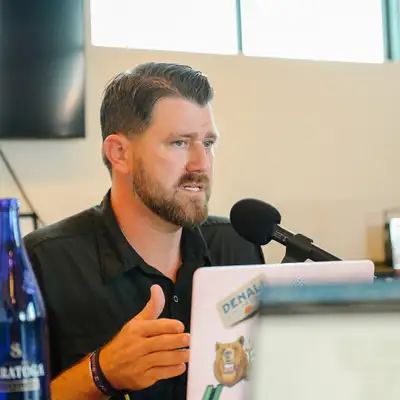
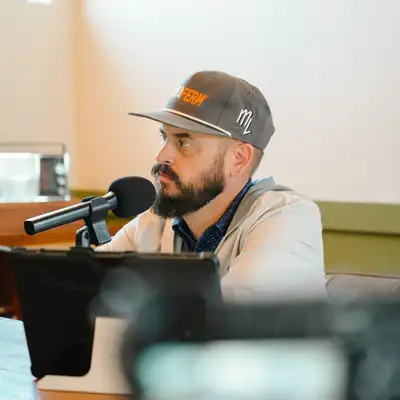
Most show families figure it out the hard way. They ask around, get partial answers, and fill in the rest on their own. Logan Newsom and Sam Silvers have been in the show industry long enough to have made most of those mistakes themselves — and they're sharing that wisdom with you.
Drench Line is a podcast about sheep, goats, and everything that comes with life in the show world. When to vaccinate. How to pick your animal. What to expect at your first major show. What nobody standing on the sidelines will actually tell you. New episodes drop twice a month, and they don't sugarcoat a thing.
Logan and Sam have been friends since they were teenagers working summers at a sheep ranch in Eden, Texas. Now they're both show dads raising their own families in world they grew up in. This show is their way of passing it on — not just to their kids, but to every family that's new to this and looking for someone to shoot straight.
Coming soon!
Drench Line is just getting started. Coming soon: voice memo questions answered on air, and guests who have genuinely shaped the show world — the breeders, stockmen, and industry figures whose names you already know. If there's someone you want to hear from, send your request to www.drenchline.com.
Be part of the conversation!
This show is built around the questions real families are asking. Got something you can't get a straight answer on? Submit your question at www.drenchline.com and it might just get answered on the next episode. Logan and Sam want to hear from you — that's not a throwaway line, it's the whole point.
Ag Teachers Series Part 2
===
[00:00:00]
[00:01:00] [00:02:00] One, two, three. Oh my gosh. Is that good enough? She's not good at this Okay, folks, we're back. Uh, had another opportunity to sit down here this morning.
Um, we're at, what, like, is this day four that you guys have been here at the Ag Teachers Conference in Corpus? Yeah, I've been here since Sunday. Yeah, so it's been going on all week. Uh, Thursday morning here, we're trying to get as much stuff done as we can before whatever this tropical storm that's trying to blow through is coming in.
But had a chance to sit down, as we kinda spoke about in the last couple of interviews, um, depending on kinda where this one will land. wanted to get some insight and just kind of some, takes, if you will, uh, from some of the ag teachers that we had a chance to snatch up and sit down with and, get an idea of kinda maybe where they're at in terms of their program, uh, where they've came from, maybe some of the things that really drive them in their profession.
So had an opport- opportunity to sit down here with Kayla. I'll let her kinda give us a little bit of backstory on where you [00:03:00] came from, where you're at now, what the scoop is, all the good stuff. Yeah. Well, thanks for having me. I appreciate it. Such a cool opportunity to get to sit down and chat. But my name's Kayla Hughes.
Um, I currently teach in New Braunfels, Texas. I feel like everyone knows where that's at. but this is my third year teaching there. Um, before that, I taught in South Austin for several years and, did my bachelor's and master's up at Tech, and that's kind of where, um, I really grew my passion for ag ed.
And, um, in New Braunfels now, we have quite a few kids in our program, and recently we split high schools, so we lost half of our kids to, the other high school in the district, but we all have a shared barn. So managing and tackling all of that has been kind of a challenge, but really exciting opportunity for more kids to get involved on that side of town.
[00:04:00] But, yeah, I went to Tech. Um, I supervise all of our sheep and goat projects, rabbits and chickens. Um, that is a task in itself. Mm. Um, but fun nonetheless to get the kids all involved, and that's really where my passion lies, is supporting kids and finding their passion in agriculture through projects or teams, um, leadership opportunities that really grow the kids into the powerful leaders that they are today.
Yeah, that's, uh, that's- that's perfect. That's exactly what we wanna hear. Okay. So talk about that a little bit. And- and you're in New Braunfels. You're at New Braunfels High. Go Unicorns. Uh, go Big Blue, whatever y'all say there. Um, what did that look like? So- so, you know, New Braunfels from 20 years ago, whenever, for those of you guys that don't know, my wife, Jenny Betg, grew up down there.
She's a River Rat. Um, as a Unicorn, um- What is... That, that town has obviously just blown up. I mean, it is not the small river town, uh, go to [00:05:00] Schlitterbahn, you know, feel that... And I'm not saying that that's a, that's a positive or a negative, it's just what it is. Um, you had more... Th- there's, they've put in a new high school.
Mm-hmm. Okay, so you guys, there, there's obviously more kids, more families, more people moving in there. What does that demographic look like? Is it more, um, kids that are looking to be involved in agriculture in a capacity because maybe their parents were and that's what they've always done, and their granddad owned a farm or a ranch or was more, you know, used to a rural living type atmosphere, knows about, you know, maybe the basics of agriculture?
Yeah. Or is it more kids that are almost, you know, for lack of a better term, kinda city folks, like it, you know, grew up in town. Um, obviously you talked about, you know, utilizing the ag facility. So I would assume that a lot of those kids that are involved in maybe their sheep or goat or chicken, you know, production, um, project, they're gonna utilize that.
They don't have a barn in their [00:06:00] backyard or, you know, a facility. They don't live on, you know, 10 acres or what- Yeah ... whatever it is. So give us a little h- you know, just kind of some background on what your kids and what that demographic, that looks like at New Braunfels High School. Yeah. And I grew up right down the road in Helotes, Texas, so I went to San Jose O'Connor and had my FFA experience there.
Um, and so I always knew about New Braunfels because they were right down the road. Like we all hung out together. Sure. We showed together. And so it wasn't always like a big mega city. Right. And it, it's not anything like Austin or San Antonio, but definitely the, the growth in the area, like we're trying to look at buying a house, and there's, there's nothing that fits the needs and what, what we're wanting.
But I feel like a- as a teacher on that side of things, we've seen a, a, a, a shift, right? And so teaching in Austin, I had inner city kids. Absolutely, yeah. Like these kids didn't grow up on a farm. Their extent was going to the [00:07:00] zoo and the Austin Rodeo. Mm-hmm. That was their extent of agriculture. Mm-hmm. So exposing those students to the world of agriculture and the industry and getting to have the hands-on experience of raising a goat or a sheep, that- I learned that there.
Yeah. That, oh, wow, this is a world that not a lot of students have access to. Have access to. So in New Braunfels, you know, it's an, a, a program in Comal County that has been around for generations. So I have an amazing teacher and partner, Daryl Nowatzke, and he grew up in the area. Um, he teaches in the area.
So he was the ag teacher of some of our kids' parents, and not to age him. Shout out to Daryl, we love you. Mm. But he, he's an OG, and his... We have kids whose parents, that was his ag teacher. Right. And so the, the, we have that side of the family. So we have people that grew up in it, their kids were in it, they're excited to come to New Braunfels and be [00:08:00] a Unicorn and be in the FFA program.
On the other side of things, on the new growth and people moving to New Braunfels and flooding here, we have the non-traditional ag student. They don't have any connection to agriculture. They didn't grow up on a farm, but they're interested in it because they've, that's the talk of the town, FFA program, going to the fair.
Yeah. And so as teachers, it's our job to help bridge that gap Um, we have a new student this year, and we got- picked up her sheep, and it's the f- it's her first experience. And so the parents said, "We're so sorry we're asking you all these questions." I'm like, "I want you to ask questions." Absolutely. "We're here to help you."
So creating opportunities to help bridge that gap to continue it being a agriculture-centered community, even though we're not, you know, we're not ranching and producing animals in town, but Seguin, Marion, surrounding in Guadalupe and Comal County, like we still have the agriculture community and [00:09:00] the, the industry standard of being involved in that.
So I think that we kind of have both, um, and coming in as a teacher to recognize that we have both and make sure that all of those kids are getting involved, whether it's through livestock or teams, um, is a really important part of our job. Well, and I think that's probably just in, you know, in terms of New Braunfels, and I would say, you know, even just kinda thinking about some of the areas around there, Smithson Valley, you know- Mm-hmm
like we had some family friends that were ag teachers there for, for, for a decent amount of time and, you know, like that is very much a blended community. Mm-hmm. Like, folks that like you talked about, folks that have been there for a long time, you know, grew up there, kids grew up maybe in the pr- or, you know, parents grew up in the program, and now the kids are in the program.
And, um, you know, without question, there's stability there, you know, just in terms of talking about the FFA program and, and what's been there. I mean, you talked about, you know, your teaching partner and how long he's been there. And so there's stability there to build that image and that, you know, [00:10:00] program and, and that likeness of, of, you know, hey, we're gonna make sure our kids go through that program.
'Cause whether they stay in New Braunfels, whether they go on and do great things in a big city, whatever that looks like, it's gonna give them, you know, some structure- Yeah ... and some background, um, to, to eventually, you know, find success in whatever they end up with. So, okay, so you talked about, you know, your FFA experience, your growing up.
Did ... And I know you said, like now you're kind of the, the sheep and goat expert for the Unicorns. I like to think so. Um, yeah, like I told you the other- ... or like whenever we were sitting through our program the other day in our workshop here, and we were talking to those ag teachers, and there was a question and answer session for the experts, and you know, that's supposed to be me and Sam.
Like, experts is a, first of all, a loosely used term. Yeah. Second of all, all that means is we've screwed up way more than those people have had a chance to. Mm-hmm. So that's the only reason that we're deemed experts. But okay, so you're, uh, you've been deemed the expert for sheep and goat production. Tell us a little about what your livestock background looked like. Like, what did you... Did you grow up showing animals? I mean, I'm assuming you did.
I [00:11:00] know, I know we've probably talked about that a little bit, and honestly, I, I'm not, I can't remember. But what, what did, what did that look like? Were you big banner winner, have a lot of success? I... So I, huh- The weird horse girl, is that- Oh, no. Not like the weird weird. Mm-hmm. But, like, I definitely was into horses and showed, but my parents were divorced, and so, um, my dad lived in Alaska.
Oh, I heard this story last time. Yes. Yeah. I'm glad that you brought this up. Okay. Okay, yes. I know it's kind of a crazy story. Yes. But being a military brat, my life was kind of crazy. But so my dad stayed in Alaska. Okay. And, um, so was getting involved in 4H and wanting to pursue, you know, like the equine industry and showing horses, and so I had a really great 4H leader that, um, helped me get a horse and we kept it at the barn, but I was only there in the summers to, to show.
So that was like my first exposure to what 4H and FFA was. And so, um, being in Helotes, it [00:12:00] was... uh, in Texas of course, it was kind of eye-opening. Like my, my best friend's brother was showing goats. I'm like, "Oh, this is cool." Like, I'd always had a passion for animals and for livestock, but my exposure to agriculture and, and what it all encompassed didn't really come until like middle school, high school.
And so, um, at O'Connor, they have a really cool... and now they're called ASTA. A- I can't remember the acronym, but they, their FFA program's chartered under ASTA. But they have a commercial goat program. Okay. So what it is, it's kind of a lottery system. Yeah. So they will buy 150 head, 200 head and bring them back.
And tag numbers are marked and put into a bucket. Yep. And so as a kid, you go and you sign up. They have a big info night, and they're like, "All right. You wanna show a goat? This is the line you go stand in." And you hand over your, at the time I think it was like [00:13:00] 350 bucks. Yeah. Like, "Here you go. Give me my goat."
And so you go to, um, the Walter Gerlock Fairgrounds, and you draw your number, and that's the goat you get. That's the goat you get. Whatever, so if you draw, uh, number 71, you got goat ear tag 71. Yes. Okay. It's an even playing field. Very, yeah. And like, it... you can easily pick out the ones that are, you know, of higher quality that you would wanna get, but it's a lottery system.
It's a lottery, yeah. And so it's, it's fair game. And so being, you know, not super involved in the industry, but still having the opportunity to participate and not having to go spend $1,500 on a goat, that was- Sure ... that was what needed to happen. And so, um, even playing field, so the whole barn was kids that had commercial goats.
Yeah. Um, if you purchased an animal with a connection with a breeder or something along those lines, um, those were... you weren't competing against other commercial goats. Right. Right. You competed in the open show. And so, um, I had a commercial [00:14:00] goat We fed throughout the year. I wasn't exposed to all of the, the show side of things.
It was more so you feed him, you walk him, you, you know, take him outside so he can play with his- Keep him alive ... goat friends. Yeah. Yeah. Yeah, yeah. Um, and just learning the basics, and I feel like it really taught me a lot as a high school student that, you know, this animal depends upon me. If I'm sick, if, you know, Christmas, like you're up there feeding.
Somebody has to do it. Yeah. Somebody has to take care of them. And so, uh, that's when I really kind of got bit by the bug as they say, and so got super involved there. I wasn't going out and winning, you know, banners and all of that, but I was learning the importance of it- Sure ... and learning the basics. And I've had really great mentors throughout my teaching career that have really opened my eyes, and friends that have, um, introduced me to, to breeders and people in the industry that see my passion and my work ethic that I instill in my current students, [00:15:00] um, that are willing to teach me and share with me how we can make my students successful.
Find some success. Mm-hmm. That, uh, that, you know, the lottery system and the draw system, growing up in, in West Texas and, you know, you know, Texas Panhandle, that's not something that, you know, we do up there. Yeah. And, and, and maybe as much as anything we don't have probably programs that are quite big enough.
Mm-hmm. You know, like, and, and we as far as Newsom Livestock, we provide, um, some of the draw animals for- San Antonio area, Houston area. So like we, we've become, um, I guess fairly knowledgeable in it. Yeah. But whenever we first started doing it, like it was something that I was just, you know, I was kinda like, "Wait, what are y'all doing?"
Yeah. "And why do y'all need 100, you know- Yeah ... crossbred ewe lambs or a, you know- Yeah ... 75 billy goats?" But it's, as I've learned and become more involved in it and seen like what all it can encompass, like it's such a... I [00:16:00] think it's such a neat program, especially for exactly what you talked about, like some of those maybe first-year kids, some of those ones that are just c- like maybe wanting to kinda wade off in the shallow end- Yeah
see if they like it, but not fully like, "Oh, hey, we need to spend, you know, some, you know, a decent amount of money and we need to go buy this goat, and you know, quite honestly, like we don't really know what we're doing." Yeah. Like, it's just... Well, you said it, like the basic levels, good health and herd management, like responsibility of showing up, rain, sleep, sunshine, whatever it is, sickness.
Like Christmas morning, like that animal is dependent on me. Yeah. Those responsibilities. Yeah. Like, all of that stuff that it can encompass and it's, it's just, it's almost just kinda like an easy way to like get in. And then at the same time, you know, those families or, or those, um, producers that are providing those animals, like one of the main things they would always tell us is, "Make sure everything's uniform."
Like, we don't need any that are really, really good, we don't need any that are really, really bad, like we want an even playing field. [00:17:00] Mm-hmm. And so it gives those kids, in my mind, that do wanna like work extra hard or, you know, really like train their goat well or their sheep well or, you know, take the extra time to, you know, spend some time and, and, and maybe learn and ask questions and- Yeah
you know, go above and beyond, it does give them an opportunity to win, no matter whether, you know, their parents have the disposable income to go buy them a very, very high quality one. Like, and so it's just, it's, it's a neat deal. Like we have probably for the last 10 years have been a part of a lot of those ag programs that have done that, and it's really become something that, um, you know, it's always a little bit of a pain having to feed them through the summer.
And about the time that I'm ready to ship them, I'm kinda like- Yeah ... getting a little grumpy about it, but it's, it's, it's a good program. It's neat to... I didn't realize that, that you had, um, that, that they had done that and you had kinda gotten your start there. Okay, real quick, hit on the Alaska deal. Like- So you spent some time in Alaska.
Yeah. Um, what, what was that like? Um, I grew up- What was it like, yeah, like just as a kid living there, like what does, [00:18:00] what does that look like? Well, my dad was in the military. Okay. So we lived in Fairbanks. Um, I went to a Montessori school. Okay. Very interesting. We called the teachers by their first name.
Um, and we would do, and this is kind of a fun fact, bear drills Bear drills? Bear drills. Do y'all do that at New Braunfels High? Um, no. Okay. We do a good tardy sweep, but no bear drills. Um, so as a five-year-old kid, they're like, "Well, if a bear or wildlife approaches you while you're on the playground, here's what you do."
Here's what you do. Mm-hmm. Run faster than the other kids. Um, you a- Oh, that's not it? Yes. No, no. Okay. No, no, no. Um, you just have to act bigger than them. And I'm like, "How am I supposed to act bigger than a grizzly bear?" Yeah. But, you know, um, it was, it was interesting. But I definitely, I feel like that's where my passion and care for the land, and the appreciation of what, you know, the Lord has given us to take care of, [00:19:00] right?
And so getting to understand that I am a caretaker of livestock, I'm a caretaker of the land, um, how can I teach that to my students? That, yes, we are the caretakers, but also what can we learn from this? Yeah. No, that's a ... And I think you kinda think about, you know, and I, I'll say this very generally speaking, but, you know, like, people that live in that area- Mm-hmm
like, that's very much their mindset also. Yeah. You know, just like, um, you know, they're, they live off of it. They rely on it. Like, it's what they do. Mm-hmm. Now, while you were there, I mean, majority, like it's like it's dark. Yeah. You know, like a lot of the ... Or, you know, like they're limited on, on daylight.
Mm-hmm. Okay. I was just making sure I was thinking about that right. I'm- Well, well, and when we were kids, like you have kids, you know, when it's light outside, they're not ready to go to bed. Yeah. So my mom would put tinfoil on the windows so that it was dark outside, um, and [00:20:00] we would go to sleep. But- Maybe that's what we need to do with Cub.
Yeah. Tinfoil on the windows. Put tinfoil on the windows. Yeah. Be like, "Oh, look. See, it's, it's dark." Yeah. You know. That's, that's interesting. That's, that's ... Well, and I think that just also goes to show, um- Ag teachers, livestock enthusiasts- Yeah ... like come from all walks of life- Mm-hmm ... from all areas of, you know, the s- the states, the nation that we live in.
Like, that's, that's, that's a neat deal. Advice for new families. We got a list here that we've kinda put together just so we kinda work through. And I know I sent them to you to kind of... So hopefully you did your homework last time. Yeah. Um, what's your advice? You talked about one of your students that was just getting started.
Mm. What's some advice that you would give that new student that walks in to, to Ms. Hughes's office and says, "I wanna show a sheep"? First of all, you say, "Have you tried golf?" Or- Yeah, yeah ... what's your take on it? Um, do you wanna choose a less expensive hobby? No. Um, I think it's, it is, it is a family project.
For sure. It is not just, "Hey, I wanna show [00:21:00] a sheep." It's, "Okay, you wanna show a sheep. What are you trying to get out of this?" Yeah. Like, are we... You just wanna experience it? Um, and I think after that conversation, I really like to include their parents because it's a, it's an investment, it's a lot of time, it's a lot of money, and, um, I don't wanna take an opportunity away from a kid.
So- Yeah ... like, let's do it. Let's get you a sheep. So I think it's sitting down and discussing budgets, right? This is where we're at in the industry currently. Um, with embryo transfer, with, you know, genetics, it, there is a cost that comes with that. So are you wanting just to show at the county show, or are you wanting to go on to majors?
Are we- Do you wanna market animals? So kind of having the conversation of what their expectations going into it are help me kind of, "Okay, we have $750." Yeah. Like, we're, we're gonna go to the county show and do our best. Yeah. But, uh, [00:22:00] those kids that have the funds to be able to purchase an animal that will be competitive, um, by all means, let's go get one.
Um, but I, I think budget is an important thing and a, an important discussion to have with parents. Like, you're not coming into this to make money. Yeah. This is, this is an investment. Do we hope to win and make money? Heck yeah. Sure. Like, we wanna make money. Um, but at the same time, you're building your kid up through this.
Yeah. This is a, a learning experience for your child. Um, and obviously it's gonna be a family learning project, but I think it goes back to budget, um, and what their plans are with that, with that animal. Um, I always say that I'm gonna, like, write a manual or a book or something so that I can just review this and then we can talk.
Yeah, let's talk about here, look at all of this and here's all the things. You should probably definitely have, like, you know, chapter two- Yeah ... here's what can go wrong. Yes. Um, yeah, and you know, like, budget. Like, and I mean, let's be honest, like, it doesn't matter if it's in [00:23:00] your situation or my situation where we're selling sheep, like, it's not always the most comfortable conversation- No, it's not
but it's like something that has to, you know, just has to happen. Yeah. And I think at the end of the day, you know, we talk about it and, like, yeah, it costs money to do this. It also costs money if you wanna have a boat and take your kids out to the lake or if you wanna play golf and, you know, do the stuff or go on vacation- Yeah, stuff's really expensive
or whatever it looks like. So yeah, I mean, it's just, it's, it's part of it and it's the world we live in and it's- Yeah ... where the industry's at. And I know it can sometimes get a little bit maybe of a negative light, but I don't know, I guess at the end of the day, like, it, it's just part of it. Yeah.
Everything in today's world costs money. But how much do you see, um, Mackenzie walk in and this is her first time to show- Okay ... how much of that do you see she wants to show because maybe her friends are doing it? I do see that. Um, like this past year I had two really good, my goat girls that even last year- Oh, yeah.
Yeah, absolutely. Yeah ... great, amazing kids. What were their names? [00:24:00] Aime and Ella. Aime, I thought it was the one that always th- would throw me off my roost. I know, A- everyone calls her Amy. I have to, like, phonetically spell it for you. Yeah, I would, like, see it on my phone- ... and I'm like, "I'm just not gonna say her name."
Yeah. And I would just start remembering other girls. New Braunfels. New Braunfels. It's one of the Braunfels girls, absolutely. But they were amazing kids. Like, they were seniors, it was their first year. I said, "I will, I will make you successful, but you have to follow. You have to follow the program." Um, and maybe that's a topic we can get into about getting advice from people and what you do and not do, but, um- Sure.
Don't follow rising contributors on Facebook. Yes, yeah. Yeah, Facebookers. Mm-hmm. But the, they had never shown before, um, and they became chapter officers and they text me halfway through the summer, "Ms. Hughes, we wanna get a goat." I'm like, "Oh, I thought all my sheep and goat buying was done, but let's go." Um, and so I like to take my students with me.
Yeah. [00:25:00] If it's, if it's close enough- Yeah ... let's get in the ag truck. Yeah, jump in. Let's go. We're going shopping. Absolutely. Absolutely. And, um, so we loaded up in the truck and we drove, um, to burn it and I was like, "Okay, here's how this is gonna go. Like, you need to be mindful that this is a barn," and, you know, sometimes they're not wanting us to, like, be in the pens because of our shoes, and so we talk about, like, this is, this is someone's space and it's also about biohazard and we're, we just need to make sure we're being mindful of that.
Yeah, absolutely. Um, and so we got to go through, I talked about budgets, and I never give everyone, like, "Oh, this is my exact budget." Yeah. Like, "This is kind of what we're looking for." Yeah. "Can you show me what you got?" Yeah, you gotta be a little bit of a business savvy on that too. Oh, 100%. And even though it's not my money I'm spending, like, I still want my kids to get a quality animal, but I also wanna support, like, the breeders that I've built relationships with.
Um- For sure ... and, and they know that the work ethic that I'm going to hold those kids to, that that [00:26:00] animal's going to be the best that it needs to be. Um, but sorting through, we picked them out. Um, they wrote the check out 'cause, you know, 16-year-olds need to know how to write a check, man. Yeah, yeah. Or address a letter.
That's one thing that you're like, "You don't know where you live, dude?" Like- ... um, hello. So they wrote out their check, they handed it over, they loaded the goats into the popper, um, and- We went back to the barn, but it was they saw the opportunity through being a chapter officer that like, oh, like the year before coming into New Braunfels, I had, um, a student and change is hard for people.
And so me coming in, I'm a very passionate, I'm kind of loud. Um, it wasn't... Some people took it well and some people were like, "No." I'm like, "I'm just here to support you and your kid." Mm-hmm. You know? I'm, win or lose, if you run with me, you don't run with me, you're still in my barn, I'm still gonna support you- Yep
and make sure you're taking care of [00:27:00] business. Um, so they had seen that a girl that had followed my program the year before was successful, and she won her class with her... She won the breed, and then won her class with her goat. They're like, "Oh, okay, maybe she does know what she's talking about." Yep. Um, and I'm, I'm, like I said, I'm a cheerleader regardless.
You, you have a goat you got on Facebook Marketplace, woo-hoo, let's go. Let's get you to your class. You came with me and we picked it out for you- Yeah ... I'm still gonna be- Same deal ... ringside helping you out. Yep. Um, but I think seeing the success, but also seeing what other kids are getting out of it, and that's, that's my whole point of this is- The kids see, they post on Snapchat, they make TikToks with their sheep- Mm-hmm
with their goats. Oh, day in the life at the barn. Th- that is promoting our, our, our kids. Absolutely. Absolutely. They're promoting our program, and so talking about all the cool things. Is there [00:28:00] things that, you know, are tough if we have a prolapse or we have something that's sick? Yes. Yeah. But we're not posting that on social media.
Yeah. So I think them seeing the good side of things, um, and what it takes to be successful, I think really got them, them into wanting to get a goat. Interested into it. Yeah. Well, and I think that's, um, interesting because we talked about that with... I don't remember if it was with Cam or Cody Peterson, but you know, the negative stuff is always talked about so easily and freely- Yeah
and it seems like it's the first thing that surfaces, and then we don't talk about the success stories. Mm-hmm. And I would say that can be, you know, contributed back to all of us, like, doing a better job of, you know, not necessarily maybe marketing those kids, but marketing their success- Mm-hmm ... and promoting their success.
Yeah. And in that way, that in turn could potentially, you know, the kid that's two or three years younger or that's gonna be a first-year FFA kid, like, he sees what, you know, those girls did or what so-and-so did- Mm-hmm ... and it's like, "Hey, that looks cool. I wanna, I wanna try that." Uh, highlight them real quick.
First-year goat kids, and you told me the [00:29:00] other day whenever you were at the house, but where did they go? They've, they both graduated. Yeah, so but their success with their goat project. Let me get- Okay. Oh yeah, oh that's true. Okay. Okay. Yeah. So at our county show, one wo- I can't remember which one was which.
I think Ime had the... Yes, Ime had a lightweight goat, um, and she won her division. Okay. So champion lightweight, and then Ella was reserve champion middleweight behind reserve overall. Nice, and this is at Comal County? Yes, Comal County. Which is, I mean, for folks that live around there know, but for folks that don't, like, I mean, there's...
It's tough. It is very tough. I mean, it's competitive. Yeah. That is not a, that's not a three-horse race. Like, there is families that have been in that area and have been competitive and successful- Mm-hmm ... not only there, but, like, go down the road and are very, very successful and very competitive. Mm-hmm. So yeah, for them to...
And, and, and they, they did, they did good. I mean, I know it didn't work out perfect whenever they got to the majors, you know, but, like, those things were competitive, and, like- Yeah ... they looked good. And you could tell, like, they had tended to business. Uh, you know, we talked about [00:30:00] it right before we started, like hide and hair and skin quality.
Mm-hmm. Like, you could just tell. I mean, those things responded. Like, they, they knew what was up. They were locked in. They knew what they were doing. They were- They, they were reading books. Like, when we were, we were driving to, um, I think it was Houston or whatnot, it was a long drive, and I mean, we just talk about random stuff on road trips, but it was...
I had gotten out of the truck and we were about to go get in line, and I came back and they were all praying in the car. And I was like, "I don't know if I should listen to..." I listened, and I took a video of it 'cause it was so heartwarming. But talking about just, like, they were so thankful to y'all and to me and us being away from our families to be able to put them in a position to be successful.
And I'm, like, sitting there sobbing- ... and we're about to go sit in line for eight hours. I was... But there's, like, that's my why, you know? Yeah, absolutely. And it's, she's going, uh, Aimee's going on to tech, and [00:31:00] Ella is staying home to help with her family, and she's going to Palo Alto, but they're ag majors.
Yeah. They, w- the, the experience that they had here, they're gonna enter the industry and go make other people's whys happen. Yep, absolutely. No, that's, that's good stuff. That's obviously, um, exactly why, you know, you're in the role that you're in, and, you know, w- and I would say any- anybody that's trying to, you know, help those kids be successful.
So awesome. I love it. Um, okay, life outside of the classroom, what's that look like? I mean, you are in my favorite place to be- ... in the entire world. I've said it multiple times. If you wanna go on a cruise or, you know, we go to family vacations and wherever we go, I'm perfectly happy in the Comal River- Mm-hmm
in New Braunfels- Love ... at The Island, and you literally live down the street from there. Yeah. So what does a person do that has everything? So what's, what's, what's fun outside of the classroom and whenever you're not on the road, when you're not running around chasing kids? Yeah, well, the time is far and few between- Mm-hmm
but it still happens. You [00:32:00] gotta, you gotta have a good balance. Um, and, like, I personally don't have kids, so, like, my kids are my kids. Yep. Um, but we definitely, me and my boyfriend like to go to concerts and Green- Okay ... Hall's right in town. Oh, yeah. So, um, normally I don't tell him that I'm buying concert tickets, and I'm like, "I hope you're free this day 'cause we're going."
Um, but we definitely like to hit up Green Hall and Green... Um, we're big foodies, so we like to try all the different restaurants. There's a, a new one in New Braunfels. So, you know McAdoo's- Mm-hmm ... it's like the old- Oh, yeah ... post office. Yep. So now they have Old City Hall, which is the old city hall. Okay. Um, there's food- Across the street?
Or where is it? Um- No, no ... it's kinda like down the street. Yeah, yeah. That's right. That's right. Yeah, no, their food is so good. The service is amazing. Um, so we like to try all the restaurants. So it is the same crew that owns McAdoo's, own it? I'm not 100% sure. I don't think so. So fun fact, whenever we got married, um, McAdoo's had just opened.
Yeah. And that was where we had our, uh, wedding rehearsal was in- [00:33:00] Aw ... on the back patio there at McAdoo's. JB's family and, uh, the family that owns, that owns McAdoo's were really close. And so, yeah, that had just opened, so- Yeah ... pretty- They have a good Bloody Mary bar at brunch, I will say. McAdoo's and Myron's- Mm-hmm
is like, yeah, like, if we're gonna splurge and we're gonna get away from the kids, like, it is one of the two. Yes. So I love it. Yeah, foodie- Concerts. Um, I really like the- What breakfast burritos in New Braunfels? Do you have a go-to? Or your breakfast burrito? Breakfast burritos? Okay, burri- You, you probably- Okay
you probably call them tacos because- They're tacos ... you know, well, this is for a whole nother- Okay, because when I went to Tech, I was like, "Dang, I really want some, like, Bill Miller Tinka Taco. I want some good breakfast tacos." And people were like, "What?" I'm like, "What? What do you mean?" They're breakfast tacos.
Uh. You get a Big Red, and you get some, some tacos or a nice sweet tea, but West Texas Nope, they're burritos They're n- burritos are folded differently Okay? A taco is a taco. But, um, I, this is a weird plug, [00:34:00] but there's a gas station down the road from our house, and I, I shamed my boyfriend for it 'cause I was like, "You're eating gas station tacos?
Dude, like, that's not cool." They are good, and it's, like, three for 10 bucks. Where... What is it called? Uh, it's called the Select Stop. Is it the one that's- Off of Klein Road. Okay, the Select Stop. I'll have to check it out next time I'm in town. Yeah. No, and the lady knows him by name. Yeah, so he's- he frequents it?
Yeah. And I, I was a little hater for a bit, but it's good. Yeah. No, they have really good tacos. Los Gatos was always kind of our go-to, like, whenever we were in college, you know, and we'd take all the crew down there because it was like, it was, you know, you could roll in there, and you could eat, and you could get, like, the super big one.
And it would, like, kinda maybe soak up some of the bad things you did while you were floating the river- Yeah. Mm-hmm ... you know, for the next six hours. You, you really need that. So that was... Yep, so that was kind of always our go-to. Um, okay. So Corpus Christi, you do anything fun? Had a chance to get out? Um, we went to a baseball game last night.
Oh, yeah. That's right, the Hooks. Yeah. How was that? So the cool thing about Ag Teachers Conference is we have all of our fundraiser peeps, [00:35:00] and they all like to take care of their ag teachers- Yeah ... that give them business. Yeah. So, um, they had, uh, they got us baseball tickets, and we had- Who was the... Who got the tickets for the baseball game?
SITES. SITES did it? SITES did. Okay, and they are the fundraiser for fruit sales? Fruit, meat- Fruit and meat. Okay. Yeah. The popcorn. They all kind of sell- They do a lot of stuff ... the same thing. Uh, um, but they're all kinda different. So Daryl's, uh, roommate in college is a SITES rep. Okay. So he, he gets us plugged in.
But, um, so we went to that, and they, it's the Hooks versus the Sod Poodles. Amarillo, baby. Y- oh- Yeah, Panhandle and- You know who, you know who they are ... yeah. Yeah, they're up there in- Okay ... they're up there in the Panhandle. Yeah. I was like, "I've never heard of a Sod Poodle before," but- We, we have not, we have not personally ever been to the game-
um, but they say that they're a blast. They're in Amarillo. Mm. I think they've been up there for it seems like maybe four or five years. Yeah. But I've heard that it's, like, great fun. Oh, it was cool. Like, I don't know if it's like a Savannah Banana deal, but it's, like, great fun. No, it's two-way. It, it- Yeah
they, they're like, they play their hearts out 'cause they wanna make it- They're trying, they're trying ... into the [00:36:00] major leagues, but some of them are, like, kinda aging out. And you're like- They're just still hanging on ... "I think you gotta call it quits. Dude, go coach, like, I don't know- Yeah ... pee wee baseball."
Yeah, Bold Durham deal. But it was, it was great. Um, we did that. Um, Water Street, we went- Water Street, uh ... and had half-off sushi. Nice. Sushi rolls. Um, so definitely dabbled in that, but- Whenever Katie had posted some stuff on Drenchline, we had, like, two or three people that had commented, you know, like, "You gotta go to Water Street.
You gotta go to Water Street." I'm like, "All right. Well, that's definitely the place," and then now I think we've been there, like, two or three times, so. Oh, really? Yeah. It's, uh, it's definitely one that, you know- It is the place to be ... make- makes the, makes the final list. Okay, we got rapid fire. These are, this is supposed to be kind of the fun segment, the- Okay
the little, little more maybe light-hearted. Okay. Um, hit you with five or six questions, and it's just the first thing that comes to mind. So- Okay ... um, favorite, favorite breed of specie Doesn't have to be sheep or goat I really like Brahman cattle See, I was surprised. Cam Anderson, we interviewed him last night, he said a Dorper, which I look...[00:37:00]
I mean, whatever. Like, I don't know what he's trying to get across. Like, he- A Dorper? Don't they do Brahman cattle at his life? Yeah, they do. Oh. That's what I was like... I was like, I just assumed that without question he was gonna be a Brahman cattle enthusiast, so- But I, I really love a nice Saldown. Okay.
They're pretty cute. All right. I c- I can get behind the Brahman deal. Uh, favorite fair food? Ooh, elote. What is that? Corn on the cob with the, like, cheese and chili powder. Oh, yeah? I'm from Helotes- Yeah ... like, corn town, so- Okay. Hey, s- I'm just so glad that- We have a whole Corn Bowl ... somebody said something besides corn dogs.
We've had, like, seven corn dog answers. I mean, they're decent- That was... It was boring ... but yeah, no, I like a corn on the cob. Yep. I m- I can get behind that. Uh, coffee or energy drinks? Both. Uh-oh. Highly caffeinated- Yep. Yep ... for this side of the world. Keep, keeps you g- keeps you going. Um, early mornings or late nights?
Ooh, I'm more productive as a night owl, but if I get a good night's sleep, I can be super productive in the morning. You can be ready to fire- Like, 4:00 AM, 5:00 AM drench, I'm there. Yeah, [00:38:00] you're there and ready to go. I'll remember that. Um- Note to self ... don't hold me to it. Okay. But yeah. Um, all right. You were, you were one of the first persons that actually has mentioned that you might be productive early in the morning, and everybody else is like, "Oh, definitely late, late night.
Late night." Well, I'm not drinking at the barn. Yeah. Yeah, for sure. Yeah. Ag teacher. Um, one piece of advice that every show family should hear. First thing that comes to mind
I think find someone that you can rely on. Like, find the person that you're getting advice from. There, there are hundreds of different ways to mix a drench. There's a hundred different feeds and supplements. That, that, that can all be successful. Yes. I mean, that's, yeah. You have to find what works for your budget, one.
Two, what works for you. But you can't go dilly-dally in each person's group and then expect to be successful. Everyone does things differently. Absolutely. Everyone has different expectations. But find, find your group, find your people, and follow that program. [00:39:00] We talked about that a little bit last night on maybe one of the interviews, and then I tried to reiterate it a little bit whenever we were doing the sheep and goat production workshop.
Like, I'm just telling you guys what has been successful for us. Mm-hmm. I'm not telling you that that's the way that it has to be. Yeah. Like, if you've been doing something else and you've been successful, kudos. Like, but you can't mix it all up and throw it on the wall and hope something sticks. Yep. Um, one word that describes a great ag teacher.
This has been interesting. We've had some great ones. I... One word? Yeah. Can it be a two-part word? I don't know. I'm not an English major. Mm, neither am I. Um
Passionate Passionate. I like it. We've had, uh, yeah, loyal, passionate, patience. Patience. Somebody said patience. I thought that was good. Like- You need a lot of that ... at the end of the day, at the end of the day, like you're trying to raise everyone else's kids, you know, and teach them, like patience can be so- Your heart has to be in it.
Mm-hmm. Absolutely. Um, if you could leave one message with every student that's [00:40:00] involved in your program, what would it be?
I've had some really great students that continue to be my why. They come up on my TimeHop and stuff, or I, I see them at FFA events. But I think You have eight years, you know, in, in the showing side of things. I think make the most of the time that you do have. Say yes to more things. Do late night practices suck?
Yes. Yeah. Do early morning practices suck? Yeah. But you don't know what's helping you until you're down the road and it's changed your life. But if you say yes to more things that they might take a little bit more effort, they might take, you know, some money, um, say yes to more things so that you're, you're opening doors that you don't even need, [00:41:00] know that need to be opened by saying yes.
Yeah, and I think that can be, um, yeah, you ta- I mean, you hit on practices, but leadership camps- Mm-hmm ... 4-H and FFA camps, like all that stuff in the summer. Like, everybody gets busy in the summer and, like, I mean, we see it, like, as, you know, parents that have a kid that's starting to be, you know, obviously involved in a lot of stuff.
But, like- Yeah ... those camps and opportunities to meet and intermingle and get away and do other things and network- Yeah. Mm-hmm ... like, that's all the stuff that down the road is gonna play a huge factor in whatever they try to do. Yeah. Whether they become a world-renowned heart surgeon or they wanna go home and raise goats, you know- Yeah
it, it's gonna help in some capacity. So- Yeah ... awesome. Um, anything else? Anything you wanna leave, leave our listeners on our Drenchline podcast with? And so it's been an incredibly great interview. Um, folks that are in New Braunfels High School, go Unicorns, go Big Blue, whatever you got. Horns up. Horns up.
Yeah. I've literally made fun of my wife for 20-something years on that. But- I eat it up now. [00:42:00] Before I was like, "The Unicorns? What? Nah, I'm not into it." And now I'm like, "Yeah," and singing the song, and here we go. And yeah. No, I think, I think this is a great outlet and a great opportunity to share because I think that, um, coming in as a new teacher, the world of the show industry is so...
People feel like everyone's closed off, and there's all these secrets, and there's no secrets. You just have to know how to talk to someone and pick up a phone instead of commenting on Facebook, "My sheep's fat. What do I do?" Yeah. Go talk to someone. Pick up the phone, um, and, and be willing to learn, um, and then do it.
Work hard, get better, be successful. Absolutely. I think that is a, I think that is a, you know, last plug of the deal that is so mistaken- Mm-hmm ... um, that people are closed off and not willing to help. I mean, I'll just say, like, I mean, uh, to Sam [00:43:00] Silvers, Silvers Livestock, with him and Jurahee and their kids, I mean, they've, they've won multiple big banners.
Yeah. Major stock show banners. Not, not stuff on their county level. We're talking national shows- Shep wins Houston. They've had goats that have been highly successful, and that guy's willing to sit in front of ag teachers at Ag Teachers Conference and share what would be considered, you know, his program- Yeah
you know? And, like, and, and his injuries. Like, I mean, people are willing to help. You just gotta be able to ask and, you know, be receptive of it and, and say, "Hey, this is what I'm trying to do. This is what I wanna learn. Mm-hmm. This is what my kids are. This is where my goal is." Like, all this stuff. Like, and somebody will step up and say, "Hey, come on.
Like, I can help you do that. Like, we've had some success." Yeah. "We've been fortunate. We'll help you do that." So- Yeah ... no, that's a, I think that's a great way to end it. Um, no question, we appreciate you jumping on. Thank you. Appreciate it. Uh, Unicorn's got a good one here. Um, folks, we appreciate you listening.
Uh, we're still here at Corpus Christi at Ag Teachers Conference. Got a few more interviews we'll try to wrap up before we [00:44:00] head back to the Panhandle. So thank you, guys. Thank you for listening. Take care.
Logan Newsom: Okay, guys, we are back at the Drenchline podcast, uh, still sitting here in the Omni Hotel and Resort, uh, on the Bay of Corpus Christi at Ag Teachers Conference.
Logan Newsom: again, we've had a chance to sit down with a handful of ag teachers and kinda get a little bit of insight and maybe kinda, what triggers them, what's their why, what, what makes them wanna do the things that they do, run up and down the road late nights, early mornings, uh, fueled on caffeine and desire and passion and, uh, hopefully help the youth, uh, agriculture kids of America and kinda keep instilling some of those values that many of us have been fortunate and blessed to, to be involved with.
Logan Newsom: So, um, we have had a chance to get a handful of interviews. Um, when we did this, we kinda wanted to sit down and, you know, kinda like- Talk to folks that might come from different walks of life, and I think it's been very interesting. It's been, um, insightful. It's also ha- had an opportunity, you know, just to get, um, ag [00:45:00] teachers and vocational leaders that have come from bigger schools, smaller schools, different parts of the country.
Logan Newsom: So I think we got one now that's gonna sit down here with us that, uh, I would say probably comes from similar background to a lot of us, just in terms of being very livestock production oriented. Uh, got a background that, that, you know, was, was successful in terms of stock show world and, you know, was fortunate to do that and have some livestock judging experience and whatnot.
Logan Newsom: So, um, with that, I'll let you kinda introduce yourself, where you're at. Give us a little background, kinda, kinda how you got into this role, where you came from, what all the scoop and the scuttle was.
John Thomas Kelley: Yeah. So my name is JT Kelly. Um, I grew up in, in Yoakum, Texas. very involved showing steers, 4H, FFA. We judged, livestock and then, ran about 300 head of cows.
John Thomas Kelley: I graduated from Texas A&M in 2022, and, uh, you know, it, it kind of felt like when you're on the livestock judging team, you just major in animal science and you judge [00:46:00] livestock, and that's kind of your life. And then, all of a sudden, I realized, oh, man, I, I gotta find a job. And so, uh, uh, my first year out of college, I actually took a job working for a corporate company.
John Thomas Kelley: was doing client service and sales and loved the company, loved the people that I worked with, made a lot of really good friends that, that I still visit with, uh, to this day. But, uh, I realized pretty fast that that was, not what I was intended to do. That's not what I was put on this earth for. And, I'm actually a third-generation, uh, educator.
John Thomas Kelley: my grandfather, uh, was a high school principal for about 22 years in Cuero, high school football coach before that. my mom is a high school chemistry teacher. My dad, he's a former ag teacher. Uh, and he's now a school superintendent, and is getting ready to retire. And so, the idea of, teaching ag, it just kinda made sense.
John Thomas Kelley: And so I'm at, Flatonia ISD. been there for three years and going into my fourth year, so.
Logan Newsom: Yeah. So, you know, you- You know, I think the, the, the good and the bad with, with that and having, you know, parents [00:47:00] or, or grandparents or family that's involved in educations, you, you obviously knew what you were getting into.
John Thomas Kelley: Right.
Logan Newsom: You know? And I think that probably is a little challenging for some folks that don't know and, you know, be honest, they might just think, "Oh, I'm just gonna run up and down the road and I'm gonna help kids with their 4-H and FFA projects, and then I'm gonna take them to leadership- Yeah ... and we're gonna do all this stuff."
Logan Newsom: And then, you know, they realize that they also have to manage a classroom and balance grade books and, you know, deal with kids that might not necessarily wanna be in that class- Oh, yeah ... or just in that class, you know? So there's, there's obviously a lot of good with it. There's also the challenges that can be placed in front of teachers that, you know, has obviously been very well documented or, uh, talked about around the kitchen table if you are like us with parents that have been involved in education or spouses that have been involved in education.
Logan Newsom: So, um, okay, so very successful show cattle family. Yes. Um, got a s- twin sister.
John Thomas Kelley: Right.
Logan Newsom: Okay. And a, and then a older sister. Is that, is that all? There's three of you guys? [00:48:00] Yes, sir. That's what I thought. Emily June, that is Married to Bryson, uh, had an opportunity to obviously get to know her, uh, over the last eight or 10 years, um, whenever, whenever those two got linked up, and then she is now...
Logan Newsom: What would her role be at Dallas? What do we call that? She is the- Livestock director? ...
John Thomas Kelley: livestock superintendent for State Fair Texas.
Logan Newsom: Live- livestock, livestock superintendent for the State Fair Texas. So yeah, Emily June's always the one that whenever we leave Dallas and we're frustrated, I'm like, "This has gotta be better.
Logan Newsom: We gotta change this. This is, this isn't gonna work." But, um, yeah, so show cattle family that, um, uh, and then you judged at A&M.
John Thomas Kelley: Uh, was at Blinn-
Logan Newsom: Okay,
John Thomas Kelley: that's what- ... for two years and then went to A&M.
Logan Newsom: Junior college route, and then, and then judged at A&M. And, and I think that, uh, that's funny that you said, you know, like, you leave, you graduate, you've been basically in a van for, you know, three years, and you've just been running up and down the road, and everything has really revolved around, you know, livestock, livestock education, [00:49:00] production, obviously judging contests, like, all the stuff, you know, stock showing.
Logan Newsom: Like, that's been what you've been in... You know, like, has quite honestly taken, like, precedence over nearly everything, like, whenever you're a part of one of those programs. And so it just seems natural, like, whenever you graduate, it's like, "Okay, what are we gonna do now?" And, and I think it's funny you said that, 'cause I feel like we've seen, and Cam talked about it a little bit, you know, he was a county agent right out of college, and then, you know, jumped over, probably had, was enticed to be in the corporate world, in the private sector, uh, make a little bit more money, you know, kinda, kinda have a fuel card and expense account and all that fun stuff.
Logan Newsom: And then at the end of the day, he kinda sits back and it's like, "It's not really what I wanna do. It's not what I was here to do. It's not, like, what, you know, ticks me and, and gives me a drive." And so from an ag teacher perspective, um, and obviously someone that's had parents and grandparents that have been in that role of public [00:50:00] education and been able to, you know, help mold the minds of youth and, and, you know, give them situations to where they can be successful, what's that, what's that trigger?
Logan Newsom: What's that thing that, you know, whenever you kinda sat back and you're like, "All right. I'm gonna make this jump from corporate America. I'm gonna jump back into to public education"? Like, what was kind of the, the, the reasoning and the why that you felt like, "I gotta, I gotta make this happen"?
John Thomas Kelley: Um, I just wanted to feel like I had some kind of purpose, and not that I didn't get that feeling, uh, i- in my previous job, but, My grandfather always told me that teaching, regardless whether you're teaching ag or, or just in a classroom teaching a core class, is a, an honorable occupation.
John Thomas Kelley: And, uh, you, you might not know it, and a student might not ever come back and tell you, but you, you're making an impact. You're doing something. And, uh, I think, uh, when it comes to teaching, uh, there's some people that say you're, you're kinda answering the call or what's your why and things like that, and that might be a little cliche and a little corny, [00:51:00] but, but at the end of the day, kinda what keeps me going is, uh, we're trying to make contributing, uh, members of society.
John Thomas Kelley: So, uh, I grew up in a community that was, um- low so- socioeconomic, culture and, just having family members that were educators is, man, you, you don't know what you can do for those kids. Um, it, it might not be a kid whoever joins FFA, is on a CDE or an LE team, never shows an animal, but, the kid that maybe he shows up tardy every day for your class and, uh, you keep counting him tardy, you don't let him get by with it, well, in 10 years, that might be the reason that that kid shows up on time for work, and keeps his job, and ends up being a, a good father, good mother, good husband, good wife.
John Thomas Kelley: And so, uh, I don't think there's any more you could ask for than that.
Logan Newsom: Yeah, that's good stuff. I mean, I don't think there's any question that, um, you know, no matter the role, it might not be something that you necessarily even, even realize that you're doing, but you've done [00:52:00] something, you know, to kinda help, you know, those, those kids have a chance to, to make it out, you know, or, or, or be successful or, you know, push them over the hump to, to go to college, hold a job.
Logan Newsom: You know, what- whatever that looks like, that maybe they're not, you know, for whatever reason, maybe they're not getting at home and, and they know that whenever they come and, um, you know, they're in Mr. Kelly's class, like, "Hey, that guy's gonna kinda hold me responsible, and, you know, I gotta tend to my business."
Logan Newsom: And it just kinda starts naturally building, you know, a little bit of that in them that's like, "Okay, as I get older and mature, like, that can be something that's..." That's good. That's good stuff. I like it. okay, on the, on the, on the livestock side, on the stock show world, like, you obviously were very, very successful and, you know, had been to a lot of them.
Logan Newsom: little, little more lighthearted, what is, What's your favorite stock show as a, as an ag teacher? Not necessarily whenever you were, you were a kid, but, like, what's the one that you like to, you like to load those kids up in the truck, or you like to fill the trailer full and, and head to the, head to said stock show?
John Thomas Kelley: Uh, I love Houston. Houston Stock Show and Rodeo is, uh, it's convenient for us. Uh, it's about an hour and a half away. the barn [00:53:00] is always clean. It's not dusty. It's got an air condition in it. And, um, yeah, I love the Houston Stock Show and Rodeo, and they do a great job giving back to kids with, uh, scholarships, and, uh, the sale is really, really good and, uh, can kinda help some of those kids get ahead if they are fortunate enough to get one in the sale.
Logan Newsom: You know, we talked a little bit on one of the episodes there previously and, and I'll, I mean, I'll hit on it again because I, I love it whenever people comment on Facebook when they don't know what they're talking about, but, you know, Houston's sale is good no matter, no matter whether you, you know, acknowledge the caps or not.
Logan Newsom: Like, at the end of the day, like, it's good money. but what those guys do on scholarship programs and giving back to those kids f- on the 4-H and the FFA side- Yeah ... like, it's tremendous. Like- It's awesome ... um, I mean, kids that get those 10, 15, $20,000 ones, like, that can... I mean, talk about changing the trajectory of, you know, maybe where they're headed or what they wanna do.
Logan Newsom: But I think also just on the simplest level- Unloading at Houston, like those guys are all there with their green tractors. Oh, yeah. Like, you know, we [00:54:00] used to all gripe, and, and I mean, I'd say I'm as guilty as anybody. Like, sometimes some of those guys, you remember back in the day when they had the, the yardsticks, you know, like-
Logan Newsom: a- and they still do in some capacity, but like when it was in the dome and some of that, golly, like you'd sometimes get a little frustrated, like you'd be trying to walk your animal through there or whatever, and some of those volunteers, you know, you could tell maybe they didn't have a whole lot of livestock experience, and it could be a little frustrating.
Logan Newsom: But they have so much support there to make that an enjoyable experience for the kids, for the parents, um, outside of, you know, maybe them being a little grumpy if you forget your gate code or your- ... you know, your, your access pass there whenever you walk through the gate in the morning of the show. Um, but, but they do.
Logan Newsom: Like, that, that's an enjoyable show. Like, for, for market week, and we've all been there, and how crowded it can be and how frustrated everyone can be, and everyone's running off, you know, again, energy drinks and caffeine and lack of sleep. But like, that's one of those shows that, like, it can be pleasant if you'll allow it to.
Logan Newsom: I'm not gonna say that all the other ones [00:55:00] can't be, but that, that one does, I feel like. You know, they try to go above and beyond to make that one en- an enjoyable experience, so. Yes, sir. Yep, I can, I can get behind that one. how's ag teachers conference been? Was there any, uh... I'm not gonna, I'm not gonna put you on the spot and ask if you made all the 8:00 AM sessions you were supposed to, but has there been any workshops or anything that you kinda took away from this deal that, you know, you're like, "Hey, I could implement that in our program," or, "Hey, that's a good idea"?
Logan Newsom: What, what does some of that kind of stuff look like?
John Thomas Kelley: I actually... and I'm proud to say that I have made it to all the 8:00 AM workshops. Uh-
Logan Newsom: Boom. First one,
John Thomas Kelley: yeah. Little sleep deprived, but we made it. Um- As far as sitting through some of those workshops, actually the, the biggest thing I've taken away, I, got to help put on a workshop Monday morning, with a retired ag teacher that is full of knowledge and wisdom and, and I won't share his name 'cause I hadn't asked, but, uh, I'm sure he wouldn't mind.
John Thomas Kelley: But, uh, it just... He was... The, the things that you don't think about, you know, in terms of, uh, getting more [00:56:00] kids involved, how to deal with, with different kids based on, uh, your demographic, socioeconomic status, how to motivate different kids. he just was, was full of knowledge and took a lot away from, from him just sitting there visiting, helping putting on that workshop.
John Thomas Kelley: So-
Logan Newsom: Yeah ...
John Thomas Kelley: I really enjoyed it.
Logan Newsom: Perfect. That's good stuff. Well, uh, we kinda had some intentions of sitting through a couple of them yesterday, and then we were kinda getting ready for that sheep and goat one that we had to do. But just looking at the list of what all was offered, it doesn't matter where you live, what your students are, what your passion is, like where you wanna be as far as your program goes, it looked like throughout the day you could find something that could be beneficial.
Logan Newsom: I mean, and it might be a deal that, you know, you just sit through and, and I get it. Like we've been, you know... Uh, obviously I wasn't an ag teacher, but whenever I was in extension, like, you know, we'd have TCAA and you'd have to go to these deals and, you know, at sometimes you kinda get a little frustrated and you're like, "Man, I'd rather go fishing," or, "I'd rather go play golf," or whatever, you know, do all the fun stuff that Corpus Christi has to offer.
Logan Newsom: But- Sure ... um, man, there's some [00:57:00] stuff that you could just sit through and it might just be something that you don't even really, you know, and probably like kinda like what, you know, while you were working with him, like you might not have even really like wrote it down. Right. But it's just like it's always something that you can kind of fall back in your mind, you can kind of revert back and be like, "Oh, I remember when so-and-so said that's how they handled this situation.
Logan Newsom: Like that's a good idea. We could kind of do it like this and this works for us." So yeah, there was, there was a lot. You could tell that, uh, there's been a lot put into, you know, this conference and making sure that... And I would say as much as anything, first year or young ag teachers, you know. Like, 'cause I saw some of those deals that were just like And I know they had different titles, but managing a classroom.
Logan Newsom: Oh,
John Thomas Kelley: yeah.
Logan Newsom: You know, just like stuff that, again, we talked about it, like some kid that was great at livestock judging, grew up in a successful show pig operation, knows all the stuff there is to know about feeding a barrow and can do all that, but has no idea when the bell rings, like really what he's supposed to be doing.
Logan Newsom: Yeah. So, uh, there was some- I thought there was some stuff there that they could really tie [00:58:00] into and, and probably, probably leave here with. what does your involvement look like at Flatonia? Tell us a little bit about kind of that program and what you guys got going. Is there an area that you specialize in or what that kind of looks like?
John Thomas Kelley: Yeah. So Flatonia is, uh, we're a 2A Division I. Our high school graduating class is, is around 50. We have about 200 kids in our high school. Uh, and we have really, really good member involvement. Uh, and we're blessed. We have great kids in Flatonia, uh, that work hard, they're raised right. Um, and a small school like that, uh, your kids have to do everything.
Logan Newsom: They gotta do everything.
John Thomas Kelley: Yep. And we're successful in a lot of the things we do, and, uh, kids work really hard and, uh, it, it's, it's great. We, uh, I specialize, I teach all of our animal science classes. and then we're a three-teacher department, and so because we are a smaller school- I don't wanna say we all kinda just, we, we all pitch in, go, uh, where we're needed.
John Thomas Kelley: but I would say I more so oversee, kinda some of our [00:59:00] cattle projects. But, we all help out everywhere. Nobody's got one designated role, which is, is unique to a small school, so.
Logan Newsom: Yep. No, that's, um, we, we're similar situation. And I mean, I know like probably growing up in Yoakum it was a similar situation.
Logan Newsom: Like, kids play football, kids play basketball, kids play golf, they're involved in UIL. Like, it's just what they do. And you know, it can be challenging. And even on the parent side, as I've started to have kids that are getting older and more and more involved, and I- it wasn't that long ago, I feel like I remember, you know, the juggle of, you know, Friday night football and, you know, Saturday morning stock shows or fairs or fall fairs, and all that stuff.
Logan Newsom: But I do think there's so, it can be so beneficial to those kids that are, you know, multi-diversed and specied in sports instead of that, "Oh, hey, I'm just gonna show pigs and play football." Yeah. You know? Or, or whatever that looks like. And I mean, that's something that we can dive into in a whole nother topic.
Logan Newsom: But those kids that are involved, and, and, and I think it also gives [01:00:00] those kids opportunities to interact with multiple teachers or coaches. And it goes back to that thing like you talked about, like, where they could potentially be impacted. Like, maybe they're very comfortable with you and, you know, like it's just kind of a, you know, good relationship, whatever.
Logan Newsom: And then all of a sudden, you know, they kinda get into like a setting that they're not super comfort- UIL, one act play, whatever it looks like, and it can just maybe kinda give them an opportunity to learn something different or be around, you know, other folks that maybe they don't necessarily run in the same, you know, circles with.
Logan Newsom: And so tons of opportunity there when those, you know, those, those kids get pressured into doing, uh, everything in some of those smaller schools. So- Yes ... um, again, you know, I kinda talked about it like it doesn't seem like it was that long ago that, that I was living it. And I remember now like thinking about what my parents were like, and now I'm like, "Oh man, this is me."
Logan Newsom: okay. So had you had a chance to do anything while you've been in Corpus? I know you made all your 8:00 AMs, so, um, get out and go and do?
John Thomas Kelley: Yeah, we went to, uh, went to the Hooks game Tuesday night, so, [01:01:00] uh, got to watch some good baseball. and I- It, it can be about as boring as, as you make it sitting there watching minor league baseball, but I actually, I enjoy, uh...
John Thomas Kelley: Anytime somebody comes up to bat, I'll Google whoever it is, and I like to look at their bio and what their- Kind of
Logan Newsom: see where they came from, where they're headed?
John Thomas Kelley: Yeah, what their signing bonus was. Yeah. So we, uh, there's, you know, like 500 fans, it's pretty quiet, and there's a kid up to bat that was the second overall draft pick and signed an $8 million signing bonus.
John Thomas Kelley: I'm like, "Wow, good
Logan Newsom: for him." Nice.
John Thomas Kelley: Yeah.
Logan Newsom: So that's what we were talking about with one of, uh, Kayla, when she was here earlier, 'cause she had went to the Hooks game last night, and they played the Sod Poodles. And so that, they're, those guys are in Amarillo, and, you know, up there in the Panhandle not too far from us.
Logan Newsom: And we've never been to the game, but, like, I've always heard, like, you know, they're enjoyable. Yeah. And, like, that's the deal, you know, it's like, I think it's a, a AA affiliate, so, you know, there's a lot of those kids that are like, they're trying to get to the show. I mean, at the end of the day, like that's where they're, that's where they wanna be.
Logan Newsom: Exactly. Like, that's where they're headed. So, like, you know, for us it's like, you know, maybe cheap entertainment or whatever that looks [01:02:00] like, but it's definitely, um, you know, those dudes are, they're trying to, they're trying to make it. Yeah. So-
John Thomas Kelley: It's a grind.
Logan Newsom: Yep, absolutely. tell me what you think the future of stock shows looks like, five years, 10 years down the road.
Logan Newsom: You're obviously someone that's been very involved in it. you know, and I, I know that sometimes that can be a negative. You know, we see a little bit of that, "Oh, where are we gonna be? Where are we gonna be?" And I'm not saying it's not merited, but what does, what does that, what do you think that looks like for you guys?
John Thomas Kelley: That's a, that's kind of a tough question. I mean, I, I think we're in a really good place right now in the livestock show industry, and it, everything kinda is pointing in the direction of more and more growth. Uh, Houston Livestock Show and Rodeo, they just kinda had a press release. They're building a, a great brand new facility.
John Thomas Kelley: Mm.
Logan Newsom: Absolutely.
John Thomas Kelley: Um, and so I, I see a lot of growth. Um, and I think we'll start to see more kids, uh, getting involved. Obviously, a lot of these projects are, are getting more and more expensive, but one of the things that's so common now that wasn't really around when I was growing up, which it hadn't been that [01:03:00] long since I showed, is, uh, ag barns.
John Thomas Kelley: Seems like more and more schools are, are getting an ag barn and- Giving kids opportunities, uh, to have a livestock project and get to go to the Houston Rodeo, San Antonio, wherever it might be, and that, that maybe would've never got to show, so think we're in a good place. I, I think we'll see, start to see a lot more growth, so.
Logan Newsom: I agree. And, and I think we see a lot of people that say, and I'm not gonna argue with the numbers, um, "Oh, it's, you know, it's going down, it's going down. We didn't validate as many."
John Thomas Kelley: Yeah.
Logan Newsom: I think that's a little bit, uh, can be skewed. I do think that there is folks that maybe aren't feeding as many, but I don't, I don't see it from us, and obviously we're on the, you know, on the sheep and the goat production side of it.
Logan Newsom: I don't see our numbers going down. Yeah. Now, I do see families that maybe used to feed 10 that, you know, for probably if we're being completely honest from an economic standpoint, look at it and say, "Okay, we probably need to feed eight. If you need to feed seven, like, you know, spend the same amount. Our [01:04:00] budget can stay close to where it's at, but if, if the price of these things is where it's at, you know, we probably need to feed a few less."
Logan Newsom: And, and ho- to be com- completely honest, we're the same way in terms of, you know, feeding stock for the kids. But we've got families that didn't show, their parents didn't show. They might be in the medical field. They might be... We've got a couple of lawyers. We've got real estate folks. Like, we have a ton of families that purchase sheep from us, that we're able to help it, help, you know, that project throughout the year, um, that those guys, I mean, when they started, they knew nothing.
Logan Newsom: Yeah. And so for them to, to, to, you know, come forward and, and be interested or to push that kid into being involved in it, to me, that's positive. Absolutely. Like, that's big stuff. Um, you know, they didn't grow up on a farm and ranch. They didn't grow up in a successful cattle operation or a show pig operation.
Logan Newsom: These are families that might have grown up in town- I mean, Lord [01:05:00] forbid, might've went to the University of Texas. And, and now they've got kids that are showing livestock. Like, that- there's nothing that tells our story from an agriculture perspective and youth involvement better than, than that.
John Thomas Kelley: Yes, sir.
Logan Newsom: Um, so I think that's, I think that's very, very, very positive. I, I like your take on it. We've had a few that, um... Again, I think it's very easy to highlight some of the negative things, but man, there's, there's a lot of good there. Yeah. Um, okay, what's, what's life outside of the classroom look like for JT?
Logan Newsom: You're single?
John Thomas Kelley: Single, yeah. Okay. Um, so got a, I wouldn't say a lot of spare time on my hands. Uh, again, I'm not far from my, uh, family's ranch in Yoakum, so we, we still try to raise a few show steers, and so, uh, and, and we're probably crazy to try and raise show steers when you can, uh, about half the labor and expenses in a commercial calf is bringing 2,500, anywhere from 2 to 2,500.
John Thomas Kelley: Yeah. Used to, we'd show a show steer for that amount of money, and we thought we were doing really good. Absolutely. And you just haul them to the sale [01:06:00] barn now and get that. But, uh, so spend a lot of time working cows. Um, love to hunt and fish. Uh, won a, I won a thermal scope in a, in a gun raffle a couple years ago, so, uh, really enjoy going out and hunting, and we kind of got a feral pig problem, so we kill a lot of hogs around there.
John Thomas Kelley: And, uh, just hanging out with friends, trying to make the most of, of the time we're given, so.
Logan Newsom: How many of the kids that would have graduated or maybe, like, have been on, on your livestock team, whether that was at Blinn or at A&M, you know, whether they didn't go to A&M, you know. But, like, let's say, you know, kind of included a lot of those.
Logan Newsom: How many got back in some sort of a similar role to, like, what you're doing, whether that's teaching ag or, you know, maybe extension or...
John Thomas Kelley: That's a good question, and I, I honestly think I'm the only one out of... Well, that's, that's probably not fair to say. I mean, uh, s- some students, or, uh, former teammates, sorry, uh, working on a PhD, and so they're, they're educators, but-
Logan Newsom: Stayed in education.
Logan Newsom: Yeah.
John Thomas Kelley: Yeah. Just at a [01:07:00] different level. Uh, I think, I know for sure, uh, one of my former teammates is, is working on her PhD right now, but other than that, I think we're the only two who stayed in education.
Logan Newsom: Yeah. So. No, that's, uh, I was just, I was just curious to that. We kind of talked about it a little bit the other day, and they just, maybe they haven't come back around.
Logan Newsom: They're still chasing that private sector money-
John Thomas Kelley: Yeah ...
Logan Newsom: and come back around. Okay, uh, rapid fire, and we'll kind of wrap up. These are just kind of the, this is supposed to be the fun portion of it, I guess. Um, favorite breed of specie to show?
John Thomas Kelley: To show, uh- That's a tough question, too. Um, we got along well with a lot of Charolais show steers, um, which of course they're not, uh, they're very far from being purebred Charolais.
John Thomas Kelley: But, uh, Charolais, yeah.
Logan Newsom: Yeah, I, I figured you were... Y'all, y'all were pretty successful in that American cattle world for a, a little while, huh? I
John Thomas Kelley: better- Yes, and I better change that answer to Hereford. Okay.
Logan Newsom: Uh, yeah, that's a-
John Thomas Kelley: We showed a lot of really good Hereford- Yeah ... show steers. That, that needs to be Hereford.
Logan Newsom: Yeah, we need to, we need to modify. favorite fair food? [01:08:00]
John Thomas Kelley: Oh, I, I don't... I, I'm a little guy, I don't eat a whole lot as it is. Uh, I really like, uh, the chicken tenders in San Antonio. I'll go to that little booth. It costs about $20, but my motto is you can't mess up a chicken tender, so I don't have to worry about getting food poisoning or anything like that.
John Thomas Kelley: I eat a lot of chicken tenders during stock show season.
Logan Newsom: Chicken tenders, yep, that's- that's- that's fair. We've had a, we've had a variety pack of, of answers on that. So, you go to San Anton.
John Thomas Kelley: Yes, sir.
Logan Newsom: Do you eat the, um, what is the stuff on a, on a stick?
John Thomas Kelley: Oh, they've got a sausage on a stick- No ... a turkey leg on a stick.
Logan Newsom: No, it's the one- Chicken
John Thomas Kelley: on a stick.
Logan Newsom: The chicken on a stick- Maybe ... is that what it is? It's got the rice. It's made by the... It's made right there. It's kinda got soy sauce and everything on it. I think
John Thomas Kelley: it's chicken on a stick,
Logan Newsom: yeah. Yeah, chicken on a stick, yeah. That's usually kinda-
John Thomas Kelley: I stay awa- stay away from that, yeah.
Logan Newsom: Yeah, you stay away from it? Ah, you gotta live a little. I always, I always, I always jump in there and get down some of that, and some of our crew tells me that that might or might not be chicken. Um, early mornings or late nights?
John Thomas Kelley: Um, [01:09:00] both. Um, I probably get a lot more done late at night, but I, I don't mi- I enjoy getting up early and, and, uh, getting a head start on the day.
John Thomas Kelley: But, late nights I'm probably more efficient than I am in the mornings, so.
Logan Newsom: Yep, I can get behind that. Um, coffee or energy drinks?
John Thomas Kelley: Coffee, hot and black.
Logan Newsom: There we go. I like it. Um, one piece of advice that every show family should hear.
John Thomas Kelley: Find somebody you trust, listen to them, and don't ever, don't ever feel like you can't learn anything. Always be open to learning things and, also take the, take the right advice, right? Be smart about the advice you take.
Logan Newsom: Very, very similar, uh, answer I think we've had across the board. I thought it was very interesting that everyone's like, "Hey, find someone.
Logan Newsom: Get, you know, get, get them in your corner and, you know, stick with them and learn, learn from each other. Bounce stuff off each other." I told somebody the other day, we were talking about it, it may have been on the podcast or not, but like the day that you stop learning in this game, you will get your ass beat- Yes
Logan Newsom: and it doesn't matter if we're talking stock showing or golf or fishing or anything else.
John Thomas Kelley: No doubt.
Logan Newsom: most underrated lesson that kids learn through [01:10:00] showing livestock.
John Thomas Kelley: Oof. Um, that probably goes back to what I mentioned earlier about, just you don't realize why you're doing it, and you probably take it for granted.
John Thomas Kelley: But, the... So many people these nowadays wanna hire kids that, or people that know how to show up on time, how to work hard, will get there early, will go the extra mile, and, uh, I think we're really teaching a lot of kids to do that in the livestock show industry. So, uh, yeah, the ability to wake up, show up on time and, and do a good job is-
Logan Newsom: Be responsible.
Logan Newsom: Yeah. Yep. Absolutely. Yep. this, this is probably one of my favorite ones, and this is... I think it's been very interesting to hear, hear the answers. One word that describes a great ag teacher
John Thomas Kelley: Wise. We'll go with wise
Logan Newsom: Hm. Well, hear about the L.
John Thomas Kelley: Yeah.
Logan Newsom: Yeah, look at that. Hey, I like it. Um, yeah, we've had some, we've had some interesting takes. Or not interesting, just like, you know, patience, wise, uh, loyal, like, I mean, all just all very good stuff. So tell me this. You said your dad was an ag teacher. Was he your ag teacher in high school?
John Thomas Kelley: No, sir. He, he taught ag [01:11:00] for six years, uh, and then started having kids and needed to make some more money, and it was funny, so my- Set
Logan Newsom: of twins will do that
John Thomas Kelley: to you ... Yeah. Um, my grandfather was actually, uh, the high school principal, and so when my dad moved into administration, he was the assistant principal.
John Thomas Kelley: Uh, so he never taught us ag, and he, like I say, he's now a school superintendent, but, uh, my grandfather was, he was really rough around the edges, old school kinda guy, and, uh, my dad always says he learned more from him, uh, 'cause he held him accountable, and there's a funny story. Uh, my dad showed up, or was going to be late to a faculty meeting while my grandpa was a principal, and so, uh, instead of walking in late and getting, uh, reamed in front of the entire faculty, my dad decided not to show up, and, uh, m- my grandfather actually wrote him up.
John Thomas Kelley: So my dad is a school superintendent. He's been written up and has, uh, one tarnish on his record, and that was 'cause his dad wrote him up- Wrote him up ... for not coming to a faculty meeting.
Logan Newsom: How [01:12:00] about that? I like it. I like it. Awesome. Um, okay, last one, and we'll kinda close this deal out. It's been, been great.
Logan Newsom: I mean, I think there's, uh, there's no question that, uh, Flatonia's got, you know, very fortunate to have you in the role that you've got. And tell us real quick, who is, uh, you said y'all are a three-teacher program?
John Thomas Kelley: Yes,
Logan Newsom: sir. Who else do you guys have there?
John Thomas Kelley: I'm incredibly blessed to have two amazing teaching partners, uh, Chris and Courtney Veselka.
John Thomas Kelley: A- and I always tell people they, uh, so they're husband and wife. They've been teaching ag, Chri- uh, Chris has been teaching ag longer than I've been alive. Okay ... Uh, and between the two of them, I think they've got about 47 years of teaching experience, so I'm extremely fortunate. They do an amazing job.
Logan Newsom: And have they always taught, or for the most part, taught together?
John Thomas Kelley: Uh, since 2003 they've taught together,
Logan Newsom: I think. Impressive. Yeah. That's, that's impressive, yeah. That, uh, I'm gonna be completely honest, I'm not 100% sure me and JB could teach together. Um, maybe if... [01:13:00] All right. Close this deal out. I know we got g- uh, seafood to eat. if you could leave one message with every student involved in agriculture, what would it be?
John Thomas Kelley: Work hard and be kind. Be kind. Work hard, excuse me. Be kind. Yeah.
Logan Newsom: I like it. Very, very, very good, very good to leave with. I think there's been a... We've been, we've had some, we've had some good responses to that, and, you know, I think that kind of highlights exactly what you talked about and kind of wraps up, you know, your approach to your classroom that, um, you never know who you might impact.
Logan Newsom: And, you know, if you'll work hard and be nice to folks, like, there could be some of those that it might, it might be subtle, it might not be something that you expect, but, uh, whether they send you a thank you note 10 year- 10 years down the, down the road or not, um, that could, that could be definitely be a, have been a positive impact- Yeah
Logan Newsom: on their life. So-
John Thomas Kelley: That'll, that'll get you a long way in life-
Logan Newsom: Yep, absolutely ... I, I
John Thomas Kelley: believe, so.
Logan Newsom: Yep. Nope, uh, guys, we'll wrap it up. Again, we've got, uh, JT Kelly, um, someone that, you know, for, for guys that have, have known him and known his family have been, been very successful. You know, again, we kind of talked about at the very beginning, [01:14:00] uh, maybe took, I guess, what I would say, you know, in, in my life was a little more of that kind of that, that traditional, uh, parents that are involved in education, successful stock show family, livestock judging route.
Logan Newsom: Um, but then he's, he's, he's kind of came back around, I guess that would kind of be almost kind of a full circle deal. And, uh, ag teacher there in Flatonia, and, uh, we appreciate him taking the time to sit down with us. Uh, thank you, guys, for listening. Please feel free to reach out. take care.