Subscribe
Share
Share
Embed
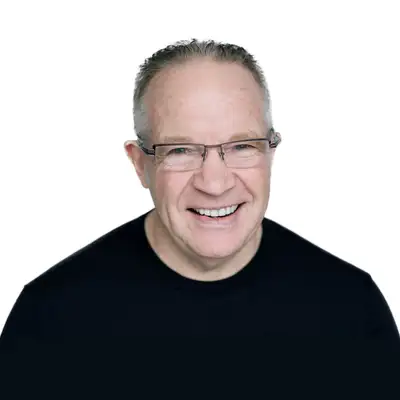
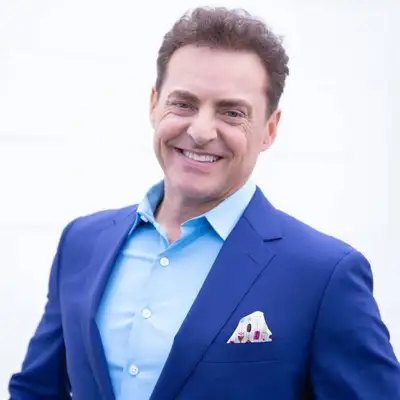
Join the eternally curious, interested, and interesting hosts, Mike Koenigs of the SuperPower Accelerator and Dan Sullivan of Strategic Coach®, to amplify your capabilities, value, status, and authority on the Capability Amplifier podcast. Ever episode focuses on a new mindset, shortcut or deep thinking exercise that will improve your performance and lifespan. Learn more at: https://www.CapabilityAmplifier.com
Mike Koenigs [00:00:00]:
When was the last time you had a real breakthrough? Not a mild insight, but a tectonic shift, the kind that alters your trajectory. And we're only now starting to realize what artists and mystics have always known. Inspiring environments create inspired people.
Abram Huber [00:00:15]:
It's amazing how staring at a fire, staring at the crashing waves of the ocean, or being in a really organized space, for example, something that really aligns with the way you feel can affect your decision making. I encourage them. If you want to go outside and sit in the hammock and work out there from your laptop, by all means, go do it. If that's what our company's known for, is creating spaces for that kind of thinking and that, more importantly, that kind of feeling, and our team is operating in that way, I mean, I'll consider myself successful, consider it company time. But get away from your laptop. Get away from phone calls. Put it on mute. Take a boat out.
Abram Huber [00:00:50]:
You'll be surprised how much this shifts the company and the team. You know, admittedly, they looked at me like I was crazy.
Mike Koenigs [00:01:09]:
Welcome to Capability Amplifier. My name is Mike Koenigs. I'm here today with my friend, Abram Huber.
Abram Huber [00:01:14]:
Hey, everyone.
Mike Koenigs [00:01:15]:
All right, so you ready to get this party started?
Abram Huber [00:01:18]:
Let's do it, man.
Mike Koenigs [00:01:18]:
Okay, so think about it. When was the last time you had a real breakthrough? Not a mild insight, but a tectonic shift, the kind that alters your trajectory? Be honest, it probably didn't happen under flickering fluorescence or in a soulless zoom room. It happened in a place that made you feel alive. A place that breathed, that expanded you. And we're only now starting to realize what artists and mystics have always known. Inspiring environments create inspired people. So my friend Abram has figured that out. He's built a business and created a movement and a legacy around it.
Mike Koenigs [00:01:55]:
And he grew up in a system built on control, mentally and emotionally, in his own worlds, in his own words. A cult. And he did the unthinkable. He escaped and rewired himself. So his company is indereed. They build engineered thatch roofs trusted by Disney, Universal Studios, Four Seasons Palace Group, Royal Caribbean. Twalia. Is it Talia? Tawela Island.
Mike Koenigs [00:02:22]:
Well, it's the first day with a new mouth in the Red Sea. Kona Hawaiian Village and Nashville Zoo and over 5,000 global installations. I know. Laugh it. It's all right, but. And his structures, they survive. They're not really structures, though. It's actually construction product.
Abram Huber [00:02:40]:
Four structures.
Mike Koenigs [00:02:41]:
Right on. But their product survives category five hurricanes, wildfires, and decades of weather without losing an ounce of soul. So today's episode is about rewiring your brain. How to engineer environments that unlock your best ideas, amplify performance, and make you feel more like you again. That's more creative, more connected, more authentic, more inspired. So we're gonna talk about all that upgrading your headspace and building a life that feels like your personal paradise. So with that, I think I've worn this intro out. Thank you, Abram, for being here, my friend.
Abram Huber [00:03:15]:
Thanks for having me. I'm super excited.
Mike Koenigs [00:03:17]:
Yeah, this has been a total blast. We've got your team right behind us right now. We've got the real stars watching, listening. And let's just begin with the most important thing that we've been talking about. It really was inspired by a lunch conversation with Nick and Luke, who are here in the studio today, which was unlocking and becoming more inspired because the environment inspires you. So talk a little bit about that.
Abram Huber [00:03:46]:
Yeah. Well, I think one of the big things for me is just recognizing within myself how I feel when I'm trying to think through a difficult problem. I'm trying to solve something. I've got a challenge that just seems impossible to overcome. And anytime that I've come up with a solution, generally speaking, I'm putting myself into an environment where there's no resistance. Now, there's a lot to be said about what that feels like inside of someone, but there's a lot to be said about the environment, the physical environment that you're in. And it's amazing how staring at a fire, staring at the crashing waves of the ocean, or being in a really organized space, for example, something that really. That aligns with the way you feel can affect your decision making.
Abram Huber [00:04:36]:
So there's really something to it.
Mike Koenigs [00:04:39]:
So, I mean, I think the big hook is inspiring environments create inspiring people. That's really what came out of our lunch conversation when we were driving today. And no one's ever felt sad, I don't think sitting under a palapa versus, on the other hand, if you are in a steel cage somewhere, not too inspiring, Right? So talk about the science of that. I remember we're talking about Jorge. There was, like, an Instagram message that I believe Kurt was. What's your name?
Abram Huber [00:05:12]:
Nick.
Mike Koenigs [00:05:13]:
I can't believe I just Kurt Ed him. But I've almost called Nick Kurt three times since he's been here. Anyway, so Nick was talking about Jorge. Tell me about that story.
Abram Huber [00:05:24]:
Well, I think what it was was just a post that one of our marketing people in Mexico had come up with. And they were talking about the effect that a natural environment has on someone's thinking. Right. And they were tying it to what happens to someone's mind in someone's brain when they're in an environment that has a roof like ours. Right. So that was the tie together there. And yeah, it was just. It was a somewhat simple post, but there was.
Abram Huber [00:05:56]:
There seems to be some science behind it, which is what we started digging into a little bit.
Mike Koenigs [00:06:00]:
Yeah, I think what. This is one of those things. I don't need anyone to give me the science to tell me that if you're in an environment like what your products create, you're just going to feel better, you're going to be more creative and more relaxed and happier. So let's back up a little bit to how you were raised, because high control. Just dig into that a little bit before we get into working next to Branson and working with Disney and some of the big brands you've worked with.
Abram Huber [00:06:30]:
Yeah. And that's really a loaded subject and happy to dig into that. A big part of my childhood was growing up with a tremendous amount of expectations and I think probably the bigger piece, and I didn't really realize this until I got a little bit older, but what I realized was that there was very little connection to myself. And there's a tie in here with all of this, but because of the way things were controlled, it was what you think, what you wear, what you eat, what you do. And there was a lot of criticism around individuality. So there wasn't a lot of connection to self to go around. And even in the times where your body or your soul, so to speak, might have wanted to do that, like.
Mike Koenigs [00:07:20]:
When specifically for you. Well, let's talk about them. Let's talk about you.
Abram Huber [00:07:25]:
Yeah, okay. Well, for me specifically, of course, there are a number of times as a kid where I might have wanted. I'll just use style, for example. And I remember one time specifically where suddenly, you know, the order had come down. We were not going to be wearing certain things anymore. So.
Mike Koenigs [00:07:43]:
Like what?
Abram Huber [00:07:44]:
Well, in this case, I had to. I had to part ways with a. This sounds crazy, but I had to part ways with my collection of different colored Levi's. And I was just a huge fan of these things. And my mom had bought me all these different ones in different colors. And it was a bit of my creative side coming out, you know, at 10, 11 years old, maybe 13. And at that point in time, it was like, yeah, sorry, we can't wear those anymore. You know, so in coming with that, of course, is not just the losing of an individual self.
Abram Huber [00:08:18]:
It's a lot of shame around it. Right. So a lot of pushing down, a lot of repressing your own thoughts, your own feelings, your own opinions. And that was a huge part of my childhood. It just was. And to be clear, I don't say any of these things from a standpoint of regret or hurt, really even. It's just a part of the story, It's a part of the experience, and there's a lot to say about it. But that's to that piece specifically for me.
Abram Huber [00:08:50]:
And there were a number of other things, things to do with relationships, things to do with work and jobs and expectations of all kinds.
Mike Koenigs [00:09:01]:
You told me early on, I mean, you basically were put into an arranged marriage at a super early age. I mean, it was.
Abram Huber [00:09:06]:
That did happen.
Mike Koenigs [00:09:07]:
Yeah.
Abram Huber [00:09:08]:
Yes, it did.
Mike Koenigs [00:09:08]:
Yeah.
Abram Huber [00:09:09]:
Before I turned 18. Yeah. And several others, you know, in that circle. So it wasn't an odd thing. Except for that. It was very odd.
Mike Koenigs [00:09:17]:
Okay, well, let's. Let's get into some of the breakout moments because one of my favorite stories about you is you're 14 years old, you're on Necker island with your dad, who's actually a super inspired genius. He has been in the roofing business for a long time. But there's a lot more. There's an artistic side, there's a historical side, Craftsman side. But let's talk about, you're on Necker island, what was going on and where did the shift start to happen? Because this is a bridge to the Disney experience.
Abram Huber [00:09:53]:
Sure. Yeah. And there's a lot of things tied together there. The first work that my dad contracted with Richard Branson was to repair the natural Balinese thatched roofs that he had been using for a number of years on his private island in Necker, British Virgin Islands. And I would say I was somewhere between 14, 15 years old. And of course, you know, the way things were at that point in time, it was grab every available person to get on a plane and fly down and do some of this work. And I was certainly physically capable of it, but. And I didn't even really think about the fact that maybe I'm doing some really interesting work in an odd situation for somebody.
Mike Koenigs [00:10:33]:
Yeah, you're not with a billionaire in a pool when you're 15 years old.
Abram Huber [00:10:37]:
Some random things like that. But at the end of the day, it was a tremendous learning opportunity for me. And, you know, big hats off to my dad because he was doing things coming from the background that he did, starting a roofing and siding company in South Dakota, of all places, and pushing himself to be creative and solving problems in a very remote part of the world and organizing a project there. And it was just a fantastic experience. And our main job was just to do repairs on roofs that were damaged in wind events and harsh weather. And I think that was one of the first things. And there were a number of things that inspired my dad to start creating in his mind something that might be a solution for people like Richard Branson, but there wasn't really a big enough project or a big enough need, a necessity that was big enough to really drive that. So, yeah, lots more behind that piece, but that's how that started.
Abram Huber [00:11:42]:
So let's move to complete with sunburns to go with it.
Mike Koenigs [00:11:47]:
Yeah. Well, let's go to the Disney moment because I think, again, this is a fundamental shift in the business that also revealed a lot because Disney is known for imagineering teams. You guys have visioneering teams who help people imagine amazing environments, inspired environments. But talk about what happened with Disney and all the trigger moments that left up that. Because at that point you didn't have any products even it turned into this. You and your dad as a team won a huge contract that became a massive structure that's still around today, over 20 years later.
Abram Huber [00:12:31]:
Yeah, we need to take some notes from Apple on planned obsolescence.
Mike Koenigs [00:12:35]:
Oh, yeah. Right on. Yeah, yeah, Good move. Good move.
Abram Huber [00:12:39]:
Yeah, that story again. So you have to fast forward a little bit beyond the work that was happening at Necker Island. Some of this natural product repair. And, you know, that was a different environment there, working in the Caribbean. Interestingly enough, my dad got his start with the. More along the lines of the English cottage thatching. Right. So he had been for a long, long time been restoring these old steam bent cedar roofs.
Abram Huber [00:13:06]:
Very, very interesting process. And maybe we'll get some time to talk about that later. But that led him to the. The European thatched roofing material. And when that opportunity came up to be doing work with people from the uk, it was a. It was a historical restoration project that he got into for Old World Wisconsin, which is a historical property in Wisconsin. And in order to complete that project, they went to the UK and they started learning the trade. They brought Master Thatchers from the UK to do this.
Abram Huber [00:13:45]:
And this was. This was really the start of Enduride and the start of the story with Disney World. And you think, well, how in the world would this tie together? But it was some of the first installations that they did with these European thatch Master Thatchers that came over and he started to learn, my dad started to learn really, really quickly that these were not going to last and installed one in Florida. Actually that rotted through within a very short amount of time. And so that at that point was some of these things coming together for him saying, there's gotta be a solution for this. So he started prototyping. And then when Walt Disney imagineering team rounded up a few creative roofers and problem solvers, my dad being one of them, and they came to the table and said, hey, we have a billion dollar resort we're planning. And this was 25 years ago, so probably double that now, right?
Mike Koenigs [00:14:40]:
Yeah.
Abram Huber [00:14:40]:
And we're planning this big African thatch themed resort and we need a roofing product for this. And the imagineering team wanted to use a natural roof. And the insurance company, Factory Mutual said, hell no, you're not using that. We're not going to insure it. So that's what drove. That was the, that was the necessity that drove the invention. And so at that point, what happened there was. I'm working as a project manager in my dad's company.
Abram Huber [00:15:10]:
I was about 19 years old and I walk in to his office and I said, you know, I just finished the Turkey Hill Plantation project, which is a tile roof historical restoration that we were doing. I said, what's the next project on the docket? And he said, well, if we're going to get this Disney project, we need to make a product like, okay, you know, I sort of knew what he was talking about because he had these prototypes laying around the garage. For a little while he'd been sort of, you know, creating some thoughts around this. But what that meant was. And all the behind, if I would ever known what was really behind that, I don't know. I don't know if I would have jumped into the challenge. Right. But being 19 years old and loving the.
Abram Huber [00:15:51]:
The opportunity to just solve a problem was at that point I just said, okay, cool, let's do it. Let me, let me jump in and see what happens.
Mike Koenigs [00:15:59]:
You made stuff up and sold it, basically.
Abram Huber [00:16:01]:
So we just started making shit up and sold it. There's more to that.
Mike Koenigs [00:16:06]:
But yeah, so it's the product to this day. So just describe the project so everyone knows what it is and how long it's been standing. Because it's 45,000 square feet.
Abram Huber [00:16:17]:
Yes. Largest thatched roof in America at the time. And I don't think that there's been any since then that have that have trumped that yet. So it's a massive, massive roof, but an African themed resort. And you know, it's pretty well known now. Anybody that's come close to it's the Animal Kingdom Lodge. It's now called the Jambo House. They renamed it about 10 years ago.
Abram Huber [00:16:42]:
But the challenge was creating something that looked like a natural African yellow grass and creating something that would not only look the part, but something that would carry its appearance through. Their requirement was 20 years of warranty and it would have to meet all of the Florida building codes and Reedy Creek building codes, which is Disney's own building code compliance department. And it had to meet the requirements of Factory Mutual because they're going to insure this building, they're going to insure this massive resort and there's a thatched roof going up there. So that was the first challenge was, was picking out and deciding how we, what are we going to gamble on. And I remember, you know, of all the things that I did not know, which there was a tremendous amount of ignorance at the time, out of all the things that I didn't know, the one thing that I remember having as just an intuitive check was we are betting on something really serious here that could either make it or make it, make us or break us. And at that point in time, and I sort of flew in the face of the thinking at the moment, which was to steer away from cutting edge compounding and steer more towards something that was proven. And that ended up being the only thing that passed the testing. And it was clearly a good gut check because here, 25 plus years later, that roof is still there.
Abram Huber [00:18:14]:
So it's 45,000 square foot African thatched roof. It's actually bigger than that now because they've come back and replaced some of their other types of roofing with our product because it's been performing far better.
Mike Koenigs [00:18:25]:
Yeah. So the bad news is they never called you back to replace it. So planned obsolescence. Yeah, you got to start making ice bones instead of roofs. But the other thing is you have, it's fireproof, hurricane proof, weatherproof, rot proof, bug proof, et cetera, et cetera.
Abram Huber [00:18:45]:
And we've had plenty of opportunities to prove that out.
Mike Koenigs [00:18:47]:
Yeah, well, that leads me.
Abram Huber [00:18:49]:
Not by choice.
Mike Koenigs [00:18:51]:
That leads us to another really good story, which is the Maui. And we'll make sure we drop in some B roll here. When Maui burned in 2023. Well, you tell the story because I love this story. It's just an illustration of where you really realize what business you're really in.
Abram Huber [00:19:08]:
Right.
Mike Koenigs [00:19:08]:
In addition to the roofing business.
Abram Huber [00:19:10]:
Yeah, yeah, no, and that's an important distinction. Right. We're not necessarily in the roofing business. We're in the manufacturing business more than anything. But our job and our goal is to create products that really make a difference. Right. And not only from the environment, the work environment, the feel and that side of it, but from the performance side as well. And in the case of Maui, that was an interesting one because early on, getting the brand started after Walt Disney World and Richard Branson, our customers, it seems like.
Abram Huber [00:19:46]:
And I think even in my ignorance at the time, it was like, boy, we can really take off from here. And this is a great launching off point. And it was to a really good extent, but I was surprised at how many people you would talk to and they would be like, yeah, cool, Disney can afford that. We can. And that's when I started realizing things about market, pricing, et cetera. So one of the early places we.
Mike Koenigs [00:20:07]:
Went was basically these big brands were you're prototyping, invention, playground. So you had a different kind of budget, different kind of material, and you decide, hey, let's make this accessible and available to everyone while retaining the safety and the durability, et cetera, et cetera. Okay.
Abram Huber [00:20:25]:
Yeah. And those, those thoughts and those conversations that you just laid out there, I wish I would have. I wish I would have had that, you know, early on in trying to build the brand, because once we finished those projects, it was. I took this challenge on to say, I'm going to go and try to make something of this brand.
Mike Koenigs [00:20:40]:
Okay, so what, let's go back to Maui. It's burning down. What did you do that no one else did and why was. And what happened to the thing you made?
Abram Huber [00:20:48]:
Yeah, well, the reason I bring up those other develop, you know, the business developments to that point was one of the first places that I went to and tried to influence was Hawaii because there was a. There was more money to spend there and there was more sort of natural places for it to be used.
Mike Koenigs [00:21:03]:
Yeah.
Abram Huber [00:21:04]:
And so somewhere along the line in the early story, there's a project on Front street that gets our enduro material and it's legitimately. The project is forgotten about for years until shortly after the Maui fires. I get a text from Nick that says, you're never going to believe this, but you got to see this picture. And he sends me a satellite picture of Front street, which most everybody's familiar with. What happened with all the fires there? And there's a. There's Melted houses and cars and trees and landscape and grass. Everything is, is burned to a crisp with the exception of one enduro roof sitting right there between all of that destruction. And it was like, man, this is crazy because we have been, you know, I mean, all the years of making sure that we're meeting different codes and we're doing fire test after fire test for every iteration of our product and we're updating these things.
Abram Huber [00:22:05]:
It's like this is where this actually shows up. And this is pretty freaking cool. So that was a really, really cool moment. And it was a long, long time after the project was sold. And little did they know that, that, you know, however many years later that would be happening there and then that house. Would they prevent the house from burning down?
Mike Koenigs [00:22:25]:
Yeah. And you guys have, your company and you as a family have thousands of stories like that. I mean, you've been, I know you're, you're installed in over 5,000 locations worldwide at this point. Which gets back to upgrading the 5,000 year old practice. I don't know if there's anything we left out about your dad's fascination with the architecture, the materials and also the craft that you're able to carry forward today. I just can't remember if we left anything out there. So is there anything that we wanted to add?
Abram Huber [00:23:02]:
You know, and that's a pretty, pretty in depth piece, but I think maybe the only piece that we didn't cover there was the craftsmanship side was really always so important and it's always been so important to me because when you're talking about upsetting a tradition that's thousands of years old, it really needs to be done with some real consideration and care because I mean, frankly, I have a tremendous amount of respect for the ways that these roofs have been constructed over the hundreds and thousands of years. They are, I mean, now they're a thing of beauty. Right? And they're a thing somewhat of, they're somewhat of a rarity. But the reality is that the, the modern day building, the reality of modern day construction does not allow you to use organic material that, that burns and rots and houses all sorts of pests and things. It's just not possible. Right. So the craftsmanship, certainly not at scale either. Certainly not at scale.
Abram Huber [00:24:06]:
And you know, the, the craftsmanship side, which is the peace that was really important to my dad early on, is something that's really carried through as I've developed the product out over the years for more than one reason. It is the only way to preserve the right look and feel right. But it's also a nod to the way people have been doing this for a long, long time. So it's standing on the shoulders of greatness and in many respects.
Mike Koenigs [00:24:41]:
Yeah. And one thing that I think is worth doing, and for anyone watching this, we'll make sure to cut in some of the different styles you have, because you've got lots of styles from all over the world that you've incorporated in. And I can't believe I'm talking about this right now. Normally, it wouldn't be something I'd be fascinated by, but because I've had a chance to spend so much time with your team and the products, the difference between reeds and. And palms, and you can't tell it's not real. Which is one thing I wanted to drop in here is. And we're going to talk about two, three big things. One of them is I want to talk about team and building, international brand, but also the inspiration.
Mike Koenigs [00:25:26]:
So I'm going to carve out a moment and show. Tell the story about what happened with Vivian the other day and what you've done with AI.
Abram Huber [00:25:35]:
Sure.
Mike Koenigs [00:25:36]:
Because.
Abram Huber [00:25:37]:
Yeah.
Mike Koenigs [00:25:38]:
So I'm going to. I'm going to cut right now to a slightly different image. And this is, you know, about creating environments or inspiring environments. Create inspiring people. I love that hook. But this was a photograph of my backyard, and we used your AI tool. And Vivian said, I want to look. See what our home and our yard would look like if it was plopa.
Mike Koenigs [00:26:00]:
Ified.
Abram Huber [00:26:02]:
Right. If you thatchified it.
Mike Koenigs [00:26:04]:
Yeah. So we. And now you've got Thatchit AI So you can take a picture, you can upload it, press a button, and you'll see what your thatched backyard looks like. So this is. We just ate lunch out here today. So that's thatched. This is all AI generated. This is a little water.
Mike Koenigs [00:26:25]:
There's no water running it right now. We got a little water thing and an outdoor grill. But this is also the La Jolla Shores Hotel. We said, all right, let's see what it looks like with thatch on top.
Abram Huber [00:26:37]:
It's a bit of a stretch, but, hey, you know.
Mike Koenigs [00:26:39]:
But why not?
Abram Huber [00:26:39]:
Why not?
Mike Koenigs [00:26:40]:
It looks better than it did before, but you can do that with anything.
Abram Huber [00:26:44]:
But just talk the seagulls out.
Mike Koenigs [00:26:46]:
Oh, my God. Those things are nuts, aren't they? But talk a little bit about how technology has enabled you to inspire and market and communicate your vision faster and more effectively.
Abram Huber [00:27:00]:
Yeah. Well, I think this is a great example of that. And I don't Know if there's any better examples, really, than something like this.
Mike Koenigs [00:27:06]:
Yeah. What's my house going to look like? And how can I be more inspired?
Abram Huber [00:27:09]:
Exactly. And that's been one of our bigger challenges throughout time here is that this is such a unique product. This is not like, hey, we're going to put a better bathroom counter in for you. It's like, everybody knows what a bathroom counter is, but nobody knows what a thatched roof is.
Mike Koenigs [00:27:23]:
Right.
Abram Huber [00:27:24]:
And building the vision for people and connecting people to what something feels like is one of the bigger challenges with something like this. And it's one thing if you're working with a creative director at Walt Disney Imagineering. I mean, they live in that world.
Mike Koenigs [00:27:43]:
Right.
Abram Huber [00:27:43]:
They live at the bottom of the ocean, the deepest parts of creativity. And if you're working with people like that, it doesn't take much explanation. But when you have someone who maybe just has a backyard and you tell them, hey, you could create a really cool, inspiring spot for your. For your kids to hang out and you to do this, that and the other thing that's a little bit tougher of a connection to make because they don't know. So technology like this allows us to instantaneously say, boom, put a picture in there, tell it what kind of design you want to go with, and it'll spit out a couple of options for you. Right. And so not only that, some of the other ways that technology has helped us has been from the estimating standpoint and helping people understand what it really is going to take in order to, you know, get their roof covered in some of our product. And the tools have come a long, long ways in that way.
Abram Huber [00:28:36]:
And we've even been helped with technology by some great programs getting our products and our ideas built into architectural drawings and specifications ahead of time.
Mike Koenigs [00:28:48]:
Yeah, you've got drag and drop capabilities.
Abram Huber [00:28:50]:
Exactly. So, you know, an architect doesn't have to just go through all of this stuff with this really highly specialized roofing material. It can just be as simple as dragging and dropping in some of our designs and our specifications.
Mike Koenigs [00:29:03]:
Yeah, that's. And I'm going to give you a shameless plug here. So if you're listening or watching, go to enduread. It's E N D U R E dashed dot com. Get started. One of the things that the team put together is the AI visualization. So you can try that out and just take a picture and see what it looks like. It's a.
Mike Koenigs [00:29:20]:
If it's thatched, see how you feel when you look at it. Because That's a big part of just creating that inspiring environment. But they've also got visualization guides and tools and a whole bunch of different methods for just seeing how this works for you. We're doing this. That's how inspired Vivian was, like, totally sold because she saw it. So let's talk a little bit about team. Because building a team that lives your brand, you've got a whole team who's really committed to an international vision, and they're growing with you. They're totally inspired.
Abram Huber [00:29:56]:
Yeah.
Mike Koenigs [00:29:57]:
Talk about building absolutely an amazing global team.
Abram Huber [00:30:00]:
Yeah. Well, you know, this is a subject I love talking about, and it really, you know, sometimes. Sometimes I wonder how it happened, and it really doesn't feel like it has anything to do with me. Sometimes I just think I got lucky and just came across fantastic people. Because the reality is, when we start talking about where we are today as a company and the kind of work that we do and the determination that we have to create these sort of transformative products and things, so much of it is driven by the team. It's just a fantastic group of people. And if you talk about Lindsay, Nick.
Mike Koenigs [00:30:45]:
And Luke, I like Kurt the most.
Abram Huber [00:30:49]:
Please introduce me. I gotta know this guy. I don't know what's going on, but Lindsay, Nick, and Luke have been working with the company for, you know, almost 13 years.
Mike Koenigs [00:31:02]:
Yeah.
Abram Huber [00:31:03]:
And, you know, there's just. There's a lot of trust and there's a lot of. Of history there, and there's a lot of connection there. And we just. We actually are to the point where we love spending time together. Right. And it's as much fun hanging out and spending time together as it is working on things. Right.
Abram Huber [00:31:21]:
So the piece, though, that comes to mind the most, and one of the things that might surprise people is that when we're talking about Thatch Roofing, it's. I am extremely proud of the product. I'm really proud of the projects that we've done. And frankly, we don't talk about them enough. And that's one of the reasons that I loved connecting with you, is because you are Mr. Brand Amplifier. Right. You are the guy who knows how to talk about these things.
Mike Koenigs [00:31:51]:
Tell the story.
Abram Huber [00:31:51]:
Tell the story.
Mike Koenigs [00:31:52]:
Tell the story. Yeah. There's stories about people here that's been.
Abram Huber [00:31:55]:
Yeah. And so. But the thing is, for me is, like, the product itself is not the piece that really excites me. It's building a global team that inspires other people. And it just so happens to be that we're working with a Very inspiring material and product, which is amazing because you connect with just all sorts of incredible people doing this stuff. But the team themselves, you know, they have really allowed me to step out to a point that allows me to ask the question of where are we going? How are we going to take this brand that has a tremendous amount of potential and expand it into the world and really get kind of the bigger vision? And, you know, on the side, they'll probably tell you that they really wanted to just kick me out of the office, but that's the way I see it, is that, you know, they've allowed me to step away and get some clarity around this stuff. And so the thing that I think really ties our team together the most is a commitment to working in some really solid core values and focus on being the kind of people that show up in business not just to make a buck, but people that. A team that people really want to work with.
Abram Huber [00:33:12]:
And that's the. Out of all the feedback we get from customers, the feedback I love getting the most, isn't it? Wow, your product looks amazing. The thing I love to hear the most is I freaking love working with Nick. You wouldn't believe the conversation I had with Lydia and so on and so forth. And, you know, Daniel just, you know, Daniel feels like a friend. This kind of feedback from our customers is what just. It's the most exciting thing to me. And so now we're working to expand into international locations.
Abram Huber [00:33:46]:
We've got different people in different countries that work for us now and opening up new markets and things. And there's challenges to this. Right, carrying this through. But to me, one of the things that I love to promote in this area is just the importance of connectedness to each other, starting with a connected. Being connected to ourselves. And this might be because of. Of my history and my background and just growing up to the. And waking up to the realization of how disconnected I was from myself, that now I can see really how important this is.
Abram Huber [00:34:28]:
But that's a big piece of the team aspect that I love to talk about.
Mike Koenigs [00:34:34]:
So let's bring this back to what we started with, which is the future of human habitats, which is. I don't think anyone would disagree. We've got tons and tons of mental health issues going on, burnout, stagnation, creatively. And the whole idea of how do I create a super inspired environment? And it's tied to our surroundings, right? So I want to go talk a little bit more about designing this environment and what it takes to create inspired environments and what if you were going to summarize your experience over the past 25 years, from the earliest days, what your team has learned, just synthesize that together. Like, what's it take to create super inspired environments? What should I think about as a homeowner, as an office owner, someone who wants to create an amazing building? I mean, you've got gobs and gobs of case studies, but this is a good chance for you to, like, how do I get started? How do I think about this?
Abram Huber [00:35:43]:
Yeah, well, you know, and this is going to sound a little bit philosophical to answer this question this way, but I think the first and most important thing is for somebody to be really connected with what they want, right? And connected to themself and how they feel when they see something. And, you know, it can be as simple as just looking at a visual of something and saying, well, I'm really pulled towards. And you get this, right? And some people are just drawn to. For whatever reason, they're drawn to a certain architectural type, right? And within the thatched roofing world, it's interesting because the thatched roofing being used the world over, everything from Native American Indian tribes all the way to the thousands of years ago, it was used in Europe and so on. There's a lot of architectural tie in there. So when you talk about creating a space like this, especially in the context of a thatched roof, you know, just take the time to look at some different things and open your mind up and say, this really feels like me. Right. And again, that's a little bit.
Abram Huber [00:36:56]:
A little bit off the beaten path, maybe as a way to look at this, but I think that's an important piece, right. Rather than just grabbing the nearest thing or what's popular or what Disney did, or somebody at Sandals Resorts does look at what speaks to you.
Mike Koenigs [00:37:11]:
Okay.
Abram Huber [00:37:12]:
And it may not be a thatched roof.
Mike Koenigs [00:37:15]:
Well, I think the easy thing to do, and I'm going to shamelessly plug and show some of your stuff so people get a sense of what this looks like and all the different styles. That gets back to the visualizer. Take a picture of your environment and see what it looks like with thatch and see how you feel.
Abram Huber [00:37:32]:
Right.
Mike Koenigs [00:37:32]:
I know that that's one of the things, but let's just take a look at some of your work because it's so beautiful. So these are some of the projects, and this is all synthetic, by the way. You want to describe any of these and what happened with them, because there's a whole variety of different styles and you know, what are we looking at with some of these right now? So I know, like the one in the top right, for example, which is cut. That's a reed. I know enough now after talking and listening.
Abram Huber [00:38:08]:
Well, what's funny about that one there, that was actually just pure creativity. Okay. That one there is actually a frog display. It's a gigantic frog that Universal Studios created for one of their water parks.
Mike Koenigs [00:38:20]:
Right.
Abram Huber [00:38:20]:
And they just wanted to use the texture and the color. So this is super, super creative. What you're looking at down below that is some of the Balinese inspired architecture. That's actually some of Richard Branson's roofs right there hanging out over the water.
Mike Koenigs [00:38:36]:
Okay.
Abram Huber [00:38:37]:
And then some of the ones you showed before.
Mike Koenigs [00:38:38]:
Yep.
Abram Huber [00:38:40]:
You know, the one top right there is the quintessential European style.
Mike Koenigs [00:38:46]:
So that's what inspired your dad.
Abram Huber [00:38:48]:
Right. And that's blown up a little bit. Right. That's a pretty big house for that. That would be a pretty large house in a place like the UK or Ireland. But they do exist, you know, that big. And then you've got island resorts. You've got the little, small coffee shop that somebody built, the Irish inspired coffee shop.
Abram Huber [00:39:08]:
Little bike out the front. You know, there's just a. It's a. There's a tremendous amount of play and creativity that you can have. One of my favorite projects here is actually this one in the corner. And that's the giraffe. Well, I love the giraffe one. That's a zoo.
Mike Koenigs [00:39:24]:
You mean the top right in Omaha?
Abram Huber [00:39:25]:
The top right. And that is a celebrity home in Montecito. And you just wouldn't think. Right. That it would apply there. But when you get out there and you look at that roof and you see that project in person, there's just a. There's just a level of creativity and uniqueness to it that it brings. So you have everything really represented there.
Abram Huber [00:39:46]:
You've got the tropical, and you've got the African styles, and you've got the. The wildly creative that doesn't fit into a box, which we love working on, too. Those are some really fun projects that we do.
Mike Koenigs [00:39:59]:
But, yeah, very cool. So let's talk a little bit about how you think of legacy. So I know you've got a great photo of you with your kids at Disney. So they've been brought into this. I met. So far, I've met, I believe, a son and a daughter of yours. But what do you want your legacy to be besides in creating inspiration, creating amazing environments? And how do you think about what happens over the next 10 years, right?
Abram Huber [00:40:41]:
Well, the kid aspect is really interesting, the family aspect. And time will tell if any of them really end up working with the business. Interestingly enough, I've never encouraged my kids to work with me and a part of that is tied back to my life experience and what I have opted to do instead. And of course the opportunity has always been there. But what I want for them much more than just an opportunity to work with a company and continue a legacy is for them to really look inside themselves and understand what it is that they want to do and really make sure that I'm not limiting their own individual tendencies and inspirations. Because, and I tell them all the time, I'm like, if I have one piece of advice that continues to echo with my kids, it's follow the brightest light. And I do believe that actually that comes from within. And so creating a legacy to me is, it is about inspiration.
Abram Huber [00:41:57]:
It's bigger than a thatched roof. And I'm not going to sit here and say that I have a crystal clear picture of what I want my legacy to be. I mean, I'm still a kid, remember. But I do think about that a lot, about the piece of what I would want to be known for even in the business world. And a lot of that really comes down to connect, being connected to self, being connected to other people in a really positive way, because the world is just dying for connection. And I think that the, you know, and you can tie all of this together and not for the sake of just tying it together, but it does make a difference. You know, the environments that we work in. Are we working in a closed in concrete box environment or do we allow ourselves to go outside like, you know, our team does sometimes underneath our big palapa outside the office? I encourage them, if you want to go outside and sit in the hammock and work out there from your laptop, by all means go do it right.
Abram Huber [00:42:55]:
Because we've got to follow first what's going on inside of ourself. And so if I can create a company and a team that pushes that direction to connect to themselves first and connect to people in an authentic way and really go after what feels real and what feels the most true. And if that's what our company's known for, is creating spaces for that kind of thinking and that more importantly, that kind of feeling, and our team is operating in that way, I mean, I'll consider myself successful. And you know, money's not important compared to those things in my view.
Mike Koenigs [00:43:37]:
I've seen that in you and all the time I've known you so far. So I'm going to give you another little commercial here before I ask you one last question, which my objective for you, listening or watching is to just feel as inspired as I have been working with Abram and his team and learning about this, just going on a journey with them because they're amazing people, I think, doing really amazing things and I like what they stand for. In the closing comments that I have. Our inspiring environments create inspiring people. I loved the way you know that that popped up in our conversation and we were all collaborating Luke and Nick earlier and Kurt. Kurt, the invisible Kurt guy.
Abram Huber [00:44:26]:
Can't leave him out.
Mike Koenigs [00:44:26]:
Yeah, yeah. In the space you create, creates you. And when you change your environment, you change your energy. When you change your energy, you can change the world.
Abram Huber [00:44:33]:
Yes.
Mike Koenigs [00:44:34]:
And I really do think you live inside the that space. So. And I again really think that if you've got an opportunity to head over to endoread.com get started, try out this little AI visualizer, look at their work. It's artistic, it's fun. And I've really noticed how I feel now that I've been working around this and looking at your body of work and also getting to know the case studies and your clients and what this journey is been about. I did not get it fully even when we started working together. So that leads me to my last question, which is is there something I should have asked you that I didn't? Or was there another idea or mindset that you've learned, seen or used that you've seen inspire your own team, inspire a customer? Or is there a snapshot or a story that really changed the way you think about who you are and what you do inside this journey?
Abram Huber [00:45:37]:
Sure. Deep question for the first part and you asked a couple different questions there. The first part about asking something that. Or not asking something that you should have.
Mike Koenigs [00:45:50]:
Yeah. What should I. If I asked you that I didn't?
Abram Huber [00:45:53]:
I think you covered a lot of bases there and. And I only wish we had more time, but we'll save a lot of things for next time. There's a lot to be said, I think about the craft piece of this and there's a lot of really interesting history there. But more importantly is your second question about the learning piece here and things that come to mind about the mindset shift and that sort of thing. So a few years ago we were working on somewhat of a company retreat and I was in what I would consider the early phases of practicing, looking into Myself more deeply and really understanding what's going on in here. And the stuff that really gets you to those emotional pieces that sort of break you down and make you question, you know, am I on the right track with my life, with my thinking, with my mindset, with my health? And we were in Destin, Florida, and I was talking with the team, and I said, guys, stick with me on this one. You're going to think I'm crazy, but if you could do this one thing for me, it would be amazing. Take at least one day a month and do nothing.
Abram Huber [00:47:27]:
Not go home and do laundry and catch up on yard work and this and this and that. Consider it company time. But get away from your laptop. Get away from phone calls. Put it on mute. Go do something. Take a. Take a boat out.
Abram Huber [00:47:39]:
Take, you know, go out to a coffee shop and read a book. Do whatever you want. But you'll be surprised how much this shifts the company and the team. And they, you know, admittedly, they looked at me like I was crazy, and they were like, okay, well, sure. Well, okay, maybe. And, you know, at a couple points in time, I would follow up on this and be like, ugh, yeah, I know. We were supposed to. We were supposed to do this.
Abram Huber [00:48:09]:
And it was sometime relatively recently when Lindsay had. She was recently promoted to COO in the company. Yeah.
Mike Koenigs [00:48:23]:
I'll just say she doesn't deserve it. I'm just kidding. I'm just kidding. She saw something. Yeah.
Abram Huber [00:48:27]:
Lindsay's here listening. So we got to make sure. We got to make sure that she doesn't get too big of a head here. But she sent me a message, and she said what you were trying to tell us, however many years ago that was. It was several years ago. She said, I just got it. I finally get it. I finally get what you're trying to say.
Abram Huber [00:48:52]:
And it was because of the immense amount of pressure that she was under trying to fill in your role. Right. And I think that that is just out of all the things that have shifted and changed, especially within the executive team. You know, I see that with Nick and Luke as well. The same type of transformation is that the more opportunity they give themselves to step back and connect to themself and what their real talents are, what their real superpowers are inside of themselves, suddenly they start solving some really big problems. So all. I mean, all of them, and I can't say enough good things about the three of them, and really, the whole team that's on for this ride and on for what we're doing with our core values and doing our best to work in them. And doing our best to do the best work that we can do and show up in the world.
Abram Huber [00:49:49]:
Honestly, both again, first with ourselves, but then with others. You know, we're humans. We'll mess up products. We'll mess up human things. But if we can just show up being our most authentic selves and take the time to do it, to me, that's where the money's at. That's good.
Mike Koenigs [00:50:10]:
That's a great way I can make a tie in, which is there's no better place to take that time off and to find yourself than under a pilop.
Abram Huber [00:50:18]:
I love it. Don't you?
Mike Koenigs [00:50:19]:
A little bit of thatch can change your soul.
Abram Huber [00:50:21]:
That's right. That's right. I like it.
Mike Koenigs [00:50:23]:
Well, I've had a great time. Thanks for spending some time.
Abram Huber [00:50:26]:
Absolutely.
Mike Koenigs [00:50:26]:
In the studio. And let's say goodbye to everyone, which is. I hope you've enjoyed watching. Thank you, everybody. Amplifier. This is Abram huber. Go to endeary.com, get started. Take advantage of some of his toys, his visualizations, and think about the environment you want to be in that just might inspire you to do something even better, even greater.
Mike Koenigs [00:50:45]:
Thanks for watching. Thanks for listening.
Abram Huber [00:50:46]:
Thanks, everyone. Sam.