Subscribe
Share
Share
Embed
The Sound & Soul of the South spotlights destinations as they share the stories behind their community’s musical roots, legends, attractions, and vibrant live music scenes. Each episode explores how music shapes local identity, culture, and economic impact in destinations throughout the South—appealing to music fans and travelers seeking authentic, music-driven experiences.
Charles Davis (00:01.026)
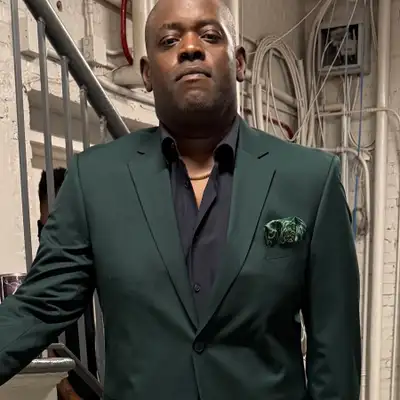
So we're good there. I'll do a countdown and we'll be good. All right. Three, two, one. Okay. And welcome back to Sound and Soul of the South. Charles Davis, Susan Cowan with you. And we are now joined by a man who has been proclaimed, not self-proclaimed. Other people have given him the title of mayor of downtown Augusta. And I believe it's possibly true. Coco Rubio is with us today. What's going on, boss man? How are you doing?
Coco Rubio (00:24.427)
Hey, I'm doing great. Thanks for having me.
Charles Davis (00:26.52)
Good, good, good. Thank you for being here and being here for this conversation that we're gonna have about Augusta and some of the history and some of the other things that are going on. So Susie, why don't you jump us off?
Susie Cowan (00:36.662)
I am so excited to learn more about Augusta. and they said that you're the person that knows. So we're here to learn all the things we can about Augusta and what we can experience when we come there.
Coco Rubio (00:48.672)
Yeah, I've been around for a while, I guess, you know. I I'm an army brat and so my dad re retired here at Fort Gordon back in nineteen eighty four and I went to Evans High School, which is in Columbia County, the suburbs of Augusta, and I graduated in eighty-five and nineteen eighty five, then I went to Augusta College and graduated there from nine in nineteen ninety. And you know, I guess the thing is I stayed in Augusta, you know, a lot of people
Charles Davis (00:53.944)
Okay.
Coco Rubio (01:17.959)
especially, you know, who like music, love music, they move away. They go to Athens, Georgia. They go to Atlanta, Georgia. I stayed in Augusta and did things here and really focused on downtown Augusta and we'll talk more about that. And I think that's one of the reasons why I've just been involved is because I've been here. I've stayed here and a lot of people end up coming back and then I work with them to get them, you know, hooked up with the local music scene and doing that. But yeah, I guess it's just
You know, being here has, you know, made me who I am and and that's okay. I like being here.
Charles Davis (01:52.141)
Yeah. Yeah, no, that's that's not a bad place. If you had to grow up somewhere, it's not a bad place to live your life. just kind of continue to speak about you a little bit, like with you having this wide range of musical knowledge as you were growing up in Augusta, like what were you listening to? What was filling your your ears as far as music that kind of formed your musical taste?
Coco Rubio (02:11.112)
Well, you know, it actually came way before here and it was really I think the the place that really changed my whole life as far as music was when we lived in Germany overseas. And this was in the you know, nineteen seventy nine, eighty, eighty one, and I was in the seventh grade, so I was in middle school and but the Hanau High School was seventh grade through twelfth grade. So I was hanging out with the high schoolers also. I have an older brother.
Charles Davis (02:22.542)
Hmm.
Charles Davis (02:30.71)
Coco Rubio (02:40.847)
And that was the place when I I guess started going to high school parties and you know through the school and that's when I noticed the power of DJs because people were DJing these parties. These were other students older than myself, but I remember and this was just noticed yesterday it was in the news that Michael Jackson's off the wall came out.
you know, in nineteen seventy nine, that summer, and I remember going to the party and hearing off the wall, Don't Stop Till You Get Enough, first song on the record, and it blew my mind. And really I kind of got into the whole DJ culture there, helping friends carry equipment in, watching them DJ. Then when we moved to Augusta Evans High School, high school parties, there was no music. No music at all.
Charles Davis (03:18.67)
Mm.
Charles Davis (03:23.704)
Yeah.
Charles Davis (03:37.806)
Mm.
Coco Rubio (03:39.014)
They were just drinking and partying and trying to hook up. And I said, We need mus we need music. We need some music. Can I DJ a party? And, you know, my mom had bought me some turntables and some speak you know, some speakers and an amp because I wanted to DJ. And so I started DJing high school parties back in eighty four, eighty five when I graduated. And it kind of continued from there, you know, just I still DJ and I love to to play music and
Charles Davis (03:42.222)
Ha ha.
Charles Davis (04:04.685)
Yeah.
Coco Rubio (04:07.695)
I was also in a band and I, you know, played drums with my older brother who played bass. And so we were doing the band thing, but in my back pocket I could always DJ. You know, I didn't need a band. I could just DJ and do the thing. And so that kind of carried me throughout my life and I still love it and still do it and but I love all things music related. Music and art for me is what gives me know gives a quality of life for
Charles Davis (04:17.41)
Yeah, yeah, yeah.
Coco Rubio (04:35.887)
the city or where you live. And I've always promoted that with what I do. And I was lucky to be able to you know, after I was teaching, I taught high school Spanish for four years at Evans High School after I graduated. But in nineteen ninety five we saw a building in downtown Augusta and we thought this would be a great place to open up a bar. And it would be a bar similar to what we've seen in Athens, Georgia, which always had a really amazing
Downtown music scene, of course, you all know how how that is. Atlanta going to Atlanta, going to Columbia, South Carolina. And we we were like, you know, we should do this in Augusta, you know, and if nobody's gonna do it, let's do we'll do it. Let's do it, you know. So I took a chance with my younger brother Jason, and we opened up the soul bar in downtown Augusta in honor of James Brown, who I thought, you know, the godfather of souls from Augusta, we should call it the soul bar in honor of him.
Charles Davis (05:07.906)
Yeah. Yeah.
Charles Davis (05:20.226)
Yeah, yeah.
Charles Davis (05:35.106)
Yeah.
Coco Rubio (05:35.947)
Augusta should have a soul bar. I was surprised there wasn't already, you know, the soul bar in Augusta. And so that was our thing. We did that, and we cater to local music, especially original music. You know, we weren't really looking for cover bands and stuff. We were trying to support the local music scene that was happening in Augusta. also I would DJ soul bar and it kind of created
Susie Cowan (05:39.649)
Ha ha
Charles Davis (05:40.845)
Yeah, I know, right?
Coco Rubio (06:01.219)
you know, the momentum for other businesses to then open in downtown Augusta. a good example is my friends Barry and Matt, who opened up Nacho Mamas a few doors down from the Soul Bar, and they did the food, but we had the drinks and the music. And nothing was really going on in downtown Augusta at the time. In fact, we got that building the where the soul bar is now, we rented it from historic Augusta.
For $250 a month with an option to buy the building. And so we quickly bought the building for $45,000. And we took off. We owned that building. And that kind of made us, you know, we didn't have to worry about a landlord and doing that. We kind of controlled our own destiny. And that's really why it worked for us. And
Susie Cowan (06:31.842)
Wow.
Susie Cowan (06:42.111)
Charles Davis (06:48.898)
Yeah, yeah.
Coco Rubio (06:55.691)
And why we were able to control our destiny and do things that we wanted to do in Augusta. And for me at the Soul Bar especially was always focused on music, like I said, and also art. We did a lot of art shows in the building. And so it was more than just a bar. For me, it was like a cultural place where you could go and really enjoy music, enjoy art, and really kind of experience downtown Augusta and watch it kind of
become what it is now and watch things kinda grow in downtown Augusta. And for me it never felt like work. It always felt like it was just a passion, you know, for me to to be able to do what I do. And you know, I'm s I'm very grateful.
Charles Davis (07:36.717)
Yeah, no, that's that's amazing. Like I said, to be able to to see an idea, to have an idea, and to plan your work and work your plan, type of situation. And just I wanna back up and say something real quick because you said something that made no sense to me. How you gonna try to hook up and drink and do nothing without music? Like what? Like that is the it I was gonna say something else, but I'm gonna hold that for another show. No, like it made absolute sense that when you came out here that to find
Susie Cowan (07:55.085)
Ha ha
Charles Davis (08:05.698)
Find the thing that's missing and and and put it in there. And once again, we'll talk about the downtown scene and how you've been able to help cultivate that over the years that you've been down there. But let's kind of talk about the history a little bit of what the Augusta music history is. And you already brought up his name. We've talked to the daughters of this man a little while ago. So I have no problem continuing the conversation about this.
To you, what has the Godfather of Soul, James Brown, meant to your musical life? But then also, how do you think it it fits in to the narrative about what Augusta's music history is?
Coco Rubio (08:42.783)
Yeah, well, you know, one thing about Mr. Brown that I thought was really cool was that he could have lived anywhere in the world where he wanted to you know, where he wanted to live. And he lived in Augusta, Georgia. He stayed home basically. He lived in Beach Island, South Carolina, which is right across the river, like in North Augusta, and that's where he was. And I always thought, if Mr. Brown can live here and do his thing and travel and, you know
But always come back home, I'm okay living in Augusta also. You know, it's relatively inexpensive to live here. You're close to a lot of places. and again, just being here for a while, I kind of felt like, why am I gonna go somewhere and not know things and not know anybody and have connections when I'm here doing that? And and I loved it when people would end up moving back home to Augusta, doing music, doing art, and I could work with them, you know, and we we could do things like that. And
Charles Davis (09:15.714)
Yeah.
Coco Rubio (09:40.262)
One thing I noticed too was back before the soul bar when I was in college and when when I was working as a teacher was that a lot of musicians, local bands, they would rent spaces in downtown Augusta for cheap. And they would have a you know, their band band space. And we would go down there and watch the bands rehearse. We just hung out, you know, it was just kind of a thing because we loved music and
They would have their, you know, little parties in their places, things like that. And all that was great. But for me, it was like we need a real place to do the music, you know, and so before that we had a all ages venue at called the Capri Cinema in downtown Augusta. And we used to do all ages shows. There was no alcohol. But as we got older and we all turned twenty one, we were getting of age, we said, you know, we like going to bars. It's like, why don't we open up a bar here in Augusta?
where we can also do music. And that became, you know, the the whole thing with the soul bar was, you know, now we have a place. Now we're all, you know, of age. And now, you know, the alcohol part was really for me was, you know, you have to make your money to pay your bills. You know, and so for me that was cool. But I I was never really into the bar business. My brother Jason took care of that. And what I took care of was, you know, booking the musicians, doing the bands.
Charles Davis (10:53.154)
Yeah, no, that makes sense. That makes sense.
Coco Rubio (11:06.758)
having you know, all the music on art stuff I kinda dictated and did and really got a lot of folks who used to practice in those spaces years ago. Now they could come and play in a bar, in the soul bar and do the thing. And it was just really nice to kind of feel that energy in downtown Augusta. And like I said, little by little more and more places started opening up. But you know, they always kinda gave us the props 'cause we were the first ones to kind of to do that, you know, and you know, and so
Charles Davis (11:18.243)
Yeah.
Charles Davis (11:32.47)
Yeah, that makes sense. Yeah.
Coco Rubio (11:36.207)
It well it always felt very natural. We weren't trying to force something and t do something that wasn't happening. It was kinda like, you know, just doing what felt natural and it was, you know, taking care of the bands and doing music and being involved with that whole thing. And it was just so nice to be able to do that and and just kind of watch the fruits of our labor, you know, thirty years later, here we are, you know, in downtown Augusta has a lot of things going on. And
I've moved on. I've kind of retired from the bar business. I I kind of knew it was time when my daughter's friends started going to the bars and they're you know, and then I'm and I'm hearing, Mr. Coco, Mr. Rubio, and I'm I'm like, Well, these are Maya's friends, you know. It's like, man, I gotta, you know, I can't be hanging out doing this anymore. So I kind of made the move and I got a job working at the Miller Theater, which was a really cool old historic theater in downtown Augusta, that the symphony
Charles Davis (12:12.714)
Yes, yes, time. Time to move on.
No, no, no.
Fine. It's fine about to do.
Coco Rubio (12:34.184)
became you know, owners of the theater and they redid the theater and they hired a company to run the theater and I bec I was on that team and we did a lot of you know, brought in a lot of bands and that was so nice to see having a historic venue completely revitalized and doing things like that. And I worked there until COVID hit and then they they laid us off and then I didn't go back I didn't go back to the Miller and then
Charles Davis (12:59.82)
Yeah, yeah.
Coco Rubio (13:03.981)
I got a job at the Maxwell Theater at Augusta University, which is where I went to college. It used to be Augusta College back then. Now it's Augusta University. And it felt good to go back there and work in a venue like that where we do a lot of things with the music department there on campus. we do so many different things with the students and it's kind of giving me a new new energy, you know, working with college students, but having a venue to me it was always about having a good venue to do all these things.
And so now I'm the it's patron services coordinator at the Maxwell Theater. And and I'm, you know, really lucky. I feel, you know, lucky to be back in my alma mater working and doing all the things that I've done in the past. It kind of it led me to the Maxwell and it's nice to be working there at my age. I'm fifty nine years old and hey, I feel good, you're right? No pun intended, but
Charles Davis (13:51.362)
Yeah.
Charles Davis (13:56.438)
You don't look it, sir.
Charles Davis (14:00.864)
I get you.
Coco Rubio (14:01.824)
You know, it it keeps me young, you know, working with students, doing what I do with music and art in my community. It i I feel young, you know, I can't believe I'm fifty nine, but l let's go. I'm feeling good.
Charles Davis (14:11.426)
Yeah. No, I feel you. I feel you on that. it it's it it's interesting to hear you talk about like I said, you've been in the scene for thirty years and kind of like and talking about like I I want to get to where it is now, but kind of talk about where it was when you were kind of in the initial of of doing this thing. What was what was the music scene like? What was downtown Augusta like in the initial before you opened up the soul bar and before you start to see all of these other changes happen?
Susie Cowan (14:27.447)
I hear
Coco Rubio (14:40.695)
Yeah, there wasn't too many, you know, venues in downtown Augusta at the time. again, like I said, a lot of local musicians were renting out spaces, you know, to just have a rehearsal spot. One thing I did notice though was down at the lower end of Broad Street, we had you know, we had strip clubs. And those strip clubs were always busy. And so for me, a lot of times people would say, Well
Charles Davis (15:06.615)
No.
Coco Rubio (15:10.196)
Nobody, you know, there's nothing going on downtown. Nobody really wants to go down there. but I knew it's like, well, if there's something that they want to do by going to strip clubs, they will go down there. And so for us it was like, So let's do something that will bring people down, you know, and so when we did the soul bar, there was a couple other small bars around town that were doing music, but mainly the scene was cover bands. And you know, you had all the bars that had cover bands.
Charles Davis (15:19.542)
They'll go down there. Mm-hmm. Mm-hmm.
Coco Rubio (15:38.027)
They had bikini contests and stuff like that. And what I wanted to do was, you know, just have a place where you could have original music with the local and support the local musicians in a local music scene. And before the soul bar, when I was in college, there was a little bar called Squeaky's Tip Top up on the hill near the university, the school, and I lived by the school, so I could walk to school, but I could also walk to Squeaky's Tip Top. And Squeaky's Tip Top was the place where all the local bands
Susie Cowan (15:40.365)
Ha ha ha.
Charles Davis (15:40.621)
Yeah.
Coco Rubio (16:08.03)
that were doing original music, kind of like, you know, the alternative music scene. they they all played a Squeaky's tip top and it was beautiful to go to a place like that, see the local musicians doing the thing, and just kind of that's kind of what triggered me, I think, and got me interested in doing something like Squeakies, but on a bigger level. Squeaky's was a s very small, you know, space and they just had beer.
Charles Davis (16:13.027)
Yeah.
Charles Davis (16:30.946)
Yeah.
Coco Rubio (16:35.826)
And but it was awesome. I had my first beer when I was legal, 21 at Squeaky's Tip Top. And when the things were going on downtown with all the practice spaces and the bands that would play Squeake's would rehearse and practice downtown, I knew that if we did something downtown, it would just kind of naturally, you know, it was kind of like the Squeakies crowd would come downtown because they because they wanted to support that scene and the music like that.
Charles Davis (16:59.458)
Would find their way down. Yeah.
Coco Rubio (17:04.071)
And so for us, you know, it was like it just felt natural. It wasn't like we were taking a chance because we were already kind of doing it and it was just like giving giving them a new venue. and so it was really cool to be able to do that. And then people were almost shocked at, man, all these people are coming downtown now. And it was like, well, yeah, because they want to hear music and they wanna do stuff. They wanna feel like downtown Augusta is a cool place to go. We have it's a historic downtown, a lot of cool buildings. It's just that
Susie Cowan (17:20.609)
Yeah.
Coco Rubio (17:34.332)
Now, like a lot of places, when the malls opened up in the late seventies, early eighties, all the department stores in downtown Augusta went to the malls. So like overnight downtown Augusta became a ghost town. And it was just like there was nothing down there. But for us it was perfect. You know, like we could do whatever we want to in downtown Augusta. And that's kind of what we did. And it just felt awesome to do what we wanted to do, but also really get the support of
Charles Davis (17:53.261)
Yeah.
Coco Rubio (18:03.516)
the community, not just the musicians and the artists, but other people were like, Wow, downtown Augusta's got something going on. And you know, they gave a lot of credit to the soul bar, but there were other businesses after we opened, Nacho Mamas and then Metro Coffee House, Pizza Joint, the Firehouse, all these little small businesses started opening up. And we were always friendly with each other. We worked together because we just wanted downtown to be a cool place where people would come.
And it really blew up, you know, and it was just so nice to see downtown Augusta come back alive after being dormant for so many years, you know.
Charles Davis (18:42.328)
Yeah. Yeah, Susie, did you wanna you want something?
Susie Cowan (18:44.961)
That's fantastic. I love the way I love the heart behind it and how it it brought out the the artistic and the creative creatives in the community to open businesses and bring it back to its former glory, but maybe even better this time, with your independent businesses.
Coco Rubio (18:56.466)
Mm-hmm.
Coco Rubio (19:05.393)
Yeah, it's definitely good. Right now we're going through a big downtown streetscape on Broad Street. So they're doing a lot of work on the sidewalks and the streets. They took down a lot of trees that they're gonna bring back. But it's that's been you know, they've been working on it for a year and it's gonna be another year before they're done. And that's kind of caused some panic with some folks because it has kind of kept people from coming down because, you know, there's not that much parking right now while they're doing all this work.
Charles Davis (19:33.89)
Yeah, yeah.
Coco Rubio (19:35.454)
but I think that when it's done, you know, it's gonna be better than ever. Especially also with the completion of the new James Brown Arena. Used to be the James Brown arena. Now I'm not sure if it's gonna be it's right now they're calling it the the new Augusta Arena because they're trying to get a sp a sp a sponsor for a name. And you know, that has people have mixed feelings about that and you know.
Charles Davis (19:55.266)
Yeah, I think that's what they're saying now. Yeah.
Coco Rubio (20:04.464)
I'm sure you talked to Deanna Brown Deanna Brown about that, you know, and
Charles Davis (20:06.21)
Yeah, yeah, no, it's like I said, it is a because and I and I get that, I get that whole piece about it. But that is the that is kind of the thing that I think you're seeing in in places where music and revitalization is happening, you're seeing a bit of consternation in some avenues. I mean, we're seeing a a tidbit of it here in making with a lot of the new businesses and laws going up and buildings being built. Yes, that does take access away from people for a little while.
But if done correctly and protected correctly, the finished product is going to bring those people back and so many more with the way that it's set up. So I can understand making the adjustments and making the changes when it when it comes to that. in in that, in that same thing, kind of talking about where the city is now and the community involvement, kind of talk about what how the city and the community has started to realize that.
Coco Rubio (20:47.632)
Yeah.
Charles Davis (21:01.046)
having a vibrant local music scene is important to the overall economic stability of the city.
Coco Rubio (21:08.205)
Yeah, well it's very obvious to me that having a vibrant music scene, you know, adds a lot to the quality of life in our city. you know, before we opened up the soul bar, there was no James Brown Boulevard in downtown Augusta. There was no James Brown statue in Augusta. he was kinda, you know, seen, you know, kind of in a negative light because he'd had his problems with the law and all that. But for me as a musician, especially a DJ.
Susie Cowan (21:17.057)
That's right.
Coco Rubio (21:37.697)
It's like I knew the power of Mr. Brown's music and as a lover of all kinds of music, I love alternative rock, you know, whatever, but I also love hip hop. And
Charles Davis (21:41.55)
Mm-hmm.
Charles Davis (21:56.224)
there we go.
Susie Cowan (21:56.593)
no.
Charles Davis (22:06.232)
Some certain.
Charles Davis (22:11.906)
I no, you go like you said, that's what editing is for.
Susie Cowan (22:14.443)
Ha ha ha
Coco Rubio (22:16.649)
calls lately. I don't know what's up with that. That's crazy.
Charles Davis (22:18.734)
It's everybody, so I figure you're on there, boss. Yeah, yeah. but yeah, if you just want to start where you were where you were at and then just kinda go off from there, like I said, I can make the I can make the movement and make it do it.
Susie Cowan (22:20.215)
They found you. no.
Coco Rubio (22:28.74)
Okay. Yeah, it says uploading. I wanna make sure we're good. We'll notify you when it's done. Uploading when it's done. Are we back on? Yeah, it looks like we are. Okay. what was I saying about
Susie Cowan (22:37.281)
Yeah, you're on.
Charles Davis (22:38.238)
Yeah, you good you get a high. Mm-hmm.
Charles Davis (22:42.924)
It was like it was like when when it first got started, like you said, the hip hop scene is what you were you were leading into.
Coco Rubio (22:47.451)
yeah, yeah, yeah. To me, you know, just the influence of James Brown, you know, and like all these everybody was sampling Mr. Brown, you know, and you can go with the main track funky drummer that so many people have sampled, you know, and so I knew that he was, you know, just a world class musician. has and had you know a a long career, but what he has done as far as like influencing hip hop culture.
and other things like that, you know, it's like this is one of the most important people in music of all time. And he's from Augusta and he claims Augusta, you know, and it it was, you know, natural for us to just honor him by calling it the Soul Bar in honor of James Brown. Augusta should have a soul bar. And his musicians, a lot of young musicians that were in his band, they started coming into the soul bar. And we had a lot of posters and things, you know, memorabilia of Mr. Brown.
Charles Davis (23:25.986)
Yeah, he's from here.
Coco Rubio (23:46.734)
up in the bar and they're like, we need to get Mr. Brown down here 'cause so he can see what, you know, what you're doing, you know, because really before that he was always kind of, you know, there was a negative light around him because of his, you know, problems with the law and things like that. we were shocked when he walked in one night and came in and saw everything. And then he went back to the pool table. He said, Let me show y'all how to play pool. Like Mr. Brown do what you want to do.
Charles Davis (23:52.258)
What's being done, yeah.
Charles Davis (24:13.486)
Huh.
Coco Rubio (24:15.671)
And he was awesome pool player and everybody was just shocked that he was there. He was looking at all the stuff we had that had, you know, his name and his face. And he said to me, he said, Coco, you know what's up.
Then he got his people, got in the Rolls Royce, parked outside the soul bar, and took off. And and then you know, he would come back a couple of times after that and I would see him out and we became friends, you know. I mean, like he would invite us to go see him rehearse at the Imperial Theater, another historic theater in downtown Augusta. And so he just really appreciated, I think, that we saw all the positive of Mr. Brown, the influence on modern
Charles Davis (24:35.34)
Yeah. For all.
Coco Rubio (25:00.558)
culture and pop culture and music. And and I think, you know, perception started changing, you know, with him. And that's when they, hey, we should have a James Brown Boulevard here. We should have his statue in downtown Augusta. We should, you know, name the arena after Mr. Brown. and so things like that were really, really cool that I think we had a little part, you know, I mean he already did it. You know, we just kinda were
Charles Davis (25:11.182)
Mm-hmm. Yeah.
Charles Davis (25:25.858)
No.
Coco Rubio (25:26.477)
kinda sh you know, trying to shine a light on the greatness of Mr. Brown. And it was so cool to be able to do that. And I actually saw him the week before Christmas. They had a Comcast Connect Live little T V show and he was on there and and I was on there for something and he was not feeling well. He was really frail and he had pneumonia and seemed like he was and he was always very energetic. You know, when you see him it was like, ow, you know
Charles Davis (25:50.624)
Yeah, yeah. So so to see him like that. Yeah. Yeah.
Coco Rubio (25:53.059)
To see him like that, it was like, Mr. Brown, I hope you feel better, get some rest, you know, and sure enough he went to Atlanta a couple of days later and he passed away on Christmas Day. And and you know, and that was it. It was kind of crazy that, you know, just like that he was gone. And but I think when they had the funeral at the Civic Center, James Brown Arena, the people that came, you know, to pay their respects included Michael Jackson and and
Charles Davis (26:19.82)
Yeah, I know we'll talk about that, yeah.
Coco Rubio (26:21.75)
And they called him to the stage and he went up there, you know, and paid his respects. And, you know, people realized that Mr. Brown's influence on you know, especially young Michael Jackson when, you know, the Jackson Five, he was all he was he was doing James Brown, you know, dancing and things like that, you know. And so it was really cool to see like the world pay their respects to the Godfather and you know, and it's sad that he's gone. But I think, you know, what a man, you know, what a legend, what a
Charles Davis (26:32.79)
Yeah, that's yeah. Yeah.
Yeah.
Coco Rubio (26:51.81)
you know, just a powerful cultural figure and that I'm just glad that I was able to be his friend and to let him know how important he was to me, but also to a lot of people, especially in his hometown. And you know, I feel lucky, you know, that I was able to experience that with with Mr. Brown and the whole, you know, Brown family. They always knew that I was on their side and you know, a big champion of their father. And yeah, that you know, that that makes me, you know, proud that
Charles Davis (27:01.484)
Yeah.
Charles Davis (27:14.722)
Yeah.
Coco Rubio (27:22.419)
I could, you know, at least do a little something to to shine the light on, you know, on him.
Charles Davis (27:27.02)
Yeah, you have that you have that little piece. And and it takes it takes that. It takes somebody outside of the family, to kind of champion things like this at times when it seems like the there's respect had, but there isn't any like visual representation of that. And so
Coco Rubio (27:33.984)
Mm-hmm.
Charles Davis (27:45.399)
To shine a light to go, yeah, let's let's have this thing for this man in this town because he's from here, he lives here, he stays here, he talks about us, he does all of those things. So it it's important to do that. with you being, you know, I'm a former Air Force brat, so being military kids, I totally get it. And I think that gives us a different look at how we look at music and things, but you spent a lot of your time in the South.
Coco Rubio (27:52.79)
Mm-hmm.
Charles Davis (28:09.752)
Growing up with music from the South and different aspects and different genres of it. and I kind of try to tell people that when you when you think about music that comes from this area, it's different from everywhere else because we're different. And I have my own opinions on that. But when you think about music that comes out of Augusta, the the Sharon Jones came out of Augusta, Lady A came out of Augusta, James Brown came out of Augusta, a lot of soul singers and and opera singers and jazz and all that came from that town. Why do you
Do you feel like music that was created in the South is different from every other place and why?
Coco Rubio (28:48.139)
yeah, I mean the South, you know, who said it? Andre 3000, the South has something to say. You know, you know, and yeah, I mean the South is so unique with far as you know, just the history of music and you know, definitely soul music, I think, and R and B big, you know, big thing. But something that was for me and I mean I'm just as passionate about was especially going to Athens a lot and growing up, you know
Charles Davis (28:53.719)
That part
Coco Rubio (29:17.424)
here in Augusta, but going to Athens in high school, hearing the band REM and going to Athens and watching them play as they were coming up. And to me it was like wow this it completely changed my you know my life really you know REM had a huge influence because to me it was like here we're talking about southern rock but it was a different kind of southern rock it wasn't
Charles Davis (29:41.794)
It was a different kind, yeah.
Coco Rubio (29:43.292)
It's not the Leonard Skinner type of Southern rock. This was a more progressive, very Bohemian style, that, you know, kind of changed my whole perception of what Southern music is. And and watching all those bands come out of Athens and Atlanta also, you know, it was like there was a lot of, you know, I guess back then they'd call it New Wave or, you know, just kind of like this became later became alternative music.
Charles Davis (30:05.461)
Yeah, yeah.
Coco Rubio (30:10.589)
But it was always like there's a really cool original southern rock scene coming out of Athens, Georgia. And I fell in love with it. You know, I loved how they were kind of doing their own thing. indie rock, you know, kind of college rock, supporting college radio, going on going on tours, playing small venues. But then as they got bigger and bigger, it was amazing to see how big REM became. But I remember them just like, you know, really cool, normal.
Charles Davis (30:36.387)
Yeah.
Coco Rubio (30:40.561)
guys that, you know, to me again changed my perception of what Southern Rock is and I'm so happy that I was able to experience that 'cause I'm a big fan of what you would call alternative rock, you know, college rock. It's changed so much, you know, with the internet now and all that. But I've always supported because those indie bands from Atlanta, from Athens, Columbia, whatever, we would bring to Augusta, you know, and we would
Charles Davis (31:00.823)
Yeah.
Coco Rubio (31:10.574)
have them give them a place to play here. Because a lot of times they're like, man, Augusta's so close, but there was never anywhere to play. And so and so now they had a place and I supported them and they kind of were like, Wow, this is like we're in Athens, but we're in Augusta. And and I really, really loved the to be able to do both. You know, like I love R and B, I love soul music, I love hip hop, but I also love live rock and roll. And to be able to
Charles Davis (31:16.152)
But there was never a place to play. Yeah.
Coco Rubio (31:39.247)
you know, do all of that to me just keeps it fresh, you know, and and I still love all kinds of music like that. And you brought up Sharon Jones and she was a group that we brought to Augusta and they played the soul bar, the Dapkings. It was like ten of them on that little stage that we had. And and that was because the guitar player for James Brown at the time, Keith Jenkins, really amazing white boy playing guitar for James Brown, he was like
Charles Davis (31:52.12)
That's awesome.
Charles Davis (31:56.236)
Ha ha ha.
Charles Davis (32:05.742)
I know Rhoda.
Coco Rubio (32:07.246)
He was like, Hey, I got this from friends of mine, the Dap Kings. Can you get in? And I was like, Of course, yeah, let's do it. And we became good friends. And Miss Jones actually moved back to Augusta from New York City. And she bought a house in North Augusta. And when she was on tour, she'd be gone and she'd come back home and she was here. We would hang out, we became really good friends. She loved to go fishing. And it was so sad when she, you know, got cancer.
Charles Davis (32:32.728)
Yeah.
Coco Rubio (32:33.41)
at her peak because she was blowing up and she was about to just take it to another level and she got really sick and and sadly she passed away and you know that kind of stuff. It just I'm I I feel lucky that I get to you know I was able to know her and become her friend. but her for her to come back to Augusta too I thought was cool that you know she could live anywhere. She could have stayed in New York, do her thing, but she wanted to come back here because she grew up here and she said, you know, she had good memories.
Charles Davis (32:35.554)
Yes she was. Yes she was.
Charles Davis (32:57.1)
Yes, very true.
Coco Rubio (33:03.413)
Again, pretty cheap to live here. And she kinda loved the vibe of Augusta, you know, so it was really cool to have her here, you know, the short time that she moved back and stuff. but a lot of friends of mine who still play music here, they'll stay in Augusta, but really if they really want to do more, you kinda have to maybe move to Atlanta, maybe even
Charles Davis (33:13.059)
Yeah.
Charles Davis (33:25.762)
It's a but no, you you said you you you spoke the piece, and I think that's what you're seeing across the board with a lot of music cities. I know in Macon we are experiencing that same thing, to where there are enough mechanisms within the city to where yes, I can live here and have my career be somewhere else. But where you where you make your home base is an important thing. I think that's more important now than it used to be. to where no, I don't just have to go to New York to do all these things. I don't have to live in Atlanta.
Do these things. The internet is a blessing and a curse at times. and it gives you the ability to put your stuff out everywhere. And if you market it the right way and you do the right things, you can get what you want out of it. well, Coco, normally there is one question that we ask everybody towards the end, and for you, I think we will get the answer that we need from the quote mayor of downtown Augusta. If somebody had 72 hours to spend in Augusta, where would you send them venue-wise to hear music?
Coco Rubio (34:04.429)
Yeah.
Coco Rubio (34:22.804)
I would definitely tell them to come downtown and check out different things there. You know, we have you know small venues. We have a really cool record store called Gransky Records in downtown Augusta, and they've started having live shows there, and it's really cool because it's all ages, and so it's like my friends and you know, they can bring their kids to the show and and it's really cool to see that.
Charles Davis (34:48.77)
Yeah.
Coco Rubio (34:51.191)
There's also a really cool bar a couple doors down called Firehouse. And so you can get your drink over there and then come back and check out the bands. And there's been some really cool shows. It's funny too because they the owner, he's really into heavy rock. He likes heavy, you know, heavy rock. And he brings these heavy bands, you know, a lot of punk bands, a lot of metal bands, and it packs out. These kids love it. And to see that live is really cool for me because it's like these are the young people.
Who before had to go out of town maybe to go see these kind of bands, they can do it now in downtown Augusta, and it's just a beautiful scene happening at Grand Steve Records. all the other bars that have music, you know, a lot of them still do cover bands. That's fine, you know. I mean, that's you know, it whatever they want to do, people come out to do it. I, you know, I don't I don't hate on anything. we have places like Stillwater Tap Room, which is next to Nacho Mama's same owners, and they do a lot of bluegrass kind of stuff.
Charles Davis (35:22.594)
Mm-hmm.
Charles Davis (35:36.6)
Two weeks.
Coco Rubio (35:49.513)
More acoustic kind of music, really cool. then you have some venues like bigger venues like the Imperial Theater, which is an old theater that never closed. It's always been there, so about eight hundred capacity. And they bring a lot of music and things like that, some bands that are traveling through. you would see shows there. The Miller Theater, which I mentioned earlier, is the home of the symphony. So you get a lot of symphony shows, which is great. You know, it brings a lot of folks out for the classics, and it's amazing to
to see that. the other thing is like they also bring, you know, regular bands through and it's really cool to see those bands coming through the Miller. You have the Bell Auditorium, which is right next it's right part of the James Brown arena complex. You have the Bell and the James Brown arena and they have big acts. They've renovated that space and have brought in many, many, you know, big shows. Black Crows was a recent one that played there and it was really nice, you know, Atlanta band that
I remember seeing the Black Crows when they were Mr. Crow's Garden back in the nineties and it was cool to see them, you know, kind of blow up also. To me they were they were more like the when they were Mr. Crow's garden they were trying to be like R. E. kind of like Bohemian s rock. But then they kinda said, No, we're gonna become like the Rolling Stones, more like blues rock and they became, you know, the Black Crows. so you have venues like that. You have a small venue, it's a basement venue, called
Susie Cowan (36:52.514)
Yeah.
Charles Davis (36:56.323)
Yeah.
Charles Davis (37:02.84)
Mm-hmm.
Charles Davis (37:10.22)
Yeah, damn they are.
Coco Rubio (37:17.595)
The Foxes Lair in Old Town, which is the neighborhood in downtown. And they do a lot of smaller things. A lot of I think my headphones went out. Can you still hear me? Okay, ca now I'm going through my phone. yeah, I just heard it kind of go down. The Foxes Lair is cool because they do a lot of open mic and things like that and some little jazz sets and stuff. We're lucky. I work at Augusta University, like I said, and one of the professors there of jazz is Mr. Wycliffe Gordon.
Charles Davis (37:26.412)
Not three, yeah. Mm-hmm.
Coco Rubio (37:45.523)
Who's a famous trombone player, used to live in New York City. He's from Augusta, but he was in Winton Marcellus's what is it, the Lincoln Center Jazz Orchestra. And he moved back to Augusta because he was like, I can live here and I can still travel and do my thing. And now he's the professor of jazz studies at Augusta University. And so when we do concerts at the Maxwell Theater, it's amazing. You know, we have great, great talent and we we're doing things like that, you know.
Charles Davis (37:54.946)
Yeah, like it's in the bad.
Coco Rubio (38:15.768)
And it's it's cool to have the Maxwell Theater. That's a 700-seat venue. And we do a lot of things for the students, including like cinema series where we show foreign films and classics. But I've started like an open mic thing at the university, giving the you know, the students a chance to get on the mic and do what they do. And it's nice to see like I still, you know, I I love doing that. I love giving the artists, musicians kind of a you know, a platform. And so I kind of do that now at the Maxwell Theater.
Charles Davis (38:41.91)
Platform.
Coco Rubio (38:44.995)
And I even did something called Jag Jam, where we had local bands that all have a tie to the university. And we did a music festival. And this is the second year we've done it. And it's it's just so fun to be able to still kind of, you know, my job is to be in the music business, you know, and to do that locally and to support local musicians and to give them a venue to do things. And yeah, I don't know. I'm a lucky guy. I I really am.
Charles Davis (39:14.21)
No, no. No, it sounds great for everything that you're doing to help cultivate the scene from the beginnings with the soul bar. And you kind of laying the foundations of it. and now being kind of emeritus when it comes to a lot of this stuff. and and a go-to guy with all this. Coco, thank you so much for taking the time for being with us today. We greatly appreciate you.
Susie Cowan (39:36.642)
Yeah, it's funny. Thank you.
Coco Rubio (39:36.929)
yeah, my pleasure. Thank you.
Charles Davis (39:41.199)
Just give us one second there, Coco. Yeah, that was great. Thank you so much. that was great. I think we hit.