Subscribe
Share
Share
Embed
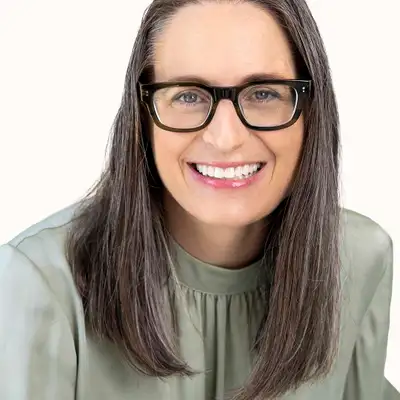
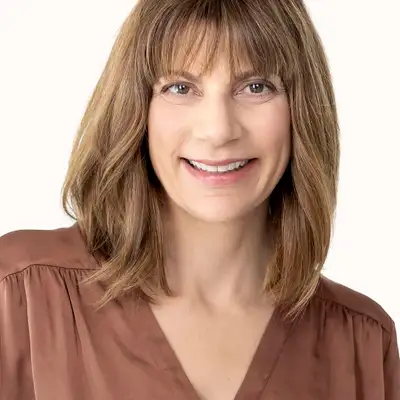
Born from 20 years of friendship, during which they navigated the trenches of autism parenting and advocacy, the Refrigerator Moms is Kelley Jensen and Julianna Scott’s way of reaching out to parents waging the same battles they were. Their purpose with this podcast is to clear the fog, silence the noise, and find a path through neurodivergence for parents that are stuck between bad choices. They tackle parenting topics such as mom guilt, tantrums, pathological demand avoidance, siblings, medication, comorbidities, social media, and much more.
Julianna Scott 00:00
Self diagnosis. Should you or shouldn't you? Today on the Refrigerator Moms.
Julianna Scott 00:09
Hi. So today on the Refrigerator Moms, I'm here with Kelley Jensen, my friend. I am Julianna Scott. And we're going to talk about self diagnosis because nearly a third of American adults have diagnosed themselves with a mental health condition and half of Gen Z has done it.
Kelley Jensen 00:26
Oh, boy.
Julianna Scott 00:26
So it's, if you spent any time on TikTok lately, you know what that looks like for autism especially.
Kelley Jensen 00:33
We do.
Julianna Scott 00:34
So they'll say like signs you might be autistic. And the list includes things like the sound of a hairdryer, or having strong opinions, or researching products before you buy it.
Kelley Jensen 00:41
Oh, boy.
Julianna Scott 00:42
So a diagnosis that used to take years, wait lists, thousands of dollars, now sometimes it arrives in a 90 second video.
Kelley Jensen 00:53
So TikTok, indeed.
Julianna Scott 00:53
Exactly.
Julianna Scott 00:53
So why do we think this is happening now?
Kelley Jensen 00:56
Well, there's a couple reasons. The trend needs some explanation. So the sharpest rise is now in adults 26 to 34. Adults 45 plus, largely unchanged.
Julianna Scott 01:09
Okay. So we can kind of see what's driving that.
Kelley Jensen 01:11
So that's our age group.
Julianna Scott 01:12
Yeah. So we're not school.
Kelley Jensen 01:17
We're not doing it.
Julianna Scott 01:17
No, although now that I hear that it might be because you do a lot of research on products, maybe I should self diagnose. Go back through that checklist.
Kelley Jensen 01:29
Exactly.
Kelley Jensen 01:30
So adults can pursue the diagnosis for a variety of reasons, including a lot of it is curiosity and just people are trying to figure out themselves, figure out what's going on with them, what's going wrong in their relationships.
Julianna Scott 01:44
Right.
Kelley Jensen 01:44
And also it doesn't feel so isolating because of all these TikTok videos and all these things. It doesn't feel like you're alone.
Julianna Scott 01:54
It feels like there's a lot of people out there. So it's not as isolating as it used to be to say I have autism.
Kelley Jensen 02:00
You join a community pretty instantly.
Julianna Scott 02:02
Right.
Kelley Jensen 02:02
So the relief that people feel after getting a legitimate diagnosis is real.
Julianna Scott 02:10
So I think a lot of people are trying to figure out what's going on with them, and then they see that, they see the relatability, and they're like, oh, yeah, that's just like me. When our kids were coming up, they were getting their diagnosis, it was quite common for one or sometimes both parents to look through the criteria for diagnosis, wonder. And I've had more than one parent tell me that they were diagnosed as a result of their child's diagnosis. And I think this is different than that.
Kelley Jensen 02:37
This is not that.
Julianna Scott 02:38
This is not that. No, no.
Kelley Jensen 02:40
And I agree with you, that is very true.
Julianna Scott 02:43
But no, this is definitely not that. This is really, you know, a social media phenomenon.
Kelley Jensen 02:49
Right.
Julianna Scott 02:49
Because a lot of it's inaccurate.
Kelley Jensen 02:51
Yeah.
Julianna Scott 02:51
So that's something we'll definitely touch on too. But the other thing, adolescents, they're in this phase of figuring out who they are, identity. And so they're really vulnerable to this, I think, because, you know, how they're trying on lots of different personas and things like that. So I think that in this adolescent period of identity formation and figuring this thing out on their own and self discovery and seeking validation, that's where they're going to get it. So that's where it really gets into this area of the problem of misunderstanding of a diagnosis and that over pathologizing of something that's within the range of typical.
Kelley Jensen 03:36
And I think that's something that's really rampant.
Julianna Scott 03:38
Right.
Kelley Jensen 03:38
And so who are the, do we know who are some of the social media accounts that are doing these kind of diagnostic quizzes and stuff?
Julianna Scott 03:50
Is it just users, or is it a coach, or is it a licensed psychologist?
Kelley Jensen 03:56
I have all of the above, probably all of the above. I honestly don't know.
Julianna Scott 03:58
It's a good question.
Kelley Jensen 03:58
I think you are going into an area of gray ethics. If you are a licensed psychologist that is qualified to diagnose autism and you're doing it via TikTok.
Julianna Scott 04:11
Well, and I think that that'd be a red flag for.
Kelley Jensen 04:13
I think TikTok is also sometimes a gateway. I was reading, and there's actually a lot of research about social media and TikTok especially and this rise of self diagnosis. And I think that some people will start there and then they'll go on the Internet and start looking at other things and then kind of reinforcing their beliefs or taking online quizzes. And there's lots of. I kind of did a dive too about, there's quite a few of those websites where you can, for free, diagnose yourself, and then after you can pay to get coached.
Julianna Scott 04:55
Yes.
Kelley Jensen 04:55
So.
Julianna Scott 04:55
Or medication.
Kelley Jensen 04:56
I didn't see the medication part, but I didn't look for that.
Julianna Scott 04:59
Probably not a hop, it's a hop, skip and a jump. I'm sure not very far away.
Julianna Scott 05:00
Are you taking care of your brain? You've tried medication, you've gone to therapy, but has anyone talked to you about brain care? It is the mental health treatment no one has told you about. At Brain Performance Technologies, we help with depression, PTSD, autism and many other mental health conditions. Our treatments are drug free and non invasive. Reach out to us about insurance options. Brainperformancetechnologies.com
Julianna Scott 05:20
I mean, we're talking about young adults and adults, but there are parents that are self diagnosing or diagnosing on behalf of their children.
Kelley Jensen 05:34
You see that all the time.
Julianna Scott 05:35
Oh, not formally diagnosed yet. We have an appointment for an assessment. They don't really.
Kelley Jensen 05:39
They have pretty much joined all the groups and done all the things to label their child autistic even ahead of a conversation with a child psychiatrist.
Julianna Scott 05:50
So, or psychologist.
Kelley Jensen 05:52
Yeah. I mean, it is an interesting thing, and the criteria, I think that's where it gets really blurry too.
Julianna Scott 05:56
And that's one of the things that one of the articles I was reading was calling it diagnostic creep, which is, it's this over broadening of autistic traits. So, and that's where it's kind of pathologizing the normal. So, like, for example, some of the videos are describing autistic traits as preferring to be alone, sometimes feeling drained after social interaction, having strong interests in specific topics, liking routine and getting upset when plans change, being sensitive to sounds, lights or textures, struggling with eye contact or taking things literally sometimes. So if you're just relating to these things, that doesn't qualify as.
Kelley Jensen 06:42
Absolutely not.
Julianna Scott 06:42
Or feeling like you're masking. Again, we've talked about this, about masking, we all do this. An introvert. I mean, this means all introverts basically would be autistic.
Kelley Jensen 06:50
I feel like introvert is another word that gets self diagnosed. I'm an introvert, you would never guess it, but I'm an introvert. And really it's just become a way to describe, I don't like having to share my conversation, I want to be the center of attention, and when I'm not, I'm instantly bored.
Julianna Scott 07:09
But also this gets to this pathologizing the normal, is that, you know, yeah, my social battery wears down. Like, if I'm around a lot of people for all day, like, yeah, I need like an hour or two or so to just chill out by myself.
Kelley Jensen 07:23
Yes.
Julianna Scott 07:23
It doesn't, that's normal.
Kelley Jensen 07:28
Yes. That's just being a human in an overstimulated environment, which we all are.
Julianna Scott 07:35
Do you think that sometimes it is pathologizing bad behavior?
Kelley Jensen 07:39
Yeah, I mean, sometimes, sometimes. I mean, you know, of course we're just talking in broad strokes here, but people, like I said, they kind of back into the diagnosis that will allow them to get out of a party, to behave a certain way.
Julianna Scott 07:53
To, you know, sure.
Kelley Jensen 07:54
Well, I just think it's a little bit like, my pet peeve is actually not about autism, it's about OCD. When people say, oh, I'm so OCD, and because they like things orderly. And you know, as a mother of someone with OCD, I'm like, you are not OCD.
Julianna Scott 08:16
No, you're not.
Kelley Jensen 08:16
Like, is it debilitating? Is it really affecting the quality of your life?
Julianna Scott 08:22
Right.
Kelley Jensen 08:22
Or is your desk just neat?
Julianna Scott 08:24
Yeah.
Kelley Jensen 08:24
You know, like, you couldn't wipe my son's boots.
Julianna Scott 08:28
Right. I mean, it's so, like, that annoys me.
Kelley Jensen 08:31
Right, right. So, but it's interesting about the autism one, because I think that the OCD, I think there really is a fundamental misunderstanding. I don't think people who say that want to have OCD, but I think that there is, in this group who's self diagnosing based on the TikTok criteria, I don't know, they think they want to be part of that group. I think it's just a reason for their behavior.
Julianna Scott 08:56
ADHD is another one. It's a reason for my behavior. It's a reason why I can't pay attention to you, it's a reason why I don't have to focus.
Kelley Jensen 09:06
When is it pathologizing bad behavior, maladaptive behavior? The thing that was interesting, it was a New York Times opinion piece which is what spurred us to talk about this. It was interesting, and one of the psychologists on there, she did say, and I agree with this, it's like, this isn't an indictment on those doing the self diagnosing, it's really an indictment on the culture that is driving people to do this.
Julianna Scott 09:31
And that goes to another one of the reasons people are doing this, the loneliness epidemic.
Kelley Jensen 09:37
Yeah, there's a lot of things that are driving people to seek out people who feel like them.
Julianna Scott 09:44
And if you, if you are identifying with that, like, but are you struggling to connect, really, seeking those people out?
Kelley Jensen 09:52
I think they seem to, because really, they're going to go see, I mean, they're not going to go to an autism, like, a social skills group.
Julianna Scott 09:59
No, I don't think so. Which leads me to my point, and the point that I was making, is you don't get to just label yourself and then eat a sandwich and do nothing and tell your friends, oh, you'll have to come and see me because I'm autistic and I can't go out and I don't like parties, so do what I want to do. Like, if you believe the autism label applies to you, then the work begins, it doesn't end.
Kelley Jensen 10:21
Yes, it begins. Right. So I'll also circle back, and it's a minor pushback, is that there are some legitimate reasons for people going online and looking. I want to say the case for it is that, and there was a study about this, that there are recurring barriers to getting an official diagnosis. And that is, like, the anxiety surrounding it, some people are anxious to do it.
Julianna Scott 10:43
But obviously adults, these aren't parents.
Kelley Jensen 10:47
Well, it could be parents. Cost, access to adult autism specialists, fear of not being believed, inability to describe symptoms, mistrust of healthcare professionals, stigma, complexity of the healthcare system, and lack of perceived value of a formal diagnosis.
Julianna Scott 11:06
So I think that I agree with all of that.
Kelley Jensen 11:08
Yeah, and that's what the studies showed.
Julianna Scott 11:12
So, again, no, but back to my point, if those very valid reasons are, you're accessing online tools for diagnosis and you feel that you meet the criteria, so the work begins, and maybe you follow up with whatever access to care that you have. You start reading about these conditions, you start picking a list of the symptoms that you, if it is that you are chronically lonely, because loneliness and autism go hand in hand. It is one of the great tragedies of autism is how lonely, and we talk about this all the time, we can help our kids so much but we cannot take away their loneliness. And if that is your struggle, if that is what's caused you to seek out a diagnosis, then the work begins for, how do I rectify this loneliness? Who do I turn? Is it that I don't know what to say to people in a group? Do I offend people because I'm saying things that I don't realize are offensive? I mean, social skills groups, is masking appropriate, or do I need to learn time and place? I mean, this is the hard work, right?
Kelley Jensen 12:01
This is the hard work. And I agree with you that I don't think that those are the things, symptoms that they're looking at. And that was another thing that the Times psychologist had said in this piece, was that there's this permission structure, basically saying that it's like having that label is sort of permission to treat yourself with some grace.
Julianna Scott 12:36
Well, there's like, I always say grace, you say what was me, what was me? But it's more like to be gentler with myself.
Kelley Jensen 12:46
Like, it's like, oh, I couldn't handle this. Well, there's a reason.
Julianna Scott 12:52
And, you know, instead of, so that's grace, yes. I behaved really badly.
Kelley Jensen 12:55
First of all, did you know you behaved badly? I don't think they're talking about behaving badly, I don't think it's like forgiving poor behavior. I think it's like, I can't handle big groups, or I tried to talk to this person and they were really not interested.
Julianna Scott 13:12
I can tell I made them mad, I didn't realize at the time, but on further reflection, when I kind of deconstructed the conversation or talked with a trusted friend, they told me I probably offended them, and how could I have handled that differently, and what did I say that was offensive that was misconstrued.
Kelley Jensen 13:29
That's interesting though, because, like, that doesn't seem to come up in, again, the TikTok videos. I don't think that in the criteria they're saying, like, are you offensive or anything like that.
Julianna Scott 13:42
But yeah, I mean, it tends to go more into the, again, pathologizing the normal, a hundred percent, because you and I have sat across from our sons and watched them say something. We're like, oh, yeah, right, they don't know, they don't have a filter, they don't know what they're saying. And so we've kind of walked them through how you could have said that differently. And perhaps if you had never had that diagnosis, and you had said the wrong thing and you wondered why you were all alone, and this caused you to reach out and ask someone for help in starting conversations, or looking at people in the eye, or any of the things that our kind of social skills.
Kelley Jensen 14:24
So giving yourself, oh, this must be why I have never been able to really have a friendship, I have never really been successful at meeting people and making friends and making small talk, that's giving yourself grace, and you should be doing that. But then you don't just stop there.
Julianna Scott 14:38
No, you don't just say, well, oh, well, you know, that's it, I can't look you in the eye, I'm autistic.
Kelley Jensen 14:44
Right, you might do some of the things our sons learn to do.
Julianna Scott 14:46
Right, I mean, you just have to learn the social skills.
Kelley Jensen 14:49
And it's hard.
Julianna Scott 14:50
And it's hard, and if you don't want to do that, then giving yourself the grace to give yourself a reason for these things is step one, and if you don't want to graduate to step two, then maybe it's just "what was me," right?
Kelley Jensen 15:15
It could be. Yeah, well, okay, so another thing that I unearthed in doing some of this research is the case for self diagnosis, and this has nothing to do with the TikTok algorithm stuff, but I did find a pocket of people that are autistic that believe that only autistic people should diagnose, so self diagnosis.
Julianna Scott 15:36
They really believe that neurotypicals shouldn't be doing the diagnosing and that they don't fundamentally understand it, so they're not really qualified. So only an autistic person is really qualified to diagnose an autistic person.
Kelley Jensen 15:49
And then is that therapy should be guided by autistic people?
Julianna Scott 15:52
I mean, that just, I mean, therapy was not mentioned.
Kelley Jensen 15:56
But if you are going to say, okay, I'm autistic, so I'm only going to associate with autistic people because they're the only ones that get me, I don't think that, I don't know about that, I don't know that that's going to cure your loneliness, because what we know to be true.
Julianna Scott 16:12
No, I mean, this group is definitely pushing aside, these are adults with autism talking about it, so they're really pushing aside neurotypical parents. And I have noticed that in the online chatter, I don't know if you've noticed that, that there is in the kind of neurodiversity affirming group movement, that, you know, neurotypicals don't know what they're talking about, and that includes parents. They're neurotypical parents of kids on the spectrum.
Kelley Jensen 16:40
You don't really know what you're talking about.
Julianna Scott 16:42
Well, and I guess you don't have a voice.
Kelley Jensen 16:45
And I, even in our space there's people who are like, don't listen to the parents.
Julianna Scott 16:51
What could go wrong?
Kelley Jensen 16:52
Yeah, and they're really pushing aside those lived experiences, those experiences with their kids and the clinical experiences.
Julianna Scott 17:03
So it's really an interesting pendulum swing. The question is, what do you want for yourself, what right do you want for yourself, what do you want for your life? What is your family like? What is your professional life like? Where does loneliness factor in on your scale of happiness, and what do you want for yourself?
Kelley Jensen 17:24
So, right. If you want a broader circle, if you want people that don't think like you, act like you, move like you, then some of the therapies that are done to help you understand autism as a chronic condition might be for you. But if you really feel like I should be celebrating my autism with only other autistic people, then, you know, have at it.
Julianna Scott 17:50
Very limited, but okay.
Kelley Jensen 17:52
So we do want to touch on a couple more things. One is the case against self diagnosis, and then we'll go into the harm.
Julianna Scott 17:57
But the case against is, and we're in this camp, let's, if you haven't figured it out. But the reasons are like, okay, so 52% of the top performing ADHD videos and 41% of the autism videos contain inaccurate medical information.
Kelley Jensen 18:16
So I liked this, the example of the TikTok symptoms, like the sound of a hairdryer, have strong opinions, look at a menu before going to a restaurant.
Julianna Scott 18:28
Heavily researching things before buying them.
Kelley Jensen 18:34
I never thought about the hairdryer thing, I don't care about it, I like the other three.
Julianna Scott 18:37
I do, you know what's so funny about that? My son loves the sound of a hairdryer, loves it. So maybe he's autistic. He went through a whole phase where he wanted to blow dry my hair so he could hear the sound of the hair dryer.
Kelley Jensen 18:49
Oh, that's nice, only certain hair dryers, but so.
Julianna Scott 18:53
Oh, so it should be like the sound of certain hair dryers.
Kelley Jensen 18:56
Yeah, totally, we need to amend that. So that's obviously a case against, a lot of inaccurate information. And then also what we talked about, that it's basically pathologizing normal behavior, and that's not good.
Julianna Scott 19:15
And then I'm going to go so far as to say pathologizing bad behavior.
Kelley Jensen 19:19
That's true, that's true. A lot of the self reported autistic traits don't match up with validated clinical traits.
Julianna Scott 19:26
I mean, that's kind of all the same kind of stuff. But beyond the case against, I think some people are like, well, what's the harm in it? You know, it's fun, it's like doing a Buzzfeed quiz.
Kelley Jensen 19:36
Like, what's the harm? It's not fun, there is harm. There's harm to people who are autistic, there's harm to people that live with a very serious debilitating chronic condition. There is harm to people who are lonely, who don't want to be told that they should be celebrated as they are, and that people shouldn't be teaching them how to make eye contact. You know, maybe they want more for themselves and that's their right.
Julianna Scott 19:58
Or, yeah, or maybe they do have something going on, it's not autism. Maybe it is extreme anxiety, maybe it's depression, and they're not getting those things treated.
Kelley Jensen 20:08
Right, and so real issues go untreated. It definitely dilutes the understanding of autism.
Julianna Scott 20:14
If you start saying if you look at a menu before you go out, that's autism, that's really diluting an understanding of what autism is.
Julianna Scott 20:20
This episode of the Refrigerator Moms is brought to you by Brain Performance Technologies. Brain Performance Technologies is a specialty mental health clinic that offers magnetic e resonance therapy, or MeRT, for autistic people aged 3 or older. MeRT is a transcranial magnetic stimulation protocol that utilizes an EEG diagnostic to deliver personalized magnetic pulses to stimulate the brain and build neural pathways effective in managing autistic symptoms.
Kelley Jensen 20:53
The other one that came up was this. Once you've self diagnosed as autistic, it's really hard to get out of that.
Julianna Scott 21:00
So if you start telling everybody and identifying and you join groups and you find people, and then maybe you realize that you're not, it's not fun anymore.
Kelley Jensen 21:11
Well, or it's just, it's very hard to get out of that. It's very hard, once you've built an identity around something, to then leave it behind.
Julianna Scott 21:22
So before you start wearing the T shirt that says I'm autistic, get the diagnosis. And then it actually makes real autism hard to identify. If everybody who isn't autistic is now identifying as autistic, what is the reality?
Kelley Jensen 21:41
Well, and it's not self actualization, it is not living your best life if you are trying to put yourself in a box for reasons other than where you really are.
Julianna Scott 21:53
Right, yeah, yeah.
Kelley Jensen 22:05
So I thought this was also helpful, I was reading something from a doctor who was saying, okay, so who are all these people who are identifying as autistic who are not autistic? And it's no big surprise, but it's good to label it or give them another label if it's not autism. It's like the socially anxious person who misidentifies with autism, that's highly treatable if you're anxious.
Julianna Scott 22:23
And that's where it goes, we're saying that the people who are self diagnosing with autism, they're not going out and getting help for their anxiety, very treatable.
Kelley Jensen 22:32
Right, the other one is the highly sensitive person who discovers a label. The introverted person who is pathologizing normal introversion.
Julianna Scott 22:41
Right.
Kelley Jensen 22:41
Undiagnosed ADHD, which overlaps with autism. Someone who's been traumatized, who needs that trauma processed and is probably not out there doing that. And the person who just doesn't fit modern society's expectations.
Julianna Scott 22:58
You just got the oddballs.
Kelley Jensen 23:01
So, you know, that doesn't need a label, you can just be quirky.
Julianna Scott 23:12
Absolutely. So I think that instead, what would we do? I think we know where we would.
Kelley Jensen 23:16
What we would do is go for that official diagnosis.
Julianna Scott 23:19
Well, I think that if you're curious, if something is missing from your life, particularly loneliness, taking an online quiz is a fine place to start.
Kelley Jensen 23:29
Sure. As always, if you're going to take one online quiz, scour a few different things.
Julianna Scott 23:34
Right, don't just put all your eggs in one TikTok basket, you know, look at a bunch of different questionnaires, read a bunch of different diagnostic criteria, look at a bunch of different doctors, YouTube videos or whatever, go to several sources.
Kelley Jensen 23:56
And after doing all that, if you think this applies to you, then go talk to somebody. Go see if maybe a formal diagnosis is right for you, or just go start treatment.
Julianna Scott 24:04
Right, I mean, if you're, if again, treat the symptoms, it's like what we did before when we had lines and wait lists and we couldn't get our kids diagnosed right away.
Kelley Jensen 24:15
Yes, we started treating the symptoms before we had the diagnosis, so same thing applies if you're an adult and you think you need help. If you need help with your anxiety or ADHD symptoms, there are things that you can do before the formal diagnosis.
Julianna Scott 24:30
100%. And again, it comes back to what kind of a life do you want for yourself, and what has caused you to seek this out? Is it that you're just curious? Are you pretty much happy with your life? Then it doesn't matter, then you can just stop right there at those questionnaires.
Kelley Jensen 24:43
But if you are genuinely lonely, if you genuinely have goals for a family or goals for an intimate relationship, and it just hasn't happened for you, that's where the work begins.
Julianna Scott 24:59
Right, right, to make a list of things that you'd like to work on. Working on things does not mean you're changing yourself, it is, you cannot unautistic yourself, you are just learning to manage a chronic condition with tools that are available that anybody can master.
Kelley Jensen 25:12
You will make progress, you will have a better experience if that's what you want for yourself.
Julianna Scott 25:19
Right, and I'm not saying that all of those people who are identifying as autistic via TikTok, I'm not saying all of them are not autistic. I'm sure there are some that are, and that this is the first inkling, and I'm not going to give TikTok credit for helping those people figure it out, but that's just the start.
Kelley Jensen 25:39
Like we said, that's just the start.
Julianna Scott 25:41
Go check it out, get a formal diagnosis. And last thing I'm going to say that I will always say is that these forums for diagnosis, if you are going to take it a step further and look towards medications, that is not something that you should do, absolutely not, without blood work, without seeing a doctor live and in person, without understanding how to titrate up, how to titrate down.
Kelley Jensen 26:11
Psychotropic drugs are not something that should be done over the counter or online.
Julianna Scott 26:16
This is definitely not something that you should be doing by yourself. If you've diagnosed yourself, treatment should not be done alone, you need professional help.
Kelley Jensen 26:24
So keep all of that in mind. Good luck, and thanks for tuning in.
Julianna Scott 26:29
And if you like what you've heard today, please go follow us on all the things, go to refrigeratormoms.com and even on TikTok.
Kelley Jensen 26:44
TikTok it.
Julianna Scott 26:45
For all of the gripes we've given TikTok, we do use TikTok, TikTok is a fun place.
Kelley Jensen 26:52
It is a good place to start, to put an idea in your head, it is not a good place to end.
Julianna Scott 26:57
No, for very complicated and confusing diagnosis, it is not, it is not.
Kelley Jensen 27:12
All right, thanks for listening.
Julianna Scott 27:13
Thank you for listening to this episode of Refrigerator Moms. Don't forget to subscribe so you never miss an episode. You can also find episode notes, resources and any refrigerator paper connected to today's discussion on our website at refrigeratormoms.com, where you can sign up for our newsletter. We'd love to hear your questions and future episode ideas, reach out to us on social media or through our website.
Julianna Scott 27:39
The information shared in this podcast is meant for informational and educational purposes only. It shouldn't be taken as medical, psychological, therapeutic, legal or professional advice. If you have questions about a diagnosis, treatment, intervention, or any medical or developmental concerns, please consult a qualified healthcare or service provider. Don't rely on this podcast in place of professional guidance, and don't delay getting help because of something you heard here. The views and experiences we talk about are our own and those of our guests, they're not meant to serve as personalized recommendations for any individual or family. Listening to this podcast does not create any kind of professional relationship between you and the hosts or guests. Any choices you make based on the information here are completely your own, and we are not responsible for any outcomes that result from them. If this episode includes a refrigerator paper, you can find all sources and citations along with additional notes on our website at refrigeratormoms.com.