Subscribe
Share
Share
Embed
In this episode of The Game with Mark Simon and Bob Marks, we take a wide-ranging look at politics, culture, sports, and community issues shaping life on the Peninsula.We start with Measure 50 and what it could mean for local voters, before exploring the challenges of presidential decorum and today’s cultural divide. The discussion moves to Charlie Kirk, the First Amendment, and the state of political speech, followed by a pivot into sports with the San Francisco Giants’ dismissal of Bob Melvin.From there, we dive into the San Mateo County Sheriff’s race, the impact of district elections, and the growing struggles around housing for younger residents. Finally, we close with a candid conversation about what it really takes to run for office—discipline, likability, and relentless drive.✨ Key themes in this episode:Measure 50 and its implicationsPolitics, free speech, and the cultural divideGiants baseball and community reactionsLocal elections and district votingHousing affordability for young peopleWhat it takes to win in politicsLearn more at 🌐 TheGamePeninsula.comAvailable on all major podcast platforms, just search The Game with Mark Simon and Bob Marks.👤 Produced by Frank Bravo – BravoITC.com
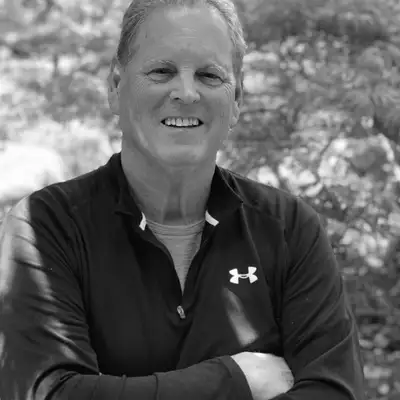
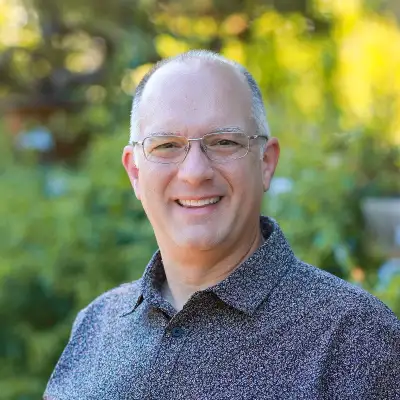
Mark Simon and Bob Marks revive their long-running cable TV show The Game, where they interview local leaders and talk widely about politics, business and sports.
Produced by Frank Bravo, BravoITC.com
00;00;25;17 - 00;00;41;20
Speaker 1
Welcome to another edition of the game. I'm Mark Simon, and I'm Bob marks. And here we are. You know, at the end of the show, what we used to do is we. Bob and I would talk to each other as much as we hated doing that. And we call it the bullpen. So this is like the baseball equivalent of a bullpen game.
00;00;41;22 - 00;01;04;13
Speaker 1
We're going to just cover a bunch of topics. There's so much going on at every level of government and politics, and I suppose we could include sports. I don't know if we have to. The 40 Niners had a pretty disastrous game yesterday, but, Bob and I are just going to kick some topics around. Gives you the benefit of our wisdom, such as it is and and go from there in the first.
00;01;04;15 - 00;01;36;23
Speaker 1
First up is, proposition 50, the redistricting measure that was put on the ballot essentially by Gavin Newsom. I mean, the legislature weighed in wholeheartedly, and it would allow them to redraw the lines to gain five Democratic seats before the next census. Historically, they're supposed to redraw the lines every ten years after census in California in 2008, I believe, adopted independent commission that does these things.
00;01;36;26 - 00;02;08;00
Speaker 1
You suppose in a nonpartisan matter. It's interesting. I went back and looked and, before 2008, before the first election, which was 20, 2012, 2010, the Democrats have all but nine seats now. They have all but 11. So it hasn't really changed things much in California in terms of party split. But that may speak more to how the Republican Party has changed over the years than any particular gains from redistricting.
00;02;08;00 - 00;02;16;19
Speaker 1
But in any event, Bob, you and I have spent a lot of time on redistricting over the years. What's your first reaction to this? Well, first of all, I.
00;02;16;22 - 00;02;56;20
Speaker 2
Look at Texas and, you know, everybody says, oh, Trump, you know, convinced Texas to do it. Anybody who is familiar with Texas politics and leadership there knows that it wasn't a hard sell. It's a pure power play by Texas. There's no justification for drawing the lines the way they're doing it and gaining five seats there. Now, the difference between Texas and California, as you mentioned, is, we have an independent, supposedly fair redistricting process here in California that was approved by the voters.
00;02;56;23 - 00;03;22;14
Speaker 2
And, the governor decided to basically set that aside in order to gain five seats here and offset what's going on in Texas. Missouri has has already in the process of redrawing lines, which will give the Republicans a seat. Indiana is moving in that direction. Florida's is seriously looking at doing it. So. You can see where that's going.
00;03;22;18 - 00;03;51;00
Speaker 2
Now, my problem is with our governor is, you know, I saw the one of his commercials, and it says we can defeat Trump and we can still maintain fair redistricting. What it should have said is we can defeat Trump and we can maintain fair redistricting, lest we decide for some reason, to to set that aside from time to time.
00;03;51;03 - 00;04;17;11
Speaker 2
The other thing that really galls me, and I have a long history of being involved in this issue, is groups like Common Cause and the League of Women Voters, who basically have built their organizations on the idea of fair redistricting. When Newsom first said he was going to go ahead and and redraw California lines, they were absolutely outraged.
00;04;17;11 - 00;04;48;21
Speaker 2
The, the president to both presidents of both organizations came out and said, this is horrible. You can't do it. It's awful. Newsom went ahead. It's on the ballot. And Common Cause and the League of Women Voters say, well, we guess it's okay. This time, the hypocrisy in politics goes both ways. And I think it's part of and some, some of what we're going to talk about today is the erosion.
00;04;48;23 - 00;04;54;29
Speaker 2
Of a democratic process that at one time operated very differently than it does today.
00;04;55;06 - 00;05;15;29
Speaker 1
Well, you can argue, I suppose, that it's return to a democratic process that was in place for centuries before. Before we had this sort of good government wave. Yeah. I do recall a district that was drawn in. One of them was the congressional district that included Palo Alto. At the time, Ed Shell was the representative of the district.
00;05;15;29 - 00;05;37;12
Speaker 1
It was a district that had been Republican basically until NSU got elected. But it started in Palo Alto and ended in Stanislaus County. Yeah. And there's a there's an Air Force base there. And they said, you can shoot a missile from the Air Force base, and it would hit the ground before it reached the end of the district.
00;05;37;14 - 00;05;53;19
Speaker 1
And basically all they did was gather all the Republicans they could between here and there, stick them all in one district and make safer districts for for Norman, for, Tom Lantos and all those people. Let me.
00;05;53;21 - 00;06;19;24
Speaker 2
Let me just if I can let me just add a couple of those examples, because I think they're important. Most people won't remember that. San Mateo County Supervisor Tom honey actually launched him initiative. He was able to gain the support of the League of Women Voters and the Paul Gan organization of Jarvis Gan fame that passed proposition 13.
00;06;19;26 - 00;06;54;10
Speaker 2
Now, there were a number of districts at that time that the Democrats proposed. One was Fresno was put into a district with Carmel. Minority citizens living in part of Pasadena were included in a district in Bakersfield and Newport Beach, and a piece of Irvine were combined with Calexico, the Mexican border. If you're if you're familiar with the geography of California in addition to Mark's examples, so it's not the way it should be done.
00;06;54;13 - 00;07;01;24
Speaker 2
You know, we like we like that we choose our representatives. In fact, they choose us. Go ahead.
00;07;01;29 - 00;07;30;13
Speaker 1
Well, first of all, we should note that the measure, restore returns to the independent redistricting commission after the next census. Unless, of course, they pass another bill because another midterm election comes along and they don't like the way it's turning out. But the argument in and I'm of two minds about this because it's a valid argument. That that we're fighting by the rules that no one else is following.
00;07;30;15 - 00;07;51;14
Speaker 1
And at what point, from a political perspective, does it become foolish to say, well, I'm going to stick to my principle, even though it means the other guys are going to win in ways that are not fair. They're unprincipled. You know, we've seen this time and again in a variety of contexts where somebody decides to set a standard to live by and nobody else lives by it.
00;07;51;14 - 00;08;25;20
Speaker 1
And those people often end up being known as losing candidates or losing issues. So obviously, their concern is the margins in Congress are so close that five seats could flip the majority, maybe fewer, depending on how it breaks down, which is why both sides are reacting that way. But what's wrong with saying, look, this is a temporary set of circumstances under unusual circumstances, and that there are a lot of things being done that the Republicans who are in the majority are not stopping the president from doing.
00;08;25;25 - 00;08;37;25
Speaker 1
We have to stop him. This is the only way we can if we follow the rules. As Newsom says in the very same ad you're referring to, it would be like fighting with one hand or both hands tied behind her back.
00;08;37;27 - 00;09;06;21
Speaker 2
Yeah. You know, I understand that. And I think my larger point on a lot of things today is a steady erosion of principle, a following, the rules. Saying, oh, you did it first. You're you're worse than I am, blah blah blah. Make no mistake, both sides are at fault in all this that's going on. What we're seeing is a total erosion.
00;09;06;23 - 00;09;28;21
Speaker 2
That I don't think we've seen before. Maybe maybe the Civil War. So last time. And and we're in a difficult situation. I'm not condemning the Democrats. I understand Texas made a power play. California makes a power play. But it's part of an erosion that's going on in our country.
00;09;28;24 - 00;09;33;25
Speaker 1
Well, but but should should California not be doing this, then? No.
00;09;33;27 - 00;09;55;06
Speaker 2
You know, again, you say, it's okay. We do it this time. It's like being on a diet and saying, well, tonight I'm going to eat chocolate cake because, you know, I had a really hard day. You know, it. There's a slippery slope there that you go down. But no, I don't condemn California for doing it.
00;09;55;09 - 00;10;21;04
Speaker 1
Well, you're talking about the erosion in a column last week. I wrote that I have trouble understanding the excuse, making the rationalization that people provide for Trump. And what really struck me was at a funeral, for goodness sakes, he said, I hate my opponents. How can you be for a guy who says this kind of stuff? You know?
00;10;21;05 - 00;10;41;29
Speaker 1
Sure. There are always going to be some things everyone does. Every elected official does that you'll be okay with. But at some point or another, at a time when the country is divided in the rhetoric turning more and more violent. We historically expect the president to be the one to calm us down. And in fact, he's fueling that.
00;10;42;01 - 00;11;07;18
Speaker 1
And the response I got from readers was exactly what I was afraid. Well, he was joking. Well, Biden did these things first. You obviously don't understand how bad the Democrats are, and it's exactly what you were saying. Well, they started it, so we're going to finish it in at some point or another. This has to come to some kind of an end, a resolution.
00;11;07;19 - 00;11;19;17
Speaker 1
Maybe it's a bad one, but I can understand saying, well, I'm tired of them winning all the time by breaking the rules. And of course, that argument is one that both sides make.
00;11;19;19 - 00;11;57;21
Speaker 2
Yeah, no I agree. You know, in 2012, I looked at the election where Mitt Romney lost to Barack Obama. After the election, it's something I do and I've been doing for over 50 years. It's following these presidential elections in a way that I probably should be put away in a room somewhere and throw away the key. But it appeared to me in after 2012, the Republicans were fighting a losing battle and that the the way things were at that point, there was really no way forward.
00;11;57;21 - 00;12;31;08
Speaker 2
They were going to continue to lose. The Hispanic vote was increasing by 2% every year. Obama had put together an extraordinarily significant, sophisticated, operation, really bringing in social media into the presidential politics. For both sides, what Trump did in 2016 is he changed. He's reshuffled the deck and he said, look, our country is not divided over who wants higher taxes.
00;12;31;08 - 00;12;55;07
Speaker 2
Lower taxes. The debt. You know, should we reduce the debt? Our country is divided over culture. And he made that the dividing line. And in many ways, I brought up the Civil War before. And when you say that, people say, oh, come on, you know the Civil War. How could we ever get to that point? Well, that was a war about culture.
00;12;55;10 - 00;13;22;10
Speaker 2
And if you understand culture, it's religion. It's how you were brought up, where you were brought up, your life experiences. Those things really have a determining factor. He also understand there were millions of voters who stopped participating in the system because they didn't think it made any difference. And he was able to divide the country along those lines.
00;13;22;17 - 00;13;46;14
Speaker 2
And in many ways, I think it's that that has taken us to this point where we're on fire. You know, again, both sides are guilty. Both sides say horrible things. Trump gets a lot of attention for doing it. You're right. You and I. We're used to presidents that have a certain deplorable and have a certain way of going.
00;13;46;16 - 00;14;18;20
Speaker 2
So I think there's a lot of fault for him, but that cultural divide. And then you add in social media, which has exploded, which has algorithms that if you believe one thing. It just keeps sending you stuff to reinforce that belief. You see the erosion of the media, you see the erosion of the courts. It's all contributing to where we are today in a situation that I'm not sure we can fix.
00;14;18;22 - 00;14;23;05
Speaker 2
I'm not sure where you start. I don't know, what do you think in terms?
00;14;23;06 - 00;14;50;26
Speaker 1
I'm not quite as pessimistic. I'm not quite as pessimistic as that for the same reason. You know, I understand what you're saying about the Civil War. I tend to be one of those who says, oh, come on, because slavery was such a such a fundamental dispute. And it's interesting to read about that time and the convictions that slaveowners held that they were doing God's work, that they were they had a moral right and a moral imperative to be doing what they were doing.
00;14;50;28 - 00;15;17;10
Speaker 1
And it echoes in, in where we are now, in the sense that everybody thinks they're right. Nobody thinks they're wrong. And the other side thinks everybody thinks the other side is amoral at best, if not immoral. But there are things that Trump has done that we've talked about this privately before, just in terms of sheer politics has broken every single rule we can think of.
00;15;17;11 - 00;15;40;10
Speaker 1
I mean, there are there are people we know who said something as inflammatory as Trump has and it ended their career. But in this case, it doesn't seem to do that. So you're right. He caught hold of something that was on people's minds. And he doesn't mind if if the country's divided, as long as it's divided enough for him to succeed.
00;15;40;17 - 00;16;04;24
Speaker 1
And now we're seeing him do things. Deploying trips troops to liberal cities. Portland is a war. I saw, I guess it was the Homeland Security woman saying they they're going to liberate Los Angeles from the communists who are running the government there. The range of the rhetoric is so out of line with reality that I can't believe it's sustainable.
00;16;04;26 - 00;16;34;25
Speaker 1
So I guess the question is, you know, you were you for many years were a public strategist. Now, that was Peninsula Republicans mostly, which were moderates, were probably considered liberals now certainly are not Republicans anymore. Many of them are, no party preference voters. But the party has gone someplace. I don't think we ever expected it to go in after Trump leaves the scene, assuming he leaves the scene.
00;16;34;28 - 00;16;36;24
Speaker 1
Where does the party go from here?
00;16;36;27 - 00;16;43;26
Speaker 2
Yeah, I mean, I agree. I'm not here to defend Trump. I think he's outrageous in so many different ways.
00;16;43;28 - 00;16;46;22
Speaker 1
No, and I don't think anybody is going to interpret that's what you were doing.
00;16;46;23 - 00;17;16;24
Speaker 2
Yeah. But, you know, I think the idea that when Trump leaves the scene, everything is going to be sunshine and lollipops. It's very naive. It's not, it's not going to change because those cultural divisions remain and they're hardened and it's going to continue. We're in a period of just pure power politics. More than we've seen before, where there are no rules.
00;17;16;25 - 00;17;17;13
Speaker 2
It used.
00;17;17;13 - 00;17;21;22
Speaker 1
To argue that Trump is more effective at exploiting that.
00;17;21;25 - 00;17;23;00
Speaker 2
He.
00;17;23;02 - 00;17;24;25
Speaker 1
Than anybody else could be.
00;17;24;26 - 00;17;44;11
Speaker 2
Well, he is, but that doesn't mean those cultural divides are going to go away. And that doesn't mean those voters are going to say, you know, I like Trump, but I don't like JD Vance or Ron DeSantis. I you know, I don't believe I think we're in a, in a very dark situation.
00;17;44;13 - 00;18;09;28
Speaker 1
Well, it's an interesting it's an interesting question because you do see, people trying to emulate Trump's style. Yes. The outrageous statement, the name calling JD Vance tries to do it, but it doesn't have the same heft. You're even seeing it on the Democratic side. This is prop 50 push. Clearly, Gavin Newsom is determined to emerge as the leader of the opposition.
00;18;09;29 - 00;18;31;04
Speaker 1
And one of the things he's doing, he would call it fighting fire with fire is that he's baiting Trump. He's doing some of the very same things online and in social media and even in interviews that Trump was doing. The question is, does it? Does it ring true? Does it? Is it effective or is it just sort of an echo?
00;18;31;07 - 00;19;01;00
Speaker 2
Yeah. I mean, right now, Trump has benefited really over the last ten years by his opposition. His opposition has made him stronger. His opposition. You know, by just going crazy and just trying to take him out in any way that they possibly can condemn him. He's benefited from that. All you have to do is look at week to week.
00;19;01;02 - 00;19;04;22
Speaker 2
What happened during the last election cycle?
00;19;04;25 - 00;19;09;15
Speaker 1
Well, there was numbers are are not in good. His numbers are not in a good place right now.
00;19;09;16 - 00;19;35;24
Speaker 2
Well, you know, you say that, but, his according to Real Clear Politics. And there are others that have different numbers, but real clear politics. I think it's been more accurate over the years because they include all credible polls, he said. 45 to 46% approval rating. Now when you go beneath that, then you begin to see what you're saying.
00;19;35;26 - 00;20;12;29
Speaker 2
On inflation he's at 39% the economy. He's at 41%. Russia, Ukraine. He's at 37%. Israel and Hamas, he's at 38%. And I'm not including two areas in there. And those are the areas where he's doing much better, where the country is divided. 4848 and that's immigration and crime. And so it's no surprise that his focus is going to be on those two issues, because it takes away the focus from those other issues.
00;20;13;02 - 00;20;19;08
Speaker 2
Which in certain the economy has always been an issue that really comes back to bite you.
00;20;19;10 - 00;20;45;16
Speaker 1
Yeah. Now, you know, as I said earlier, I don't think it's as dire as the Civil War era. And there is something if you study history, you know, we'll have a string of bad presidents and then for, for good fortune or whatever that tends to be when our best presidents emerge. If you look at the presidents before Lincoln, if you look at the presidents before Teddy Roosevelt, before FDR.
00;20;45;18 - 00;21;29;17
Speaker 1
And even even into the modern era. We have it always makes me think of the Winston Churchill quote. Americans will always do the right thing, but only after they've tried everything else first. So the question is, whether the Democrats can begin to put forward something credible and both in the midterms and in 28. And the thing I'm encouraged by, if that's the right word for it, is that I thought when when Kamala Harris was doing her vice presidential nominee search, the Democrats have a pretty good bench of some senators and quite a few governors who look like people who could emerge as something.
00;21;29;20 - 00;21;49;24
Speaker 1
Now, the question is, how much does the social media environment and the culture war trump everything else? No pun intended, because you know as well as I do campaigns really often, most of the time need to be about four things. Jobs, the economy, safety and security. And if you're not talking about those things, you're not talking to people.
00;21;49;24 - 00;22;15;04
Speaker 1
And if you look at the 24 campaign from talked about those things, he may have been lying, but certainly he talked about him. And Kamala Harris did not in any certainly in any substantive way. So those are the issues where I think some of those numbers you're citing are beginning to show problems for the Republicans that maybe Trump doesn't suffer from, but another Republican nominee might.
00;22;15;11 - 00;22;45;18
Speaker 2
Well, here's the problem. And this is different than we've ever seen before. Quinnipiac, which is a Democrat leaning pole, always has been doesn't mean they're, you know, they're making it up. Their model is saying that this is the turnout. And that's what the Democrats are hoping for. They did a poll this week. This week. And the Democrat approval rating in that poll was 30%.
00;22;45;21 - 00;23;14;05
Speaker 2
That is the lowest either party has had since we started doing polling. So that's brings a different thing. Normally, the party that's not in the white House will gain seats in the midterms. Historically, that's been the case. There have been a couple of examples where not but the Democrats are at 30%. Real Clear Politics has their average at 40, 32%.
00;23;14;08 - 00;23;30;25
Speaker 2
They've never been that low in my lifetime. The Democrats have always been. The ones that were slightly ahead in polling, in the generic votes and different things. They are in a bad place. They don't stand for anything. Well.
00;23;30;27 - 00;23;51;11
Speaker 1
That's the issue. That's the problem. That's why I mentioned the four four things that campaigns ought to be about. I'm sure, like you, I, I get tons of emails from Democratic leaders and candidates. Almost all of them say, you know, here's my strategy. And their strategy is we're going to win, which is not a strategy. It's yeah, it's a concept.
00;23;51;14 - 00;24;19;27
Speaker 1
But but I keep thinking at some point somebody has to emerge with a message. I keep thinking about Newt Gingrich and his contract with America. It was the first midterms for Clinton. And, agreeing with it. Don't agree with it. It was a clear cut. Here's what we're going to do on on ten key issues. And every Republican congressional candidate but one signed on to it and they won 35 seats.
00;24;20;02 - 00;24;40;05
Speaker 1
Right. I keep thinking that's going to happen. I I've talked to both our members of Congress, Kevin Mullin and Sam Liccardo, and they say, well, the message is is coming. It's being worked on. Okay, great. Can't wait. I don't know why they're waiting. You know, and I, you know, they they act as though there's something strategy of foot here, but we're waiting for the right time.
00;24;40;11 - 00;25;02;00
Speaker 1
Right. Well, as Martin Luther King said, I think of the fierce urgency of now. So I do think that there's still time for that. Yeah. And disarray is not uncommon. And the Republicans, when they've lost a couple of big elections. Yeah, we're lost in the wilderness for a while, too. So these things do have and flow before we move on from national stuff.
00;25;02;00 - 00;25;26;10
Speaker 1
I do want to talk just a little bit about, all the fuss and feathers over Charlie Kirk. You know, you know how I feel about the First Amendment and the right to free speech. I've lived my life operating under its protection. And so, you know, the one thing I respect about Charlie Kirk was he was willing to go out into the public arena and state his ideas.
00;25;26;15 - 00;26;04;19
Speaker 1
That being said, what did he say? A lot of awful, awful things that were hurtful that I think were intended to be hurtful. And in so putting aside the fact that he was willing to do it in public. I'm not quite sure he's ready for canonization. I get why they're fussing over him, but, my God, he he was ready to say things that in our lifetime, you weren't you weren't going to say about, women belonging at the home, having babies and, how much society suffered because women are working.
00;26;04;22 - 00;26;16;21
Speaker 1
He said things about blacks. I mean, it's just awful, awful stuff. And so. Okay. Respect for going somewhere and being willing to beat his ideas, but they're pretty awful ideas.
00;26;16;24 - 00;26;46;00
Speaker 2
Yeah. I, you know, I, I don't agree with Charlie Kirk. A lot of, a lot of what he had to say. I do agree with Ezra Klein, MSNBC commentator who wrote an op ed after Kirk was assassinated. Charlie Kirk did politics the right way. And what he meant is, yes, a lot of his rhetoric was hurtful. He's a strict believer in the Bible, a strict interpretation of the Bible.
00;26;46;01 - 00;27;13;08
Speaker 2
And there's a lot in there that is hurtful to people. But you know what I look at? I didn't like what he had to say. All all the things you said are, I tend to agree with. But as a person who's been involved in politics in and around government for more than 50 years, Charlie Kirk, what he achieved.
00;27;13;11 - 00;27;22;09
Speaker 2
Take away how you feel about him. What he achieved is remarkable. He built an organization from scratch.
00;27;22;12 - 00;27;42;07
Speaker 1
And all that, and he turned himself into a force in politics. He did. I read the Ezra Klein piece, too, and frankly, I was appalled because to say he did politics the right way, by appealing to people's worst instincts and the worst interests that they might have. Doesn't strike me as good politics. Yeah, maybe good politics of the moment.
00;27;42;09 - 00;27;45;12
Speaker 1
But it's not. It's not good democracy, I would argue.
00;27;45;18 - 00;28;09;27
Speaker 2
I, I believe that when you go in to the lion's den, he was going into places where he was largely very unpopular at the beginning, and he engaged people. He argued. Yes, I agree, I agree with how you feel about, some of the things that he believed in, some of the things that he pushed, but he engaged people.
00;28;09;29 - 00;28;33;22
Speaker 2
And it's why the the youth vote went up 11% for Trump, Hispanic and African American vote. Went up for why? Because young black men and young Hispanic men somehow got caught up with him. It didn't carry over.
00;28;33;25 - 00;28;58;14
Speaker 1
But I think what they reacted to was, was a definite point of view. In a world where an awful lot of things, especially from the left, seem to be kind of mealy mouthed and hedged. I understand all that, and even the rhetoric on the left that isn't mealy mouth and hedged is not broad. It's narrow. I understand all that, but to say it's good politics or to say it's good democracy appealing to people's worst instincts.
00;28;58;17 - 00;29;22;14
Speaker 1
To me, it's just another example of the weakness that democracy, you know, and that it allows demagogues to come forward. The fact that he's willing to talk in public about it doesn't speak well of him. It speaks poorly of our country that that he can sit there and say things like this and that it appeals to people because it's definite what we're talking about, a country that people want to eat ice cream and lose weight.
00;29;22;14 - 00;29;33;29
Speaker 1
So I understand the appeal of something that sounds definite. But that doesn't mean it's thoughtful. That doesn't mean it's constructive. And I don't think he was a constructive figure at all.
00;29;34;01 - 00;30;04;06
Speaker 2
You know, I you can argue whatever you want. We are we're in in a a situation where all the old rules are gone. Right in the incentives in politics are today saying the most outrageous things, saying things that, I'm sure we both would agree on either side are outrageous. That's how you raise money. That's how you distinguish yourself.
00;30;04;10 - 00;30;40;21
Speaker 2
Out of the other 535 people in Congress. You know, the incentives are wrong. The the cultural battle is, is devastating to us. I don't think somebody coming forward. In 2028, a Democrat saying we need to get back to civility. We need to. It's not going to fly. Given our current political environment. We need a strong leader, a young leader, somebody of either party, somebody who for the first time says, look, we're both at fault.
00;30;40;22 - 00;31;01;02
Speaker 2
This is a mess. Let's figure out where we go from here. You know, you're right. It could be a Democrat may emerge to do that. A Gavin Newsom who I'd say right now, I would say is the frontrunner on the Democratic side because he's engaging Trump. He's been taking Trump.
00;31;01;04 - 00;31;03;15
Speaker 1
And he's engaging in the way you were just describing.
00;31;03;21 - 00;31;34;09
Speaker 2
Yeah, he's but Gavin Newsom, I would argue, is going to have a very difficult time being elected president because of the structure. He doesn't he's not going to do better in those swing states than Kamala Harris did. And so, you know, for the Democrats and he's trying hard to rehabilitate himself. He's signing bills. He's he's doing all kinds of things to change his positions.
00;31;34;10 - 00;31;42;21
Speaker 2
He went on with Charlie Kirk, and they had a bromance session. When Charlie was still alive.
00;31;42;23 - 00;31;46;12
Speaker 1
Yeah, that would be the right time to do it. Yeah. Yeah, yeah, yeah.
00;31;46;16 - 00;32;08;27
Speaker 2
It's actually some some ways be better to do it now, but yeah, you know, we'll we'll see what happens. My my argument is we're in unchartered territory. And I would like to think that what you're saying is true, that we've been in these cycles before, and that will come out of it.
00;32;08;29 - 00;32;36;15
Speaker 1
Well, okay, let me let me wrap up this way. What's clear to me is we have gone in presidential elections from George W Bush to Obama to Trump to Biden to Trump. What that tells me is the vast majority of voters are nowhere. They are looking for somebody to do something, to take them in a direction they find useful in terms of jobs, the economy, safety and security.
00;32;36;17 - 00;32;56;23
Speaker 1
Now, some of the issues, like immigration, fall into the county. Those one of those four categories. And in fact, a couple of them. So, what that tells me is that that nothing's in concrete. You could argue that that's why it's so chaotic. On the other hand, it means that anything could change back the other way. If we can go from those four in a row.
00;32;56;25 - 00;33;17;08
Speaker 1
What that tells you is somebody do something. And I think one of the reasons a lot of people voted for Trump was that he was definitely even if they didn't necessarily. I'll fix it. Whether or not he could, whether or not he really meant to. Who knows? But it was it was obviously a compelling message. I don't think that's done.
00;33;17;09 - 00;33;35;19
Speaker 1
I don't think that we're, quite as quite as at war as it seems. Also because, as you know, maybe even better than I do, the angriest people make the most noise. Yeah. And the great majority of people are just waiting for something to turn their way and to turn out better for them.
00;33;35;21 - 00;34;02;10
Speaker 2
Yeah. You know, I guess where you and I disagree. Just looking back over the years, I mean, we've had disagreements, but I think we both saw the world the same way. And we saw politics in a similar vein. I think I think the divisions are in concrete. I think people have chosen sides. Like when we used to play basketball as kids, that was shirts against skins.
00;34;02;13 - 00;34;19;17
Speaker 2
I don't think that's going to change, I think. And they're being reinforced. Their positions are being reinforced by social media and by people around them. So I'm just not as hopeful as you are. I would I would be thrilled if what you're saying comes becomes true.
00;34;19;23 - 00;34;50;25
Speaker 1
I also do think, anybody under 35 is growing up as a very sophisticated consumer of online information. And most of the young people I know, when they see something, they don't tend to take it at face value. They'll well, they'll go to a credible news source, especially if it's a big news event. They'll go to a credible news source to see if that's true, or to see if it's being reported on in some more broad way.
00;34;50;27 - 00;35;08;26
Speaker 1
I'm going to shift gears a little bit. Maybe even stripped gears while we've been on the air here. Bob Melvin has been fired as the manager of the Giants. I guess I should come as no surprise, although it was just a few months ago. They extended his contract into 2026.
00;35;08;27 - 00;35;09;28
Speaker 2
Yeah.
00;35;10;01 - 00;35;23;24
Speaker 1
So it shows you how things can change. But it's a shame. I mean, I mean, everything about the guy seemed to be. He was a good guy. All the players seemed to like him. But I guess that's just the way it works in baseball.
00;35;23;26 - 00;35;50;06
Speaker 2
It does? I mean, you know, Melvin, like Bruce Bochy, like others, has a long track record of of great success. And it is unfortunate. You know, teams that get mired at 81, 81 is the Giants for this year and are kind of in that that area that tear in baseball. A lot of it has to do with shifting direction, continually shifting direction.
00;35;50;07 - 00;36;02;07
Speaker 2
There's no continuity. So I think it's a mistake. Who knows who's going to follow? Bob Melvin. But, yeah, it's it's too bad, I think.
00;36;02;10 - 00;36;22;06
Speaker 1
Yeah. I do have a lot of confidence in Buster Posey as the baseball. Yeah, president of baseball operations. And, you know, so obviously, I would defer my judgment to somebody who knows a hell of a lot more about this than I do. But it would be interesting to see who they hire and what that person brings to it.
00;36;22;08 - 00;36;43;19
Speaker 1
I'm actually pretty optimistic about the Giants going forward. I don't think there are a lot of pieces away from being a very, very well contending team. And at least, at least they're more interesting than they were just a year or two ago when they'd get down by three runs. Then you'd stop watching because they were going to score four.
00;36;43;19 - 00;37;03;29
Speaker 1
It just weren't going to, they got lost a lot of the way in terms of what they were supposed to be versus how they played. Played a lot more home runs than you expected. And that's not what they were geared up to do. They didn't support, most notably Verlander, but even some of the other pitchers who struggled from for lack of support.
00;37;04;01 - 00;37;34;05
Speaker 1
I want to switch back to our last topic because we're we're going on a ways, but I wanted to talk about a couple of local things. We had a couple of reporters on the talk about the sheriff a week ago. Just real quick, when she's gone, and I think it's safe to assume she will be the the judge, the retired judge who's sat through the hearing as until October 13th, to issue his judgment about whether or not the board should go forward with his decision to fire her.
00;37;34;08 - 00;37;54;14
Speaker 1
I'm assuming he will find something. I can't imagine he will dismiss everything that the the all the accusations that were made against her. Then the board has 30 days from there. I'd be surprised if it takes 30 minutes. I think they actually have to wait 24 hours. But last week they voted to take direct control over the sheriff's budget.
00;37;54;20 - 00;38;13;07
Speaker 1
And it was evident from the the rhetoric and the body language. There's no letting up on the sheriff that they think that she's just doing a terrible job. Where does the county where does this leave the county when this is all done and the dust settles and the appointed interim is somebody who ends up getting elected to the job?
00;38;13;10 - 00;38;17;08
Speaker 1
Is the county changed any in any way by this?
00;38;17;11 - 00;39;01;09
Speaker 2
Well, I think certainly the sheriff's department has. I think it's been devastating. We've had people, a number of people on over the last year plus, that are within the department and have outlined what their life is like on a daily basis. So to me, the most important thing for a new person coming in is to set a clear direction is to try to rebuild relationships within the department, try to get people working together for a common goal, having a certain level of fairness that people can buy into, and it can be rehabilitated over time.
00;39;01;12 - 00;39;28;28
Speaker 2
But it not only I think it's a change to sheriff's department. It's changed the county. This is a county that has been, in my opinion, extraordinarily well run over the last 40 or 50 years. Have had clear guidelines and rules and so forth in place. And this is an issue that is beyond anything we've seen before.
00;39;29;00 - 00;40;03;08
Speaker 2
And so I think it's going to take a period of healing. I hope they appoint somebody who can come in, who can build those relationships. And somebody who possibly, has the ability, like, say, Don horsley did, or Jerry Hill, who was not a sheriff, a center of raising money, of working day to day to raise money, to be able to run an effective campaign and and to be in that position because the work's going to take time to finish.
00;40;03;11 - 00;40;28;05
Speaker 1
Well, you know, years ago, when I first started writing a column for the San Francisco Chronicle, I described the San Antonio County as a hotbed of social rest. Yes. It isn't anymore. And some of that's district elections so that there is a whole different I mean, certainly district elections had the desired effect of electing many, many more people of color.
00;40;28;08 - 00;40;56;06
Speaker 1
And that brings a diversity. But there's a diversity of opinion. There's some parochialism that you would expect because somebody pays attention to their district and doesn't necessarily think of themselves as representing the entirety of the county or the entirety of the city that they're serving. So the politics are in transition, both demographically and politically. And so it'll be interesting to see where the new power bases are that emerge from this.
00;40;56;07 - 00;41;21;21
Speaker 1
The deputy sheriffs association was never a powerbroker in this county. It was entirely consumed with its own business. Well, in return to that, or does it become more of a player? It was never active in the Central Labor Council. Central Labor Council is maybe the most single powerful interest in the county now. Partly because of just the dynamic leadership of Julie Lynn, who just brings a lot of intelligence and energy to this.
00;41;21;24 - 00;41;48;03
Speaker 1
So it's it's interesting to see it changing. The other thing is changing. I mentioned it briefly is the demographics, and we're seeing the emergence of the Asian community. I think we all expected at some point that the Latino community, just by sheer numbers, would emerge as a major player, but I think they've been outstripped by the Asian community in there's some cities like Millbrae, where they are a substantial portion of the population.
00;41;48;09 - 00;42;07;22
Speaker 1
So we'll see more of that. And that will change our politics to, in ways that I'm not sure I fully understand, because there are ethnic differences. There are cultural differences that will bring to the job, that we haven't seen before in essentially an all white dominated environment.
00;42;07;24 - 00;42;31;10
Speaker 2
Yeah. You know, the other things that's changed very recently is the incredible loss of jobs in our area. You had a lot of young people with huge salaries that were able to come in and buy homes, set down roots. And now those people are out of a job, probably moving on somewhere else in the country.
00;42;31;13 - 00;42;53;18
Speaker 2
That's that's going to it already is having a huge impact economically on the the county, the peninsula at large. So it's not all bad. You know, district elections, as you said, brings more people into the process. And, you know, we'll we'll see how plays out going forward.
00;42;53;23 - 00;43;12;28
Speaker 1
There's an ancillary issue. I think we're also raising a generation of people who are convinced they can't afford to live here. Yeah, they can't buy a house here. I was reading something in the New York Times the other day. This is true all over the country, that there are young people who are in in Tennessee, in, in Michigan.
00;43;13;02 - 00;43;36;00
Speaker 1
You pick a state, pick a place who are beginning to think, I'm never going to be able to buy a house. Maybe they shouldn't have to. Maybe. I mean, New York City got by with lots of people being lifetime renters, so maybe there's more there, as a life than we understand it to be, but it certainly suggests a generation that's going to be transitional.
00;43;36;02 - 00;43;56;04
Speaker 1
It's not necessarily going to put down roots. One of the things you could count on is that young people would have certain views. They'd get married, they have children, they buy a house, and their understanding of community and their place in it would change and would deepen. Maybe that's not going to be the case. Yeah. One last.
00;43;56;06 - 00;44;23;25
Speaker 2
Just had one quick thing. We can't overlook the displacement that Covid caused for a lot of young people in their education as they started to move into into the workforce. It's been a very difficult time for for young people. And that will continue for a while. Because you've got kids that for two years, you know, we're not in classrooms.
00;44;24;00 - 00;44;27;15
Speaker 2
So, there are a lot of things that work out there.
00;44;27;19 - 00;44;47;15
Speaker 1
No. In fact, you're talking about a generation. You know, I'm. I'm old enough to remember the Cuban missile crisis, and we all had to go through every drills where we all had to crawl under our desks at school and remember them shutting the blinds in the classroom. And even then, I was with 7 or 8, thinking, no, I was more like around.
00;44;47;18 - 00;44;49;27
Speaker 2
Oh, I was eight years old during.
00;44;49;29 - 00;45;12;27
Speaker 1
When we're thinking, I don't think this is going to help any. When they drop the bomb. But now we're talking about generations growing up with active shooter drills, with intruder drills. An insecurity. You know, there's been plenty of studies that show that the insecurity of dropping the bomb affected us as a generation. It'll be interesting to see how this plays out.
00;45;13;00 - 00;45;23;03
Speaker 1
One last question. Given your background, if you had a client thinking of running for office, what advice would you give him or her other than don't?
00;45;23;05 - 00;45;52;25
Speaker 2
Yeah. Which is something that I did quite a bit. You know, I think that basically it's it's a lot of the same things in terms of running for office. You've, you've got to take advantage of every day. Once you make that decision, you have to raise money to be able to compete. You have to go out and meet people and do the same things.
00;45;52;27 - 00;46;19;09
Speaker 2
Certainly when you get down into the politics of it, I'm big on identifying an issue that may be a little bit below the surface. And really focusing in on that, something that people can say, oh, he's the guy who who believes in this. So a lot of those basic rules hasn't changed, but certainly social media has completely changed politics.
00;46;19;12 - 00;46;42;01
Speaker 2
We're seeing kind of a movement away from the impact of television more to the impact of online. You know, communication, whether, you know, whatever it is. So I think really being dedicated, really understanding what it's going to take to win is the first thing.
00;46;42;04 - 00;47;01;09
Speaker 1
Yeah. It makes me think. You mentioned him earlier in passing Jerry Hill. Always thought he was the perfect candidate, because if you gave him a list of 20 things to do that day that needed to be done, he would not go to bed until he had done all 20 of them. You know, and that's the kind of drive that you're talking about, is you need to be ready to do what it takes.
00;47;01;09 - 00;47;11;00
Speaker 1
And you have to start with a network of people. You have to you have to be likable. Yeah. Because the level we're talking about, it really is still retail politics. You still have to talk to people.
00;47;11;04 - 00;47;24;09
Speaker 2
Yeah, I remember having candidates. You give them 20 things to do. In order. And they would do 18, 19 and 20 and and just say, boy, that's been a really tough week.
00;47;24;12 - 00;47;27;12
Speaker 1
Yeah, well, thank God.
00;47;27;12 - 00;47;29;17
Speaker 3
No one has a lot of candidates.
00;47;29;22 - 00;47;31;09
Speaker 2
Losing candidates that I had.
00;47;31;16 - 00;47;48;03
Speaker 1
Yeah. Well, the good news is nobody has to listen to us about this stuff. But it's been fun talking to you about it. That has been another edition of the game. I want to thank our buddy, our producer, Frank Bravo, whose idea was. So you can blame him if you're really getting tired of hearing Bob and me talk.
00;47;48;05 - 00;47;53;04
Speaker 1
Bob and I hearing the two of us talk. Yeah. But that's it. I'm Mark Simon.
00;47;53;10 - 00;47;54;12
Speaker 2
I'm Bob marks.
00;47;54;14 - 00;47;57;17
Speaker 1
And that's been another edition of the game. We'll see you soon. Thanks.