Subscribe
Share
Share
Embed
CAIS Live Conversations: Building With Alts, tackles the often untapped potential of alternative investments by sitting down with the various players in the alts ecosystem. Listen in as we dive into alternative investments from the perspective of industry experts, RIA executives, IBD executives, alts manager leaders, and alts experts. Hear what other advisors are doing, learn about new technology, and join us as we turn investment complexities into real-life concepts that could potentially help diversify and drive growth in the independent space.
Welcome to the CAIS Live Conversations podcast. I'm your host, Alex Cavalieri, Head of Marketing here at CAIS. We are the leading alternative investment platform for the independent wealth community. In these conversations, I'll sit down with industry participants from asset management executives to RIA and IBD leaders to uncover their insights and stories that may be driving the growth in the world of Vaults. Each episode, we take a deep dive into the views of those who are breaking down the barriers and making alternative investments accessible to financial advisors.
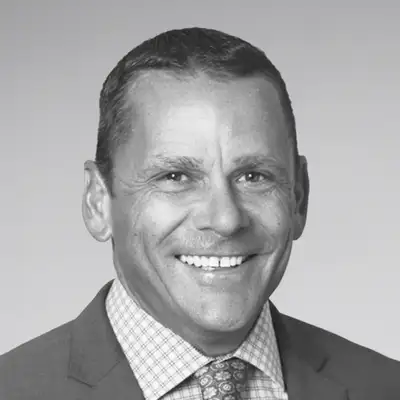
Alex Cavalieri:In our very first episode of the CAIS Conversations podcast, I am incredibly excited to welcome Marty Bicknell, CEO of Mariner Wealth Advisors, a $100,000,000,000 wealth management firm that has a national footprint. In this conversation, we talk about Marty's entrepreneurial journey, why culture is at the core of everything he does, and the impact of alternatives in wealth management. Let's dive into the conversation. The views and opinions expressed by the speakers here in are as as of the date recorded, and solely reflect the views and opinions of the speaker, and not necessarily the views of Case or the broader financial industry. This podcast does not constitute an offer or solicitation to buy, sell, or hold any securities, financial products, or services on behalf of Case, its affiliates, or any third party investment managers, their affiliates, or strategies.
Alex Cavalieri:This podcast is provided for information purposes only and is intended for an audience of investment professionals.
Alex Cavalieri:Welcome to the CAIS Live Conversations podcast. I'm your host, Alex Cavalieri, head of marketing here at CAIS, and we are joined by the legend Marty Bicknell, CEO of Mariner. Marty, thank you so much for for joining us today.
Marty Bicknell:Alex, thanks for having me. Happy to be here.
Alex Cavalieri:Very, very excited. So just just for everybody who's listening and, Marty, when this goes out the door, when this actually publishes, you will be our first episode published. Not our first one recorded, but you are our first ever published for the Case Live Conversations podcast. So this is, this is a big deal today.
Marty Bicknell:That's great. That's great.
Alex Cavalieri:Yeah. We're very excited. So there's a lot I wanna dive into, not only about Mariner and everything that you're doing, but I would love to just start off with your journey. I know that you have a very unique journey into this, this world. It's very entrepreneurial.
Alex Cavalieri:Your family has been very entrepreneurial as well. So let's let's kinda start from the the beginning and just dive into, you know, what made you get into this this business? What made you get into wealth management, and what was the journey there?
Marty Bicknell:Yeah. No. Happy to. So, it's interesting. When I was going to college, I, was a a a prelaw major, thought I was going to law school.
Marty Bicknell:And, early my freshman year, I got the opportunity to intern at a single practitioner, Edward d Jones office, and did that my entire college career. Fell in love with the business, knew that's exactly what I wanted to do. So I did not go to law school. I'm from a small town in Southeast Kansas called Pittsburgh, Kansas. And so I moved to the big city, which was Kansas City, which say that jokingly, we all we all know it's not, but to me, it was.
Alex Cavalieri:Big city of the Midwest.
Marty Bicknell:The big city of the Midwest. Yeah. Got the opportunity to go to work for AG Edwards, spent 16 years of my career there. And and what's what's interesting, and I I I have said this a few times, but I didn't even know what an RAA was. And, you know, once once I discovered it and, you know, understood the fiduciary model, I knew that is exactly what was right for my clients and for my team.
Marty Bicknell:So in in May of 2006, we left to start Marriott Wealth Advisors. Had, there was 8 total of us, so 7 other people, and we managed about 300,000,000, under management at the time. And we we had a very simple objective. I mean, if you think about coming from the broker dealer world into an RIA, you know, our objective was just to build a firm we could be proud of, you know, doing things for the client. And and that was it.
Marty Bicknell:I mean, it was as simple as that at the time. And, you know, the the opportunities, you know, that have come since then, you know, have been well beyond my wildest dreams.
Alex Cavalieri:And when you think about starting the business, the entrepreneurial entrepreneurial jump with 8 peep 8 people, what was that feeling? And has that something that's been built in your DNA from from the get go kinda going back, or was that a new feeling for you in terms of starting the firm from scratch in in in, you know, day 1 turning the lights on?
Marty Bicknell:Yeah. I mean, you alluded to it before. So I came I come from, an entrepreneurial family. My dad has has founded close to a dozen businesses. It was the largest pizza franchisee in the world, 3rd largest trash bag manufacturer in the world.
Marty Bicknell:And along the way, even in AG Edwards, you know, I would dabble in things, and and was very in in involved in in all of his companies. So it wasn't that far of a stretch to think that someday that I would end up starting my own firm, but at the same time, it's different. It's new. And, you know, working for a large organization that, you know, had 13,000 employees in in AG Edwards and leaving that safety net, I mean, it it was it was something that that we thought long and hard about, but ultimately, ultimately knew it was the right thing for us to do.
Alex Cavalieri:In the early days of Mariner, in in kind of thinking about the the value prop of what you wanted to build, what were some of the the key moments, call it from 2006, obviously, you know, o eight, o nine. There was probably some some interesting stories that that happened around there. But just generally, those early years of building Mariner, what was the kind of the the the thing that kept you going as you built and continued to kind of chip away getting bigger and bigger and bigger and more efficient in in a in a, you know, a more skilled team? What were some of the learnings and and catalyst moments that you had along those early years that you're like, okay. This is gonna become something big in the future.
Marty Bicknell:Yeah. So, I mean, from the very beginning, we've always had, you know, kind of a a a very simple battle cry, if you will. And if you, you know, if you come to our headquarters and get off the elevator and look to the left, there's this huge wall that says client first, associate second, shareholder last.
Alex Cavalieri:Love that.
Marty Bicknell:And that that perspective was there from day 1 and and and, you know, resonates through the entire organization today. And so, you know, driving philosophy of, you know, thinking about the client experience, client outcomes, and the value prop. And then as you said, 2,008, 2009 happened. And, you know, had I known that was right around the corner from the founding of the organization, I don't know that I would have the nerve to start when I did. Had that been the case, I would have missed the opportunity of my lifetime.
Marty Bicknell:What what happened during that time period was, you know, as you all remember, that large financial institutions were making decisions to simply stay alive, and high quality people weren't necessarily, you know, happy or okay with those decisions. So we were able to attract talent that are from our age and size wouldn't have been able to in in in a, you know, in a normal environment. So from an employee count perspective and a talent perspective, we ballooned really, really quickly. And, you know, taking the entrepreneurial risk, some of these individuals, I didn't even know what I was gonna do with them. I just knew that I'm never gonna get a chance to get talent like this in a normal period, so just do it.
Marty Bicknell:And and that really did kind of catapult us forward.
Alex Cavalieri:So taking a bet on on folks because of the skill set or because of who they are as individuals, not knowing necessarily where you're gonna slot them. I think that's something that you don't hear a lot even now. Right? People are like, okay. I have a role.
Alex Cavalieri:I have a rec. I'm gonna fill the rec. I'm gonna hire that person. This is what they're gonna do. What was the the philosophy around that in terms of, like, the thinking of, like, okay.
Alex Cavalieri:Very skilled or very knowledgeable or or whatever the case may be that dictated how you're gonna to to build the team?
Marty Bicknell:Just really thinking of it from the the growth mindset and and from, you know, the the being opportunistic. And, you know, the the one thing that we talk a lot about is just start it, then then evaluate and then adjust, and and and and and then reevaluate and readjust and just it's a never ending thing, But if you but you just have to start it first. And so, you know, if you spend however long, you know, on the plan, you the plan's never going to be a 100% right. So just start and and figure it out along the way, and that was the philosophy.
Alex Cavalieri:That's amazing. And so getting past the o eight, o nine years, and obviously over the you know, now we'd be at, almost 2 decades, starting in 06. What was the the the road map or the path since then from kind of the 2010 world or year going to today? Talk about the the the Mariner growth, the evolution. You know, obviously, there's been a a a ton of growth, but there's also been, I think, a ton of business innovation from the firm that the industry has seen overall.
Alex Cavalieri:So so talk a little bit about that.
Marty Bicknell:Yeah. I think, you know, really thinking about it from that that client first perspective that I already mentioned, and then the our the purpose, Mariner's purpose, is to positively impact the lives of many. So we think, you know, client, our associates, and the communities we serve. And, you know, again, having that perspective and then saying, you know what? If we're truly gonna put the client first, the best way to do that is through the adviser.
Marty Bicknell:So taking a step back and saying, let's be adviser centric. Let's surround them with tools and resources that elevate their value pop in the in the client experience. And so we, you know, we brought things in, you know, like tax, trust company. We own our own insurance general agency. We have a boutique investment bank for close to held business owners, you know, 75 person investment team, practice management resources, training and development.
Marty Bicknell:All of these things, we brought to the organization, you know, to surround our advisers and be our advisers' advisers, you know, to elevate that client experience.
Alex Cavalieri:All the resources and tools that the advisors have at their disposal as a as a part of the organization, how do you think that just generally adds to the end client experience in terms of the the end investor and how they interact with their adviser? How does that tweak how the adviser operates based on what they have at their disposal?
Marty Bicknell:So I I feel like one of the most overused words in our industry is holistic advice. You can't see a brochure, you can't see a website, you can't it's just holistic advice. And, you know, the the way even though it's overused, it is important, and to me, the difference of holistic advice is the service and the talent have to be internal. And so, you know, when I was operating in a in in a warehouse at AG Edwards, we would position ourselves as the quarterback, and we'd have, you know, an estate planning attorney over here, CPAs over here, and coordinating all of that. What what's different about it being internal is everyone's client is the same client.
Marty Bicknell:Everyone's deadline is the same deadline. The cultures are the same. Everyone's working towards the same end objective, and it really brings it together cohesively.
Alex Cavalieri:As the firm's grown, maintaining that with the adviser to keep that cohesiveness as basically the number of team members have grown, what have what has been I think one of the things that a lot of, you know, firms either struggle with, you think about, like, acquis mergers and acquisition, they're acquiring a new firm or they're growing rapidly and say a firm's, you know, an RIA has ballooned to from, call it, 10 to 50 people over the course of the past year or whatever it is, what's been the magic for you to maintain a lot of that cohesiveness both in how the advisers operate, but also I think one of the things I've always just admired about Mariner and and you is the brand and how the brand has maintained consistency from, you know, everything you see in the world to how just different people talk about the firm. That's been pretty pretty, amazing to just just see overall.
Marty Bicknell:One of the things that I say all the time, every time I get to address our organization is that culture is top down, but policing it is bottom up, and that it's our it's everyone in the organization's responsibility to call something out. If it doesn't fit the culture of the organization and it isn't client first, it isn't positively impacting the lives of many, if it's not pointing to those, everyone has a responsibility to raise their hand. And, you know, if if if they're not comfortable going to their supervisor or if it is their supervisor, like, come to me. I'd go like, it it it's the only way in, you know, an organization now with a 120 plus locations that that can be managed is to ask for it to be everyone's responsibility.
Alex Cavalieri:Was there a moment or or kind of something you implemented across the form tactically in addition to those philosophies that help maintain that overall?
Marty Bicknell:I mean, I think it's just the knowledge and the repetition, of saying that and asking for that, you know, response from others. But it's also making sure that people understand what the expectation is, what the expectation for, you know, the client experience. And, you know, one of the things that that I like to say is, I mean, we have a playbook, but I don't believe there's one right way to do this business. And so our playbook is a guide that lets the individual, you know, the individuality of the advisor and and how they think about it come through as well. So, you know, if it's an investment centric adviser versus a tax centric adviser versus an estate planning centric adviser, all of those things need to shine through, but then rely on the tools and resources that are around them to round out the whole experience.
Alex Cavalieri:When you think about the holistic advice and kinda thinking about the investment services or tax services or insurance services or whatever it is, is was the intent to make sure that you can do all that internally versus kind of being the quarterback and pointing to external things? Or, like, what was the the main goal around building out that holistic service internally within the firm?
Marty Bicknell:As much that we can control of of the experience and the services offered and those components of it, we want to. I mean, there are obviously, you know, components of the business that we can't. Like, we'll never be a bank, so we can't bring, you know, those services to our clients. We do need to partner for that. But as much as we can, we want to.
Alex Cavalieri:Obviously, over the course of the past kind of 2 to 3 years, there's been a lot of launches. You know, I know in our partnership that you've been a huge adopter of alternatives. What
Marty Bicknell:are some
Alex Cavalieri:of the these these kinda these things that you've implemented over the course of the past few years that have changed the trajectory of the firm or just how you're thinking about innovation within the firm? What are some ways that that you've done that and continue to to innovate within the the context of a now a a large organization?
Marty Bicknell:There are a lot of things that I think we've done that I would classify as innovation. And when you think about innovate, to me, most people immediately go to, you know, technology. Innovation has to be through technology. If if that's the criteria, we have not innovated anything. And, you know, the I one of the very first things we did that that was unique at the time, not so anymore, is the belief of separation of business development from advice.
Marty Bicknell:So we want our advice givers spending as much time with clients as possible. And, you know, there are studies out there that say the average advisor across across, you know, all channels, so wires, banks, trust companies, and RIAs, spend roughly 50% of their time on client facing activities. Ours is at 75, and we want it to be 80 to 85. And, you know, business development is one of the largest, you know, components of that time. And so by separating it and have dedicated business development professionals that have no post sale client responsibility, you know, we allowed that time back to the adviser.
Marty Bicknell:So if you think, you know, think about sales, the the the heaviest lift of it is filling the funnel. So if we could fill the funnel for them, you know, we're eliminating that need for time. I think one one of the other components of it just, again, focusing on advisors and efficiency is, just investments in general, in in training and developing and educating advisors to embrace outsourcing. And and when I say outsourcing, it's internal, but to them, it's kind of, you know, letting go of a little bit, you know, by utilizing the internal team, in instead of spending, you know, their time and attention, you know, doing the research, meeting with managers, doing all of those things. So I it's long winded, but all of the things not all of the things, but a majority of the things we focus on is about advisor efficiency and giving them time.
Alex Cavalieri:We've seen a lot of that core partnership with with us and you in terms of case in in Mariner and how we've we've built on not only the the the education front, but also, you know, the the research front as well, whether it's on the manager side or, you know, the the the fun side or the structured note side. When it comes to education and it comes to adviser adoption and also end client adoption, When an advisor is thinking about those those those end client conversations, are a lot of those end client conversations that they're having rooted in kind of the foundational or are they more rooted in where we're at within the context of the market? Are they more rooted in the the client's goals? How does kind of the Mariner philosophy approach that when new clients are coming on board?
Marty Bicknell:It's more of the foundational approach and and and what the goals and objectives are. So, you know, I'm trying to make it trying to make it a about the plan and about the strategy in high level, and with that comes the ability to think longer term. The deeper you get into, you know, individual holdings or what have you, the the the more short term you make the conversation. And, you know, I don't we don't want our clients or our advisers thinking, you know, short term. We want it to be a long term perspective.
Alex Cavalieri:And when it comes to that that long term perspective and and kind of the the the way the all the advisers get educated, you know, what are some things that Mariner has and you have all implemented in terms of how the adviser can get better educated? Because you mentioned a lot of that's coming from, you know, the the house view and you can kind of the the inside to to to give the adviser the tools. You know, what are some ways that you've deployed and then what are some ways that advisers who maybe listen to this podcast should be thinking about getting educated, whether it's building their practice or thinking about portfolio construction or, you know, just generally how how they can get better about building their own practice or their own business?
Marty Bicknell:I mean, education is a process, and I really feel like you need to meet the adviser and client kind of, you know, where they are for lack of a better way to describe it. So, you know, trying to figure out what the preferred method is and then and then, you know, offering multiple opportunities. So, you know, we've deployed online self serve education modules, you know, webinars, obviously, decks and white papers. We do lunch and learns. And so just really, it it's it's a process that that takes commitment, and it can't to me, it just can't be one way.
Marty Bicknell:There has to be multiple ways, for it to be absorbed.
Alex Cavalieri:That multiple touch point element, I think, is huge. And I think, you know, we you know, you you were just at Case Summit. That was a big one. We're doing both live and and digital multiple touchpoints to educate the adviser community and whether we're partnering with you or or, you know, an independent, RIA. When you when you know, transitioning a little bit to to the to the alt side of things, you know, obviously, you've been an amazing partner of cases.
Alex Cavalieri:There's been a a a big alt element to to mariner. Talk a little bit about that in context of the business, in context of Mariner, the advisers, how you think about that as a as a part of the the advisers practice, as a part of the the advisers, you know, business overall.
Marty Bicknell:Alternatives are a important component of the toolset, the tools and resources, and and making sure that there is access. I think it differentiates them as an adviser. I think it differentiates us as a firm, and it kinda you know, it empowers the adviser and then, therefore, the client to do things in a more structured, more risk averse, more whatever they're trying to accomplish way. To me, it's all about the access. I mean, if you think about the registered investment advisers' access to alternatives a decade ago or maybe more compared to now, I mean, it's level set with Mhmm.
Marty Bicknell:All channels now. And to a certain degree, I could argue that ROEs actually have better access.
Alex Cavalieri:Yeah. I totally agree. And I think that it's in our world, it's, you know, as you know, it's it's access, it's technology, it's kind of everything mixed in between that is allowed for that that better access and management of alts. And as you're thinking about that adviser playbook and the Mariner playbook, the the components of portfolio construction, the components of building your business, and obviously separating out the biz dev and the advice, which I think is an incredible concept, How do you ensure that or if if an advisor was growing their business, how do you ensure that those things are playing together in a way that, you know, when that either pass off happens or what as the firm are growing, as a team is growing, that it's a it's kind of a clean relationship, and it's making sure that, like, the client experience maintains the level it has as you've grown.
Marty Bicknell:It's a great question, and and the playbook component's really important. But it's also, like, the multiple touch points, lead to that. So you you have the business development professional. You have the adviser. You have the tax professional, the the trust officer.
Marty Bicknell:You have, you know, the the the insurance specialist. You have all these different client touch points that, again, it's going back to the responsibility of the organization is to police our culture. So what are you seeing? Are you seeing are you seeing what we expect from the client experience and the client outcome? And without those multiple test points, it's almost impossible to do.
Alex Cavalieri:Going back to almost the the first part of the the conversation, how much do you think you're the the one thing I'm I think I take away from this is just continuing to reiterate, like, how important just every touch point with the end client is. How much do you think your kinda past, I would say life's call it pre 06, your your your background, your your, your family has has really helped shape that in terms of maintaining that client experience and then also just like your philosophy to approaching it with that client experience lens? How much of that is rooted in your Mariner experience of building that business comparatively to kind of everything else that's happened in your life overall?
Marty Bicknell:Yeah. There was probably a foundational component to it before Mariner was started, but I definitely think that it evolved. And the more I learn and the the more I experience, you know, the more that I can help the organization involved in changing get better. But it's very much still a student, in very in in in think we should always think that way, and what what can we learn and how can we improve on a daily basis?
Alex Cavalieri:And what are some of those ways that you do that? You know, I think a lot of the time, you know, someone of of your schedule, uh-huh, that that I'm sure can be fairly fairly hard to fit in any, you know, ongoing learnings. Is it more learnings within the day to day? Do you take specific time out outside of it to read or listen or whatever the case may be? What does that what does that model look like in terms of your mental framework to building that that learning mindset?
Marty Bicknell:So I'll give you a couple couple different components to this. So the first one is it does happen throughout the day and I think it's a conscious state of mind to look for it. And so, you know, in in any kind of interaction, you know, it's like what's what's one thing I can take from this, and and and maybe utilize. But I think the other answer is, and this is I started doing this early on during COVID, but still do it today. So I block out an hour in the morning, every morning, doesn't matter if it's a weekend or not, and and I read.
Marty Bicknell:And I do it I do it first thing because if I wait till the end of the day, I won't do it. So it's just the
Alex Cavalieri:same way, like, the morning is, like, a core time for me where if I, it's just, like, such a clear mental block.
Marty Bicknell:Yeah. Yeah. And so I just got, you know, you can see it, but I I know this is audio only, but just a stack of books behind me, and I'm just constantly trying to, you know, to to gain a perspective. And, you know, another thing that that's become a habit of mine is when I find a book that I like, I'll then go read everything that author did. And then if they make reference to other people, you know, just just keep making a a rabbit hole down, you know, that that topic.
Alex Cavalieri:Do you do you structure it around kind of business oriented readings or content, or do you balance that with getting inspiration from I don't know. Some people, like, I was talking to someone who gets inspiration from mystery novels about how to actually think about client conversations, and and it's kind of a cool concept. How do you how do you set that up?
Marty Bicknell:So it's mostly business related. You know, there's there'll be some, you know, peak performance stuff. There'll be some, you know, mental toughness stuff. You know, I just finished a book called Outlive by Peter Attia. You know, that's just about longevity.
Marty Bicknell:I mean, so it it's it is all over the place, but I would say 2 thirds of it or or maybe more is gonna be business focused.
Alex Cavalieri:And is there a way you bring that back to leading the firm, where you're having getting that inspiration? So if you think about whether it's inspiration through the books or the reading that you're doing in the morning or, you know, you're looking at other industries or or other industry leaders at, at the the the, you know, the the top of the the caliber, you know, like yourself. Do you how do you bring those back into the firm in terms of that DNA? You know, when you walk into Mariner, you see the things on the wall and you kind of you kind of break that down into bringing new fresh learnings with the foundational.
Marty Bicknell:Yeah. So there's an author by the name of Ryan Holiday that that has,
Alex Cavalieri:He's great.
Marty Bicknell:Written a bunch of books. Yeah. Ryan Holiday's great. So if you'd you you've heard of his, commonplace book. So I just have a journal that is my commonplace book.
Marty Bicknell:So when I'm reading something and it captures my interest, you know, I'll journal about it at the moment and just, you know, refresh myself on those things, on a consistent basis.
Alex Cavalieri:Awesome. That's amazing. So using that and, you know, closing out the the podcast here, next phase for Mariner. You've built it to a $100,000,000,000 plus assets under management firm, great relationships, great brand. It just seems to be firing on every single cylinder you can possibly fire on.
Alex Cavalieri:What's next for the firm? What's next for for, you know, the the thought on how you're gonna take it going forward?
Marty Bicknell:Yeah. So we serve, 1800 advisors today. We want that number to be 5,000. And if you think about the registered investment adviser space, people always say Mariner is big. When you look at Merrill, UBS, Wells Fargo, 12, 15, 17,000 advisors, you know, at 1800, we're not big.
Marty Bicknell:And I believe there's gonna be at least a handful of RIAs that can go, you know, head to head with the wirehouses from an adviser account perspective. And I'm so passionate about how our advisers do what they do. I want one of those to be us. So we have a goal to get to 5,000 advisers by the end of 2027.
Alex Cavalieri:Amazing. Amazing. Alright. So last thing here, you know, I know you mentioned the reading, but we also like to hit you with a a little bit of, additional outside of that. So what's one thing you're watching right now that you'd recommend to to anybody listening?
Marty Bicknell:So I'm gonna take a little bit of of liberty with with this because there's a book, called Arete by Brian Johnson, and I've read it and have done the the audio version. And the if I could only recommend one book, it would be Arete by Brian Johnson. I mean, it is it's about expressing the best version of yourself
Alex Cavalieri:Mhmm.
Marty Bicknell:You know, in all the categories of your life. It's phenomenal.
Alex Cavalieri:Awesome. Alright. Well, Marty, we appreciate it so much for coming on the podcast. We know you're a busy man, so we, we appreciate you, you sitting down with us. We appreciate the partnership, and we just look forward to to continue to building.
Marty Bicknell:Great, Alex. I do appreciate you having me.
Alex Cavalieri:Thank you for joining the CAIS Live Conversations podcast, Building With Alts. To catch all the latest content, subscribe today and follow CAIS on LinkedIn, YouTube, or anywhere you listen to your podcast. This audio represents CAIS's intellectual property. No part of this presentation may be published, reproduced, transmitted, or broadcast in any media or any form without the express permission of CAIS. The podcast does not constitute an offer or a solicitation of an offer to buy or sell fund interest with securities and or any other financial instruments or products or constitute a solicitation on behalf of CAIS and its affiliates or any third party investment managers, their affiliates, their products, or their strategy.
Alex Cavalieri:Any such offer or solicitation may only be made pursuant to the delivery of formal offer documents. CAIS has no obligation to provide updates or changes. CAIS makes no representation or warranties with respect to the information contained herein, and this podcast should not be relied on as the basis for investment decisions or for any other purpose whatsoever.