Subscribe
Share
Share
Embed
Real Talk: Men, Divorce & Rebuilding is a podcast for men navigating life after separation, heartbreak, and major life transitions. Through honest conversations and real stories, we explore divorce, co-parenting, rebuilding confidence, finding love again, and growing into better fathers, brothers, and husbands. This is a space where men are heard, supported, and reminded they’re not alone. Whether you’re newly divorced, years removed, or still healing, this show exists to help you move forward with clarity, strength, and purpose. Your life did not end when your marriage ended. Now it's time to do the work so your "next" doesn't deal with the same things as your "ex."
00:00:00:00 - 00:00:19:23
00:00:20:07 - 00:00:50:17
Unknown
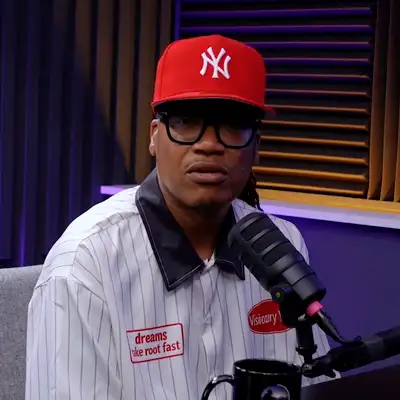
Welcome back to Real Talk, the place where we have honest conversations about healing, growth, faith, relationships, and rebuilding after life's toughest season. I am your host, Lawrence Flowers, and today we have a powerful conversation ahead, one that goes far beyond the legal process of divorce and dives into something deeper healing. The man behind the divorce, I would guess, challenge us to look beneath our pain and ask the difficult questions.
00:00:50:17 - 00:01:18:07
Unknown
Where did this hurt begin? Because so often the wounds carry as adults are connected with the growing pains of childhood and the emotional disconnections, we never learn to heal. Today we'll explore why our feelings are not always fact, how anger is often the language of unresolved hurt, and why true healing begins when we're willing to confront ourselves instead of avoiding the pain.
00:01:18:08 - 00:01:24:10
Unknown
We'll also discuss what means to break free from what Detroit like to call
00:01:24:14 - 00:01:26:06
Unknown
the Stockholm syndrome.
00:01:26:08 - 00:01:31:22
Unknown
That place where comfort becomes a prison and growth feels too uncomfortable to pursue.
00:01:32:04 - 00:02:11:16
Unknown
We'll talk about why healing requires accountability, honest self-reflection, and courage to start adapting to what feels familiar when it is no longer serving us. If you've ever struggled with, let go of enough to pass one. Why certain unhealthy habits keep repeating and found yourself caught between who you've been and who God is calling you to become. This conversation is for you whether you're going through divorce, recovering from one, or simply try to become a healthier man emotionally, mentally, and spiritually, I believe today's conversation will challenge and encourage you.
00:02:11:16 - 00:02:26:11
Unknown
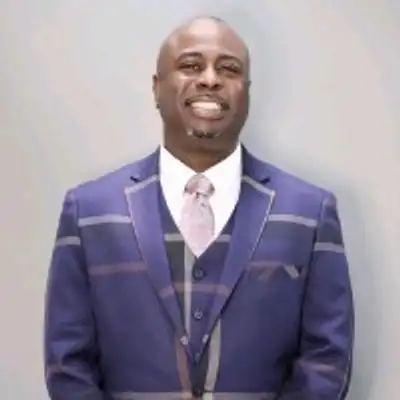
Please help me welcome today's guest, mental health professional and so on who has personally walked through divorce and healing Dietrich Erhard. Come on man, welcome to Real Talk. Thank you, thank you, thank you I appreciate that. Thank
00:02:26:13 - 00:02:36:11
Unknown
Tell us a little bit about yourself. So I am a native from Virginia 757 to be honest Tidewater area little.
00:02:36:11 - 00:03:01:18
Unknown
I've been in North Carolina for probably a little over 20 some years. I've been in the field of mental health for over 26 years. A little, just an individual that loves God and love serving. Okay, cool. Thank you once again for coming to the show. Tell us a little bit more about the man behind this. Why did you start mental health Profession?
00:03:01:20 - 00:03:26:22
Unknown
So if I can go back a little bit, back in 2002, when I graduated from college, I moved to North Carolina. When I moved to North Carolina, I was in the field of criminal justice. So I started off in that field as a detention officer, to be honest, for Wake County in Durham County. From that standpoint, I found a niche.
00:03:26:23 - 00:03:31:06
Unknown
I should say I found my niche earlier. It was more of helping people
00:03:31:06 - 00:03:47:18
Unknown
in that position that I was in. I was enforcing, and I was not doing enough helping. So when I was geared towards the position of mental health as a community based worker, I thrived in it. It felt like it was the right thing, and I've been there ever since.
00:03:48:00 - 00:04:05:21
Unknown
Awesome. So I guess you would call it a calling because you are good at what you do. I've seen it. I've seen it. Real hands. So appreciate you man, and also the work you do for mental health. So let's dive a little bit into what was life like before you and your wife decided to split?
00:04:05:21 - 00:04:24:01
Unknown
life was good. I went before I moved here, I should say I lost my mother at an early time before that, so I wouldn't go too far. But life was good. I had both of my parents in the home for the military. My mom would stay at home. Mom, life was great.
00:04:24:02 - 00:04:46:15
Unknown
I mean, I had a wonderful life. I can't say I have a perfect I had a perfect village. I had a perfect family support system. I didn't foresee any struggles in reference to just not knowing life. I guess I was a little bit blinded to in a little bit guard. I wouldn't say guarded. I was more so of.
00:04:46:17 - 00:05:11:07
Unknown
I think my parents probably shadowed me from a lot of things. Yeah. And I understand, like sometimes your parents, we try to protect our kids from everything, you know, because I'm very protective of my girls, like, I those those are. My heart's right there. So I definitely understand that piece of the puzzle. So diving into the marriage and then divorce situation.
00:05:11:07 - 00:05:38:12
Unknown
So was there a point in time where you were like, okay, this marriage is about to end? Was it a surprise? What was that process like for you? So for the state, I didn't have a bad marriage. I didn't have a bad marriage, I do. I know it sounds like I didn't even have a bad divorce. Me and my ex-wife are still friends to this day, so my perception of my experience in being married, it was wonderful.
00:05:38:12 - 00:06:05:10
Unknown
I looked at me. So most of the nine times out of ten people don't evaluate themselves. They always have a point of pointing the other person out. I can talk about my faults as being a husband. What I didn't learn is how to be the protector, the priest, and the prophet in the marriage. Or I have pretty much the provider pack down, but not as much because of my dad.
00:06:05:10 - 00:06:19:16
Unknown
But I need to learn more of that. So mine's was a the lack of knowledge of being in that position as a husband.
00:06:19:18 - 00:06:43:10
Unknown
My friend, my ex-wife and I. That's my friend. She was great. She was there was things that I needed to do, and she probably said that she probably needed to do something to, but it wasn't wasn't a bad thing. But when the Indian part came of it, even after that, we months ago still became friends. We still was there.
00:06:43:15 - 00:07:10:00
Unknown
So, you know, we're two different people. So I think the lack of of and I know people say, well, y'all got married young and stuff of that nature and that may be true. It might be a fact, the maturity growth. So but I just didn't have a bad marriage, okay. It's a growth opportunity and experience for both of us to grow in life, to be the people that we are today.
00:07:10:02 - 00:07:34:03
Unknown
Thank you for that insight, because a lot of times, sometimes people when the marriage does end, they're like, oh, I had a horrible marriage. But I'm glad to hear a situation where it didn't necessarily work out, but it wasn't necessarily bad. And also, one thing that I love that you said is you guys are best friends. Even worse, because sometimes we see where once the marriage end, you know, there are this all of a sudden there's a perception that their enemies all of a sudden.
00:07:34:03 - 00:07:52:16
Unknown
But I'm glad that you guys found a way over time to even after the marriage ended, you guys be able to become friends. But I think also to our foundation was built on friendship in the beginning. And so we may not know who we were, but our foundation was always built on friendship
00:07:52:18 - 00:07:55:16
Unknown
before we even got married. So.
00:07:55:17 - 00:08:18:20
Unknown
And then it takes you have to recognize, like a lot of, I would say meant we are disconnected from what reality looks like. Like I said, in the hurt situation you're vulnerable, but also hurt always ends up in anger. So when hurt ends up in anger, you look at the other spouse like where you did this to me, you did that to me.
00:08:18:20 - 00:08:41:22
Unknown
And it's never that accountability of looking at yourself and saying, hey, what did I do wrong? Okay, self-reflection. That's good stuff right there. Because it's true. A lot of times, oftentimes people focus on the other person versus what did I do to contribute to because I don't think is ever truly 100% either side is what did I do?
00:08:41:22 - 00:09:04:18
Unknown
Because guess what? You could only fix you. So if you're constantly focusing on what they did, you could never do the self-reflection to become a better you in the end. And that's one of the things that we've talked about through multiple episodes of this podcast is, okay, how can I heal to become a better me? And that comes with not focusing on what they did or didn't do, is that how can I learn from that experience, from that marriage?
00:09:04:20 - 00:09:27:14
Unknown
Because whether good or bad, that marriage was an experience, and you can learn from that marriage, and it doesn't necessarily have to be for your next marriage, because some people choose not to get married again, but just dealing with relationships with the whole. Because, yes, marriage is the most intimate relationship, but you have other relationships that you're going to have to deal with in life where you're going to have conflicts because conflict resolution is part of life.
00:09:27:14 - 00:09:31:00
Unknown
So it can be a lesson that was learned through that marriage.
00:09:31:00 - 00:09:38:03
Unknown
So looking back, what do you wish you would have understood before the process began?
00:09:38:05 - 00:09:45:05
Unknown
understanding the love language. Her love language more, more, more than anything.
00:09:45:06 - 00:10:08:18
Unknown
And that's, to me, was the most powerful thing. I grew up in a family. My dad, like I said, my dad was military. He gave my mother flowers on birthdays, Christmas and stuff like that. And what I acknowledge it in that fact. And he just knew what he knew, probably from his father. But a woman wants that connection.
00:10:08:19 - 00:10:28:20
Unknown
It special occasion. It don't have to be special occasion given. And understand that woman love language right then and there. Like she said, she's the queen. She's the prize. She used to have the flowers every day and you know, and supporting that. That was big for me. Okay. I guess sometimes it goes back to going back to love languages.
00:10:28:21 - 00:10:48:21
Unknown
You know, you're speaking Chinese and she's speaking Spanish. You know, you're thinking that you're loving her the way that she wants to be loved. But it's important that we take the time to learn what their love is. Because you may be saying, and I think pastor talks about this in his relationship boot camps. You may be speaking a different language than she is.
00:10:48:21 - 00:11:07:02
Unknown
Meaning you're saying I love you in your language, but that may not be her language. So that is so very true. That is important to understand what your wife or your husband's love language is, because you may be saying, I love you in your language, but they don't speak the same language. So I think that is very, very important.
00:11:07:02 - 00:11:10:16
Unknown
So as it relates to the mental health world.
00:11:10:22 - 00:11:26:06
Unknown
how is it important to answer the question, where did the hurt begin? Well, I think I don't think it's a fact. Sometimes we get into relationships and hurt. It's already present.
00:11:26:08 - 00:11:29:21
Unknown
sometimes we can't even the hurt because we don't know what it is.
00:11:29:21 - 00:11:42:00
Unknown
think that's a powerful statement in itself, that the fact that sometimes we can't the hurt. And that may be why, as adults, we deal with what we deal with because the the hurt was never identified.
00:11:42:01 - 00:11:45:07
Unknown
Therefore you can't you can't address what you haven't identified. Yeah. And
00:11:45:07 - 00:12:05:15
Unknown
You can't address anything. You have an identifier. So I think sometimes as adults we deal with these issues. As kids, we bring it into our adulthood and we don't address it. And then I sit back and think about the thing that men suffer with is we're talking to suck it up instead of addressing it.
00:12:05:17 - 00:12:29:18
Unknown
You know, if I'm hurt, I'm hurt, you know? But a lot of times as boys, we've been taught that that's a sign of weakness. So in that same vein, why do you feel that men are disconnected from their emotions? So I'll say for me, in my experience, before I got my man got married, I lost my mom. So my mom passed in my arms.
00:12:30:00 - 00:12:54:13
Unknown
And so when I moved to North Carolina after I graduated from college, I think I was seeking that motherly attention. And so the motherly attention became towards my wife at that time. So she was not only my wife, but she was also in that mother figure role of nurturing. And she was a nurturer. So I guess, and they felt right.
00:12:54:15 - 00:13:15:12
Unknown
So I think mine was grief. I passed a grief and going into it. And so I as our process, this grief can not just be from a parent, it can be from other situations that you lost something in. And a lot of people that that's where my disconnect. Let me just say that that's where my disconnect was more than anything.
00:13:15:15 - 00:13:27:07
Unknown
And and walking through that process of grief, I was always told, it gets better. No, I guess you learned how to cope with it more than anything and how to deal with it.
00:13:27:07 - 00:13:33:12
Unknown
cope with it all the times. Men, we are taught to just cope with a deal with it. You know, this is the way it is.
00:13:33:13 - 00:13:49:16
Unknown
No, sometimes I need to know how to cope with it. Sometimes we're not giving the tools to cope with it. Because if you think about athletics, if you're in pain. I sit back and think about my coach. I have some great I've had some great coaches when I was wrestling, when I would play football, so forth and so on.
00:13:49:18 - 00:14:19:11
Unknown
That's good on the football field, but it's not good dealing with grief. You know, grief is you have the five stages the depression, the acceptance, the bargaining, the, you know, anger. You have the five stages. But we're never taught how to deal with that. I sit back and think about the EQ book. A lot of us, we're not taught that, you know, we're taught, you know, mathematics and science, but we're not taught how to deal with our emotions.
00:14:19:11 - 00:14:56:23
Unknown
And the truth of the matter is, whether you know the quadratic equation or not, you're still going to deal with your emotions. What happened when you were young? What happened when you were going through the divorce? You know what happens if you're told no. You know those things we are not taught in school, and hence the reason why I think a lot of people, men and women, they are dealing with unresolved childhood issues brought into adulthood, and unfortunately, they're making bad decisions in adulthood, whether it be to in a divorce, in a marriage, in divorce, because they didn't get what they want or they're not happy, well, your spouse is not there to make you
00:14:56:23 - 00:15:13:12
Unknown
happy. They bring happiness in your life, but they're not there to make you happy. They're part of your happiness. But there's going to be times where they're just not going to make you happy. But guess what? They're human. You know, the Bible says that's impossible, that offices should occur. You're around your spouse around more than any other singular person.
00:15:13:12 - 00:15:33:00
Unknown
So guess what? They can probably offend you more than other people, but that's not a sign to give up. It's a sign to pray for your spouse. It's time for okay. What have I doing to contribute to their unhappiness? Or what am I doing? Because again, you're not control of their happiness, but you should not be walking around making them unhappy either.
00:15:33:00 - 00:15:52:13
Unknown
And unfortunately, sometimes because we're not happy inside, because we're not hold inside, we bleed on our spouse. And it goes back to the statement of bleeding on somebody who never hurt you. So I think that's why it's important. And I said, I thank you for your being a health professional, because I'm pretty sure you see a lot of those type things.
00:15:52:15 - 00:16:25:02
Unknown
A lot, a lot something that stood out to me when you said happiness. I look at and I actually teach this to in coaching, in sessions with kids and some of my friends to happiness to me, that moments joy laces. That's eternity. That's Bible. That's what God promised us. So when I look at happiness, I understand that there's moments because here's conflict resolution that's going to take his part to and take his place.
00:16:25:04 - 00:16:40:18
Unknown
If you and your body has a disagreement. So understanding that happiness is our moments to me kind of solidifies, but also understand the journey and the process of communication in a marriage
00:16:40:20 - 00:16:51:07
Unknown
if you lead with joy and knowing that that comes from God and you put him first, it works itself out in order.
00:16:51:08 - 00:17:11:22
Unknown
Oh, 100%. You know, the thing about joy versus happen is you can have joy in an unhappy situation because like I said, joy comes from God. Happiness happens from a situation, from a if things happen to line up, then you have happiness. But you can have joy. You can have joy in the most miserable situation. You have joy in prison, you can have joy.
00:17:11:22 - 00:17:32:00
Unknown
And that's when I say prison. I don't mean necessarily a physical prison, but you can have joy in rough situation. That's my whole point behind that, because joy has nothing to do with what's necessarily happening right now. I sit back and think about some millionaires who have unfortunately unlived, unaligned themselves, got all this money, and that shows that money can't buy happiness.
00:17:32:00 - 00:18:00:04
Unknown
But they didn't have joy because Joy was said, I'm a millionaire. I'm good. If I'm broke, I'm good. You know, you think about what was it, Paul, that says, I've learned to abound and I learned to be in life, you know, so. And unfortunately, some people feel that, they're constantly the pursuit of happiness. And unfortunately, that pursuit, if you're constantly pursuing happiness, you would never find joy, because there's always going to be one more thing.
00:18:00:07 - 00:18:23:16
Unknown
You know, it goes back to the analogy, well, there's wants to be millionaires. Millionaires want to be billionaires. Billionaires want to be famous. So there's constantly more to try to get. Whereas Joy says I'm content in whatever state that I'm in. So there's a statement that says that your feelings aren't facts from the mental health world. Define that for me.
00:18:23:17 - 00:18:30:07
Unknown
So and that's I guess we can key it to relationships to.
00:18:30:08 - 00:18:53:23
Unknown
Because that I'm upset with you or you did something. Let's just say you did something and not intentionally. And I still have this, this bold feeling of madness because I'm thinking you did it intentionally, right? And I'm thinking, and let me just put pretty much a situation with it. Let's just say this real cup, you knock it over.
00:18:54:01 - 00:19:13:22
Unknown
Spouse knock it over. Intended just walking by. But y'all had an argument that morning. So you're thinking that she knocked it over intentionally. Your feelings come into perspective of anger. You get that intentionally. She could not. It's not a fact. That's just how you feel.
00:19:14:00 - 00:19:53:04
Unknown
That's good right there. Because your perception could, you know, skew everything. Like I said, a simple, innocent act could be blown out of proportion because of your feelings versus the fact is, okay, she knocked it over. It was unintentional. But because something that happened earlier, you think that it was intentional and it was truly, truly an accident. Truly, truly an accident, you know, so as it relates to someone who's dealing with anger, dealing with these different emotions, at what point do you feel that they should start seeking professional counseling immediately?
00:19:53:06 - 00:20:16:23
Unknown
That can lead to a very dangerous lifestyle, not dealing with anger. I mean, you see it, it's daily on the news. It's daily in politics. It's daily people dealing with anger. A lot of people don't know how to deal with anger. So I said, see counseling immediately. A lot of people go to Christian counselors, specialists. This things.
00:20:16:23 - 00:20:37:20
Unknown
They go to Christian counsel. Well, it works sometimes. Sometimes it doesn't. But being more open minded to it. But the first thing is recognizing that you do have an issue. A lot of people are in what we consider a clinical term stage, which is a complete denial stage. That you really don't have you I don't have a problem.
00:20:37:20 - 00:20:57:06
Unknown
It's that other person problem. I don't have an issue. It's your issue. So it's a denial stage right there. But you have to recognize that you do have an issue. You do have anger and not in a contemplation stage, which means it's another clinical term we utilize is you recognize that you have something, you're not doing nothing with it.
00:20:57:07 - 00:21:13:21
Unknown
So you've identified the problem. You looked in the mirror and say, you know, I have two papers on the side of my face, but you refuse to wipe the two, get a towel to wipe the two paste off. So I think that's a very good thought, because there are a lot of men who know that. Oh, I know I'm an angry guy.
00:21:13:23 - 00:21:37:14
Unknown
Okay, so what are you going to do with it? You've identified it. That's good. That's real good. And then what is your thoughts on the stigma behind me? I know it's gotten better, but what's your thoughts at the mental health professional as it relates to men and the stigma behind seeking mental health? And so so I can put this to let's talk about African-American men.
00:21:37:16 - 00:22:03:22
Unknown
Right. There's still because we be able to go to the doctor now. So but there is a stigma still present. Not as much as it used to be, to come and seek counseling because we were raised as we can handle these problems in home. We have these problems ourselves. And then here's comes this big p word called pride.
00:22:04:00 - 00:22:29:00
Unknown
So we dealt with that because like I said, showing emotions at that time, it's a sign of weakness. It changes a lot of perspectives when it comes to us being a man. And so that's where the disconnect comes in at. And so understanding who you are and the problem and recognizing the problem is one of the strongest things you could do to be a man.
00:22:29:02 - 00:22:50:03
Unknown
Good stuff. You know, it is I think one of the CEOs of one of the Cubs I work, I can't remember which one it was, but they talked about how it is actually strength in saying that I need help. What? A lot of people see it as weakness. But no, that's a strength. Because guess what? If you're walking around broken, you're never going to get better if you if you don't get the help.
00:22:50:05 - 00:23:11:07
Unknown
Analogy pastor brings up is, time doesn't heal our wounds. If nothing else infects it, it makes it worse. And there's a lot of guys walking around with infections. And instead of getting better, they're getting worse. The medication is right there to help is right there. The prescription is right there. But they refuse to take the time to get the prescription to get better.
00:23:11:07 - 00:23:19:21
Unknown
And they're coping with, unfortunately, a unhealed heart on, you know, dealing with their emotions or not knowing how to deal with their emotions.
00:23:20:00 - 00:23:27:21
Unknown
so you talk about how you were dealing with healing from the death of your mom.
00:23:27:23 - 00:23:45:22
Unknown
Can you talk through your healing process or your healing journey to go from that young man that was still dealing with the loss of your mother to the man that you've become now? Oh, that's a journey right there, man. I'm a mumbles boy, so.
00:23:46:00 - 00:24:14:03
Unknown
Asking God to love on me was my key. And at that time, I didn't even recognize. I surrounded myself with a village of support. Really? Not even understanding grief. And one thing that I can honestly say now I listen to Regina King when her son committed suicide and she explained grief so perfectly,
00:24:14:04 - 00:24:22:15
Unknown
she said, that's love that's in place because it was meant for that person.
00:24:22:17 - 00:24:43:05
Unknown
And so you can try to figure out and put that love in another person, but it just it don't work. It wouldn't work because it was only meant for that person. And so that love that I had for my mom, it was me trying to put it somewhere else. It just didn't work at all. So my healing came through.
00:24:43:06 - 00:25:16:11
Unknown
Is allowing God to love on me, but also building my relationship with him. And I know that sounds so vague or the norm for someone to say, especially being a Christian, you know? But it worked. It literally worked for me. Just allow God to to love all over me again and create new things in me again. It still doesn't neglect or dismiss my feelings.
00:25:16:11 - 00:25:36:19
Unknown
That or my loss for my mom. Like I said, people always say, well, it gets better, it gets better. I don't believe in that. I believe that you learn how to cope with it through life, because I still have my days to this day. Mother days are hard. Some days I can wake up and not even think about mom and I have it, so you learn how to cope with it.
00:25:36:19 - 00:26:05:20
Unknown
But I also remember the love that she had for me and what she instilled in me, and what my parents instilled in me to be the man that I am today. That's powerful man. That is real good. So one thing that I heard you say was about faith and your faith in God, and I think so oftentimes people don't think about the importance of having that, you know, that being that is greater than you and God is the greatest being there is.
00:26:05:21 - 00:26:24:04
Unknown
So having that faith. So if someone is not a faith based person, look, let me tell you, it took God to get me through what I went through. And he he is. Well, it seems like your relationship with God was what brought you through those hardest times. So I would say trust in God. Let God help you through your healing journey.
00:26:24:05 - 00:26:44:06
Unknown
It is so very important that you find find your relationship with God. Find faith based brothers and sisters to help you through it. Because let me tell you, there's nothing like it. This world will give you a lot of headache, a lot of tomorrow, a lot of pain. But there's only God can heal you. He can heal that broken heart.
00:26:44:07 - 00:27:03:14
Unknown
He can help you through your process. Must continue to put your trust in God. So, also, let's talk about daily habits. Are there some daily habits that you've done to help build yourself through this process? Like whether it be prayer, whether it be Scripture, whether it be whatever? Is there any daily habits that you would talk about?
00:27:03:14 - 00:27:31:10
Unknown
So I have one thing me and my siblings live by. It's something my father instilled into us, never quit. And so it's how much I have known bad days and great days. So good days to it's always in me. Never quit. And he always said, the world don't owe you anything. Nobody's going to give you anything for free.
00:27:31:12 - 00:28:02:05
Unknown
You work hard. So my father was a very good provider, very stern father, militant. But I appreciate it now more than everything what he taught us. So I live by that daily. And how to better myself by never quitting. Amen. That's good stuff. Never quit. Never give up. So so now we're going to talk to some of the men that's going through this whole journey.
00:28:02:07 - 00:28:34:11
Unknown
What would you tell a man if he just said my wife had just asked for divorce? What should my next steps be as it relates to internal work? Everybody's situation is different. Prayer starts off the process. Pray. And then it sounds like simple, but it starts the process because how can you find the answer? If you go and try to find the answer yourself?
00:28:34:12 - 00:29:01:15
Unknown
Here's your feelings. There may not be facts. Here's your blaming the other spouse. Here's your also blaming yourself. It could be that too. Here's the other hurt that may come from other different areas in your life. So in order to gain more of a structure, in order to that purpose or to God's will, pray, seek his face and get your answer.
00:29:01:16 - 00:29:26:23
Unknown
That's good stuff. So from your experience, what do you think is some of the mistakes men make whenever they get that call or that letter or that text message? What are some mistakes you think men make? I don't think it's a mistake. I think it's life journey. I think it's a process. I think it's what we know and what we come secondary to, what we used to, what we would do and what we resolve to.
00:29:27:00 - 00:29:55:08
Unknown
Again, we start off with our feelings that may not be facts. So we lean towards what's comfortable. We lean towards what we as a man should think and we should do, or the opinions of others that may not be married, right, or have experienced that. So, you know, see, see professional council, see the right counsel, I should say that, see the right counsel when it comes to that good stuff.
00:29:55:08 - 00:30:17:10
Unknown
And even leaning into that, which I'm probably already sure. What you going to answer this answer to this question is what are some healthy systems? Once again the divorce is happening. What are some healthy systems and some some practical things we should do? I know I saw or heard you say prayer, okay, I heard counseling. Is there any other advice that you give a man that is going through that?
00:30:17:11 - 00:30:43:17
Unknown
So I prayed, I got counseling, anything else I'm gonna say? Someone say his name to I have a brother, a friend that tells me the truth. No matter how much it hurts, he doesn't stop. He. It's completely true. We both have that. It tells me it's that truth of if I'm doing something wrong, if it's me and I'm gonna say his name.
00:30:43:17 - 00:31:14:22
Unknown
His name is Aaron Farrell. But he tells the truth no matter how much it hurt. And we always have had that brother relationship. No matter what it is. We tell each other the truth. No matter how much it hurts. We tell each other the truth and that having that accountability person that really can speak into your spirit without passing judgment, but knowing who you are to and speaking the truth into you.
00:31:14:23 - 00:31:39:13
Unknown
A lot of we don't want to hear the truth. We don't want to set in reality. So that's what disconnect us because, you know, again, here's that p word pride. It comes up. But the most strongest thing you could do is setting your truth. Man. That is powerful. And one of the things that we have we talk about on this show that you definitely lean into is your circle matters.
00:31:39:13 - 00:31:53:11
Unknown
So as you stated, you have someone that's going to take any truth, even when you don't want to hear it. I think that's very important because sometimes we want yes men around us. And the problem with yes men, honestly, they think they're doing you good, but sometimes yes man is actually hurting you worse than the person that's going to tell you that.
00:31:53:13 - 00:32:13:03
Unknown
You know, it goes back to the book The Emperor's New Clothes. You know, you walking around naked and there's nobody there to tell you that you're walking around naked, you know? So I think that's very important, and I'm glad you brought that out. So speak to that man. That feels hopeless right now. Talk to him. I'm hopeless. I don't know what to do.
00:32:13:05 - 00:32:38:02
Unknown
I prayed, you know, I maybe even during counseling, I, you know, I feel like it's not working. Like, what would you tell me? And so you spoke in my mental health stuff when it comes to that way and not more of a spiritual. So because I'm like duty the woman and I'm like you doing, here's this man about to go into a suicide type of process because he's feeling hopeless, I can't think, I don't know what to do.
00:32:38:04 - 00:32:59:04
Unknown
I didn't pray, it seems like it's not working. The reason why it's not working. Because you want instant grits. Like it's not working that way. So it's like you want an instant gratification to fix the situation. And we don't recognize or don't want to go through the process because the unknown seems unfamiliar. You can't see it. It's scary fear.
00:32:59:06 - 00:33:21:07
Unknown
What am I going to do? So that's when those spirits of hopelessness comes in. It creeps in, and then it becomes strong. So the enemy attacks it so hard from your spiritual perspective. So when you're doing that, you literally have to pray. Prayer is going to work. It's just not in your process. It's not even your timing because you're vulnerable.
00:33:21:09 - 00:33:44:10
Unknown
So surrounding yourself with something that I love is called a growth group. So at our church, we have growth groups surrounding yourself with that circle of people that can empower you, that can speak into your life. And if you don't have, you have to learn how to develop that. That's why I'll tell anybody. If you do not have God, you are lost.
00:33:44:12 - 00:34:13:04
Unknown
If you don't have a relationship, you're lost. There's no way of putting it anymore or creeping around it or politically speaking, right about it. If you don't have a relationship with God, you're going to be lost. Yeah, I totally agree that faith because we really think about it. Hopefully this hopelessness is the the lack of faith, meaning I or matter of fact is faith in the wrong thing, meaning faith that it's not going to get better.
00:34:13:05 - 00:34:27:19
Unknown
Faith that is only going to get worse. Faith that this is the end. Faith that this is not the period, but the end of my story. You know, one of the things I like to talk about, and it's written in my book as well, is divorce. It is just a chapter in your book. It's not the end of your book.
00:34:27:19 - 00:34:45:19
Unknown
So sometimes people see it. It's the end. No, it's not the end. It's just a chapter. You know what? That hurt, that situation that hurts you. It was just a chapter. Just a chapter. So we run it down to the end. So we're going to do some rapid fire questions real quick. Okay. I want you to complete this sentence.
00:34:45:22 - 00:34:57:19
Unknown
Healing begins when you pray. Men need to stop believing.
00:34:57:21 - 00:35:13:10
Unknown
Reality okay. Therapy is great. Forgiveness is powerful. Strength is God. Real manhood looks like.
00:35:13:12 - 00:35:19:04
Unknown
Allowing God to lead you in purpose, in the will of God.
00:35:19:04 - 00:35:35:07
Unknown
Every divorced father should remember it's not about you. Oh, I love that. I love that one thing every man needs to hear today is God loves you. You can get through this.
00:35:35:09 - 00:35:36:08
Unknown
Okay. Awesome.
00:35:36:08 - 00:35:48:04
Unknown
so, Dietrich, there are thousands of men watching this conversation who may be silently struggling through their separation and divorce shame and simply trying to figure out who they are.
00:35:48:05 - 00:35:57:01
Unknown
Again, if you could look directly into the camera and speak to that one man who feels like giving up, what would you want him to hear today?
00:35:57:03 - 00:36:03:09
Unknown
My answer to that individual into that man is.
00:36:03:11 - 00:36:20:00
Unknown
Any words that I may be empowering may be motivational in that moment. Sometimes you may. It might land on deaf doors. The most honorable and powerful thing that I could actually come up with is, can I pray for you?
00:36:20:02 - 00:36:31:12
Unknown
man. That is an awesome, awesome answer, man. And let me tell you, prayer definitely does work. Prayer does change things. And when I say things, sometimes the prayer maybe just meant to change you.
00:36:31:14 - 00:36:55:00
Unknown
You know, a lot of times we want God to be a genie in a bottle, but it ain't how that works. Sometimes the prayer is just for you to have peace. Even in Philippians, so that the peace of God will guard your heart. A lot of times it didn't say, change your situation. It's a guard, your heart. You can have peace in that situation when you lean into prayer, when you lean into God.
00:36:55:01 - 00:37:17:19
Unknown
When you build that relationship with God. You know, oftentimes we allow what happened in the world to try to separate us from God. No. Use it to forge your relationship with God. You know what? This marriage didn't work. This friendship didn't work. Okay? But me and God, we're still working it out. Pastor, part of his healing process was start 6 a.m. prayer every Monday through Friday.
00:37:17:20 - 00:37:37:21
Unknown
Don't you think he's close to the guy now because he's taking the time to pray. So don't see it as a situation that, okay, my world is in it. God could use that situation to further build your relationship with him. He may be drawing you to himself through that situation. Don't give up. Divorce is not the end. It's just part of your story.
00:37:37:21 - 00:37:58:22
Unknown
And always remember that. Thank you for joining us on Real Talk. If today's conversation encourage you, please like, subscribe and share with someone who need to hear this episode. Remember, divorce may be part of your story, but it does not define your future. We'll see you next time on Real Talk.
00:37:58:22 - 00:38:23:22