Subscribe
Share
Share
Embed
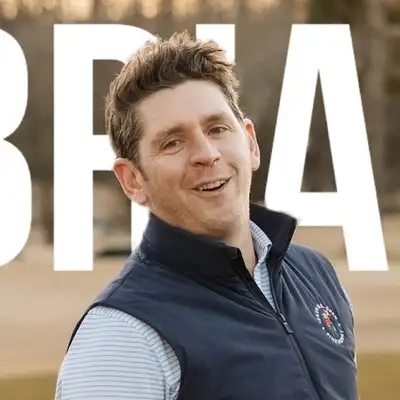
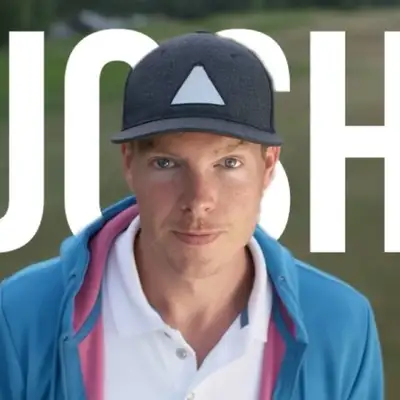
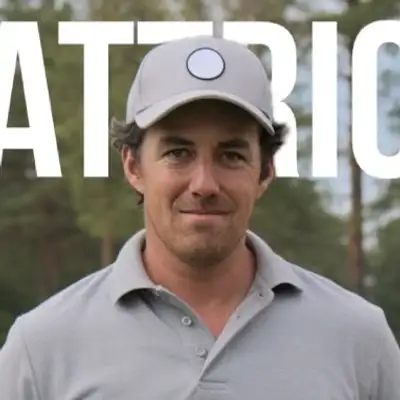
Golf Nuts is the golf worlds group chat; where golf culture, competition, and golf entertainment collide. Real takes, real debates, and zero corporate nonsense. We discuss the shots, the gear, the trends, and the moments every golfer knows / wants to know—whether you’re a scratch player or just here for the vibes. Where a perfect blend of real love for the game meets laid-back, entertaining YouTube golf vibes lives.
👍 Like what you hear? Hit that like button and let us know!
🔔 Don't miss out—subscribe for more episodes and stay in the loop!
📢 Share the love! Pass this episode along to your fellow golf enthusiasts.
💬 Got thoughts? Drop a comment and join the conversation!
🎁 Exciting news! We're unlocking giveaways at every milestone—stay tuned and be part of the fun!
Follow Golf Nuts Everywhere ⛳️
▶️ YouTube: https://youtube.com/@golfnutsofficial
📸 Instagram: https://www.instagram.com/golfnutsofficial
🐦 X (Twitter): https://x.com/golfnutsx
🌐 Official Site: https://golfnutsofficial.com
Alright, guys. Welcome. Welcome to episode three. We've got Patrick, Josh, and Brian. Today's topics, golf feels like it's splitting into a few different worlds right now.
Speaker 1:On one side, everything is optimized, speed, data, distance, outcomes. On the other, maybe some of the most enjoyable golf we've watched all year came from the Grant Thornton Invitational and other off season events. At the same time, we're looking at YouTube golf. It's pumping out scrambles, gimmicks, crossover events, and it feels like major every week. Tonight, we're asking a simple question.
Speaker 1:What actually makes golf fun to watch and play in 2025? What events did you play in? What formats do you love? Where did you find them? And an ongoing topic, golf and health, where today we talk about why younger golfers are not just finding the game, but sticking with it.
Speaker 2:Continuing on our theme from last episode, we are still heading towards 200 subscribers on YouTube. We will be giving away the Repsoto MLM one launch monitor. I can speak to this a little bit, I've been using it the last few weeks with a speed training program, the the Speed Toad, for those of you that are interested. More to come on that, on my progress and chasing speed. It's probably not gonna teach me how to not three putt, but good tool, especially here in the off season.
Speaker 2:Again, we will be giving this away to one of the first 200 YouTube subscribers, so get in while you got a good shot.
Speaker 3:So, if you want a chance to win, like, comment, subscribe, you got great odds right now.
Speaker 2:I like it because it's a great gateway drug into what I'm sure will be a simulator in my house one day. Josh has one, Brian has one, I've got the Rapsodo, in addition to the Trackman in my club, but this is the next step towards getting one in my own house. So, starting off the new to us segment this week, the Grant Thornton Invitational. Took place this past weekend, a three day tournament. Again, kinda scratching on that team format that, you know, we're we as the golf world, not the the small we, the big we, are, you know, trying to figure out if it's what we love or not.
Speaker 2:You've got LIV, team format, obviously. You have the later seasons. This is the later season entry into the team golf format on the PGA side, the Grant Thornton, and then earlier on in the season, I believe this year's champions of the Zurich were DeBroy and Lowry win it this year or was that last year?
Speaker 1:It was the year before 2025. It was 2024.
Speaker 2:Okay. They won it. But anyway, two man format. Grant Thornton being a little bit different because it is mixed. So Andrew Novak and Lauren Coughlin won this year with the tournament record 28 under par, again, over three days.
Speaker 1:That's interesting you bring that up because Novak was the one that won with Ben Griffin on the Zurich in '25.
Speaker 2:Interesting. Okay.
Speaker 1:So, Novak's just the king of what? To, you know, team events?
Speaker 2:Team golf.
Speaker 3:Now I think that this is a prequel to the Olympics, right? So this is kind of giving us that new format, the men's versus women. I think that the format was a little- Men
Speaker 1:versus women.
Speaker 3:Sorry, men and women playing together. Prequel to the Olympics, I think that the players all looked relaxed. They looked like they were enjoying themselves. They were having fun. I think that was one of the positives that come out of this.
Speaker 3:I think the format was a little confusing though. It just didn't really feel like it flowed to me from start to finish. But for the golfing world, it's a win when people come out and they look like they're having a good time. It felt relatable.
Speaker 2:And the format for the Olympics the Olympics is two days. Right?
Speaker 1:Two days.
Speaker 2:I'm going back three days.
Speaker 1:Grand Thorn is a three day event. 54 holes, much like Liv. And, yeah, you you've got your your playing partners, and it's a different format per day. It's you know, they recycle through the typical formats that you see except for match play because it it ends up being, know, you a specific stroke under par on this one.
Speaker 2:Yeah. I mean, they crushed they they've shot 57 in the scramble on Friday, followed up by a round of 68, an alt shot, and a 63. So, I mean, they were they were definitely cooking. Interesting thing about this tournament, particularly, again, it's late season, the purse wasn't massive. It was a $4,000,000 purse.
Speaker 2:I think the winner's share was a million. So, of them took home a $500,000 check. This actually was Lauren Coughlin's single largest payday of her of her career. That's half my notes. Yeah.
Speaker 2:And so Crazy. It wait. It gets better. So Andrew Novak and Lauren Coughlin, the champions of this year's this year's Grant Thornton. Twenty twenty four tour wins.
Speaker 2:Lauren Coughlin, anyone? Anyone?
Speaker 1:No. She won the Scottish Open and the Canadian Open.
Speaker 2:She won twice in '24.
Speaker 3:So, what was her biggest payday going into this?
Speaker 2:We're getting there. Andrew Novak, PGA Tour wins this year. Or, sorry, in '24 in '24.
Speaker 1:The Zurich and
Speaker 2:In '24, he won zero.
Speaker 1:Second one.
Speaker 2:Oh, he did not win in '24.
Speaker 3:No. Not
Speaker 2:2024. Four. 2024 earnings, Lauren Coughlin, 1,870,000.00. Andrew Novak, 1 and a half million. 2025 earnings to date, Lauren Coughlin, about 1 and a half million.
Speaker 2:Andrew Novak, 3 and a half million. Career earnings, Lauren Coughlin, 2,800,000.0. Andrew Novak, a little over four.
Speaker 1:Yeah. The mixed event paid more than Coughlin's LPGA wins, full wins, just this one mixed event.
Speaker 3:It's wild.
Speaker 1:Yeah. So $4,000,000 purse, 1,000,000 split two ways, 500. And I have actual numbers there. She won 390,000 for the Canadian Women's Open. I mean, that's a pretty big event.
Speaker 1:Scottish Open was, I think, in the in the high fourth. And to give you guys an idea, Patrick's highlighting the difference between PGA Tour earnings, which obviously is a much larger watch sport, more sponsors, more money than the LPGA. But LPGA is coming up in a big way, I think. Here's the weird part though. Here's the top five tournaments in the LPGA.
Speaker 1:Okay? The CME Group Tour Championship, the winner share is 4,000,000. That's a big price. That's comp to PGA Tour winnings. However, that next cup is what, 25,000,000?
Speaker 1:Something like that. So that's the difference. Right? It's five times the amount of money on their tour championship versus our tour championship. And the Evian championship number two, $1,200,000 share.
Speaker 1:Chevron number three at another 1,200,000 share. These are their majors. Right? And then the JM Eagle LA Championship, 562,500, which is right at the level of what she won in this dual event. The fifth, which is under it, 487,000 for the Anika driven by Gainbridge.
Speaker 1:So interesting number of facts there.
Speaker 3:Well, right now you've got WNBA, LPGA right on the edge of breaking through to the mass audience. Caitlin Clark clearly is coming out and making an impact in the WNBA and getting Nike to sign massive deals with her here
Speaker 2:with Yeah. This Women's tournament.
Speaker 3:Tournament, again, was so relatable. I think it was fun to watch. I think that if you look at the engagement that was happening afterwards in the press conferences, all of the players just felt more relaxed, which made it more relatable, I think, to the average golfer. Personalities were just beating out, not perfection of play, but they still played great. Look at the winning scores, 28 under.
Speaker 3:That's a heck of a three day round right there. So this is going be fun to see moving forward. Can this bring in a new audience? By new audience I mean can we have women starting to participate more in the engagement where right now, I think the sports are still dominated by men viewership and men participation.
Speaker 2:Well, have and they have Nelly out on the the tick the Taylor Made YouTube channel all the time. They get her out with, like, Rory and Tiger.
Speaker 1:Yep.
Speaker 2:So I I think They're creating stars. Yeah. And ALPG. And YouTube golf We've also tried
Speaker 3:for years, Michelle, and other girls have tried to come out and play MPGA. Did a And it's been honestly a flop in the past because they can't compete with the distance and how good these guys have gotten out there. This wasn't one that it just felt like it was a good mixture. It was a better mixture. I don't think the format's exactly right, but this is the best to date that I've seen.
Speaker 1:Yeah. Look, they were having a great time. The money's pretty good for the LPGA. It helps cross brand the two tours, which brings visibility to either newer PGA pros like Michael Brennan who played with Charlie Hall or, you know, you get LPGA pros that get a little bit of stardom from this that raises the image. And the more we see images raised and characters coming out from the LPGA tour, the more the money is gonna follow.
Speaker 3:Yeah. What happened with Charlie Hall's playing partner where they backed out forty eight hours before the event?
Speaker 1:No. I don't know. And I honestly don't care because Michael Brennan's a fun storyline. You know, he actually came in and won the the the new event on the PGA tour, the Black Desert Championship in Utah. And I think he was not even supposed to play that event.
Speaker 3:No. He was playing on the web.com before, right, and then came up, kind of won an event, got an invitation to play in that one.
Speaker 1:I think he got a sponsors invite, yeah, to the Black Desert. Someone, you know, went to bat for him. It it's it's just really interesting how you can go from strugglingweb.com almost, like, leaving the tour, not getting your PGA card to a sponsor invite, winning. Now you're playing another event with Charlie Hall. His name is all over the board, and he's he's a PGA tour pro now.
Speaker 1:Period.
Speaker 2:Well, he's world ranked. He's thirty fifth.
Speaker 1:Insane. Was a
Speaker 3:little controversy there with Charlie Hall and that guy, and he said that she was intense. Yeah. The one word, she's intense. And then she came out and she said, I don't give a AF. Then the day she was saying that I'm who I am.
Speaker 3:She drives a claim that she's one of the most relaxed people in the world. I don't quite see it that way.
Speaker 1:See, I think she is, but it's like her attitude is just her that's just her, man. Like, she's relaxed and what she what what comes out like that's just her. She doesn't care.
Speaker 2:No qualms about ripping a dart on the course, at least as of earlier this year. I think she switched to Zen.
Speaker 1:Oh, yeah. That's right. Mean, she's a Melbahn
Speaker 2:player. Yeah.
Speaker 1:Come on now. That's the brand.
Speaker 3:Yeah. Yeah. I think the takeaway here though is golf is fun for all of us when we watch it, when we've got elite players who don't care about their image and they go out and go have fun.
Speaker 1:Yeah. I mean, it is men versus women, it's market dynamics and visibility giving mixed events currency. Yeah. Like, should force a conversation about exposure, money distribution, and format value across golf.
Speaker 2:Yeah. So, I think all this is to say that maybe it's really I know I said it earlier, but maybe it's not really a a moment per se that women's sports are having, and maybe the moment is the new reality. Right? I mean, you've got, to Josh's point, the WNBA with Caitlin Clark, you've got the LPGA now, income, earnings are on the rise there. The NWSL is arguably the hottest women's sports league right now.
Speaker 2:Those those franchises are expanding nationally and internationally even more so than that. That's how the the international clubs are are starting to catch up with with The US and The US women's development program. But I've just a couple more statistics to to just highlight this. In in 2022, total prize money in the LPGA was 87 and a half million. It was 427,000,000 on the PGA.
Speaker 2:Tenth on the money list was Sung JM at 6.2. Natalie Coughlin actually was tenth on the LPGA money list at two. It's about 32% of of the PGA earnings. Fiftieth, Matt Fitz patrick at 3,700,000.0. Lexi Thompson's earnings that year, 811 k.
Speaker 2:Hundredth on that list, Daniel Berger, 1.6, versus Frieda Kenholt at 209,000.
Speaker 1:Look. Like, we we would all love to see those paychecks at the end of the day, but you gotta think about this from a different angle. The way that they tax those type of earnings is different. They're contractors. Yeah.
Speaker 1:Well and but it's also price made that they win. Yep. So the IRS is gonna pull a little bit more of that than you think. Plus, these people have tour expenses. They've gotta pay caddies and coaches and mental coaches, you know, they And, you know, it's it is not as sustainable.
Speaker 1:And this is a great conversation to have when we have Joe Ballard on the show. This guy has insights there that will really turn this conversation upside down. Alright, guys. So topic number two today, we're gonna talk about golf, health, fitness, mental aspect of the game, like how it's helping us as players or new people entrance to the sport. You know, what do they get out of this game?
Speaker 1:It is a mental reset. You're outside for a long time. And there's statistics to prove that this has tangible benefit to health. Right? Not just physical health, also mental health.
Speaker 1:You know, whether you're playing solo rounds, you're playing with a group of guys, there's different tangible, you know, walk away benefits from both of those. You know, when you're when you're out there zoned out as one player walking around, you know, obviously, you get the I think you cover seven to nine miles in a walking round, which is pretty strong. Plus you're outside for four to six hours. Hopefully, not six hours. Hopefully, it's like three hours.
Speaker 1:But when you go out with the guys, you got four people, you know, that's a totally different vibe. You're getting a totally different benefit from that. You can turn on the competition or you can turn it into something that's very, you know, casual, fun way to hang out with guys that are of all skill levels.
Speaker 2:I mean, human beings are social creatures and coming out of the the pandemic, obviously, the mental health issues that are still facing and predominantly kids, but I mean, young people in general, you know, I think golf's a great outlet for that. It's time, you know, at a time where you aren't seeing as many, statistically, as many, like, young people having sex, they're not drinking as much, they just aren't as social as a result of a large convergence of things happening. I think golf is a great thing, obviously, for that. There's a university research study found that regular golfers can reduce their risk of dementia by thirty percent. But, just what you can't quantify is exactly what you said, Brian.
Speaker 2:It's four friends getting out for a few hours. One, you're outside. Two, you're getting some physical exercise. Three, just being social at the end of the day, and I think we need more of that, we need more mingling.
Speaker 3:Well, I hear Patrick right, I do wanna say that, so when you pure that one forearm from two thirty out it hits
Speaker 2:It's great the for my mental health.
Speaker 3:Then that's better than sex is what you were just saying.
Speaker 2:Arguably. Depends
Speaker 1:on a lot of factors on
Speaker 2:that one, I think the real answer is it depends.
Speaker 3:Look, guys. At the end the day, that golf is one of the last places that a man can truly be alone. It can be quiet. You're always improving, but there's no expectations for you. And that's what I love about going for golf.
Speaker 1:Other than the expectations you set on yourself. Right? Yeah. So actually, you make a really good point, but you can quantify it. So there was a 2018 Scandinavian Journal of Medicine and Science review that turned into a whole study that a Danish cohort did in 2020.
Speaker 1:Evidently, it shows forty percent lower mortality rates than non golfers, attributed partly to mental and social health benefits, not just physical activity. So I guess they teamed up with the RNA, Royal and Ancient, which is for the rest of you guys, essentially another USGA out there. And they published the findings noting that golf improves mood, self esteem, cognitive engagement, social connection.
Speaker 3:Yeah, guys. Look, end of the day, we all know the health benefits of being able to walk, play golf. I'm one of those that I still like to walk more than I even like to ride in a golf cart. I just feel that play better because emotionally and mentally it allows me to calm down between bad shots. But the other thing I love about golf from a societal perspective is I don't care Patrick, what you do for a living or you Brian, when I'm out there on a golf course, only thing matters is, like, how did you play today?
Speaker 2:What did you shoot? What was the best shot you hit? Yeah. Tell me about it. Or, man, I saw that shot that you hit on number 13.
Speaker 2:That was incredible.
Speaker 3:You didn't see the other three shots that I hit before that one, but that one shot I hit
Speaker 2:Yeah. That's right. That's what keeps us coming back, not the not the three after or the three before.
Speaker 1:So let's break that down. Right? We have solo rounds. We've got social rounds. In solo rounds, the studies have shown that increases mindfulness, reduces social performance and anxiety, serves as, you know, a decompression outlet.
Speaker 1:Social rounds improve emotional well-being, strengthens social identity, reduce loneliness, which is evidently a major Gen Z issue. And we're we're a little removed from Gen Z ourselves. But I've heard this. I've seen these studies. There are a loneliness epidemic amongst Gen Z.
Speaker 1:And maybe our generation is to blame for that for creating social media, you know, and putting all these tools out there that they grew up in and now their identities are tied to their digital world. So this is a sport that really gives you the ability to, you know, disconnect. Right? It's talking about younger generation transition here. You know, it's either old school pressure or it's a younger generation entering the sport for probably a different reason.
Speaker 1:Because I've noticed it is they're being drawn here for a different reason. There's still people that really want competition, but the majority of those younger players are coming in from a casual social aspect. They don't wanna play a four or six hour round. They wanna find a way to get it in two hours with their buddies and go hit, you know, the
Speaker 3:My uncle has an interesting take on this. He and his wife had just celebrated 56 of marriage, and somebody asked him what the secret was to his marriage, and he said, my wife doesn't play golf. And he's a great player. He's been on Golf Channel. He's one of the best players of his age group in South Carolina and he's members at some of the best courses in the world.
Speaker 3:But that said, I think that golf, if you treat it as a therapy, you'll play better, and I think that it will make the experience more fun. Really, really, don't think it's like- Yeah. I know that we're going to talk about this throughout the round, but I would rather take the guaranteed six holes to nine holes after a day of work, then the maybe playing 18 on a Saturday.
Speaker 2:Analyzing my own habits here, I have to think long and hard, like, I know I can't play 18 holes right now, but not but just playing nine holes is okay.
Speaker 3:Yeah. Your your son's how old?
Speaker 2:He's five months old.
Speaker 3:And yours is five months old. So y'all are having to rethink life in a different way right now, and time commitments is something that right now you have to prioritize your family and your young child. I can still go out whenever I want, but at the same time the guys that I play with are like you, where y'all have families, you guys have children that you have to get back to, and it's wintertime right now, so we have to be more careful about how early it's getting dark outside. I'd rather be able to know that I'd a guaranteed six holes at the end of the day with you guys than the maybe 18.
Speaker 1:It's it becomes harder for us to go out as new dads or dads of any age, really. Possibly, it gets even harder. We don't know from new dads. No. But I I will say that if you can get your kid out there, no matter what age they are, put them in there.
Speaker 1:Yeah. Put them in the stroller. And if your just lets you walk with them around there, like, do what you can. Like, bring a bottle. Bring the stuff you gotta bring.
Speaker 1:Go play
Speaker 2:some golf with your kid.
Speaker 1:You know, there's there's even funny golf products that I guarantee you people buy, like a stroller that has a
Speaker 2:golf bag. Club tubes.
Speaker 1:Yeah. Yeah. Tubes. And, you know, at my club, I will put the kid in the cart, strap him in there with some bungees. And look, if he starts crying a little bit, get him out, walk him around a little bit, you know, skip a hole if I have to to give myself a little bit of room, and then put them back in.
Speaker 1:He likes the wind, they like being in the cart. They probably aren't gonna cry, like unless they're hungry, that's about it.
Speaker 3:You might cry, but depending on the shot that you just hit.
Speaker 1:Yeah. It's you know, you're playing with a different type of distraction, but you're also getting out there and that goes back to that mental health type thing or physical health type thing. If I mean, just because you're a new dad doesn't mean you need to ignore the rest of your life. You know, I think it's harder to balance it, much harder to balance it, but gotta make the extra effort kind of super dad it.
Speaker 2:I found that when it was still reasonably warm outside that I was so instead of going and playing four, six, or eight holes or whatever, like, I know I can go to the range for an hour, and I'll just go hit balls for an hour and, like, work on one or two things. And that's my that's my golf fix for a day or two.
Speaker 1:In future episodes, we're gonna cover a lot of sides of the health part of this game, the wellness side, physical health, longevity, how you train, you know, off course, on course. You know, that's gonna be another recurring segment we're gonna do. Here we go. We're on topic number four today. We're hitting YouTube golf formats.
Speaker 1:What works? What's clickbait? What needs to die? I mean, we've seen formats and crossovers and majors, and pretty much every version of YouTube golf you can see has probably been done in some format now. Josh, why don't you leave us off?
Speaker 1:You're our resident YouTube golf expert here.
Speaker 3:Yeah. We've kind of I did watch the grassroots guys.
Speaker 1:And Alright.
Speaker 2:So How much how much grass league did you watch?
Speaker 3:I promised the audience that I would watch. I watched all the highlights. Under the lights, these guys going after it, the different cities that were involved. I love that Good Good is owns a team. I love that Wyndham Clark owns a team.
Speaker 3:You're bringing in PGA players with YouTube golf. You had guys out there that were battling it out under the lights. And I think it was a total miss. I'm watching this. And frankly, guys, it felt like I had gone to the YMCA to watch guys play pickup basketball at the end of the night instead of watching the NBA on TV.
Speaker 3:I just think that it's they're trying to be something that they're not, and it just didn't make any sense to me. But I promised the audience I would watch it.
Speaker 1:He did. Episode one, you guys tracked us. He, you know, he he was he's not a fan, man. And he he'd said, look. Now let me go and check this thing out.
Speaker 1:I will say though, you came back with more knowledge than I thought you were gonna come back with. Alright. I I think it's a product that needs to find its, you know, product market fit. We said this in the first episode. Most of these products that are coming out new right now, it's like, in their current form.
Speaker 1:Yeah. They're kinda struggling. They're not hitting it yet. They don't have the players that you need. They don't have names that you need to really grab the views and grab the storylines.
Speaker 1:And, you know, the production value isn't there yet because they don't have the budget yet. And, you know, will they get there? That's my question to you.
Speaker 3:But you can't act like you're something that you're not, guys. And that's the problem that I have is we've got these amateur guys coming out, which I don't mind them trying to come out and play. And we all do it when we go play with our boys and we're playing in scrambles or tournaments, but they're not authentic. And it ultimately comes across on the screen to me is that you've got guys that are trying to act like the pros and out there and they're playing for this purpose.
Speaker 1:Oh, but they're not faking it to make it. Like, they're doing it. The question is they haven't found their voice yet maybe. Right? So again, I'll press you on that.
Speaker 3:YouTube golf is unapologetically whom they are. Know that good good, we know that the guys are not the best golfers in the world, but they don't try to act like they are. This to me just felt like I would rather go watch real golfers play. I'm talking about PGA golfers go play.
Speaker 1:Like, I I on some level, agree a lot of the broadcast was you know, it didn't hit yet, but some of it really did. I saw shining moments of this is what that product could be.
Speaker 3:So what would you what would you pull from this?
Speaker 1:I'm gonna press you on it. What could what could the product become? Do you think it will find its way?
Speaker 3:I think that if I'm gonna watch this, I don't like the current format. If I'm gonna watch golf under the lights, frankly, I think that, some of the night golf that's coming out of Dubai is a better product than what I saw here. And it's real golf on a real golf course.
Speaker 2:Yeah. I hear you on grass league. And yes, I agree. It has not fully found its footing yet. There's traction there though, and it has a lot, the views, the views speak for themselves, it is novel, it is different.
Speaker 2:I think what is most, and I speak for myself, having frankly watched more YouTube golf in the last three weeks or so, since we've been doing this, and having to figure out and become more knowledgeable about YouTube golf, I get it now. I see what the appeal is. The appeal of YouTube golf is that, and I think, frankly, part of the problem with golf is that we had the PGA Tour up on this high pedestal for so long that you're watching the best of the best, compete with the best of the best day in or week in and week out, that everybody kinda needed a reminder that even a scratch golfer, a plus two or a plus three, just is gonna get demolished by Ian Poulter. And that's what YouTube golf captures so well is these are the top half of 1% of amateur golfers, talk about like the Bryan Brothers or the Good Good Guys, or or Grant Horvath. But like, PGA professional, like PGA caliber golfers are that much better, and this is a unique and novel way, YouTube Golf, in this case, it is a unique and novel way of showing the general public and sports fans writ large that maybe wrote off golf for a long time as this stuffy, like, again, up on a pedestal sport, like, guys go around and they swing sticks, and they're all really good at it, but, like, whatever.
Speaker 2:It's not relatable. It brings relatability, it brings authenticity, it shows a different side of those golfers that we didn't get to see before, and that's why the best YouTube golf channels are doing so well.
Speaker 3:Yeah, guys. So I think that for me, when we're talking about all these leagues, and you guys have already heard me beat this horse, but at the same time, YouTube Golf, TGL, Liv, the problem that I have with, especially Grassroots, TGL, is it's good golf, it's watchable, it's fun, but it's not unmissable. And I think that that's something that I love about YouTube Golf and PGA Tour is I crave to see what's gonna happen with the Nets post, who's gonna come out because it's in real time with PGA Tour. What's gonna happen in the Nets tournament that's coming out? And it's unmissable.
Speaker 3:And that is a formula that you have to figure out if you wanna be able to make it to the Nets level. So every time Bryan Brothers post a video, I have to watch it. Every time GoodGood posts a video, I wanna see what these guys are doing.
Speaker 1:But to the topic, what formats need to go away? What formats drew you to these guys? I mean, obviously, you're drawn to the characters. Right? Someone's gonna connect with personality.
Speaker 2:I the Bryce in breaking 50. I I love it. It's unmissable.
Speaker 3:Yeah. Every time he posts
Speaker 2:It's it so entertaining.
Speaker 3:It's so good. You're new to the YouTube gulf. And you're already now finding that. You're craving it to see when he post nets.
Speaker 2:Let's also not forget that part of the whole fracture of Liv in the first place, and part of the big one of the big gripes, and Phil was a big proponent of this too, was that the players couldn't profit off of their own name, image, likeness. And look at Bryce, I mean, Bryce's in 2024 had a 1300%, 1300% viewership increase.
Speaker 1:To be monthly or
Speaker 2:monthly. Estimated revenue between 30 and 80 k a month.
Speaker 1:There are a number of series that each of these guys come out and do. Like, Bryson, he originated the breaking 50, then you have other people trying to do it on their channels, which is still a great format. It's now being reused on some of these other channels. And, you know, it's like, who can do it? Can I do it?
Speaker 2:Brian Brothers, can we be Dee and Poulter in a two man scramble?
Speaker 1:And that's a different format, though. Right? It's like two man scramble and one pro. Like, I think the format on YouTube is, you know, the characters and and a pro. Yeah.
Speaker 1:Characters and a pro.
Speaker 3:You know, the greatest form of flattery is imitation, but I don't think that I'm not gonna tune in to watch Grant Horvath try to break 50 because he's not at the caliber that Bryson is, but I will watch Grant play with Bryson. So you've gotta have your own unique voice when you're on these channels and it's been a lot of fun the way that the Bryan brothers had brought in some of the top golfers in the world because these guys they've won PGA tournaments. They've won web.com tournaments. Both of them are exceptional golfers, but they're not good enough to make it in the PGA tour right now. It doesn't
Speaker 1:So you got scrambles. Right? That's the breaking 50 is like a two man scramble, Matt, and that could go stale. So he's even changed that up to be a a two man verse two man where both of them are in a force. I'm trying to play two man break 50 and another two man break 50.
Speaker 1:So there's a bit of a a dual competition there. And you do have match plays out there. There's a lot of match plays on YouTube, whether it's two person scramble versus another two person scramble in a match player or one v one. You see a lot of that with the Bryan Bros because they're both pretty damn good golfers.
Speaker 2:Totally. And then skins.
Speaker 1:Yeah. I've seen some skins play. Yeah. A 100%. You know, the lib duels is an interesting one where they came out and did essentially two man scramble, but the prize stakes were huge.
Speaker 1:They were pros against pros paired with creators. And then you've got stroke play. You know, like, this is definitely a danger zone because if you're with the the worst players, you know, they're obviously not gonna do great. Do they throw handicaps on that? Do they not?
Speaker 1:You know, then there's a ton of these gimmick formats, guys.
Speaker 3:Yeah. Three years from now, I think that we're gonna look back, and everybody's throwing everything against the wall right now. We don't know what format's gonna stick. I just think that it's quite obvious. Some of them are clearly working out better than others right now.
Speaker 1:It's not what's gonna stick, though.
Speaker 2:I don't think the format matters as much as Personality. It the content, call it the personalities here. Because so throw some stats out here. YouTube golf audience demographics. 98% male, ages 25 to 54.
Speaker 2:50% of Rick Schiele's audience is 35.
Speaker 1:So, so the opposite of that is 98% of women watch the Kardashians.
Speaker 3:Yeah. This is our version of, what did we say last time? This is our version of trash TV.
Speaker 1:Yeah. It's it's it's men's reality TV.
Speaker 2:The the point I'm trying to make is that for for young call them golf fans. Call them what they I mean, the YouTube YouTube golf fans, let's say. Like, for those young fans and the people that are watching these channels, Fat Perez and Grant Horvath are just as synonymous with golf as Rory for those for those kids.
Speaker 3:CrossFit had its moment a couple years ago because people felt like they were drawn into a community. Here, now guys feel like they're a part of a community once again, and we've been craving that for so much. And we can sit there and talk about this amongst each other. Yeah, there's a reason that all of this is on the rise right now.
Speaker 1:I think it just brings the attainability level of can I play golf, can I have fun with golf, down? It brings that bar down so that the average Yep. Young player or average golfer who's there like, you know, he's like, I'm not that good. You know, don't bring me to your club.
Speaker 3:Makes him more attainable
Speaker 2:You for can still have fun even if you're not going out and playing 18 holes of stroke play.
Speaker 3:The only downside though is that we are not teaching these young golfers etiquette, and I think that I see that when I'm out on courses, the guys are not fixing ball marks etiquette. They're not fixing the ball marks like they were before. They're not fixing up divots in the middle of fairways. They're driving carts around way too close to greens. There's certain things that here I feel like golf has become more of a mainstream sport, but we've dummied down the participation where guys just don't respect the game as much as we used to.
Speaker 1:Well, think that's more tied to how many new players there are and how little, knowledge there is around what proper etiquette is for the game. You know, I mean, I remember when I was coming up and there was the first tee. You know, I think most young players were kinda put through a little first tee type program or something like that. And that teaches you most of these rules, you know, at a younger age. But when you have people picking up the sport in middle of high school or even in college that they've never played it before, it's not a part of their family structure.
Speaker 1:They're like, I just I like this, my friends are doing it, I wanna do it. How do they get to learn the etiquette? Like, that's the tough part. Like, they have to go to StimGolf. They have to go to Topgolf.
Speaker 1:They go to, you know, their local Muni or par threes, and they start they start to see the culture and the vibe in those levels. And hopefully, there's enough players out there and people that teach them that. Golf YouTube teaches people that to a certain extent. I see them, you know, constantly pushing. Like, Brian Bros are out there.
Speaker 1:They're playing. They take a divot, and they're like, you gotta fill that divot. Right? Yeah. Like, he they're teaching them, as long as they're engaged in the content, they're listening, they're watching, they probably will mimic.
Speaker 1:It's just the fact there's so many new ones that they just don't have it.
Speaker 2:I mean, that and that honestly, that dovetails really nicely with the next segment. Was talking about, like, the demographics of golf right now. 20 these are twenty twenty four numbers from the National Golf Foundation, just to to touch I mean, like, and it is a problem. Like, how do kids learn how to fill their divots or, you know, not drive a golf cart right up to the green or whatever it may be. There were 47,200,000 Americans that played golf in 2024.
Speaker 2:An all time that's an all time record. Yes. Including on and off course. So that includes simulator rounds, nine holes, par threes. 28,100,000 of those were on course, that's the highest since 2008.
Speaker 2:There were 3,400,000, so, not 10%, maybe seven and a half, 8%, first time golfers, that's a record, and it was the fifth consecutive year, this is going back to COVID stats, of 500 plus million rounds played globally.
Speaker 1:Wow.
Speaker 2:Actually, that I think that's just US.
Speaker 1:I mean, astronomical stats. If you didn't realize the game was growing already, you didn't feel it, just feel it. Like, the stats just speak for themselves. And that's why this the business models are showing up. That's why the products are showing up.
Speaker 1:That's why people are really trying to grow that game. But I think it's not grow the game in the way people have been selling it lately. It's growing the products, the availability, the accessibility. That's the part that I think is really growing because new golfers are coming in. And, I mean, we go back to the Gen Z mental health thing.
Speaker 1:And if you think about the loneliness epidemic or whatever, I mean, this sport gets you outside, gets you away from the things that are causing the problem, and it puts you with friends. Right?
Speaker 3:It's also one of the only sports in the world you can suck forever, but you always feel like you're like you're, progressing.
Speaker 2:You just love it. You still
Speaker 3:love attribute of modern day society, so it always brings you back. And we all know that you can have a horrible round, but you hit that one good shot. I'll bring you back for the next one.
Speaker 1:Yeah. I that's the thing most people when they think, oh, I'm not good enough. I'm not getting into this. I don't have time to practice. You know, unless you are just terribly uncoordinated and cannot just can't play sports at all, you know, you should try it.
Speaker 1:Get out there. The bug will hit you at some point. Right? You just play a little bit, play with the right people, and I think environment is the key. Right?
Speaker 1:Gotta play with the right people in the right environment. You know, find find that place that lets you kinda get in there and not feel, you know, I don't know, pressured. You know, and that, again, that goes back to what the younger players are being drawn to the sport by. So.
Speaker 2:The average golfer age is down over one full year since
Speaker 1:What is that?
Speaker 2:2018 to 2019. It is forty three point six years.
Speaker 1:Wait. In one year, it dropped by a year?
Speaker 2:No. No. No. Since 2018, 2019.
Speaker 1:Okay. Well, that's actually a pretty recent stat though. Mhmm. It's we're not talking like of, you know, in the nineties to the eighties, nineties, two talking, you know, modern golf recent success.
Speaker 2:Eighteen to thirty four year olds now make up 30% of new private club memberships.
Speaker 1:And if you think about that, 2018, pre pandemic. Right? And then post pandemic numbers. Makes sense. And, you know, that's a whole another thing we're gonna go into when we bring back up night golf courses in another episode.
Speaker 1:I mean, it's it's really interesting to see how people said, yeah. Well, pandemic exploded the game, but it's gonna retract. It has not retracted.
Speaker 3:Yeah. The bubble's gonna hit at some point, guys. And I think right now, the biggest threat to the game of golf
Speaker 1:I disagree.
Speaker 3:Slow play is the biggest threat, and it will cause people to walk away from the game.
Speaker 2:That's the biggest threat to traditional, like, purest golf. Yes.
Speaker 1:Disagree that it's gonna it's a bubble. Absolutely not. I think we've already shown that it's not a bubble at this point.
Speaker 2:I don't I wouldn't argue with that. I mean, I think we've broadened the definition for what golf is. You know, what what is growing the game? It's go to a simulator, go to a par three course, go walk a muni.
Speaker 1:Yeah. Played on your Nintendo, you know, interactive Top golf
Speaker 2:was a dumpster fire of a deal.
Speaker 1:I mean, that's look, Topgolf is a classic overvaluation, VC, equity, sort of like shuffling of cards to create something that, you know, is now more pressured on its income than its product innovation and growth. And they did have a great platform.
Speaker 2:Callaway did.
Speaker 1:Yeah. I think when it came out, it was huge. It was hot. I loved it, honestly. And then they the product got degraded because of, you know, the focus on, oh, you know, returns more or less.
Speaker 3:Quality, cost, average person to Topgolf now only goes back once. I mean, you you don't have to repeat customers, and you're gonna die with that at some point.
Speaker 1:Steve Jobs said it better than anybody else. You build a great product, the money will come. Right? And you you have to put innovation and product first. And that's what companies like Topgolf stops doing.
Speaker 1:The second a a company in the golf industry stops putting product first, you know, you're gonna have a fall off, you know, and and the bloating of valuations made that sort of like private equity exit issue.
Speaker 2:This is great fodder for a golf in business or the business of golf segment that I wanna do.
Speaker 1:So guys, like, comment, tell us what you wanna hear about on golf and business. This is a segment we're incubating right now. We're gonna talk to not just entrepreneurs in the space, not just business owners, but, you know, the game itself, the business behind the game, you know, what makes it tick, why are we getting these products, you know, why are people testing not just new media formats, but, you know, the things that we are playing, you know, what's behind it. I think that really it sheds some light on, the technology that goes into a club, for example. Like, why are we buying certain types of drug orders?
Speaker 1:Where did that come from? So get in the comments, ask us about what we should be talking about in golf and business.
Speaker 3:And if own a club manufacturing manufacturer like Lab or Callaway and you want to invite us to come talk to you and you want to tell us what's working, what's not working, or if you own a golf course and you want us to come out and play around with you, we are happy to do that at any point.
Speaker 1:Alright. To wrap up the YouTube golf segment, we're talking about formats, what needs to go away, what's clickbait, you know, what works. Barring to the side the characters being what really drives us to channels, the guest being what really drives us to channels, you know, what are these formats that need to just go away? What what do you think, guys?
Speaker 2:I think that'll shake itself out. It's not gonna be overnight, it's gonna be over time as particularly as events like the Internet Invitational, continue to evolve in future, in in future years, the you'll see what formats they're using and that's gonna trickle down to the individual creators and then they're gonna start doing it more often in their channels because they wanna get ready for the next internet invitation and they wanna bring guests on to do it. I think you'll see formats that just filter themselves out because the ultimate, the ultimate driver of of YouTube Golf, frankly, right now are the eyeballs and the and the clicks and
Speaker 1:Yeah.
Speaker 2:The proof will be in the The
Speaker 1:are tracking stats the way they should be. Should see what performs and what doesn't and start to filter out those those, you know.
Speaker 3:Yeah, the ones that seem to be working the best right now, you've already said it, the personality's coming through, but I have personally enjoyed the formats that are like you've got Bryson playing with Trump or you've got, they can be controversial because you're bringing in those that hate Trump, those that love Trump. You're cross posting. You've got also Bryson playing with Steph Curry, and all of a sudden, I didn't realize I knew he was a good player. I didn't realize how good he was, and frankly, he outplayed Bryson overall that particular day in the shot at 48 in that round. I mean just great exceptional playing from a guy who is one of the best basketball players that's ever played the game.
Speaker 3:So I think that right now we are learning so much watching these various formats and it's going to be a lot of fun to see where it goes. I still get a little lost when you've got the internet invitational. I understand the stats that were huge behind it, 25,000,000 views coming out so far behind it, which again, more than the Masters were this year with the guy who broke the grand slam, or got his first grand It's
Speaker 1:difference though because-
Speaker 3:Very different formats.
Speaker 1:You have evergreen views versus views of people all at the same time
Speaker 3:Yeah, on a on all different channels, and I understand that it's a different format, but it's going be very interesting to see where this goes. But going back to the internet invitational, it was a little too busy for me right now. How do we tighten that up moving forward to make it even more engaging? Because that's what I love about YouTube golf, is how engaging it is with the players and the audience. Again, it makes it unmissable where consumer can't wait to tune in to see what's gonna happen in the next round.
Speaker 1:When you have one player on camera, it just doesn't work. You need two or more. It's you gotta create some sort of stakes. Doesn't even have to be high stakes. Doesn't have to
Speaker 2:be Nobody's going out watching Bryson by himself.
Speaker 1:Yeah. Well, I would I would
Speaker 2:They'll watch him try to they'll try to watch him make a hole in one over his house.
Speaker 1:Yeah. Well, those are like shorts, though. That's a totally different subject. But the only one that I loved with a single player was Bryson prepping for the US Open at Oakmont. That was a cool video to watch.
Speaker 1:You see him actually talk through you know, that was wild. But anyway, so so you need to have two, four, even six people on camera. You know, I think you can have too many on camera. Then YouTube golf majors or championships, self proclaimed championships, Everyone's just kind of creating it. They're just saying, okay, here's
Speaker 2:our It's the WWE and the WCW.
Speaker 1:That's so good.
Speaker 2:World world champion.
Speaker 1:It's title inflation and I know it's to drive clickbait. But I think at this point you're reaching a level of maturity across YouTube Golf where, you know, people are curious who the best players are. Like they wanna see matchups and and you see it in the comments and you see the creators start to come out with these videos that are like, they've been asking about George Bryan versus one of the Kiwi Boys, Toombs. Right? And they they played that one because evidently people asked about it.
Speaker 1:Now you can see, you know, how did that match turn out? Maybe in a year, they'll do another match.
Speaker 3:See if they can win that. Bryan brothers prayed, Brad and, I forgot who he was playing with the other day, but great-
Speaker 1:Brad Dalky and, yeah, oh man, the other good, good guy, they both were pros or semi pros.
Speaker 3:Well Brad won, was NCAA player of the year, it was top level talent out there, and they're probably four of the best golfers to come out of YouTube right now. I'd say four out of the top six best golfers.
Speaker 1:Yeah. I mean, barring the ones that are, like, full on pros Yeah. Right now. Because they're you know, obviously, we've got Dixon Day. We've got Phil Mickelson, Bryson.
Speaker 1:You know, these guys have pretty good channels now that they're developing. But, yeah, YouTube golf majors overblown title inflation clickbait. There's a reason why they're doing it, I guess. But I think they can hone that one in. I think across YouTube, the channels are already doing great crossovers, which is one of my favorite things to watch.
Speaker 1:I see one channel getting on Yeah. With another channel, seeing just the personalities collide. So if you can create a YouTube golf major, I think the closest thing that I saw that felt like it actually was one was when Boba Sports and Brian Bros and I think Grant Horvath, a couple of the guys were all out at Black Desert. And I think there's a bunch of videos they all filmed when they all flew out there. But one of them, they called the major.
Speaker 1:It felt like a major. You know, it was cool.
Speaker 2:Need to watch that.
Speaker 3:Hey, guys. So the next topic I want us to all talk about today is going to be event formats. And what's your favorite as we're getting older to play in and to participate in, to watch? So what's your takes on this?
Speaker 1:Like, formats, we're talking scrambles, two man events you play with your buddy, member members, you know, your member events if you're a part of a club. If you're not, you're probably chasing down tournaments. Where are you finding those tournaments? That's really my question.
Speaker 3:Yeah. And we're all three at the level of golf where we like to play in tournaments. Would like to say, I don't wanna speak for you, but we all play in a number of tournaments a year. So, what do you like to play in now?
Speaker 2:I mean, look, I'm a sucker for a member guest. Most recently, we did a three club tournament for 18 holes.
Speaker 1:That's fun.
Speaker 2:Member member, yes. Member guest, obviously, yes. I really outside of, like, club life, I really enjoyed the Golf Digest open series that we played in earlier in the summer.
Speaker 1:That's right. Yeah. No. We also, great value. Like, some of these some of these pop up out of nowhere and you're just lucky to find it, you know, and we were lucky enough to because we're literal golf nuts that we were scrolling and go, oh, Golf Digest has an event and it's in Nashville.
Speaker 1:Why not? It was $300. And on top of that, the giveaways, we had no idea what they were gonna do, but your tea gifts, you get a lot of these scrambles
Speaker 2:It's probably $500 worth of stuff.
Speaker 1:Oh, yeah. 100%. 500. Actually, here you go. Here you go, guys.
Speaker 2:Yeti Yeti mug, Cobra backpack, a $200 Puma slash Cobra golf gift card, if memory serves. It was it was and it was a great it was a great tea gift.
Speaker 1:It really was. I look, they're fun formats. Two man events are pretty cool. You know, it it's you and a buddy against the world. And then, I I don't know, scrambles, they'll have something to them because you can get four guys to scramble.
Speaker 1:Scrambles are a blast.
Speaker 3:And you can play
Speaker 2:for great causes. You can bring people into your point earlier, Josh, that, like, I don't know, I'm not that great. I don't wanna I don't wanna go out and play 18 holes, a stroke play golf, but, like, well, can you swing hard at a golf ball and maybe you hit a one straight drive out of 18? Can you hit a putt if I show you a line three times?
Speaker 1:Scramble. Then
Speaker 2:yes, come play a scramble.
Speaker 3:Scramble gets everybody involved and I love a scramble. Scrambles also, I think, if I have a bad hole, my other or a bad shot, my partners have a chance to pick it up. Older I get scrambles, two man scrambles and four man scrambles become more of my favorite format out there, because I don't take the game that serious anymore. I'm not trying to go out and break the course record and get mad if I missed a seven foot putt that just slipped out. Like, who cares?
Speaker 3:We're out there to have some fun.
Speaker 2:My club did an alt shot tournament this year that I played in.
Speaker 1:Oh, wow. Whole tournament was alt shot?
Speaker 2:It was 30 yeah. It was two days, 36 holes, all shot.
Speaker 1:So, I yeah, the member guests are clearly the the king of the, you know, private club or member based events, the member guests. But you also have sim golf groups or clubs that
Speaker 2:come in. Golf club did their member guest a few weeks ago.
Speaker 1:And sometimes they'll do them in the simulators, but I've seen the most organizing trips.
Speaker 2:They do that too.
Speaker 1:And then they the trips are around a a format two man or a scramble type format or a pro am, a pro plus three or four other players, and they go out to a really cool course. And because they're a member of that club, they have the, you know, the camaraderie that
Speaker 3:you have
Speaker 2:of Yeah.
Speaker 1:Kind of a regular club. And and they're able to go off and do the same events just on real courses. And that's a cool thing where they're bridging, you know, virtual back into real golf as well. That's a that's an interesting one. For me, though, man, as I love playing all of these formats, but the king is two man best ball.
Speaker 1:I think that you get to see who look, I'm I like competition. Okay, like real competition.
Speaker 2:It's fine. Wanna see what there's pressure
Speaker 1:in I don't like 100% handicaps. I'm fine if you're gonna do a handicap based format, do a net and a gross, a net winner and a gross winner. And on the net side, it should be 100%. It should be like 50 or 60% of your handicap is given in strokes. You know?
Speaker 1:It's because
Speaker 3:Somebody's gonna cheat with their handicap, jump in there, inflate it. We've all been a part of tournaments. The guys do that. One that I've never done, but I really wanna be part of is a hickory tournament, and I wanna get out there, old
Speaker 2:We school used to do that. I wasn't a member then, but my club used to do that until this year, actually, and they replaced that format with the three club.
Speaker 3:Okay.
Speaker 1:Another one that's really cool, if you are a member of a golf club, I like inter club competitions.
Speaker 2:I wish we did more of that.
Speaker 1:I don't know why they don't. It would be
Speaker 3:in engagement amongst the top clubs. Yeah. If you do that. Go back to your three clubs. What'd you play with?
Speaker 2:I played with a three wood, a six iron, and a gap wedge.
Speaker 3:Okay. Yeah.
Speaker 1:I remember we were talking about our strategy on
Speaker 2:that one. Yeah. Yeah. I arm locked a three wood.
Speaker 3:I would have just putted with a wedge, but and I already putt with a wedge 60% of the time.
Speaker 1:It's really about event discovery too because if you're not a member of a club or you're not already involved in the charity organization that's putting on the strip the scramble, how do you even find it? Like, we were lucky enough to find the Golf Digest one.
Speaker 2:You might That was a great opportunity for, like, talk about the comments, like, tell us how you're finding this stuff and tell us what we should look at.
Speaker 1:There's not really a single place I go to, like, search for events. You might get lucky and see a message board somewhere.
Speaker 2:Where'd you find the Golf Digest open? Instagram?
Speaker 1:I get emails from virtually every golf company on the planet just because I sign up for the emails and I don't unsubscribe those. I mean, maybe what you do, and this is maybe a little bit of a life
Speaker 3:hack.
Speaker 2:It's 2025 and the email newsletter is alive and well.
Speaker 1:Get it. Yeah, man. This is for for real. But a little life hack. Open a new email account, Gmail account, specifically for your golf life.
Speaker 1:Okay? And just go and sign up for, like, every brand imaginable, all the all the golf communities, all the, you know, YouTube golf groups, and and then capture all those emails. Maybe you'll get lucky one time and find some events. I will say this. Golfers Journal, been in there for, I don't know, five, six years.
Speaker 1:I only played in one. I had to cancel twice two different, two different events that I was gonna go to. One was for the opening of the second course at Gamble Sands. And, man
Speaker 2:That would've been awesome.
Speaker 1:But my son was born pretty good, you know, excuse there. But they they have a great community. I mean, I don't know how many This is a golf journal? Like, a little more serious community. Right?
Speaker 2:I love that brand too. Like, the broken teeth. Clean.
Speaker 1:Lifestyle. Yep. It is fun.
Speaker 3:Yeah. Golf doesn't need more players, guys. It needs to be more discoverable, and that comes from the YouTube golf community, that comes from LIV PGA Tour, that comes from guys' trips. Like we all know and the guys that are in the people that are watching this probably understand like a guys' trip to Bandit is one of the greatest experiences that we can all do as a golf nut out there. Going to Pinehurst, staying in the community, staying at the old lodge, playing now they've got 10 courses, I believe, at That's Pinehurst right right.
Speaker 3:And you're playing four, you're playing six, you're playing seven, and you finish the week by playing number two with your boys. Even if you shoot 108, it needs to just become more discoverable. That's the fun about golf. I think we're all at that stage of life right now where we just want to go share it, share the great rounds, you playing at the Keep, you playing at Macklemore. That's one of those things that you love sharing with us and the member guests that can come out of that.
Speaker 3:So if you're going to go out there, yes, the Golf Digest Tournament was a unique one for you, but I think it's, again, all about discovery is where do we go to share the game that we all love with the people that we love in life. I wanna
Speaker 1:also a problem with charities. I mean, these these are charities that are trying to raise money for a good cause, and 80% of the players that actually do find it just want some prizes and have to have fun or whatever. But how do they fill the field?
Speaker 2:And a reason to not work on a Monday.
Speaker 1:How do they get exposure to their cherry? A 100% on that. How do they fill that field? How do they get, you know, 42 teams or whatever the number is at, you know, a thousand or 2,000 or $3,000 for a team so that they can continue to do the work they're doing, the charity work they're doing. And there really isn't a place to be like, oh, here's the 20 events that are in town.
Speaker 1:And I I'm bringing this up because this is a problem that I've been thinking about a lot, and I have been incubating something. Been working on a little bit of a code with some guys to bring something to the market that might help us with this exact problem. So, you know, if we're lucky, we'll we'll launch this prior to next season, and we'll tell you a little bit more about it as we come. But, you know, it could be could be the solution.
Speaker 3:Yeah. And guys, again, comment. Like, subscribe, comment. Tell us how you find your tournaments. What's your favorite tournaments that you like to play in?
Speaker 3:Again, And, if you've got any fun ones coming up and you want us here at Golf Nuts to come and play in it, be with you guys, interact, please let us know.
Speaker 2:Leading into our final segment of the day and one that's gonna be a recurring segment on the show, handicap crimes. Today's question is, is sandbagging worse than a vanity handicap? Josh?
Speaker 3:Alright. Depends on what you're doing with this. I think that every golfer has been a liar of their handicap at some point. We have all had a vanity handicap at some point because you might be a 5.6 handicap, but you want to say that you're a five. And I know that that's a minor thing, but when you're going into a tournament, especially if I'm playing in what we just talked about in the last segment, a men were guest, and I've got a guy coming in and he's claiming he's a 12, but he's really a five.
Speaker 3:I hate sandbaggers who step in and lie just so that they can have a one up on their competition.
Speaker 1:So let's let's talk about what a handicap is and back out of this for a lot of the viewers here. Like, USGA came out with a system. The system is supposed to make golf on a level playing field for the rest of us. You know, you can play with a scratch golfer and a 12 handicap. Because he's a 12 handicap, right, he gets strokes on the 12 hardest holes on that course.
Speaker 1:Now if you do 70% of those, right, it'll be 70% of 12 on those. Now it should level the playing field. It should give that 12 handicapper a chance to compete in either match play or stroke play with that scratch golfer. By definition, a golf handicap is a numerical measure of golfer's ability playing ability that allows players to have different skill levels to compete fairly. Lower handicaps indicate better players, and the number reflects how many strokes above par a golfer typically scores.
Speaker 1:And that's calculated in a very specific way that has been adjusted from year to year. So the USGL come out. There's an app. You get it what they call a gin, g h I n. And, you know, that is something that any golfer can look up.
Speaker 1:They can look up Pat's gin. They can look up Josh's gin. They can look up my gin. And supposedly, you're not actually able to quote unquote lie, but you can input the wrong scores to make your official gin number either higher or lower. You know?
Speaker 1:So that's really what we're talking about here is vanity handicap as in, do I just wanna look cooler? You know? Do I wanna say I'm a scratch golfer? You know, the big debate around YouTube golf is is a rigs really a four. Right?
Speaker 1:Or do I wanna win my member guest because I got four extra strokes?
Speaker 2:That's a that's a blend of the two, though. Like, one, this Golf Digest has a great, great quote that I found when I was pilfering the internet to get to get ready for this show. Like communism, golf's handicap system is rooted in good intentions, but is an infrastructure that is easily falsified and exploited. That's one. Two, my take on this question is sandbagging is absolutely worse than a vanity handicap.
Speaker 2:Sandbagging, you're lying to other players. Vanity handicap, you're just lying to yourself.
Speaker 3:Sam badgies are lying to yourself that you know when you're taking that trophy home, as long as you're not
Speaker 2:in But it's any adversely affecting people that you're playing with and against. And that's more of a compromise of the integrity of the game. And you get your
Speaker 1:personal integrity to Josh's point. But
Speaker 3:I used to play in a tournament out at golf club in Tennessee and year in, year out, I won't say names here, there was somebody who won it three years in a row. And every single year they would come back and they'd go, I never play this good. And we all would roll our eyes, and as they're sitting there collecting their trophy year in, year out going, you sandbagging son of a bitch. And at the end of the day, like, I hate playing with sandbaggers.
Speaker 2:The the Yip Strickler fans out there, sandbagging rats.
Speaker 1:Yeah. I think there's a couple ways to think about this. So at the end of a round, you're supposed to put in your score, and then you're gonna get a couple things. Yep. Yeah.
Speaker 1:Bad or good. Now there are some exceptions to that rule. Right? If you play a match play event and putts are given, right, so I I gave Pat, you know, an eight footer because I was just gonna lose the hole anyway. I was already, you know, double bogey or something.
Speaker 1:Well, automatically, we don't know what his actual score would have been. And that happens multiple times in a match play event. So you're not gonna put that score in. And then let's say you're playing by yourself, and you play two balls down. And, like, what are you gonna do?
Speaker 1:Which ball were was the first ball and, you know, you can't put that one in. You know, that's more of a, I guess, a practice round. But I'd say most golfers aren't lying to others. They're lying to themselves, and they're under posting.
Speaker 2:No. This is one where, like, the traditional 18 hole stroke plate goes into the Gin app, nothing else.
Speaker 1:Say again?
Speaker 2:This is one where, like, you have to be a purist when it comes to the handicap. Imperfect though it may be as a system, it's 18 or nine now, nine holes or 18 holes, stroke play.
Speaker 3:Here's one controversial tape that I want you also taking on.
Speaker 2:And putt it out.
Speaker 3:If you putt out everything, if I'm out there playing, especially with my boys, even if I'm going to post this, this is something that I will die on this hill. If I hit a perfect drive center of the fairway and we get up there and I'm in somebody else's divot, if I'm not playing in a tournament, move it out of the divot.
Speaker 2:I think it's the dumbest rule in golf.
Speaker 1:That's very yeah. That's a bad rule. If you move it out of the divot and then you hit the ball, does that constitute a score you should put in? Then you
Speaker 3:can't theoretically post it in because you didn't play it as the ball lives. None of us are going pro. Move it out. Play the ball.
Speaker 2:I think I think you can still that's more excusable than, like, somebody giving you a five footer.
Speaker 3:I think you
Speaker 1:post that score all day long. You move it out because of one big reason. Most of the events you're gonna play are probably gonna have a one club length rule, especially in the fairway. They'll they'll say, look. You can move it one club length in the fairway.
Speaker 1:The course has been in hard conditions or, you know, something. There's some rule of why they do that. Now they might not allow you to move at one club length off the fairway in rough and things like that unless it's very bad conditions. So, I mean, if if they're gonna give you that in those tournaments anyway, then why not? Why not put that score in?
Speaker 1:You should put that score in.
Speaker 2:Hit it off the grass. Unless you're in a bunker, then don't hit it off the grass.
Speaker 1:I mean, you're chasing damn status, then this conversation probably doesn't mean anything to you, and you're gonna be hitting it out of a divot for the pure practice of figuring out how you can pull that shot off. But that's a different different, subject.
Speaker 2:Just to conclude on this, so the the app cap the app Cap Patrol, that's a mouthful. Here's just some stats from them. Cap Patrol estimates that two to four percent of all players need a handicap adjustment. That's actually not as many as I thought it would have been. You Do guys know what Cat Patrol is?
Speaker 3:Yeah. That's not as new as is.
Speaker 1:No. Was that?
Speaker 2:Cat Patrol, it's a software that that clubs can subscribe to, and it kind of does a handicap audit of every player for tournaments.
Speaker 3:Okay.
Speaker 2:Couple more for you. Less than 2% of golfers play better in tournament rounds versus casual. I could agree with that. Any golfer playing consistently more than 5% better in tournaments is statistically questionable. Golfers should place first, no more than once, in eight tournaments over two years.
Speaker 1:Really?
Speaker 2:Now, I think that's like the broad spectrum of of Well of golfers. If you're talking about somebody that's going like, going hard and, like, trying to improve, like, that's one thing. This is I think this is pretty much, like, the broad swath of Yeah. Of club golfers, like weekend warrior types. And this is a USGA stat.
Speaker 2:A 10 handicapper shooting 72 should happen once every one hundred and ninety four years.
Speaker 1:Like, again, though, it depends on the fields you're playing in. If you're at your club and the club is, you know, disproportionately bad golfers or good golfers, you can change that. You know, there's a lot
Speaker 2:different factors.
Speaker 1:How how often you play in tournaments. You know, this probably assumes people are playing a certain amount of tournaments per year. But, okay, there's another side to this. When you're calculating a handicap, whether it's on nine holes, 18 holes at, you know, golf club a, b, or c, there's a course rating. Right?
Speaker 1:So you've got a course rating and a slope, which affect the difficulty of that course. And that can move your handicap either up or down. You know? So if you're on a difficult course and your handicap is a five, you might actually get seven or eight strokes because the slope and, you know, the the the course rating are are are giving you that bump. So I think there's a flaw there more so than anything else.
Speaker 1:I've I've put in some scores that have affected my handicap in ways that didn't make sense to me. You know, I looked at the the Ts that I put in. You gotta make sure you put in the right Ts because it affects the rating, affects the slope that's applied to your handicap. And, man, I I don't think many courses are rated properly.
Speaker 2:I agree.
Speaker 1:I think courses need to be rated more accurately. It's a
Speaker 3:flawed system, but You
Speaker 2:you're asking a little bit more about Cat Patrol. I got some stats on that too, and just kind of a broader overview about what it is. Yeah. Choose by a more over 1,100 clubs, and that covers over 620,000 golfers. They use 43 data points across five primary criteria.
Speaker 2:There's a peer review feature notifies playing partners of your posted scores.
Speaker 1:Mhmm.
Speaker 2:Clubs that use Cat Patrol average 55% more unique winners than those that don't.
Speaker 1:That makes sense.
Speaker 2:Score posting increases, speaking of the sandbagging rats, score posting increases from 60% to 86% after implementation of Cat Patrol. And it costs clubs $6 per player, per year.
Speaker 1:$6 per player. I mean, on a club that has, say, just a 100 players, you know, $600 a year. Mhmm. Double that 200, $1,200. I mean, if you're a private golf club and you can't afford 1,200, $1,800, whatever the number is, you got a problem.
Speaker 1:Josh and I have been on the board, and I believe Patrick on the board of a couple of these charity events.
Speaker 2:I've played them. I just have I have not been on boards of any of the golf tournament.
Speaker 1:One that, old business partner of ours runs. We played in it. We should have had more teams, I think, at that one. But the winning score, can you guys guess what the winning score was?
Speaker 2:Is it four man scramble?
Speaker 1:Four man scramble. Unicaps aren't a part of this. What do think the winning score was?
Speaker 3:Well, what how how tough was the course?
Speaker 1:It's a Chattanooga, Muni, decent course, lot of dog legs, not super long.
Speaker 2:Can't
Speaker 1:60 cut those one.
Speaker 3:Yeah. 17 under should be a typical score for a winning team. Anything above that, I'm starting to question you.
Speaker 2:61.
Speaker 3:Yeah. Par 72, par 70. What was the par? Sorry. Yeah.
Speaker 2:Was it? 49.
Speaker 1:I might have been 46.
Speaker 3:Was he playing with
Speaker 2:I also don't know why I said 62 for a four man scramble.
Speaker 3:Y'all remember Ken Ken John John Eun shot the best round in '18. Recorded history? Yeah. 18 under?
Speaker 1:No. He he just has the best public relations team in
Speaker 3:Was it three or six hole in ones that he had in that one round?
Speaker 1:Four fives.
Speaker 2:Oh, yeah. It'd be 18 hole in ones. Right?
Speaker 1:I mean, he started everything from the green.
Speaker 3:Yeah. But I have the same reaction when you're telling me scores are coming in like that, except for I will tell y'all one story. So I and I will continue to tell our audience about this. It's a charity I feel deeply about even though I have just stepped away from the board. But Hearts to Honduras started the first Down syndrome school in Honduras.
Speaker 3:We also educate about 467 kids, K through college, And we do four medical trips a year. So we do two golf tournaments annually, one in Nashville, Tennessee, one in Atlanta, Georgia. Great tournaments, really proud of the work that they do. One year, my group came in, and my group had already won it about three times at this point, so kind of the big I dog coming won it.
Speaker 1:And Dave, from Andre And the next
Speaker 3:his team name was Josh Combs in second, and ended up losing that year. But I didn't come in second. I came in third that year, but, you know, we don't have to bring that back up, Brian. But so one year when my team lost, we came in and the group in front of us, we shot 18 under. They shot 21 under.
Speaker 3:And I came in, and I was like, y'all lying. There's no way they just beat us. And we're playing at the number two course in the state of Tennessee out of the grove. So I came in, I was pissed off at them, and it turned out that they were all, the they all worked for Seymour putters, and they all played either on the PGA tour or web.com. And as soon as I heard that, I was like, yeah.
Speaker 3:Yeah. They they 21 makes some sense.
Speaker 2:The real number. Yeah.
Speaker 1:I remember helping you guys out with that a few times. I mean, got Bourbon brands in there, Heaven's Door helping us out. I mean, charity scrambles, they're a really cool format to not just have fun on the course, but just have fun.
Speaker 3:You're doing it for a great cause too, and I like that. I like the scrambles. Yeah. They go back and they're giving back to the communities or to an event. Kids.
Speaker 2:They are not traditionally fast, though.
Speaker 1:No. You take most of the day off, you're doing it for the kids. Ask if you're doing it for the kids.
Speaker 3:No. Yeah. But that one's a I just wanna scratch your leaving when you And start to get that.
Speaker 2:Off as pace of play. Yeah.
Speaker 1:Okay. So to wrap up, handicapped crimes. This is gonna take on a couple of different forms as the segment recurs in future episodes. We're gonna talk about what we're seeing on the course, what we saw in tournaments, what we're seeing on the internet. But okay, for you guys specifically, what round do you not post that you should post?
Speaker 1:What's the type around and why?
Speaker 3:I've got one that I know that I have not posted scores from.
Speaker 2:One that I only get like 12 holes in that gets rained out or whatever. And I'm I'm pretty religious about if I play, I post it.
Speaker 3:But I'm with you. If it's but if it's rainy, really cold, really windy, and I'm out there, like, by the end of it, I mean, and I'm half hearted into it, and I'm just wanting to get the heck out of there. I know I'm selfish. I I have not posted those rounds before.
Speaker 2:I hear actually, I hear that. Yes. I have I have done that once or twice too. A 100% agree. Head's not in it.
Speaker 2:You're just like, I just wanna get out of here. I wanna go home. Yeah. Yep.
Speaker 1:If if I'm out there playing, you know, a best ball or just playing my own ball down with some friends and any putt is given, I probably don't put it in. I probably should put them in, and I maybe I could just putt those out anyway, And I probably should put those out anyway. And that's that's the thing that I need to, like, probably change a little bit. Because if I at the end of the round, I'm like, man, we just flew flew through there. Pace of play was our primary focus.
Speaker 1:I just took the putts and we ran off. You know
Speaker 2:is this is probably a no no for the the handicapped police out there. But if I'm playing it around and someone's like, that's good, I still will go up and putt it. And if I miss it, I add an extra stroke. If I make it
Speaker 1:Yeah. I mean, if then you if you miss
Speaker 2:it And then at the end of the round, if,
Speaker 1:stroke play at that point, you're not even taking the gimme. But look, note for anybody that's actually in a tournament. If a putt is given, walk off that green. Like, take
Speaker 3:Yeah. Don't don't pick Otherwise,
Speaker 1:you might also get penalized. I think there's a rule around that.
Speaker 2:There is a rule.
Speaker 3:Mhmm. Here's another one that's situational just to me, but I'm guilty, and I'll admit this to the audience. Recently, I played a round with Brian, really wasn't into it, but I'm coming off of a broken collarbone and some fractured ribs. It was the first time I had really tried to swing a club and I was really at about 85% swinging. He was giving me putts.
Speaker 3:I was putting with wedges. I just wasn't taking it seriously enough that I didn't even think about posting that. So is that one that
Speaker 2:It's a practice round.
Speaker 3:Yeah. It's a practice round.
Speaker 1:Thank you guys for listening again. We are Golf Nuts, Pat, Josh, Brian. Like, subscribe, comment. You know, get into the the mix with us.
Speaker 2:Wanna Comment tell us what you wanna hear, what you wanna see, what you wanna listen to.
Speaker 3:Again, if you want us to come play and you've got some cool tournaments that you think that we would enjoy, please write us. Leave a comment. We'll d or DM us. We will get back to you. If you've got some cool clubs that you think that we should look at potentially putting in our beds coming this next season, let us know.
Speaker 3:We're happy to always take a look at things like this, or really cool products like we showed you guys the simulator earlier. These are things that we love, and we want to be able to bring it to all of y'all as well. If we find a cool product, we want you guys to know all about it too.
Speaker 1:Is just the start of these giveaways, guys. We are giving away this simulator, the first one of the first 200 subscribers on YouTube, on Spotify. So sign up. And once we cross 200, new prizes coming on the books. Alright?
Speaker 1:We're gonna set a new milestone. The prize is gonna get bigger, and it's gonna continue to do that every single time we hit new milestones. So make sure you get in there.
Speaker 2:Thank you, sharp, golf nuts. Peace.