Subscribe
Share
Share
Embed
The top CPG podcast in the world, highlighting stories from founders, buyer spotlights, highly practical industry insights - all to give you a better chance at success.
Alex Malamatinas
I would say to stay focused. When you're building an early stage company, there's so many distractions. There's retailers, there's investors, there's people that can help you as advisors or team and sort of really focusing in on what you think is going to work for you and your company.
00:30
Hannah Dittman
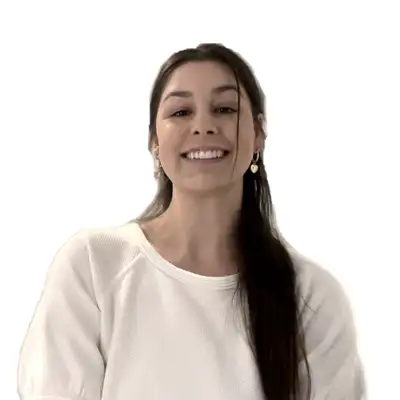
Hey everybody. I'm Hannah Dittman, operations and finance host of the Startup CPG podcast. Today I'm thrilled to be joined by Alex Malamotinis, founder and managing partner of Melitas Ventures. Alex quite literally grew up in the consumer and CPG world, and that lifelong love for the industry is what ultimately led him to launch Melitas Ventures in 2018. He partners with visionary founders who are reinventing everyday consumer experiences, the kinds of companies that become part of people's routines, habits and lives. Over the last five to 10 years, Alex has been involved in some of the most compelling CPT growth stories, and he's not slowing down anytime soon. His track record reflects a deep belief in authentic better for you brands, paired with disciplined fundamentals and a commitment to supporting founders across every step of the value chain.
01:15
Hannah Dittman
In this episode, we dive into the realities behind the numbers, including the difference between gross margin and contribution margin and why founders need to understand both long before they scale, which we also talk about what actually matters in an investor partnership, the types of problems great investors help you solve beyond just capital, and how to communicate the right information. In a pitch, Alex brings the combination of experience, clarity and practical insight that every founder needs. Enjoy. Hey everybody. Welcome back to the Startup CPG podcast. This is Hannah and today I am here with Alex Malamotinus, an investor from Melitas Ventures. Alex, welcome to the show.
01:54
Alex Malamatinas
Thanks Al. It's great to be here.
01:55
Hannah Dittman
We're so lucky to have you here today. I'd love to kick off with you introducing yourself. Can you share your title, a brief background of your experience prior to Melitas Ventures and what led you to investing?
02:07
Alex Malamatinas
Absolutely. So I'm the founder of Melitas Ventures. We are an early stage venture capital firm that invests in better for you consumer brands. Everything from food and beverage to supplements to beauty and personal care. A little bit on my background, so I guess on the personal side first. I was born and raised in Europe in a CPG household. So my father was the CEO of companies like Burger King and Smirnoff in the 90s, which is part of Diageo. And so I really grew up with consumer brands everywhere and then I ultimately went into finance. So began my career at Morgan Stanley and then after business school I was trained as an investor in the hedge fund industry in New York. I worked at a Soros Bond and a Tiger fund. So a less conventional VC path.
03:03
Alex Malamatinas
I think I learned a lot about how to invest in portfolio management and ultimately really found my passion in entrepreneurship and supporting founders. Then saw the opportunity to launch a fund to invest in the space and launched our first fund in 2018 and have been investing out of Malitas Ventures funds ever since.
03:26
Hannah Dittman
That's really interesting and what big shoes to be filling with your father. And how exciting to have a childhood like that, learning and experience all that growing up. Very unique and very cool. Before we dive into some more conversation, give me a little bit more of an overview of Malitas Ventures and walk us through your investment criteria. The things I'm thinking about are stage, focus, any key themes which I know you briefly touched on already, how you differentiate as a fund, average check size, things like that.
03:54
Alex Malamatinas
Yeah, sure. So we invest early stage, so we define that as being seed series A rounds. We look for initial product, market fit and revenue traction between 1 and 10 million annualized. That can be initial traction in retail or dtc. Ultimately we're looking to build successful omnichannel brands. We are certainly looking for differentiation and authenticity from these brands, talented founders who we can work with. And yeah, we're thematically based. So I mentioned sort of certain broad categories. At any given point in time, there's certain subcategories and themes that we're particularly excited about. And given that we're early stage investors, we really want to be early in these innovation cycles and to the extent possible, try to avoid fads.
04:43
Hannah Dittman
That's really helpful and great context. Before we dive into some more thought leadership questions, I'd love to ask you the question of what you love about investing and given you've had such a broad experience and exposure, what made you choose this path instead of a different one?
04:59
Alex Malamatinas
Yeah, so I think to simplify the world, obviously it's a lot more complex than that, but in sort of our little universe, I think not that one can't be both, but I think sort of the realization of you're either an operator or an investor. As much as I love supporting operators and I sit on several boards, it's very clear in my mind that I'm an investor. That's what I love to do, that's what I think I'm good at. And what became apparent to me was that what I really enjoy is sort of identifying longer term structural themes and investing in companies behind that and supporting these Companies succeed over time rather than short term trading and stock market.
05:39
Hannah Dittman
I imagine the partnership between investor and operator is a pretty unique one that you have quite a lot of experience with. Given that you're on the earlier stage side. How would you describe that working in its most idealistic form and what do you really like that dynamic to be like?
05:55
Alex Malamatinas
Yeah, I think it's really the ideal combination, the operator investor mindset and it's something that we certainly have. At Malice House Ventures, one of my partners, Jacques and Tebbi, helped build Kind Snacks into a very successful company. And so I think generally speaking, an operator looks at it through a specific lens and an investor looks at it through another lens. And I think sort of reconciling the two generally makes for more, I think, successful investment decisions and also helps the companies themselves succeed. And I know that at Maladas, like it's one thing, once we've decided to invest, it's another. And we then help these companies and support them through operational challenges and therein sort of having that operational support and expertise. People who have seen these challenges and built large and successful companies can definitely be very helpful to these early stage founders.
06:51
Hannah Dittman
Most definitely. I think it takes a village, really. There's such a huge world of possibilities of things you'll encounter and things that happen. The more learnings the better. When you're evaluating operators or founders as potential investments or investment partners, what are you typically looking for in them or what really stands out to you? Maybe there's an example of an experience you've had or a company you've worked with where you felt like it, did a great job showcasing it, but would love to understand a little bit more about what kind of profile in person really can drive a successful business forward.
07:25
Alex Malamatinas
Yeah, I mean it's very challenging to build a business, let alone from sort of the ground floor up. So every founder is different, but if I were to point to common traits, I'd certainly point to resilience. It's generally not an easy journey, even if it's a very successful one. So founder who's truly passionate and willing to focus on this day in, day out. And then it's a sort of important balance between both boldness and humility. I think a founder needs to certainly have that boldness, but then also the humility to know when he or she should perhaps listen to a different perspective from somebody else on the C suite or junior person or an investor. And that generally takes somebody pretty remarkable that can do both. As far as examples, doesn't have to be the case.
08:18
Alex Malamatinas
But I have to say when it works, the co founder dynamic can be really effective because then you have sort of right brain, left brain are sort of two people that are complimentary and we've been fortunate in that we've experienced that successfully in a handful of cases. But I would point out in Alapop Prebiotic Beverage company, so that's David and Ben that I think really complemented each other and likewise Magic Spoon, Gabby and Greg. And so generally these are individuals who are involved from the early days and perhaps one side is sort of more focused on marketing, the other is more focused on operations and they're able to build a successful company.
08:59
Hannah Dittman
Yeah, it's such a tall ask for founders to do it all themselves. I mean and some people do and it's really impressive. But it totally is the left, the right brain. Your hand in so many pots. There's so many things to execute. A lot going on, especially in the early days as you're building out your team and rounding out your capabilities as a company. Alternatively, what do you think makes a strong investment partner for founders? When you're working with people like the Olipop founders or your other portfolio companies, what is it that you think they saw in you that made you a compelling fit for them?
09:32
Alex Malamatinas
I think it's helpful to find a partner whose focus is your business. So in our case we're a dedicated early stage CBG investor. So we've come across and worked with so many early stage CBG founders and been able to understand their challenges and help them scale. So I'd say that's the first and then just truly being collaborative partners. And I think that involves the human element of understanding each other, what's important at different stages, challenging each other in a constructive manner but generally supporting due to potentially a successful exit. And I think in our case, fortunately we've which I certainly don't take lightly, but I think we've built a strong reputation of being helpful partners and good partners to many founders in our space. It's a small ecosystem.
10:25
Alex Malamatinas
So founders particularly of best performing brands definitely have a pick of which investor they're going to have on their cap table and it's something that they should take very seriously because ultimately they're choosing their partner and I think would encourage any founder to speak to founders of portfolio companies and really understand how their potential future investment partner is like to work with.
10:52
Hannah Dittman
Yeah, that's great advice. I feel like do your reference checks both ways. Make sure you know who you're getting married to. Going off of that A little bit. I'd love to get what the relationship is like at the beginning, all the way through your first meeting of a company, all the way through the diligence process and post investment, if that's the way that it goes, to really shed some color on what types of things someone might need to be evaluating a partner for. What is that relationship even going to be like? How frequently are you talking, how intimately involved are you going to be in their business? Just some candid conversation between the two of us of what you think that would actually look like in brass tacks for someone who maybe is very unfamiliar with what that dynamic is supposed to look like.
11:37
Alex Malamatinas
Yeah. So I think generally speaking, when we meet these companies, they're really in their infancy. And I love meeting founders when it's even just an idea because you learn about their vision from the very early days and you get to know each other. Right. I sort of prefer getting to know each other more organically rather than or expecting term sheets in two weeks. And you have to focus on other things and you can't really build the relationship that quickly, at least in an authentic manner. And by getting to know each other, you just have a better understanding of the other person, which I think is best from both sides. Right. From the founder and the investor side.
12:16
Alex Malamatinas
And the reality is, as you go through the diligence process and the legal process, there's signs and I think sort of over time I've realized to listen to these signs because they're quite telling and foreshadowing of the relationship to come, both positive and negative. And so I've really tried to be as transparent as possible with founders before we partner. I mean, you pointed to the analogy of a marriage. Right. If it's best to go into a marriage with open communication, I think it's the same with a partnership with a founder or investor.
12:49
Hannah Dittman
Great answer. I'd love to double click on some of those learnings that you've had. What type of things do you feel like have been post mortem harder lessons learned that are more watch outs for you now with founders or that dynamic. And what do you think were ones that you wanted to lean into more that you felt like, oh yeah, I should definitely seek this out again, this behavior or trait.
13:09
Alex Malamatinas
I mean, I think at a high level, like a founder might not always listen to their investor, that's fine. But if you're bringing on board an investor into your company, hopefully you're looking for something more than just capital and particularly if it's an abortion capacity. Hopefully you're valuing their perspective and occasionally looking for feedback. And so for us, we really appreciate that. We love working with founders who seek out our perspective and want to build collaboration with their team, their investor base. I'd say telling side is an investor who just wants capital and they don't want feedback from their investors and that's fine. So that's how some founders built businesses. But it's just we might not be the right partner for them. That's not how we operate.
13:56
Alex Malamatinas
So I think just being again sort of intellectually honest is quite critical, particularly in those early days.
14:03
Hannah Dittman
This is going to be a big, broad, ambiguous question for you, but I feel like a lot of times I think founders are familiar with the idea that an investor might sit on your board, they'll help with your business, they might have advice, but I'd love to unpack that a little bit more of what that actually looks like. Are there any examples of you'd feel comfortable sharing or maybe a way that you could portray what exactly what types of initiative, strategies or company feedback does an investor really provide to a company? At what level of the business are they getting involved in? Obviously not the day to day minutia, but what are some of the ways that they direct a company or co lead some of the vision.
14:44
Alex Malamatinas
There there's so much but I mean ultimately I think as you allude to it's not investors not involved in the day to day that's for the founder and their team to manage the business. But an investor with the relevant experience and insights can help with everything from figuring out their production, co man facility, supply chain negotiations with buyers and retail pricing and direct to consumer. Which channel is it Amazon? Is it your own website? Product innovation, team building, what's the right word chart? Should you bring on a strategic investor? When should you look to exit? How you should manage that exit process? I mean I've just thrown a bunch of different things at you, but there's so much right. And a lot of this just comes with the growing business and the needs change as the company scales.
15:40
Alex Malamatinas
So I think choosing investor who has that experience and can help you as you evolve can be very helpful in sort of determining a company's success and certainly exit. There are some incredible operators out there. But making a difference in terms of a successful exit can really come down to choosing the right banker, not choosing a banker, bringing a strategic early on, not bringing a strategic early on. What type of strategic. So these seemingly small decisions can really factor in greatly to the outcomes Yeah.
16:13
Hannah Dittman
I feel like there's almost no small decision in cpg. Even something as small as the little text on your packaging that you know you're going to be agonizing over, that makes a huge difference sometimes. So it makes a lot of sense that from the bigger picture, board level, really game theory, company strategy viewpoint, there would be a lot of nuance and vetting and decision making needed there as well. I'd love touch back on the diligence process. Obviously that can be a black box for a lot of founders and one that I'm sure most of our audience is thinking about as they embark on their fundraising journeys or have been or plan to. What's your diligence process like? What are your expectations at each major milestone throughout it, and what makes a company really stand out as they go through the process with you?
17:00
Alex Malamatinas
I think what makes a company stand out is a company that's organized. And I know that's hard when you're building a company and maybe you have limited resources and limited financials. But for us, our diligence process can be pretty quick, assuming the information is there. And so that includes ideally a financial model, or at least organized financials, sort of the key legal documents. And so I think the way that a founder sort of communicates and handles themselves during the diligence process can be quite telling of what they can be like to work with. And for us, I sort of touched on some of it earlier, but we look for distinctive brands that can really disrupt categories and then sort of behind that financials.
17:49
Alex Malamatinas
So you want to see that this business has a good enough margin, that the rate of growth is strong enough and so that the financials really back up the vision to disrupt a category and become a potentially billion dollar plus brand.
18:04
Hannah Dittman
Wishing that for all of us when we're talking about margin, there's obviously these key Core Pillar KPIs that drive a financial model or that drive a diligence process. Obviously you mentioned revenue growth, sell through velocities I'm sure is part of that revenue growth. And the bigger picture there, gross margin is often one that gets anchored on a lot. Contribution margin, cashflow management, these are the big picture topics that get thrown around a lot. And just a few of them, there's quite a lot of different, many more terms and things, but would love to dig into the core ones that you really anchor on and then ask you a little bit more about margin and understand how will a founder know if they have a quote unquote good or compelling margin or not. How should they be thinking about that?
18:52
Alex Malamatinas
Yeah, so I think, I mean, I'd say perhaps the most important metric is growth, right where early stage investors were looking to potentially build billion dollar plus type companies. So in order to do that you need strong growth. And so that will reflect in sort of the top line, the year on year sales growth, but it will also reflect in the underlying drivers. So we're looking at a direct to consumer business. We'll look at retention, we'll look at repeat purchase rates because these can be indicative of sort of sales growth to come. If it's retail driven business, we'll look at sales velocities and then you can comp those to other brands or in the category or other similar categories.
19:36
Alex Malamatinas
I mean, it's when we looked at a laapop sort of in the early days five or six years ago, they were at the time doing about a million in sales. Not that anyone could have predicted how big they would be today. But one of the telling signs was the sales velocities were already three times or more sort of other comps, other beverage comps, and they continue to do that and exceeded that over time. So that is one area I focus on. So general growth and then margins because to put it simplistically, the higher the margin, the less capital you'll have to raise and the more you'll be able to maintain your ownership stake. And it's generally hard to improve your margin over time. So the higher margin that you can start with, the better, particularly from the founder company perspective.
20:24
Alex Malamatinas
And I think it's critical to really understand the terminology because a lot of people talk gross margin, contribution margin, but might not have the same definition. And so we look at both and we very much focus on the contribution margin, which is your sort of fully loaded margin after you've factored everything in. And that's what really will drive sort of the cash burn. And I'm amazed about how few founders have a good understanding of that. And it's fine if you're not a financial person, but then encourage you to work with outsourced finance groups or your investors to really understand that early on because I've seen many founders become very surprised about the level of cash needs before realizing that it's because their contribution margin, say was lower than they had realized.
21:15
Alex Malamatinas
In terms of rule of thumb, I mean it really varies in different categories. I would say you look for different margins, but ideally, I would say food, ideally north of 50%, gross margin, beverage, ideally north of 40%. But these are very sort of high level numbers and will depend on a lot of factors. I mean of course if you look at beauty and personal care and supplements, then we could be talking about north of 70 or 80% gross margins.
21:46
Hannah Dittman
Great way to summarize a lot of those points and break down some important and somewhat complex concepts for people. I think such a benefit of living in the AI times is that so many of these things you can get a really good understanding, maybe even be able to upload some of a snapshot of your company's financials and get some quick help with ChatGPT even or something like that if it's your first foray into looking at a few of these things. Don't have to go down the training the street rabbit hole that many other financial people had to adopt back in the day. But yeah, I think understanding especially just the terminology, the difference gross margin contribution margin and what's the so what in layman's terms for your business that I think that was a great point and a really important one, especially by channel.
22:32
Hannah Dittman
You're talking margin structure changes so much by channel, by category, by what price tier you're even playing in, which segment of the market, all of those things so really important to understand. I think probably your competitive set. I imagine that's where you guys are spending a lot of time looking and then maybe even speaking with your retail buyers or other people in the industry to get your own swag understanding of what's out there and what's going around too. Have you noticed any changes in margin profiles or margin targets given how aggressive and volatile things have been over the last few years? Or have you guys kept the same benchmarks in mind?
23:12
Alex Malamatinas
I think from our side we've generally kept the same benchmarks in mind and we've been, we haven't always got it right, but we've been focused on margins and potential cash generation and minimizing cash burns since we launched in 2018. And some of us, our businesses have scaled successfully and are generating cash while others haven't. The industry dynamic has certainly shifted. So as a result of the cycle that we've just gone through, we are starting to see more companies with stronger margins and more of a focus on sort of improving reducing cost structures and a path to profitability. And so I think that's been very healthy and I think it will result in next generation of brands that will hopefully be very successful and for the ones that exit, hopefully the strategic acquirers will be happy integrating these businesses into their large portfolios.
24:11
Hannah Dittman
Yeah, nothing will wake you up to business fundamentals like a recession and a tariff smattering and everything going nuclear on you. But it's a great reminder of how important it is to understand, like you mentioned earlier, working with an investor who understands the industry you're in. Because when times are tough, you definitely want to be able to work with people who understand the fundamentals of what real levers need to be pulled to make sure your business is able to move forward. I'd love to take a second to focus on some lessons learned. You've been investing for a while, you've had a long career in the industry, and even back to your childhood, you've had a lot of exposure as well.
24:48
Hannah Dittman
Reflecting on your career, the investments you've made, what are some lessons learned or compelling anecdotes that you think might be helpful for others to hear or learn from, or that you keep in the back of your mind reminding yourself of over time?
25:02
Alex Malamatinas
Yeah, one of them I've touched on, which is just the sooner you can have these sort of honest and transparent conversations, the better. If you're going to partner up, then you might as well, you know each other before formalizing. So really choosing your partners wisely on both sides. The second thing I'd say is like from the investor side, not taking a leap of faith or not taking too much of a leap of faith, particularly with the financials. I'd say some mistakes I've made in the past is where maybe I've had sort of concerns about the margins, but convinced myself that the margins were about to improve or the growth in the channel wasn't quite there, but it was about to inflect. Generally speaking, that hasn't worked out well for me.
25:45
Alex Malamatinas
So what's worked out better for me is sort of looking at sort of the past and sort of extrapolating to the future, like, okay, this company has had strong traction in retail. I can bet on it continuing to have strong traction in retail. Obviously I'm simplifying it, but that's sort of been another one of my sort of hard lessons.
26:04
Hannah Dittman
Thank you so much for sharing that. And I know you've given a lot of founder advice throughout this conversation, but if you could tell founders or operators one piece of advice, maybe something a little bit more tactical or tangible related to business strategy or things like that, even outside of the fundraising process, what would it be and why do you think it's important?
26:23
Alex Malamatinas
Yeah, I would say to stay focused. When you're building an early stage company, there's so many distractions there's retailer, there's investors, there's people that can help you as advisors or team and sort of really focusing in on what you think is going to work for you and your company. And so an example might be a channel whether it's retail or DTC product. I think the best, most successful brands still today generally have one or sort of limited SKUs. I think trying to do too much dilutes the messaging and also you have limited resources sort of encourage you to invest behind the product, the brand and really find what's working.
27:07
Hannah Dittman
Great advice. And I think it's like can so easily be a weekly reminder for founders and to some extent you have to have a little bit of juggling multiple balls because you're running a business that has multiple things going on in its early days, but not exacerbating that problem for yourself any more than at bare minimum I think as sage advice before we pivot into slack case study question I'd love to just touch on a quick second for thought leadership and just ask you if there's anything that's exciting you right now in terms of consumer behavior trends, sectors or anything that's getting your interest going as an investor.
27:46
Alex Malamatinas
Yeah, I mean there's a lot of exciting things happening right now. There's a lot of innovation in early stage consumer. I'd say some areas I point out incrementally are hair care. There have been some disruptive brands, but I think there's some subcategories of hair care where we're only just starting to see some innovation and it's obviously very large category. Fragrance is another. I think that's an area where consumer behavior is changing so much and it's really disrupting the larger brands and companies that have really enjoyed very comfortable positions for many decades. And then I'd say another one is global or multicultural food brands. We've seen some success with brands such as Siete and I think as consumers are in the US are becoming more open to sort of the global palette.
28:36
Alex Malamatinas
I think it's created this opportunity to build sort of these more global food brands in US and we're seeing some very exciting companies in the early stage.
28:46
Hannah Dittman
Yeah, there's always something interesting happening in consumer, which is why I love this industry. It's so passionate and it's always changing. I love to see new things coming up. Even as myself as a shopper on the grocery aisles, there's been so many interesting concepts lately. As you know, startup CPG has the largest slack community in the industry with now over 30,000 members. I'd love to pull a question directly from our channel and have you answer it as a case study for any founders with a similar question. The recent question was what are the most important traction points to highlight in an initial pitch?
29:19
Alex Malamatinas
I think tying numbers to your vision is critical and so that traction will come from wherever you're selling, whether it's retail or dtc. But I think clearly communicating those numbers. So sales, what's year and your growth, what are those underlying drivers? Have you done it profitably or with what burn? But I think founders ability to sort of tie those numbers to their broader strategic vision I think is really impactful when you're speaking to an investor.
29:53
Hannah Dittman
I think that's so well said and a great point. We often are told to tell the narrative of your business and tell the story of your business. And I think a lot of people interpret that immediately as the mission statement of the company who the products are for, the same way that you would market to a consumer in a lot of ways. But telling that story through traction and data is equally, if maybe not even more important for an investor. And so I think that's a great reminder to focus on that and have that in the back of your mind as you're putting your deck together. Before we wrap up, I want to take a second to make sure our audience can have an actionable next step to apply all of this amazing knowledge to.
30:31
Hannah Dittman
You've been so helpful today and have shared so many nuggets of wisdom. It's been an amazing chat for founders that want to get in touch with you. Alex, where can they find you or what is the best way for them to get in contact?
30:42
Alex Malamatinas
Absolutely, yeah. So please reach out. Best email would be infoalatas ventures.com and we're really here to help anybody who's building a brand in the space or looking to transition. We have quite a few portfolio companies and we speak to many more, so always happy to help.
31:01
Hannah Dittman
Awesome. And for anyone interested investing, do you have any advice for how they could break into the space or maybe even work with you all one day?
31:09
Alex Malamatinas
Start investing, even if it's small amounts of dollars, start investing and or helping founders and making introductions. I mean when I meet people who want to invest in the space, I always say look, just send me brands, interesting brands you come across. And I find that the people that are generally most passionate about it will follow up and will keep sending brands. And so you don't need to invest big dollars, but staying on people's radar screens by sharing innovative brands or themes in the space, I think you can make yourself very helpful.
31:42
Hannah Dittman
Awesome. Well, thank you so much for all of your time today and for all of the amazing insights and helpful tips and lessons learned that you shared it with. It was a great chat and I really appreciate you taking the time.
31:54
Alex Malamatinas
Alex thank you Hannah. It was great to be here.
31:58
Hannah Dittman
Thanks so much for tuning in everyone. If you like this episode, show us some love with a five star review at ratethispodcast.com startupcpg I'm Hannah Ditman, Podcast host and Correspondent here at Startup cpg. I hope you'll join me again as we dig into more juicy topics like ops, finance, and all the real talk founders actually need. Come say hi on LinkedIn or ping me on Slack. I'm always eager to hear your questions or brainstorm future episode ideas. If you're a potential sponsor and want to get in on the fun and appear on the podcast, shoot us an email@partnershipstartupcpg.com and last but not least, if you haven't already, don't miss out on our free Slack community for emerging brands and CPG lovers alike. Join us@startupcpg.com we'd love to have you. See you next time. Sa.