Subscribe
Share
Share
Embed
hol+ with Dr. Taz MD is redefining modern medicine through a comprehensive, evidence-based holistic approach; integrating functional medicine, integrative medicine, and time-tested healing systems to treat the whole human, not just symptoms.
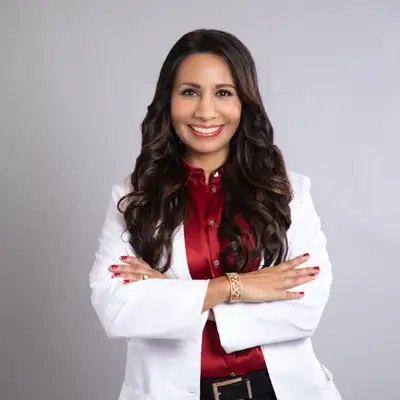
Hosted by Dr. Tasneem Bhatia (Dr. Taz), triple board-certified physician in integrative, functional, and holistic medicine, bestselling Penguin Random House author, and founder of hol+; a comprehensive evidence-based holistic medicine platform with clinics in Atlanta, New York City, and Los Angeles, and virtual care available nationwide.
At the heart of hol+ is a revolutionary framework: the Five Body Map- physical, mental, emotional, energetic, and social/community bodies that create whole health. This whole-human approach connects hormone imbalances, gut dysfunction, microinflammation, cortisol dysregulation, metabolic disease, autoimmune conditions, perimenopause, and stress-driven illness to the full spectrum of who we are; body, mind, and spirit.
Each episode explores Dr. Taz’s original clinical frameworks ;The Cortisol Loop, Microinflammation, and The Invisible Load alongside conversations with leading experts, celebrities, and thought leaders including Sophie Grégoire Trudeau, Katherine Schwarzenegger, Cameron Mathison, Carol Alt, Jane Seymour, Tamsen Fadal, and Kris Carr.
Topics include hormone health, gut health, GLP-1 and metabolic therapy, thyroid dysfunction, weight loss, inflammation, autoimmune disease, mental and emotional wellness, energetic health, and the future of holistic medicine.
This is the show where science and spirit converge- driving health, happiness, relationships, and family ecosystems.
Want to go deeper? Join Dr. Taz’s private community, the hol+ Circle ; medicine beyond the exam room. (holplus.co/circle)
A 2025 Webby Award honoree, recognized alongside the Mel Robbins Podcast in the 29th Annual Webby Awards, hol+ is built on the foundation of Super Woman Wellness, which surpassed 1 million downloads over 8 years.
This is medicine beyond the exam room. Welcome to hol+
[00:00:00] Dr. Darshan Shah: In 2026, if you really do things right and you start in your 30s and 40s, [00:00:05] there's zero reason for you to die of a heart attack.
[00:00:07] Dr. Taz: Mm.
[00:00:07] Dr. Darshan Shah: The sad truth is that [00:00:10] 50% of people don't even know they have heart disease until they get their first heart attack, [00:00:15] and 50% of those people die from their heart attack.
That's why it's the number one cause of death, [00:00:20] and this is for men and women.
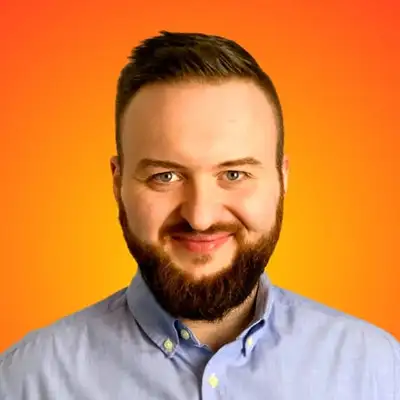
[00:00:21] Dr. Taz: Dr. Darshan Shah is a longevity physician, [00:00:25] board-certified surgeon, founder and CEO of Next Health, and the host of the Extend [00:00:30] podcast.
[00:00:30] Dr. Darshan Shah: Women have different reasons they have heart attacks than men do. Some of them [00:00:35] have plaque.
Some of them also have what's called small vessel blood disease. This is why they have different [00:00:40] symptoms of heart disease. They don't get the typical chest pain that's crushing- Right, right ... that goes down their [00:00:45] left arm. They will actually have, like, headaches, fatigue. It's because they have microvascular [00:00:50] disease as well.
A lot of it is due to low estrogen levels.
[00:00:53] Dr. Taz: His work focuses on [00:00:55] proactive health, lifespan, healthspan, and even advanced diagnostics, [00:01:00] helping people optimize their biology before disease begins. Please join me in [00:01:05] welcoming Dr. Shah to the show. This
[00:01:07] Dr. Darshan Shah: episode is sponsored by WholePlus, a [00:01:10] holistic health platform built around education,
[00:01:12] Dr. Taz: personalization, and integrative [00:01:15] care.
WholePlus blends holistic, integrative, and functional medicine clinics with [00:01:20] learning resources like blogs, YouTube videos, and of course, this podcast, so you're [00:01:25] not just treated, you're informed. The platform also includes holistic health quizzes and a [00:01:30] curated wellness shop, helping you make choices that support your body at the root level.[00:01:35]
WholePlus is holistic healthcare designed for real life.
[00:01:39] Dr. Darshan Shah: [00:01:40] Visit us at wholeplus.co to learn more about the platform. Again, that's [00:01:45] W-H-O-L-P-L-U-S dot C-O.
[00:01:47] Dr. Taz: All right. I am so excited about this [00:01:50] episode, and I've gotta tell you why. I think I've been stalking you or lurking in your background [00:01:55] for years and watching your journey and watching you start Next Health and all these different things, [00:02:00] and I'm really thrilled with the ability for us today to go deeper [00:02:05] and dive into some of the conversations that I know we care passionately about.
But before we [00:02:10] start- I just wanna know how you shifted. You were a conventionally [00:02:15] trained physician, a surgeon, went to Mayo Clinic, worked in plastics [00:02:20] there. You know, what caused your shift? You know, I've told my story so many [00:02:25] times, but what caused your shift from being conventionally trained, staying in the system like [00:02:30] so many of our colleagues do, to really going on this journey into creating something [00:02:35] different and unique for everybody out there?
[00:02:38] Dr. Darshan Shah: Yeah. You know, in talking to you, like, I [00:02:40] feel like we have very similar stories that, um, when you practice medicine [00:02:45] at the level that we practiced at, um, you know, you're in the emergency room, I was in the operating room, y- [00:02:50] you're at this high adrenaline state from the moment you wake up- Yeah ... till the moment your head hits the [00:02:55] pillow at night, right?
And so that adds up to years and years of living under a [00:03:00] massive amount of cortisol. And the flip side of that, too, is, like, when you're [00:03:05] working all the time, you don't have any time for self-care.
[00:03:07] Dr. Taz: Right.
[00:03:07] Dr. Darshan Shah: So, you know, I'm eating garbage, I'm not [00:03:10] sleeping well, I'm not exercising at all or the way I should be.
And that all [00:03:15] adds up to years and years of damage as we, you know, practice medicine, which is really just [00:03:20] taking care of other sick people. Mm-hmm. We get sick ourselves. Mm-hmm. And so I ended up very sick myself on [00:03:25] multiple medications, multiple chronic diseases, including an autoimmune disease.
[00:03:28] Dr. Taz: Oh, wow.
[00:03:29] Dr. Darshan Shah: And, [00:03:30] um, did not find the kind of help that I really wanted from [00:03:35] even the most expensive and the most well-regarded doctors because they all had great [00:03:40] intentions, but they just wanted to do what typical medicine teaches us, which is to cover up the [00:03:45] symptoms with new, exciting pharmaceuticals, right?
And so that's kind of, um, [00:03:50] where I lived for a few years, and I just kept feeling worse and worse and worse, and the [00:03:55] actual problems were not going away. And I thought that there had to be a way to [00:04:00] solve the actual problem so I don't need to be on medications forever. I can't-
[00:04:03] Dr. Taz: What were some of your [00:04:05] earliest symptoms?
Yeah. Just out of
[00:04:06] Dr. Darshan Shah: curiosity. Yeah. I would just say, you know, the, the biggest one that [00:04:10] was really, um, like, affecting my day-to-day was I would wake up, and [00:04:15] within- 30 minutes, I was tired.
[00:04:17] Dr. Taz: Mm.
[00:04:18] Dr. Darshan Shah: You know?
[00:04:18] Dr. Taz: The fatigue.
[00:04:18] Dr. Darshan Shah: Yeah, fatigue. Yeah. [00:04:20] Massive amounts of fatigue. And I did think I did have some level of sleep apnea back then, but not [00:04:25] severe.
[00:04:25] Dr. Taz: Mm-hmm.
[00:04:25] Dr. Darshan Shah: It was mainly from just horrible sleep and living under a high cortisol state [00:04:30] all the time. And then I found out and went and, went on a journey of how that was affecting my [00:04:35] other hormones, including my thyroid gland, my immune system, my, um, my [00:04:40] testosterone levels, all of it. But this is all, you know, no one teaches us this in medical school.
Right. You're
[00:04:44] Dr. Taz: finding this [00:04:45] out
[00:04:45] Dr. Darshan Shah: on your own. Right. Exactly. Right? Ugh. Yeah. Going through the journey, I know you had a journey that went through [00:04:50] integrative medicine. My journey started in functional medicine. But, you know, all different pieces of the [00:04:55] puzzle kind of finally coming together where I got myself well, and then I just thought to [00:05:00] myself, like, "Why are we not doing this for everybody?
Why do we wait?"
[00:05:03] Dr. Taz: And talking about it, right.
[00:05:04] Dr. Darshan Shah: Right. Exactly. [00:05:05] And so-
[00:05:05] Dr. Taz: Talk about functional medicine- Yeah ... a little bit because I think, you know, functional medicine is definitely [00:05:10] having a moment. Lots of people now know what functional medicine is. Mm-hmm. You [00:05:15] know, when did you first get introduced to the field of functional medicine, and how did it help you?[00:05:20]
What did it do for you?
[00:05:21] Dr. Darshan Shah: Yeah. So, you know, my first introduction to functional medicine was going to a [00:05:25] course on nutrition.
[00:05:25] Dr. Taz: Mm-hmm.
[00:05:26] Dr. Darshan Shah: Um, I knew nutrition was at the core of all of my problems because [00:05:30] I ate, you know, what was in the surgeons lounge, which was- Oh, yeah ... always garbage. I know. You know, like-
[00:05:34] Dr. Taz: What was your [00:05:35] garbage of choice?
I have to ask
[00:05:36] Dr. Darshan Shah: 10-day-old sandwiches. Ugh.
[00:05:38] Dr. Taz: Oh, okay.
[00:05:39] Dr. Darshan Shah: Sandwiches- That's worse [00:05:40] than mine. ... in plastic wrapping in the fridge- Oh, God ... you know, that were there for 10 days. Okay. Got it right before [00:05:45] they-
[00:05:45] Dr. Taz: Ugh ...
[00:05:45] Dr. Darshan Shah: took them and threw them away.
[00:05:46] Dr. Taz: Mine was Diet Coke and popcorn.
[00:05:47] Dr. Darshan Shah: Oh my gosh. [00:05:50] But- Yeah. So. Yeah, it's like typical doctor's lounge food.
Right. You know? Right, mm-hmm. And so, um, I knew nutrition was [00:05:55] at the core of where I could maybe have some control and fix things. [00:06:00] And wow, like the things you learn when you actually go to train as a nutritionist, [00:06:05] like, that should be a month of medical school.
[00:06:07] Dr. Taz: Yes.
[00:06:08] Dr. Darshan Shah: For the first time ever, I learned that [00:06:10] metabolic health was not just related to diabetes.
Mm-hmm. There was an entire [00:06:15] decades prior to diabetes that I was in the middle of living in, um, [00:06:20] that was severely impacting every aspect of my health. I also learned that your [00:06:25] diet is actually affecting your hormone levels, and-
[00:06:28] Dr. Taz: Shocking.
[00:06:28] Dr. Darshan Shah: Yeah, shocking,
[00:06:29] Dr. Taz: right. [00:06:30]
[00:06:30] Dr. Darshan Shah: And gut health is actually a thing beyond just colon cancer, you know?
These are all [00:06:35] things that, um, were completely new and mind-blowing to me, and I learned that in this [00:06:40] nutrition class. And I happened to be sitting next to someone that, um, was talking about [00:06:45] functional medicine and functional nutrition.
[00:06:47] Dr. Taz: Mm-hmm.
[00:06:47] Dr. Darshan Shah: I did some research, um, [00:06:50] and found a course in functional medicine, um, at an institute that was just [00:06:55] formed, called IFM.
[00:06:55] Dr. Taz: Yes.
[00:06:56] Dr. Darshan Shah: The Institute of Functional Medicine.
[00:06:56] Dr. Taz: What year is that? I'm curious.
[00:06:58] Dr. Darshan Shah: This was 2000 and, [00:07:00] um, wow, '10, I think, or- Very early days ... yeah, very early days. Yeah. Yeah. And so back [00:07:05] then, Dr. Jeffrey Bland and Dr. Mark Hyman- Mm-hmm ... were teaching the classes.
[00:07:08] Dr. Taz: Right.
[00:07:08] Dr. Darshan Shah: So I met them. [00:07:10] I read Dr. Bland's book, Disease Delusion, and it blew my mind.
Mm. It totally changed [00:07:15] everything I knew about medicine, and, um- That's where I started. And [00:07:20] everything in that book, everything I learned, I just applied to my own self, you know, [00:07:25] self-experimentation, my own physiology, and I was my own N of one [00:07:30] experiment- Right ... where I was, um, doing interventions and seeing how it changed my blood biomarkers, [00:07:35] my m- the, um, body composition, all the markers that I was [00:07:40] watching that I wanted to improve.
I just never had the tools before I learned functional medicine.
[00:07:44] Dr. Taz: So [00:07:45] functional medicine has, you know, from 2010 if we think forward now- Yeah ... has really [00:07:50] grown in its presence- Mm-hmm ... in name recognition. What do you attribute some of that to? [00:07:55]
[00:07:55] Dr. Darshan Shah: You know, I think a lot of it has to do just with the really, um, intentional [00:08:00] way that Dr.
Bland set up the whole infrastructure around functional medicine. Mm. And [00:08:05] really setting up, uh, ways to educate different types of practitioners, you know? [00:08:10] First there was PLMI, which is longevity medicine.
[00:08:12] Dr. Taz: Yes. Mm-hmm.
[00:08:13] Dr. Darshan Shah: And then there was, uh, IFM, which [00:08:15] is functional medicine, and giving people different ways of learning about the root [00:08:20] causes of disease and how to affect them, right?
And really taking [00:08:25] people through the story of how, you know, we, we thought genetics was everything, and then [00:08:30] how does our lifestyle affect our- Environment ... expression of our genes, and [00:08:35] really painting the stories for all types of practitioners and educating them. [00:08:40] And so I think now, um, you know, you have more and more physicians that [00:08:45] are just frustrated with not...
with their own health, but like I was, but also with like [00:08:50] not getting their patients healthy.
[00:08:51] Dr. Taz: Right.
[00:08:52] Dr. Darshan Shah: And so this is just really a, a new [00:08:55] tool set that people have and a new mindset that doctors can get [00:09:00] into on how to really help their patients.
[00:09:01] Dr. Taz: You know, one of the things you shared with me privately was that, you know, [00:09:05] you had some of the most expensive care, right?
Yeah. You had access to that, you [00:09:10] know, with concierge doctors. And one of the things we've noticed within our clinics is that people get very tripped [00:09:15] over, like are you guys concierge care? Are you, you know, are you this, are you that? [00:09:20] You know, what would you tell our audience to look for when they're [00:09:25] looking for the right partner?
Because now we have a lot of terms. We have integrated, we [00:09:30] have concierge, we have functional, we have holistic, we have [00:09:35] wellness, you know.
[00:09:36] Dr. Darshan Shah: Mm-hmm.
[00:09:36] Dr. Taz: We've- Longevity. We have longevity. How could I forget that? Right. And then we've got the whole [00:09:40] menopause movement. So we've got a lot of these terms floating out there.
I've taken the [00:09:45] position personally and, and from a company standpoint that we're about the whole picture- Right ... the whole [00:09:50] body, the- Right ... you know, it's not just root cause, it's looking at everything. You know, bring all those terms [00:09:55] under our umbrella. You know, where do you stand with some of what's going on in the [00:10:00] marketplace?
Because it can be very confusing to the consumer in terms of who to pick, [00:10:05] you know, and who to bring with them along this ride.
[00:10:07] Dr. Darshan Shah: Yeah. And I think, you know, the biggest [00:10:10] problem is, is that you- People are trying to piece together things- Yes ... and you don't, they don't necessarily [00:10:15] find it under one roof, right?
So I think what you're doing is very innovative. Um, [00:10:20] and my model is different than yours, but similar because what we're really trying to do is bring [00:10:25] everything together in one place.
[00:10:26] Dr. Taz: Right.
[00:10:26] Dr. Darshan Shah: Because when people try to piece different pieces of [00:10:30] this together, they end up getting frustrated- Yeah ... because just the medical model is confusing, it's [00:10:35] overwhelming, and it's, it's frustrating when you're trying to piece it together.
So I don't necessarily think that seeing a [00:10:40] functional medicine practitioner is the full puzzle.
[00:10:42] Dr. Taz: Right.
[00:10:42] Dr. Darshan Shah: I agree. I think that's a piece of it, right? Yeah. Mm-hmm. And [00:10:45] so, um, we have a model that we use called Medicine 4.0- Mm-hmm ... which is bringing in [00:10:50] really deep science-enabled lifestyle medicine as one pillar.
The [00:10:55] second pillar is functional medicine, which is, I always describe it, all the things I wish I had learned in medical school- Yeah ... but I didn't.
[00:10:59] Dr. Taz: [00:11:00] Yeah. Mm-hmm.
[00:11:00] Dr. Darshan Shah: Gut health, hormone health, toxin exposure, um, mitochondria health, et [00:11:05] cetera. The third pillar is a- A piece that I find that, [00:11:10] um, a lot of educated consumers know that there's more out there, but they just don't know where to find it, and [00:11:15] that's what I call hyper-preventative medicine, how to make sure that we're, uh, [00:11:20] pre-detecting cancer, cardiovascular disease- Mm-hmm
um, uh, neurodegenerative risk [00:11:25] decades before it becomes a problem that can't be solved. And then lastly is [00:11:30] this piece of, you know, what I call longevity medicine, but these kinda more advanced therapies that people are [00:11:35] hearing about, like peptides- Yeah ... and, and also- Yeah ... um, you know, some of these advanced [00:11:40] pharmaceuticals.
Um, also, uh, biohacking technologies. [00:11:45] Right, right. You know, so we try to put it all under one roof and have a unified model of how we take people through [00:11:50] this journey, right? So my advice to people is if you feel like it's [00:11:55] not getting you everything that you're looking for, then [00:12:00] you probably, you know, maybe you can find a model like ours- Right
that you, people have brought it together [00:12:05] for you. But at least try to find where you wanna start, but know that there's other pieces of it. A [00:12:10] lot of it has to do around just self-educating yourself.
[00:12:11] Dr. Taz: Yeah. Yeah. It's so... I feel for the consumer, for sure. It,
[00:12:14] Dr. Darshan Shah: uh- [00:12:15]
[00:12:15] Dr. Taz: Concierge, though, you know, you had-- And I'm not trying to knock all the concierge practices, so [00:12:20] please don't send me letters of hate when I say this.
But what is the, what is the [00:12:25] misconception with concierge care that you think people are having? Why are [00:12:30] they not satisfied? You had a very expensive one. Yeah. I actually, fun story, like, I had a [00:12:35] business consultant come into our practices probably over a decade ago and say, "Oh my [00:12:40] gosh, you guys do all this stuff here.
You need to go concierge, and you need to charge every- everybody [00:12:45] $25,000 a year and charge families 100 grand. You're doing more than the White House physicians." And I was like, "How [00:12:50] will I ever grow if I'm gonna- Yeah ... put myself in that, like, little box there?"
[00:12:54] Dr. Darshan Shah: Yeah.
[00:12:54] Dr. Taz: [00:12:55] So what is, what is it that we maybe get right and wrong when it comes to concierge care?[00:13:00]
[00:13:00] Dr. Darshan Shah: So the definition of concierge care actually started way before the functional [00:13:05] medicine movement and integrated medi- medicine movement, and that was because access to a [00:13:10] doctor that can actually sit with you and spend time with you was becoming less and less common. Yes. [00:13:15]
[00:13:15] Dr. Taz: Yeah.
[00:13:15] Dr. Darshan Shah: So people thought, "Well, okay, if my insurance is not gonna pay for a doctor that has time to spend with [00:13:20] me, I'm gonna pay them out of my own pocket so they have some time, and I have better [00:13:25] access.
I don't have to wait in a waiting room for five hours and wait six months for that appointment," right? And [00:13:30] so people were paying for access that their insurance wasn't giving them.
[00:13:34] Dr. Taz: Mm.
[00:13:34] Dr. Darshan Shah: And [00:13:35] that's because in- the insurance model was basically to drive down the cost of, [00:13:40] of what they paid p- physicians to the point where physicians had to see 100 patients- Right
a day to [00:13:45] even pay their bills, right? And so it kinda broke- the traditional healthcare model [00:13:50] where a doctor would come to your house and sit with you and really, you know, uh, [00:13:55] understand what was going on and y- be able to a- talk about different aspects of your health, [00:14:00] right? And so people were paying for access.
And then the [00:14:05] misconception became that those that access, and because they had time with the doctor, meant that [00:14:10] they would be doing- Something differently ...
[00:14:13] Dr. Taz: more things- Yeah ... and something differently. Right.
[00:14:13] Dr. Darshan Shah: And there was nothing different [00:14:15] really there. It was still the same, "If you have a symptom, I will give you a pill.
Now you don't have to [00:14:20] wait six months to get it, you can just get it from me by paying $25,000 and having my cellphone [00:14:25] number."
[00:14:25] Dr. Taz: Yeah. I think that's where people I see get very confused and very- Yeah ... and very tripped [00:14:30] up with everything. All right, so you've established sort of this new... You've moved through functional medicine.
Mm-hmm. I'm assuming [00:14:35] you got better personally- Yeah ... and your health improved over time. Yeah. You know, what [00:14:40] was the motivation behind Next Health? Why? Tell us a little bit about [00:14:45] that as you are, you know, seeing yourself change. You probably have people talking to you about this. You're doing [00:14:50] surgery, you know, why veer over here and take a risk?
[00:14:54] Dr. Darshan Shah: I mean, [00:14:55] I was just so inspired by getting people healthy. Like, you know, being a surgeon, a lot of [00:15:00] people, we do what's called a preoperative clearance, right? Mm-hmm. Like, a lot of people, they have to [00:15:05] go to their primary care doctor, and because they are not healthy- Yeah ... and we just have to make [00:15:10] sure they're not gonna die during surgery.
[00:15:11] Dr. Taz: Right.
[00:15:12] Dr. Darshan Shah: And so their primary care doctor sees them and gives this preoperative [00:15:15] clearance visit. And, you know, it's like, "Okay, this person has high blood pressure, but I'm gonna add another [00:15:20] medication. Um, they have diabetes, their hemoglobin A1C is too high, they're not gonna heal from [00:15:25] surgery, so I'm gonna give them another medication."
And then they get cleared by being put on 10 more [00:15:30] medications, and then they do surgery. And the entire time you're in the operating room, you're like, [00:15:35] "Man, I hope this person heals. I hope this person doesn't have complications afterwards," because you're just o- [00:15:40] operating on the most- Right ... unhealthy people, right?
[00:15:41] Dr. Taz: Right. Yeah.
[00:15:42] Dr. Darshan Shah: And so instead, what I was doing then is, as [00:15:45] a surgeon, I was telling my patients, like, "Look, before you go to your doctor to get cleared, I want you [00:15:50] to do this with your diet. I want you to do this with your exercise routine. I [00:15:55] want you to do this with your sleep. I want you to get your hormones checked."
[00:15:58] Dr. Taz: So you're doing this [00:16:00] pre-
[00:16:00] Dr. Darshan Shah: Yes ...
[00:16:00] Dr. Taz: pre-op? Pre-op. And people, are people listening to you?
[00:16:02] Dr. Darshan Shah: They were listening and they were getting healthier, and they would-- A lot [00:16:05] of them would cancel their surgery- Wow ... because they didn't need it anymore. Yeah. And so I was like, "This is [00:16:10] amazing. Like, this is what we should be doing with everybody."
[00:16:12] Dr. Taz: Right.
[00:16:12] Dr. Darshan Shah: Um, and so the more [00:16:15] people that got healthy, they would refer their friends to me. For [00:16:20] health-
[00:16:20] Dr. Taz: Mm-hmm ...
[00:16:20] Dr. Darshan Shah: versus getting surgery done.
[00:16:22] Dr. Taz: Mm-hmm.
[00:16:23] Dr. Darshan Shah: And so, you know, it just became like [00:16:25] this side business I was doing in my surgical office.
[00:16:28] Dr. Taz: Uh-huh.
[00:16:29] Dr. Darshan Shah: [00:16:30] And I was like, "You know, I'm just gonna bring this to a separate location and do this separately."
[00:16:34] Dr. Taz: Right.
[00:16:34] Dr. Darshan Shah: And [00:16:35] that's kind of how it all started.
[00:16:36] Dr. Taz: Amazing. Yeah. So tell us about Next Health.
[00:16:38] Dr. Darshan Shah: Yeah.
[00:16:39] Dr. Taz: You know, tell us a little bit [00:16:40] about its birth, its evolution. Yeah. It's grown now, you said, to 15 [00:16:45] locations. 15, yeah. You know, um, maybe a little bit about that journey and, [00:16:50] you know, what have been some of the biggest wins and maybe some of the hits along the way.
[00:16:54] Dr. Darshan Shah: Yeah, yeah. [00:16:55] So I think, you know, Next Health started off as a small 1,000 square foot clinic in the [00:17:00] strip mall in West Hollywood.
[00:17:01] Dr. Taz: Mm-hmm.
[00:17:01] Dr. Darshan Shah: And, um, it turned out, you know, back then there was no such [00:17:05] thing as, um, longevity medicine.
[00:17:07] Dr. Taz: Right.
[00:17:08] Dr. Darshan Shah: Functional medicine, no one knew what it was at [00:17:10] all. Right. And they were just hearing about integrative techniques and things.
[00:17:13] Dr. Taz: Right. So
[00:17:13] Dr. Darshan Shah: a lot of people thought we were an [00:17:15] urgent care. They would walk in-
[00:17:16] Dr. Taz: Interesting ...
[00:17:17] Dr. Darshan Shah: yeah, they would walk in and be like, "I, I feel terrible. I have [00:17:20] the flu." Yeah. "What can you do for me?" And we had to explain the story over and over and over [00:17:25] again about we're here to help get you healthy, get you off some of your prescription [00:17:30] medications, help you lose weight, help you not feel terrible all the time.
[00:17:35] And so one person at a time, we told the story. Mm-hmm. We got them better using all the same things I talked about with [00:17:40] my surgical patients. And then we started bursting at the seams as far as space goes, [00:17:45] so then we, um, were looking for a new space- Right ... and it happened to be during [00:17:50] this time of malls trying to revive themselves.
Yep. So there's a mall in Los [00:17:55] Angeles, which you're- Yeah ... very close to right now. Yeah. Mm-hmm. It's called the Century City Mall.
[00:17:58] Dr. Taz: Yes.
[00:17:58] Dr. Darshan Shah: And they were rebuilding the whole thing, [00:18:00] and they gave us a space there, um, that was huge. I thought it was huge back then. [00:18:05] Um, and I was like, "Should this be in a mall? A clinic in a mall?"
And, um, I was like, "You [00:18:10] know what? I want more people to hear about this." Mm-hmm. "And as they walk by, maybe they'll look inside." We have a [00:18:15] beautiful location.
[00:18:15] Dr. Taz: Mm-hmm.
[00:18:16] Dr. Darshan Shah: Um, and they'll come in and get curious. And so, um, [00:18:20] one of the reasons the location was beautiful, by the way, was because I wanted it to be a doctor's [00:18:25] office that people wanted to go to.
Wanted to go to.
[00:18:27] Dr. Taz: Yeah.
[00:18:27] Dr. Darshan Shah: Not an ugly place that's hard to get to. Right. Something [00:18:30] that's easy to access, that was inspiring to be inside. So we actually hired an architect [00:18:35] to, um- create our location plans, and the whole look and [00:18:40] feel was kinda like the Apple Store, which is a few- Mm-hmm ... doors down.
[00:18:42] Dr. Taz: Mm-hmm.
[00:18:43] Dr. Darshan Shah: And so they call this a Apple Store of [00:18:45] health.
[00:18:45] Dr. Taz: Mm.
[00:18:45] Dr. Darshan Shah: And so we did. We got super busy at that location in the Century City [00:18:50] Mall. Um, and we helped bring a lot of business into the mall. Like, Century City Mall is [00:18:55] beautiful. It's like this outdoor-
[00:18:56] Dr. Taz: Yeah ...
[00:18:56] Dr. Darshan Shah: incredible- I've been there ... lifestyle center, right? And, [00:19:00] um, then that led to us have- having three more locations open, like, in rapid succession [00:19:05] in the same kind of model.
[00:19:06] Dr. Taz: Mm-hmm.
[00:19:07] Dr. Darshan Shah: And, um, then that led to us [00:19:10] now, um, partnering with other doctors- Yeah ... and other individuals across many cities [00:19:15] across United States and Dubai to open Next Health in those places. So we have 15 locations now. [00:19:20] We'll probably have 25 by the end of this year, and just keep growing from there.
[00:19:24] Dr. Taz: And are [00:19:25] you focusing in these clinics on the whole body, or is it more longevity [00:19:30] focused or biohacking?
Where- where's the- Yeah ... focus when someone walks into-
[00:19:33] Dr. Darshan Shah: It- it's, I think it's [00:19:35] all of those things. Okay. I think it's a whole body approach.
[00:19:37] Dr. Taz: Mm-hmm.
[00:19:38] Dr. Darshan Shah: We have this, you know, when you [00:19:40] walk into Next Health, we have this infographic on the wall that I call the wellness wheel.
[00:19:44] Dr. Taz: Mm-hmm.
[00:19:44] Dr. Darshan Shah: [00:19:45] And I, we always lead the conversation with, like, look, we understand there's so many different [00:19:50] practitioners out there.
There's so many different things you're hearing about health, and health might seem [00:19:55] complicated, but it's not infinitely complicated. There's 12 aspects of your health that we have on [00:20:00] this wheel.
[00:20:00] Dr. Taz: Right.
[00:20:00] Dr. Darshan Shah: And it starts with lifestyle and then goes to functional and then to [00:20:05] preventative medicine. And we take people on this journey over the course of a year where [00:20:10] we- touch all of those aspects.
[00:20:12] Dr. Taz: Mm-hmm.
[00:20:12] Dr. Darshan Shah: Some of them, you know, we touch with more [00:20:15] time and intentionality because that's where they're really suffering. Um, you know, s- someone might come in in [00:20:20] perimenopause- Right ... and we really focus on hormones and gut health. Other people might come in, [00:20:25] you know, wanting to make sure that they don't have the same heart attack destiny as their dad did [00:20:30] that died at 55 years old, you know?
[00:20:32] Dr. Taz: Mm-hmm.
[00:20:32] Dr. Darshan Shah: And so we just take people through the entire journey [00:20:35] and we, we, we touch all of those pieces until they feel better, and then [00:20:40] we s- keep optimizing and optimizing using their blood work, their physical [00:20:45] measurements to make sure we're going in the right direction.
[00:20:47] Dr. Taz: If you're listening to this and [00:20:50] thinking, "I know something is off in my body, but I don't know where to start," [00:20:55] this is for you.
That's why I created the Circle. The Circle is my [00:21:00] private community where I and my team focus on understanding your body from [00:21:05] hormones and stress to metabolic health and longevity with real-life guidance that you [00:21:10] can actually use. This is about clarity and consistency and support [00:21:15] beyond the exam room and maybe outside of all the different appointments and experts that [00:21:20] you've been running around to.
You can try the Circle with a one-month trial using the [00:21:25] promo code Podcast at wholeplus.co/circle. [00:21:30] Again, that's Whole Plus, wholeplus.co/circle. [00:21:35] All right. Let's jump back into the episode. Amazing.
[00:21:38] Dr. Darshan Shah: Yeah.
[00:21:38] Dr. Taz: Let's talk for a second about [00:21:40] longevity medicine- Mm. Yep ... and that sort of rise, and kind of coupled to it, biohacking to a [00:21:45] certain extent.
You know, how do you see longevity medicine? I feel like it's gotten a lot more play in [00:21:50] the last maybe year or so. Mm-hmm. You're, we're seeing a lot more discussion around... I know it's been around forever. [00:21:55] What is longevity medicine?
[00:21:56] Dr. Darshan Shah: Yeah. Y- you know, my definition of longevity medicine is really [00:22:00] how do we put health back into every single year that you're alive?
Mm. So you might be alive [00:22:05] for 70 years. You might be alive for 85 years. Um, you might be alive for even just [00:22:10] 65 years. Mm-hmm. But if you are healthy until the last minute that you pass [00:22:15] away- Then you've enjoyed so many more years of life than [00:22:20] the person who spends 30 years in a nursing home struggling with Alzheimer's disease.
[00:22:23] Dr. Taz: Right.
[00:22:24] Dr. Darshan Shah: Right? Yeah. And so [00:22:25] I think longevity medicine's just adding that health span back into your lifespan. Now, we've done an [00:22:30] incredible job as humans, um, doubling our life expectancy in the last [00:22:35] 150 years, right? Right. And there's really great signs coming out now [00:22:40] that we might be able to bring people from a maximum [00:22:45] lifespan right now of, you know, in their 80s is where most people- Right
pass away, to maybe [00:22:50] 90s, right? Right. But there's no reason to get to 90 if you're sick and decrepit- Right ... and [00:22:55]
[00:22:55] Dr. Taz: frail. Who wants that,
[00:22:55] Dr. Darshan Shah: right? Nobody wants that.
[00:22:56] Dr. Taz: Yeah.
[00:22:56] Dr. Darshan Shah: So I think longevity medicine is just really impacting health [00:23:00] span for as long as possible, and then not hitting a brick wall of cancer, [00:23:05] heart attack, or, you know, Alzheimer's disease or cognitive impairment along that [00:23:10] journey as well.
And so we can do that now. I think we have the technology in 2026 [00:23:15] to be able to keep people healthy until that last moment, but they have to do [00:23:20] something early, and they have to start, they have to start early with routines and habits [00:23:25] that are done consistently to get there.
[00:23:28] Dr. Taz: Over time.
[00:23:28] Dr. Darshan Shah: Yeah.
[00:23:29] Dr. Taz: So I'm sure you [00:23:30] saw the recent study that came out that said there are, like, two, like, peak ages- Yeah
where health really [00:23:35] shifts, right? One was 44, and the other was 60. Wow. And by really [00:23:40] getting ahead of your health prior to maybe one of those ages, there's a significant difference in terms [00:23:45] of what your future decades look like. You know, what are some of the things that people need [00:23:50] to be dialed into, you know, when we're thinking longevity and optimization [00:23:55] into your 70s and 80s?
Are there, like, three or four core principles that you're like, "Don't forget [00:24:00] about these guys, and make sure you're paying attention to it"?
[00:24:02] Dr. Darshan Shah: Absolutely. So I think that, you know, number [00:24:05] one is you have to understand that the biggest rocks that you can put into [00:24:10] place before you start working on all the pebbles is your lifestyle.
And [00:24:15] lifestyle medicine now is so much more [00:24:20] enabled by technology- Mm-hmm ... than it was even 10 years ago. We have wearable devices. We [00:24:25] have ubiquitous access to your biomarkers.
[00:24:29] Dr. Taz: Right.
[00:24:29] Dr. Darshan Shah: Right? [00:24:30] There are scales at your home that send a little electrical current through your body and [00:24:35] tell you how much skeletal muscle mass you have.
I think people need to be enabled with the modern-day [00:24:40] technology to understand what are the key performance indicators of their health, and be able [00:24:45] to track them and follow them over time. So that's-
[00:24:47] Dr. Taz: So it looks like you need to be a CEO of your health.
[00:24:49] Dr. Darshan Shah: Exactly. You know? That's the [00:24:50] tagline I use
[00:24:50] Dr. Taz: all the time.
Look at the KPIs. Look at the KPIs of your health. Right, right. So what are those?
[00:24:53] Dr. Darshan Shah: Yeah.
[00:24:53] Dr. Taz: Like, what, if you had to [00:24:55] line them out- Mm-hmm ... what would you say they are?
[00:24:57] Dr. Darshan Shah: Okay, so I would say there's a set of [00:25:00] blood tests that everyone should know about. Those are not your typical blood tests that you get [00:25:05] from a primary care doctor's office visit.
Um, sometimes they're ordered when you're symptomatic, but you need to be [00:25:10] checking them way out of time. Metabolic health, as we both know- Yes ... you know, 90% of Americans [00:25:15] are not metabolically healthy. Most people wait until they get diagnosed with diabetes to even address it. [00:25:20]
[00:25:20] Dr. Taz: Right.
[00:25:20] Dr. Darshan Shah: Um, hemoglobin A1C and fasting insulin are two markers there that I have all [00:25:25] people measure, measure frequently, and measure early, and understand what they [00:25:30] mean.
[00:25:30] Dr. Taz: Mm.
[00:25:30] Dr. Darshan Shah: Hemoglobin A1C being a three-month average of your blood sugar, and fasting insulin [00:25:35] level being exactly how much insulin you're making first thing in the morning. And, and so when [00:25:40] you know what these numbers are, you understand that they have optimal levels, they have- [00:25:45] Fair levels, which are considered normal, and then you have levels that are n- that are, [00:25:50] um, now diagnostic for disease- Disease, yeah
like pre-diabetes or diabetes, right? Where
[00:25:54] Dr. Taz: do you like [00:25:55] a A1C?
[00:25:56] Dr. Darshan Shah: I like to keep it around 5.2.
[00:25:57] Dr. Taz: Yeah.
[00:25:58] Dr. Darshan Shah: Yeah.
[00:25:59] Dr. Taz: [00:26:00] That's kind of our, our... This seems to be the universal consensus-
[00:26:01] Dr. Darshan Shah: Yeah ... for optimization. Yeah, 5.2 is a- Yeah ... really great place to aim, you know?
[00:26:04] Dr. Taz: [00:26:05] Yeah, yeah.
[00:26:05] Dr. Darshan Shah: I, I'm not satisfied with like a 5.4- No ... 5.5.
[00:26:08] Dr. Taz: No.
[00:26:08] Dr. Darshan Shah: To me, that's, you're halfway to [00:26:10] being pre-diabetic- Right
at 5.7, which is diagnostic for pre-diabetes. So that's one [00:26:15] category. Then the other category is infla- inflammation. Mm-hmm. And so inflammatory markers, like [00:26:20] highly sensitive C-reactive protein- Yes ... homocysteine, tumor necrosis factor [00:26:25] alpha. Like, these are some of the ones that we look at there. We look at hormones.
I think everyone needs to know what [00:26:30] their hormone levels are. Um, not just sex hormones, but also thyroid and cortisol levels. [00:26:35] And then we also, um, look at markers of gut health as well.
[00:26:39] Dr. Taz: Which [00:26:40] markers
[00:26:40] Dr. Darshan Shah: do you
[00:26:40] Dr. Taz: like for
[00:26:40] Dr. Darshan Shah: health? So, so I actually, I actually really like, and this is more on the functional medicine side- Yeah
like [00:26:45] zonulin levels. Yeah,
[00:26:46] Dr. Taz: mm-hmm.
[00:26:46] Dr. Darshan Shah: So we look at that, and we also look at MP-LPS, which is telling us how much [00:26:50] your body is reacting to bacteria, uh, fragments that are making it through your gut lining as well. [00:26:55] Yeah.
[00:26:55] Dr. Taz: And by putting that together, first of all, how early is early? Like, when should people start [00:27:00] looking and maybe tracking some of these things?
[00:27:01] Dr. Darshan Shah: You know, to step into it, I would say at least [00:27:05] in your 30s. 30s, yeah. But I do believe there's gonna be a world where adolescents are checking this as [00:27:10] well. Yeah. It's, you can never be too early. I think diabetes starts in adolescence, you [00:27:15] know? Um, a lot of the diseases that we're dealing with start in adolescence.
[00:27:18] Dr. Taz: Well, we're seeing the disease burden shift [00:27:20] down, too- Yeah ... which is a little concerning. Cancer rates- Very concerning ... autoimmune disease rates- Yeah ... [00:27:25] all of these, and even like the low hormone rates all shifting down- Right ... from like the late 30s, [00:27:30] 40s down into like the late 20s, early 30s. So- Exactly ... it's [00:27:35] definitely affecting health span for the generations to come.
[00:27:38] Dr. Darshan Shah: Yeah.
[00:27:38] Dr. Taz: So, you know, if someone is [00:27:40] being good about checking these and paying attention to it, would you call that layer one [00:27:45] of longevity and, you know, sort of being proactive about your health? What are sort of [00:27:50] the emerging-
[00:27:51] Dr. Darshan Shah: Yeah ...
[00:27:51] Dr. Taz: thoughts and technologies in this field? I'm, I'm so [00:27:55] curious about your opinion on some of what we see going out there right now.
[00:27:57] Dr. Darshan Shah: Yeah. So I would say layer one [00:28:00] is really just taking control of your own health, like getting to the mindset to not [00:28:05] outsource your health to the insurance-provided primary care doctor and [00:28:10] understanding what these markers are, checking them, watching them, understanding why they're [00:28:15] important, how to affect them.
That's layer one, right? It's really just being- [00:28:20] Responsible for your own biology-
[00:28:22] Dr. Taz: Mm ...
[00:28:22] Dr. Darshan Shah: I think, right? Um, by the way, just to be [00:28:25] complete on that, I don't wanna forget that it's not just blood tests. There's also, um, other [00:28:30] measurements that you can do at home. Simple ones, like just putting a tape measure- Yeah
around your abdomen [00:28:35] and understanding your waist-to-hip ratio. Getting a special scale, like I mentioned earlier, to measure [00:28:40] skeletal muscle mass. I think also measuring your own blood pressure, even in your 20s, is a really good [00:28:45] idea at home.
[00:28:46] Dr. Taz: All great hacks.
[00:28:46] Dr. Darshan Shah: Yeah.
[00:28:47] Dr. Taz: Yeah.
[00:28:47] Dr. Darshan Shah: Yeah, exactly. So then layer number two [00:28:50] then-
[00:28:50] Dr. Taz: Mm-hmm
[00:28:50] Dr. Darshan Shah: is what I call, um, hyper-preventative medicine. So, you know, we have preventative [00:28:55] medicine in typical medicine, which is more population-based- Right ... which means that-
[00:28:59] Dr. Taz: The law [00:29:00] of averages.
[00:29:00] Dr. Darshan Shah: Right, the law of averages. Yeah, yeah. So everyone should have a colonoscopy at age 40. [00:29:05] Um, you should be getting a, you know, a PSA level if you're a guy, um, in your [00:29:10] 50s, et cetera.
But that's a lot of times waiting way too long, right? So I [00:29:15] think being more proactive and checking some of these markers earlier [00:29:20] can be very helpful. So what do we look at? So one of the things that, um, [00:29:25] is a perfect example of this is cardiovascular disease. Mm. The number one risk [00:29:30] of d- death comes from heart attacks.
Mm-hmm. Right? The sad truth is that 50% [00:29:35] of people don't even know they have heart disease until they get their first heart attack. Yeah. [00:29:40] And 50% of those people die from their heart attack. That's why it's the number one cause of death, [00:29:45] and this is for men and women. Mm-hmm.
[00:29:47] Dr. Taz: Right?
[00:29:48] Dr. Darshan Shah: And- [00:29:50] That's because we look at risk factors, and we go looking for [00:29:55] heart disease way too late.
A lot of people are very familiar with their cholesterol levels, right? They're [00:30:00] looking at their LDL level- Right ... they're looking at their total cholesterol, [00:30:05] and these are all 1980s markers that we've had forever.
[00:30:07] Dr. Taz: Right.
[00:30:08] Dr. Darshan Shah: Why not start looking at some of the newer [00:30:10] markers like ApoB-
[00:30:11] Dr. Taz: Right ...
[00:30:11] Dr. Darshan Shah: right, or LP little a, and understanding kind of how [00:30:15] those add up to their cardiovascular risk?
But what's even better than knowing your risk [00:30:20] factors, which cholesterol is one of multiple risk factors for getting heart disease, is [00:30:25] just going to look at your heart.
[00:30:26] Dr. Taz: Yeah.
[00:30:26] Dr. Darshan Shah: Look at the blood vessels of your heart and see what's going on. So we have [00:30:30] scans now that are inexpensive that we can see if you have plaque developing or [00:30:35] not.
[00:30:35] Dr. Taz: Oh, wow.
[00:30:35] Dr. Darshan Shah: Yeah, so we get-- we tell people to get a coronary CT calcium [00:30:40] score at age 40, whether you're a man or a woman.
[00:30:42] Dr. Taz: Mm-hmm.
[00:30:42] Dr. Darshan Shah: Just get a baseline c- calcium score. They [00:30:45] cost, like, $100. Mm-hmm. And they tell us if you have plaque developing in your heart or not. I can't [00:30:50] tell you the number of people in their 40s that have plaque developing- Wow
in their heart-
[00:30:53] Dr. Taz: Yeah ...
[00:30:53] Dr. Darshan Shah: already. And so it's a [00:30:55] really important test to just know kind of where you're at. Yeah.
[00:30:57] Dr. Taz: That's so interesting. We ordered those, too. Yeah. [00:31:00] And my guideline has been a little bit later, but I may push it, I may push it [00:31:05] earlier- Yeah, you'll be surprised ... based on what you're saying because- Yeah
people are laying down plaque, and w- and we're seeing that. [00:31:10] Now, there are other risk factors for heart disease. Mm-hmm. What else [00:31:15] do folks need to be paying attention to, and how do you interpret an ApoB and an LP little a- Yeah ... out of [00:31:20] curiosity?
[00:31:20] Dr. Darshan Shah: So what I always tell my patients is just because you have high [00:31:25] cholesterol doesn't mean you're gonna get-- have plaque, and a lot of people with normal or [00:31:30] low h- you know, of, of cholesterol that's only slightly high have a lot of [00:31:35] plaque.
So why is that? Right. It's obviously because heart disease is [00:31:40] multifactorial- Yes ... meaning your metabolic health has a lot to do with it. Your stress [00:31:45] levels have a lot to do with it. Your level of blood pressure, hypertension, has a [00:31:50] lot to do with it because all of these affect what's called your endothelium- Mm
that, that [00:31:55] one cell layer thick covering on the inside of your arteries, right? So [00:32:00] once that gets damaged, then the cholesterol enters your blood vessel wall and creates plaque. [00:32:05] So all of these things that we're, um, talking about have to [00:32:10] do with heart disease as well.
[00:32:11] Dr. Taz: Yeah.
[00:32:11] Dr. Darshan Shah: Right?
[00:32:12] Dr. Taz: Yeah.
[00:32:12] Dr. Darshan Shah: So that's why I think that, you know, the, the way I [00:32:15] tell people to look at their cholesterol levels is to, of course, you need to look at them [00:32:20] but only realize they're one piece of the puzzle of heart disease.
[00:32:24] Dr. Taz: Well, you [00:32:25] know, I'm thinking about you as a surgeon. Mm-hmm. You know, uh, what did you see on the [00:32:30] operating table over and over again- Yeah ... that you, knowing what you know today- [00:32:35] You know that you would not be seeing that anymore
[00:32:37] Dr. Darshan Shah: Yeah. I always tell people, you know, like [00:32:40] in 2026, if you really do things right and you start in your 30s and 40s, [00:32:45] there's zero reason for you to die of a heart attack.
[00:32:47] Dr. Taz: Mm.
[00:32:48] Dr. Darshan Shah: Right? And that's a powerful statement-
[00:32:49] Dr. Taz: That's [00:32:50] huge ...
[00:32:50] Dr. Darshan Shah: because number one reason people are dying today in 2026 is heart disease and [00:32:55] heart attacks, right? Mm-hmm. So, and the reason is, is because in surgery we would see all [00:33:00] the time, I did so many of what's called carotid endarterectomies.
[00:33:03] Dr. Taz: Yeah. Yeah, yeah,
[00:33:03] Dr. Darshan Shah: yeah.
People getting strokes because [00:33:05] they have plaque that's built up in their blood vessels, their carotid arteries going to their brain. Mm. [00:33:10] Right? And that's because no one went looking, and these people live with this forever, right? [00:33:15] And so I think the moment you know that you have plaque developing- You're crazy [00:33:20] if you don't start doing something about it, right?
Right, right. You're like, why would you wanna keep this developing till you lead to a [00:33:25] stroke or heart attack? Right. Right? Yeah. So I would just tell everyone, like, go have the scans [00:33:30] done, have the markers done, and be proactive and do them more frequently and sooner. [00:33:35]
[00:33:35] Dr. Taz: Let's, uh, you know, one of the things we've seen in the longevity world, [00:33:40] biohacking world, you know, there are two, two questions I have for you.
Let's do the first one. [00:33:45] So what is the difference between women's longevity-
[00:33:48] Dr. Darshan Shah: Mm-hmm ...
[00:33:49] Dr. Taz: and men's [00:33:50] longevity? Mm-hmm. Is there a distinction that you make? I know that people are trying to make that distinction, but I'm curious if you make [00:33:55] one.
[00:33:55] Dr. Darshan Shah: Yeah, I would say that, you know, women, um, and men both have different [00:34:00] reasons that they age, and we need to be very [00:34:05] mindful about what those reasons are.
Heart disease is another, um, one that we should [00:34:10] talk about. I mean, the other obvious one is obviously hormones, right? Right, right, right. But let's talk
[00:34:13] Dr. Taz: about
[00:34:13] Dr. Darshan Shah: heart disease. [00:34:15] Women have different reasons they have heart attacks than men do. Some of them have [00:34:20] plaque. Some of them also have what's called small vessel blood disease, right?
Mm. Small vessel [00:34:25] disease, and so that means that the, the microcirculation of their heart is actually [00:34:30] suffering before they even get plaque.
[00:34:32] Dr. Taz: Mm.
[00:34:32] Dr. Darshan Shah: This is why they have different symptoms of heart disease. They [00:34:35] don't get the typical, you know, chest pain- Right ... breast crushing that goes down their left arm.[00:34:40]
They will actually have, like, headaches, fatigue, is because they have microvascular disease as [00:34:45] well. A lot of it is depend- i- is due to low estrogen levels.
[00:34:48] Dr. Taz: Hmm.
[00:34:48] Dr. Darshan Shah: And so understanding [00:34:50] that what we also do for all of our patients, men and women, is we measure the health of their [00:34:55] microvascular circulation as well.
And a lot of times we'll find women have microvascular disease, and then we address [00:35:00] that instead of, um... Not instead of, but in addition to [00:35:05] looking at their, the big blood vessels in the heart as well.
[00:35:07] Dr. Taz: Interesting.
[00:35:07] Dr. Darshan Shah: Yeah.
[00:35:07] Dr. Taz: Are there any other factors that separate men from [00:35:10] women other than ob- the obvious? The hormones I think are the biggest, but anything else?
[00:35:13] Dr. Darshan Shah: Yeah, I would say also, [00:35:15] you know, if you look at, um, and this is related back to hormones, I would say the risk of frailty in women is [00:35:20] much higher as well because women get really bad [00:35:25] osteoporosis and muscle loss-
[00:35:27] Dr. Taz: Mm ...
[00:35:27] Dr. Darshan Shah: as they age as well. A lot of that is due to lower [00:35:30] estrogen levels. Um, and you know, there's a whole, there's a whole bunch [00:35:35] we could talk about.
Right,
[00:35:35] Dr. Taz: right.
[00:35:35] Dr. Darshan Shah: Hormone replacement therapy and estrogen and et cetera, but there's also [00:35:40] this kind of notion that women don't wanna get big muscles, right? Right, right, yeah. And [00:35:45] so I think, you know, refocusing our attention on, um, [00:35:50] creating good skeletal muscle health in women is also really important.
[00:35:53] Dr. Taz: What's a biohacker?[00:35:55]
[00:35:55] Dr. Darshan Shah: Yeah, you know, I, I think- Help
[00:35:56] Dr. Taz: me with that. Yeah. Help me. Yeah. I'm just like, bro [00:36:00] biohackers. What, what are they doing? They seem to be doing something all the time.
[00:36:04] Dr. Darshan Shah: Right.
[00:36:04] Dr. Taz: What's [00:36:05] happening there?
[00:36:05] Dr. Darshan Shah: So my definition of biohacker- Yeah ... is, uh, people that on their [00:36:10] own bodies are trying different moda- modalities to see what's [00:36:15] working for them and what's not working for them.
[00:36:16] Dr. Taz: Okay.
[00:36:17] Dr. Darshan Shah: So let's use, like, Bryan Johnson. Yes. He's, he's- Yeah,
[00:36:19] Dr. Taz: let's talk about that ...
[00:36:19] Dr. Darshan Shah: [00:36:20] he's a buddy of mine. Yeah, yeah. He comes to our clinics. Yeah. I know him.
[00:36:22] Dr. Taz: Yeah.
[00:36:23] Dr. Darshan Shah: I obviously don't think everyone needs [00:36:25] to do what Bryan Johnson's doing. Right. But I love his model.
[00:36:27] Dr. Taz: Okay.
[00:36:27] Dr. Darshan Shah: His model is like, look, I'm the most measured [00:36:30] man in history.
I'm looking at all of my markers all of the time, [00:36:35] ridiculously frequently, right?
[00:36:35] Dr. Taz: Mm-hmm.
[00:36:36] Dr. Darshan Shah: And I'm gonna be trying different things, and I'm gonna report back to you what's working for me. [00:36:40]
[00:36:40] Dr. Taz: Okay.
[00:36:41] Dr. Darshan Shah: I think the piece that people miss is they don't need to be doing all the things that he's [00:36:45] doing.
[00:36:45] Dr. Taz: Right.
[00:36:45] Dr. Darshan Shah: And the things that are working for him might not work for you, right?
But the [00:36:50] mindset is correct. It's like you should be following certain numbers. You should be trying different [00:36:55] things, and the ones that work, you wanna lean into. The ones that don't work, don't waste your time or money [00:37:00] on them. Mm. Right? And so I think if you look at biohacking in that way, [00:37:05] then you can have- A really good positive mindset around [00:37:10] what I call the N of one methodology.
Mm-hmm. Understanding what's working on yourself and really taking [00:37:15] back control of your health again.
[00:37:16] Dr. Taz: Do you think Bryan Johnson's the face of biohacking these days? [00:37:20]
[00:37:20] Dr. Darshan Shah: Yeah, you know, I think, I think he's definitely, um, made himself the face of biohacking- Yeah ... for sure. Yeah. But I [00:37:25] think there's hundreds of thousands of bioha- we see them in our clinic all the time.
Yeah. [00:37:30] And another thing I like about biohackers too is that they've gone through a lot [00:37:35] of the health journey that are foundational. Like, they've really got their [00:37:40] diet, lifestyle- They've done layer
[00:37:41] Dr. Taz: one
[00:37:41] Dr. Darshan Shah: Exactly. They've done layer
[00:37:43] Dr. Taz: two. Exactly.
[00:37:43] Dr. Darshan Shah: They've graduated basically. And [00:37:45] now they wanna know- Right ... like, what's next, right?
And so if you can get yourself to that place where you're [00:37:50] trying what's next, I would say biohacking is the tip of the pyramid, right? The, the base of the pyramid, [00:37:55] the foundation, is always your lifestyle. Then the next layer is gonna be some of the [00:38:00] more functional, under-the-hood things that we talk about- Right
which is, um, you know, your [00:38:05] hormones, your gut health, your emotional health, really getting all that, um, in, [00:38:10] in the right place. And then the biohacking's at the tip.
[00:38:12] Dr. Taz: Is kind of at the tip of that.
[00:38:13] Dr. Darshan Shah: Yeah.
[00:38:14] Dr. Taz: So let's talk about [00:38:15] what's out there, because there's- Yeah ... a lot that's out there right now. Mm-hmm. And I'm curious of your opinion.
And let's just start [00:38:20] with some of the wearables. Yeah. Because there are
[00:38:21] Dr. Darshan Shah: a lot of wearables now.
[00:38:21] Dr. Taz: Mm-hmm. And, and there are people [00:38:25] biohacking by, you know, as I wear my Oura Ring, like- Yeah ... you know, looking at their HRV- Right ... [00:38:30] or looking at their glucose levels with a Dexcom or s- you know, one of those things.
Yeah. [00:38:35] Um, what is the role of wearables in longevity, biohacking, [00:38:40] the health picture? What's your opinion of those?
[00:38:43] Dr. Darshan Shah: I mean, my opinion is [00:38:45] everyone needs to have a wearable.
[00:38:46] Dr. Taz: Okay.
[00:38:47] Dr. Darshan Shah: I'll be very- So you're
[00:38:47] Dr. Taz: in. Yeah.
[00:38:48] Dr. Darshan Shah: You're a wearable in. I'll be [00:38:50] very much, like, black and white on that.
[00:38:51] Dr. Taz: Yeah.
[00:38:52] Dr. Darshan Shah: And look, I, I get it. Like, there is data [00:38:55] anxiety- Yes
that some people have. Yes. Right?
[00:38:57] Dr. Taz: Yeah.
[00:38:57] Dr. Darshan Shah: But it's also like saying that, "I don't wanna [00:39:00] look at the dashboard of my car when I'm driving because I have low gas anxiety."
[00:39:03] Dr. Taz: Right.
[00:39:04] Dr. Darshan Shah: Like, you need to know [00:39:05] when you're gonna run out of gas.
[00:39:06] Dr. Taz: You
[00:39:06] Dr. Darshan Shah: should know, yeah. Right? Yeah, yeah. Exactly. You need to know how fast you're going so you're not breaking the [00:39:10] speed limit or you're not going too slow, right?
Like, not having the data around what your body is doing [00:39:15] internally, I think, puts you at a severe disadvantage for your long-term health.
[00:39:18] Dr. Taz: Mm. Right? So [00:39:20] do you have a favorite wearable?
[00:39:21] Dr. Darshan Shah: Yeah, I like the Whoop. That's one I wear. That's the one you do. I, I used to wear the Oura. Yeah. I like the [00:39:25] Oura too. I like the Fitbit.
Um, i- it's less expensive. It also gives you good data.
[00:39:29] Dr. Taz: Yeah.
[00:39:29] Dr. Darshan Shah: I don't [00:39:30] think the Apple Watch gives you enough data, um, and you just have to charge it way too much. Right. But it's also a great, [00:39:35] great one. I like Garmin. I, I mentioned all of them because I just like having the data. Yeah,
[00:39:39] Dr. Taz: yeah.
[00:39:39] Dr. Darshan Shah: [00:39:40] And here's what I'll tell people that have data anxiety is, like, you don't need to look at the data if you don't want to.
Set it in. But definitely, [00:39:45] yeah, find-
[00:39:45] Dr. Taz: Yeah ...
[00:39:46] Dr. Darshan Shah: a partner that's gonna look at it with you.
[00:39:48] Dr. Taz: Mm. Right? It's almost like weight anxiety where [00:39:50] women won't get on the scale- Yeah ... right? Or- Right ... you know, 'cause you don't wanna know, but how else do you [00:39:55] track, you
[00:39:55] Dr. Darshan Shah: know? Right, right.
[00:39:56] Dr. Taz: Well, after wearables, the other big trend [00:40:00] recently, and if there are other trends I'm missing- Mm
please let us know. But the other big thing that everybody's talking about [00:40:05] right now are peptides. Yeah. Right? Peptides, cryo, sauna, red [00:40:10] light, IV therapy. Mm-hmm. Where do they fit in-
[00:40:13] Dr. Darshan Shah: Yeah ...
[00:40:13] Dr. Taz: to the picture? Because [00:40:15] it can start to get exhausting, and it can start to feel like you're not doing enough.
[00:40:19] Dr. Darshan Shah: Yeah. [00:40:20] I think that, um, each one of those deserves, you know, an entire [00:40:25] podcast episode obviously.
Probably, yeah. But we can... But I think more foundationally is talking [00:40:30] about how do they fit into your health journey, right? I think you have to look at them as [00:40:35] the tip of the pyramid. I think if you haven't done any of the other things, there's no peptide that's gonna save [00:40:40] you from eating ultra-processed food every day.
[00:40:42] Dr. Taz: Right.
[00:40:42] Dr. Darshan Shah: Right? There's no amount of time that you're gonna spend in [00:40:45] a r- red light chamber that is going to protect you from having [00:40:50] really bad inflammation, right? Yeah. It might help a little bit, but [00:40:55] addressing the root causes first is, is really, um, number one. [00:41:00] Number two, the way I look at all of these modalities, like hot/cold contrast therapy, for example-
[00:41:04] Dr. Taz: Mm-hmm,
[00:41:04] Dr. Darshan Shah: mm-hmm
[00:41:05] um, red light beds, like, we have all these things at our locations.
[00:41:09] Dr. Taz: Yeah.
[00:41:09] Dr. Darshan Shah: [00:41:10] Um, we have this incredible chamber called the immortal chamber. Yeah, I
[00:41:12] Dr. Taz: think I've seen it.
[00:41:13] Dr. Darshan Shah: Yeah, you should try it- Yeah ... while you're here.
[00:41:14] Dr. Taz: Wait, I've [00:41:15] tried it. I... It was at a hotel I was staying at. Amazing. Yeah, and I tried it.
[00:41:18] Dr. Darshan Shah: Yeah, yeah.
[00:41:18] Dr. Taz: What do you think of it?
[00:41:19] Dr. Darshan Shah: I [00:41:20] love it. Yeah. Like, you're in there for 30 minutes- Yeah ... and you're, like, in this meditative, deep, restful state.
[00:41:24] Dr. Taz: Yeah. [00:41:25]
[00:41:25] Dr. Darshan Shah: It's almost like getting a massage. Like, these are all self-care activities- Right ... that really make you [00:41:30] just feel good. And if you feel good and you're taking care of yourself, and you're putting [00:41:35] yourself in that parasympathetic state, and you're reducing your stress, and you're doing this on a [00:41:40] regular basis-
[00:41:41] Dr. Taz: Mm-hmm
[00:41:41] Dr. Darshan Shah: then it adds up over time, right? Mm. And so that's how I kinda look at it, is [00:41:45] just moments of self-care that you're putting into your life. Do
[00:41:47] Dr. Taz: you get into the science of it, that cryo does [00:41:50] this- No ... and sauna does this, and red light does that, and how do people pick and choose [00:41:55] between all that's available out there?
[00:41:57] Dr. Darshan Shah: Yeah, I think, you know, there's [00:42:00] relatively, um, a big body of science around some of these [00:42:05] technologies. Um, for example, sauna therapy has massive studies done in Finland, [00:42:10] where they have an incredible health registry, and you can see that the people that do sauna three to [00:42:15] four times a week, um, for 20 minutes, they have a much lower risk of heart disease, much lower risk of [00:42:20] a neurodegenerative disease.
Mm-hmm. So really good data there. There's also data [00:42:25] around, um, having l- lower heavy metal levels, for example, by using a [00:42:30] sauna. I think cryotherapy and cold therapy, there's less data- Yeah ... but people feel great [00:42:35] after doing it.
[00:42:35] Dr. Taz: Yeah.
[00:42:35] Dr. Darshan Shah: Some people do. And so the hot/cold contrast also has some data [00:42:40] around lowering inflammation levels.
So, um, I l- I think there's good enough [00:42:45] data that I think if it makes you feel good- Do it ... and it's a self-care moment, like, and you've done everything else, and you [00:42:50] have time and money available-
[00:42:51] Dr. Taz: Yeah ...
[00:42:51] Dr. Darshan Shah: do it, right? Give it a try ...
[00:42:53] Dr. Taz: you know, one of the things we're [00:42:55] working really hard at in our clinics is trying to help people not have [00:43:00] health anxiety, and also to narrow kind of, like, what they need to do.
Like, [00:43:05] this is a plan for you. I know everybody on Instagram or TikTok is doing this, but this is the plan for [00:43:10] you. Yeah. You know? What do you say to people who have-- who are just feeling overwhelmed [00:43:15] by- Yeah ... all the options, all the terms, some of which we've covered today, you [00:43:20] know? What would you tell them?
How do they navigate this kind of [00:43:25] excessive information world, excessive option world, but still be [00:43:30] proactive about their health and the health of their families?
[00:43:32] Dr. Darshan Shah: Yeah. I think, um, there's three [00:43:35] things I'll tell people. Number one is, like, why you and I exist, right? We're partners in [00:43:40] this journey for people.
They don't have to do it themselves. They don't have to isolate themself and try to [00:43:45] figure it all out, right? I think finding a partner that can-- that knows, [00:43:50] that's created a structure around how they can help you, and they look at the data for [00:43:55] you-
[00:43:55] Dr. Taz: Mm-hmm ...
[00:43:55] Dr. Darshan Shah: and with you, and they guide you by focusing on what's important first, [00:44:00] um, and then taking you down kind of the rabbit hole when you need to go down the rabbit hole, that can solve [00:44:05] that issue.
[00:44:05] Dr. Taz: And is that partner necessarily ChatGPT or Claude?
[00:44:08] Dr. Darshan Shah: I mean, ChatGPT and Claude [00:44:10] can be helpful, but I do think you need someone- Need some real person ... that's trained and, uh, have a human- Yeah ... that really... [00:44:15] 'Cause after you talk to Claude or ChatGPT, you're gonna have more questions.
[00:44:18] Dr. Taz: Right.
[00:44:18] Dr. Darshan Shah: And that's where the [00:44:20] human practitioners really come in.
[00:44:21] Dr. Taz: Where is, uh, where does AI fit in to this [00:44:25] equation, out of curiosity? So we've got a lot of people, in fact, there was a patient or two who's like, [00:44:30] "You're wrong. Claude told me this. Chat told me that," and then you're, like, trying to reason with them and be like, "No, no, [00:44:35] no. You didn't tell them the whole story."
Right. 'Cause right, the power of many of these tools is how you prompt.
[00:44:39] Dr. Darshan Shah: [00:44:40] Right.
[00:44:40] Dr. Taz: You know, so where... Like, do you agree with-- And I think [00:44:45] it's already been proven, honestly, now that I'm saying this, in the last year, that AI is not gonna replace humans. Mm-hmm. [00:44:50] It has limitations, you know. But what is the right usage of AI [00:44:55] for the patient, and what's the right usage of AI for the doctor?
[00:44:59] Dr. Darshan Shah: You know, we're [00:45:00] really, um, enabling our doctors by using AI. So we have [00:45:05] many practitioners that work with us, um, at our clinics, and what is-- what [00:45:10] AI has really done is it's reduced their administrative burden so that they have more [00:45:15] time to spend with the patients. Yeah. Right? W- writing notes, typing stuff in, et cetera.[00:45:20]
Secondly, what it's done is allow them to crunch a lot more data, [00:45:25] um, and look at it more 10,000-foot view-
[00:45:28] Dr. Taz: Mm-hmm ...
[00:45:29] Dr. Darshan Shah: rather than [00:45:30] pulling up individual reports all the time. And so we built an entire AI system for [00:45:35] our practitioners to get real trends and real, um, [00:45:40] relationships between all the data- Amazing
'cause there's so many data points. Yeah,
[00:45:42] Dr. Taz: yeah.
[00:45:43] Dr. Darshan Shah: And lastly, what I think [00:45:45] AI has also helped our practitioners do is kinda lose some [00:45:50] of the blind spots.
[00:45:51] Dr. Taz: Mm.
[00:45:51] Dr. Darshan Shah: So when you look at the data and [00:45:55] what the AI is seeing, m- it might be something that the practitioner might not have [00:46:00] considered, and sometimes it's wrong, but sometimes it's right, and it should be a consideration.
Mm. So I think [00:46:05] that's how it's helping our practitioners. Now, for patients, I think it also does help [00:46:10] them prepare for the conversations much better, right? So they-- maybe they're putting their blood [00:46:15] test into an AI model. They're asking it things, and they're learning [00:46:20] about concepts like inflammation.
Right. Like, "Here's your blood test. It's showing you have inflammation." [00:46:25] A lot of people don't even know what inflammation is.
[00:46:26] Dr. Taz: Right,
[00:46:27] Dr. Darshan Shah: right. Right? We live in a silo-
[00:46:28] Dr. Taz: Right ...
[00:46:28] Dr. Darshan Shah: where we talk about it every day. All the
[00:46:29] Dr. Taz: [00:46:30] time,
[00:46:30] Dr. Darshan Shah: right. Yeah. Exactly. So they're like, "What's inflammation?" Yeah. You know? Um, and then they learn, [00:46:35] and they ask, and they ask questions like, "What is inflammation?
Where is it coming [00:46:40] from? How do I get rid of it?" And they're much more educated before they're seeing you, [00:46:45] right? Mm. I feel like a lot of times as doctors, we're seeing people with zero education and health [00:46:50] knowledge. Spending a
[00:46:50] Dr. Taz: lot of time bringing them up to par,
[00:46:51] Dr. Darshan Shah: yeah. Exactly.
[00:46:52] Dr. Taz: Yeah.
[00:46:52] Dr. Darshan Shah: And they get glazed over- Yeah
because there's a lot to [00:46:55] talk about.
[00:46:55] Dr. Taz: Yeah.
[00:46:55] Dr. Darshan Shah: But when you're at home on your computer or your phone and you're having these [00:47:00] conversations in real time, I think, um, it's a lot less, um... [00:47:05] I think, I think it's a lot easier to get the information you need and come more armed to those
[00:47:08] Dr. Taz: conversations. So is there, like-- Is there something you [00:47:10] would tell a patient?
Like, "Do this before going to your doctor."
[00:47:13] Dr. Darshan Shah: Um, you know, I think that, [00:47:15] um- There's... The people that have their [00:47:20] blood tests with them and they can put them into ChatGPT, I think that's a good thing to do.
[00:47:23] Dr. Taz: Yeah.
[00:47:24] Dr. Darshan Shah: Um, or Claude. Put [00:47:25] them in there and just start looking at it with the AI and understanding it better.
[00:47:30] Definitely like getting an education about what it's showing, right?
[00:47:33] Dr. Taz: So that you're one step ahead-
[00:47:34] Dr. Darshan Shah: One step ahead
[00:47:34] Dr. Taz: [00:47:35] when you come in ... when you get into the exam room.
[00:47:36] Dr. Darshan Shah: Exactly.
[00:47:36] Dr. Taz: But the exam room is still important.
[00:47:38] Dr. Darshan Shah: Very important.
[00:47:39] Dr. Taz: It's [00:47:40] still, you know, I would- Right ... I think that's been where I bristle a little bit- Yeah
with some of what I've seen, is that [00:47:45] the energy that transpires in an exam room between a practitioner and the [00:47:50] patient is something you cannot replicate-
[00:47:52] Dr. Darshan Shah: Not at all ...
[00:47:52] Dr. Taz: in any technology. Right. The technology, I think, can [00:47:55] make us better, faster, sometimes even smarter because we didn't think of something, [00:48:00] but that's not where healing happens.
No. Healing really happens in this exchange, you know, [00:48:05] where you can guide somebody to their next step, you know? Yeah. So, so that's sort of [00:48:10] what I see. What is your hope for the future of medicine? Where do you hope we will [00:48:15] evolve to? You and I are trying to create things. You have. We continue to do [00:48:20] so, of, you know, creating things like medical homes and places where people [00:48:25] can engage in this journey.
Where do you think we are in, like, the big [00:48:30] picture- Yeah ... in the big ecosystem that exists out, out there?
[00:48:34] Dr. Darshan Shah: So right now where [00:48:35] we are in 2026 is every city in this country has over [00:48:40] 1,000 primary care doctor offices. All of those primary care doctors are [00:48:45] overwhelmed because they're seeing 50-plus patients a day, and they're not spending [00:48:50] time with people that need their care.
And the reason that has occurred [00:48:55] is because way too many people wait way too long to, um, [00:49:00] see a doctor.
[00:49:01] Dr. Taz: Yeah.
[00:49:01] Dr. Darshan Shah: And they end up having a disease, and now they have multiple [00:49:05] medications that need to be managed, and they're just getting sicker and sicker, right? And so, [00:49:10] um, that's the place that we are right now.
My hope for the future is that [00:49:15] instead of having 1,000 primary care doctor, um, offices in the country, uh, for every [00:49:20] city, we have 1,000 of what we're developing.
[00:49:23] Dr. Taz: Yeah.
[00:49:23] Dr. Darshan Shah: Right?
[00:49:24] Dr. Taz: Yeah.
[00:49:24] Dr. Darshan Shah: And [00:49:25] every person has their holistic medicine 4.0 longevity, whatever you [00:49:30] wanna call it, physician from the very beginning, from [00:49:35] adolescence-- childhood, adolescence, 20s, 30s, [00:49:40] 40s, 50s, that is keeping them healthy, enabled with their data, enabled with AI, [00:49:45] um, enabled all the tools that people can use to stay healthy.
And [00:49:50] on the off chance somehow, somehow you get diagnosed with a disease, [00:49:55] it gets diagnosed so early- Quickly,
[00:49:57] Dr. Taz: yeah ...
[00:49:57] Dr. Darshan Shah: and quickly that you can put into place [00:50:00] non-pharmaceutical interventions or maybe a pharmaceutical intervention that's [00:50:05] temporary until you reverse it.
[00:50:06] Dr. Taz: Mm.
[00:50:07] Dr. Darshan Shah: And then we can go to a model where you [00:50:10] need maybe zero primary care offices and just specialists [00:50:15] that are only there when people get into real trouble.
[00:50:19] Dr. Taz: We got a lot of work [00:50:20] to do.
[00:50:20] Dr. Darshan Shah: Yes.
[00:50:21] Dr. Taz: That's a big number. Yeah. 1,000 per city. Well, this has been [00:50:25] such a joy- Thank you. Yeah ... to tap into your brain, learn from your experience, your [00:50:30] journey. I think we are so parallel in, in so much of what has transpired. [00:50:35] You know, I make all my guests ask, you know, answer this question- Mm
so I'm gonna make you do this too. What makes you [00:50:40] whole?
[00:50:41] Dr. Darshan Shah: What makes me whole? Great questions. I think that, [00:50:45] um, th- there's a few things that I do that have made me feel whole in the [00:50:50] last 10 years that I never did before, um, when I wasn't feeling whole. Mm. A [00:50:55] few of those things, number one, like having a morning routine-
[00:50:57] Dr. Taz: Yes
[00:50:58] Dr. Darshan Shah: where I get to focus on myself, [00:51:00] do some reading, do some spiritual work, do some exercise. Right
[00:51:04] Dr. Taz: there with you. Yes. [00:51:05] Right?
[00:51:05] Dr. Darshan Shah: Yes. Go for a walk.
[00:51:06] Dr. Taz: The morning is precious.
[00:51:07] Dr. Darshan Shah: Get outside. Yeah, it's so [00:51:10] precious, and most people completely squander their morning, which to me, when [00:51:15] I squander my morning, I feel like I've squandered my day.
[00:51:17] Dr. Taz: Mm.
[00:51:17] Dr. Darshan Shah: You know?
[00:51:17] Dr. Taz: Mm-hmm.
[00:51:18] Dr. Darshan Shah: Um, secondly, just [00:51:20] putting a big, you know, emphasis on community and friends and family. [00:51:25] Um, I think that's something that can be a blind spot for people when you're going through the grind. Yes. You know?
[00:51:29] Dr. Taz: [00:51:30] Yes, very much.
[00:51:30] Dr. Darshan Shah: Yeah. So I think, um... And then lastly, I would say also, like, this, we keep [00:51:35] saying these words self-care.
Yeah. And discovering what your own self-care really means and being [00:51:40] intentional about adding those to your lifestyle.
[00:51:42] Dr. Taz: I love it. I've- all good advice, things I'm trying to [00:51:45] even do myself. Now, for anyone watching and listening today, where can they find you, your [00:51:50] clinics, your work? What's a good place to connect?
[00:51:52] Dr. Darshan Shah: Next-health.com is our clinics. [00:51:55] Um, and, um, my social media is @darshanshahmd [00:52:00] or drshahlongevity. And then, um, I [00:52:05] have a podcast as well- Yes ... which you are on. Yes. Yes. Yeah So thank you for being on my podcast. Of course. It's called [00:52:10] Extend.
[00:52:10] Dr. Taz: Yep. Well, thanks again for your time today. I've enjoyed this conversation.
For everybody else [00:52:15] watching and listening, we post new episodes every week. Don't forget to subscribe, and I'll [00:52:20] see you guys next time.
[00:52:20] Dr. Darshan Shah: Before you go, take a second to reflect
[00:52:23] Dr. Taz: on what stood out for [00:52:25] you today. Then, if you can, leave a quick review wherever you're listening. It [00:52:30] really helps other people discover Whole Plus and start their own healing journey.
[00:52:35] And don't forget to follow me on Instagram, @drtazmd. I love hearing how these [00:52:40] episodes are supporting you.