Subscribe
Share
Share
Embed
The O.H.I.O. Fund Report℠ — a podcast dedicated to elevating Ohio’s collective ambition by highlighting the most compelling stories of innovation and growth throughout the state. Each episode carries the industrious DNA of Ohio, exploring the state’s economic renaissance across advanced manufacturing, digital infrastructure, biotech, healthcare, energy, data centers & AI, consumer goods, and logistics advancements.
Jeffrey Stern [00:00:00]:
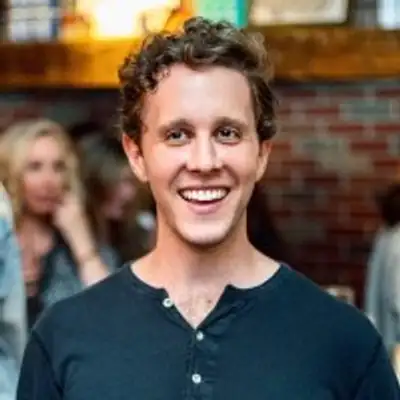
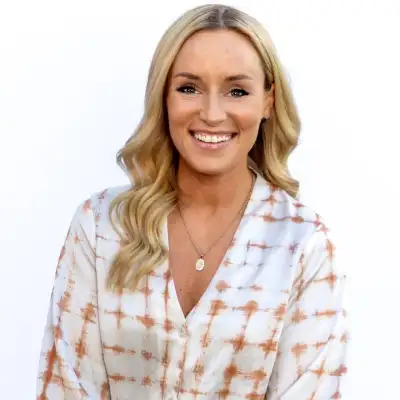
Hello everyone, I am Jeffrey Stern, your host of today's Ohio Fund Report with Anna Day. Anna is a multi unit, multi brand franchise entrepreneur who has spent the past decade building businesses across Ohio. Since getting her start in franchising with an anytime fitness location back in 2012, she has gone on to own and operate many franchises across several systems including Clean Eats, Smoothie King, the Vitamin Shop, Barrio Tacos and Tequila and Go Glo, earning national recognition along the way as both Franchisee of the Year and Multi Unit Owner of the Year. Today, Anna also works as a franchise consultant at the Fran Spot where she helps aspiring entrepreneurs explore and launch franchise businesses of their own. Alongside her entrepreneurial work, Anna is the founder of 24 in 24, an endurance running event where participants run one mile every hour for 24 consecutive hours. An event that has grown from a small community fitness challenge into a real institution that has raised more than $3 million for children battling life threatening illnesses. In our conversation, Anna and I explore franchising as a pathway to entrepreneurship, how franchising as a model actually works, why it can be such a powerful on ramp to business ownership, and what she has learned operating multiple franchise brands across different industries. We also talk about her own evolution as an entrepreneur, how she evaluates franchise opportunities today, the importance of building strong teams and of delegation, the story behind 24 and 24 and lots more.
Jeffrey Stern [00:01:35]:
I very much enjoyed our conversation together. As you will hear, Anna is full of passion and of knowledge and I hope you enjoy it as well.
Anna Dey [00:01:44]:
Hello everyone and welcome to the Ohio Fund Report, a show dedicated to raising the collective ambition of Ohio. Before we dive in, just a quick this podcast is for informational purposes only. Nothing you hear today should be taken as investment advice, a recommendation or an offer to buy or sell any securities. Please note that the Ohio Fund and its affiliates may maintain investments in the companies discussed. Any forward looking statements you hear today are based on current expectations and may change. Please do your own research and consult with your advisors before making any investment decisions. For more information on the Ohio fund, please visit theohiofund.com
Jeffrey Stern [00:02:17]:
I was really looking forward to this conversation. I was reflecting on all the conversations that I've had so far and realized that I've never actually got to explore franchising like the business model, the economics, the challenges, opportunities, the overall form of it as entrepreneurship and what it represents. So I'm, I'm super excited to to learn from you both about how it works and how you personally came to build your career around it. So yeah, thank you for for Coming on and, and sharing, sharing your journey and story.
Anna Dey [00:02:51]:
That's yeah, that's so cool. I didn't realize that. Happy to.
Jeffrey Stern [00:02:54]:
Yeah. So we'll have this be the, the franchise expose and, and foray perfect. And like many things, maybe it's, it's just a good place to start at, at the beginning and how, maybe through the lens of franchising, how you came to discover it and, and what made you think this was the path that, that you wanted to traverse?
Anna Dey [00:03:16]:
Yeah, you know, I guess started really young and I knew nothing about entrepreneurship and neither did my family. And I was a few years out of college and really just unhappy in my corporate like quote unquote big girl job. And it was, it was a bummer that I felt that way because I got a very good big girl job. Right. And so I was kind of going through my, what, quarter life crisis. Like, oh no, you know, I went to school for this. I, I did it, I got the job, I got the company car. I'm supposed to be on cloud nine.
Anna Dey [00:03:46]:
And now I was driving, you know, 500 to a thousand miles a week in an outside sales role. And anyways, regardless, I, I just, I, I, I, at that time in my life I was very into fitness and I, it was kind of my outlet. I was in a community where I didn't really know anyone and I was just sort of living at the gym and I came home for a holiday break and realized, gosh, we don't have any 24. Seven gyms up here. Now given this was a long time ago now there's, I think every gym's 24, seven now, but, but anyways, and, and I just got fixated on this and, and wanted to bring a 247 gym to my hometown. I came from a very middle class family, so I always make the joke. I'm sure my parents really appreciate this, but I always make the joke. I didn't know if we had any money, like meaning my family and my parents and my, my network, I'm like, do we have any money? I'm not sure.
Anna Dey [00:04:30]:
But I approached my parents, I presented this idea of opening in anytime fitness to them. And I think your lead off of kind of why franchising at that point, gosh, I knew nothing about entrepreneurship. Frankly, neither did they. And so the idea of going all the way from being novice to like opening our own business was very scary. But the thought of going from novice to a franchise system that already existed and had the 24, 7 key fob technology and the security system Branding that felt less scary. It was like a, a baby jump instead of a big jump.
Jeffrey Stern [00:05:04]:
More approachable.
Anna Dey [00:05:06]:
It was for us, at least. It sure was. And so anyways, my parents ended up leveraging really the entirety of their retirement. It was high risk for us again because, you know, just a middle class family that decided to go all in. And I was their operator, minority partner. Learned about partnerships, learned about being sad when they get 90 and you get 10. And it was fair. We always kept it business.
Anna Dey [00:05:28]:
But it kind of propelled me to wanting to go on my own once I was able to. And they really supported me and cheered me on in that pursuit. So that's kind of how we got started.
Jeffrey Stern [00:05:36]:
That's amazing. That's a real bet on yourself.
Anna Dey [00:05:38]:
It was, you know, it just, it was. Honestly, it was the coolest thing for my family because my parents got to retire in their 50s. We sold the successful business nine years later for a strong multiplier of its EBITDA, which was phenomenal for my parents. I got a little bit of that and it taught me so much. I was the operator. Right. I learned. I'm so grateful to my parents for betting on me.
Anna Dey [00:05:57]:
They're grateful for me because they got there like, hey, this worked out pretty well for us too. It was just very mutually beneficial. I got to learn a lot and it propelled me forward. And they got to retire earlier than they planned. And it's just the coolest thing ever. So very grateful on both sides.
Jeffrey Stern [00:06:13]:
Yeah, that's the dream.
Anna Dey [00:06:14]:
Yeah.
Jeffrey Stern [00:06:14]:
Well, a lot of what I want to unpack are some of those learnings that you had along the way. And we can kind of take it how you've thought about it in reflection, whether that's chronological or more thematic in nature. But I always think it's really interesting to explore what it's like to get started. What did that first. First few months feel like operationally? How do you. How do you. Yeah, actually doing that.
Anna Dey [00:06:38]:
Yeah. You know, it's funny, it was almost like that was the, the 1.0 and then the 2.0 has been every business since because my, my role in that one was all in. Owner, operator. I was training clients at 5am I was working the office from 11 to 8. I was teaching group fitness classes at night. You know, I was all in. And I, I had created a running team and we were at races every weekend and a powerlifting team and we were competing. I mean, I had no life, but so.
Anna Dey [00:07:06]:
But it was perfect. I was in that point in my life where I wanted to Be all in. And we were a top 1% location. And I. And that's what it takes. It takes that owner to be. I mean, my identity and my business, we were one in the same. And I loved it.
Anna Dey [00:07:19]:
It wasn't a bad thing. It was. I was thriving in it. Now at this point in my life, I, you know, I have more going on, and I wouldn't be in that same mental space, but at the time, it was a. It was perfect. And so that was sort of the 1.0 version of entrepreneurship that all in, all day, every day in the business. Right. You know, mentality.
Anna Dey [00:07:41]:
And. But I knew I wanted to scale. And you can't be that times more than one. Right? There's. There's only one of you. So if you want to be 100% all in, all day, every day owner, then you will always just have one business. And. And I realized that that's not what I wanted.
Anna Dey [00:07:57]:
And so I had to figure out how to be that 2.0 entrepreneur that. That actually delegates and that employs and that. That, you know, figures out how to do the infamous work on. Not in, you know, the business. But that was. That was the. A different skill set, and it. Frankly, a different version of myself as an entrepreneur in.
Anna Dey [00:08:14]:
In. In the latter part of my entrepreneurial pursuits, which is everything after.
Jeffrey Stern [00:08:18]:
Yeah. And we'll. And we'll definitely get to explore some of those. I think it would be helpful just to kind of ground the whole conversation, though, for someone who has never really looked under the hood of franchising. Just, like, how does franchising work? What does the model look like? What is the relationship between the franchisor and the franchisee? Like, who are all the parties involved? How do the economics work? Just like a little overview of what we're even talking about here.
Anna Dey [00:08:47]:
Oh, baby, I get. I let this. Jeff. I could talk for hours. This is my. This is my lane. I don't know. Just tell me.
Anna Dey [00:08:53]:
Put a hand up and tell me when you need to interject. Yeah, I mean, I love franchising, right? So it's been my story. It's been my experience. And one thing about humans, we're all creatures of our own experiences. We see the world through our own lens based on what we've been through. And so franchising has just treated me so well. Coming from someone who, frankly, has no business owning restaurants. I could barely cook eggs.
Anna Dey [00:09:13]:
Like, how. What do you mean? I own restaurants. Right? Like, you know, and so that's what franchising allows you to do. You don't have to be creative. You don't have to be a Jeffrey Stern who knows how to create a business. You can be just a regular old person that wants to be an entrepreneur, and you can buy into a system of processes, procedures, vendor relationships, and you just execute. Right? And so for me, that, that has been and is the fit. I've met people that.
Anna Dey [00:09:39]:
It's totally not the fit. Like, they are creative. They have a brainchild. You know, they thrive in creation and, and that just never was me. So franchising provides people like me an outlet to. To. And, and, you know, really one of the funniest things about franchising is the franchisor will say, no experience required. And you're like, what do you mean? I'm opening a roofing franchise.
Anna Dey [00:09:59]:
I've never even had it. Like, I never used a tool before, you know, so. But. But it truly is possible because they're going to train you, they're going to teach you the type of people you need to employ. And I don't own a roofing franchise, but that's just quite literally how wild it is that you can get into entrepreneurship in industries that you don't have the background in, because the franchisor does. And they know how to teach you the skills and the. And the HR components and all the pieces and parts that allow you to operate a successful business. So, yeah, it's, it's.
Anna Dey [00:10:28]:
It's buying into a proven and existing. Now proven can vary franchisor to franchisor, certainly not all created equal, but it's buying into a system and processes and procedures and relationships that have already been decided for you. So it does very much limit your ability to create your own brand, but it allows you to just take the keys and run with it, which can be a great fit for the right person.
Jeffrey Stern [00:10:50]:
What do you think most people don't understand about the model or, you know, broader misconceptions about the. The industry?
Anna Dey [00:10:58]:
Yeah, I mean, and I always clarify, every franchisor is not created equal. Like, there are there. And, you know, there are definitely strong, strong franchisors, and there are some that are not. And, and there is a diligence process to deciding if you're going to become a franchisee. But it's so much more than brand awareness. I hear that a lot. Like, oh, you get brand awareness. I brought multiple units of Smoothie King up here to Cleveland.
Anna Dey [00:11:22]:
Nobody had heard of it. One of my competitors in this market is a local competitor with 20 locations. And people said to me, oh, man, you know, this, this other brand is already here. I'm like, smoothie king has 1400 locations globally. But they only knew, you know, so, so, you know, brand awareness is such a small part of the value add of investing in a franchise business. You should be getting support from your franchise or you should have points of contact, whether your questions about marketing, whether questions about real estate. You should have a person to call, they should have already trialed out, you know, the, the product and service offerings, figured out their differentiators, negotiated cost savings on things like your payment processing, your digital marketing vendor, cost of goods if applicable. Right.
Anna Dey [00:12:05]:
You should be inheriting all of these benefits. They should have technology to determine how big your market needs to be and where you can put this business that you will be successful. Not just based on vibes or a gut, you know, oh, I think this would work in my market, but based on real, significant and strong data. And so these are all some of the things that you get with franchising. And the most underrated thing you get is a new group of friends and colleagues. Right. My best friends as an adult are my fellow franchisees. Right.
Anna Dey [00:12:34]:
Who do I talk to? I mean, my friends from high school and college. You know, I love them. You know, I see them twice a year, follow them on social media. My fellow franchisees, we text every day, every week. Right. We're in this together. And even though we are independent business owners, we have, we're running the same businesses, so we get to bounce off each other. And it's like the coworker environment, but in a franchise system.
Anna Dey [00:12:54]:
So it's a really cool value add to entrepreneurship and franchising.
Jeffrey Stern [00:12:58]:
Yeah. And just at the highest level, how does the business model work?
Anna Dey [00:13:02]:
Okay, yeah. So if I buy into a franchise, I'm going to pay a license fee. It's an upfront fee, basically buying the rights to operate their, their, their brand, right to operate as them, identify as them, and then from there they are going to train me, potentially train my team. And they and all initiatives, you know, will come down the pipeline from franchisor to franchisee. And then our job there is to execute on what we are taught. And a percent of the revenue we make goes back to franchisor. That's the royalty structure. So that's kind of the biggest hangup people have is, oh, I don't want to give 7% of my revenue forever back to the parent company.
Anna Dey [00:13:39]:
But they should be earning their. You should feel that that 7% is so valuable because of the R and D that they do to keep your business relevant of the marketing support that they're going to provide and the assets that come down the pipeline that you just get to implement, you know, and you just get to put up on the wall that you didn't have to brainstorm and create and test, et cetera. Right. So you're paying a fee for them to keep you relevant, keep you thriving, and you just have to operate. So that's sort of the model at large, if that answers your question.
Jeffrey Stern [00:14:08]:
No. Super. Yeah. And I think we can try and weave it back in a little bit to your story, you know, as you kind of outlined it in this transition from one dot. Oh. To yourself as a 2.0, you know, franchisee entrepreneur. I mean, I thought one of the interesting things about your story is that I don't know if you followed what people might assume is the traditional franchise playbook where you pick one brand and scale to many locations and you kind of did something pretty different. So, yeah, I just kind of want to understand how, how that evolved because I think people might imagine just having heard what they've heard so far, that the whole thing is like a lot of anytime fitness stores, but many different brands.
Anna Dey [00:14:51]:
Yeah. Psycho. Yeah. I've been a franchisee in six franchise systems, plus an independent concept that I did do. So that's crazy. I always joke because I'm also a franchise consultant, so I help people looking to get into franchising and I always joke with my candidates like, don't do what I did. And diversification is smart. I will say my second franchise was Clean Eats, which is a healthy meal plan restaurant.
Anna Dey [00:15:13]:
I still own two locations. Love the brand. We're, we're a cafe restaurant and a prepackaged meal plan concept. When Covid hit my gym zero, you know, no revenue, like closed, you know, Clean Eats really thrived because people weren't going out to eat. You know, they weren't, they were kind of nervous to go into busy grocery stores. So they were doing a lot of the prepackaged meals. Right. So I will give diversification that.
Anna Dey [00:15:38]:
You know, I'm so glad that I wasn't just three anytime fitnesses when Covid came. I'm glad I had any 10 fitness and you know, the restaurant model. But every franchise, I don't want to say it's like a job because that's not true. But you know you're going to have calls, right? You're going to have a marketing call, you're going to have a corporate check in call, you're going to have twice annual audits from your franchisor conferences, you know, initiatives coming down the pipeline. Right. So as I stacked brand after brand after brand after brand, my bandwidth got wildly zilched, you know, and so I, I realized it probably is much more brilliant to open one to two franchises and then build an infrastructure beneath you. Right. Five, six, eight, 10 locations, you know, therefore you can have a regional manager overseen your territory manager and then you the owner.
Anna Dey [00:16:27]:
Right. Makes sense. But I just kept going brand to brand because I was just really obsessed with investing in my own community and I wanted to keep doing it. You can't put three of the same brand in one community. So I, I put in any 10 fitness here, I put a Clean eats here, then I put multiple smoothie kings here, then I opened a bar here, then I put a beauty franchise here. I was so fixated on my market which benefited me because those customers, you know, I built a relationship once I get to earn their dollars multiple times. But very challenging. And I, I would not recommend it.
Anna Dey [00:17:00]:
I would recommend less diversification frankly. But yeah, so that's, that's, that's been my task.
Jeffrey Stern [00:17:06]:
Yeah. But at the same time I'm sure it provided you a whole lot of insight and perspective getting to see how to your point about. First, I'll not. Not all of them being created equal, just the differences between different franchise organizations and how they operate, you know, kind of best practices applied across your whole portfolio. I mean how, how varied was the experience working with all those different brands?
Anna Dey [00:17:31]:
Yeah, that's a good question. It is greatly varied. Right. I will say though, you know, I really, I've had really great experience. Like I. One thing that people forget about with franchising is your franchisor is only successful if the franchisees are successful. It feels like because they take money out of your checking account once a week in the form of royalties. It feels kind of like they're not your.
Anna Dey [00:17:53]:
Sometimes franchisees in the system will feel like they're not your friend because they take your money. But remember, we have to always remember that we are our partners, the franchisor, I. E. Parent company and us, the locally owned, independently owned franchisees. We are on the same team. And so I have always really felt that for the most part, you know a couple little things here there's with my franchisors and I've been in very mature systems anytime Fitness Smoothie king, Vitamin Chop and I've been in brand new systems. Go Glow Clean Eats. I don't necessarily think that the mature versus new is the it correlates with the quality of the, like, relationship and support.
Anna Dey [00:18:34]:
Actually, I could even battle that sometimes. New is. Is like my Clean Eats founders and I, we text like, you know, that's a relationship that I built because I was one of their first 20 franchisees that, you know, when you're franchisee number 1500, you probably don't ever get the founder's phone number and you probably don't really help mold and mend the brand. Right. So. So yeah, I. Overall, I've had good experiences, but they do vary greatly. And it's.
Anna Dey [00:18:56]:
It's in different ways. Right. But I've really enjoyed the opportunity to work with a bunch of different types of franchisors.
Jeffrey Stern [00:19:04]:
Yeah, I'm very interested in. You mentioned performance at the 1%, you know, level differentiates your ability to operate a brand at that level. And what, why, why, you know, what are the actual things you're doing at that point to achieve that level of outcome? And how do you scale that across different brands? As you mentioned, it sounded like requires a lot of in the business kind of work. And so just how you thought about across your entire portfolio and kind of horizontally within the brands themselves. What, Just how you thought about that?
Anna Dey [00:19:46]:
Yeah. This is a cool tidbit. This is. This is a great question that you pose. And I remember when I was trying to go from 1.0 to 2.0, Anna, and I didn't see the path, right, Because I'd been all in, all day, every day, knew every member's name, living and breathing the brand, driving a car with the logo wrapped around it. I got tattoos of the brand on me, literally multiple, you know, like that degree of all in. So how could I see a path where I'm not, you know, how could I grow, right? Because I. There's only one of me.
Anna Dey [00:20:13]:
I can't be all of this for my second third hundredth franchise. And I met with my accountant, Shout Out Bob Zappatelli. And I said this to him. I said, bob, you don't get it. Like, I'm in there. Like, like the brand won't be as successful without me. And he goes, you're right. And I think I was kind of expecting some.
Anna Dey [00:20:33]:
Some degree of like, no, you don't get it, Anna. Like, I. I guess I thought he would push back. And he goes, no, you're right. He's like, for sure it won't make as much money without you. And I was like, okay, well then I can't grow. He's like, why can't you grow? I'm like, because you just said, if I don't do all these things, I won't be as successful. And he said, you get to pick your path.
Anna Dey [00:20:52]:
Do you want to have own one business that is operating at 100% of its capacity because you pour your heart and soul into it every single day, or do you want to open 10 businesses that operate at 80% of their capacity? He's like, they will not operate at 100% without you doing all the things you're doing. He's like, I'm not fighting you on that. That's a fact. He said, but, you know, you can't grow like this. So you pick your path. Do you want to be that owner that's so full of pride of that business you've had for 50 years, and you've been sitting inside the four walls of it for 50 years. And you know, and you're, because that's an owner, that's an entrepreneur right there. Makes you think of like, those old grocery shops where the, you know, you see the owner, he's like 85, and he still shows up for work every day because he just loves his business and he's so proud.
Anna Dey [00:21:31]:
That's what, you know, makes you think of. But, but that I didn't want to be that I wanted to grow. Right. I wanted to have a portfolio. And so that provided me almost like permission to not be 1.0, 1.0 Anna forever, and it's still okay. And so that is the mentality I brought forward. I have phenomenal businesses. I have phenomenal leaders underneath me.
Anna Dey [00:21:54]:
Do they excel to the degree that I would if I were them? Honestly, sometimes I think they're better than me, but, but they're not the owner. So in theory, if I were in there doing what they're doing, maybe I'd be able to give it that extra couple percentage points. But at what cost? Right. My work, life balance, my ability to grow, my ability to do other things. And so it's a really cool perspective that is probably relatable for any entrepreneur, franchise or otherwise. So that's kind of been my mentality.
Jeffrey Stern [00:22:24]:
Yeah. How did you think about and why did you want to start your own concept?
Anna Dey [00:22:33]:
My independent brand or. Oh, okay. So even that, I can't give myself too much credit. I was approached to be the operator of a concept that had been the brainchild of someone else. And I, I did chip in. He gives me credit that I'm not sure I really deserve. I, I, I'm literally not a creative person at all. So we Opened a bar in downtown Willoughby called the Yard on third.
Anna Dey [00:22:55]:
It is pretty cool. Had two phenomenal seasons, I will say between season one and season two, I did a ton of work. There was a lot of work that needed to be done to the infrastructure. Had to bring out, you know, an architect, really re. Honestly redo it. So. But after two years, thankfully we were very, very successful. So I was able to get a nice, nice exit from that business.
Anna Dey [00:23:16]:
And, and so even for me, it was sort of like a franchise because I really was actually coming into someone else's. And so I, if I have to be honest, I've really never created anything
Jeffrey Stern [00:23:25]:
myself that feels like it's gotta be not true and very modest. Um, appreciate it. I mean, so I, I kind of love the motivation, if you will, of building what you wanted to see in your own community. Yeah, I mean, is that literally what you felt was motivating you?
Anna Dey [00:23:42]:
Yeah, you know, I, I felt like I had a good ability to observe and acknowledge opportunities. So all the brands I have here, you know, Anytime Fitness, we had no 24, seven key fob access fitness at that time. Clean Eats, we had no healthy prepackaged meal plan concept at that time. Smoothie King. When I opened my Smoothie Kings here, we didn't have any of the nation's top providers in this category. We didn't have Smoothie King, Jamba Juice, Tropical Smoothie, Planet Smoothie, Robex. None existed in Mentor, despite us being a large market plus population market. So I felt like I had truly identified a hole in the market, if you will.
Anna Dey [00:24:16]:
Even my custom spray tan beauty brand, there's been no standalone beauty player in that segment, that niche segment of the industry. So, you know, I do keep eyes and ears on my community and I do feel like when I bring something here, it's because I notice that there's a hole, there's an opportunity, and, you know, there's always competition. I don't want to make it sound like, oh, I can't open a business if, you know, if I want to open a sandwich shop, because there's other sandwich shops. You know, I always tell people, you got to carve out your steak of your share of the market and then you grow it by being a good operator and having a nice place, keeping it clean, good staff. So, you know, but for me, I've kind of, yeah, I have really two things, found model business models that I felt like the community needed. And secondly, I've really enjoyed filling vacancies in my community. I filled over 10 vacancies brick and mortar physical commercial vacancies in my community through my entrepreneurial efforts. And I like that.
Anna Dey [00:25:04]:
I like kind of beautifying. Even when I sell, I sell to another buyer. Beautiful. It's still there. It's gorgeous. It's a franchise business that, you know is hopefully going to continue to thrive. So even when I don't stay, because I like to, I like to buy, I like to build, I like to sell, I'm always open to anything. Right.
Anna Dey [00:25:20]:
So have it forever for me to feel like it's, it's fun to beautify the community in that way.
Jeffrey Stern [00:25:24]:
Let's talk about selling then. Ultimately, you, you did successfully sell part of your portfolio. When did that make sense? Why, why did you want to do that? You know, how did you, how did you approach that, that whole process?
Anna Dey [00:25:38]:
Yeah, you know, the math's got a math right. You know, you know what you put into it, you know what your cash flow has been, you know what debt is, if you still have any. And, and so it's kind of first off, it's a numbers game, right. You know what the offer would need to be to make sure that you're getting out in a pretty place. You don't want to just build it for 700,000, only make 100,000 EBITDA and then sell it for 700,000. You know, it's just not worth it. Right. So you got to make sure you're, you know, you've given it enough time to grow the EBITDA.
Anna Dey [00:26:02]:
That bar example, we just were 0 to 100 business. Every once in a while you get lucky with one of those. So we didn't need the 35 year trajectory for me to be able to say, oh, it's time to exit. I got a good, I got a good opportunity here with a nice multiplier. So, yeah, it's really been, it's been different for each business depending on when this, this podcast launches. I'm actually selling my two smoothie kings after just shy of a six year run. I've had qsr. A lot of people like to invest in qsr.
Anna Dey [00:26:28]:
So I've been hit with, hey, a lot of buyers for a long time. And so what I do is whenever I get an offer, when I'm not ready, I just keep that phone number. So when I am ready, I got a nice little. So I've never listed with a broker, I've never had to market my sales. I've always known who my buyers will be, which is a big thing in franchising. Another perk There's a bunch of people that already know how to run your business. Right. You know, they all.
Anna Dey [00:26:49]:
So it's very easy for them to acquire or frankly for you to acquire when you're ready. So anyways, I send out my message when I'm the numbers or number and the math is math and I say, hey, I think maybe it's time. Here's the price it would take, let me know. And I was fortunate enough to get kind of a little bit of a bidding war going on. I'm going to get a nice exit and I'll figure out what the hell I'm doing next. So I don't know if that answers your question. It's really, you know, it's, it's so dependent on the unique business and what the investment was, what your cash flow has been, what your multiplier of E will be. Do you need to give it more love? It's not ready yet.
Anna Dey [00:27:20]:
You know, you need to get that number bigger. You know, do you have that or not? You know, so there's just so much to factors into it. But I'm a numbers person. I love numbers. I love spreadsheets. That's probably my, I'm not creative, I'm math brained, right. So that's my, that's my lane. And so I love to do projections and figure out when and how much I can sell for and when it's going to make sense.
Anna Dey [00:27:40]:
So that's all part of the fun.
Jeffrey Stern [00:27:41]:
So when you're starting to think about what, what the hell to work on next, I mean clearly you weren't like this whole franchising thing, not for me anymore. I mean you clearly have a real passion for it. How did you approach? I mean I feel like really there could have been two paths that feel somewhat obvious. One would be like you could try and start your own, you could do more or what you've opted to do which is, you know, help others get into the business of franchising and just how you thought about why you wanted to do that and, and just building a business around the business of franchising, it's, it's kind of meta.
Anna Dey [00:28:19]:
Yeah, yeah. I, so when I got, what was it, seven brands wide and I also of course have my charity event which is for about three months of the year feels like a full time job. So when I got kind of that wide, my bandwidth really, really, really struggled and it was just apparent that I could not keep it up. And so that's when sat down, really looked at everything and sold about Half my portfolio got down to six franchise businesses and, and at that point, which was like 20, 23, I, I kind of, I don't know, my family just really laughs at me because they're like, you are so crazy. But I, I felt like you had great managers in all my franchises and they were really running them, right? So here I am in my 30s, just kind of obsolete, right? Like I, you know, I could build more, but that takes time. And, and, and I had great people beneath me and they were doing well and I was proud of them and I just didn't, I wasn't really. So I'm like, if I wanted to pour more of myself into my businesses, I'm going in and making smoothies or I'm going in and, and I like to do that. And I still do work in my businesses.
Anna Dey [00:29:19]:
Not that I, I work once every other week. So I always joke I'm not doing the Lord's work out here, but I keep a foot in the door. So anyways, I kind of recognized that pouring more of myself into my franchise businesses was something that I could probably replace myself with a 17 year old that might do better than me anyways. And so I wanted to do something that was really more tapping into 15 years of experience in franchising. It's, I always joke, it's the only thing I know, you know, and so, and so I was trying to figure out how I could do that and I stumbled upon franchise consulting, which is not something that I created but my, but I do have my own business doing it and it's where I get the opportunity to help people honestly just learn about entrepreneurship. A lot of times my candidates have, are like, I used to be never been. Entrepreneurs learn about franchising specifically if it's the right lane for them. And then what does that look like? What, you know, if the project cost is X, what do I have to actually fund of that project cost? And you know, how do I evaluate a franchise and what, what industry or model makes sense for me based on my market or my financial preferences, etc.
Anna Dey [00:30:23]:
So it's kind of fun. I get to work with people on exploring all that and then sometimes it works and they buy a franchise license. I've placed dozens of candidates in dozens of brands and that's a thrill. At other times they're like, actually this is kind of scary. Maybe, maybe not, you know, or, or they just don't, this is not the right fit. But anyway, so that's kind of why I got into it. I get my quarter like, oh, Wait, no, I think now I'm at a midlife crisis. I was a midlife crisis.
Anna Dey [00:30:47]:
Just kind of wanted to get into something different. And I'm still gonna franchise. It's still my thing. I'm opening. I still open. I'm opening more units, but that's my other kind of passion thing that I do.
Jeffrey Stern [00:30:55]:
So what does the process look like? I come to you? I'm somewhat interested. You know, I want to be an entrepreneur. I don't know where to start. How do you. How do you walk someone like me through that?
Anna Dey [00:31:07]:
Yeah, so I kind of always start with, like, your why. You know, tell me why. Like, what brings you to the call. Right. Kind of get to know people. And what we're looking for there is not just what we call, like, pain. You know, if. If your only why is I hate my job, you know, or your only why is, you know, unfortunately, that's probably not.
Anna Dey [00:31:26]:
I. You know, I'm not saying I wouldn't work with someone who says that, but it can be indicative of the fact that it may not be the right fit, because really, entrepreneurship is for entrepreneurs. And whether that means that you used to like doing the lemonade stand at the end of your driveway when you were a kid, and that's the last time you revisited. But there should be some degree of, like, an entrepreneurial itch or like an, like a spirit of, like, I've wanted to be a business owner. Like, I think that is actually, like, the magic piece of this. Like, you can't just want to do it for the numbers. You can't just want to do it for money. You know, it shouldn't be just diversification of my asset portfolio, and otherwise, I don't care at all.
Anna Dey [00:32:00]:
I just don't think that there's. That. That's enough to really enjoy it. It can work for you. But then you're like, oh, I own a business. It would have been easier to put my money in the stock market. Right. And so you got to have that excitement about it should feel exciting, I think, is part of it.
Anna Dey [00:32:13]:
So anyways, so kind of uncover the why, and then we talk through that in a lot more length. So my job, first of all, is to get to know you. You know, what. What. What would you be looking for in a business? We talk quite a bit about net worth versus project cost and ensuring that we're, you know, end risk tolerance because those work in tandem. Marketed preference, of course. And then ultimately, my job is to bring you some franchise brands that a lot that I believe align with your core, core values and your core preferences. And then I help you explore those concepts, understanding what, you know, their documentation means and, and what, what the process looks like.
Anna Dey [00:32:45]:
So I'm just kind of your neutral third party advocate. I always tell my candidates they can call me, text me, whatever, you know, we keep it, we keep it fun and just answer your questions. You just have somebody along on the ride with you. And the best part about franchise consulting, and I hope this doesn't sound too much like a commercial, but the coolest part about it is it's free you from candidates because franchisors pay consultants. They say, hey, thanks for bringing us Jeffrey Stern. We're so pumped that he's opening three Smoothie Kings. Here's a commission. So I'm compensated, but exclusively by franchisors when and if my candidates do find the right opportunity so people who work with me don't have to pay me anything, which is very low ask on their part, which is kind of fun.
Jeffrey Stern [00:33:19]:
Yeah, that is a nice alignment of incentives.
Anna Dey [00:33:22]:
Yeah.
Jeffrey Stern [00:33:23]:
With that in mind, though, to the point about all the brands not being created equal, again, like, how do you discern, how do you evaluate different franchise opportunities for, for folks and, and do that kind of alignment of core values with the right opportunities? I'm sure, you know, not everyone wants to do a the window company versus, you know, the smoothie company or quite, quite a diversity of actual practical things. People could, could.
Anna Dey [00:33:50]:
Yeah. You know, I'll admit that has been a big learning. Like, I represent hundreds of brands and I always tell my candidates, like, hey, I know 5% about 300 brands. You're going to know 100% about one. So there will be a point in this process where you have more knowledge about that one given brand you're doing diligence on than I will have. And so we will flip flop on our degree of expertise on that one brand. But what I will continue to bring to you is an understanding of how to evaluate that opportunity as a third party. So.
Anna Dey [00:34:18]:
So sometimes, yeah, at some point in the process, my candidates will ask me a question about the brand that they're, they're looking at. And I'm like, you know what, I actually don't know that answer. So you're going to need to ask your franchisor. But with that said, there are things that I can do on the front end. There are variables you can look at to, to kind of benchmark a franchise based on, you know, how new they are. Does that matter to my candidate if they are more mature Closure rate. There's, that's a, that's a data point in the franchise disclosure documents of brands. That's something that I, I think is important and if I don't have the opportunity to look at it myself, I will educate my candidates on how to ensure that they do because I, we don't have access to every FDD on, on this side of the table.
Anna Dey [00:34:56]:
But so yeah, there's these little, little things that we can use and then the other cool thing about what I do is I'm in a national network and it's very collaborative and so I get a lot of support there too. You know, people have been doing this for 20, 25 years and know a lot about brands, so. And then last thing is, it's a lot of continued education every single week. Our several hours of learning about franchise brands and continuing to stay abreast of what, what's out there, what are their differentiators, what, why are they so great? We have two week long conferences annually that all day, every day, from breakfast to dinner, networking and learning from franchisors to ensure that we know what's out in the market and, and what brands are strong and what parent companies are strong and all those things. So it's, it's hard. We can never be a guarantee, you know, in, in the brands that we show, but we can certainly help our candidates understand how to do their best diligence to get to the right, hopefully the right opportunity.
Jeffrey Stern [00:35:47]:
When you're at those conferences and thinking about the market writ large, where is this industry going? Like how has it evolved? What are, what are the trends? Like what, what is, has it changed at all? Or is it basically the same? I actually don't know the history or, you know, anything.
Anna Dey [00:36:04]:
Yeah, it's so funny. This reminds me, this question reminds me. My mom once showed me this and it was like all these newspaper articles and it was like from the 20s, the 30s, the 40s, the 50s, oh, you know, all the way through current time. And all of them were saying like the youth, the youth aren't motivated or the young people aren't like what they used to be. They're not hard workers like they used to be. And so what it's showing is just basically like we all think about it through the current lens. Like we're like oh, gen zers. They're not, they don't, you know, but every generation has said this about their respected youth for all of time, right? And so you're like, oh, maybe I'm just a grumpy you know, 40 year old.
Anna Dey [00:36:40]:
And so anyways, you're probably wondering where the hell I'm going to bring a parallel here. But with franchising, it's funny, like you'll hear, oh, franchising is less this or it's more that or it's like some of these kind of like very like putting it in. But I've been hearing those same things, you know, that it's, it's, oh, it's growing more that. And certainly there's some data that, that will indicate, you know, certain segments or have huge growth trajectories, et cetera. But it's funny, I think franchising will always be the right fit for the right person. There will always be a really, really great brand that's coming up, a new emerging brand opportunity. There are always being brands that are kind of in the latter ends of their life cycle that probably aren't the best ones to invest in. I think there will always be a lot of that.
Anna Dey [00:37:18]:
And then everyone is a creature of their own life experience. So they're where they're at with franchising really depends on them, if that makes sense. So I kind of feel like it's, I don't know if that answer your question, but that's the way I look at it because people will be like, oh, you know, it's going this way or it's going that way. And I'm like, I heard that five years ago, I heard that 10 years ago, I heard that 15 years ago in different ways from different people, about different industries, about different parts of franchising. And so, you know, or even, sorry, last thing. But even like the grandeur, like, oh, small business ownership is no longer, you know, going to be a thing. Like it's, everything's going big business. Like the opportunities for small business owners aren't there.
Anna Dey [00:37:53]:
Like they used to be like some of those like general themes that we hear. But then sure enough, there are still small business owners 10 years later, you know. And so I don't know if that answers your question, but it's, that's kind of how I feel about it, is that it can, it'll be different for anyone in their various experiences at any given time.
Jeffrey Stern [00:38:08]:
For sure. Maybe like a different angle to approach that question would be like, what, when you think about maybe where it's going, what are you excited about? About how the industry might change? I mean, I think it's, I hadn't really thought about it as like a ramp to entrepreneurship generally, but it clearly is. But just like looking Forward. What, what is exciting to you about the opportunity and how, how you think it might change, if at all?
Anna Dey [00:38:36]:
Yeah, I mean, I, I think that franchising will, I would love to see franchising be. I guess I would love to see more education for people on how to get into it. Right. And how to, how to. Because I think it is a good stepping stone. There are people that do want to open their own businesses, but, but you do learn a lot about entrepreneurship through franchising. So even if it is your first business. Right.
Anna Dey [00:38:57]:
Even if it is a stepping stone business. But other than that, there's nothing necessarily that stands out to me as like what I perceive is going to be different in the future. Besides the fact that hopefully franchisors just continue to learn about what works for their franchisees, how to build successful infrastructures. I know there's a lot of collaboration between franchisors to, you know, the very, very successful ones. What worked, how did you create foundational success for your franchisees, etc. So, you know, I hope, I hope that the industry just continues to thrive and, and, and I believe that it will. I think it's just a really, really great way to get into entrepreneurship.
Jeffrey Stern [00:39:29]:
When you Reflect on the 1.O the 2.O if now is, you know, 3.O professional version of yourself, what stands out as the, you know, biggest earned wisdom that you have from those, those chapters maybe respectively, the, the hardest lessons learned.
Anna Dey [00:39:48]:
This kind of brings back to like that newspaper article about things people always say. Like people always say, oh, you count. You can't count on people. Oh, I don't want to have a labor heavy business because people suck. Employees are the worst. My biggest learning is that that is. Are we allowed to swear on this podcast, Jeffrey?
Jeffrey Stern [00:40:04]:
Sure. Yeah.
Anna Dey [00:40:05]:
Okay, great. My biggest takeaway is that's bullshit. I think that you having bad people underneath you or people that are inconsistent or they blah, blah, blah, blah, is a bigger reflection on you as an owner than it is on anything else. I am not saying I'm the best owner ever. I'm far from it. But I have had the same managers at all of my businesses since the day I opened. And I don't know what my secret sauce is per se, besides, I guess just like I give a damn and I hope they're okay and if they tell me they're stressed out, I say, how can I help? And I, you know, we, oh, I don't ever make anyone, I've never had anyone work more than a 40 hour workweek. That's pretty rare in the restaurant industry.
Anna Dey [00:40:37]:
A lot of managers are expected to work these 55, 65 hour weeks. I don't believe in it. I don't believe in it. I think you're going to, you're going to burn out. I'm going to lose you. I'm very big on work life balance. I, my managers can work as little as 32 hours. We work, I have a structure like that where they can ebb and flow.
Anna Dey [00:40:51]:
But I have great people and I've been very successful. And my role is if I'm making money, they're making money. So it's, it's not black and white profit sharing from a legal standpoint with equity share, which I've been open to, but there's repercussions for the recipient of said sweat equity. And so it just hasn't made sense. But, but I will bonus them out based on the profit of the business. And I. Money. I, unfortunately, I love money.
Anna Dey [00:41:16]:
Right. So I'm not, I'm not saying I'm like the most generous person in the world. I'm just saying at the end of the day, if I have another 40,000 in my bank account and someone worked their butt off for it, I am lucky to give them a percent of that because I get to keep the rest. Right? And so you know that that's kind of been my mentality. And so I think my biggest learning is if you aren't going to be the all in 1.0 person that grinds and loves it and breathes it and lives it and you're going to be this person, then you need to work on your skill set caring about humans and finding good people. Now, not everyone is a great employee. I'm not saying that you get bad ones and you're a bad owner. But when you find the good people, how do you treat them? How do you cultivate their talent and how do you tell them how much they mean to you to the degree where you do retain them and you get to thrive together? Because that is my biggest brag.
Anna Dey [00:42:03]:
If there's anything I'm going to brag about myself, it's. I am very proud that I've never lost a manager. I've always kept my people. My people are my people. And, and that is the secret. That's the secret to entrepreneurship is your people.
Jeffrey Stern [00:42:18]:
People. It does always come back to people. You mentioned success. What does that mean to you? How has it changed over time? What do you find is motivating you now relative to, you know, what was
Anna Dey [00:42:30]:
motivating you before, man, that's a tough question. I, that is a work in progress because unfortunately, my. There's a meme out there that's like, oh, I do amazing things. Oh, like, one bad thing happens, someone leaves a one star Google review. Me, Life is over. Everything's failing. Light it on fire. Like, I'm a loser.
Anna Dey [00:42:48]:
Like, and then it says, like, you, like, win a Nobel Peace Prize. And it's like, okay, unfortunately, I resonate with that. Like, I can have an incredible. Like, last month, I was the number one consultant in my national network. It's, it was a huge deal. It really.
Jeffrey Stern [00:43:03]:
Congratulations.
Anna Dey [00:43:03]:
Thank you. Unfortunately, though, just came and went like that. Right. And meanwhile, I'm having anxiety because of one little. I forgot to download the, the prom package for my beauty franchise and, and get it, the dumbest little tiny, nitpicky thing. And so this is my biggest opportunity. Probably need a therapist, not you, Jeffrey, for me to talk through this with. But, but, you know, I really want to work on allowing success to actually feel like a thing for me and like, and not feel like the goalpost is ever moving.
Anna Dey [00:43:37]:
And I think this is probably a big thing with a lot of entrepreneurs is if you hit this, you got to hit that, and then you got to get to that, and you got to get to that, and it's just you're chasing and you're chasing and you're chasing. I really want to feel like I've, I've gotten the thing and now just kind of sit with it, enjoy it. And, and, and I'm consciously and actively trying to work on that because otherwise there will always be a goal coast goal post, and it's not like, the best way to live, but it is a challenge. Right. And so it's, it's, so it's a hard question. I, I, I've been very successful, very, very successful, especially at my age, and it's really cool, and so have you, Geoffrey, and it's really cool. But I bet you would agree with me that it's kind of hard to just sit in that and then reevaluate what success means from here.
Jeffrey Stern [00:44:21]:
It definitely is. Yeah. I think an angle also to think about it would be. I don't know. I think about this too. Like, what, what is the impact that, that you want to have? Looking back from a place of retrospect.
Anna Dey [00:44:34]:
Yeah. From a for profit economic standpoint, I've always been kind of proud about, like, building up this community, just this northeast Ohio, you know, little suburban community. And I think that that's that's been a really cool thing. I also, and I know we've talked about this, I created a charity event in the midst of all of this,
Jeffrey Stern [00:44:53]:
and let's talk about it.
Anna Dey [00:44:54]:
Yeah, yeah. It's kind of cool. It's my other big tattoo. I really, I really like tattoos. Currently, I created this little running event back when I owned the gym. You run one mile on the hour, every hour for a calendar day. So it's not like you run five miles and you take five hours off. You run a mile at noon, at 1:00pm, at 2:00pm so this little staccato running experiment, which in theory is easy because it's one mile at a time, but then you're doing it at midnight and 1:00am and 2:00am and you know, you're.
Anna Dey [00:45:22]:
And it starts to really compound on itself, both mentally and physically and emotionally. And so it's pretty hard, actually. I've had people say it's harder than a marathon because the marathon, they know what to expect. They go run the 26 miles, and this is 24 miles in these little tiny baby increments. Other people have said it's way easier than a marathon. So. But regardless, I created it, frankly, as a physical challenge. Like, I owned a gym.
Anna Dey [00:45:44]:
I was trying to think of something cool and hard to do. And I guess I'm like, a little embarrassed to admit, like, I didn't really. My energy was more about the physical. Like, it's just a hard thing because this is back when I was like a fitness person. And. And the fact that we would raise some money for first. You know, at that time, our first year, it was a child battling leukemia who's still an amazing member of our community that is now grown up, which is crazy. So.
Anna Dey [00:46:07]:
So we raised money for his family, but the raising money for the family was like my afterthought. Right. The physical challenge was my brainchild. Right? And then it has just, whoa, whoa, whoa, whoa. Evolved. And I've realized, going back to your question, like, what impact do you want to make? I've kind of realized, oh, my gosh, I have an obligation to keep this event alive because it is a powerhouse now. It's a whole. We were at the Cleveland or Cleveland Guardian Stadium one year now, literally a professional baseball stadium for 24 hours with 500 runners.
Anna Dey [00:46:37]:
And the event sells out in like 24, 48 hours now. And we've raised over $3.2 million for children battling life threatening illnesses in the state of Ohio. So it's just gone from this teeny Tiny little thing to this like powerhouse event. And so that's sort of where when I think about my impact like that's sort of where I put a lot of my. I'm like okay, all the for profit stuff I do great. That's all in that bucket. But I make enough money on this side where I can do this because I'm a volunteer. I've never paid a salary in this endeavor.
Anna Dey [00:47:10]:
I get to put myself into this because of what this does. And, and that allows me to have this like really, really cool impact at least if nothing else on Northeast Ohio. So that's sort of my, my baby.
Jeffrey Stern [00:47:23]:
Yeah, it's amazing. I think right there you've challenged your own self perception that you're not creative. That sounds pretty creative to me.
Anna Dey [00:47:31]:
That was my one go. I had, I had one, I had one hit. You know, a lot of strikeouts, one home run. That was my. I'll give you that. That's true.
Jeffrey Stern [00:47:38]:
It's something creative. What, back to the franchise thing for a sec. What, what franchises are like most aspirational, inspirational like that that you're. You find yourself inspired by. They're just like operating. They're, they're like the 1% of the 1% of franchise operations.
Anna Dey [00:47:55]:
Yeah, you know that's a good question. I was really impressed what crumble cookie did. I know now they're kind of more in the plateau part of their life cycle but the way that they grew, the impact that they made, they went from unknown to wildly cult like following in a very quick period. That's an example. And, and franchisees did very well. Crumble, small square footage footprint, small build out cult like following. That was a really a thrill in franchising. And again now I think it's in a more mature.
Anna Dey [00:48:21]:
I think a very safe place. I don't think anyone's but it, you know I'm sure I, I would not be surprised to hear that average franchisee even on that system is, is down year over year. Not claiming that to be true. I don't know that for factually but, but that was a thrill of a ride. I love the fitness franchises. Anytime fitness. Same thing when we had our, our rise to the top. And then again just as happens in the life cycle of a brand, more competitors, cheaper competitors.
Anna Dey [00:48:45]:
But in any 10 fitnesses and it's still a great brand. But in their glory days that brand was really something special. There's always kind of a new one coming up. I, I'm a huge Orange theory. I love Orange theory. I think that that Methodology was brilliant. Smaller square footage, class environment. So I do kind of admittedly because I'm a fitness, I've been a fitness franchisee.
Anna Dey [00:49:05]:
My, my brain automatically goes to those brands. But, but there's also really great brands in the service industry. Oh my gosh. The Paul Davis franchise that I can't. Unbelievable success that franchisees have had in restoration of all industries. Right. And so there's, there's so many different cool ways that you can make money in franchising and just in, in general. Right.
Anna Dey [00:49:27]:
That you don't think about. And so that's been a lot of fun getting just exposure to that. I placed a few candidates in an up and coming franchise called Taste Buds Kitchen that I really love. It's, it's an enrichment franchise for cooking, you know, BYOB for adults and kids, summer camps, parties. And that's a really cute model created by a Harvard grad woman owned women founded franchise that I love. So I'm just like so many people have their own, you know, hobbies and interests. My husband loves cars. I love franchises.
Anna Dey [00:49:58]:
I love learning about business models. I love learning about brands. I love learning about brand stories. So I'm a little bit of a, kind of a junkie on that and it's fun for me. So it's hard question because there's just so many different things out there.
Jeffrey Stern [00:50:10]:
Could you franchise philanthropically like with 24? I guess that's kind of local chapters. Have you thought about like what that would look like for 24 and 24?
Anna Dey [00:50:21]:
Oh, Jeff, probably I should be doing that. Yes. One time I met with somebody listening to.
Jeffrey Stern [00:50:27]:
It's an amazing concept and I've seen all these like fitness things kind of blow up.
Anna Dey [00:50:32]:
Yeah. I know someone listening to this podcast who know who, who wants to be my advisor in that endeavor. Call me. I met with an attorney once. It was actually pretty defeating. I remember he was like, what would stop someone from just doing this themselves? I'm like, well, we've created a brand reputation. I have a playbook. You know, we, we have, you know, we've created a logo and a brand identity and a, you know, et cetera, blah, blah, blah.
Anna Dey [00:50:52]:
But, but it was sort of a defeating conversation. It probably wasn't the right person for me to be talking to, you know. But the other part of it is honestly I think just the fact that like I mentioned I am a volunteer and so just the idea of growing it in that way has just. I've thought about it and then I just get so intimidated and overwhelmed and I just yeah, but, but you're, I mean, certainly like why there could be a 24 and 24 event in every state in the country raising money for that or that state's local children battling life threatening illnesses. And you know, the running community, they are an incredible community. They are hardcore runners are different, free. And so I know runners all around the country will support and will come out in throws to support it if it ever grew in that capacity. And maybe one day it will.
Anna Dey [00:51:29]:
Maybe when I retire from my for profit world, I could put all my, all my eggs in that basket because I think that you're onto something and I certainly understand franchising. So, you know, why couldn't I figure out a way to do it in the nonprofit sector? So maybe one day.
Jeffrey Stern [00:51:43]:
Yeah. Cool. We've covered a lot of different ground here. I'm curious, is there something in reflection on your own journey, professionally or otherwise, or completely unrelated to what we've talked about that you feel is like, important that you would want to incorporate?
Anna Dey [00:52:01]:
I think some of the, That's a great question. I think of some of the things I say all, like, all the time when I'm working with candidates that are looking into entrepreneurship. I think that I guess my overall overarching, assuming that the listeners here are entrepreneurial listeners and. Or maybe you're thinking about like, I think my kind of thing is that I never want to sugarcoat entrepreneurship. I never want to make it sound like it's, it's the best thing in the world. It's hard. I think entrepreneurship is hard. And, and there's that saying of like, choose your hard.
Anna Dey [00:52:30]:
Like starting your own business and going all in is hard. Staying in corporate America for the rest of your, you know, professional life is hard for some people, for some not. But like, choose your hard, you know. So I think, I think kind of just, you know, when you see other people in their entrepreneurial paths, first of all, don't feel any obligation to compare yourself to them because everyone started in a different place, everyone had different opportunities and potentially different financial opportunities, right than you. And so try not to do that and try to just really focus on. Back to that question you asked me where I talked about like that magic, like does the idea of business ownership, entrepreneurship, does it, like, is it a thrill for you? Do you get that like, kind of excited, like feeling that's who should be doing it? And I think that that's something that I would just double down on, I guess maybe if in closing remarks is, is just leaning into that and then figuring out the outlet for it. Whether again, it's creating your own business from scratch, buying or acquiring an existing business, or pursuing perhaps a franchise and building it out from scratch in that capacity. But, but that's the piece, right? It's not.
Anna Dey [00:53:31]:
It shouldn't be about. It shouldn't just be about money. It shouldn't just be about roi. It needs to be that the pride of ownership, the feeling of success and accomplishment upon employing others and, or just building up your own thing. Like that's really the, the secret sauce and the thing that will, will make it worth it or not worth it if you, if you're thinking of pursuing it.
Jeffrey Stern [00:53:51]:
Yeah, Beautifully said. That's a perfect closing remark. Well, I'll, I'll hit you then with some, some closing questions and then we can, we can wrap it up. But I mean normally we talk about hidden gems in, in Cleveland and I feel like you would have a bunch.
Anna Dey [00:54:08]:
Oh my God, I really should. I've been here my whole life. But I also unfortunately am fairly just like us. I always joke I'm just such a, like I'm just in the suburbs. Like it's the worst. I never like lived in downtown Cleveland, which is, I feel. Oh gosh, let me think. Wow, I hate that.
Anna Dey [00:54:24]:
I'm not. Well, nope, that's self serving. Hold on, let me not give that one. Hold on.
Jeffrey Stern [00:54:29]:
Now you could do some self serving ones.
Anna Dey [00:54:31]:
Well, you know, we have. I'm no longer an owner of the yard on third, but that's a really fun outdoor food truck concept in downtown Willoughby. So for people that, that are on the east side and I know there's another, a couple other food truck parks in the area as well on the west side that are really, really fun. That's, that's a fun kind of summary Cleveland thing we're big on. Oh, the WNBA is coming to Cleveland. That's my soon to be hidden gem. I'm a big. I'm a Caitlin Clark fan, but I'm also Angel Reese fan, all women's basketball fan and WNBA is coming to Cleveland.
Anna Dey [00:54:58]:
Very excited about that. That'll be my hidden gem when we talk again in 2030. I've already put down my deposit on tickets. Love women's sports, but. Sorry, go ahead.
Jeffrey Stern [00:55:07]:
No, no, perfect. I look forward to that conversation. Maybe. What's your. What's your, what's your favorite thing in Willoughby?
Anna Dey [00:55:15]:
Why am I. I love how quaint.
Jeffrey Stern [00:55:17]:
I love that. This is the hardest question I know.
Anna Dey [00:55:20]:
I'm like, why? You don't understand what a loser I am. I Barely leave my eye, like if I'm at my businesses or my house, like as. And so it's a challenge. I need to be more fun. Honestly, though, if you are not familiar, depending on where listeners are from, if you're not familiar with downtown Willoughby, it is such a gem. It is a lovely little spot. Of all local owners, there's very few franchise, if any franchise businesses or national concepts in the square. Michael's Bake shop is down there.
Anna Dey [00:55:42]:
Really fun owners over there. Some really great coffee shops, cute ice cream shops, some cute retail shops I really enjoy, especially when the weather is nice, just like walking the downtown Willoughby strip. If you enjoy getting a few cocktails, there's plenty of options for that. So that is kind of. Because I'm from the east side, I forget that like a lot of people, you know, are cooler than us and live on the west side and so they don't know probably about downtown Willoughby. But it is a very cute, quaint. They do farmers markets in the summer. So that can be my hidden gem is if you have not been to downtown Willoughby, come out for a day, spend a day.
Anna Dey [00:56:16]:
It's super cute. Lots of cute shops, lots of cute restaurants and local owners to support.
Jeffrey Stern [00:56:20]:
If folks had anything they wanted to follow up with you about, learn more about franchising or any of your businesses. Where, where would you point them for franchise consulting?
Anna Dey [00:56:30]:
I have a website which is the Fran spot.com my email anna@thefranspot.com they can reach you out to me on LinkedIn. Anna Day with an E, D, E Y, Facebook, Instagram, you name it. My. My Instagram is Anna Day Rawr. Which is nice. Raw. I is actually like my word. It's like something I started like 20 years ago and I frankly have very much should have outgrown it by this point.
Anna Dey [00:56:54]:
But here I am still like it. Like it's my like accolade. Like you do some good. I'm like, rawr. So anyways, Anna Day Rawr on Instagram. Yeah. You know, and you know, I really do love the entrepreneurial community in Northeast Ohio. And so regardless of whether it be about franchising specifically, you know, if I can be a resource, especially to young people, I'm happy to do so.
Jeffrey Stern [00:57:15]:
Amazing. Well, thank you so much, Anna. I really, I really enjoyed this.
Anna Dey [00:57:19]:
Well, good. Thanks for hanging out with me, Jeff.
Jeffrey Stern [00:57:21]:
Cool. Thank you for tuning in to the Ohio Fund Report. If you enjoyed this podcast, we'd love for you to leave a review on your favorite platform and subscribe to stay updated on all future episodes. You can subscribe via Apple Podcasts, Spotify, YouTube, or directly on our website at TheOhioFund.com the information shared on on this podcast is for informational purposes only and does not constitute investment advice, an offer to sell, or a solicitation of an offer to buy any security. Past performance is not indicative of future results. The views and opinions expressed by our guests are solely their own and do not necessarily represent those of the Ohio Fund. A guest's participation in this podcast does not imply an endorsement or an investment recommendation by the Ohio Fund. This podcast may include conversations with leadership of a company in which the Ohio Fund or its affiliated funds have an investment and as such, financial interest in the success of this company and there may be a conflict of interest in presenting information about the company and its performance.
Jeffrey Stern [00:58:26]:
Any forward looking statements or projections discussed during this episode are based on current expectations, assumptions and estimates. Actual outcomes may differ materially due to a variety of risks, uncertainties and other factors. Listeners should consult their own legal, tax and financial advisors before making any investment decisions. For more information about the Ohio Fund, including our form, adv, other regulatory filings and additional conversations, please visit theohiofund.com.