Subscribe
Share
Share
Embed
Ducks Unlimited Podcast is a constant discussion of all things waterfowl; from in-depth hunting tips and tactics, to waterfowl biology, research, science, and habitat updates. The DU Podcast is the go-to resource for waterfowl hunters and conservationists. Ducks Unlimited is the world's leader in wetlands conservation.
Welcome to the Ducks Unlimited Podcast, RELOADED, where we bring you the best of our past episodes. Whether you're a seasoned waterfowler or curious about conservation, this series is for you. Over the years, we've had incredible guests and discussions about everything from wetland conservation to the latest waterfowl research and hunting strategies. In RELOADED, we're revisiting those conversations to keep the passion alive and the mission strong. So sit back, relax, and enjoy this reload.
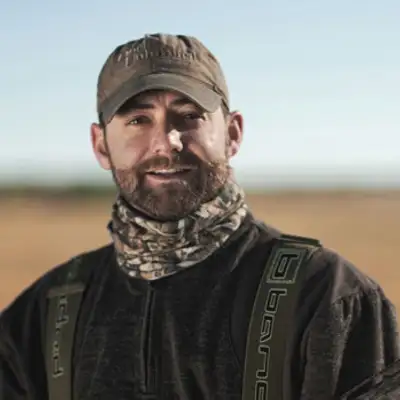
Chris Jennings:Hey, everybody. Welcome back to the Ducks Unlimited Podcast. I'm your host, Jennings. Joining me on the show today once again is John Pullman, freelance contributor of Ducks Unlimited Magazine, ducks.org, and a very common guest on the DU podcast. John, welcome back to the show.
John Pullman:Thanks, Chris. Great to be with you.
Chris Jennings:Today, I asked John to join me on the podcast to discuss it really it came from campus waterfowl feature in the magazine that John does for every issue. But I really want to talk about it because we're coming up to that time of year. It's opening day. You know, I can't believe we're actually talking about this already. It seems like the season just ended for me.
Chris Jennings:And John, I'm sure you're very familiar with this time of year as well. I just went to be ready day for my kids to return to school, so that is a good sign that fall is on the way. And being prepared for that is something that is very important for all waterfowlers. And so, you know, when John sent this in, it really was, you know, a feature on how to avoid early season mistakes. And and really, it's five common opening day blunders that waterfowlers make, and and it and it really a lot of it is really basic.
Chris Jennings:Right, John? I mean, seems like some common sense type stuff, but really a lot of people overlook some of these very, very small details that can make or break your opening day.
John Pullman:Yeah. Absolutely. You know, when I was going through the piece, I've made I've made all of these. Right? And, man, I've been hunting waterfowl for thirty plus years, and I know at one point in time, I know that I've I've made these mistakes and it's, you know, it's it's, just some really simple things, some simple tips.
John Pullman:I'm looking forward to talking through them and I hopefully there are they'll they'll resonate with hunters that are listening. So
Chris Jennings:Yeah. And before we jump into that, I figured I might as well ask. Have you driven across South Dakota much or getting any feedback from anyone on, you know, habitat conditions for one, but also this time of year, you're probably maybe seeing some late broods or some, you know, definitely some some ducks on on water out there. Is that something that you're seeing?
John Pullman:Yeah. You know, so common theme for the year was that super dry through the winter. Rain started showing up late in the season. And just in the folks that I've talked to, you know, that's North Central South Dakota, you know, they call it Missouri Coteau, which is a, you know, prime area for breeding waterfall, nesting waterfall. The water conditions up in that region are fantastic, looking great.
John Pullman:But the comment that I keep hearing is that you're still not just not quite seeing the ducks that you'd expect to see. And so I think it was one again, it's just sort of those things where the water came maybe a little bit too late to attract the birds here. But that said, it it does sound that sound like that the ducks that did settle here are doing really well. And so you're you're seeing you know, we're seeing birds already in flight, wood ducks and some mallards, stuff like that. Canada goose numbers are so so.
John Pullman:But, I mean, overall, it it it appears like that we're gonna have some decent production in South Dakota. But just if the rain if we'd had that moisture maybe a little bit sooner, that really, really would have helped us. But it's still there's a lot to be excited about, and we are. We're we're we had a really wet and cool early summer, and that has kinda put everything behind in terms of crop production. And so but things are finally starting to catch up.
John Pullman:We're catching some heat, and so it's starting to look like late summer.
Chris Jennings:Yeah.
John Pullman:And you could just feel it. It's it's it's gonna be here soon. We're we're staring, knocking the door at at August right now, and we'll be we'll be hunting ducks before we know it, which is awesome. So
Chris Jennings:It's funny. We walk around here and we're talking about this, and I told someone yesterday in the office here in Memphis that it's feeling very August y here. It doesn't feel like hunt season. It's like a 105 degrees with a heat index of like one fifteen. It's miserable.
Chris Jennings:Yeah. So we are, we're thinking about it. You know, it's in the back of our heads, but when you step outside and you're like, oh, man. We still got a long time down here. So Yeah.
Chris Jennings:I'm happy for you. I just I'm just ready for it to get the blast furnace that we live in here. I'm ready for that to chill out a little bit.
John Pullman:No. I well, I just spent some time. You know this. I just spent some time in New Orleans for with some kids for work here recently, and it was next level heat and humidity. Yeah.
John Pullman:So I think I
Chris Jennings:texted you that. I was like, hey. You When were driving down there, think I texted you. I was like, hey. Be careful with that heat.
Chris Jennings:It's something different down there because it's not only is it hot, but that humidity, step outside and it's like someone just throws a blanket over the top of you, like yeah. Yeah. And I'm sure that's a big change for you and the the kids from South Dakota. They were probably like, where are we?
John Pullman:We get some humidity, but not quite like that. And it's hot and humid here right now, but you can just but you can sense it, though. I mean, some of those small greens are starting to turn color. You know, you're only a couple of weeks away from or a few weeks away from those guys starting to to get wheat and the small grains out of the field. And when that happens, then everything just kinda kick starts.
John Pullman:Right? It's it's you're looking at honkers are out feeding in the small grains, and wood ducks and mallards start to fuel feed a little bit. And so we're just a few weeks away from that, which is great. I cannot wait.
Chris Jennings:Yeah. You guys are a few weeks away from an early goose season, aren't you?
John Pullman:Yeah. We actually have a resident only August management take. Mhmm. And so it's in certain select counties up in the Northeast Part of South Dakota. Yeah.
John Pullman:Big bag limits just trying to knock down those resident birds that set up shop here and can be really hard on crops, know, budding soybeans, stuff like that around wetland margins. And so our game fisher parks has given us the opportunity to try to knock those numbers down into a management level that they where they want it to be. And so that's coming up here in a couple weeks. Yeah. And it'll be it'll be hot.
John Pullman:Yeah. You know? But those are it's a great way to start the season, get get going, kind of kickstart a little early.
Chris Jennings:Oh, yeah. That yeah. That that early resident season, those are always fun to to really get things going even though it is sometimes a little little too hot. I know when I was doing it up in Indiana, we're packing coolers just to catch the birds, you know, like, oh my gosh, like it's too hot to be doing this, but we're going to do it because it's fun.
John Pullman:Because it's fun. Exactly.
Chris Jennings:That's right. Well, cool. Let's let's dive into some of these early season mistakes that we've all made. And and really, you know, with the campus waterfowl section, you know, it's geared toward a little bit younger audience, so I think while a lot of these while it is geared towards a younger audience, it is you know, all of these things are pertinent to every waterfowler across the board. Yep.
Chris Jennings:Just like I said, something that everyone should should really, you know, pay attention to, but, you know, it's opening day. You know, I've done it. You've done it. You're so fired up. You're ready to go.
Chris Jennings:You're getting out there, you're setting up, you know, and sometimes you lose focus. Guess it's a good way to do it. So, you know, we'll go ahead and start, you know, with your first tip. And you talked to, I believe, Mike Bard up in New York and I know, you know, I've read some of your things for a decade now and I know that you've used Mike as a reference several times and he's quite the veteran, you know, Canada goose hunter and duck hunter as well, but but very well known for his goose hunting. And and he had some pretty good tips, you wanna go ahead and jump into that one.
John Pullman:Yeah. You know, like, you you hit it on the head. Right? It's the opening day. You're super excited.
John Pullman:You want to throw all your decoys out. You want to use everything. You want to do everything you can as you've been waiting all season long. And basically, Mike's tip is that pump the brakes a little bit. It's your opening day.
John Pullman:You don't have to throw everything at the bird's opening day. It's the birds are are they haven't been hunted, or if they have been, you know, they they're new you know, later down the road in in in southern states, you know, they they're new to the area. They haven't been hunted in the area. And so you don't have to show them everything that first that first day. Don't overthink it.
John Pullman:Keep things simple. Keep things realistic, especially up here in up in the northern part of the flyway. Being real realistic opening day is is probably one of the keys just to because it's what the birds are used to seeing every single day. But don't overthink. And then that does a couple things.
John Pullman:One, makes your life easier. Right? Oh, yeah. You're not having to haul out a bunch of decoys. It's hot already.
John Pullman:You're slug slugging through the mud in your waiters, and you don't have to take out, you know, all your decoys that you own and set them up that day. And then it also it gives you something to do later on in the season. It gives you opportunities to change things up later in the year when you absolutely do need to do that. Yeah. Right?
John Pullman:The birds are used to it. They've been around a while. You're you're on a first name basis with the ducks in the area. Save those save those changes and big decoy numbers and all the other tricks that you have. Save them for when you absolutely need it.
John Pullman:So opening time opening opening week, keep it easy. Keep it simple. Be where the birds wanna be, and then save save some of your tricks for later
Chris Jennings:on. You know, that's really difficult because you've been staring at those decoys in the garage for the last several months and and probably ran through so many different scenarios on what you're gonna do and how you're gonna use them all, and I'm I'm sure that is very difficult to leave about half of them in the garage and not just go full yeah. And not just go full boar and and set a big spread. And and I think one thing, like you mentioned, these are a lot of time not not resident birds necessarily, but like you said, they've either just arrived, you know, it's early in the season. You don't you don't need every single, you know, decoy trick, you know, to to probably bag some of these things.
Chris Jennings:So
John Pullman:No. Absolutely not.
Chris Jennings:That's a really good tip and and something that I'm sure I've been guilty of them hundreds and hundreds of times. You know, one thing you kind of hit on there really kind of leading into the next one. You want to you want to be on the eggs. But, you know, sometimes with a blind, you know, you have to make adjustments to be able to stay remain concealed. I mean, that's kind of the most important part here.
Chris Jennings:So your next tip is really just focused on location, location, location. I mean,
John Pullman:it's Yeah.
Chris Jennings:It is one of the most important aspects of waterfowling. So I'll let you go ahead and explain that one.
John Pullman:Yeah. So early season, especially up here in the Northern Plains, birds are they're not necessarily really social. You notice that in especially Canada geese, early season honkers. You'll notice they're kind of isolated in family groups around a field. They're not bunched together really tight.
John Pullman:And and we've I mean, firsthand, we've we've had hunts where if you calling and decoys just aren't necessarily as effective in convincing those birds to go someplace where they are not used to going as they are as as they are later in the season. And so early on, it's just really vital that you are absolutely as close as you can be to the ex, because you are gonna be able to use calling and and decoys to to convince them to come any closer. And so it's it's true with with honkers, and I think it's really especially true with ducks too. Teal may be a little bit sold. They they they will respond a little bit to calling and stuff, but, you know, Mallards, Gaddies, other ducks, if you are not right on the x in those early weeks of the season, you're gonna struggle.
John Pullman:And and going along with this, and I didn't put this in the in the in the piece, but something that came to mind later on was that it's also one of the reasons why it helps if you can hunt a smaller if you're hunting water Mhmm. Hunting a smaller body of water in those early days rather than a bigger body water just because hunting big water, ducks are notorious for landing out in the middle early season. Right? They're not super social. They don't really care what you're they don't care about the call.
John Pullman:They're not really curious about the decoys. And if you're hunting a big body water, chances are you're gonna lose them to the middle time and time and time and time again. Mhmm. So if you can hunt something smaller, it gives you a little bit of a better chance at least having a a passing shot at birds as they as they maybe are taking a look at things. It kinda narrows the gap and gives a little bit of a smaller margin or smaller area where they have opportunities to go.
John Pullman:You know, they don't have as many places where they can go. And so being on the x, if you can't be on the x, hunt something where you're gonna going to those birds are gonna be on closer proximity to your decoys rather than giving them a huge, huge, huge, range of opportunities or or choices to make where they wanna go beyond the XLOADED you can.
VO:Stay tuned to the Ducks Unlimited Podcast sponsored by Bird Dog Whiskey after these messages.
Chris Jennings:And one of the things that you mentioned in the article, which I think is a really good tip is, you know, scenario wise, you're going out scouting the night before. Birds are in, you know, a specific field. They've been in there all day. You know exactly where they're sitting. You wait you know, you really have to wait till they get out of the field before you get in.
Chris Jennings:But, you know, marking that spot exactly where those birds were. You know? I've made that mistake. I've been with people who've made that mistake before where you can see them from the road and once they leave, you're like, okay. Well, that's where we're gonna set up tomorrow.
Chris Jennings:And then you drive off and you come back and it's pitch black. Yeah. And you and you basically set up, and maybe you set up 50, a 100 yards away from, you know, you weren't exactly where those birds were sitting in this early season. It really you know, you really have to pay attention to that. And in the article, you know, Tyson Keller, you quoted in this, mentioned like dropping a five gallon bucket or even like a utility flag.
Chris Jennings:Having those utility flags in there and just walking out there, marking that spot so when you come back in the morning, you can spotlight out there and see exactly where those birds are, and you're not guessing. And a lot of times in some of those rolling agricultural fields, at 04:00 in the morning, it all looks the same. You know? It's really hard to tell.
John Pullman:Yep. Let there be like you said, backing up a little bit, let the birds leave on their own. Don't don't kick them out of the field. You don't wanna do that. Let them leave on their own.
John Pullman:And as soon as you're able to get out there, you know, like you say, drop something at the field, drop a pin on your on your phone on the exact location. We've even we've even marked on a gravel road, taken a, you know, a shovel or a boot or whatever and kicked a line on the on the shoulder of the road on the exact road that we wanna walk down or drive down going out to the spot. You just thirty, forty, 50 yards will make a difference.
Chris Jennings:Oh, yeah.
John Pullman:I mean, when those birds are when they're accustomed to landing here and you don't really have the ability to convince them to go there, you know, even that small of a distance will make a it it it just makes it easier. It's you're gonna have more frustration if you're not on the X. It's you you start to get it's easy to get frustrated at the birds because they are doing their own thing, and they aren't really paying attention to you.
Chris Jennings:Yeah. Now especially in the early season, you know, we talked about the importance of being on that X, but, you know, when you run into You can be on the X and still run into weather, you know, changes and issues. And and one of the things you mentioned in the article is no wind
John Pullman:Yep.
Chris Jennings:Can become a problem even when you're on the X. But there are ways to get around that if you wanna explain that.
John Pullman:So it just seems like early in the year, and it happens throughout the season, but early on, it just seems like you have more of those days where you've got lighter variable winds. There's nothing to work with.
Chris Jennings:Yeah.
John Pullman:And so you've got birds that aren't you know, wind helps give you direction. It helps give you you can predict what the birds are gonna do a little bit better. And when you don't have that, they can come from any different direction. They can finish they're finishing behind you or to the side or whatever. And so the the tip here or one of the ideas is to keep your decoys and keep everything out in front of you, keeping your blind away from those decoys.
John Pullman:They're not your blind your or your setup is not gonna be in the midst of your decoys at all. You're gonna be on the outside edge of that so that you can see those birds and how they're working and reacting to your decoys. And that at some point, you're gonna have a little more flexibility to take the shot when it rep when it presents itself, whether those birds are gonna finish from the side or maybe they're gonna loop around and and finish right directly over the blind. But it gives you the the the ability to to see what they're doing. Keep them in your line of sight so you know what they're what they're doing.
John Pullman:You can take the shot when the shot presents itself because chances are when you don't have that wind, if you've got your blinds in the decoys, they're working behind you. You're trying to look around. You're trying to see what they're doing. You know, sometimes that movement is enough to flare them off. It just keep it all out in front of you and and so that you can see what they're doing.
John Pullman:And one of the other again, I don't know if I put this in there, but something else that came to mind is that when you are scouting, knowing where those birds are coming from, the direction that that rooster roosts are from your field, if you have that knowledge on these windless days, that helps you too because you can keep an eye on those birds from the moment they appear on the horizon till they cross the border of the field. So if I know I've got birds that the majority of my birds are gonna be coming from the Northeast, I'm gonna I'm gonna put my blind in a way where I can keep an eye on that on that roost and watch those birds approach rather than having them come I know they're gonna be coming over my back or something like that. Keep those birds and that roost out in front of you as much as you can. So it just it puts the odds in your favor a little bit that you're gonna be able to take a shot when you can.
Chris Jennings:Yeah. And, you know, and I'll kind of add to that. And when you're dealing with those early season birds, windless days, don't be afraid to change something pretty quick. Yep. I think, you know, I think a lot of people end up kind of sticking with the decoy spread or either they're they're using this tactic where they're keeping the blind further out, you know, and it doesn't work.
Chris Jennings:Well, if it doesn't work the first time, let's just go ahead and say it's not gonna work the second time. Yeah. And especially with those early resident Canada geese, you know, you look at those and you're like, yep. Well, the next flock's coming in is gonna land right next to them. And and that's just, you kind of one of those things where just be prepared to make that change.
Chris Jennings:Be prepared to make the switch and
John Pullman:and
Chris Jennings:really, you know, hop out of the blind and go. And rather than, oh, let's give it another thirty minutes. You know, we've all said that. Let's give it another thirty minutes, see what they do. I I'm I'm a big fan of of moving quick with that, making that decision early.
Chris Jennings:If you're gonna try something different, try it, you know, right then, you know, as soon as they don't. Now, I've also, you know, been the guy who tries to come up with this really well thought out strategy, like, we're gonna we're gonna we're gonna put the blind like a 100 yards away from the decoys, and this is gonna work because they're gonna come over the top to on their first swing and yada yada yada, and then they land right in the decoys and you're a 100 yards away. So, one, don't be afraid to try things, but don't be afraid to try something if it doesn't work. Yeah. Just switch it up.
John Pullman:Yeah. Yep. The birds will tell you what they want, what they don't want. Listen to them.
Chris Jennings:That's right. Your next tip is a good one, and you kind of alluded to it a little bit earlier. You're talking about the these early season birds are not near as vocal. They're just not, and there's a lot of behavior characteristics, you know, that that lead into that and why they're like that this early. We won't dive into that too much.
Chris Jennings:We'll let doctor Mike Brasher discuss that at some point. Mhmm. But rather than calling at these birds, you know, implement some kind of motion. And and how did you kind of explain that in this piece?
John Pullman:Yep. So a story along those lines. Five, six years ago, early season, I found a flooded pasture, had mallards and pinneys and just honkers. Great little spot. Got out there set up, hollering at the ducks.
John Pullman:There was a lot of water. There was a lot of options for them. Hollering at the birds, and they didn't care. I had Spinner Owl. They didn't care.
John Pullman:And I remembered, or I I had brought along a Jerkstrom and had hadn't used it a whole lot because it's just something we don't haven't done. Used a lot up here in South Dakota. I know it's even more popular further south. And finally had some pintails work within visible distance, and I used that jerk string, and it was night and day. And that's the gist of this tip is motion over calling early season.
John Pullman:And, you know, spinners are one thing. Motion decoys, motorized motion decoys are one thing. I call them spinners up here, but you've got other options. They do make a difference, especially in field ducks early season. There's absolutely no doubt that that's that that's a they're a game changer.
John Pullman:But over water, early season, that jerk string is a is a great tool to use. And it it wasn't I mean, it was so obvious that those spintails were were were responding to the to the jerk string, that motion on the water. Mhmm. It there was no no doubt in my mind that's what they were doing. So the tip itself, you know, Jim Ronquist is the guy I talked to, and Jim is notorious for you know, he's told me this before that if he has to choose between leaving a call or a jerk string, and only he's leaving his call in his pocket.
John Pullman:We all know Jim. You're right. He's fantastic. Jimbo's a fantastic call.
Chris Jennings:To call.
John Pullman:Yeah. He likes and I like to call. It's one of my favorite aspects. It is my favorite to hunt ducks. And so but just that motion, that that motion on the water and the and the ripples it creates in the decoys and all that stuff, it is a game changer.
John Pullman:And so leave your call in your pocket early season. You can still holler on it if you want to. Yep. But just know that you're gonna have to add some motion in there at some point if you're gonna wanna have any success.
Chris Jennings:Yeah. I mean, and that I've had this conversation. I believe I had this conversation on the podcast, I don't know, three three years ago. We've doing this for a while with Field Hudnall, and
John Pullman:Very great.
Chris Jennings:You're talking world champion, Canada goose collar. And we were talking early resident birds. He's hunting there in Kentucky right along the Ohio River and he doesn't even bring a call and he's like, it's all decoys. He's like, this is, you know, it's all decoys. It's a quick hunt.
Chris Jennings:You know, they're either gonna see it, they're not, but if they don't come into your decoys, you're probably not changing their mind, you know. And then that's that kind of said a lot to me coming from a world champion goose collar who knows he can, you know, blow every note that there possibly is and make every sound, and he knows that he cannot convince those birds Yeah. To come over. And and that, you know, that's, you know, the early residents and even some of the really early season birds, they're they're the exact same. And go for go for a visual rather than an an audio cue there.
Chris Jennings:Think that's the best approach.
John Pullman:Yeah. Flagging for honkers is good. Jerk string for ducks on the water is good. Obviously, motion decoys if you're hunting field ducks. Well, that's a must have.
John Pullman:But as hard as it is to leave your call in your pocket, I do, I love to blow a call, but it's just you're not making any difference over the season. And then mid October, switch flips. And like you say, Mike Brasher, they can talk about why Yeah. There's a switch that flips, and all of a sudden, you smack a five note call or five notes at that at that Drake Mallard, his neck cranks, and you know that you're his game on from then on out.
Chris Jennings:But
John Pullman:up until then, motion.
Chris Jennings:Yep. Stick with the motion. The last one you had here was, and I think this is also a good thing to keep in mind, realistic expectations. I mean, you've had all season to ramp up, and and this really goes for on opening day and those first few hunts that you have. You know, you've thought about it.
Chris Jennings:You've, you know, flipped through the pages of DU magazine watching decoying, you know, seeing decoying birds and you're just so pumped up that I think a lot of people are like, we're gonna go out there and we're gonna do this and this and this, and and really kinda setting those realistic expectations is really important. Go ahead and explain what you kind of led into with that.
John Pullman:Yeah. So, you know, with age comes wisdom, I think, a little bit. I'd like to think so anyway as I get more gray hair in my in my noggin. But, you know, there were days, you know, as a younger hunter where I'm so amped up on that opening day, and you're hoping everything's gonna come together, and you wanna stack them on black cordwood and just wanna put the herd on them and and have a great hunt. But it's opening day, and a lot of different things can happen.
John Pullman:Being realistic about that, there's gonna be more hunting pressure opening day. You're gonna be dealing with that and challenges that that brings. You've got birds that aren't necessarily gonna react to the call. You've got all of these things that can go wrong on that day, and just be realistic about it. Expect that before you go into it that you And and the big thing from the the the tip that I shared in the article too was that be realistic about your about your dog as well, your retriever.
John Pullman:Yeah. And especially if you haven't done a ton of training, life happens. Right? I mean, I haven't done a ton of stuff with my lab this summer. He's kind of at where he's gonna be at for opening day.
John Pullman:But just be realistic about about that experience for your dog. Make sure you're not throwing brand new things at him opening day, whether it's a blind or a stand or anything like that. Take the time in the off season to introduce those things. And if it is the first day where you've got a new situation for your pup, maybe it's a different kind of hunting situation that it's ever experienced before, take that into account. Be patient.
John Pullman:Mhmm. Know that that that that is a new experience for your dog and that you can't expect them to, you know, to act like they're an old hat at it. And so be realistic. Be humble. You know?
John Pullman:Stuff happens on opening day and just enjoy the experience. They're gonna be days down the road, hopefully, in the season where you're gonna have the the all the pieces come together. But on that opening morning, just enjoy it for what it is, which is being back, doing something that we absolutely love to do. We think about it three hundred sixty five days of the year, and it's finally returned, and we can actually be out there doing it and enjoying it and just do that. Have fun with it.
Chris Jennings:Yeah. Absolutely. And I and I I'm not gonna name names, but I've got some buddies that come down and hunt with me in Arkansas every year, and, you know, those first few flocks come in into the decoys and they sit up and they, you know, bang, bang, bang, and nothing falls, and and they get so mad. And they're just like, oh, man. I can't believe we I can't believe I missed.
Chris Jennings:And they're and they're like, literally, I mean, they're mad about it. And I'm and I'm I look over, I'm like, well, when's when's the last time you shot? Like, anything, sporting clothes, whatever. And they're like, oh, I I haven't shot since I was here last year. Like,
John Pullman:well Yeah.
Chris Jennings:You know, would you go play golf and you haven't played in a year? And, you know, I I haven't played golf since, like, 2006 or maybe 2008, and in March of this year, my wife's brothers came up and they wanted to play golf, and they literally called me like, hey, tee times at nine, and I'm like, I don't know who that's for. Not me. And I ended up going and ended up going and I was terrible. And I told him, I was like, oh my and I used to be a pretty decent golfer back when I played.
Chris Jennings:And I was and and I was kinda getting frustrated about it. Was like, oh my gosh. This is embarrassing you had ever. And they're like, well, when's the last time you played? And I was like, 2,008.
Chris Jennings:And they just started laughing. They're like, yeah. Whatever. So basically, I just popped a beer and rode around the cart cart and swung a few times and enjoyed it. And I told my wife, I was like, you know what?
Chris Jennings:I kind of enjoyed it once I Yeah. Basically got the same mentality that we're talking about here where setting those expectations, you know, being realistic about what you're You know, if your dog's not, you know, doing great in the off season and you're not working that thing, really kind of working on hand signals and and, you know, really getting into it with them, Don't On opening day, don't start throwing out long blind retrieves where you're trying to send up hand signals, you know, just having those expectations.
John Pullman:Yeah. You know, I'm getting to the age I mean, like I said, I've been hunting ducks for thirty years and I, you know, we aren't guarantee I'm not guaranteed I don't know how many more opening days I'm gonna have. I know that's kinda kinda dark, but it's true. And so I'm gonna enjoy it. I'm gonna enjoy it.
John Pullman:I got a son that's gonna be hunting again, this year and we're gonna go out there and we're gonna enjoy it. I'm not gonna try to get too worked up about things if they don't go right, especially opening day. Enjoy it because you just you don't know how many more you got.
Chris Jennings:Yep. That's awesome. Hey, John. I really appreciate you coming on here and walking through these tips, some of these tactics pieces, some of these podcasts, just kinda talking through some of these different ideas and and just the way to approach, especially approaching opening day. They're definitely my favorite ones to do and and kind of in the weeds getting into jerk cords and no calling, and they're just cool, man, and I enjoy it, and I appreciate you coming on.
John Pullman:Absolutely. Anytime, Chris.
Chris Jennings:I'd like to thank my guest, John Pullman, for coming on the show today and really digging into opening day tactics and and avoiding some of these blunders that some hunters do make. I'd like to thank our producer, Chris Isaac, for putting the show together and getting out to you, and I'd like to thank you, the listener, for joining us on DU Podcast and supporting Wetlands Conservation.
VO:Thank you for listening to the DU Podcast proudly sponsored by Bird Dog Whiskey and Cocktails. Whether you're winding down with your best friend or celebrating with your favorite crew, Bird Dog brings award winning flavor to every moment. Enjoy responsibly. Be sure to rate, review, and subscribe to the show and visit ducks.org/dupodcast. Opinions expressed by guests do not necessarily reflect those of Ducks Unlimited.
VO:Until next time, stay tuned to the Ducks.