Subscribe
Share
Share
Embed
The Dad Manual is a fatherhood podcast hosted by Tony Cooper, featuring honest conversations with dads about the real, unfiltered journey of parenthood. This parenting podcast for dads explores everything from the excitement of being a first time dad to navigating the teenage years. As one of the best podcasts for expecting dads and experienced fathers alike, we dive deep into what it actually means to be a modern dad—the struggles, the growth, the mistakes, and the moments that change you forever. Whether you're looking for a new dad podcast or seasoned parenting wisdom, this family podcast delivers the honest guidance you won't find in books.
Jermaine [0:00:00] I know. I take super pride in saying I've been 14 years sober and I couldn't imagine going back to AA saying, hey, I'm Jermaine Dante Burs. I'll be sober one day.
Tony [0:00:11] Yeah.
Jermaine [0:00:12] I'm the only man on the planet that wants you to do better than me.
Tony [0:00:16] Yes, I know. I was like, please be taller than me.
Jermaine [0:00:20] Right?
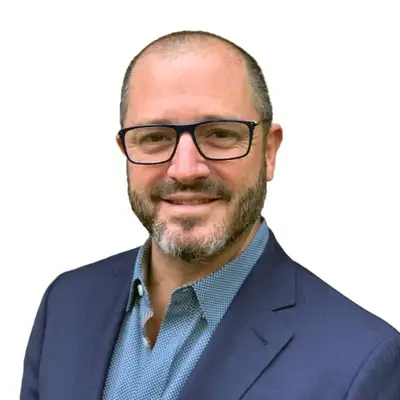
Tony [0:00:30] Hello, I am Tony Cooper, host of The Dad Manual Podcast, and I'm here today with one of my favorite dads. Jermaine, will you please introduce yourself?
Jermaine [0:00:40] Yes. Hello, everybody. My name is Jermaine Dante Burs. I'm a visual artist as well as an author and winemaker, and I'm a great dad and I have a lot of wisdom to share.
Tony [0:00:50] Yeah. So I'm really excited about our conversation, Jermaine, because, I mean, if I were to say, like, what is this about? It's about transformation. Like, it's focusing on the work that dads are willing to do on themselves in order to grow, to become the men that their family need and to discover who they truly are as a part of, like, the experience of becoming a dad. You are someone who, while you were a dad, experienced probably the lowest lows in your life and now some of the highest highs. And I want to, you know, celebrate the highs and I want to really acknowledge the journey you've been on about the — the struggle. Like, you're an incredible artist. Like, here's the one thing. It's just your art is — it's beautiful. It really is. I was thinking about, you know, we get to talk today, and I was like, man, I — I need some of Jermaine's art in my house. I don't know if I can afford you because you're so successful now, but, yeah, I mean, that would be a dream. You're a really powerful author. You've written a book about the struggles that you've been through that's really, really powerful. Impactful winemaker, you know, in world-famous California, Napa Valley, where you grew up and working in hospitality. And so in all of that, in all of these wonderful things you've accomplished, you've struggled with alcoholism, you got to the point where you found yourself homeless, living in your car, then in the hospital on life support, life falling apart. And you've been able to pull all that together again while you're a dad. I know you're a man of very deep faith, which has massively impacted your life and your journey during this period. So I'd love to, you know, bring that into the conversation. And I know you have spoken extensively about your journey primarily to support others who have struggled with addiction. And so just really for our conversation, focusing on not just, you know, what you went through with your addiction, but everybody — I always want to know, like, what did you grow up with that put you in the position where you had to make decisions about what you wanted to be in your life. So, you know, we can talk about your childhood and the ideas that led you to becoming a father and just sort of the impact that your journey's had on your fatherhood, like ideas you've gotten as a dad because of the experience and also the other way around — like, how did being a dad drive your experience and drive your journey through recovery? Just share with me about your kids, like who they are and how you would describe the kind of dad you are to them.
Jermaine [0:03:27] Yeah, it's a great question. First, thank you for having me on here. I certainly appreciate it. Yeah, you know, who would have thought that the night I went and spoke, months later you and I will be sitting on this podcast. But I'm certainly grateful for it, so thank you.
Tony [0:03:40] Same.
Jermaine [0:03:42] So, you know, for me, I have a 22-year-old daughter, Natalia, and I have a 17-year-old son. So I had children at what I would consider a young age. Right. I was 23 when Natalia was born and I was 29 with Jordan. And they each have taught me different aspects of myself I didn't really know that I was still struggling with. Right. Natalia, she got the younger version of me where I was still trying to figure myself out, you know, financially, career-wise, relationship-wise. Even though her mother and I were together, that was my first serious relationship. So I didn't know how to navigate the emotions that come with disagreements and conflict and — even the way her mother loved on me, I wasn't ready for that. So I sort of actually rejected a lot of that love that she used to express to me and ultimately, you know, ended up breaking us apart.
Tony [0:04:39] So you know what, actually, I really appreciate you said that because I — I bet a lot of men struggle with that idea of like allowing love in. And I don't know, sometimes I guess it's a self-worth thing and sometimes it's like a "not a manly thing." Could you trace back to like where did that come from? Why — why was it hard for you to receive love?
Jermaine [0:05:04] I mean, jeez, man. Without like turning my mother into a villain — she did her best with my sister and I. You know, I was a firstborn and my mother is an amazing woman and we have a great relationship now, but we didn't always have that relationship. My father really was that individual that loved on me and was there, comforted me and did all these things while my mother, because of their toxic relationship, was trying to heal her wounds from the constant battle of being with my father. So she was sort of emptying herself. And I don't want to speak for her, but just from my point of view, she was emptying herself trying to navigate the relationship with my father, that she was actually struggling to really pour into that sort of love that I needed. So when I started to receive that love as a young 20-year-old, I rejected it. She would always be like, "I love you," and I'd be like, "Why do you always say that?" And what I didn't understand was that every time I did that, instead of receiving it, I was rejecting her. And I truly believe that it led to resentment because if I share something with you and I'm pouring myself out and being vulnerable and you sort of reject it, at some point in time I'm just gonna stop. Right. Or it's not gonna be as frequent.
Tony [0:06:26] Right.
Jermaine [0:06:27] And so as far as me, I didn't really understand and was able to receive love until probably like six years ago. And I'm 46.
Tony [0:06:38] What shifted? Like, how did you become open to that?
Jermaine [0:06:42] Well, I realized that the older you get, the less opportunities you'll have for that right person to come into your life that really, you know, loves you in spite of yourself. And when you start to see that in people that you're either dating or you're together with, I understood.
Tony [0:06:59] Yeah.
Jermaine [0:07:00] At some point in time in my life, in order to have a successful relationship, I needed to be open to receiving that love that someone's willing to give.
Tony [0:07:09] Yeah. You know, the idea of loving somebody in spite of themselves — I think there's even a deeper opportunity with that, which is loving somebody not in spite of them, but because of them. Because of who they are, including all the parts that they probably struggle to love about themselves. Like, talk about the greatest love you can give — loving somebody where they find themselves to be unlovable. But that's a hard thing to receive. And I totally relate to that. It really took me a long time to figure out because I just had a pretty boxed-up, guarded heart, you know? Like, I'm not going to get hurt. It's a good way to go through life, armored up, but it keeps the love out. So to your point, the ones who want to share love with me are going to get the feeling that their love is not wanted. Like, that's the message I'm giving them. It's not wanted here. And it took me a long time to overcome that as well. So I appreciate that part of your journey. I do want to go back to, like, your upbringing and your relationship with your dad. You're in the middle of saying your daughter got that early version of you, and then —
Jermaine [0:08:14] — an early version of me trying to find myself as a young man, you know, navigating love, navigating a career, but also navigating the addiction that formed during that time. Because prior to being in my early 20s, I hadn't really gotten into it in high school, but when I graduated, came home, got into a relationship with her mother, and got a job — I just thought it was the adult thing to do, you know, come home and crack open a brew or pour yourself a drink.
Tony [0:08:42] I mean, growing up in Napa —
Jermaine [0:08:43] I don't know if that had any influence or not. You know, I don't think that having access to wine as freely as it flows — I don't think that had an influence on my decision to abuse alcohol the way that I did. Right. I personally think that it was environmental, epigenetic, and genetic, and it was also a lack of accountability as well, you know, on my part. Not being able to say no, or that's enough, or one is good tonight — I didn't have that ability. So, yeah, having a natural addictive personality, it doesn't help when you have no one to say, hey, you're doing too much, or you should really chill tonight. Right. And so my daughter, she got that version of me. Whether she was little or not, she still got that version of me. Now, I will say this — it never prevented me from being a father. Like, hands on, anything you need, I'm there for you. I never put her in danger. I was always hyper-cognizant of that. But when she fell asleep or when I was away from her is when I would really take that dive into alcoholism.
Tony [0:09:52] I mean, was the dive into alcohol related to the pressures or stresses of becoming a young dad? Because it's a lot. It's a lot. Especially if you don't have a lot of good role models or support. I'm not suggesting that becoming a dad made you want to drink, but like, we mask things through it. So was there anything going on at that time that accelerated it or got you into it more?
Jermaine [0:10:14] That's a great question. I like to take accountability for all of the decisions I made. So I don't want to hang my hat on the pressures of being a young dad and trying to provide for a family. But I will say that being a young dad and providing for a family — because her mother had a son at the time as well — I think that did add to my wanting to alter my reality. At the end of the day, you know, when you get up in the morning and you do the X, Y, and Z and you take your daughter, take her son to school, and then you go to work all day and then everyone kind of settles down for the night, you're like, man, this is going to feel good.
Tony [0:10:50] Right. Right.
Jermaine [0:10:52] And then what ended up happening, though, unfortunately, is, you know, alcohol doesn't announce itself. No addiction announces itself. It's just kind of this compounding interest, progressive thing. And so over time, it just became a thing, and then it becomes a thing to where now it's out of your control. And leading up to my son being born in 2009, I'd wanted to stop. I had lost enough jobs, I had altered enough relationships, I had crashed enough cars, I had lost enough houses. Like, I had done enough damage — like 10 men in a lifetime, right?
Tony [0:11:32] Yeah.
Jermaine [0:11:33] And so when he was born, it just kind of continued to lead me into this — hey, man, I gotta make some changes. But then again, it wasn't until four years later where I made the ultimate change. And that actually led me to be the father I am today.
Tony [0:11:51] And what kind of a father are you today?
Jermaine [0:11:54] I'm a work in progress. But I show up. I show up when I need to show up, when I have to show up. You know, whether that's financial or emotional or physical, I show up. I'm there emotionally for him and Natalia. My son's in track and basketball. I decided to sign up to be the assistant head coach of the varsity team so I can watch him — like, have a front-row seat.
Tony [0:12:18] Yeah. Yeah.
Jermaine [0:12:19] To his last two seasons of high school. Anytime he's on the court or on the track, I want him at any point in time to be able to look up and know that his father, no matter what was going on, stopped everything to see him perform.
Tony [0:12:31] Yeah.
Jermaine [0:12:32] And do something that he loves.
Tony [0:12:34] Yeah. That's beautiful. You and I can definitely bond over the value of coaching your kids' sports. I'm not a baseball guy. I had two miserable seasons as a kid, like, the worst. And it definitely convinced me that baseball was a stupid sport. And then my son, when he was turning 7, he wanted to join Little League. He goes, I want to do Little League. I was like, yeah, of course. Sounds great. He's like, and I want you to do it with me. I'm like, yeah, I'll totally do it with you. He's like — no, he's seven — he's like, I don't want mom doing it. I want you taking me to practices. I want you to be involved. And I was like, oh, okay. Like, it was really — it was the first time I was like, maybe I'm not the other parent. Maybe I could be the primary parent. And then, man, I don't know who invented Little League, but I hope the purpose of it was love affairs between fathers and sons, because it was the greatest investment I ever made in my relationship with my son. And I wound up coaching at one level or another from the time he was in first grade till when he graduated high school. I got a love for baseball out of it. I didn't really like baseball. And now I love baseball. I love the game of baseball. And people are like, oh, so boring, it takes forever. I'm like, clearly you don't understand how baseball works. That is baseball. But, you know, I also found that there was a direct correlation, seemingly, between whoever was coaching and the quality of athlete that the kid was. It always seemed that the best kids on the team — their parents were coaching.
Jermaine [0:14:08] Yeah.
Tony [0:14:08] And I always wondered, like, which came first? Was the kid great, and so then the parent got involved? Or because the parent was involved, did the kid get great? And I think it's more the latter. I just saw kids getting better because your dad is there and you get to do this with your dad. So, like, what's it been like for you coaching him in sports?
Jermaine [0:14:34] I'd say it's probably a roller coaster ride. Because especially coaching — not being the head coach, but being like an assistant head coach — I can suggest, but I don't make the final decision. And watching my son start a few games and then come off the bench during the season, like, that was hard for me to see because I know his potential. Or when I see him practicing, kind of going 50% instead of 100%, it was hard for me to critique him because I could do that all day, but I have 11 other kids to critique. And I didn't necessarily want to show favoritism to just him. Because everyone's watching. And so that was really challenging for me — the emotional roller coaster of watching him, being high when he had a really great game, and then being low when he's had a crappy game, and then having conversations on the way home via Bluetooth with the coach and having to talk about Jordan, but he's in the backseat. Like, it was really challenging, but I learned a lot about myself and how much we strive for wanting our kids to be great. And the frustrating part is when you see their full potential, yet they're not living up to it. Allowing them to be themselves and not pushing them too hard. I can only push him so far. He's going to have to do the rest of the work. Right?
Tony [0:16:00] Yeah. And you can have all the ambitions for him in the world, but if he doesn't share them or he doesn't believe in them, then there's zero chance it's going to happen. Their belief in themselves — how much do we impact that as dads?
Jermaine [0:16:15] I ask myself that all the time. I'll mention individuals like Kobe Bryant and his mentality, or MJ and their mentality, and I try to instill those. And I don't know how impactful we are in their early stages of development that lead them into becoming that person — with that killer instinct and that desire to give a hundred percent during practice and outside of practice. I don't know if that's an early development thing or that's just a personality thing. But I tell you, it is frustrating.
Tony [0:16:48] Yeah.
Jermaine [0:16:48] Because as a 46-year-old man, I see things differently and my drive is strong as ever. But then I had to reflect back — when I was 17, did I have that same drive? The same way I parent my son and daughter is the same exact way my dad parented me. Anytime I looked into the stands, Eric was in the stands. You know, he even coached me in Little League up until I was 12 years old. So a lot of the things that I do as a father — things that worked for me —
Tony [0:17:17] Yeah.
Jermaine [0:17:17] I use as a mirror.
Tony [0:17:20] Right.
Jermaine [0:17:20] To raise my children.
Tony [0:17:22] Yep. Yeah. And that's — you know, what I also get really interested in in this conversation is where did your ideas of fatherhood come from? And so the obvious place to look is your own dad, your own upbringing. We all have other influences in our life, but there's just something about the relationship with our dads that gets imprinted in us. And I don't know what your experience has been like, but especially early on, I found myself doing and saying things in a particular kind of way that — it wasn't me, it was what happened to me. And then it comes out of me as if it were a really good idea. Like, I hated it when it happened to me, but it's coming right out of me in the same kind of way. So what was it like? You said your mom and dad had a kind of traumatic relationship — what was that like growing up for you?
Jermaine [0:18:12] It was tough because it was always hot and cold. Right. It was like I saw this really loving, beautiful version of my father that was a father, and then I saw this really awful partner. And as far as the relationship between my mother and my father, this individual I saw had the ability to really make someone feel bad, but also on the flip side, the ability to love on my sister and I at the highest level. Right. So there was always this contrast in regards to who he showed up as and how he showed that. Now, when it comes to being a father, I have nothing bad to say about my father. Not even a little. We wanted for nothing. He worked to make sure we had a roof over our head and food and transportation, the best schools. We lived in Vallejo until I was 12. And he even made the decision — he said, I don't want my children going to Vallejo schools. We're going to buy a home in American Canyon so that they're bused to Napa Valley. So he always thought ahead and it was always about us. It was never about him. He didn't say to himself, well, I can save 60,000 if I buy a house in Vallejo and my kids will survive. They'll be okay. It's like, no, I'll spend the extra 60 in order for my children to go to a better school, have a better environment. Right? And so that, to me, just demonstrates that once we were born, that level of commitment he decided to make, he was going to go through with it. And up until he passed four years ago, let me tell you, he was still that same dad.
Tony [0:19:56] Yeah.
Jermaine [0:19:57] It just looked different. Yeah. And so I remember he said something to me — this was about when I was 30. He goes, I don't care how old you are, I'll always be your dad. And I kind of blew him off. I was like, yeah, I get it. Right. And so my son was born and he started playing like Golden State youth basketball. And I needed some advice, so I called him and I said, hey dad, I need advice about A, X, Y, and Z. And so he gave it to me and before we hung up he says, hey, do you remember I told you I'll always be your dad? I said, yeah. He said, this is that moment.
Tony [0:20:32] This is it. Yeah, yeah.
Jermaine [0:20:33] And I was like, you were right. What's interesting is I say the same thing to my son and I say the same thing to my daughter.
Tony [0:20:42] Okay, now that you get it — what he was saying, both in terms of you learning to relate to him that way, but also you stepping into that — how would you describe what that is? Like, we get to always be dads to our kids. Even though the traditional role of parenting pretty much finishes by the time they become fully functioning adults — at least then they've got mostly a fully formed brain, they don't need a parent in the same biological way. Like when you watch animals, animals are parents until the next animal is grown, and then that's it. Many of them never have another relationship with their kids. But there's something about humans and how we have an ongoing relationship. And I've seen a lot of relationships fail because the parents aren't able to stop treating their offspring like their children. Like they have to learn how to treat them like adults.
Jermaine [0:21:43] One situation happened that can describe that. There was a moment when I called him and I just wanted to vent, and he started giving me dad advice. And I cut him off and I said, hey dad, I gotta go. He said, we gotta go?
Tony [0:22:01] In the middle of his advice.
Jermaine [0:22:03] Yeah. I was like, I gotta go. And he goes, I wasn't done, but okay. And so I was like, yeah, I gotta go, I'll talk to you later. So we hang up the phone and I text him five minutes later and I said, hey — I just wanted you to listen. Sometimes I just want you to listen. He calls me back, he says, I'm sorry. He says, you're right. He's like, I need to listen more instead of always trying to parent you. But I can't get it out of my system because it's a part of my personality now. And it didn't hit me until having a 17-year-old son that's semi-independent — now that he's driving and wanting to give him advice — but having to be conscious and cognizant enough that maybe he just wants to wander. Maybe he doesn't want my advice. Maybe I just need to be a listening ear.
Tony [0:22:56] That'd be a good thing to do, right? In the relationship, to be able to — let's establish that as a communication — on your end, like, I just need you to listen. On his end, like, who do you need me to be right now? What kind of support can I give? It seems like that's a missing piece of the communication.
Jermaine [0:23:11] I think it's a huge missing piece of the communication. I think that it's a missing piece of any relationship, though, right? Yeah. I think that anytime you call someone — whether it's your spouse or best friend or your children — or even if they call you — I have this habit of saying, now do you want me to listen, or are you looking for advice? Because it establishes already my approach to my children. And it's going to establish the approach to anyone that you're speaking to, because if they're looking for someone just to listen, you just got to be quiet.
Tony [0:23:45] Where your son is now, and as he starts to go through the early 20s, where your daughter is — the word witness comes to mind. Like, not in any sort of a judgment sort of way, but like there's some significance to it because you're seeing it without having to do anything other than that.
Jermaine [0:24:03] Yeah, I mean, my son — he's just like this 5'11", hazel eyes, darker complexion, you know, head full of hair, massive athlete, right? And he made a declaration a few years ago. He was like, I'm gonna be like this light-skin, nonchalant dude, right? That's how he is. So he never gets too high and he never gets too low. But what frustrates me about that is there are times where I want him to get fired up. Like, I wanna — I wanna be like, yo, man, you ran your ass off. You know? And he'll be like, ah, yeah, it was cool. And that's hard for me. That's hard for me because I want to celebrate him.
Tony [0:24:41] Yeah.
Jermaine [0:24:42] But I, as a father, I have to take a step back because I'm at a different place. I'm proud of him to where that may have just been another day at the office to him. I tell you, one of the things that I'm learning about myself through my son is how I deal with conflict or uncomfortable situations. Because there have been moments when him and I have had conversations that the temperature has risen — not to, like, an argument, but to a place that's uncomfortable. And I remember walking away one day and just going back upstairs. I was like, I don't want to deal with him. Right. He's a child. He knows nothing. And I went back upstairs, and I remember sitting on the bed, and I said, why did I just do that? Because what did I just teach him? When things get uncomfortable, it's easy to walk away. So I had to take myself back downstairs.
Tony [0:25:31] Yeah.
Jermaine [0:25:32] And I had to sit back in that seat. And as uncomfortable as the silence was after having that conversation, I had to show him — but more importantly, show myself — that I can sit in uncomfortable situations, even with my children.
Tony [0:25:46] That's simultaneously parenting and re-parenting. I talk about this Italian author, Umberto Eco, who said that what men become is what their fathers taught them when their fathers weren't trying to teach them anything. Exactly what you're saying. Like, as soon as you go, I'm done with this, and I leave — you're teaching him by your actions that, yeah, if you don't want to be in a conversation, just leave. Just abandon the person you were talking to. That's how men do it.
Jermaine [0:26:17] Yep. And I want to teach him the opposite. To be able to sit in that space, as uncomfortable as it is, and deal with those feelings that you have. Because what I believe it does is it creates an avoidance personality. And if he starts it now at 17, it'll be that way when he's 47 and beyond.
Tony [0:26:35] Yeah.
Jermaine [0:26:36] And that doesn't make for a very good partner to someone when he finally gets married.
Tony [0:26:41] Right. Or anybody in his life.
Jermaine [0:26:43] Yeah.
Tony [0:26:44] So one thing that, you know, we dads do pretty regularly is screw up. It doesn't go the way we want it to, and we can look back on it and not be proud of how we've done things. So any of those — one, pop to mind? And two, what is the way in which you choose to clean that up with your kids?
Jermaine [0:27:06] I'll start from the back end of the question and move forward. I apologize to my children frequently. You know, I don't let more than maybe an hour go by once I let my thoughts kick in and settle, and I'll send them a text or I'll apologize right in front of them. Because, number one, I want to teach them that it's okay to apologize if you're wrong. Don't be so prideful that you can't apologize when you know that you're wrong.
Tony [0:27:32] Yeah.
Jermaine [0:27:33] You know, a lot of times people will fight their own thoughts and the pride kicks in and they're like, I ain't apologizing for nothing.
Tony [0:27:38] Yeah.
Jermaine [0:27:39] I don't want my children to be like that. I want them to have daily self-accountability for their actions. And if they hurt someone or put someone in an uncomfortable situation, I want them to be able to apologize for it. And that just happened last night, actually. I came home from a long day at the restaurant, and he was in the family room playing video games. And I said, hey, what's up, Jordan? And he just kind of didn't respond. I was like, all right, dang. And so I put my stuff down, grab something to drink, go upstairs. Well, three hours passed by. I'd gone back downstairs, I grabbed some more water, went upstairs, didn't acknowledge him. So he finally comes in the room and sat down in the chair, and I said, why are you in here now? I was like, you didn't acknowledge me for the past four hours.
Tony [0:28:26] Right.
Jermaine [0:28:27] Why now? And he gets up and leaves. And I was like, why do I do that? Why don't I just say, hey, I want to spend time with you?
Tony [0:28:39] Right.
Jermaine [0:28:40] Like, I miss you today. I want to catch up on your day. I just want to spend time with you, son. Right. It was also feelings that were festering over from the previous night on Saturday, because I'm not a big MMA fan, but he is. So I find myself watching it because of him. And there was a big fight. So I get home and I pay for Paramount Plus so we can watch it together. I thought he'd be home at five, and six went by. Seven went by. Then he texts me. He's like, hey dad, I'm gonna be over at Chris's house watching the fight. I felt deflated at that point.
Tony [0:29:12] Yeah.
Jermaine [0:29:13] I went to text him, hey, I bought the fight, hoping we can watch it together. But then I was like, no, because it sounds like manipulation. So I just kind of sucked it up. So I think what I said to him last night was some stuff that was residual from the night before.
Tony [0:29:31] Yeah.
Jermaine [0:29:31] And so I apologized to him before he went to bed last night because it had nothing to do with him and everything to do with me. Right?
Tony [0:29:39] Yeah. The awareness — I mean, how much we always bring our past into the present and color the present moment with stuff that's unresolved. And when you look back on it, you're like, man, there's probably 10 different ways I could have handled that easily. Yeah. How come I picked the shitty one?
Jermaine [0:29:56] Why did I pick the most emotional one?
Tony [0:29:58] Right. Well, you're an emotional guy, clearly.
Jermaine [0:30:02] I mean, I'm a work in progress.
Tony [0:30:04] Yeah. Did you invent addiction in your family? Was that something you inherited? Is it part of generational trauma? I'm curious, like, because being a dad is such an opportunity to break generational trauma and commit to not passing on to the next generation what was passed on to us — that was passed on to them, that was passed on to them, that was passed on to them. Like, there's no blame or fault. There's just a pattern. And it's like, if it doesn't stop with me, then I just passed it on. What was passed on to you that you were able to work through?
Jermaine [0:30:37] Alcohol addiction is definitely rampant in my family, especially with the men. So I got hit from both sides. My grandfather — he passed away at an early age from cirrhosis of the liver. My mom was 16 when he passed away. So I never had a chance to get to know him. And then I had an auntie, unfortunately, who just passed earlier this year, and she was an alcoholic — and that was her dad. And then my dad died from alcohol-related cancer. And so now you have my grandfather, my dad, me. Right. And so you don't see it coming, right? Like I said, it doesn't announce itself. It just kind of gradually happens and you tend to blow it off when you hear about your grandparents. Right. Because it always —
Tony [0:31:42] You're like, oh, it's a different time. And they didn't know any better. You can give it a lot of excuses, for sure.
Jermaine [0:31:47] Yeah. And you tend to say, well, that won't happen to me. Right. Like, that was them. That won't happen to me. I have control over it. I'm a different person. You tend to talk yourself into these —
Tony [0:31:58] — things. And you were pretty aware of it while you were growing up? Like, it was something that you noticed?
Jermaine [0:32:05] Oh, yeah, definitely. I definitely noticed it. But here's the thing. I noticed it up until I was about 8 or 9, and then my father was sober for 13 years. So I had an opportunity to see this individual that really got his life together, almost got his marriage together, and found God. He was deacon of the church and leader, head of the choir. And when my grandmother passed in '97, he reverted. So from '97 to 2022 — he was back to it.
Tony [0:32:44] Wow.
Jermaine [0:32:46] And I actually thought —
Tony [0:32:47] What was that like for you to see both the — like, saving himself from it and then the collapsing into it again?
Jermaine [0:32:53] It was disappointing. It was really disappointing to see. I can say selfishly disappointing because I wanted that version of my dad back.
Tony [0:33:03] Yeah.
Jermaine [0:33:04] But also, I can reflect now — I think disappointing for him too. Because I know I take super pride in saying I've been 14 years sober, and I couldn't imagine going back to AA saying, hey, I'm Jermaine Dante Burs. I've been sober one day. That's like one of my biggest fears.
Tony [0:33:22] Right.
Jermaine [0:33:23] And so I feel bad for him. I've worked that hard, seen such a transformation, to then go back to that life — and it ultimately was his demise. And I actually thought when I got sober, he would be like, oh, man, my son can do it, then I certainly can do it. The more research I've done — and I talk about this in my book — the more you realize that there's really nothing anybody can do. It's a journey that someone has to take on their own, and they have to have a strong enough "I want to" in order to get out of that darkness.
Tony [0:33:59] When he stopped being sober, went back to alcohol — you and he were both in your addiction at the same time.
Jermaine [0:34:07] Yeah. And it was cool sometimes because we would drink together.
Tony [0:34:09] Yeah. I was wondering, like, what was that like?
Jermaine [0:34:11] We would drink together, and it was cool when it was, but when it wasn't, it wasn't. And there was one night that I knew that I had to get sober for the both of us. Because we had gone to a Giants game and we're pregaming and we were in the box suites where they give you more alcohol. And I drove home from the city to Napa. We end up getting into this big fight where I pull over the car, we both get out, like we're going to fight, but neither of us really wants to hit each other. And so it was just like a bunch of nothing. And I remember going home, apologizing to him because he stayed the night. And then I remember saying to myself, I have to stop this. I have to stop this for the both of us and our relationship. Unfortunately, I drank for four more years after that, but in that moment, I was like — somebody's got to do it.
Tony [0:35:03] Yeah, man. You get to the place where you're like, I can see it. I don't want to do this anymore. Want to do it not just for me, but for my family. Was Natalia born yet?
Jermaine [0:35:13] Yeah, Natalia was born in 2003, but her mother moved her to LA. So I was sober enough when she would visit, and then when she would leave, I would go back — I would drink. So she never saw that version of me.
Tony [0:35:27] How easy was that for you — to be able to live that life with her and then the other life when she wasn't there?
Jermaine [0:35:36] It's pretty easy.
Tony [0:35:37] Yeah.
Jermaine [0:35:37] Because I felt like it didn't affect her, you know — hear no evil, see no evil, speak no evil. There were times of guilt, though, like, I'm lying to my child, or she doesn't know the real me. But for the most part, I was like, well, once she leaves, I'm gonna knock down this pint and I'll feel good again. Because by that time, my body needed it. So I would get the shaking.
Tony [0:36:00] Yeah. You know, now that you know all of that — what, what is happening in that moment, like, what is your body doing when you say your body needs it? If you're painting a picture of what alcoholism does to a body, what's going on?
Jermaine [0:36:15] Yeah. Well, you know, just like your car runs on fuel — alcohol essentially is ethanol. So when you are fully in the grip of alcohol addiction, like I was, I was drinking up to 32 ounces a day. My body was literally running on ethanol in my bloodstream. So when it doesn't have it in its system, just like a car's engine will stop, your body — the chemical reaction will happen. Like, your body will just stop.
Tony [0:36:40] Right.
Jermaine [0:36:40] So what it does is those DTs potentially can lead to a full-on seizure. Actually, anybody that has a hangover — that's your body craving alcohol. So my body was craving alcohol in order to function. So in return, because the tank was empty, it wouldn't function right. And as soon as I took a drink, oh, man, I was good to go. My nervous system settled down. I was focused. My voice wasn't raspy or rattling. I wasn't shaking anymore. I was good.
Tony [0:37:14] Which makes it really hard to get out of that cycle, which makes it —
Jermaine [0:37:17] — very challenging. Because it's very uncomfortable. I ended up having two grand mal seizures because I decided to try to stop cold turkey. When I had those seizures, Jordan's mother was pregnant with the first one, and he was just a baby for the second one. He doesn't remember any of those situations where the ambulance was called.
Tony [0:37:40] And so that — that was you trying to get sober?
Jermaine [0:37:44] Yeah. Yeah. Got to a point where I just wanted to tap out. I was like, I'm done. But I wasn't ready to go into an inpatient program, so I was like, let me just stop on my own. I'm done with this.
Tony [0:37:56] Right. What about Jordan coming into this world — did that connect you to deciding that you wanted to get sober?
Jermaine [0:38:03] I wanted to, but I wasn't there yet. As a matter of fact, while we were in the hospital waiting for Jordan to be born, I had a bottle of half Sprite, half vodka. I was sitting in the room, just sipping it until he was born. So — you know, I wanted to be a better father. I wanted to stop when Natalia was born, and I always wanted to strive to be a better father for them. I wanted to be clean for them.
Tony [0:38:29] Yeah.
Jermaine [0:38:29] But that drive — that drive and that addiction is tough, man. It's —
Tony [0:38:34] Yeah.
Jermaine [0:38:35] It's a gravitational pull, like a black hole in space. Like, once it grabs you, it's hard to come out of.
Tony [0:38:43] Yeah.
Jermaine [0:38:44] So.
Tony [0:38:44] And you had memories, as a kid before you were eight, of your dad as an alcoholic before he got sober.
Jermaine [0:38:53] Yeah.
Tony [0:38:54] And you remember what that was like?
Jermaine [0:38:56] Absolutely. Just as vividly as I see you right now.
Tony [0:38:59] Yeah.
Jermaine [0:39:00] I remember those traumatic moments of my mother carrying my sister in one arm and holding me in the other arm, looking for him at somebody else's house, getting attacked by pit bulls, throwing my sister and I in the back of a convertible car. She just wanted her husband back in the house.
Tony [0:39:18] Yeah.
Jermaine [0:39:18] And she was determined she was going to do anything. It's like two o'clock in the morning.
Tony [0:39:22] Yeah.
Jermaine [0:39:23] And she wanted her husband. And so those are really traumatic moments that I remember as a child. But I also — the strength and resilience of my mother and how much love she demonstrated for my father. That's another thing that I saw, too. I saw someone that was willing to risk her life for the person she decided to marry.
Tony [0:39:42] Yeah. And then you have memories of him being sober and he was a different guy.
Jermaine [0:39:46] Completely. It's amazing. I mean, honestly, he was amazing then as a father.
Tony [0:39:50] Yeah.
Jermaine [0:39:50] You know, like — yeah, those traumatic things happened, and I never want to overlook those things. But he still worked nine to five and got up every morning like nothing happened and provided for us.
Tony [0:40:04] Yeah.
Jermaine [0:40:05] He was at every sporting event, no matter what. Every school recital. He'd pick us up after school. He drove trucks at one time, and he would shine my shoes and iron my clothes, and he was so proud of me. He would sit me in the driver's seat and we would drive around on deliveries —
Tony [0:40:20] — and so pretty highly functioning as an alcoholic.
Jermaine [0:40:24] And so was I. Yeah, so was I.
Tony [0:40:26] So you learned. Yeah. So, you know, then we become dads, and becoming a father — there's a lot that shifts in us in terms of, like, all that background is there, all that information, and, you know, there's who we want to be like — people that we've seen that we've admired. We want to live up to those attributes. And then we've seen bad behavior that we want to avoid, or things that happened to us that we don't want to pass on. So as Natalia's being born, what was going through your mind in terms of the dad you wanted to be?
Jermaine [0:41:00] I wanted to be everything that my dad was, but a lot of what he wasn't as well. Like, I wanted to take the things that made me feel good about him as a dad and I wanted to not demonstrate the same qualities that put us in certain situations, like I just described. So I actually wrote out the pros and cons of, like, what dad I wanted to be versus the attributes that I wanted to leave behind.
Tony [0:41:30] Yeah.
Jermaine [0:41:31] Unfortunately, the addiction started to move some of those over to the wrong side, and I started to become exactly who he was, and that list got longer on the right side.
Tony [0:41:42] Were you noticing it while it was happening, or is it a hindsight thing now?
Jermaine [0:41:46] I was noticing it. I was noticing it. It's like, you know, you see the train and the track coming, but you can't move your legs because you're scared. That's what it was like for me. You know, I would go to bed and say, why do I keep doing this? And the next day I would do it. And not just alcohol — just who I was in general, just my daily moves. And then right before bed, I'd be like, why did I do that? I just want to be different. I knew I could be a better father. I knew I could be a better partner. The next day — same person.
Tony [0:42:22] Right. Wow.
Jermaine [0:42:25] It's quite the Groundhog Day.
Tony [0:42:27] Yeah. Yeah.
Jermaine [0:42:28] And it's torture.
Tony [0:42:30] I mean, look, yours is a pretty extreme version of it, but I think it's definitely the stuff we all do every single day. Right. I don't want to be like this, or I want to be better, I want to stop doing that. And then, you know, given the opportunity, we still make the same choices. Well, what changed it for you?
Jermaine [0:42:46] Rock bottom, right? And everybody's rock bottom looks different, but mine was pretty severe. Being on life support, being in the hospital for three weeks, seeing my family's faces when I was able to come to — also realizing that this, other than death, is as low as you can get, my man. It's nothing but up after this.
Tony [0:43:08] Yeah.
Jermaine [0:43:08] And that's what really led me to becoming sober for 14 years now. When you do an audit of your life and you sit and you do, okay, well, this served me, this didn't serve me — and you see how much I've accomplished in sobriety versus the 10 years I was drinking, it's like, which one is better for you? You know? And the older I get, the one thing I always think about is my health. Right. And when you're young, like I was in my early 30s, you think you're going to live forever. So death knocks on your door, and you're like, damn, maybe I won't live forever. When you get to be 46, wake up in the morning, you feel the pain and you'll be like, oh, what is that? And that's the only thing that you think about, right?
Tony [0:43:56] Yeah.
Jermaine [0:43:56] So for me, another drive of mine is taking care of my body. You know, my body is my temple now. I work out six days a week, cardio, the whole deal. Watch what I eat.
Tony [0:44:09] Yeah.
Jermaine [0:44:10] Because I want to be around for my children.
Tony [0:44:12] Right. I know that your kids did not really have a big experience of you as an alcoholic. Your daughter didn't really experience it directly, and your son was kind of too young. What's different in terms of your fatherhood? What do you notice about yourself being a dad and you're like, yeah, man, I never would have been here with the alcohol?
Jermaine [0:44:34] I mean, I can say, number one, just a consistent job, having a career — that's the first and foremost thing. Like, we were sleeping in our car. So one of the big things is being a provider. Providing that safety for my children. And then just being able to get up in the morning and feel good. Right. Also, for me, it's changing who I was. Like, I was never a bibliophile. I didn't really read a lot, so I wasn't educated on financial literacy or psychology or any of those things. Now I am, so I can pour those things into my children. I would have never been able to do that 14 years ago because I couldn't balance a checkbook. I had nothing, absolutely nothing. Those are a lot of the things that make me a better father. And who I am today versus if I would have stayed in that space — well, first of all, I wouldn't have been here. Right. But just to say that I was — my children would not be the children they are today. They would not have the knowledge they have today.
Tony [0:45:40] An incredible journey that you've been on, and now art is such a big part of your life — painting, and where did that show up? And how is that part of not just your recovery, but also your journey to being the dad that you are now? What role has all that played?
Jermaine [0:45:58] Yeah, well, growing up as a kid, I had this passion for art. I would sketch all day, especially if it was raining outside and I couldn't go outside and play with the boys. So my parents supported it, especially my father. They got me an art easel and an art desk, and I got a hold of a ton of comic books and I would just sketch and draw. They loved it. They were supportive of it. It was something that no one was doing in our family. So I was like this anomaly, and they really —
Tony [0:46:23] Just natural. You had no outside influence pushing you toward it at all. That's awesome.
Jermaine [0:46:28] No, just the early influence of, you know, watching Disney films and pausing on them.
Tony [0:46:33] I mean, you see it in the world, but you didn't see it in your family. Like, the difference there, Jermaine, is — I know it exists in the world, but it doesn't mean it's for me. Oftentimes we have to see it in our family in order to know it's mine. But you actually just claimed it.
Jermaine [0:46:46] I did. My mother shared the story — I had a baby book, and she still has it. It was the old-school Disney Winnie the Pooh. She had some girlfriends over, and she was talking, and she turned around and she goes, oh, my God, stop drawing in the book. And then she looked at what I drew. It looked identical to the drawing of Winnie the Pooh. So she was like, yo. And so from then on, it became, hey, let's support this. Right? So I always had the support of my family, my friends. But, you know, if you go back to my childhood, my father had a great job for the city of Vallejo, but entrepreneurship wasn't in my father's forethought. Right. It was stability — working 9 to 5 with benefits. Get weekends off to spend time with your family. That's ideal. Right. I didn't want to spend my time in a cubicle working for a company. So I was like, art might not be for me. Not to mention — I had one art class in ninth grade, and in front of the whole class, the teacher goes, you're wasting my time. You're never going to be a successful artist. Like, you should just stop now and drop out of my class. He's not alive anymore. I wish he was. Right.
Tony [0:48:02] Right. Don't worry. God's whispering in his ear.
Jermaine [0:48:07] Right? Right. Hey, look at Jermaine. And so I put the pencil down, paintbrush down, between the years of 18 and 33, because I didn't think it was for me.
Tony [0:48:19] Right.
Jermaine [0:48:19] But when I got out of the hospital and I lost my ability to walk, it sat me down. And I thought a lot about what my future would look like moving forward. I didn't want to go back into hospitality because I didn't want to be around alcohol as much.
Tony [0:48:33] Right.
Jermaine [0:48:34] And so I started to sketch, and then I started to paint, and it just became a thing.
Tony [0:48:39] Yeah.
Jermaine [0:48:40] And then I discovered Instagram and Facebook, and I started posting, and friends and family started to be like, hey, share stuff. And then you look up and you're working for corporate projects and private clients and celebrities, and you're working with big brands, and it's like, wow, man. Like, I've done this in 14 years? That's crazy. All because I got sober. Like, I made that decision to get sober.
Tony [0:49:08] Yeah. And that just — the ripple effects with your kids and them seeing you in the really most influential parts of their life — back to, you know, what they learn and who they become has everything to do with what they see in us. They know your story. Like, they may not have a memory of what it was like, but they certainly know your story.
Jermaine [0:49:29] They certainly know my story.
Tony [0:49:31] And to see — like, they can't even probably wrap their head around this man that they see now and that person that you tell them about in stories. That must be — as a kid, you're like, well, if I have a choice between the two, I got the good one now. Yeah.
Jermaine [0:49:47] Yeah. I'm glad you mentioned that, because, you know, what's beautiful about what I do now is my kids are grown enough to be influenced by it. So I'll bring my son to events or I'll take him to drop off art at my higher-end clients so that he can see what's possible. Right. Whether it's career-wise or just — some of them have hundred-acre farms and I just want him to see that. Right. And then I took him to Sacramento last year to an event where I was donating some paintings, and he had just started getting into boxing, and Sugar Ray Leonard walks in, and he goes —
Tony [0:50:27] — hey, dad, that's Sugar Ray.
Jermaine [0:50:28] And I was like, oh, you wanna go talk to him? And he's like nervous. I was like, Mr. Leonard, can my son talk to you? So Sugar Ray comes over to my son and I said, hey, he just got into boxing. And he goes, let me see your reach. So he puts his arm out to my son and they do like a reach comparison. And I took a picture of it. And it's those moments as a father that remind me why I work so hard and why I'm glad I decided that sobriety was for me.
Tony [0:50:57] Yeah.
Jermaine [0:50:58] Because I could share moments with my son like that.
Tony [0:51:01] Yeah.
Jermaine [0:51:02] You know, his favorite TV show is Black-ish. So Anthony Anderson was there. So he walked by and he's like, hey, Jermaine, man, you know, I got your painting in my house. And I was like, hey, can you take a picture with my son? And he's like, oh, absolutely.
Tony [0:51:15] Wow. Oh yeah.
Jermaine [0:51:18] And so it's really amazing for my son to be exposed to the things that I'm doing. And to be honest with you, I have fun seeing him have fun more than I have fun, because for me it's business as usual.
Tony [0:51:33] That's also the pride and joy of being a father. I mean, their accomplishments are so much more impactful than our own because you know who they are and you always knew — like we were talking about with the sports, you know what they're capable of. And when they actually achieve what they're capable of — and a lot of it is our encouragement, maybe our direction, connections, whatever we can do — but ultimately it's them that has to do it. And when they do it, there really is very little joy like experiencing your kids' accomplishments.
Jermaine [0:52:05] I love that. One of the things I've heard that's really true — I told my son this. I said, I'm the only man on the planet that wants you to do better than me. We're the only ones that want our children to do better than us.
Tony [0:52:22] Yes. Yeah. Yes, I know. I was like, please be taller than me.
Jermaine [0:52:27] Right? I want them taller. I want them handsome. I want them more successful. I want them to reach heights that I haven't reached yet. Like, I want all of those things for him and her. And fathers are the only dudes who want that to happen.
Tony [0:52:42] Yeah. Yeah. My son, who's a senior at University of Oregon right now and graduates in June, was just home for the weekend. My daughter graduated last year from Cal Poly with a graphic communications degree — terrible job market. So her goal was to open an agency at some point in her life, and she thought she'd have a path through agencies to get there, but no one's hiring. So she decided she was going to start an agency. She enrolled my wife, who's been a graphic designer for 30 years, and the two of them launched their business, and we had an event here at our house.
Jermaine [0:53:17] Congratulations.
Tony [0:53:19] Yeah, it was awesome. And it was — I mean, they're a very edgy branding company, creating experiences, looking to leverage AI — you know what's going to happen. But ultimately it's the human component. I mean, the experiences that they set up are incredible. But my daughter asked my son if he'd be willing to learn how to DJ the party. And my son just sort of took this on and he, like, that day borrowed a board from his friend and started going on YouTube to see how it works and started playing with it and was super critical of himself. He's like, that was a terrible mix. I'm like, dude, you're literally three hours into your DJ career. Fast forward two weeks later — he apparently has been practicing a lot. He played the party and, like, rocked it for like six hours. He just kept going. And then on Mother's Day, we were pretty chill because of the big weekend, and we just had a pool party in our backyard. And he just went into our pool bar and DJed again. And he's the house DJ, and his mixes were incredible and the songs he's playing — I was watching him and he was just really feeling it. He wasn't thinking his way through, which he usually does, and he was just really feeling it. And at that moment, I was like, I'm so glad he can do this. I think this is something he can do. And nothing brings me more joy. So I love how you said that — the only man on the planet who wants you to be better than him is your dad. Hopefully. Hopefully.
Jermaine [0:54:51] I mean, for the most part. Right. You know, my son's a track star, and he's faster than I was. On Wednesday, he qualified to get into the league championships, and he ultimately won the league championship in the 100, which puts him into another championship on Saturday. But I'm more hyped than he was. Like, I'm getting up early in the morning. I'm like, oh, you. You know, I'm pushing him in the kitchen — I'm like, come on, man! Like, get hype in my face.
Tony [0:55:20] Yeah. So the thing about that — you've got to remember back to being that age, you know, because you're worried about what other people think so much more than you are at your age.
Jermaine [0:55:29] Yeah.
Tony [0:55:29] So he's playing it cool because he doesn't want people to think he's not playing it cool. But my suggestion — be as hype as you want to be. And if he's like, dad, you're annoying me, dad, you're embarrassing me, you're like — somebody's got to do it. I'm holding the flame until you do, man.
Jermaine [0:55:42] Yeah. But, you know, I keep myself reserved in the stands. I don't want to embarrass him. But when he did win, there was a moment — as a proud father, I was like, oh, my God, I'm leaking. I never leak. And it was because I'm not the kind of parent that tries to live vicariously through my children. I got my own thing going on.
Tony [0:56:03] Yeah. Yeah, you do.
Jermaine [0:56:05] But I certainly, as a dad, am so proud to see him give his best effort. So even if he didn't win, I still wanted to see him give his best effort. And I saw that he was just phenomenal. And that made me really proud as a father. As a matter of fact, earlier today, when I was driving, I texted him, I was like, hey, man, I'm really proud of you, bro. I love you. And I do that a lot. Because here's the thing — I was his age. I know how I kind of blew my dad off at that age. I took my dad for granted at that age. I thought he'd always be around, until four years ago. And you realize — your dad's not always going to be here, man.
Tony [0:56:47] Yeah.
Jermaine [0:56:48] And I remember the conversation him and I had when I turned 40. He goes, you getting old, dog? And I was like, you are, too. And I said, I can't wait till we celebrate our 50th and 70th. Right? I said, that's going to be epic. I didn't realize that he would die three weeks later. And everything that he ever taught me — I mean, everything — I could hear his voice even today, like it was right in my ear. Every single lesson he ever taught me. Every single one. And because I'm now in a situation of supply and demand — because there's no more supply and there's a demand, because he's not here — I cherish those. And my hope is that everything that I've poured into my children, I hope that they get it before I'm gone.
Tony [0:57:41] Yeah.
Jermaine [0:57:42] I want to be able to hear them say, good job, dad, while I'm still here, because I won't be around for it.
Tony [0:57:51] Yeah. I'm not your kid, but good job, Jermaine.
Jermaine [0:57:53] I appreciate it. Yeah. I heard something interesting. They said that the only time men get flowers is when they can't see them.
Tony [0:58:02] Yeah. Yeah.
Jermaine [0:58:03] Fair. I thought that was kind of deep.
Tony [0:58:06] Yeah. You and I were talking about this, I don't know, a month ago, and you were telling me the difference between Father's Day and Mother's Day from a hospitality perspective. I was like, oh, let's talk about that.
Jermaine [0:58:21] Yeah. So, you know, historically — and this is a broader conversation about the way society views men and how society views fathers. And I've had this very respectful argument with some people about how, you know, mothers and women are more valued in society than men and fathers are. And they said, well, give me evidence. I was like, Mother's Day and Father's Day. And I said, what do you mean? I was like, they start advertising for Mother's Day in February, right after Valentine's Day. I was like, Father's Day just pops up. Like, there's no advertising for it. There's no commercials for it. Like, you don't see flower prices spike. Like, you don't see any of that for Father's Day. And in regards to hospitality, I said, if you don't book a reservation a month in advance for Mother's Day, you can't get in anywhere — from a casual fine dining place to Red Lobster.
Tony [0:59:17] Yeah.
Jermaine [0:59:18] You can't get anywhere. But on Father's Day, everything is open. You could just walk in on Father's Day.
Tony [0:59:27] Yeah. So what's up with that?
Jermaine [0:59:30] Men — to me, our role in society, according to society, is protect and provide. Right?
Tony [0:59:38] Right.
Jermaine [0:59:39] Not nurture, not carry emotions, not be vulnerable. All the emotions that we were actually born with — the same as women — we're told to suppress those things. Right. But society has adopted that. So because society has adopted that — and people could disagree with me — the proof is when you look at Father's Day versus Mother's Day. Mothers are treated with this white-glove service. And they should. They absolutely should. A father should as well, and they're not.
Tony [1:00:10] Yeah.
Jermaine [1:00:11] There are more takeout orders for Father's Day than there are dine-in for Father's Day.
Tony [1:00:17] Wow.
This podcast is definitely here to celebrate dads and the things — you know, like you were saying before, like, good job, dude. Maybe men don't even really need that much. But I do want to give men the opportunity to be able to talk about what this is like, because I think that's probably also something society has taught us. Like, we don't talk about this. It's crazy how many guests I've had, Jermaine, who are like, I've never said any of this stuff out loud, or maybe even thought about it. Like, that's the part I was like — well, women definitely think about all the things about being a mom, and there are mommy groups and it is a dialogue, it is part of the entire vernacular of communication — mom this, mom that, mother. And there just isn't an outlet or a vehicle for talking about being a dad. So that's really what I'm excited about, you know, what we're doing here.
Jermaine [1:01:07] I love what you're doing. I think that both mothers and fathers need to be equally praised for the job they do with their children, because both parties are definitely needed in raising someone that can be effective in society. I really do think that fathers play a massive, massive role in the development of children. Not just boys, but young women and little girls as well.
Tony [1:01:32] Yeah.
Jermaine [1:01:32] And I would love for men to be — even if it's amongst other men — to place ourselves on our own pedestal, to celebrate us for what we bring to the table. You know, when something goes down, the alarm goes off in the house — who's the first person to get up and check on the rest of the house? The man. Men do.
Tony [1:01:55] Yeah.
Jermaine [1:01:56] And for me, that's love. If you're willing to give up your own life for the people that you have in that house, that is love.
Tony [1:02:05] Without even thinking about it.
Jermaine [1:02:07] Without even thinking about it.
Tony [1:02:08] Yeah.
Jermaine [1:02:09] And mothers would, too. But if we're keeping it real, if the alarm goes off, she's going to tap you, look at you to go downstairs and make something happen. There's a noise, not the other way around.
Tony [1:02:22] Yeah, there's a noise. And that's a request. Yeah. Go check it out.
Jermaine [1:02:26] But we do it instinctively, right? Car's coming, someone's coming — you'll risk your life.
Tony [1:02:33] Yeah.
Jermaine [1:02:34] That's love.
Tony [1:02:34] Yeah. Yeah, there is. That is the wired-in response mechanism of being a parent. It's subconscious. It's automatic — both good and bad. It's already there. And so what I appreciate is — when you became a dad, you were really conscious and intentional about it. About what you wanted to be, what you didn't want to be, and what you wanted to break in terms of your family history and your family future. We get to be the people that can create a dramatic shift in the lives of people who are related to us.
Jermaine [1:03:10] Absolutely.
Tony [1:03:11] What you were just talking about — dads stepping into it — it's just beautiful. So I appreciate you so much taking the time to have this conversation with me. We finally got our time.
Jermaine [1:03:21] Yeah. Yeah.
Tony [1:03:22] And I love you, brother. Like, you're such an inspiration in so many ways. And I'm just full of gratitude for you.
Jermaine [1:03:30] Likewise. I couldn't have said it any better about you as well, man. I love you. Glad we're finally able to connect. And I don't want this to be our last conversation.
Tony [1:03:38] No, no. We've got many more things to talk about.
Jermaine [1:03:41] Yeah.
Tony [1:03:41] And on that note, until next time.
Jermaine [1:03:44] Okay. Till next time.
Tony [1:03:47] Thanks so much for listening to this episode of The Dad Manual Podcast. If you liked it, please leave us a rating or subscribe to our YouTube channel. If you really liked it, please share it with a dad you love. I'm looking to grow a community of fathers who are ready to change the world and I need your help to do that. And if you have questions or topics you want me to explore, email them to me at dadmanualpodcast@gmail.com. I would love to answer your questions on our next episode. Until next time, I'm Tony Cooper and this is The Dad Manual Podcast.