Subscribe
Share
Share
Embed
Welcome to the Amplify Good Podcast, brought to you by Anthem Creative. We’ve spent the last decade helping hundreds of nonprofits build stronger brands, launch engaging campaigns that raise millions, and navigate how to tell their story in a rapidly changing digital world.
In this podcast we share what we’ve learned along the way and feature conversations with expert guests on the leading edge of nonprofit marketing tackling topics like leadership, storytelling, exponential technology, strategy, fundraising, and how to navigate change to amplify impact and become more human.
Welcome to the Amplify Good Podcast, a podcast for nonprofit leaders brought to you by Anthem Credo.
We've spent the last decade helping hundreds of nonprofits build stronger brands, launch engaging
campaigns that raise millions, and navigate how to tell their story in a rapidly changing digital
world. Now, on this podcast, we share what we've learned along the way, but we also feature
conversations with expert guests who are on the leading edge of nonprofit marketing. We tackle
topics like leadership, storytelling, exponential technology, strategy, fundraising, and everything in
between and focus on how to navigate change in order to amplify impact and ultimately to become
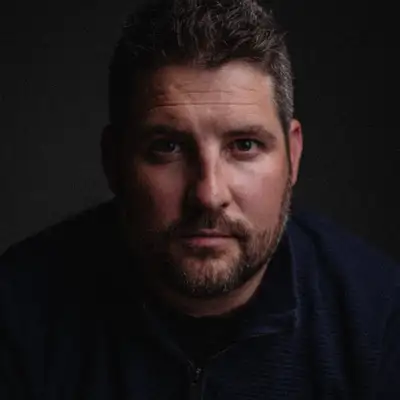
more human. In today's episode, I'm talking with Jeff
Goldberg. Jeff is the founder of well-funded, and we explore his journey of being a nonprofit
executive director for ten years, experiencing and feeling the friction and frustration of grant
applications and major gift fundraising, and then building a tool and launching a startup that
actually addresses that issue and helps to connect philanthropists and foundations with
charities. We talk all about how organizations can better prepare themselves for philanthropic
giving. I think there's so much for you to learn in this episode. I really love the conversation. I
hope you do too. Welcome back to the Amplify Good podcast. I'm here with Jeff Colby from well-funded,
and I'm excited to dive into this conversation with you, Jeff, and take a look at your background.
You sort of sat on all sides of the philanthropic table throughout your career, and so I'd love to
dive into that a little bit. You started out at Charitable Impact, a digital donor advised fund
here in Canada, watched it go from 3 million to about 115 million in your time there, and then
spent a decade as the executive director at Ax for water. And then now we're jumping back into
that philanthropy side and sort of bridging the gap between charity and philanthropy. So we'd love
to maybe just get a feel for your journey and what's brought you to this, to this point here
today. Sure. Thank you so much for having me. Um, yes, it was about maybe 15, 18 years ago or
now. Now time flies that I started working for chimp. Um, charitable impact is now called. I
started working there actually, because my wife and I started using the product. We had gotten to
the end of a tax year and realized we had hardly given away any money or very little money to
charity. And that year. And the reason for that was we were not asked and we just
kind of thought, well, that's a really kind of poor way to structure our philanthropy. If we're only
giving as a reaction to fundraising, that's not really how we want to live. And so we actually
started by just using, um, we set up a chimp account, as it was called, then uh, and started
putting money in. And then I actually pitched um, John at Charitable Impact on working there. And I
believe I was employee number one at their foundation. Um, and so, yeah, got to be on that early
team and watch it grow and be a part of that. And my co-founder actually was the first, uh, software
engineer there. And so we reconnected many, many years later, about 15, 16 years later to build well
funded, which we'll get to in just a second. But I was there for 5 or 6 years or so before leaving
to go run a small nonprofit. I thought I was leaving for a couple of years just to kind of
figure out what I wanted to do next in life and take a little bit of a breather, so to speak, and
experience kind of the boots on the ground side of charity. Um, and, you know, other plans, so to
speak. And, and, uh, I ended up falling in love with both the people and the work that we were doing
and stayed for for about a decade there. So that's the the long story short on how I wound up here
at Well Funded. Love it. So talk to me a bit about the transition now from being an executive
director spending a decade there. You were working predominantly in Uganda on clean water
initiatives and projects, and then starting to see some pain points and some challenges and issues
from the charitable side and connecting with major giving and philanthropy. So where did the
spark for well-funded come from? Talk to me a bit about your frustration as an executive director
and what what you're actually trying to solve for the sector as a whole? For sure. So I had always
been in and around charity growing up, you know, whether it's volunteering at summer camp, working
as a fundraiser, volunteering, raising funds. You know, my family, this is kind of the water we swim
in. So it wasn't like, you know, small philanthropy or raising money was new to me. And then and it
wasn't it was really the exposure to kind of the the donor advised fund world and major gifts,
wills, estates, bequests, private foundations, public foundations that I got to experience when I at my
time at charitable impact and working with their partner law firm. And then I left and went to work
for a small nonprofit. And I was super naive. I thought, well, how hard could this be? You know, I
have all this experience working with super ultra high net worth donors. You know, they the law firm
and the organization did about $100 million a year. Um, how? This couldn't be that hard. Just send
a few emails. They'll copy a check and butter. Bing, bada boom. You know, water is a no brainer, I
thought. Um, yeah. I was really, really naive in many, many areas. And we can dive into that. But going
to run the charity and it was, you know, a long season of getting my kind of ego knocked
down and my preconceived notions of what it meant to raise money, to be a leader, to be a leader in a
nonprofit organization. Um, so that whole journey and it was really, uh, probably about four
years ago now, late one night filling out yet another grant application. Um, this is before
ChatGPT could sanitize my emails that I sent a frustrated email off to a gentleman named Peter. I
have permission to use his name. Um, complaining about the grant application process. And I said,
you know, Peter, why are you making me fill this form? And Martha over here is making fill this
form and Francis is making Philip this form. You're always saying charities need to work
together. Why don't you guys ever work together? Um. And the email definitely could have been edited.
It definitely could have used a better tone. Um, but Peter was very kind, is very kind, and got
on the call. We set up a zoom call. I remember it very well, where he explained a lot of the
frustrations from his side of the coin, so to speak. Um, being treated like an ATM, having a hard
time learning about a charity without getting that charity's hopes up, uh, understanding what the
impact of their philanthropic dollars were doing, the volume of grants that they received and
trying to discern, you know, A from B, from C, um, representing lots of different stakeholders. And
so it's not like it wasn't Peter's money. It was, you know, he was working on behalf of this public
foundation. Then I explained a lot of the frustrations on my side. Um, and through that, a
really, you know, a really interesting journey and friendship on, uh, developed. Uh, I got to work with
and meet a lot of his peers in the foundation space and learn a lot about their challenges in
major giving, institutional giving like foundations. These are people who give away, you
know, millions of dollars every year of all different walks of life young, old, different
backgrounds, through different giving vehicles. At the end of that, I kind of put back to them and I
said, this is all of the data that I've collected. And they were also very kind. They were doing
these meetings as well, and they gave me a lot of their data. So I kind of summarized it all again.
This was before chat. You could kind of do a lot of that work for me, but I summarized it all
manually. I remember these moments very vividly, pitched it back to them, or just summarize it back
to them and said, these are the problems that I'm seeing. This is kind of the idea of a solution. And
again, here was a real encouragement and said, well, why don't you go away and come back to me with
this solution? And I did. You know, I sketched together a, you know, a kind of a pitch
deck. I picked it up, I put it down. I thought, this is a stupid idea. You know, I don't want to solve
rich people problems. Um, nothing's going to change. We're just caught in this cycle. Like. Yeah, the
negative self-talk over and over again, particularly around the size of the problem and
the entrenched ness of the way that we kind of always have done this. And it was actually
on Thursday before Good Friday, uh, three years ago that I sent the pitch deck both to Peter and to
another guy named Richard, uh, who was a donor at ax for water and also involved in kind of the
venture capital space and the other kind of seed funding space. And I said, like, this is kind of
what I'm working on. Can I have, I don't know, 20 minutes of your time to pitch this to you? Uh,
Richard replied. And he's like, oh, I'm going to Europe on Saturday, but I've got time tomorrow. And
so I like ran to my office, jumped on zoom, um, on Good Friday, no prep. And
I mean, the pitch was just brutal. Like, I don't think I just. Threw it. At him into the deck. Yeah. I
don't think I even, like, literally gone through the deck or the script. Top to bottom. But for
whatever reason, he, you know, saw something in it and he was like, let me put you in touch with my
portfolio guy, my, my investment guy. And, uh, Peter as well arranged a meeting. And, um,
the long story short, with Peter, I pitched, I was pretty nervous as well. Um, I couldn't
read his emotions on the screen at the end of it. He said, you know, Jeff, I'm metaphorically standing
on my chair, and, um, it was that level of encouragement. I'm not saying that that was like
then everything else was like, I have all the confidence in the world to go for it by any
stretch. But he was such an encouragement, Richard, for such an encouragement, that that kind of
started the snowball, so to speak, to move forward. So that was a long way of answering your question.
No, I love that, though, because I think you've identified friction on both sides of a
relationship, and you've seen it from both sides as well. And then just kind of asking the question,
I think that's sometimes what takes the courage is to say, why is this so hard? This should be
easier when you have organizations that are trying to do incredible, meaningful, life changing
work, and then you've got, you know, passionate, wealthy individuals who are actively trying to
give away, you know, a substantial amount of money every year. Why is it so difficult to get
alignment and to create that kind of partnership between the philanthropist and the charity? And it
seems like there were all these barriers and roadblocks, and there are like having been an
executive director myself for a season, like I understand the friction of that. I remember often
feeling like, you know, the grant application process and the reporting process was often it
felt more arduous than the value of the the gift you were getting as well. And so we often
evaluated whether we would apply for a grant based on whether or not it was going to be more
work to just manage the grant than we were going to actually benefit from it. So you're definitely
describing a world where there is a lot of friction, I think too. It's probably the reason why
your pitch didn't have to be super polished, because when people feel the friction and the
frustration, even, you know, the seeds of a solution can be really appealing. So I love that. Talk me
through the thought process for you of like going all in. So you've you've pitched a concept and a
loose idea. You've got some really good feedback and support. And then that decision to just kind
of say, okay, I'm going to build this, I'm going to do that. Talk to me a bit about that transition
and making that shift from executive director to founder. Sure. Yeah. And it didn't all I mean, there
was definitely moments where it felt like it happened. Um, or it's happening. Um, it didn't all
though, happen in like one kind of light bulb moment or one. I don't I don't feel like identity.
I mean, careful not to universalize it, but for me, identity didn't shift or doesn't shift it
necessarily like a moment per se, but there were some key moments. Um, so still, even after Peter's
encouragement and, other encouragement. Um, Richard's encouragement. I, you know,
picked it up, put it down. This is a lot of work. How do I even go about tackling something like
this? Um, but there was a moment late one night that, um, I was kind of trying to decide, and
I wrote down on a sticky tab. Um, you know, I think if I get to the end of my life and I haven't
built something of my own, I'm going to be really disappointed. And then I, um, thought, that's stupid.
And I crumpled it up. I threw it in the garbage, and, um. And then the next morning, I woke up and I
pulled it out, and it's here now, taped to my book. No way. Um, yeah. It's the last night I realized I
would be sad if I'd gotten through my life, having built. I'd never having built something. And, um, I'm
always hustling, but I want it now to be for something I get to make. And there's a little bit
more on there, but that's the the gist of it. So that was certainly a key moment for me of like,
realizing this is worth picking out of the trash for, proverbially and literally. Um. Another key
moment was, of course, getting those early buy in, like the first 10,000 from Peter. Uh, another
10,000 from another friend. You know, literally just seeing the deck and be like, yeah, I'm in. And
this is not like a wealthy person. And me being like, ah, maybe you shouldn't. I'm probably gonna
lose your money. Um. Please don't. But no, no, no, this is great. I'm in. Um, you know, and
and those moments of encouragement and then, um, we so we raised a tiny amount of money, relatively
speaking, $40,000, built a prototype, ran out of money, got a little bit more money. I think another
20,000, uh, got the prototype working and then ended up signing a fairly large client, uh, with a
large name. And they requested a feature that I promised. I said, yeah, for sure, we'll have that by
lunchtime. And but we had literally maybe like a couple thousand dollars in the bank and in a huge,
um, credit card bill, because that's how we are paying our development team. And, uh, I remember
driving to a somebody birthday party, a daughter, a friend's kid's birthday party and asked my wife,
so how do you feel about putting our house up for, uh, has a line of credit? Um,
and just as we're about to pull up to this party and, um, uh, we paused the conversation and a couple
days later ended up raising a little bit enough money to kind of float us through the next year.
No, no house needed for collateral. Um, and that's those are kind of the moments that that really
stand out and helping shift in some ways, the identity and then moments that happened for you,
as in, like, you know, consulting jobs that fall through that you're like, okay, well, now maybe I
need to take that leap because, yeah, plan B has kind of been taken off the table. So or maybe plan
A has been taken off the table and I'm going to go all in. And so it's kind of a collection of a
lot of small moments for me. Yeah, I feel like every founder has those kind of stories and scars
and, you know, we've got many of them ourselves. Mark, my brother, who started anthem over ten years
ago now, it was the same thing, like that sticky note of yours. It was very similar. He was an
executive director in a charity and had the opportunity to kind of, you know, take on other
roles within the charitable sector. And same thing. He was like, I think I'll always look back and
wonder, what if if I don't build something for myself. And so I can definitely resonate with that,
that idea and that impulse as well. Talk to me a bit about the solution itself. And so now
well-funded, obviously, you've kind of gotten through some of those early days and built out a
more robust set of features now. And you're now actively, you know, matching philanthropists and
family offices and foundations on the platform with charity. So maybe walk me through a little
bit of how the platform works, what are some of the pain points that it solves. And then we can
kind of get into maybe some of the more practical pieces of it for, you know, the listener who's on
the charitable side of things. Sure. And I'll begin by saying, like, you know, we We are still early
days and this is the tension as a founder and as somebody who sees the long term and you're still,
you know, grinding every day to to make that long term reality happen. And so I can see
where we're going. And it's always that frustration of kind of, but, you know, every day
you're still you still have to put one foot in front of the other and kind of build out feature
X or solve for, let alone deal with backlogs and bugs and everything else. So the
solution that we went to market with was common grant application. So everything a funder needs to
know about a charity to at least make it past that Loi stage. In fact, the early name for
well-funded was open Loi, um, you know, mission, vision, values, accreditations, audited financials,
leadership team, key funding projects. So 2 or 3 core funding needs. We reviewed 1500 grant
applications to find. Again this is before um. For AI was able to do the heavy. Lifting. Yeah yeah
yeah yeah. And so like, it was manual going through all of these things um, to find like essentially
the, the mother of grant applications, the commonality 74% of all grant applications
contained the same questions. The same. Same type of questions. Right. Mission, vision, values, founding
year and all of this stuff. And so we have all of that in one central spot. And the goal the end
goal there is you know, we realize that a funder is still going to probably want to ask a couple
of unique questions specific to their funding interests or their funding passions. But if we can
take all of that 74% off the table, yeah, then we have saved a ton of time. In fact, estimates
included about $70 billion that charities spend just filling out grant applications. So,
um, that was the initial product when we launched. And what we have found is that our key buyer
for this first year we've been in business for a year, has actually been donor advised funds. We'll
get into that in just a second. But it has been donor advised funds and wealth managers. So we
have in some ways followed the product development cycle of our key buyers, which
makes sense. We have the same business and it's a buyer we genuinely have experience in empathy for
and want to serve. And so, um, it's all of these reasons that we have kind of pursued that. But I
will say, and this is super cliche, it's like the product we put to market initially. And the idea
we put to market initially is not the idea that we're maybe most actively pursuing right now.
Principally speaking, we're not, you know, actively selling to public foundations. They're certainly
on the table and the platform works great. And we have a couple. But our primary target market right
now is donor advised funds and wealth managers. And they are signing up and using the platform.
And and that's that's the product we solve for. I can get into the specifics, but I'll turn it back
to you. Yeah. Can you maybe quickly like, give us the 30 zero zero zero foot view and 32nd overview
of a donor advised fund. My wife and I and our family use a donor advised fund for our
charitable giving, and every year we have organizations who will come back and like will
refuse the gift because they don't think it's legit, because they don't understand the the
dynamics and the nuances of donor advised funds. And so maybe talk quickly about that and the
growth of donor advised funds in North America and why you're seeing, you know, the platform
resonate with that audience particularly. Yeah for sure. And I'll I'll leave this in to Wealth
Advisors as well. But um, Canada is is still an emerging market as it relates to donor advised
funds. And yet, you know, in the past call it ten years, the assets under management. So this is
money that's being reseeded, that's going to go to charity has doubled in the past ten years, sitting
in donor funds somewhere between 16 and $20 billion. They are growing dramatically year over
year. Um, so that's kind of the first understanding. It is a. It is the fastest growing charitable
vehicle in Canada. What a donor advice fund is, is, is that law is just a public foundation. So that
that law means that the board of directors are not related. Um, yeah. And a few other minor things.
But the board of directors aren't related, and they can give to any Canadian registered charity.
They can. They don't have to, um, that an individual can have an account at. So like a bank account,
and you put your money in and you have your own fund within that. You could name your fund the
human fund, and you could add money at whatever periodic event you'd like. And then you can give
money out at any period you'd like. It doesn't have to be in that tax year. Um, it can be at any
point in your lifetime. Some donor advised funds, also called drafts, um, have other requirements on
that. But at law, it's really just a public foundation that individuals can have accounts
under and make advisement recommendations from their fund out to any public charity in Canada.
Any registered charity in Canada. Some of the caveats or nuances. Um, you know, different drafts
have different kind of angles. So make way Foundation, for example, would be, you know, a
subject matter expert in equity, environment and funds of that nature. You know, there are Christian
focused, donor advised funds that, for example, would specialize in Christian focused,
you know, gifts. Um, then there are the big five drafts that are run by, uh, banking
platforms like TD or Scotiabank, um, in their wealth management staffs as well. Um, and then
there are just like online donor advised funds or third party donor advised funds as well. Um,
there's lots of pros to donor advice funds and there's some negatives for sure to them as well.
Like, it's not it's not a binary thing. But the important thing is it is a very fast growing,
giving vehicle. And there's lots of good reasons for that. We can get into that in a second if
you'd like. But yeah, they are very important giving vehicle in the Canadian charitable
landscape. Um, yeah. Do you think charities should have a donor advised fund strategy? I don't know
of any of our clients that do or that talk about that specifically. And I know the growth of donor
advised funds and the concentration of wealth. I think that's one of the things we've been talking
a lot about on this podcast has been, you know, the the emerging and growing importance of, of major
giving and mid-tier giving and, you know, kind of the K shaped economy and the hollowing out of the
middle class. All of these things, I think, point towards donor advised funds and philanthropy
playing a larger part in the charitable landscape going forward. What's your kind of thesis and
philosophy on that? Should charities have a donor advised fund strategy? If they don't, what might
that look like? Yeah, I mean the short answer is absolutely. Charities should have a donor advised
fund strategy. The good news is it doesn't have to be that complicated. And I do think you can kind
of crawl, walk, run, fly with this. Like you can take baby steps today to begin engaging your
donor advised fund donors, because you already likely have them. They are your donors. They just
give through a different giving vehicle. One of the great things with the DAF donor is it is
largely recession proof. And what I mean by that is the donor has already made the emotional
decision to part with their money. So they made that maybe when the economy was doing great, when
they had a liquidation event or when their business was doing great, and maybe it's a
privately held business. So they've parted with their money that they couldn't normally do in a
private foundation. That's a complicated tax matter. So they put their money in their DAF, then
they sold their business. So now they've got cash sitting in their DAF. That money is already locked.
It's got to go to charity. They've made the hard emotional decision to part with it. So now it's
quote unquote just an allocation decision, which is a much more natural conversation like that. The
money's already being parted emotionally from them. They can't take it back. So now it's like,
where do they want to send that money? So if I'm a DAF donor, if I go to your website, can I quickly
and easily find your CRA number on the Donate Now page? Can I quickly and find, um, instructions for
my DAF, uh, to be able to send money to your organization? Do I have a
way internally for us to be able to flag that this is a DAF donor, to be able to log that in
your CRM? I will admit, and we're working to try to solve this with our DAF partners. The
communication flow between DApps and charities is a mess. The disbursement flow between DAF and
charities is a mess. The CRM often are a mess and cannot handle soft credits and whatnot.
So there's a lot of infrastructure work that needs to happen. Uh, we're we're trying to do our
bit and others are too. Um, but as a charity, you can do you can already begin pretty
intentionally just by, you know, approaching your website by doing proper, you know, data
sanitization And ensuring that you're following up with darf donors in, in a in a unique way,
in a way that honors the fact that they're giving through this giving vehicle. Um, yeah, I there's
other questions packed in yours and I can jump in in a second, but I'll let you respond. No. That's
good. I mean, my wife and I love using our donor advised fund, the, the it's hard to overstate the
value of having made the difficult emotional decision to allocate charitable dollars. Like, I
love going to fundraising events now because I know how much is in our donor advised fund, and I
can make an allocation or I can make a donation to that charity in the moment because it's
already been given. I've already received a tax receipt. I don't have to call my wife and say, hey,
are you okay if we give this money to this charity? So, you know, and and at a larger scale,
that allocation becomes a lot, you know, less there's a lot less friction in that conversation.
So I think, you know, charities and my experience of organizations we give to really mirrors what
you're saying, you know, and and being able to get into the regular flow of communications as a
donor when you're giving through a donor advised fund can be challenging as well. And so just the
way it gets categorized in a CRM, there's a lot of pieces to that. Um, specifically that that I think
I'm glad to hear there are people like you solving this, because I do think it's it's
definitely one of the evolving, you know, areas of especially the digital side of things. Right? Like
65% of all charitable giving in North America in 2025 was made online, and 50% of that was through
mobile. And so these digital donor advised funds, I think, are going to become much more prominent. And
so organizations being ready for them is really, really key. Um, so, Jeff, I want to maybe shift gears
a little bit. And with the rest of the time that we have speak a little bit more practically to,
you know, how can the executive director listening to this position, their organization not
specifically for donor advised funds, but to be more attractive to philanthropists? If more of
charitable giving in North America is going to be shifting towards philanthropic Capital. Then what
do nonprofit executive directors and leaders need to be doing in order to position themselves? How
does a tool like well-funded fit into that as well? Part of what I love, and I'll let you respond
to those questions. But part of what I love, from what I've seen, well-funded, is the the burden on
the charity is pretty light. You know, you fill out your application. You do it once, you fill it out
really thoroughly. And then at that point, the platform sort of does the matching. You're working
to, you know, build relationships with people in the philanthropic space here and then giving them
access to, you know, the data from charities to see if there's a good fit and a good match and then
creating that connection with them. So speak to me first about like the executive director put that
hat back on for a minute. What should charities be doing to ready themselves for more philanthropic
engagement? Yeah, it's a great question. And I'm I want to be cautious not to
be too prescriptive because, you know, I don't know your listeners context. Quite like you, the
listener does. And I'm very empathetic to the many demands that you, an
executive director or a fundraising officer, particularly at small shops. But I think the
problems just scale with the size of organization. Yeah. So you have a lot of demands on your plate,
and you are increasingly being asked to juggle so many more things, learn new
technologies, learn new giving vehicles. And I just rattled off a few others. And so when we approach
building tools for well-funded, we are always trying to, um, figure out how do we
reduce both the cognitive load, the technical load, the emotional load on the charity? Um, because
again, our whole goal is to improve the efficiency, equity and effectiveness of major giving. Uh,
so with all of that as a, uh, and I guess maybe the other caveat, like, let's acknowledge that both
well-funded and the future state we all hope for is not here, right? Like we're not living in in our
desired simulation. Like this is not the the world that we would love. Where if we could imagine. It's
that, you know, the philanthropist has a desire to see a certain amount of change, and they can
quickly and easily connect with the organization that best matches the the values and the, you know,
vision that they have on their heart. Capital flows great. You, as the organization can report
back in a way that's not onerous, but it's still aligns with what the work that you're doing that
matches them. You know, that that is kind of the future state that we're working towards. And you
can kind of as both the the person building the platform and all of us in this ecosystem, we kind
of have to kind of, I think, hold that future state and remind ourselves that, like both the
world and that the fundraising ecosystem that we're living in right now is not the desired
state. At least that's my opinion. Yeah. And let's map out what that desire state is. And Dan, my
co-founder and I often talk about here is the desired state and recognize we're not there. But
what are the what are the gaps to get there. So with all of that, if I were advising
and where I see the kind of trend lines going, um, wealth managers, wealth advisors,
advisors of any shape and size are going to be and already are increasingly important
in this new giving landscape. What I mean by that is they are already having
the trusted financial conversations with most of your major donors. They are having that either at
the donor advised fund level. They're having that at the wealth planning level at some kind of yeah,
at some level. And they're doing that either in person or through a mediated technology
technology format. So there's a handful of kind of it's only about 3 or 4 leading platforms in
Canada that help the advisor do that. Um, and so I would find those advisors that are
already champions of yours and really make them or already donors of yours and make them
champions. Um, because they are going to be your best evangelists to acquire or to
spread the word or to raise money for you within their context, at their firm, at their
staff, or in the world that they operate in. In a world where we become increasingly dependent
on all of the data, supports this, increasingly dependent on major donors. Um, those who have the
access to those major donors, wealth advisors, principally lawyers, some others gift planners.
Um, I think figuring out how to make those individuals champions of yours is really
important. On our side, what we're trying to do is reduce the burden that charities have, um, so that
they don't have to keep logging into our platform, for example. Like really small things. If they get
matched for a grant, they get an email. Our tool is set up and such that allows the philanthropist to
select all the criteria that they want, and it emails the charity saying, hey, you're matched or
hey, a charity or a donor wants to know more information about you for due diligence. Or we
have an advising tool that is launching next week, and it draws signals from your profile and from
other funders that are giving to you. Um, so we're working on our side. Um, yeah. To
improve it. So the first recommendation, wealth managers learn how to make them champions. The
second one, obviously providing as much information as you can both to platforms like
well-funded. But even on your site for the LMS and the the AI tools to be able to make those
recommendations back to either the wealth managers or whoever the gatekeeper is to the
major donors, it might be the major donors themselves. Um, the third one, and this is a bit
ironic on the brand on the conversation is on. For better or worse, like invest in your brand. What we
see, we analyze, I think, is 85% of all of the daft dollars we did
in 2024. And you do see very clear lines that dollars flow,
at least in a causal or in a in a correlated manner to organizations with
brands. So brand does matter. Um, even in um, AI optimized world. Um,
and so I would, I would put money into brand if I was a executive director just because, which I
know is a big topic and a whole other many other podcast worth. But brand will continue to matter
in this new space physical brand i.e. real estate, not literally buying real estate, but physical
brand presence. Digital brand presence. Um, because that is how we've seen the data, how Daph
dollars flow. Those would be three points. So making wealth managers
champions, giving the AI lots of data to be able to make good recommendations. So you come across
as a subject matter expert because you are. And investing a brand that I wanted to kind of leave
an executive director with recognizing that, you know, we're all figuring this out together. I
love that. I mean, that aligns so perfectly with obviously, so much of the work that we do as well.
Right? Like, that's one of our core beliefs is that as we head into this
AI world, that none of us are really sure what it's going to look like, you know? But I think
brand is one of the last defensible moats that exists and the investment in brand. And I've been
saying this for years when it comes to capital campaigns. One of I know a mutual friend of ours,
you know, he's a capital campaign specialist and and he gave me this years ago. But investment in
brand leading up to a capital campaign reduces your cost of campaign from, you know, 5 to 7% down
to 1 to 3%. And so the investment in brand from a, you know, large fundraising perspective, I think
has always been really compelling. But I think now more than ever, when these donor advised funds and
advisers are making large capital allocation decisions to charities, when they're using AI and,
you know, aggregating data digitally and then making decisions that way, like your brand showing
up and the data showing up in those conversations, I think is absolutely, absolutely vital. So. Love,
love hearing you say that. Um, I want to maybe just with the last five minutes that we've got here,
talk me through it quickly. A charity signs up on the platform. What happens next? What's a bit of
the the process there? And, you know, what does it look like if an executive director is listening
to this right now and they're like, I'm going to go sign up on well-funded, maybe give them the
pitch of like, why should they do that? What does the process look like and what can they expect
once they're on the platform? For sure, It's a great setup. Thank you. So today if you go to
well-funded bio you click charities. You click sign up. It should take you about ten minutes to
fill out your profile. We already have a fair bit of data on you that we've gathered from public
sources. You fill it out, make sure it represents you well, because, you know, when when I built
well-funded, when Dan and I built well funded, we knew that a lot of the other platforms, you know,
basically paste your TI 3010, which is a tax form, which is not a great way to represent you as an
organization, to major donors, to anybody, quite frankly. So make it look and feel like you. We have
spots for your mission. Vision values, your unique value proposition, which I think is super
important. Why are you the best to do this job? We have ways for you to list your accreditations,
which helps our search tool, our filtering tool, because then we correlate what does that
accreditation mean? We have all 230 accreditations from North America major ones. And so for example
if you list your imagine Canada. Level blank. We know that that means you have audited financials,
which then helps our search tool on run. So it should take you about ten minutes. We've
intentionally designed it to be pretty fast. Then add maybe 1 to 3 funding needs you
have. You don't need to list your whole fundraising catalog. Um, generally speaking, the
user behavior that we see on our platform is donors First are looking for organizations. Second
are looking for projects. This is not how I would love it. Like I would love them looking to find
cool projects. But this is the behavior we're seeing. Mhm. Um then a third and totally optional
is you can proactively do your. Well check. Well check is our most popular tool from our clients
perspective. Our clients tend to be financial institutions wealth managers and banks. Um that is
our due diligence tool. So if they are interested in giving to you they can hit a button that says
request a well, check that basically they will then ask you ten questions 15 questions and ask
you to upload source documentation, six pieces of documentation, your audited financials, your
strategic plan, annual report, and some others. Our AI tool then analyzes all of that and produces
for the client. And you get to review this as well. A comprehensive due diligence summary. This
then complies or helps the client comply with requirements that they have. And this is part of
that empathy piece that I started to learn as I interviewed 100 plus philanthropists. Like they
have requirements on their sites AML, Anti-Money laundering law, KYC, know your clients bill, you all
of this stuff is ramping up for them. And so we help make it easy for them to say yes
to you, even if you're a small charity that normally wouldn't have the brand recognition of,
say, the Red cross, just doing great work. But yeah, you know, you can be a sub million dollar charity
and still get picking CIBC at random, but $6 because our well check
allows then tick off certain compliance needs. Um, so they will notify you if
they want a well check. You can preemptively do that if you want to reduce the friction or the
time. Right. Because then they go to your site, they click view. Well check versus request a well check.
But that's totally optional. You know, do it when you've got a lazy Friday afternoon if you'd like.
That is what a charity can expect on our platform. That's all they need to do. Everything else is
for better or worse at this point. Don't or direct it as a donor's launch. Giving opportunities.
Donors request. Well checks are well advised to a launching next week. It will be donors building
out their giving profile and then looking for indigenous reconciliation charities operating in
northern BC. Right. Yeah. So it's sort of like LinkedIn is probably the best analogy. You
build out your LinkedIn profile and, you know, jobs get posted, and if you qualify for those jobs, you
can be notified, but you don't necessarily get to go to this massive database of companies and just
start hitting them. Start spamming everyone. Yeah, yeah. And it's a different mindset. Love it.
It's free to like I think it worth it's worth saying that like for the charity you're really
trying to reduce the friction for the charity. Like it is free. So if you're an executive
director or if you're a leader in any charity right now who's in Canada, I know you're expanding
to the to the United States eventually, but right now, just in Canada, like go set up your
well-funded profile. I can't encourage that enough. Um, Jeff is also probably one of
my favorite followers on LinkedIn. I've never told you this, but whenever I see a notification of
Jeff Gould, he posted something on LinkedIn. Nine times out of ten, it is really worth your while
and worth your time. I love the thoughtfulness that you put in your analysis of of the
charitable sector in this space, and just the content that you post, you're really active there
and responsive there as well. So I would really encourage our listeners to go follow him on
LinkedIn. Set up your profile on well-funded as well. Jeff, the description that you gave of that
future state that we're not in yet, of that kind of frictionless flow of capital from
philanthropist and from, you know, donor advised funds and wealth advisors through to charities
that are beautifully aligned when it comes to values, when it comes to heartbeat, when it comes
to impact, all those things that matter. Um, I think is worth fighting for and it's worth building
towards. I'm so, like, encouraged by what you're doing. I think it's really exciting. I am, you know,
one of your biggest cheerleaders and cheering you on as you build this and really just look forward
to the evolution of it. I know it's not easy. I know that you're in the trenches, you know,
building features and trying to figure out, um, you know, your, your market and all those bits and
pieces. But I love the ambition that you have and just the, the vision to build this, you know,
frictionless, seamless connection between philanthropic capital and charities doing great
work. And I think, you know, the, the, the reality is that, um, doing great work. Telling a
great story. Having a strong brand. Being really transparent with your data. All of those things
are, you know, really important value propositions going forward for charities to position
themselves effectively for these kinds of, you know, major, major giving relationships, which
ultimately everybody really wants more of. So, um, thank you so much for taking the time. Really
appreciate you sharing with us your journey and what you've learned along the way. And just kind
of the the transparency of it, too, and just your your encouragement to our listeners. So thanks so
much for being with us today, Jeff. Thank you. I just really appreciated the opportunity. Thanks so
much for having me and for the work that you guys are doing as well. It's always a privilege. Thanks
for listening to the Amplify Good podcast. And hey, if you found this episode valuable, would you
share it with someone that you think would benefit from it? And don't forget to subscribe so
that you don't miss an episode. It would also mean the world to me if you would drop us a review on
whatever platform you're listening on, so that we can reach a wider audience. Thanks again for
listening, and we'll see you next time.