Subscribe
Share
Share
Embed
Punchy, actionable insights and tips to make the life of the team leader a breeze.
[00:00:00] Pia: Things are not always easy in a team, and sometimes we need to prepare for and have conversations that actually we'd rather run away from. Today we're going to use some of the tools that are in your bag to help this to be as painless as possible and to give you the best chance of getting into a good outcome forever on. I'm Pia.
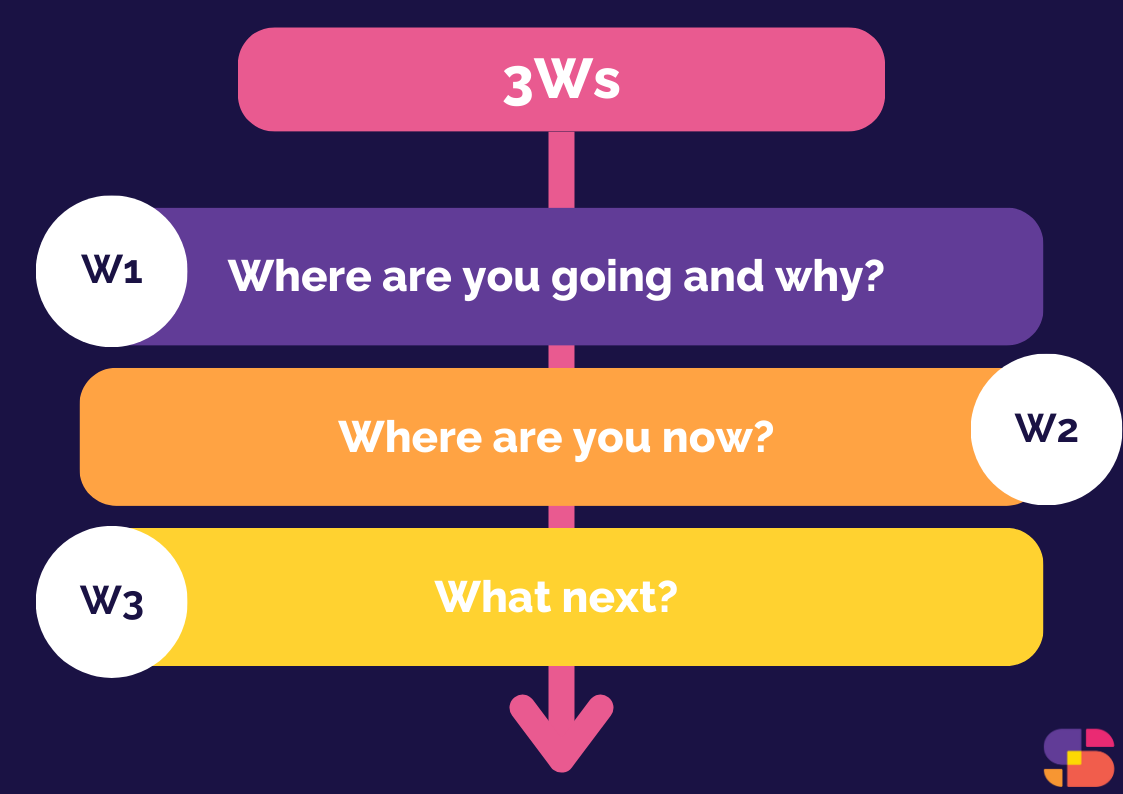
[00:00:20] Dan: And I'm Dan, and this is Squadify Connects. You know why you see loads of posts on this topic on LinkedIn and elsewhere? It's actually a very broad one. Do you need to give someone some feedback? Do you disagree with someone about something? Have you seen them doing something that you think is not helpful? It could be all kinds of things. So first, let's use the three Ws to align our thinking and our actions.
[00:00:43] Dan: W1, what do we want to achieve and why? Be really clear with yourself and others involved about what you'd like that outcome to be. It's a positive vision where you can move forward to. Keeping the why in mind and aligning others to it will be a great start in achieving a positive outcome. For example, this conversation is not to give me a chance to criticize someone's work. It's, it's, it's in order for us to be able to continuously improve the service that we provide to our clients.
[00:01:10] Pia: And then W2, where are we now? This is about making sure your view is clearly stated, but crucially that the other person has an opportunity to speak and for you to listen properly. Often these conversations can get very positional. Try to lead it away from that by genuinely understanding their point of view and adjusting yours to come closer to a shared view of the situation.
[00:01:36] Dan: And W3, what could we do? This is a powerful question towards the end of the conversation that engages everyone in finding solutions. This is the key. Throughout these conversations are positive encounters that actually demonstrate good teamwork, and so should be highly collaborative.
[00:01:51] Pia: To help you prepare for and have these conversation, it's a really good idea to make use of another one of your leadership tools be, do, have. If you want to have a good outcome for all, and you wanna make sure that your actions in the conversations to align with that, start with your be.
[00:02:08] Pia: Before you start these conversations with someone else, we've often had many conversations with ourselves in our own heads, and they can make us entrenched or positional if you're not careful, so choose your be. It could be constructive or caring, or curious or calm, or maybe something else that doesn't actually start with C. Anything that will help you stay aligned to the outcome if things get difficult.
[00:02:36] Dan: Well, if we think about your week ahead, you may not have a difficult conversation lined up, but you may well have things that are unsaid that would move your team on. So why don't you prepare for and have that conversation if, even if it's not too hard, just make sure you choose your be, and then use the three Ws to structure your thoughts and your actions to align the conversation for a positive outcome.
[00:02:59] Pia: You'll often find that when you've had these conversations, a big weight is lifted off the shoulders for everybody who's involved. So have a good week and we'll see you next week when we deepen this topic and get specifically into giving and receiving feedback. See you then.