Subscribe
Share
Share
Embed
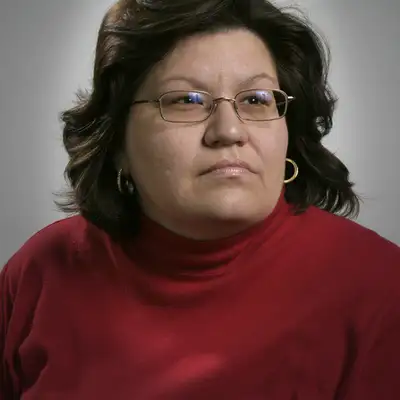
The Road To Your Name Podcast series grew out of a program started by Aboriginal Legal Services (ALS) in 2016 that helped people going through the justice system and their families to strengthen and deepen their cultural connections. Host, Lisa VanEvery, examines many aspects of Haudenosaunee culture and teachings with a wide range of guests.
[00:00:00] Lisa: greetings everyone. Welcome to our Yoha:te ne kahsen:na, The Road to Your Name podcast focusing on Haudenosaunee cultural topics recorded on Haudenosaunee territory.
[00:00:28] Lisa: The podcasts are produced by Aboriginal Legal Services with the technical assistance of True Seed Media. My name is Lisa VanEvery from the Mohawk Nation and the Wolf Clan. I'm the coordinator of the Yoha:ten ne kahsen:na, The Road to Healing program, and the host of the podcast.
[00:00:52] Lisa: This is the Yoha:te na kahsen:na: The Road to Your Name podcast series[00:01:00]
[00:01:13] Lisa: Greetings, everyone. Today is a special episode of The Road to Your Name podcast. We're on location at the Six Nations Language Commission Symposium, held on the territory here at Six Nations. And, I'm going to be talking with a variety of people today who are attending the Language Commission Symposium, celebrating Language Day, and retaining our languages and, celebrating the importance of our languages.
[00:01:46] Lisa: So our first guest is from Kahnawà:ke. She's the coordinator and [00:02:00] language facilitator there. Welcome. Um, welcome to the
[00:02:05] Lisa: podcast.
[00:02:06] Lisa: Okay, you just spoke. I, I listened to your, um, presentation earlier, and you were speaking about, um, the work that you do in Kahnawà:ke, as in the language.
[00:02:16] Lisa: Is it a language nest?
[00:02:18] Ieronhienhawi: Yes, it's a language nest. It's, uh, an immersion program for families, where parents attend with their children.
[00:02:25] Lisa: And how old are the children that attend?
[00:02:27] Ieronhienhawi: Well, our target age is zero to four, because that's, they have a greater chance of becoming first-language speakers at that age.
[00:02:33] Speaker: Yeah.
[00:02:34] Speaker 3: Um, but we take all ages. Um, a lot of them maybe have grown up at the nest, um, or are sh- are, uh, f- first-language speakers at home. Um, so depending on their commitment to the language that their family has made, um, that determines the age of the child, really.
[00:02:58] Speaker: Oh, so, so when did you [00:03:00] start the language nest in your community?
[00:03:02] Speaker 3: Well, we actually started in 2005. There was a group of us, a handful of us, uh, we were friends, and we were all trying to speak... We were second-language speakers trying to speak, raise, well, speak in the home and raise first-language speakers.
[00:03:17] Speaker 2: Yeah.
[00:03:18] Speaker 3: Um, we all had young children at the time, and, um, I was really seeking ways...
[00:03:24] Speaker 3: I had done, completed the adult immersion program, and I was seeking ways to, um, continue learning- Mm-hmm ... continue this- This immersion environment, but I wanted w- to be with my children. I was homeschooling at the time. A few of us were homeschooling. Um, and we just wanted that environment for ourselves, and I, uh, did a little bit of research and found out that, uh, Maori did this in, uh, New Zealand, and I thought, "What a, what a great idea."
[00:03:59] Speaker: [00:04:00] Yeah. And so you must have started with a small group?
[00:04:03] Speaker 3: Yeah, I approached my friends. You know, there was maybe about five of us I think, and we just got together. We proposed it to them, you know, and everybody was on board, and we, we got, uh, um, donations, like anonymous donations of- Yeah ... of, of money to, uh, cover a first language speaker.
[00:04:24] Speaker 3: We knew we needed a first language speaker with us. And, um, we just got together. We didn't have no building. We didn't have no nothing. Mm-hmm. We volunteered our time. We gathered at our
[00:04:36] Speaker: longhouse. Mm-hmm.
[00:04:36] Speaker 3: And, um, we got- hired a first language speaker, and we invited families, whoever wanted to attend.
[00:04:43] Speaker: Wow. And, um, so what was it like in the early days?
[00:04:47] Speaker: That was like 20 years ago.
[00:04:48] Speaker 3: Yeah, a long time ago.
[00:04:51] Speaker: And what was it... How did you spend your days in the early days? Is it- In
[00:04:54] Speaker 3: the early days, yeah, it was like every day, you know- Yeah ... uh, a lot of [00:05:00] home-like things. Um, we'd be in the cook house. We did a lot of cooking. We cooked every day. We prepared meals every day.
[00:05:06] Speaker 3: We did a lot of outings also. We did our grocery shopping together. We, we went on, we went on trips here and there. Um, we did our, our gardening, our planting, our harvesting, all of the- Yeah ... the tapping trees, all of that.
[00:05:21] Speaker 2: Mm-hmm.
[00:05:21] Speaker 3: Um, and then we did singing. We'd prepare for ceremonies and just be al- all in the language, and we just made sure that we always had first language speakers with us- Yeah
[00:05:34] Speaker 3: so that, to ensure that we were speaking properly. Yeah. Um, and it made it easier to maintain that environment 'cause we had the support that we needed.
[00:05:44] Speaker: And how did the children, um, d- react? Were they... Did they wanna talk English, or did they get right into it in immersion?
[00:05:53] Speaker 3: I found it depended on the age of the children.
[00:05:55] Speaker 3: Mm-hmm. The older they were, the harder, 'cause I had my son, he was 10, and there was another, uh, [00:06:00] child who was 10 years old, so it was a little bit more difficult for them 'cause my oldest is not a first language speaker. My, the, my, my younger three children are. Mm-hmm. But my first one was not because I didn't have the language, uh-
[00:06:12] Speaker: Yeah
[00:06:12] Speaker 3: the way I do now- Yeah ... when he was born. Um- So it was more of a challenge, but he's still a very proficient speaker.
[00:06:21] Speaker: Yeah.
[00:06:21] Speaker 3: Um, and we just had to maintain that strict environment. But also, um, we had to find ways to engage them-
[00:06:31] Speaker: Yeah ...
[00:06:32] Speaker 3: in the activities that we were doing.
[00:06:34] Speaker: Mm-hmm. Yeah. Yeah. And so now through the years, how many families do you think have gone through the, the, um, nest?
[00:06:42] Speaker 3: Oh my goodness. I haven't, I've n- we actually never counted really.
[00:06:46] Speaker: Wow.
[00:06:46] Speaker 3: Must be a lot though, right? I'm not really sure, yeah. Yeah. Yeah.
[00:06:49] Speaker: Yeah, so you get families who are interested every year. Do you start a, at a specific time of the year?
[00:06:54] Speaker 3: Yeah, we usually start in September.
[00:06:56] Speaker: Mm-hmm.
[00:06:57] Speaker 3: And we, but we run all summer.
[00:06:59] Speaker 3: I forgot to [00:07:00] mention that earlier. Yeah, we run until the end of... We used to run until, uh, mid-August- Mm-hmm ... and we'd take two weeks off and then start back again. But, uh, n- now we go to the end of July and we give ourselves a, a month off.
[00:07:13] Speaker: Um, so, so when you're, when, how many families are, are in the nest now?
[00:07:19] Speaker 3: How many families? We have 14 right now.
[00:07:22] Speaker: Wow, that's a lot. Yeah. That's so great that people are, um, interested in getting the language, having the language in their homes. Yeah.
[00:07:33] Speaker 3: Yes.
[00:07:33] Speaker: Um, so you talk in, in Mohawk all day, every day. That sounds like a great thing to do to me, for me. Like, I've been trying to learn for years- Mm-hmm
[00:07:43] Speaker: part-time. And do you think that you really need to immerse yourself?
[00:07:50] Speaker 3: Yes, you do. Yes- Yeah ... I think you do. Um, actually our program, so when we started in 2005, ran from 2005 to 2007, it was [00:08:00] strictly volunteer, and we were getting together every day, all day. Mm-hmm. Like, from like, I think it was 10:00 till 4:00 or something, or 9:00 to 3:00.
[00:08:09] Speaker 3: I don't remember the exact time. And, um, it was a lot. We decided to take Fridays off because it was, um, just a lot to be away from home.
[00:08:18] Speaker: Yeah.
[00:08:19] Speaker 3: Um, and then, uh, when we, we- That, like, program, we kinda dissipated because we all had things that happened, you know, in life and everything like that. Um, so we didn't maintain it after 2007.
[00:08:37] Speaker 4: Mm-hmm.
[00:08:37] Speaker 3: But fa- and we all went to do work. Like, I needed to work, so we went- Mm-hmm ... and did other things. But fast-forward now to 2014, uh, myself and Greta Wagatside, who we share, like, the coordinating, uh, role-
[00:08:53] Speaker: Mm-hmm ...
[00:08:53] Speaker 3: I guess, and, um, we had babies. She had hers in 2012. I had mine in [00:09:00] 2013, and we met. We got together 'cause we knew, and we talked about it for years.
[00:09:04] Speaker 3: We knew we wanted to bring it back, but we didn't exactly know how to go about it- Yeah ... where this could be, like, our work. Yeah,
[00:09:10] Speaker: yeah.
[00:09:11] Speaker 3: This could be our job.
[00:09:13] Speaker: Mm-hmm.
[00:09:13] Speaker 3: And, um, we just developed, developed it in a way... I, well, I had a dream, actually, about it. It came through a dream.
[00:09:22] Speaker: And-
[00:09:22] Speaker 3: That is so
[00:09:22] Speaker: great.
[00:09:23] Speaker 3: Yeah, it came, the answers came through a dream.
[00:09:25] Speaker: Mm-hmm.
[00:09:25] Speaker 3: And we were able to develop a plan and apply for a grant-
[00:09:30] Speaker: Mm-hmm ...
[00:09:31] Speaker 3: and, uh, receive the funding to run for the first year. Um, and, uh- Because it's difficult sometimes for a parent with a newborn baby to commit to something full time, to commit to leaving the home every day.
[00:09:50] Speaker 2: Yeah. '
[00:09:50] Speaker 3: Cause it's important for them to also be home.
[00:09:53] Speaker 3: Mm-hmm. So, um, we started, when we started out in 2014, we surveyed the [00:10:00] community and we looked at who can commit to two days a week and who can commit to three days a week.
[00:10:06] Speaker 2: Mm-hmm.
[00:10:07] Speaker 3: And, um, but we realized that it was c- three days was even a lot. Mm-hmm. And so with a small baby, when you have newborns- Yeah
[00:10:18] Speaker 3: it's a lot. So, um, each group commits to two full days a week.
[00:10:23] Speaker: Oh, yeah. So you've kind of, it's evolved
[00:10:26] Speaker 3: to work. It's evolved, yeah. To work. It's evolved a lot. We've made a lot of changes. Yeah. Every year we make changes, new changes, yeah.
[00:10:32] Speaker: So what is it like now to, um, be immersed in the Nest? What is it like?
[00:10:38] Speaker: Like, what do you do every- Is it a formal curriculum or?
[00:10:41] Speaker 3: No. So they'll come in, they'll have a mingling period. You know, we have, like, a little bit of a, "How are you?" You know. Mm-hmm. And, like, de-stress. We don't know what their morning's been like.
[00:10:51] Speaker: Conversational.
[00:10:52] Speaker 3: Conversation. We'll sit around the table and chat and, you know, just maybe some need to vent, you know?
[00:10:59] Speaker 3: [00:11:00] Mm-hmm. Express ourselves. Uh, we, if, if they don't have any trouble, we will have a guiding question.
[00:11:08] Speaker 2: Mm-hmm.
[00:11:09] Speaker 3: Mm-hmm. And, um, we have, yeah, conversation and mingling and sitting around the table and eating- Yeah ... for, for the first, uh, like, say, 15, 20 minutes. Yeah. And then we'll go into the resembling language] and that's- Uh-huh ... and then we'll start, like, our activities. We have our, like a morning routine that we do with the, with the kids and, um, we actually talk about weather a lot.
[00:11:33] Speaker 3: You, you, you would think that's something that's, like, repetitive redundant.
[00:11:38] Speaker: Uh-huh.
[00:11:38] Speaker 3: You know? That you're, but it's actually, you actually- gain a lot- Yeah ... just from talking about the weather.
[00:11:45] Speaker: Somebody always asks, "How's the weather?"
[00:11:48] Speaker 3: There's always something different-
[00:11:50] Speaker: Yeah ...
[00:11:50] Speaker 3: to talk about, and there's, there's...
[00:11:53] Speaker 3: You know, we get in there, like, past tense, repetitive words, uh, future words. Like, there, [00:12:00] there's just so much. It's so rich- Yeah ... so much more richer than we think it is.
[00:12:06] Speaker: Yeah, and the language, the Mohawk language, is very, um, filled with imagery, right?
[00:12:11] Speaker 3: Yes.
[00:12:11] Speaker: Yeah.
[00:12:12] Speaker 3: Yeah. Yes.
[00:12:12] Speaker: And, um, so do you ever come across, um... I mean, the old people, my, my grandparents were, were speakers.
[00:12:21] Speaker: They would say old words sometimes- Yeah ... like really old words.
[00:12:24] Speaker 3: Mm-hmm.
[00:12:25] Speaker: Yeah. Do you ever, uh, have that where-
[00:12:27] Speaker 3: Yeah ...
[00:12:28] Speaker: you're teaching the old- Yeah ... Mohawk they call it, I guess?
[00:12:31] Speaker 3: Yeah, we do. I mean, we have, uh, first language speakers that work with us, so they have a lot of that. And, uh, actually my, uh, my son is teaching our staff right now, and, um, he spends a lot of time with elders, a lot of time listening to recordings.
[00:12:45] Speaker 3: Oh, wow. Um, he has a lot of exposure and a lot... He has just a really good memory for it. Mm-hmm. So he's actually able to, uh- Mm-hmm ... teach us those things. Um, but I wanted to just finish 'cause you were asking about our day.
[00:12:59] Speaker: Oh,
[00:12:59] Speaker 3: yeah. Yeah. So [00:13:00] we have, like, our morning routine. Mm-hmm. Um, we do have formal lessons for the parents.
[00:13:05] Speaker 3: Um, they're... We used to spend an hour, like, teaching them while the children had somebody helping to take care of them, but now we just incorporate it into our day. Mm-hmm. Um, and we, we do formal teachings. Like, we, we use the whiteboard. We have paper. We'll have, you know, all of that, those things, but we also incorporate it in h- in a hands-on way.
[00:13:28] Speaker 3: Mm-hmm. Um, play- we're just playing games or doing a specific activity and having really good, solid examples. We try to ensure that we have really good, solid examples so that they see the structure even within a natural context. Mm-hmm. We'll have lunch together. We'll eat lunch together. We'll cook together.
[00:13:46] Speaker 3: Yeah. Um, not every day, but we do cook. And, um, and then we have, uh, our outings or our, our time spent on the land too.
[00:13:56] Speaker: Mm-hmm. It just sounds so great. Like, I [00:14:00] wish I could go and join your nest.
[00:14:03] Speaker 3: You're welcome to come visit.
[00:14:05] Speaker: Yeah. Um, yeah, so, so being immersed in the language is, um, is what we need, I guess, to, to, um, retain it and, and, um, have it in our lives all the time.
[00:14:20] Speaker: Yes. I guess it's better if you do it with your family because you do need someone to talk with-
[00:14:26] Speaker 3: Yes ...
[00:14:26] Speaker: right?
[00:14:27] Speaker 3: Yeah.
[00:14:27] Speaker: Yeah.
[00:14:28] Speaker 3: Yeah. It's important that... Because- You could go, like, to somewhere like the Nest, right? And you have that environment for this many hours, and then you go home, and you're like, uh- ... "Who do I talk to?"
[00:14:41] Speaker 3: You know? But at least the parent has the child, and the child has the parent.
[00:14:46] Speaker: Yeah.
[00:14:46] Speaker 3: So they have each other. But, um, an- another one of the things that we do is we ask them to teach someone else. I forgot to mention that earlier, too. We ask them to teach someone else in their family. So they could be [00:15:00] teaching their partners what they've learned.
[00:15:02] Speaker 3: Mm-hmm. They could be teaching their parents- Mm-hmm ... like the grandparents of the child, you know- Yeah ... or their older children.
[00:15:07] Speaker: Oh, yeah.
[00:15:08] Speaker 3: Mm-hmm.
[00:15:08] Speaker: Well, that's really great. Um, and it really... Like, that's our identity, right? So that's filling up ourselves with our identity-
[00:15:17] Speaker 3: Yes ... that
[00:15:17] Speaker: we didn't have before. Yeah,
[00:15:18] Speaker 3: yeah, yeah.
[00:15:19] Speaker: Yeah.
[00:15:20] Speaker 3: And a lot of parents express that. Mm-hmm. They express that when, like, we meet with them regularly, uh, to che- do check-ins, and a lot of them express that healing that's happened- Yeah ... within them just by, uh, by learning to speak.
[00:15:33] Speaker: Yeah, and- And
[00:15:34] Speaker 3: they feel that connection.
[00:15:36] Speaker: And what I've noticed with my learning is, um, I've been speaking English so long that, that the tongue doesn't ha- can't do those sounds sometimes.
[00:15:48] Speaker 3: Yeah.
[00:15:48] Speaker: They're unfamiliar-
[00:15:50] Speaker 3: Yeah ...
[00:15:50] Speaker: to your tongue.
[00:15:51] Speaker 3: Yeah, it's much more difficult- Yeah ... um, to learn when you're older- Yeah ... to be able to, uh, pronounce things, uh, the way you would if [00:16:00] you learned when you were younger. Oh, yeah. Yeah, because your, the muscles aren't trained. Yeah, the mus- You just need to train them.
[00:16:06] Speaker: Yeah.
[00:16:07] Speaker 3: Mm-hmm.
[00:16:07] Speaker: Well, that's hopeful. '
[00:16:09] Speaker 3: Cause, uh, um- That I
[00:16:10] Speaker: can get better ...
[00:16:11] Speaker 3: my, one of my instructors, I, I go to, uh, University of Victoria, and one of my instructors, she al- actually has a... Is it called a sonogram? Like, it's kind of like a ultrasound type of thing.
[00:16:22] Speaker: Mm-hmm.
[00:16:22] Speaker 3: And, uh, you can actually see how the tongue moves and how the throat moves, like the muscles all in your- Yeah
[00:16:31] Speaker 3: in your mouth move depending on what kind of word you say.
[00:16:36] Speaker: Wow.
[00:16:37] Speaker 3: And she's- Interesting ... um, done studies with, uh, like, I think Coast Salish languages. Mm-hmm. And we tried it with our language, too, and you can see where, you know, certain sounds, nasal sounds, uh- Mm-hmm ... g- glottal stops and things like that, really-
[00:16:52] Speaker: Yeah
[00:16:52] Speaker 3: they
[00:16:52] Speaker: pronounce. So when you're te- you're not just teaching the language, you're also teaching the culture-
[00:16:58] Speaker 3: Yes ...
[00:16:58] Speaker: right, in the language. [00:17:00] Yes. Yeah.
[00:17:01] Speaker 3: Yes.
[00:17:01] Speaker: That's pretty good, too. Yeah. Um, so do you notice, like, the people that have gone through the program, are they speaking out at... Like, are they speaking in the community?
[00:17:14] Speaker: Are they... You know, do you notice a lot more speakers in your community?
[00:17:18] Speaker 3: Yes, we do. Yeah. Um, I mean, it depends on the parent, right? Not all parents take it- As far as they could or should.
[00:17:28] Speaker: Yeah.
[00:17:29] Speaker 3: Um, there's, you know ... So it varies- Yeah ... depending on- Yeah ... on the parent and where they've taken it.
[00:17:38] Speaker: We're just overwhelmed with English all the time.
[00:17:40] Speaker 3: Yeah, yeah. Yeah. It's, it's not easy. It's not easy. But, uh, it makes a difference when you have that supportive environment at home, like when they have supportive partners or supportive parents. Mm-hmm. And, or that true self-determination.
[00:17:53] Speaker: Mm-hmm.
[00:17:54] Speaker 3: I, I, I find that self-determination is really a big factor, [00:18:00] major factor in, uh, in um- Becoming a advanced level speaker
[00:18:07] Speaker: Yeah For
[00:18:08] Speaker 3: sure
[00:18:08] Speaker: Well, where do you see your, um, the Language Nest going in the future?
[00:18:13] Speaker: Do you have any plans or-
[00:18:15] Speaker 3: Well, we'd like to expand. Mm-hmm. Um, we'd like to accommodate everyone.
[00:18:20] Speaker: Yeah.
[00:18:21] Speaker 3: Um, like we did... Like right now, we have a lot of moms that come with small children. Our children are older now. We'd like to, you know, have developed things that accommodate older children. I mean, they still join us, but-
[00:18:35] Speaker 2: Mm-hmm
[00:18:35] Speaker 3: you know, activities that are maybe, uh, focused on where they're at. But we al- also, uh, family, right? So your family should be able to come and- Yeah ... be part of a lot of the activities. Yeah. And when we do run through the summer, we do have a lot of older children that come, and we have... And our families are...
[00:18:57] Speaker 3: And we are actually-- Our families gather together [00:19:00] to do different summer activities, but we also, um- Would like to have that traditional way of living
[00:19:10] Speaker 2: Mm-hmm.
[00:19:11] Speaker 3: Where You have multiple families together on a regular basis doing that work on the land. So that's one of our goals.
[00:19:24] Speaker: Well, that's great. Well, I wish you all the success in, in your, um, language nest, and, um, I'm gonna come visit one of these days.
[00:19:35] Speaker 3: All right.
[00:19:35] Speaker: I probably will have the same skills as the little ones.
[00:19:40] Speaker 3: That's fine.
[00:19:41] Speaker: I could, I could have a great conversation with them.
[00:19:42] Speaker 3: We have a lot of parents who start out there.
[00:19:44] Speaker: Yeah.
[00:19:45] Speaker 3: Yeah.
[00:19:45] Lisa: Okay. Ny-a:wę to, um, Ieronhienhawi. Yeah. And, um, for joining us at the podcast. We're at the Six Nations Language Commission.
[00:19:57] Lisa: That's what you hear. We're out in the public [00:20:00] hallway. That's why you're hearing, uh, everyone, um, join in. Okay. Ny-a:wę and onekewahí:.
[00:20:07] Ieronhienhawi: One:nen. Ny-a:wę.
[00:20:10] Lisa: Okay, we're still at the Six Nations Language Commission, um, language symposium. And our next guest, I found to speak with, is Rohahiyo (Jordan Brant). He's the, um... Is it the director or the coordinator?
[00:20:25] Lisa: What's your title?
[00:20:25] Rohahiyo: Program director.
[00:20:26] Speaker: Program director at the-
[00:20:28] Speaker 5: Second year instructor as well.
[00:20:29] Speaker: Oh, second year instructor- Yeah ... at the Ohkwa恩kwent:on Kwanonkwen. Um, that's the immersion school at Six Nations.
[00:20:36] Speaker 5: Right.
[00:20:37] Speaker: Yeah, so, um, you're in your 10th year at the school, having the school, right?
[00:20:42] Speaker 5: Mm-hmm. I'm in my 10th year working there-
[00:20:44] Speaker: Yeah
[00:20:44] Speaker 5: but the, uh, the program itself started in 1999.
[00:20:48] Speaker: Wow. So. 1999. Mm. It's, it's pretty old. Um, and now they have two classes.
[00:20:55] Speaker 5: Mm-hmm. It's
[00:20:56] Speaker: two years.
[00:20:57] Speaker 5: That's right.
[00:20:57] Speaker: Yeah. They started out with just one, right? [00:21:00]
[00:21:00] Speaker 5: A long time ago, yeah. Yeah, yeah. Um, so usually we try to run two c- um, cohorts at the same time. Um, and our goal there is to run from September to May, uh, for 1,000 contact hours.
[00:21:13] Speaker 5: So it's full-time immersion, uh, f- s- Monday through Friday- Mm-hmm ... uh, six hours a day.
[00:21:19] Speaker: Wow. Um. And you went through the program, didn't
[00:21:21] Speaker 5: you? That's right.
[00:21:21] Speaker: What year did you go through the program? Uh, 2013. 2013. Yeah. Did you do the two years?
[00:21:26] Speaker 5: I did two years, graduated in 2015, and then, uh, when I graduated, I got offered the job as a teaching assistant.
[00:21:32] Speaker 5: Yeah. So I worked there as a year, or for a year, and then just never left, I guess. Yeah.
[00:21:38] Speaker: Okay. Well, um, tell us about the school. Mm-hmm. Like how many students in first year, how many students in second year?
[00:21:46] Speaker 5: Mm-hmm. Uh, this, our, the goal of our school is to restore intergenerational transmission of language.
[00:21:53] Speaker: Yeah.
[00:21:53] Speaker 5: So this means, uh, we're targeting, targeting a young adult demographic, and, uh, we take in students that [00:22:00] have little to no background in the language, and over the course of two years, turn them into proficient speakers of Kanien'kéha. Um, so when I say we're targeting the intergenerational transmission, uh, it means that we raise them to a proficiency level in the language in which they can raise first language speakers of Kanien'kéha.
[00:22:18] Speaker 5: So restoring Kanien'kéha as a first language of our people here. Um, so this happens over two years, and, uh, we use a, a lot of forms of assessment and intensive immersion, uh, as well as, uh, the root word method, which is, uh, the structure of our entire curriculum. Yeah. So it's, uh- Can
[00:22:37] Speaker: you just kinda expand on the root word method?
[00:22:39] Speaker: Of
[00:22:39] Speaker 5: course. Uh, so the root word method is, uh, it was developed by Kanonhsyonne Rakinenha. Uh, he was, uh, he's from Tyendinaga. He passed away a couple years ago. And, uh, essentially, uh, it, it was a new way of teaching language that focused on verbs, and if you look at the makeup of Kanyen'kéha, uh, over 90% of the language is [00:23:00] verbs.
[00:23:00] Speaker 5: It's called polysynthetic. Mm-hmm. And kind of traditional teaching methods that have, uh, occurred in, uh, every Kanyen'kéha community, uh, especially when I was growing up in elementary school, is, uh, the, the curriculum largely targeted nouns. So, uh, each year you learn your colors, you learn how to count to 10, you learn dog, cat, house.
[00:23:20] Speaker 6: Mm-hmm.
[00:23:20] Speaker 5: Um, you're not really conversationally fluent, and there's no real scaffolded approach where you progress- Yeah ... um, and become conversational. Um, so the root word method is really a way of learning patterns. And when you learn a couple patterns, uh, you acquire all the vocabulary within that pattern, and then you can apply it to other verbs.
[00:23:42] Speaker 5: Um, it sounds kinda complex, but it's made very simple with our curriculum.
[00:23:46] Speaker 4: Yeah.
[00:23:46] Speaker 5: And, uh, we can think of the, uh, our curriculum as kind of young drivers, right? Mm-hmm. You're learning, uh, kind of a, a formalized form of the language, and you can kinda think of it as you go to driving school. You learn to [00:24:00] drive.
[00:24:00] Speaker 5: You put your hands at 10:00 and 2:00. Um, you have to check your blind spot before you merge. Yeah. Uh, you have to use your signals, and you're really getting ready to pass your driver's test- Yeah ... to get your license.
[00:24:12] Speaker 2: Yeah.
[00:24:12] Speaker 5: These are rules you absolutely have to follow. Mm-hmm. And then when you graduate, it's like you get your license and you're out on the road.
[00:24:18] Speaker 5: You're gonna run into people that don't signal. You're gonna ... You don't have to check your blind spot if you don't ha- if you don't want to, I guess. But, um, there's different rules of the road, but essentially, you know how to drive. You have the skills to learn and adapt to new road conditions- Mm-hmm ... and different drivers.
[00:24:33] Speaker 5: And, uh, that's really what we do there is get people on the road.
[00:24:37] Speaker: Oh. Yeah. That's great. Yeah. No speeders, right?
[00:24:41] Speaker 5: That's right.
[00:24:44] Speaker: Um, everybody's learning sort of at their, not their own pace, but the pace that you're teaching.
[00:24:49] Speaker 5: Mm-hmm.
[00:24:50] Speaker: And they're learning all together.
[00:24:51] Speaker 5: Right.
[00:24:52] Speaker: And the goal is to, is the goal that they can go to their homes and teach others there?
[00:24:59] Speaker 5: [00:25:00] Mm-hmm. Uh, the goal is they become proficient enough where they can wake up in the morning and go to bed at night, and in between live their life in Kanien'kéha.
[00:25:09] Speaker: Yeah.
[00:25:09] Speaker 5: And-
[00:25:09] Speaker: Think like that.
[00:25:10] Speaker 5: Absolutely. Yeah. Think like that and express themselves like that, and be able to communicate with others who think like that.
[00:25:15] Speaker: Yeah.
[00:25:16] Speaker 5: And, uh, really to kind of develop their Kanien'kéha mindset, their personality, their worldview, um- And just live it and pursue whatever they wanna pursue, but in the language. So, you know, we would really love it if everyone became a teacher. Mm-hmm. Uh, it would really make staffing a lot easier, but- Yeah
[00:25:37] Speaker 5: not everyone wants to be a teacher.
[00:25:38] Speaker: Yeah.
[00:25:39] Speaker 5: Um, everyone wants to follow a different career. Uh, some people don't wanna work. Mm. They just wanna live and hang out. Yeah. And that's cool 'cause, you know- Yeah ... as long as they're doing it in Kanien'kéha-
[00:25:49] Speaker: Yeah ...
[00:25:50] Speaker 5: that's all we can provide them with, right? So.
[00:25:52] Speaker: Yeah. So the root word method, getting back to that-
[00:25:54] Speaker 5: Yeah
[00:25:55] Speaker: it's like taking the verb and adding the p- uh, prefixes. That's
[00:25:59] Speaker 5: right.
[00:25:59] Speaker: [00:26:00] And, and communicating that way. Now, how many prefixes are there? Not to scare everybody, but-
[00:26:04] Speaker 5: Yeah, of course.
[00:26:06] Speaker: There's a lot, right?
[00:26:07] Speaker 5: Yes. When they start, uh, there's, uh, there's 63 prefixes that, um, pronominal prefixes they're called, that really, uh, control the direction of the word.
[00:26:19] Speaker 5: Um, so they learn 63 of these right away, um, and they attach it to the word to like.
[00:26:25] Speaker: Yeah.
[00:26:25] Speaker 5: So, uh, they're categorized as, uh, red, blue, and purple prefixes.
[00:26:30] Speaker: Yeah.
[00:26:31] Speaker 5: Um, all the red prefixes mean someone to something. Mm-hmm. I like a cat, you like the cat, he likes the cat, she likes the cat. Mm-hmm. It's all someone to something.
[00:26:40] Speaker 5: Um, all the blue prefixes are something to someone. The cat likes me, the cat likes you, the cat likes him, the cat likes her.
[00:26:47] Speaker 2: Mm-hmm.
[00:26:47] Speaker 5: Um, and then the purple prefixes are someone to someone. Mm-hmm. I like you, I like him, she likes me.
[00:26:52] Speaker 2: Mm-hmm.
[00:26:53] Speaker 5: And, uh, so it, there's really only three types. Um, so that makes the kind of infinite appear [00:27:00] finite, right?
[00:27:00] Speaker 5: Yeah. Um, so really the goal of the root word method is because we're applying it, it's called a polysynthetic language. Mm-hmm. Meaning entire sentences in English are expressed in a single word in Kanien'kéha. Mm-hmm. So if you think about the sheer number of words in the lexicon, um, there's as many possible Kanien'kéha words as there are sentences in English.
[00:27:20] Speaker 5: Wow. So if you look at that, how many sentences are there in English? Yeah. You know, it's a seemingly infinite lexicon, right?
[00:27:27] Speaker 6: Yeah.
[00:27:27] Speaker 5: Um, and if we're trying to learn on a word by word basis of something that's infinite, we're really not gonna become speakers in our lifetime, right?
[00:27:34] Speaker 6: Yeah.
[00:27:35] Speaker 5: Mm-hmm. Um, so the root word method is a way of using these pronominal prefixes first as a start, um, applying 63 to, to like, um, negating that.
[00:27:45] Speaker 6: Mm-hmm.
[00:27:45] Speaker 5: So you learn, and so you double your vocabulary right away. Mm-hmm. You learn how to make those a question, you double your vocabulary again. And then you start to add particles or the kind of glue in between the language.
[00:27:57] Speaker 6: Mm-hmm.
[00:27:57] Speaker 5: Um, if, and, therefore, because. [00:28:00] Um, so students right away start to say, "I like her and she likes me too."
[00:28:05] Speaker: Wow.
[00:28:05] Speaker 5: Um, yeah.
[00:28:06] Speaker: And then building and building on
[00:28:08] Speaker 5: the language. Building and building on the different root words. You can change like to love. And- Apply those same prefixes over again and multiply it ...
[00:28:15] Speaker: and also tenses, like in the futures, in
[00:28:17] Speaker 5: the past. That's right. Those come a little bit later- Yeah ... in our program, and, uh- Yeah
[00:28:22] Speaker 5: it's, uh- Learning, uh, how to do a few things very, very well- Yeah ... is kind of the name of the game for us.
[00:28:29] Speaker 2: Mm-hmm.
[00:28:29] Speaker 5: Um, s- and really, we only have two years with them right now, so that's 2,000 contact hours. You learn a whole lot of language. You be able, you're able to live your life in the language, but like any skill, there's always other levels, right?
[00:28:43] Speaker 5: Yeah. You can get really good at hockey, but there's always the NHL. Yeah. You know? Mm-hmm. There's always some higher level you can get to.
[00:28:48] Speaker 2: Mm-hmm. Mm-hmm.
[00:28:49] Speaker 5: So, um, for us, it's really about giving them the best opportunity to become fluent in our program, but also develop lifelong learners of the language, so that they can- Yeah
[00:28:59] Speaker 5: they have the [00:29:00] toolkit to continue learning even after the program.
[00:29:02] Speaker: So if someone can't, you know, um, go into immersion right now- Mm-hmm ... what can they do to prepare? Like, you know, get their feet wet-
[00:29:12] Speaker 5: Mm-hmm ...
[00:29:12] Speaker: with the language.
[00:29:14] Speaker 5: Everything helps.
[00:29:16] Speaker: Yeah.
[00:29:16] Speaker 5: And, uh, one of the big things of first year, the first-year program is really, uh, learning how to learn.
[00:29:23] Speaker: Mm-hmm.
[00:29:24] Speaker 5: You know, uh, a- oftentimes you come into the program and learning Kanien'kéha as a young adult or as an adult is, it's a brand-new skill set you have to learn. Um, if you think of yourself, "Oh, I'm a visual learner, I'm, I need to hear it, I need to see it," you don't quite know how to learn yet. Um- Mm-hmm
[00:29:41] Speaker 5: and you gotta see your own, you gotta figure out your own learning style and see what works for you. Yeah. And you also have to discover, you know, is there, there something in the language that's holding me back from learning it? Did I have a negative experience in the language that's really deterring me from starting?
[00:29:57] Speaker 5: Mm-hmm. Um, is something in the language going [00:30:00] to trigger me- Mm-hmm ... that it's going to surface a lot of emotions that I was not prepared for, you know? It's- All these things come up with learning our own language. And, uh, really, if you're going to get started, um, I would really recommend those first 40 words of Unguwana Kanyuka on Nuwets, and basically start to see what gets results for you.
[00:30:22] Speaker 5: How can you remember these words? Yeah. There's 40 of them, and they're all like, they're all technically the same word with a different pronominal prefix. Yeah. Um, are flashcards gonna work for you? Mm-hmm. Are you, do you learn better by talking with someone? Mm-hmm. Do you learn better by listening to a recording of yourself saying them and repeating it back?
[00:30:40] Speaker 5: Yeah. And learning how to learn is, is really crucial to success, so.
[00:30:45] Speaker: Wow. Yeah, we don't really think of that. Mm-hmm. Like, how do we learn? How can we be successful-
[00:30:50] Speaker 5: Right ...
[00:30:50] Speaker: and help ourselves because we know how we learn.
[00:30:54] Speaker 5: Right.
[00:30:55] Speaker: Yeah. So, um, is there an online version- Mm-hmm ... that we could, we [00:31:00] could check out?
[00:31:01] Speaker 5: Yeah, right now the Unguwana online program is, uh, is, is active.
[00:31:05] Speaker 5: And, uh, uh, you check out our, our Facebook page, Unguwana Kanyuka, be able to find more, as well as unguwana.info, our website- Oh, yeah ... has, uh, more, uh, information and- Mm-hmm ... uh, can better direct you there. Mm-hmm. And it follows the same in-class, uh, curriculum-
[00:31:23] Speaker 6: Mm-hmm ...
[00:31:23] Speaker 5: um, up until unit five, so it's about halfway through a year.
[00:31:27] Speaker 5: But, uh, the- You don't have the immersion environment. You don't have the, the practice, um, of speaking with someone and being, um, subjected to an intensive immersion environment every day, right?
[00:31:39] Speaker: Mm-hmm.
[00:31:40] Speaker 5: But it follows the curriculum, and you can learn the fun- fundamentals and foundations of the language, um, at your own pace.
[00:31:47] Speaker: Mm. Yeah. Well, that's good to know. Mm-hmm. Now, as a, as a student of the course-
[00:31:52] Speaker 5: Mm-hmm ...
[00:31:52] Speaker: and, um, when you, when you completed the course-
[00:31:56] Speaker 5: Right ...
[00:31:56] Speaker: how was your language proficiency?
[00:31:59] Speaker 5: [00:32:00] I had graduated, it was back in 2015. I was a advanced low proficiency, which were the, um, the, the program goals. So, uh, meaning I could, uh, I could, uh, live my life in the language.
[00:32:15] Speaker 5: Mm-hmm. Um, maybe not super eloquently, but I could, uh- ... certainly do that. Mm-hmm. Um, all of us as graduates, you know, we're, um, in 2025, the reality as well is that, um, m- the, the majority of our conversation and the majority of our communication with others and our peer groups and everyone, uh, is through text, through messaging, right?
[00:32:35] Speaker 5: Yeah. And that's something that's changed in recent years. Well, quite a while now. Mm-hmm. Um, so a big p- uh, part of the program is students become proficient speakers. They also become literate in the language.
[00:32:47] Speaker 2: Yeah.
[00:32:47] Speaker 5: Um, so becoming literate, especially in 2025, is crucial if you're gonna interact and live your life in the language.
[00:32:54] Speaker 5: Mm-hmm. Um, so that's become a big part of the language, and that's a skill set that I was lucky enough to graduate [00:33:00] with as well. Um, so, you know, that proficiency allowed me to start teaching right away. Mm-hmm. Um, I was fortunate in that way as well.
[00:33:08] Speaker: Yeah. Now, I go on- ... social media sometimes, and, and I will see people writing in, um, Kanien'kéha.
[00:33:15] Speaker 5: Mm-hmm.
[00:33:15] Speaker: Yeah. And I'm th- and I'm thinking, "Oh, I sorta know what they're talking about."
[00:33:20] Speaker 5: Right.
[00:33:21] Speaker: Yeah. And it's a, it's a language that, um, it could be difficult for some because some of the letters we use are- don't coincide with the English sounds, right?
[00:33:32] Speaker 5: Right.
[00:33:32] Speaker: Mm-hmm.
[00:33:32] Speaker 5: Um, it's, uh, it's certainly a, a, it's a different orthography.
[00:33:37] Speaker 5: Um, but it's, uh... Once you, you get used to it, it makes a whole lot of sense. Mm. You know, it can't be, uh, uh... We're, we're, we're fortunate that a lot of the, um, the standardization efforts of the orthography took place in the '80s. Mm-hmm. So before I was even born, this heavy work was really done.
[00:33:54] Speaker 6: Yeah.
[00:33:54] Speaker 5: Um, and so I, I'm just fortunate to kind of get born into this, right?
[00:33:58] Speaker 5: Yeah. And, uh, [00:34:00] uh, so, uh, I know, uh, she just recently passed away, Kahtienhawe:ton Dorothy Lazore. Mm-hmm. Um, she was a, a huge, uh, huge part of that movement to standardize our orthography. And, uh, nowadays, because of their efforts in the '80s, it's, uh- There's slight differences, like, uh, here we use Ys, uh, more frequently than, uh, the Eastern dialect, they'll use strictly I's to represent- Yeah
[00:34:24] Speaker 5: that sound.
[00:34:24] Speaker 2: Yeah.
[00:34:25] Speaker 5: Um, o- other than that, the differences are largely negligible. Mm-hmm. Uh, which allows us to really become part of, um, Ɣkwənwénneha communicators, regardless of where you're from or what dialect you speak.
[00:34:37] Speaker 2: Mm-hmm. Mm-hmm.
[00:34:38] Speaker 5: And, uh, you know, the differences become negligible. I know that some languages really suffer with, um, you know, a dozen, sometimes, orthographies that are different from one an- each other, and new learners are tasked with having to pick one, and someone writes something else in another orthography, and you gotta get used to that, too.
[00:34:57] Speaker 5: Mm-hmm. And it's a, it's a challenge. [00:35:00] Mm-hmm. But for us, you know, like I said, the standardization has been incredibly helpful, uh, with regards to becoming a speaker, but also as a, from a teaching perspective. Mm-hmm. Um, now we can develop all our resources, uh, in Kanien'kéha coming from Akwesasne, coming from Kanesatake, Tainoanega, and s- we're all mutually intelligible to one another.
[00:35:19] Speaker: Mm. That's great. So
[00:35:20] Speaker 5: we can share.
[00:35:22] Speaker: So, um, now with the school- ... h- how do you see it, um, evolving? Mm-hmm. And I'm sure it has over the years. Um, are there any goals for the future?
[00:35:32] Speaker 5: Absolutely. The, uh, you know, our, our main goal is intergenerational transmission of language. Um, we would like more students, and we would like to keep training, uh, more instructors, and we would like to keep building and building and building, um, essentially to the point where we become obsolete.
[00:35:52] Speaker 2: Mm-hmm.
[00:35:53] Speaker 5: Where the status of Kanien'kéha in Oswego is so strong that, you know, it would [00:36:00] be silly to consider going to an immersion program because everyone already speaks. And, uh- Yeah ... that's the ultimate goal.
[00:36:07] Speaker 6: Yeah.
[00:36:07] Speaker 5: Um, the immediate goal, uh, really is just, uh, kind of model the, the speech and the, um, you know, the language level of first language speakers.
[00:36:17] Speaker 5: Mm-hmm. Uh, unfortunately here, uh, with the passing of, uh, Agnes Johnson Kanien'kéha, I'm a, I'm a Kanien'kéha, um, she was a last, uh, elderly first language speaker in Oswego.
[00:36:29] Speaker 2: Mm-hmm.
[00:36:29] Speaker 5: Um, so this restoration of this L1 link or first language speaking link, um, is really our big immediate goal because the, uh, aging demographic of first language speakers in other communities, you know, time is really a factor.
[00:36:44] Speaker 5: Yeah. And, uh, as they're getting older, we have to develop our proficiency to a level that's going to honor their language levels.
[00:36:50] Speaker: Mm-hmm.
[00:36:51] Speaker 5: And, uh, the closer we can mimic that, the better we're doing.
[00:36:54] Speaker: Well, the, the, um- The, I guess you would say [00:37:00] the good part, the great part is that, um, Kanien'kéha lives on
[00:37:04] Speaker 2: Mm-hmm
[00:37:05] Speaker: right now in today's world.
[00:37:07] Speaker 2: Right.
[00:37:08] Speaker: Yeah. Because of the work of you and the school and, and in other, um, uh, indigenous communities- Mm-hmm ... Mohawk communities. Um, our languages, even though they tried the, with the, um, residential school to, um, uh, what's the word? Eradicate-
[00:37:28] Speaker 6: Mm-hmm ...
[00:37:28] Speaker: them. It was not successful.
[00:37:31] Speaker 5: Mm-hmm.
[00:37:32] Speaker: Yeah. We still have our language.
[00:37:33] Speaker 5: Right.
[00:37:34] Speaker: Yeah. So I, I just encourage you to keep going.
[00:37:39] Speaker 5: Oh, I know.
[00:37:40] Speaker: I appreciate that. Maybe one of these days you'll see me in your class.
[00:37:43] Speaker 5: Yeah, it sounds great.
[00:37:44] Speaker: Okay. Yeah. Anything you l- else you'd like to add?
[00:37:48] Speaker 5: Uh, right now, well, I guess just to take the opportunity to say nia:wen for having me to talk here.
[00:37:55] Speaker: Mm-hmm.
[00:37:55] Speaker 5: Um, I'm gonna get back to this conference here- Yes ... because a- Yeah ... lot of, uh, great speakers [00:38:00] so far, as well as, um, you're talking about how Kanien'kéha lives on.
[00:38:03] Speaker: Yeah.
[00:38:04] Speaker 5: Just being, uh, in this environment, I just walked in and there's, uh, two first language speaker little kids. They're, like, two years old, and they're- Yeah
[00:38:11] Speaker 5: talking away. Yeah. They have, they have a coloring book. They're just talking about it at my table. Um, and s- speakers I never, I never knew.
[00:38:19] Speaker: Yeah.
[00:38:20] Speaker 5: Um, I'm just going to get a cup of coffee, and they're talking in the language, and it's like, "Who are you?" You know? It's, uh, it's, uh, really great to, you know, in the speaking community, to just be a face in the crowd.
[00:38:32] Speaker: Yeah.
[00:38:33] Rohahiyo: And, uh, you know, we're not the only ones doing it. Yeah. And, uh, it's really uplifting to hear and see.
[00:38:38] Lisa: Yeah. Nia:wen for being here. Yeah, yeah. O:nen onkwa'ri:io and onekowahe. O:nen. En- enjoy the conference.
[00:38:44] Rohahiyo: Yo.
[00:38:45] Lisa: Okay. We're still at the, we're still at the Indigenous Language Day 2025 at, um, um, that's hosted by the Six Nations Language Commission.
[00:38:57] Lisa: And here's another guest we [00:39:00] have joining us. This is Nihahsenna:’a, Nihahsenna:’a. And, um, Nihahsenna:’a is a teacher at Jaguara’nonhthá:ts at, um, Akwesasne. And, um, he's gonna tell us all about his work as a teacher there. Um, welcome to the podcast. Thank
[00:39:22] Lisa: you.
[00:39:22] Lisa: And, um, I'm glad you're, you're here to speak with us.
[00:39:26] Lisa: You're at the conference today. Um, and you just gave a talk, and I listened to a little bit of your talk. You were talking about, um, your role as the teacher at the school, and how long have you been at-- How long has the school been going?
[00:39:40] Nihahsenna:'a: So the Jaguara’nonhthá:ts program, uh, started, uh, prior to me, uh, becoming a teacher there.
[00:39:47] Speaker 7: So it had been going for almost two years before my family had joined it.
[00:39:52] Speaker: Yeah.
[00:39:53] Speaker 7: And, uh, so it was with my sister, Gowanha:takon.
[00:39:58] Speaker 2: Mm-hmm.
[00:39:58] Speaker 7: And, [00:40:00] uh, Teiosote Cook, my o- my other sister, they were team teachers.
[00:40:03] Speaker 2: Mm-hmm.
[00:40:04] Speaker 7: And so they, they had a group of about, uh, it was, like, 13, uh, four- or about 14 students. And then when I joined, uh, my son and I, uh, we started working there.
[00:40:20] Speaker 4: Mm-hmm.
[00:40:21] Speaker 7: And, uh, so it was really- A really great program. Like, um, they've been doing a lot of community, like, uh, participation in different program- programming, and they do a lot of, uh, outdoor education.
[00:40:42] Speaker 4: Mm-hmm.
[00:40:43] Speaker 7: And they really focused on our culture and our ceremonies. Yeah. And everything was in the language.
[00:40:51] Speaker: Now, is this a, um, immersion school? And how many, uh, uh, does it go by grades, like, or just, um, ages of [00:41:00] students?
[00:41:00] Speaker 7: Um, it is, uh, an immersion, immersion program. Um, but right now we're in a planning year. Yeah. And we're, because of, uh, funding and, uh, we really had to take a step back and we're working on our, our intake process- Okay
[00:41:18] Speaker 7: and our family selection, you know- Yeah ... to, to try and get the, the right fit for the students and families that we're bringing in. And, uh, so we're going to be opening it up again, uh, this coming summer if everything goes, uh, in order to, you know, in order.
[00:41:37] Speaker 6: Mm-hmm.
[00:41:38] Speaker 7: And so-
[00:41:42] Speaker 7: With including our children, there's gonna be space for, um, like right now there's my sister's four-
[00:41:52] Speaker 4: Mm-hmm ...
[00:41:52] Speaker 7: and then there's my son, and then we have another family coming in. So [00:42:00] there's gonna be like a, a few spots open. And so it's really, it's kind of trying to find the right, uh, people that are, you know, they're learning the language, they're, they're either teaching the language, they're a part of our, our ceremonies.
[00:42:16] Speaker 7: You know, they help keep the ceremonies going or they're doing, you know, those cultural activities, um, whether they plant or know medicines or hunt. We're trying to find the right fit- Mm-hmm ... of people and to suit the dynamic we're trying to create.
[00:42:31] Speaker 2: Mm-hmm.
[00:42:31] Speaker 7: So it's, uh, yeah, beyond, and like you had asked if it, if it's, uh, grade oriented.
[00:42:38] Speaker 7: Mm-hmm. It's, it's not really. It's, uh, we're trying to go at it from more of a traditional approach and so it's not really, um, grades. It's like, uh, life stages kind of. Yeah. And so we have some,
[00:42:54] Speaker 2: um,
[00:42:55] Speaker 7: my niece is, we have some like four and five-year-olds, so [00:43:00] that young. And then right now my nephew, he's the oldest student.
[00:43:03] Speaker 7: He's, uh, he's like 14.
[00:43:06] Speaker 6: Mm-hmm.
[00:43:06] Speaker 7: So it's that age range and then we're like the next generation. Mm-hmm. You know, we're, as we're teaching we're learning all these things and we're bringing in, um, we h- we're fortunate to have my father and my, my aunt.
[00:43:22] Speaker: Okay. So, so did you grow up, um, speaking the language?
[00:43:26] Speaker 7: Yes. Uh, I, I was very fortunate to come from a family for, uh, like both sides.
[00:43:33] Speaker 7: My, my father and my mother came from unbroken lines of, uh, speakers, uh, through residential school and like the, like Indian day schools. And, uh, I don't know if you heard the story that my sister told, but I was, I come from, uh, I have s- um, there's seven of us- Mm-hmm ... so I have six siblings.
[00:43:53] Speaker 2: Mm-hmm.
[00:43:54] Speaker 7: And it was a, a mixed family, so my parents had, uh, children, you know, from [00:44:00] prior relationships.
[00:44:00] Speaker 7: Mm-hmm. But, uh, it wasn't until my mother started teaching at, at the Freedom School Uh, that her and my father decided to actively, um, like pass on the language and, and they thought it was just gonna be me. Like, I'm the youngest of the, the seven.
[00:44:17] Speaker: Mm-hmm.
[00:44:18] Speaker 7: But my, my sisters that I, that I've been teaching with, uh, Deswate and Gonhanda, they, they were young enough that they picked up the language as well.
[00:44:26] Speaker: Mm-hmm.
[00:44:27] Speaker 7: So, um-
[00:44:28] Speaker: Wow, so now you're... And, and you're fluent, and you're fluent in the language. Yeah. Oh, oh my gosh.
[00:44:34] Speaker 7: Mm-hmm.
[00:44:34] Speaker: That's something I aspire to. Yeah. Um, so it's like a, um, so you're just in the planning stages now, and I guess with all language programs, I don't know all, but, you know, language isn't a priority for funders I don't think, right?
[00:44:51] Speaker: Mm-hmm. So we need more, we need more people to fund our language programs, because we're working so hard to, you know, [00:45:00] um, teach the next generation the language.
[00:45:03] Speaker 6: Mm-hmm.
[00:45:03] Speaker: Um, so with your, with your school, you're just in the planning stages this year. When do you plan to open up?
[00:45:12] Speaker 7: Um, so if everything goes according to plan, it's supposed to be, uh, September of, uh, of, uh, 2025, this, this year.
[00:45:21] Speaker 7: Um, but like I had said, it was, like, kinda... We're, we're in, like, a, a planning stage right now, but it had been going for a, a couple years, uh- Oh, yeah ... before we joined.
[00:45:32] Speaker: Yeah. Mm-hmm.
[00:45:32] Speaker 7: Um, but, so right now, yeah, like, uh, funding is it, it's really, uh, difficult for a lot of programs, and we, especially 'cause we, like, tend to pull from the same-
[00:45:44] Speaker 6: Mm-hmm
[00:45:44] Speaker 7: uh, like, grants or-
[00:45:45] Speaker 6: Mm-hmm.
[00:45:46] Speaker 7: Mm-hmm ... and so our, the program we were a part of, uh, that's what we ran into. It was the parents that, uh, you know, they had to find the grants, or they were, we were going off of [00:46:00] donations. We were going off of, um, fundraising efforts from, for the, you know, the staff and the families.
[00:46:07] Speaker 4: Mm-hmm.
[00:46:08] Speaker 7: So it was really difficult, and so right now we're trying to get ahead and, yeah, taking this, this, um, like planning year off. We've applied to different grants. We have, uh, we're trying to secure- Uh, yeah, that funding, and then we're trying to... We had to kinda scale down too to how many students we could take in, and the last thing we wanted to do was have, like, a tuition, but we're trying to see, you know, uh, depending on the grants or-
[00:46:37] Speaker: Mm-hmm
[00:46:38] Speaker 7: you know, yeah, funding, what, what we're gonna do. Yeah.
[00:46:40] Speaker: Well, what kind of things would, um, would you be, um, teaching the children there?
[00:46:46] Speaker 7: So, um, we do-- We're trying to focus off the, the natural or the ceremonial cycle that we have- Yeah ... as, uh, Haudenosaunee, and so that's [00:47:00] the, the main focus. Like, each, uh, and it's, it, we, we break it down by, uh, our months or, like, our moons of y- throughout the year.
[00:47:08] Speaker 4: Mm-hmm.
[00:47:08] Speaker 7: And so that's, uh, the basis of our, of our curriculum. The, the natural or the ceremonial cycle of, uh, of our people, the Haudenosaunee, is the basis of our curriculum.
[00:47:20] Speaker 6: Yeah.
[00:47:21] Speaker 7: And everything else is, uh, based around that. And so my sister, Gonahente, um, she went to an introductory Waldorf program.
[00:47:33] Speaker 6: Yeah.
[00:47:33] Speaker 7: And through all her experiences teaching at, uh, the Freedom School and just, uh, everyone's kinda combined knowledge of, you know, language, uh, acquisition, like with our experiences at home raising our children and being raised in the language, we're trying to combine all that and create, like, a, a home-styled environment for our program.
[00:47:54] Speaker 7: But yeah, the, the curriculum or the base being the, the ceremonial or natural cycle.
[00:47:59] Speaker: And [00:48:00] that's really how we taught children the language originally.
[00:48:04] Speaker 7: Mm.
[00:48:05] Speaker: By just living-
[00:48:06] Speaker 7: Mm-hmm ...
[00:48:06] Speaker: and whatever they saw, teaching them how to do things, all in the language.
[00:48:11] Speaker 7: Yeah.
[00:48:12] Speaker: Yeah. And it's going back to that. Mm. And do you find the students, um, uh, they, they, um, thrive in that type of environment?
[00:48:23] Speaker 7: Yeah, it's, uh, it's really great. Um, we, we, we only participated, my son and I had only been a part of the program for about six months.
[00:48:34] Speaker: Yeah.
[00:48:35] Speaker 7: Um, but yeah, it was like, it's a really just, like, a breath of fresh air from, you know, like, other From the, the whole mainstream style, I guess.
[00:48:47] Speaker 6: Yeah.
[00:48:47] Speaker 7: Uh, we're outdoors a lot, and so how we were saying the natural cycle is like the foundation.
[00:48:53] Speaker 7: Like we-- This spring right now we're, we're starting to transition into, you know, we came from our tapping [00:49:00] season, uh, with the maple, and we were s- we were checking out how to, you know, the traditional, uh, styles and then contemporary, what's going on, and then like how it's like more, how like, uh, how, what would you call it?
[00:49:17] Speaker 7: Like the, like more commercial style of tapping And, um- Oh,
[00:49:23] Speaker: yeah, compared to the traditional. Yeah. Like using the wooden spigots.
[00:49:27] Speaker 7: Yeah.
[00:49:28] Speaker: Yeah.
[00:49:28] Speaker 7: So we have, um... Like, I'm a, I'm a potter, so that's one of the goals for me is to, like, I'm still in the process of learning how to, like, we're tapping, but then we're, we wanna, like, boil and then sugar with clay and wood, those natural- Oh,
[00:49:44] Speaker: that's so interesting.
[00:49:45] Speaker 7: Yeah.
[00:49:46] Speaker: Saying that you're a potter, you know what is so interesting that I learned in the language is when we say, "What is your clan?" How do you say that again? Uh,
[00:49:55] Speaker 7: oh-nee-sa-dal-o-da.
[00:49:56] Speaker: Oh-nee-sa-dal-o-da.
[00:49:58] Speaker 7: Yeah.
[00:49:58] Speaker: Which really means, "What is [00:50:00] your clay?"
[00:50:00] Speaker 7: Yeah.
[00:50:01] Speaker: Which is connected to pottery. Yeah. Oh my gosh. The language is so unique and so wonderful that way, isn't it?
[00:50:09] Speaker: Mm-hmm.
[00:50:09] Speaker 7: Yeah.
[00:50:09] Speaker: Yeah.
[00:50:10] Speaker 7: It, uh, even, like, our creation story too, that's, like, what we were, uh, as Ogohweh, that's what, uh, in our creation story says that we were taken from, uh, red clay and formed into, into humans.
[00:50:23] Speaker: Yeah, right from the creation story. Um, so you're a potter. Let's, let's talk about that a minute because I'm a pottery collector.
[00:50:32] Speaker 2: Oh, cool.
[00:50:34] Speaker: Yeah, from, um, when pottery was, made its revival at Six Nations probably around the 1960s-
[00:50:41] Speaker 2: Mm ...
[00:50:41] Speaker: and '70s, um, I have a lot of pieces from that time because- Oh, nice ... we had a cooperative where a lot of fa- community members and some of my family members joined and made a lot of pottery during those years.
[00:50:53] Speaker 7: Nice.
[00:50:53] Speaker: Yeah. And w- and, uh, what kind of, um, process do you use when you make your [00:51:00] pottery?
[00:51:00] Speaker 7: Uh, I was really fortunate to go, I went to Oklahoma with, uh, I'm not sure if you, you're, you're probably more familiar with, uh, Katsi:tsionni Fox from Akwesasne. Yes, yes. She's a really, uh, renowned potter. And then, uh, Jessica Shanandoah and I, uh, the three of us, we went to Oklahoma to learn from, uh, Richard Jane Smith, and he brought us through the whole, like, uh, process.
[00:51:24] Speaker 7: So r- we went and harvested, uh, clay from, like, inland dry deposits. He showed us how to process it. Um, he showed us how to make, uh, pipes and water drums, pots. Mm-hmm. And then, uh, how to, uh, fire it.
[00:51:40] Speaker: And how to fire it in the ground?
[00:51:42] Speaker 7: Yeah. Oh. Uh, we did, like, a, an above ground firing.
[00:51:45] Speaker: Uh-huh.
[00:51:46] Speaker 7: But yeah, that's, uh, like- What I wanna, like, master.
[00:51:51] Speaker 7: I've, I've attempted a, a few pit firings on my own. Yeah. Uh, not as successful. Unsuccessfully. Um, [00:52:00] but yeah, it's, like, the learning curve, right? Yeah. You gotta keep doing it and using it.
[00:52:03] Speaker: Keep doing it, yeah. So- So do you sell your pots at, um, Akwesasne?
[00:52:07] Speaker 7: Um, I've sold some pieces, but, uh, I, I'm not at, to the point where I'm making it enough.
[00:52:15] Speaker 7: I've- Oh, yeah ... I've done, uh, I, I do classes, so that's like, um, there's different community programs that'll hire me, and I'll go in and show them how to make, like, uh, like, mini or, like, mini-sized, smaller pots or, like, a medium, uh, or pipe classes.
[00:52:32] Speaker: Mm-hmm.
[00:52:32] Speaker 7: So I, um, I more rely on that, and then I'm trying to, like, teach my son, and then that's one of the things we wanna introduce into the program, uh.
[00:52:41] Speaker: Oh, yeah. And ma- how to make a pot all in Kanien'kéha. Yeah. Oh, you have to tell me when that class happens.
[00:52:50] Speaker 7: That was one of the things we noticed was, like, uh, if those processes that our, our people had, you know, like, once, uh, pottery went to the [00:53:00] wayside, like, all that language was lost with it. Yeah. And, like, basketry and all the other art forms, like, that language is, is gone, huh, so it's trying to- Yeah
[00:53:09] Speaker 7: um.
[00:53:10] Speaker: Okay, we've talked about a lot so far on the, on the podcast. Is there anything else you'd like to add?
[00:53:17] Speaker 7: Um, I think I would like to- Just kind of bring more, um, focus on how our program is trying to emphasize the importance of our culture and our life ways along with our language, because there's, like, a big push and, uh, so there's a lot of, like, a lot of really great things going on for the language right now.
[00:53:42] Speaker 7: There's, like, a, it's, there's a really great push right now for our language revitalization.
[00:53:46] Speaker: Yeah.
[00:53:46] Speaker 7: Like, all these efforts and all these, like, um, programs that have popped up, and there's just such an awesome success rate. So it's just trying to use that energy, too, and trying to, you know, um, have it go towards, like, the [00:54:00] cultural revitalization as well, and these, like, traditional life ways like, like pottery and- Yeah
[00:54:05] Speaker 7: you know, those, like, those things that our ancestors did in the environment, like tapping or harvesting wild foods and, you know, having that same energy across, across the board.
[00:54:16] Speaker: You know what is the greatest sound of all in the world, I, I think, is to hear a child speak Kanien'kéha.
[00:54:24] Speaker 7: Yeah.
[00:54:25] Speaker: Yeah. And even sing in the language.
[00:54:29] Speaker: Like, that's the greatest sound ever. Um, what's the youngest person that you know can recite the Ohente Karíwatehkwen?
[00:54:37] Speaker 7: Um, I think from, like, recalling it from memory, it's, uh, like, my niece. She's, um, she's four, and so we kind of guide her through it.
[00:54:48] Speaker: Mm-hmm.
[00:54:48] Speaker 7: And through, like, gesturing or, like, gosh, it, we'll have her repeat it.
[00:54:53] Speaker 7: Um, but on their own, I think it would be, like, uh... [00:55:00] It would probably be between, yeah, I would say, like, between, depending on how often they do it, uh, like, six, seven. Mm. Like, as young as that, they could-
[00:55:07] Speaker: That's pretty young. Yeah. I j- that was one of the things I've learned over my seven years of learning.
[00:55:13] Speaker: I've l- I've learned that, but not without, on my flashcards yet. Yeah. I still need my prompting. Yeah. Okay. Well, we've talked about a lot, and I can't wait to, um, you know, maybe see one of your, um, pieces of pottery you've created.
[00:55:30] Speaker 7: Okay. Uh, yeah, I think, um, I can... We actually started, my, my wife and I, she's a weaver.
[00:55:39] Speaker 7: Mm-hmm. Um, she uses, she's, she's getting into traditional, uh, fibers and, and dyeing and, and everything, like harvesting. And, um, so I have, uh, like, the pottery side, and so we've actually started, um... It's called, uh, oh, I don't have my- ... phone on me. But we [00:56:00] actually have, like, a little, uh, business.
[00:56:03] Speaker: Oh, what's your business name?
[00:56:04] Speaker 7: Um, my God.
[00:56:07] Speaker: Oh, here, write it down on the thing, and we'll put the links in the show notes.
[00:56:11] Speaker 7: Oh, okay.
[00:56:12] Speaker: And so people can click on them.
[00:56:25] Speaker 6: Right? 5700. We've traveled all
[00:56:34] Speaker: over
[00:56:35] Speaker 6: the world being in a place like this. It's
[00:56:35] Speaker: from here Who is that? Frank Miller. Oh, Frank Miller. Oh, yeah, yeah, I know Frank Miller. The young Frank Miller.
[00:56:40] Speaker 6: Yeah.
[00:56:40] Speaker: Yeah. Fox and Forest student. There's the- Oh, you got a picture? Oh,
[00:56:45] Speaker 7: yeah. It's just, like-
[00:56:47] Speaker: Oh my gosh ... some of the
[00:56:49] Speaker 7: little pieces.
[00:56:49] Speaker: Are those pots you made?
[00:56:51] Speaker 7: Yeah.
[00:56:51] Speaker: Oh my God, they're beautiful. Oh, and she made those belts?
[00:56:57] Speaker 7: Yeah, she's a weaver. Um-
[00:56:58] Speaker: Oh my gosh ... [00:57:00]
[00:57:00] Speaker 7: she does finger weaving.
[00:57:01] Speaker: She's not a beginner.
[00:57:02] Speaker 7: I know. She's been doing it for, like, over 10 years. Oh my gosh. Like, almost. Oh.
[00:57:08] Speaker: So talented.
[00:57:09] Speaker 7: Yeah.
[00:57:10] Speaker: I love that picture. Yeah, that is so cool. What are these down here?
[00:57:17] Speaker: Like, are they out of clay? Like-
[00:57:19] Speaker 7: Oh, those are, uh, like shaping tools, but, uh- Oh, I see ... they're made, it's made out of, uh, bone- Bone ... or there's some antler and, like, wood. So it's just-
[00:57:28] Speaker: Oh, yeah ...
[00:57:28] Speaker 7: that was one of the things too that our, our teacher, um, had us do, was, like, make our own shaping tools out of natural materials.
[00:57:35] Speaker: Oh, yeah. And, and, um, that one reminds me of one I just got from Perkins, Roger.
[00:57:42] Speaker 7: Oh, yeah. You
[00:57:43] Speaker: know him?
[00:57:43] Speaker 7: Yeah.
[00:57:44] Speaker: His look like that, that big one there. Yeah. And he said it was fired in the ground from Akwesasne clay.
[00:57:52] Speaker 7: Yeah. Yeah. That's, yeah, that's, like, our dream is to, uh- We have this group too. We're trying to get, like, a workspace [00:58:00] for Akwesasne, like, uh, artists and crafters.
[00:58:03] Speaker 7: Like-
[00:58:03] Speaker: Okay ...
[00:58:04] Speaker 7: we're trying to get them, like, a, a spot dedicated where, like a studio space where they can bring their stuff and store it
[00:58:10] Speaker: and- Oh, like a co-op.
[00:58:11] Speaker 7: Yeah.
[00:58:12] Speaker: Oh, okay.
[00:58:14] Speaker 4: That's what we're trying to do. Yep. That's what I'm trying to do. Yeah. Because-
[00:58:17] Speaker: Okay, hang on. We're gonna quit. We're gonna quit now, okay? I wanna get it done before they come back.
[00:58:22] Speaker 4: I was. Oh,
[00:58:23] Speaker: right. Okay. Um, so your business, you're doing the pottery and your wife's doing the w- finger weaving there. What is your business name?
[00:58:32] Speaker 7: Uh, it's called Fox in Forest Studio.
[00:58:34] Speaker: Yeah. Um- Do, is it on Facebook?
[00:58:36] Speaker 7: Yeah, you can find us- Okay ... on Facebook. Okay. And, uh, it's, uh, myself, uh, Nih- Nihasona Peters, and my wife, uh, Iosendahan:we, or Alicia King.
[00:58:45] Speaker: Mm-hmm.
[00:58:46] Speaker 7: And so yeah, I do the pottery side and she does the finger weaving.
[00:58:50] Speaker 4: Okay.
[00:58:50] Speaker: Well, I wish you success in the, in your business, the Fox in Forest Studio, and also in the school as a teacher at the, um, uh, [00:59:00] Jagwa- Jagawana:tenet's School.
[00:59:04] Speaker 6: Yeah.
[00:59:04] Speaker: Ugh, my Mohawk's gotta get better. I gotta speak more, right?
[00:59:10] Speaker 6: Yeah,
[00:59:10] Lisa: that's- I gotta phone up people and just start talking Mohawk.
[00:59:14] Lisa: Okay. So nia:wen for coming on to the, um, podcast, Nihahsenna:a, and, um, it was great having you.
[00:59:24] Nihahsenna:a: Yo. Uh, I really enjoyed it. This is my first time talking. First podcast? Yeah.
[00:59:29] Lisa: Okay. And we're learning a lot about language today at the, uh, Celebrating Language Day. Onekiwa:hi.
[00:59:36] Nihahsenna:a: Onekiwa:hi.
[00:59:39] Lisa: Yahweh, thank you for listening to this episode of the Yoha:te ne kahsen:na, The Road to Your Name podcast, which has been produced by Aboriginal Legal Services and hosted by me, Lisa VanEvery. There are 10 podcast episodes in each season. Let's meet again on the next episode [01:00:00] If you would like to learn more about our organization, Aboriginal Legal Services, and the programs and services we provide, please visit us at our website, www.aboriginallegal.ca.
[01:00:19] Lisa: And if you feel inclined and would like to make a donation, you can click on the word Donate located at the top of the homepage of our website. You can also
[01:00:33] Lisa: visit us on Facebook at Road to Your Name. This has been the Yoha:te ne kahsen:na: The Road to Your Name Podcast.