Subscribe
Share
Share
Embed
The top CPG podcast in the world, highlighting stories from founders, buyer spotlights, highly practical industry insights - all to give you a better chance at success.
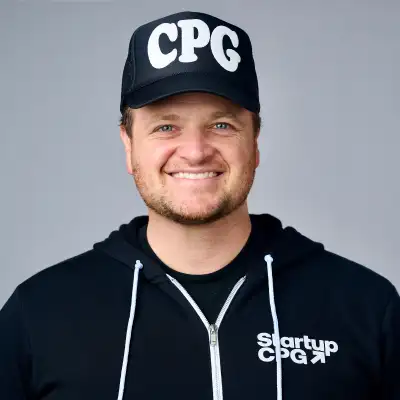
Kevin Gawronski
When we work with brands, the first thing is like, number one is who is the consumer? Because unlike Amazon, where it's only people typing and looking for stuff and I search intent like the platforms we're going to be advertising on, 100% depend on who the consumer is. So. So if you're targeting 60 plus, we're not dumping all of our money into TikTok reels with influencers, obviously. So really it's understanding who is the consumer. What is your price point? Why are they buying these products?
00:38
Daniel Scharff
Welcome, everybody. Today on the Startup CPG podcast, two experts enter, only one platform wins. Or maybe they both do. The question is, should you invest in your own Shopify store or in Amazon's vast jungle? So today we're pitting two of our partners against each other. We've got Rugged from Daybreak Agency, they are our go to Amazon partner. And we've got Kevin from Goronsky Media, they are our go to partner for growing your own website sales through paid media. You know, Google Ads, meta ads, all that jazz. So we're going to hear both of their perspectives, the pros and cons of each of the platforms. And I just want you to know we partner with both of them because I really believe that they are the most affordable and effective options for brands at the early stage.
01:21
Daniel Scharff
They have really reasonable retainers and they will just break it down for you in a way that you will so appreciate how they show up with brands. If you want to reach out to them, check the show notes for the best ways to contact them where you're eligible for our negotiated rates with them. Okay, everybody, I know you are going to enjoy this. Here we go. All right, gentlemen, here we go. We are diving right into the great debate. So rules of the fight, no low blows. The other fighter goes down, let them get up. I'm just kidding about that. Here we go though. I'm very excited for today's episode because this actually is a question that comes up in our Slack a lot.
02:01
Daniel Scharff
Anyone who's not in there already, you probably have heard we have a slack channel with 32,000 CPG entrepreneurs in there. It's free to join. You can join via our website, startupcpg.com, and this is a question that comes up a lot less about, like, do I have to choose one channel over the other, but maybe which should I prioritize first? I remember when I was a brand, we even talked about, like, should I even have both channels or should I have one point to the other so I'm very excited to have two of our great friends of the community on today. And we are going to have a little debate. So we're going to be talking about dtc, meaning your own website, versus Amazon. And of course, we are oversimplifying things here because it's more nuanced than that.
02:42
Daniel Scharff
And both of the speakers today also are probably fans of both platforms in different ways. But today we're pitting them against each other just so we can have a good time here. And so why don't we just start off first with some intros? So, Kevin, coming to you first.
02:57
Kevin Gawronski
Kevin Gronsky, owner of Gronsky Media. We're a paid media agency for food, beverage and CPG brands.
03:03
Daniel Scharff
All right, Rugged, coming to you as well. Do you mind giving us an intro?
03:07
Rugved
Absolutely. Rugged Nakadi, owner and CEO of Daybreak Agency. We also work with food and beverage CPG brands. Our claim to success is Amazon, amongst other things.
03:19
Daniel Scharff
All right, Just a little hint of what's to come. I like it. So, Kevin, let's just get right into it. You're arguing here today for D2C website stuff. We know you know all about that kind of stuff. Can you hit us with why should a brand prioritize D2C? What's the opportunity?
03:39
Kevin Gawronski
So let me ask you this right off the bat. Would you rather have your destiny in the hands of a huge corporation that doesn't care about you, or would you rather have control over pretty much everything? So at a very high level, before we dive deeper and deeper into it, the majority of my arguments are going to be about the control that you have on Shopify. Right? So Amazon is notorious for having a long list of issues that you cannot help with. It's hard to reach somebody to help you with them. My ultimate argument is going to be all of the ownership of audiences, information, shipping, promotions and so on Shopify.
04:16
Daniel Scharff
Okay, and tell me a little bit more about that. What does it mean to own all of your own info versus not owning it?
04:22
Kevin Gawronski
So when somebody buys on Shopify, you get all their information. You get their name, you get their address, you get their email address, all that stuff, all of that information, after you are either paying for that consumer to go to your website and buy, or they are coming organically, can be used over and over again. So different from Amazon. While I understand there's going to be arguments about retention strategies on Amazon, Shopify is tremendous for retention. So if you're paying for that person to come in, that doesn't mean that's the Last purchase you're going to get, their lifetime value is going to be significantly different, more trackable than any other platform. On the email side of things, if somebody is going to come to your website, they are interested, they sign up for email they haven't bought yet.
05:06
Kevin Gawronski
You forever moving forward have their email. Right. So you can not only hit them to purchase right now for the first time, but you could also offer them product extensions when you get into retail. Maybe they're not necessarily someone who's going to buy online at this moment. You're in a grocery store next door. It's a double edged sword from that standard and that's what makes Shopify very valuable.
05:27
Daniel Scharff
Okay, so if you have customers on your own website, you have their email, you could send them an email if you wanted to, because you have all those emails you can market to them and you just know stuff about them. Right. Because you have their information, you just have access to some almost like first party data.
05:45
Kevin Gawronski
Correct. And the other tremendous thing about Shopify is there are great third party tools that you can integrate to learn even more about customer data and segmentation. So for example, at Shopify on our side we use Triple Whale. Triple Whale is great because if I wanted to, I can go in, I could hook it up to Shopify, I could tell my total path to purchase for any individual consumer that has bought on my website. So what you learn is are they coming in through Google, are they coming in through TikTok? Where are they actually purchasing from? You can click and look at all the products they looked at every single time they bought or if they haven't bought yet.
06:21
Kevin Gawronski
So on the Shopify side of things, the amount of data that you have just to help you make informed decisions, it helps you in the long term build sustainability on Shopify and driving direct consumer sales.
06:32
Daniel Scharff
Okay, very convincing. Rugged. What have you got for us? Same thing. Why should a brand prioritize Amazon? What's the opportunity?
06:41
Rugved
I like to frame this between emerging brands and established brands.
06:44
Daniel Scharff
Right.
06:45
Rugved
So when you're an emerging brand, you don't really know how your product's going to test how it's going to be received. And you need to find an audience, Right. I mean, if you have no initial awareness, you need to find someplace, put your product in. And I think that's where Amazon really shines is you've got this highway, like a freeway of traffic and you just need to know to stand and put your credit card out there and just have people purchase the product. Right. So it's more about spending More time in positioning to where audiences are and then of course having a valuable proposition, a valuable customer proposition and can find a customer. So I think where I like Amazon is you have the ability to go to market very quickly.
07:29
Rugved
You have the ability to learn about how well your product is received and once you get a better understanding of that, then you can think about some other channels like, for example DTC because now you've got that sort of validation from the market and it's a quick path to success.
07:46
Daniel Scharff
I guess it is a lot like if the Internet didn't exist, okay, do you want to build your own storefront and then they're your customers like your own physical store? Or do you want to have your product listed in another big grocery store that already has a bunch of people who shop there and might pick up your product? Is that a fair.
08:04
Rugved
Yeah, that's analogy for sure.
08:05
Daniel Scharff
Yeah.
08:05
Rugved
The way I think about it is if a brand is a great brand, like it's a retail ready brand and people love the brand or they love the product, then they're going to find you anywhere and generally you want to reduce the friction. So if you think about it, how often will you go to a store like say you're at retail and then you'll say, I wonder how much this sells for on Amazon.
08:24
Kevin Gawronski
Right.
08:25
Rugved
So that emerging brand needs that trust which comes from Amazon. But ultimately if you're a good brand, you're going to get discovered in any place that where a shopper finds it convenient to find you.
08:37
Daniel Scharff
Okay, so rugged. I've seen we did this amazing webinar with you a while back. Everybody should check that out. And it you lifted the veil a little bit on how you actually look at opportunities on Amazon. And you've sent messages before like, hey, do you know anyone working in this particular space? Cause this is a huge opportunity on Amazon right now. Everybody's searching for this thing. So do you think that there is also a little bit of a difference in terms of predictive success? Like knowing if it's going to work on Amazon being a benefit versus D2C?
09:09
Rugved
Yeah, I think so. The one key difference is the search that exists on the platform is purchase intent search. So they're folks that are searching on Amazon. They're starting with the mindset that they're looking to buy something or at the very minimum looking to learn about something. So in a sense, if you have a product that has at least some kind of existing demand or is in a category that is up and coming, your best chance for Success I think is to go in and tap into that category quickly on Amazon. So to a certain extent you can reduce your risk quite a bit as long as you position in the places that people are searching. So yes, there is a certain bit of predictive quality to Amazon.
09:51
Rugved
Not to say that direct to consumer would not have that because you could have a general trend around certain category. Like see if you just take for example kava, right? Kava drinks right now, quite the thing from a non alcoholic. So they touch into a broader trend of non alcoholic spaces. And so you could tease that out of other trend data that you might see on say TikTok or Google, et cetera and tap into that. But like very directly somebody looking for a kava drink is going to go on Amazon and search kava drink or kava drink and if you're right there chances that you're going to convert a lot better than being discovered off of Amazon.
10:29
Daniel Scharff
Okay. So Kevin, for an emerging brand that has limited bandwidth and resources as they start, which channel do you think will deliver faster wins early on.
10:39
Kevin Gawronski
This is a very common theme this year so far with D2C brands and figuring out if they're going to do Amazon or they're going to go directly on the site. The one item that is really going to prevent this was actually two things. Number one, it's the dimensions, the weight, the whatever of the product. Right. If it is a product that you will not get ripped off by FBA fees, we typically will recommend that you get started on both of those on the other end. The other thing that can prevent you on Shopify from really growing is your creative contents that you have available or that you have up and coming. The majority of the sales that you're going to drive on Shopify.
11:15
Kevin Gawronski
Yesterday's Google, it's going to be TikTok, but meta, Instagram, Programmatic, those all require creative that are going to tell the story. It's going to reach consumers who fit the bill of who your consumer is, but they're not actively looking. You reach them, you nurture them and then you eventually convert them. So to get started on Shopify, and if you're going to get started on either one, I will openly admit in this conversation, I do think your path to quicker success would be on Amazon, your path to more long term success and having loyal consumers that you could reach engage with forever moving forward, that's going to be on Shopify. What prevents it is the creative you have available, refreshing that content, being able to speak to seasonality where you don't have to do that as much on Amazon.
12:03
Kevin Gawronski
So with low bandwidth, if you can get on Amazon, I will openly admit, please do it right. If the product makes sense from an FBA perspective and you're not getting ripped off, but on Shopify you want to start slowly building that up. And as you build that up, you run ads, you figure out what messaging content type works, all that stuff. Then eventually the scale on Shopify gets more progressive and it's easier to scale.
12:25
Daniel Scharff
Okay, so rugged. Kevin conceded that one, at least in the early days.
12:30
Kevin Gawronski
I wouldn't say conceded. All right.
12:34
Daniel Scharff
At least he gave you the opening for in the early short run period saying that Amazon can be really effective. So maybe let me ask that question in a different way. If you had a million dollars in the bank as a brand and you have one year and you need to get sales, prove it out to investors, are you going to do that on Amazon or your own site?
12:53
Rugved
I would do it on Amazon. So again, I think the speed to market, I mean you can be up and running on Amazon in five to six weeks, like maximum. Once you get past the initial hurdles. All you need really is basic creative, which nowadays that's not even really much of an issue because you can prop AI and come up with some pretty decent imagery and rework them for Amazon. And to me it really boils down to how big the market is. So we've seen recent examples, GLP1 focused products as an example. A lot of people are entering that space and all kinds of hydration related products coming out there. But there's so much demand right now, that brand with a million bucks put it on Amazon, position it appropriately and it's going to scale very quickly.
13:40
Rugved
I would say it does depend a little bit on how competitive the category is and you might need to do some more awareness work off of Amazon like say via TikTok or Meta. But generally speaking, if there's a high demand and not a lot of competition and you've got a million bucks in the bank, I would put it on Amazon now.
13:57
Daniel Scharff
Cause I've worked with you personally and I know even when were eager to go faster, you and your team, you're like, hey, hold up, I wouldn't just be dumping money into that right now. We're really still calibrating and just figuring out what's working and what's not. If you just throw a lot more money at this thing right now, it's not necessarily going to get good results. I mean, is that fair to say? Or do you feel like, yeah, I know we can definitely throw a million bucks at anything or there are going to be situations where that really is overkill.
14:24
Rugved
Generally. Scale responsibly. Right? I mean, I think that should be the message, putting a million bucks. It's nice in theory for sure. I would say the nice thing about Amazon is that when you first start out, you can have some pretty strong conversion rates. And on that basis, as you optimize that, you can start making some actual money or some kind of return out of that. So scale responsibly. No doubt about that. But reasonably, though, and natively on Amazon, if you're in one of those categories, like we've seen this recently with categories like bone broth, reasonably, you can even achieve a couple of million dollars of sales on Amazon in a year.
15:00
Rugved
And I would say unless you're doing a lot of awareness marketing where you don't really know where all the spend is going and how much of it is really benefiting you can put a lot of that dollars on Amazon and you see a direct return on investment there. So, yeah, pluses and minuses, I suppose.
15:17
Kevin Gawronski
Yeah, sorry, I was going to ask too, but the difference between app. So what we do on a D2C side, right. I have unlimited people I can go after on Google. I have the intent, obviously, that I want to capture. Would you say though on Amazon, because you're saying it just depends on a product too. It's the same thing that you see in retail. You can max out that inner circle of keywords, categories, all that stuff. That works out pretty well. Right. So you can go from spending tier one, getting a six times return, then when you move up to tier two, right, and you're spending even more money, that's going to keep diminishing and diminishing. So would you agree too? It just depends. It's got to be all about the category and the search volume and it's easier to max that out.
15:56
Rugved
Yeah. So my normal recommendation is if your category does not have any real traction or demand on Amazon, then it's the absolute worst channel to really launch on. If you just have a very innovative product that's new, but it's going to change the world in some way. You've got to first educate the audience on that, then. Then your million dollars are better spent in doing that first as opposed to trying to blow a million bucks on Amazon when where nobody's really looking for that product or is really in that category yet. So I do agree with that.
16:26
Daniel Scharff
Okay, makes sense. And we talked about More shorter term stuff like the first year, early stage. What about long run? If you're just like hey this, all of our budget should go towards building this brand for the long run. How do you feel about that? Rugvid for Amazon vs. DDC we heard what Kevin said before about DDC being really valuable because you have control over the customers, you have access to them. What do you think?
16:50
Rugved
I think over the years Amazon's done a better job with that, with customer retention as well. I do agree you don't own that customer. Ultimately it is Amazon's customer. So in some sense certain remarketing activities that you might be able to have some more flexibility on, you may not have on Amazon. But in general, building pretty strong brand presence on Amazon is like a moat. Even in the long term, if you gather up a number of reviews, you're ranked pretty highly. You have a lot of staying power on the channel and the only time that it starts getting tricky on you is once you get more and more competition kind of jumping into your space and retaining some of that market share does get tricky over time.
17:30
Rugved
But even in the long run there's opportunities to remarket to customers that have worked with you in the past. Promotions run lightning deals, things of that nature that allow you to keep engaging a customer base that you have the ability to build a pretty substantial subscriber and save customer base on the platform. So I feel like Amazon in the last few years has made a lot of strides in improving that sort of brand performance, retention, things of that nature. So even long term brands have done pretty well in sustaining on the platform.
18:05
Daniel Scharff
So let me ask you another question which is more about the risk of the platform because I was just thinking about, okay, chatgpt, now you can buy things directly through there. It feels like maybe that's more likely to go through people's Shopify sites, but they've got to be combing Amazon as well like and obviously you can get your cost. I mean Amazon's better at shipping stuff than any of us are individually. So rugged. Do you feel like either one of the platforms is more susceptible, let's say from platform risk, from things like ChatGPT or are they equally impacted or with equal opportunities?
18:39
Rugved
That's a great question. I think the bigger issue right now is more social commerce than I think it is like ChatGPT necessarily. I think ChatGPT and just AI LLM platforms in general, they're meant to just make things easier. Ultimately they're supposed to reduce frictions. So I do feel like it Won't be long before ChatGPT and Amazon figure out a way to work with each other. If I'm not mistaken, they recently announced an investment. I was on announced an investment with OpenAI, so it's not long. I don't think that's a bigger issue. I think the bigger issue for particularly for Amazon is as it gets more and more competitive to play in that platform, finding customers. I think social commerce will be a lot more disruptive in that regard. So how I think about it.
19:27
Daniel Scharff
Okay, Kevin, same question to you. Anything to add?
19:30
Kevin Gawronski
Yeah, all the AI integrations, it's going to help dtc. Like I sat in on a content call in one day with an AI. I couldn't speak, I couldn't believe how great the content was. And the biggest issue with D2C is like, could you put together good content? I think, like to your earlier question about long term growth and investing, long term you could have the greatest Amazon sales ever. You could have ads that convert and have high returns for months and months. Your risk is just Amazon being Amazon, like I can't we manage like a small amount of Amazon brands and even with them, like the amount of copycat brands that you have that are buying your products in wholesale, reselling it, undercutting you, they win the buy box.
20:08
Kevin Gawronski
The other part of it, outside of all like the logistical nightmares their operations are when you have problems with them, right. If you have out of stocks, you have expired inventory. The thing we haven't talked about yet is the reviews. And I think the reviews, it's either going to like completely build you up or it's going to kill you. Like we've had brands that are growing and doing good and then somebody writes a crappy review and they're writing that review because Amazon smashed the jars when they sent it to them or they didn't pack it correctly. So to me it's like with Amazon, there's so many good things about it. They just can't help but get in their own way with those factors that as a brand and as an agency are out of your control.
20:45
Kevin Gawronski
So to my comment earlier, where I'm like, would you rather be in your hands or a big corporation that doesn't care about you? And Amazon is good at certain times of customer response. But I think like again, the reviews, the copycat, the operations issues they're having, inventory issues, labor issues, which everybody saw during COVID That's the stuff to me that I don't know how everyone sleeps at night where Amazon is 80% of their business, whatever it is, and something fluky could happen. And it's all gone in a matter of weeks.
21:12
Daniel Scharff
I know it doesn't stick to this theme of pick one versus the other, but me as a consumer, if I get a product advertised to me on Meta, the first thing that I do is look on Amazon because I want to see the star ratings and often they're really bad. But maybe there's a product like it that's better, some novel invention. You're like, well, this is cool. And then you look and see, oh, some other brand does this way better. I'm going to buy the one with more reviews. The reviews are tricky because I just remember learning in the early days of launching on Amazon, yeah, probably like until you get 50 or 100 reviews, people don't take you seriously. Very easy to understand as a consumer because I shop that way, I'm like, oh, this one has like 20 reviews.
21:51
Daniel Scharff
I don't think that's a real thing. I'm like shopping for some piece of technology or something. Like, no, I'm going to get the one that just has a lot of reviews that looks like more trustworthy. But when it comes to reviews on websites, as a consumer, I look at it, I'm like, doesn't mean anything. This is their own thing. Even though I know, like being in the industry that those reviews come through these platforms and all of that stuff, like, I basically don't trust any major retailer or brand's own reviews on their website. Right. So it's a little tough both ways, but yeah, I mean, rugged when it comes to the reviews on Amazon. For me, I felt like that was the most important thing in the early stage.
22:26
Daniel Scharff
Doesn't matter how much money we dump into this channel, if we don't get to fifty or a hundred reviews right away, like, people still just aren't going to take a chance on us. Does that feel right?
22:36
Rugved
I think it's gotten better. I mean, I feel like that used to be a little bit more true before, but we have consistently launched brands on Amazon with less than five reviews and they're doing good numbers starting out. So I feel like the magic number is about 30 to 40 now to Amazon's own admission. I mean, they have an early reviewer program, they call it the buying program where you can seed up to 30 reviews. Now my personal opinion about that program is hit or miss, but even they think that about 20 to 30 reviews is about enough right now. I think it's category dependent. I mean, like just as an example we launched a Jamaican jerk sauce and Caribbean seasoning brand and great category, just not a lot of competition. So 20 reviews, sales are excellent.
23:21
Rugved
And if you're in a, like trying to enter the space with Liquid IV or something like that, then 20 reviews is not going to cut it. So I think that matters too. But long term, the reviews do form remote, though. And to your point there, Daniel, once you're scanning the platform and somebody that has a thousand reviews versus somebody that has 40 reviews, more than likely you're going to buy the thousand review products. It just builds a very substantial moat that's difficult to overcome for competitors.
23:49
Daniel Scharff
Yeah, that vine program is tough because I remember using it and it was so frustrating. Some of the reviews that were coming in that were like, oh, well, I don't like zero sugar products. Well, like, don't review this then, Jerk. Like, no one should have sent this to you. Yeah, you would never buy this. You don't need to chime in and just stop what you're doing to come around and tell people that you wanted to give us a one star because you don't like these products. Like, how is that helpful? So. And that happens all the time. So I really agree with you on being a little skeptical of the vine program.
24:21
Daniel Scharff
I know you're not supposed to do this, but a lot of people out there just saying, nobody that I know, of course, but some people will just selectively go around to their friends and say, hey, could you buy this please, and I will reimburse you for it and please leave a review. Because we just have to get to that certain critical mass for people to look at it. Of course, you can't do that according to Amazon's policy. And if they figure that out, they might delist you. So the people who I've heard whispers of doing that have done it very carefully and not with just their family members and stuff like that.
24:56
Kevin Gawronski
So.
24:57
Daniel Scharff
But anyways, just a little birdie told me something about that. But yeah, Kevin, I don't know. I mean, just coming back to that review question on your own website, like, how important do you feel like it is to get those reviews up? And like, do you need to buy one of those software integrations with Shopify that can go out and try to get those reviews? What's the importance?
25:15
Kevin Gawronski
Think about the path on Amazon. Like I said, I'm looking for this specific product. This one showed up first. They have decent reviews. Oh, I'll try it like on D2C. And I understand all these brands want to make money like it's really about what did you spend, what did you get in return. But if you just think about like the path to actually purchasing something on D2C. So we're talking about like TikTok earlier, even like Pinterest, meta, all those. If you're entering the conversation of like, I'm going to, I'm interested in this product because it's abiding by this benefit, whatever. And then I'm clicking to the website. What you have on the website is really what matters. Are you featured in New York Times? Did this influencer post you?
25:50
Kevin Gawronski
So I think like outside of just building up that credibility in the ads, however you're doing that when you get to the website, you could do whatever you want. You could position the brand however you want. Like the reviews, it's going to somewhat matter just to see it's not the product didn't pop up yesterday. But really you can't lie on your website. Like your credentials, awards, whatever, are they allergen free, this, that. So there's just so much more storytelling that you could do on a website that even despite it not being as a high intent, that purchase that you got is so valuable because they had to go through so many touch points and by the time they're getting that brand, they really understand what it is, they're excited. If they're satisfied, then you have a consumer for life. Right. So it's just different.
26:27
Kevin Gawronski
Like Amazon, you go to listing and.
26:30
Daniel Scharff
So what do you think about then my like how I shop, which is if I get a product marketed to me, I go to their website. Okay, great. It's looking beautiful. They're featured in the New York Times. But then I am going to go check for their Amazon rating and if I don't see them on Amazon and I don't see a rating, I might be like, what are you hiding? Why aren't you on there? Do you think a lot of people do that like me? Or you think you're pretty much good to go with just a good DTC website?
26:52
Kevin Gawronski
I lost on this one. Yes. I think the majority of the people are going to go to Amazon. We see it all over the place and it just depends on like the price. Like if the price is a little bit cheaper on Shopify or if there's like a bundle or seasonal item that they can't get on Amazon. It's limited. Same with Holiday. Like if the promotion's only on Shopify is going to win. But I will openly admit there is a percentage of people that we know for a fact are going to Amazon and before they cut the integrations, it used to be they would search on Google, the Amazon listing would show up first and then they would buy through Amazon. So I will openly admit that is a real thing.
27:25
Daniel Scharff
Okay, so even as a big fan of D2C and your website, you might be telling some brands like yeah, let's crush it on there. Also maybe get your reviews up a little bit so you're in a good place when they go and double check that.
27:37
Kevin Gawronski
Correct. And just to us too, when we're working with brands, we just want them to get the purchase obviously. So if we're just managing D2C, we want them obviously to buy on D2C. If they end up going around, they need the product tomorrow, it's for their kids, they need it asap, whatever, that's fine. If they go to Amazon and buy it, we just know the quality of the consumers that we're getting to purchase on the website are likely going to be more lifetime consumers versus like a near term effects just to get the product.
28:04
Daniel Scharff
Okay, Kevin, starting with you, could you actually just break down how the channel works? So you have your website like what are all the economics of this stuff? Like how going out and getting consumers and actually fulfilling the orders, what are all the things that people need to have in mind?
28:21
Kevin Gawronski
Yeah, so we're more involved on like the front end of it. So like how does the website look, what are the products listed like? But when we work with brands, the first thing is like number one is who is the consumer? Because unlike Amazon where it's only people typing and looking for stuff in high search intent, like the platforms we're going to be advertising on, 100% depend on who the consumer is. So if you're targeting 60 plus, we're not dumping all of our money into TikTok reels with influencers obviously. So really it's understanding who is the consumer, what is your price point, why are they buying these products? Right. Then from there this is who we got to work with right now here of this product. On the intent side of things, here's what we're going to be covering on Google.
29:00
Kevin Gawronski
Here are the non branded campaigns we're going to be running. And then also on the Google side like competition wise, right. So stemming up from Shopify on Google and intent, if it's a high intent category, we're going to launch branded terms because like similar to Amazon, you have people going after you left and right then from there on the initial launch it's fitting the platforms with who the consumer is. Then after that it's like okay, then on these platforms, what's the actual content that we're going to be pushing out? And then once you get the economics of it's really working with the brand to understand, hey, lifetime value and purchase cycle is the biggest aspect of everything we do in Shopify. What can we break even with on first purchase on all these platforms?
29:42
Kevin Gawronski
Knowing your purchase frequency is three or four times, knowing they buy the product every 35, 40 days and then it's really a math equation from there and you just have to factor in seasonality and consumer behaviors changing.
29:54
Daniel Scharff
Okay, so Kevin, the way I understand it, I'm probably oversimplifying. This is basically you have your customer acquisition cost, which is called a cac and that is basically like how much money does it cost you in ads to go out there and find somebody who not just clicks on your ad but actually goes and converts to being an actual customer? That would be your customer acquisition cost. And then you also have to understand the lifetime value of that customer because not all customers are equal. Somebody who comes in and buys a bag of chips is not as good as somebody who's coming in doing their full basket shop. So you have those two things and then you're going to have obviously the amount of money it takes you to fulfill these things. Right. Which then gets you towards your overall profit.
30:36
Kevin Gawronski
Yeah, it's a math equation. So then what you learn to say the brand comes to us, they're like, hey, our product is 50 bucks. As long as you get a CPA of $47, we are technically break even on that first purchase. So what we do and why they're saying that is because they have that data that says if they the chances of somebody buying two, three, four times is 60%, 70%. That would be really strong what you say then it's easy for us to maneuver. Let's say Google paid social through meta Instagram, TikTok programmatic. It's easy for us to maneuver what we have to hit on those platforms.
31:12
Kevin Gawronski
And you could even break it down if you have the UTM prices and like triple whale connected, you could see a lifetime value of the consumers you brought in from those specific platforms, which is just crazy. So that's why I'm saying to your point, you're spot on. It just becomes a math equation at that point and you just have to fine tune the creative when to scale whatnot based on seasonality. And for example, right now we're in very high seasonality. So a lot of brands are looking at this as a great opportunity to get consumers in the door. So with their CAC, their blended CAC, they might come to us go, hey, it's normally 60, I'm raising it to 70. I don't care. We're going to get a ton of volume this month. Everyone's buying. Our product is perfect for gifting.
31:50
Kevin Gawronski
Go ahead and keep spending to X amount if you are seeing less than a $70 CPA in the platforms. So it becomes very scalable from that point.
31:59
Daniel Scharff
And what are some examples of brands or types of products, maybe better that could have a really great favorable customer acquisition cost, so a low cost to acquire people and a really high lifetime value. What kind of products lend itself, lend themselves well to that?
32:14
Kevin Gawronski
Yeah, it's usually like snack brands. Like we have like a meat delivery brand that we work with called from out what goo and they're unbelievable. And they just like abide by 4th of July sales, Father's Day sales, they're huge during the holiday. So it's this weird mix. Like if it's like a beverage brand that's super heavy and I know an Amazon beverage is really tough too. It's the obvious ones that don't work well. I'd say the ones that work the best are like the routine products for subscriptions which we haven't talked about yet on Shopify, which is great. So you can do subscriptions through Amazon. I understand that. But like the subscriptions and the offers you can do give to subscribers are more extensive on Shopify. So to answer your question, I'm kind of all over the place.
32:52
Kevin Gawronski
But it's these cyclical products that like they just need at certain times that they can keep reordering and then it's more of like the gifting products, special occasion type products, the ones that fit for all events. So it's really all over the place. That was a long winded answer to that.
33:06
Daniel Scharff
There are so many Shopify tools, integrations, right. With like subscriptions tools to help you upsell to them and just so much stuff in that ecosystem that you can try to plug in. Yeah, with Amazon mainly you've got subscribe and Save, that's the button you can press. Okay, so rugged, same question for you. Just about the overall economics of the channel for Amazon. What are the different costs and structures that everybody needs to be aware of and try to get really good at?
33:35
Rugved
Yeah, so Amazon has a referral fee which is basically a tax for being on the platform. So it's either 8% or 15%, depending on the price of the product. And then the other major fee is the fulfillment cost, which you're going to incur, whether you're selling through your own 3 PL or through Amazon. I do find that speed to price ratio, the fba, is very strong. I think it almost, in my opinion, beats what you could do with 3 PL. And what we've also observed, especially on Amazon, is once you are set up in fba, we'll typically see conversion rates double for the same product. So naturally, the consumer that's buying on Amazon is expecting the prime delivery in two days. And if it's later than that, then we'll just often see the listing just won't convert us as well.
34:22
Rugved
So that makes a big difference, I think from a margins perspective. And then I think customer acquisition cost on Amazon depends a lot on the category you're in, the cost for advertising, the CPCs. And in very competitive categories, we have seen CPCS as high as $20, $25. So say if you're selling a protein powder, you can have CPCS that high. So it's crazy. You really need to be able to play that Cuscac LTV game on the platform, but largely in the food and beverage snacks space, et cetera, you'll see CPCs that are sub$2 even now and can be pretty profitable over time as well. So I feel like where Amazon stands out is conversion rates can generally expect a listing to convert 6 to 8% starting out and within three or four months, reasonably 14 or 15% conversion rates.
35:17
Rugved
Whereas I think on DTC, at least in my experience, it's difficult to crack that 3.54% barrier, generally, subscriptions notwithstanding. Right, of course. But in general, we see that tends to be. So I feel like when you do a total cost analysis, and we've seen this like On P&LS, for many brands, where ultimately when you do the total shakeout, you'll see that the channel that's actually making a little bit money, more money, is Amazon starting out, of course, and as an emerging brand. But then I would say over time, the margins from DTC will still exceed what Amazon can do. And also, what's worse about Amazon, at least what we've been seeing the last few years, is their fees are going up constantly and there's absolutely no sign of that slowing down. So that part does kind of suck.
36:02
Rugved
And so you're forced to figure out how to keep improving on those conversion rates and keep optimizing those ads. And things like that to keep figuring out ways to drive costs down. That's the reality of that marketplace.
36:14
Daniel Scharff
Okay. And then just coming back to that relationship with the customer point rugged. I know some brands do try to build a relationship with that end consumer, even when they're going through Amazon. Right. You can put inserts in, say, would you leave a review? It would mean the world. Or like scan here, we'll give you a coupon. You can get your co man to apply stickers onto the case packs of stuff that's going to Amazon or put something in a mailer into that box. Right. How effective have you seen that stuff be?
36:43
Rugved
I would say like for example, review asks through inserts, maybe no better than 2%. So it works. I'm not saying it doesn't work, but yeah, I would say 1 or 2% really at best. And that's just generally true even for like if you have a hundred sales, you might see one or maybe two reviews pop out of that just on Amazon in general as well. So there are some nice follow tools that are out there that you can integrate with and that'll send a bit more informative emails around. Please leave a review. This is how to use the product, et cetera, just within the confines of what Amazon's terms of service allows. But yeah, I would say in general, the ability to like really craft a narrative and craft a story and things like that, it's definitely still very limited on Amazon.
37:30
Kevin Gawronski
Okay.
37:31
Daniel Scharff
So I wonder for both of you, is there a brand or strategy you've seen be really successful? You can point to like, yeah, they did this, they grew like crazy. That's a great playbook if you can figure out how to grow that way. So Kevin, for D2C, anything that comes to mind immediately?
37:49
Kevin Gawronski
Yeah, I just think like, instead of like calling out a particular brand, I just think when you go into dtc, the brands that win, there's going to be a short period of time. But you have to figure out what works, what doesn't from a creative perspective, from a platform perspective, pricing on the site, like you said, upselling and all that. The D2C brands, in my opinion that are successful that we've had is they just stick with what has worked historically. And I understand that we get this from brands all the time where things might dip, things might move a little bit. You might have some sort of algorithm change here and there. The brands on our side that we've been successful and some of the ones that we've had for four years that we've been managing their B2C.
38:28
Kevin Gawronski
They hear the noise, they interpret it, they figure out how to use it in their favor and then they move on from it. So I would just say, like I said, without calling out a brand, there's a lot of noise around direct to consumer meta, especially all the algorithm changes. Hey, we should be testing a thousand pieces of creative. That's what I saw in some random post on LinkedIn or this on Twitter. If you ignore all that, you just play your game, your brand's gonna be successful. And I would say the ones that everybody would probably think of that they Knew grew from D2C. That's what they did. They had some sort of piece of creative that worked really well here. There's something viral, sure, but the core of what they were doing was sticking to it.
39:02
Kevin Gawronski
They knew Google did this, they knew paid social did this, they knew their retention rate was that, they had their Klaviyo integrations, they built up their email list and they moved forward. So long answer to your question is the ones that figured it out after testing, stuck with it for years and years. Those are the brands on D2C that are successful.
39:19
Daniel Scharff
Okay, rugged, same question to you in the Amazon space.
39:23
Rugved
Yeah, I think fundamentals, right. So fundamentally, don't launch on Amazon if there's no demand for the product. That's like number one. Number two, I think the brands that have been successful, I think to Kevin's point is don't stretch yourself. I feel like that typically is the bigger roadblock than anything else. If you've got a budget and say you've made the choice that you're going to launch on Amazon, like stick with it and stay on that for at least a year and build it out like you need to build it out before you try to stretch yourself. I find brands in general, they'll want to be three months on Amazon, then before long they're trying to get into retail, which is a very cash intensive game. Then there's DTC, there's ads, there's TikTok. You're trying to do a lot in one year.
40:06
Rugved
And from my perspective, the brands that have been very successful on Amazon is they've just stuck to trying to build that subscriber base, Keep optimizing the listings, keep learning about what customers think about the product, keep trying to deliver that message through creative, through copy, run better and more effective sponsored brand ads, which are the banner ads or sponsored display ads which drive some more awareness, et cetera. So like very incrementally put these strategies in place, do the right promotions and climb the optimization, climb the ranking, and it's going to pay off in the long run. So those brands that stick to it don't get distracted and will put their energies in one particular thing for a while. We'll see success generally.
40:50
Daniel Scharff
Yeah.
40:50
Rugved
And I think it's fundamentally true about business in general, so.
40:53
Daniel Scharff
Yeah. Well, speaking of things that are fundamentally true in business, both of you guys are entrepreneurs that I respect. You both have been building your own businesses and have done it in the past as well. I'm wondering, because you work with so many founders in the space and cpg, what are your reflections on the things that you want to do as an entrepreneur or the traits that you're really proud of that have helped you grow your business that you think would be similar for a founder in the CPG space? Kevin, I'll start with you.
41:22
Kevin Gawronski
Yeah, I think, like, the reason I started this is because one of the places I was at before, like, I knew the brand were working with and sure, you could look it up somebody once, but I didn't think that the team really cared about it. And then you're seeing it from both sides and you're realizing, oh, that's a real brand. That's a real person putting their money into it. Right. They need us to be successful with it. So, like, what I'm really proud of and just the way our team is set up, so it's me, five other people in office here. It's just truly trying to help the brands. We don't come in with a cookie cutter approach. Every product's going to be different that we work with. Every brand's going to be in a different financial situation, seasonal situation, whatever it is.
41:57
Kevin Gawronski
So I think we're proud of being able to conservatively scale brands because you can go really wrong in this category, too. You can come in and say, hey, you don't spend 30 grand a month and we're going to charge 20% on it. You're not worth it to us. So I think we've done a really good job of understanding their situation, helping them grow. Even the ones that have multiple people in marketing teams and had grown to a certain point, they're all taking risks being at that brand, and we respect that and we just want to help them grow. So clear communication, caring about where they're at and slowly scaling their brands and taking full responsibility for their financials. Because at the end of the day, as paid media buyers, like, we're in charge of the financials and how they're spending their dollars.
42:35
Daniel Scharff
Okay, rugged. Same question to you. You as an entrepreneur growing Daybreak, and I know you've grown other things in the past. What are you really trying to do as an entrepreneur? How does that compare to all of the CPG brands that you work with and what you would wish for them as entrepreneurs?
42:50
Rugved
So we like to like, really help focus on emerging brands. I think that's a fun space to be in. And we've made a lot of mistakes over the years when now scaling my own brands as an example. So we try to bring that perspective of just responsibly growing a brand. There tends to be a lot of misinformation out there, especially about Amazon. It's particularly true. So we just try to be that calming, structured voice to founders. We try to say that, hey, this is the 12 month forecast plan. This is how we plan to get there. This is your expectation on how much to spend. And on your side, our expectation is meet with us every couple of weeks. At the very minimum, please keep up with your production, your inventory so that we can scale the account, et cetera.
43:37
Rugved
So for us, it's more about just very responsibly without breaking the bank, scaling a brand and not really trying to chase the next big trend that comes around, but just very responsibly building a business brick by brick, layer by layer, until you get to a certain place. When you look back, it's like, okay, we've built something great.
43:56
Daniel Scharff
I love it. And I'm really happy to ask that question because it's nice just to remind everybody that people like you guys have small businesses the same way the CPG brands do, and you guys have your dream to grow that while helping them also. But I think it's just a nice way to just remind us all that we're all on the same page trying to accomplish the right thing. And there is a really good reason that at startup cpg, we partner with both of you, with Daybreak and with Goronsky, and that reason is because we think that you are a great option for early stage brands. And I think a lot of it is because you have that empathy.
44:30
Daniel Scharff
And I, I know you both pretty well and know that there's really a lot of why you do this and that you see that you can do that. And it's a really great way to show up in this world is to support these early brands with an offering that is affordable for them. Like they can afford this because there are a lot of other providers out there that have an offering that is not affordable and not effective and I have wasted money on those things before.
44:54
Daniel Scharff
But ruggedvid, we definitely have worked with you for a long time and I got to work with you personally for my brand and was just really like blown away with how reasonable and thoughtful and logical you and your team is and just how great you guys are to work with and very solid advice you always get and how it really always ties back to the numbers. And you can explain something to me by looking at a financial model. Just like look like you can see it the same way I can. This is how it's all going to break down. If you put this much money in here's a conversion rate, it's going to dump this out. Like I don't recommend that you do that.
45:24
Daniel Scharff
It's just so helpful to have a partner who can break it down and explain it to you that way and has so much experience across the categories. And Kevin, it's been awesome to be working with you as well. I think that paid ads area is one where you really like. There are a lot, in my opinion a lot of like sharky agencies out there who have 5, 10, 15k a month retainers and like oh that for me is the quickest way to lose your shirt in this business.
45:50
Daniel Scharff
And so we're really happy to be able to partner with you guys who come so highly recommended by brands and the all of the marketing people that we trust in the community as having a really similarly great offering for early stage brands where they can hopefully get on this great growth path with you guys without blowing all their money on let's say non working money on big retainers without getting enough of it into actual ads to grow the business.
46:14
Daniel Scharff
So I really just like a very heartfelt thank you to both of you for being partners with us because we need you guys and it is really a pleasure for us to get to work with you and just help educate all the brands in our community and help brands find you guys specifically because still have never met at this point anybody who I think is a better partner for brands in your respective areas, especially in this early stage as they're really finding their footing and hopefully hitting a nice growth curve. So thank you both for that. Thank you for the discussion today. I think it's been really interesting.
46:47
Daniel Scharff
I know now, okay, we've been playing the role of like let's argue for one of the channels over the other but I know you guys believe more fully in showing up online in the right way. So I wonder if maybe you want to just close out with some general advice to brands. Taking off your one channel only hat. So rugbyt I will start to you to close us out.
47:06
Rugved
Yeah. I think for me, I am sort of one of those people that I think fundamentals are important. First and foremost, if you don't have a one, a great looking brand and two, if you're not solving a real customer need, then it's just going to be difficult for you to be successful. It doesn't matter which channel, whether it's Amazon or dtc, doesn't matter. Do you have a great product? Is it retail ready? Is the value proposition there? Are you solving a real problem? These things matter and these are just fundamental marketing principles. And if you get those right, then you're going to find an audience. Now sometimes you may be ahead of the curve in terms of you're an innovator, you found something that's going to change the world and you're ahead of your time and you're not initially seeing much success there.
47:51
Rugved
That does happen. It's just important to be aware of that you are ahead of the pack at the moment. And so it's about sticking with your convictions and taking the time to educate your audience and your customer base and then success will come with time. So it's just fundamentals. If you have the fundamentals right, you can grow a brand. The rest of it is more about tactics than it is anything else.
48:12
Daniel Scharff
All right, same to you. Over to you, Kevin.
48:14
Kevin Gawronski
Yeah, I mean, I think you pretty much hit on everything. I think the gist of it really is like you're going to hear a lot of noise. You have to continue on your path. Every single brand is different. Like nobody is the same. Everyone likes to talk about like, oh, midday school squares, the best. And this other one's, there's certain viral situations that are going to happen to people. It's one in a million. To do this the right way. You have to test, you have to learn, you have to stick to your path. It's going to take patience. And I think the one thing like just from our side, because we don't really get to give our POV that much. There is no agency that has a magic wand that can fix all of the problems that the brand might have.
48:50
Kevin Gawronski
That's the realistic portion of it. Let the paid media agency focus on the paid media part. Anything else? We can't just wave a wand and fix everything. We need time, we need to test, we need to identify those problems and then we need to scale what's Working. So if you stay the course, if you just stick to what works for your brand, you're going to be successful.
49:07
Daniel Scharff
I love it. And I guess going back to that earlier point you made about like someone hearing something that worked on Instagram, like, cool, we should just try a thousand things, then let's do it. Like, I feel like it is really easy to just like there's so much noise and people are going to tell you so many things and you'll talk to one brand that was successful and they'll be like, you should do this. Like, cool, let's switch our whole strategy and try all this other stuff. I feel like that can be so distracting for brands. Like, come up with a strategy for sure. Have good branding. Like, then get out there and like execute, run your playbook.
49:36
Daniel Scharff
And I feel like if you just chase every shiny thing and potential idea, then you will quickly just be chasing things forever instead of actually testing and learning in a methodical way and just hoping for reasonable improvements over time instead of just betting everything on going viral. Like when I'm playing skeeball and I just shoot every ball at the hundred and miss most of them. But that's okay. That's not my life's dream. Whereas these brands are for most of us. So thank you again to both of you. I just want to let everybody know as Rugged and Kevin, what they do is very hard work to really try to grow brands at this level. And you've heard a lot of their advice here. We love working with them. Not every brand honestly is a fit to work with both of them.
50:22
Daniel Scharff
If you want to see if your brand would be a fit for them because it's not a good outcome for anybody if they feel like it's not the product that either would be successful on the platform or that is just a fit for what they do. Exactly. But if you want to see if your brand is a fit, check the Show Notes so we have links so you can connect with either of them. If you want to talk to Rugvid about Amazon or Kevin about paid ads, meta, Google, all that stuff, click that link in the Show Notes, chat with them. I think you'll really appreciate an initial conversation with them. Both of them will give you a lot of information. Trust me, you will like having a chat with them.
50:56
Daniel Scharff
Rugvid is very famous for just showing you all of the data on your category. Like, yeah, here is actually the search terms for this category. Here's where I think it is a good opportunity or not a good opportunity. So you will learn a lot from that call, Kevin will do the same thing on paid ads and just really give you a good overview and help you understand the potential for it. So you're going to learn a lot either way. So thank you both. I really enjoyed this discussion and the spirit of it. I feel like we're high school debate club, but great. Thank you guys again. I hope everybody enjoyed it and we will see you all soon.
51:28
Kevin Gawronski
Yeah, thanks so much.
51:31
Daniel Scharff
All right, everybody, thank you so much for listening to our podcast. If you loved it, I would so appreciate it if you could leave us a review. You could do it right now. If you're an Apple podcast, you can scroll to the bottom of our Startup CPG Podcast page and click on Write a Review. Leave your company name in there. I will try to read it out. If you're in Spotify, you can click on about and then the star rating icon. If you are a service provider that would like to appear on the Startup CPG Podcast, you can email us@partners startupcpg.com lastly, if you found yourself grooving along to the music It Is My Band, you can visit our website and listen to more. It is super fantastics.com thank you everybody. See you next time.