Subscribe
Share
Share
Embed
Welcome to Defining Hospitality, the podcast focused on highlighting the most influential figures in the hospitality industry. In each episode we provide 1 on 1, in depth interviews with experts in the industry to learn what hospitality means to them. We feature expert advice on working in the industry, behind the scenes looks at some of your favorite brands, and in depth explorations of unique hospitality projects.
Defining Hospitality is hosted by Founder and CEO of Agency 967, Dan Ryan. With over 30 years of experience in hospitality, Dan brings his expertise and passion to each episode as he delves into the latest trends and challenges facing the industry.
Episodes are released every week on Wednesday mornings.
To listen to episodes, visit https://www.defininghospitality.live/ or subscribe to Defining Hospitality wherever you get your podcasts.
DH - Ryan Diggins
===
[00:00:00]
What I do is inconsequential. Why I do what I do is I get to shorten people's journeys every day. What I love about our hospitality industry is that it's our mission to make people feel cared for while on their journeys. Together, we'll explore what hospitality means in the built environment, in business, and in our daily lives.
I'm Dan Ryan, and this is Defining Hospitality.
This podcast is sponsored by Berman Falk Hospitality Group, a design-driven furniture manufacturer who specializes in custom case goods and seating for hotel guest rooms
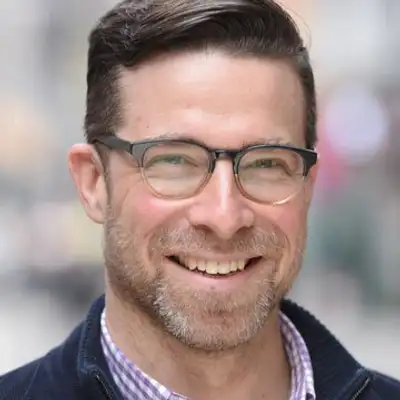
Dan Ryan: Today's guest is a real estate development veteran with over 15 years of experience in the Denver area and beyond. He leads hotel concepting, development, and operations through Midnight Auteur. His venture with The Rambla Hotel married his development experience with the hospitality industry in the heart of Denver.
His Municipal Grand in Savannah recently noted as one of the top 19 places to [00:01:00] travel in 2026 by Architectural Digest. He's the founder and operator of The Rambla Hotel and co-founder of Gravitas Development. Ladies and gentlemen, please welcome Ryan Diggins. Ryan, welcome.
Ryan Diggins: Thanks for having me, Dan. Good to see you
Dan Ryan: Uh, you too. I've been wanting you on this podcast for a very long time. Actually, since I first went to The Ramble, I think recent- it was shortly after you opened, because another mutual friend of ours, Dave Kaplan, and former podcast guest, uh, from the fame of Death & Co., really flipped the F&B experience with you at The Ramble Hotel, in my experience, by having you basically walk through the bar to get to check-in.
So you're not only leading with F&B, you're really leading with the B. And I've written a bunch of articles on Substack that really resonate when talking about this, and I think it's really exciting what you've done in Denver, what you're doing in Savannah, [00:02:00] and we can't wait to hear about all the other things that you have going on as you grow and scale.
Um, but before we do that, how do you define hospitality? What does it mean to you?
Ryan Diggins: And then we'll have to get into how, um, I got in touch with Dave years ago too, if he hadn't, hadn't told you yet. It's a good story.
Dan Ryan: Oh, good.
Ryan Diggins: Yeah, yeah.
Dan Ryan: Dave would love it if-- The more we talk about Dave, the more Dave will love it
Ryan Diggins: That's true. That's true. Uh, all right. So hospitality, how do I define it? know, I guess how we define it as a company is, is we're really trying to create spaces for meaningful connection and meaningful experience to happen. Uh, you know, that's an art and a science how you get there, and we, we continually try to study it and learn more about what makes a great hospitality experience, really the root of it. You know, it's, it's creating a place for people to really have impactful moments with each other. Um, that's how we define it
Dan Ryan: and I think that by [00:03:00] leading with the food and beverage and having that experience be the first thing you experience at The Ramble and also in Savannah, um, also Andrew Ashey, former podcast guest as well, um, and dinner mate, I had dinner with him up in Portland,
Ryan Diggins: Oh,
Dan Ryan: but it's interesting how you lead your developments to really mush the people together, whether they're guests or from the community.
And I think that you probably, for a successful hotel, would need the community to want to be in that bar or restaurant experiencing it, right? To create the vibe. So yes or no?
Ryan Diggins: Exactly. Yep, yep. You
Okay
when, when, when I, um, know, you talked about the development company.
Mm-hmm.
I, I owned a real estate development company, uh, for years, and we focused on a lot of, uh, like boutique urban infill developments, and they started to become very design-forward. Uh, they all started to become re- really anchored with top, uh, food and beverage [00:04:00] in Denver, um, some really cool soft goods retail.
And I just found that I- how I was doing developments wasn't so formulaic, but ultimately what I really loved was placemaking. You know, and placemaking with architecture, with design, and just bringing community together. And, you know, here I'm in Denver, uh, I'm at The Ramble, sitting in The Ramble right now, um, the hotel is in the River North Art District. really, like my-- me even getting into hotels w- was having this understanding that, that a boutique hotel, when executed really well, the ultimate placemaking vehicle. You know, you bringing in community members, bringing in outside travelers, having cultural programming. I mean, it's this like living, breathing organism that not many real estate vehicles can, can replicate. Um, so that- that's where it started with me, and then obviously the, the food and beverage is, is always so critical to bringing people together. So I was more thinking of it as a vessel. Um, I was growing a little tired with some of the real estate development I was doing. [00:05:00] I wanted more control of the day-to-day operations, and ultimately just I, I wanted-- I had this like, uh, just this, this, this passion behind how, how do you create a vehicle to bring just energy to, to, to a building, to an intersection, to a, to a neighborhood?
Uh, but to your point, you know, food and beverage is obviously always gonna be a, a core ingredient to that.
Dan Ryan: But I also think it's, it's a, it's a respect for community aesthetic and also bringing a certain perspective and taste to it. And I th- I think that most developers in any format of commercial real estate I think you just said that it doesn't happen as frequently. You were doing something unique. I think other developers can do it, but maybe they're not bringing in that level or don't have that level aesthetic, the, the taste making and the place making, because I think it's a tremendously missed opportunity when you don't, when you don't see what those important elements or buckets are and then use [00:06:00] design to solve for that.
And I think that the pro- I, I'm not familiar with your, uh, the commercial developments you did in Rhino, um, or in Denver, but except for The Ramble. But it seems to me like when you can marshal those challenges and then really bring, surround yourself with great design, you can solve for that and create these amazing places
Ryan Diggins: Yeah, no doubt. I mean, real estate is, is typically very formulaic and, uh, you know, you gotta build it for this, this price. You're gonna lease it to this tenant for this rate, or you're a, you're a hotel and this is your, this is your demographic. They're gonna pay this rate, therefore business model works.
Like it's just very, it, it-- for most, real estate is a statistical or a math problem. And, and
Dan Ryan: Yeah
Ryan Diggins: while I understand that, and you have to 'cause you gotta make money if you're in business, I think, you know, me and, and perhaps some other, um, you know, people who are really into to creating boutique hotels, um, they bring a little more artfulness to it, [00:07:00] um, a little more personality, a little more point of view. So, like, you can stay within that whatever formulaic structure you need to make your business plan work. Uh, but I find there's a, a thoughtfulness that a lot of those projects miss and, and I think why as, as consumers or guests, so many projects just don't resonate. Like you're, you're, you're sitting in the formula versus like, you know, a boutique hotel or a owner-operated restaurant or these things.
I mean, there's, there's a point of view. There, there's, there's the fingerprint on the property and whether you can identify what that fingerprint is or it just feels different, um, you know, I certainly look for those, those things when I'm out staying or dining and drinking, and that's what we try to bring to the p- the, the projects.
And ultimately for me,
Hmm.
Um, you know, with, with Midnight Etude and our growth, I'm, I'm holding that up for every project. Do I have the time to, to really lean into this? Do I have the time to geek out over, uh, the lamp harp and, and, you [00:08:00] know, the, the, you know, the, the, how the brass is gonna patina on the, on the toilet handle?
And like, you know, are we-- am I thinking about those in, in a-- and if I can, then yeah, I'm, I'm doing what I'm supposed to do. And then if I take on too many projects and we get into that formula land, well, there's a million companies that can do that better
No
So it's, it's trying to, um, not that you asked about growth yet, but I'm always very mindful of that too, because these projects, to do it like we did at the Rambler, Municipal Grand, and, and, and other projects, uh, just takes more time, honestly.
It's just more time to hit that level of thoughtfulness that, that I think you, you key in on,
Dan Ryan: Well, I think that's also the balance of every entrepreneur. And I'm, I'm, I'm gonna say entre- and I say this a lot, entrepreneurs are not necessarily someone that start a business. An entrepreneur can be-- or to be entrepreneurial, you can be anyone in any job and doing anything. But again, it's how do you take-- how do you create something [00:09:00] with limited resources, right?
And how are you as creative as you can with that? And it's working within constraints, right? One of the things that I'm-- I wanna dig into you or with you with is, I think you said it's a, it's a-- any development, it's really a math problem, right? So anyone can make a business plan. You can make that Excel spreadsheet pro forma work, and you can show profitability, you can show a rate of return, you can show all these things.
And it's, it's a puzzle. And I love business plans. I love projections. I love making the symphony work on that spreadsheet. But it takes... Actually, I'm gonna say, what, what do you think is missing for most other real estate development projects where, okay, it works, they build it, it performs, but how do you solve for that missing secret sauce, whether it's the patina or the lamp harp or the [00:10:00] charcuterie board that I can speak from my experience when I checked into my guest room at The Ramble years ago.
There's just like this certain level of thoughtfulness that is not magic. Anyone can do it, it's just you have to put focus and attention and importance to it. So how, how do you solve for that, and why is that missing from so many other developments, do you think?
Ryan Diggins: Well, let me start with the latter. Why is it, why is it missing? I mean, one thing I've uncovered over recent years, uh, with hotel development is i- if you're gonna have any project of, of scale, you know, uh, certain level of capital involved, you've got large loans that are personally guaranteed. You know, the, the, the r- the riskier the projects get, the more money that's involved, the more people that are gonna want to be involved in the project. So, i.e., you know, it's just, it's gonna dilute what the original vision was because there are more people that [00:11:00] have eyes on it and care what happens to it.
So I think at scale, a lot of companies, I surmise, you know, lose some of that secret sauce or that X factor, is you just have more people involved. You've got more lenders, more investors, more, um, more businesses, more people that think they know. Um, and, you know, we work with great partners, but, you know, everyone's got an opinion, and how qualified's the opinion? You know, like, w- who's qualified to speak on what the name of the hotel should be, or, you know, what wood floor goes in, or, you know, w- do you have stuffed olives or not in your martini? You know, everyone's got an opinion on these things. So I think, um, for, for me, my goal is to keep that, like, keep that scope of influence as tight as possible.
Not to say we don't listen to other people, 'cause investors and lenders and other business, they're-- gonna contribute something that you're like, "Huh, I didn't, I didn't see it that way." But, so it's this, it, what you want is the ability to hear other opinions, but ultimately [00:12:00] the decision maker is, is me, Alex, Dave, you know, for Midnight Etour. It's, it... And right or wrong, whether you like our taste or you don't, at least we can say, "Well, that's what the three of us were feeling at that time, in that moment, and we aligned on it."
Um, so I think most projects, they just, they just get diluted, they get, you know, and these things take so many years to, to build, too. So, you know, from the first idea that someone was like, had this super strong vision, to the grand opening party, I mean, God, it's five, six, seven years. You know, in resort towns it's a decade. It's, it's multiple generations. And sometimes you get so far away from that first idea that got everyone excited that you don't even, you can't even, like, reference back to what, where it started.
Dan Ryan: Totally
Ryan Diggins: I think that's, that happens everywhere. I mean, God, just design a home, you know, renovate a home with your wife or something. You know, you just, two opinions, what does that do? And then add 40,
Dan Ryan: Well, I, as [00:13:00] you're s- as you're speaking, what I'm ... I love thinking about things, 'cause nothing is ever really binary, right? There's always a spectrum of possibilities, outcomes, and I always find whenever I start thinking down a certain way or if I'm at like a, an impasse, I'm like, "Okay, it's, it's either this or this," right?
There's a black and white binary option. But the more I dig into it, it's always a gray area, right? And as you were speaking, I, I wrote down here I, I envision a spectrum on one side being like an innkeeper or a B&B or some first-time hotel owner that's buying something with, and a lot of constraints, right?
And on the other side of the spectrum, maybe like a big institutional REIT or something that's like really institutional. And One, and, and I guess that's on the same s- spectrum, there's like a, a, a, a scalability model, right? And I feel like you're in a place, and you've created some places that [00:14:00] to have that influence and to have that impact and to build that community, you re- it like presses up against scale, right?
'Cause it, it's almost not scalable, but maybe it is. And I don't know, I, I feel like as you come up a- against that wall of scale, like what are the biggest headwinds you have? Because I guess what led to this renewed conversation with you was I saw you at Alice, you were on a panel, and everyone was talking about kinda F&B and leading with F&B, and I, I don't remember if I asked the question or I e- I
There wasn't time and I emailed you, but I feel like the traditional marker for hotel development, like where you get equity and debt, it's all about RevPAR and how much room revenue and profitability that the rooms can bring to a property. And I feel like it disadvantages many entrepreneurs in the hotel space especially, because [00:15:00] when you do have that special sauce for the, the food and beverage and leading with the B, um, leading with the F&B, that revenue and that placemaking gets discounted, and it's almost like a handicap in many ways.
But if you look at The Ramble, and I don't know what the metrics are in Savannah, but I remember the, The Ramble was giving the Four Seasons down the street a run for its money because you created a place. But if you look at like valuations, I think a va- a Four Seasons, a tr- traditional Four Seasons might get valued differently than The Ramble, but you're probably maybe generating more cash flow.
I don't know. Like I'm, I'm out over my skis. But it must make your investor and, and from equity and debt, it must make that different and challenging experiences. So I just threw out a word salad because I, I'm not like a finance guy. Like what are your thoughts on everything I just vomited out on you?
Ryan Diggins: Yeah. Try, try [00:16:00] again. Uh, no. No, you, you hit it. I think you hit it. Uh, what, what I hear a lot is, "Are you a restaurant or are you a hotel?" What, what scares investors is actually the revenue split. They, they-- they're more comfortable seeing room revenue at 80% of total revenue, maybe 20% of the operations coming from F&B, 'cause F&B is, uh, typically more fickle, um, a tougher business to run. Um, it's just not as, not as reliable as, as, uh, your guest rooms. So we're-- like in Denver and in Savannah, we're closer to 50/50 and beverage to hotel revenue. So that just-- that, that signifies to investors that, well, are we in-- is, this might be more of a restaurant than we, than we were planning on investing in.
But then what we counter with is, well, look at our RevPAR that you've mentioned, your, your revenue per available room. at, look at our, our market [00:17:00] penetration relative to our competitors. You know, this, this food and beverage is driving higher RevPAR for us by a wide margin. I mean, The Ramble, since we've opened, this gets into star reporting and, and competitive set analysis, which not, not everyone understand, but, know, our, our RevPAR index has been like 1.4, meaning, meaning we're getting 40%, higher revenue per available room than, than our competitors, and that's a dir-direct result of having Death & Co. in our lobby. You know? It just is. It's not 'cause we have pretty guest rooms. I mean, that helps, but it's, it's the food and beverage. But the other thing that we're trying to focus on more when, when we talk to different investors now is RevPAR, it's per square foot.
Hmm.
So that, that's, that's a better metric for just how much revenue is your property producing.
Who cares where it, where it comes from? Yeah, hotels have higher margin than food and beverage, but let's look at the total picture. Is our revenue per square foot [00:18:00] much higher than, let's say, a, a Thompson Hotel? Well, I would surmise yes, 'cause we try to optimize every square foot of our properties as a revenue-producing entity, not just a couple chairs in the corner that no one ever sits in.
It's like if we're, if we're putting a piece of FF&E in our, in our project, we intend someone to sit down and eat and drink in it. Um, so we're, we're-- and, and we need to service these spaces. So we're just more into optimization of, uh, you know, our, our floor plates, our program, and I think that revenue per square foot starts to tell a little different story rather than just fo-focus on, um, RevPAR.
But yeah, it, it has been an obstacle. Uh, but as you, as you get into the numbers more You know, most, most conventional investors are used to seeing your restaurants as an amenity for your hotel guests. ours needs to be a profit-generating enterprise.
Dan Ryan: Mm-hmm. so we can point to those things too, um, when people really want to
Ryan Diggins: peel it speaking of like if you were to go to a [00:19:00] traditional lender on a new project that you were doing and you're really leaning on the FMB because you have a proven track record, a proven process and success, what are... And, and it could be not just a lender, but equity investor. What are some of the objections that you might hear from them on one side of the coin?
Dan Ryan: And then on the other side of the coin, if you, if, if we were to talk to investors from your past deals who are not trad- might not be traditional, how would they, like what testimonials would they give? Like, "Oh my God, this is like a home run." Like how, how do you balance those on a scale?
Ryan Diggins: it's just pointing to the numbers, honestly, because again, most, most lenders, most investors are used to seeing food and beverage as just an amenity for hotel guests that's a huge drain on the property cash flow. I mean, most don't make money. Break even is typically a win for, um, food and beverage within a hotel. And most lose quite a bit of [00:20:00] money, you know, and hundreds of thousands of dollars just to be able to get that hotel guest a breakfast. You know, and, and my, my pitch is, is always at these as standalone thing. Assess our food and beverage just as food and beverage. Uh, look at this model. Okay, well, it's making this revenue.
Here's our profit margin. Would you agree that this is a, a good standalone business idea, just this food and beverage concept? Um, okay, great. Cool. Now let's look at the hotel as a standalone, and then let's, let's put it all together. And, um, you know, our thesis and, and what we've been able to prove is independently they, they perform great, but then you put it all together too, and our profit margins are higher than, uh, than most of our competitors because we've put so much thought into that food and beverage, which performs well independently, but drives rate as, as we've talked about before. It ultimately, it's a vehicle for press, for marketing, for rate, [00:21:00] and for guest experience.
Dan Ryan: And that's from the operating, the operating model once it's there. But I also think you, you can also, from the proj- I don't know the deal metrics on The Ramble and, and in Savannah, but another margin of safety that helps with profitability is how well you buy, right? And I feel like you're always on the search, always on the hunt, looking for that, that right thing that most traditional people, the spreadsheet developers, might miss this, the opportunity for that secret sauce.
So tell us how the, the buying side of things helps with your margin of safety and overall performance.
Ryan Diggins: Yeah. I mean, I, again, as a hotel, former hotel outsider, was always told that, uh, you know, smaller hotels can't make money. So if you look at The Ramble is 50 rooms, Savannah's 44. Uh, y- these size properties typically aren't viewed as hotel opportunities. So [00:22:00] buy side, I, I'm able to look at urban infill sites or existing buildings like Municipal Grand in Savannah that, that we've, that we've, um, opened. It's a city municipal building, uh, vacant city municipal building. There's no solve for that. You know, that, that building had no solve. Too small for multi-family. Office wasn't big in Savannah. Um, you know, what are you gonna, what are you gonna do with it? So it's more so we've got a unique little, um, uh, value proposition for what can go in those walls, which allows me to look at different real estate deals a little bit off center.
And, and because they're off center, you're able to, um, sometimes target better, better deals and better opportunities 'cause they're not these things that are just so classic, you know, a classic multi-family building, a classic hotel site. So that's where I, that's where I've found the opportunity in these, like, flyover opportunities that just aren't hitting people's radar.
And that's not to say we always wanna do and 50 room [00:23:00] hotels. That's been a product of our own capital, uh, and our just, I guess, fetish for boutique hotels. But we'd love if we can get to the 100 room hotels and 125. I mean, at some point it becomes more transactional. But, um, yeah, I mean, it, it's, it allows us to see opportunities where perhaps others don't.
Uh, and we've proven that old, that sacred cow, sacred cows of, you know, you can't make money with 50 room hotels. If you look at The Ramble, um, most investors have just been shocked to see at what we've been able to do. Uh, but that's only if you can get big ADR. You know, you gotta get a real high rate, otherwise, no, you can't make money. So
One
looking at markets and opportunities too, where if we execute what we think we can deliver on, there is a market and perhaps an untapped ceiling for what we might be able to get in terms of hotel rates.
Dan Ryan: There's also this idea, like in that secret sauce, it's-- And what I, one of the things I really appreciate about you and Alex and Dave [00:24:00] is all of you have these secret sauces, uh, but you're also out there evangelizing about them. Because anyone can now, like just using Death & Co., like they publish all their recipes, right?
They have everything there, but no one... It's so hard to replicate because there's something m- missing of someone else just taking those recipes and opening a bar. And I, I have a feeling it's the same thing with you and the hotels. Like, what is that? What, what is the, I don't know, th- that glue or that, that needle going through the thread or through the eye of the, the thread going through the eye of the needle?
What is that thing that like you're, you're out there evangelizing, you're publishing all this stuff, you're talking about it, but why d- what's keeping others from doing the same thing?
Ryan Diggins: I don't know if I've got a, I don't know if I've got a killer answer for that other than, again, letting your [00:25:00] point of view work its way through the project. So I guess if, if you like the Ramble Hotel and you like Municipal Grand, that's implying that you like my point of view on, on hospitality, uh, design, on programming, on the types of people that we hire, the types of people that we attract to work us.
Um, our brand aesthetic. You know, uh, so it's, it's just kind of, uh, I guess that would just be a compliment to myself and, and Alex and Dave. You know, what is our X factor? Uh, we're j- we're just an amalgamation of places we've been, things we've experienced, and then we're, you know, putting it back out in the world.
So,
Dan Ryan: But I think you're all-- I, I, as I'm hearing you say that, I also think that there's this level of, um, like laboratory...
Ryan Diggins: Sure. Yeah,
Dan Ryan: You guys are do- you guys, I get the feeling are s- are still doing it, and that's where, you [00:26:00] know, you talked about the time. Who, what do you have the time for to make the biggest impression?
It's like you're so, all of you are so involved in the projects that like you're, you see your fingerprints on it literally, right? And I think that as you rub up against scale or you, you like, if you try and do 1,000 hotels in the next year, like that's gonna get diluted. But it's like, how do you find that balance of continued growth, but also having your fingerprints and your passions kind of flow through each project?
Ryan Diggins: Yeah. Yeah. Uh, well, yeah, w-we certainly do study this. Uh, we're all fairly well-traveled still. We, we, we're-- When we see new hotels, you know, open, we like to visit them, new, new bars and restaurants. I mean, there's, there's inspiration all around us, so I think we're still, we're still all doing that. So at the point we stop being curious about the world of hospitality, you know, we probably shouldn't be doing this anymore. Um, but you know, we, we, we [00:27:00] certainly take notes when we go, what we like, what we didn't like, why we felt we felt at a certain place. That, that certainly, you know, with the Ramble Hotel, that influenced so much. I mean, I was-- You know, I, I couldn't miss on this, this first hotel, so I was... I'd go anywhere, eat, drink, hotel stays, I would really thoughtfully reflect on my stay.
Why did, why did I feel inspired when I left this place? Why did I feel kinda homesick when I was at this place? Um, why did I feel more confident here? Why were my stories better there? Like, I really st- I, I really tried to dissect the emotion of, of, of a stay and why I felt a certain way. Um, and I still do that quite a bit.
You st- you start to, like, um, you tune that antenna to... You know, like, I was at a restaurant with my wife the other day, and God, it was so, it was, it was so great, and it was this, um, it was a Spanish tapas-type restaurant, but the restaurant was [00:28:00] hot. The air conditioning was out, they had fans blowing. And w-we just had such a great time, and I was like, "You know, it felt like you were in Spain."
Yeah. Sweating but having a great time.
Sweating, you know, instead of having cold air conditioning blowing on your face and drying out your eyes. Like, that must have been 84 degrees in there. you know, we're having olives and sardines and, and, and I know-- I don't think they were doing this intentionally, it very much felt as though you were in And, you know, the condensation on the wine glass, and it just sort of put us at ease, and we, we sat differently in our chairs, and we stayed longer than I thought we typically would have. And, um, so I'm always thinking about those things like, "Huh, You know? It felt more of place due to the temperature.
And so we're just, uh, always thinking about that stuff. And then how do you, um... You know, you bump into scale, like you said. How are-- H-how long can you do that for? How long can you truly create boutique-type [00:29:00] properties? I don't know. I don't know. I mean, you read about a guy like Ian Schrager, you know, uh, or André Balazs, some of these guys and, and, um, or Liz Lambert. They're st- they still appear to be very involved with the things that matter to them, design, branding, menu creation, stuff like this. So I, I don't see it being a problem, honestly.
Yeah
the bigger problem is the type of project you commit yourself to. If-- We, we could have done many more projects than what we've done.
We've turned down a lot because we would've been involved with a larger corporate entity that was incredibly formulaic with how they approach things, and you could just tell based on how meetings were conducted that we wouldn't... It just wouldn't be the great fit. You could tell they were gonna take the soul out of it.
Dan Ryan: No, they would turn you into a spreadsheet, right? They would basically take that and then that's when you lose the magic
Ryan Diggins: and just [00:30:00] question every dec- you know, needing, needing, needing to scrutinize every last goddamn decision will just kind of wear you out and take the fun out of a project sometimes of, of... And, and by the way, we're very systematized, too. I think if you're... Th- sometimes there's this element of, well, if it's boutique, it's non-structured.
I mean, we're, we're technical. I mean, talk to, talk to the, the team members we just hired in Savannah and the meeting cadence and structure and our,
Oh, I think, I think,
our SOPs and, and the
Dan Ryan: I think you can thank me for that in a roundabout kind of way because I think I introduced Dave
Ryan Diggins: You did.
Dan Ryan: to traction, and I, it's so good to see how that's benefited everyone
Ryan Diggins: But, you know, with that comes some pitfalls too. So I've been very mindful with Savannah. You know, in Denver I, I live next to Ramble, so I've been able to be a different owner and director of operations, uh, in Denver than I am in Savannah. very mindful of the fact that, um, [00:31:00] I mean, we're kind of meandering now, but, uh, corporate structure is great, but it can also hinder the property.
It
Yeah
You know, they're not sitting in front of their computers all day. They're dealing with guest issues in Savannah. So if, if you put them in too much of a box, those same things that I just said can crush my spirit, can crush that team's spirit.
I think
me an update on so and so?
And, and what happened with the, uh, the sump pump ejector that you said you were gonna get back to me to?" Like, no, they're just solving things in the problem. Like, so you gotta find a cadence there too.
Dan Ryan: but I know you say we're meandering, but I think that the meandering is part of the process of how you find that balance for the places that you've made, right? Because I heard this one guy once say like a, a, I think it was a, a process or a standard, a standard operating procedure or a process can kill the customer experience.
[00:32:00] But they're also critically important, so how do you be- develop those and talk about them and keep evolving them so that they become like nuanced so that the process or procedure is more of a guideline, right? Because you can't-- You don't wanna like strangle yourself with the process. And, and, and finding that balance, again, I think it ties back to what you said a couple times, and I can't do it as elegantly as you, but it was...
It's like, where do you have the most impact? Where can your fingerprints be on it? What's the best use of your time to, to have like an asymmetric, more positive outcome for the guest experience, the employee ex- experience, and the investor experience, right? And I don't know. I think a lot of that requires conversations and exploration out into the horizons.
You also said something, I don't know if it was in the, in a previ- in the last conversation or when we talked, uh, [00:33:00] um, I don't know, a month or two ago. But it's, it's something to the effect of when you're doing these projects and all these touch points, you're thinking about the most highly, I think you said, like actualized guest, like the, the one, the guest that can't be fooled, right, by authenticity.
And then, but somehow if you're, if you're, if you're doing that for them, it alm- that authenticity kind of flows through the entire rest of the project, and even the guest that m- might not be the most highly ex- um, actualized, they get to share in that experience because you've been so thoughtful about that experience.
Ryan Diggins: Yeah. Uh, that's the standard we try to hold ourself towards. Uh, you know, everything sort of looks the same nowadays. I feel like the industry's changed in the last 10 years. Um, not, you know, Instagram was around years ago, so was Pinterest and all that. But just the way that [00:34:00] algorithms work now and how, um, specific you can, you can create a collage of design and experiences that, that you want as a developer Um, so imagery isn't... Everyone chases imagery now, so that's why a lot of projects start to look the same way. I- for us, it's the emotion. How's it gonna make you feel? And, and when you talk about that, that highly actualized guest, it's really thinking about the guest journey of someone who's just so incredibly opinionated on The fabric on the couch, uh, the glassware that the, the martini's served in, the clarity of the ice, the acoustics, the thermostat. Really just the, the incredibly picky people, but because they're well-informed, not, not, you know, n-nitpicking, but just, you're well-traveled, you've seen it all, you've got an expectation, you're well-read. How, how do we create spaces for those people? And I think that, that leads us to be, um, w- [00:35:00] very, very thoughtful with, with selections.
Everything's got intentionality behind it, and really that's the true north. And, and one of our core values is thoughtfulness. Um, and that, uh, implies with, you know, everything we put-- uh, it applies to everything we put in the building. If we can't answer what is this here for or why are we doing this, well now you're just a Pinterest board.
Um, and it's funny when we do our, our, um, our own internal exercises, when we share imagery, I mean, you've seen a lot of these presentations, Dan, I'm sure. But you see, you see imagery communicate what the project's gonna be. What we challenge ourselves to do is, why'd you share that photo? what about that picture are you communicating here?
And sometimes it'll be me, Alex, or Dave, or someone else. It's like, "Oh, that was, um, that was the fringing on the pillow in, in the corner off there that, that we liked. You know, we liked that it had some liked the piping on that pillow that co-- That's what that image [00:36:00] is." Um, or, you know, our, our director of food and beverage will share a different thing.
"What are you keying in on here?" "Oh, I, I love the stem on this p-partic-" You know, so I think a lot of projects don't go about it that way. So, like, when we are building these things as a team we're sharing imagery and inspiration, it's getting very, very granular, and everyone that's talking about it better have a strong of why they're advocating for such a thing to go in the project.
And I think that ultimately gets you towards that highly actualized guest, because everything's defensible from some, some design or function- functional angle. Um, and then, yeah, when you go down the pipeline of maybe someone who just, just picked your hotel because you were a rate at an address on a specific day, yeah, maybe they're not walking around looking for the same things.
But we still hope there's some subconscious emotional thing that's going on there because we designed it so specifically for that, know, that very [00:37:00] special traveler that walked through the doors.
Dan Ryan: Yeah. But you know what I think, again, where this all comes from, and I think so many-- I don't know if there's ever been a study on this, but I think it would be really interesting where values of, for a company anyway, are often just like a poster on the wall of people rowing a boat, and it just doesn't mean anything, right?
And for you to share that thoughtfulness is one of your values. When I think of Dave and Alex, I think of how their values translate into the company, the companies that they've created. And it requires revisiting those values and updating those values. And maybe it's not like a, it's not ex- a complete change, but they, they continue to evolve.
Like you said that the m- the, that boot-- Uh, I don't think you said the boutique world or the independent hotel world has kind of become the same. Okay. Everything kind of merges or regresses to the mean at some point, right? If there's an arc. But it's up to the leaders to [00:38:00] continue to evolve and change their values as the market changes, as the, as the guests change, as the company changes.
And I just get the feeling that values are often missed in those traditional developers who are, okay, their value is a return on investment. Great. It's a financial product, but it's, it's those other core values, I think, where the fingerprints and the patinas make all the difference.
Ryan Diggins: Well, and, and I, I think, you know, as we're talking through this, uh, it really does it ultimately attracts a certain team member that wants to join your project. I mean, ultimately, the employees, the people you interact with when you go to a hotel, uh, those are some of your greatest memories and moments.
So that's a differentiator for us, too, probably our biggest because we're pretty steadfast and, and resolute in, in our core values and, and, and, you know, what we're trying to bring to the world of [00:39:00] hospitality. then-- you're then gonna attract a higher percentage of people that that resonates with, and it's not just...
I mean, the more people that our, know, our mission, purpose, values resonates with, um, the more likely you are to get people that aren't just taking another job that would just as likely wanna be a server at, you know, an AC Marriott down the street or a bartender at, you know, name it. So I think that, that's been cool to see, too, as, as, as we've sort of stuck to our guns with this, seeing the team members that we attract, which is ultimately what you need, 'cause
Yeah.
We're, we're not, you know, involved in the day-to-day, obviously.
Dan Ryan: One of the things, I just had this conversation actually on, maybe it was yesterday or the day before, but regarding values. And I said, "You know, it's important to attract the right people, c- like guests, customers, employees." But as going back to that evolution and the, of the values as the [00:40:00] market and everyone evolves, it's also important, I think, to check in with those values and update them because if you look at the team that you attracted 10 years ago to the team as the company has evolved and the values have evolved over 10 years, sometimes the values change, but the people don't, right?
And sometimes it's also a good way to, you know, give someone else the opportunity to try something else, right? And it, it's, um, I j- I just think values really, if at a corporate level are just so critical and just often overlooked.
Ryan Diggins: Yep, totally agree
Dan Ryan: Um, if you were to think about bringing an inve- like pitching a new deal to an investor, uh, who's typically, "Oh, hey, I love investing in hotels," or, "I love Def & Co," or, "I love the projects that you've done."
And you're like, "Okay, it's 50 or 60 r- uh, 50 or 60% of the revenue is gonna come from the ground floor," right? From the food and beverage. And like [00:41:00] the, of the objections that you might hear from a traditional investor, at what point does the filter or the switch go on that an investor, that light bulb goes off and he's like, "Oh, this, I get it," right?
Who are those investors that make it over that hump?
Ryan Diggins: first off, I don't think the food and beverage would ever be 60%. We'd never get that high. 40, 40 to 50
Dan Ryan: Okay. Sorry
Ryan Diggins: Yeah, yeah. Th- then, then you're a, a, a, what do they call those? They have some name for that type of a, of a hotel. Um, you know, it's typically the ones that have seen-- They've just looked at a lot of business plans and they've, they've looked at enough pro formas for, um, boutique independent projects and seen outlier performance that they're-- they understand it. It's tough to get conventional investors that are just looking at, you know, Le Meridians and AC Marriotts and JWs and stuff like that. It's still kind of tough for us [00:42:00] to get them over the hump. I think we, we need more hotels. Like the Ramble performance is-- that looks at those numbers, they go, "Holy cow, I've never seen a hotel that, that's hit these margins."
You know, but that's just one. So Savannah, with Municipal Grand, our, our property there, that will prove that we're not a one-trick pony. we just turned a year old there and, um, we're really starting to see some great numbers in Savannah. So I think once that gets like the year and a half, two year mark, fully stabilized, no more what ifs,
Mm-hmm.
Now we've got two case studies where we should be able to convince most anybody that this is the model and here's why it works.
Um, but just since we don't have many, um, it's, it's a lot of explaining. So it helps investors that have seen those types of properties before and are familiar and actually seeking them out. but you know, people, people are starting to, to, to really, um, see the value. I think more and more are seeing the value because [00:43:00] a commodity hotel, I think should scare any investor. You know, a commodity hotel that, you know, you really aren't gonna get any press and marketing after you're open. You really just become a rate and a, and a service. To me, that's the scariest place to be as an investor. You know, if I'm an investor, I want to, to have no ceiling on where hotel can go, especially if you're in a market that you believe in as an investor.
If you believe in Savannah, well, who's to say that our rates can't-- know, who's to say Savannah won't be Charleston in five years? And who's to say that our rates couldn't be the Dewberry Hotel in Charleston? Could you see Municipal Grand as a, as a 550, 600 ADR hotel in 10 years? Yeah, I can convince myself of that.
But if you pick a, a, a conventional brand, you just can't. It's like here's, here's what it is. It's a pretty narrow,
Yeah
degree of what it-- So it's, it's just kind of risk reward tolerance, [00:44:00] too, for a lot of investors. Um, we're trying to go after people that look at a commodity as a, as a negative. I mean, we're not that company.
Dan Ryan: Yeah. I, and I wanna go back to thoughtfulness again because as, as that's been playing around in my brain, I- I'm brought back... I don't know if it was a year, year and a half ago, I saw Andrew Ashe. He was on a panel in Bo- uh, in Boston, I think, talking about historic renovations, and he was talking specifically about, um, Savannah, and he was talking about, I think it was like the tiles.
There were all these historic tiles inside. Is that, uh... Am I making that... Okay.
Ryan Diggins: the inside of a swimming pool. It's like blue, blue-gray white mosaic tile everywhere
Dan Ryan: Yeah, totally. And but if some were missing b- because the building was old or whatever, like you had to find that exact replacement for it. And I think that that goes back... I, I keep coming back to the, the patina on the toilet handle for some [00:45:00] reason.
But there's that level of thoughtfulness that I think that you're able to achieve it, and Dave and Alex are ach- able to achieve it because they really truly invest in the design, and you too. Like, you invest in that team that is super thoughtful and can, and can describe that nuance. How do you select your teams for, for design?
Like, what, what resonates the most with you on that thoughtfulness front?
Ryan Diggins: Yeah, that's a good, that's a good question, uh, that, that gets into one of our, our core processes that I've, I've certainly learned over the years. Um, if-- We like to have an incredibly well-formed point of view before we reach out to any consultants. A lot of projects, a lot of developers, um, what they'll do is they'll just, they'll have a building or a site, and they'll know that they need to have 150 rooms or whatever, and they, they hire their consultants, and the consultants go with, with the vision. [00:46:00] Um, that, that's a way to never really have a, a true north for anything that happens in that project. So what we do God, I think our internal concept development, program that Alex, Dave, and I put ourselves through, I mean, it's, it's gotta be 100 pages and it's, it's a lot of work. You
Dan Ryan: Whoa
Ryan Diggins: it'd be like a, um, you know, a thesis paper you'd have to write, you know, for Cornell Graduate School for hotels. and if we don't have the time to dig in, well, we probably shouldn't be doing the project. But what that really helps with is then, then the vision is so well-formed, then we can go, "Okay, who's the branding agency that should be doing this thing that we just created? Okay, here are the three, you know, wishlist agencies that could really execute this well."
You know, is it more of a hand-spun type, aesthetic, hand of the maker type branding that we need, or is it not? And different companies for that. Same with interior design. AMP had a real, uh, [00:47:00] aptitude for mid-century modern, a real, um, uh, curiosity and, and, um, not curiosity and acumen surrounding mid-century. Um, this was a mid-century building that we bought in Savannah. so like that kind of funneled it down to a few different groups there. Same with architects, so on and so forth. So what really helps us, and that's why we would probably not so often work with the same group, you know, for the hotel, 'cause, you know, is the next hotel gonna be mid-century? it was, in Bozeman, a much different project. hired Parts and Labor Design, um, to do that one, given, given kind of the vision board that we honed in on. So, that allows, I think, the project to, uh... And it also resonates, it, it creates a resonance with the consultants too, right from the start. It gets them in a head space.
Like you said earlier, constraints. You know, constraints breed creativity. We're giving this to them with constraints, um, which I think is kind of [00:48:00] a cool, a cool differentiator for us.
Dan Ryan: as you look to the future of kind of these cities like Denver, Savannah, Bozeman that are, that can support and let these independent design-driven hotels flourish, what's on your radar? What's exciting you about the future for these types of hotels and these types of markets?
Ryan Diggins: Yeah. Yeah. So our next one, which we, we hope will break ground soon, is a 91-room hotel in Bozeman. Uh, we've got a, a site we're trying to buy from the city of Boulder in Boulder, Colorado, that would hopefully be around 100 and 110, 115-room hotel. and then actually, uh, getting on a call after this to talk about Cincinnati, Ohio.
We'll see where that goes. Uh, but w- what, what excites me and what I hope we can do ultimately is, is get more niche with our guests. If there's anything that's been a little frustrating, it's, it's, you know, we're, we're trying to-- [00:49:00] certainly we're leaning into cocktail-anchored hospitality. Uh, cocktails, you know, representing, yeah, cocktails obviously, but more, more so something you can put in a glass with a high degree of technical skill, uh, for people to gather around, have good conversations.
I mean, it's just a great vessel, whether it's a cup of coffee, uh, a no ABV cocktail, a martini, whatever, um, bottle of wine. It's just a place, you know, it's kinda like the hearth of a, of a fireplace to us. So when we say cocktail-anchored, that, that's sorta what it means. It's just a thing to get together and, and, um, and, and conversate around. Um, but if there's one, one, I guess, frustration is, is-- and that we need to get better at, it's how do we, do we do a better job finding our people? How do we do a better job finding, you know, filling the hotel with more guests that care about what we're, what we're putting out there, you know? And no matter how you slice it, you're going to [00:50:00] get guests that book their room through Expedia because you were a rate on a day at a location. But trying to-- We need to, we need to become better storytellers, I think, um, in enhancing and promoting all this technical skill and thought we put behind our cocktails, our food and beverage, our design. Um, so what excites me is that opportunity, is, okay, we, we know we can create it, which to me is the hard part.
Now we just gotta figure out a better way to get in front of all those people that really appreciate it and get more of those in the building
Dan Ryan: And what's the biggest challenge to finding those, that psychographic or that type of person?
Ryan Diggins: I think it's just options now. Like I said, everything is starting to look the same.
Mm-hmm.
It, it, how do you, how do you, I mean, it's how do you book a room really is what it comes down to. How does our, our, ideal guest book their room? And there's many different ways,
Dan Ryan: And it's all about to change incredibly radically as AI [00:51:00] really gets
Ryan Diggins: Yeah.
Dan Ryan: asymptotic, right?
Yeah. All
it's f- or parabolic, yeah
Ryan Diggins: yeah, the time I spend on, um, just SEO now so that, that ChatGPT and Claude pick up certain keywords so that they can, you know, funnel that through their, or its recommendations. Uh, you know, and I-- it'd take another podcast to tell you how technical this is all.
I spend a lot of my time on technology nowadays. Um, so I think we've got the, the artfulness side working for us with how we create things and, now it's getting it in front of the right people. authentic press helps you. You know, getting, getting a well-timed article from a, a trusted publication work its way through the algorithm to get to those types of people.
Dan Ryan: And the l- now I think that that narrative and that story is also, it's not just the algorithm, it's also the large language model, which I guess is an, an algorithm. But it, it's like [00:52:00] those stories that get published are so critically imp- will become even more critically important with AI. Like, I can't even get my head around how to...
Like, SEO is gonna change in, like, the most incredible way or ways, if it isn't already, and I just can't even get my head around how that, how to tap into that. 'Cause if you ask an AI model, "Hey, w- w- I'm going to Denver. Where are the best places to go stay?" I don't even... You get three or four options. I don't even know where that comes from.
And your, and your search, the, the output is way, way limited than a Google page as well. So it's like, it's, it's, it's really a tremendous challenge upcoming, if not already here, for, for hotel owners and operators.
Ryan Diggins: you need time. You know, need, you need to be open for a while for these language learning models to, to assign credibility to you. Uh, but yeah, I mean, as you know, it's, it's, it's influencers, it's, it's articles, it's reviews. I mean, it's [00:53:00] a, it's a million different things. Uh, we just... a highly competitive word- or world get on page one for Google. Um, I think travel agents is, is, you know, those are coming back in ways that I wouldn't have thought years
Oh yeah. Aura
travel agent. Yeah, Fora is great.
Mm-hmm.
I think there's gonna be more of that coming up. So we're, we're now starting to align with more companies that, are genuinely interested in what our story and what our differentiators are, which is exciting to me.
The, the
Dan Ryan: I think Fora is really cool because it's almost like the way that they've done their, their travel advisors, it's almost like a new kind of Tupperware party, right? It's like you get all these, um, all these people in their communities creating these an- they have these analog relationships, and then if you can tap into that, they're-- I think they're really scaling like crazy right now.
They, they've really figured something out very special. I should talk to them
Ryan Diggins: Yeah, I could get you a, a [00:54:00] contact. We just got rolling with, um, Municipal Grand in, in Florida. Yeah, it's a cool, it's a cool model. They've, they've... been a nice onboarding process. So, you know, it's, it's, know, me as, as a business owner, I'm just-- not enough just to create something that you're proud of and that guests love if, if you can't get it out there the great articles and all that.
It, it's-- It takes a while to,
Yeah.
And grow. So I don't know. It's, it's a fun opportunity, fun
Dan Ryan: it's like the field of, the Field of Dreams model is dying. If you build it, they will come, right? You gotta do so much more now. You can't just build that baseball diamond in the middle of a cornfield. Or maybe you can, but then you need to sustain it
Ryan Diggins: Yeah, exactly. That's a great way to put it.
Dan Ryan: All right. So I, I know I wanna...
We're, we'll start wrapping up soon, but we, okay, you were gonna tell the Dave story. Like, how did you meet Dave?
Ryan Diggins: you know, the, the Ramble Hotel, and, and you've obviously been, I mean, I think what makes it, what makes it unique is that we, um, you know, we put a, a big cocktail bar in the lobby. I mean, that is [00:55:00] the lobby. If you're a hotel guest that, that walks into that room 5:00 on a Friday night, there's a host, not a front desk agent waiting to greet you, and you look around and there's candles on the tables and, you know, the lights are dimmed and, uh, it's a, it's a vibe.
I mean, it's, it's you're walking into a really crowded, um, energetic room. And as the night gets-- You know, if you're checking in at 9:00, it's a dimly lit room. I mean, you, you might have a hard time finding the front desk. So almost to a fault, we leaned into when you walk into the Ramble Hotel, you likely won't know it's a hotel.
And, um, and that's gonna be a win. If, if, if we can create a space that it's filled with locals and the hotel check-in might not be so obvious, that's a win. So anyway, that-- I, I wanted that for this project, and that's how we designed it. Um, and we had a group that we were working with in Denver that ultimately fell through in like the final hour. [00:56:00] two months before we were about to break ground, um, this group that, that I had assembled to, to help operate the food and beverage here, uh, just fell apart. So our construction loan was now in default because we didn't have a food and beverage-- an anchor food and beverage team to run this. Uh, and we're scrambling for like, "Well, what, what do we do?"
I mean, this whole thing is, is predicated on this super vibrant experience. Uh, and I went home at night as the deal fell through, I was super stressed 'cause I just thought it was dead. There was no one else in Denver that could really pull this off, um, in, in, in, in my summation. So it was kinda like, "Well, shit, this doesn't really work anymore." Uh, I certainly wasn't gonna run it at that point. Just the hotel was, was enough of a risk. Uh, needed a food and beverage partner. So I went home and I was, um
Dan Ryan: After you wipe the tears from your eyes
Ryan Diggins: I wiped the tears, I was a little stressed and, um, went home and I opened the Death & Co. cocktail book because I [00:57:00] wanted to know how they cut their vermouth to make a Manhattan.
This was 10 years ago. I was really into Manhattans. And I was flipping through. I made my drink and, and, um, I sat down and talked to my, like, then fiance uh, like, "What, what am I gonna do?" And she said, "You should call those guys." "
Dan Ryan: Oh my God, that's the biggest return on investment for that cocktail book ever.
Ryan Diggins: Right. Yeah. So I th- I, th- that, that opened my mind to, okay, I gotta get out of my, my Denver mindset. Uh, Denver was at an interesting phase where, it was sort of that fiercely local thing
Dan Ryan: Yeah
Ryan Diggins: for a lo- uh, for a while, which really created some awesome in Denver, but an intersection where quality was starting to matter more too, so it wasn't just about DIY.
It was like, well, ev- the ta- tastes are evolving. So c- reach out to those guys represented, okay, this should be a national search. I had a list of about five different groups, but, um, Dave was one of the, the first one I emailed. Um, and he always jokes, you know, I, [00:58:00] I just wrote in the subject, "Denver location," you know, with eight question marks.
And, and, uh, he wrote back and, uh, the rest is history. The way we went with that. But that, that... Th- they are who I wanted ultimately. I just wasn't thinking that big. And, um, it resonated with Dave too, because they, for their second Death & Co, they had only been solicited for really, like, facsimiles of what they had done previously.
"Hey, we've got a basement bar with no windows in you name it city." And my pitch to them was, "We've got 21-foot ceilings. We've got huge windows. We're gonna do a cafe. We're gonna do an outdoor rooftop garden. We're gonna do room service. We're gonna do events. Um, and then the co- the, you know, the PM cocktail, your sweet spot is actually gonna end up being kind of a small chunk of this global ecosystem." And I think Dave, you know, likes a good challenge, so that, um, that fired him up, and Alex as well
dan-ryan_67_08-14-2026_145418: [00:59:00] Well, I wish you so much luck on your Cincinnati call and all the other ones. If people wanted to learn more about you or Midnight Autobahne or your hotels, what's a good way for them to learn more?
squadcaster-ha2a_2_08-14-2026_125418: Yeah. Well, let's, let's start with, uh, the new one. us out at Municipal Grand, municipalgrand.com, uh, our new property. I think that's, uh, if you wanna see where we're at today, of the, the, the, the, the truest articulation of what we're trying to do, that's a really great example. More food, more of a restaurant focus in Savannah, um, than you'd see in Denver.
Um, also check us out at The Ramble Hotel, and then Midnight A Tour, our corporate website. Check us out at Midnight A Tour
Cool.
dan-ryan_67_08-14-2026_145418: put it all in there, and I'll have photos of, um, of Savannah up on the Substack when we do that, and also I'll do a link of that article I wrote about leading with, leading with the B, because that was just awesome. Thank you for giving me content at these conferences. It's awesome. So thank you for [01:00:00] evangelizing.
And, um, thank you, Ryan, for being on here. It's been a long time coming. I appreciate you very much
squadcaster-ha2a_2_08-14-2026_125418: Yeah. Thanks for having me. Thanks for your passion for the industry and, um, you're, you're an inspiring guy, so, um, I love listening to your podcast and whenever you call and connecting with you. It's, it's, uh, you're a great advocate for what we're doing
dan-ryan_67_08-14-2026_145418: Well, I'm a big believer and a super fan, so keep up the good work. And to all of our listeners, without you, we wouldn't be talking to awesome people like Ryan and Dave, and we gotta get Alex on, and Andrew, and the whole, the whole e- everyone, the whole family. We're all, we're all together. So, uh, don't forget to like, subscribe, pass it along, and we'll catch you next time