Subscribe
Share
Share
Embed
What’s Up, Wake covers the people, places, restaurants, and events of Wake County, North Carolina. Through conversations with local personalities from business owners to town staff and influencers to volunteers, we’ll take a closer look at what makes Wake County an outstanding place to live. Presented by Cherokee Media Group, the publishers of local lifestyle magazines Cary Magazine, Wake Living, and Main & Broad, What’s Up, Wake covers news and happenings in Raleigh, Cary, Morrisville, Apex, Holly Springs, Fuquay-Varina, and Wake Forest.
[00:00:30] Speaker 13: Rescue Wood Rehab in Fuquay-Varina is proud to be your local custom woodworking shop for furniture, home decor, and more. Visit us and maybe spend some time with our shop dog, Amber. Rescue Wood Rehab is more than wood, it's an experience. RWRNC.com
[00:00:45] Speaker 6: Summer travel is coming. Make sure your car is ready with Cary Car Care. Family owned and operated, they'll keep you safe on the road all season long. Give us a call at 919-380-0040 to schedule your summer service today, or visit with us at carycarcare.com. Cary Car Care, it must be right or we'll make it right.
Close your eyes and imagine summer camp, the smell of campfires, exchanging friendship bracelets, and singing goofy songs, making memories that last a lifetime. Today, we're talking about a camp that delivers all of that and something even more powerful. Camp Kesem is a non-profit organization that provides free summer camps and year-round support for children whose parents have been affected by cancer.
[00:02:10] Melissa: Led by passionate college student volunteers, many of whom who have been previous campers themselves, Camp Kesem creates a safe, fun, and uplifting community where kids can connect with others who understand what they're going through. Kesem's mission is centered on helping children find joy, resilience, and support during some of life's most difficult moments.
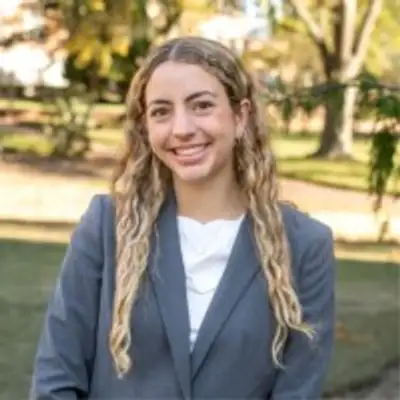
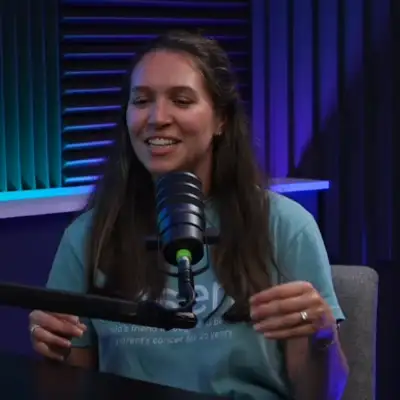
Today, we're talking with Camp Kesem's regional program coordinator, Jenna Rumsey, and Grace Kester, a former camper turned counselor, about the magic behind Camp Kesem, why this organization exists, and what happens when a camp becomes much more than just a place to spend a week in the summer. Sometimes the best camp stories don't end at camp.
The warmth, connection, and memories made can last a lifetime. . Thank you guys so much for being here. Welcome.
[00:03:03] Jenna: Thank you.
[00:03:04] Melissa: I'm gonna start with you, Jenna. I want you to tell us a little bit about Camp Kesem's mission and how it even got started in the first place.
[00:03:12] Jenna: Kesem's mission is to support children through and beyond their parents' cancer, and that's regardless of where they are with their parents' cancer journey.
That can be current diagnosis, treatment, remission, um, and even loss. And we have three programs that predominantly support these children. Obviously, our flagship program, Camp Kesem, the one that's probably the most well-known. Then we have Club Kesem, which is a virtual monthly meetup hosted across the US that kids can join through Zoom.
[00:03:43] Melissa: I actually didn't know that part.
[00:03:44] Jenna: Yeah. Okay. It's really fun. Yeah. We just do little fun connections and fun little puzzles and games. It's a great time. And then we have Kesem Together, which is actually hosted with chapters and partners across the nation that are daytime programs that include programming for kids while parents are receiving either treatment or while they're in a support group or just within their community that they have for their support, and we can offer support for their kids.
[00:04:09] Melissa: So it's really a way for kids to not just have that one week together. It's a way that you can have a year-round connection with them.
[00:04:17] Jenna: Yeah, and that's something that we're really trying to work on- Mm-hmm ... um, is creating more connection, more touch points for our kids to come in and continue to feel that support and that Kesem family.
[00:04:29] Melissa: You support student leaders from colleges across the East Coast region, right? Mm-hmm. You yourself, because Kesem- Yes ... is all over the United States.
[00:04:37] Jenna: Yeah, we have 115 chapters- Mm-hmm ... and about 5,000 student volunteers.
[00:04:43] Melissa: Speaking of student volunteers, most of the camp counselors are college student... Well, they're all college students, right? Yes, they're all college students. But most of them have had a pa- a, a parent that had cancer.
[00:04:53] Jenna: Yes, we have a really strong, um, camper to counselor, I guess, path.
Mm-hmm. Um, our teen leadership program, which is our program for campers from 14 to 18 years old, um, builds leadership skills, communication skills, goal-setting skills, everything we wanna see in, like, an eventual counselor. So they do really oftentimes, once they get to college, come back and volunteer for us as counselors.
Especially, it meant so much to them as kids to be able to give back to that community, um, is such a great experience for them, like our Grace over here.
[00:05:32] Melissa: Well, how do you think that helps with the, the relationship that they're able to build? Between the counselor and the, and the kids And
[00:05:41] Jenna: the camper, yeah Yeah I think it builds a lot of relatability and trust right off the bat Mm-hmm
knowing that this is someone who has been through the things that I have been through, that I can immediately relate to without necessarily having to explain myself or why I'm here. They know. They've been in my shoes, and that just is part of that Kesem magic that we call it, is that immediate trust, that immediate understanding, like, we are all here for the same reason.
We might have taken j- different journeys here, but I can relate and stand next to you in that journey.
[00:06:14] Melissa: Can you tell us a little bit about how the, the college kids are a part of Kesem to begin with? Is that... Was that how it even started?
[00:06:25] Jenna: So it started in 2000 in Stanford, um, with our founder, Eri, who's just absolutely incredible.
I got to hear her speak at our national conference, which was so fun. Um, and she actually had a background with summer camps, and especially, um, service summer camps that were supporting different groups and wanted to do something different. And initially it was like, "Oh, well, maybe it's kids with cancer," and then it was like, "Well, maybe that group's well-served.
Maybe it's kids who have parents impacted by cancer." Mm-hmm. That was a group that hadn't been served, that hadn't had the support that it needed. And so she started that first camp in 2000. Their first camp kicked off in 2001, so we're actually this summer celebrating 25 years of camp, which is so exciting for us, and just, I think, proves that the Kesem model means something and people continue to come back and grow.
And once it started at Stanford it took a little bit of time to get that ball rolling, and then we started opening other chapters at different colleges. Um, and now we have, like I said, 115 chapters across different colleges. And so when we really try to recruit counselors and our volunteers right at the beginning of the semester, we're like, "This is what you wanna be involved in.
Kesem is awesome. Kesem is amazing." And so many of their stories are either they were a camper, they know someone whose parent had cancer, they themselves had a parent with cancer and had never heard about Kesem. Um, that's how I found it. I was in college, and so I volunteered at CU Boulder, um, there as a student leader.
And I think the story is really compelling, and I think it really brings people in, and I think they see this population that is oftentimes not thought of in a cancer journey, and they wanna help, and they wanna get involved with that.
[00:08:12] Melissa: So speaking of college students, Grace, I, I met Grace at a fundraiser for Camp Kesem a couple months ago, and you were just so lovely to talk to and get to know and hear your story.
I'm wondering if you can tell us a little bit about your story and how you came to be a part of Camp Kesem.
[00:08:32] Grace: Yeah, definitely. Um-
[00:08:33] Melissa: And you're an NC State student. I wanna say that.
[00:08:36] Grace: Yes, I
[00:08:36] Melissa: am. Go Pack.
[00:08:37] Grace: Go Pack. Um, yeah, so my dad was diagnosed with cancer when I was eight, and the next summer was my first summer at Camp Kesem.
Um, I was a count a camper for 10 years, and after that, when I got to NC State, I knew I wanted to be part of, um, part of it.
[00:08:56] Jenna: Mm-hmm.
[00:08:57] Grace: And so my whole college experience, I've been part of the NC State chapter. Um, I've been on the coordinator board both years, and the coordinators are the ones in charge of planning the camp and kind of facilitating everything.
Um, and yeah, I... It's such a special experience, and I wanted to keep being part of it. Um, and it's been really special to continue into my college career.
[00:09:23] Melissa: Why do you think that it's important for these kids who, and, and for you, and your sister was a part of the camp as well, right? Yes.
[00:09:31] Grace: Yes,
[00:09:31] Default_2026-05-28_5: she
[00:09:31] Melissa: was. Um, for you to, to feel like you have your own space with other children who have gone through something similar?
Why, why is that important?
[00:09:44] Grace: When you're a kid and you're going through something so challenging, it can feel really isolating, especially when your friends around you aren't going through the same things. Like, if there's a daddy, a daddy-daughter dance, and, like, you can't go to that-
[00:10:00] Melissa: Mm-hmm ...
[00:10:00] Grace: because your dad's sick, or because he's passed away, or, I don't know, like, a whole range of things, um, you feel really isolated because you're going through a lot of challenges that other people can't relate to.
Um, and I think that when you walk into a space where everyone around you understands your experiences, even though they might not be the exact same, um, but can understand what you're going through and can relate to your struggles, I think there's something really healing about that. Even without having to talk about it, just knowing that there's this community around you that's connected by the same, like, invisible thread, um, I think is really special.
[00:10:44] Melissa: Yeah, and, and to your point, you don't even have to talk about it. Mm-hmm. It's just the fact that you know that everybody is going through something similar that I guess would give you a sense of, of peace and understanding- Mm-hmm ... um, and, and make you feel like you can just take a deep breath.
[00:11:00] Grace: Exactly.
[00:11:01] Melissa: Mm-hmm. Okay. Camp Kesem is obviously fun. It's a normal camp. There's canoeing and fishing and climbing and jumping and swimming. All
[00:11:09] Jenna: the-
[00:11:11] Melissa: All the camp things ... all the camp things. Um, but there's also connection. So I wanna know how you balance both of those, the fun and the, the, the creating of the connection w- Because of the cancer side of things.
[00:11:27] Jenna: Yeah. That's such a great question, and I think I just wanna start and say, like, Kesem is fun. Mm-hmm. Like, we are here to be fun, and that space, like you said, where you can take a breath, where you can be a kid again, and you can let go of whatever's happening at home and have fun in that space. Um, and so really our entire week of camp programming is typical camp activities.
And we have a super special ratio where we have three campers for every one counselor, and that really helps build that connection even in just small ways, where it's like, "Oh, okay. We can all bond over this one little activity. The three of y'all like this. We can do this." And it gives them, like, those role models to look up to that they really get to know one-on-one because it is that small group.
Um, but then, you know, our really important, and I would say programming that sets us apart from a regular summer camp, is what we call empowerment, and that happens one day for literally three hours. Um, and that's it. And we bring the entire camp together, and we talk about what it is that brought us here and why Kesem means so much to us.
Why is Kesem your family? Where did you find that connection? And I think that's the time when campers really get the chance to open up and share their stories. Our counselors share their stories in a way that's meaningful and shows the campers they're supported and loved and empowered in that moment.
And then after that, there's pre-empowerment camp and there's post-empowerment camp. And post-empowerment camp is just a different beast because everybody has had that moment where they've shared and they felt surrounded by love and understanding. Even if you don't share, you have... You're like, "I know these people.
I can trust them with whatever my story might be." Um, and then post-camp empowerment, everyone is so close, and you have so much more fun. Um- And
[00:13:22] Melissa: there's a weight lifted off- Yeah, there's a weight ... I'm, I'm assuming. Yeah.
[00:13:26] Jenna: Yeah, I mean, there's a weight. I can only share from a counselor perspective when I was at camp.
Um, that was the first time I had ever shared my story with my parents' cancer at all, and I was like Wow, this is, this is crazy. Like- Yeah ... this is why I'm doing this, for these kids to feel that, um, and to feel it in such an impactful and meaningful way. So I think that's really what sets us apart from other summer camps is that programming empowerment.
[00:13:50] Melissa: And I would think that the kids hearing the counselors tell their stories makes the kids feel, I don't know, like, they can look at you guys and say, say to themselves, "Well, look at them. They made it through this terrible time, and they're okay," you know? So it, it's kind of like seeing a little bit into their own future.
Yeah. And knowing that they can be a counselor too one day.
[00:14:16] Grace: Definitely. Um, I remember being camper and hearing ... I was, I was really young. It was one of my first years, and I remember a counselor started to tell their story, and up till that point, I was just like, "These are the coolest people ever." Yeah. Like, I have so much fun with them, like, these counselors are awesome.
But then we were at empowerment, and we were sitting in that room, and a counselor shared their story, and I was like, "Wait."
[00:14:42] Melissa: Mm.
[00:14:43] Grace: The counselors have been impacted by cancer too. Like, they're not just here because it's fun. Um, and I think especially for empowerment, like, sitting... Usually we do, like, a big part of it together, and then we'll break out into groups.
Um, but sitting in that big room and everyone sharing their story, I think you feel the weight of how many people cancer has impacted, but you also realize that everyone is getting through it, and that together, like, you- you- you're all resilient and capable.
[00:15:15] Melissa: Yeah, you're going to be okay.
[00:15:17] Grace: You're going to be okay.
Mm-hmm. Exactly.
[00:15:18] Melissa: Mm-hmm. Because at times you probably don't feel like it's gonna be okay. There's not a light at the end of the tunnel.
[00:15:23] Grace: Mm-hmm.
[00:15:24] Melissa: Mm-hmm.
[00:15:24] Grace: Definitely.
[00:16:56] Melissa: I have heard that you guys do something special at camp. You give out nicknames. So first I want to ask what both of your nicknames are and why.
[00:17:09] Jenna: Um, so my nickname is Slice because I love pizza.
[00:17:12] Melissa: I was about, I was about to say it has to do with pie or pizza.
[00:17:15] Jenna: Yeah, definitely. I love pizza, and honestly, that name has stuck with me for so long. Slice is my favorite person.
[00:17:23] Melissa: Yeah. Yeah. Is Slice a different person than Jenna?
[00:17:27] Jenna: I would say Camp Slice is a different person- Yeah
than PC Slice, and Grace, you can let me know. Um, because, you know, there's just, like, different priorities when you're at camp or when you're overseeing the students and you have those expectations. But yeah, Slice ho- Slice holds her own little special place in my heart. Mm-hmm. Um, and I think it's a place that a lot of kids can go to and part of why the nicknames are fun.
You are who you want to be at camp, and you get to create that and choose that.
[00:17:57] Melissa: What about you, Grace?
[00:17:58] Grace: Um, my camp name is Lamb. And I got that because I've been vegetarian for 15 years, and I was telling... I was sitting in a group and people were throwing out names, and they were like, "Steak," and I was like, "Oh."
I was like, "That's a little violent." Um, funnily though, my first counselor ever, her name, her real name was also Grace, um, and her camp name was Steak. So I was like, I... Like, I can't. It's already taken. Yeah, I was like- ... "It's already taken." Um, so then they were like, "Okay," like, "We'll, we'll go with Lamb," 'cause that's less violent.
[00:18:36] Melissa: Have you come to learn to, learn to love Lamb?
[00:18:39] Grace: Yeah, I like it. Um, I would say it's definitely more uncommon. I've never met another counselor with my name. Um, I also went with Slice to the big conference-
[00:18:50] Melissa: Mm-hmm ...
[00:18:51] Grace: um, this past October, and there were so many duplicates, and I was like, "I'm the only Lamb here."
[00:18:57] Melissa: So- That's
[00:18:57] Grace: a
[00:18:58] Melissa: very good point. You wanna be unique. You don't wanna walk around and have a l- a lot of Lambs. Were you the
[00:19:04] Jenna: only Slice there? I think so. Yeah, I think so. I don't know. I don't wanna speak if there are other Slices out there. Yeah. Um, but yeah, I think so. I haven't... I've met one other Slice down at Florida State chapter.
Okay. Um, but other than that, I think maybe we're the only two.
[00:19:23] Melissa: Okay, camp has a lot of traditions. Does Camp Kesem have a particular tradition or, or phrase or moment or something that really stands out to you guys and, like, it instantly makes everybody smile when you think about it? Ooh. A moment at camp that is just Kesem.
[00:19:44] Grace: That's a hard question. Um-
[00:19:47] Melissa: Maybe it is the naming of the nicknames- ... when people are throwing out names for you.
[00:19:52] Jenna: I think it honestly, you can talk about NC State's chapter, but I think it varies from chapter to chapter. There's a very similar theme between every chapter and between every camp. I mean, that belonging and that trust, but there's differences at each chapter that make them each a little unique, and I think why kids really latch onto that loyalty of the chapter that they go to.
Um-
[00:20:14] Melissa: Why do you think that is, though? Why do you think that there would be a different vibe for whatever school it is? I mean, we do know that NC State is superior to other- ... schools, but, but why do you feel like it would be different?
[00:20:28] Jenna: I think it's the individuals. They all bring in their own unique experiences.
They all bring in the things that make them feel like home, and they wanna bring that to camp because camp should be your second home. And so I think that brings a lot of different experiences. There's songs. Like, each chapter, I would say, some of them have the same song. Country Roads, super popular song all the campers love.
Love Story, Taylor Swift. Um, Closer by The Chainsmokers that are, like, camp songs- Mm-hmm ... and they're anthems for these camps. But at the chapter level, they also have those, like, unique things, and I think part of it is it's like a family. It is like a family. If you walked into someone else's family home, you'd be like, "Well, that's weird.
We don't do that in our family home." But for them, like, it's very normal. That's their home, and so I think that's very true to the different chapters.
[00:21:17] Grace: I would say, I don't know, there's a lot of different things. Um, when I was a camper, I actually didn't go to NC State's chapter. I went to Duke for a couple years, and then the week in the summer stopped working, so I switched to UNC.
Um, and I remember last summer was my first summer at NC State, and there was s- so many things they did differently than other camps. I think the feeling's the exact same. Mm-hmm. I remember walking in and just knowing that I was surrounded by absolutely the best people, but I think the thing that stuck out to me most about NC State's chapter was after empowerment, they do something called Surprise Dance Party.
So everyone goes to empowerment, and then everyone goes back and, like, showers and resets, and then we did it in the dining hall last year, but they walk in, and suddenly there's, like, lights and glow sticks, and everyone just dances and has a good time, and the campers never want it to end. Um, so bedtime gets pushed back a little bit that day.
Yeah,
[00:22:23] Jenna: I'm sure.
[00:22:24] Grace: I'm sure ... but I don't know. I think that's really special for NC State's chapter. I think especially after empowerment, which is such a heavy day- Mm-hmm ... such a nice release to be able to, you know, just, like, dance and have fun and reset a little bit.
[00:22:39] Melissa: And be a kid.
[00:22:40] Grace: Exactly.
[00:22:40] Melissa: Yeah, because that's- Exactly
what it's all about. You know, the, the kids that are going through this and they have a parent with cancer, they're, they're thrust into a situation that's, that's just not what a kid should live like. Mm-hmm. And so this is a chance for them to be kids and not have to worry about, you know, the, the heavy- the heaviness of what's going on at home.
Without naming names, can you share a story that captures the essence of Kesem? , There was a, a boy that spoke at the fundraising event, and he...
I, I found his story to be unique in that, and maybe not unique, maybe it, it... he's very common story. Um, but he came across as perhaps very, very, um, shy and quiet, and it sounded to me that being at Kesem really brought him out of his shell, and not only, um, gave him a chance to be a kid like we were talking about, because I believe his dad also had cancer.
Mm-hmm. Um, but it really kind of changed his personality in a way. Mm-hmm. You know, he came out of the camp, and he was more outgoing and more talkative and, and not so inward. So m- maybe that's a common thing, but- I'm
[00:23:57] Jenna: actually... Yeah, I'm so glad you brought that up. We are partnered with Georgetown University.
Um, as of 2023, we started working with them, evaluating our survey data and things that parents had seen in their kids, and that's one of the things, is that their kids were more likely to take a risk at camp that showed- Mm ... personal growth. Um, and we're continuing to evaluate that data and see, but yeah, that is definitely something, that these kids do come out of their shells.
You start with your first-day camper, and by the end of the week they're a totally different, vibrant, colorful person. And that's not to say every camper's experience is the same, but I would say overall, like, that's what you see.
[00:24:42] Melissa: And then maybe they come back the next summer, and they're even more, you know-
[00:24:46] Jenna: Mm-hmm
[00:24:46] Melissa: they, they come out of their shell faster than the, the- Yeah ... second or third day.
[00:24:50] Jenna: Yeah, I think it's... I think that's so... such a testament to our counselors and the work that- Mm-hmm ... they do, and they are taught to listen first, and listen to their campers, what interests them, what they're excited about. And I think that brings a lot of the campers out of their shell, and they're excited to be there.
And they're like, "Oh, these college students wanna listen to me?" Like- Yeah ... "We wanna hear what they're-" These, these cool
[00:25:14] Grace: college students. Yeah. Yeah. Yeah, I can definitely attest to that. I remember just, like, meeting my counselors and being like, "Oh, my gosh. They're so cool." And I also remember my first summer.
It was, I think I was nine that year. Um, but my parents dropped me off, and I was like... I didn't really know what I was getting myself into. And they came and picked me up, and we were walking back to the car, and me and my sister were talking over each other. And I was like, "Oh, my God," like, "we did this. It was so much fun."
And she was like, "Oh, wait, but we did this." And I was like, "That was so much fun." Um, so we just couldn't find enough good things to talk about. And I remember just, like, being ready for the next summer to start already immediately
[00:25:58] Melissa: after that. Yeah. And I'm sure it just made your parents- It must feel so good to know that you guys were able to get away and have that experience.
[00:26:07] Grace: Yeah, definitely. I think I went to, I don't know if I mentioned this, I went to year-round school in middle school.
[00:26:13] Melissa: Mm-hmm.
[00:26:13] Grace: And every single summer we'd start school, um, like in the middle of July, and we'd always skip school to make sure we could go to camp because- Oh, yeah ... my mom knew how special it was for us to go, and she made it a big priority to make sure that we didn't miss out on that
[00:26:32] Melissa: . I am a member of the Holt Brothers Foundation. Yes. And that's why I was at the fundraising event for Kesem because Holt Brothers really aligns with their mission very closely to, to Kesem. We want to support children who have parents that are going through a cancer diagnosis.
Mm-hmm. You mentioned earlier about, um Georgetown.
[00:26:56] Jenna: Mm-hmm.
[00:26:57] Melissa: And I'm just kind of thinking, are there, there... Are there organizations that you really do work closely with so that you can partner and, and be able to give kids attention throughout the entire year?
[00:27:12] Jenna: Yeah. That's what our Kesem Together program is really looking to expand, is creating, one, those easy entry points, because we know camp is not for every kid.
Um, and that's a little day program they can go to, try it out, and it still maintains those core Kesem values. And so that's really what they're trying to expand. We have, um, folks at our national level that work with these partnerships that try to find these opportunities so that we can have Kesem in more places.
And then at the chapter level, each of our chapters, like NC State works so closely with the Holt Brothers, um, and creating that partnership. You know, in Virginia, we work with Cancer Link really closely. Duke obviously works really closely with their cancer center. And so you have this sense of community, and we are trying to find the people that overlap with us, that we're, we can elevate both our voices.
[00:28:09] Melissa: And the Holt Brothers, of course, are huge NC State phenoms- Yeah ... with the, in the football world, but they do so much good throughout NC State, and it just warmed my heart to see that they were partnered with you guys for Camp Kesem and, and play a role in that, you know, no matter how minor. I mean, I, I just think it's important to have partnerships no matter where you are, so, and the connections that it brings.
Grace, before we go, I want to know if you can name your very top favorite memory you've ever had at camp.
[00:28:39] Grace: Oh, no.
[00:28:41] Melissa: How
[00:28:41] Grace: to pick just-
[00:28:42] Melissa: Or should I say, Lam, can you name your favorite memory?
[00:28:46] Grace: How to just pick one. Um, honestly, I would say more than a memory, it's just the friendships. Like, I have so many friends that I've made through camp, and I honestly have no idea where I would've been without them.
Um-
[00:29:04] Melissa: Do you stay in touch with your friends that you've made through camp?
[00:29:07] Grace: Yeah, I do. Um, one of my friends, shout-out Sprint. Um, but he and I went to camp starting very, very young.
[00:29:15] Melissa: Mm.
[00:29:16] Grace: And I think it was my first summer, and I remember growing up and always seeing him, and he has a younger sister, Pesto, who, who also...
Shout-out Pesto. Um-
[00:29:28] Melissa: I love these names.
[00:29:30] Grace: But it's just so many fun memories and so special to have all these different connections. Um, so I would say that's the o- that, that's the biggest takeaway for me.
[00:29:42] Melissa: Yeah.
[00:29:43] Grace: Just having this amazing community that supported me and being able to stay in touch with those people, um, and just know that your Kesem family's always there for you.
[00:29:55] Melissa: Since Camp Kesem and the Kesem organization is totally free for its campers, you rely on donations, of course. Yes. So tell us how we can find out more about Camp Kesem and how we can donate or help or volunteer, be involved in any way.
[00:30:13] Jenna: Oh, I'm so glad you asked this question. Yeah, we rely on, like, generous donors to put these kids into these summer camps, into our different programs.
Um, and so if anyone in the community is interested in getting involved, you can connect with your local chapter. In North Carolina, you got NC State, Duke, UNC, and Western Carolina, um, and work with them closely to set up fundraisers or to even donate to them directly. Um, and we use... If you just go to our website at kesem.org, we are partnered with Classy, and that's where we can collect our donations.
And I can give you a QR code or something if you wanna put it in your newsletter, and anybody wa- there wants to help us bring some magic to some kids.
[00:30:55] Melissa: I'm sure there are people out there that would love to help, and especially after hearing all the wonderful things that you guys do. Thank you so much for being here today.
Thank you for what you do for these kids. I mean, it's just, it's just so remarkable. So thank you for being, being here today.
[00:31:11] Grace: Thank you so much. This was such a pleasure. Yeah, thank you for having us.
[00:31:15] Melissa: Absolutely.
[00:32:05] Speaker 7: This August, experience one of North Carolina's most beloved traditions, Lazy Days Arts & Crafts Festival in Cary. Stroll through hundreds of artists, enjoy live music, delicious local food, and family fun all weekend long. Discover creativity around every corner at Lazy Days. Learn more at carync.gov/lazydays.