Subscribe
Share
Share
Embed
Is there a single right way to run a home care agency? We sure don’t think so. That’s why we’re interviewing home care leaders across the industry and asking them tough questions about the strategies, operations, and decisions behind their success. Join host Miriam Allred, veteran home care podcaster known for Home Care U and Vision: The Home Care Leaders’ Podcast, as she puts high-growth home care agencies under the microscope to see what works, what doesn’t, and why. Get ready to listen, learn, and build the winning formula for your own success. In the Home Care Strategy Lab, you are the scientist.
Miriam Allred (00:01)
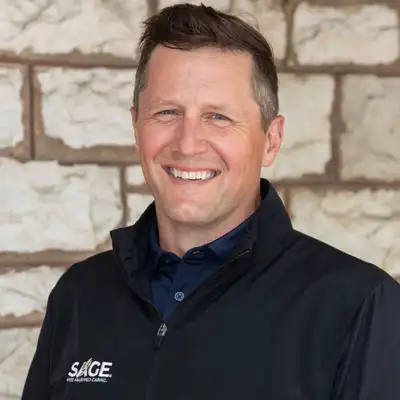
Hey everyone, welcome back to the lab. I know I say this often, but thank you for listening. Y'all are awesome. I love bringing you these episodes every single week. It's a ton of fun, and I'm glad you're getting enough value to come back week after week. It really is a pleasure. So thank you for listening. Today in the lab, I am joined by Ryan Whittington, the CEO at Seniors Home Care based in St. Louis, Missouri. Ryan, welcome to the show.
Ryan Whittington (00:24)
Thanks, Miriam. Glad to be here.
Miriam Allred (00:26)
It's so good to see you again. It's been a busy couple of months for us. ⁓ April, May, what do people call it, May-cember or something. It's it's a really crazy time. So glad we're connecting here in June. I am excited for this conversation. Why don't we start with your introduction? Tell everyone a little bit about yourself, maybe personally and professionally, and then also about the family business.
Ryan Whittington (00:46)
Great, thanks. Yeah, glad to be here. Glad to finally connect. ⁓ Yeah, so professionally in home care, my start was in 2008. I joined ⁓ our family business, Seniors Home Care, that my mom founded in 1987. So this next year in 27, we'll be celebrating 40 years, which will be pretty exciting. However, you know, in reality, I joined the business when I was nine when my mom started the company in 87.
The business, like many, probably back then, started in our home. My mom was a caregiver for her grandmother, and after her grandmother passed away, we had an extra room. And so, really, a founding principle of our business was this extra room where my mom had older women primarily move in with us, and my mom was the caregiver at night. And so as she started that company, she started hiring employees that would come over during the day. And so for me and for my younger brother, home care was waking up in
morning sitting across from the table of a you know an 85 year old woman that wasn't a family member but became a family member and so I got to watch all of that in-home care experience and you know I often tell people it's kind of baked into me to be here today but then I went to college graduated
got out of school and then started in 2008 with my mom after owning my own business and just really started off as a caregiver. My mom was very ⁓ she's a nurse, registered nurse, and it was important to her that I learned the business. So I was a caregiver, then moved into a marketing role.
became ⁓ CEO in 2018 and was able to work with my mom for 16 years before ⁓ my wife and I purchased the business in 24 and now my wife and I run the business here in St. Louis, Missouri, and we're not looking back.
Miriam Allred (02:38)
And before we hit record, we were talking about does it get any easier, Ryan? This you've been doing this as long as, you know, anybody essentially. Does it get any easier and what motivates you to keep going? Because this business is tough.
Ryan Whittington (02:51)
Yeah. ⁓ parts of it get easier but the main, you know, just struggle with ⁓ connecting those great caregivers to clients that are in need. It's it's it's a challenge. but you know, it's just so meaningful when when that happens that it's worth it.
And I you know, I would just say that this far into it, we have such a great office team, such a a great support team. We're all moving in the right direction. I know you've talked on other podcasts about how companies have established with EOS and that's what we run on. so these days the challenges are different, but ⁓ you know it's all worth it. Yeah, for sure.
Miriam Allred (03:30)
What you said a minute ago about before we recorded, you said though, if you're doing this right, you still take everything personally. And I I think some may think like, you have to take things less and less personally. But this in this business to continue doing it well and to be making the impact, it like you have to almost take everything personally, which weighs you down and burdens you, you know, mentally, physically, emotionally, but you have to take it personally.
Ryan Whittington (03:37)
Yeah.
Yeah.
Well yeah, I mean,
as leaders everyone's watching you, ⁓ us as leaders. And so, ⁓ it can be easy just to accept that, you know, the workforce has changed or the clients' needs have changed and so it's easier to accept that maybe, you know, being late is okay or, you know, providing
service that's just okay is okay. It's but ultimately as the leader, there are some things that can change. There are some ways that we can change those and and you have a great podcast that shows a lot of those ways that we've been able to innovate. But ultimately, ⁓ yeah, if if if it becomes okay that the care is poor, then you shouldn't be doing this. Yeah.
Miriam Allred (04:35)
Talk a little bit about the blueprint of the company, ⁓ kind of like demographic. You know, you're based in Missouri, you've been around for a long time. Just give us kind of high-level numbers around clients, caregivers, subpayers, you know, ballpark revenue, because then we're gonna talk about something unique that you've built and grown, but give us kind of some context before we get into that.
Ryan Whittington (04:52)
Right.
Yeah, so St. Louis, for those that don't know, sits right on the Mississippi River. So ten minutes away is Illinois. ⁓ we don't provide any care in Illinois. Illinois has a licensed structure that Missouri does not. We're a non licensed state. So ⁓ for us, our business is ⁓ really centered in the St. Louis side of the metro area. And I don't know the demographic size of that, but we folk we we have a dense population here in St. Louis, so we're fortunate for that.
And over the years we've really been able to dig deep in our marketplace. We've we've tried other surrounding areas and really just didn't find that successful. So we've we we just focus right here in St. Louis. we again been around a long time. So I remember before things like ⁓ companionship exemption, so we there was a time where caregivers could work as many hours as you wanted they wanted and we could pay them and you know we could we could talk about that more and we won't, but
But you know, at that time we were we were operating with ⁓ maybe two hundred and fifty, two hundred and seventy five caregivers. We we were able to bring on caregivers and keep them and
for various reasons, but that changed. Also, you know, bringing in health insurance, all good things, but the business has changed over time too. So today we have about 125 employees. our our clients typically are are doing more hours with us. We we've established some minimums over the years, which I know we won't talk into, but I know you've talked with some other ⁓ companies and that's really worked well for us. It really helps us establish good relationships with our clients. And yes
do have to give up some opportunities, but we wouldn't change that. And so you know we we've definitely hit rapid growth over the years. We've hit plateaus, drops, and we're currently back in in a growth period which is exciting. And and Sage, which we'll talk about is is one of those.
Miriam Allred (06:51)
Primarily private pay, or are you government payers at all? Or long long-term care VA? What's kind of the payer breakdown? 100% private pay.
Ryan Whittington (06:57)
Hundred percent private pay. Yeah. VA
and Saint Louis, we're an older market, as far as just in general, and ⁓ the VA has has not been establishing any new providers for for several years and it doesn't look like that's changing.
Miriam Allred (07:12)
Okay. That's interesting. I know I know this isn't the topic, but I also I als always love to ask about minimums. Can you share? Do you have like shift minimums or weekly minimums? Because I think everyone's, you know, thinking about that and trying to figure that out. So I'm curious today what what yours are.
Ryan Whittington (07:19)
Yeah.
Yeah. Well and I'll just also share that in EOS I'm the visionary. So we often try a lot of different things. We try, you know, seven things, one might work. And so a lot of this has been tried over the years. And so our minimums are a four-hour shift, twenty hours per week. And there are exceptions to that. So but that is just standard out of the gate what we'd be talking with a client about.
Again, I'll go back to we used to have half an hour quick visits at one time and we had one hour visits, two hour visits. It's been quite some time, probably ten years since then. But it can be done. And I know you've talked with other operators that are interested in that, and it can be done well. It's just having the workforce to do it ⁓ is the important part. Yeah, just so just some some differences to that. We actually offer now a support plus
Miriam Allred (08:14)
Yeah, I think go ahead.
Ryan Whittington (08:22)
offering which is down to eight hours per week. It's two four hour shifts or one eight hour shift. And it's layered with two hours of care management services per month. So I know we're not going to talk about that, but that's an example of being able to incorporate our care management offering with our home care offering and meet what our clients need, but also what the company can do from a profit perspective.
Miriam Allred (08:46)
Yeah, and it's all about kind of like packaging these hours be to eliminate edge cases. I am we didn't without getting into it too much, I'm like I'm really deep on like scheduling right now. And I'm just like, if I were a scheduler, what would I be doing and how would I be thinking about this? And and it's all about packaging and creating these like models and trying to fit 80 to 90 percent of your clients and caregivers into these models and eliminating the edge cases because
The companies that their hair's on fire all the time, they're just accepting way too many edge cases and they can't get a handle on the operations and there's all this downstream effect of why you shouldn't take on edge cases. And so you you've been at it long enough and you've been able to work towards these minimums. But I think everyone should be establishing what their hard their what their hard lines are, what their minimums are, and sticking to their guns on those and trying to eliminate as many edge cases as possible.
Ryan Whittington (09:18)
Yeah. Right.
Yeah, and home care is built on flexibility, so I don't want to seem inflexible. We we need to be but often the client doesn't realize what they're asking for when they're asking for those edge cases and what that will result in, which often is is turnover and inconsistency from caregivers. And so we take a lot of time to educate in the initial call, ⁓ the the client, the the caller, on what that will mean and why we've chosen to do what we do. So ⁓
It's in the client's best interest and the employee.
Miriam Allred (10:05)
And you and
you already kind of cited it. The workforce is fundamentally different now than it was ten years ago, twenty years ago, and clients, these families, they don't understand the workforce like you understand the workforce. And so you have to go out and say, If you want the best caregiver and you want consistency, which is what everybody wants, here is why we structure things this way. And here's why we've packaged it and here's how we're gonna be successful together.
Ryan Whittington (10:30)
And be prepared for them to say that's just not gonna work for me and then you might end up feeling like you lose that relationship. Often though, and again this comes from years of experience, it comes back.
Miriam Allred (10:43)
Okay, let's get into s let's get into Sage. That was a good little like, you know, rabbit hole down the beginning. I love it. Let's just get, you know, get into it. So you have done something really unique, which is build out what is called Sage inside of your home care business. And so I want you to explain, first of all, just what what Sage is and why you've built kind of a separate entity inside of your home care business.
Ryan Whittington (10:47)
Yeah.
Sure. So a little over two years ago, I woke up in the morning and remembered a podcast that I watched, which was someone that you've interviewed, Jim Kimsey. He presented, it wasn't a podcast, sorry, it was a it was just a Zoom call. He presented to our mastermind group with Steven Tweed and Jensen.
And I remembered that that happened and I remembered that the core principle was related to dementia care, but I couldn't remember when it happened and I couldn't really remember remember the details. And so when I woke up that morning I quickly tried to find it and I couldn't find it. And then I emailed Jensen and he sent me the recording. And so when I watched the recording,
it all came flooding back to me. And so what I realized at that time was we were also having a client that had real high dimension need. And we were faltering as a home care company with our employees there. We were we were experiencing what I think a lot of home care companies experience, which is that the caregivers were becoming overwhelmed and weren't trained at a high enough level, and the client and their family w was suffering through that. And so
Think in my mind as I was sleeping, things were working out to where it you know I was finding a solution to that. And so, ⁓ but the the client and their family they really wanted to stay with us. They they had been through some struggle with other home care companies, and so they challenged us to find a solution, and that solution ended up becoming Sage.
I could tell from from listening to Jim that it really is a different model than traditional home care. And, you know, worlds collided at the same exact time. In ⁓ I met a guy named Jerry Rosen. He is the he was then the new executive director of our local chamber of commerce. And in talking with him
He also was a an old ad agency guy from Chicago, and this was his second career. And he told me that he was his experience was in building brands and establishing new brands within the Chicago market. And so I said, Hey Jerry, you know, we got this idea for Sage. I I've got this whole model and talking with Jim. Would you be would you help us? Would you help us create Sage? And I said, and by the way, can you do it for free? Because I don't really, you know, we got this home care company, but I need to launch. So he said yes. And so
So
it was really, I'll give Jerry the credit in telling me and advising me early on to brand sage different than seniors home care. And it was important then and it's still important now. ⁓
Because we felt like it was important for both our caregivers, our employees, and the clients that would call us about the care we were going to provide to give them the dignity of incorporating all the training and all of the ⁓ experience that they would have within Sage and not just a pivot from home care, not just seniors' home care with this new exciting offering that we're gonna try out. So we spent a lot of time building that out ahead of time. And that's really how Sage.
came about.
Miriam Allred (14:21)
So let's go back to that client that you had two years ago. You were providing home care for them and they had dementia. What wasn't working? Like what you said the family came to you and said, like, we need to come up with another solution. What what wasn't working specifically?
Ryan Whittington (14:40)
a lot. what was it working on the client side was that they were the client was out of town, so the client lived in New York. or no, I'm sorry, the client's family lived in New York and the client lived here in town. And they were getting just a lot of calls from their adult their their parents just ⁓ at night and
complaining about having care and so ⁓ that was happening but also on the on the employee side caregivers were becoming frustrated because like I said they didn't have the training they knew the client well and they knew that the client's needs were changing but they didn't have the training they didn't we didn't have the structure in place to provide the training and even if we did I just don't think that there was enough time for us to be able to provide that while they were being caregivers that advanced level of training. So
the caregivers were asking to come off. Even though they loved the client and they wanted to be there, they were experiencing their own breakdowns, their own struggles within providing that care. So those two things combined, then you just start as an agency trying to throw things at the problem. And I'm sure if you know if if others are listening that are running agencies, you've experienced that. And that can work, but it often doesn't solve the problem.
Miriam Allred (15:55)
And what w be can you can you think back, what what did you try? What what temporary solutions did you try to put in place to mitigate?
Ryan Whittington (16:04)
Sure.
Well, we tried, you know, putting ads in the paper asking for the most experienced, trained, memory care caregivers. And you know, if you've done anything like that, what you'll get is a lot of people that tell you that that's exactly what they are, a lot of caregivers. But you know, they're coming in fresh to our company. We don't know them, they don't know us, and so placing them in that situation is pretty risky. ⁓ and often they overpromised their ability, even though we were able to ask the right questions and talk.
just in the moment at the time it's really hard to plan that way. It's really hard to deliver something meaningful. So, you know, placing those ads. We also did try, bringing those caregivers into the office and providing training. But it was just, it it just didn't feel, it was too hurried. It was too firestorm.
And I know we're gonna talk a little bit about crisis management. It was a crisis we were that we were trying to manage in real time rather than having the plan ahead of time.
Miriam Allred (17:04)
Okay. On the training specifically, what what did you have in place? Because again, every caregiver probably feels like they have experience with dementia and with memory care and they feel like they've been trained in it to some extent. What what training did you have in place? Was it something you built proprietary? Was it an online solution?
Ryan Whittington (17:19)
Yeah.
Miriam Allred (17:25)
What training did you have and and then I guess why wasn't it enough?
Ryan Whittington (17:28)
Yeah.
Yep. Most of the training was related to Care Academy is something that we've used for a long time. And so Care Academy offers a certain level of training. We also do benefit from having nurses and social workers as part of our team. And so they've they provide training. I'm actually a certified dementia practitioner. I which isn't you know, there isn't big schooling involved in that, but I've gone through training related to helping clients with dementia. And so we were surrounding the caregivers with with that training from
⁓ perspective of things to look for and how to react to certain situations. But it just wasn't enough. It it wasn't enough because also they just the caregivers were kind of still alone in in the plan. What I'll talk about with Sage, what we developed was more of a team approach rather than the caregiver just kind of being out there.
Miriam Allred (18:25)
you think with dementia care the training is an important piece, but also like experience
is equally important, how do you think about that?
Ryan Whittington (18:36)
Yeah, I well I think about when we look at employees now that would become be part of Sage, we really start with the interview of the person, what their skills where their starting point is. That really is the first step when we're when we're hiring, is we have them take a proprietary quiz. It's it's not a multiple choice, it's a fill in the blank, it's a answer a question, a paragraph. And what we're really asking is how do you what's your experience? What what have you already learned or been taught? Because there's a lot of experience.
Experienced team members out there, and that's what we want to start with as a baseline. And so I think that the experience that you're talking about is part of the training, it's a big part of the training, but we want to know ahead of time do they really understand the type of person-centered activity-based care that we're providing from a perspective of questions like
and and these might be standard now, but you know, like if your client ⁓ is wearing a coat outside and it's ninety five degrees in St. Louis, how would you handle that situation? Because clearly they feel like that's appropriate. And so if the if the caregiver talks about, well it's not, I would just take it from them and hang it up, that's not really the best answer because that's just gonna aggravate that client. It's gonna make it worse. But if their client talks or if the caregiver talks about role playing with that client and you know finding a way to deflect and and make it a better situation
because ultimately they just need to get back inside where it's cool. Those are the kind of questions we're asking and making sure we understand what the person coming in and their experience and their situation already.
Miriam Allred (20:09)
Okay, that's a really good point. That's that's kind of the dots that I was connecting in my own mind is like the training has to be very scenario based because with dementia it's like there's just a lot of scenarios, a lot of behaviors, a lot of situations that the care these caregivers are gonna find themselves in and they don't know what to do. And so the training is very scenario based of like here are thing here are tendencies, behaviors to look out for, and then how would you handle that and here's how you should handle that? Because
To me, dementia care, it's very much just like hands on living through those experiences and then figuring out how to handle them and you just get better and better at that with time.
Ryan Whittington (20:38)
Sure.
Right.
The other part about that too is ⁓ that we haven't talked about. We take a lot of time. Jim talked about in your podcast the Alzheimer's Association and a ⁓ training manual that they put out many years ago that not many home care companies know about. That really is what I would call our Bible for the training side. And I would say that's true for the employee, for the caregiver. We use that a lot, but also for the client, for the for the family, so that they know the perspective we're coming from. And so that when they see what's happening early on specifically, but on
Ongoing
with with the care, they understand that there's a method there, there's a plan. And so early on, if it looks like we're not really we don't really care about the trash or we don't really care about the the linens or things like that, they just know that the priority for us is that their loved one is safe and that we're establishing a relationship and we're going to get to those tasks. But the real the real goal at the beginning is to make sure that we become part of the care team and that they their family member accepts that. So, you know, really
Miriam Allred (21:47)
Absolutely. And we will link to that in the show notes here in case anybody missed that because I ha I agree. You know, Jim explained that to me and showed me that it's like every home care company should be consuming that because everyone is taking care of dementia clients and just better understanding how to accurately train and set your caregivers up for success to set up these families for success. Like a lot there. So we'll link to that and I'm glad you cited that again. ⁓ so let's talk about Sage in a little bit more depth because
Ryan Whittington (21:49)
Good. Yeah.
Yes.
Yeah.
Miriam Allred (22:12)
I I already kind of asked the question around, you know, you build it as a separate entity. It's not a program. It's not an initiative. It's not even a service line. It's literally its own I mean, what's the word? It's its own kind of brand. Yeah.
Ryan Whittington (22:22)
Yes.
Yeah, brand. right,
right. So we we purposefully, like I said, made it that and it has its own website.
It has its own marketing materials, it has its own phone number, emails, and you know, one of the things we talked about before I jumped on was that there was definitely and there still is a learning curve in educating our community, our marketplace, because many people know us for 40 years as seniors home care. And we appreciate that. We actually celebrate that as part of Sage because we have all of this experience, and you know, I think that's a benefit that a company that maybe has already been around for a while would have.
in
in rolling something like this out so we don't shy away from that. But making sure that our referral sources and the families that call us know that we don't treat it like they're just another Senior's Home Care client is important to us.
Again, everything from, like I said, the brand and the website, but also from making sure that when when the call comes in that the right person is talking to them, someone that's trained, it's a Sage employee, is talking to the family right off the bat to make sure that we establish that baseline.
Miriam Allred (23:35)
And
is that the root of why you built it as a separate brand so that it's differentiated in everybody's minds, in your referral sources' minds, in your family's minds, in your employees' minds? This is a this is a different brand because it's a different service that we treat completely differently than traditional home care. Is that the root of why you branded it as its own?
Ryan Whittington (23:53)
Yes, I mean you will hear, and there are definitely aspects of traditional home care, many of them in the Sage brand. But yes, that's exactly why. We just we we wanted to make sure that there wasn't confusion there, and that's why we did that. And I would say that it also in the back of our mind isn't could be plans in the future to take it to other markets. So we felt like having it as a separate brand could allow that for us.
Miriam Allred (24:23)
And you said it it's been two years and it's it's a challenge to as an established company bring kind of a new brand out to all your referral sources, out to your families. What have you done to kind of mitigate that and smooth that over so that people kind of see you as one and the same, but also understand the differences? Like what what has worked and what have you tried to kind of solidify that in people's minds?
Ryan Whittington (24:49)
⁓ you know, good old fashioned traditional meetings, walking in, talking with people, PowerPoint, presentations. We focus in on the differences between what we're offering and what traditional home care is. we identified a gap in our marketplace, which is where families
who have a loved one that is struggling through advanced, this is really for advanced dementia. They've been struggling for quite a while, and so what they're left with is working with their current agency to try and find like we were doing
Ryan Whittington (25:20)
better ways to provide that care.
Or they look for memory care facilities and being able to place someone, but ultimately often our client doesn't that's not what they're looking for. And so we we identify that gap and talk about how we can fill it with this type of care. And again, it's still an ongoing struggle. I'll say we've been around so long that I'll see people that are like, Yeah, I've heard of that before, but is that just something new that you're offering? And so but
You know, marketing materials, all the things that you would call on your regular referral sources for and help them understand what this is. That's that's how we are approaching it. We're d definitely doing some spending with Google Ads and and SEO and those kinds of things as well.
Miriam Allred (26:12)
So let's talk about kind of the two two core things, which is how you structure that this service, like the Sage service, like what the ADLs, IADLs, kind of what the the day to day is that you cover. And then we'll second to that talk about the team structure, how you've built out kind of teams for these clients. Let's first talk about like the differentiated service out in the home. What does that look like?
Ryan Whittington (26:28)
Sure.
Well, I think f that's important. I think first, one of the things that we identified earlier was that the people that are calling
For this type care a little different. ⁓ They're asking, it's it's a little bit of a different type of call than our standard home care client that's calling. Standard home care client you know falls into that. I need something either tonight, tomorrow, I'm in emergency, or you know, we've been thinking about this, we're not kind of kicking the tires, we're not quite sure. Tell me more, send me information. ⁓ and so there's often a lot of either just panic, or there's yeah, it could work. A lot of the clients.
that
are calling us in this situation are s have been struggling and so their n their motivation isn't really speed. It can be. I mean there might be a situation where they're coming out of rehab or whatever but.
It's not really speed related. It's more they're they're looking for a good fit. They're looking for a good solution. So they're not in a rush. And so our approach is not to be in a rush either. We want to make sure to take the time. And so we ask a lot of the the right questions. And so we're talking about them, really what their motivations are as far as staying at home, ⁓ as far as what kind of things they're experiencing, as far as like
know, combativeness, wandering. So we're talking about the difficult things right off the bat, just to make sure that it's a good fit for us. The harder the client for us, the better for Sage, honestly, because that allows us to be able to really make that meaningful difference. And right off the start, that person's talking with a nurse or a social worker here in the office to make sure that it's a good fit. And so we don't just leave that initial call up to chance. We don't just let someone else answer that.
that call. I know many agencies feel the same way, but it's specific to Sage that's important to us. And like I said, they're looking for a better solution, so we're trying to find out what that means and and then solve that that problem. ⁓
Miriam Allred (28:37)
Do they typically have home care in place already? The family's calling in.
Ryan Whittington (28:40)
Yes.
Yes. Now there's another side yes and
Couple of clients we identified that they didn't really realize something was going on, but they didn't really realize how challenging the situation had become. We've had we've had clients, family members tell us that, you know, they they just have started to identify that their loved one was losing any kind of sense of joy, there was depression. And so it was really because the world had been shrinking due to the increased needs, and no one was talking into the
situation and finding a way to expand it again. And so there is there tends to be or there has been this this whole idea of hopelessness, honestly. And so that is the type of call that's coming in related to Sage, if that makes sense.
Miriam Allred (29:34)
Yeah,
absolutely. I'm glad you mentioned that. And that already out of the gate it's different than traditional home care. Those people are calling in a crisis. They need someone in the next, you know, twenty-four hours. Whereas this is they're they're past the crisis point, which is they already have likely home care or some sort of support in the home, but it's not working. And now they're looking for advanced, kind of premium, more specialized services. Therefore they they come to Sage.
Ryan Whittington (29:42)
Right.
Miriam Allred (29:57)
⁓ so you you talk about how important that initial phone call is just to get kind of like mutual alignment established. What it does the the kind of like onboarding assessment process look pretty different in that you probably spend more time with them? Do you go out into the home and spend time with them? Like what what does kind of that ⁓ assessment portion look like and that it might be more robust because you're not in a rush and it's more about a good fit?
Ryan Whittington (30:21)
Yeah, we do. the other thing also is because they're not in a rush and because they're most focused on
the match. We know what capabilities we have from a staff level. So we've had these Sage client calls wait 30 or 60 days, ⁓ which is not which which is just another way to say that they're really not in a rush. they're looking at this as a long term solution to stay at home and we are as well. So sometimes that can take, like I said, 30 to 60 days before getting the team together, which you know, if that's kind of unheard of if you're if you're I mean most clients, most caregivers clients are calling other agencies to make that work.
⁓ But yeah, our team is led by a nurse and there is a an assistant care manager. They both go out and do the assessment and part of that assessment is completing a life story questionnaire about the client, which then feeds into the care plan, but they're really ⁓ working to understand as much as they can about the client and their family situation.
And so that's certainly important in the care plan, but really what we're doing with that is then training the team, this the staff, on what they should expect for this client. And so it goes way beyond, like I said, just the tasks that are required. It goes more into the background of the person and their family situation.
everything from who should you expect to see around and who should you not expect to see around, who's gonna call. And so that onboarding process takes quite a long time.
Part of our training that we in addition to the Alzheimer's Association, in addition to Teepa Snow's positive approach to care, we also do a lot of shadow shift training where the caregivers will go over and work in a shadow shift situation to make sure that they understand the needs. And so it takes a long time before they're on their own in those situations.
Miriam Allred (32:15)
Okay. And you mentioned the nurse and the care manager going out to do the assessment. Why why both of them and why is that important?
Ryan Whittington (32:22)
because every client within SAGE receives that team that I talked about, which is the nurse, the care manager, and the in home care giver. And the the the care manager, the the person that's going along to observe, they're the ones that support the care more, like in addition to the caregiver. So
It's important because they can get perspective. They can one person when they're asking the questions of the family, the other person can understand and take notes. And so ⁓ it just for us it was more important. It's more obviously capital it's it costs more to have that happen. But for us, ⁓ that care manager then becomes part of the team ongoing and it's not something we're charging the client for, but they're doing things ongoing like
And one of the things that's a big part of this is our activities that we provide in home. ⁓ so they're managing that. They're also acting as a backup in case the caregivers are sick so that there's continuity and so it's important for them to know everything that's going on there. And then they're the communication with the family each week to make sure that the family is aware of what's going on and
how things are going. And so the nurse is there to make sure that the care plan's appropriate and that we can do the right type of care. The care manager is there to make sure that it continues ongoing and training the caregivers.
Miriam Allred (33:47)
Something I took from Jim's episode was introducing the caregiver can be really difficult, you know, to to find that right match with a advanced dementia case is extremely difficult. So how do you how do you introduce them and make that kind of initial connection with the first caregiver?
Ryan Whittington (34:08)
We often find that's where it sometimes does start as task related, so that that caregiver's going by to do things unrelated to the actual care for the client. And so that could be things like walking the dog, it could be doing the laundry, it could be that the doctor sent them over. I know Jim talked about ⁓ this whole idea where you're not really lying to lie, you're actually telling a story so that the client can become comfortable with the caregiver, and that's exactly what we do as well.
as we've learned more about how much these activities, these in-home activities, make a difference within our Sage program and to the client, we've also realized that the way we support that is that the care manager will go out into the into the home and they'll work these activities with the caregiver and the client. And the purpose is to have the caregiver and the client be a team, and this care manager that goes in is
is leading the activity so that the caregiver and the client build their relationship. They become a team. They're working together. It's not the office staff working with the client. It's this client caregiver relationship. And so that also helps build this bond. If that makes sense. Yeah.
Miriam Allred (35:21)
Yeah, and you're
using the word activities, but I think it's different than like we say activities in home care, ADLs, I ADLs. I think the activities you're referencing are different. So explain when you say activities what you mean by this.
Ryan Whittington (35:32)
So the caregiver is definitely doing the laundry and and sweeping and all the household items, transportation, all the things. ⁓ these activities are more when we do our life story questionnaire, we find out who this person is and what they what they like, what their world looked like before we met them. And so some of those activities could be things like baking an apple pie. it could also be
listening to jazz music. And so in home care, you know, a caregiver could certainly put on a a I guess a lot of our clients still have C D players. So they could put on a CD and you could listen to jazz. but what we again what we found is that if the care manager goes over and makes it an activity, it's a lot like if you had a a someone living in a memory care facility, there are activities. And we wanted to replicate that in the home.
So our activities are related to enriching their enjoyment in life. When I talked about we want to expand their their abilities, expand their opportunities, even if it's a situation we have a client that's on hospice and so they can't really get out. But going by and taking the time to perform to do these activities is what really enhances the experience, way beyond just the tasks.
Miriam Allred (36:55)
Okay. If you
Yeah, so a few questions on this. In you said in that assessment, that like life profile questionnaire, I want to see that. ⁓ you are extracting what these activities will be, which is, you know, what did they find enjoyment in, and then how are we going to incorporate that into the care? How I'm just curious, like, how many activities are you do you try to extract so that you can work those into the care? You know, like it might be hard for them to identify those. So
Ryan Whittington (37:24)
Yeah. Yeah.
Miriam Allred (37:27)
You wanna extract
so many so that you can incorporate those? How many do you try and like pull out from them?
Ryan Whittington (37:30)
Yeah.
Well,
The care manager creates an activity calendar for each client for the entire month, each month. And so every day the caregiver in the home has a calendar of activities for that day. A lot of we found also that you know, as good as caregivers are, you can just hit roadblocks. And so you tend to do the same activities over and over again, and it loses just that zest. This calendar gives, again, 30 days, 30 activities throughout the month.
The careg manager that's going by is going by once a week to do a a a lead activity, something that's in you know more engaging. Does that help answer the question? So like literally every and that's all based on the life story questionnaire. So it isn't as if we create one 30 days for July and send it out to all the Sage clients. It's specific to each client and what they're what they love.
Miriam Allred (38:30)
And
the goal is approximately an one activity a day, is what you're striving for? Okay. And the
Ryan Whittington (38:33)
Okay.
Yeah. Yeah. That could be
another example. we have a client that really loved loved to travel. And so one of the activities was getting out a big roadmap and having you know those little cars in the game of life. Then they would drive that little car over the map, you know, and talk about going to different places and you know, it wasn't perfect because their memory but you know those old memories come back. And so those types of activities, the things that you know, you see the smiles for.
Miriam Allred (39:05)
Mm. And and so the caregiver is doing the activities on a daily basis, but then you just said the care manager comes out once a week and does kind of a more a more robust, kind of a a a larger activity per se. But the caregiver is doing kind of one one a day as feels right. That's like a designated activity.
Ryan Whittington (39:17)
Right.
Yes.
The other thing about the care manager coming out is that it gives the care manager an opportunity to see the employee, the caregiver, and the client interact. And so, not while she's out there, but afterwards, the care manager will give feedback to the caregiver. There's a lot positive, obviously, but you know, there might have been something that they noticed. And so there'll be some team building, there'll be some recommendations made after the fact because you know they were able to watch how the client and
the caregiver interacted, which you don't get a lot of times because you're not, you know, we're not out there in standard home care, you're not in the home often, that often. And so that's become another big part of leading those activities.
Miriam Allred (40:07)
And
that that additional layer of support is so important to the caregivers. You know, with these advanced dementia cases, they can feel isolated, you know, it can get really hard. They can hit that burnout stage and they can be walking out the door. Like that's oftentimes what happens. They just hit that that threshold and they're like, I just can't do this anymore. But having having the care manager be involved every single week and monitoring the care and being there to support the caregiver is invaluable.
Ryan Whittington (40:16)
Hmm.
Right.
They're also there they catch things quicker than you know than it takes for a even the best employee to relay that back to the office. They're ba they're able to observe because in this stage of the disease and this type of client things change fairly rapidly. And so being out there each week catches those things and then it can be a feedback loop to the cli to the family about what they're observing. A lot of good reasons why it makes sense to be in there each week.
Miriam Allred (40:54)
Absolutely.
Yeah.
Apart from these activities that we're referencing, what are some of the other differences in the way that you provide this care versus traditional home care? You know, we're talking about these activities, other ways that you structure hours, you know, just other things that are different in in this model.
Ryan Whittington (41:16)
Right.
The focus is ⁓
Definitely on low turnover as far and consistency of the employee. So ⁓ as much time as we're taking to train the employee, we're also telling them that we expect that they're going to be there long term. With the client, when we're talking with the family about starting services, really the parameters around that are we have a 40-hour minimum per week, and we ask them for a verbal six-month commitment. So they're not signing anywhere to say that.
You know, that they have to stay on for six months, but we're asking, we're we're giving them that's our goal, and we want to share that goal with them. So the the idea behind the 40 hours per week, we would like to have a one-on-one client-to-caregiver ratio. And so we have several clients that that's exactly I I looked before we got on. other than that one caregiver, then the and the care manager and the nurse were achieving that one-on-one.
And that so that's the reason for our forty. we will have clients, family members come to us and say
Well, that's great, but you know, my mom won't even have someone over for two hours, much less forty hours. And so that's where we get into what another thing that Jim talked about. He it was so awesome that you had him on. But he talked a little bit about overcoming that objection to care. And so what we talk about with families is well, we're still gonna need you to commit to the forty because we need to reserve this caregiver, but we're gonna start small and we're gonna grow into those forty hours. And we're you know, that's different for every client, but we're going to use this approach
and we share that with the family so that they're part of the approach. And that's worked very successfully to incorporate and help that client understand that these caregivers are there. Well they don't really under just become more comfortable with caregivers there. And so 40 hours a week is our minimum minimum for the probe for Sage.
Miriam Allred (43:16)
I'm
I might be wrong, but do these advanced dementia cases do they need twenty four seven care? So you're we're talking about kind of a forty hours consistent with the caregiver, but what about overnights and weekends? Do most of them need twenty four seven care?
Ryan Whittington (43:30)
⁓ I'm not gonna say most.
So we do have two at this point, and and that changes. but we also find that there's a lot of times it's a couple, so it's a husband and wife, and I'm thinking of one where the husband is still a professor and so he needs to go to work for those eight hours during the day, but he's capable at night of of managing his wife's care, so that would be a ideal 40 hour. But yes, we we do overnights. we have another client that's just 12 hour days, and then the sun
lives in the home and is the caregiver at night. It it can vary for sure. And it just depends on the level of complexity.
Miriam Allred (44:09)
Okay. Let's kind of toggle back to the caregivers. So you talk about to the clients, 40 hour minimum, verbal six month commitment. I I'd imagine you go to these caregivers and kind of set that same parameter of, you know, we're gonna do the due diligence to make sure this is a right fit. And we want you in it for the long haul because of how important this is to this dementia client. So you have to like ex set that expectation with the caregiver.
How do those conversations typically typically go? You know, does that excite them, the consistency and the longevity of it, or does that make them nervous because these dementia clients are really hard and they don't know what to expect?
Ryan Whittington (44:45)
the short answer is they're always excited. They're excited for many different reasons. They're excited because we're pouring the amount of training into them and just that they're part of this awesome idea that got them probably into caregiving anyway. And so this whole idea of not having to work with a lot of different clients and being able to be a a critical part in this client's care is definitely something that that they're excited about. ⁓
There is no way around the fact that we're paying them more, and that's exciting. We're paying them more per hour, they're getting full-time benefits. And so from a retention perspective
the sure they could work in other home care situations, but not for the pay that they're receiving. And ⁓ the support, the team approach gets this type of caregiver excited because they know when we tell them there's someone coming out once a week and you can call any time and talk to a nurse or care manager here in the office, that's support that often they've never had before in home care.
Miriam Allred (45:49)
Is there a certain persona, a certain caregiver persona that f kind of fits this mold? And I ask that because caregivers in in home care, we're talking 18-year-olds to 65-year-olds and everywhere in b everyone and everywhere in between. For these advanced dementia cases, I'm curious, is there is there a more narrowed in persona that's often identified for these caregivers? Are they older and have more experience with dementia? Like I'm just curious, is there a persona
Ryan Whittington (46:17)
Yeah.
Miriam Allred (46:19)
That you've identified that's a better fit for this?
Ryan Whittington (46:19)
Right. Yeah, they're definitely in the professional caregiver bucket. You know, you hear a lot of people talk about the different types of people working in our industry. These are professional caregivers, they've been caregivers for I I'm gonna I'm I don't know, I don't have it in front of me. We could look it up, but I'm gonna say ten years or more.
So they're familiar with the challenges that come and they're interested in investing in their career, which they've made it their career. so I would definitely say older. And older is probably forty-five and older. That's probably younger in this, in what I've observed, ⁓ all the way up into the seventies. yeah, that's that's definitely safe to say.
Miriam Allred (47:02)
And more tenured and that they they likely have, you know, eight plus, ten plus years of experience. And and I I like when we use that word professional caregivers, it's like, yeah, they very much see this as a career. And this is this is an opportunity for them to level up. They're training with training and pay and longevity, which in any career that's what we all ultimately want.
Ryan Whittington (47:17)
Right.
Right.
Yeah.
The mix between Sage and how it rolls into Seniors Home Care Sum is which we're not talking about is just being able to celebrate them as well and just provide the non-pay kind of benefits that a company would do. So we're often celebrating them with shout-outs, with calls, with social media posts, all that stuff happens as well. And so they love getting the exposure of being such a that's not why they do it, but they love seeing it celebrated within Sage because it's
It it they work they work really hard to achieve the training.
Miriam Allred (47:59)
And we talked, we kind of touched on the training, the teepa snow, you you've kind of pulled from the Alzheimer's dementia guide essentially and you got care academy in there. What about ongoing training for these advanced dementia professional caregivers? I I'd imagine, you know, it's it's a lot of experience space, like exposure at this point, but how do you think about ongoing training for these caregivers specifically?
Ryan Whittington (48:23)
Ongoing each week, we really do make that part of the training when when it's in the home and observing what their needs are. ⁓ our long what we've been doing so far is continuing on with Teepa Snow's training. She gets really in-depth in her positive approach to care, but then in her gem her GEMS model helps identify the levels of dementia. And so that's where we do our advanced training as far as ongoing training.
Miriam Allred (48:52)
Okay. I think
everyone listening to this knows Teepa Snow and has heard of that, but might not not might not know the nuances of her training. Can you just explain where you can access that and is it a paid portal? Like just kind of talk about, you know, what you've y leveraged from her.
Ryan Whittington (49:05)
Yeah. And
and I I might get over my skis a little bit here. So I ⁓ but she definitely has a website and it's definitely something you pay for. However, you can get a lot of great teepa snow training by going to YouTube. She's got countless YouTube videos for free. but for our program for what we're doing for our employees we're paying for that. And it's as easy as going just Google search her. She's all over. Yeah.
Miriam Allred (49:32)
Okay. That's what
I ⁓ I'm a little bit naive here too. I I that's what I know her of is just there's like all this free education that you can just tap into and it sounds like you've just maybe pulled, you know, bits and pieces of that together and kind of built your own model. And I think that's what a lot of people do is like there's all of this content and all this education from her and just kind of like piecemealing what makes sense for you. You mentioned the the gem like definitions that I that's new to me. Explain just what that is for those that don't know.
Ryan Whittington (49:59)
Again, it's I think it's mainly just related to the different phases, the different stages of dementia and how to identify those and provide the best care at those different levels. And again, I think that ⁓ I haven't been to her website recently, but it it stands out quite a bit.
Miriam Allred (50:11)
Okay.
Okay. Yeah. That's ⁓ I don't know that I've heard of that specifically. But yeah, a lot just a lot of great resources for anyone. I guess I think of it in kind of two ways. Any everyone listening to this is providing d dementia care and we should all be trying to get better at how we approach dementia care. But then there really is what we've talked about with you and about Jim, like there's advanced dementia care and that is a totally different ballgame. And if you want to take care of those clients, ⁓ the
in the best way possible, you really have to approach it completely different and build out your own program, sub brand, whate however you want to approach it, but it it is kind of a designated, differentiated service and you should approach it as such.
Ryan Whittington (51:00)
Well what gets me excited is that that's not the end. I mean there are more things coming that we're excited to be able to incorporate into our training, help our our clients experience a a better life, but also the caregiver ⁓
No surprise, the caregivers, the that's that's the gotta keep the caregivers. I mean that that's the limiting factor in in all of this care that's being provided. And so being able to make sure that that the care they're providing is fulfilling and and to them and that they're trained at that highest level is is a big important part of this.
Miriam Allred (51:33)
Yeah, so kind of tease tease where you're going with this. You know, Sage is just two years in and you've, I'm sure, kind of, yeah, kind of worked out some of the kinks and are still kind of refining it, but I but it's probably in a good place. Where do you think this can can take you or how are you thinking differently about your home care business because of Sage? Like where's your head at with with where the business is at?
Ryan Whittington (51:54)
⁓ well that's a great question. Yeah, yeah. ⁓ definitely looking at how ⁓
Miriam Allred (51:56)
That's a loaded question.
Ryan Whittington (52:03)
You know, you talk about scaling and scaling in in our company. We're again we're fortunate to have Seniors Home Care and be able to use the scaling that we've had there as it relates to Sage. I'm look we're we're definitely looking for ways that we can ⁓ meet our clients' needs through scaling. I don't know how far that will go in AI. We'll see. We've we've certainly listened to your podcast and and understand different programs and how that would relate. I think that for us, we just know that our market is still
where we can bring more value through Sage. we have just in these two years ⁓
touch the the surface of who we can help. And so we get excited about just continuing to do exactly what we're doing and not messing that part up. ⁓ And we also introduced care management relatively recently within our company. And so we're excited to see how that will layer into the Sage program as well. So I don't think that there's anything monumental there, but we're excited to see what what difference we can make.
Miriam Allred (53:06)
Yeah, you've definitely gone through these humps of like introducing care management, introducing Sage, and now you're I think of it as like doubling down. It's like you've got these core services and and opportunities in place, which it takes a lot of work to get there, and now it's doubling down and seeing where you can maximize this in your market. Like you said, there's so many opportunities right in your market. And so just seeking those out and getting out in front of those and just doubling down on what you build.
Ryan Whittington (53:14)
Yes.
Right.
And there's so many great
Partnerships that we could create with other businesses out there that are supporting these families, that we look forward to introducing to the families, resources. That gets us excited too, because you know there's ⁓ dementia, it it's grow it unfortunately, as we all know, there's more and more, but that also means that there's more entrepreneurs offering services, and that's exciting.
Miriam Allred (54:00)
When we think about kind of like you unfortunately dementia is on the rise and there's a lot of I'd imagine you kind of keep your pulse on like the studies and the research and some of what we're just learning about dementia. ⁓ anything stand out to you of like where dementia's at and where it's heading and how we're getting better at identifying it or approaching it? Like what's your take on just like where we're headed with dementia?
Ryan Whittington (54:25)
You know, I I tend to just be so immersed into home care that I know that that is often gonna look like more care at home. That may not be from home care companies like ours, it might be from family members just because of the lack of the number.
Of caregiving professionals out there. And so I get excited about those opportunities where family members can be trained to be able to allow their loved one to live at home as long as possible. Sometimes that's just from the fact that there are no other places to move. I mean, home is is where someone will end up. And so I get excited about those opportunities because I don't think that there's gonna be able to be enough.
building going on to house people if they just want to move. And you know, I don't know where that'll go. I think there'll be more opportunities that come up from other businesses in training family caregivers. Maybe that'll be us in the future, I'm not exactly sure. But that gets me excited as far as being able to help people. And just financially it's ⁓ there's no way around the fact that this is Sage is is a is a service that is expensive and that
Miriam Allred (55:25)
I think
Ryan Whittington (55:35)
y you know, most families will not be able to aff afford and so it won't be an option, but there needs to be an option.
Miriam Allred (55:43)
Yeah. I think of just even broader awareness. You know, we've talked a lot about just awareness about home care the last five years since the pandemic, just more and more awareness that home care is an option. I think of more and more awareness around dementia and Alzheimer's. You know, they they're not things that we shouldn't talk about or don't want to talk about, or kind of like you know, their hush hush of like, let's avoid it as long as possible. I think at a younger and younger age, more and more families just
holistically we need to be talking about dementia and Alzheimer's and memory care because it's inevitable for many of us, many families, it's on the horizon for so many people that just more awareness and more conversations about it, holistically, I think is just a good place to start.
Ryan Whittington (56:18)
Yes.
Yeah.
I agree. I you know, I haven't been one to advocate I mean I advocate a lot, but just at the national level, but I do see that more and I think that that's exciting that you're exactly right, just being able to make it not so unknown or a stigma, because we're all dealing with it. Yeah.
Miriam Allred (56:47)
Yeah.
Awesome. Ryan. this has been this has been great. Thank you so much for building Sage, but also sharing openly about Sage and about what you've built. ⁓ I hope that this has sparked interest in people's minds. Me interviewing Jim, yourself, hopefully others down the road. Dementia is such a key part of traditional home care, but there's this these advanced dementia cases and these families and these opportunities. And so I hope
I hope everyone listening to this just has like kind of a better understanding of what the opportunities are to better and more deeply help these families and these clients specifically. And so I'll just kind of cite your website is seniorshomecare.com and Sage is right there, kind of on the homepage, so people can see how Sage fits inside of your home care company. And again, want people to reach out to you if this ⁓ has intrigued them or if they have further questions. But ⁓ really appreciate what you've shared. So thanks for joining me in the lab, Ryan.
Ryan Whittington (57:45)
be great. Thank you for your time. Thanks for having me.