Subscribe
Share
Share
Embed
The second half of life can be full of meaningful moments—more time with family, new opportunities, and the freedom to focus on what matters most. At the same time, it often brings important questions about planning, caregiving, relationships, and the future.
So that’s exactly what we talk about.
We'll tackle difficult topics like estate planning and care navigation, strategic aspects of taxes and business succession planning, and the dynamics of relationships and seasons that come with the second half of life.
Because if done right, the second half can be the better half.
Welcome to Second Half Conversations. I'm your host, Sondra Ziegler. This is a space to discuss all kinds of topics about the second half of life, from complicated legal topics like wealth protection and business succession planning that we break down in a practical way, to long term care planning and care navigation when you have a loved one on a care journey, to leaning into fully experiencing new seasons of life, of work and relationships. Our team and guests are here to equip you to take full advantage of where you're at. Because if done right, the second half is the better half. Let's get to it.
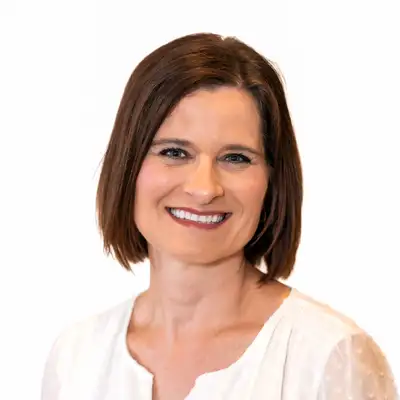
Sondra Ziegler:Thank you for joining us today for Second Half Conversations. I'm your host, Sondra Ziegler, and with us today we have Michelle Pauda. I am so excited to have Michelle joining us today. She is the Care Navigator for Ziegler Estate Law Group.
Sondra Ziegler:And in that role, she's going to talk a little bit more here in a minute about what she does day to day. But she was brought on into our firm to help give us a missing piece in the planning that we do. So, as an estate planning and elder law firm, we do quite a lot of planning that we call long term care planning. And that includes things like Medicaid nursing home benefits planning, veterans benefits planning. And in doing that type of work, you know, we were doing a great job of putting together the plan for eligibility for those benefits when people need benefits to help pay for care.
Sondra Ziegler:We could create the legal documents that coordinate with that planning, because you often need new estate planning documents when you are embarking on a care journey. You need estate planning documents that are going to work with your plan to qualify for benefits and not inadvertently disqualify you in the future. So, very important that that be coordinated. We're great at doing the Medicaid application, the Veterans Benefits application, the estate planning documents that coordinated with those applications. But what we saw was that our clients really need, needed someone to come alongside them and help them make decisions about care, about where their loved one is at right now and what type of care they need.
Sondra Ziegler:Are they safe at home? If not, could they be? And if they need to make a change to a new living arrangement because they need more care, how do they go about selecting care? What does that transition look like? So, in order to provide that to our clients, we added a Care Navigator to our firm.
Sondra Ziegler:And so as far as I know, and Michelle, correct me if I'm wrong, I as far as I know, we're the only firm in Lubbock, West Texas, maybe a big swath of Texas that has a social worker on staff. Do you know of any others?
Michelle Pauda:No, I don't.
Sondra Ziegler:So that's when Michelle came on board, and we've been thrilled to have her be able to provide that service to our families who are embarking on a care journey, have a loved one who need care. So, thank you, Michelle, for being here today. So, for listeners who are meeting you for the first time, give us a little bit of insight into your background and what you have done in the long term care space and kind of how you got into being a social worker. Like, why do you do what you do?
Michelle Pauda:Well, I've been a social worker for twenty six years. I originally, when I was in college at Tech, I didn't really know exactly what I wanted to do. And so I took a lot of electives in the beginning and a lot of them, things that interest me were sociology, psychology. And so when I started trying to figure out what I wanted to do, I was visiting with counselors and they said, well, I think you'd make a good social worker. And I was like, Okay, we'll try that.
Michelle Pauda:And so when I got into the social work classes, I really enjoyed it and I really felt like she was right in directing me into that path. I was a pharmacy technician when I was going to college and I thought I'd wanna do something like that, something, but then I ended up really enjoying doing this. And so I have worked in mostly long term care, worked in long term care, nursing home setting for about eighteen years. I've also worked in home health and hospital discharge planning.
Sondra Ziegler:So for listeners who may be new to thinking about long term care, that background, having worked in home care, assisted living, skilled nursing, and hospital discharge planning basically gives you knowledge of that entire journey of kind of what those transitions can look like, what type of care is being provided at each level, and how to go from one to the other successfully, which is a key reason why we wanted you to come on board. I just think it's invaluable for our clients to have that knowledge, you know, when they're on that journey with their loved one. So, tell us a little bit about what you do day to day as a care navigator with our firm.
Michelle Pauda:My job day to day is to guide our clients. Initially, you know, every person of course has a different story, a different journey. And a lot of times they don't know exactly where to even start. It's all new to them, you know? And so I gather the information and we kind of just walk them through the process of what I feel like would be the best journey for their loved one, the next step.
Michelle Pauda:And so I walk them through that journey and kind of just go through the steps that I think would be beneficial for them. Go through the financial piece, the medical piece, you know, and then of course what the family would want for them. And we just kind of make a plan from there.
Sondra Ziegler:I know a lot of times you are sitting in on the initial consultation with our attorneys so that you can hear the story from the beginning and you can sort of guide the discussion as far as it concerns, you know, the loved one's situation right now, what their living arrangement is, and you can hear the medical information that's being presented, and kind of guide the discussion on maybe what expectations should be about, you know, care. So, in those meetings, what would you say are the most common concerns that tend to come up first?
Michelle Pauda:I would say the most common concerns, mostly my loved one needs care, how are we going to pay for this? And what, some people don't even have an idea of what the different levels of care, what the cost is. And they've, a lot of people have the misconception that Medicare is gonna help pay for some of that. And so, and then they don't know exactly what kind of care, you know, they can tell us what they're doing for them at home, but they really sometimes don't know what level is best for them.
Sondra Ziegler:I can imagine when people hear, you know, the information that you're providing them about the different levels of care and what might be available. When we talk about, we might want to step back a step and talk about what does it mean? What do we mean by care even? Right? There are different forms that care can take.
Sondra Ziegler:So, it's supervision. You know, when we have loved ones with dementia, maybe they're capable of performing the activities of daily living, we call them, you know, all the doing the things that it takes to take care of themselves every day, but maybe they don't remember to do them unless they're supervised in some way or directed to do them. Or it can be like hands on help, right, when someone doesn't, is not able, is not physically able to do those activities of daily living. So, it could be someone actually helping a person transfer from the bed to the bathroom or, you know, to a chair or taking their meals. Maybe they're not able to feed themselves or prepare a meal.
Sondra Ziegler:It could also be medical oversight, right, where they need help taking medications. What am I missing as far as the other types of care that people routinely need, especially on the front end of a care journey?
Michelle Pauda:Well, I think you covered most of it. I think a lot of the times people feel like they can take care of their loved one at home. And I think they forget that sometimes, especially if the caretaker is a lady and maybe it's her husband and she can't transfer him anymore. And I think sometimes I run into where they feel like they can take care of them. And then I say, well, how are they going to get from the, like you were saying, from the bed to the toilet or the bed to the wheelchair?
Michelle Pauda:And those are things that they didn't think about. That's when they realize that maybe they do need to go into a higher level of care than being at home even with caregivers. Because once they get to the point where they can't help transfer, that can be really difficult to continue to take care of them at home.
Sondra Ziegler:Yeah. The physical toll on the family members can become just quite significant, just too much. I know we talk about how sometimes, well, it's often the case, that by the time the family is sitting around our table talking about this, it's past time that that person needs more care. So, that's what we're here to talk about today is how do you know when it may be time for your loved one to have more care? So, the main red flags you would say that you look for, that you're listening for?
Sondra Ziegler:And it could be with different types of diagnoses, could be physical, mental, like, what are those things that you're listening for when you're in those consultations with our clients?
Michelle Pauda:I think looking for, again, what kind of assistance are they needing? Are they needing more assistance with feeding? Are you having to cut up their food or physically feed them? Are they needing more help? Are they having accidents, you know, incontinent situations?
Michelle Pauda:Are they forgetting to take medications or forgetting to do things like turn off the stove after, you know, cooking something? How about, you know, their appearance? Are they not bathing or getting dressed every day? And then when they do, are they wearing appropriate clothing for the weather? Or is their clothing soiled?
Michelle Pauda:Are they not being able to do laundry or even forgetting to do that? I'm trying to think what other big red flags. Are they starting to wander, frequent falls, bruises, those kinds of things.
Sondra Ziegler:When we think about like home safety and the environment, what are the biggest home safety indicators that you're looking for? You mentioned bruises, obviously falling. What are some of the things that present safety risks when people are still living at home and their mobility is challenged for one reason or another?
Michelle Pauda:Well, if they are in a wheelchair or walker, are they able to get into the bathroom with that device? It says a lot of times they're not able to get up off of the wheelchair and go over to the toilet or the bathtub. Is there a bathtub or a shower? And is it safe for them to be in there independently or even with help? Sometimes the bathtubs are really hard to get in and out of if their mobility is challenged.
Sondra Ziegler:I've also heard about just some of the quiet hazards that families sometimes miss, like rugs, pets underfoot. I know I've started thinking about I've just become more aware of my pets and how much they're underfoot when my parents are visiting. Not only just I have three big dogs, so and a rabbit, but that's a story for another day. But so, I mean, the dogs, you know, they're big, they're laying all over the floor, but then also if they hear something and they run to the door ahead of me, they can kinda get under your foot. I could just easily I could see an older person being tripped up by pets, and so that could be an an issue.
Sondra Ziegler:Talk a little bit about medication management and some of the things with that, because I know that's something as well.
Michelle Pauda:A lot of the times with medication management, they, you know, even when you set up pill boxes and things like that for the, you know, to remind them to take their medication daily, sometimes they'll take, they even don't even remember what day it is anymore. And they'll take a double dose. They'll take two of them because they forgot they already took them or they won't go over to the pill box at all. Those are some things to look out for because that could be obviously very dangerous if they took, didn't take their meds or took too many of them. Sometimes home health will help with that, but they don't do it for long term. It's just usually a short time for what they call teaching and training caregivers and staff how to set up pill boxes and things like that.
Sondra Ziegler:Thinking about behavioral changes, what do you look for in terms of, you know, cognition or mood behavioral changes that would tell you that that could be assigned to a family that there's an evaluation needed at least to see if there's some care needed?
Michelle Pauda:I would say social isolation, increased agitation. Those are the two, for me, the biggest ones. Any drastic change in their behavior. If they were a really joyful, happy person, and now they're, you know, like I said, easily agitated and kind of sometimes physically aggressive, those kinds of things are big changes in their Do you see,
Sondra Ziegler:I feel like I've heard our attorneys talk about this because it comes out in our initial consultations quite a bit where a loved one, particularly I feel like with dementia, do you see this where it's very typical for that person to become paranoid and stop trusting people that they've always trusted? You know, like their daughter who comes to the house regularly to help them to suddenly decide that that person's not trustworthy. Do you see that? And what are some other dementia related, some early dementia related signs that you wish people understood more.
Michelle Pauda:I've definitely seen what you were saying, the paranoia, that paranoia part is common. And also too, I think sometimes with the dementia, they start to question why you're doing certain things. Like if you're getting ready, you know, preparing, say even the documents, the legal documents, they don't understand why you're doing it and they feel like you're trying to take control of them. Don't want to lose the independence. And so they start, you know, fighting back on that because they feel like you're trying to take their independence away.
Sondra Ziegler:And of course, that's something that is super important. If your loved one has been diagnosed with dementia, it's so important to, early, before they lose capacity, to make sure that they have the documents they need in place. Because once they've completely lost capacity, they no longer have the ability to sign. Like, they can't sign a new power of attorney, for instance, or a new will. Whatever type of planning might be necessary to help get them qualified for benefits, to make sure there is a decision maker in place that can help them, that opportunity to do that goes away after they've lost capacity.
Sondra Ziegler:And so, I'm glad you brought up the issue of the paranoia and how that can, even when they still have capacity, if they no longer trust you, even if they understand what it is that they need to do legally, and they still have the capacity to sign that document, a new power of attorney, a new will, put in place a trust, whatever the plan may call for. If they no longer trust you, they're not going to sign a new document because they don't want to give you any more power in their life. And so, it can be a tricky balancing act there to figure out, and this is, it's really up to our attorneys in the consultation whether they feel like this person has capacity to sign a new document. But if they do, if they have already gotten to the point where they're paranoid, they may not want to do it. So, another thing that this reminds me of is the need to so, bottom line, if suspect that your loved one has dementia of some sort, Alzheimer's or another type of dementia, it's so important to go and get that evaluation to find that out for sure, but it's also really important to get in and get new legal planning done that is going to help them on this care journey that they're going to be on before they lose the capacity to sign documents.
Sondra Ziegler:Another issue, though, that I was about to talk about is that even if your loved one already has a financial power of attorney in place, already has estate planning, I mentioned a minute ago that you likely are going to need new document, they are going to need new documents for this reality when there's incapacity in their future. But even if if we put a new plan in place, it is possible for that person to just refuse to allow their agent to act. So if they already have a power of attorney in place naming their daughter and they no longer trust that person, they can refuse to do what that person's asking them to do. And for instance, if that were to if it's a decision to move from home to assisted living, and they don't want to go, the agent can't force them to move. So in that situation, you have a good power of attorney in place, but the person you know, the person needing care is refusing to move, at that point, you might have to have a guardianship in order to help that person.
Sondra Ziegler:If they just absolutely refuse to move from their home and they need the care, in that situation, it's possible that we may have to go to court and get a guardianship. And that can be a drawn out process. So we want to avoid that by having good documents in place, but I always like to include that caveat that even if there are good documents in place that names agents to act for that person, they can refuse to comply what that person is wanting to their healthcare power of attorney or their financial power of attorney, whatever that person thinks is in their best interest. So, what do you recommend? So person comes to see, a family comes to see us, they have a loved one who they believe is needing some care, They're in our office to do some long term care planning and see what next steps are.
Sondra Ziegler:I know you typically do a site visit, you know, if we're hired to help do long term care planning, where you will, you know, evaluate them. And what are the things that I know we've talked about a lot of the things that you might be looking for in that visit, but give us some insight into some things, times when you've maybe been on-site and what are the typical things that would help you understand when that person is still safe at home if they had some care coming in versus if they're not?
Michelle Pauda:Well, first of all, you know, you assess are they ambulatory or not, what kind of device are they using, a walker, a wheelchair, are they on oxygen, Do they need daily like insulin for diabetes or do they need daily wound care? Are they still driving? If they are, is it safe for them to be driving? You know, is the family helping them with meals or are they able to still prepare, you know, small things, say microwave type meals? Incontinent, are they able to manage their own?
Michelle Pauda:If they are incontinent, they able to manage that themselves or do they need assistance with that? And then of course we've talked about medications. Are they able to remember to take their medications and manage that appropriately? Those are the biggest things. Those are the ones you start with, you know, just to see, these things that you do on a daily basis, are you able to manage them yourself or do you need a lot of help doing that?
Sondra Ziegler:So, if we think about it from, like on a scale, so the folks who need care but sort of are at that beginning stage of needing care, what might that look like? Give us an example of what they might hire care for and like what it might look like in terms of like the number of hours that they might hire in.
Michelle Pauda:You mean like, if it's just kind of the start of trying to figure something small out, like at home, like what can we start with type of thing?
Sondra Ziegler:Well, like if you determine that, yes, this person needs some home care, they don't have anybody coming in right now, What would be an example of the type of care that they would hire in, you know, and like ballpark how many hours that might, what that might look like?
Michelle Pauda:Usually, of course you can hire the caregivers through a caregiver agency. And typically there's a four hour minimum.
Sondra Ziegler:Okay.
Michelle Pauda:So usually you can start with the four hours depending again on, I usually recommend start maybe two hours in the morning and two hours in the evening. So get there, get him up, dressed, medications, maybe make a breakfast and then come back in the evening. So maybe if they need help assistance with bathing, getting them into their pajamas, nighttime medications, you know, and kind of see how that helps them in their routine and kind of just splitting it up that way. I think that usually is beneficial and just having them all, you know, maybe all four hours in the morning. And sometimes the caregivers, you know, don't have a lot to do after they've helped them with those getting ready in the morning. And so this way it kind of gets the most out of those four hours.
Sondra Ziegler:So, on the other end of the scale, give us an idea of what it looks like when that person is no longer, you know, able to be at home. Like what that recommendation looks like as far as moving out of their home into a care facility and just kind of a basic sketch of what the care need is that assisted living would fill and what the care need is that skilled nursing would fill.
Michelle Pauda:With assisted living, of course, if you need twenty four hour supervision, if you're maybe a flight risk or they're starting to wander, if they need the medication management, if they need someone to prepare all three meals, but they don't have any heavy medical care needs, then assisted living is a good option cause they can even bring in home health if they need to for short term into the assisted living. So skilled nursing, it's again, if you need the twenty four hour care, but you also need kind of more on the medical side, You have some medical needs that need to be tended to, or you're completely bedridden, or you have high oxygen, what they call high flow oxygen, or wound care, some real heavy wound care, those kinds of things, even more skilled nursing appropriate.
Sondra Ziegler:For our listeners who may not be aware that what Medicaid will pay for is different for the levels of care. There's really, practically speaking, a pretty big gap from my understanding in terms of assisted living. Like, they technically will pay for assisted living, but the trick is finding an assisted living place that will accept the Medicaid dollars. What's your experience with that? I mean, from what I understand, it's easier to get Medicaid paid care for home care if you're doing STAR+PLUS Waiver program, and we will do a whole another program on that.
Sondra Ziegler:Or for the, you know, nursing home, but assisted living is sort of that gap in the middle. Is that correct? That it's harder to get it there, to use Medicaid?
Michelle Pauda:Yes. In this area, there was a few places, a few assisted livings that were still taking it for a while. And within the, I'd say the last couple of years, they decided not to because the reimbursement wasn't what they needed.
Sondra Ziegler:Right.
Michelle Pauda:But I did have a client, she lived in the Dallas area in an assisted living receiving STAR+PLUS Waiver. So there are still some facilities maybe in the larger cities that are taking the STAR+PLUS Waiver.
Sondra Ziegler:Good to know.
Sondra Ziegler:Just to kind of round out our discussion on how do you know when your loved one might need more care, what can you say to our caregivers, to our families, I think you touched on it earlier, about sort of the guilt, I guess, that we all feel if we have to ask our loved one to, well, you're, you know, taking away some of their independence, or even introducing that conversation about the need for care. I know we've all just been with family over the holidays, and if you have a loved one who you believe needs care, I don't know. I guess I'm asking you, what can you say to the caregiver, the loved one, the family member who's sort of taking the role of being proactive and trying to address that need, but who may feel bad about it, who may feel, you know, be having a lot of negative emotions about being in that role and taking away independence and, you know, maybe asking their loved one to do something they really don't want to do.
Michelle Pauda:Well, I will say I've seen many, many caregivers actually decline or pass away before their loved ones because of the caregiver burden. It's a lot, it's a lot. And I would recommend that they consider whenever you place your loved one in the appropriate level of care, they actually thrive better. And then you can be their wife, their daughter, their granddaughter, and not the caregiver. You can visit them and just enjoy what time you have with them instead of being overwhelmed.
Michelle Pauda:And sometimes very, sometimes people get resentful and that's a hard thing to talk about, but they do, I've seen that too. And so when they're in the appropriate setting, they actually a lot of times do a lot better and you can just enjoy being together.
Sondra Ziegler:That's so helpful. Thank you for sharing that. Well, Michelle Pauda, thank you so much for joining us today. And just a reminder to those listening that if you have a loved one who needs care, consultations in our office are free. You can call or go online to zieglerestatelaw.com.
Sondra Ziegler:Just fill out a request for an appointment. We'll gather some information ahead of time to make sure that your appointment is as productive as possible. You'll meet with our attorneys and with Michelle, our care navigator, so that you can have a real holistic planning time where we can listen to you and your goals, your loved one's care needs, and their financial situation, the legal documents they may have or need, and we'll come up with a comprehensive plan to help get them the care they need and get help paying for it if they need it. Thank you again so much for joining us today and we appreciate you, Michelle.
Michelle Pauda:Well, thank you. I appreciate that.
Sondra Ziegler:A quick reminder that today's conversation is for educational purposes only. It is not meant to be legal advice because to give you legal advice, we need to meet with you and know your specific situation. Thanks again for joining us today for this conversation and remember to make the second half the best half.