Subscribe
Share
Share
Embed

The Better YOU is a podcast for middle school and high school students—and the parents who want to help them thrive. Each episode features honest conversations with people from different careers, backgrounds, and life experiences, giving young people practical wisdom for navigating school, friendships, purpose, and the big decisions that shape their future.
Kanav, the high school-aged host, shares the questions many students are already asking: What should I do with my life? How do I overcome challenges? What does success really look like? Together with inspiring guests, each episode uncovers lessons that can help listeners build confidence, discover new opportunities, and become the best version of themselves.
Whether you’re preparing for college, considering a trade, chasing a dream, or simply trying to figure out your next step, The Better YOU is here to remind you that every journey begins with one conversation.
00:00:00:09 - 00:00:22:10
Unknown
You're 15 or 16 years old, and suddenly everyone starts asking you the same question. What do you want to do with your life? Whether it's Stem, business, finance, medicine, entrepreneurship? But here's the truth. A lot of us have no idea. I know I don't, and that's exactly why I'm starting this podcast.
00:00:22:12 - 00:00:45:11
Unknown
Hi, I'm Paliwal. I'm a rising junior at Apex Friendship High School, and welcome to the Better You podcast. Here's something I've been thinking about. When you're in middle school, nobody really expects you to have your whole entire life figured out. But then you get into high school and suddenly everything feels so different. What classes are you taking? What are you going to major in?
00:00:45:11 - 00:01:05:18
Unknown
What college do you want to attend? What career are you going to pursue? And somehow you're supposed to have all the answers. But how are you supposed to know what you want to become if you don't really know what all these paths look like? That's the question that started this podcast. I realized something I can Google what a doctor does.
00:01:05:19 - 00:01:41:11
Unknown
I can watch a video about entrepreneurship, and I can read about finance or engineering. That's not the same as sitting across from someone who's actually lived in and asking them, how did you figure it out? What were you afraid of, and what would you do differently if you could start all over again? That's the Better You podcast. I'm going to have honest conversations with people at different stages of their journeys students, professionals, doctors, entrepreneurs, leaders, and people who have taken completely different paths, not just about their success.
00:01:41:12 - 00:01:59:07
Unknown
I want to hear about the uncertainty, the mistakes, the failures, the decisions, and the lessons they learned along the way, because maybe hearing how someone else figured out their path can help you and me figure out ours. And today we're starting with the big one medicine.
00:01:59:07 - 00:02:09:15
00:02:09:15 - 00:02:10:11
00:02:10:11 - 00:02:18:01
Unknown
A lot of students say I want to become a doctor, but think about that for a second. Do you actually know what it takes to become one?
00:02:18:02 - 00:02:39:08
Unknown
What does medical school actually like? What happens when you fail? How much of success is intelligence and how much is discipline? And here's an even bigger question how do you know medicine is actually right for you? That's what we're getting into today. And I have two amazing guests who can show us this journey from two very different stages.
00:02:39:10 - 00:03:06:02
Unknown
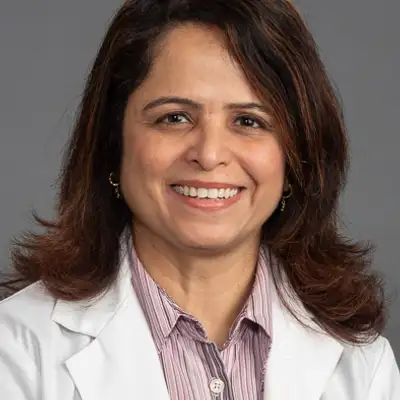
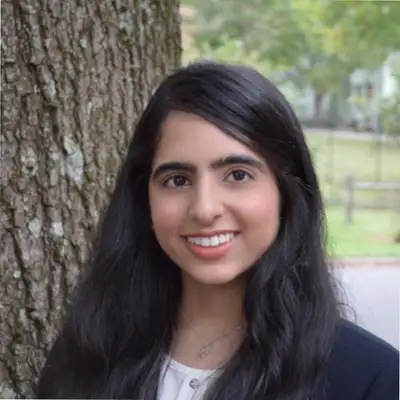
Doctor Neelam is a medical geneticist, pediatrician, and assistant professor at Wake Forest School of Medicine, and joining her is Sneha, a second year medical student at Unk. Chapel Hill one has years of experience practicing medicine, but the other is living through the journey of becoming a physician right now. So today I want to connect those two perspectives. What does it take to get you there?
00:03:06:03 - 00:03:15:22
Unknown
What does nobody tell you? And what can students like me learn from their experiences? Even if we eventually decide medicine is in our path? Let's get into it.
00:03:15:22 - 00:03:31:06
Unknown
Doctor, Neelam, can you please tell us a little bit about yourself? Yeah. Thank you for having us today. My name is Doctor Neelam and I'm a pediatric geneticist. I work at Wake Forest School of Medicine. I take care of children with complex genetic problems.
00:03:31:08 - 00:03:42:08
Unknown
Basically, I'm more concentrated in the neonatal intensive care there. But obviously aside from that, in my free time, I do love cooking, gardening, and I do some yoga sessions. Okay.
00:03:42:08 - 00:03:51:17
Unknown
And Sneha, can you please tell us a little bit about yourself? Yeah. Thanks for having us. Once again, my name is Johnny and I'm a rising second year medical student at Unk School of Medicine.
00:03:51:18 - 00:04:09:14
Unknown
I grew up in Arkansas, lived in India for a few years, and then I moved to North Carolina for college at UNCA, studied biology and sociology, and I really enjoyed my time outside of medicine. I do enjoy dancing, music, and traveling. Yeah, thank you so much. And from that answer, I could tell that you traveled a lot in your young age.
00:04:09:15 - 00:04:29:12
Unknown
What kind of struggles did that bring in your youth and how that shape you as a person? Yeah. Great question. Traveling to different places is one thing and then living in different cultures is another. I think really getting to understand how every culture differs from each other while the people stay the same was something that I've learned over the years.
00:04:29:13 - 00:04:45:10
Unknown
So regardless of where I was, whether that was Arkansas, New Delhi or in North Carolina, you know, people love to talk about things that they enjoy. And that really helped me learn how to connect with different people from all walks of life. Yeah. Getting used to culture and food is a different thing. So my stomach did have to adapt a little bit.
00:04:45:11 - 00:04:55:04
Unknown
But, you know, I think we found it. Yeah. And I want to ask both of you the same question. What made you want to become a doctor and what? Like, what kind of doctor did you guys want to become?
00:04:55:07 - 00:05:01:13
Unknown
for me, it was very early in the childhood. Like my brother, actually, who's like, ten years younger to me.
00:05:01:17 - 00:05:24:01
Unknown
He struggled with asthma. And so he used to go to see physicians all across. And we lived in a small town there. So getting access to the physician was also a big deal. So when I when I looked at those physicians and when my family looked at the physicians, we wanted some answers on them. So I kind of love that idea that, you know, the physicians had that impact on the community.
00:05:24:03 - 00:05:41:01
Unknown
And that very day, I thought maybe that is something you can be and you can work and help the community because and again, in India, we don't have that much access to physicians that easily. And you don't have much specialist over there. So I think being a pediatrician right started from there. Yeah. All right. Thank you so much.
00:05:41:02 - 00:05:53:23
Unknown
And same with you. What made you want to become a doctor? Yeah, it's a little bit of a funny story. I actually did not want to be a doctor. Growing up, watching my mom. Of course, I saw her at the hospital a lot. I was like, I don't want to work with blood and be in the hospital all day.
00:05:54:04 - 00:06:10:17
Unknown
So I thought I wanted to be a fashion designer, and I was actually really, like, invested in that. Had like all the books and everything. I was shadowing a designer at the time, and I think this was like late middle school. And she told me that designing is not just about drawing clothes and, you know, dressing up and all that.
00:06:10:17 - 00:06:27:17
Unknown
There's a lot of business to it and things that I wasn't so interested in. And so I, you know, kind of had to reconvene and try to find different things that I might want to do when I grow up. I started volunteering at this rehab clinic just for fun. I had some extra time and it seemed like a good gig.
00:06:27:17 - 00:06:44:07
Unknown
And I just remember walking in and being able to see how much the kids lives were impacted by medicine and the doctors there. And I really came to love that clinic, and I actually volunteered there all four years of high school and really, really enjoyed it. And then in college, you know, kind of worked on that, that dream and that goal.
00:06:44:07 - 00:06:56:05
Unknown
And now I'm here still on my way to becoming a physician. All right. Thank you all so much. And I want to shift back to middle school and high school. What would you want to do differently if you ever went back to middle or high school?
00:06:56:05 - 00:07:10:01
Unknown
One of the things I think, you know, I tried working on a little bit when I was in middle high school, but I would definitely tell my younger self this more would be to really try to hone in on learning skills instead of maybe things that would look good on a CV for college or grad school.
00:07:10:05 - 00:07:29:08
Unknown
I think one of the best things about being in high school or, you know, younger, is you got a lot of time and there's a lot of skills that you can work to develop that will really help you later in life, in your career, or just in school, grad school in general. Things like right now, you know, AI is definitely a hot topic.
00:07:29:09 - 00:07:48:20
Unknown
Even small things like just knowing how to learn, like Google Drive and Google Sheets or something like the formulae on your sheets is a really good translatable skill that now that you have the time to really hone in on that, you know, AI, machine learning, things like that. So I'd really tell my younger self to learn to develop good skills that would help me later in life, instead of just trying to do things that would look good on CV.
00:07:48:20 - 00:08:02:07
Unknown
did you learn those skills in high school, or did you have to figure that out by yourself in college? Yeah, I had some really good mentors in high school who told me a little bit about this. So I tried to do a little bit. But you know, when you're in high school, you got better things to do with your time.
00:08:02:07 - 00:08:19:07
Unknown
And so I think I worked a little bit more on that in undergrad. And it's obviously things that you can learn at any time. You know, if you have a willingness to learn, you can learn these skills at any time. But I think when you're younger, you have a lot more time in your life and a lot more, let's say, engagement that you can have with materials that you have in front of you.
00:08:19:07 - 00:08:26:12
Unknown
So yeah, I think that's kind of where I'd go with that. And I have the same question for you. If you went back to middle or high school, what would you do differently?
00:08:26:12 - 00:08:39:21
Unknown
Yeah. So again, growing up in India, we don't have many of avenues, you know, like we were totally focused more in the in terms of like either you want to become a doctor, you want to become an engineer, or maybe you want to take some commerce or statistics.
00:08:39:23 - 00:09:00:22
Unknown
I mean, we didn't have anything else like fashion designing or, you know, other things, but I would love if I had those avenues. But anyways, my interest in being a doctor was like so certain at that point I wouldn't have changed it, obviously, but I would have enjoyed doing other things alongside. Yeah, yeah. So what would you say to a student who's kind of focused on only one thing in high school?
00:09:00:23 - 00:09:20:23
Unknown
Yeah. What would you tell them? Like that's a good question. I mean, I would say stay focused but explore more areas, you know, talk to your professionals around you. Talk to the people, listen to the podcast like this, you know, get some confidence in your in doing other things as well. Because I think at the end of the day, it's what makes you happy.
00:09:21:01 - 00:09:38:20
Unknown
Yeah. It's not what you just want to do in life. So keep exploring as you come across different avenues. I mean, I know it's great to be a doctor, but I've seen kids going in med school and then they, you know, struggle with like a lot of. Yeah, a lot of things going on at the same time. And then they think maybe that was not the good choice.
00:09:38:20 - 00:09:53:08
Unknown
So I think exploring is better. Go around, talk to the professionals, get more ideas and advices from everybody before you decide on one profession. And kind of since on that topic, did you have any regrets when you were in your high school?
00:09:53:13 - 00:10:05:04
Unknown
From right now that you could think of, wow, it's long, long time ago. But I don't think, I mean, I my mom was actually very happy because she at one point wanted to be a doctor.
00:10:05:08 - 00:10:26:00
Unknown
And so when she saw me going on that route, she was super happy. And that made me all the more happy. Obviously, you know, I don't think I regret anything except if I had more avenues that time, I would have done something more, you know, which? I'm still doing it. Yeah. I mean, and I think looking at your daughter, you know, you learn so much and you live with your daughter now.
00:10:26:00 - 00:10:45:00
Unknown
So I actually enjoy activities with her, too. Same question with you. Did you have any regrets when you were in high school? Yeah, I, I think for me and, you know, I think everyone in high school kind of deals with this sort of imposter syndrome. There's a lot of peer pressure. There's a lot of, you know, I want to be like this other person.
00:10:45:00 - 00:10:59:19
Unknown
I wish I had it as good as this other person did. And of course, it's kind of hard to, you know, think of that when you're in the moment. When you're in high school, it feels like everything. But now, looking back on it, you know, I wish I hadn't maybe worried so much about that. I had great friends in high school.
00:10:59:20 - 00:11:13:06
Unknown
I'm still in touch with many of them. And, you know, maybe the people who I looked up to in high school aren't in the same avenue or same field as I'm in now. And so, you know, at the time it's felt like a lot. But I just regret, like, spending so much time or worrying so much about it.
00:11:13:06 - 00:11:16:16
Unknown
Yeah. When at the end of the day it doesn't it, it doesn't really matter.
00:11:16:17 - 00:11:34:01
Unknown
obviously I'm in high school still. So I go with a lot of stress and doubt with myself. So when you were in high school, did you have a lot of doubt and kind of stress in that young age? Yeah. So I did high school in India, which is such a drastic difference to doing high school in the States.
00:11:34:02 - 00:11:52:20
Unknown
Yeah, and I know that from friends and my brother who did high school here. And so, you know, we'll often talk about how different it was because in India there's a lot of pressure. Yeah. In general in education. But in high school there's a lot of pressures. You have these like board exams. And so there were definitely a lot of feelings of imposter syndrome.
00:11:52:20 - 00:12:13:20
Unknown
Just doubt of like whether you're good enough or you know, if someone's better than you, you're like, well, why can't I be as good as them? And I think just reminding yourself that you deserve to be in the room that you're in, whether that's school or if you do competitive sports or dance or anything like that, you deserve to be in the room that you're in and reminding yourself that even if you're not there yet, you will be.
00:12:13:21 - 00:12:26:11
Unknown
So having that growth mindset can be really, really helpful. And what would you tell a high schooler who's kind of going through that stressful period? What would you tell them? Like something that they focus on so much right now, but they won't have to worry about when they're in college?
00:12:26:11 - 00:12:48:10
Unknown
great question. I think definitely the stress of like trying to fit in. I think and you know, this also happens in grad school I promise. Like never goes away. But just trying to remind yourself that it's okay if you don't feel like you fit in, because as long as you have a good, strong sense of community, that's your friends, your family, loved ones around you, you fit in and you belong.
00:12:48:10 - 00:13:03:09
Unknown
And I think again, when you're in high school, it feels like a lot. It feels like, you know, that's it matters a lot more than you would think. But when you look back at it, you remember that, you know, you had good friends, you had a good, strong support system, and that's really all that matters for you to fit in.
00:13:03:10 - 00:13:16:16
Unknown
So you don't have to fit in with the cool kids. Your fitting in can be different. And what would you say to someone who's kind of main goal is to fit in? What would you tell them and what would you kind of like point them towards so they don't have that type of stressful period anymore?
00:13:16:16 - 00:13:32:00
Unknown
Yeah. I think, you know, high school is an interesting time because you're trying to figure out who you are, trying to figure out your friends, and you're trying to figure out what you wanna do for the rest of your life. It's definitely a lot of pressure for, you know, any 15 to 19 or 18 year old to be under.
00:13:32:00 - 00:13:53:23
Unknown
I think just reminding yourself that the people who love you, whether those are your family, friends, those around you, they love you for who you are, and you don't need to try to pretend to be someone you're not, just to maybe gain likings from some other groups or anybody else. And that, you know, imposter syndrome can really affect your kind of sense of self and sense of worth.
00:13:54:04 - 00:14:15:02
Unknown
And again, that definitely will happen in college. It'll happen in grad school. It could happen as a young adult or older. And so just remembering who you are, you know, beneath all the school and career, like any life choices, you're a person you belong. And whoever however you are is how you want others to love you for exactly who you are.
00:14:15:04 - 00:14:17:01
Unknown
All right. Thank you so much.
00:14:17:03 - 00:14:34:02
Unknown
Success isn't just about grades or careers, it's about taking care of yourself. If you're feeling overwhelmed. Talk with a trusted parent, teacher, counselor, or mentor. Asking for help is a sign of strength and your mental health matters.
00:14:34:04 - 00:14:46:04
Unknown
And I want to go back to middle or high school where you guys always a students. Or were you guys kind of, like, did you guys make mistakes when you were younger?
00:14:46:06 - 00:14:53:12
Unknown
I was definitely on that path. But again, we all do mistakes and we all learn from mistakes and experiences.
00:14:53:14 - 00:15:17:18
Unknown
I would not say just being a straight A student will lead you where you want to be. I think the perseverance, the confidence, the hard work is what makes you reach where you are. So everybody does mistake. I don't remember, I actually remember one instance where I had my, I think, board exam. It was my Hindi paper, and I actually missed one big essay which was like 15 marks and I just overlooked it.
00:15:17:18 - 00:15:38:17
Unknown
I think I was too busy to confident or something. And I came home and I actually cried to my mom. I said, how can I do that? I missed 15 marks. Yeah, that's a lot for me. And so then I learned, I think if, if, if I would have had looked at it completely nicely, you know, not overlooked it and not been overconfident, I would not have done that mistake.
00:15:38:17 - 00:16:03:00
Unknown
So I think everybody learns from mistake. That's what taught me, you know, be in the moment. Look where you are before you finish task. And since you guys were both on that straight path, what would you tell someone who's kind of fallen out of that path? Who's in that BCD area? What would you tell them? How could they kind of pick themselves back up and how could they improve so they can get into the college they want or get the job that they want in the future?
00:16:03:02 - 00:16:21:21
Unknown
Yeah. I'll just add one thing to the previous question, where, you know, one thing to keep in mind is that when you look at a grade point, average or transcript for any student, you have to remind yourself that you're seeing their average for what happened that entire year or their four years in an institution. It's really easy to forget that.
00:16:21:21 - 00:16:39:02
Unknown
That doesn't show you maybe a low test or low scores that a student got on a test. I can I can definitely vouch for the fact that there were definitely low scores that I got in different tests, and as long as I was able to improve and work harder on the next ones, you know, it didn't affect my overall GPA and things like that as much.
00:16:39:08 - 00:17:04:17
Unknown
So for this student who's maybe, you know, scoring a little bit lower than maybe they're hoping for, yeah, it's really important to remember that you're not a bad student. Sometimes school is designed to have a technique to learn and you just don't know that technique yet. So really relying on your professors who probably taught the courses for multiple years, and your peers who are maybe able to do a little bit better on those exams because maybe they have that technique developed.
00:17:04:20 - 00:17:25:11
Unknown
So having that growth mindset of minding yourself where you might not be there yet, but you can definitely improve. And school is designed to sometimes have like few techniques that you just have to know. And once you know them, it really can make a big difference on how you're studying. And what would you tell someone who's been through high school, college, all of that and they didn't really care about, like, much about education.
00:17:25:11 - 00:17:47:00
Unknown
They just went through it partying, all that type of stuff. What would you tell that? And now they're starting to realize that they messed up. What would you tell them and what would they like? Is their life over? What would they do? Like what could they do? Yeah, your life is definitely not over. As long as you make a deliberate attempt to try to turn it around, there's always a way to improve and get back on.
00:17:47:00 - 00:18:03:19
Unknown
Maybe the track that you're looking to get back on. So if you are maybe done with high school, college is a great place to just be someone who you want to be, how you want to be, whether that's, you know, a particular major or you want to be more dedicated whatever you choose to be. College is a great time to try that out.
00:18:03:20 - 00:18:21:13
Unknown
If you're done with college and high school, I mean, you'll make so many mistakes in your adult life that honestly, it doesn't even make a difference where you started from. As long as you know how to get to where you want to be. And lastly, relying on people around you. You know, your community, the people who you live with, who you work with, who your friends with.
00:18:21:14 - 00:18:27:16
Unknown
They can make a really big impact on how you go about these decisions and through your life. Okay. And thank you so much for that.
00:18:27:18 - 00:18:30:22
Unknown
so there's a lot of pressure in high school to choose your career.
00:18:30:23 - 00:18:37:22
Unknown
What's one piece of advice that you would give them so you could help them. And kind of so that they can narrow down their career path?
00:18:38:00 - 00:18:44:04
Unknown
the career doesn't end at high school. You don't have to really decide everything when you're 16 or 17.
00:18:44:05 - 00:19:05:16
Unknown
You can change the fact field that you are in. You start with science, you go for bioinformatics. Not too long ago, I actually am a pediatrician and Indian strain earlier from Arkansas where they were born. But then a couple of years ago I decided to go into genetics. So I switched from like pediatrics to neonatology to genetics now so it doesn't really end.
00:19:05:17 - 00:19:23:11
Unknown
Whatever intrigues you, whatever keeps you going, I think you should follow the path. So that's one piece of advice I'll give to all high schoolers and undergrads is that just keep pursuing what you like. Keep working hard. If you don't like that, just try something which you really love to your heart and then follow that passion and you'll get there.
00:19:23:12 - 00:19:41:04
Unknown
Thank you so much. And as a high school student, I procrastinate a lot. Right? So what would you tell someone who procrastinate and what would you kind of like advise them to? Kind of so then they can get rid of that bad habit. Yeah. This bad habit, you know, haunts you throughout your entire life. It doesn't end in high school.
00:19:41:04 - 00:20:01:12
Unknown
I can assure you that. I think something that's really helped me with procrastination is I think it's called a five minute method, where you know, some tasks that you're not wanting to do. Just start doing five minutes of it. And usually when five minutes ends, you're kind of already in the task and you're prolonged to just finish it or, you know, do whatever you need to for that task.
00:20:01:14 - 00:20:27:01
Unknown
The one thing to remind yourself, and I like to remind myself of this as well, is that this task is something you're going to have to do. And so I like to think of future self will thank current Sneha if I finish it. And it's one less thing off my plate. And so that's really helpful to just keep in mind and to not make yourself the bad guy, because we all go through procrastination and really normal to want to like go out with some friends instead of do your homework at home.
00:20:27:03 - 00:20:30:21
Unknown
Yeah. And how do you stay motivated when you don't feel like working at all?
00:20:30:21 - 00:20:47:01
Unknown
motivation is definitely something that will ebb and flow throughout your entire career and in school. Usually when you know maybe you're not as motivated, it can be because you need a little bit of momentum going. And so whenever that happens to me, I like to kind of take a break from whatever I'm doing.
00:20:47:01 - 00:21:11:18
Unknown
Usually it's because I might be like oversaturated with studying or something like that. So grabbing a coffee with a friend, going out for a walk, just kind of taking a break and writing yourself the bigger picture of, you know why you're here, nature can really help. Just kind of getting outside of that little bubble that might be getting into your motivation way, and then reconvening to wherever you know you were trying to finish that task can be really helpful to regain that motivation.
00:21:11:18 - 00:21:15:01
Unknown
what daily habits have had the biggest impact on your life?
00:21:15:03 - 00:21:23:22
Unknown
it's being being on time, completion of task on time. That's like my biggest asset that I've learned my entire life. And I've pursued it.
00:21:23:22 - 00:21:46:00
Unknown
And I think that helps for everything. Like you, you are given some tasks like from the beginning of the day. And, you know, you have to finish that in like the whatever ten hours you have in a day. And if you keep completing those at a timely fashion, I think you reach it. So for me, it's like just being on task, being on the go and time management.
00:21:46:02 - 00:21:49:08
Unknown
in your high school. Have you ever thought that maybe you weren't good enough?
00:21:49:08 - 00:22:07:18
Unknown
Or maybe you weren't. You were just an average kid who's just kind of fitting in with the crowd. High school's definitely an interesting place. You have a lot of people trying to figure out who they are. Some people who might not feel like they fit in with any group, and then some people who look like they fit in with all the groups.
00:22:07:20 - 00:22:27:09
Unknown
So, you know, imposter syndrome is a word that you'll hear in high school and a lot in college as well. And I think for me personally, you know, high school is definitely an interesting time where I have a lot of close friends, but we all feel the peer pressure. We all wish we were, you know, maybe in a different group or were more liked by more people than we already might be liked by.
00:22:27:10 - 00:22:45:11
Unknown
And that is something that affects, I think, most people in high school. For me personally, obviously now out of high school, it's easy to look back at it and remind myself that it didn't matter as much as I made it out to be at the time. And I think a lot of people will tell you this, that it feels like it's everything in high school where I want to be like by everybody.
00:22:45:16 - 00:23:04:07
Unknown
I want everyone like me. I want I want to be friends with everyone. And I think just to remember that it's okay if you're not in everyone's good books, and it's okay that you're not the most popular kid in high school. If you are, that's great. If you're not. It's not the end of the world, and fitting in can be different.
00:23:04:07 - 00:23:08:06
Unknown
You can also just want to fit in with your friends. And that's also perfectly fine.
00:23:08:08 - 00:23:24:22
Unknown
in high school, middle school, or any time in your life, was there a like a big setback that kind of made you feel like you weren't worthy enough or something like that? Yeah, I remember I was trying out I've done competitive dance growing up, so I was trying out for this competitive dance segment.
00:23:24:22 - 00:23:42:03
Unknown
I think it was my freshman year of high school and I really worked hard. I'd been practicing day and night for this competition. And at the tryouts, I, you know, I don't know, I just kind of like froze for a second and didn't do as good as I'd hoped I would do. And I remember just feeling like my dance career was over.
00:23:42:03 - 00:24:03:23
Unknown
It was like, oh, no. Like, that was my my one last chance. I didn't do it. I couldn't get it. And I didn't get the part that year. And it was really sad. I was it really disheartened. It really hurt me. But I made sure to not let that get to me as much. And so the next year, when tryouts came, I tried performing in front of crowds, my audition piece, and that really helped me.
00:24:04:00 - 00:24:22:13
Unknown
So the setback that I initially had my freshman year worked on it improved. So my sophomore year actually did get selected with my child piece and that worked out well. But at the time, you know, that failure or setback during my freshman year really felt like it was, you know, doomsday for me. Yeah. And that can be really easy to fall into that whenever you have any setback.
00:24:22:13 - 00:24:44:17
Unknown
But reminding yourself of that growth mindset where you can come back from literally anything, and it's just about how you grow from any failure that you've had. And what would you tell someone who's going through like that tough experience? How would you recover from that experience, and how would you kind of like kind of void your attention away from it so you can focus on the future instead of the past?
00:24:44:18 - 00:25:09:17
Unknown
Yeah, I would tell them that, you know, first off, definitely feel your emotions. If you are sad, if you're hurt, whatever you're feeling, it's perfectly normal. Validate your emotions and allow yourself to feel how you're feeling. The second thing I would tell them is to try to lean on their community around them, whether that's family or friends. People around them who know them can be really helpful to just kind of get yourself out of that little funk when you're in a failure.
00:25:09:18 - 00:25:28:09
Unknown
And after that, once you kind of feel like you want to take a stab back at whatever the setback might be, it can be helpful to kind of assess on maybe what went wrong. It doesn't mean you went wrong. It may just mean something may not have been in the best of situations that you were in. Maybe you just didn't know how to improve from there.
00:25:28:09 - 00:25:39:16
Unknown
And so really taking that step back to analyze what went wrong and then improving it from there can be really helpful. So trying to take it in your stride as opposed to falling down through your setback.
00:25:39:18 - 00:25:45:10
Unknown
for someone who just failed something really important, what would you tell them to like kind of pick up their spirit?
00:25:45:10 - 00:25:46:22
Unknown
it's not the end of the world.
00:25:47:00 - 00:26:02:09
Unknown
I know it can feel like your entire world is crashing down right now, but at the end of the day, you made it through whatever it was you tried, which is honestly half the battle. And from here it's only up. You can't go down anymore. So.
00:26:02:12 - 00:26:18:13
Unknown
All right. Before we get out of here, I have one final question. Yeah. What's something about being a doctor that most high schoolers don't realize? Yeah, that's a very good question. Like, as a high schooler, when we look at doctors, you know, I think I always thought the doctors have all the answers.
00:26:18:14 - 00:26:37:16
Unknown
I mean, when the patients come to you, they don't come with textbook problems. So when I actually came into the profession, I realized, you know, people look up to you, but then you don't have answers all the time. So it's not the answer. It's about the questions that you ask the parents or patients, you know, that leads you to the destination.
00:26:37:18 - 00:26:53:20
Unknown
So don't think when you when you want to become a doctor, you always find the solution when you want to become a doctor. Think about it like it's a profession that keeps you going, that you learn all your life. I'm still learning. Yeah, I'm into genetics. We don't know many things about genetics yet, and we are evolving every day.
00:26:53:20 - 00:27:12:15
Unknown
So medicine is a profession. You have to keep learning about it. I mean, you don't reach the heights until, you know, I don't know when until you retire and you never retire in medicine. So I think you just keep learning. So one thing to keep in mind as a medical professional, you your career always keeps going. All right.
00:27:12:16 - 00:27:18:18
Unknown
Thank you guys so much for being on the show. It was really fun and I appreciate all the advice you have given today.
00:27:18:20 - 00:27:41:13
Unknown
Before we wrap up, I want to thank doctor Neelam and Sneha for taking the time to share their journeys and experiences with us. One of the reasons I started the Better You podcast was to learn from people at different stages of their journeys and hopefully help other students like me learn from them too. I think today's conversation is a great reminder that you don't need to have everything figured out right away.
00:27:41:16 - 00:28:07:11
Unknown
What's important is staying curious, exploring different paths, learning from your experiences, and continuing to grow along the way. To everyone listening, thank you for joining me for the very first episode of the Better You podcast. Since I'm starting this journey, your support would mean a lot to me. If you enjoyed today's conversation. Please subscribe to the podcast. Share this episode with your friends and family and help me grow this community.
00:28:07:13 - 00:28:30:05
Unknown
And if there's someone you'd love to see on the podcast or a topic you'd like me to explore, I'd love to hear your suggestions. Remember, becoming a better you doesn't happen all at once. It happens. One experience, one lesson, and one conversation at a time. I'm now. Thank you for listening. Thank you for supporting the Better You podcast, and I'll see you in the next episode.
00:28:30:05 - 00:29:05:12