Subscribe
Share
Share
Embed
The Dad Manual is a fatherhood podcast hosted by Tony Cooper, featuring honest conversations with dads about the real, unfiltered journey of parenthood. This parenting podcast for dads explores everything from the excitement of being a first time dad to navigating the teenage years. As one of the best podcasts for expecting dads and experienced fathers alike, we dive deep into what it actually means to be a modern dad—the struggles, the growth, the mistakes, and the moments that change you forever. Whether you're looking for a new dad podcast or seasoned parenting wisdom, this family podcast delivers the honest guidance you won't find in books.
Alton Byrd 00:00
Everything that I know about fatherhood, I literally have had to figure it out.
Tony Cooper 00:04
Yeah.
Alton Byrd 00:04
No matter what the material things are that kids want, ultimately what they want is your time. She always goes, I need a loan. I was like, let's not talk about loans. I'll just put it on your tab. Which at present is like $3,000,462.
Tony Cooper 00:29
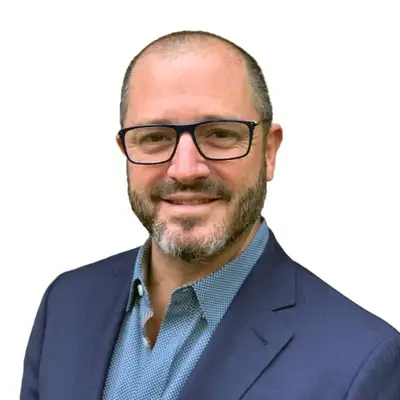
Hi, I'm Tony Cooper. This is The Dad Manual podcast. And I'm here today with one of my favorite dads. You are Alana's and Miles's dad. So please introduce yourself.
Alton Byrd 00:40
I'm Alton Byrd. I call myself a great dad. I'd like to acknowledge that I'm a great dad, but that is always subject to my kids' interpretation. And I'm gonna drop some wisdom on you during this call.
Tony Cooper 00:55
Excellent. Excellent. I'm really excited about our conversation. Alton, you and I have known each other for a long time. We met professionally. We've become very good friends. You've been very helpful with raising some of my kids at various times. I know a lot about you. But what I realized is that what we get to talk about today are things I really don't know too much about, your specific journey around being a dad. I know it's a very interesting story and I'm really looking forward to hearing it. I mean, I know a few things about you. I know you grew up in the Western Addition in San Francisco, which is blocks from where Leo is born, where we lived for a little while. I know you went to a very prestigious university. I know you had a lot of different career choices and you wound up having a very prolific, almost LeBron James length professional basketball career. And how I know you is you're a coach, you're a business leader, you're an entrepreneur. And so the part about being a dad is where I'm really excited. We get to really dig in today. You have British children and that's the beginning of a lot of stories. And you may have even picked up on that with your son's name is Miles. That's a pretty good British name. So how did that come about? Let's just start there.
Alton Byrd 02:14
Yeah. You know, right out of college, I moved to the UK and I thought I would be there a year and ended up staying 20. And I thought I would play basketball for a year or two and ended up playing 19. And interspersed with that was just a whole host of other opportunities that came. Media opportunities, business opportunities, entrepreneurial opportunities in London. So I spent 13 years of my life in London, five years in Edinburgh, and two years in Manchester, even getting to kind of walk the hallowed grounds of Manchester United's football pitch and go to Manchester United games. Fatherhood came when I was, I think my daughter Alana was born in Edinburgh in 1985. So she is now 41. And of course, having a child of African American and British West Indian descent in Edinburgh was obviously the anomaly of the day, week, month, year in Edinburgh. I'm not sure how many other children were born in that space, but I was so happy to have a daughter, happy to have a child in Scotland. The Scots are really a unique, an exceptional culture of people, made great friends. And she, for her first two years of life, was a Scot. And technically speaking is a Scot by birthright. The first thing I did when she was born, got her a British passport and got her an American passport. So she's a dual national. And then we moved to Manchester. I did a couple of years in Manchester and then we moved to London, and five years later we moved back to London and Miles arrived, born in London, in South London. And you know, what I've learned about my two children is that they are different. They are very different. Different priorities, different pathologies, different ways of dealing with disappointment and excitement, and they're just very different. And so both my kids were born in the United Kingdom. They are both dual nationals. My daughter later moved to the U.S. to live with me here in the U.S. She stayed 12 years. My son came for what we thought would be a while. Their mother and I, my ex-wife and I, decided that their secondary education would be in the UK because we felt it would be, frankly, a higher level of education for them. And we also didn't want to disrupt the social impact of them having friends and then moving to the States and then trying to adapt their British ways to an American culture that's very different. So my daughter moved to the States at 17, 18. My son came later. She stayed until she was 30 or 31 and then my son came for a year. He only stayed for a year and then went back and finished his college work. So British kids, dual nationals, very different. My daughter's older and therefore, you know, in her mind, firstborn. And firstborns, as you well know, Tony, they have a unique way about them. And my son is what I would call a very patient, structured, observant child who said, I'm watching everything she does, and the stuff that she does that gets her in trouble, I'm not doing. So all good. So yeah, that's how our children arrived. And very blessed to have two great kids.
Tony Cooper 06:13
Yeah. It's funny how you just described Miles. This is a perfect definition of Tammy. And she looked at her brother growing up, and he always got in all sorts of trouble. And she was just like, I'm going to do the opposite of all of those things.
Alton Byrd 06:28
Yes, that is mine. That is absolutely. And just, you know, it's funny, both of my kids have been named after, you know. We arrived at Alana because Rod Stewart's wife's name was Alana, and my ex-wife liked the name. Okay. And then one of my teammates, well, his wife's name was Teresa. So Alana Teresa kind of went together. And Miles is simply, like, I'm a huge fan of Miles Davis. And so Miles became Miles David, not Davis. I couldn't get the wife to go Miles Davis Byrd. So I could go with David.
Tony Cooper 07:08
All right. Yeah. That's as close as you can get. Yeah. What was her objection? Miles Davis is an incredible person to name your son after.
Alton Byrd 07:16
Yeah. I think, you know, David just had a better ring to her. And I was like, you know, I'm not going to argue over the one letter that you want. I get the other letters. You can have that letter. And it worked out. Okay. It worked out.
Tony Cooper 07:32
I never thought about, because Miles to me is such a British name, and I never thought about Miles Davis's name being Miles. That's interesting. Wonder where that came from. Did you ever look into that?
Alton Byrd 07:43
Well, it's funny. I wasn't a real jazz fan until I got to college. And then I got to college, and I was around all these smart, cerebral people who all listened to, you know, John Coltrane, and they listened to Miles Davis, and they listened to Ornette Hawkins, and we were in school in Harlem, and so you could go to a smoky speakeasy jazz place. And so one of my favorite favorite albums or pieces of music is the Birth of the Cool. And so Miles arrived, and I was like, well, here's the Birth of the Cool. And he is. It's like, I don't think it's his way, but he is cool. Like, yeah, you know, he's a very. He lives in that persona of I'm cool. Nothing really riles me, and if it does, like, he's just a very different, serene, kind of cerebral guy.
Tony Cooper 08:41
That is a great story. Yeah. Did he ever become a jazz fan? Does he relate to Miles Davis or is that just a who he's named after?
Alton Byrd 08:49
I think he now acknowledges that jazz is a genre that he likes. I still think, you know, he's in his mid-30s, so he's discovering this kind of eclectic mix of jazz and house and R&B. And, you know, he's widely traveled, so he likes lots of different types of music. I think jazz is somewhere in between the 5 and 10 range, and I think R&B and house and, you know, European music is one through four.
Tony Cooper 09:27
Let's go back to when the kids were born. Did you want to be a dad? Is that something that was inside of you or did that emerge at some point?
Alton Byrd 09:35
Well, Tony, I didn't have a dad, so I'm one of the kids, you know, especially in our culture, that grew up in a single parent household. And when I say our culture, African American culture, like, you don't always have your dad around. I'm not saying it's preeminent or prevalent. I'm just saying, like, there's a lot of folks that I know that didn't have dads who were a part of the household, and I was one of them. My mom did everything humanly possible to make sure I had everything I needed to be productive when I grew up. All I remember is as I got to be 16 or 17, my mother kept saying, like, I know you like girls. I know that it's part of your life, and just please don't get anybody pregnant until you figure out where you want to go and what you want to do. And I was like, okay. So on my shoulder all that time was, you know, you meet somebody you like, and it's like, okay, let's be practical here. Let's not get anybody pregnant. When I'm 18, 19, 20, 21, let's kind of live a little bit. Yeah. In my head, it was never predestined that I was gonna be a dad. And I remember when my ex-wife said, hey, I'm pregnant. And she said, what do you think? And I was like, what do you think? That's, literally, that's the conversation that we had. And I said, look, like, I'm with it if you're with it. And she's like, okay. And, you know, she got pregnant. Alana was on her way, and I think she had a pretty good pregnancy. And Alana came out with a head full of hair. And maybe as a baby, one of the world's greatest sleepers ever, like, through the night. She, you know, as she got a little bit older, she got a little bit more rambunctious. But she was a phenomenal sleeper and really, really a sweetheart of a kid, you know. So I didn't predestine, like, yeah, I'm going to have three kids. I kind of went into it, you know, I was in my mid-20s, I think, when Alana was born. And, you know, you kind of go, well, here she is. Like, I'm pregnant. Okay, let's. And then when Miles came, it was, you know, pretty much the same, like, I'm pregnant. What do you think? And I was like, okay, well, what do you think? And, well, and you also, like, the first one went pretty well. So they have really been a pleasure to have as children. You know, they're not perfect, but they've been a pleasure to have as children. In the overall scheme of things, you know, being a father was like, I'm grateful because I didn't have a dad. So I went through the, I didn't have one, and I want to be better than the one I didn't have. So I don't even know what it's like to be a dad. And there was no manual that came when Alana was born on August 18. They didn't hand me a manual in Edinburgh Hospital to say, by the way, here's your child and here is your dad manual. And you need to read that as she evolves.
Tony Cooper 12:50
So, yeah, and this is what we do. We figure it out as we go along and, you know, keep most of that information to ourselves. So, you know, what we get to do here is talk about it, and maybe this could go in someone's manual of what it's like to be a dad. I want to ask you about not having a dad, but before that, I'm curious. So you're in your 20s when Alana's born. Playing professional basketball in Scotland. Were there other dads on the team, or was that an unusual thing or what? You know, I'm just kind of curious about the culture of the work you were doing, the travel you were doing, and whether or not you were all by yourself or was there a community of people that you were experiencing the same?
Alton Byrd 13:30
Yeah, we were. Obviously, you have a team, you've got teammates, and they have kids, and they have little kids. And so, yeah, there was a kind of community of parents that was in Edinburgh when I lived in Edinburgh. And I, you know, obviously, if you're playing with 12 or 15 guys, like, at the end of the day, some have kids, some don't, but they all kind of, I guess as a community, help you raise your kids. You know, it's like, oh, I'll bring my kids over and you bring your kids over and then our kids can play together. And so we were not alone. We did a lot of traveling with Alana when she was a baby, like to the States. You know, my ex-wife's parents were in London, so we were in London a lot so my mother-in-law could see the baby. So Alana's a really well-traveled kid because I had a rule as a dad, like if we want to go somewhere, Alana shouldn't be the impediment as to why we can't go. It's like, strap her up, let's go, we'll figure out the rest. And so she's widely traveled. We kind of made it all work in Scotland for the two years we were there when Alana was born.
Tony Cooper 14:41
Yeah. What's the hardest part you found of traveling with little kids? What made it difficult?
Alton Byrd 14:47
I think just the logistics of, okay, have we covered all the eventualities? Right. Do you have enough nappies? Do you have enough food? Do you have enough water? Do you have, you know, whatever it is that can help them overcome colds? So you try and deal with that first and then it's okay, how are we going to travel? Are we carrying a pram? Are we not carrying a pram? Like those things. Once you get it down and you learn after the first trip, the rest are easy. Like if you want to go to Paris, you jump on the boat train, car, and you drive to Paris. And we were lucky. Alana was a really easy baby to travel with. My gut says she sensed, like, road trip, and she'd be like, okay, let's go. She didn't cry a lot. She didn't moan a lot. So yeah, you figure it out. But you know, you have your packing list for kids and then as they get older, you try and find flights and trips where they can be entertained while you are traveling.
Tony Cooper 15:57
That's pretty cool, right?
Alton Byrd 16:01
And remember, my kids grew up when there was no cell phones and no video games and no iPads. Yeah, no iPads. No. Here you go. Go over there and sit down and play a game. You know, you actually had to entertain them.
Tony Cooper 16:18
Right. That is a parenting responsibility for sure. Yes. As you were saying that, I was remembering the first trip we took with Olivia. So Olivia was born in September and two months later, October, yeah, we went down to LA for Thanksgiving and took her on the road. I remember looking at the car, right as we were about to leave San Francisco to drive down, and I was like, I think we packed every single baby thing we had in the apartment is now in the car. And it was packed. Yeah. And we got there, and I started unloading everything, and I was like, what am I doing? Like, they don't need all of this stuff.
Alton Byrd 16:54
Right, right. I didn't know what you did and didn't need. So I brought everything.
Tony Cooper 16:58
Right.
Alton Byrd 17:01
That's exactly. You know, how we traveled with both of the kids when they were capable of flying. It was, all right, let's take the flights where video game, like, Virgin was a new airline then, relatively speaking. So when we would fly to the States, the only airline we would fly was Virgin, because for the 11 hours of flight to San Francisco, they would fall asleep for two or three hours, and then they'd wake up, and then they'd watch cartoons, and then they'd go back to sleep. And so for us at that stage, that was really cool.
Tony Cooper 17:39
So, yeah, I know your mom means everything to you, and you have great love and affection for her, and she was holding space for both parents. You know, I don't know this about you. Your dad was just never around?
Alton Byrd 17:49
So he left when I was three months old. There's all this strangeness around, you know, my mom was just like, he's not here. So, you know, we didn't get along. And he's not here now. He was still in San Francisco. He lived in the Hayes Valley neighborhood. But, you know, I didn't get to see him much. You know, now and again, my mom, when she had to go and pick up alimony or child support, she would drag me along. As I got older, she'd be like, you need to go with me. And I'm like, hold on a minute. Why am I going? This sounds like a transaction that I'm not supposed to be a part of. She says, well, you should see your dad. And I was like, okay. And so I would go and see him for 20 minutes, and then, like, off we went. She grabbed the money. And he was a former bar manager in the Fillmore. When the Fillmore was vibrant, you know, it was nightclubs and jazz clubs and restaurants, and so he ran a couple of bars. And, like, after that, at seven, I started playing sports, like, he wasn't around. So my mom and my sister, you know, thank God I had a sister, an older sister who was really like a de facto another parent.
Tony Cooper 18:59
You know, you didn't have a dad. But even people who do have dads, when they talk about parents, it's usually their moms. What are your thoughts about all that?
Alton Byrd 19:11
That's true. Like, the fact is, moms play such an enormous role in the part of a child that wants to be, needs to be, has to be nurtured. So you always remember, like, your mom hugging you and, yeah, that's really cool. Your dad usually doesn't walk up to you and hug you like, hey, come over here, boy. Let me hug you. Like, your mom is the one that is the lioness. She will fight anybody and everybody. So everybody tends to talk about their moms. There are a lot of people who don't talk about their dads because their dads tend to stay in the background. I'll do what I need to do and, you know, I'll be somewhat emotionless about it unless, you know, they call. Now, that changes as people get older. Like, if your dad is a really impactful person in your life, it'll probably be when they're older and when you're older and when you can say, dad, like, can I have your advice? Or you could say, dad, I need your support. Sometimes it's not just financially. I just need you to listen to me. Right? Moms are always listening. They're even listening when you're not talking. You know, moms will go by a child's bed and listen to him breathing and just watch. Dads will go to a football game or a basketball game or hockey, or they'll go to school and just be proud dads and be like, that's my girl. That's my boy. And so it's okay. Yeah. We need to understand that the dynamic between a mother and a daughter and a mother and a son is always going to be different. And it's always going to be emotional, and it's always going to be connected. And it's always going to be like, yeah, they always talk about their mom, and they hardly ever talk about their dad. And that's all right. I always say, Tony, like, at some stage, dads catch up. If you're in your child's life, dads will catch up on the back end. When they get to be older, it'll be like, so, dad, you coming down? Yeah, I'll be down. Have lunch, disappear. For most adult kids, that's enough, right?
Tony Cooper 21:40
Yeah. Let's make an intention out there that dads get to be the ones who, when kids acknowledge their parents, they go, love my dad. My dad was great.
Alton Byrd 21:52
Yeah. And especially, you know, as we come to Father's Day, dads get a little love. And I think for the most part, you know, I admire my father-in-law. You know, he was the quiet dude. He did his thing. He was married for 70 years to his wife. Raised three great girls. They are all achievers, they're all standout women. And to be honest, I watched his girls as adult children just love on their dad. Just, I watched it. Right. I've seen it. He was in heaven. He had a wife and three girls, so he couldn't even pick up a glass without somebody rushing to his hand. Go. I'll get it. I'll do it. I'll handle it. Okay. Okay.
Tony Cooper 22:39
Life goals.
Alton Byrd 22:40
No better feeling. Yeah. Yeah. Once I got old enough to go to school and I found two sports. I love baseball and basketball. And that for me was my. My mom then got remarried. That didn't go well. And so, you know, we were kind of a unit. And I didn't really have a bunch of people that I could lean on for fatherhood advice or what would you do about this and what do you think about this? So I tried to figure it out, you know, and I did that by experimentation. At that stage in my life, I was an experiential learner. And so you try and gather what you can, play in a sport where you do have a role model called your coach, and you hope that the coach likes you enough. When I got to seventh grade, we had a really good coach. He was kind of the role model. And then, like, again, not knowing what I don't know, and not having a dad to kind of bounce things off of, everything that I know about fatherhood, I literally have had to figure it out. I've not been able to go to somebody and go, hey, what would you do about this? Obviously leads to mistakes and, oh, I shouldn't have said that. I should have said that. But as a kid, I just never grew up with one.
Tony Cooper 24:04
Right. What was the impact of having that very minimal experience with your dad? You knew him as your dad, but he didn't have a relationship and nothing really evolved. Like, how did that live inside of you as you became a dad?
Alton Byrd 24:18
I almost just forgot about it. I wasn't sitting on my front stoop going, man, I wish my dad was, like, you know. My mom kept me busy. When I turned 7, 8, I found sports. And once I found sports, everything else was not important. Go to school, go play sports, go home. That was it. I wasn't old enough to add girls to the mix. And San Francisco, as you know, is a great place to grow up. Like, you hop on your bike, ride to the beach, come back home, go to Golden Gate Park, play basketball. And it was such a fluid city that you could literally go anywhere and find a pickup game. Yeah, that replaced all my hankerings of, well, I wish my dad was here. Because you build friendships, you build relationships, and they become, like, how you filter the world, with your friends. And to be honest, Tony, I'm not frightened of being alone. I actually enjoy being alone. And so, like, I think part of that is why I had a long career. I figured stuff out and I was like, well, who am I going to bounce this off of? And I have found that my best times in my life were, you go silent, you figure out stuff over three, four, five, six months. And all of a sudden people go, holy shit, that's amazing. And it's like, so, yeah.
Tony Cooper 25:47
I guess it's no surprise then what you do for a living now is you're a chair at Vistage and you support CEOs, who basically, they could say the same thing. They have to figure everything out on their own. And you create, you support a group, a community of people to have those conversations. So it makes a lot of sense to me.
Alton Byrd 26:07
Yeah. And look, I know for sure that, you know, my imperfections as a dad are there for everybody to see, especially my kids. I never tried to be perfect. I did probably try harder to be a good dad. That was then impacted by divorce, which was then impacted by me living in the States and them staying in the UK.
Tony Cooper 26:33
About how old were they when the marriage ended and then you weren't living with them anymore? What was that? Was it 1997?
Alton Byrd 26:41
My daughter was 12, 13. My son was 7, 8. Yeah. And we made the conscious decision, like, I moved into a flat. The kids were at home. The flat that I was living in was 10 minutes away from the house. And, you know, every weekend I had the kids. Yep. We had rituals, right. At breakfast, go to the bookstore, go to the park, do stuff. If I was playing, you know, go to games, stay with me, have food. Like, my daughter was old enough to understand. We thought it would really impact her. We thought it would impact my son more than her. And then, later on in life, we figured out it really impacted her more than him. It impacted both of them, but they were 13 and 8. I did everything humanly possible to make sure that they knew they were loved and they knew that I supported them. And they knew that, you know, I was going to be in their lives no matter what. And then in 1999, I moved to Sacramento and they stayed, and they would come here two times a year and I would go to London two times a year. And that's how we managed their relationship.
Tony Cooper 27:53
Yeah. Yeah. Well, it certainly makes it a lot harder to be a dad when you're not there.
Alton Byrd 28:00
Yep, yep. They felt that.
Tony Cooper 28:06
So what are some of the, you know, given that you're a self-instructed father, you had to figure things out on your own, what are some of the things that you did where you were like, not that, you know, the tough learnings, the tough lessons that you learned along the way?
Alton Byrd 28:20
No matter how much you buy, no matter what the material things are that kids want, ultimately what they want is your time. Right. And the tough learning is, oh, I could take them to a bookstore, I could buy them new shoes or I could do this or I could do that. And the reality is they just wanted more time. Yeah, they want more one-on-one time. More, hey, I want to ask you this question. Hey, can we talk about this? Hey, can we watch a movie together? That's what kids want. They want your time, your effort and your undivided attention, if at all possible. And so the hard learning was, yeah, I can do all of these great things that seem to be important to them, but aren't. They aren't important. What they really want is, hey, you pick us up on Saturday. No phones. No, like, we're just, we're going to the Tate Museum in London and you're gonna spend five hours with us and we're gonna have ice cream and we're just gonna talk. We're gonna look at penguins or whatever it is. So the hard learning was, material stuff doesn't matter. It really doesn't.
Tony Cooper 29:39
Yeah. It's interesting because you would think it does for the way that kids talk about it. Yeah. And so it's easy to get hooked on this fantasy that, oh, like the thing that will make them happy is this thing that they say they want, and then you give it to them and you're like, I love the observation.
Alton Byrd 29:56
Yeah. It is the direct relationship with their parents. That's what they want. Yeah. And they want that every day. They don't want that some days. They want that every day until they get old enough to say, that's enough, dad, please go away. I got other stuff to do. And they grow up like, they create their own circle of friends. They create their own lifestyle, and they're smart enough for the most part to say, yeah, like, I'm good, man. Like, you don't have to call me three times a week. We don't have to text. They figure out, like, I got my own to deal with. So, dad, like, hey, I just need you to be there. If I pick up the phone, I need you to be there.
Tony Cooper 30:45
So, right. So it was, you guys separated, you were living in a separate place, you saw them. So you had that separated couples where they just did time between. I mean, when you look back on it, can you see real clearly what made the relationship not work, you and your ex-wife?
Alton Byrd 31:04
I'm to blame. You know, I'll frame it like, I lacked the discipline and the good judgment to make a marriage work. You know, that could be tethered to a whole host of behaviors. It could be tethered to, hey man, like, I'm going to go out at night and do things I shouldn't do versus I'm going to go home and be in a relationship. We were together for 19 years. She's a wonderful woman, nice woman, no issue with her personally. I have said to the kids and I've also said to my ex-wife, like, I'll take the responsibility for what happened or didn't happen. Right. So, you know, that doesn't make it easier for people. Doesn't make it easier for my ex-wife. It didn't make it easier for my kids. But you know, sometimes you got to own yours. As I tell people that I coach, like, what part did I play in it? I played a major part in the marriage breaking up. And, you know, there are things you're not proud of. But I'm self-aware enough to know I never set my stall out to be perfect. So I was imperfect. And you know, that manifested itself in a whole host of behaviors. Would it have been better had I had a dad who had been married? You know, I look at my father-in-law now, who just passed in January, who was married to his wife for 70 years. Would it have been nice to have, like, a dad? What would you do in this situation? And for him to go, you're being really stupid. Like, cut it out. Right? Like, I'm your dad. Yeah, this is what I did. This should work for you unless you screw it up. So I didn't have that. And I made bad decisions. Like, it's not flipping, it's just you make bad decisions when you are who you are to the world and people think that you are someone that you're not. And you buy into what the media feeds you, women feed you, your best friends feed you. Like, you start to buy into it, you start to believe the hype and you think you're invincible, and then you realize, like, yeah, you're not invincible, dude. Right. Yeah, I take responsibility for it. I've never been proud of it, but I've also spent a lot of my adult life really focused on trying to make amends and be a better person.
Tony Cooper 33:41
Yeah. And coming back to your family and letting them know that, you know, that you let them down. Obviously it had an impact on your ex-wife, but what's the impact it had on your kids? And where is that? Is that still exists in your relationship with them? Were you able to work through that?
Alton Byrd 33:56
Look, it's an ongoing conversation. There's some things that trigger my kids and some things that don't, you know, that. Do they wish I was with their mom? I'm sure. But, like, I haven't been with their mom for 20-something odd years now. There have been days, weeks, months where, you know, my daughter has felt like I didn't acknowledge her as a woman as she's grown up. And that's because she probably feels a way about how I treated her mother. And so these are hard situations to deal with. My son, ditto. You know, his responsibility became, you know, take care of your mom, make sure she's okay. You let me know if something happens. And was he ready for that? No, he was, you know, a teenager. Wasn't even a teenager when we split up. I think both of them are forgiving, but they both remember vividly what it was like when the relationship broke down. The things transition. Their growing-up home in London got sold and they moved into a smaller house. And yeah, there was a lot that went on that was transition that, you know, I think from time to time they go, well, that was your fault. How are you going to fix it? And you can't fix it in a day or a week. It takes a lot of conversation and a lot of it's my bad. Now whether they're willing to forgive that, that's a different conversation. But that takes time.
Tony Cooper 35:42
So yeah, I mean, of all the things that would be great for fathers to be teaching to their children is that however you show up for your kids gets embedded in them and they take it personally and then they will unconsciously start to carry that forward into their life. And so, you know, we all miss out tremendously in not getting that level of guidance. You know, you definitely have the oldest kids of anybody I've spoken with. And so it's interesting, too, to think about, you know, the role of dad is technically a role that we play for, you know, 18 to 20-something years, right? We bring a new being into the world. It's kind of helpless. It can't protect itself, it can't support itself. And that's our responsibility then for, until it's an adult, until it can do adult things. After that, it's kind of an arbitrary relationship. I mean, we're related genetically, but there's really nothing biologically requiring that we stay in relationship. So when you have this ongoing relationship, you know, you and I both know a lot of people who are now caring for elderly parents. And I hear people talk about it as if it's like, well, it's my responsibility. Like, they took care of me, now I take care of them. I don't actually see it that way. Like, it's our responsibility to take care of our kids because we brought them into the world. Anything that happens after that, we have to have a relationship with people and people have to want to help us. Like, I see so many, you know, older parents who act like and expect their kids to do everything for them. I was like, you should just tell those parents to off. I raised you. Like, yeah, that was your choice. I didn't have anything to do with that. Like, it was your responsibility. If you didn't, you know, that's your bad. But, like, there's nothing we owe each other after they become adults. And now you've had 20 or so, you know, year relationship, 15, 20 year relationship with your kids, not as children, but as adults. And I'm just, you know, from the perspective of being a dad, what continues, like, in what way does the role continue, in what way does it become obsolete? And how have you navigated that?
Alton Byrd 37:48
So I was raised by a mother who said, I will not make decisions for you. Like, I'm gonna do what I can until you're 7 or 8. Like, when I got to be 8, she was like, look, I'm gonna trust the fact that you're gonna do what you say you're gonna do. In other words, if you tell me you're gonna be at the schoolyard from 6 o'clock until 9 o'clock, and I happen to be passing by the schoolyard and you're at the schoolyard, great. But if I drive by there and you aren't in the schoolyard and you're not where you say you're going to be, then there's going to be hell to pay because I'm responsible. I don't want anything to happen to you. And I understood that. So there was a lot of trust between my mom and I. In lieu of not having a dad, it's like, look, I got to work nights, so I'm around for you during the day, right? So she worked nights. My sister was at home for a while. I got to be old enough to be at home by myself. She's like, okay, I'm going off to work. I'll see you at seven in the morning, ready for school. Up we went. So I say all of that to say the relationship continues through lots of conversation about what's happening with them and whether or not there are shared, lived experiences that you can give them that says, look, I can only give you the benefit of what happened to me if you're interested. The rest you got to go for on your own. You have to get out there and learn it. You know, there are lots of people who learn different ways. You know, some, they have to touch the hot stove to understand that it's hot. There's some that you could tell them it's hot and they believe you. There's some that can look at it and go, that's hot. And I don't even have to have anybody tell me that, right? But for the most part, most of my relationship with my kids now is, how can I serve you? How can I help? Where do you need me? My daughter once taught me, like, please don't call and ask me how things are going. Sometimes it's not going well. Now, we could talk about a lot of other things other than how it's going for me, like, how is the weather? How is life in London? Sometimes doesn't want to talk about how she's feeling. Ditto with my son. So as a parent now, it's really kind of listening to, what do you need? And do you want me to be present? And if not, how can I best help you? It's taken me years to learn. Like, sometimes they don't want your help. Sometimes they're mad at you for things you don't know anything about, something that somebody else said. They know that their dad was a public figure. And, you know, my son played basketball until he was 21. And in London, you know, he had the misfortune of being my son. So people would say things to him and he'd be like...
Tony Cooper 40:53
Why is it a misfortune to have Byrd on his jersey?
Alton Byrd 40:56
Well, people knew who his dad was, and it wasn't that big a deal until he went to play in different places. And, you know, people would whisper, hey, you know, that's Alton Byrd's son. And, you know, sometimes you resent that. Sometimes, like, yeah, but, like, he happens to be my dad. And yes, he was a great player, but I'm not my dad. Right? So literally now, Tony, as my kids are adults, all you can do is support them, have healthy disagreements. Sometimes we have very healthy. Yeah, I disagree. But you're an adult, and I remind myself that you're an adult and you did your work to get to this stage. You did the work to accomplish what you've accomplished. They both have degrees. My daughter's got a master's degree. My son has the job of his dreams with Nike. And, like, all you do is back up and go, you did the work. You know that. You know the answers, and let me know how I can help. And by the way, you owe me nothing. Like, I tease my daughter because sometimes she'll say, dad, I need a little financial support, as all kids do. I did it. You know, I was in my 40s asking my mom for money sometimes. Right? But she always goes, I need a loan. I was like, let's not talk about loans. I'll just put it on your tab. Which at present is like 3,462.75.
Tony Cooper 42:24
She stopped laughing.
Alton Byrd 42:27
I'm like, yeah, like, over your life, it's been easily millions and millions of dollars, right? But I don't expect you to pay any of it back. That's just how it is.
Tony Cooper 42:39
Yeah. I love it. Ordinarily, Alton, I finish up asking dads to offer some advice or wisdom to brand new fathers. Given that that's typically the audience for listening to this. However, there are a lot of dads who are making that transition from their kids being children to their kids being adults. And so when you look back on that time that we're talking about in that transition, and I get yours was a little different too, because you didn't really live with them for a lot of their teenage years until they were almost adults. So there's a gap there that you had to make up for. But thinking about in that transition, what is some wisdom that you could impart that you wish you really had that would have made that transition a smoother transition into this, you know, adult to adult relationship we're talking about?
Alton Byrd 43:34
This is a great place to say what I've always wanted to say, which is, number one, listen to your children. Especially when they're teenagers, they're at that moment, especially now with social media, especially now that they have so many more tools than we had growing up. The world is at their fingertips. And by the way, they're always on the phone, right? But listen to them. Because those moments that are, yeah, yeah, yeah, whatever. Like, as a dad, you kind of go, yeah, okay, and they make those inane requests, or they sometimes can make statements. Really listen to them. Listen to what they're saying, and then listen to what they aren't saying. Because usually what they bring to you as they're growing through their transition from teenage to adult, and some don't make the transition until they get into their 30s. Right now, it's much easier for kids to come back home, stay at home. 30, 35 years old, they live at home. It's like, when are you going out on? But number one, listen to them. Number two, listen to what they aren't saying. And the last and the most important thing is, no matter how old your children get, right, I've always said to my kids, no matter what happens, no matter what you do to me, no matter what I do to you, no matter how much we fall out, I love you. And that goes to the end of time. So we could fall out and you could say something that wasn't cool, or I might say something. But know that you, too, are my finest accomplishments. I've won a gazillion awards for whatever, but you two are my finest accomplishments. And that no matter what, I love you. Even if you go to jail, even if you do stupid shit, I love you. We just have to work through right what it is you're doing so that you can learn from it. But no matter what, I love you. And that's what my mother taught me. That's what I learned from my sister. My sister is arguably the greatest person ever in my life because she will tell me, no matter what happens, I am here. You call me if something happens. And I am on your side. Even if you do wrong, I'm on your side. And I might kick your ass while it's happening, but I'm on your side and I love you. And that is the seminal thing that I would say to parents. Like, this transition is going to be hard, and it's going to go left, right, in the middle, backwards, forwards, downside. You're going to be like, holy shit, what is this? But if you love them, you'll get through it.
Tony Cooper 46:41
Amazing. Amazing. Alton, I've loved our conversation. I love you very much. Thank you so much for sharing your great insights, your experience, vulnerability, your leadership. I'm a big fan.
Alton Byrd 46:54
Thank you. Thank you, Tony. And thank you for having me. And I love you, too, man. You are the goat.
Tony Cooper 47:01
Awesome. All right, well, until next time, I just want to thank you for listening to this episode of The Dad Manual podcast and for supporting dads to become the best version of themselves as they strive to bring healing and inspiration to their families. I'm looking to grow a community of fathers who are ready to change the world. But I need your help. It's super valuable to the podcast when you like an episode, when you leave us a rating and subscribe to our YouTube channel, when you follow us on Instagram, The Dad Manual podcast, and maybe even the most important, when you share the podcast with the dad you love. Also, you can impact what we talk about here. If you've got questions or topics you want me to explore, email them to me at dadmanualpodcast@gmail.com. I would love to answer your question on our next episode. And until next time, I'm Tony Cooper, and this is The Dad Manual Podcast.