Subscribe
Share
Share
Embed
The top CPG podcast in the world, highlighting stories from founders, buyer spotlights, highly practical industry insights - all to give you a better chance at success.
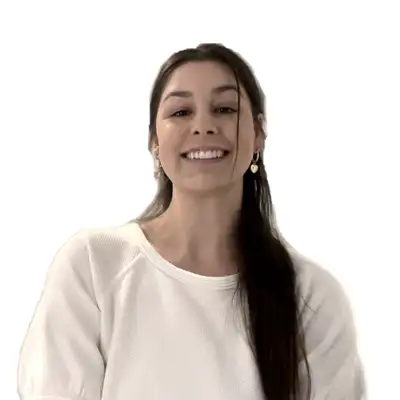
Elly Truesdel
The one that I learned the most over time was team and really trying to build some level of connection with not just the founder. Because that very often as a retailer buyer, as a merchant, you are strictly lazing with the founder or a broker. But if you can get to know more of the team and see what those capabilities are, that unlocked a lot for us in terms of partnership at Whole Foods. And certainly as an investor, it's just critical to seeing how the founder is going to continue to build the business.
00:38
Hannah Dittman
Hey everyone, I'm Hannah Dittman, operations and finance host of the Startup CPG podcast and today I'm excited to be joined by Elly Truesdel, founder and Managing Partner at New Fare Partners. Elly brings a rare full stack perspective to investing with experience across retail buying, founding and operating businesses before launching NewFair, an investment fund focused on the modern eater and the evolving American palate. From her time leading local brands and product innovation at Whole Foods to building brands herself, she's helped shape some of the most important trends in food and Bev. In this episode we dig into the difference between pitching to buyers versus investors, how to think about sales growth versus profitability at the early stage, and what the right team structure looks like when you're gearing up to fundraiser.
01:24
Hannah Dittman
Elly also shares what she looks for in standout founders and teams, plus hard earned advice from her long career across the consumer landscape. If you're building in Food and Bev or thinking about how to scale a disruptive consumer brand, this one is a must. Listen, enjoy. Hey everybody, welcome back to the Startup CPG podcast. This is Hannah and today I'm thrilled to be here with Elly Truesdel of New Fare Partners. Elly, welcome to the show.
01:53
Elly Truesdel
Thanks for having me, Hannah. I'm very happy to be here.
01:55
Hannah Dittman
We're very happy you are here today as well. I'd love to kick us off with an introduction of your background and path to newfair. Sure.
02:03
Elly Truesdel
It's been an interesting and almost incidental path to venture, I would say. I never intended really to be an investor, but have spent the last 18 years ish in the natural foods world. I sort of built my career at Whole Foods from 2008 to 2017 in a really unique position where I oversaw the local brands and innovation program, the Northeast region and then globally. And that really just meant that my whole job was to identify emerging categories of growth and promising young brands that we could grow first in a single store, in some cases in a single region, and then grow nationally. What was so unique about that job is that I wasn't just a beer buyer or a cheese buyer or a specific merchant. I touched every category of the store.
02:47
Elly Truesdel
So some days was on an oyster boat, some days I was in a chocolate manufacturing facility and some days I was on a dairy farm. And that just sort of built for me over 10 years of doing that, an acumen across different categories of the store and was really able to become because Whole Foods was so the platform and the place where you wanted to launch a young brand at the time. Built a bit of a name for myself in the industry, in the ecosystem of oh, you need to know this woman, Elly, among others. There were plenty of other similar roles to mine. I was the first person who then moved into a global role overseeing the program.
03:21
Elly Truesdel
And in doing that for so many years nicely had a lot of people say, you know, you should really be going into venture, you should join a fund, raise a fund. And I didn't necessarily see that at first as my path, but I sort of dipped a toe, took an advisory role with a fund called Almanac straight out of Whole Foods when I left at the end of 2017, which is right after the Amazon acquisition. And then I had a stint both operating. I ran a co manufacturing facility for 18 months which was really valuable experience and has been something that I draw on a lot now that I'm investing. And I had the chance to co found a brand in the pet space called Made by Nacho, which is a premium cat food business.
03:59
Elly Truesdel
I was lucky to be asked by Bobby Flay the chef, to be his co founder in that business. And we launched in 2019, we just announced it last week and we closed about a month ago, which is really exciting. But both of those experiences operating building a business was in the background to moving over to the venture side and had the chance to join Almanac beyond those advisory years as a partner for three years and pretty quickly understood why people had been really encouraging me to go into venture just based on deal flow, background, how quickly I could lean into our portfolio companies and that I really loved working with founders and influencing or sort of hopefully shaping some of the outcomes and from a different position than I had at Whole Foods.
04:44
Elly Truesdel
And so that led to and we're sort of the kernels of New Fair. We launched new Fair Fund 1 in 2022. I asked Hallie Bonner to be my co founder who had been working with me for many years prior. We've now worked together for about seven years and with the two of us I think just had a real perspective on where we felt Food was heading and wanted to invest exclusively in Food and Bev across verticals, so across the value chain. But stay early stage. The big part of our value proposition is adding a ton of value as being operators ourselves. And yeah, we're in our fourth year of investing. We have about 15 companies in our portfolio.
05:22
Hannah Dittman
Oh my gosh, Elly, perfect background and so interesting. Congratulations on the acquisition. That's so great. I feel like it is really interesting that I think there are a lot of investors with finance backgrounds. Obviously there's a good chunk of investors that have operating backgrounds as well, but it is very rare to find investors with retail buying backgrounds. Actually is so funny to me because it is the perfect complimentary skill set. So much of the way you're thinking in those jobs is so similar and a lot of investment firms look to retail buyers as part of their diligence process as well. Even so, it makes perfect sense that you've ended up where you are. You've seen so much of the consumer world and have played such a big part in so much of it.
06:08
Hannah Dittman
So I think it's going to be a really exciting chat today. I know we've touched on New Fair a little bit, but I'd love to dig in a little deeper on kind of your criteria stage, your AUM check size and some of the other details of what you're focused on there.
06:22
Elly Truesdel
Yeah, newfair, we tend to stay seed Series A. We have made a couple of exceptions there in our earliest days of raising a fund, which actually those have proven to be probably our least successful investments, like sticking to earliest stages where we will continue to live. But fund one is a 20 million fund and vehicle. We have done a couple SPVs, so AUM is really around 25 million to date. And we typically write checks 500k to a million first check in seed and series A rounds.
06:52
Elly Truesdel
And so much of what we like to do is get to know founders over a longer period of time, maybe when they're raising their pre seed, get to know them, hopefully add value over those months or years of knowing them and then investing in a smaller way in A seed and following on in a bigger way in a series A. And as I mentioned, we've stuck to series A, but we'll follow on through remaining rounds. And the one thing for us in terms of being a smaller fund is getting in early is helpful and pretty critical to sort of the return profile. And I always skip over this because I think it goes without saying, but of course it doesn't we do invest exclusively in food and beverage based on specialization, based on passion philosophy. But we will invest in technologies.
07:33
Elly Truesdel
We'll invest in four wall of course in consumer brands. So across verticals of the industry.
07:38
Hannah Dittman
Really, really helpful context and makes a ton of sense when you're saying value chain that it's kind of touching all the aspects of the process of a consumer brand existing in the world and the different things touching that as well that are related. I'd love to kind of pull back the curtain on your diligence process a little bit more and ask a question that I feel like is unique to be able to ask you which is what part of your diligence process do you think overlaps with a similar thinking of the retail buyer diligence process? Where do you see the kind of Venn diagram of how you're thinking about a brand and how they would be thinking about brands be similar or where might it be a little different?
08:15
Elly Truesdel
Yeah, something you mentioned earlier in that often investors do go to retail buyers to use in the diligence process. I was definitely a part of that process regularly and so had seen that come across my desk quite a bit for many years. I built this over time as merchant or as a buyer is really getting into and understanding the motivation of the founder. That's not really something I was doing in earliest days. I was sort of betting on products. I was betting on open category of note where we felt like there was just a white space but over time and probably being burned by a couple of different teams like amazing, incredible products but just didn't have the team or the rigor that was needed behind it.
08:57
Elly Truesdel
Since launching New Fair have been very founder focused on what is this team prepared to build, what are they going after? And that was a part of our process as merchants as well is like what are the ambitions for this brand? Are you looking to stay in a single region? Are you looking to grow this nationally? So that's one component. I mean product was huge. So much of my job at Whole Foods was vetting quality standards, visiting production facilities, verifying claims, getting into a lot of the most romantic sides of food but food safety regulatory. So I think that background is probably even more scrupulous if you're representing a retailer than an investor.
09:36
Elly Truesdel
And that's been very valuable because we dig in a ton to supply chain and claims and then we think a lot about pricing, we think a lot about competitive landscape, how you're showing up and among your multiple channels. That was such a consideration when were bringing something in at Whole Foods. Is. Is this exclusive to Whole Foods Market? Is it going to be the first of many? How are you thinking about your channel, strategy, asking those questions and getting ahead of it? And then, yeah, I would say the one that I learned the most over time was team and really trying to build some level of connection with not just the founder. Because that very often as a retailer buyer, as a merchant, you are strictly lazing with the founder or broker.
10:17
Elly Truesdel
But if you can get to know more of the team and see what those capabilities are, that unlocked a lot for us in terms of partnership at Whole Foods. And certainly as an investor, it's just critical to seeing how the founder is going to continue to build the business.
10:30
Hannah Dittman
Super helpful and makes a ton of sense and I think really nice to show the parallels and the differences. If I'm a founder who's embarking maybe on a fundraise for the first time, I probably or might have had experience with retail buyers. I might have retail distribution already. And now I'm kind of going on this journey of talking to investors. What advice would you have for me for how I need to adjust my pitch or storytelling to better suited to a fundraise environment if I've had a successful version of that already for retail buyers?
11:04
Elly Truesdel
Yeah, I think so much of the focus when you're in front of a retailer is knowing their particular venue really well and making a case for or appealing to why you are the exact right brand for their customer, how you're going to show up for them individually and uniquely. I mean, so much of the conversation turns to how long are you going to be exclusive to us or how should we be thinking about your pricing and your program at an ex mass retailer versus where we are today? And so I think when you're turning to an investor, reminding yourself that they want to know it all, like they want to hear how many retailers, how many doors you're going after, how quickly, why. And that really is important.
11:44
Elly Truesdel
And it's also important, I mean, so much of my time at Whole Foods and among all of my colleagues time was spent in figuring out how do we make this totally unique to us and only us at Whole Foods? How are we the only one to have you on shelf for a certain period of time? We're asking you to do exclusive SKUs. We're asking you to build out displays and different merchandising units that we want for us only. It can be really detrimental to your business. I mean, now sitting on the other side of the table, I'm Very often coaching our brands not to just jump at everything a buyer asks of you. If you're developing a ton of New SKUs with one retailer in mind only, you can't meet that from production or minimum order quantities.
12:25
Elly Truesdel
There's a lot that can go wrong there. And so I think really trying to show to your investor in a similar pitch, this is where and how we've shown tremendous success at X retailer or in this channel. This is how we're going to replicate that, tweak it, do it a little bit differently for this retailer. So I think having that expertise around what's working, using it as your example of why you should get behind this brand, you know, proven track record, but also we're going to use the same formula and do it a little bit differently for this retailer. And we have conviction for these reasons.
12:59
Hannah Dittman
Really helpful and I think a great tangible way to think through it too. Sounds like from your perspective, the retail buyer conversations, obviously you're pitching your product and your brand and why it's so amazing and all of those things, but the conversation is really anchored on how you're going to be a great partner for that retailer and how the synergies exist between your brand and the retailer to obviously drive volume to their store and make a great partnership. And talking to investors, obviously there's the whole narrative of your company and your business, but it's a much higher level, bird's eye view of how your company is going to be successful across so many different retailers or channels and kind of the inner workings of how that's all happened and going to continue to happen in the future.
13:45
Elly Truesdel
The one other thing I didn't mention that I should have is in your buyer relationship with your retailers, you almost always have a bit of a deferential relationship and that's as it should be. Like there's a real power dynamic there. You want to make sure that they understand you're catering to them, you're here to be their partner. Whereas with your investor base it really should not be that way. You as a founder should recognize and realize like you're not going out hat in hand and just accepting what your investors are telling you or even what a not yet investor is telling you, but should sort of be testing that relationship and seeking for their advice. Are they going to be able to add value?
14:25
Elly Truesdel
Where and how are they advising you on some key decisions you have coming, but also establishing a true partnership and I am asking and sort of allowing you to invest in what I've been building for however many years, we are hopefully aligned and looking for the same outcome. But I do think keeping that in mind with those two pitches of they are different relationships and you want to really keep them that way.
14:49
Hannah Dittman
I love that you're able to shine some light and color on this because I feel like the closest thing a lot of the founders have or closest experience a lot of founders have, from a sense of pitching to external parties, is with retail buyers. And that might be, quote, unquote, the most practice they've had to kind of doing something like that and understanding the difference of what the conversation and tone and tenor might be in a different arena I think will be so helpful for them. You've talked a lot about founder importance and team importance on the investment side and your focus on that. What are some of the traits you're looking for in founders and teams?
15:29
Hannah Dittman
What's kind of like the winning formula there in your mind for what really gets you sold, or to have a lot of conviction as you're going through that evaluation process.
15:39
Elly Truesdel
So much of it, I think comes down to what is the story of the business, what motivated this person to found or launch this business in the first place? You know, I feel really lucky to be invested in and have found the founders that we are, whose teams we're a part of across a new portfolio. And a lot of them are people that had or ran into a real problem. Lucille, which is launching this week, launching Tomorrow is a senior nutrition drink that is looking to compete with Ensure and Boost and that came from a place of the founder.
16:11
Elly Truesdel
Jess was experiencing a situation with her grandmother who was in and out of the hospital with a condition and was being given these what she considered sort of horrible conventional drinks to keep up with her nutrition and felt like how has no one provided them a better solution for seniors for elderly and sort of recognize this overlooked demographic. And so that I love motivated from such a point of emotion and where she's creating a solution for her grandmother. Similarly at NARA Organics, which is an infant formula company we're invested in, Esther, the founder, built that brand and business for seven years pre launch because she went through the FDA approval process, which no one had done in 30 years in this country to get a new FDA formula approved infant nutrition.
16:51
Elly Truesdel
And so I think being motivated by something that is outside of just the financial outcome that you are looking to build something for generations that is truly cleaning up or taking care of and providing a solution for a population that didn't have it before, that's so exciting. And very often we find that either our companies and founders, particularly in our consumer investments that you're talking about more today, they have either developed an incredible recipe that they're passing down. I mean, an example of bachan's with Justin, he had taken his grandmother's recipe, bachan means granny in Japanese, and had built this product that people can't live without. It's not necessarily solving a problem or curing cancer, doing anything to that level, but it has become indispensable for so many people. It's providing so much value.
17:38
Elly Truesdel
So I think that is a huge portion is just where does the motivation and passion come from? I mean, we try to get to know our founders for months, if not years before investing. In the case of Esther, it was two years. In the case of Justin, I had known him for years prior to. And I think what that allows us to do is to really see how they interact with their team, how much they are building a team, what sort of milestones they're hitting, even in periods of time. With Esther, she was still pre launch over the years that were getting to know her and was still really impressed with what she was putting forward and able to do. So that's a huge part of it. And then there's also an element.
18:16
Elly Truesdel
I sometimes don't even like to admit this because if we're negotiating a term sheet or if we're in early days of a round getting to know a founder or getting to know them in a new phase, which is negotiation, I do want to see a level of pushback and I want to see a level of detail that I will feel really confident in when we are no longer the ones in that position with them. Right. Like when we're on the other side of the table and we're partners and we are going towards building this company together, I want to have seen the founder not let anything go and be fairly not difficult, but like to a degree difficult, uncompromising, totally convicted on the pieces of the business that they need to be.
18:56
Elly Truesdel
And then I'm going to feel really good that they'll represent our capital, our investors the way that I would trust them to.
19:02
Hannah Dittman
Yeah, that's a really interesting point. It's like walking a fine line of course you want to showcase that you're going to be a good partner to work with and that you're humble enough, that there's not a ton of ego and all of these things, but at the same time, your business acumen and your ability to lead and be kind of the like soldier and the Defense of your own business is also being evaluated. So it's definitely a fine balance. But yeah, you want to trust that a founder is going to provide, protect, defend the business and lead it to where it needs to go. So that also makes a ton of sense. We talked a little bit about team construction and I think a lot of founders right now are kind of having a lot of questions circling around this.
19:45
Hannah Dittman
Given that there's so much talk about leveraging AI to help automate businesses and there's so much fractional support. The world has evolved since COVID to have a lot more fractional help or ability to include fractional aspects to your business. A lot of people have a lot of different perspectives on these things and how heavily they should be leveraged within a business at the earlier stages. Seed series A where you're focusing and this will vary by so many different things, there is going to be no one right answer. But in general broad terms, what do you think the team lay of the land should look like? What should kind of headcount be? What are the key players in a business that you feel like you would expect to see at that stage of a founder looking for investment?
20:31
Elly Truesdel
There are really two routes to go. I've been thinking about this a lot recently. Having been part of a company like NARA that's been building for seven years, built a tremendous team infrastructure. They were building a consumer facing app for babies and parents of babies like a pregnancy tracker and a baby tracker, all the while of preparing their consumer launch as well. And so that is one example where if you have the capacity, the vision and you think you have the access to capital to grow, build and have sort of this intense architecture from the beginning, go for it. It has served her very well. She's had a fantastic launch. We couldn't be more thrilled. And partially that's because she built a large team for the size and stage of the business and put a lot behind it.
21:19
Elly Truesdel
I think you hear that a lot with second time founders. You hear that with brands that are sort of celebrity backed or have some maybe influencer talent component where this is going to go out with a bang because we have the brand awareness and opportunity touch as many people as possible quickly. So in that case of I'm launching X Talents beverage brand and we're launching nationwide target day one, you probably should have a fairly formidable team and sort of the infrastructure in place. On the other hand, I think you can build really leanly as a single founder or as a founder with a couple of fractional support Systems pieces, finance being number one to me, I think sometimes that get overlooked in the beginning. But having a fractional finance resource is so critical from the beginning.
22:11
Elly Truesdel
And beyond that, thinking through can you bring on fractional sales teams, can you bring on brokers, can you bring on certainly fractional marketing from the beginning? Yes. And in that case in the more modest or lean build as you go, I think it's totally fair and appropriate to say see a founder almost build into their demand. So create that demand before you go out and get it. People do it both ways. They hire their team to then create and have the following they want to or they do it all themselves or with a lean two person team and some fractionals to drive and create and find that opportunity that is the national target rollout. And then you use that as your sort of planting point to both raise money and to hire the team.
23:00
Elly Truesdel
So I think you can go about it both ways for first time founders and if you are intending to or just would prefer to build in a more lean, conservative way, I think creating the opportunity, then raising always and there is an element of it's always like I love the expression in the phrase it's easier to raise on the sizzle than it is the steak. And I think that's so true. Like if you have a PO in hand for a Whole Foods rollout, raise that moment, get your money in the bank, hire who you need to prove a ton of traction, raise again when you've got your target po, you know, sort of like using those milestones as your benchmarks.
23:36
Hannah Dittman
Super helpful color. And and I love that you've alluded to the fact that founder background plays such a big part or kind of what the company's trajectory and journey will be like in the early days plays such a big part of team construction. And not every company goes about building in the same way. So it makes a lot of sense that you want to be thinking through what the early days are going to be like, what the team needs will be like based on that. Obviously if you're working with a major retailer and you've got a national rollout coming on, you're going to want a team to support that. But if you're kind of working towards getting to that milestone, maybe not overextending yourself too early.
24:15
Hannah Dittman
So I think that's really sage advice and helpful color for people to be thinking through and also a reminder that there's no one size fits all. An investor isn't looking for you to have a very specific profile. And this is the only way that it can work. They're contextualizing your whole business the way that you hopefully are as well and what that might look like for you specifically. You spent so much time in so many different areas of the consumer world and the food and bev world. You have a wealth of knowledge to pull from. What pieces of advice would you give founders or operators based on all the learnings you've had? Now being on the investor side, what are things that you wish they knew or you think would be really helpful if they did know?
24:56
Elly Truesdel
I think some of the advice I'd give to founders and operators is to truly stay committed and convicted to your personal vision, what you have taught or expressed to your team as the vision. It's been such a crazy five years plus both post Covid the pandemic and just all the different dynamics that have arisen, inflation, volatility left and right. Also in the consumer world, I think, you know, some major saturation. There's been such an enormity of products coming online that it's really important for founders and operators to just stick to what they were building and not listening to what's going on around them or not using other people's examples as your own just because so quickly you can go astray from where and why you started building in the first place.
25:50
Elly Truesdel
And I just say that in that there are a lot of headlines around valuations, there are a lot of headlines around acquisitions and what those numbers were and very often end up in conversations with founders where they are comparing themselves to others and it's often just not useful. It's not the same category, it's a different buyer landscape. There are so many reasons why every company is so uniquely its own. And so I think the reason that's important is just reminding yourself what is unique and standalone to your business, going after it. Of course you always want to seek counsel and try to understand sort of like where you fit in the landscape of today's competitors of outcomes.
26:29
Elly Truesdel
But I also think I have seen too many founders and operators get frustrated by sort of what they're seeing and in media or what they understand to be the truth or what is expected of them. Whereas headlines are so the exception, they're so the outlier. And so yeah, I mean it's not like the biggest point, it's just one high level piece of just like remind yourself why you built something in the first place, stick to it, try not to get too caught up in some of the news or what might shift you in a new direction that is not right for your strategy. It's not what you fundamentally care about. I think it's just easy to sort of go astray.
27:07
Hannah Dittman
Yeah, it's so easy to get distracted and kind of lose the North Star a little bit. And I think it's a great reminder that you want to stay your course, not fully have your blinders on. Of course it's important to be taking in new information, but you can't whiplash your business and try to make too many changes just based one offs that are happening in the market or outside factors going on. You want to have that level of conviction in what you're building, that it's long term conviction, it's not short term conviction, that then that pivots constantly with changes happening around you. So I think that's a great piece of advice. Speaking of kind of trends and changes, obviously you've had a lot of experience with trends and category shifts and all these things throughout your career.
27:54
Hannah Dittman
Now in your current position as an investor and running a fund, how do trends affect your sector focus and how are you thinking about consumer trends that are currently going on and maybe of interest or not to you?
28:08
Elly Truesdel
We think a lot about consumer behavior more than anything, I think. And very often that of course lines up with trends, but it aligns even more with sort of like slow macro movements. And so much of what underlies our thesis at Newfair, what we're investing in, what we're excited about, is just sort of the premiumization of everything. So every part of the grocery store at this point has been looked at, considered or is starting to be looked at. In the case of Lucille and seniors having been overlooked, very few, I think parts of the store now have not been touched by the quote unquote better for you movement. But I think better said is just higher quality standards, better inputs, a premiumization of every category. And we love that because number one, there are different levels of that premiumization.
28:58
Elly Truesdel
And we think the consumer still today is not there, needs are not being met. So you could say that of course consumer food is wildly saturated. We've seen way too many launches. Of course, on my most cynical day I do feel that of does the world need another X? On the other hand, I think as consumer behavior continues to shift, time has collapsed. Even more families and people feel like they have less time, less ability to cook. You could argue why that is or if you could be spending your time otherwise. But for people who do feel that way, I think that there's still such opportunity to be delivering higher quality premium X food conveniently and affordably. So we just think there's a ton of open space there, even among a sea of products.
29:46
Elly Truesdel
And I think beyond that we do think about just behavioral shifts, people snacking more. We think about how people want to receive their groceries, how they want to receive their food, whether it's through third party delivery, whether it's at other points and places in their life that they frequent. So that very often is how we arrive at or come to whether we think an investment is a good one. Is, is this a behavior change that's been happening over years and is continuing or will continue to happen forcefully?
30:17
Hannah Dittman
Really well said Elly, and makes a ton of sense. I also like what you're kind of alluding to with premiumization, which is you're not just talking about price point really, you're talking about quality standards. And I think that is such a poignant thought. Obviously with the political landscape, our education of food and wellness and ingredients and attention to all of these things, it is permeated what was once a very niche crunchy granola segment of the market. Maybe that was kind of like scoffed at or laughed at in some ways to the top of mind for almost every American in some capacity. So it makes perfect sense that anything we're consuming, anything that we're cooking with, anything that we're eating, we're vetting things through a different lens and we're evolving as consumers to really be trained to think that way.
31:12
Hannah Dittman
And it makes a ton of sense that there's a store full of items and not everything has been touched by the same quality standards. So I really like your thought on that. I'd love to take a second to pivot into a case study question today. As you know, startup CPG has the largest slack community in the industry with now over 35,000 members. I'd love to pull a question directly from our channel and have you answer it as a case study for any founders that might have a similar question. Today's question is what is more important for a brand to show sales growth or profitability?
31:46
Elly Truesdel
Ooh, always the question. Hopefully this isn't annoying answer to the question asker. It's both, but it really depends on the stage of the business. So when we are looking at a very early stage business, pre revenue or a million in ARR, we are pretty focused on growth and proving traction quickly and early just because of the horizon and timeline of our investments. Right. We need to see a return within a five to ten year window. And so it's important that there is a certain level of top line growth to prove that this can become a ubiquitous product fairly quickly. That does not ever mean that profitability doesn't matter. It's just that in that timeframe of those early years, there's a total understanding and some consideration that you'll be losing money, you'll be burning through that cycle of growth and that's for good reason.
32:36
Elly Truesdel
You're paying for slotting. Your gross margins aren't as strong or healthy as they could be. But what we really need to see is that your gross margins and even more so your contribution margins are able to get to a point that is healthy, that is attractive to a future buyer and that can sustain a business. So sort of the underlying economics are always what we are looking for. But I think that when profitability really starts to become important is when you've aligned with the founder and with the business that okay, we're now on a track to want to sell this business. We're looking for a strategic, we're looking for an exit and outcome. That's when profitability becomes really important. I think you always want to show that you can get there and but it's become more and more important in the buying process.
33:19
Elly Truesdel
I think people can get really hung up on. And again in news or headlines around acquisitions, very often they only quote the top line revenue or the net revenue multiple and that can be really deceiving investment like Bachan's, they had a fantastic exit and there was not much mention of how profitable that business was and that being such an important and underlying piece of to the financial picture that made it so attractive. So it is a balance and I think it's totally life stage dependent.
33:49
Hannah Dittman
Really, really well said in a very thoughtful response. I think profitability could be a deal breaker maybe, but it won't necessarily be a deal maker. Whereas top line growth can be a deal maker for you as long as what you're alluding to, a path to profitability is the term you'll hear a lot thrown around by people is understood. I think if you're just lighting all your money on fire to drive sales, that's pretty easy for an investor to understand. The story of where your sales growth is happening and where it's coming from. But tying your hands behind your back and not putting any hamstringing your ability to grow your sales growth at the expense of keeping yourself really profitable or managing that profitability too early on could potentially be a detriment to your business.
34:35
Hannah Dittman
And obviously the cash constraint and the working capital management that get layered into all of that. It's a really tightrope for founders to walk and resource management and all of those things. But there's been so much emphasis on profitability given that there was so much disregard maybe for profitability in the past that you're hearing a verbal overcorrection sometimes, but I think that can get translated to making it sound like sales growth isn't as important as maybe it is.
35:03
Elly Truesdel
So.
35:04
Hannah Dittman
So a good reminder from you today.
35:05
Elly Truesdel
Absolutely. I will just add on that I find or I worry that founders hear, oh, profitability is everything and they lose sight of top line and unfortunately no investor feels that way. You're exactly right. It's just been the overcorrection of people were only focused on growth for many years, weren't really looking at bottom line. There's been that massive move in the other direction, but it has not kept the growth expectation from being fairly high. So I think more than anything, the bar is just set that much higher. Yes.
35:33
Hannah Dittman
Hard times to be a founder. A lot of empathy for all of the founders out there doing it in an amazing way. I mean, the ask, if we're athletes or however you want to compare founders to, the ask just almost doubled in some ways for you to be able to run really quickly but also shoot the ball on target or whatever it might be. So kudos to all the people out there who have adapted quickly and have been able to manage through something like that. Well, Elly, it's been such a wonderful chat with you today. You have so much knowledge, such cool experiences and a clear passion for what you're doing and have really enjoyed getting to know you and getting to know your experience.
36:09
Hannah Dittman
For founders that feel that they might be a great fit for you or would love to get in touch, what's the best way for them to reach you? And second part of my question, do you have any advice for those interested in joining either your team at newfair Partners or maybe just investing in general?
36:25
Elly Truesdel
Sure. So best way to get in touch with me is typically just by email, E L l y@newfairpartners.com or infofairpartners.com you could try LinkedIn, but that gets messy quickly. And yeah, any advice? We do have a fantastic MBA intern program that we cycle through a lot of different students every year. If you're in that zone, if you are an mba, we always love to consider you. That's been a really great way to just get a lot of different people involved in the business are looking and raising fund too as we speak. So as that comes along, we will have a couple positions open up. For anyone who's very new to the investing world or is looking to dip their toe.
37:05
Elly Truesdel
I would always recommend and suggest just reaching out and seeing if you can do something pro bono if you have a value to offer. If you think you could do a case study, could landscape a particular part of the market for us, or just basically want to offer your services to sort of prove or show your work style what sort offer you can bring. I mean, we've had several people do that. We take it we're tiny teams as a lean operation. So if we can utilize amazing talent for people who are looking to be utilized unpaid for a little while, it's a great way to build a relationship for the future and we'd love to hear from you.
37:38
Hannah Dittman
Thank you so much for your time today, Elly, and I'm looking forward to watching and following along on your journey through fun too. I'm sure there'll be a lot of exciting movement and investments coming out of that, so thank you again for all the wisdom and insights today. It was a really awesome chat.
37:54
Elly Truesdel
Thanks Hannah.
37:55
Hannah Dittman
This is great.
37:55
Elly Truesdel
Thanks for having me.
37:58
Hannah Dittman
Well friends, we've now arrived together at the end of another episode of the Startup CPG Podcast, the top globally ranked podcast in cpg. And if you love this podcast, you'll love our Slack community even more. Here at Startup CPG, we're a community of brands and experts and you should join. Sign up @startupcpg.com you'll then get an invite to our online Slack community of over 35,000 All Star CPG members, hear about amazing events near you and all our special opportunities to get you in front of buyers, investors, brands and more. It's a free community, so what are you waiting for? I'll catch you on the next episode and I'll see you on the Slack.