Subscribe
Share
Share
Embed
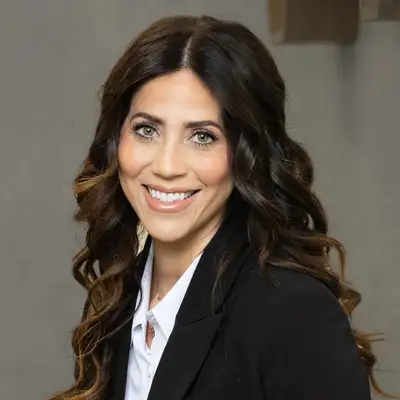
Four lifelong friends, all clinical psychologists, unpack the latest in current events, pop culture and celebrity news through the lens of psychology.
Vanessa (00:01.026)
Hello and welcome to The Shrinkdown. In today's episode, we're diving into dyslexia in honor of Dyslexia Awareness Month. We'll explore what dyslexia is and just as importantly, what it is not. We'll also discuss early signs, common symptoms, the importance of early detection, as well as effective treatments. Plus, we'll highlight some well-known individuals who have dyslexia. But before we jump in today's topic, let's start with our four-minute faves. All right.
Well, let me know, why don't you start us off? What are you sharing and loving today?
Wilhelmina (00:31.434)
Yes. So I'm a big reader and I'm usually reading at least two books at the same time. I'm usually reading something fun. Sometimes three, sometimes three. So I usually am reading something fun for myself, for my book club, and then usually reading something either for my practice or just sort of for growth. And so right now I am reading
Vanessa (00:39.598)
I did not do that. Wow.
Lauren (00:40.404)
Hehehehe
Teri (00:42.966)
I guess I do that too.
Wilhelmina (00:59.98)
Releasing the Motherload, How to Carry Less and Enjoy Motherhood More by Erika Josa. So Erika Josa is a therapist. She founded Momwell. She's very popular online, like her Instagram following. And she just, this book came out this year. And it is everything that has been coming up with the moms I work with in my practice.
where things that we're talking about, things that I'm talking about with my mom friends, the idea that, I mean, in general, I love right now that there's more and more topics that are being talked about, being brought into awareness that have reduced stigma, have made people feel like they're not the only ones that are feeling this way. I remember when we were trying to get pregnant long ago and we had a miscarriage.
And suddenly all of my, like miscarriages are so common and they have been forever. And yet they just were never talked about. It was like talked about in whispers or, and so when women would have it, they would carry some shame, even though it was unnecessary, of course. But then when they started talking about it more and saying like, Hey, this is actually statistically very common. It made, I know it made me feel better. And I know it's made many other women who've had miscarriages feel better.
Lauren (02:05.451)
All right. All right.
Vanessa (02:09.166)
Right.
Wilhelmina (02:28.182)
That's exactly how I feel about this book and what it is bringing to light about motherhood today in that so many of them, myself and so many of my mom friends, you guys, we talk about how hard it is these days to work full time, have our practices, have kids in a very active age of life, have a partner, especially if our partners are traveling or work long hours.
Lauren (02:47.594)
Right.
Wilhelmina (02:57.728)
and still be usually primarily the mental load carrier of the family, meaning we're the ones making the appointments, making the doctor's appointments, making sure they get their flu shots, parent-teacher conferences sign up, all of that traditionally and usually falls to women, even though they are still working the same hours that their partner's working. And that has been talked about, but what hasn't been talked about is this invisible labor.
Lauren (03:09.301)
Yep.
Wilhelmina (03:26.326)
So it is all of the things that go into the household and household management and parenthood that never gets talked about, but is traditionally on a woman's plate. So I always laugh. The example I give is I put things on the stairs to go upstairs. and it's just to, I'm going to put something in Maddie's room. I'm going to put a pair of shoes back. I'm going to whatever. I put them on the stairs to just take up the next time I go. Literally no one else will ever pick that up.
Lauren (03:37.611)
Okay.
Vanessa (03:53.39)
They all off-casted.
Lauren (03:53.515)
Right? Right? Right?
Wilhelmina (03:57.048)
It could be there for the end of time if I did not bring it back upstairs the clutter around the house that My husband he's kind of a clutter bug like he just wouldn't he's fine with it I'm like if I didn't pick this up. It would never get picked up. It just wouldn't it just would not so meal prep is another one now My husband's really good with this one, but like a lot of women talk about They're the ones that are planning the meals getting the grocery shopping making sure You know lunches all of that. So anyway
Lauren (04:13.429)
Mm-hmm.
Wilhelmina (04:26.934)
This book talks about that. Sorry, I could go on. This is a topic. This is something I talk about in my breakfast. Yeah. Yeah.
Vanessa (04:30.176)
I mean, it's a podcast topic. I'm sure we'll talk about, we'll do that one of these days.
Lauren (04:30.687)
Yeah, this is the whole topic. Yes. my gosh.
Wilhelmina (04:36.6)
So this one just really talks about all the assumptions we carry that have kind of led to this, that kind of perpetuates it, things that you can do, discussions you can have with yourself, with your partner to sort of unburden some of these things and to really make motherhood more enjoyable. So I am loving it, highly recommend. Terry, are you loving these days?
Lauren (04:55.691)
Yeah. good. That's a great.
Vanessa (04:57.696)
Excellent. Yeah, we'll have to.
Teri (05:02.597)
Okay, so this was a last minute pick. I based on the segment of our show. This, the Birkenstock Boston Cog. So people who are teens in the 90s might remember that kids who bent towards the hippie look a bit more tended to wear these. So I didn't actually have a pair in high school, but they've made a resurgence. Like in general, I love Birkenstocks.
Lauren (05:05.897)
Ha!
Wilhelmina (05:12.493)
that's an old school one.
Lauren (05:15.012)
oldie but goodie. Yeah.
Wilhelmina (05:19.192)
Mm-hmm.
Vanessa (05:21.741)
Yeah?
Wilhelmina (05:22.038)
Yep. Yep.
Lauren (05:22.261)
Yup, yup, the whole face.
Lauren (05:30.389)
Yes.
Teri (05:32.849)
pretty much what I wear most of the summer. I've traveled through Italy wearing them, have been able to walk for hours and hours. But this, I think it's called the Boston, is awesome. The Boston, I think that's the style is Boston. This is so cute for fall with Jean. And they're just as comfortable. I am loving them. I get tons of compliments on them. But the only glitch is the weather has to be cool, not wet.
Wilhelmina (05:39.915)
You
Lauren (05:40.395)
you
Vanessa (05:41.582)
It's called the what? Boston.
Lauren (05:47.849)
It's really cute, yeah.
Lauren (05:59.339)
Perfect. Yeah. Yeah. Yeah.
Teri (06:00.497)
It has to be perfect, because otherwise they get really yucky.
Vanessa (06:03.683)
You can spray them because they're suede, not that that's 100 % proof.
Teri (06:07.205)
You know what though, when I've sprayed other this, they end up getting yucky and scratch and crunchy. Yeah, I like them nice and soft. So I recommend in a particular set of weather climate and outfit. cute. Yeah. So basically you can wear these twice in Chicago.
Wilhelmina (06:10.968)
crunchy. Yeah.
Vanessa (06:11.854)
crunchy.
Vanessa (06:15.334)
Hahaha
Wilhelmina (06:16.433)
my gosh.
Lauren (06:21.711)
Yeah, right. Which happens all the time in Chicago, right? Right, right. They stay in great shape. Right, right. right, right.
Vanessa (06:27.746)
hahahaha
Wilhelmina (06:29.784)
Two days, two days of the year. They're great.
Vanessa (06:31.544)
But you're going to look so cute in them for those two days.
Teri (06:32.187)
So yeah, for two days, for two days, well worth it.
Wilhelmina (06:41.016)
my gosh.
Teri (06:44.077)
Alright, how about you, Lauren?
Lauren (06:46.389)
So my four minute fave, so I'm going to do something that'll be sort of tie in to our topic today, which is a book for kids as well as a TV show. So the reason I'm choosing this is because my son is currently reading one of the books in the Percy Jackson series. Yes. So Percy Jackson and the Olympians, my son chose it for, he has to do a book report coming up for.
Wilhelmina (07:06.124)
Yes, yes, I knew that.
Teri (07:14.053)
Is that the first one or like the main one? Because I've been wanting to get my fourth grade. I feel like he'll like them.
Lauren (07:19.295)
Well, so there's a whole series. So my son is just my, happens to be reading the third one in the series right now, but because he had to choose a fantasy fiction book. But we actually, the reason they got into the books, both of my kids is because we watched the television show, which has been streaming on Disney plus just within this last year, right? Willamina? Cause I know both of our families watched it and my gosh, so well done.
Wilhelmina (07:19.916)
There's a whole series and spin-off series.
Teri (07:21.809)
Yeah.
Wilhelmina (07:42.796)
Yep.
So good.
Lauren (07:48.553)
based on the book series, Disney Plus, but that got the boys interested in reading the books. So one of the things that I often, and we'll get to more recommendations, but this is one that's just sort of an off the cuff recommendation when I'm talking to parents about how to encourage reading for kids, especially these kids that struggle with reading. And my kiddos do not, they're fortunate to be able to read their sort of grade level books, but for kids that are more avoidant,
or just don't like it, they don't have that interest or have a learning disability. One of my favorite things to do is to suggest that parents pair a book with a movie or a television show or something like that, right? So you can start really simple, right? There's really, know, Diary of a Wimpy Kid is a great like example of something that's kind of straightforward that kids can kind of sink their teeth into. And then they've got some great movies, a couple of them actually associated with those books. So current...
Wilhelmina (08:29.858)
Mm-hmm. Yep.
Wilhelmina (08:42.797)
They do.
Lauren (08:46.763)
four-minute fave for us is we're into the Percy Jackson books right now and looking forward to, I think there's a second season coming out soon, yes, for the Disney Plus television show. So.
Wilhelmina (08:54.114)
There is.
Vanessa (08:54.914)
Mm-hmm.
Wilhelmina (08:59.668)
and there's a little dyslexia reference in the first book, or at least it's in the movie. Is it in the movie? Yeah, he thinks he has dyslexia because he can read Greek.
Lauren (09:04.698)
my gosh, remind me. Yeah. Remind me.
Lauren (09:11.515)
funny. I love that. Which would be a myth. We'll talk about that. Right? I loved it though. I love that. That's very cool. Yes. All right, Vanessa, what about you?
Wilhelmina (09:12.972)
Yep. Yes, I know. I was gonna I was actually gonna bring up Percy Jackson is one of my questions. Yes.
Vanessa (09:14.888)
Hahaha!
Okay, so I started off on the first few podcasts, I shared like just beauty faves and stuff. And that's like something that I really enjoy. And I kind of shared some other things along the way. So I'm going back to something that I like that's makeup related. So I'm sharing today Tarte's Double Take eyeliner. And I'm also going to share a hack that I do with this. So this eyeliner has one side is pencil like gel pencil and the other side is liquid eyeliner.
And so you get both in one and they both work really well. my, so this is, so really love this. I bought this, I don't know, a bajillion times already. So like, it's one of those things that I'm like, I'm always going to go back to and I will probably never change. And Tartt always has sales. So just look around for sales. They really have good sales. So always buy, so if it's on sale, I'll buy like two of these at the same time. So I really love this product, but my hack is, and I used to do this back in the day.
Lauren (10:07.626)
Yeah.
Vanessa (10:18.638)
I don't know if you ever did, but when I used to get my Wet n Wild eyeliner that I had to sharpen, it never would work all the time. So I would take a lighter and light it for a second. Do you guys remember this? Old school. So ladies, you are from our generation, you will probably know that trick. So I used to use a little match, light it real quick, and use it. So it was more of a liquid eyeliner.
Teri (10:22.161)
you
Lauren (10:22.699)
Yes.
Wilhelmina (10:29.589)
old school. Old school, yes!
Lauren (10:30.17)
It's like warm it up.
Teri (10:31.545)
I remember friends doing this in high school.
Lauren (10:37.035)
How funny.
Vanessa (10:46.252)
And then at some point I started using like a pencil and then going over it with the liquid eyeliner, which is my hack. So that's what I still do to this day. So I find that drawing a straight line with liquid is hard. And so it's so hard. So I draw it with the pencil side, like draw my line, and then I go over it with the liquid side. And it just, because the liquid makes it just darker. It's like a bolder black or whatever color you're using. So that's what I do. That's my hack. So I use pencil first and then I go over it with the liquid and it just makes it.
Lauren (10:57.131)
really hard.
Lauren (11:04.875)
Vanessa (11:15.8)
so that it's perfectly straight and it's nice and bold color. And then it stays longer too.
Lauren (11:19.947)
Cool.
Wilhelmina (11:19.97)
I was gonna ask you, cause I can never do the liquid eyeliner. just, I like look like, just like, no, that's just coming off. That's just coming right off.
Vanessa (11:23.724)
No. It's Yeah. Yeah. So you do it with a pencil first and then you just do like one, like one coat of the liquid over the pencil. And I've been doing this for years. I used to buy my little like, you know, pencil, like a sharpen it. And then I buy my liquid and I do them together. And then when I saw this, some Instagram person that I follow, influencer, she was like, wait a minute, it's all in one thing. So I still use that trick.
Lauren (11:24.329)
I know that's hard. Yeah.
you tried something there.
Lauren (11:40.724)
Yeah.
Lauren (11:49.387)
You're smart.
Vanessa (11:51.502)
So now I've shared with you my favorite eyeliner and my eyeliner hack.
Lauren (11:56.821)
There you go. Love it.
Wilhelmina (11:57.644)
love it.
Vanessa (11:58.894)
All right. All right, now that we've shared our faves, let's get into today's topic. And so you may be wondering why of all the things that we are going to be discussing this week, why we picked dyslexia. Because there's a lot of different things that are going on for October. So there's like Breast Cancer Awareness Month, it's National ADHD Awareness Month. But we chose dyslexia because this is something that three out of the four of us do as part of our practices. So Terry, Lauren, and myself focus on assessment. And so we see kids with.
learning differences and we know that the most common type of learning disability is actually dyslexia. And so we see a lot of this in our practices. So we thought we would share our insights on dyslexia. And so I thought it would be good for us to start off with what is dyslexia? Because we know there's a lot of times we have parents come to us and they kind of have this idea of what dyslexia is and they'll say, my child does X, Y, and Z.
I think they have dyslexia and sometimes they're accurate and a lot of times they're not. So let's start off, I think with what is dyslexia and that kind of will also kind of go along with what is not dyslexia.
Lauren (13:00.245)
Yep. Right.
Lauren (13:09.525)
Right. I'll take it. So dyslexia is a specific learning disability, as Vanessa noted. And it's neurodevelopmental in origin. So it has to do with the brain. It's there from when they were born. It's how our brain is organized. And really, it's a deficit in the way that the brain processes language. So we'll talk a little bit about what it's not, but it's definitely nothing to do with vision. And that is the thing that we hear quite a bit.
when people come into our office, I think they're reading backwards. I think they see the words backwards. Now they might be reading the word backwards and we can talk a little bit about why that is, but it's more because they're guessing because they don't process the language in the same way as another brain. So as a brain that's learning to read typically. It impacts so many things though. So this is what's interesting, I think, about dyslexia.
Wilhelmina (13:40.888)
Thank
Lauren (14:02.731)
is that it's not just an impact on reading fluency, which of course it is, but it impacts things like the ability to decode new words or new language. Spelling, can impact math facts, right? Because that's processing of language. To memorize multiplication facts is processing of language or a symbol system, if you want to think of it that way, right? It impacts reading comprehension.
Vanessa (14:14.414)
big one.
Lauren (14:27.955)
If the brain is constantly focused on decoding the new words, then it's not going to comprehend what it's reading while it's decoding, right? right. Right, right. And the other thing I would say that kind of goes along with sort of what it is, it's also unexpected. So these are kiddos that otherwise, and this is what we hear a lot from parents, which is absolutely true, they're otherwise, appear bright, smart.
Vanessa (14:35.031)
they're spending all their energy on trying to figure out the words. It leaves very little left to actually know what you just read about.
Lauren (14:57.481)
like with it kiddos and they've had effective instruction in school. Might not be the right instruction for them, but it's been consistent exposure to instruction. So these are not kids that haven't been in school, right? So that's really kind of the crux of what dyslexia is. Terri, do want to tell us what it's not?
Teri (15:15.793)
Sure. So it is not seeing words backwards, right? It is not flipping, right? It's not, now while a lot of individuals with dyslexia will write Ds and Ps or Ds and Bs or Ps and Qs and flip the loopy part over, that in and of itself is not always diagnostic of dyslexia because that, a lot of kids,
Lauren (15:22.707)
We hear that so often.
Lauren (15:30.462)
Mm-hmm.
Lauren (15:35.328)
Yep.
Vanessa (15:39.86)
And I'll just.
Teri (15:41.807)
Very neurotypical kids have that. We'd say until about second grade, even third grade, if we're being generous. You can still flip those letters. But it is definitely not a disorder of vision. It is not a disorder of seeing things backwards or seeing them alternatively. The other challenge, I think, is that a lot of parents, and you spoke about this, Lauren, will say, we just thought it would come along eventually. So we think that they're really bright. They understand lots of other things.
Lauren (15:46.432)
Yeah.
Vanessa (15:46.658)
Yes. Yeah.
Lauren (16:06.816)
Right.
They were just lower to learn, right?
Teri (16:11.867)
But maybe they're just slower to learn. And maybe if we just, let's just get, it through first grade, let's just give it through second grade. The wait and see approach has categorically been the standard for children when it comes to reading development and reading skill development. And also is the biggest hindrance and the most problematic thing we can do for kids with regard to their emerging reading skills.
Lauren (16:16.789)
Wait and see.
Vanessa (16:28.333)
Okay.
Lauren (16:29.003)
Mm-hmm.
Wilhelmina (16:31.767)
Yeah.
Lauren (16:33.877)
Yeah.
Vanessa (16:34.562)
Yeah. Yeah, I think people can understand some of the early signs. So we know that delays in language is a big one, not all kids, but that's a that's a red flag. And then having difficulty with those early pre academic skills, like recognizing learning the alphabet. So there are some early signs that parents can see, you know, already pre kind of getting into school, right. So those are things that I think will be helpful for parents to
Lauren (16:36.329)
Right.
Lauren (16:57.739)
Right? Right.
Vanessa (17:02.626)
be aware of, but I have also found in my practice that parents will say, I've always thought something's going on and I will ask the teacher and they keep telling me it's okay, it's fine, they're just behind, they'll catch up. And so I do always want to encourage parents, if you think there's something going on, use your parent instinct, your gut. If you think there's something wrong, there's nothing wrong with going to see someone.
Lauren (17:25.781)
that got, yeah.
Vanessa (17:31.992)
to figure out if there is, right? To have an evaluation or even a screener, right? You can even do just a screener to determine if there's something going on worth kind of further evaluating. And it's especially important, like Terry said, because early intervention is so important. I just went to a school, like literally, like last week, went to this school that was having an open house about this new program. And they said, don't typically like...
Lauren (17:33.877)
Right.
Vanessa (17:58.536)
recommend kids get evaluated until third grade. And I was like, my gosh, no. Right? And I didn't say anything at the time because it wasn't really like an open kind of discussion kind of presentation. So I emailed them later and said, you know, actually, it's really better to, if you have a concern, to intervene early on and maybe not sending these kids for full evaluations, but at least figuring out doing a screener to determine if they're behind and would benefit from a thorough evaluation.
Lauren (18:01.269)
Right. We hear that all the time.
Teri (18:04.058)
Mm-hmm.
Vanessa (18:28.15)
because early intervention is key.
Wilhelmina (18:30.068)
Is there a screener that parents could do? Like if they had a suspicion early on that something that they could do? Lauren, see you shaking your head no, so nope.
Lauren (18:38.923)
That's a good question. Well, so yes and no. I don't think that there's not a standardized screener that parents would be able to administer. That said, Terry and Vanessa both touched on early signs and symptoms. And I think if you're noticing a few of the following things, it would be worth saying, we're not going to do the wait and see. And again, maybe not a full evaluation, but just start treatment. I have kiddos that I evaluate later on.
like third, fourth grade, that have been getting the appropriate instruction for a couple of years because the parents said, I just decided to start the treatment. And now the tutor, the specialized instructor is saying, OK, now let's get the diagnosis for you so that we can get some supports. But things like, so Vanessa had mentioned early on, like delays in speech, but that doesn't always have to be the case. There are signs and symptoms that you might not find necessarily
in a list online, but that we as clinicians, think, see. they're really, you you might, you could call them like ancillary symptoms of dyslexia, but things like word confusion, right? So you could call that part of like a language delay or difficulties with language processing, but things like saying volcano for tornado constantly, like confusing words quite a bit, difficulty with rhyming, okay? Difficulty with learning different symbol systems. So like days of the week.
Teri (19:47.396)
Mm-hmm.
Vanessa (20:00.79)
Mm-hmm. That's a one.
Wilhelmina (20:01.495)
Mmm.
Teri (20:01.701)
Mm-hmm.
Lauren (20:07.455)
months of the year, your address, your phone number. The phone number one is tough nowadays because like so many kids are not learning phone numbers, but it is still one. Their birth date. I always ask young kids their birth date to see if that's something, because those are all systems just like math facts, right? That you have to be able to process and get in the back of that brain for memory purposes. And that's really where the brain struggles is in organizing that information.
Teri (20:08.913)
Mm-hmm.
Wilhelmina (20:09.144)
Teri (20:14.257)
Thanks.
Vanessa (20:15.948)
Thank
Wilhelmina (20:20.504)
you
Lauren (20:37.151)
So if little kids are struggling with things like, or just letter recognition, learning the alphabet, right? Rhyming. So those are like pre-academic preschool kinds of things where you could say as a parent, like, okay, we had this difficulty when they were in preschool. Now in kindergarten, they can't learn the alphabet, they can't write it. They're having a really hard time identifying the letters. And then there's these other things here. Like they have no idea what tomorrow is.
Vanessa (20:42.798)
and
Vanessa (20:47.18)
the sounds of letters.
Teri (20:48.817)
Yeah.
Lauren (21:03.455)
They don't know their days of the week. They can't tell me what yesterday was. Those kinds of systems that involve processing of symbolic or language-based information are really good indicators for parents that they could just, and I do, I have some parents that write little notes and they're like, all right, here are the things that I'm noticing. But even if they're not noticing, we as clinicians often ask those kinds of questions.
Wilhelmina (21:25.57)
So if you asked a kiddo with dyslexia what the date is, what would be a response that they might give? Like, or their birthday. If you asked a kiddo what their birthday is, what might be a response they would give?
Vanessa (21:41.238)
I don't know.
Teri (21:42.737)
What I've heard is May, they might say May, because they might know the name of the month, but if you said, they often don't know the year, they might not be able to say, it's 5-11, May 11th. But they might be like, it's in May, it's May 1-1, or it's May 11th. But I also think it depends on the age. So like Lauren mentioned, the presentation varies. There is a lot of kids and even teenagers that I've evaluated over the last couple of years, sort of post-COVID.
Lauren (21:42.901)
So, or a lot can say the name.
Yes.
They often don't
Vanessa (21:51.883)
They don't know.
Lauren (21:55.967)
Right. They're not as fluid. Yep.
Lauren (22:03.305)
Right.
Wilhelmina (22:03.608)
course.
Lauren (22:10.943)
Yes.
Teri (22:11.951)
where a little red flag was raised prior to COVID, maybe in January, February of 2020, and then everything shut down. These kids were in second or third grade. Everything was remote and then we're circling back. And so a lot of it, think, is these are kids where I've said to parents, they've received some decent instruction, maybe some private tutoring, maybe some good one-to-one or small group instruction at school. I think if I had evaluated them,
Lauren (22:14.623)
Yep. Yep.
Wilhelmina (22:15.814)
Hmm
Teri (22:41.561)
when they were in first, second or third grade, they probably would have looked more dyslexic than they do now because they have developed compensatory strategies. They have found ways to develop good comprehension skills because by definition it is an unexpected learning difference. These kids tend to be quick thinkers, good problem solvers, really good analytical reasoning skills. They can mask their dyslexia as they age and progress pretty well.
Vanessa (22:46.008)
Mm-hmm.
Lauren (22:47.584)
Right.
Wilhelmina (22:49.848)
Mm.
Lauren (22:51.977)
Mm-hmm.
Lauren (22:59.627)
Yeah.
Lauren (23:03.445)
Yes.
Lauren (23:11.221)
But, know, spelling usually is an indicator. At those older ages, they can't mask that. That stays.
Teri (23:11.489)
And spelling is so.
Vanessa (23:14.114)
Yeah, that's a big one. Yeah, because the writing piece. Yeah.
Teri (23:16.889)
Yes, that is what is most diagnostic is when you do the spelling testing as part of the assessment, you're like, there's where the decoding and the final logical processing is really breaking down. And it becomes really evident when you look at the spelling and yeah.
Lauren (23:28.767)
Yeah. Yeah.
Wilhelmina (23:30.508)
Well, and that was one of the, remember you guys have talked about this. And as you know, my daughter was later to read, which as a reader, was like, what's wrong? Why isn't she reading? And then her spelling was atrocious. And so I think Lauren, you were like, hey, is this something? And I was kind of thinking maybe it was. And then I realized it was her reading curriculum. It was like the Lucy Culkins.
Lauren (23:41.811)
I remember that, yes, yes.
Vanessa (23:42.893)
Yes.
Wilhelmina (24:00.088)
curriculum, which literally has destroyed a decade of kiddos with, it's spelling and reading. And so she didn't have any of the other things, but those two, and those two were enough because of what you guys have said that made me think, huh, do I need to be looking into this?
Vanessa (24:15.384)
Right. And I think you're bringing up a good point about you may have some of the things that we're talking about, and it certainly could be dyslexia. It could be something else, like lack of instruction. And sometimes it's some other neurodevelopmental disorder. I've had families come in and they're like, we think this is reading, and it turns out it's attention. And so I think that's one of the reasons why the evaluations can be so beneficial.
Lauren (24:16.779)
Right.
Vanessa (24:39.168)
is to figure out what is going on. Because sometimes it's not, it may be reading, but it's not actually dyslexia. could be something else that's impacting that. And you won't know that until you do an evaluation to figure out all the pieces, right? So that's a good point. Just because you are experiencing some of these things does not necessarily mean you have dyslexia. It could certainly be something else. And sometimes all of kids who read perfectly fine, but they cannot spell, right? So like there's nothing going on with their reading. It's just their spelling. So, or, you know, vice versa. They can read, but they can't spell. So.
There's, know, dyslexia is one type of learning disability. There's other types of learning disabilities as well. And again, it's hard to differentiate sometimes unless you go and have an evaluation and figure out exactly what it is that is impacting your learning.
Teri (25:22.011)
Lauren and Vanessa, I have my own experience, and I'm sure it's similar, but what have your experiences been with, the reason I ask this, let me back up a second, is I have heard from a lot of people in my personal life and professional life, they operate, parents especially, operate under the assumption that if there is a potential issue, ADHD, dyslexia, anything learning related, that the school or the teachers will come to me and they will say, guess what, mom and dad,
Lauren (25:46.438)
and
Teri (25:51.503)
I think your child might have dyslexia. should get an evaluation. That has never been the case for me, but I'm wondering, Lauren and Vanessa, do you think it's wise for parents to rely on schools or teachers to have a challenging conversation with parents about a potential diagnosis?
Wilhelmina (25:53.857)
Yes.
Wilhelmina (25:57.761)
haha
Lauren (25:58.304)
Right.
Vanessa (26:09.87)
The very quick answer is no, no. She's like, know this, yeah.
Lauren (26:10.015)
No. Yes, right? You're like, well, you know what? That's not the teacher's fault. It's really, there is a, it's fascinating the more that I am in this world, right? And this has just been something for me in my private practice that it's probably the primary diagnosis I see just from word of mouth in my community. There is such a high misunderstanding and a lack of knowledge about what it is.
Wilhelmina (26:12.505)
do you like how I'm shaking my head and I'm not even in the- I'm like no, no. no.
Teri (26:19.153)
Yes.
Lauren (26:39.835)
even in the education world, it is, I hear all the time from parents, they'll say, I think something's going on. I want this evaluated. But school has said that it's a medical diagnosis. And it's like, OK, yes, it's a clinical medical neurodevelopmental diagnosis that primarily impacts the kiddo's full time job, which is school right now. So there's a real misunderstanding of
Vanessa (26:41.784)
Mm-hmm.
Teri (27:02.06)
in school.
Vanessa (27:02.702)
Right.
Lauren (27:06.107)
Yes, it's a medical diagnosis. that's what the education world sometimes will say to parents, not always. Again, I think it's highly dependent on the educators or the school's knowledge. So sometimes there are educators that have gotten training in structured literacy intervention, which is what we want for dyslexia, which we'll talk about. So they see it. Sometimes they have personal experience.
with their own children or they've seen somebody else that came through a couple of years before a child that was evaluated and got this instruction, right? And so sometimes you'll get that recommendation or that referral from a school system that has had the experience and they kind of understand what they're looking at, but that is not always the case. And unfortunately, a lot of parents think that is the case, right? And so it's a later diagnosis.
Vanessa (27:58.19)
Right. And I've had a lot of parents then say, so my experience has been similar, where I absolutely have had some parents come to me because the school said, we think there's something going on with their learning. But more often than not, it's now they're moved on in the grade and the parents like, there's clearly something going on, they're having a hard time. And now they're starting to dislike school. It's impacting their self-confidence, right? All those secondary things. It's causing anxiety, they don't want to go to school.
Lauren (28:13.194)
Yeah.
Lauren (28:20.253)
all those secondary symptoms. Yes.
Wilhelmina (28:20.376)
Mm-hmm. Mm-hmm.
Vanessa (28:27.854)
And so yeah, I do think that some of the schools are good about it, you know, but one of the things, you know, parents are like, why didn't they say anything? And I'm often saying, I think there's a lot of things, reasons why I absolutely agree. I don't, think sometimes they don't even know what this is. We talked about kids being really good at masking. And so I think some kids can get pretty far through school, you know, masking. so, but it's the parent on the other end who's seeing the struggle with the homework.
Lauren (28:42.635)
Yeah.
Vanessa (28:55.48)
the like having to help them read through the thing, right? So which the teacher's not seeing because you're just bringing the final product to school, right? You're bringing that great essay that you spent 10 hours with your kid, right? Trying to like, you know, get them to read it and write it, whatever. And so they're not seeing the struggle piece of it at school necessarily because the demand is just different of what they're doing and what you're doing at home with them. So, you know, and then sometimes I do think it's difficult for sometimes for teachers to have those conversations too. I do think that that happens sometimes that they just don't wanna upset
Lauren (28:56.383)
the fights.
Wilhelmina (28:56.514)
Mm-hmm. Mm-hmm.
Teri (28:58.265)
Thank you.
Lauren (29:00.543)
Right.
Lauren (29:06.901)
Great.
Vanessa (29:25.422)
a family or they're not sure, right? So I think there's a lot of reasons why this may not be brought to parents' attention, especially in those younger years. You mentioned COVID. I think I can't tell you how many times I've had families say, we thought there was some thing going on, but you know COVID. You know what I'm like? Yes.
Lauren (29:35.893)
Right.
Teri (29:43.576)
What?
Lauren (29:43.721)
I know. Four years later, we're still having that conversation.
Vanessa (29:47.436)
Right, and so, you know, absolutely we know that kids fell behind during COVID, for sure. We know that. However, we are now so far out from that, that that's not a realistic thing to kind of say, that's probably COVID at this point. And we all have kids at different stages of, know, and if none of our kids are having that issue, they've all been through COVID, right? So like, if it was something that was gonna be long-term, all the kids or the majority of the kids would be in the same boat and they're not.
Wilhelmina (29:58.519)
Mm-hmm.
Vanessa (30:15.318)
And so we've had to these discussions too about at this point, we can't say this is COVID anymore, but I could absolutely see why during COVID we were like, well, it's hard to say if this is truly a learning difference or not.
Wilhelmina (30:26.912)
And I think with schools in general, teachers are completely overworked. They have so many things on their plate. I think they, mean, Terry, we have talked about how we see kids just out personally that were like, that kid has ADHD and the teacher will maybe mention it in two or three years. Like we have had these conversations and
Vanessa (30:33.975)
Absolutely.
Lauren (30:35.327)
Right?
Wilhelmina (30:55.932)
I think teachers, whether it's learning or whether it's something more emotional going on, I actually had, I have a patient I work with and her kiddo was experiencing extreme anxiety that was leading to like school refusal. And she was young and the school literally said, wait, let's just wait this out. I think she'll be fine. And I said, do not wait this out.
Vanessa (31:01.635)
Mm-hmm.
Lauren (31:13.76)
Yeah.
Wilhelmina (31:22.518)
I said, what you are describing, this has been going on for almost two months now. The wait and see, it would have passed. You need to get her in because it's only going to make it worse. And so that was just about anxiety. And they literally told her to wait it out for the year. And I said, do not wait this out, go. And so I think it's not just this. I think that is the school. Do not look to the school, and it's not the school's fault, but do not look to the school because they are going to
Lauren (31:28.681)
Wait and see.
Vanessa (31:29.985)
Yeah.
Yeah.
Teri (31:48.793)
Right. Right.
Wilhelmina (31:52.128)
really only say something when it is much extreme and making their classroom disruptive. Yes. So do not wait. Do not wait.
Vanessa (31:55.064)
extreme.
Teri (31:57.647)
and disruptive.
Lauren (32:02.129)
You got it. Right. And they can't be expected to be diagnosticians and, you know, interventionists. No, right. Right. You have to be your own child's best advocate.
Teri (32:06.353)
100%. They can't. They can't.
Wilhelmina (32:06.456)
Absolutely. Absolutely. It's not their job. They can't be everything. They cannot.
Vanessa (32:08.312)
Right, absolutely.
Vanessa (32:16.878)
Absolutely.
Teri (32:17.157)
And the other thing that I think happens a lot for, I think both parents and educators and maybe everybody is that they are trying to piece out, is this ADHD? Is it dyslexia? Is it anxiety? When the reality is comorbidity, meaning overlapping diagnoses is the norm, not the exception. So I think parents are looking, we don't know if it's ADHD or if it's dyslexia, but the comorbidity rates are, what are they?
Vanessa (32:28.749)
yeah.
Vanessa (32:33.55)
Hmm. Very high.
Absolutely.
Lauren (32:44.299)
Pretty high.
Vanessa (32:45.198)
They're high. Yeah, it's 40%. Yep, it's 40%. It's high. Yeah.
Teri (32:45.253)
Yeah, they're pretty high between 80, 40%, I think, 30. Yeah, between ADHD and dyslexia. So if you're looking at dyslexia, you should also at least be exploring the possibility of an ADHD profile and vice versa. And parents and educators will say, I don't know if it's dyslexia. I think it's attention, my ADHD. Well, there's also this possibility that could be both, right? And even likelihood that it could be both. So you're not looking for either or. Schools in general,
Lauren (32:46.763)
I think it's 40%. Yeah. Yeah. Right.
Lauren (33:07.347)
Right, right, right.
Teri (33:14.097)
And this is a piece that I always bring up to parents, what is called the dyslexia paradox or the weight to fail. So in the United States, the average grade level that kids can be diagnosed is usually by end of second grade, early third grade. And dyslexia, like Vanessa mentioned is, is it one in five kids? Right. Okay. So one in five kids, but only 20 to 30 % of those kids will ever receive an actual diagnosis.
Lauren (33:18.495)
Mm-hmm. Yep.
Lauren (33:34.475)
Yeah, it's about, yep, 20, 25%, yeah.
Wilhelmina (33:42.834)
Vanessa (33:43.682)
Yeah, so here's another stat for you. So 40 million adults have dyslexia, but only about two million have a diagnosis. Like, it's crazy. Yeah.
Lauren (33:50.079)
Yeah, the amount of parents that I say when I'm going through signs and symptoms and we're gathering information and they'll be like, so that's me, right? Because it's genetic. mean, so it's absolutely the way the brain is organized and there's that genetic piece to it. And there's so many parents, our generation and beyond that were never diagnosed.
Wilhelmina (33:50.348)
Wow.
Wilhelmina (33:59.495)
yes.
Vanessa (34:00.482)
Right. There's a genetic component to it. Yep.
Wilhelmina (34:10.826)
Mm-hmm. Yes.
Vanessa (34:11.975)
Yeah, sometimes I'll have, it's not even the parents, they'll be like, my brother or grandpa or grandma, right? So it's either their parent, their sibling. So there is a genetic component to this. And I tell families, I kind of say to them, it's just like the color of our hair and the color of our eyes. If it runs in our family, increases the likelihood that we also will have that same color hair. And so if it runs in our family, that means that it increases our risk compared to someone where they don't have a family history of.
Wilhelmina (34:15.82)
You hear? You hear?
Lauren (34:15.839)
Yeah. Yeah. of course. The family.
Lauren (34:38.133)
Right. Right.
Vanessa (34:38.67)
dyslexia or any other learning difference for that matter or ADHD as well.
Teri (34:43.951)
And I will often ask parents when I do the parent interview, which is the first step typically of the evaluation process, I will say, maybe nobody in your family has received a formal diagnosis, but has anyone had trouble learning to read? Is there anyone with maybe a suspected ADHD profile? Is there anything mood, et cetera? Because if we think about, like you mentioned, previous generations, stigma, et cetera, most people, the likelihood is very low that some people
Lauren (34:49.963)
Mm-hmm.
Vanessa (34:53.048)
Yeah.
Wilhelmina (34:56.93)
Mm-hmm.
Vanessa (34:59.362)
Yep. Yep.
Lauren (35:00.725)
Right.
Teri (35:11.803)
that they will have received an actual diagnosis.
Vanessa (35:13.688)
Yeah, yeah, absolutely.
Lauren (35:14.015)
Right, right. And so looking at those, yes, grandpa was a non-reader or the uncle so-and-so really struggles with spelling still to this day. Like all of those pieces, they got extra help in school, but I don't know what it was called. Right, exactly. All of that super helpful information as a parent in kind of looking at your child and looking at your family members and going, is there something here, whether during the evaluation process or in thinking about getting an evaluation?
Vanessa (35:21.056)
Mm-hmm. Yes. They got extra help in school. They had an IEP. Yep. Yes. Yep.
Vanessa (35:38.456)
Absolutely.
Vanessa (35:43.83)
And knowing that family history is like so important because we talked about early intervention, right? So if you know what runs in your family and you're seeing some of these early signs that absolutely, you know, is a reason to go and seek out further evaluation to determine if your child does in fact have a learning difference. Because we know even though it's genetic, you can learn strategies to become a better reader. And so even though this is not just something that affects children, like this is a lifelong disorder,
Wilhelmina (35:44.0)
Even
Lauren (35:46.665)
Right.
Vanessa (36:12.494)
I've spoken to college age students who have come back for an evaluation, for a reevaluation because they want to continue to get supports in college or beyond. And they will say to me, while I can read now, it's still hard. So they describe it as like, know what I have to do to read and I can, but it takes a lot of effort, more effort for me. It's still not efficient, but they totally can read. And we know there's lots of famous people.
Lauren (36:16.981)
Mm-hmm.
Lauren (36:28.875)
Mm-hmm. Mm-hmm. Mm-hmm.
It's still inefficient.
Vanessa (36:41.879)
who have had dyslexia.
Wilhelmina (36:43.65)
Who are some famous people? Who are people that we would be surprised? Like, they have dyslexia?
Lauren (36:49.291)
I was going to say, you wouldn't be surprised, I would, well, yeah. So some of, mean, some of them, Whoopi Goldberg was one of the first person that used to do, remember those like the more you know, like, right? She was one of the first people that, right? That would like stay, you know, on one of those, I don't know, you know, afterschool commercials.
Vanessa (36:50.176)
Albert Einstein. Yeah, Albert Einstein. Yeah.
Wilhelmina (36:52.312)
Wilhelmina (36:56.993)
Mm-hmm.
Vanessa (36:59.532)
Yes, yep, the star. Yeah.
Wilhelmina (36:59.862)
Yes, Reading them now.
Teri (37:00.177)
Yeah!
Teri (37:04.273)
Wow.
Vanessa (37:08.12)
Yeah. Steven Spielberg, George Washington, Magic Johnson, Cher and Chas Bono, which genetic right there. Isn't that interesting? Uh-huh. Orlando Bloom. There's lots of actresses. Jim Carrey, Jennifer Aniston, Jay Leno. That's him too. Yeah. Erin Brockovich, Tommy Hilfiger, Henry Ford, Walt Disney. Like very successful creative people.
Wilhelmina (37:15.958)
Whoa, hmm.
Lauren (37:16.809)
Yeah.
Lauren (37:22.911)
Yep. Yep.
Wilhelmina (37:23.8)
Patrick Dempsey, think is, I think I read that years ago. Yeah. He left school.
Lauren (37:26.475)
It's just like, yeah.
Lauren (37:33.459)
And all of that really makes sense, I was going to say, because they, like Terry was referring to earlier, the idea of like masking within the academic setting if they're capable or for as long as they're capable. But there's so many strengths in the way that their brain processes information as a whole. It just doesn't process this piece very efficiently, right? And so those strengths usually often, especially if they are fostered,
come out in different ways. And so you see a lot of celebrities or famous people or really smart people that have these entrepreneurs. There's a higher percentage of entrepreneurs, right? Because they have figured like, okay, this nine to five kind of office setting, like, is not going to work for me, right? Reading memos or whatever it is. And so they kind of branch out into kind of other areas of creative professions.
Vanessa (38:07.714)
Mm-hmm. Yeah.
Wilhelmina (38:25.642)
And that's what I'm hearing is that this is not about, this is a learning disability. This is not about intelligence. This is not about intelligence. Super, super smart people have dyslexia. So this is not anything about IQ or anything like that. This is about how they learn. I think that's so key with what you're saying.
Vanessa (38:30.69)
This is an unexpected learning.
Lauren (38:33.642)
Right, no.
Vanessa (38:42.338)
Yeah. Yeah.
Lauren (38:42.451)
Yeah. And the earlier that they can understand that, the easier it is for those kiddos to be able to kind of accept it and work through the intervention and really understand and feel that way about themselves.
Wilhelmina (38:47.448)
Mm-hmm.
Vanessa (38:49.646)
Mm-hmm.
Teri (38:58.671)
And the other high profile person I would like to mention is there is a famous former Blackhawks hockey player, Chicago Blackhawks named Brent Sople, who I have been connected more recently with his charity. He wasn't diagnosed with dyslexia until he was 32 years old with both ADHD, dyslexia and dysgraphia, which is a handwriting learning disorder that often accompanies dyslexia. And he was diagnosed because his daughter was struggling.
Vanessa (39:15.694)
Wow.
Wilhelmina (39:16.152)
Wow.
Vanessa (39:18.318)
Mm-hmm.
Lauren (39:26.09)
Yes.
Vanessa (39:26.274)
Yep, yes.
Teri (39:26.809)
He received a diagnosis. He then was listening to the information and realized, my gosh, I grew up feeling like I was the dumb jock is typically what he says. Very skilled hockey player, obviously he's from Canada. And he then didn't receive his diagnosis until age 32. He has now started the Sopal Foundation for Dyslexia, which is a wonderful organization and charity that is really trying to highlight how
Wilhelmina (39:26.84)
How?
Lauren (39:35.477)
Yeah. Yeah. Yeah.
Teri (39:56.561)
common and pervasive as this is, the most common learning disorder and how impactful early intervention is and accurate detection for kids so they don't feel like they're dumb and they don't feel like, you know, they just don't get it because a lot of them, like you said, well, Amina really are very bright and are very intelligent, but don't feel that way because like Lauren said, school is their job. And if you can't do your job well, that feels terrible for kids.
Lauren (39:57.759)
Yeah.
Lauren (40:07.115)
Yeah.
Wilhelmina (40:08.088)
That's great.
Lauren (40:13.408)
Yeah.
Lauren (40:20.223)
Right. Awful. Right? That early intervention piece, that piece, we keep mentioning it, right? So between the ages of six and 10 is when the brain is most welcoming of a different type of approach. Now, what's interesting, Wilhelmina, you referenced this earlier, the type of intervention that is...
Wilhelmina (40:21.238)
Yes. Ugh. What are-
Teri (40:26.832)
What grades?
Lauren (40:45.245)
recommended for dyslexia is structured literacy, multi-sensory structured literacy intervention. It works for all kids. So you had mentioned, Wilhelmina, like my daughter was struggling and it was the type of, right? Well, but that's the thing is like they can teach this as just your general approach to learning to read in schools. And many do. However, many do not. Right? And so that's where learning kind of
Wilhelmina (40:52.865)
Really?
I was like, tell me more, I'm gonna write it down.
Lauren (41:14.941)
really being your own best advocate and your child's best advocate and understanding like what is the approach to reading instruction in your child's school becomes really, really helpful in knowing how my child is going to fare, right? If there is a learning problem for my kiddo, can I go to the school to get the appropriate intervention or should I seek it elsewhere? And sometimes that's the recommendation that we will give is
Vanessa (41:27.597)
Mm-hmm.
Lauren (41:39.657)
Because your child's school does not offer the appropriate intervention for dyslexia, go ahead and we're going to do it privately. And you can just ask the school, let's accommodate the child within the classroom setting, but I don't want them to receive small group or individualized instruction. And sometimes I will recommend that because it's more frustrating to the kiddo if they're doing something like a whole word reading approach. That's not what they need.
They need this structured literacy intervention that's really explicit and teaches them how to take apart and decode words. I mean, that's kind of the basics of it. And like I said, all kids can get this at those young ages. So kindergarten to third is about that age range we're talking about, right? But they don't always offer it.
Vanessa (42:13.539)
Mm-hmm.
Wilhelmina (42:18.498)
guests.
Wilhelmina (42:25.306)
that Lucy Calkins, it was snap words. You had to learn the whole word. And Maddie was like, what is this? And I was like trying to teach her to break it down. She's like, that's not what they want us to do. I'm like, that's what I want you to do. Break it down. Break it down.
Vanessa (42:35.374)
Yeah. Yeah. Yeah. Yeah.
Lauren (42:35.561)
Right. Right. Right. So hooked on phonics. We all learn that way. Exactly. So they shifted. There was a shift in educational instruction in the early 2000s is what I have learned from educators that I've had conversations with about where did this whole word reading approach come from. So there's a shift in their education. So again, it's not their fault.
Teri (42:38.619)
Phonics, hooked on phonics is the way to go.
Lauren (43:03.799)
There was just a shift in their education. And while that approach works for some kids, it definitely does not work for kids with learning differences or dyslexia. And structured literacy intervention works for all kids. And so the hope in some of the schools and districts and with some of the educators that I speak to, and I'm sure this is the same for Vanessa and Terry, the hope is that there will be this kind of
Wilhelmina (43:12.278)
Mm-hmm. Mm-hmm.
Lauren (43:30.891)
push towards structured literacy intervention as the approach to reading for all kids because it works for all kids. Hooked on phonics. We go back to the basics, you know?
Teri (43:40.19)
Well, there's a very well-known, not well-known, but a very popular NPR segment called Sold a Story. And it came out maybe last year on NPR. It's called Sold a Story, How Teaching Kids to Read Went So Wrong. And it's all about the politics and the history behind what Lauren's describing, what Wilhelmina is describing, about this Lucy Culkin's whole word approach and what a disservice it has been.
Lauren (43:47.561)
Mm-hmm.
Lauren (43:55.179)
Mm.
Vanessa (43:55.543)
Okay.
Lauren (43:59.423)
Yeah.
Teri (44:06.075)
for kids. And it also does touch on how pervasive dyslexia is, how common it is, and really how things went so terribly wrong. And now we're boomeranging back to effective strategies. And what Lauren spoke about is if it seems like the school is not doing the structured, multisensory literacy approach for interventions, and you have to pursue that privately, the accommodations she touched on can be just as important though, in terms of working with the school, things like extended time.
Wilhelmina (44:06.796)
Yes.
Vanessa (44:10.275)
Mm-hmm.
Vanessa (44:15.864)
Right. Yeah.
Lauren (44:16.009)
Yes. Yeah.
Lauren (44:32.669)
Absolutely.
Vanessa (44:34.402)
Mm-hmm. Yeah.
Teri (44:36.183)
know, small group testing, you know, extended time is going to be obviously a first line strategy for kids with reading deficits so they can take the time they need.
Vanessa (44:42.062)
Right. Reading. And then there's also things. So like in addition to working, so it's not, I also tell parents, it's not just working with a tutor, like going over the same thing the same way is not what they need. They need to work with a reading specialist and be taught a different way because what they're being, the way they're being taught is not working for them. And so that differentiation, but there's also things at home that I think parents can do as well. you know, early on reading to your children, like that's good for
Lauren (44:42.251)
Mm-hmm.
Wilhelmina (44:51.0)
Mm-hmm. Mm-hmm.
Lauren (44:51.347)
No, no, it's a specialized.
Teri (44:54.565)
Yes. Yes.
Vanessa (45:11.086)
all kids, but especially kids who, you know, maybe like we know there's a family history, for example, of dyslexia. So those kids who are more vulnerable, the kids whose language is delayed, those are the kids that absolutely should be read to early on and encouraged to read. Yeah, often. So I was reading to Everly before she was even born. I would sit in a chair and I just like read to her. And, you know, that's something that we've kind of just continued to do. Like every night she's like, Mom, you know, you got to read to me. You got to read a story to me.
Lauren (45:22.901)
Right.
Wilhelmina (45:27.256)
Mm-hmm.
Wilhelmina (45:31.352)
You
Vanessa (45:40.8)
And so just things like, you know, reading, we've talked about some other things about watching the movie and then reading the book. I'll also tell families, you know, for the child to listen to the audio version of the book while they're following along in the hard copy. That exposes them to vocabulary that they may not be able to figure out on their own, but now they've heard it and they can see it. So that's like another good strategy. I also tell parents, you know, if your child doesn't like to read, whether it's because they
Lauren (45:50.623)
Yep. Yep. Yep. You got it.
Wilhelmina (45:58.753)
you
Vanessa (46:07.404)
don't have an interest or because they are having difficulty reading, making sure that we're offering them, you know, books in whatever subject they like. So it doesn't have to be, you know, like if they're like, I don't, you know, I like basketball or I like sports. Fine, great. Get a book or something that they can read that is sports related. And so forget about, you know, what the list is at school when you're at home and really focus on what do they enjoy so that we can present that topic to them.
Wilhelmina (46:14.626)
Mm-hmm. Yeah.
Teri (46:18.406)
Yeah.
Vanessa (46:34.19)
so that they can have books on whatever it is that they're interested in, because that will help hook them into doing the reading.
Lauren (46:39.733)
So graphic novels. Mm-hmm. Mm-hmm. Yeah.
Wilhelmina (46:39.786)
And I was just gonna say that. was like, Maddie, that's what hooked Maddie. She started devouring graphic novels. She would read them in like a day and then she'd get another one and another one. She'd reread it. So that's when I was like, okay, we got something. That was the first thing that really enticed her to reading. And now she is starting to extend beyond that. But I had to really hold that sacred because a lot of people would be like, but she's got to read some other stuff. My mom included. And I was like,
Teri (46:42.289)
and
Wilhelmina (47:08.546)
Let's just start here. This is the first thing she's reading.
Lauren (47:09.897)
I've heard that from, I've heard it from educators too, well, I mean, it's your point. So I'm glad that you pushed that, right? Because that becomes really important to, this is something that she likes and it will go forward. She will advance beyond that, right? Yeah.
Wilhelmina (47:23.693)
Yes.
And I see that. Are there any book recommendations maybe we could put out there that would be good for parents?
Vanessa (47:32.941)
Yeah, so.
Lauren (47:33.141)
for parents on dyslexia? Mm-hmm. Yeah, we can definitely put them out.
Wilhelmina (47:34.582)
Yes, yes.
Vanessa (47:36.206)
So we are gonna post some links on Instagram. So if you're following us, we'll post some links there. And if you're not following us, please do follow us. We will also post some links and resources in the notes for the episode. So if anybody's interested in just learning some more information about dyslexia, you can check us out on any of these socials. We'll be posting some resources for folks who are listening. Any last minute thoughts about dyslexia?
Wilhelmina (47:40.194)
Okay.
Wilhelmina (47:58.584)
Great.
Lauren (47:59.019)
Yeah.
Lauren (48:02.495)
Be your kid's own best advocate. You mentioned the gut, the parent gut, the parent intuition. Follow it.
Vanessa (48:04.758)
Absolutely.
Wilhelmina (48:09.772)
And then reading specialist, is that like, would we Google reading specialist and like, how would we find a good reading specialist versus a tutor?
Teri (48:10.15)
Ditto.
Lauren (48:18.345)
Right. That's a great question. So you're going to want to have that buzzword of structured literacy intervention. Orton-Gillingham is probably the most common one out there. And if you have a reading specialist that is certified in one of these, and again, we can post some links that are appropriate, and it will be so effective for your kiddo.
Wilhelmina (48:22.476)
Okay.
Vanessa (48:26.562)
Yep, popular, very popular.
Teri (48:30.693)
and Wilson.
Vanessa (48:31.64)
Wilson, Linda Mood Bowels, another one.
Wilhelmina (48:35.968)
Okay. Yeah.
Vanessa (48:44.686)
Absolutely. Well, thank you for joining us today. We hope that you enjoyed our discussion on dyslexia. We will be sharing links to the resources we mentioned as well as some additional resources on Instagram and Facebook. Please join us next time on The Shrinkdown.