Subscribe
Share
Share
Embed
A regular podcast covering design and AI from the founders of Near Future, a boutique AI consultancy focused on teams that care about craft. We cover both what we're seeing on the ground and industry trends, ways of working and occasional guests from the design world.
Welcome to the Near Future Podcast.
Today we have our guests from Wise,
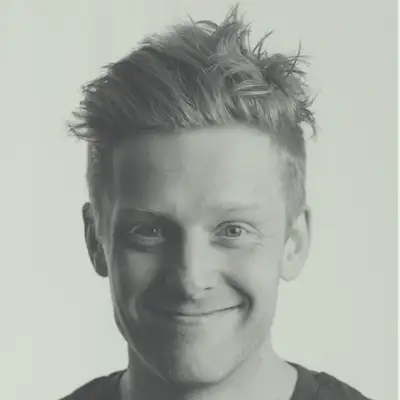
Hollie Lubbock, design director,
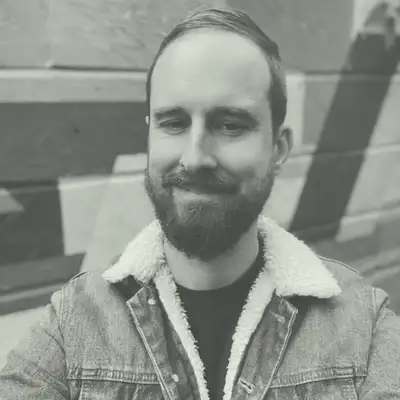
and Josh Payton,, VP of design.
Jonny and I have been working closely
with both of them over the last months,
recent months, and it's been super fun
to see how the design team has evolved
and adapted to incorporating AI into how
they're operating, how they're working.
and so we're excited
to dig into that today.
a few practical things, and then, there
might be some spicy opinions on the
cards, so we're excited to dig into that.
So maybe we could start off
with, a question for you, Hollie,
which is, just to, to bring the
listeners or viewers up to speed.
What does the day-to-day look like for
a typical designer at Wise right now
in terms of AI, ways of working design?
I think, so I'm gonna say what it looks
like right now, which I fully expect
to change by tomorrow or, the next day.
I think that's probably one of the things
to just say that, like, everything is
changing continuously, and as we're
learning, we're bringing in more tools.
But right now it looks like people
jumping between Figma, getting into
Claude, working with, like, specific
custom tools they've made themselves,
like in the brand team they're working
with a lot of pieces they've done.
I would say probably the thing that
we're seeing the most is actually,
like, experimenting in terms of
just building something very, very
quickly using our design system.
So we've got a prototyping
kit that's, like, hooked up,
same as many other people.
But I think one of the things that's
been interesting about it is 'cause
we have such complex logic and flows
within the actual product itself, it
allows us to really quickly actually
kind of make variations on that, and
that's the sort of thing that's changed
rapidly over the last, year or so.
So for example, like, if you were
thinking about prototyping sending money,
that was a nightmare before we could
do be, like, literally manually doing
all the sums, updating all the numbers.
but now we've kind of got that in, we
can switch types of users, so whether
it's like business, personal, whether
they've got loads of currencies,
whether they've only got one, and
then we can build on top of that.
So each time one of the designers
builds on something, it also
goes back into the system.
So everyone's kind of, like, building on
top of each other and, learning how we go.
But yeah, I think it's just got a lot
faster to get from idea to something you
can play with, that's, like, super fun
Awesome.
Hollie, when we first worked with the
design team at Wise, it was probably
November last year, something like that.
And I remember
that
this, like, early version of this
prototyping kit, and, it was sort of
magical that people suddenly could hold
something in their hands and, like, it
felt real even though it wasn't real.
it was sort of a facsimile of the,
the real, iOS app in that example.
So it's built in the web, but
all of the components felt,
so, realistic and lifelike.
And then to be able to jump
into that and just, like, tell
it to do something different.
We had these mad experiments with,
like, Chinese New Year appearing inside
the Wise app, and, I suppose I'm, I'm
interested in what the evolution of,
like, people's mindset because from
there to now it's probably, you know,
those people being like, "I'm scared
to look at the terminal," and now, you
know, a lot of them are in it every day.
Just that journey 'cause I think
you've, you've done a really good
job of bringing people on that
journey in quite a structured way.
Just interested in hearing
you talk about that a bit
Yeah, for sure.
I think it started out, I think we
probably all feel this still, like because
things are changing so quickly I'm like,
"Oh, God, there's a new thing that I need
to learn." But I think at that point in
time, we had a few people on the design
team that were super far ahead, and then a
lot of people who were a little bit like,
"Ooh, I've never really opened Terminal.
I've not done any programming before."
So some people, like, you know, we
remember the days when we were doing
flash games and stuff like that.
So you, like you had a memory
of what it was like, and it was
like resurrecting that memory.
so I think that was also useful
as well to like have that kind
of, in the team from a few people.
but I think the mindset's changed to just
like this is just part of our day-to-day.
It's not scary.
We've kind of made a lot of effort
to make sure that the training was
in place for people who were maybe
a little bit more hesitant or had
less sort of technical background.
but also, I think the team is really
good at learning from each other, and
those kind of workshops and
the playing meant that there
was a safe space to do it in.
But very, very quickly, the point was
actually do it in your day-to-day.
So I think that's kind
of the shift is that
Yeah
it's, it's one thing to do it as
like a play experiment on the side.
It's a very different thing to say,
"Actually, I've spotted an opportunity
in my day-to-day, and I'm gonna use
it." And I think that's the shift
is that people are spotting those
opportunities for themselves and
actually pushing what's there and saying,
"Actually, we need to evolve the tool
because I need to do something more
complicated." So I just think it's…
Yeah, it's, it's not as scary as like
we're all on the journey together is
probably what I would say
Are, are you finding that people,
'Cause it feels like quite
a sort of solo mission, AI.
Like, I'm in my own terminal,
I'm building this mad experiment.
I don't really know how it works, so
it's hard for anyone else to pick it up.
Are you finding that people are
looking for ways to collaborate on
this stuff a little bit more rather
than it being, you know, solo missions?
And so we were just talk, we were talking
about this yesterday actually, because I
think it's one of the… That's the tricky
bit, is that you can go further and faster
on your own very, very quickly, but then
you're just in your own bubble, and you
Yeah
actual, like, external inputs, and
you end up with, like, you're the
only judge of what's good 'cause
you're just working with yourself.
So actually what we've seen is people
actually just sitting next to each
other and working on it together or,
like, putting stuff on GitHub, pulling
it down, doing an iteration, and, like,
trying to learn those workflows as well.
So it's not just learning the tools,
it's actually learning a different
way to collaborate, which I think
is something that, like, we could
definitely keep working on and
make the tool sets better for.
But yeah, there is this, like,
slight tendency to go down
into a, into a hole and be a
lone wolf.
So it's like, it's, I think with crypts
and things, it's about pulling people
back or just saying like, "Share it
really rough and early. Just do the
video and then polish it before you get
too tied in." 'Cause it can look really
finished and really high quality when
actually the thinking isn't there 'cause
you haven't stress tested the thinking
Yeah, I
100%.
too, like there's a, there's like
a natural workflow progression that
you kind of go through as you start
to in- like adopt these tools, is
that you start to end up in this
like agent operator relationship.
And then you start to realize
like the operator is the
slowest thing and that's you.
And so like the agents are like,
Yeah.
outpacing you like three to one and then
suddenly you're like, "You know what?
I could really use another operator."
And you're like, "Oh wait, I
I have a team
me.
Okay,
Yeah.
do?" And so like you suddenly have to like
figure out how to open the door and like,
and that's where like the, yeah, the like
the boring operations stuff I think starts
to come in and like how do you integrate
like other people into the workflow.
yeah, I think that's-- it's g-
that gets interesting pretty quick.
Yeah, and, and, it does feel like that
the, the narrative around all of these
amazing AI gains for engineering and
now for design have been driven by
what feels like people in small teams
are working on their own where they
can just-- they don't have those other
operators, and they don't have any…
There's n- there's very little
existing, institutional knowledge
or architecture to worry about.
They're just like greenfielding
their way through some stuff.
And, Wise it's safe to say with like
eight thousand employees and an enormous
public company, there's probably
like a little bit more to lose there.
So, so suddenly the slowing yourselves
down and having like a judge moment,
it sounds obvious to say, but I think
it's really easy to sort of forget
the practicalities of using this stuff
in a big team, and it still needs
to fit with all the rest of how the
team needs to work and collaborate.
So,
. I'm curious about the range of,
of designers that you're seeing.
Is, are all designers at this point,
using these tools in some capacity,
or are there some that are still
pushing the ceiling of what's possible?
And how does that distribute across
the different disciplines at Wize?
Hollie, you wanna take this one?
I can take it, and then
I think you build on it.
I think how it manifests is slightly
different in different disciplines?
So in product design, there's a lot
of prototyping going on, building
your own tools for things as well.
In the brand design teams, it's
much more around the exploration,
building things much faster than we
could have done on our own, or much
more complex than we could have done.
And there are people there really,
really pushing that side of things and
getting into, like, hooking up motion
with sound, with generative visuals, and,
like, really, like, making tools that
are pretty complex that would've taken,
like, a, like, years and years of training
to learn how to use or even have…
Like, you would never have built
it yourself, in the first place.
I think in our content design disciplines,
there's obviously, like, a set of
tools that people are building for
themselves, but there's also, obviously,
there's AI workflows and things
actually built into the Wise product.
And I think that's maybe a
slightly different, angle as well.
So people are not only, like,
designing their own tools and
prototyping, we're actually building
AI experiences, particularly in things
like the customer service, area.
So there's, like, a lot of innovation
going on there on, like, how do
you actually do that type of work,
in content design particularly
Yeah
And then I think too, the, the, the bit
that I think several people here I don't
think are really aware of yet, but it's
coming quickly, is, Johnny, our head
of, design operations, he's like one of
the most advanced folks in terms of like
building prototypes and stuff like that.
and he's been looking at just like
how do we automate like a ton of
the toil that goes into our broader
workflows and stuff like that.
I've seen some of the like really
impressive stuff coming out of him.
and like his biggest gate right
now is just like op- OPSEC or like
InfoSec, and trying to, and trying to
basically navigate through, you know,
what ki- like not having data leaks,
you know, in, into the, into the,
into the systems and stuff like that.
but like I think that's where, like that's
kind of the stuff that I'm really excited
about is like w- as I was talking about
like the operator slowdown thing and like
having to like basically integrate across.
that's kind of where I think a lot
of like really interesting stuff
is starting to happen right now.
and it's a little bit of like behind
the curtain kind of stuff because
like it's easy to look at a prototype
that's like right in front of you.
But then, there's like a whole
operational workflow and like some
of the drudgery that like I think
all designers hate of like, know,
Yeah
resource utilization and like,
like all that kind of stuff.
Like suddenly that you can start, start
to strip that away and it starts to
happen automatically, which is super cool.
yeah, so like I think everybody…
Like innovation's happening across
the board kind of in every discipline.
It's just, it come, it comes
forward in a little bit of a
different flavor every time.
And I think all of it
is like training, right?
So like e- the content designers in
particular, I think, they're really,
really advanced in terms of like
building their own agents, building
workflows, like how to like prompt
effectively and all that kind of stuff.
And more and more, they're getting
leaned on to help like other, other
teams and other disciplines who are like
less sort of on the tools constantly,
to, to be more effective in, in their
implementation of this stuff as well.
Yeah, one thing I was, I've been thinking
about quite a lot is how you, enable
the designers and the content designers
and, and actually, you know, the, the
people, the arbiters of what good looks
like when it… as it hits the customer
to, enable people outside their part
of the organization to do better work.
So whether that's like, you know, emails
that always look on brand written by
the marketing team, or whether that's
like copy that is in some corner of the,
the, the app or the product experience.
Is that, is that the kind of
thing you're talking about, Josh?
Or
Yeah
to an extent.
I think like, I think more and more as
like, as we get more familiar with like
how these tools work and what they're
capable of, I think we're starting to see
just like special-- like subject matter
experts are still subject matter experts.
And like
yeah
because I can now get, go into terminal
and like have, you know, Claude Code
generate y- you know, like front-end
code that works, an engineer doing that
is still gonna be way faster and more
effective than me at doing that, you know?
And like as a designer, I'm still gonna be
way faster than like anybody else trying
to do design work with a tool, 'cause it's
like it raises the floor for everybody.
You know?
So it's like I'm now way faster
at the thing I'm already good at,
so like, you know, I've got 25
years of experience doing this.
Like somebody who picks it up today
is not gonna be faster or more
effective than me at the same thing
when I have the exact same tool.
Yeah
think what it starts to get into is like
how do you enable other subject matter
experts around you to move as fast,
Got you.
and to be, and to like improve
their own effectiveness?
y- yeah.
So that's like, yeah, I think that's
kinda like my, like my underlying
kind of thesis on all this is like,
yeah, everybody can like lone wolf
their way through stuff, but you end
up hitting a productivity wall anyway.
It's just
Right
faster, and you're like y- your
productivity might be slightly higher,
but at the same time, like the number of
times I've been working on something on
my own and been like, "I really wish I had
an engineer sitting next to me 'cause I
Yeah.
making."
You know, it's
Yeah
like if, if everyone was that
self-aware, I think you'd come
to that conclusion a lot sooner.
Yeah.
In the last episode, we were talking
to, Domingos, from, Fin Intercom, who
is operating in this, like, probably a
similar role to Johnny in a way, and it's,
it's like a sort of design/engineering
opsy role that just facilitates others.
Any reflections on how you would
structure an organization to…
Like, does every org need a Johnny at
some point that is then just… And a
Guso and other people that we know we
know are, are just, like, exceptional
at why is it this kind of stuff?
Yeah
Yeah.
just so for anybody listening, Gusso
is like our head of, of design tooling.
he's the wizard of making
things work in the background.
I, I, I've been a big pusher
for, like, ops since day one.
Like, when I was working agency side,
project managers were the bane of my
existence, and then over time I was
like, "Wait a minute. These are the
designated responsible people. They're
actually very useful." And so Yeah.
like program management, project
management, all that kind of stuff,
like, it's-- as soon as you get to
a team of more than five people,
like, it, like, just managing, you
know, coordination between folks
becomes a full-time job for somebody.
and like, yes, some of that, like, can be
handed off to, you know, agents and stuff.
but even still, like, you know, having
somebody around who's thinking, thinking
that stuff through and, like, thinking
a few steps ahead and, you know, making
sure that, like, all of us abstract
random design people who, like, our whole
stock and trade is being disorganized
and sort of a little bit flitty,
you know, are, like, still on task.
Like, I think, there, there's a,
there's a big role for that, still.
And, and like I said, like Johnny,
you know, the way that he's thinking
about, like, AI implementation
with, on the operations side,
like, his, his thinking is way more
sophisticated than mine is, like, on it.
You know, he-- I, I can
do some of what he does.
I know what good looks like.
He knows how to make good actually good.
Yeah Yeah one, one last one from
me and then we'll m-move on.
I, just that last thing that you
spoke about, Josh, and I, I think
we've spoken to other people who are
leaders within design organizations
who aren't necessarily hands-on
with the tools all the time.
Actually, the role is much more, you
know, strategic and, and like people
management and stuff like that.
How are you both finding that you're
able to or not able to keep up with,
you know, to like getting the feel
for how good these, these tools are?
How much-- how important is that for you
to stay on top of versus just trust, trust
the team to work that out and guide them?
I don't hire professional managers.
Like, period.
Like, the, the tool's been
changing since, since day one.
When I first started, working in the
design industry, I was making Flash stuff.
It's a completely useless skill now.
Like, staying on the tools is, like,
rule number one of, like, being an
effective design leader in general.
If your whole j- if you're… Like, people
come to me all the time when I'm hiring
for leadership roles like, "Oh, I haven't
touched Figma in 10 years." I'm like,
"Cool, you're not in the pr- you're not
in this process anymore." Like, good luck
with that if… You know what I mean?
Like, I just don't…
Yeah
Yeah, I don't buy it.
Like, I, Yeah
I'm, in my day-to-day job, like, a lot of
it is going to meetings and, like, dealing
with, you know, administrative faff.
home and I do design work.
Like, it's called… It's a practice.
You know what I mean?
This is, like,
Yeah
practice for a reason.
and, you know, it's the same thing
as, like, med- you practice medicine,
you practice law, you practice design.
Like, it's the same thing
. we, we'll definitely clip that, Josh.
That is, that, that one's in the can.
was
I don't know how I'm gonna say it
after, after that revelation from Josh.
I think for me, I'm, I'm looking
for, like, that one project that
I get involved with and that I
play with the new tools on always.
There's always something where
I'm like, "Okay, this is the
one for me to try that out on.
There's a bit of space.
I can do that," to just always make sure
I've got my hand in and learning the new
things 'cause it's like I wanna be able to
help people if they get stuck and actually
be able to give advice and support.
If I don't know what the
thing is, I can't do that
100%.
Absolutely.
Absolutely.
based on the conversation around
and the role leaders play, I think
there's an interesting question at
the moment around seniority levels.
A lot of companies are just hiring
the most senior IC, ICs they can
find at a scale of the Wise design
team, which is how many people now?
120, 130-ish?
150. Okay.
I imagine the strategy of only hiring
super senior people all the time is, not
necessarily sustainable, or maybe it is.
I'm curious how you're thinking
about sort of talent development
and people earlier in their career.
how-- Are you trying to hire those people?
are there sort of specific
shapes of those people that
you're looking for in the team?
Yeah, we have a grads program, we
have an internship program, and
we have an apprenticeship program.
and we-- And then we have, like,
a whole partnership with, like,
DNA_D and a few others, of, like,
DNA_D New Blood and, like, a bunch
of, like, early career stuff.
it-- My-- In my experience, like,
since, like, I was working at Huge in
New York in, like, 2010, like, the,
the realization back then was like,
you know, there's not a lot of people
who have a lot of experience with large
scale platform builds, so we're gonna
need to train these people ourselves.
Like, that's, that was the thesis in 2010.
Today, it's the exact same thing.
We're seeing like, "Oh, we want
super ICs." It's like, okay, where's
the pipeline for growing talent?
So, like… And I've always thought
that internship-- like, traditional
internships are not that useful.
It's like hiring a person that, like,
comes in and works voluntarily so
that they can, like, you know, h- buy
paper for the copier is, like, not a
very valuable kind of work experience.
So, like, we have taken the, the
tack of, like, actively training
people, putting them on real projects.
and, like, it both gives people that are,
like, earlier in their career that are
already in the company op- an opportunity
to get, like, some experience with
management, so it's training those folks.
And then it's bringing in, like, a bunch
of young talent and then training them
on, like, tools and stuff for, for this,
for, for what we're doing here every day.
And, like, there's a couple folks
that are, like, at Wise right now who
were part of, like, the early careers
program at Huge in New York 15 years
ago, who are now design leaders at Wise.
the design world is very small and
so, like, build your tribe and,
like, the tribe travels together.
the, the brand on the marquee
might change, but, like, the,
the faces remain the same.
Hollie and I have known each other
for 10 years, you know what I mean?
We haven't always worked
together, but yeah.
Amazing
I, I also can attest to this.
Like, w- after our last workshop
with you guys, I sat down for
lunch next to Melissa, who,
Yeah
until a year or two ago, a year ago, was,
a circus performer and then did a, a boot
camp and then ended up as a Wise internal
junior and, was brilliant in the workshop.
Like, built something extremely cool.
But just, you know, this, it f- it
felt very refreshing to hear that,
you know, you're looking for, for
people, looking for raw talent, not
necessarily just your, your five years
of design experience or whatever it is.
unusual CVs and just people
that just, I suppose, sparkle.
But yeah, just,
I mean, the three most valuable skills
I think for anybody at any level is,
like, smart, ambitious, and curious.
You know?
Like, if as long as you got those three
things going for you, you'll go far.
Like, w-we work in an industry where,
like, everything's always changing,
so, like, if, if those, if that's at
the base of, like, what, like, how
you operate and, like, how you get
down, like, I think you'll be fine
Amazing.
should we switch gears, Johnny, and talk
about some, some thoughts, Josh, that you
shared with us ahead of this conversation?
You shared a few few, few ideas
about, working with AI and what your,
your experience has been so far.
I think the, the, the first one that
seems like a natural, progression
from this conversation is around
disciplines not collapsing.
could you tell us a bit more about that?
Like, you've, you've already
spoken to it a little bit, but
would love to go a bit deeper.
Yeah, I don't buy it.
Like, everybody-- I think the
people who are saying this have
an ego problem, to be honest.
Like, I think, like, there's a big
Dunning-Kruger problem happening
in, in the industry right now.
Like, "Oh, I could do everything
myself." Like, okay, good luck.
You know?
Like, have fun.
you know, you're-- I don't… It's like,
I mean, it's a bet, but I don't buy it.
Like, I've, I've, I hang out with a lot
of very smart engineers all day long,
and, like, I'm never gonna be as good
of an engineer as they are, you know?
And, like, and likewise, you know,
there's always people who are,
like, saying like, "Oh," you know.
Like, literally internally every now and
then you'll hear people be like, "Oh,
we're gonna fire all the designers."
I'm like, "I've seen…" I was like, "I've
handed you PowerPoint and, like, Google
Slide templates for the last four years,
and you still, like, bodged them horribly.
Do you think that, like, what you're doing
with AI is gonna be any better?" Like, no.
It's not.
You know?
Like, like, I, I actually think
that the, the, the need for
specialization is going to increase,
not decrease, like, over time.
You know what I mean?
Like, differentiation is
more important now than ever.
It used to be hard to be average.
It's like that is table stakes now.
Well, and I, I posted on LinkedIn,
like, a while ago, like, "AI
ri-raises the floor for everybody.
It does not raise the ceiling." And
there's a bunch of people hanging
around in a finished basement all of
a sudden thinking they're on the roof,
and it's like, "No, man, you're not."
Like, "You are barely average." And
like, right-- And like I said, it's like
I am capable of way more than I used
to be at the thing I'm already good at.
And, like, the engineer I'm sitting
next to is now a wizard, and I have
no idea what they're capable of.
Like, I would be so, like, presumptuous
to assume that, like, I can, like, beat
the engineer at the engineering game
the same way that, like, I think, like,
anybody is presumptuous to assume they
can beat the designers at the design game.
and, and likewise, like, it's the
same for product, the same for legal,
the same for all this kind of stuff.
I think Kari Saarinen, the CEO of Linear,
like, he posted a thing a while ago where
he was like, "AI is great for things
when you don't care about the out…
when you don't care very much about the
outcome." And his thing was like, he's
like, "I go into it and I ask for legal
advice, and it gives me legal advice.
I'm like, 'Oh, this sounds pretty, pretty
passable.' Then I ask an actual legal
expert, and they're like, 'Dude, do not
do that.'" and I think, you know, it's
like, it's just, yeah, it, it's a tool
change at the end of the day, you know?
And, and it's a, and the, and
it's also an averaging machine.
So, like, if, if your
goal is to be average,
congratulations, you have arrived.
I suppose, I, I think you are
also showing the, the, the bar
at Wise there in your answer.
And, I suppose the slightly more
cynical take on this would be there
are probably… Well, by definit-
definitionally 50% of companies are
average or below, and maybe for, if
you're in one of those companies, the,
the, the, the CEO might say, "Well,
we don't need any designers 'cause the
engineers can do it." and then they
end up with average or below average
design, and they're happy with it because
that is the nature of the business.
that.
Like, you can look
Yeah.
companies that's like, know, that don't
have very good, like, their, their apps
are bad, their products are average,
their, like, websites look like crap.
Like,
Yeah.
a
Yeah.
know?
Yeah.
For what it's worth, I, I agree with
you, and I think Kari Saarinen is a
really good voice in this, actually,
a voice of reason amidst all the
hype, and a good follow, I would say.
so I, I, I just got a, a, a
follow-up to, to this, Josh, which
is… And, and actually, Hollie
as well, really interested in your
thoughts on what you think this
will do to reshape, our discipline.
Do, do you think that there will be any,
specialisms within design, for example,
that appear that become important,
some new archetypes or, or, or not?
I think it's really hard
to, like, pinpoint it.
I do think, like, Josh was talking
about earlier, in that operationalizing
side of things, I do think that's been
massively amplified, and the need for it.
is much, much clearer.
So I can see that being an area
that actually kind of expands
or people specialize in, that
are very good at enabling many.
I think it's always changing.
I think that's been the
constant with design.
It's like the tools change
every couple of years.
You need to learn a new thing.
There's some, like, new way of thinking
or some new trend that's on board, and
like, I think we probably all remember
when we were all just called web
designers, UX/UI, product designers.
And now it's… And,
like, service designers.
Like, how many iterations
have we already been through?
Hollie, we're all design engineers now.
We're design engineers.
Did you know that?
it's
Yeah.
webmaster
Yeah, webmaster, yeah.
Exactly.
Exactly.
I think that's my point, is that
it's always been changing and,
like, the skill sets widen and
contract every now and again.
But I think those baseline skills,
I don't believe they change.
I think
it's, like, high bar in terms of,
like, decision-making and knowing
what good looks like in terms of
a craft quality and pushing it.
That's always been the constant, no
matter what sort of design you're doing
Yeah, I think too, like the, the,
the way things start to reshape, I, I
think that you're gonna see a similar
pattern to what happened like when
design systems really started to take
hold and become commonplace, is that
like a lot of the low-level toil that
like people had to like spend lots of
time on is now gonna be- become like
very easy to just either, automate or
to hand over to other, other folks.
and I actually sat down and I made a
two by two 'cause like I was… I got
asked by like our chief product officer
a while ago, like, "Can you talk to me
about like when, like when should PMs
just like skip to prototyping and like
cut design out, and like when should like
design really like come to bear, i- in,
in full?" And so I put together like a
two by two, and the q- and the, the, the
are… four quadrants are like, is it an
established pattern or is it zero to one?
And then on the other, on the
other axis, it's like, is this
a well-structured problem or is
it an ill-structured problem?
And in the, in those quadrants,
in the upper left-hand corner
you have, it's well-structured
and it's established pattern.
So like, yeah, this is like a place where
it's like it's easy for PMs, engineers,
legal people, whoever, to like opt to,
to prototype freely because it's like,
you have a single falsifiable hypothesis.
the changes are easily reversible.
It's things like, you know, y-
y… can think about like as
is the checkout flow, right?
It's like going from step A to step B, if
you make one m- minor change, like the,
the difference is gonna be zero or one.
Like it's either gonna win or
it's gonna lose, and you can
like iterate really, really fast.
It's using the design system.
Like you know, I don't need to touch that.
Like go, go right ahead.
Knock yourself out.
That's no big deal.
On the other end of the spectrum
though, you have like it's a
zero to one problem and the, the
solution is very ill-structured.
so it means that like it's the
difference with… Like if you
use a Rory Sutherland example.
It's like Tesco Express
versus the farmers market.
Both are very successful like
ways to buy food, however, like
they're completely polar opposite
in terms of the way they work.
and so that's where like it's better to
like write a PRD, like get, you know,
start exercising some design thinking.
Start with sketching at that point.
Like you really have to work through
strategy, scope, structure, skeleton,
surface, like that whole, that whole deal.
And the other two quadrants,
you have something that's like
a zero to one problem that's in
a well-structured environment.
I'd say in this place it's like, it's
important to use caution because like
you can usually… It's usually faster
for design to do it, but if the,
if the criteria exist and the path,
it, to get there is like relatively
certain, like you kind of don't
necessarily need to get involved.
but there, there's a
little bit of risk in that.
and then there's the other one where it's
like an, it's a established pattern, but
like it's an ill-structured solution set.
So like a way that I u- like explain this
sometimes at Wise is like logged out web.
Like the website is a very
well-established pattern, but like
the, what you actually put there,
like headline writing, images you
pick, the narrative of things, it's
an, it's an ill-structured problem.
There's a zillion ways to
like, to skin that cat.
Like it's probably better to have
designers involved unless you're
making like really like low level
AB kind of, we're updating the
comparison table or something.
Like, so some of… It's like some
of these are like, it just, it
creates a judgment call, like who's
best, best, suited to, to tackle it.
But that's kind of the way I've been
thinking about this in terms of like
what tasks you can hand over to other
disciplines because like, you know,
it, it makes the, the path to, the
path to like table stakes easier.
Yes
like it's just kind of like
proceed with your eyes open.
'Cause like I, I think a lot of times,
know, when, when you have folks that
are like in-incentivized to move quickly
and just experiment and test and learn,
like they innovate by copying basically.
And that just leads to like you,
you, you get some, some instant
gratification, but over time you
start to plateau and then decline if
that's the only way you do everything.
so yeah, I think there's like… It's
just being very self-aware in terms of
like what you're doing and why you're
doing it, and then what the sort of
cost benefit is at the end of it.
Love that, Josh, and that, that
two by two makes a ton of sense.
I'm curious, in, in my experience,
the, agreement on what structure
is actually complex or not complex
feels like it can differ based on the
discipline or the person, responsible
for allocating, people to a problem.
Have you found that to be true here,
or have you found it e- everyone pretty
much agrees fairly easily on what is
complicated and what is not complicated?
that's why they call it work and not fun.
yeah.
' Cause working that out, like
that's, that's k- that's kind of
the whole game right there, I guess.
Yeah.
so n- the
X.
I don't think every- everybody agrees.
I think like if
Okay
looks at an engineering problem,
they'll be like, "This is easy."
You know?
You, you show that to
somebody in like, you know,
Yeah
" It's, it's all Latin to me." You know?
So, so who knows?
Yeah.
Yeah, definitely.
Yeah, I kind of was curious if there
was any sort of AI eval process you
have going under the hood that helps
different disciplines speak to each
other in their own language or their sort
of alignment around is this actually a
serious problem from all these angles?
Anyway, we can move on.
something to build though.
but
I'll
maybe,
that
do you to get on that?
maybe, s- switching, switching gears
slightly, J- Josh, a few times you've
mentioned now about AI being a- an
average machine, averaging machine,
Yeah
and the importance of differentiation
that comes as a result of that.
Would love to hear your thoughts on
you see differentiation playing out
in the next few years in terms of what
that, what the implications could be
for brands or product experiences or
other, other things people will-- can
expect in their, in their lives as a
result of this focus on differentiation.
the op- this has the opportunity to
be a sprawling, sprawling answer.
but like at the end of the day,
like, I, I think like the, the thing
with AI is like it's a gar- it's
garbage in, garbage out, right?
Like if you, if you give it,
if you give it bad parameters,
like you get bad results.
and so like that's… I think when
I say it's an averaging machine,
and this, this is like pretty well
established, I feel like at this point.
Like there's been all these tropes you
see in, in sort of the press about,
you know, you ask Claude for a design
and it's gonna come back purple.
You know, it's like there's just
the-- Or, or like if you ask it
to write something, it's gonna use
the word genuinely like 400 times.
Somebody at Anthropic uses the
word genuinely a lot because
someone's trained the model to say
that over and over and over again.
and so like I think there's a lot
of that kind of stuff where it's
like the tells become a lot more
obvious the, the longer things go on.
And it's like if you look back
at like the '90s when CGI started
to become a thing in movies, it
was like, "Wow, this is amazing."
And then you go back and watch it now,
you're like, "Oh my God, this looks
like crap." Like the same thing's
gonna happen with AI, you know?
It's, it's just like as things go
on, people get more savvy about being
able to t- like to, to figure out
like where people are cutting corners.
yeah, and so, I think that's
like, that, that's where the
differentiation thing I think really,
really comes in is l- is that like,
There, there's also like a big backlash
right now I feel like ag-against AI.
You talk to people and they're like, th-
there, there seems to be like this strong
desire for like human curated experiences
and things that are real and like,
you know, th- and that sort of thing.
And I don't think this is exactly like
germane to your question, but like my,
my hypothesis expectation is that things
like live entertainment are gonna like
have a, have like a golden era coming
up because this, th- you know, as, as
things in digital media start to become
less believable and like less true and
just like filled with more schlock,
you know, it's like, "Okay, I'm gonna
go hang out with my friends then."
It's like, "Oh, I'm gonna go see
a band live then," or, "I'm gonna
go like to the theater," you know?
It's like, like I'm literally
going to see Oh Mary.
You know, it's like th- like
these types… It's like this,
this stuff's actually fulfilling.
Like I sit on TikTok And I realize like
I'm watching a bunch of like people that
don't exist talking about things that
don't exist, and it's all just there
to like make me outraged and like en-
like m- more, like increase engagement.
And like it's like I feel people are
gonna start to opt out, you know?
If you, if you thought that
SEO content was bad, just wait.
Like that's the r- that's, that's
like our future is just pipe of
garbage like into the world to try
to like dupe rubes into like clicking
more things and looking at more ads.
It's like, I don't know.
it's, there, that's, th- like I
don't, I actually don't really think
that AI's gonna take over the world.
I think like the, it's g- there's gonna
be a bunch of people that are gonna
like end up in like the fat people
in Wall-E, you know, like just on a
conveyor belt of consumerism, you know?
And then there's gonna be folks that
don't wanna do that, and I, I'd like to
think I'm gonna be in the second category.
yeah.
This sounds like quite an
optimistic, sort of future vision.
I love that we got from that question,
which was maybe a little bit more
tactical to the existential, but it was
inevitable we'd get there at some point.
the, the WALL-E, WALL-E s- does seem
to be the bit of sci-fi that most
predicts the future in my mind as well.
But, in a world where we have enough and
more time and all of that kind of thing,
and we're all able to see each other a
little bit more, does that, does that
then have an implication for what we do?
Like, are we, are we gonna go back
and, you know, hand set posters with
glue and paper and, and because that
is actually what people end up valuing.
I'm, I mean, I'm not
actually averse to that.
That sounds really fun.
But, you know, as, as… I, I can't work
out if it's an optimistic or a pessimistic
view, this, 'cause it's kind of
pessimistic for, like, what we've trained
to do over the last at least ten years,
while being optimistic for a life that
we might want to lead that sounds better
Get someone on Etsy on here and
ask them how their sales are doing.
You know?
Like, is there, is there a, is the
market for handcrafted, things made with
care, like, increasing or decreasing?
I don't actually know the
answer to that question.
I thought you had some insider knowledge.
Okay.
the pessimistic takes are easy.
Like, I, I, you know, like, I think
it's, it's better to just at the upside.
I've never been more, like,
enthusiastic and, like, excited
about the work I'm doing.
Like, particularly, like, the,
the side stuff I'm working on.
Like, it's like, oh my God, this
is like, it's suddenly so much
easier for me to make stuff that
I care about, like digitally.
whether I make money off it or not
is, like, kind of beside the point.
Like,
Mm-hmm.
making stuff is, like, the reason I
got into this job in the first place.
and I-- Whether it's, like, building
physical things or, like, building
apps and websites or, like, whatever
the ca- or, like, making music, like
that's the, that's the creative outlet.
and now it's just like there's,
you can make things much
more real much more quickly.
Like, I heard somebody recently
de-describe this as self-ware, you know?
Like, making software for yourself.
It, like, does things you want it to do.
man, that's, that's, that's awesome.
Like, whether Anthropic has a business
model or not, like, I don't care
Yeah.
Like, that's for them
to figure out, you know?
Amazing.
Josh, could you give us some examples of
some of the things you've built recently?
We'd love to hear what
you're tinkering with
it's top secret.
Okay.
I think
classified No, I'm, I'm
building an app right now.
I, I told myself two weeks
ago it'd be out in two weeks.
Classic.
But
more feature
I totally fit the bill of like,
you know, AI has made me so much
more efficient and productive, and
I've never been busier than ever.
You know, it's like,
Yeah
just like, it's, you
can accomplish so much.
but Yeah
I've, I'm, I got an app in the works.
I'll, I'm gonna release it probably
like within the next month I'd
say, and then, and then you'll see.
But you know, I gotta, I gotta keep
the, keep the secrets under wraps
because it'll ruin my launch, you know?
Can I just ask Josh, like what, for
your, for this personal project,
what is your design process?
so Good question.
do you want me to start?
Like, so the, the… I've had, I-- So I'm,
my-- When I, when I started this whole
industry, like, i-in the industry, I was
a graphic designer who knew how to code.
Like, that's like how I got into,
like, interaction design, 'cause
somewhere in the middle was, like, UX.
Mm-hmm.
like, I've known how to, like, write HTML,
CSS, JavaScript, Swift, like, Dart, like,
all that kind of stuff for a long time.
So I've had, like, tinkery, like, Flutter
projects going on for a really long time.
where AI really started to help was, like,
I could ask it a bunch of questions about,
solutions architecture, and how you can
actually structure, like, a database, and,
like, how you connect all these things.
So that's where I started, was like, "Oh,
I wanna, like, actually integrate real
data." Like, I, I don't wanna pay Google
for search, so, like, I need to, like,
download Overture, kinda stuff like this.
This is sort of starting to, like, allude
to what I'm, like, actually working on.
oh, Hollie knows.
She's, she's one of my
test pr- test users.
I am.
so I started there, and then basically
I, I, I mean, I designed everything
in Figma, and then, like… But, well,
the thing I've realized too is, like,
documentation as code is a huge thing.
So, like, if you… Like, it's
all just markdown files really to,
like, that can, that make AI work.
So, like, it's n-not that inaccessible
for kinda anybody to do that.
So I started to get into that of like,
"Oh, I understand how to build skills now.
I know how to make, like, sub-agents,"
and, like, this was a while ago.
and then I realized like, oh,
like, having a tidy Figma file is,
like, more important than ever.
Tokenizing everything, like, down to,
like, corner radii, and, like, all
the, like, as detailed as possible,
'cause that's the thing that, like,
makes the, the AI, like, actually
do, like, do pixel perfect stuff.
Design is
Yeah.
Yeah
o-other thing that I've realized is that,
like, actually getting something good
and consistent to come out of AI so that
it screens across, like, a lo- a large
thing that's not just, like, some vibe
coded garbage thing, like, is actually
still very, very slow and tedious.
And this is where I'm saying,
like, the operator lane is
the slowest lane, 'cause it's
Yeah
know, all that ki- all that kinda works.
So Yeah
now, like, I've got a backlog in Linear.
Everything's on Git.
and then I run, between four and seven
Claude Code sessions next to each
other, and then I have Cowork running,
like, the strategy, like, side of it.
So, like, if I'm, like, I'm
planning things in the he- ahead
in the future, doing, like, cost
breakdowns and, like, competitive
analysis and, like, all that kind of
Yeah
modeling.
Like, I use Claude Code for all that.
Claude Code then, like, feeds
the backlog with, like, ADRs and,
like, all that kind of stuff.
And then I have, like, a, a whole, like,
fleet of agents that do everything from,
like, solutions architecture, like, c-
wiring check, so it, like, checks that
all the, like, wiring across things work.
integration checking, backlog grooming.
I, I have a project manager one, and
then basically it just, it's just
a loop that keeps going around and
around and around and around like that.
I took a screenshot of it.
It was like my… I was like, "Oh man,
my workflow w- very different than it
used to be." And so, like, now it's
like I use Obsidian to, like, m- to
manage MD files locally, just 'cause
it, like, formats things nicely.
and then yeah, a bunch of Claude Code
sessions running simultaneously, CoWork
for like future stuff, simulator is
running all the time, and then Figma.
Like that's basically it, I think.
Yeah
And you started
Oh
this, this, this sounds like maybe a
little bit in the weeds, but I just
think what I've found from building
sort of toy projects myself and, and
not this is a toy project, Josh, I'm
sure it's gonna take over the world.
It
but when, you know, when it's in the,
in the early phases and it's just
you and you can do whatever you want,
open Figma are hard thinking, doesn't
work for ages until it suddenly does.
You- basically the design
process that you described versus
Yeah
ask Claude to like build one more feature,
and you get that dopamine hit fairly
immediately, and it works, which feels
like magic and all of that kind of stuff.
And I've found myself, and I'm sure a lot
of people do this, designers being like,
"Just one more thing, and then I'll just
con-- then I'm gonna do a bit of design
stuff to make, to tighten it all up."
But actually just one more feature.
But it sounds like you started with like
a more traditional design process, to
sort of lay the foundations and then now
you've got a good foundation, you can
run quite quickly at, at the build side.
Yeah, and like I've tried
to run them in parallel.
It, the thing is that that's been
interesting is it's like taught me a
lot about like I guess pr-- I've had,
like, a lot of aha moments about, like,
process and, like, where design sits
in the process and, like, how to think
about engineering and, and the, the
cost benefit of, like, paying a little
bit of extra, like, debt, I guess, now
to make things, like, systemic and s-
like extensible and, like, scalable
rather than just, like, building a thing
that you have to, like, refactor later.
and it's like th- those, these all
become deliberate product choices, and
I start to realize, like, why, like,
there's, like, the product management
design tension constantly of, like, don't
over-optimize too early, but then also,
like, be very judicious about, like, not
making stupid decisions that are gonna
take you a million years to refactor.
and I just posted something on
LinkedIn the other day, like,
the, the two most valuable words
I've learned is bounded validity.
It's like, which basically means,
like, every claim is valid within
bounds, and, like, unstated bounds
are then in-interpreted as infinite.
So if it's like test ran green, like, if
you're chaining agents together, Right
Test ran green.
It's like, great.
Every agent that reads that from
then on's gonna be like, "Okay, I can
just do whatever." And then, like,
weeks later, you're gonna realize
that test ran green in- against the
parameters that thing tested against.
It didn't test all these other things.
And if it never says,
Yeah
" I tested these three things,
not these other seven things,"
Yeah.
just get that green f-
green, on their own.
Or if it's like, the other one is
it's like if a, if there's a Boolean
in the system, and it's like this is
either true or false, and then the AI
Yeah
checks it and then gets a
null, gets like or gets a 404,
Yeah
that is then recorded as false,
which is, is it, "I don't
know" gets recorded as false.
And then you don't realize that that was
a problem until, like, way down the line.
Then I'm like, "Oh, these are
engineering pro- this is like
engineering first principles." Like,
Yeah
I don't have any idea.
And so th- these are the things where I'm
like, "Oh, right, like specializations
aren't going away, man." Like, if you
don't know this stuff already, like,
these are like… I'm not talking about,
like, sophisticated principles here.
I'm talking about the foundations
of, like, computer science, and
I don't know anything about it.
I'm a designer.
I went to art school.
And so this is why I'm saying,
like, I wish I had an engineer
sitting next to me, 'cause I'm
Yeah
dumb decisions.
And then, like, the same is true, like,
if, if you don't know about, like,
tokens, and you don't know about token
libraries, and you don't know about,
like, all these things, like, just
gonna, like, as you, as, like, the
scope of things expands, like, you're
just building a larger garbage dump.
You know?
It's like,
Yes
yeah, I don't know.
Like, the more, the more things
change, the more I realize they're
ki- they kinda stay the same.
Yeah
it's a new flavor.
It's safe to assume that if the good
designers are looking at the trash
design being put out by people saying
design is cooked, you know, there's--
that is true for every vertical.
So everyone is looking at everyone else
and being like, "No, we're okay actually."
to an extent, I think 'cause, yeah
Yeah, the best people aren't
posted on LinkedIn, man.
Like
Hey, well, look, you and me and Tom have
all posted on LinkedIn this week, so
You have… I mean, it comes with, it
comes with the territory, but yeah, yeah.
But yeah, tread carefully.
Just 'cause people are posting
on LinkedIn doesn't mean they
know what they're talking about
Exactly.
That's true
let's switch to a quick fire round.
Tom, do you want to,
Yeah, we just have a few,
quick-fire questions at the end,
so hopefully these are sh- short
questions, short-ish answers.
I will go first, and then
Johnny, let's go back and forth.
So my question, when AGI takes
over everything, what will you
do with all your free time?
Hollie
free time.
I'm definitely gonna be making more stuff,
like doing it with my hands, drawing more.
I'm r- I am super into the idea of
doing more watercolors at the moment
Same.
Love it
Love it.
Very cool.
And what's colors for you, Josh,
or a different flavor of making?
Music
Yeah.
things
All, the things
all all the cliches.
Creative Enterprises
Yeah.
okay.
and, open to either, what's
one thing about your craft that
you refuse to hand over to AI?
I think we've, we've covered this
fairly well, but a quick, quick answer
for me, I think it's curation.
I think most of design is
curation in one way or another.
Like, people talk about taste, but,
like, I think that's, that's a little bit
of like a… I think that's a cop-out.
I think, like, the curation is,
like, the, the core of it really,
so I think it's probably that
Oli
For me it's, it's curation but
from a slightly different angle.
It's that thing of, like, being able to
bring in references from the whole world,
and, like, use all of the things
around you as, like, references.
I love that.
I love learning about a new
thing or, like, gathering things.
So I'm not letting it do that for me
Yeah.
I
Oh
it can either though.
Like, the deep cuts are, like, where
things are really interesting and l- you
yeah
if y- I don't know if anybody
know who's Bauer is, like the DJ.
He's got… His TikTok's great.
He does these, like, crate digging,
like, sa- he does these, like,
sample breakdowns of, of old
songs and, like, it's cool, man.
Like, these, like,
Yeah
like, references that people
are pulling from to make these,
like, really killer tracks.
Like, that stuff's all… That,
like, that's wh- like, that's where,
like, magic comes from, you know?
Like, and y- Yeah
We, we, and as you say, we may get
more of that now because people are
forced to do it to differentiate.
Yeah, you can't just sort
of sit on your laurels.
Yeah
Tom, you go
Last one from me.
what's the last tool you
deleted from your stack and why?
Hollie
I feel like I'm really
bad at deleting stuff.
I'll just, like, keep things lurking
around, then I'll open up and be
like, "Ooh, treasure from ages ago"
Yeah, I don't have a… I think the
only one is, like, probably Illustrator.
Like, if I think about it, like,
I find myself reaching back
for old tools all the time.
Like, and then I opened Illustrator,
like, probably a year and a half ago"
and I was like, "Oh my God." You know?
I haven't been… It's
like, "Hello, old friend.
I haven't seen you in a while."
Exactly.
And then you're like, "Oh."
were still there.
I was like, "Oh."
I'm still, I'm still a whiz at this." but
yeah, I think that's the one that, like,
I think Figma has t- truly, truly deleted.
I mean s- yeah, Sketch too.
Like, it
Yeah.
It's amazing how bad the Adobe
Suite feels now as well to use.
It's like nothing is native.
It just feels sort of slow.
I don't know.
I grew up on that stuff.
QuarkXPress, that was my first, tool of
Macromedia Freehand, man.
Like
myself with that one
and the last quick, quickfire
question, is sort of the opposite
in the sense that, I'm interested in
what is inspiring you at the moment
Teenage engineering
Hmm.
So
Nice
Everything they
Yeah
Like, their, look at their
website, it's killer.
All their hardware is rad.
Like, all the interfaces
on their hardware is rad.
Like, super cool stuff, man.
They're, they're, they're killing the game
Hello?
I'm really into some of the stuff
that's coming out in terms of, like,
video art and how much people are
pushing that, and it just getting,
like, super weird and super surreal.
Of this, like, but you know
that it's been made by a person
Hmm.
Okay.
Well, we may have to ask for some links
for the show notes if there's, if, if
there's one that you're thinking of there.
I think we should wrap up.
this is awesome.
Where, where are your personal links
on the internet, Hollie and Josh?
Where do we find you?
If you'd like to share, then
that is… You don't need
If you'd like to share
Just Google me.
Yeah, kind of the same.
I'm like, "Eh."
Yeah, I, I SEO optimized
myself like 10 years ago.
I think it still works.
I don't know, maybe.
Just Google
Okay.
to find
Nice.
And, and, Josh, presumably we'll,
we'll get the, the announcement
of the wait list for your upcoming
app somewhere, somewhere online?
Yeah, yeah, yeah.
There'll be no wait list 'cause
I'm not-- I don't, I don't expect
it to take off or do anything.
But yeah, like I'll send, I'll
send you a link when it's ready.
This is
Awesome
like innovation thing.
It's just like a fun thing I've
been working on on the side
We should all have one of those, I feel
Yeah,
Definitely
Best way to learn
Great.
Well, thank you so much
for, being on the show.
and, best of luck with the AI
journey ongoing and, and general
design, design journey and, you're
doing amazing things at Wise.
So, we'll, chat to you again later
Cheers.
Thanks, y'all