Subscribe
Share
Share
Embed
Introducing the "Orthodontic Products Podcast", a journey into the dynamic realm of orthodontic innovations. Each episode dives into fresh research, transformative technologies, and the methodologies redefining the field. Expert interviews seamlessly blend with in-depth analyses, offering listeners a comprehensive look into the ever-evolving world of orthodontics. This isn't just a podcast—it's a portal to the future of orthodontic practices and breakthroughs.
Alison Werner: Hello and welcome
to the orthodontic products
podcast. I'm your host. Alison
Werner. For this episode, we're
going to talk about board
certification and the support
services available to you
throughout your career to make
the process of certification
easier and more beneficial to
your practice. To talk about
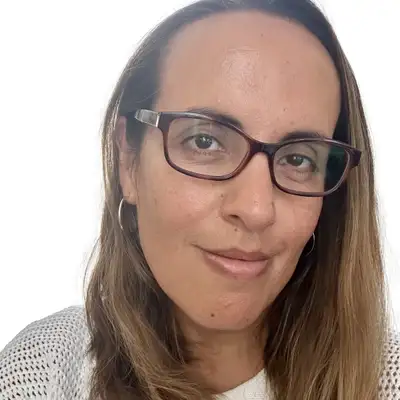
this, I'm joined by Dr Jane
Wright, a Board Certified
orthodontist in private practice
at Crawford and Wright
Orthodontics in Kenosha,
Wisconsin. Dr Wright is also a
member of the College of
Diplomates of the American Board
of Orthodontics Council. Dr
Wright, thank you for joining
me.
Dr Jane Wright: Thank you,
Alison. I'm happy to be here.
Alison Werner: Great. So to get
started, can you talk about your
practice and how long you've
been practicing?
Dr Jane Wright: Yes. So I am in
practice with my father and I
joined him 13 years ago. So we
practice together. We have kind
of a one and a half doctor sized
practice. It's not a full two
doctor practice, but it works
really well for both of us to
work side by side and in tandem.
Alison Werner: Oh, cool. So how
far into your career did you
decide to get board certified?
Dr Jane Wright: It was kind of
my plan all along. I grew up
going to college of diplomates
meetings with my dad and I, you
know, I watched a lot of the
board certified orthodontists
meet every year. So from early
on in residency, I knew it was
important to me and some things
that I always wanted to do.
Alison Werner: So can you talk
to me about what the process was
like for board certification for
you?
Dr Jane Wright: Yes. So when I
got board certified, we had to
take a written exam, which is
the standard today, there's
still the written component to
board certification, but I had
to prepare six cases with
plaster models and traced cephs
and fully worked up and little
black binders. And I flew down
to St Louis and presented them
to examiners. So I had that one
on one kind of clinical exam
aspect. That's changed a little
bit now. And there's another
written test, but it's a
clinical based test that has
changed a little bit since when
I certified. And we do have to
recertify every 10 years, so
there's initial certification,
is the written exam. And then,
like I said, I had the clinical,
actual model exam. So it was a
little stressful, maybe a little
more prep work on the front end
as the exam exists now,
Alison Werner: Okay, okay, and
so you just did your
recertification a couple years
ago then,
Dr Jane Wright: Actually just in
October.
Alison Werner: Okay, yeah. So
what was that process like for
you?
Dr Jane Wright: I wasn't sure
what to study. Um, it's a little
daunting when you haven't, you
know, been in residency. You're
not fresh out of residency
anymore. I've been in clinical
practice now for I mean, at the
time, it was 12 years and I
thought, Where do I begin? What
do I study? How do I prep for
this? There weren't a lot of
resources out there, so I just
read a lot. I read a lot of
research. I reread my Proffit
textbook. Probably a bit
overkill. I feel like I did
really well on the exam. I feel
like what I actually got, but
the re-exam was easier than I
thought. But maybe because I was
over prepared, I don't know.
Alison Werner: Okay, okay. Well,
the reason I wanted to have you
on is because we really wanted
to talk about the differences
between the American Board of
Orthodontics, which is what you
do the testing through, and the
College of Diplomates of the
American Board of Orthodontics.
So most orthodontists who are
boards, especially the ones who
are board certified, are very
familiar with the ABO. They
handle the testing, the
certification, the
recertification process, and if
orthodontists, once they pass
their boards, they will pay a
quote, unquote membership fee to
keep their ABO board status
active. And they also do get
resources and patient education
materials, tools, their plaques,
their certificates. But the
College of Diplomates is
actually a separate organization
and but a lot of board certified
orthodontists will think they're
already a member because they're
board certified. So can you
explain, as a member of the
Council of the College of
Diplomates, how does the College
of Diplomates come into play,
into this process, and what does
the organization bring to
doctors who are board certified?
Dr Jane Wright: Yes, and that's
a great question, because that
is our biggest hurdle right now,
is helping to differentiate
ourselves from the American
Board of Orthodontics, and
really help orthodontists
understand the support that we
bring and what we can do to help
everybody who wants to and
already is board certified. So
we are, we have an annual
meeting, which is probably our
biggest event of the whole year.
It's usually in July, and
they're at really amazing
locations, cool resorts, places
that you wouldn't necessarily
otherwise maybe go to. They're
very family friendly meetings
and high caliber lectures. I
mean, these are people that have
written textbooks. They're doing
the latest research. It's very
evidence based, very research.
There's, you know, it's not just
theorizing or the trendiest new
things. They're really excellent
lectures. And so the annual
meeting is one thing that we
provide all CDABO members.
They're invited to come to this
great meeting every year. We
also do resident case displays.
So we invite the residents to
prepare cases, kind of like a
mock board exam, almost, where
they're doing little binders
full of the cephs and their
panos and their treatment plan
workups. They bring their
models, and we grade them
blindly based on the excellence
of the case. And then there is
an award, and the winning
resident gets published in the
Journal of Clinical
Orthodontics. I believe they are
allowed to present their case
and it gets published. Another
thing that we do is help people
prepare for the initial board
exam and to, you know, to become
board certified, and also the
recertification, which is every
10 years. So there are two
separate courses that we offer
for people as well. So we're,
we're a fun group, you know? We
have the big party, the annual
meeting, but also a lot of
resources and help throughout
the year to become board
certified and to help maintain
your status.
Alison Werner: Okay? And
actually, you took part in
developing that recertification
course, because, I'm guessing
there's a lot of orthodontists
out there who are already board
certified, who, again, assume
they're already members of the
College of Diplomates. Can you
talk about what that
recertification course took to
develop and what they can expect
from that?
Dr Jane Wright: comfort of our
own homes. The challenge is
knowing how to prepare for that
and what's on it. It is a
clinically based exam. So you
know, if you're in clinical
practice, you really should have
no problem, but there are some
research based, evidence based
questions, so you need to be up
to date on the latest research
as well. So what I did is I read
a lot of systematic reviews and
studies, and I reread Proffit
and I tried to help summarize
this information for
orthodontists so that they maybe
don't have to do as extensive
preparation as I did for the
recertification exam, because I
really had no idea what to
study. So now we offer a course.
It's a one hour course, and you
can either take it in person at
the AAO meeting annually, or
we're about to offer a web-based
version, a Zoom version, at the
end of July. And once again, you
know from the comfort of your
own home, you can sit and
participate in this training so
that you're better prepared for
the recertification exam.
Alison Werner: Okay. And then
you mentioned the annual meeting
that takes place, and next year
is going to be in Colorado
Springs, Colorado. You talked a
little bit about, you know, how
it's very evidence based in
terms of the lectures. What else
do those annual meetings offer?
Because I know you grew up going
to those meetings with your
father. So it sounds like it's a
very family focused opportunity,
especially since it's in the
summer, when you know a lot of
kids are home from school and
everything. So can you talk
about that aspect of the annual
Alison Werner: Can you talk
about, you know, I'm assuming
Dr Jane Wright: Yes, well, it is
honestly like, I know there's
meeting.
the old saying, work hard, play
hard, but that's what these
meetings are. The lectures are
kind of intensive, very
informative, morning meetings,
morning lectures, but they're
only in the mornings, and then
the afternoons are filled with
all sorts of fun family
activities. You know, they'll
have gondola rides or hot air
balloon rides. All these are
optional. You can sign up for
any activities that you feel
like doing tours, depending on
what city you're in, they've had
pub crawls, so the whole
afternoon is usually open to
enjoy with your family. But
what's cool is it's a very
small, intimate group of
orthodontists, and so we're
literally rubbing elbows and
sitting next to some of the
leaders in our field as we're
being shuttled from one activity
other, or at morning breakfast,
you know, I'm sitting across
from somebody who wrote the
textbook that I used to study,
you interact a lot with a lot of
orthodontists, especially
and it's like, holy cow, I can't
believe we're just chatting
like, this is no big deal. So
it's really a cool, intimate
group of not just our peers, but
the leaders in our field. So
that's really amazing.
starting out in their careers.
Can you talk about why they
should move forward with getting
board certified, and then how
the College of Diplomates can
serve them? Because, you know,
you're starting out; you're
trying to decide if you should
devote your resources and your
time to getting board certified.
Can you talk a little bit about
that?
Dr Jane Wright: Yeah, well, I
think the general public assumes
that we're all board certified,
and when a patient finds out
that it's not mandatory, they're
actually shocked. I think that
that an orthodontist wouldn't
choose to become board
certified, and I remember having
a physician's wife come in for
an exam with me, and she was
questioning, you know, Oh, I see
you and your dad are board
certified, but isn't everybody?
And I said, No, it's optional.
And her question was, because
her husband's a physician, why
wouldn't everybody just, you
know, it almost makes those that
are not board certified seem
like, not lazy, but just like,
Well, why, why wouldn't
everybody become board
certified? Almost like there's a
different level or standard of
practice. And for me personally,
I wanted to meet the highest
standard that was set, you know.
So if there's a level of
expectation that the ABO sets, I
wanted to make sure that I was
meeting it or exceeding it. So
for me personally, it was really
important to become board
certified. And I never wanted to
be in a position where somebody
was comparing me, if I was un
board, if I was not board
certified, to another board
certified orthodontist, saying,
why didn't you do it? I never
wanted to have to answer that
question. Yeah. So I would
encourage any young orthodontist
to become board certified, yeah.
Alison Werner: On a day to day
level, back in your office, what
does being board certified bring
to your practice? You talked
about there with a patient who
has a husband who or husband
who's a physician, but just on a
day to day level, what does it
mean for you clinically?
Dr Jane Wright: Well, I feel
more confident knowing that I
have knowledge of the most
recent research studies, the
latest techniques, the lectures
that come to us are coming from
all over the world. So these are
not just US-based lectures and
presenters that are coming to
speak to us. It really is the
cutting edge around the world of
what's going on. And so I come
back with a different level of
confidence, feeling really good
about the choices I'm making for
patients and the treatment plans
that I'm presenting. But you
know, I can also very proudly
display my ABO pamphlets in our
welcome brochures for patients.
And, you know, I've got my back
on the wall. It just It means a
lot to me knowing that I that
I've done this extra training,
and I think it means a lot to my
patients as well.
Alison Werner: Well, I'm
actually curious, how did you
decide to go beyond just
membership in the College of
Diplomates and actually join the
council?
Dr Jane Wright: Well, I was
asked to join by Ashok Kothari,
an orthodontist in Illinois, and
I remember when he called me one
cold February night and asked me
if I would consider being on the
council just I was blown away. I
mean, I think that my name was
probably brought up because of
my dad, and people would always
see me at meetings. They knew
that I grew up coming to College
of Diplomate meetings, so they
probably knew that I had a
vested interest in the College
and helping maintain and promote
and encourage membership, so
that's probably why I was asked.
And I really had to think about
it, because, you know, I'm a
busy mom and running a practice
and full time orthodontist, but
it is, it's, it's a really
powerful, meaningful position,
and I really enjoy being on the
College Council.
Alison Werner: For those who are
eligible to join the College of
Diplomates or who have left
their membership lapse, how can
they join or get their
membership reinstated?
Dr Jane Wright: Yes. So this is
what we've noticed has been
happening. Is the, you know, the
AAO sends out membership fees,
saying you need to renew your
membership. And then the ABO
sends an email saying your
membership is due. And even
between those two, you start to
think, didn't I just pay this?
But then the College of
Diplomates send an email saying
your membership payment is due,
and some of us have support
staff or front desk team or
spouses that are helping us pay
our membership dues, and it's
really easy for these do slip
through the cracks. And a lot of
active CDABO members have
accidentally, you know, been
dropped from membership. Not
accidental on our side,
accidental on their side, where
they don't realize they get
renewed. So if you aren't sure,
or if you know for sure you've
been dropped and you want to
renew, you would email our
executive director, and it's
just info at cdabo.org, and we
can either check on your
membership status or reinstate
you. And there is, I think, a
one year's like log, almost like
a penalty fee to read to be
reinstated. But otherwise, our
membership fees are phenomenal,
especially compared to AAO and a
lot of other larger membership
fees. So it's worth it. It's
certainly worth it. Yeah.
Alison Werner: well, Dr Wright,
thank you so much for joining me
today and kind of explaining the
differences and the importance
of board certification, I really
appreciate.
Dr Jane Wright: Absolutely.
Thank you for having me.
Alison Werner: As always. Thank
you for joining us. Be sure to
subscribe to the Orthodontic
Products podcast to keep up with
the latest episodes. And be sure
to check out
orthodonticproductsonline.com to
keep up with the latest industry
news. Until next time, take care.