Subscribe
Share
Share
Embed


Your no bullsh$t guide to divorce with experienced attorneys from New Direction Family Law and guests and professionals who have been there. Unfiltered discussions to help you move from victim to victorious and from bitter to better.
[00:00:00] Elizabeth: Hi everyone. It's Elizabeth Stevenson with New Direction Family Law
[00:00:22] Sarah: and Elizabeth's partner, Sarah Hink, attorney at New Direction Family Law.
[00:00:26] And today we have great guests. And Jen's gonna introduce, Jen's gonna be, do the intro for us.
[00:00:30] Jenn: Hi guys. I am Jen, not attorney at New Direction Family
[00:00:33] Sarah: Law .
[00:00:33] Jenn: Yes. I'm so excited for our guest today. I've spoken with her before and we had a great
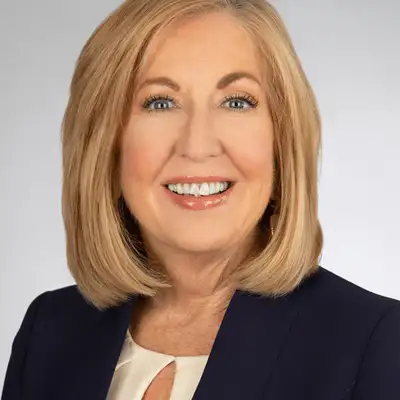
[00:00:38] conversation. We have Ms. Carrie Drebin joining us today. Hi Carrie.
[00:00:41] Hi Carrie. Hi Carrie.
[00:00:43] 48 ES Sociopath_Guest: Hi. Thank you so much for having me.
[00:00:45] Jenn: Of course, we're so excited that you are joining us today to talk about a fun, maybe scary topic as well, . Yeah,
[00:00:50] Elizabeth: I think I could qualify that as
[00:00:52] Jenn: fun, but it's ok. Interesting. Maybe. And you're joining us from Arizona. Just a little information here about Ken Carrie. She is an award-winning true crime author and criminal and family law attorney.
[00:01:04] As a family law attorney, she has helped many women who have found themselves in abusive marriages with numerous appearances and interviews on national television, podcast, radio shows, and speaking at conferences. She has established herself as an expert on the pathology of the criminal mind. Motorcycle gangs,
[00:01:20] And mentored a new and aspiring true crime rider and helping women avoiding to avoid becoming prey. So lots of good little nuggets. Nuggets in there that comes in with
[00:01:28] Sarah: their last podcast we just did about being followed. And Carrie, you just, you do so much. Like I said before, you must be so busy.
[00:01:33] I love the area of true crime, but. I don't know. I have time to barely read it and listen to it and you're out there, serving the greater good, getting out there helping other women and protecting themselves the might fall victim like Jen
[00:01:44] said. us.
[00:01:45] Elizabeth: Yeah. So how did you get into the true crime
[00:01:48] sphere?
[00:01:49] 48 ES Sociopath_Guest: I, think the two actually. Or a good marriage, unintended. Because I deal in not necessarily women, most are women, but people that are trying to divorce a dark personality.
[00:02:03] And so that would encompass the narcissist of psychopath, sociopath. And really like how do you get outta a relationship like that?
[00:02:11] Sarah: And a lot of people don't realize that they're in one for a long time, I, have so many people come to me. . I always looking at him, I'm like, I bet when you first met that he was really charming, or she was really charming and you were happy and that's why, things got rushed.
[00:02:22] And they're like, yeah, they loved bomb me. , the next thing I know, I'm in this relationship and I, lost a bunch of weight. I don't have my friends anymore, don't have my family. It's like all of a sudden all these terrible things happen to me and I wake up in this relationship with this awful person.
[00:02:36] and it's all kinds of people, right? People, attorneys like us, and all
[00:02:40] kinds of educated people just get victim in these situations, right?
[00:02:44] 48 ES Sociopath_Guest: It's really kinda startling actually who gets involved with and shocking reality when you realize you're involved with somebody like this. You know, One in 25 people is a sociopath. And . That's a pretty startling statistics. And they usually run the gamut from anybody from doctors, to CEOs to they're out there and, not all of them necessarily, have criminal intent or commit crimes, but it's that personality that makes them so dangerous.
[00:03:14] Elizabeth: So what's the personality?
[00:03:15] what traits would someone be looking
[00:03:17] for?
[00:03:19] 48 ES Sociopath_Guest: I'll just say that the important thing about the three, the narcissist, psychopath, and sociopath is it's not so much the label that we give them, but it's identifying a certain personality, the personality disorder that they have, the behaviors that they exhibit. That's what we're really trying to identify, so that we can get outta them.
[00:03:36] Because when you're involved in a relationship with one of these personality, , it's really like a homicide and slow motion. A sociopath is somebody who has learned behavior. They, they very much resemble.
[00:03:53] a psychopath of a narcissist. But there are differences, and the way that I like to characterize the differences is that every psychopath is a narcissist. Every sociopath is a narcissist, but not every narcissist is a psychopath or a sociopath. And the difference between a sociopath and a psychopath is that a social path doesn't have any guilt or shame, and a psychopath is usually.
[00:04:20] So you have a social path that's move and a psychopath. So those are the differences. But when you're involved in a relationship with one, to look very similar to being involved in a relationship with an narcissist. For example, the psychopath is gonna be very glib and charming, usually highly intelligent, very manipulative.
[00:04:43] They, you wear what's called a mask of. And the sociopath is very similar, but the difference is that the sociopath, and I think I this wrong, sociopath is gonna shame, but they're not going have any. So it's talking to I, the description I used, I talking to Okay. You're talking type of feedback. There's empathy, there's no response that you would anticipate or expect in a person. So if you're very emotional and you're not getting anything back, usually you're dealing, whereas a psychopath will wear that mask and we'll know the music monopoly, so they know the words to say, but, , there's a saying that people experience a psychopath, so when you're in their presence, you may walk away feeling a little uncomfortable, a little unnerved, but you can't quite put your finger on it.
[00:05:44] Elizabeth: Yeah. Was there a fi? I always think of sociopaths and psychopaths Psycho. There's a violent tendency to them where I don't attach that to a narcissist, but I completely wrong.
[00:05:55] Sarah: When you think about the complete lack of empathy, and disregard for, other people at that level, that's what helps them commit a crime.
[00:06:02] They aren't thinking about the repercussions or how their actions affect someone else. They like, their own world these actions are what I need and what I think is right. So they are right. And this isn't, no. Empathy for this other person at all.
[00:06:16] And so that helps people be violent. What stops us from being violent is oh shit, that's gonna hurt someone and I don't want this person to get hurt. There's actual reasoning there and like logic and thinking about other people's wellbeing and also consequences. And a lot of times, sociopaths and, this category, people, they don't have a lot.
[00:06:35] You, regard for consequences. Those don't exist to them. And I'm not a trained or licensed mental health pro profession professional, so I can't diagnose people with personality disorders or any level of narcism or sociopath. Psychopath. But we obviously see these source people in our line of work.
[00:06:51] Absolutely. You too carry being an attorney, family, law attorney and, relationships don't survive very well with
[00:06:58] a marriage to a socio.
[00:07:01] 48 ES Sociopath_Guest: So when you're in their presence, really the abuse is more psychological than physical. Although you're right, it can lead to violence, physical violence, and that. The frustration I think in family law practice, and they know you must experience this as well, is that we don't have, the law doesn't recognize psychological as.
[00:07:21] So they only recognize that it's a physical abuse. And so that becomes a really frustrating, double-edged sword when you're involved in these kinds of relationships because you can't, quote unquote, been domestic violence, even though it's insidious And it leads to, gaslighting and all kinds of other issues.
[00:07:37] Sarah:
[00:07:37] Yeah, A lot of times I speak to victims and I get the little tidbits alert me okay, there's a lot going on here, but they don't share it. A lot of people hold it within. They're ashamed of this relationship that they're in, that they got to the point where someone is controlling them. Someone is abusing them psychologically or even sometimes physically that they don't come out and say it.
[00:07:56] And there's just little parts that you have to pick up. In my experience, working with victims that you, attorneys really need to listen to them and ask more questions and say, oh, okay, you, you said that he threw something. Has he done that before? Or how did he speak to you?
[00:08:10] What exactly did he say? Has he done this before? What's this, what time of day does this generally happen? Oh, it's a normal occurrence. Like you have to really. Get these victims to open up to you because they do hold it in and are ashamed of what has become, of what they thought was a happy relationship, a positive person, and they're ashamed that they married this person and clearly see that
[00:08:30] not a good person now and it's scary.
[00:08:33] 48 ES Sociopath_Guest: When you're dealing with these dark, personal, there has to be a strategy in place been in those relationships where they don't even what's real anymore. They've been so gaslighted. So when you get them as and they're trying to share their experience, it's really I think from a litigation standpoint, there's so many gaps in the story that they're telling.
[00:08:52] And Try to get the story, to get the victim to narrative, and put themselves front row center and come What's the strategy here? Can we anticipate what their high points are gonna be? What I found in my practice is it's all about Unmasking, unmasking, that psychopath, that narcissist, that sociopath for person that they're, because they don't like to a mask, what is their hot button? Is it money? Is it the children? Is it both? Usually it's control. So how do you get them to relinquish that control?
[00:09:25] Sarah: Yeah, it's definitely control and a lot of worry for, I always hear the same thing. Oh, he's so charming. Everyone finds him so charming and the jury's or the judge is gonna find him so charming. Like, how are we gonna deal with this? And like you said, it's really about unmasking them and getting as much evidence as you can to catch.
[00:09:41] Him off him or her off guard. And expose them for lying cuz a lot of these are masterful liars. So they do lie a lot. And you're able to catch them in lies and that's how they control everyone around them and taking away their leverage. A lot of times they'll fight for custody, but they don't really actually have a relationship with their children.
[00:09:57] And that's something that. Mothers, if they're, it's a woman who's separating from someone that's a sociopath is afraid of if I leave, then he has full access to those kids and I'm not there to protect them. So I understand a lot of fear in wanting to leave a relationship like that. Cause it's scary.
[00:10:12] It's the most, time where there could be violence, where someone could face harm is when you're leaving a relationship like this. And also the thought of my children being exposed to it without
[00:10:20] me being.
[00:10:21] 48 ES Sociopath_Guest: And I think that's an understandable fear. And kinda along lines, there's also the financial abuse that's been going on. Usually there's a disparity income between the partners and. So that's another either given up a career.
[00:10:33] or has a lesser career or has, done everything. in their power to help the other person's career.
[00:10:38] , there's a lot of fear that if they divorce this person, lose everything. And I think it's, important to to flip it around and say, it's, you can prevail, you can win the litigation a narcissist, but you have to come into.
[00:10:50] From the get go with the strategy in place, anticipate the defense is find out what their leverage and turn that focus back on the person that you're dealing with, the client. And so I think it's important. Give them whole new, approach to how you communicate with these people.
[00:11:08] And psychopath and the sociopath are. So you have that same sort of pathology that you're going into in the case, it's just that they're even more cunning. The psychopath much more cunning. And so I think there's a lot of fear that when you go into litigation that, person, that personality is going to really manipulate and overpower the judge.
[00:11:29] And so I think a lot of that approach. From the lawyer's perspective needs to be education. Like how do you educate the people in the courtroom about this personality? So you bring in experts, you know you, you file up routine motions explaining that personality disorder, and I think with from you have that, then you can come into it so much stronger.
[00:11:53] Sarah: Yeah. We've done a few episodes in our podcast about psychological evaluations. And getting therapists involved to come testify, be experts. And you're right. A judge is just gonna see these people on their best behavior in the courtroom, they're gonna come in there, they're gonna charm and tell their story, make it look like the other person is crazy, making up things that, that wasn't like that I'm a good father or a good mother and have this job.
[00:12:17] I take care of everyone. So you have to come in there with experts to back up your client that this is real, this is what's happening. And we need to take, our concerns seriously on our side to, protect not only our client, but
[00:12:30] if there's children involved, the children as.
[00:12:34] 48 ES Sociopath_Guest: And I think that's also important to, to communicate that to our clients who also may not.
[00:12:40] tell them this, that the children are just a paw in their game. Oftentimes it's all about control and power and manipulation the court's not educated. Then this kind of personality disorder, they're gonna suggest co-parent. there's, it's important you can't co-parent with this personality. I that's gotta be off the table right from the so there's, lots of ways of communicating as you go through the litigation and to that victim or that client for life after. Like, how do you obviously have shared custody maybe, or you have, parenting. I always stress is, less is more brevity. Just have a brief script. Everything that you do from here on out is gonna become, so emails, preservation, everything to preserve the case
[00:13:28] The onset of Zoom has been a wonderful introduction all of us. Cause now they can record, the FaceTime have. So they're always those terms that unfortunately this is always going to be something that you have to use against them.
[00:13:40] Divorce, unfortunately, is never really over. The divorce so that you're physically separated these guys take you back to court for every little thing. Enforcement actions, supports.
[00:13:56] Um, So it's, I think it's just really important to get into that mindset, to correct them.
[00:14:02] Elizabeth: Okay. The part of a lot of things I say to clients is, I can get you the tightest order, I can get you, but I can't make him be a human being or be a good parent. And so it's, this is exactly what you say, that this is a lifelong, , you got at least a lifelong intertwining with this person.
[00:15:07] And so you have to, our advice, I think Sarah does this too, is. , we say to our clients, if you're not in therapy, you need to get a good counselor, a good therapist, cuz I need you healthy and strong to help me fight this battle. And a lot of times the first time they realize they're even in an abusive relationship is when they start talking to me.
[00:15:26] . Yeah. And start telling me, oh, he yells, he throws things, he punches walls with no big deal. It's it is a big deal. Yeah. So you're, they're starting out. You need to, it takes a little while to educate people about that and then to be. to give them that education and be there for their support and help them be strong to stand up to this person.
[00:15:47] That's a, it's a long road
[00:15:49] Sarah: sometime, and it's not something they did
[00:15:50] Elizabeth: either. And sometimes, and I found myself doing this cuz I'm divorced. I'm not a psycho psychopath or anything, but sometimes it's just hard and you're tired and you just say, I don't wanna rock the boat. Yeah. Let's just let it
[00:16:01] go.
[00:16:02] And I c and I completely
[00:16:04] understand that. sometimes, and it's,
[00:16:06] 48 ES Sociopath_Guest: you know, the tendency to wanna just scrap your arms, and I've heard this a lot too. Clients will say, I just want the kids. I don't care about anything else.
[00:16:16] And my response to them is, care about everything else. I always prepare clients and say, this is a fight. It's probably. The fight of your life because you're gonna be fighting for the most important things in your life, your children, your money, your sanity, all of those things. been slowly eroding over time.
[00:16:37] And I think you're absolutely right. It's the reality of what has been happening that I think is so shocking and so difficult to divorce cases should be a collaborative effort when they Pull in pull in the tax person, financial planner, all of these people that need to be a part of the supply and stop the narcissistic so that you're not constantly feeding that disorder to heal yourself at the same time. So it's such a battle it's so unfortunate and personal experience with that. So even somebody who's really well versed in this pathology as well versed in the law, it can happen an anyone cause it's so destabilizing and these personality disorders are so insidious.
[00:17:19] Elizabeth: There are good outcomes though, right at the end of the. It may be a hard fought battle, but you can win. You can make a better life. You can unattach yourself from this person. You may not ever be able to co-parent,
[00:17:34] but you can protect your children as best as you can, right?
[00:17:39] 48 ES Sociopath_Guest: I would absolutely agree with that. I think that. There is light factor. And, and that's always been my goal as a practitioner, is to get them to thriver. I don't want these clients to just, then You are really just in that spiral of shame regret.
[00:17:55] You can't pull yourself outta it. And so I think really to get away. These personalities, it's the first and foremost thing because it's dangerous to be involved with them and you're never gonna or change them. The only people that you can fix or change is yourself. And so by re redirecting or rewriting that narrative versus the narcis, actually putting them on a road to success and rebuilding they're learning new boundaries And they're learning self protect.
[00:18:22] and they're finally standing up under standing in their truth, that's the success story. And the more that, that they can go out there and talk about their experience, I think the more that they can help people that are in that situation that may not even realize that they're in that situation.
[00:18:40] And I think you're right about that. Like there, there's a lot of excusing because it so shocking to wake up one day and think, oh my God, my favorite movie, was actually a mini-series called The Undoing with Hugh Grant and Aman I just thought that was such a brilliant miniseries really brought home the idea that. Really intelligent. Psychologist, and sucked into that charm of the psychopath that she married. Like you're at the mercy of whatever the person you're with.
[00:19:09] was willing to disclose. And, you might not really know the person you're with.
[00:19:14] You might think , there's so much after the fact that I think can really help shed light on the relationship
[00:19:19] Jenn: I have a question for the three of you, . So you guys have talked about you can't really co-parent necessarily with a sociopath. So do you think that, we've talked a lot about litigation. Do you think that it's a realistic possibility to settle outside of court with a sociopath? Or do you think that someone's just destined
[00:19:33] Sarah: to go to court If you can get leverage somehow?
[00:19:35] If you find out what's important to thing? I think Carrie mentioned that before, what's the leverage here? I'm asking them what's important to them. Is it really the money? I've had cases where, . It's a lot of it. It's the money. And my client does just want the kids and I counsel them and we figure out, okay, she's lucky enough to have some finance financial support from her family, right?
[00:19:53] And he's willing to settle for it. Okay, you know what? Take the money and she will take the kids. But a lot of people are not that lucky to have that money and the financial support from their family. So
[00:20:04] Elizabeth: in my experience, it's always reputation. Yeah. I wanna be the.
[00:20:07] I'm wanna come. I don't want, I don't want the kids. I just wanna look like I'm a great dad.
[00:20:12] And they don't wanna be exposed in court. So I settle a lot actually, if we
[00:20:16] Sarah: can settle. Yep. Yeah, actually, because otherwise it's really expensive. Like they'll, they will keep litigating, like Carrie said before.
[00:20:22] ,, they will litigate litigate, to have the upper hand to have control. Some of the times I tell them like, the best thing that'll happen is if this person gets another spouse. Puts their energy into tormenting someone else. Like that will be the best thing that could happen, which is really sad.
[00:20:35] but they need to have control over someone. And if they're lose losing control over you, they'll find somebody else. They need to find someone else to control. Sometimes it doesn't help though, but it can, which,
[00:20:44] I've lost that other person, but
[00:20:45] yeah it's
[00:20:46] 48 ES Sociopath_Guest: Yeah, I think it is or mediate and I think that it's actually something that, should Try because, it's a sense of finality. If the strategy is you don't wanna keep being dragged through the work process and you draining your financial resources, draining your emotions, your energy, and cause of that.
[00:21:07] So I think that mediation itself Is great if you can get, because you have everybody sign dotted line before you leave that mediation, and that's leverage in of itself, signed contract that you can then use as enforcement. And so it's well worth everybody's,
[00:21:24] Sarah: yeah, and it's helpful to find a good mediator to fit this personality. Who's gonna, go into this person's room, the na or the narcissistic? Psychopath the sociopath, and let them know that they are not gonna be believed all the time. that they're, they are gonna be exposed in the courtroom.
[00:21:38] , that they're not gonna go in there and, sweet talk their way through everything. And everyone's gonna believe the story. They tell that it is problematic for them. I think they need to hear that from a third party. Sometimes their own attorneys will get sucked into it, and they just portray this person even more so as the most, stellar person in the world.
[00:21:55] So you really gotta be careful and choose. mediator to get inside that person's room and be like, Hey, you're not gonna be believed. I can see through you. The judge is gonna see through you to use this opportunity to settle. So choose your mediator well, so you can get a, so even if you don't settle, at least there's something in that guy or woman's brain that says,
[00:22:12] okay, this is
[00:22:13] I agree with that.
[00:22:15] 48 ES Sociopath_Guest: Yeah I, think that's really good strategy. I, and I. Another good effective strategy is to try to get temporary orders very early on in the case before you general litigation because if you give them temporary parenting time, temporary orders, they're gonna because that's that just who they're, they can't help themselves. And so by the time you leverage again, where they're missing appointments with their kids, they're, I mean they're hanging themselves now, you can take it, say, okay, how about mediation? So I think it's all part of that initial strategy, like how are you going to knock down or unmask that, that personality and really beat them out their own.
[00:22:54] Elizabeth: a hundred percent. And I think sometimes like the victim, spouse, I think it's very powerful, especially in those temporary hearings, cuz ours are limited, so we're limited to an hour or two. But it's the first time in their whole life with this person, they've had a voice, they get up on that stand, and they tell their story and tell their truth. Like you say, it can be very empowering for them, even if they don't get everything that they. , no. They've gotten up there, they've said in front of this person that's treated them like shut for all these years and come out and they survived.
[00:23:24] And I think that's all they really need to understand is, I can say it, I can get in front of him and I survived and I'm not gonna die. He's not gonna kill me. He can't control me anymore. So I think it can be positive on both sides to get those temporary orders and they could have been a mediation is the best thing to do.
[00:23:39] Yeah. Yeah.
[00:23:40] Sarah: Definitely. There's been a lot of good advice now today. Yes, Carrie, thank you so much for joining us so much. She was wonderful.
[00:23:47] 48 ES Sociopath_Guest: Thank you. Thank you so much for having
[00:23:49] Sarah: do you, are you still practicing family law or are you
[00:23:52] full-time writing now? I don't know how you do
[00:23:53] both.
[00:23:54] 48 ES Sociopath_Guest: I still practice family law if I'm sort passionate about it. I feel like I really wanna empower. People to get out of these very dangerous relationships. And so I do. I do have a family
[00:24:04] B
[00:24:04] Sarah: Awesome. Any listeners out there in Arizona, you, they look up Carrie over here. Here we go. Give her a call, ,
[00:24:10] Jenn: and of course we'll have all of our information linked for the episode as far as to books and website and all things, Carrie. So Carrie, thank you so much for joining
[00:24:17] Sarah: us. Thank you, Carrie.
[00:24:18] Thanks Carrie.
[00:24:19] Sarah J. Hink: Ain't that some shit.
[00:24:20] Ashley L. Oldham: That's some shit.
[00:24:21] Sarah J. Hink: That's
[00:24:21]