Subscribe
Share
Share
Embed
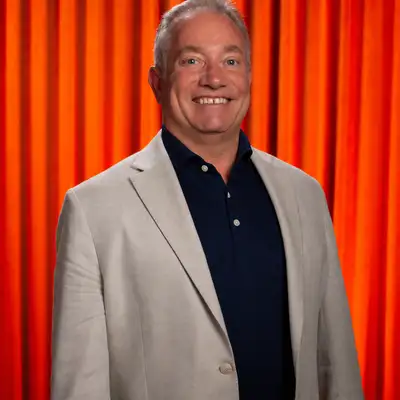
The Spark Podcast amplifies Nashville's creative voices, showcasing diverse talents and fostering growth through shared journeys. By exploring the unique experiences and stories of the city's agency owners, innovators, and creators, the podcast inspires connection and collaboration, reflecting Nashville's rich creative culture.
Listen to The Spark Podcast: Nashville on Spotify, Apple Podcasts and YouTube, or at creativeassembly.agency.
00:00:00:00 - 00:00:06:02
Speaker 1
I had never been to a waffle House. He said. Have you ever been to the waffle House on Citgo Drive? And I said, well, never been to a waffle House, period.
00:00:06:02 - 00:00:10:01
Speaker 1
when the waitress came over, he said, hey, is Judy here?
00:00:10:04 - 00:00:11:08
Speaker 1
I said, no, she's not in this morning.
00:00:11:09 - 00:00:22:12
Speaker 1
Oh, he was very disappointed. He said, oh, you got to meet Judy. He said, she's an amazing person. And he said, When Judy laughs. Wow. And I said, what? I said to him, that's a really good song title,
00:00:22:12 - 00:00:28:13
Speaker 1
the next thing I know, it's it's in every waffle House on the jukebox kind of emotional song about this great waitress.
00:00:28:13 - 00:00:37:02
Speaker 1
And you know, when Judy laughs, the eggs tastes better. The coffee's hotter, the sirup sweeter. Yeah, man. The counter shines like a brand new dime.
00:00:37:05 - 00:00:50:27
Speaker 1
Your imagination really isn't limited. So that's the difference, right? It's that person to person thing. It's getting to know the subtleties of a business. And it's also the experience that we bring to the the party,
00:00:51:00 - 00:01:05:14
Speaker 1
On Creative Assembly's The Spark podcast. Our mission is to amplify Nashville's diverse creative voices, foster growth through shared journeys, and inspire a city that thrives on collaboration. And now here's the spark.
00:01:05:16 - 00:01:25:12
Speaker 2
Welcome back to the spark. I'm your host, Mark Scrivener. And today I'm joined by Peter Cronin with Cronin Creative. He's the co-founder of Cronin Creative. He spent four decades helping other people's work land, first on Music Row and now as a brand writer. Let's spark this conversation. Peter, man, great to have you on the show.
00:01:25:15 - 00:01:27:21
Speaker 1
Thanks so much. I'm really tickled to be here.
00:01:27:22 - 00:01:41:00
Speaker 2
Yeah, this is going to be a good one. I've known you for quite a while. However, we just came back together and had coffee and I was. After hearing your story, I was like, man, we have to tell this story on the spark podcast. So, yeah.
00:01:41:06 - 00:01:42:02
Speaker 1
It's a story.
00:01:42:05 - 00:01:55:20
Speaker 2
Yeah, it is. And we're going to start off just with something as I was doing research. I saw you wrote a song for a waffle House waitress named Judy. Yes. What is the story behind that song, Peter?
00:01:55:22 - 00:02:21:07
Speaker 1
Well, that's a really good opener, because, you know, that story sort of. It combines the the different sides of Cronin creative. You know, when we started the business almost 20 years ago, my wife and I, we really made a decision to just exercise our creativity wherever we could, wherever it worked. Right. So this is an example of of some things coming together.
00:02:21:09 - 00:02:26:10
Speaker 1
Confluence of I took a class at catalyst. You know, at the E.
00:02:26:13 - 00:02:26:15
Speaker 2
I.
00:02:26:16 - 00:02:42:29
Speaker 1
Think we may have even. Yeah. You were around at that point and it was it was great class with Michael Bertram. It was just an amazing transformation for us. It helped us with our business a lot. Anyway, there was a guy involved, a mentor level guy, Brian Ansley. I don't know if you know.
00:02:43:05 - 00:02:43:14
Speaker 2
Yeah.
00:02:43:20 - 00:03:02:26
Speaker 1
Very well, a great guy. And we got to know each other a little bit. So he invited me to breakfast at the waffle House. I had never been to a waffle House. He said, have you ever been to the waffle House on Sid Go Drive? And I said, well, never been to a waffle House, period. So we met and when the waitress came over, he said, hey, is Judy here?
00:03:02:29 - 00:03:19:18
Speaker 1
You know? And I said, I said, no, she's not in this morning. Oh, he was very disappointed. He said, oh, you got to meet Judy. He said, she's an amazing person. And he said, When Judy laughs, wow. And I said, man. I said to him, that's a really good song title, you know? And he said, oh, you think so?
00:03:19:21 - 00:03:36:26
Speaker 1
I got together with a regular co-writer behind a guy named Charlie Stiefel. I brought it up and he said, let's write that song about the waitress. So we did. I played it, I sent I recorded it at home, and I sent it to Brian, and he had some waffle House connection with the founder or something, and.
00:03:36:28 - 00:03:37:11
Speaker 2
Oh, wow.
00:03:37:12 - 00:03:55:08
Speaker 1
He loved the song. It's a pretty good song. And he he sent it to the guy, and the next thing I know, it's it's in every waffle House on the jukebox. So it was just one of those amazing things. And, you know, like I say, it's a pretty good song. It's kind of emotional song about this great waitress.
00:03:55:08 - 00:04:00:12
Speaker 1
And you know, when Judy laughs, the eggs tastes better. The coffee's hotter, the sirup sweeter.
00:04:00:15 - 00:04:01:08
Speaker 2
Yeah, man.
00:04:01:10 - 00:04:20:00
Speaker 1
The counter shines like a brand new dime. And all the food comes out on time. You know it's like about you. So then we went to the waffle House. Wife and I. She created a CD with a picture cover which she's very good at, and we gave it to Judy. And the woman, you know cried when she heard the song.
00:04:20:02 - 00:04:31:11
Speaker 1
So it was just a great, you know, so it was a blend of all the songwriting and the the graphics on the cover and, you know, and this business connection with Brian, it was it was really a terrific. Yeah.
00:04:31:13 - 00:04:48:07
Speaker 2
Well, we're going to get into your start in the music background. But before that, I also saw that you'd written about your mother's ear for tone in a house with six kids. Yeah. Where did that ear show up, like in your work today?
00:04:48:10 - 00:05:09:18
Speaker 1
Well, you know, my mom was was a really good piano player and just someone who embodied sort of, you know, the joy of making music. You know, she was never a professional, but. And so as I came up and I played the clarinet, I went to piano and guitar. She was always in the next room. Sort of. That's not right.
00:05:09:20 - 00:05:29:25
Speaker 1
Always encouraging, always tweaking. And she really inspired me as much as the Beatles or the Beach Boys or any of the other things that I grew up with. My mom was a real inspiration for me. So. So yeah, her ear. I was lucky enough to get her musical ear so that I can play well and sing on, sing in tune and all that.
00:05:30:03 - 00:05:43:13
Speaker 1
And she was just, just an amazing. Not all of us are musical in the six of the six kids, but a couple of us are. And. Yeah, but that really comes from from my mom, who was just so special and such an influence. Right.
00:05:43:14 - 00:05:44:20
Speaker 2
That's great. Yeah.
00:05:44:23 - 00:05:45:15
Speaker 1
Well, I was very.
00:05:45:15 - 00:05:58:03
Speaker 2
Lucky getting into your music background. I mean, before Nashville, I saw that you played in bands around Providence. What did what did the early years of being in those bands teach you?
00:05:58:05 - 00:06:21:00
Speaker 1
Well, well, a lot. I came out of college and played professionally for about ten years, just about exactly ten years. And, you know, you learn a lot. You learn about what's really a small business, right? We're we're a band on the road playing five nights a week in clubs all over New England. You learn the power of collaboration, for sure, because we're working together every minute, trying to make it better.
00:06:21:02 - 00:06:44:21
Speaker 1
And, you know, you just learn to, to do it, to get up in front of people and do this thing, which, to me, it just helped me in everything. It helps me in life, you know, to. Yeah, I still do it. I've got a rock n roll band here in town. I get up and sing all the time, but, I think it's really just kind of getting on with people, you know, and.
00:06:44:24 - 00:07:03:17
Speaker 1
And making it work and and showing up all of those things I learned. And when you get up and you do that every night with your guitar and you sing and you get better just by osmosis. Yeah. You know, you don't screw up as much as you used to. So that was it, too. I learned a lot.
00:07:03:17 - 00:07:14:15
Speaker 1
I learned a lot about being a musician and how that works. And. Yeah, and I learned a lot of of some of the dark side of it as well, you know, which is probably why I'm not a totally professional musician anymore.
00:07:14:16 - 00:07:15:29
Speaker 2
Yeah.
00:07:16:02 - 00:07:18:10
Speaker 2
What? What is that dark side?
00:07:18:12 - 00:07:40:06
Speaker 1
You know, it's you get to be a certain age and you're not a rock star yet. You know, things look a little different, you know? And actually, I'm very thankful for that. Right. I hit 30 and it was like, I'm not really rising fast enough here and I'm aging faster than I. So you know it.
00:07:40:08 - 00:07:50:09
Speaker 1
Yeah, that would be there was an ending to it for me, you know, not for everybody, but I decided to move on into something else, which was journalism, you know.
00:07:50:13 - 00:07:58:24
Speaker 2
Well, I can only imagine being up on that stage is also helped. You sell your ideas to clients all through the years that you've done?
00:07:58:26 - 00:08:07:12
Speaker 1
Absolutely. It's just the ability to express yourself and to just to to be in a situation, you know, and pull it off.
00:08:07:15 - 00:08:08:18
Speaker 2
Yeah.
00:08:08:21 - 00:08:26:27
Speaker 1
If you've got if you're sick, too bad, you know, you show up. I, I broke my thumb. Had a cast up to here. Too bad we had a gig that night. You know, the other guitar player took over, and I sang, you know, so. Yeah. Wow. So it's about. No matter what. Get up and do it. Yeah.
00:08:26:28 - 00:08:27:05
Speaker 1
Right.
00:08:27:07 - 00:08:44:21
Speaker 2
Yeah, well, everything I've known about you throughout the years is you're an amazing writer, and I know it started early. You covered country music for Billboard in the early 90s. What did that press side of the table teach you about, like, Nashville and be in here?
00:08:44:23 - 00:08:48:27
Speaker 1
Well, well, you know, I came here.
00:08:48:29 - 00:09:06:10
Speaker 1
As an outsider. I knew I was at musician magazine in New York, which was a billboard publication. So I had been in touch with people here. I was a big fan of the music, and, so I knew what I was getting into. And I knew that you don't come to Nashville, you know, like a bull in a China shop and no at all.
00:09:06:13 - 00:09:34:29
Speaker 1
And it can be kind of clicks. You know, so I came in as a new guy and I had just this incredibly perfect viewpoint, just, you know, just to look out at the business. I also had great teachers all along the way. But at Billboard, I had a guy like Ed Morris who's just like iconic writer, and he passed away recently, really showed me the ropes, very kind of, you know, just a great place to be.
00:09:35:05 - 00:09:54:25
Speaker 1
It was another guy named Lynn Schultz who was the head of the charts here in Nashville at that time. And really showed me Nashville up and down the alleys of Music Row. And these guys were just super, super cool. And I learned some things the hard way. You know, I wrote some record reviews that kind of made people angry and had to deal with that, you know.
00:09:54:26 - 00:10:15:01
Speaker 1
And so yeah, it was it was a great experience and it really set me up to be in Nashville and to understand. And of course, the 90s was wild. It was a very successful was the Garth era. There was a Platinum Party just about every week, you know, and you don't we don't really have platinum parties anymore.
00:10:15:04 - 00:10:16:01
Speaker 1
Yeah.
00:10:16:04 - 00:10:17:20
Speaker 2
And you got to go to a lot of.
00:10:17:23 - 00:10:35:27
Speaker 1
Yeah, I went to every one of them. You know, I was the guy from Billboard. So it was a great, great time in Nashville. There's a lot of nostalgia for that time, actually. But yeah. So I was really fortunate to, to first of all, have an understanding of what I was getting into, and secondly, to just be in that position.
00:10:35:27 - 00:10:44:16
Speaker 1
It was I got to know how the labels work. I got to know how songwriters work and how the publishing field works. You know, it was terrific.
00:10:44:18 - 00:10:55:05
Speaker 2
Well, Peter, then I saw that you crossed over into publishing and I guess, you know, curious. Like what changed when your job was selling the song instead of writing it?
00:10:55:07 - 00:11:24:05
Speaker 1
Yeah. It was very different. And, you know, coming to Nashville as a songwriter, I've always written songs or tried to, you know, I was drawn to that place. You know, I actually tried to write stories in the publishing field, which was I could do and learned as much as I could. So what changed, really, was the I really became a participant instead of an observer.
00:11:24:08 - 00:11:52:20
Speaker 1
I got way close to songwriters. I worked with some absolutely iconic songwriters Lucinda Williams, John Prine, you know, people like that that I was able to get hits for. So yeah, it was a whole it was a whole different thing. It was a whole different perspective. And I was able to learn from these really terrific songwriters a lot about songwriting and a lot about how the business works.
00:11:52:22 - 00:12:07:00
Speaker 1
So it was a big change for me, you know, and I was at that point, you know, happy to walk away from the writing. I'd been doing it for ten years. I was I was ready to sort of get in. I felt like I'd been looking through a window, kind of, you know. Yeah. And I was in the house.
00:12:07:03 - 00:12:08:16
Speaker 1
Well, yeah, it was terrific.
00:12:08:17 - 00:12:24:05
Speaker 2
I what I love so much about this is I may have only known you for, like Cronin creative, but here in this backstory of everything you learn before you even started the agency is just amazing. So really appreciate you sharing your story with us.
00:12:24:06 - 00:12:46:29
Speaker 1
Yeah, I've been really fortunate that way. You know, my education came to me. You know, I've always landed these incredible jobs. I my first job in New York was at Billboard magazine. My first publishing job was working for Madonna. She opened a publishing company here and hired me to run it. Wow. You know, so I've just been really fortunate to step into those places.
00:12:47:01 - 00:13:08:07
Speaker 1
Scary, right? But, But learn so much, and, So, yeah, there's a lot there that I was able to take into our business. Karen was the same way. She's a seasoned designer. Was an art director at a magazine in New York. And so we both. We brought a lot to the party. Yeah, yeah.
00:13:08:08 - 00:13:25:27
Speaker 2
Well, and like I said, you've been an amazing writer. I don't know that everybody would know that artists like Connie Smith and Marty Stuart have recorded your songs. Like which. Yeah. I'd be interested. Which recordings surprised you the most the first time you heard it? After it got recorded?
00:13:25:28 - 00:13:30:23
Speaker 1
Well, first of all, they're all a surprise. Doesn't happen very often.
00:13:30:25 - 00:13:31:18
Speaker 2
You know?
00:13:31:20 - 00:13:45:26
Speaker 1
So whatever it does happen, it's a it's a great surprise, to think about that one. You know, I know that John Anderson recorded a song of mine, and he was one of my first interviews in town when I first got to Nashville.
00:13:45:27 - 00:13:46:10
Speaker 2
Okay.
00:13:46:16 - 00:14:13:12
Speaker 1
Got to know John. He such a great guy and we got to be friends. And so that was great. But I think the most surprising and delightful one that I got was a singer named Maura O'Connell, who's an Irish singer, been living in Nashville for years. He's just a phenomenal singer. She was a part of our moving down here because of my job at Billboard in New York.
00:14:13:14 - 00:14:26:12
Speaker 1
We had dinner together. She was on Warner Bros. Records at that time, and I mentioned that we were considering New York. We had this new baby, I mean, Nashville, and we had this new baby. And she said, well, if you come down.
00:14:26:14 - 00:14:43:18
Speaker 1
Look for a house, you're going to stay with us. You go stay with me. So I think we shocked her and we did. So Maura is a part of that story. And also the great dobro player Jerry Douglas was also a part of the story, because I'd come down to Nashville before moving here to do his stories, and I did one on him.
00:14:43:18 - 00:15:09:07
Speaker 1
We became friends, and when Maura came to sing the song, she brought Jerry along. So he plays on it, she sings on it, and it just was a full circle kind of moment, you know, to have this song being recorded. I don't know, 30 years, 25 years after we moved here by some of the people that helped us get here, you know, and it's a beautiful song called The American Wake.
00:15:09:08 - 00:15:14:20
Speaker 1
It's just a very Irish tale. Yeah. So Maura was the perfect choice.
00:15:14:25 - 00:15:42:05
Speaker 1
Support for the spark comes from our sponsor snapshot. Building something that matters takes more than a good idea. It takes a brand people trust and a system that reaches the right people. Snapshot is a performance driven marketing agency that helps businesses grow with strategy, creativity, and measurable results. To learn how to build scalable systems for sustainable growth. Visit the link in our show notes.
00:15:42:07 - 00:15:55:00
Speaker 2
And so going back to Madonna, ask you to run her when she was down here, all of her business operations, writing and whatnot would tell us a little bit about that. That's a big name.
00:15:55:01 - 00:16:17:09
Speaker 1
Yes it is. I was at, Billboard at the time, and I'd been there for a few years. And, you know, I'm looking at the publishing thing, you know, and there was a publicist at MCA records named Susan Levy, a terrific publicist, great person, good friend, and she's one of those people, you know, that she'll call you and say, you need to do this, right?
00:16:17:12 - 00:16:38:28
Speaker 1
Well, she knew that Madonna was opening this office. She'd heard and she knew the guy that was doing it, kind of British guy named Lionel Conway. She said, you need to call Lionel Conway right now and say that you want this job. I'd never been in publishing, and I thought she was out of her mind, so I didn't do it, and she called me a couple of days later, she said, have you called Lionel Conway yet?
00:16:39:00 - 00:17:00:15
Speaker 1
And I said, no. And she said, you're hopeless, and hung up the phone. So I picked up the phone and called him. And long story short, I got that job and it was amazing. Yeah. And like I said, we had Lucinda Williams and Jim and Victoria Shaw and Benmont Tench from Tom Petty's band. These were all the writers that I was working with.
00:17:00:17 - 00:17:07:09
Speaker 1
It was incredible. Got to meet Madonna a couple of times, have a meal with her. Wow. Which was a trip.
00:17:07:11 - 00:17:07:28
Speaker 2
How bad?
00:17:07:29 - 00:17:21:02
Speaker 1
She's never come here. I had to go there, you know? But it was it was a real education. And from there, I went to a company called Bug Music, which was fantastic. That's what I worked with John Prine stuff and.
00:17:21:05 - 00:17:33:06
Speaker 1
Yeah. So the Madonna thing was just, again, one of those incredible opportunities that just came to me and I got it. Yeah. So I guess part of it is the getting right.
00:17:33:08 - 00:17:33:25
Speaker 2
Totally.
00:17:33:26 - 00:17:39:03
Speaker 1
I mean, if the offer is there then you got to go get it. So I was successful in doing that. And somehow.
00:17:39:05 - 00:17:50:26
Speaker 2
Well, we're going to get into Cronin creative. But the last question before we jump there is, you know, you still you describe writing still as like your side hustle or something you do on the side.
00:17:50:29 - 00:17:51:18
Speaker 1
Songwriting. Yes.
00:17:51:18 - 00:18:04:13
Speaker 2
Yeah. Yeah. Sorry. Songwriting. What I guess I'd be interested in, like, just what? Why do you keep doing it? What does it give you that kind of helps fuel what you're doing at the agency?
00:18:04:16 - 00:18:24:11
Speaker 1
That's a good question. You know, I keep doing it because I just love it, right? I just love doing it. And writing a song is is its own. It's his own thing, you know, because you've got three minutes and you and you've got to you've got to tell. You've got to contain the arc of a story within that three minutes.
00:18:24:14 - 00:18:47:20
Speaker 1
And that's a different kind of challenge than writing a business plan or writing a, a brand message. But it's the same challenge in that you're really trying to, to boil something down, to distill something to its essence. And that really informs my writing. I hear that a lot. That's where we get our we have a tagline, acronym Creative Clarity by Design.
00:18:47:23 - 00:19:20:06
Speaker 1
So keeping it clear, keeping it succinct. Right. All of that goes to songwriting and also songwriting. You know, it, it's words and music. And then you put them together to create something else. It's a third. It's like an alchemy almost. Right. And that's, that's a magic thing that I just, I'm just fascinated with forever. I mean, I never stopped writing songs and again, my songs getting cut and making me money, I make some money from it, but I could never make a living.
00:19:20:07 - 00:19:40:13
Speaker 1
So it's not something. I'm not doing it for the money, really. I just do it because I love it. And because, when I write something that I think is good, it's just immensely satisfying. And it's certainly informs everything I do because like I said, it's about distillation, you know, and, and and really getting a story across. Right?
00:19:40:14 - 00:19:41:20
Speaker 1
Which is the gig.
00:19:41:22 - 00:20:00:01
Speaker 2
Yeah. Well, you and Karen, you launch Cronin Creative on April Fool's Day in 2007. That's because, you know, and I want to make sure that I say that beyond you being an amazing writer, you know, I know Karen is a really prolific, like, designer.
00:20:00:02 - 00:20:21:22
Speaker 1
She's a really tough metal designer, for sure. Yeah. And that, honestly, is a lot of what drives Cronin creative is that level of design. Well, you know, we started the company. Like I said, you say April. April Fool's Day, which was perfect. Because we were two creative people who really did not know how to run a business.
00:20:21:26 - 00:20:44:19
Speaker 1
I mean, so that was something that really we have learned and we're still learning about as we go. So and again, catalyst at the At Entrepreneur Center was really helpful to us for that reason. But, you know, I had been working for other people for a couple of decades. And, you know, I had had a particularly frustrating day at my gig.
00:20:44:20 - 00:21:10:20
Speaker 1
You know, my job. And this was a dream that was festering. You know, we had this dream for a long time. I'm going to bring up Susan Levy again at MCA, because she actually saw us as a resource and brought us together on a couple of projects. Peter, you're the writer. Carolyn, and they just worked out great. You know, and we really enjoyed it to the point where we we said we we could do this.
00:21:10:24 - 00:21:25:08
Speaker 1
We could do this thing. Right. So that was really how we started. But it was really that frustration with the day gig. You know, like, we want to be creative people. We want to do everything we can do creatively together.
00:21:25:11 - 00:21:37:09
Speaker 1
So that was it. You know, it was Karen that looked at me and said, we're doing it. We're doing it today. And it was April Fool's Day and that was it. I gave my notice, grown and creative was born.
00:21:37:10 - 00:21:41:04
Speaker 2
And you just took the leap knowing you had a few people that were.
00:21:41:05 - 00:21:41:14
Speaker 1
Yes.
00:21:41:15 - 00:21:42:08
Speaker 2
They had to work with.
00:21:42:14 - 00:21:59:22
Speaker 1
Mostly music business. And it was a leap. I had two little kids on a mortgage. I mean it was, it was a scary kind of crazy thing to do. But you know that's what it's all about right. I mean yeah just go ahead and jump and but it's been fantastic. You know, it really has been fantastic.
00:21:59:22 - 00:22:04:18
Speaker 1
And we're still learning every day. And as I said, it's, it's been it's an amazing thing.
00:22:04:20 - 00:22:24:17
Speaker 2
Yeah. Well, Peter, a lot of times people will say, man, I could never do business with my spouse either way. And I guess maybe, you know, was it that you all had worked together before that made, you know, hey, we we respect each other. We know each other's work is the quality we would want to associate ourselves with.
00:22:24:17 - 00:22:35:07
Speaker 2
And we seem to have a good working relationship outside the marriage. Is that what got you into, like, hey, I could we could do this together and build Krohn and create it.
00:22:35:09 - 00:22:47:03
Speaker 1
Well, that's really accurate. We actually met at work in New York, in Times Square in the 39th floor at Billboard. A billboard had several magazines up there.
00:22:47:06 - 00:23:08:24
Speaker 1
And she was the art director at interiors magazine, which was an interior design commercial design magazine. And that's when we met. So yeah, the work thing kind of goes all the way to the beginning, right? Yeah. But yeah, I hear all the time I could never, you know, work with my wife. Oh, my God, I would just be the end of it.
00:23:08:27 - 00:23:31:13
Speaker 1
I don't know, it. It just works for us. You know, we really like being together. For one thing, we've just worked together a lot, and, And we like working together. We like that creative spark that happens between us. I think it's kind of rare, maybe. But yeah, it works for us and I wouldn't recommend it for everyone.
00:23:31:14 - 00:23:59:17
Speaker 1
Yeah. I will say that we have we work at home. Always have. I'm two floors above her, which is good. We communicate by phone. I think it wouldn't work if I was in the same room because I would drive her crazy. Yeah, I talk too much. You know, I'm making jokes. It's like, look, go upstairs. You know, so we we are together, but we're not literally together, you know?
00:23:59:19 - 00:24:15:10
Speaker 1
And we also work separately. Karen's working on a design project. I'm working on a brand messaging project. It happens a lot, but we're better together. We do our best work as a team. Yeah. For sure. Yeah. And, And it works. So we're very grateful for that.
00:24:15:12 - 00:24:30:29
Speaker 2
That's amazing. Well, you know, I know a lot of the clients that come to you. They come to you for like clarity on their brand, their messaging, whatever. I'd be interested to hear, like, what's one of the hardest ideas you've ever, ever had to make, like, simple.
00:24:31:02 - 00:25:02:28
Speaker 1
Well, that happens all the time, you know, because no business is really simple. You know, there's a lot of elements, you know, that are swirling around and different factors that make it run. And but one that comes to mind would be, last year we worked with a museum in Mississippi called the Max, and that stands for the Mississippi Arts and Entertainment Experience.
00:25:03:01 - 00:25:26:21
Speaker 1
This place is incredible. But we went down there and were hired to take care of to sort of redo their messaging. They're in a small town of Meridian. I think 40,000 people or something. It's kind of a poor state. For a family of three to take their kids to that museum. A lot of those people can't afford it.
00:25:26:24 - 00:25:51:12
Speaker 1
So they have challenges. The other challenge about the max, again. It is a phenomenal place, just is that it is a museum. Although they avoid the word. It's a hall of fame, you know, with Marty Stuart and Robert Johnson and Jim Henson and, any Elvis Presley, any number of Mississippi creatives, whether they're writers or so. They have a beautiful Rotunda Hall of Fame.
00:25:51:15 - 00:26:24:28
Speaker 1
They have a museum upstairs, which is phenomenal. They have recording studio. They have a pottery studio. You know, it's a really creative nexus for Mississippi. Really hard to put that into a sentence. Right. What? It's not a museum. Don't say a museum. Right. So it was a real challenge. And we went down there and unwittingly became a part of a group of probably about 100 people from all over the state, educators and artists.
00:26:24:28 - 00:26:49:13
Speaker 1
And, it was phenomenal. But we ended up being a part of this process. Yeah. And we don't live there. We're just going to jump in and be submerged. But it was fun. And then another time I went down a similar group of people and had to make a presentation where I just put that messages up in front of them, you know, and it was it was a real challenge.
00:26:49:13 - 00:27:09:21
Speaker 1
And I remember at one point during that process, I was kind of hitting the wall and, and Karen said to me, we were we were actually in the kitchen and she said, you know, it's too formal. What? You're writing it. It's too. It's too straight ahead. She goes, This is Mississippi. You know, you need to get down on the dirt, you know, and the mojo.
00:27:09:23 - 00:27:40:25
Speaker 1
And that unlocked it for me. Right. That that was the the spark that made me you know what. That's where it's at. So I wrote this brand message that really evoked Mississippi Mojo and it worked so beautifully. But it was a real challenge to distill. Yeah. And bring together as one thing all of that. And we recently were at a conference and we ran into a guy, a friend of ours from the max and with other people.
00:27:40:25 - 00:27:57:06
Speaker 1
He said, This is Peter Crone, and he's the only guy that's been able to tell the story of the Max in a paragraph. Yeah. You know, he managed to pull it. You know, so that was that was good to hear. So, yeah, that's a that's one of the challenges that we have faced. But there's a lot of those you know.
00:27:57:07 - 00:28:09:27
Speaker 2
Yeah. Thanks for sharing that I'd love to hear. Like where did you end up landing like on that message. Like what. You know how you took it from straight ahead to down in the. You know. Well, no, Joe.
00:28:10:02 - 00:28:32:09
Speaker 1
I believe that the one of the opening sentences was something like, you know, there's no place like the max because there's no place like Mississippi, you know, and that sort of unlocks a lot of things. And then you start to say, well, what do you mean by that. Well you know, then you get into the blues and you get into you know, the struggle.
00:28:32:16 - 00:28:54:09
Speaker 1
Yeah. Right. The Mississippi is not a perfect place. You know, they have a history that they're dealing with. So yeah it's all of that. It's the struggle. It's the music. It's the mojo. It's the mud. It's the it river. Right. Yeah I got down into all of that. And like I said I think that really was what it was all about.
00:28:54:12 - 00:29:13:29
Speaker 1
You know, rather than talking about, well, it's not a museum and it's not of this and it's not of that what it is. It's just it's Mississippi's creative spirit in a building is what it is, you know, and kids are in here doing hip hop recordings, and there's a potter over here on a wheel and there's a, you know, it's it's phenomenal.
00:29:14:01 - 00:29:25:20
Speaker 1
You know, there's a student group going upstairs to learn all about history. And, so yeah, that I guess that was my approach. But, it was very successful. So we feel good about that.
00:29:25:20 - 00:29:47:00
Speaker 2
Great. Yeah. Well, you know, four years ago, five years ago, AI comes out and they said at the very beginning. Oh man, this is going to put all the writers, songwriters, you know, out of business. And, you know, I know that AI can write a, you know, paragraph in seconds, but I guess I'd like to hear it from you.
00:29:47:02 - 00:29:51:17
Speaker 2
Like what? What is it that you do that it can never do?
00:29:51:20 - 00:29:54:25
Speaker 1
Well, you know, I think about what we do at Cronin Creative.
00:29:54:27 - 00:29:56:27
Speaker 2
Yeah.
00:29:56:29 - 00:30:30:23
Speaker 1
You know, one of the things about what we do is that every project is a custom project because we've never really although we've gone we have certain niches like healthcare. We work a lot with Vanderbilt and some music business. We have niches that we go down, but as every custom, as every project is a custom project, you really have to get in and really get to know these people and what they feel and what their concerns are and what their what their struggles and challenges are.
00:30:30:26 - 00:30:55:15
Speaker 1
I don't think AI can really do that. So what you get from that is the basis, the foundation of what you're going to write and what you're going to create visually, right? So AI can go out into the world and that's what it does, right? It goes out and just gathers as much information as it can in an unbelievably short amount of time, and then spits it back out.
00:30:55:22 - 00:31:26:06
Speaker 1
Very useful. And sometimes the paragraph they write is killer. You know, I can't. Yeah. But what they there's that's limited, right. Your imagination really isn't limited. So that's the difference right. It's that person to person thing. It's getting to know the subtleties of a business. And it's also the experience that we bring to the the party, you know, and the dues we have paid and the companies that we've worked with that we bring to the table.
00:31:26:07 - 00:31:40:26
Speaker 1
You know, all of that experience. I really can't do that, you know. So, yeah, it's about imagination and inspiration. Not to say we don't use AI because we do, you know, I use it all the time.
00:31:40:28 - 00:31:44:09
Speaker 2
Yeah, probably more as, like, a thought partner. Yeah. You know.
00:31:44:10 - 00:32:06:13
Speaker 1
Yeah. And, you know, I'm. I do a lot of business development. You know, I spend time out and about telling people who we are, and, gosh, you can. I was at an event here that's ran into each other recently. And, you know, I didn't do it at the time, but I could have taken the names of everybody at that event and put them into AI and learned all about them before I got here.
00:32:06:15 - 00:32:09:20
Speaker 1
You know, it's it's kind of spooky.
00:32:09:23 - 00:32:10:05
Speaker 2
Yeah.
00:32:10:07 - 00:32:30:18
Speaker 1
When it comes up with. But you really do learn things you need to know. So it's it's not necessarily about the writing, but a I can help me in so many different ways. Yeah. But there are things that can't do. And I think that has to do with the heart and imagination and and people. Yeah.
00:32:30:21 - 00:32:45:06
Speaker 2
Well, you and Karen have helped the MLC reach, many songwriters ever since they launched the business. I guess, you know, what does that work mean to someone who has been on the writer side like you?
00:32:45:07 - 00:33:12:13
Speaker 1
Yeah, well, it means a lot to me personally, because I write songs and I get paid to do it. And, as I, by the way, it's the mechanical licensing collective they really created, the government created and a new royalty. That's what they're collecting. It's it's designed to replace to some degree, although it doesn't. What was a mechanical royalty when you went and bought a CD or an album.
00:33:12:16 - 00:33:33:24
Speaker 1
There was a royalty attached to that. And of course those things have largely gone away. So the bottom fell out for a lot of songwriters. So the MLCs mission is to sort of make they've created a digital mechanical royalty so that if you buy something online that royalty now teachings for the songwriter okay. And it makes a big difference.
00:33:33:24 - 00:34:00:18
Speaker 1
They have distributed billions of dollars to songwriters, but their the mission is to reach songwriters and tell them this story, which is a complex story again. Right. You've created this thing and there's no royalty. It was that. It was this. Now it's this. So that's their mission and songwriters. I know this because I've worked in publishing and I am a songwriter.
00:34:00:18 - 00:34:27:10
Speaker 1
We can be kind of spacey. We're not going to pay attention sometimes because we're over here in the studio writing songs and doing what we do. So you really need a hammer to get this stuff across. So and really that's what their mission was, was just to it was a program to reach songwriters, and tell them this story and get them to sign up with the NLC so they can get the money that's theirs that they deserve.
00:34:27:12 - 00:34:54:01
Speaker 1
And so that involved in complete ad marketing campaign that spoke to songwriters. So it was perfect for us. Right. And we came on really at the dawn of the company and created this brand and and did a I think it's been a phenomenal journey, really. It's been 5 or 6 years now where we've really helped them reach that community and, and gotten them connected to that money.
00:34:54:03 - 00:35:01:27
Speaker 1
Yeah. Isn't that cool? And for me personally, it's just it's awesome. I mean maybe I'm making a few more sense I don't know.
00:35:01:29 - 00:35:02:21
Speaker 2
Wow.
00:35:02:23 - 00:35:18:15
Speaker 1
I don't know where it comes from. They just send a check once in a while they go oh there it is. It's great. But yeah, it's, very rewarding from that point of view. And again, it was a it's a complex story, right, that we have to make simple enough for even a songwriter to hammer into their head.
00:35:18:16 - 00:35:20:05
Speaker 1
So yeah.
00:35:20:06 - 00:35:29:08
Speaker 2
Well, Peter Pitcher, a young writer moving to Nashville today, like, what do you hope that they learn from the way you've built your life?
00:35:29:11 - 00:35:54:11
Speaker 1
Well, well, I think I would first say, you know, come in with a sense of what's going on here, right? Know what you're dealing with. And I would say, be adaptable. Right. Be adaptable if you need to take a job to do to keep the songwriting going. You know, do what you need to do. It's probably they talk about this being a five year town, right?
00:35:54:17 - 00:36:18:20
Speaker 1
It is. It takes time. And I also would say, be ready to collaborate because this is a collaboration town. This is in songwriting. It's a it's a very, very big deal. I don't write alone since I moved to Nashville. I write with a couple of different teams of songwriters, and we hammer out a song together, you know?
00:36:18:22 - 00:36:46:15
Speaker 1
And I just love that process. So that's another one. Right. Collaborate. Stay flexible. Adaptable. And, just keep your ears open and and, And keep learning. Yeah, right. I mean, that's what I would say. You know, I don't know what what that advice is worth. Everybody's different. It's a challenge. You know, it's it's a 1 in 1,000,000 kind of town.
00:36:46:18 - 00:36:49:11
Speaker 1
Wow. Yeah. But, you know, it's a blast as well.
00:36:49:12 - 00:36:57:25
Speaker 2
You're right. Yeah. That collaboration is so important. I'm glad you touched on it. And I know you have collaborated so much over the years.
00:36:57:26 - 00:36:58:10
Speaker 1
Oh, gosh.
00:36:58:10 - 00:37:17:18
Speaker 2
Yeah. And it is so important. That's why we have the spark podcast is that, you know, sense of collaboration and hearing people's journey and stories and hopefully making connections, right. You know, but, you know, as we start to wrap up, is there anything maybe that I didn't ask you that you think could be valuable to the audience?
00:37:17:19 - 00:37:22:12
Speaker 1
I don't know, I'd have to think about that one.
00:37:22:14 - 00:37:44:20
Speaker 1
Well, I just think that, it's not a straight line, right? Yeah. You know, it's funny because Karen and I, we sit and talk about this. She went to school to be a graphic designer. Her stepmother was an artist who looked at her and said, you're a graphic designer. You're what they called a commercial artist back then. You.
00:37:44:21 - 00:38:03:02
Speaker 1
You made to be a commercial artist. You're very organized person. So she had a straight line. You know, she went to art school at Parsons in New York, and she got a job as a designer, and she's been a graphic designer her whole life. That's not the way it usually goes, right? Yeah. And I, I'm a really good example of that.
00:38:03:04 - 00:38:28:15
Speaker 1
You know, I've just started out as a kid playing the guitar and kind of morphed into this journalist and became this writer and then got this opportunity to come to Nashville and then jumped into publishing. So, yeah, I just think it's a journey. And, stay open to those changes. Right. And keep your eyes open for those changes because they can really open the door to to a fun, creative life.
00:38:28:21 - 00:38:28:29
Speaker 2
Yeah.
00:38:29:00 - 00:38:29:10
Speaker 1
Right.
00:38:29:17 - 00:38:37:05
Speaker 2
Well, wise words from a wise man. Peter Cronin. Cronin. Creative. Peter, thanks so much for joining us today.
00:38:37:12 - 00:38:41:28
Speaker 1
It was been a pleasure. I appreciate the insightful questions you came with.
00:38:42:00 - 00:39:01:22
Speaker 2
Wow, man. You, you definitely delivered. And thank you for sharing your journey. I know the audience is really going to relate to your background and probably be interested in everything that you've been through, through your life and what's got you here. And I know this isn't the end. You're definitely, you know, going to never stop.
00:39:01:25 - 00:39:02:04
Speaker 1
I'm not a.
00:39:02:04 - 00:39:02:25
Speaker 2
Retirement.
00:39:02:28 - 00:39:21:29
Speaker 1
Kind of guy. I'm not. I've seen I've I've seen the effects on retirement on some of my friends. Yeah. Some of them do it well and some don't. But, Yeah. No, we're going to keep working because we just we just really enjoy it and keeps us alive, you know, keeps us curious and educated and learning every day.
00:39:22:04 - 00:39:22:23
Speaker 1
Yeah. Yeah.
00:39:22:24 - 00:39:24:22
Speaker 2
Well, great. Well, thanks again for.
00:39:24:24 - 00:39:25:15
Speaker 1
The a pleasure.
00:39:25:19 - 00:39:41:14
Speaker 2
And thank you all for joining us today. Really appreciate it. If you would do me a solid by subscribing, rating and reviewing the show just so we can get this message out to more people in Nashville. Thank you. And until next week, we'll see you on the spark.
00:39:41:17 - 00:40:08:29
Speaker 1
And that's a wrap on this episode of The Spark from Creative Assembly. Thanks for spending time with us and exploring the mind shaping Nashville's creative future. If you're walking away more inspired, connected, and energized, that's exactly the point. A big thank you to our sponsor snapshot and the incredible team behind the scenes who make this show possible. Your support fuels every conversation and keeps collaboration alive.
00:40:09:04 - 00:40:21:29
Speaker 1
So if you haven't already, subscribe wherever you get your podcast and leave us a review. Thanks again for tuning in. Until next time, stay creative, stay curious, and keep that spark.