Subscribe
Share
Share
Embed
How first checks get written. What it takes to earn them.
First Funders goes inside the minds of the investors who back founders before anyone else believes in them, and the founders bold enough to make that pitch.
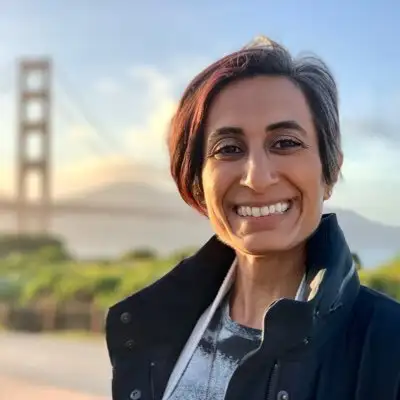
Each episode, host Shaherose Charania, Partner at Unshackled Ventures and a 20-year veteran of the startup ecosystem, sits down with angels, pre-seed investors, and operators-turned-VCs for candid, tactical conversations. Guests include partners from First Round Capital, Accel, Precursor Ventures, Climate Capital, Hustle Fund, and beyond.
We cover how investors are building conviction in an era where AI is reshaping every sector, what they look for before traction exists, and the frameworks behind their best bets. Whether you're writing first checks or trying to earn one, this is your inside track.
shahram-seyedin-noor--he-_1_04-16-2026_103756
===
[00:00:00]
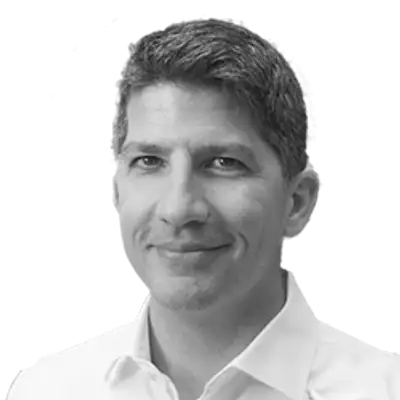
shaherose-host316_1_04-16-2026_103756: All right. We're back with another episode of First Funders in this brave new AI world. Today I've got a dear friend, Shara Saur. Who is the founding GP of a fund called Civilization Ventures? Now Shadam and I go way back. We've shared the same coworking space for maybe more than a decade, maybe even close to 15 years.
shaherose-host316_1_04-16-2026_103756: I don't, I can't remember exactly how long it's been, but. From over that time. We've both evolved from both being founders and operators to investors, though you started your journey much earlier than I did and I'm just so excited to have this conversation on the podcast 'cause he's really carved out success in a league of his own.
shaherose-host316_1_04-16-2026_103756: Uh, I've been watching him since he made the jump [00:01:00] to being a gp, running a solo GP fund since 2017. And within 10 years you've had three IPOs. Is that right?
shahram-seyedin-noor--he-_1_04-16-2026_103756: Correct.
shaherose-host316_1_04-16-2026_103756: It's amazing, right? Rocket Pharma, OMA Health, brilliant one. This is like all the while he's someone who shows up with his own thoughts on how the world is evolving.
shaherose-host316_1_04-16-2026_103756: Real perspective as a founder and operator. More importantly, all wrapped up in a warm and humble personality that you don't always experience in venture. So it's so fun to have you on the pod 'cause I can so relate to so much of how you show up in the world and how you operate. So welcome Sharam. I'd love to start with just a quick intro.
shaherose-host316_1_04-16-2026_103756: Tell us a bit about who you are and you know, what led you to becoming a vc.
shahram-seyedin-noor--he-_1_04-16-2026_103756: Thank you very much, Shaherose, first of all, uh, so great to be on this. Um, show with you, your podcast and all the feelings are mutual, uh, following your journey, through the last decade plus. And I remember plane rides where we were catching up on philosophy, startups life, and seeing the arc for you.
shahram-seyedin-noor--he-_1_04-16-2026_103756: And [00:02:00] now taking all your experience as a founder and passing it on to the new founders that you're funding, I think that's invaluable for them. So I'm, I'm humbled to be on your podcast, uh, ecstatic and, you know. We're also neighbors. We live a few miles from each other, so it's really wonderful to come full circle.
shahram-seyedin-noor--he-_1_04-16-2026_103756: And thank you for inviting me to your show, as you stated. I started my fund in 2017. Um, I, I like to say that I started the fund through process of illumination. I kind of thought about after spending a decade as an operator, so just to kind of. Quickly, maybe bring your audience up to speed on, on my own trajectory, I started with a, an undergraduate econ degree, where I was also a pre-med from Pomona College, got my law degree from Harvard, jd, and then I came to Silicon Valley 27 years ago where I began my career at Wilson Sonsini, working with tech startups during the 1999 crazy.com boom that I witnessed firsthand doing IPOs, m as, et cetera. Seven years of my career was spent doing law and banking, so I worked at Wilson, worked at. Goldman Sachs and [00:03:00] I. Then when I finally paid off my educational loans and was able to save up some money, I took the risk of joining my first startup out of Stanford company called Next Expire, and that company we sold to Illumina back then in 2006, 2009.
shahram-seyedin-noor--he-_1_04-16-2026_103756: It was very difficult to get funding for a software. Company in the multi omics or genomic space. And so, you know, I joined a two, three person team. I spearheaded the fundraise, kind of, we rewrote our deck and we were successful raising 20 million at a time when that was an an anomaly, uh, in our categories.
shahram-seyedin-noor--he-_1_04-16-2026_103756: There's the early days of software in biotech. Um, the next company that I started after that was called. Uh, in Inspira. Original name was Argen, which changed the name to Inspira. Several MD PhDs from Harvard that I was classmates with had novel biology around cancer therapeutics and targets. Long story short, 150 million raised for that company.
shahram-seyedin-noor--he-_1_04-16-2026_103756: For the first seven years I was involved as CEO and executive chairman, and then I started my fund. So. Going to the story of 2017, when I started my fund, it was through process of [00:04:00] illumination. I thought to myself, you know, I've done these startups, they tend to be very binary, obviously, and in the case of therapeutics even more so because not only does the bin, does a startup face the binary outcome, quote unquote, of. Financial success or not, but in therapeutics, you have a binary outcome for your asset. It's not as if you have product market fit and then you scale. You pretty much just go until the phase two and then you find out if your drug works or not. So it's very, very binary. Um, so I thought I, you know, I had just turned kind of 40.
shahram-seyedin-noor--he-_1_04-16-2026_103756: I thought, I can't do that again. You know, you can't just keep rolling the dice. Um, even though I loved learning about therapeutics and having run a therapeutics company, I have a lot of learnings that I hope to pass on to our founders, but I thought I'm, I'm gonna do that again. Uh, for my sole job and I also tried to look at what are the things that I particularly felt differentiated in, was passionate about, and where I thought long-term trends were very positive and could lead to outsized. Financial outcomes. So kind of a Venn diagram of my passion, my [00:05:00] experience and differentiation where the market economy is. And to my own surprise, it led me to think about becoming a venture capitalist because again, it's not as if I had, you know, my, my parents didn't go to college. I'm an immigrant from Iran.
shahram-seyedin-noor--he-_1_04-16-2026_103756: I came here when I was eight. We escaped after the revolution because of the, the theocratic government and dictatorship that took hold after the revolution. So we came to America in 1982. So it's not as if I grew up in a family of venture capitalists. It's funny, I. I. I see, I see people's resumes these days.
shahram-seyedin-noor--he-_1_04-16-2026_103756: Shaherose and it's like the guy, you know, the person is a undergraduate student at Berkeley and they've done like three internships at Goldman Sachs and at, you know, Genentech in high school. And I was like, I was working in the stockroom at Nordstrom, you know, just trying to make a buck. I was working at Manpower, doing menial jobs in high school, proctoring exams for postal exams, just 'cause that was the only job available in Portland, Oregon where I was raised, even though I was a, you know, straight A student, I was. They today, that person will be doing, you know, an internship at, at, uh, you know, KKR. But, but where I grew up, it just wasn't, those [00:06:00] opportunities weren't available. So I grew up, you know, what I consider a normal childhood. There were no internships. the peak of my internship experience in high school was doing. Uh, a c plus plus class, uh, uh, at Mentor Graphics, which was in Oregon. Um, maybe it was c plus. Anyway, one of these computer languages we were learning in high school just kind of become a little bit smarter about it, but those opportunities weren't available. And really, I learned about venture capital in law school. and we had a class called the High Tech Entrepreneur, which was the weirdest class in law school because it was, there's no law about it. It was just. the assignment was go start a company, and so I did. In 1998, I started an online art store with two of my classmates, which we didn't continue because we had to get real jobs after graduating, but. That flavor in my mouth was like, I wanna be an entrepreneur. Now, fast forward to 2017, I didn't know what a venture capitalist really was until I started my career, but by the time I was kind of in my early forties, I realized that's what I should be doing, because that was where there was a really strong convergence of my operating [00:07:00] experience as a, I'll just call myself a non-technical founder because I was always the business person. I consider the technical people, even though I have obviously technical expertise, I consider the really technical people to be the PhDs and the people, the developers writing the software, creating those products. So I, I understood what my lane was. My lane was to understand enough about the technology that I could run a company, but I'm not the one in the lab, and I'm not the one writing the code. But you have to be able to understand what that is. Um, where I was actually deeply technical was in governance, operations, recruiting market, uh, sales, business development, m and a, finances, all the other things that are not you doing a pipette in the web lab and or typing code, which now AI does that anyway, so I thought. Given my passion for the industry, the fact that I had a vision and a perspective for where it was going and the specific set of skills that I had, I thought, I think it kind of makes sense for me to try to be a venture capitalist. The other, the other thread in that was that I had begun angel investing, [00:08:00] uh, during my tenure as a founder with my own, I'll just say modest savings account. You know, I paid off my Harvard and Pomona College loans at the time, 9% interest rates. You know, this is a different era, 9% interest rates. Biden was not there to forgive those loans, so I paid 'em off about a hundred K and then I started investing what savings I had call it a few hundred, and I started learning a lot and I, and I luckily turned out that I was very successful as an angel investing in life sciences software and other companies.
shahram-seyedin-noor--he-_1_04-16-2026_103756: And I thought, huh, really enjoyed being an investor as an angel because I could interact with founders. Kind of consult, advise them while I was running my own companies. Why don't I institutionalize that and my new company can be a VC doing that? Again, I was very kind of unstructured in how I was thinking about it.
shahram-seyedin-noor--he-_1_04-16-2026_103756: 'cause I knew so little about venture capital, even though I was. I would say sophisticated person having worked at tech law firms and big investment bank like Goldman Sachs, when you enter the world of venture capital and you start your own fund, you, you [00:09:00] learn a million things you have no idea about. And so I teamed up with a great lawyer that was introduced to me, and started learning about venture capital and, uh, the rest is history. I started really with the mindset of a founder as a tech founder, so, or biotech fund founder. And what I mean by that shop Rose, is that when I started my fund. The question I asked myself was, I don't wanna be out on the road for two years fundraising, which is what I heard most VCs did. They, especially first time founders who are VCs, first time fund founders, they would often spend 12 months, 18 months just meeting with these creatures called limited partners that would then become your investors and then they would start investing. I'm just not that patient. I'm not gonna go on the road for two years and. You know, beg for money and then invest. I thought I need to first establish an MVP for my fund, and that means that the smallest amount of capital I can raise, augmented, of course, with my own and invest that. See if I enjoy it, see if I could add value [00:10:00] to these founders, see if I could be successful, see if the thesis is valid, and then I'll consider a second fund and I'm not doing it.
shahram-seyedin-noor--he-_1_04-16-2026_103756: There'll be no fees from this fund. That'll be meaningful for me. It's just. Really trying to see if the product market fit is there and if the founder product fit is there. Me as a founder of a fund, so in 2017 I closed really within a few weeks. I closed the million dollar pilot fund and I immediately started investing it, and that's when things got really interesting because within 12 months I had invested that million, but I also learned about something called special purpose vehicles.
shahram-seyedin-noor--he-_1_04-16-2026_103756: So I augmented my investments with. Millions more. And it was a, it was a really an interesting time, 20 17, 20 18 in the life sciences health tech space because things were getting kind of, um, there's a lot of momentum and I was able to have a lot of exits early. Um, so I invested in about 20 companies from that million dollar fund, and I started doing special purpose vehicles on top. And it turned out that our investments had, you know, [00:11:00] double digit multiple returns in companies like Rocket Pharma. Which went public through a reverse merger and is now NASDAQ listed as you, as you, uh, implied. And that actually is the first company that I've ever invested in that has an approved FDA drug. They just got an f FDA drug approved for LED one, which is an ultra rare disease. So pretty amazing milestone for our fund and for myself. Uh, and really the, the, the real milestone that matters. 'cause now you have a drug that can help patients and that's a genetic. Medicines company. We had singular bio that was sold to Invita, where we made a, a huge return. And then we had, uh, Omada was in that cohort, which went public billion to one was in that cohort, which went public last year. So that 20 17 18 vintage ended up being quite, quite interesting. And on the back of that, I raised one, two, and. 2020 right as the pandemic hit. And that's when, that's when I became, I would say, a real fund manager in the sense that I had real, a real assets under management. Um, now we're managing over 200 million of capital, but back then I, I mean, I started with a million dollar fund. So I feel, I feel like [00:12:00] you really can't get smaller than that. Um, I don't, angel List has a program, and of course, you and I both know Naval and. The wonderful people who started AngelList, um, you know, they had a program where they would sponsor people for a million dollars, and I, I didn't really apply to that program. The other thing I wanted to say, Shahar was, is that, you know, the reason I started my fund is I don't like reporting to other people, and I'm, I'm not even convinced that had I applied to other venture capital firms to get hired, I'm not even sure if they would've even interviewed me, because, you know, oftentimes there's a huge bias of. Well, you know, you're not a PhD, you're not an md. What do you know about healthcare or biotech? You know, people really discount operational experience, and they also discount the idea of being an auto didact. I think most people take it for granted that Elon Musk is brilliant, but he doesn't get a PhD. He learned it and he's just, he's just a savant. And I'm not in any way putting myself in the category of savant, but I am someone who is very interested in science and reads about it a lot to the point that when I enter a meeting, I don't consider myself to be deficient and, and kind of, you know, uh, foundational knowledge. And will, you know, I [00:13:00] and my team will ask questions that pretty much go to the root of the problems the founders are tackling within a few minutes of the call.
shahram-seyedin-noor--he-_1_04-16-2026_103756: We don't like wasting time, uh, because we wanna be able to give real feedback to the founders. I think what I've also found is that the experience that I have
shahram-seyedin-noor--he-_1_04-16-2026_103756: and the, the reading that I've done and the research that I've done has just compounded, you know, um, eight years after starting my fund, really, 18 years after being a founder in the biotech space, I, I, I would enter meetings with VCs who were PhDs from Harvard and Stanford, and I would know more about the science than they did because I had been spending time reading about it.
shahram-seyedin-noor--he-_1_04-16-2026_103756: And
shahram-seyedin-noor--he-_1_04-16-2026_103756: the, the way, the way it works in the PhD program is if you're very narrow and you're working only on, you know, microRNAs, you're only working on. You know, bioinformatics, you know, you don't know about other things, uh, because the world of the PhD is quite solitary and can be very narrow. And so that was for me, something also cha rose that gave me confidence to start my own
shahram-seyedin-noor--he-_1_04-16-2026_103756: fund because I, you know, frankly, 17 years ago, I thought to myself, geez, I really don't know [00:14:00] anything.
shahram-seyedin-noor--he-_1_04-16-2026_103756: I mean, you know, these people went to. Scientific BA, PhD programs. My background is in business and law and banking. Like what? What do I know? It was only after year, after year of being in the salt lines of building companies, being at the bleed, bleeding edge of where the technology was going in biology that I felt that I really understood the landscape of how venture capital. Invested in bio. I saw the whole in venture capital and how they were approaching bio and I saw my opportunity to enter, so I wanted to talk about that next, but I'll stop there in case
shaherose-host316_1_04-16-2026_103756: no, that, I'd love to hear more about that. I think there's so much that you just shared that when, when we caught up, um, when I came back to, to the bay, what now? Two years ago and we sat down for coffee and you shared the, you know, part of this journey. And by the way, thank you for sharing the detail of it.
shaherose-host316_1_04-16-2026_103756: 'cause I think it's so beautiful for people to know a bit about how you got here. What you, again, how you see the world, but like someone who has operated, understands the [00:15:00] science from broad view over time. I agree with you, is something that is very unique. Right? And not coming in after just having done a PhD and in their neuros, their field, but also then what you talked about having been doing institutional, you're institutionalizing your angel investing.
shaherose-host316_1_04-16-2026_103756: You know, even just your journey as an immigrant, all of that. Plays, uh, a beautiful role in who you are and how you invest. And so would love to pick up the thread on what you were gonna share, um, and also loop in a bit about, you know, what you invest in today and why, like what's the why on some of the, the bets that you're making.
shaherose-host316_1_04-16-2026_103756: Yeah.
shahram-seyedin-noor--he-_1_04-16-2026_103756: Well, that's exactly where I was going, so I'm glad you brought that up. Um. I, I really believe that in venture you have to have some unfair, I mean, in, in startups in general, but certainly this applies to venture as well. You have to have some unfair advantage because you don't want mediocre returns, you know, uh, and in general, most people are by definition average, right?
shahram-seyedin-noor--he-_1_04-16-2026_103756: That's, that's what the average, that's what the word average
shahram-seyedin-noor--he-_1_04-16-2026_103756: means. It's based on what the average person is. And, and [00:16:00] what I noticed was that in the field of biotech, having worked in tech and bio. There was this conservatism,
shahram-seyedin-noor--he-_1_04-16-2026_103756: which can be good, but also can be a little bit disruptive. So where I think conservatism and biotech is very good is rigor you like, you don't, you don't lie about the science or fudge the data 'cause you're really lying to yourself.
shahram-seyedin-noor--he-_1_04-16-2026_103756: I mean, there's
shahram-seyedin-noor--he-_1_04-16-2026_103756: no, you know, you see in tech or in business, people will inflate sales figures or. Do all kinds of things that make the company look superficially better than it really is. And bio. If you do that, first of all, it's it's, it's not legal. Second of all, you're actually just setting yourself back because you need to be able to objectively look at your results and your approach and understand which way. Uh, you're trending
shahram-seyedin-noor--he-_1_04-16-2026_103756: to be able to correct course. The founders that I love working with the most are the ones that are ruthlessly honest with themselves and with me about what the data shows. And I especially love it when founders, for example, in a therapeutics company say, look, this experiment didn't [00:17:00] work out and uh, I don't know why it didn't work out, but I just wanted you to know 'cause you're my investor.
shahram-seyedin-noor--he-_1_04-16-2026_103756: I have founders like that. I mean, a great example is shake. Uh, one of our PhDs from Berkeley who we backed for rewrite and replace therapeutics, we sold rewrite to Elli for 200 million. We were the only investors and he was one of three, four people in the company. And the only, uh, one of the two co-founders, his co-founder was David Schafer from Berkeley, who's a wonderful and accomplished, uh, professor there.
shahram-seyedin-noor--he-_1_04-16-2026_103756: And then we backed them for replace, and we sold that to, to Bioo. But Chique had tremendous success experimentally. But there were points during the journey where things didn't always go according to our plan. And what I loved is that he would immediately call me. He actually would affirmatively call me and update me on that, really treating me as his team member.
shahram-seyedin-noor--he-_1_04-16-2026_103756: Um, and that's kind of why I do this. You know, I, I wanna be an a, a thought partner and a virtual co-founder for all my founders.
shahram-seyedin-noor--he-_1_04-16-2026_103756: And in fact, I think that hopefully I'm able to add unique value because I am the business person and they're the scientist. So it's like a perfect marriage of, [00:18:00] of attributes.
shahram-seyedin-noor--he-_1_04-16-2026_103756: And this goes to the thesis. So what do we invest in?
shahram-seyedin-noor--he-_1_04-16-2026_103756: And why? One thing I noticed when I spent a decade pitching to VCs as a biotech founder was how they just didn't like young founder. I mean, relative to tech.
shahram-seyedin-noor--he-_1_04-16-2026_103756: They were heavily biased against young founders. If you are a tech founder who just dropped outta Stanford, or better yet, who didn't even go to college, a teal fellow. You'll be worshiped in Silicon Valley
shahram-seyedin-noor--he-_1_04-16-2026_103756: as being contrarian and disruptive in biotech, you pretty much won't get the meeting if you're a dropout, and if you are a PhD, the meeting will be okay. You know, the traditional biotech funds, God bless them, I respect them, but the traditional biotech funds, the, the discussions behind closed doors immediately are how to replace this
shahram-seyedin-noor--he-_1_04-16-2026_103756: guy. He's never run a company, but she's never run a company. That is something that to me, as. Someone who early in their founding career had not won companies
shahram-seyedin-noor--he-_1_04-16-2026_103756: before, did not make sense. Because as long as you have the horsepower, you have the, the, the intellect, the drive, the integrity and, and the work ethic to, and the team to get there, you'll get there.
shahram-seyedin-noor--he-_1_04-16-2026_103756: You can [00:19:00] hire gray hairs that have done it before and can provide you the regulatory expertise, the, the, the, the chem, the medicinal chemistry expertise, all these things that. Are the blocking and tackling involved in drug development or in diagnostics or what have you, you know, laboratory operations, et cetera.
shahram-seyedin-noor--he-_1_04-16-2026_103756: These people, this is how you build a team and hire. You don't need to the founder and the CEO to be an expert in all these things. And in fact, if they are, that's definitely the wrong pH, what we call phenotype or profile for, uh, the founders. So I thought, this doesn't make sense. We need to disrupt this biotech industry.
shahram-seyedin-noor--he-_1_04-16-2026_103756: And, and back first time founders. And I'm going to mentor them to the best of my abilities to fill the gaps so that we're actually not deficient.
shahram-seyedin-noor--he-_1_04-16-2026_103756: Uh, 'cause I had one company for a decade, so that was the first disruptive
shahram-seyedin-noor--he-_1_04-16-2026_103756: part of my thesis, which in 2017 there was not a single fund run by a biotech expert operator. As opposed to a tech bro, a biotech expert operator that had that [00:20:00] thesis.
shahram-seyedin-noor--he-_1_04-16-2026_103756: Not one. Today there are more than more than one, which is great. But back then I think I was, and by the way, not a single fund back then, we could argue I wasn't even a fund, right? It
shahram-seyedin-noor--he-_1_04-16-2026_103756: was like a million dollar fund. One could argue that's not a real fund, but my thesis was very
shahram-seyedin-noor--he-_1_04-16-2026_103756: unique and, and, and I leaned into it very, very hard and it resonated deeply with founders 'cause they were experiencing this bias from the big
shahram-seyedin-noor--he-_1_04-16-2026_103756: funds. That's a b. When I was an angel investor and, and a founder, uh, I spent most of my time outside of therapeutics. I mean, I had one company that was therapeutics for seven years, but my angel investments were all outside of it. They were tools, software informatics, diagnostics, and I love that category one, just intellectually.
shahram-seyedin-noor--he-_1_04-16-2026_103756: I love the idea of measurements and, and, uh, accuracy of testing. Two, I, I found it more accessible to me, uh, intellectually. And three, you really can't have precision medicine without precision diagnostics. It's two sides of the same coin. I mean, you have to be able to. Target
shahram-seyedin-noor--he-_1_04-16-2026_103756: the drug towards a mutation [00:21:00] or towards a certain patient profile.
shahram-seyedin-noor--he-_1_04-16-2026_103756: And the only way to know that is to measure, or you have to know the patient even needs a drug by measuring whether let's say cancer is there or has recurred. These are all diagnostics. You have to be able to measure, uh, you have to be able to diagnose a fetus to see if they have some recessive condition or some ploidy or whatever condition is relevant to the fetus that you can then act on. Um, tho those are diagnostics and it's a big market. Believe it or not, Charo, in the world of biotech to this day, diagnostics is considered a dirty word. That that dirty word phrase is verbatim. From what I've heard is what I've heard from other, um, fund managers where I've tried to pitch some of our portfolio companies to very, you know, multi-billion dollar biotech funds.
shahram-seyedin-noor--he-_1_04-16-2026_103756: Hey, would you please meet with my friend Charo?
shahram-seyedin-noor--he-_1_04-16-2026_103756: She's running this amazing diagnostics company. Did you just say diagnostics? It's like, didn't, you know, that's a dirty word in our industry, you know? Ha ha. We laugh about it, but they kind of mean it. And, and I've heard it.
shahram-seyedin-noor--he-_1_04-16-2026_103756: from LPs. They're like, oh, diagnostics.
shahram-seyedin-noor--he-_1_04-16-2026_103756: Oh my [00:22:00] goodness, that's horrible. And I'm just like, yeah, that's, that is why we are contrarian,
shaherose-host316_1_04-16-2026_103756: wait, why? Why is it a dirty word? As someone who's not deep in the.
shahram-seyedin-noor--he-_1_04-16-2026_103756: a really good question. Um, to this day, I'm not sure if I have a satisfying answer for that. What I, what I do know is that. What I do know is that the whole industry in biotech has more or less been formulated around the concept of taking drugs to clinical
shahram-seyedin-noor--he-_1_04-16-2026_103756: trials and the capital intensity and the expertise involved in that, and seeing binary outcomes come out of those trials that could then be very lucrative.
shahram-seyedin-noor--he-_1_04-16-2026_103756: And what happens after a clinical trial is that you could have a 2030 x multiple return just based on the readout, and that's kind of satisfying if you get it right
shahram-seyedin-noor--he-_1_04-16-2026_103756: now. Most smart VCs. Will exit before that. 'cause that's 'cause 90% of drugs fail, right? So, so if you're a smart vc, you do, you know, build to buy, uh, where you sell an asset to a pharma where they take the risk on the
shahram-seyedin-noor--he-_1_04-16-2026_103756: phase two efficacy.
shahram-seyedin-noor--he-_1_04-16-2026_103756: But nonetheless, when you have an ecosystem developed. To fund these types of assets. Then [00:23:00] naturally their success and failures are hinged on that
shahram-seyedin-noor--he-_1_04-16-2026_103756: approach and going, going outside of it to diagnostics, it doesn't feel natural to them. The same reason why a crypto investor doesn't invest in, you know, aviation.
shahram-seyedin-noor--he-_1_04-16-2026_103756: It's just maybe not what they
shahram-seyedin-noor--he-_1_04-16-2026_103756: do. And I think ironically, bio, you know, life sciences and health is very, um, heterogeneous in that respect. And all the big returns have been, you know, metra selling for 10 billion or, you know, STEM centric selling for five, 10 billion to AbbVie. These are the blockbuster returns that get you on the Midas list, uh, or, or make you a big fund manager in biotech.
shahram-seyedin-noor--he-_1_04-16-2026_103756: And these guys lean into it hard and that's, that, that becomes kind of. 95% of what they do, they have dabbled in diagnostics and not done well.
shahram-seyedin-noor--he-_1_04-16-2026_103756: So hence they're like, well, why am I even bothering here? Where you know when markets are good. And this is the other thing is that there's a lot of cyclicality in biotech.
shahram-seyedin-noor--he-_1_04-16-2026_103756: So in 2020 to 21, we benefited from that as well, right? Our, I remember in March of 2020 as the pandemic hit. The market just crashed and everyone, everyone thought it was [00:24:00] over. And then within a few months, for whatever reason, the biotech market just exploded again. And you had, you know, tons of IPOs. 40% of IPOs were preclinical companies.
shahram-seyedin-noor--he-_1_04-16-2026_103756: They
shahram-seyedin-noor--he-_1_04-16-2026_103756: had no human data whatsoever. So these are companies that are essentially gonna fail their
shahram-seyedin-noor--he-_1_04-16-2026_103756: trials. 'cause that's, those are the stats. And so you had tons of VCs making lots of money because companies were going public, irrespective of data. And then when the data read out, read out. Which 90% of the time it was
shahram-seyedin-noor--he-_1_04-16-2026_103756: negative, they would crash. And now those companies are either shut down or most of them are trading below their cash position,
shahram-seyedin-noor--he-_1_04-16-2026_103756: meaning they have negative enterprise value. So, so, but when the times were good, those funds did well. Now those funds are all doing terrible. 'cause they were all Hertz, they were lemmings, they were all doing the same thing. We didn't do that. Just because my thesis was always different. Remember my thesis was to back both seasoned entrepreneurs, but also first
shaherose-host316_1_04-16-2026_103756: Yep.
shahram-seyedin-noor--he-_1_04-16-2026_103756: as long as they're the complete athlete that we're looking for. And our pillars of investment, which I still haven't gotten to, are three. So one of them is genomics and diagnostics. The [00:25:00] other is software, digital health and ai, just pure software plays to make healthcare more efficient, to really utilize, uh, AI in the. Uh, provider space, context. And the third category is therapeutics. But when I'm, when we do therapeutics, we like to go into the areas that are curative. It's really valuable to be able to extend life by three to six months.
shahram-seyedin-noor--he-_1_04-16-2026_103756: And there are drugs that get approved for that every day. And we just saw a drug get approved for that in pancreatic where they're, or not approved, but they, they release data where they're doubling the time of survival for certain pancreatic cancer, um, patients from six months to more than a year. And so, so I, I do consider that valuable.
shahram-seyedin-noor--he-_1_04-16-2026_103756: I especially since these averages don't always tell the full story. Sometimes you have sub uh, cohorts which are cheered and
shahram-seyedin-noor--he-_1_04-16-2026_103756: therefore the average is six months, but some are cured. However, I personally was not interested in such incremental changes. My theory has been now for several decades that a deeper understanding of genetics itself, [00:26:00] and of course, next gen sequencing at its arrival and the deciphering of the human genome in 2000 as a composite, and now individually for all of us.
shahram-seyedin-noor--he-_1_04-16-2026_103756: As well as the genomes of tumors and all kinds of disease. These things have unlocked a revolution in what's happening in medicine and diagnostics is the core component of that, which is why we do a lot of genomic space diagnostics. But the other component is curative treatments that are genetic medicines because now you understand that genetics solve the problem.
shahram-seyedin-noor--he-_1_04-16-2026_103756: And so we have companies that are doing DNA, uh, editing using CRISPR Cas nine prime editing type solutions, et cetera.
shahram-seyedin-noor--he-_1_04-16-2026_103756: We have RNA editing companies that are using that modality. We have lots of cell therapy companies. I think we have, we have more than half dozen companies in this category alone. We've invested millions to really get to the heart of the problem and cure diseases at the genetic
shahram-seyedin-noor--he-_1_04-16-2026_103756: level. And I think we're really one of maybe five funds in the world. And as far as I've, as I've been able to count, that's has three genetic medicines exits. Most funds [00:27:00] that are, are ilk, that are, are, that have been around for seven, eight years, have zero exits. Uh, we've had 17 of which three are genetic medicines, three are, uh, diagnostics, and the rest were digital health, et cetera.
shahram-seyedin-noor--he-_1_04-16-2026_103756: So our thesis
shahram-seyedin-noor--he-_1_04-16-2026_103756: is season and first time founders, which is novel,
shahram-seyedin-noor--he-_1_04-16-2026_103756: novel thesis diagnostics, software, curative
shaherose-host316_1_04-16-2026_103756: Love it. I mean, and you said it so simply, but really there's that layer of genomics, genetics, you know, really cur, curative approaches. I feel like you're like a root cause based investor, right? As opposed to symptom management, life extension, um, uh, uh, on the, on the therapeutic side. And you're really just like paying attention to the latest technology
shahram-seyedin-noor--he-_1_04-16-2026_103756: Well, Shaherose does, ano, there's another reason I did that, you know, again, you and I are familiar with, with founder, you know, having been founders and, and it's not glamorous by the way you, and I know that it's not glamorous being a founder, like, you know, and, and I say that. To illustrate, when you're a [00:28:00] founder, you have to establish product market
shahram-seyedin-noor--he-_1_04-16-2026_103756: fit, and you have to establish your differentiation, and you have to establish your unfair advantage, not your fair advantage.
shahram-seyedin-noor--he-_1_04-16-2026_103756: Your unfair advantage. What is, what does unfair mean in this context? What is it about you, your background, your experience, your insight, your net worth, your capital, whatever it is that gives you
shahram-seyedin-noor--he-_1_04-16-2026_103756: an edge. Others will just always be playing
shahram-seyedin-noor--he-_1_04-16-2026_103756: catch up. That's the key. And so I thought we're, I'm a fund manager, as you said, a solo gp now, now that's changing over the next 12
shahram-seyedin-noor--he-_1_04-16-2026_103756: months,
shaherose-host316_1_04-16-2026_103756: to know.
shahram-seyedin-noor--he-_1_04-16-2026_103756: still technically solo gp, I guess from a legal perspective that, but, but, but that's not a good thing, you know, fortunately, I have a team that's. Way smarter and stronger than myself. We have, uh, a wonderful, wonderful investment partner. Sonya, uh, sat. She was a PhD from USC, wonderful operating partner, Angelica Parenti, who's been at Sutter Hill Ventures and, and, and other companies. Uh, wonderful new associate we've brought on board from Stanford, Sarah Loveland.
shahram-seyedin-noor--he-_1_04-16-2026_103756: So I'm very fortunate that our team is absolutely stellar. All of them much smarter than [00:29:00] myself. Uh, but when we started the fund. Uh, when I started the fund, I had to ask myself the question, what, not only what are my passions, but where can I be differentiated and have an unfair
shahram-seyedin-noor--he-_1_04-16-2026_103756: advantage? And I, and I realized. I'm not afraid to take that kind of
shaherose-host316_1_04-16-2026_103756: Yeah. Yeah.
shahram-seyedin-noor--he-_1_04-16-2026_103756: not, not only am I more interested in curative treatments, I actually think that's the area where the orba meds of the world and the big fonts had not yet established leadership because the modality was so new. You have to remember, we only have two cell therapies that are even approved, right?
shahram-seyedin-noor--he-_1_04-16-2026_103756: There's three now for blood cancers, like cell therapies, which are, you know, genetically engineered immune
shahram-seyedin-noor--he-_1_04-16-2026_103756: cells was called CAR T chimeric antigen receptor therapies. Uh, the, these treatments are new enough that. In 2017, like there was no approved drug. And though the seminal paper on CRISPR gene editing by Jennifer Doudna and Carpentier and, you know, point of pride, Jennifer went to my college, Pomona College.
shahram-seyedin-noor--he-_1_04-16-2026_103756: Um, that paper was in 2012.
shaherose-host316_1_04-16-2026_103756: Hmm.
shahram-seyedin-noor--he-_1_04-16-2026_103756: So you just think about it like, it's
shahram-seyedin-noor--he-_1_04-16-2026_103756: so new. It's not as if some, you know, uh, established venture capitalists had a huge edge. They were reading the same papers that I was,
shahram-seyedin-noor--he-_1_04-16-2026_103756: [00:30:00] right. And so I thought, I'm gonna go into that area 'cause this. It's the area that I think matters the
shahram-seyedin-noor--he-_1_04-16-2026_103756: most, which is curative treatments. And no one else has established a moat as a fund, so I'm gonna go there
shahram-seyedin-noor--he-_1_04-16-2026_103756: and.
shaherose-host316_1_04-16-2026_103756: this is the smartest thing, right? Like I think about that as, you know, winning in that space. But what comes up for me then is what you said is if, if the funds that are following you don't even have their own thesis on this. How are you getting your founders funded after your first check?
shaherose-host316_1_04-16-2026_103756: Hmm.
shahram-seyedin-noor--he-_1_04-16-2026_103756: They, they have a thesis. I don't wanna give myself too much credit. I mean, everyone was, was well aware of genetic medicines. It's just that when most funds had an expert network that was primarily a medicinal chemistry, small and large molecule network, it's not as if they had the muscle memory of how to run and exit a genetic medicines company any more than I could develop concurrent with them learning and coming up. It was differentiated for us to focus almost exclusively on
shahram-seyedin-noor--he-_1_04-16-2026_103756: that. Just like we, we, we focused disproportionately on ai.
shahram-seyedin-noor--he-_1_04-16-2026_103756: I mean, I happened to be someone who has run a [00:31:00] software company, right? Next bio. The first company that I was an executive and I was a CFO gc, head of bd et cetera, Corp Dev. Um, but we were, we were, we were a software company, so I was hiring PhDs out of Stanford to do curation of scientific information to be put into our search engine or correlation engine.
shahram-seyedin-noor--he-_1_04-16-2026_103756: Which became, became known as the correlation engine when Illumina launched it after acquiring our company. But I was hiring, uh, informatics, uh, algorithm experts and computer science and computer science engineers and developers. And in fact, you know, the, one of the, my good friends and advisors is now running software at Grail.
shahram-seyedin-noor--he-_1_04-16-2026_103756: So he was our CTO, uh, wonderful. Phenomenal human being, uh, satna, malac. So we were, I was deep in software and therefore it was not an alien category to me. And I loved the fact that we can invest in it and that, and so what was called big data analytics or machine learning then has evolved to AI today.
shahram-seyedin-noor--he-_1_04-16-2026_103756: But it's the same, you know, back now you're using PyTorch. Back then it was, you know, Hadoop or whatever the, the terminology and the frameworks [00:32:00] were at the time. But having that ex experience, expertise and conviction meant that we were doing AI earlier than anyone else. Uh, and we still are right now.
shahram-seyedin-noor--he-_1_04-16-2026_103756: When I look at our early portfolio from fund three and our, and our current fund is much larger than our prior funds, we're writing much larger checks. Almost every company is an AI native
shaherose-host316_1_04-16-2026_103756: Yeah.
shahram-seyedin-noor--he-_1_04-16-2026_103756: Even if they're doing, you know, treatments for, let's say we have a longevity company integrated bio, which is phenomenal. Um, they're doing animal experiments, mice experiments with hundreds of mice at a time, and just the, the level of data creation is extraordinary and it's designed to feed AI
shaherose-host316_1_04-16-2026_103756: Yeah. Yeah.
shahram-seyedin-noor--he-_1_04-16-2026_103756: missing, the missing link for. Bio today is the data more than the models. And everyone
shahram-seyedin-noor--he-_1_04-16-2026_103756: knows this in the industry, you have trillions of tokens in by, in, uh, video and text and search that allow you to have these phenomenal, uh, results.
shahram-seyedin-noor--he-_1_04-16-2026_103756: When you do a, you know, you ask chatGPT write to write you an essay or, you know, [00:33:00] draft my email
shahram-seyedin-noor--he-_1_04-16-2026_103756: or create a video. Uh, you can't do that in biology. You have these virtual cell models that are still. Incomparably deficient when you compare them to their analogs in the world of kind of digital. And so we're trying to solve for that by investing in companies that are able to create the data, uh, and the data moat upon which models can be built. That have higher fidelity outcomes that could really help understand biology, which we still don't. I mean, anyone who says they do is, uh, aspirational, which is great. We are aspirational as well. But the money will be made in the data for the next, I think five, five years, 5 10 years. But I do think in 10 to 20 years we're going to have virtual cell models that'll be so revolutionary that they'll be, um, really com comparable to what we're seeing today in video and, uh, text.
shaherose-host316_1_04-16-2026_103756: Wow. I mean, that's exciting. Like, let's, let's dig in a bit on ai. You're, you're saying, obviously you've been around it to some degree, but we all know that in November it felt like the world just tilted completely differently. Yes, for, for sure. In the [00:34:00] sort of like text, video, you know, kind of written word space.
shaherose-host316_1_04-16-2026_103756: But for you too, like what? Across your investments now, like today, fresh Day, genomics related diagnostics or therapeutics or the software digital side of it. I know they're all very different, but like walk me through what has changed or not when it comes to the fact that AI has sort of reached this very interesting sort of inflection point, at least for those of us who are living here in the valley.
shaherose-host316_1_04-16-2026_103756: I know the world has not yet necessarily caught up. Um, and what I, if it's changing anything about how you're investing.
shahram-seyedin-noor--he-_1_04-16-2026_103756: Well, we, we follow closely what founders are
shahram-seyedin-noor--he-_1_04-16-2026_103756: doing. We are not a fund that has yet incubated a company where we say, this is our thesis. Let's go find the founders for it. Those funds are great. We have not yet done that because we have our hands full, just supporting brilliant founders who come to us with ideas. And what we've seen is exactly what you've indicated. 25, I think 2025 I think will be seen as a seminal year for ai. Uh, [00:35:00] obviously we're now, you know, almost halfway through 2026, but I think 2025 was the year where we started seeing what, what could be considered magic through ai. Uh, and. We start and, and then we started to see that in biology as well, where the founders that would come to us from the top schools, Harvard, MIT, Caltech, Berkeley, Stanford schools that we disproportionately see founders from and fund, not 'cause we're biased, but 'cause that's where a lot of the funding is.
shahram-seyedin-noor--he-_1_04-16-2026_103756: And a lot of 'em come to us now. We're increasingly. Making an affirmative effort to make sure we're also in Texas to make sure we're in Chicago and a lot of other geographies, Europe, but the founders are the ones showing us that, that the best founders are AI native and they're not considering AI like this adjunct to what they're doing on the chemistry we lab side, but rather as a core component of it. And uh, again, we were, it is not like we invented the thesis and said, go and do this. They were doing it. They came to us and now that I'm looking at the portfolio, we started labeling. Uh, companies based on which ones are really ai, uh, NA native versus [00:36:00] not. And like all I would say, out of our current portfolio of diagnostics, health tech and therapeutics companies, 80% are
shahram-seyedin-noor--he-_1_04-16-2026_103756: AI native, where it's like a core component of what they do.
shahram-seyedin-noor--he-_1_04-16-2026_103756: They have proprietary models, proprietary data, and they're doubling down on the use of AI to further their edge. So at this point, I think it's table stakes, to be honest
shahram-seyedin-noor--he-_1_04-16-2026_103756: with you. And, and what I tell founders, even those that are going public is. You basically have a decision to make. Do you want to brand yourself as an AI native company or do you want to be disrupted by someone else who does that?
shahram-seyedin-noor--he-_1_04-16-2026_103756: That's it. I mean, those are your two options. There's not a third option. And, and I, and I also say, you know, it was funny because you and I remember back in the day when, uh, the terminology that was used in 1999. Was, this is a.com,
shahram-seyedin-noor--he-_1_04-16-2026_103756: you know? Oh, yet, yet another.com. Like, it's like it's a bad thing. How many companies right now don't have a.com in their
shahram-seyedin-noor--he-_1_04-16-2026_103756: url? That's kind of like, of course everyone has a website and, and many are online businesses or mobile businesses, and the same is true here. You know, someone might consider it gimicky to say [00:37:00] it's, you know, civilization, ai.
shahram-seyedin-noor--he-_1_04-16-2026_103756: Or if, if, if civilization were a company producing a non venture product, and I, I think it's like everyone should be branding themselves with that ai, uh, as
shahram-seyedin-noor--he-_1_04-16-2026_103756: much as they could.
shahram-seyedin-noor--he-_1_04-16-2026_103756: 'cause it's relevant to what they do. We, one of the funny things that's happened is. Some people have been raising these AI funds,
shahram-seyedin-noor--he-_1_04-16-2026_103756: uh, that, that, you know, of course the hype is there. So, you know, the institutional LPs are looking for the word
shahram-seyedin-noor--he-_1_04-16-2026_103756: ai. So the fund fund manager will say, we are the AI fund for biology or life sciences.
shahram-seyedin-noor--he-_1_04-16-2026_103756: Great. Um,
shahram-seyedin-noor--he-_1_04-16-2026_103756: and then what we see is that they look at some of our companies that basically at. Are not AI native companies, but are doing extremely well and are curing disease and they're like, we should really invest in this company. Do you have an AI strategy? Can you just make an AI slide for us so we could just kind of justify you being an AI company?
shahram-seyedin-noor--he-_1_04-16-2026_103756: And I've seen that a couple of times. And it's kind of, it's kind of hilarious, but I, 'cause I'm like, you guys are an AI fund. There's so many AI companies, why are you forcing a
shahram-seyedin-noor--he-_1_04-16-2026_103756: founder doing some, you know, D-N-A-R-N-A editing, whatever it is to just create an AI slide so you can pretend it's AI is like, come [00:38:00] on.
shahram-seyedin-noor--he-_1_04-16-2026_103756: But you are seeing a lot of that
shahram-seyedin-noor--he-_1_04-16-2026_103756: as well for people that are realizing that the world is more complicated than only ai
shahram-seyedin-noor--he-_1_04-16-2026_103756: and they wanna make money and sometimes the money is in the chemistry. But they're saying just add the word ai. So you realize that a lot of what we do, a lot of venture capital marketing itself is
shaherose-host316_1_04-16-2026_103756: Yeah, a hundred percent. I remember this quote, um, from, uh, Beezer at Sapphire who said, you know, the job of a VC is often to ride a hype wave and then get out just in time. I was like, this is true. Uh.
shahram-seyedin-noor--he-_1_04-16-2026_103756: Timing is important.
shaherose-host316_1_04-16-2026_103756: And that, but, and that's really hard and timing is important, but also knowing the wave that you're in and, and really reading the tea leaves and, and moving with it is important.
shaherose-host316_1_04-16-2026_103756: But you still need first principles, right? No matter
shahram-seyedin-noor--he-_1_04-16-2026_103756: you need to be contrarian. and I think that the only way you make money is by being on that, you know, on one or the other side of the bell curve, hopefully on the, the profitable
shaherose-host316_1_04-16-2026_103756: Yeah.
shahram-seyedin-noor--he-_1_04-16-2026_103756: where you're not right in, in the fat middle. Because the fat middle is the average
shahram-seyedin-noor--he-_1_04-16-2026_103756: returns.
shahram-seyedin-noor--he-_1_04-16-2026_103756: And what, and the, and the way that manifests itself in venture is if your thesis is the same as everyone
shahram-seyedin-noor--he-_1_04-16-2026_103756: else's, it means that every deal you're [00:39:00] doing is being chased by all the other VCs and the price will go up. So you see a lot of companies, we see a lot of companies where. The first financing round is at a 30 40 post-money valuation, which knowing how the excess work in our space, it means you're just not gonna make any money outta it.
shahram-seyedin-noor--he-_1_04-16-2026_103756: You're certainly not gonna make the 20 to a hundred x returns, or, you know, even greater returns that you need to see from your winners to return
shahram-seyedin-noor--he-_1_04-16-2026_103756: funds. So if you're coming into these FOMO rounds where they're quote oversubscribed by a bunch of. Similar looking VCs with, you know, following each other's
shahram-seyedin-noor--he-_1_04-16-2026_103756: signal. You're not gonna make money.
shahram-seyedin-noor--he-_1_04-16-2026_103756: You only make money by being contrarian to your point. One of my friends was telling me this morning, well, you've established yourself clearly as the number one diagnostics venture firm in the world. And I said, well, I hope not. Uh, because I, 'cause that's not all we
shahram-seyedin-noor--he-_1_04-16-2026_103756: do. Uh, for it would be a pity of someone thought, oh, because civilization had. You know, 7 billion of excess last year with billion to one. And, and the sale of foresight to Natera that somehow we're a diagnostics firm. We are not a diagnostics only firm. [00:40:00] We've been very lucky, uh, and fortunate to have backed amazing founders in diagnostics that have really moved the needle and have been able to build great
shahram-seyedin-noor--he-_1_04-16-2026_103756: businesses.
shahram-seyedin-noor--he-_1_04-16-2026_103756: We've been lucky to have that. But we've been equally lucky so far anyway, with amazing therapeutics founders. We have companies like Katina doing antibody drug conjugates
shahram-seyedin-noor--he-_1_04-16-2026_103756: that have preclinical data that we've never seen before. And that's one of the hottest areas right now in therapeutics. Yeah. You're seeing really billion dollar exits like Tubus that was just sold, uh, every week, uh, in biotech, which concerns me by the way, because I worry about what's gonna happen two years from now.
shahram-seyedin-noor--he-_1_04-16-2026_103756: But, but we, we have lots of cell therapy companies that, while risky
shahram-seyedin-noor--he-_1_04-16-2026_103756: could be total game changers for the industry where they succeed. So. We do a lot outside of diagnostics and, and we've been fortunate to have success in those other
shahram-seyedin-noor--he-_1_04-16-2026_103756: categories and we hope to have more. But, you know, fingers crossed.
shahram-seyedin-noor--he-_1_04-16-2026_103756: 'cause a lot of this also is just to your point, a lot of
shahram-seyedin-noor--he-_1_04-16-2026_103756: serendipity. But, uh, but I told 'em, please don't spread the word that we're like the most successful diagnostics fund, because that's not all we do. We don't wanna move. We would like to be known as a [00:41:00] successful
shahram-seyedin-noor--he-_1_04-16-2026_103756: fund. Uh, that doesn't have to be the most successful.
shahram-seyedin-noor--he-_1_04-16-2026_103756: All of our metrics speak for themselves, but you know, we would like to be known as a fund that's making a difference for
shahram-seyedin-noor--he-_1_04-16-2026_103756: founders, that's helping patients, that's helping the ecosystem
shahram-seyedin-noor--he-_1_04-16-2026_103756: thrive. And this is why we have our fellowship program where we go into PhD programs and train PhDs in business and finance and venture capital and company creation
shahram-seyedin-noor--he-_1_04-16-2026_103756: because you don't learn that as a PhD.
shahram-seyedin-noor--he-_1_04-16-2026_103756: Uh, that spends her time pipetting and working
shahram-seyedin-noor--he-_1_04-16-2026_103756: on, you know, in vitro and in vivo experiments. You don't learn what's a term sheet?
shahram-seyedin-noor--he-_1_04-16-2026_103756: How do you build a company, how do you hire, how do you exit? And we teach that to our fellowship program that we've started and it's one of the most rewarding and fun things that we do.
shahram-seyedin-noor--he-_1_04-16-2026_103756: So we we see our role far beyond making
shahram-seyedin-noor--he-_1_04-16-2026_103756: returns. We do need to make extraordinary returns and we've been fortunate to do so to stay in the
shahram-seyedin-noor--he-_1_04-16-2026_103756: business. Um, and I'm, you know, I think I'm a competitive person. I'd like to be the best, but, at the end of the day, we're all gonna be, at some point we're on this earth, then we're not.
shahram-seyedin-noor--he-_1_04-16-2026_103756: And so all you can do is hope that we [00:42:00] leave a mark that transcends our own, um, kind of personal little needs, uh, that we do something for the greater good. And that's certainly one of my aspirations.
shahram-seyedin-noor--he-_1_04-16-2026_103756: And it's actually why I call the fund Civilization
shahram-seyedin-noor--he-_1_04-16-2026_103756: Ventures. the name is meant to connote this idea that we're in this together.
shahram-seyedin-noor--he-_1_04-16-2026_103756: It doesn't matter if you're in Iran or Pakistan or China or the United States, we're
shahram-seyedin-noor--he-_1_04-16-2026_103756: all the same species. You know, your language, your religion is kind of the operating system. The hardware's all the same. And, uh, we're all going to the same place, which is hopefully a better future for all of us, hopefully longer life longevity.
shahram-seyedin-noor--he-_1_04-16-2026_103756: And I really believe that technology is the one area. Where there should be no debate. We should all be on the same page. That this is good for all of us and let's all invest together. Let's all create together regardless of country or ethnicity or religion or language, let's build together to, uh, further our common interests.
shahram-seyedin-noor--he-_1_04-16-2026_103756: And that's what civilization means to me,
shahram-seyedin-noor--he-_1_04-16-2026_103756: is that this is our common technology foundation.
shaherose-host316_1_04-16-2026_103756: It's a very clear why [00:43:00] and a very deep why, and a very, uh, inspirational why that, you know, I'm sure this is also part of why you win the early trust of with founders at the earliest stages that you do. So let's talk quickly about that in the few minutes we have, which is, you know, you where, what is the stage that you're entering at, you know, what do you call it now because.
shaherose-host316_1_04-16-2026_103756: You know, there's obviously changes in the size of the round and the valuations, you know, whether or not we talk about AI or the movement forward in, in therapeutics, you tell me like what does it look like for you to invest today? What's the check size, what's the, you know, on average valuation, but like also what are you expecting at the stage now?
shaherose-host316_1_04-16-2026_103756: We just talked about how much AI is changing. Um, you know, how founders can do what they can do. So like is there a higher bar or is it kind of look the same?
shahram-seyedin-noor--he-_1_04-16-2026_103756: Very important question. We invest from pre-seed through exit and. With our new fund, which is substantially larger than [00:44:00] our prior funds, we can do it all from one vehicle before we were, you know, going to our growth vehicle and doing sometimes sidecars
shaherose-host316_1_04-16-2026_103756: You're a UM for this fund.
shahram-seyedin-noor--he-_1_04-16-2026_103756: uh, is one
shahram-seyedin-noor--he-_1_04-16-2026_103756: 50. Uh, and what that means is that our first check
shahram-seyedin-noor--he-_1_04-16-2026_103756: can be anywhere from a hundred k is a discovery check to four or 5 million. And we've done 6000001st checks. we will follow in. Uh, to track success and our largest concentrated investments in companies that have now fortunately, exited, have been on the order of 20 to 25
shahram-seyedin-noor--he-_1_04-16-2026_103756: million. So, and that's, that's in the past. So I, I hope and believe that in the future we'll be able to take that to closer to 30, 40, 50 million per investment if we're lucky enough to be in companies that truly scale.
shahram-seyedin-noor--he-_1_04-16-2026_103756: Uh, and in the past we have been so billion to one, obviously raised, you know, half a billion, OMA raised half a billion. Foresight Diagnostics, which we sold to Natera raised almost a hundred million. And in each of those we were between 20 and 25 million. Uh, we had huge outsize ownership and [00:45:00] so that, and by the way, that was done when the a UM was very
shahram-seyedin-noor--he-_1_04-16-2026_103756: small, so that, that took a lot of hustle, which is one of the things that I love, you know, doing is, is seeing a challenge and trying to rise to the
shahram-seyedin-noor--he-_1_04-16-2026_103756: occasion. Now we hope to have more of a dedicated fund, um, that can do that just very easily. But the portfolio construction, uh, is really predicated on success. So we don't, what we don't wanna do is to put huge checks into things that have very high risk of failure. And so if we think something needs to be de-risked, we will fund to that de-risking inflection point and then put further capital, which is, I think, fairly standard in, in
shaherose-host316_1_04-16-2026_103756: Totally. Yeah. I love it. Um, and tell me, maybe let's wrap on this last question, like tied to this whole change in, you know, how AI is just, it's a substrate, you know, it's not like a thing, it's the sub, it's everywhere, right? Um. How does it change what a founding team looks like in your industry? Uh, obviously it's changing, you know, the software founders and, and to some degree the hardware founder companies as well that, you know, we tend to invest in.
shaherose-host316_1_04-16-2026_103756: But you know, we do have a few biotech places as you know. [00:46:00] Um, but tell me, what does it look like when you meet a founder Day Zero and you're coming in at that pre-seed? Is the team composition different given AI in any way? Is it leaner? Is it not? Is there a different role that is showing up that, you know, matters on the founding team?
shahram-seyedin-noor--he-_1_04-16-2026_103756: Well, it is an excellent question specifically in AI because you have a lot of people from tech who are, you know, AI experts working at places like YouTube who are now entering biotech. And I
shahram-seyedin-noor--he-_1_04-16-2026_103756: think we, we embrace that. We embrace quote unquote outsiders coming in and becoming the leaders and the new insiders.
shahram-seyedin-noor--he-_1_04-16-2026_103756: I believe in that, um, I think a key component of success for those companies. Is to make sure they quickly bring on board talent from the industry that could make sure they avoid basic mistakes.
shahram-seyedin-noor--he-_1_04-16-2026_103756: So it's wonderful to have an outsider's perspective and to come in with a contrarian or kind of a orthogonal approach, but you have to make sure you understand the game well enough that you don't make careless errors.
shahram-seyedin-noor--he-_1_04-16-2026_103756: So that's the key is to combine that alpha, that kind of novel [00:47:00] thinking and innovation with traditional blocking and tackling. So you don't miss out
shahram-seyedin-noor--he-_1_04-16-2026_103756: now. Now having a bunch of conservative people from the industry who just know how to do drug development, absent the novel insight is not something we're gonna fund.
shahram-seyedin-noor--he-_1_04-16-2026_103756: But also having, you know, two PhDs that have only done coding come and say the diagnostics is easy. It's just a black box. You just push a button and the AI solves it. We're not gonna fund that because we, because we know better. So what we like to see are. People that are deep in the chemistry and the biology.
shahram-seyedin-noor--he-_1_04-16-2026_103756: Uh, also, uh, working with people that are deep in the ai, the AI discipline and field and, and frameworks, but that they work together and
shahram-seyedin-noor--he-_1_04-16-2026_103756: that you have founders that are complimentary.
shaherose-host316_1_04-16-2026_103756: Yeah. Thank you. That's so great. Let's wrap on the last question, which is what are some spaces you're hoping to IT fund in the next 12 months?
shahram-seyedin-noor--he-_1_04-16-2026_103756: We are doing a lot in longevity, and longevity is a buzzword, so it's dangerous, but also there's, there's a real promise there. And um, again, a lot of people fake it till they make it. They pretend it's a longevity company targeting rapid mic and it's like stuff that's [00:48:00] obvious. But we're, what we're trying to do is figure out novel. Pathways and, and, and approaches to longevity that could actually go from average age of 85 to 150. I mean, we're, we're really trying to shoot for the moon when it comes to longevity. We're not trying to be incremental. I don't think it can be. We're, we're doing a lot of already. That is really longevity and every cancer diagnostics, every cancer therapy, every autoimmune therapy that we're backing, every rare disease therapy, including the one that was just approved by rocket.
shahram-seyedin-noor--he-_1_04-16-2026_103756: These are obviously longevity plays
shahram-seyedin-noor--he-_1_04-16-2026_103756: because anytime you cure disease. You're
shahram-seyedin-noor--he-_1_04-16-2026_103756: living longer. But what I'm talking, what I mean when I use the word longevity really is the average, uh, life expectancy in the us doubling.
shahram-seyedin-noor--he-_1_04-16-2026_103756: That's what I consider the
shaherose-host316_1_04-16-2026_103756: Yeah.
shahram-seyedin-noor--he-_1_04-16-2026_103756: that's what we're target
shaherose-host316_1_04-16-2026_103756: I love that because I had my kiddo late and I would love to be here much longer to see him.
shahram-seyedin-noor--he-_1_04-16-2026_103756: and shall lie. I hope you are. I hope you
shaherose-host316_1_04-16-2026_103756: Me too. Oh my gosh, Shara, I could talk to you for hours. Again, as I said in the opening, like the way you see the world, the way [00:49:00] you think, uh, I, I appreciate it. Not just from an intellectual standpoint, but it's the future that I really want us to live in.
shaherose-host316_1_04-16-2026_103756: You know, you know, precision preventative, you know, really putting technology at the forefront. And you know, while of course, biology, biotechnology all has to have some level of conservatism that you've shared. We also need to push it forward, and so like your energy in this space, thank you for doing what you do because we're all gonna be healthier and hopefully live longer for it.
shahram-seyedin-noor--he-_1_04-16-2026_103756: Thank you for having
shaherose-host316_1_04-16-2026_103756: You
shahram-seyedin-noor--he-_1_04-16-2026_103756: an honor.
shaherose-host316_1_04-16-2026_103756: thank.
shahram-seyedin-noor--he-_1_04-16-2026_103756: I enjoyed it. You're the best. Great to see you. Thank you.
Speaker: All right. Welcome back. That was another great episode. Hope you enjoyed it as much as I did. So typically, I listen to the episode soon as we record it. Take some time to reflect, do some thinking, do some writing, and share back my takeaways. Many of you have said how much you enjoy the takeaways, which I appreciate because this is why I'm doing this.
Speaker: I'm doing this [00:50:00] too. Take the time to think and reflect and have my own thoughts about what other people are saying. So it's, it's, the real reason for doing all this is to have some takeaways. However, I'm gonna change the format of how I share my takeaways, and there's two reasons for that. One is. I wanna hear from you.
Speaker: Uh, I love recording my thoughts, but it's also great to hear what you all think the listeners. So whether you're an angel investor, a venture capitalist, or a founder, I wanna hear your thoughts too. If you agree or disagree or have new thoughts or have questions, I'd love to hear what those questions might be.
Speaker: Um, so that's one reason is I want to be in conversation. I want to be in community with all of you listeners. The second reason is things are changing. In a good way for me, which is gonna make it harder for me to take the time out to come back on to record. It's gonna be much easier for me to spend time [00:51:00] writing and thinking and putting that out via our newsletter.
Speaker: And I'll share more about why things are gonna get busy in the next week or two. But it's all good stuff and I'm super excited to let you all know. So with that, if you have not joined the newsletter, and I know some of you already have, thank you for that. Please join. And once you do join, you'll only get messages after every episode.
Speaker: Nothing else. But I invite you to share your thoughts with me or reflections or even just like, let me know if that was a good or a bad episode. I just wanna hear from you all. I want to be in better connection with my community. So with that. Go to first funders spot.com and drop your name in the newsletter.
Speaker: I might have to manually add you 'cause I know some of you listeners out there already. but please, do that and um, we'd love to hear what you think. Thank you again. Thank you for listening. Thank you for being a part of this community and we'll see ya next time. [00:52:00] Ciao.