Subscribe
Share
Share
Embed
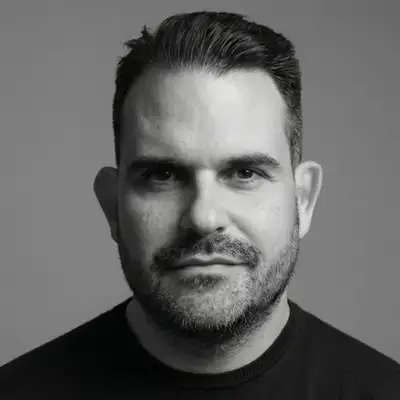
In Episode 58, I chatted with Stephen Myers, Founder of Dynamic Beverage Consultants. He is also one of the Originals at Ilegal Mezcal. We dived into the crucial aspects of launching a new brand in the (US) market and how to avoid expensive mistakes. I hope you will enjoy our chat.
Time Stamps
0:00 Intro
0:51 About Steve
4:26 Brand Or Liquid Lead
6:34 Brand Story & Differentiation
12:28 Target Occasion
14:06 Creating Demand
16:57 Great Marketing, Bad Commercials
21:20 Beyond Categories
22:36 Breaking Into New Markets (Relationship Chaining)
28:07 Drinks Relationship Ecosystem
33:50 Outro
About The Host: Chris Maffeo
About The Guest: Stephen Myers
In Episode 58, I chatted with Stephen Myers, Founder of Dynamic Beverage Consultants. He is also one of the Originals at Ilegal Mezcal. We dived into the crucial aspects of launching a new brand in the (US) market and how to avoid expensive mistakes. I hope you will enjoy our chat.
Time Stamps
0:00 Intro
0:51 About Steve
4:26 Brand Or Liquid Lead
6:34 Brand Story & Differentiation
12:28 Target Occasion
14:06 Creating Demand
16:57 Great Marketing, Bad Commercials
21:20 Beyond Categories
22:36 Breaking Into New Markets (Relationship Chaining)
28:07 Drinks Relationship Ecosystem
33:50 Outro
About The Host: Chris Maffeo
About The Guest: Stephen Myers
The MAFFEO DRINKS Podcast is a leading drinks business podcast delivering actionable insights for drinks leadership.
For founders, directors, distributor MDs, and hospitality leaders navigating the tension between bottom-up reality and top-down expectations.
20+ years building brands across 30+ markets. Each episode features drinks builders: founders, distributors, commercial directors, sharing how the drinks industry actually works. Not the conference version. Honest conversations.
Insights come from sitting at the bar.
Beyond episodes: advisory for leadership teams, subscription with episode deep dives and principles to navigate your own reality.
Beer, wine, spirits, Low and non-alcoholic.
Bottom-up Insights & Episode Deep Dives at https://maffeodrinks.com
Welcome to the Maffeiro Drinks Podcast, I'm your host, Chris Maffeiro. In episode 58 I had the honor of chatting with Stephen Myers, founder of Dynamic Beverage Consultant. He is one of the originals at Ile Gal Mezcal. We dived into the crucial aspects of launching a new brand in the market and how to avoid expensive mistakes. I hope you will enjoy our chat.
Chris Maffeo:One last thing, if you enjoy this podcast you will also like the Maffei drinks guides. You can subscribe free or paid on mafeldrinks.com. Hey, Steve. How are you doing?
Stephen Myers:Good day, mate. How are you?
Chris Maffeo:Nice. Nice. Nice. So where are you calling from today?
Stephen Myers:Coming from sunny Philadelphia.
Chris Maffeo:Wow. That's sunny. Okay. That's cool. That's cool.
Chris Maffeo:Yeah. Sunny Prague as well. So it's a little bit chillier than yesterday, but it's still nice weather. So Steve, I mean, like you are a known figure in the drinks industry from various continent, but give us a little bit of an intro, like a a short one minute intro about you and what you do and what you've done so that our listeners get up to speed with your journey.
Stephen Myers:Absolutely. You can probably tell by the accent born and raised in Australia, did the traditional sort of university moved into the corporate world and decided pretty quickly that that wasn't for me, left Australia and moved to Central America. There was sort of a circuitous route through the nonprofit world and for sort of, for some fun stories over a cocktail or two ended up in Guatemala and Antigua, which was the old capital of when Central America was one country. So I ended up running a bar there. Got to live in a UNESCO listed town, sort of saw volcanoes from my bedroom window.
Stephen Myers:And the guy who owned the bar that I worked at John Rexha had this grand scheme to create a mascot brand. And at the time I thought that was a pretty, pretty brilliant idea. So it was one of the originals at illegal mascot. So 2009 came around and we decided to to bring the product to the world. So I moved from Guatemala to New York City and launched the brand in The US and I think about another 14 countries.
Stephen Myers:As I did that, realized that there was a really big white space for brands wanting to do what we had done, just not knowing the landscape or the how to. So I ended up creating an agency that helped brands sort of navigate the coming to market. So you get brands, so you might have an amazing distiller, but they don't know much about brand marketing or trade marketing or people who are great at advertising and marketing and branding, but they don't know how supply chain works or how to engage or even create their target market. So all the, all the things that I'd learned in creating a brand, I thought I could have impart that wisdom and knowledge for other brands wanting to wanting to do similar things.
Chris Maffeo:Awesome.
Stephen Myers:So Dynamic Beverage Consultants was the first boots on the ground for Mr. Black when they came to The US and sort of work with sort of all brands of all sort of shapes and sizes.
Chris Maffeo:Fantastic. Fantastic. And that's how we met on the magic LinkedIn where we started understanding that we were pretty much on the same space and same page on the commercialization and building brands. And then how that's how we we started chatting, I think, like two years ago.
Stephen Myers:It was sort of, I think our thoughts and and how we recommend people sort of do things. We could almost finish each other's sentences, sort of very, very similar thought process and and reasoning as to as to the hows and whys.
Chris Maffeo:Fantastic. You know, that's, that's great. And then during, during the pandemic we had our weekly appointments
Stephen Myers:and we did. Yeah. And then, yep. Sort of managed, managed to find the windows sort of away from, from our, the respective kids.
Chris Maffeo:And you're an early bird as well. So I remember like, it was pretty easy for me to, to find a schedule for speaking to you in Philly.
Stephen Myers:Yeah, it was great. Sort of the lead time of Europe getting some stuff done before the family's up and going. It worked fantastically.
Chris Maffeo:No. Awesome. Awesome. So and hopefully soon we'll manage to have a drink together finally because you are water would be good. You're one of my most wanted people to have a drink with that I've never met in person.
Chris Maffeo:So you are one of my targets.
Stephen Myers:Excellent. Well, we'll have to coordinate that sooner rather than later.
Chris Maffeo:Exactly. Fantastic. Let's let's dig into our our chat. Building on what you explained about your story and your journey. So, you know, one of my favorite questions to ask is the million dollar question.
Chris Maffeo:Like, does it start with a brand or with the liquids?
Stephen Myers:That's a tough one. You you obviously, you need both. It really depends on how people end up coming to the space or the industry. Some marketing people have some truly amazing ideas. And if they can then find the producer of the liquid, that's great.
Stephen Myers:But then you'll also have some amazing distillers or blenders who come with the sort of that knowledge and that innate understanding of creating something amazing. And then the brand follows. So you can come from both perspectives, but the brand or the liquid as the starting point, have to be great.
Chris Maffeo:I'm a big fan of the liquid type of thing, but there are some great brands that started with a brand. It's just that then I think it's more difficult to get down to the target occasion to what is this for. Because I remember my my time in S. B. Miller that we were differentiating brands in transics brands and intrinsics brands, know.
Chris Maffeo:So we had some brands that were like, for example, Pilsen or Quail was like a very intrinsics brand. So the story is all about the liquid, about Pilsen, about the first original golden beer, you know, the first Pilsenard in the world that gave the name to the category, you know. And then if you spoke about Peroni, Peroni was much more about, you know, like Italian style in a bottle and the cool bottle to hold in a bar and look cool. So it doesn't mean that this didn't have a a great liquid because then of course the liquid made the difference, but we didn't really talk much about the ingredients that went into the beer. It was just like Italy in a bottle.
Stephen Myers:Mhmm. Yeah. It's almost as if if you start with the brand, there's the the potential that it really overshadows the product itself. You've gotta have the steak and the sizzle. The brand and the liquid have to go hand in hand.
Stephen Myers:But if you come from too much of a brand perspective, that will sort of often overshadow the product itself.
Chris Maffeo:And what about the story of the brand? You know, because some brands of course are like historical brands that, you know, when we work with them, we narrate a story. There's there's this term that I was talking with Julian Marsili is one my friend and colleague in one of my old episodes. He was talking about brand archeology, you know, that you go and, you know, you dig into the archives and you look at those nice images like the poster you have behind you, you know. I love it.
Chris Maffeo:But it's a it's a cool, you know, Hennessy sidecar, you know, vintage poster, you that you really go into the the occasion. But then when you go into newer brands, then there is a new story to create. And sometimes I feel it's very it could be linked to the founder. It could be linked to the place. It could be linked to certain other things.
Chris Maffeo:What's your take on the risk that the storytelling, you know, becomes a little bit too fluffy and, you know, takes like a long route rather than going directly into the the right selling story of the brand?
Stephen Myers:Yeah, absolutely. I mean, sort of brands need to, and it's especially like spirits brands. It's great. You say, look, you you distill, you've got to distill your your story down. Every brand has an ABB.
Stephen Myers:They have a taste profile. They have a need. That's apples to apples, but brands have gotta work out what is their unique selling proposition. What makes them different? Sort of things like you don't lead with the category.
Stephen Myers:Say, I'll wear a tequila called, actually, I'll wear a mascot called illegal. We always led with, we are illegal, macro. You put the name front and center. Illegal mezcal just happens to be in the mezcal category or a rum that I'm involved with called Palante. We don't say we are, we are a rum called Palante.
Stephen Myers:We say we are rum Palante and you lead with the brand. And so rather than sort of give the opportunity for people to think of other brands or other categories from the jump, you get the brand front and center. And then you have the different layers of of storytelling. Obviously, a staff training is very different to a masterclass or when you do a distributor presentation, you've got to have your talking points for that audience, have the story that resonates with them. Always be looking forward.
Stephen Myers:There's no one else like us and say that we are a brand of the future. Because like you said, with your brand archeology, as a new brand, you don't have the history that Chartreuse does, or you don't have the history that a Nama or a Vimousse does. So you've gotta say, look, here's our starting point. We will get to that at some point, but we are a brand of the future. We're not harkening back to the past.
Chris Maffeo:Oh, that's a, that's a nice way of putting it like a brand of the future. I like, I like that. One of the guys that I'm following on LinkedIn and social media, like they talk about creating the category of one, you you know, the, the category in which you are creating a new category rather than creating just a brand, you know, because if you do that building on what you were saying, then you are really leading something totally new that people can't relate to, you know, because I, I, I feel a lot of brands, what they do wrong is that they go into the trap of better, the first brand, the faster brand, the better brand, the tastier brand and whatever. No, they end up into a comparison kind of situation. That's a very difficult one to to have.
Chris Maffeo:It's about distinctiveness. It's not about I'm better. I'm a better option for you than that one. Then you you lead you lead to that because maybe that particular outlet is focusing on certain type of brands. So it may be a better choice for you at the end, but it's not that my brand is a better brand than what you're currently stocking.
Stephen Myers:Brands need to be very aware of of the language and the verbiage they use. If you start using those sort of comparative terms, like it's better, you're inviting another brand into the conversation straight away. Right? So your audience is now thinking not just on your brand, but a second option. So you don't even wanna have that in the spectrum of the conversation or the, or the presentation.
Stephen Myers:And as you said, sort of the category of one, you're also a category educator and you're, you just use your brand as an example of a great product within that category. That's sort of my thought on that one. As you sort of educate and teach about the category, you've obviously sort of, here's what I prepared earlier. And you can use your brand as the example, when you talk about the distillation or the flavor profile or how the smell and the flavor interact with one another for the sort of the actual sort of imbibing experience. And you use your product.
Stephen Myers:Yeah. As that example in their hands.
Chris Maffeo:That's cool. I know. I mean, some, sometimes I, I use the example of, I'm a, I'm a big geography fan. It's about like how you set the scene of your brand within the wider spectrum. No, that is not necessarily the category, but it's the occasion where you are trying to set and fishing from, you know?
Chris Maffeo:So it's like, I mean, I'm I'm from Italy, I'm used to see maps where Italy is in the middle, you know, it's the center of the map and then everything else is elsewhere, you But then, I mean, you're from Australia and then you need to move the map that you don't want to have it like, you know, bottom right on the screen, you know? You want to have, you know, Sydney or Melbourne at the center of it and then you you see, you know, all the other countries around it, you know? So sometimes it's also like in the selling story, I feel what your brand does well within that target occasion, within that cocktail scene. And then how, how does it play as a perfect choice maybe in between some other options so that you actually say, okay, this is like the right target for your bar or for your bottle. So for certain people that are looking for x y z.
Stephen Myers:You obviously have your your occasion, but that's not that's not a closed system. Right? You don't have that ideal drinking occasion every time. You've got to fit with with the on premise, with the off premise, with the at home consumer. So you do have to be have that certain degree of flexibility in in how you present the brand.
Chris Maffeo:And sometimes it's also like, you know, you may think, I speak to a lot of brand owners now, sometimes they may think that their occasion is a, is one, but then they actually end up using another one because you need to test and learn. You go to five bars to 10 bars and you try it and then all of a sudden bartenders give you an opportunity and say, oh, actually this would be a great cocktail. And then I'm like, oh, well, never thought about that actually. You know, like we had this in mind with this specific type of cocktail or type of occasion, but actually it makes sense to use it in, in another one, you know, because it's a little bit like funny. Like when I see old brands that I work with, they all go for always the same kind of, it's always like the, like if, if it's spirits, they want to get earlier into the journey, you know, of the night.
Chris Maffeo:Right. You know, if it's beer, they want to stay longer in the night.
Stephen Myers:Yep. The big thing with that is especially for founders, you're as close to the brand and the liquid as you can possibly get. You eat, you breathe, you sleep, sleep. You've, you wake up in the middle of the night thinking about it. And sometimes you just get a little bit too close.
Stephen Myers:So a fresh set of eyes, or for want of a better term, a fresh palate can bring a perspective that you've just not seen because you're so busy doing so many other things. That test and learn is really good. For younger, smaller brands, you can be nimble. And so sort of the occasion that you had in mind may change. So that will then sort of filter into the into the other aspects of of how you come to market.
Chris Maffeo:And talking about like these smaller brands, like the one that are just starting, you know, like the there's always an issue with, you know, creating demand, you know, creating the desire of the brand. So how how'd you do that? How you've done that in the past? How are you doing it without without releasing, you know, trade secrets? What do you think is important at least?
Stephen Myers:I have shoe good shoes. Good shoes. You just gotta you just gotta get out there. You'll have good days and you'll have bad days. But if you treat sort of each interaction as a learning experience, it's the it's the liquid on lips.
Stephen Myers:Right? You just gotta get out there and do it. You get the feedback. You get the wins. You get the losses.
Stephen Myers:You learn more from your mistakes in, in, in pretty much every facet of life. And you'll learn that too, sort of, as a brand, you, you go and you, you have your, your target accounts, but introduce the brands to other ones. Like, like we just said, sort of of the occasion, you may, you may ultimately have the wrong occasion. Your target account may ultimately be the wrong one and sort of the market, not that it will dictate it to you because you have to grab the, the market by the throat and introduce your brand and yourself, but it may it may have other ideas and point the brand into a different style of account than what you what you thought it may be.
Chris Maffeo:And this is very important because I think I I remember, like, I I think I mentioned it in some other episodes that I I remember when I was launching Peron in in Stockholm for for example, and I used to live in Stockholm, so I thought I knew the city, you know, and I I had exactly like the picture in my mind of a street of a neighborhood where my target accounts would have been. And then when I did the exercise, then I said, okay, let's not be biased, let the map tell me back where is right to go, you know? And then I nailed down the type of outlets that I wanted And then all of a sudden, they didn't show up in that neighborhood that I thought I would have found them in. And then I was like, shit. You know?
Chris Maffeo:Like, I I thought I knew the city, but I knew a certain type of the city. You know? I knew my city with my taste, with my taste profile, what I wanted to to do when I was going out at that age. I put myself in the shoes of the brand, then it was a totally different story. So very often people think they know a city, but ultimately they know because it's not about the best outlets to core, you know, it's the best outlet for that brand in that city.
Stephen Myers:Exactly. As much as founders sort of are embodied in their brand, it it is a it's its own entity. And so, like you said, it's not gonna be the exact same things that you did. If you do it right, the brand will find its home and it may not be exactly, like you said, the ones where you used to go out and eat and drink.
Chris Maffeo:You mentioned before in your intro about brands that have a great brand, they've got great marketing, but they don't know how to move commercially. No? Do you find that as one of the biggest issues that that small brands have in the industry?
Stephen Myers:There's obviously more than one way to skin a cat in coming to market, but you'll find oftentimes that brands will get too focused on the branding and the marketing and not enough on the supply chain because like in The US you have three tiers, some are control states, some are franchise states. You have Texas, which is its own beast. DC is a totally different entity. Moving through the supply chain is very rarely ever linear and it's never easy. Something will always happen.
Stephen Myers:And so you just need to learn that and you have to take that into account in your decision making, because the worst thing that you will have as a new young brand coming to market is, is out of stock or supply chain issues. So all the hard work that you've put in, in regards to your branding and your marketing and sort of your account visits and your presenting, that's all for naught if the product can't be delivered.
Chris Maffeo:You nailed it there because this morning and having a meeting in a bar and I was talking about a brand and then this, this owner, like this client, a customer of mine, he was basically telling me, yeah, I, I love this brand, but I cannot find it. You know, now I, I managed to reorder it after a month that I couldn't find it now. And this is like, you know, it can happen for any reason from a production perspective, from a wholesaler perspective, from a deprioritization or whatever reason. And I remember like, you know, sometimes I'm working with some smaller brands and then they say like, we've got, I don't know, 10 accounts just to throw a number there, no? And then I said, my friend went there, ordered your brand, but they said they didn't have it.
Chris Maffeo:You know? And he and he was like, no. It's not possible. They have it. I know it.
Chris Maffeo:You know? I brought them the bottle. And I said, yeah. But but did they bring it up from the seller? And who are you talking to?
Chris Maffeo:You're talking to the manager. So your friend is the manager. He knows or your friend is the owner of the bar. He knows that you brought that bottle, but does the staff know? Does the new hire, does the bus boy know?
Stephen Myers:Know, drawback even know where it
Chris Maffeo:is. Exactly. You know, this is the issue. It's about all the moving parts, know, with Ilias Mastroiannis, like one of the earlier episodes we were talking about master the unscalable things, and then you can do the scalable things. But I feel that people in general, like you want to maximize, you want to monetize, you want to scale things, you want to drive economies of scale too soon.
Chris Maffeo:And you need to get your hands dirty in stuff that you cannot scale at the moment.
Stephen Myers:Absolutely. And I mean, when working with clients, I generally don't say no. I mean, I do I do tell them no sometimes. But a lot of my answers are not yet, especially for people new to the game. The steps they're doing are right, but because they've never been down this path before, they're, for example, missing steps three, four, five, six, seven.
Stephen Myers:They've gone from step two to step eight, which is correct, but they've just missed this big block just because they've they've not been there before and so they don't know. But I have three things that I say all the time. It's you build a brand by going narrow and deep. You've gotta create strategic relationships and partnerships with the with the trade, with your accounts, and you sell with not to. And the last one you sell with not to harkens back to what we were just saying about the bottle that gets dropped off to the bar.
Stephen Myers:Right. That, that was like a sell to, but if you sell with, then the staff know who you are, you've done the staff training, you know how your product works within their beverage program, and then you can help sort of drive people to the venue rather than be the person that say, oh, well, I dropped off the bottle. Why why aren't you selling it? Brands need to remember that they're not going up against every other product in their category. They're going up against everything that goes in a glass, right?
Stephen Myers:Like rum polante. Yes. We sit in the rum category, but we go against everything else that goes into a cocktail or that comes out of a beer tap or comes out of a wine bottle. So there's plenty of choices. You've just gotta, you've just gotta make your brand sort of nice and sticky from your strategic partner who's who's selling it to the, to the customer.
Stephen Myers:And
Chris Maffeo:I think it, I mean, on this one, it's crucially important, like, to really focus on the target occasion now because I feel like big players, they tend to categorize things because they want to measure stuff. So they want to measure categories. So it's like, you know, what is the scotch category? What's the Irish whiskey category? What's the bourbon category?
Chris Maffeo:What's the whatever, no? Rum category, vodka category. But then ultimately you are fighting cross category because if it's an occasion, it's like I'm sitting outside. I mean, two days ago, was like 28 degrees here in Prague, like a couple of days of super hot weather. Tables outside, people want to get something refreshing, you know, like you're probably not gonna drink, you know, like a very heavy drink.
Chris Maffeo:You want to have something light, refreshing, like a spritz, but it could be a gin and tonic, could be a light beer. So who are you fighting against? You know, it's not about spritz against bitters or ex gen gin against other gin, you know, it's all together, like you say, know? So it's really like
Stephen Myers:It's like that.
Chris Maffeo:To have it
Stephen Myers:drinking experience and everything that falls into that as opposed to, for example, drinking an old fashioned in the depths of winter when there's two inches of snow outside.
Chris Maffeo:What what do you think the most important thing when you start? You know? Like, is it, you know, I'm a fan of like a city strategies now, but sometimes you need to go even deeper than than a city. But a lot of brands, they want to go into countries now. They want to go markets like, oh, I sell to Sweden.
Chris Maffeo:I I sell to Germany. They want to go a little bit far faster than possible. No? What's your take and what's your approach to when you're starting in a new market?
Stephen Myers:Yeah. So I'm I'm with you in that you need to sort of focus on cities. Again, so harkening back to the the narrow and deep. And you can even sort of geo target within that. Like, best case example is New York.
Stephen Myers:Right? New York is a state. It's also a city. Right? So Upstate is very different to the five boroughs.
Stephen Myers:Long Island is its own its own beast. And then you can even you obviously divide Manhattan, within suburbs within the island. I think that what gets measured gets done. So the more you can break it down, the easier it is to attack, hit your targets and achieve some success. So yes, you will, you will tell people, ah, we're selling in America, but then internally you've just got one because you do your testing and learning.
Stephen Myers:And rather than reinvent the wheel, when you go to a new state or a new city, you have your, essentially your policies and procedures down and, and how you operate. And then you tweak it so that it is city specific or country specific or state specific rather than have to start from the start every time you do it. You've you have your rhythm, you know how, you know, how you best present. You end up sort of learning the types of accounts that that you find initial success in and how you knock those dominoes down. Because I find that when you go from, especially sort of in The US, 50 states, probably about 60 markets all told.
Stephen Myers:As you go from city to city within a state and then sort of states within the country, good analogy is a domino, right? You want the dominoes to knock into the next one, but you don't want a singular line of dominoes. You want it to, you want it to head out in a triangular shape. So one hits two, two hits four, four hits eight, thirty two on and on. So yes, you're building momentum, but it's it's almost like compound interest and that's how you develop it.
Stephen Myers:So breaking it down narrow and deep, picking them off one by one, get your learnings, and then you then you replicate it in the next one. You as a brand can't be everything to everyone nor should you be. A lot of founders, like, it's it's them or it's them and one or two others. Like, there's there's only so much bandwidth you have. That's one of the hard ones is saying no.
Stephen Myers:Right? You've you've brought your brand to market. You're succeeding. Like a lot of brands don't even get to market and you want to be able to say yes to everybody. So again, rather than say, say yes or say no, you just say not yet.
Chris Maffeo:There's also an element of the weak links, you know? So it's like, it's not really like in the theory of the six degrees of separation, you that basically social media is based on, You know, it all goes on to these weak links, you know, because we may have a strong connection and we speak every day and we know everything. But then the way the brand grows is actually when I'm invited to your place and I'm speaking to your cousin that still lives in Australia, you know? And then I see him once in my life, but then maybe I told him a sticky story. That's like an a new dot on the map that basically goes out to a new country and then it start to spread the story to a totally different environment, a totally different network that I will never have access to.
Stephen Myers:Exactly. Where you create those brand acolytes.
Chris Maffeo:That's the thing that I think needs to be done in a better way by brands, because it's just like, okay, you launched in New York and then you were focusing in, I don't know, West Village, you know? And then maybe you have an account that has another branch in Williamsburg. And then that's your foot in the door into Williamsburg. You don't, you don't just launch into Williamsburg after West Village. Otherwise you start from scratch.
Chris Maffeo:You know, you need to have those kind of weak links that will bring you to a new it's it's it's kinda like a stargate. You Like, it just brings you to an to a new dimension, to a new neighborhood, to a new city, to a new state. And that's how you work with all these brands. And that's, you know, you can do it through international chains. You can do it through personal contacts.
Chris Maffeo:You can do it through the bartender community because there's a lot of bartenders that then move to a country or move back to their home country or to another country, and then those are the people that were actually working with the brands. No?
Stephen Myers:We at Iligal back in the day did that particularly well through the bar in Guatemala. We always had reams of bubble wrap or paper or something, and people who wanted to buy bottles to go back to Johannesburg or Reykjavik or Auckland or wherever they were going, we made it easy for them. They said, oh, can, can we, can we get it in France? And you go, well, you can't because we're not there yet, but we've got some bubble wrap and some bottles in the back. And so people, it just made that transaction so much easier.
Stephen Myers:So we ended up with a great global network, even though we weren't in any of those countries. So, yeah, so that's you need to put yourself in the position for these opportunities to happen. Yeah. Right? Because they will.
Stephen Myers:It's just a matter of when.
Chris Maffeo:I love that. I love that. I receive requests almost on a daily basis now. Like do you have a distributor to recommend in country XYZ? I want to sell to this country and so on.
Chris Maffeo:It's just like, I mean, cannot just do it from scratch. You need to have some hooks and some foundations in that market. You know, do you have a, I don't know, a relationship with a bartender that was living in your country, was working in your country, you know, is an ambassador of the brand and now move to a new country, works in a bar, you know, that could be your first bar. And then with through that person, then maybe you can get access to a to a nice wholesaler that maybe is interested into the same kind of brands with the same kind of philosophy. And then you really build it up bottom up, you know?
Stephen Myers:Bottom up and the, and those dominoes start, start to fall. Exactly. And another good thing for, for brands to remember is like, you obviously try and be sticky. If a bar says, oh, one of my bartenders, like you said, is moving here. Do you know someone who's looking for looking for bartenders in in this city?
Stephen Myers:Like, be the be the touchstone. So whenever they have an inquiry, like, it may be a different category or it may be a distributor or it may be a whatever it is, if they call you first, it shows that you've got a good relationship. And then it's like, oh, Steve, you know what? Yes, I will bring his rum in. He's he'd been super helpful when he doesn't have to be.
Stephen Myers:We're all in the hospitality industry. It's a pretty great space to work in. Right? We get to do some really cool stuff. Success begets success and helping people succeed and connect is a, is a good thing from the business perspective.
Stephen Myers:It just puts your brand in a really positive light. Know that when people do think of you or do think of the brand, it's always, it's always a good thing. And then if someone else asks, then you become the, the brand of recommendation.
Chris Maffeo:I, I totally agree. And, and this goes back to what you were saying about being the category educator, for example, you know, be the person that educates about that category in a different way that explain it in a simple way, you know, like you make it easier for those people. Maybe it could be that one of the bartender we we always take for granted everybody knows everything. You could be the best bartender in the world, but maybe you don't know about a certain category, know, you may know everything about tequila, but you don't know about, you know, racia or soju or you know nothing about Italian amaros, you know. So be the person that educates those people, you know, no matter if they are, you know, newbies or trademark bartenders, like top bartenders and so on.
Chris Maffeo:And then at the same time, building on what you were saying, create those opportunities to, to create demand for your brand. Because you could throw a party. It doesn't have to be, you know, world class, you know, like, oh, it doesn't have
Stephen Myers:to be
Chris Maffeo:best bartender in the world or whatever, you know, you can throw a party on a Monday night or a Monday afternoon, some barbecue and some drinks, you know, and then you you bring together some people and then maybe like, you know, some bartenders will not even show up, but then maybe some younger bartenders will show up And then there will be that one cool legend in the city that actually just came to say hi for fifteen minutes. And then you build that bridge and then that bartender that is 18 on legal drinking age country. I was like, oh wow, you introduced me to that guy, know, I can't believe it, you know, like he's a legend, I'm always looking up to him and you know, now I've got his phone number kind of thing and then maybe he's recruiting and then I can go and work in his bar in two years time, you know? So you are the enabler of this kind of conversation, connections, and so on because, you know, that that is actually what spreads the demands and Yeah. The the desirability of your brand because all all of a sudden it's like, okay.
Chris Maffeo:Actually, I didn't really need your category. I didn't need really need your type of brand, but you are close to my heart because if we are you're emotionally connected to me.
Stephen Myers:This is what I I do when I sort of go to accounts because you do see too many brands just walk in and ask for the GM or the beverage manager, Speak to the bartenders because you never know where they're gonna end up. Maybe maybe they're gonna be the beverage manager next week. Right? So you you have to sort of treat everyone well, which you should anyway, but engage with them. The line I often sort of say is, so other than you, who else should I be speaking to?
Stephen Myers:And it might be the barback or it might be the day shift guy, but he's the day shift guy here. And he's the Friday, Saturday night guy at a place that you really want to get in. And then when the beverage person or the decision maker, whomever it is comes over, I usually ask if the first person that I spoke to can be part of it as well. Why present to one when you can present to two or three? And it's always good for a bit of feedback and sort of as, as an educational purpose for them as well.
Stephen Myers:Whether it's a technical or perspective for them wanting to learn about a product or a category. And it's also the opportunity for you to get your brand in front of someone else. And they'll remember stuff like that.
Chris Maffeo:Absolutely. And this is this, this is the, the really important thing. I'm a big fan of sitting at the bar. I mean, if I, if I count the hours that I'm, that I've been sitting at, at bars all around the world, like it
Stephen Myers:would be,
Chris Maffeo:it would be like, you know, breaking the clock now, But sometimes it's really interesting because you have no idea who you're sitting next to. Like, is it maybe he's a wholesaler. You know? He's having a beer with his wife at the bar off duty. For young brand,
Stephen Myers:maybe it's a a potential investor.
Chris Maffeo:Absolutely. Absolutely. That's all for today. Remember that this is a two part episode fifty eight and fifty nine. If you enjoyed it, I have a small ask.
Chris Maffeo:Please rate it, comment and share it with friends and come back next week for more insights about building brands from the bottom up. One last thing, if you enjoy this podcast, you will also like the Mafayer Drinks Guides. You can subscribe free or paid on mafayerdrinks.com.