Subscribe
Share
Share
Embed
Most GTM content covers the same ground. GTM Uncensored finds the operators actually in the seat and digs into what's true in today's GTM, not what sounds good.
Every guest is currently building a company, leading a revenue team, or running a GTM function inside a real business. During the show, Adam and Dale push the envelope until the real story comes out.
The show goes where most content won't: The motions that determine whether a company stays in business, or goes under.
GTM Uncensored is built for B2B revenue leaders at $5M–$100M ARR who are accountable to a number and need a real-world playbook, not philosophy.
Every episode ends with a Monday Morning Move. One specific action you can take this week, and a series of Uncensored Questions where listeners get unfiltered answers from people who've actually been there.
What we cover: Pipeline & GTM motion, post-sale architecture, CS & retention, NRR/GRR mechanics, RevOps, AI in the revenue org, executive branding, and more.
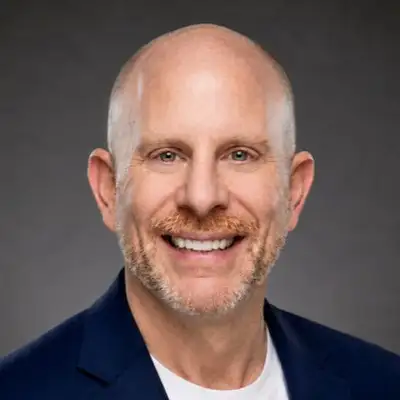
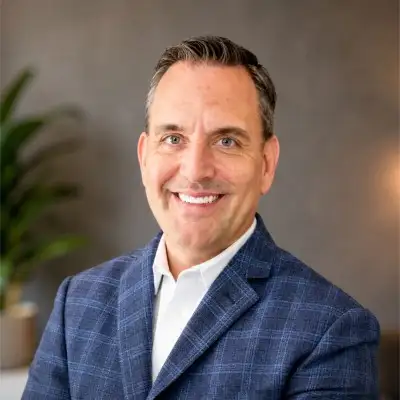
Your hosts: Adam Jay and Dale Zwizinski are co-founders of Revenue Reimagined. They didn't build a consulting firm. They flipped the fractional CRO model because strategy without execution doesn't move the needle. The questions they ask on air are the same ones they're solving inside real companies right now.
GTM Uncensored is the GTM conversations nobody else is having.
[00:00:00] Jared Robin: Think about the words go to market. You're going to a market that already exists with a really big incumbent. Calling it go-to-market puts this framing in everybody's head that I need to do really good sales going to market.
Remove the phrase. You don't necessarily need to build a new category, but you do need to think differently as a company
[00:00:31] Adam Jay: All right. So on GTM Uncensored, we always start with a scenario that's going to put you on the clock. Here you go. Stop, turn, pivot. There is a twenty-five million dollar B2B SaaS company, Jared. Every rep is running the same sequences using the same tools and hitting the same ICPs with the exact same messaging as every other company in their category.
I don't know. We see this all the time. Response rates shockingly are down forty percent year-over-year, and the VP of sales is telling the reps, "Eh, the market's saturated." The CEO thinks it's a people problem. You've built a massive community of revenue professionals watching this happen in real time. Who's right, and what's the real fix?
[00:01:14] Jared Robin: like first and foremost, reply rates are down. Everybody's using the same thing. Like it's easy to jump to conclusions that it's because everybody's saying the same thing. And, and it could very well be. if I'm a guessing person with the limited data I have, that's the only guess I can make, right? So understanding how the org's structured, understanding why they're sending the same thing, understanding and diving into if the company is doing the same thing, if they're positioned the same way in the market. Understanding how the reps performed before. Is this a net gain? Is, down, but like these were new reps and there was nothing, a year ago on them, right? So is it, is it an enablement problem that they're, that, that they just did a ramp and they're just all plugging into the same thing? Were they great last year and now they're down this year? Let's understand like, so the person who's great and they're not great anymore, why the heck are they buying into this new system, right? Because their commissions are going down. So like, let's talk to that person. Let's understand why they're buying in, and then we could find out the root cause of it.
Because if you had somebody that as averages show, like 20% of the team above 100%, or let's hope, or, or half the team above 100% or whatever it is, and, and their stuff's down also understand how their meetings look, their qualified meetings. If their reply rates are down, but their meetings are up, let's, let's celebrate that.
Let's cut the outbound all together for a minute as we figure out what's working. Let's double down what's working if things are up. So like, I think, I think it's important to fully understand the layout because we were just given one channel, one thing wrong. So, from the information given, outbound email isn't working, but we don't know if the whole go-to-market isn't working.
And, and I think you got to give grace and then also, diagnose year-over-year, down year-over-year. But like, is it down with the same people or down with new people? And then, and then look at, the product's evolution or lack thereof, because there's a chance if it's down forty percent year-over-year, everybody's sending the same things.
There's a chance everybody sent the same thing last year and it worked, worked well, right? And, and, and it might just...it, it might be lazy that they're not diagnosing it quick enough, but it's not necessarily wrong if it worked a year ago. Sure, they're, they're being lazy. Understood. But if it worked a year ago, got to give them a little bit of gr-- not all the way grace. Their sh*t's down. But, yeah.
[00:04:15] Adam Jay: You, you, you have to dig deep. You can't, you can't just look at one metric and, and assume that you could solve the problem
[00:04:20] Jared Robin: No. And, and as we've seen, there are teams that were really good last year that are really mediocre this year with the same product, the same process, because the space is more competitive than it's ever been by a long shot. It's funny, I was talking to, an, an early stage founder that raised $100 million yesterday.
[00:04:45] Adam Jay: Came to him yesterday or he raised it yesterday?
[00:04:47] Jared Robin: Talking to him yesterday and, and previously, this is a founder that raised 100 million. Previously, he brought a company to three-plus billion revenue, not valuation.
[00:04:58] Dale Zwizinski: Damn
[00:04:59] Jared Robin: So a company, if I were to mention, you would have heard of, right? And, his product is great. Like to, to-- It's phenomenal.
And, uh, we were going through f- like my suggestions to add in and, and I'm like, "Listen, nobody's doing what I'm about to say, but you and I both know that what I'm saying now is what people are pitching investors on today and in six weeks will announce their seed funding on." You and I both know that.
Like, so why don't you just build it into your product today and, and beat that because it's not an illogical idea. In fact, it is essentially, you know, one of these engines that takes context from everywhere and you could do anything.
We've seen that, a lot of places, right? And, and I think that they're doing it way more sophisticated than others. But my suggestion was taking all this context in, I get that you could do anything, but you need to tell people based on what you're seeing, how they're engaging people in email, on calls, CRM, blah, blah, blah, everything, the workflows to automate to make your life easier now.
Don't just say you could do it, and, and I know you can, but, but point out which things they are. Like, like you're doing this seven times a day. You're sending a prospectus, Jared, to every th- single sponsor that calls after. One button automates sending a prospectus after. You're sending, y- you're, you're forwarding closed, one, agreements to your partner success manager and could tell that I'm manually doing it, right, because there's no template or anything.
I'm-- And, and this is common, right? Like you close a deal, you forward the contract to person A, you f- you fill out, an onboarding something internally, something, whatever you have. You send that to person B Then simultaneously you do an intro email connecting customer success to the person you got.
'Cause, 'cause you're a great rep, and you want to close the loop, and you want to do this quick. That's great. and, and yes, you could automate all of that if, if you do the work to automate all of that, which today is less work than it was six months ago. And, and it's not a big ask
[00:07:27] Dale Zwizinski: 'cause they're not gonna be looking at all the different pieces that are supposed to be automated…
[00:07:31] Jared Robin: like theoretically this context engine has all the effing nuance from the timing
[00:07:37] Dale Zwizinski: I doubt it.
[00:07:39] Jared Robin: Well, theoretically
[00:07:40] Dale Zwizinski: I think conceptually this sounds great, and conceptually, know, AI engines are supposed to build, like, working apps in one shot, and that
just doesn't happen. Like, so conceptually that all is great. But I do believe that there's a world where there, there's a reason why people are moving into context engineering, and I'm trying to understand what's happening within the context it is nuanced into each business and each value- each part of the business
[00:08:12] Jared Robin: So one thing I want to point out, I wouldn't have said all that if I wasn't getting that in a tool that just raised 18 million, just became public from seed, like already
[00:08:22] Dale Zwizinski: Sure, sure. have put it through. Yeah
there, there'll come a time when that will happen. But I do believe that in general, humans will be, for the next 18 months, the contextual engine that is running behind the scenes, until you can actually... I, I, and we were just talking to somebody today on this. The next evolution are all macro decisions that are made up of a bunch of micro decisions with the best data you have available today.
[00:08:53] Jared Robin: Yep
[00:08:53] Dale Zwizinski: you have available today, you're making decisions on. Then, like, let's say, I'll give you an example. gonna have, we're gonna build out our value proposition, ideal customer profile, and buying persona today, June 16th, on the perfect data we have today, which is imperfect. And we're gonna go do and run a bunch of tests between now and six months from now for when we go hire our VP of sales. And so you're testing and tasting and going through all these pieces, and you're iterating and evolving through that process. In the meantime, you're making decisions on texts and Slack, phone calls that are coming in from customers.
Hopefully, you're, you're digesting all those pieces. Then six months later, you hire a new VP of sales, and things are kind of chugging along. You're, you're making progress. You're, you know, it seems like we're, you know, sales are up, connection rates are up. And then all of a sudden, like six months later, that the new VP of sales comes in and is like, "I know what's wrong with you guys.
We need to change up the ICP. And I did this in the past because this is where I was successful five years ago, two years ago, six months ago." And they come in and they're like, they redo everything that you just broke six months ago because they don't have all the micro decisions you just made.
[00:10:06] Jared Robin: Oh, without a doubt. And first off, ICP is one of those, one of those the biggest. I, I'm, I'm not even sure it's arguable. I'm sure you could argue. But the biggest decision you make as an org outside of what you actually s-- The biggest decision you make as a, a GTM org, I should say. The biggest decision you make as a company org is actually what you stand for.
And, and, and but, but that rolls into who you stand, like who you service, which is, rolls right into ICP. So,
[00:10:39] Dale Zwizinski: 100%.
[00:10:39] Jared Robin: I don't think that you can necessarily get like a push notification for ICP, but if Adam every day is sending, is, is scheduling an onboarding call right after and, and he hasn't automated it yet, pushing that forward, like, like the process things, into like one click or one click or editable via a prompt, not editable via anything more technical than that, uh, process, it's gonna help you all move faster and essentially take out the redundant work for you instead of the human identifying the redundant work.
A lot of times we do identify it, but we're onto the next thing already. And, and it's like, yeah
[00:11:23] Dale Zwizinski: I think we documented it. I'm not, I'm not convinced there's a machine that's gonna do that for an individual with all the dimensions that we're gonna run. But we'll, we'll see. Let's jump into some community stuff, 'cause I know you love it. So a lot of companies are using communities as a marketing channel. Like this for a long period of time. You've built communities that are doing something completely different. So what do you see the difference between one that drives pipeline and one that just drives engagement numbers?
[00:11:54] Jared Robin: Yeah. So the biggest thing, I took a lot of time like reverse engineering community and like thinking about community as a demand gen channel. companies pay me to leverage our community as a demand gen channel. So I'm like, why, why can't they do that themselves? I think, a community is comprised of users. We're a free community, so everybody in RevGenius is a user of RevGenius.
So there's trust and stuff like that. That's clean. That's easy. If you build a community outside of your customer base It gets weird if you try to sell to them
[00:12:35] Dale Zwizinski: Mm-hmm. Mm-hmm.
[00:12:38] Jared Robin: what I believe are some of the best community, and, and I think objectively are, the fastest growing, best communities, all of this in all of tech.
And I came down to, HubSpot, Salesforce obviously, Notion, phenomenal, Webflow, Clay, Beehive is phenomenal. They're, they're growing so tremendously. And I looked at who is in their communities And I'm fairly certain there are no people in that Salesforce community that aren't using Salesforce, even if they're on the free or minimum plan.
The same thing with Clay, the same thing with Notion. And, and a lot of these-- You know, I, I mentioned some PLG, I mentioned some, sales-led, so that, you know. So PLG communities, and, and this is a whole ben- you know, it, it, dominoes into a benefit for PLG, right? You could build a community of free users.
But your job in the community at, you know, thinking like this, and then for the demand, like audience, this is where you have a newsletter. This is where you could do paid ads, to grow that newsletter or that audience. You could hire influencers. You could do many tactics to grow your audience.
And, and like, so if you're looking at HubSpot, perfect example. HubSpot has a newsletter. They have a community. And somebody w-w-with my definition, they're like: What about HubSpot? They have a community with everything. I said: HubSpot spent over $20 million to acquire audience, newsletter. OpenAI just spent $200 million.
I believe you could find that number with, what is it, TB, you know, that, that big media network that HubSpot also has their podcast network for audience growth, for demand gen. They have a whole media network, right? Like My First Million's on there, all these others with the goal of driving net new.
And then when net new come in, they, yes, they want them to still be active members of the audience. But bringing into the community, what's the job of community in this world? Community is for users to help other users user better, so that we could go from free to paid organically. They're already in it.
They're-- The Notion Free user is like learning all this other stuff from people in there on the paid plans. Oh, sh*t, I could do all that. Same thing with the HubSpot community. Like, oh, I need Marketing Pro or whatever. and they're also referring... A-and then, you know, going further, the most active people in the community become your evangelists.
And I was looking, when Christina Garnett, who both of you probably know either well or, or vaguely, was at HubSpot. She's phenomenal. She was their head of evangelists. And, I thought it was like the active users in there, but it was actually their agencies that use HubSpot. So the agencies and people that can make money become part of that community.
And Clay, Clay's a phenomenal example of this with their GTM engineers
[00:15:56] Dale Zwizinski: So you have the clay, clay engineers and you have all these. Do we start considering like a community separated by just people that are in Slack channels versus people that are in podcasts versus people that are, you know, running newsletters or Substacks? Like how do we define community? Because it's becoming very obtuse. I’ll give you an example. One I think about is Josh, from Update AI we were just talking about. Gainsight bought his company, and one of the big assets for Gainsight through that acquisition is his podcast that was Unturned and so like
[00:16:34] Jared Robin: they built like an audience podcast. I, I grew-- I put in the audience, thing And, so my working definition outside of, customers versus prospects and customers can absolutely be in your audience as well. And, when I say audience, like audience is overall, community is for retention You know, like the newsletter, podcast, all of that's for demand gen. HubSpot's the perfect example of this
[00:17:02] Adam Jay: but this is signal versus noise, right? So you have LinkedIn, you have newsletters, you have podcasts, you have Slack communities. Like there's so, y-y-- there's so many different things. Owned, owned, audience versus rented audience, the LinkedIn algorithm, you know, everything could be taken away from you as a second, which we're seeing can now even happen with your AI model, but I digress. Fable five. Every revenue leader is being pulled in fifteen different directions.
[00:17:25] Jared Robin: Yep
[00:17:26] Adam Jay: do you figure out which channel is worth someone's attention?
[00:17:29] Jared Robin: So, as a software company, you want to get everyone into an owned channel. And, and Dale, you mentioned something like, I, I don't want to discount this, like Slack versus something else. Let's just say an owned channel where they could communicate with cadence outside of you throwing an event. You know, with any sort of cadence.
That could be anything like that, that could be text message theoretically in this definition. And owned versus rented. Rented is a necessary evil, right? Because that's where people are naturally in this space. This is where they're consuming content, whether they like it or not, every time they log in.
And they are logging in. That's why it's a, a, a necessary evil. So how can you build a following there? I think it's important to, but then how can you bring that to an owned channel? If it's in the demand function, the newsletter is very easy. If it's in, if, if they're already users, Slack is one of-- GainSight's another, right?
Like GainSight has that functionality. I don't know if HubSpot uses GainSight or, or something else, Circle, whatever. Because when you bring them in, let's use the newsletter channel as an example. If you have 100,000 people on your newsletter, you have a chance for 100,000 impressions every time you send it, assuming good deliverability.
Like let's, let's take all the, Let, let's say you have a clean 100,000, and if you're at 40% open rate, you're con- And, and how you get to 50, and, and yes, I get it, 100% is not feasible. I get 80%, you need to say, "I'm giving away gold to have a chance." But, and, and by the way, think about what your goal is, right?
Like, like to, to get it higher. But you have the opportunity to try different things to get a higher percentage of impressions. You do. You could optimize that. When you're on social, if you have 100,000 followers, the chance of 40,000 of them, you know, on a typical everyday post seeing it aren't in your control
So how can you bring that to something you own?
And th- this is just math, guys. Like, like I don't have the exact math for LinkedIn, but I know, I know you feel it. You feel it. the exact math at newsletter, you know. And then what's great about owned, so there are all these signals. Everybody has access to everything that's public. Whether they know how to capture that or not is another story.
But theoretically, they could find a guy or a girl to help them capture any sort of signal out there. They're the obvious ones. The job change, the hiring, the, the new roles, all of that, that come out of the box. There are the custom ones. I, I just read in a group, does somebody have a UCC scraper?
You know, and looking for violations and all of this. But everybody has access to that theoretically, or everyone can have access to that. If you have an owned audience or community or you have an owned channel, whether it's your customers or otherwise, you have access to signals everybody else doesn't have.
You could see who's opening more emails, who's clicking more links. You could optimize for those people. In the community, you could build infrastructure to do the same. And then if you want to layer all your commoditized signals on top, well, great. That becomes exponentially more powerful. and you might actually be able to predict things.
But the point is, a great growth person in-house can optimize that beyond belief if you're looking just at GTM.
[00:22:13] Adam Jay: So we work with a good amount of founders as you talk to who want community, Jared, don't want to invest in it or don't know how to invest in it. Realistically, as, as someone who's built more than one massive community, what does community building really cost as far as time, money, attention before you start returning anything?
[00:22:41] Jared Robin: do they want to build a real community or do they want to throw a dinner series? Do they want to throw? So it's a, i- i- it's a tremendous amount of time. Like it's, it's a full-time commitment I've done. I said, I used to say the unlock is doing it full-time. You don't need to do it 100 hours a week, but getting 40 in, is good, you know, because the biggest unlock, you know, in community, like let's take the community word out, in, in, in magnetizing people in general, is to help them And I joined, you know, what, what was interesting was this community Nucleus Ventures, like they have like a founder dinner series, they have investments, they do intros.
Right away, the founder got on a call with me and gave me an intro and I, I got on a call with somebody else somebody that acquires companies just like me actually. So like it was, it was kind of interesting. It was like a media/community type, roll-up guy. And I thought that that was like...
It, it, it really shocked me. Like even more than using a boardy or like a member matching, it was the human aspect. I don't think-- I think many aspects of community can be automated, more than I think. I'll say that. But I think, not all of them can, and they're-- And having a person communicating, like that's how we became friends, right?
And that's you, you building your own commu- I mean, I've probably intro'd Dale to five people because I know... And when I say five people, like five people in the last month. In the last month, I got somebody else for you at, at early stage head of GTM. I haven't told you yet. If he has time to mentor all of them, that's another story.
[00:24:42] Adam Jay: That's why he's never working on the real business. Now I get it
[00:24:46] Jared Robin: He does a lot. it, it, it's because Dale since the beginning has been a community guy, not just because you were active in RevGenius early, but because you raised your hand to give. Dale and you, Adam, as well know ex- you know, know roughly what it takes, and that's why you might not be as active in RevGenius or not because, you know, it can be a full-time job to do it well.
[00:25:11] Adam Jay: is a full-time job to do it
[00:25:13] Jared Robin: To do it exceptionally well, right? Like, and, you could throw a good event you know, as a one-off or hire somebody for an event here or there. But to build that connectivity, it happens all the time. I'm about to make a post tomorrow, like our first 5,000 members, and Dale knows this, I personally invited 4,000 of them.
And, actually I invited 40,000 to get to that 4,000. I invited 40,000, 10% conversion rate, maybe a little higher, but you know, 30 to 40,000 to get to that. And those 4,000 people I had at least a DM conversation with, like a quick one. And what that did was when they came into my community, our community There was some level of activation and, and, you know, I, I might have done other things that needed improvement from there on, granted.
But like-- And, and actually that's a good thing to double-click on, right? So then at that point, me being an acquisition person, how do I cater to these four thousand people?
It's very, very hard. You watched the other community, Pavilion raise money and bring on a lot of people at one point. I mean, I, I, I think it might be lesser now. And, and how they've activated other people in the community to help foster it. I don't think SaaS companies care about building something that big per se and like scaling that.
But, they need to realize they, they need to be friends with all the people outside of their business model
[00:26:52] Dale Zwizinski: Totally
[00:26:53] Jared Robin: And so many people are so myopically thinking just towards, the pipeline. And that's gonna churn people faster than anything. If you think towards them getting value, period, it's a different conversation. And, and the pipeline will be slower. It'll be slower. but when it comes on, it's gonna be more potent your career, like you worked at FedEx, like that's kind of like at the end of that, you, that's when you and I were meeting up. you've been in the oh, there was a gap in between there since FedEx and when we met up, but yeah
[00:27:25] Dale Zwizinski: Yes, yes, 100%. you've been in the field. When you hear community, when you hear community content about sales, how often do you reflect on your own selling and are you like, "This is totally just missing the mark"? Are you like the content that you're, you're reading, is it like as, as a bag handler, as like you, you're carrying your, your bag and you're going through the process like these people are just like don't even know what they're talking about
[00:27:53] Jared Robin: I don't think they know how to talk to people, forget like knowing what they're talking about and stuff. And, and I'm, I'm beyond disenfranchised. I saw a company just launch about, giving taste to AI even. Like-- And, and they raised, they raised $18 million. And it's somebody who's gonna, somebody who's gonna do well with it.
And, you know, it's not just a funny idea, but it's somebody that's going to execute it based on her, her background and, and the spots she led marketing in and being in the VC world and all of that. And, it disenfranchises me like with the future. I think everything, You know, looking at the history now, like I remember selling in tech 10 years ago when I got into the field, or geez, 12 years ago when I got into tech after FedEx, and our head of growth said, "We're gonna hire SDRs."
And I'm like, "What? Does this mean less money for me?" Right? Like that was my first thought. Like, "No, no, no. It's the same money, whatever." "All right, cool. Whatever." That's how it started. Then, we got the tool Outreach. Bought it straight from Manny Medina on LinkedIn. I remember that. One of-- maybe unknowingly one of his earlier customers And then it became automated.
Then it became, way, way, way more like away from being human. You know, we talk about AI ruining humanity in sales. It's been ruined for some time.
[00:29:31] Dale Zwizinski: Yeah,
[00:29:32] Jared Robin: It's been ruined for some time. I just, I just ...It's been ruined since SDRs came on
[00:29:37] Adam Jay: yeah, it, it's a hundred percent true. But AI is ruining sales at a faster pace. So the question, again, going back to someone who runs one of the largest communities for sales professionals, all the AI that's putting, you know, content production and even comments in these communities on autopilot, like I've got an AI bullshit inside of RevGenius. Like, how do you, how do you keep the conversations worth having?
[00:30:06] Jared Robin: One, it's, being stricter at qualifying people coming in and looking for signals, right down to their LinkedIn profiles. I, manually, catch about 30 profiles a day. The ones I don't catch, I, I don't wanna tell how it's getting through on a, on a live conversation because it's, it's... Anybody could, could get past it if I said it. The ones I catch, I'm going to their LinkedIn profiles. I'm looking at their background, their followers. Is the profile real? Is the email... Like I, I've had, in any-- B-before I set up the stricter policy, I remember in the beginning of it, when I'm first seeing it, I had like 10 people from leadassist.io sign up on the same day and I'm like, "Okay."
And let's also kick out anybody with anything, with lead in the URL anywhere, lead helper, lead whatever. Like, cool. never knew you. Sorry. Did I make some mistakes? I, I haven't heard from them that the mistakes were made. So probably, but it wasn't a big thing. And then, you know, right now... So we have a community team like moderating some stuff because humans make a lot of the mistakes too.
Like the obvious stuff, like i-if somebody DMs you selling you, whether it's AI or not, they're out of the community, period. When, if somebody posts something like, "Hey," or, or, "We had a new product launch," or whatever, and it's in the wrong channel, we'll delete it. We're building AI now just to moderate easier, you know, take, take the humans out of that. But it starts with getting the right people in. And, I have like a secret side project that... And, Dale, you'd be great here as well as Adam. that's gonna grow very slow intentionally. I'm starting it exactly like RevGenius. We're gonna have five people. That's the first five people, every one of them.
And, and by the way, what RevGenius in the beginning was great, we had five people or four people in a LinkedIn DM, and I said, "All of you can invite two others that you think would get along with the group." Like just like self-qualifying, like if, if they felt strongly. And then the first four or five hundred people, I personally approved every single one of them.
And, and people would be asking and I'm like, "Not yet." Real people. So I, I, I wanna create something like that 'cause like we have 65,000 people. I have about 1,000 people a month coming inbound every month
[00:32:42] Adam Jay: That's a massive number
[00:32:44] Dale Zwizinski: that's amazing.
[00:32:45] Jared Robin: And I can't-- So, so like do we charge them like all this, the, the, the charging them is a great business model, but that creates a whole another business. You know, sometimes you could add business models Probably do 10
[00:33:00] Adam Jay: It's a great, great, great amount of MRR right there.
[00:33:04] Jared Robin: And, and then I'll, I'll try to charge all the 65,000
[00:33:07] Adam Jay: turn away
[00:33:08] Jared Robin: So, of the net new? That, that would actually be a good idea. It's not bad I would just do net new. And, and, and people that started in the last year
[00:33:18] Dale Zwizinski: Adam's trying to solve problems. I like it. Not the only problems he can solve, so...
[00:33:22] Jared Robin: If you keep the dollar amount low enough,amount low enough, value could just be in the place
[00:33:27] Dale Zwizinski: It's like Adam's gym membership. It just keeps going and he never goes to the gym.
[00:33:31] Jared Robin: Planet Fitness
[00:33:32] Adam Jay: Dude,
[00:33:33] Jared Robin: let's jump over to some what sales reps are getting wrong here. Also we'll,
So I think, sales reps aren't, What are they getting wrong?
[00:33:42] Dale Zwizinski: Well, so, so there's a big contingency out there, and I'm sure that we, we think through this a little bit as well, and we're rethinking the way we do this. But outbound's dead. and let's be honest, a lot of people in your community, in RevGenius, are probably outbound dependent type people. And so what do your members believe about outbound and, and what do you believe about outbound?
[00:34:08] Jared Robin: I believe, objectively outbound is harder than it's ever been. Dead or alive, I don't think anybody would disagree with that. it's a tremendous opportunity. You know, you could pick different channels of outbound phone if, if it's not being used and all that. I believe and, and the bets I'm making that outbound isn't dead, but cold outbound is so hard that it may or may not be worth it.
[00:34:36] Dale Zwizinski: Right.
[00:34:37] Jared Robin: Okay? Cold outbound is so hard that it may or may not be worth it. It's still alive, but it's just harder than ever between email deliverability, phone pickups. I'd say eighty to ninety percent of the cold calls I get say spam on it
[00:34:53] Dale Zwizinski: Mm-hmm.
[00:34:54] Jared Robin: Right? Like, even great companies.
[00:34:57] Adam Jay: any of them?
[00:34:58] Jared Robin: If I have nothing to do and I'm bored and they keep calling, once in a while I will. And once in a while of that once in a while, it'll actually be somebody marked as spam that I needed to speak to. So I, I, I think it nets out to being a positive. and even if it's not and it's like a real person on the other end versus, the pause and then start, the pause and then start don't even give me any time.
But if it's a real person on the other end, I'll be like, "Hey, it's not a fit, but I want to let you know your phone's coming up as spam." So what I'm placing a bet on is building as big of an engaged audience of your ICP. And I kind of felt this while building RevGenius. I'm like, why are people reaching out?
Let's say you have 100,000 or 10,000 people that you could contact at 1,000 companies They're reaching out to all 10,000, and let's say they're getting a 1% booking rate mixed, which is probably very good. Which is probably very good. what about the 99% else that they may or may not have burned some of them?
[00:36:11] Dale Zwizinski: Right
[00:36:12] Jared Robin: you add one step in between, ' cause, 'cause I'm like, "Okay, I see this happening and they're getting 1%." I just gave you an example where I was getting 10%. And actually, if I were to do it now, I might get 20%. Why don't you bring them into something owned, give them tremendous value, look for signals, and then say, "Hey, Adam, thank you for watching 42 of my last 53 episodes of Create the Market.
I noticed you're clicking on way more stuff in the last month Am I off base or are you like actually looking for something that I do?
Sure, that's longer. So the bet is building i-i-instead of having an ICP that you're just cold into, advertising to and everything, have an ICP where your first goal is to get them into your audience And then create really, really good content because I promise if you do-- I- if I were to outbound anybody in Rev Genius community I would have a higher success rate.
I don't know how much higher, but I, I think it's pretty o- than, than, than if we didn't do that. So okay, so building a sixty thousand person community is hard. What's easier is building a newsletter, podcast. And I'm not saying it's, it's e-easy. I am saying it's easier than doing cold outbound. And, and more people need to--
[00:37:38] Adam Jay: anything's easier than doing
[00:37:39] Jared Robin: and more people need to think like this, right?
So like there was this one point, and this was great. I knew my-- I, I should start doing this again. I, I did this experiment and it was an obvious experiment. Dale probably remembers, I used to say, "Hey, I created a community of sales marketing RevOps. What's the best email to send you an invite?" Like that was the message.
So I started to focus on teams that could sponsor us, my ICP, and I sent them those messages. I sent the whole revenue team that message, even though I know I could only sell to, demand gen and marketing function more or less sometimes the founder. And multiple people would come on and I did this with five companies, four of them gave me inbounds
So if you create content for your people, like, like, and, and you invite them to read it for free and it's good
[00:38:30] Dale Zwizinski: Well, that's
[00:38:31] Adam Jay: It's a win-win.
[00:38:32] Dale Zwizinski: to be good. Yeah, it's
[00:38:33] Adam Jay: It's gotta be good. All right, before we get to our uncensored questions, 'cause we are coming up on time. Monday morning move, pick one person in your network whose content you've been consuming without engaging. Don't go like it. Actually go add a comment that adds a point of view, but don't stop there. Go DM that person with your unique point of view and tell them exactly what you took away from their content. See what comes back. If nothing does, you think you have a network, you don't. What you have is a feed. A network is reciprocity. I hate that word. a strong network by adding those valuable insights, by sharing your point of view before you try to go broadcast across all of your channels. With that, instead of the old traditional rapid fire, let's move to our uncensored questions. watched hundreds of sales reps try to build a personal brand. What's the number one mistake you see, and why the hell do they keep making it?
[00:39:30] Jared Robin: they create the same sh*t as everybody else right now. Because th-they don't give who they are in the content. Out of all these lead magnets,
[00:39:40] Adam Jay: right?
[00:39:41] Jared Robin: even the ones that are working, I have no idea who any of these people are as people. And frankly, you might not need to. The, some-- The best ones are hitting their goals and stuff.
Um
[00:39:52] Dale Zwizinski: being said, the second question to that is, you built a community of 65,000 revenue professionals plus. What percentage of them are actually good at their jobs?
[00:40:02] Adam Jay: Don't offend your community, Jared
[00:40:04] Jared Robin: 100%. So, I will say that I don't know. 100% of people want to get something out of the community. That could be a sale even, right? So like they're, they're, they're joining channels, So th- they're, they're doing something, right? So 100% of the people are doing something to progress their career or their company in some way
[00:40:31] Adam Jay: what's the one thing that the GTM community collectively believes that you think is just flat out wrong?
[00:40:38] Jared Robin: I mean, I, I'd have to go... Oh, one thing that the, the grander GTM community. Okay, so here, here's the deal. the GTM is your s- your, your company strategy. That's flat out wrong, okay? Your strategy isn't selling, marketing, rev-opsing. Those are execution layers to bring revenue on
[00:40:59] Adam Jay: I love that
[00:41:01] Jared Robin: Okay? I want to make that clear. It's tactics. Sure, you can have a strategy within GTM, like how best to do this, but that's not your company strategy
[00:41:11] Dale Zwizinski: Yep, I love that. We were just talking about this.
[00:41:15] Jared Robin: Oh, can I give a second sub thing there? The phrase GTM is myopic. It's intergalactically stupid.
[00:41:26] Dale Zwizinski: Intergalactically.
[00:41:27] Jared Robin: Those are Christopher Lochhead words. So let's think about the words go to market. You're-- And, and I'm not saying sales, marketing, and rev ops are intergalactically stupid. I'm talking about the phrase.
Everything else is table stakes. You're going to a market that already exists with a really big incumbent. I'm gonna build a new CRM, or I'm gonna build a better Gong, or... Okay, to be better is table stakes for starting a company. Table stakes. If you're not building better, like cool, have a lifestyle business.
There's nothing wrong with that, but it's table stakes to go into a crowded market and try to out-tactical The big guy is difficult at best and really, really expensive and hard. So let's rem-- And, and I think thinking about the phrase go-to-market, calling it go-to-market, puts this framing in everybody's head that I need to do really good sales going to market.
Remove the phrase I'm using create the market. You don't necessarily need to build a new category, but you do need to think differently as a company. Product has to follow that thinking different. Pricing has to follow that thinking different Sure. Sales, sales and marketing has to follow it, but also the words you use, words matter.
Words matter
[00:42:58] Dale Zwizinski: Yeah.
[00:42:59] Jared Robin: Otherwise, read the AI slop every day
[00:43:01] Adam Jay: yeah, ask your favorite question, Dale. Wrap us up
[00:43:04] Dale Zwizinski: I, I'm curious if this is gonna be the same as it was last time, but dream vacation destination
[00:43:12] Jared Robin: I'm going to France for my first time in, September for Mallory's 40th, and I'm gonna, I'm gonna be going to Paris and Saint-Tropez, so that's great. if, if I was to pick anywhere, I, I need to travel around Asia. I've never been, and I'd love to specifically Korea, Japan, Seoul in Korea, Thailand
[00:43:32] Adam Jay: We're, we're legitimately planning Japan and South Korea as we speak
[00:43:36] Jared Robin: Yeah, I, I, I need to travel more. I've been doing this, founder thing way too long and not focused on what matters in life
[00:43:44] Adam Jay: There you go. Jared Robbin, RevGenius.
[00:43:46] Adam Jay: Thanks for joining the show, man
[00:43:48] Jared Robin: Thank you for having me