Subscribe
Share
Share
Embed
Mark Simon and Bob Marks welcome Supervisor Lisa Gauthier to discuss the demanding political landscape of San Mateo County. Supervisor Gauthier served 12 years on the East Palo Alto City Council from 2012 to 2024, including serving as mayor during the pandemic. After being elected to the Board of Supervisors in 2024, she immediately became involved in the ongoing controversy regarding former Sheriff Christina Corpus.Supervisor Gauthier details the high-profile process to appoint a new sheriff, noting that the situation has been a "huge distraction" from necessary county work and has been "weighing heavy on everyone". She explains the Board’s decision to pursue an appointment rather than a special election, citing that an election would cost additional resources and money. Furthermore, Gauthier felt an immediate appointment was fairer, as a short-timeline election favors popular candidates who already possess resources.The Board recently held a four-hour hearing with the applicants. Gauthier believes that two candidates show "a lot of promise": Ken Binder (the former undersheriff in Santa Clara County) and David Lazar (the assistant chief of police in San Francisco). She is looking forward to the public hearing on Monday to see how applicants handle themselves with public comments.The qualities she seeks in the next sheriff include integrity, authenticity, accountability, and the ability to heal a fractured department. She also stresses the importance of finding a leader who understands how the jail is operating and will ensure that incarcerated individuals are protected.Gauthier addresses specific historical issues concerning law enforcement's relationship with her constituency in East Palo Alto and North Fair Oaks, mentioning the history of "over policing". East Palo Alto became a city in 1983 specifically to gain self-determination and avoid being policed by the sheriff’s department due to heavy policing. She emphasizes the need for new police leadership to focus on community policing—officers must get out of their cars, engage with residents, and avoid judging people based on the color of their skin.Once the sheriff issue is finalized, Supervisor Gauthier is eager to focus on top constituent priorities:• Childcare Costs: San Mateo County has the fifth highest child care cost. When costs reach $4,000 a month, it becomes a barrier to families working.• Immigration: District 4 has a large immigrant community, and many residents are "scared and nervous" and require assistance.• Displacement and Homelessness: These issues remain persistent due to the high cost of living.Additionally, Gauthier confirms she has 100% confidence in County Executive Mike Halig, noting that an investigation proved allegations made by former Sheriff Corpus against him were false. She also discusses the difficulty in setting a clear policy regarding zero cooperation with ICE (Immigration and Customs Enforcement).You can see the game on TheGamePeninsula.com, on YouTube and wherever you get podcasts.Produced by Frank Bravo, BravoITC.com.
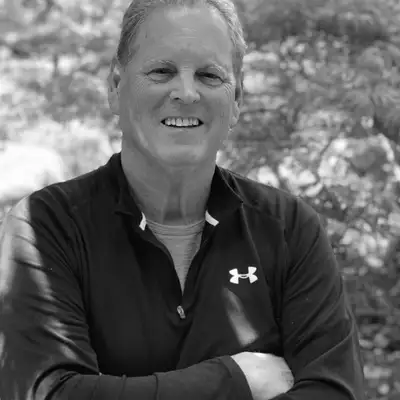
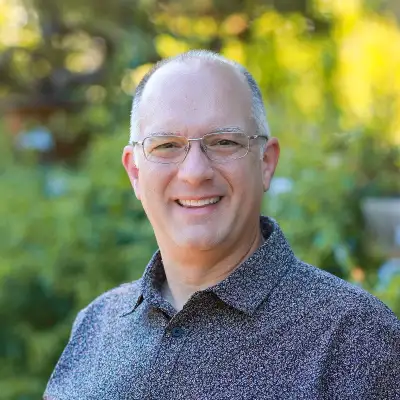
Mark Simon and Bob Marks revive their long-running cable TV show The Game, where they interview local leaders and talk widely about politics, business and sports.
Produced by Frank Bravo, BravoITC.com
00;00;25;22 - 00;00;27;14
Speaker 1
Welcome to the game. I'm Mark Simon.
00;00;27;17 - 00;00;28;20
Speaker 2
And I'm Bob marks.
00;00;28;20 - 00;00;57;25
Speaker 1
And we're happy to be joined today by Supervisor Lisa Gauthier. Served 11 years on the East Palo Alto City Council, including serving as mayor during the pandemic, which must have been just barrels of laughs in 2024. She was elected to the Board of Supervisors and walked right from the frying pan into the fire, because in the middle of, they were already in the middle of the whole controversy over Sheriff Christina Corpus, which is sort of finally coming to a head.
00;00;57;28 - 00;01;23;04
Speaker 1
Next Wednesday, the Board of Supervisors will vote to appoint the supervisor. Yesterday, they had a four hour hearing in which the applicants for the position were allowed to speak on their behalf and answer questions from the supervisors. There's a public hearing 6:00 Monday at the Board of Supervisors chambers, in which the public will be allowed to submit written questions and have those posts that will be kind of like a traditional candidates forum.
00;01;23;10 - 00;01;40;00
Speaker 1
And I know, speaking on behalf of Lisa and her colleagues, they would love it if the public came to that and expressed their concerns about what they want the next sheriff to be a supervisor. Coach, thank you and welcome for being welcome to for joining us. Thank you for joining us. And welcome.
00;01;40;02 - 00;01;42;22
Speaker 2
Thank you. Very good. Mark. Yes.
00;01;42;25 - 00;01;47;28
Speaker 3
Thank you. And I actually started 12 years, 2012 to 2024 on East Palo Alto City Council.
00;01;48;01 - 00;02;09;07
Speaker 1
Excuse me, I was counting. Election year is not. Actually, I apologize for that. So let's talk a little bit about yesterday's experience, and we might as well just plunge in. First and foremost, your colleagues began bickering with each other, which is not the first time this has happened. Happened, I think just a week ago. And you said, stop it.
00;02;09;07 - 00;02;16;17
Speaker 1
It's embarrassing. Are you concerned that your board members are having trouble struggling their way through this whole process?
00;02;16;20 - 00;02;42;11
Speaker 3
Yeah. No. If you think about it, we're in November right now. And this sheriff, everything that's been going on with the sheriff and this recruitment is probably weighing heavy on everyone. The notion that we decided to appoint rather than go to election, and it's been such a a short timeline to get here. They both care deeply about the process and strong personalities.
00;02;42;18 - 00;02;49;13
Speaker 3
I think they're going to be fine once we get through the sheriff things. I think we'll we'll settle down back into our rhythm and we'll be fine.
00;02;49;16 - 00;02;55;21
Speaker 1
Well, I can't tell if that's generous or optimistic or both. Let me ask you.
00;02;55;23 - 00;03;26;23
Speaker 1
Let me ask you. Of the candidates you saw, you voted to move forward with Ken Binder, the former undersheriff in Santa Clara County. Mr. Lazar, who was the assistant chief of police in San Francisco. And, Mr.. Travis, who was at the Solano Community College, is sort of running their security program there. Of those three, who can you tell us who's impressed you the most of who you're leaning toward at this time, understanding that it's still an open process?
00;03;26;26 - 00;03;53;00
Speaker 3
You know, it is an open process. And I think two just come. If if I'm being frank, I think to show show a lot of promise in that Lazaro and Binder both. I'm really looking forward to, Monday's conversation and to see what happens. Looking forward to the public and the questions that are going to come from them, and how they handle themselves with public comments is going to be really important.
00;03;53;02 - 00;04;04;16
Speaker 3
So yeah, looking forward to to to Monday. But more importantly, I'm looking forward to getting through this process so we can get to work on things that are really needed in the in the, the district.
00;04;04;18 - 00;04;15;02
Speaker 2
Lisa, going back the week or two. Why did you decide ultimately to go for an appointment as opposed to calling for a special election?
00;04;15;05 - 00;04;40;09
Speaker 3
Yeah, this process has been a has caused a heavy strain on the county in general. There's still lawsuits that are coming in because of the things that were working coming from the sheriff's office. An election is going to cost us additional resources and money as well. And then when you have an election on such a short time frame, it really lends to those who are the popular people, who are popular and have the resources.
00;04;40;12 - 00;05;01;24
Speaker 3
It wouldn't have been, in my opinion, is fair to everyone because it wouldn't allow everyone to set up an election. Depending on when we we were, we were going to do that. So I just felt like an appointment was more immediate. We would get to, get the seat filled sooner and happy that we're doing this and hoping that this will be good for the county.
00;05;01;27 - 00;05;13;00
Speaker 2
What are the qualities that you're looking for in the new sheriff? You pointed to two that clearly have a lot of experience, but what are you looking for?
00;05;13;03 - 00;05;38;25
Speaker 3
You know, for me, it's it's somebody who has integrity who is going to show up, and be authentic and be here for the community. Accountability. A leader who's going to be able to lead this group, because it's so fractured and someone who's going to be able to heal those who are, who have been harmed or don't feel like they, their voices were heard and respected.
00;05;38;27 - 00;06;02;26
Speaker 3
I, I'm looking for somebody who understands how the jail is working. We know that we've had issues in our jail, and we need leadership, to correct some of those issues. Because when you're incarcerated, you should be protected as well. And somebody who's going to pass a background check. I, you know, I, I, I don't I'm not looking for any more hiccups.
00;06;02;26 - 00;06;17;13
Speaker 3
And I'm hopeful that, you know, that we don't have any more hiccups, but, you know, anybody can say anything in a, in an interview. It's what happens when they sit in the seat, how they're going to lead. With dignity and respect is something that's important to me.
00;06;17;16 - 00;06;40;00
Speaker 1
Well, that is the risk, isn't it? And, I mean, I, I watched the hearing yesterday and especially the two you've mentioned, they're very polished. Their experience, their experience to speaking in public. And I think one of the things that we learned from the election of Christina Corpus is that we didn't all necessarily new know what we were getting compared to what we thought we were getting.
00;06;40;02 - 00;06;54;15
Speaker 1
So how apprehensive are you about making sure this is a person who can bring stability back to the office of end that chaos and turn it into sort of a somewhat normal place?
00;06;54;18 - 00;06;58;12
Speaker 3
I think he's frozen.
00;06;58;14 - 00;07;01;13
Speaker 2
Yeah. Let me Lisa, while Mark is going.
00;07;01;18 - 00;07;02;24
Speaker 1
Okay. I'm back.
00;07;02;27 - 00;07;03;09
Speaker 2
Yeah.
00;07;03;16 - 00;07;07;01
Speaker 1
I don't know how much of that you got, but,
00;07;07;04 - 00;07;29;01
Speaker 3
I think you were referencing what are some of the concerns again, whenever you're bringing any someone in, even from an election perspective or, from somebody you're interviewing, at least through this process that we're doing, we're able to actually sit down and hear from these individuals, ask the questions that are important to each, board member. So I think that's that's very helpful.
00;07;29;05 - 00;07;57;25
Speaker 3
And then you have people who are calling in and giving you some insight. I think it's really important to do background checks on individuals as well. And I don't know how far we can get in a background check. But for the three, I'm hopeful that that staff will take the time to at least look under the hood and see if there's anything there, there that we should be concerned of, because we are pointing somebody to fill the term of the remaining term of the sheriffs.
00;07;57;27 - 00;08;00;26
Speaker 3
It's not a contract, but her election, her office.
00;08;01;03 - 00;08;31;24
Speaker 2
Yeah. One of the things that struck me. And Supervisor Canopy, raised the question to to Mr. Binder about being involved in the sheriff, Lori Smith, who was another long kind of long term dysfunctional situation, in a way. Could that be helpful to have someone who's been through that process and understands what it does to people?
00;08;31;26 - 00;08;55;10
Speaker 3
I think coming in with that, that experience, if he's learned from it and wasn't contributor to what was happening, I think that that does come. Coming in will be very will be helpful. And and that's what we're hopeful of that that he has learned and, from being that undersheriff and being a sheriff for a tiny bit in Santa Clara.
00;08;55;11 - 00;09;05;16
Speaker 3
Hopefully that he brings he brings some experience, but has a lot of experience as well. And seen very polished. And it was it was exciting to hear him talk.
00;09;05;19 - 00;09;26;17
Speaker 1
What's it been like to go through all this? I mean, it's one thing to serve on the city council and city councils do participate in the hiring of chiefs of police. You went through the pandemic, but this has been such a high profile controversy and complication. What's it been like just as a person, to have to go through this and as a newly elected member of the board?
00;09;26;19 - 00;09;48;03
Speaker 3
Look, it's been a distraction because no matter where we go. People know San Mateo County for the sheriff and what's going on with the sheriff. So it's been a huge distraction. And you want to make sure that you're you're, You know, you're right. I came into this this issue that was already ongoing. Wanted to make sure it was a transparent event.
00;09;48;04 - 00;10;05;07
Speaker 3
I mean, the work that we were doing, we were being transparent and we were being fair and that the sheriff had an opportunity. It has been a distraction. And I'm hopeful that we can now get into the community and the county and do the work. There are still people. Immigration is a huge issue. People are not being fed.
00;10;05;08 - 00;10;19;14
Speaker 3
There are a lot of things that are going on. People are being displaced still getting out there and talk about homelessness and, and and really taking care of that social net things. Those are the things that I'm looking forward to, to really getting into.
00;10;19;16 - 00;10;46;00
Speaker 1
Has you been you're taking your turn asking questions. Clearly you represent a portion of the county that has had a different relationship with law enforcement than the rest of the county. These Palo Alto, North Fair Oaks, and not always a good one. They often been in odds. He's Palo Alto, has a long and challenging history with law enforcement, especially back when the sheriff's office was patrolling there.
00;10;46;02 - 00;10;54;07
Speaker 1
What are your concerns specifically about the new sheriff and the communities you were?
00;10;54;09 - 00;10;57;25
Speaker 3
And, Bob, I think that was the community, the communities that.
00;10;57;27 - 00;11;00;21
Speaker 2
Yeah, exactly.
00;11;00;23 - 00;11;26;09
Speaker 3
Yeah. So that that's been something that's been a concern to me, and that's why I wanted to understand how they're going to do their community policing in the communities that have been neglected or over policed. I need to I needed to hear that and understand that they're thinking about it. Look, I'm a mother of a young man who has had his challenges and been, at one point, he didn't like the police because of the way he was treated for the color of his skin.
00;11;26;09 - 00;11;46;16
Speaker 3
So I understand that in its a frustration. And I want to make sure that we have police who are getting out of their car, getting to know the community and not just judging them based on the color of their skin, but really getting out and getting to know the community in East Palo Alto. In 1983, we became a city, because we wanted self-determination.
00;11;46;16 - 00;12;05;17
Speaker 3
We did not want to be police by the sheriff's department for the very reasons that you mentioned. There was a lot of heavy policing over policing in the in the city. So that is a concern of mine. I think. Want to make sure that in North Oaks, it's the area that I, I, I'm concerned of because it's the unincorporated area.
00;12;05;18 - 00;12;25;09
Speaker 3
Now that the sheriff would really be policing in, to make sure that they're going to continue the work. I've seen the substation in North Fair Oaks under the, the previous year of, and there were a lot of people in the community that felt safe. And the work that, that the people in the substation were doing in North Oaks was very helpful.
00;12;25;12 - 00;12;43;00
Speaker 3
For some of those community members. So I'm hoping that, they're hearing us loud and clear. This new policing will, will, will show its face and they will we will not have issues in those communities that are untrusting of the police and in many cases.
00;12;43;03 - 00;12;49;06
Speaker 1
I've never heard the phrase over policing before. Tell me what what do you mean by that?
00;12;49;09 - 00;13;12;17
Speaker 3
Well, you know, there are young people who who in East Palo Alto that, that I've heard from that say somebody robbed the store and they were driving a green car. Then the police are stopping a red car. How are you stopping a red car for a police when your description was a green car, but you're stopping them because you see two people of color in a car or people of color in the car.
00;13;12;20 - 00;13;47;11
Speaker 3
That's overpolicing, and is not very helpful in the community. When when people feel afraid and feel like, they're going to be attacked. It's it can come from over overpolicing in a community. So I think we've, we've we've turned the corner in East Palo Alto for sure under Ron Davis and chief pardon when you know, Chief Padini, when he became the chief of East Palo Alto, he got out of his car and he encouraged his officers to get out of the car and to walk the community to get to know the community.
00;13;47;17 - 00;14;09;01
Speaker 3
We did programs like, fit Zone, where the police would actually go to the park and play volleyball or ride bikes or really engage with the community. And that's when things started to, to, to change in the community saw the police as an asset and a part of the community as a opposed to somebody that they should be afraid of.
00;14;09;03 - 00;14;17;12
Speaker 2
You. Yeah, I lost my train to thought, but, would.
00;14;17;12 - 00;14;19;29
Speaker 1
You let me ask you a question?
00;14;20;02 - 00;14;23;00
Speaker 2
Let me let me go ahead. Go ahead.
00;14;23;03 - 00;14;24;12
Speaker 1
You got it back. Good.
00;14;24;13 - 00;14;26;04
Speaker 2
Yeah.
00;14;26;06 - 00;14;28;23
Speaker 1
I know, I know, my internet is a little glitchy. Apparently so.
00;14;28;24 - 00;14;52;29
Speaker 2
Yeah, I wish I could blame it on the internet. There's been some talk about appointing an inspector general to oversee the sheriff's office. You've got the citizen's oversight committee. Would you favor the inspector general or giving the Citizen's Oversight Committee some additional power? Do you think either of those things are necessary?
00;14;53;02 - 00;15;14;06
Speaker 3
Well, I have a meeting schedule with Nancy. Good band from Vixen, and we're going to sit down and have that conversation with everything that's been going on with the the past at this point, past two sheriffs, having some oversight or some somebody that's, that's looking in and understanding what's going on in, in the department wouldn't, would not hurt.
00;15;14;06 - 00;15;32;17
Speaker 3
And I think it might be helpful, but I, I need to understand from the group exactly what the what it is that they're trying to accomplish. And how is it different from what we already have. I believe when things happen, we do have the opportunity to investigate and inspect things. I need to understand what they want to achieve a little bit more.
00;15;32;17 - 00;15;38;20
Speaker 3
So looking forward to sitting down and having, more of a conversation.
00;15;38;23 - 00;16;01;00
Speaker 1
One of the sustaining themes by Christina Corpus was that Mike, the county executive, interfered in mixed into the sheriff's office. Heavily in a heavy handed way was inappropriate in many, many ways. Do you retain a certain level of confidence in the leadership of Mike Kelly? Are you happy with the job he's doing?
00;16;01;02 - 00;16;25;07
Speaker 3
100%. And there was even in an investigation into her allegations in the sheriff. Sheriff corpus did not even show up to address the concerns or to be interviewed, and that under that investigation, her allegations were proven to be false. And in the time that I've been here, Mike Callaway and his executive team have all been stand up people.
00;16;25;13 - 00;16;50;08
Speaker 3
I enjoy working with them. They're making my job much easier. They're very accessible, and I've not seen any proof that any of them have caused interfered in any way possible. I think knowing Mike, the way that I know Mike now, after almost 11 months, Mike has probably did everything that he could do to try to make sure that that the sheriff had what she needed to be successful.
00;16;50;11 - 00;16;57;15
Speaker 2
You've been in office, as you mentioned, almost a year. What have you learned over the past year?
00;16;57;18 - 00;17;14;05
Speaker 3
This is a lot of work. I'll tell you this. After leaving the the city council, you know, I worked a full job and I was on the city council, leaving that full time job and coming to this this there's a lot of work, but there's a lot of opportunities to feel good about the work that we do.
00;17;14;11 - 00;17;41;24
Speaker 3
This work involves solving things for, for, constituents. And when you're able to pick up a call and solve a problem that a constituent is going through, it makes you feel good about the work that you do. But again, at the same time, coming into the issue with the sheriff, it was a lot to to try to get up, to speed on, to understand what was happening, all the players and to to really understand.
00;17;41;27 - 00;17;59;05
Speaker 3
So but I'm glad that we're at this, at this place. Glad for the staff that's here and, and my staff, I, I couldn't do this without staff. I'll tell anybody. I have four staffers who are all all for our amazing and helping me through the process.
00;17;59;07 - 00;18;13;06
Speaker 1
So as Bob mentioned, as you mentioned, it's almost a year now once the sheriff issue is behind you. What are you hearing from your constituents at the top? 2 or 3 things that you think you need to really dig into in the coming year?
00;18;13;09 - 00;18;44;12
Speaker 3
Sure. You know, Mark, that is a great question. And what I, what I did in my first year because I was still meeting with constituents, it's easy to come in and say, I think I know what you need and then to implement issues or implement solutions. But what we did as a department or a district, we've been listening to the to the residents, and the constituents first to have a better understanding because I want to make sure that what we do, we're doing it in concert with our constituents as well.
00;18;44;15 - 00;19;11;17
Speaker 3
Immigration is a big issue. You know, district four has a lot of immigrant community. People are scared and nervous and afraid to go out there not understanding the process. They want to be protected. They want us assistance going to to court because they don't know how if they're going to be able to come home, finding ways to make sure that like if a parent is picked up during the day and a child is at school, we're thinking about what is that plan look like for the for the child or the family members?
00;19;11;17 - 00;19;38;04
Speaker 3
Those are some of the things we have to think about and what's what's going on with this federal government and the federal government. The shutdown, you know, the fact that Snap benefits have been held back. People are, worried, especially our seniors, like, where's the food going to come from? So I'm really proud to be with the county that put nine 900,000 into Second harvest to buy protein, to make sure families will have food.
00;19;38;07 - 00;19;58;03
Speaker 3
Displacement still remains an issue. The cost of living is really high for people, and ensuring that people have jobs is an issue, and homelessness remains one of the top things. Depending on where you are, there's there are a lot of homeless individuals out there. So, continue to work on those areas as well.
00;19;58;05 - 00;20;14;26
Speaker 2
When it comes to health care. Clearly, the administration's big, beautiful bill has made substantial cuts in Medicaid. How many people in San Mateo County are going to be affected by what we've seen over the last several months?
00;20;14;28 - 00;20;30;08
Speaker 3
That is a great question. And I don't have the true number. I know I've been asking the question like, what are we going to do to be to be helpful? I know that we're filling the gaps in certain places. You know, I sit on the Health Trust board in Santa Clara that does a lot of work with the in the health space.
00;20;30;08 - 00;21;01;24
Speaker 3
I'm on Stanford's community council board as well, and we've been meeting to try to figure out how do you fill the gap. Because what you don't want to have happen in the health industry, you don't want people to start using the emergency room as their primary care doctor. That's going to be even more expensive. So we're hopeful that, things will turn around and the, the, you know, we'll get through this government shut down, but still, the administration is keen on ending some of the, the, the health care benefits.
00;21;01;24 - 00;21;16;15
Speaker 3
I think as a, as a county, we're going to need to sit down and figure out how we fill the gap or what does that look like to help those individuals who are the most vulnerable, who will need access to health care?
00;21;16;18 - 00;21;27;01
Speaker 3
Can I come back later? Can we have a broader conversation once we figure out what's happening in, in in Washington, D.C. and how we're so we can figure out what we're going to do here in San Mateo County.
00;21;27;03 - 00;21;27;16
Speaker 2
Absolutely.
00;21;27;16 - 00;21;33;25
Speaker 1
Yes. We'll do a post shutdown show if there ever is a.
00;21;33;28 - 00;21;35;06
Speaker 2
Oh, I think we.
00;21;35;14 - 00;21;37;20
Speaker 1
Sheriff interviews about.
00;21;37;23 - 00;21;39;09
Speaker 3
Mark market.
00;21;39;11 - 00;21;42;23
Speaker 2
Start up here. We lost you okay.
00;21;42;25 - 00;22;08;01
Speaker 1
There's been quite a lot of talk during the sheriff's interviews about Ice and how much the county should or shouldn't cooperate. And there has always been the the sort of position of zero cooperation with Ice. And I'm always puzzled by that, because it would seem to me there are some people you don't want to return to the community, especially if they've gone away for violent crimes or going away from for violent crimes against their family.
00;22;08;04 - 00;22;13;18
Speaker 1
Is zero cooperation with Ice sort of the standard you set?
00;22;13;21 - 00;22;37;20
Speaker 3
It is a that is a challenging question, right? You know, we have individuals within the community that feel like there should be zero, cooperation with, with Ice. And there are individuals who feel like if somebody has caused harm, that, that the community should be protected. And on the other hand, Mark, I'm hearing people who say, well, if they've done their time, they've already been been corrected.
00;22;37;22 - 00;23;03;25
Speaker 3
The corrections of been made. I still land in the place where I want residents to be protected, community to be protected on both sides. Our our our immigrants should be protected. And those who live here should also feel safe in their neighborhoods. So with that, I don't know when we would we would cooperate with Ice. And I don't know if, if, if, if what happens maybe once people are released, whatever happens on the streets happens on the streets.
00;23;03;29 - 00;23;12;23
Speaker 3
But I don't know that you can delineate between when you're cooperating with ice and when you shouldn't. I think it's a it's a touchy situation.
00;23;12;26 - 00;23;33;26
Speaker 2
I know you've held some public meetings. You joined with Supervisor Speer on the issue of child care. And obviously it's been a huge issue in San Mateo County and across the nation. What have you heard and any ideas that have come forth about how to proceed and how to deal with that issue?
00;23;33;29 - 00;23;56;17
Speaker 3
Sure. One of the reasons why this issue is top of mind for me. I am a grandmother of. He is now five, so I know firsthand the challenges that my daughter faced in finding daycare. We have had four listening sessions and we have one more coming up. We'll be on the coast, I believe on the 19th. I know it's coming up in these coming weeks.
00;23;56;17 - 00;24;20;05
Speaker 3
We'll be in Half Moon Bay, hearing from Half Moon Bay. And in those those convening, we are hearing from parents, from caregivers. And, we're hearing just the cost of childcare is just way too high. Their parents that are paying for $1,000 a month for childcare. So when childcare becomes that expensive, it's a barrier to families, working.
00;24;20;05 - 00;24;42;22
Speaker 3
If you are paying more into childcare than what you're bringing in, then somebody's going to have to go home, sit at home and take care of the children. We want to make sure that we are investing in what's important to to us. And our kids are important, their communities that are already figuring this out and how we can be supportive of families with younger children.
00;24;42;27 - 00;25;07;00
Speaker 3
And that's what we're trying to get to the bottom of. I think ultimately, at the end of the day, we're going to try to look into what it looks like or do a pilot program where we're helping families who have children between 0 and 3, or up to the time when they can go to TK and see if that is, if it's paying a stipend, if it's giving them money to help cover childcare.
00;25;07;00 - 00;25;28;04
Speaker 3
I don't we don't know what it's going to look like until we've completed this final listening session and then come together and figure out what our this pilot program is going to look like. What we could run up against is that when you think about the, the, the taxes that are in San Mateo County right now, what's s SB 63?
00;25;28;05 - 00;25;48;20
Speaker 3
If it passes, it takes us over 10%. And I think it takes us over the threshold of taxes in San Mateo County. So we wouldn't be able to do a sales tax tax. We would then have to figure out where the resources would come from to cover a pilot program. And if we were to move forward where that those, those resources would come from.
00;25;48;20 - 00;26;11;13
Speaker 3
But we are all about trying to help families, their families who work split shifts and so they don't have daycare because they're working, past midnight or after 7:00. There are families that work on the weekend that are, find it challenging to find daycare as well. So looking into to daycare and investing in that is going to be something that's really important.
00;26;11;15 - 00;26;35;15
Speaker 3
And it will it will help us. We know that, and some of our research, Cemetery County is the has the fifth highest childcare cost. So that is a lot, of lot of money. For, for families. So we're, we're eager to help those who need the help the most. And we want families to be able to work and provide for themselves.
00;26;35;17 - 00;26;52;05
Speaker 1
Well, I want I want to wrap up our time with you. Thank you. But there is one outstanding question, which is how many times a day does your name get mispronounced? Your last name? I detect a certain amount of Louisiana and there's someone there.
00;26;52;06 - 00;26;54;03
Speaker 3
There is. And you know what I usually say?
00;26;54;03 - 00;26;58;02
Speaker 1
When people pronounce it properly, it's right.
00;26;58;04 - 00;27;15;00
Speaker 3
It's gosh. And I will tell people it's my ex-husband's name. I'm not married to it anymore. I know if they get started and they're talking to me, they're talking to me. So it's okay. It's a difficult name when you see it. When I first saw it, I was like, no, that doesn't say gosh, but the the Louisiana people will say, go.
00;27;15;02 - 00;27;29;04
Speaker 1
All right, well, thank you so much for your time. And we're glad that we finally had a chance to get you on. We've been trying off and on during the year, but it's been a challenge given all the demands on your schedule. So we're grateful that you've come on today. Thank you so much.
00;27;29;07 - 00;27;30;15
Speaker 3
Thank you.
00;27;30;18 - 00;27;41;28
Speaker 1
Take Bob and I are going to the bullpen, right now. So, Bob, any lasting thoughts about what you saw other than your enjoyment that there were times when I couldn't talk?
00;27;42;03 - 00;28;10;16
Speaker 2
Yeah. It is a dream come true when that happens. You know, I guess what I really want to talk about and hear from you. I don't think anybody has covered this sheriff issue, which has been going on 18 months, starting out behind the scenes and then out into the public view. Perhaps you and a young lady named Anna motta at the San Mateo Daily Journal whose written.
00;28;10;16 - 00;28;23;03
Speaker 2
I don't know how many articles about it, but can reflect for a minute on what we've seen and and how unusual this situation has been for San Mateo County.
00;28;23;06 - 00;28;44;03
Speaker 1
Well, I want to start by echoing. I think Anna has done a remarkable job. I have to tell you, some of these stories, they're so complex and there is so much information that just sorting through it and deciding what to include and what not to is an immense challenge. And it's it's really been a puzzle to solve. I only write once a week.
00;28;44;03 - 00;29;04;20
Speaker 1
She's had to do it every day, sometimes under deadline. And so I have a really high regard for the job she has done with this issue. And hats off to John Mesa, the Daily Journal, who always takes such an even handed approach to this stuff to devote this kind of resources and also sort of put the weight of the paper behind the coverage.
00;29;04;27 - 00;29;31;13
Speaker 1
It's, you know, where I end up with is sort of the eternal question, why do we elect the sheriff? It there, you know, every city in America practically the police chief serves at the pleasure of either a mayor or a city council or a city manager. In most cities on the peninsula, the police chief reports to the city manager, not the council, which means there's direct oversight.
00;29;31;13 - 00;29;55;02
Speaker 1
And if the guy or the person misbehaves, their immediate consequences you can take. And it makes the chief much more answerable to the public, to the Council, to the conduct of of their own department. The sheriff is one of the things that has occurred to me is. And I never thought of this, it is the most powerful office in the county.
00;29;55;07 - 00;30;26;22
Speaker 1
Yeah, not just because it's directly elected county wide and there are fewer and fewer of those, but the immense power that the office wields to dig into issues that are at the very sort of split of where people live and how they behave and how they don't behave. So it's something and it's in the Constitution. It's not it's not like it can be changed immediately, but it does raise the question because it just invites the office to be run with a political mindset rather than what's the best law enforcement?
00;30;26;22 - 00;31;03;15
Speaker 1
So it's no surprise you get political people. I mean, the the other sort of assessment I have is that the way Christina Corpus is tenure turned out is a true tragedy, almost of Shakespearean proportions. Yeah. She was very personable, very likable. People put a lot of hope in her because they thought it was time for a department of the department to reform and modernize and to have it end so miserably in whether they she had a romantic relationship with this guy, Victor Inge or not.
00;31;03;17 - 00;31;26;16
Speaker 1
She relied on him almost to the exclusion of others. And that's just a shame, because I think she could have done a better job, but somewhere along the line decided to do the job this way. So. So the other end thing you end up with is you sort of stand by helplessly while you watch this office, which has always had its share of ups and downs anyway, you sort of sink.
00;31;26;19 - 00;31;50;17
Speaker 1
So the third part, I guess, is my heart goes out to the rank and file who, you know, doing their job. They tick off the wrong person. The next thing you know, they're banished to some far corner of the department, never to be seen again. You know, when the board votes on Wednesday, the next day will be one year since Carlos Tapia, the head of the day, was arrested.
00;31;50;19 - 00;32;09;01
Speaker 1
So one of the interesting questions that was posed, and I thought the answer was interesting, is one of the one of the candidates, I think it was binder who said he was going to review these administrative leave positions. I don't think it's going to take long for him to, you know, for him to conclude, some of these guys shouldn't be on administrative leave.
00;32;09;01 - 00;32;11;04
Speaker 1
We need to bring them back and let them do their jobs.
00;32;11;09 - 00;32;36;21
Speaker 2
Yeah. You know, as as Lisa said, you can interview somebody. You can, like with corpus, everybody thought that her track record was a good one. You just never know. You never know what people are going to do. And so we'll wait and see, and we'll hope that, the new sheriff can bring some stability to the department.
00;32;36;23 - 00;32;44;14
Speaker 2
Clearly, there are two candidates there with a lot of experience. And we just hope for the best.
00;32;44;16 - 00;33;15;05
Speaker 1
Well, and that's the other challenge. It has really put the spotlight on the board. Yeah. And, you know, they haven't always reacted well. We alluded to the dispute between Ray Mueller and David Canapé. You know that this is not a decision that should be with which politics should be played. And if you watched yesterday's meeting, it looked to some degree like canopy was trying to sort of tilt the scales toward, laser.
00;33;15;10 - 00;33;40;22
Speaker 1
You know, he did he wouldn't give a vote to binder when everybody else did to to advance to the finals. He picked a candidate instead that everybody can who watched it thought, well, he really didn't do very well. A guy named Yick. And so there's a lot of that kind of stuff going on. So in some ways it exposes, I guess, for lack of a better word, the humanity of who's doing these jobs.
00;33;40;27 - 00;33;49;10
Speaker 1
These are tough challenges. And, Bob, you know, because you've worked at the Board of Supervisors, they are human beings. But the stresses and strains can be pretty severe sometimes.
00;33;49;15 - 00;33;54;17
Speaker 2
Yeah, they are, they are. And I think back to 1992.
00;33;54;18 - 00;34;11;29
Speaker 1
They're going to vote. I'm sure they're all they're both they're all going to be very glad to have this behind them. Yeah. And I think we're all happy to move on. I mean, writing about it, I mean, every week I thought, well, maybe I can write about something else this week, and, you know, it just overwhelms you.
00;34;12;02 - 00;34;46;12
Speaker 2
Yeah. Okay. Well, what I was saying was, I think back to 1992, when the board had three members running for the same congressional seat for a period of time. And ultimately there there were two in the general election. But, so tension on the board is not anything new. But, you know, we'll we'll see how that relationship between Supervisor Mueller and Supervisor Canada evolves as we move forward.
00;34;46;18 - 00;35;11;01
Speaker 1
Or devolves. Yeah. You know, there is an important difference in to some degree, it's being revealed by this whole controversy, which is that they don't run county wide, they run by district. And I have written on one occasion that they seem to be not working together well. And I actually think when they finally do a point of sheriff, it could be a 3 to 2 vote.
00;35;11;03 - 00;35;15;29
Speaker 2
Yeah, we're losing your audio there a bit there.
00;35;16;02 - 00;35;26;00
Speaker 1
Separate entity, separate entities. It they don't always work together as well as they might have in the past just because they had to.
00;35;26;03 - 00;35;28;02
Speaker 2
Okay. Well go ahead.
00;35;28;03 - 00;35;29;17
Speaker 1
That's it. That's it for today.
00;35;29;23 - 00;35;31;18
Speaker 2
Yeah okay.
00;35;31;21 - 00;35;32;25
Speaker 1
I'm Mark Simon.
00;35;33;00 - 00;35;34;04
Speaker 2
I'm Bob marks.
00;35;34;05 - 00;35;55;16
Speaker 1
And thank you for being with us on the game. Thanks to Frank Bravo or producer. You can see the game on the game peninsula.com and on YouTube and any number of other places. I'm posting it on Substack, and I also posted on my Facebook page and we'll be back soon with another another adventure in the game. So thanks for being with us by.