Subscribe
Share
Share
Embed
Sheriff Ken Binder, appointed on November 12, 2025 as the 27th Sheriff of San Mateo County, joins The Game to talk about rebuilding leadership and culture inside the Sheriff’s Office after a turbulent year.Bender discusses morale and resilience among staff, the staffing picture today, recruitment standards, and the importance of professionalism and consistency across the department. He also explains how internal affairs cases are handled — including what can (and can’t) be done when timelines under California’s Peace Officer Bill of Rights have expired.The conversation expands into San Mateo County’s non-cooperation policy with ICE, how trust impacts public safety, and the Sheriff’s constitutional role in maintaining peace during demonstrations. The episode also highlights the county’s new focus on combating human trafficking, including coordination with the District Attorney’s office.In the bullpen segment, Mark and Bob discuss the California governor’s race, Democratic field dynamics, and local campaign developments as mail-in ballots near.Featuring: Mark Simon, Bob MarksGuest: Sheriff Ken BinderProduced by: Frank Bravo
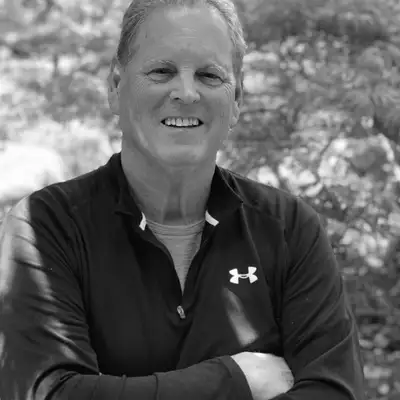
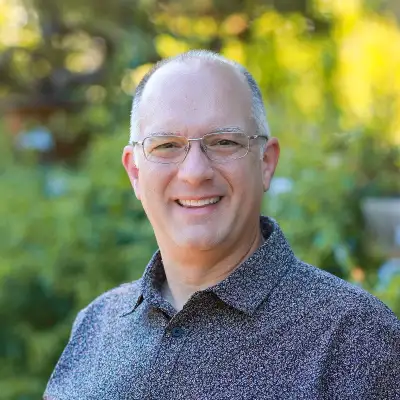
Mark Simon and Bob Marks revive their long-running cable TV show The Game, where they interview local leaders and talk widely about politics, business and sports.
Produced by Frank Bravo, BravoITC.com
00;00;27;00 - 00;01;10;14
Speaker 1
By Mark Simon. And I'm Bob marks. Welcome to the game. We're happy to be back on whatever you call this. I guess we can't call it the error, but here we are. We're happy to welcome Sheriff Ken Bender. Who has the. What is it? The 27th sheriff of San Mateo County was appointed by the Board of Supervisors on November 12th, 2025, after about a year of back and forth about the prior sheriff and her being fired by the same Board of Supervisors who hired Sheriff Bender, he has a 27 year career in law enforcement, worked in the Santa Clara County Sheriff's Office in nearly every division of the agency.
00;01;10;17 - 00;01;26;20
Speaker 1
As an executive member team for more than a decade, he was the undersheriff in Santa Clara County when he retired from there, he served as interim chief of police for the city of Gilroy, and now he's with us. So welcome. I'm happy to have you here, Sheriff.
00;01;26;27 - 00;01;37;15
Speaker 2
You've had the opportunity to meet with employees from across the department. Give us a sense of the morale and what you've taken away from those meetings.
00;01;37;17 - 00;01;59;13
Speaker 3
Thank you. First of all, good morning, gentlemen. Very nice to be with you this morning. It's an honor to talk with you. Yes, I have, so I'm I'm embarking on a little bit past three months now, and I've been making my way to talk with all the folks here in the organization. And what I've really learned is we've got some great people.
00;01;59;15 - 00;02;27;10
Speaker 3
We've got a lot of really good people in the organization that are in the profession for the right reasons. They're doing a good job. And really, they just, they, they want to get out of the headlines and go about doing their job for public safety. That's both in the jails and in the streets and down is they're really resilient.
00;02;27;13 - 00;02;49;21
Speaker 3
You know, one of the things you find out, you know, you don't find out what someone's made of when things are going perfectly and well, anyone can, you know, put on a smile and do a great job when things are going well. But when things are challenging, that's when you really see what someone's made of. And I really want to commend the office.
00;02;49;23 - 00;03;12;24
Speaker 3
Through some difficult times in the past year or so, the staff that we have, they came into work and they continue to put the, their profession first and to do the job. And they've shown that they're resilient, that, that they've got the right stuff. So I was I've been very pleasant. Pleasantly surprised to see that.
00;03;12;27 - 00;03;32;20
Speaker 1
Did did you sort of expect that you'd find some people who were, I don't know, traumatized by the experience? I mean, it was a pretty rough I mean, it really became public for about a year, but it obviously things were going on well before then that were upsetting people, that were making people ponder what the future of their careers were.
00;03;32;23 - 00;03;57;01
Speaker 3
Yes. Well, they are human. And so, you know, all of us are human. We're not robots behind the uniform. And I like to remind people of that. So, you know, everyone handles difficulties in different ways. And for sure, we can't look past some of the, some of the trauma, the psychological trauma that some of our folks have really experienced.
00;03;57;05 - 00;04;23;06
Speaker 3
And, so, you know, employee wellness, one of the things we want to do is, you know, as as we're talking to folks, we want to hear, hear from them, for them to be able to talk to, to peer groups and, and their and the current leadership, just so that we know what they really went through with their what they felt, you know, and, and how to be able to resolve that best and move forward.
00;04;23;09 - 00;04;36;18
Speaker 1
Yeah. You said I'm quoting, first thing I'm going to do is install an executive leadership team that has the respect and trust of the organization. I gather you feel you've you've accomplished that.
00;04;36;20 - 00;05;05;20
Speaker 3
Yes, sir. I feel like I have got a great undersheriff and Chris Young and, you know, he is a culture expert. And one of the things I want to make sure long term and moving forward is that we, we develop the best culture possible for law enforcement, large law enforcement agency, for years to come. You know, beyond my time here, beyond his time here, but that we really lay the foundation.
00;05;05;23 - 00;05;36;23
Speaker 3
And so, he's already doing a monthly, training session, if you will. To, to address and help shape culture. And we made it voluntary initially, and we've had over 70 people just voluntarily sign up to start attending these. So, so he's one of I brought back Assistant Sheriff Ryan Monahan. We've had a couple of vacancies for,
00;05;36;25 - 00;06;14;14
Speaker 3
Well, the jail assistant sheriff has been vacant for a number of years. And, so I've recently done internal promotions to an objective testing program, and we ended up, selecting Assistant Sheriff Frank del Porto, who who is overseeing our jails, and Assistant Sheriff Mark Myers, who's overseeing operations. And then Assistant Sheriff Ryan Monahan is overseeing our support services, professional staff, internal affairs.
00;06;14;16 - 00;06;16;04
Speaker 2
Sure. Over the last.
00;06;16;06 - 00;06;17;25
Speaker 3
Year, my throat has gotten dry.
00;06;17;25 - 00;06;35;03
Speaker 2
Apologies over the last year. The former sheriff insisted that the department was fully staffed. Others said that was not the case. Where are you today in terms of staffing levels in the department?
00;06;35;05 - 00;07;10;28
Speaker 3
Yes, we're getting there. I've been already just in the past three months to a number of Academy graduations that we've had staff graduate. We are probably we're around 20 to 30 vacancies on the sworn side at the moment. So which is very reasonable for a large agency like ours. We're continuing to to recruit, though, and we've really set a high standard, to make sure that the folks that we are that are still in the process and that have been recently hired meet our our high expectations.
00;07;10;28 - 00;07;34;16
Speaker 3
So we have an 18 month probationary period where we can watch an eval, evaluate, they go through an academy. They go through either jail training or field training or both, depending on the classical and, and so we've, we've set a high standard. We're, we're paying attention and we're making sure that the folks that we have meet those standards.
00;07;34;18 - 00;07;59;11
Speaker 1
You talked about the culture, and I guess I'm curious, what does that mean, and what does it mean in context of managing your people, managing newcomers, especially given the spotlight that law enforcement is under? Not all not all law enforcement necessarily, but I guess Ice, I don't know if they qualify as law enforcement or not. We'll talk about that in a second.
00;07;59;11 - 00;08;14;00
Speaker 1
But you say you were going to conduct a top to bottom audit of the department's policies and internal affairs cases. What says to those in, what do you mean by closer? What? That's a word tossed around a lot.
00;08;14;02 - 00;08;48;12
Speaker 3
Yes. So a culture is it's making sure that, well, first of all, we want a professional organization. We don't want cowboys out there. We want to make sure that we're our staff are well trained and provide that public service in a in a professional manner with best practices. We don't want silos. We don't want one patrol bureau kind of doing police work one way and another patrol bureau doing police work in different way.
00;08;48;12 - 00;09;21;06
Speaker 3
We want to make sure that we're all on the same page with the with the in the same mission. And and it's not and it's not just, how they treat the public. It's also internally. How are they managed? You know, how how is information flow? Is there a opportunity for dialog? Is there, to, as our staff have a chance to, to provide input and have their ideas considered?
00;09;21;08 - 00;10;03;10
Speaker 3
You know, I want to make sure that moving forward, I don't I had mentioned it in our interview before, but I don't care if staff supports one sheriff's candidate or another, because every four years there's a there's an election. I don't want it to be a culture of politics. And whose side are you on? I want it to be a meritocracy where, people's that it goes by merit, that promotion promotions are done by merit and integrity, that we make sure that people that are doing the job professionally, regardless of of who they may or may not have supported, are the ones that get opportunity for advancement.
00;10;03;16 - 00;10;31;27
Speaker 3
So that's that's what I'm talking about when I talk about culture and, you know, the other the other part of culture is accountability. So you mentioned the IA cases. We've got a number of cases that had been, that I inherited when I got here, and we instituted our Professional Services Bureau, which is, kind of I tell them you're the gatekeeper of our, you know, it's quality control.
00;10;31;27 - 00;10;57;08
Speaker 3
It's making sure that, staff are held accountable so that when if things come to light about concerns that we address them, we don't just sweep them under the rug. So, so we the team is working through all of those cases, and, and when there's discipline to be had, we are we are we are enforcing that.
00;10;57;10 - 00;11;18;29
Speaker 1
The one of the challenges I, I, I, I may not understand this correctly. So you'll correct me if I'm wrong, but there's not quite a statute of limitations. But there's a in the police officer's bill of rights. There are allowed a certain amount of time in which this thing has to be addressed or the or the allegations, I guess, go away.
00;11;19;01 - 00;11;28;29
Speaker 1
Some of these have been around for a while. Are you finding that a lot of these, Internal Affairs investigations have simply expired?
00;11;29;02 - 00;11;56;13
Speaker 3
Unfortunately, there are a number of cases that have been beyond the statute of limitations. So the California peace officer builds a bill of rights, gives management one year to from the time of knowledge of an incident to investigate and issue discipline. And however, it doesn't magically go away beyond the year. We're still, for those cases out of timed out.
00;11;56;15 - 00;12;23;00
Speaker 3
We're still aware of what happened. And although the law doesn't allow us to take disciplinary action, in other words, I can't suspend, terminate, demote someone based on whatever the case was. I can still take, I can still take corrective action if there's training that needs to be done. If they if there's, policy that wasn't understood.
00;12;23;06 - 00;12;31;16
Speaker 3
So we can still take, non punitive measures to, to bring whatever the behavior was into alignment.
00;12;31;19 - 00;12;44;18
Speaker 1
The one everybody I'm sure wants us to ask about is the allegations against Carlos Tapia, the president of the Deputy Sheriffs Association. Can you tell us the status of that whole matter.
00;12;44;21 - 00;13;06;10
Speaker 3
Well as you know, peace officer personnel matters are a matter of confidentiality. So I can't get into any of the details of the case, but I will tell you that, he's he's back working, and we're very happy about the fact that he's back working. And he has been doing a great job over the last several months.
00;13;06;13 - 00;13;30;17
Speaker 1
You talk about law enforcement, we're talking about culture. I want to segue into the the whole issue with Ice. And, first and foremost, as a, as a professional law enforcement executive who clearly takes pride in the work he has done. Do you regard Ice agents as true law enforcement figures?
00;13;30;19 - 00;13;55;00
Speaker 3
Well, I want to I'm going to be careful how I answer that because, you know, the the way I like to describe it is they are federal officers dealing with federal law. That is not our job as a sheriff's office. That's not the local police department's job. So, so our job is to enforce California law and local ordinances.
00;13;55;00 - 00;14;20;03
Speaker 3
So and the vehicle code and so, you know, the the federal enforcement does everything. And, we do our thing. You know, we do work with the FBI, who's a federal law enforcement agency. And so, you know, on on certain cases, but not touching immigration, of course. So, yeah, they have their job and we have our job.
00;14;20;05 - 00;14;21;12
Speaker 1
Yeah.
00;14;21;15 - 00;14;24;01
Speaker 2
The go ahead.
00;14;24;04 - 00;14;48;11
Speaker 1
Well, so the question then is, you know, the during the process by which you were selected to be the next sheriff, you said, I will never allow our deputies to ask anyone what their immigration status is. We won't allow Ice anywhere that the public is not allowed. As an overseer of the jails, we won't cooperate with Ice. That that's the county policy is zero cooperation with Ice.
00;14;48;14 - 00;15;25;12
Speaker 1
But as we've seen in other cities and other communities, they show up and they can be a very disruptive element. Sometimes it seems purposefully. Is there a point at which and I know this is difficult because they're federal statutes that basically prohibit anybody from interfering with a federal agent in the conduct of their duties. But the question, I guess, is, could you see your department intervening if there's unlawful behavior taking place, if Ice comes into our community in large numbers.
00;15;25;15 - 00;15;33;15
Speaker 3
Right. So, so everything you quoted from me is absolutely correct and still the case. Are you guys there? Did I lose?
00;15;33;17 - 00;15;38;24
Speaker 1
Yeah. No, just we're just focusing on the screen so that you're okay. The main issue here.
00;15;38;25 - 00;16;00;03
Speaker 3
Yes. All of those. I stand by those quotes, and that is absolutely the case. We do not cooperate with ice. Ice is not letting is not telling us when. For the most part, as far as I know, at least since I've been here, they're not telling us, if they're coming to our area or when they're coming, but we do not cooperate with them.
00;16;00;03 - 00;16;44;16
Speaker 3
We do not allow them in, nonpublic areas of any county building. We don't, cooperate with the, the requests that come into our jails. In fact, we put a report on our website and our transparency portal to that shows the number of requests that we get from Ice and what we and our response to those. So and then you also highlighted earlier, I my deputies will never be allowed to ask someone their immigration status or if they have, you know, papers, you know, or documented documentation papers for citizenship or anything like that.
00;16;44;16 - 00;17;09;23
Speaker 3
So, you know, we the trust that we, we serve the entire community, and that trust is really important. We cannot do our job without community trust. I don't want anyone in San Mateo County to ever be afraid to call 911 if they've been a victim, or if they've been a witness, or if they've seen something, or if there's an issue in their neighborhood that they need to call about.
00;17;09;25 - 00;17;24;18
Speaker 3
That is we we aren't concerned about, immigration status. And, and we are a full service public safety law enforcement organization. We'll continue to be that sheriff.
00;17;24;19 - 00;18;02;12
Speaker 2
In the aftermath of the tragic events we saw in Minnesota. It appears now that the Department of Corrections and Ice are working together to do what they call identify the worst of the worst. Does that make sense to you? I realize we're talking about the the state in Minnesota, but does that kind of approach makes sense to you to go after a serious violent criminals in prisons and jails and work with Ice to have them removed?
00;18;02;15 - 00;18;13;11
Speaker 2
They've indicated that they don't always agree with each other on this, but they found a way to identify a large number of people that they believe should be deported.
00;18;13;14 - 00;18;45;17
Speaker 3
Right. Well, we're following the local law, and we have San Mateo County has an ordinance 2.48 that prohibits us from sharing data of undocumented people. So we can't give names, date of birth, even if they're in our jail for for whatever crime they're in. We are not allowed to share that information with them. So, you know, I'm I'm grateful to see that if, if,
00;18;45;20 - 00;18;57;00
Speaker 3
That, that we don't want to see confrontations in the streets. But in terms of my office, we're we're still not cooperating with Ice at this point.
00;18;57;04 - 00;19;22;18
Speaker 1
Well, speaking of harm, confrontations in the streets. One of the things that struck me about watching some of the stuff going on in Minneapolis was the apparent zero presence of the Minneapolis Police Department on the scene. Now, maybe they were there and they just weren't in the cameras. But, I guess the question is, you know, there's a thousand Ice agents are sent in the North Fair Oaks.
00;19;22;20 - 00;19;42;09
Speaker 1
There's a thousand demonstrators and their confronting each other. What is the role of the sheriff's office in that kind of situation? You know, trying to keep the peace, trying to maintain order. Right. And I guess the question is if it appears to be some sort of confrontation building and you do intervene, which way will you be facing? Will you be facing the Ice people?
00;19;42;09 - 00;19;47;08
Speaker 1
Will you be facing the protesters? Whose side will you be on, I guess is putting it?
00;19;47;09 - 00;20;15;15
Speaker 3
Yeah. We don't take I mean the we are we don't take sides. We are really I have a constitutional California constitutional duty to maintain the peace. And so in any situation, whether involves Ice or anyone else, people exercising their lawful First Amendment right have a right to do it peaceably. And we want to make sure that that right is protected.
00;20;15;20 - 00;20;36;03
Speaker 3
And, you know, and like, like you had said before, we we we don't have a legal ability to interfere with what Ice is doing. So they're going to do what what they're going to do, but we're going to make sure that, that there's still law and order and safety in our community, regardless of what's happening.
00;20;36;05 - 00;20;47;29
Speaker 1
I assume, like all of us, you saw what happened, the videos, what happened in Minneapolis as a law enforcement professional, what was your reaction to that?
00;20;48;01 - 00;21;09;24
Speaker 3
I'm not happy about what I've seen over in Minnesota, and it really, it hurts to see the country, going through this. So, you know, and I'm just really hoping that, we can we can maintain peace in our community here in San Mateo County.
00;21;09;26 - 00;21;34;16
Speaker 2
Sheriff. The Nancy Guthrie case in Tucson has really brought to the forefront. Advances in technology in a variety of ways that gives law enforcement, and, for that matter, criminals, new tools to work with. How does this affect the kind of people that you might be looking to bring into the department?
00;21;34;18 - 00;22;09;13
Speaker 3
Yeah. So the next generation of peace officer, they're definitely more technologically savvy than my generation or the generation that came before me. And so we really need to make sure that we're using, we don't traditionally has been a step behind at least local law enforcement has been a step behind technology advances. So we want to make sure that we're trying to keep up and utilizing everything that's possible to make sure our communities are safe.
00;22;09;16 - 00;22;23;20
Speaker 1
Let's talk a little bit about the new budget initiative focused on human trafficking and domestic violence and child abuse prevention and response. What's the role of your office there, and why do you think it was important to launch this initiative?
00;22;23;23 - 00;22;52;09
Speaker 3
Yes, thank you for bringing that up. So the county is very committed to protecting our youth and and adults who are human traffic. And they've put their money where their mouth is. And District Attorney Steve Wagstaff has been a champion and a leader in this area. And, his office houses the unit that's going to lead and the sheriff's office, we're going to partner with him.
00;22;52;11 - 00;23;22;24
Speaker 3
And we're going to have a fully dedicated detective to work with the DA's office and their team, and addressing the issue of human trafficking and human trafficking is modern day slavery. And and it comes in the form of both labor and, sexual, sexual, forced sexual acts. So, we really want to address it and focus on it.
00;23;22;24 - 00;23;51;05
Speaker 3
And, and in the past, we've the county has done a lot in terms of education. But our focus moving forward and this year is going to be on operations and, holding people accountable that are trafficking victims and getting victims connected with services and shutting down those businesses that are fronts for human trafficking.
00;23;51;08 - 00;24;10;29
Speaker 1
Acknowledging that it's it's a crime that often is hard to catalog because so much of it takes place underground. But how acute of a problem is it in San Mateo County, which I think most people would not think of this county as a place where human trafficking in particular is a real crisis, right?
00;24;10;29 - 00;24;37;17
Speaker 3
It's it's everywhere. It's all over California. So it's it's in our community. It's it's up and down the state. And like you said, it kind of goes it flies under the radar. So a lot. Your average person doesn't have any idea that it's here, but it is here. And and so we've put together a team that's, that's going to go after and uproot it.
00;24;37;19 - 00;24;56;08
Speaker 2
The, the deputy sheriffs Association played a pivotal role in ousting the former sheriff. How do you balance the need for a good relationship with the DSA and the realities of leading the department and dealing with budget limitations?
00;24;56;10 - 00;25;33;28
Speaker 3
Yes, that's a great question. It's something that I've I have experienced doing. So as the undersheriff, I, I at my former agency, I, I led the management and executive team and, meet and confers with the unions. We had four unions there. And, and so it really is a balancing act. And, I've been off to a good start with our unions here and, in San Mateo County and, and really, my I what I always fall back to is I want to be reasonable.
00;25;34;00 - 00;25;59;09
Speaker 3
So there's requests and we will evaluate everything, and we will land on something that's reasonable and makes sense for the community. At the end of the day, it's the community that we serve. They expect us to to to be responsible with the funds that they give us and with the, the responsibility and authority to to make arrests.
00;25;59;09 - 00;26;28;26
Speaker 3
And we want to make sure that we're diligent with that. So, so that's where I fall back on. But I'll always hear and listen, and then we'll evaluate and then we'll discuss, and we'll land somewhere that I always believe is reasonable. The other thing we did was we brought the unions back to the table. So at our management meetings, they have a seat at the table so that they can hear what's being discussed, that they're not surprised on management decisions that could be coming down the pipe.
00;26;28;28 - 00;26;34;20
Speaker 3
And they have an opportunity to, to, to meet and discuss and, and then come back and talk with us.
00;26;34;20 - 00;26;58;08
Speaker 1
So there's, there's San Mateo County is not as big as Santa Clara County. Not to overstate the obvious, but it's, there's a lot to learn. I mean, how are you spending your days getting to know the department, getting to know the people in it, and getting to know the county? Because it is a diverse place geographically as well as, demographically.
00;26;58;10 - 00;27;23;21
Speaker 3
Sure. Yeah. We have over 800 staff here in the sheriff's office. So it is a large agency. And that's just one area of my job. We've got the community and then we've got the county administration. So I've definitely got a lot of things pulling on my time. But, you know, at the at the end of the day, I got to remind myself that this is a marathon and not a sprint.
00;27;23;28 - 00;27;53;26
Speaker 3
So I'm trying to sprint right out of the gate. I've, I've done a lot of community meetings getting out there and getting I've met with all of our contract city managers and some of the, the electeds and, doing meet and greets in the community and trying to get to know the community and just meeting with all sorts of folks in the community, but also making the rounds within the sheriff's office itself and then meeting with the other county department heads as well.
00;27;53;26 - 00;28;13;19
Speaker 3
So so it's a lot, but I, you know, just remind myself it's a marathon and just keep plugging away at it. But it's it's been long days. I've been putting in a lot of hours. But because, I just want to try to stay on top of everything as much as possible and not and get up to speed on everything as much as possible.
00;28;13;19 - 00;28;30;20
Speaker 3
And we really want to get the blood flowing in the organization. We've had some stagnation and now now we're getting the blood flowing again. And I just want to make sure that that our exec team is not, doesn't stymie that. We want to keep it moving.
00;28;30;22 - 00;28;56;08
Speaker 2
We talked earlier about, it's been it's been a very difficult time the last decade for police in general. Are you noticing, less people being interested in going into law enforcement in general? Have you noticed that over the last decade.
00;28;56;11 - 00;29;16;17
Speaker 3
You know, the pendulum kind of swings back and forth on that? There are, you know, there's times when people really rush to get into law enforcement. And, you know, at the height of the tech boom, we weren't seeing a lot of applicants. But then when there was a crash around 0708, we ended up getting a lot of applicants.
00;29;16;17 - 00;29;39;13
Speaker 3
And and so we kind of see that pendulum go back and forth. And right now we're we're getting a lot of candidates that are interested, which is really good to see. And, you know, I really have to give credit to people right now that are willing and looking to go into law enforcement because, you know, it's a very high profile position.
00;29;39;15 - 00;30;12;08
Speaker 3
It's highly, highly scrutinized. Our deputies are thrown into really a lot of gray areas where they have to make quick decisions and they will be second guessed. And Monday morning, quarter net quarterback to the nth degree. And so, so it's a it's a very challenging profession. So but it's a profession that is needed because if we don't have peace officers, dedicated professional peace officers, we're in trouble as a society.
00;30;12;14 - 00;30;44;01
Speaker 3
Because as a community, we want the community to stay a safe place to live and work and visit. And so and so. My hat's off to those looking to this profession. And I will say, it's also when you do the job right, it's really a fulfilling, fulfilling position. So this is a noble career field. And I remind our, our, young, younger folks that are looking to get into to this line of work, that this is a job that you do.
00;30;44;01 - 00;31;09;18
Speaker 3
Well, you can go to sleep at night and feel good about having meaning in your life and doing something that really does make a positive difference. Now, our our responsibility on the management end is to make sure that they have the right training, that, you know, that you don't just learn police work by osmosis or by watching what's on TV or in videos, because you're only seeing a fraction of what police work actually is there.
00;31;09;20 - 00;31;37;15
Speaker 3
And, you know, for the public, when it's it's challenging for us because when you when you're only seeing a either, you know, law enforcement has a million contacts a day with the public. And the vast, vast, vast majority of those are phenomenal contacts. Their professional, they're done well. But it's that contact that doesn't go well, that gets broadcast and that everyone sees.
00;31;37;15 - 00;32;01;13
Speaker 3
And when that's all you're seeing, it can, it can shape the public mindset that, hey, that's what police work is, or that's all it or that's all that's occurring when really it's such a small it's a small piece. And when it does go bad, you know, then we obviously address that. We we fire, we spend, we terminate depending on what, what actually occurred.
00;32;01;13 - 00;32;15;12
Speaker 3
But and sometimes arrest as well. So, but it's, it's a great job. There's a lot of opportunity to do well and to help people. And that's really where a lot of the meaning comes from.
00;32;15;14 - 00;32;35;03
Speaker 1
Well, you talk about fulfilling, obviously it's been a career that's been meaningful and fulfilling to you. Is there an example of something you've done in your the course of your career, maybe even way back when you were on patrol or something? That always comes to mind when you start talking to people about why this is a good profession?
00;32;35;06 - 00;32;54;21
Speaker 3
Well, it's just the opportunities that are there. I mean, I, I treated every interaction with the public like I try not to take it for granted. And this is what I'm trying to instill in my staff as well. You know, community engagement is one of one of the three pillars that I've been talking to my staff about.
00;32;54;23 - 00;33;22;00
Speaker 3
And it's not we have, units that are dedicated to that. But it's not just those units. It's all of us, and it's every contact you make in the public. So, you know, when I was, when I, when I was a sexual assaults detective, the first case I made, I remember just the, the gratification I had and the helping the family get justice.
00;33;22;02 - 00;33;41;09
Speaker 3
For for their young victim. And I don't want to go into details, but, I it just felt like, wow, I'm making this is really making a positive difference. And it's something I feel good about. But it's not just that. It's it's when I was working patrol, even if I was going to issue someone a citation, I always did it with courtesy, with professionalism.
00;33;41;09 - 00;34;00;08
Speaker 3
And and you know, I know it's not a pleasant experience for people, but, you know, when I would remind them, hey, we do this because we've had a lot of accidents in this area. And, and we know that when we issue citations, the accidents go down. And this really is for public safety. And we want to make sure that everyone is safe.
00;34;00;12 - 00;34;10;27
Speaker 3
So it's like every every interaction is an opportunity to be that good ambassador for the profession. And that's what I'm trying to instill in my staff as well.
00;34;10;29 - 00;34;16;27
Speaker 1
Sort of out of left field. Do your deputies, do they wear bounty cameras?
00;34;16;29 - 00;34;38;12
Speaker 3
Yes, of course. That's part of you know, it's part of quality control. It's, but and that's good for everyone. That's good for the public. It's good for our deputies. I think one of the things it's funny when when the whole talk about body worn cameras first came out, those of us in management for law enforcement, we loved it.
00;34;38;12 - 00;35;03;29
Speaker 3
We thought it was a great idea that, you know, the, the the hindrance was the money because it's so expensive. But but we knew it would it would give the opportunity to when complaints come in that we could actually show people what happened. And so it really shows, what our deputies are experiencing out in the field.
00;35;03;29 - 00;35;19;11
Speaker 3
And when they do make a mistake, it also provides that evidence for us to be able to to address that as well. So it's really, on both sides been eye opening I think overall for, for folks.
00;35;19;14 - 00;35;30;06
Speaker 1
Well thank you. We know you're busy. We appreciate you taking time to be with us today. And we'll see you maybe at the end of your first year we'll revisit this and see how things are going.
00;35;30;09 - 00;35;32;24
Speaker 3
It's an honor, gentlemen. Thank you and have a great day.
00;35;32;29 - 00;35;38;02
Speaker 1
Thanks.
00;35;38;04 - 00;36;00;07
Speaker 1
Bob. I think we want to do a bullpen a little bit extra. Anything you want to talk about relative to the sheriff or anything else? If you know, if not the sheriff. I want to get your take on the governor's race. The Democrats are meeting in their convention in San Francisco this upcoming weekend. Nobody has dropped out, but somebody has to eventually.
00;36;00;08 - 00;36;05;26
Speaker 1
Right on the Democrats there nine candidates. Some of them are pulling at 3%, for God's sakes.
00;36;05;28 - 00;36;36;13
Speaker 2
Yeah. Somebody has to drop out or somebody has to emerge as the leading candidate on the Democratic side. That tends to kind of change the dynamics in the field. You know what? There's been a lot of talk about how the Republicans could benefit from having this, you know, logjam on the Democratic side with a lot of candidates that at least have a little bit of visibility and are known.
00;36;36;13 - 00;37;02;14
Speaker 2
So, I would expect to see an effort pretty soon for the Democrats to coalesce, coalesce more around 1 or 2 candidates. People are waiting to see what Nancy Pelosi might do. There's talk that she might support Eric Swalwell. But, you know, right now, I know the Democrats want to give this thing a chance to play out.
00;37;02;18 - 00;37;32;11
Speaker 2
They don't you know, neither party really likes to get involved in pushing people around us. So, you know, we'll have to see what goes on. One other thing that we didn't get to with the sheriff, but I find interesting, is and it's highlighted again in the Nancy Guthrie case, is the territorial tensions that exist between the FBI and local jurisdictions.
00;37;32;13 - 00;37;51;13
Speaker 2
You know, you hear about that all the time. My guess is in most cases, it tends to work pretty smoothly. But in that case, there just seems to be a real breakdown in terms of the two entities working together.
00;37;51;15 - 00;38;14;27
Speaker 1
Well, this is one of the things that's so interesting about our sheriff in that he's an elective. It's an elective office. And so it's going to have, to some degree, an inherent amount of politics. And we really saw that with with the sheriff corpus. The way that Sheriff Binder has been named may be less political than, than in other cases.
00;38;14;27 - 00;38;43;27
Speaker 1
But, you know, every other police chief in the world or not in the world, in the States, is is appointed by a governing body. And so it tends to take some of the politics out of it. Or I guess it narrows the focus of the chief's politics. But in any event, it's so one of the factors that weighs into this and, you know, sheriffs are so different from county to county and state to state.
00;38;44;00 - 00;38;51;28
Speaker 1
I mean, one of the Republican candidates is a former sheriff, and he's somewhere, somewhere to the right of Darth Vader. I mean, he's just he's.
00;38;52;06 - 00;38;54;14
Speaker 2
He's he's the current chair, Sheriff.
00;38;54;14 - 00;39;18;14
Speaker 1
That's right. Yes. And so stylistically, they're going to be different. And I think that probably complicates any sort of law enforcement cooperation. Back in my days when I was a police reporter, I mean, it was almost a running joke. If you had multi agencies, nobody was in charge and everybody was resentful. It was it was always kind of interesting because there is some territorial ism, if that's a word.
00;39;18;16 - 00;39;22;21
Speaker 1
Any other thoughts about our sheriff and what you, what you saw and what you heard today? Yeah.
00;39;22;28 - 00;39;52;11
Speaker 2
You know, he's he comes across as a real law enforcement professional. He's not a, you know, as you see, certainly not trying to get involved in any of the politics that surround this. He seems to me to be a, a pretty good choice in the aftermath of what we've seen here in the last year. Plus, he is going to have to run for reelection if he chooses to do so.
00;39;52;13 - 00;40;06;14
Speaker 2
And for people like him who are real professionals, that's not necessarily a comfortable situation. Having to ask people for money. And, and, you know, playing the role of a political candidate.
00;40;06;16 - 00;40;31;27
Speaker 1
Yeah. And given everything that's happened. It's hard to imagine he's going to run for reelection without an opponent. It's just a couple of years away. 2028? Yeah. And there there are rumors that Christina Corpus still thinks she should have the job and is telling people I'll be back. Never mind that. It's an article. Schwarzenegger line from the movie.
00;40;32;00 - 00;40;54;27
Speaker 1
But it does make you wonder if she fully understands what has happened to her. Obviously, she still thinks that this has been a railroad job and not a genuine reaction to her leadership, or lack thereof. Meanwhile, you know, one of my rules of thumb about employment is and the first rule does never do a bad job. Well, because then you're stuck doing it forever.
00;40;55;02 - 00;41;17;27
Speaker 1
But rule is, if you have to do a job trying to follow somebody who was bad at it. Yeah. And, so you're just going to do a mediocre job and you're going to look good by comparison. That's not exactly what Sheriff Binder's goals are, but, it had to be that he's coming to work with a bunch of people who are ready for things to quiet down and to return to what might pass as normal.
00;41;18;00 - 00;41;46;21
Speaker 2
Yeah. And the other thing that he's got going for him is at least four of the five members of the Board of Supervisors, I think, are really invested in him. And so I think that and that may be, may have been a factor in the nearly $1 million that the board allocated earlier this month to fight to domestic violence trafficking and provide new criminalist to process DNA.
00;41;46;24 - 00;42;11;22
Speaker 1
Yeah. Supervisor David Kenneth, who was the one vote in the 4 to 1 who and immediately afterwards pledged his support. Right to the sheriff. So clearly there was something that he felt he needed to do to support somebody else. But that brings up the race for assessor. Jim, who has been the chief assistant there for any number of years, has announced he's running.
00;42;11;25 - 00;42;33;13
Speaker 1
He has yet to form a campaign committee as as of yesterday. Meanwhile, canopy has announced he had an event up up in Millbrae that drew quite a large crowd. He is telling people he's got 70 local elected officials who have endorsed him, and he's raised over $100,000 at the event in Millbrae. He said he was going to raise a half $1 million.
00;42;33;16 - 00;42;45;05
Speaker 1
So your quick take on that race, is it is it still up for grabs? I mean, the fact is he's not running unopposed. So that's that's better in terms of their being raised. But what do you think?
00;42;45;07 - 00;43;17;02
Speaker 2
Well, again. The ballot designations, particularly for those types of offices, comptroller, treasurer, otherwise carry some weight with the voters. But, you know, I think the key to this is really whether Irizarry can mount a campaign, raise some funds, get the endorsements that he has. Try to get them more involved in the race. And there isn't necessarily a lot of time to get all that done.
00;43;17;02 - 00;43;24;23
Speaker 2
So at this point, I'd say canopy has a huge advantage. We'll just have to see how that plays out.
00;43;24;25 - 00;43;35;20
Speaker 1
Mail-In ballots drop on May 5th. Yeah, that's not very far away. Not months. Well, that's it for today. That's it for the this edition of the game. I'm Mark Simon.
00;43;35;24 - 00;43;37;00
Speaker 2
And I'm Bob marks.
00;43;37;04 - 00;43;49;14
Speaker 1
Thank you for being with us. We'll look for you somewhere down the road. Thanks. And thanks to Frank Bravo. Almost cut him off. Almost overlooked our producer. Thanks to Frank. Bravo. We'll see you next time.