Subscribe
Share
Share
Embed
The World Pipelines podcast, with Elizabeth Corner, is a podcast that connects and unites pipeline professionals to learn about issues affecting the midstream oil and gas industry.
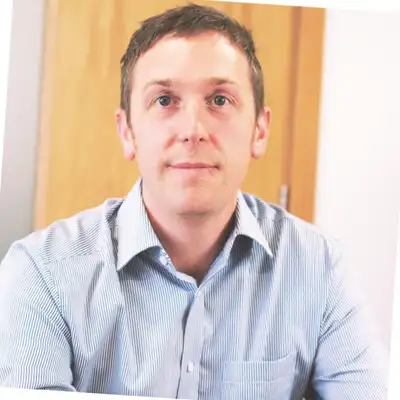
Hello, and welcome to the World Pipelines Podcast. With me for this episode is Murray Peat, senior associate of Fisher German, and Murray joins us today with his Line Watch hat on. We're turning our attention to one of the industry's most fundamental challenges protecting pipeline infrastructure from third party interference. LineWatch is a UK pipeline safety awareness organisation that works with pipeline operators, contractors, landowners and utility companies to promote safe digging practices and reduce the risk of pipeline infringements. Its newly published infringement report has highlighted some thought provoking trends including a rise in incidents linked to complacency and the changing nature of excavation risks across different sectors.
Elizabeth Corner:Murray manages LineWatch on behalf of its members, delivering safety advice on working around high pressure pipelines. LineWatch members account for approx. 14,000 kilometers of buried pipelines across The UK, transporting oil and gas at extremely high pressure. World Pipelines helps oil and gas pipeline professionals stay informed about the midstream oil and gas sector, offering technical articles, regional briefings, project and contract news, and think pieces on pipelines all over the world. Register to receive a print or digital copy at worldpipelines.com and search World Pipelines on LinkedIn to join our community.
Elizabeth Corner:Hello and welcome, Murray.
Murray Peat:Hello. Yeah. Fantastic to be here.
Elizabeth Corner:So the backdrop to this conversation is that while the pipeline sector continues to invest in things like integrity management, digital technologies, and monitoring, incidents caused by excavation and construction activity remain a significant risk. And today, we'll be exploring what the latest data tells us, why these incidents continue to happen, and what the wider pipeline industry can learn from them. And I want to begin by talking about Line Watch's latest report. And that suggests that almost half of infringements happened even though the parties digging already knew that a pipeline was there. I think I've always assumed that awareness of a risk would be enough to stop an incident.
Elizabeth Corner:And Murray, do the findings of this report perhaps say differently?
Murray Peat:Well, yes. It's a very worrying trend, unfortunately. So as you say you'd expect awareness of risk to be enough for people to stop, assess the worst, the planet and take necessary precautions however we're seeing evidence year after year that this isn't always the case. So look at our data it shows that in 2025 almost half of the the three eleven reportable incidents recorded by the Line Watch members involved individuals or organizations carrying out works too close to our members pipelines and that was despite knowing the pipeline was present in the vicinity. That's a significant number and a real cause for concern.
Murray Peat:What's perhaps even more telling is that this isn't a new issue so if we look back at previous years fifty six percent of all reportable incidents in 2024, 53% of all reportable incidents in 2023 actually involved organizations that were already aware of our pipelines before infringements occurred. So while the 2025 figure represents a slight improvement the the actual underlying challenge remains the same so awareness alone does not always lead to safe behavior. That's why our focus is LINE Watch, just making people aware that pipelines exist, it's about encouraging the right actions so things like engaging with the pipeline operators, following safe digging practices, obtaining necessary permissions and things like taking the time to properly plan works before breaking ground so ultimately the report reinforces that the fact that awareness is only the first step, really safe decisions and safe working practices are what really prevent incidents.
Elizabeth Corner:So how would you characterize the complacency then? Are there any common phrases or decisions or shortcuts that become red flags in this process?
Murray Peat:Yeah. Yeah. For me, complacency isn't always deliberately taking risks or cutting corners. It's what happens when people become familiar with certain tasks like we always do and that starts to replace curiosity and challenge usually. In our industry we can go for years sometimes decades without a major incident and ironically that's when risk can be the greatest because success in previous jobs can create a false sense of security so while the red flags are often subtle so I hear phrases such as and you've probably heard the same over the years we've always done it this way or we've never had a problem before or even things like oh it's a mature asset we know it well we know when it was laid none of these statements are necessarily wrong but they can indicate that people are relying on past performance rather than actively questioning whether any conditions have changed.
Murray Peat:From a decision making perspective I get concerned when challenge starts to disappear so when risk reviews become routine when near misses are dismissed because nothing bad has happened or when people start asking difficult questions because they believe they already know the answer and that's often how organisations and specifically teams on-site can drift into complacency.
Elizabeth Corner:And so it's part of your job to then go and talk to these operators or landowners or utility companies to make sure that they're actually alive and awake to these challenges?
Murray Peat:Yeah definitely, so that's my day job as it were, the majority of my time is spent out traveling around The UK talking to people about our pipelines, awareness of these networks that they're actually out there and just encouraging people to follow the correct procedures, contact the pipeline operators and have any work supervised when they're working near our pipelines.
Elizabeth Corner:And The UK is seeing investment at the moment in things like fibre broadband, water infrastructure, electricity networks, even CO2 pipelines. I get the sense that under the ground is becoming a much busier place, is that right?
Murray Peat:Absolutely. So the underground environment is becoming significantly more congested and that's only likely to continue so we're seeing major investment across multiple sectors whether that's fibre broadband, water infrastructure, electricity networks that are supporting the new energy transition or even things like you've said CO2 transportation networks. Typically the majority of our high pressure pipelines operated by the Line Watch members run cross country so through farmers fields and another agricultural land but that doesn't mean they see any less interaction. So a good percentage of these networks also run through more built up areas so villages, towns, cities. It's a full time job as you can imagine ensuring anyone digging to install new infrastructure is fully aware of the pipeline's presence and no special requirements for working around such assets.
Murray Peat:Looking at our members pipeline specifically some of them have been in the ground for a very long time so some sixty, seventy, eighty years even. Many of these networks were originally installed in separate corridors, but have since had new infrastructure laid above, below, and sometimes crossing them. And that can come with challenges in the future because if these assets fail so if we've got a new water pipe or electric cable crossing us if they fail that means that the teams have to go back excavate and repair them and that can come with significant risk. We're laying new infrastructure on top of existing network that may already be decades old, and as a result, the subsurface is becoming both busier and more complex.
Elizabeth Corner:It does look like a very complex picture. And so when you're out in the field and you're talking to contractors or landowners or whatever, what are the barriers that they report to you that prevent them from following best practice?
Murray Peat:Oh, a lot of things. When I speak to contractors, I very rarely hear anyone questioning the value of best practice or safety on-site. More often it's the challenge of how to consistently apply it in the real world environment so where we're competing against things such as pressures around workloads, budgets, delivery timescales etc. And on that time pressure is probably the issue that comes up most often so when projects are running to tight deadlines there's always a temptation to see certain checks and processes as slowing that progress down even though they're there for good reason. Another barrier is the quality of information available so contractors that are out working on-site can only make decisions based on the data they're given.
Murray Peat:If recordings are incomplete outdated or inconsistent it certainly makes it much harder for them to plan with confidence. And as we mentioned earlier complexity is also increasing so the underground environment is becoming more crowded multiple asset types multiple asset owners Managing those interfaces safely requires a real high degree of coordination.
Elizabeth Corner:It does strike me, Murray, that your job has a big human element to it. It means that you need to talk to people quite frankly and honestly about their work practices and about how they manage their role day to day is that right?
Murray Peat:Yeah yes we've said as we've gone through there's a huge human element when it comes to excavations. The teams that I speak to some of them have been doing this work for for a very long time and when people have done something successfully many times before it's natural for us to become more confident in what we're doing. The risk is that confidence can sometimes reduce people's level of challenge and them questioning things and that's not usually about putting corners it's about familiarity becoming or breeding assumptions. The most powerful or successful organizations that I deal with are the ones that recognize those pressures and design processes around them so they make it easy for their teams to do the right thing, they promote a culture where people can stop and ask questions and I think that's really important. They understand that the safety outcomes depend not just on good information but on the technical competency of the people that are doing the works.
Murray Peat:And ultimately I think most contractors that I speak to want to do the right thing, they want to get it right, but the challenge for the industry is creating the conditions within those organizations where it's the practical option and where people will question things.
Elizabeth Corner:Now we've heard on the podcast recently about how pipeline operators are investing in digitalization with things like GIS, digital twins, even AI assisted asset management and other practices. Do you think that technology can solve the problems that you're talking about? Or is there something more? Is it down to a culture?
Murray Peat:Yeah, so my view is technology is a huge part of the solution. However, it's not the whole solution. So we've seen advances in GIS, AI assisted asset management and data sharing which are all incredibly valuable they're giving operators far greater visibility of the networks they're helping to identify potential conflicts earlier and they're supporting more informed decision making. Improved access to pipeline route information through platforms such as LSBud is also making a real difference and that enables those planning the works near our pipelines to quickly identify the presence of these networks in the vicinity of their projects. That allows them to interact with the pipeline operator, discuss the project in the early stages, and make sure that appropriate controls and supervision can be put into place.
Murray Peat:This represents a significant step forward from the days of relying on static records and fragmented information. It makes critical asset data more accessible and easier for people to be shared.
Elizabeth Corner:But your overall message is that the technology can be perfect and in place and workable and everyone can know about it. And yet there still needs to be a safety culture behind that to make sure it works.
Murray Peat:Yeah, in my experience incidents rarely happen because technology was completely absent. More often the information exists somewhere but it wasn't accessed, understood, challenged or acted upon and that's where that culture comes in. The best organisations don't see technology as a substitute for good behaviour so they see it as a neighbour of them so they use technology to give people better information but they also create an environment where people feel responsible for asking questions challenging assumptions and following the process even when they're under pressure. I'd also argue that as technology becomes more sophisticated the importance of culture actually increases so there's a risk of developing a false sense of confidence in digital systems and assuming the information is always complete or always correct. For example pipeline or electric cable can be shown as a straight line on a plan or a map, but in reality we all know that these things don't run-in straight lines.
Murray Peat:Zigzag across fields, they run at funny angles across roads and footpaths. We still need people to apply judgment, challenge assumptions and verify what they're actually seeing on the ground.
Elizabeth Corner:Yeah, we can't just hand it over to the machines.
Murray Peat:Definitely not, no.
Elizabeth Corner:Now your infringement report, while it's got some news about complacency and so on, isn't all bad news. I wonder which improvement gives you the most optimism?
Murray Peat:I think one of the improvements that gives me the most optimism from this year's report is the reduction we've seen in developer related infringements. So in 2025 these fell by around 60% compared to 2024 really encouraging. What's particularly positive is that it reflects the work that the Linewatch members have done so this isn't all just down to luck it's the result of several years of engaging with developers, all their health and safety teams, helping to raise awareness of the importance of working safely around our pipeline networks. In fact a lot of credits got to go to those health and safety professionals within the development companies who've recognised the importance of pipeline safety, and that they're really starting to embed it into their projects. So we're now seeing developers engage with pipeline operators much earlier in the planning stage, and that's allowing risk to be identified and managed well before any works start.
Elizabeth Corner:Excellent. I wonder, Murray, if you've ever come across any infringement that made you really scratch your head and wonder how on earth did this happen? Have you got any good stories from the road?
Murray Peat:Oh, at least five or six times a year. I I have that quite regular. I follow lots of infringements as we look at the report. There was 311 reportable incidents last year. And sometimes I'll look at the infringements and I think all the warning signs were there so service drawings have been obtained, marker posts are visible right next to where the teams are excavating but nobody's actually stopped and questioned those things and sometimes I can look at the photos, can read the report, I can even go out to site sometimes, can actually sit there and think, like I say, how on earth did this happen?
Elizabeth Corner:And I wonder if we can close on, let's imagine that you visited the podcast listeners and you're giving your messages about safety across The UK. What's the one big takeaway that you try to leave with people that you go and see?
Murray Peat:Question things. So if something you may have done something a thousand times before and it's always been right, but the next time you do it it might not be. Always question things do the plans look right on-site? Have I checked the map and the plan of the pipeline network in comparison to where we're working? Are there any marker posts in the area?
Murray Peat:These are all things that when I'm out doing my presentations I'm getting people to think about because as we've said through the presentation complacency can set in because we've done something so many times and we've done it so well so it's just sometimes taking a second, stepping back, and checking to to make sure we've checked everything.
Elizabeth Corner:Thank you so much, Murray, for being on the podcast.
Murray Peat:Thank you. Thanks for inviting me in.
Elizabeth Corner:Huge thanks to Murray Peat from Line Watch for joining the podcast. I think what's particularly interesting about Murray's role is just how broad it is working across The UK pipeline community from operators and contractors to landowners and utility companies and helping to turn safety awareness into safer working practices on the grounds. I hope what came across from that episode is that there's a real depth and human element to that role because, ultimately, preventing a pipeline incident doesn't just rest with technology or good data. It's about getting people to stop, to think, and to do things differently. Thanks for listening to the World Pipelines Podcast.
Elizabeth Corner:Subscribe for free wherever you get your podcasts, and please do rate and review. Until next time. World Pipelines helps oil and gas pipeline professionals stay informed about the midstream oil and gas sector, offering technical articles, regional briefings, project and contract news, and think pieces on pipelines all over the world. Register to receive a print or digital copy at worldpipelines.com and search World Pipelines on LinkedIn to join our community.