Subscribe
Share
Share
Embed
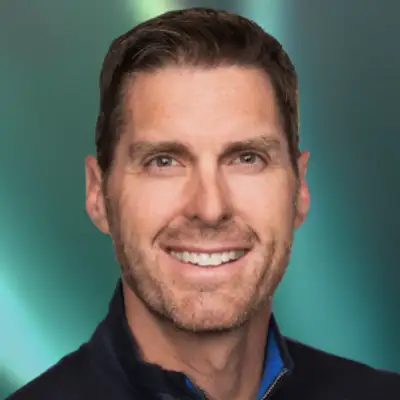
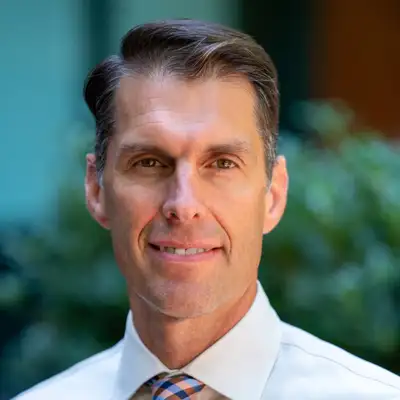
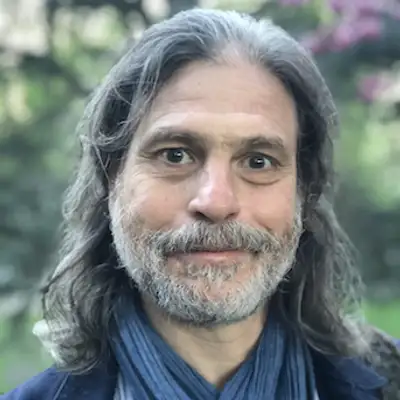
The U.S. healthcare system is at a breaking point—soaring costs, worsening outcomes, and widespread physician burnout. The Root Cause – Business of Medicine podcast, hosted by brothers Dr. Erik Lundquist and Dr. Davin Lundquist, charts a different path: one where healing, fulfillment, and business thrive together.
Each episode shares powerful stories of medical professionals who stepped away from the traditional grind to embrace integrative, functional, and alternative approaches to care. Through candid conversations with practitioners who have redefined success, listeners gain insight into navigating their own transitions, reclaiming a sense of purpose, and reshaping the way they practice medicine.
[Erik] Welcome to another episode of the Root Cause Business of... Medicine Podcast,
[Erik] and today's guest is... a friend of mine who has been around
[Erik] the world in terms of integrative and functional medicine business for the
[Erik] last 25, 30 years. And comes with a really interesting perspective because
[Erik] that's what he's been focused on. And he was the founder of
[Erik] Heal Thy Practice, which was around from about 2009 to 2016. which
[Erik] was a conference that allowed practitioners to learn more about how to
[Erik] develop their own business. And he shares some really interesting perspectives on
[Erik] challenges that practitioners have in getting going and also some key components
[Erik] that have made practitioners successful. Davin, what did you notice in our
[Erik] conversation with Erik Goldman today that kind of inspired you and brought
[Erik] new light to the discussions that maybe we haven't had yet?
[Davin] Yeah, well, again, someone who's... was kind of ahead of their time. Again,
[Davin] it's always fun to hear from people who sort of Bunun where this
[Davin] industry needed to go, you know, and kind of dove in early, right,
[Davin] and began to shape and influence and inspire. you know, early leaders and
[Davin] other practitioners to follow them in that way. And even though he's not
[Davin] a practitioner himself, you know, he did. shine a light on this industry
[Davin] in a way that I think was really instrumental probably for a lot
[Davin] of people, including yourself.
[Erik] And I noticed we really... discovered and got to a lot of the root
[Erik] causes of some of the problems associated with the business of medicine today and
[Erik] talked about some possible solutions. What's going to lead to an actual tipping point
[Erik] in moving the business of functional integrated medicine forward? So I look forward to
[Erik] you guys listening today and enjoy our conversation with Erik Goldman.
[Erik] Welcome to the Root Cause Business of Medicine podcast, where we explore what's
[Erik] broken in healthcare and what we can do about it. I'm Dr. Erik
[Erik] Lundquist, and I've been practicing functional medicine for the past 15 to 20
[Erik] years. I'm excited to co-host this podcast with my brother. Dr. Davin Lundquist.
[Davin] who's just beginning his journey into functional medicine. We come from different points on
[Davin] the path, but we do share a common goal. We want to rethink how
[Davin] medicine is practiced and help others do the same.
[Erik] The U.S. healthcare system is in crisis, rising costs, declining outcomes, and
[Erik] physician burnout at an all-time high. But you know, we found a
[Erik] different way. Another way. A better way. On this podcast.
[Davin] we dive into real stories from medical professionals who've stepped away from the traditional
[Davin] model, kind of like me. and have found a new purpose in integrative, functional,
[Davin] and alternative approaches to care.
[Erik] These are authentic conversations with practitioners and friends who redefine success,
[Erik] not just for themselves, but for their patients and communities.
[Davin] Whether you're a clinician feeling stuck, a student seeking direction, or just
[Davin] curious about what is possible,
[Erik] you're in the right place. This is the Root Cause Business of Medicine
[Erik] podcast.
[Erik] Welcome back to another episode of the Root Cause Business of Medicine podcast,
[Erik] where today's guest is somebody I met probably 10, 11, 12 years, no,
[Erik] probably more than that, 15 years ago. I first met Erik Goldman at
[Erik] Heal Thy Practice, which was a conference that he was putting on and
[Erik] sponsoring to really help practitioners. have a better sense of how they could
[Erik] incorporate integrative and functional medicine and make money doing it. And, you know.
[Erik] In a lot of ways, it probably could have been called heal thyself
[Erik] and heal thy practice because there was a lot focused on also just
[Erik] helping prevent that burnout in practitioners. So I'm really excited to have Erik
[Erik] share his story. He's going to give us kind of a background on
[Erik] how he got into this space initially. And then he has so many
[Erik] key lessons learned from all of this experience that he was exposed to
[Erik] that I'm excited to have him share today. I'm sure my brother Davin's
[Erik] going to be taking furious notes so he can continue to apply these
[Erik] to his practice because unfortunately he can't go to heal thy practice now.
[Erik] But anyways, welcome, Erik. We're so happy to have you on the podcast
[Erik] today.
[Erik Goldman] Thank you, Erik and Davin. It's great to be here. Yeah, I'm really excited about this. And
[Erik Goldman] it's wonderful to see you guys. And yeah, so let's get into it.
[Erik] Great. So Erik, why don't you give us a little recap? I'm not sure I even
[Erik] know this story of how did you get into this space? I think it'd be interesting
[Erik] to kind of learn that to start off with, to get that perspective.
[Erik Goldman] Sure. Well, it goes back... It goes back a ways. So I grew up
[Erik Goldman] in a sort of medical family. My father was a dentist. My mother was
[Erik Goldman] a dietician. And they grew up and came of age and started working in
[Erik Goldman] what many people would say was the golden age of AmErikan medicine. You know,
[Erik Goldman] the 50s, 60s, 70s, where things were really expanding. Medical practitioners were on a
[Erik Goldman] high pedestal in terms of public regard and how people viewed them. And my
[Erik Goldman] parents certainly, it was almost like a religion, like, you know, doctors were the
[Erik Goldman] pinnacle of humanity. And so there was a big push. They wanted, especially my
[Erik Goldman] father, he wanted me to be a doctor, a physician. And I was sort
[Erik Goldman] of going along with the program, but all along, I knew that I just
[Erik Goldman] didn't think I was cut out for a physician's life. Um, so it got
[Erik Goldman] to be like organic chemistry in college when I realized like, yeah, no, I'm
[Erik Goldman] not.
[Erik Goldman] I'm not going to medical school. And so that was a hard conversation with my
[Erik Goldman] father, like telling him that I wasn't going to. you know, take the pathway up
[Erik Goldman] to the pinnacle of humanity and become a doctor. But then I got to the
[Erik Goldman] end of college and I'm like, all right, kid, like you didn't apply for grad
[Erik Goldman] school. You don't seem to know what you're doing. What are you going to do?
[Erik Goldman] And I knew basically that I wanted to live in or around New York City.
[Erik Goldman] And You know, I wanted to be able to make a living in a flexible
[Erik Goldman] way. So I asked myself just a simple question, like, what are you good at?
[Erik Goldman] Like, what do you think somebody would actually pay you to do? And I was
[Erik Goldman] always good at writing projects, communication projects. So I said, okay, I'll go into journalism,
[Erik Goldman] marketing, advertising, something with communication skills. And I ended up getting a job at a
[Erik Goldman] publication called the Dermatology News. which was published by a small publishing house here in
[Erik Goldman] the city. I'm in New York City, by the way. they published a bunch of
[Erik Goldman] medical specialty newspapers. And so I started working for them. And that was where I
[Erik Goldman] kind of cut my teeth. Journalistically, I learned medical journalism skills and how to say,
[Erik Goldman] like, go to a clinical conference and listen to a half an hour talk and
[Erik Goldman] kind of tease out what's the upshot of this. Like, what's the important theme here?
[Erik Goldman] And then how do I support that theme with other things that the speaker said?
[Erik Goldman] And so that's been my basic skill set. So from dermatology news, I worked there
[Erik Goldman] for a few years. Then I freelanced for a while and did all sorts of
[Erik Goldman] projects, pharmaceutical PR and what they call special projects, which is, you know, say a
[Erik Goldman] drug company has a new study, a new series of studies, and they want to
[Erik Goldman] turn it into slide sets for their key opinion leader. speakers or whatever, we would
[Erik Goldman] do that kind of work or turning them into, you know, the handouts that they
[Erik Goldman] give at conferences at the booth. Someone has to write that and it has to
[Erik Goldman] be based on the studies. And of course it...
[Erik Goldman] amplifies the impact or the, you know, the, the upshot of the study. Uh,
[Erik Goldman] but you have to do it within the bounds of all the different regulations
[Erik Goldman] and the CME regulations for the conferences and whatnot. So it was this kind
[Erik Goldman] of subtle art of how to communicate a truthful scientific message, uh, to practitioners.
[Erik Goldman] And so, you know, I learned a lot doing that kind of stuff. And
[Erik Goldman] all along the way, um, I had this, you know, I was going to
[Erik Goldman] a lot of medical conferences in different specialties and realizing that it was all
[Erik Goldman] about end stage treatment. It was all about treating diseases once they were diseases,
[Erik Goldman] very, very little about prevention, um, and, and very little about health really. Um,
[Erik Goldman] and the big learnings were like in the nineties, uh, I, I took a
[Erik Goldman] job with a company called International Medical News Group. Now you guys may know
[Erik Goldman] them. They publish internal medicine news, family practice news, OBGYN news. They do a
[Erik Goldman] bunch of these like, uh, specialty trade publications and very, very good quality stuff.
[Erik Goldman] And I was their New York bureau chief and I was covering all these
[Erik Goldman] different specialties. So one week it would be, um, pediatrics. The next week it
[Erik Goldman] would be oncology. The next week it would be cardiology and getting to know
[Erik Goldman] the different specialties and the kind of. personalities you could say, dispositions of the
[Erik Goldman] different specialties and all this information about, you know, new treatments, new diagnostics. It
[Erik Goldman] was, it was quite an education. But again, that same theme kept coming up
[Erik Goldman] for me, like, this is all about. dealing with people once they're very sick.
[Erik Goldman] And there was so little attention given to... health. And that really bothered me.
[Erik Goldman] I'm like, you know, I realized at a certain point that the medical system
[Erik Goldman] is really all about end-stage disease, and it's not about keeping people healthy. Um,
[Erik Goldman] And at the same time, in the 90s, you had this kind of, there was a
[Erik Goldman] percolating sense of, you know, there's a lot of interest in things like acupuncture and nutrition
[Erik Goldman] was starting to become important. Everybody would give lip service to diet. and how important diet
[Erik Goldman] and lifestyle were. Mainstream medical practice wasn't built around that.
[Erik] Was that kind of already in your mind because your mother being a dietitian, I
[Erik] mean, was she fairly focused on and also your dad? I'm sure from a dental
[Erik] perspective, the impact that poor nutrition would have on the teeth. So was that something
[Erik] that you could already had kind of ingrained within you?
[Erik Goldman] Yeah, a little bit for my folks. I mean, they were pretty mainstream and
[Erik Goldman] conventional in their view of medicine.
[Erik Goldman] But yes, they were, you know, they were health conscious in a certain way. And
[Erik Goldman] so it was that combined with, you could say, a little bit of the post
[Erik Goldman] 60s, 70s counterculture, you know, the interest in being vegetarian or, you know, living healthy,
[Erik Goldman] eating whole grains, not eating processed corporate food, you know. And there's a lot of
[Erik Goldman] concern about environmental toxins and whatnot. I mean, I remember learning about. you know, pollution
[Erik Goldman] and greenhouse gases and all that kind of stuff in elementary school. So it was
[Erik Goldman] kind of in the zeitgeist of the culture. And I was picking up on that
[Erik Goldman] and I'm like, how come, you know, for the most part, medicine wasn't taking that
[Erik Goldman] really seriously, but there were some people who were. And so this was the time
[Erik Goldman] by the late nineties, um, where, uh,
[Erik Goldman] The folks at Harvard were starting to do conferences about alternative medicine. And Andy
[Erik Goldman] Weil had been putting out a bunch of books. And they were just getting
[Erik Goldman] the program at University of Arizona going. And there were things percolating within the
[Erik Goldman] establishments of medicine, medical schools at that time. And I thought, wouldn't it be
[Erik Goldman] really cool if there was a publication like the ones that I was doing,
[Erik Goldman] that I was working for at International Medical News Group, but that was focused
[Erik Goldman] on nutrition and lifestyle and stress management and herbs and all the stuff that
[Erik Goldman] doctors weren't learning about in medical school, but that their patients were messing around
[Erik Goldman] with. Because we knew even by that time, the late 90s, that this was,
[Erik Goldman] you know, dietary supplements were popping up. All over the place. And herbs were
[Erik Goldman] very hot. And so there was a sense that people really want this. And
[Erik Goldman] the medical community was way behind the consumer. movement. And so I thought, gee,
[Erik Goldman] there's an educational opportunity here. What about doing a publication? So I actually pitched
[Erik Goldman] the idea to... the folks at IMNG, International Medical News Group, and they didn't,
[Erik Goldman] yeah, they were like, it's a good idea, but we're not sure we want
[Erik Goldman] to do a startup. And so what happened was Meg Sinclair, who's my business
[Erik Goldman] partner, you probably remember her from the conferences.
[Erik Goldman] She and I, you know, we've known each other for a really long time, and she thought
[Erik Goldman] it was a cool idea, and she said, well, let's do it. You know, she's a very...
[Erik Goldman] You know, the... You know, the interval between a good idea and Meg going, like, let's do
[Erik Goldman] it is about, you know, microseconds. So she's like, this is cool. Let's do it. Come on,
[Erik Goldman] let's do it. And so we started percolating the idea and made a prototype. And we said,
[Erik Goldman] yeah, let's do it. So we jumped off. So that was the launch of holistic primary care.
[Erik Goldman] And I was back in that
[Erik] And that was back in the late 90s? Or when was that then?
[Erik Goldman] Well, yeah, it was while we were cooking it in the late 90s. It actually
[Erik Goldman] launched in October of 2020. So right. You guys just celebrated 20.
[Erik] You guys have celebrated 25 years this year then. That's awesome. Yeah, it's awesome.
[Erik Goldman] Yeah, it's hard to believe. Mind-blowing. So, yeah, there was so much
[Erik Goldman] going on. I mean, you had all these medical schools at that
[Erik Goldman] time starting, you know, departments of, remember they were calling it CAM
[Erik Goldman] back then? Yeah, yeah. Complementary and Alternative Medicine. And. The Brave Well
[Erik Goldman] Collaborative was just getting going in terms of philanthropy to support projects
[Erik Goldman] in the integrative medicine space.
[Erik] Why don't you, just real quick, let me interrupt you because I don't think a
[Erik] lot of people know what the Braidwell Collaborative is. We haven't had anybody talk about
[Erik] that yet. Erik, why don't you, because I think that was an important... gathering of
[Erik] information and research that was then published about the impact that integrative and or at
[Erik] that time initially starting with cam but but integrative medicine was having on the population
[Erik] and the interest in it. Why don't you share a little bit about that?
[Erik Goldman] Sure. So that, yeah, that was an interesting... Phenomenon. So this
[Erik Goldman] was, the Brave World Collaborative was a philanthropy. A couple of
[Erik Goldman] very wealthy, high net worth individuals who saw the value of
[Erik Goldman] a different approach to medicine came together and pulled a bunch
[Erik Goldman] of money together. Two...
[Erik Goldman] see the development of projects at different institutions to... essentially track
[Erik Goldman] the implementation and measure outcomes of what was then called integrative
[Erik Goldman] medicine. It still is. I mean, that term is definitely still
[Erik Goldman] in use. And the terms are just descriptions of more or
[Erik Goldman] less the same set of principles, whole person health, nutrition and
[Erik Goldman] lifestyle focus. I mean, you know, I'm sure you guys have
[Erik Goldman] talked about all this in the podcast before. So the philanthropy
[Erik Goldman] was, they were running for around 10 to 15 years and
[Erik Goldman] they seeded different projects at different medical schools, all very, you
[Erik Goldman] know, top tier stuff. And I think held a few conferences
[Erik Goldman] and it became like a hub, like a kind of, uh,
[Erik Goldman] gathering of intelligence and kind of a think tank in a way for
[Erik Goldman] this field. And a lot of different things came out of the Brave
[Erik Goldman] World Collaborative. They dissolved it. I don't exactly remember when. Sometime...
[Erik Goldman] sometime within the last 10 years, I want to say. Yeah, 2015, I think. They just felt like
[Erik Goldman] they'd done what they could do and they dissolved the collaborative. But I think the seeds they planted
[Erik Goldman] are very much still growing. And a lot of the...
[Erik] They just...
[Erik Goldman] at the time younger uh thought leaders in the field are now major
[Erik Goldman] thought leaders in the field yeah um samuel samueli institute the same way
[Erik Goldman] he knows another uh philanthropy that has done a tremendous amount of work
[Erik Goldman] developing leadership in this field. And so this was all going on when
[Erik Goldman] we launched holistic primary care. And that was actually, maybe up until fairly
[Erik Goldman] recently, we were doing it in print. Some of you may recognize that.
[Erik Goldman] We're still, you know, we're all digital now. We had to, you know,
[Erik Goldman] the economics of the print just stopped working after a while.
[Davin] well you know yeah You know, I think back to, you
[Davin] know, my career as a primary care provider. I think that
[Davin] term, I mean, the timing of even that term was relative,
[Davin] maybe just. put us into the context because I think even
[Davin] the, you know, the more Western traditional health systems were grappling
[Davin] with some changes, right? In terms of you know, economic challenges
[Davin] that we were facing and other things that were.
[Davin] bringing on like HMOs. And I think there was like, right, like even
[Davin] this term primary care provider was a little bit of a nod towards
[Davin] the need for a different approach to medicine, right? You know, the medical
[Davin] home and the primary care provider. Maybe just weave that in a little
[Davin] bit, because that's an interesting term that you chose.
[Erik] provider.
[Erik Goldman] It sure is.
[Erik Goldman] Yeah, this is Pandora's box here. So back when I was with
[Erik Goldman] International Medical News Group, the managing editor there for some reason decided
[Erik Goldman] that this kid, Erik Goldman, ought to be covering what they called
[Erik Goldman] the socioeconomics beat. socioeconomics meant, remember, this is the 90s, so the
[Erik Goldman] Clinton health care reform plan and the HMOs and PPOs and all
[Erik Goldman] of that. It's real interesting because I'm an East Coaster, you guys
[Erik Goldman] are West Coasters. So at that time in the early 90s.
[Erik Goldman] The managed care thing was really a West Coast thing. And here
[Erik Goldman] on the East Coast, we were hearing rumors of this phenomenon, but
[Erik Goldman] it hadn't really hit. And when I was covering that beat. I
[Erik Goldman] remember going to a meeting It was some sort of healthcare economics
[Erik Goldman] meeting. There was a speaker there, Connemikes was his name. I can't
[Erik Goldman] remember his first name. But he said, listen, there's a room full
[Erik Goldman] of doctors, East Coast doctors, and he said, look. You're not going
[Erik Goldman] to believe me, but... In a few years, Most of your practices
[Erik Goldman] are going to be owned. They're going to be owned by these
[Erik Goldman] managed care companies. The era of the independent private practice is...
[Erik Goldman] Coming to an end, like you're basically dinosaurs. You're going to be eaten
[Erik Goldman] by the next apex predator. And this was kind of like a shock.
[Erik Goldman] And he was pretty right on. So I remember when that movement started
[Erik Goldman] to happen and suddenly practitioners and practitioner organizations were having to come to
[Erik Goldman] grips with this kind of corporate.
[Erik Goldman] approach to healthcare. which did not necessarily mesh well with the clinical acumen that people
[Erik Goldman] had been trained up in. um and it was a real clash it was a
[Erik Goldman] clash of culture it was a clash of um value systems you know, practitioners who
[Erik Goldman] are trained to trust their knowledge and their lab tests and whatever in the best
[Erik Goldman] interest of the patient. And then along comes this, you know, the system that's saying,
[Erik Goldman] well, you know, you have to consider that and you also have to consider utilization
[Erik Goldman] and, You know, there's a whole set of measurements and parameters that the business guys
[Erik Goldman] were applying to.
[Erik Goldman] the healthcare space that doctors weren't at all ready for. And I remember going
[Erik Goldman] to conferences, they would send me to these managed care conferences, which was a
[Erik Goldman] real education for me because... After years of getting the clinical side of healthcare,
[Erik Goldman] now I was listening to management people, business people, talk about healthcare and how
[Erik Goldman] they viewed it. And they would create these flow charts and talk about how
[Erik Goldman] they were going to try and drive, like at the time. To your point
[Erik Goldman] about primary care, primary care was the heroes. Like this is you, like you
[Erik Goldman] were going to be the gatekeepers and you were going to, as primary care
[Erik Goldman] docs, you were going to control the overspending on specialty care. So there was
[Erik Goldman] a big emphasis on trying to keep patients in the primary care bin. and
[Erik Goldman] only refer out to specialty or hospitals if absolutely necessary. And, you know, they
[Erik Goldman] were trying to create criteria for when it's necessary and when it's not. And
[Erik Goldman] so they were trying to model a kind of... manage the ecosystem of healthcare
[Erik Goldman] and manage the flow of patients through these different systems that they were. they
[Erik Goldman] were creating. And I was like, whoa, this is a whole different mindset from
[Erik Goldman] what I'm hearing at the clinical conferences. And it was really, really interesting. So
[Erik Goldman] I felt like I was kind of at the interface of this. Clash, you
[Erik Goldman] could say.
[Davin] I think the reason it kind of struck me in this
[Davin] moment is, you know, again, hindsight provides a different view than
[Davin] when we're sort of going through it. But in some ways.
[Davin] It almost feels like that business. Um, you know, inner involvement,
[Davin] right? Insertion of sort of the business mentality into healthcare. became
[Davin] a distraction for our primary care providers. rather than an enhancement.
[Davin] in terms of for the patient, right? And it took us
[Davin] even further away from what you, it sounds like, are about
[Davin] to launch, which is. helping the primary care doctor get back
[Davin] to that doctor-patient relationship and that healing experience, right? Because now,
[Davin] as a gatekeeper, you know, now I had all these other...
[Davin] tasks and responsibilities that took me even further away from doing
[Davin] what was best for my patient. unintentionally, but Um But again,
[Davin] it sort of clouded the picture, I think, for our primary
[Davin] care doctors to to really do what they thought they were
[Davin] gonna come into medicine to do, right? Yeah.
[Erik Goldman] in medicine to do, right? Yeah, absolutely. And I felt a lot of
[Erik Goldman] empathy for... Doctors in general, I mean, because I think this affected all
[Erik Goldman] the different...
[Erik Goldman] realms of medicine, not just primary care, but I was focused on
[Erik Goldman] primary care because it seemed intrinsically more holistic. You know, when I
[Erik Goldman] was thinking about, like, wanting to do this publication and where would
[Erik Goldman] it land best, It's not going to land well with a specialist
[Erik Goldman] whose practice is built around a particular procedure. You know what I
[Erik Goldman] mean?
[Davin] Yeah, it makes sense.
[Erik Goldman] Um, but primary care, you know, general internal medicine, family docs, uh, GYNs,
[Erik Goldman] it seemed like that was the sweet spot. They were already like. more
[Erik Goldman] fundamentally holistic in their training. to begin with. So that's why we went
[Erik Goldman] the holistic, the primary care route. And yes, suddenly you as doctors are
[Erik Goldman] having to deal with all these things that weren't part of your training,
[Erik Goldman] aren't part of your main objective, which is to take care of your
[Erik Goldman] patients. And it also adds a tremendous amount of cost and overhead.
[Erik Goldman] The insurance industry pushed all this overhead into... practices. I
[Erik Goldman] saw a stat, I don't know, it's probably pretty old
[Erik Goldman] numbers, but maybe like 10 years ago. But it was
[Erik Goldman] about the number of, the ratio of... non-clinical clErikal people.
[Erik Goldman] In your typical practice, the ratio between non-clinical, clErikal, and actual
[Erik Goldman] clinicians. And it was something like, in family practice, it was
[Erik Goldman] something like 2.6. So that means that practice for every one
[Erik Goldman] clinical caregiver, there's 2.6.
[Erik Goldman] basically clerks, basically administrative people, chasing the money and dealing with the
[Erik Goldman] insurance companies and all the rigmarole around that. And I thought to
[Erik Goldman] myself, that's really, really insane. Because that's not adding any value to
[Erik Goldman] the core thing, which is patient care. That's just cost. And the
[Erik Goldman] system is offloading that onto the practitioner side.
[Erik] Well, and I think you're getting to really, you know, the title of this podcast, right,
[Erik] is the root cause business of medicine. And I think you're getting right here is the
[Erik] heart of some of the root causes of how the business of medicine has gone sideways.
[Erik Goldman] Mm-hmm. end. I think you're
[Erik] And totally interfered with the ability of a practitioner,
[Erik] a doctor, a physician, a naturopath, whoever, to be
[Erik] a healer because we're an administrator, right? We have
[Erik] become these administrators implementing health care policy, which has
[Erik] very little to do with. healthcare. So yeah, I
[Erik] think to Davin's point, it's super interesting and ironic
[Erik] that you come out with a publication around that
[Erik] same time called Holistic Primary Care, which was geared
[Erik] towards solving the root cause, right? Really trying to
[Erik] feed the efforts of practitioners who wanted to provide
[Erik] this more preventative, deeper dive into what was problematic
[Erik] in getting people to a healthier place versus what
[Erik] we had was managed sick care and getting reimbursed
[Erik] for as much sick patients as you could possibly
[Erik] see.
[Erik Goldman] Yeah, that's exactly it. And we saw that trend and we wanted to do
[Erik Goldman] something to, because it was in a way like kind of converging trends. Like
[Erik Goldman] on the one hand, you had this whole managed care thing, but on the
[Erik Goldman] other hand, you had this growing, swelling public interest in. holistic medicine, integrative, functional,
[Erik Goldman] whatever you want to call it. And sort of this lifestyle-based approach to health
[Erik Goldman] preservation, disease prevention. And how are these things going to mix? And so we
[Erik Goldman] were going to like, you know, the AmErikan Holistic Medical Association conferences and the
[Erik Goldman] Associated Gym Naturopathic Physicians conferences and the Integrative Healthcare Symposium here in New York.
[Erik Goldman] We're going to all these shows. There was interest, you know, like doctors were
[Erik Goldman] showing up saying, I want to learn about this. I want to learn about
[Erik Goldman] how to do holistic medicine. But what we saw over time was that.
[Erik Goldman] They were only going so far. Because what they were learning
[Erik Goldman] at these holistic or naturopathic or functional conferences didn't fit well
[Erik Goldman] into the model of their practices.
[Erik Goldman] It just wasn't jibing well. And, you know, different people have
[Erik Goldman] figured out ways to make things work. But generally speaking, the
[Erik Goldman] practice model for conventional insurance-based primary care
[Erik Goldman] doesn't easily accommodate.
[Erik Goldman] lifestyle-based medicine, functional medicine, all of that. And so...
[Erik Goldman] Meg and I and, you know, some of the doctors we were talking to, we're trying to figure out how to...
[Erik Goldman] How do we shift that? How do we help more practitioners?
[Erik Goldman] be able to do this kind of medicine. So it's not just like a
[Erik Goldman] cool thing that you learn about once a year at a conference and you
[Erik Goldman] feel good about yourself, but then you go back to your cage and you're
[Erik Goldman] placed in the cog in the wheel situation. So that was the genesis of
[Erik Goldman] Heal Thy Practice. And it's exactly to your point. It was like heal thyself,
[Erik Goldman] physician heal thyself, heal thy practice. And so, yeah, we started working on developing
[Erik Goldman] that in like 2006, 2007. And like I said, the first one was supposed
[Erik Goldman] to be... the fall of 2008. But the financial crisis hit and it just
[Erik Goldman] seemed like a very dicey time to try and launch a conference. So we
[Erik Goldman] put it off for another six months and launched the first one in 2009.
[Erik Goldman] And, um... Yeah, those were very interesting conferences. I think they were transformative. For
[Erik Goldman] those who attended, they were quite transformative. And I know we learned a lot.
[Erik Goldman] It confirmed what we had. what our intuition and our sort of street sense
[Erik Goldman] was telling us, which is that it's very difficult to make holistic medicine work
[Erik Goldman] economically. Now, at the same time, we knew that there were some people who
[Erik Goldman] were doing it and were managing to make good livings doing it. So we
[Erik Goldman] wanted to understand how and what are the models that seem to work. And
[Erik Goldman] let's bring together. faculty, you know, panels of practitioners who are successful doing holistic
[Erik Goldman] or functional med and have them teach the people who are interested. how to
[Erik Goldman] do it. You know, it was a very nuts and bolts kind of conference.
[Erik Goldman] We looked at all different aspects. You know, we looked at the question of
[Erik Goldman] marketing. We looked at the question of like direct pay versus a concierge membership
[Erik Goldman] model versus can you make it work in conventional insurance-based medicine? And if so,
[Erik Goldman] you know, what do you need to know about coding to make it work?
[Erik Goldman] We talked about different kinds of adjunct services that you could bring into a practice
[Erik Goldman] that would create cash revenue streams. So even if you were going to stay in
[Erik Goldman] a conventional model, you had new ways of making income around a more holistic approach.
[Erik Goldman] And then we talked about regulatory issues and, you know, bigger trends issues that were
[Erik Goldman] going on in the... culture. Because I felt like, you know, doctors really need to
[Erik Goldman] understand where people are at, you know, where the general public is at and what
[Erik Goldman] they're interested in. So they were really great conferences. We had some amazing speakers who,
[Erik Goldman] like. They did it because they saw the value of the concept.
[Erik] Yeah, of course, of course.
[Erik] Who are some of your early adopters and faculty members?
[Erik Goldman] Sure, yeah. We had Davin Perlmutter, Stephen Masley, Brian Forrest, who was one
[Erik Goldman] of our first conference chairs. He was an early adopter of the direct
[Erik Goldman] pay, low overhead primary care model. Jim LaValle spoke, J.J. Virgin spoke. I
[Erik Goldman] mean, people who get paid real money to speak at big conferences, but
[Erik Goldman] they did ours because they saw that there was something. something here that
[Erik Goldman] was important. Um, You know, they saw the need. And we saw the
[Erik Goldman] need and it was so... It was interesting and also troubling because, you
[Erik Goldman] know, we... people, attendees would talk about their situations. And, you know, I
[Erik Goldman] remember there was one woman who got up and she was practically in
[Erik Goldman] tears and she said, I'm so happy that I'm at this conference because
[Erik Goldman] like, I don't know how. I don't know how I'm going to keep
[Erik Goldman] going the way I'm going. I mean, I'm barely making enough money to
[Erik Goldman] keep the lights on. and pay my staff. And I was thinking, this
[Erik Goldman] is a doctor. You know, this is a physician. This is somebody who
[Erik Goldman] went to medical school. Do you, you know... did it all right, followed
[Erik Goldman] the rules, played by the book, and yet she's having trouble making a
[Erik Goldman] living. That didn't seem right. You know, that just seemed like a real
[Erik Goldman] travesty.
[Erik Goldman] So, you know, and there were a number of stories like this. And then at the same
[Erik Goldman] time, you know, we knew that people. who took what they learned at Gila practice and started
[Erik Goldman] implementing it could really make a difference in their lives. And, you know, you're a great example
[Erik Goldman] of it. Jeff glad who I know you've had on here. He's another Gila practice alum. And
[Erik Goldman] he's done very, very well, both in his own practice and, of course, now he's the medical
[Erik Goldman] director at Fullscript.
[Erik Goldman] and So that was the point of the whole thing was to create
[Erik Goldman] kind of like a... like a think tank or a lab, you could
[Erik Goldman] say, for... What works? You know, and we were like agnostic as far
[Erik Goldman] as particular model. Like, you know, the conference wasn't about selling concierge practices
[Erik Goldman] or telling people that they have to go direct pay. We just wanted
[Erik Goldman] to know what was working for somebody. And how can more doctors do
[Erik Goldman] it? Um... And yeah, so we did. Uh, the last one was in
[Erik Goldman] 2015. So it's been almost, it's been more than 10 years since the
[Erik Goldman] last TLM practice.
[Erik Goldman] And yeah, I think that they did have the impact that we hoped that they would.
[Erik] Yeah, maybe you could share with us a few of the
[Erik] lessons learned from that. I mean, I'm sure you probably heard
[Erik] from different attendees. What were some of maybe their biggest challenges
[Erik] to try and overcome in order to implement some of the
[Erik] things that were being shared? And what would you say you
[Erik] observed were key successes, key points? Maybe you could address those
[Erik] two sides of the coin here in terms of people who
[Erik] are attending.
[Erik Goldman] Reflecting back on it...
[Erik Goldman] I think there's...
[Erik Goldman] What I was going to say is that one of the biggest learnings
[Erik Goldman] is that practitioners really need to learn about business. and they need to
[Erik Goldman] get comfortable with business. And my sense from the Heal Thy Practice conferences
[Erik Goldman] is that while there are some, some doctors are very entrepreneurial and they
[Erik Goldman] really have that entrepreneurial spirit and that kind of sense of wanting to
[Erik Goldman] make money and how to make money. That's kind of like one, one
[Erik Goldman] breed almost. And then there's the rest of. physicians, and I would include
[Erik Goldman] nurses and other healthcare professionals in that space that are almost allergic to
[Erik Goldman] business. They have a tremendous aversion to dealing with business and money. It's
[Erik Goldman] almost like it's like an evil, like, like they shouldn't as healthcare professionals,
[Erik Goldman] they shouldn't have to think about that dirty, ugly stuff. And. I understand
[Erik Goldman] that. It's a very noble kind of, almost kind of like a spiritual,
[Erik Goldman] you know, like medicine is a calling. Medicine is a...
[Erik Goldman] a vocation. It's not rough and tumble commerce, and it shouldn't be rough
[Erik Goldman] and tumble commerce. And that's very noble.
[Erik Goldman] At the same time, it's very impractical because whether you're going to stay in conventional
[Erik Goldman] medicine and work within the insurance system or you're going to go outside the insurance
[Erik Goldman] system and... work in direct pay or concierge, you still need to understand the business,
[Erik Goldman] you know, the, the, the business drivers that you're working within, because like it or
[Erik Goldman] not, it's the reality. And I understand why people don't like it. It's, it's can
[Erik Goldman] be pretty ugly and messy. And, um,
[Erik Goldman] But it's the reality. And I think the big challenge for the
[Erik Goldman] whole field is to deal with the economic.
[Erik Goldman] factors that I think are honestly limiting the growth of the field. Because it's very
[Erik Goldman] strange to me. Like you look at...
[Erik Goldman] the mass, huge demand and interest.
[Erik Goldman] in the general public for all things health-related, whether you call it biohacking, or you
[Erik Goldman] call it self-improvement, or you call it, you know, there's all different flavors of it.
[Erik Goldman] There's the yoga world, there's the... you know, the workout bros, there's, there's all different
[Erik Goldman] kinds of.
[Erik Goldman] flavors of it, but they're all fundamentally interested in
[Erik Goldman] health improvement, disease prevention, not just longevity, but health-gevity,
[Erik Goldman] you know, like living longer, living healthier, improving function,
[Erik Goldman] optimizing.
[Erik Goldman] biology, all this stuff. Tremendous, tremendous interest in all of this. And then
[Erik Goldman] if you look at...
[Erik Goldman] the practitioner side, if you look at... the growth of this field,
[Erik Goldman] it's been kind of stuck. Like with a few exceptions, I go,
[Erik Goldman] you know, I go to the conferences and they're more or less
[Erik Goldman] the same size every year. You know, they're not growing exponentially the
[Erik Goldman] way you would think they would if normal market dynamics were at
[Erik Goldman] work. And it's still... very difficult in many places to find holistic
[Erik Goldman] or functional integrative doctors.
[Erik Goldman] And we get calls pretty frequently from people who, they hear about holistic primary care somehow, and
[Erik Goldman] they think we're a clinic. And I'll call and say, hey, you know, I've got this or
[Erik Goldman] that. I want to make an appointment. And I have to say, well, I'm not a doctor.
[Erik Goldman] This isn't a clinic. We're a media company. They say, well, can you make a referral? And
[Erik Goldman] I'll say, well, you know, what are you looking for? And then they'll answer. I'll try and
[Erik Goldman] steer them in a good direction, but almost... Every time the question comes up, do you know
[Erik Goldman] if these doctors take insurance? And I'm like, well, Some do, but probably most of them don't.
[Erik] Yeah, if you had to guess a percentage, what would you say?
[Erik] across the board in your experience, your exposure. to integrative and functional
[Erik] medicine what would you say the percentage is in terms of practitioners
[Erik] clinics that are doing integrated functional medicine that are Just. doing cash
[Erik] versus taking insurance.
[Erik Goldman] Well, I have to go back. We actually have data on that because we were doing surveys for a
[Erik Goldman] while. The last survey we did was 2019, so it's a little bit outdated at this point. But I
[Erik Goldman] can actually go and pull those numbers if you want me to. Because we have we... Um, I mean,
[Erik Goldman] do you want me to? I can do that. This isn't live, right?
[Erik] I mean, that'd be interesting. We could at least post them in
[Erik] the... in the discussion.
[Davin] Yeah, let's do that. Let's get them after the fact. Okay.
[Davin] Okay. Yeah.
[Erik] Yeah, let's do that.
[Erik Goldman] Okay. Yeah. Yeah. My, my sense is that, um, There's
[Erik Goldman] a lot of people trying to do the mixed model.
[Erik Goldman] you know, the sort of some cash services, but still
[Erik Goldman] within the insurance model.
[Erik Goldman] Of course, now telemedicine is changing everything. And that's, you know, something we can talk about down the road, how
[Erik Goldman] things are changing and how things have changed over the last 25 years. And the telemedicine piece is a very
[Erik Goldman] big deal because...
[Erik Goldman] you know, a lot of people are now like doing. They're only seeing patients in clinic part-time if they
[Erik Goldman] have a clinic at all. And some of the younger ones aren't seeing.
[Erik Goldman] They're not having like... real time. face-to-face encounters at all. It's completely virtual.
[Erik Goldman] Yeah. So that's changed the game. But yeah, it goes back to like,
[Erik Goldman] if the field is going to evolve, we have to somehow deal with
[Erik Goldman] the economic impediments for people to get this kind of care. It's been
[Erik Goldman] bottlenecked for a long time. I call it stuck at the tipping point
[Erik Goldman] because we keep hearing this thing. Oh, we're at the tipping point. We're
[Erik Goldman] at the tipping point. And it never really tips because why? Because.
[Erik Goldman] Most people can't afford to pay for it out of pocket, or they have to really,
[Erik Goldman] really scrounge to be able to do so.
[Davin] People can't afford it.
[Davin] So, um, There's some interesting themes here. I think having worked in
[Davin] some large health systems, you know, I'm thinking about when you kind
[Davin] of launched in 2008, you know, you were about to launch, you
[Davin] know, you put it off because of the economic conditions, you know,
[Davin] that year was unique. I started with a new health system right
[Davin] around that time. And within a few years, I was deep in
[Davin] the EMR, you know, transition from paper to electronic medical records.
[Erik Goldman] Yeah, like...
[Davin] You know, I want to circle back to that because I'm guessing that some
[Davin] of the attendees at your conferences were feeling the burnout just from that one
[Davin] topic, right, of just having to deal with these computer systems that just added
[Davin] a whole other level. of bureaucracy and administration to their practice.
[Davin] A bigger issue as I got deeper into the administrative side of
[Davin] these health systems was the fact that all of our primary care
[Davin] doctors were.
[Davin] subsidized by the health system. So the salary that they were
[Davin] taking home was not was not being covered by the amount
[Davin] of revenue brought in from the insurance-based You know, patience. And
[Davin] the idea that the reason that health systems were willing to
[Davin] subsidize at a tune of nearly $200,000 per doctor, this is
[Davin] AMA type data, right, that they published saying, you know, most
[Davin] large medical groups associated with health systems are subsidizing primary care
[Davin] doctors to the tune of almost $200,000 a year.
[Davin] Um, Because they... because Once you're in that system, they had
[Davin] the ability to control to some extent. the referral patterns of
[Davin] that primary care doctor towards their health system, right? And the
[Davin] downstream revenue of an orthopedic surgeon or a neurosurgeon or, you
[Davin] know, interventional cardiologist, et cetera. was so big that, you know,
[Davin] the... the return on that investment, if you will, was, you
[Davin] know, fivefold or something. So, But as the primary care doctors,
[Davin] right, like we...
[Davin] And I'm bringing this up to reiterate a point you made around the
[Davin] fact that these people didn't want to do business to some extent, right?
[Davin] But that's the trade-off, right? So the trade-off for me in a large
[Davin] health group was, okay, someone else will handle the business. I can theoretically...
[Davin] focus on being a doctor. But then, unfortunately, the reality of it was,
[Davin] okay, here's your list of tasks. Here's the constraints that we're going to
[Davin] put upon you. And then you really weren't functioning in that autonomous, independent
[Davin] way that you thought you would do by turning over the business to
[Davin] someone else. So you didn't get the benefit of that sacrifice, right? And
[Davin] so there's a why here, and I'm thinking about why. And so I
[Davin] think if physicians could understand... why they need to understand business.
[Davin] the pot of gold at the end of that rainbow is... autonomy to
[Davin] practice the way you want to interact with your patients. I don't know.
[Davin] Maybe I've covered a lot of ground, but maybe.
[Erik Goldman] Yes, yes, yes.
[Davin] I get it. I'm sure aware with that, yeah.
[Erik Goldman] I get it. Yeah, I mean, that's right on. And that's very
[Erik Goldman] disturbing numbers that you mentioned. Because you think about, if they're subsidizing
[Erik Goldman] primary care at $200,000 per year per doctor, multiply that over...
[Erik Goldman] when primary care doctors are in these networks, we're talking about a
[Erik Goldman] lot of money. And
[Erik Goldman] if you realize that however much they're spending, they're making back and
[Erik Goldman] then some. on the specialty care. or on the hospital care, it's
[Erik Goldman] it's astronomical. And I'm not value judging it. I mean, it's just, this
[Erik Goldman] is the way our system is set up. You know, it's, but I
[Erik Goldman] think we need to understand the scale of things. and the kind of
[Erik Goldman] market forces and... you know, political forces, economic forces, they're all at work
[Erik Goldman] in this. And this is what we're dealing with. And yes, I agree
[Erik Goldman] with you. We were, with Heal That Practice and with Holistic Primary Care,
[Erik Goldman] we were, we continue to be big advocates of the direct pay model.
[Erik Goldman] Um, that said, over time, you know, I started to
[Erik Goldman] see the, you know, the real limitations of it. And
[Erik Goldman] that's real. I mean, look, it's unaffordable for most people.
[Erik Goldman] Um, especially because one of the, one of the things
[Erik Goldman] that happens is. Most people who go direct pay
[Erik Goldman] They say, okay, well...
[Erik Goldman] They say, look, I'm not, the message to the patient says, I'm no longer your primary
[Erik Goldman] care doctor. I'm kind of like a consultant, so to speak. Yeah, yeah. So you're still
[Erik Goldman] going to need to have a primary care doctor, which is going to be someone in
[Erik Goldman] one of these networks, and then you're going to see me, and you're going to pay
[Erik Goldman] me. I mean, I think there, I could be wrong, but I think there's some. that
[Erik Goldman] in direct pay who do do direct pay primary care. But a lot of the functional
[Erik Goldman] medicine model is built around this idea that...
[Davin] Yeah
[Erik Goldman] You're now, you're almost like a specialist. You're not doing primary care anymore.
[Davin] Well, you bring up a good point because if they have
[Davin] a PPO-type insurance, it kind of gets back to the insurance,
[Davin] right, again. and why I think we've been at a tipping
[Davin] point for so long, right, is there's this dynamic with insurance.
[Davin] If you have a PPO where you can self-refer to a
[Davin] specialist or whatever, then you can leverage one of these direct.
[Davin] pay providers as your PCP because you know, you don't really
[Davin] need, there's not the gatekeeper mentality with, with that kind of
[Davin] a PPO insurance plan, but if it's more of an HMO.
[Davin] you know, or Kaiser here on the West Coast, you know,
[Davin] where it's truly, you know, everything has to go through a
[Davin] primary care who is enrolled with that insurance. then, yeah, you
[Davin] do kind of have to do that. So, again, it gets
[Davin] back to the economics. And maybe speak to. So you saw
[Davin] on the consumer side. interest in holistic medicine, right? Alternative lifestyle.
[Davin] nutrition. etc.
[Davin] Why is it that the consumers want that? And our health system is not.
[Davin] It's not meeting that demand or. people You know, to some extent, you said
[Davin] people, they almost like avoid the doctor, right? Like, but even those same people
[Davin] are interested in health. They think of the doctors like, well, that's when I'm
[Davin] sick. I don't go to the doctor for help.
[Erik Goldman] Well, that's part of it. It's partly because that's traditionally, conventionally, over decades,
[Erik Goldman] that's not what doctors were doing. doctors were taking care of sick people.
[Erik Goldman] This is a great question, and I think there's a lot of dimensions
[Erik Goldman] to it. One is...
[Erik Goldman] Especially now.
[Erik Goldman] There's been this kind of movement to democratize
[Erik Goldman] health information. to
[Erik Goldman] sort of like you could say demystify medicine. I mean, like when I started
[Erik Goldman] my career, like no one had access to medical journals, but... doctors and, you
[Erik Goldman] know, other healthcare-related professionals. And you had to know somebody at a medical library.
[Erik Goldman] You know, like, it wasn't like everything was just available. The internet changed all
[Erik Goldman] that. It made... the world's medical literature available to anyone. And on the one
[Erik Goldman] hand, that's really great. But on the other hand, it gave rise to like
[Erik Goldman] what in the old days we called Dr. Google. Now it's Dr. TikTok, you
[Erik Goldman] know, and anybody, the whole influencer culture, anybody can get on there, put out
[Erik Goldman] a video and about some health topic. And if it catches wind and it
[Erik Goldman] becomes... widely seen, then suddenly this person who may have no medical training whatsoever
[Erik Goldman] is an expert.
[Erik Goldman] And because... Here he is charismatic and says interesting things
[Erik Goldman] that people want to hear. that that's the sole criterion
[Erik Goldman] now popularity, you know, and, and when someone becomes popular,
[Erik Goldman] then other influencers want to interview that person. or imitate
[Erik Goldman] that person and then So a lot of... weird messaging
[Erik Goldman] gets.
[Davin] perpetuated.
[Erik Goldman] It gets out there and perpetuate it, and very quickly. So we've had this kind
[Erik Goldman] of breakdown of, on the one hand, it's good, the breakdown of medical authority, you
[Erik Goldman] know, these people on pedestals who know everything, and you're just some dumb idiot, and
[Erik Goldman] you just should listen to what the big expert says. You know, that's a very
[Erik Goldman] old-school, top-down model, and in a certain way, we needed to... It's a culture we
[Erik Goldman] needed to... modify that or kind of
[Erik Goldman] balance that in a different way. But I think it's very easy, easily, I
[Erik Goldman] mean, it's clear we've gone so far to the other extreme where people are
[Erik Goldman] questioning whether there is even such a thing as expertise or factuality. And I
[Erik Goldman] think that gets very, very dangerous. um
[Erik Goldman] So there's that piece of it. And we're seeing the markets follow suit.
[Erik Goldman] I mean, you're seeing so many direct-to-consumer testing.
[Erik Goldman] It's a very interesting phenomenon. It's completely like, I call it the leapfrog effect. There's
[Erik Goldman] a lot of things that used to be clinical services that were based in a
[Erik Goldman] clinical setting overseen by a practitioner.
[Davin] You may have given it away.
[Erik Goldman] doctor, you know, trained medical professional that's now out in... general public land for better
[Erik Goldman] and for worse. And, you know, wearables, all this stuff. it's a very interesting phenomenon.
[Erik Goldman] So in a certain way, it's made certain aspects of holistic and functional medicine more
[Erik Goldman] accessible. But in terms of actually finding a practitioner, because again, you know, yes, you
[Erik Goldman] can go and get all these tests. What are you going to do with that
[Erik Goldman] information? And what if something seems really, really wrong? Or what if like... You... You
[Erik Goldman] feel terrible, and now you have a bunch of tests that you don't understand, and
[Erik Goldman] you feel terrible. What do you do with that? Who do you go to? And
[Erik Goldman] how do you find someone? And why are there so few? I think there are
[Erik Goldman] so few because it's still, it's very difficult to make a living for practitioners. And,
[Erik Goldman] you know, again, one of the things we've learned from Heal Thy Practice is It's
[Erik Goldman] a very big leap.
[Erik Goldman] for someone to go from the conventional insurance-based, like you said, the devil's bargain market
[Erik Goldman] model, you know, where like, okay, yeah, it's terrible, but at least I can just,
[Erik Goldman] you know, go to work and be a doctor. I don't have to think about
[Erik Goldman] all the business stuff. Somebody else takes care of that. To go from that to,
[Erik Goldman] wow, now I need to know how to hire people. I need to know how
[Erik Goldman] to do spreadsheets and do profit and loss, you know, on my own practice. I
[Erik Goldman] need to learn how to do marketing.
[Davin] model you know or
[Erik Goldman] This is all stuff that's not, you know, medical people aren't familiar with. It's very scary. So
[Erik Goldman] then there's all these people who come in and sell the services. Like, I'll help you with
[Erik Goldman] the marketing. You know, great. Just let me do that.
[Erik Goldman] You know, that becomes a mixed bag too. And then, like you said, there's the technology and
[Erik Goldman] the EMRs and all that stuff. That doesn't necessarily go away.
[Erik Goldman] Right, right.
[Erik Goldman] When you're in direct pay, you still have to work
[Erik Goldman] with EMRs because the patient's EHRs are... can expect. you
[Erik Goldman] know, that you're putting data into their EHR. So it's
[Erik Goldman] difficult. And I think...
[Erik Goldman] That, those.
[Erik Goldman] The impediments are business impediments. The impediments are economic impediments. And I know there's
[Erik Goldman] been a lot of work, a lot of different people using, let's say, the
[Erik Goldman] group visit model to try and make this more affordable for more people. And
[Erik Goldman] it works to some extent, but still not widespread. And the sad truth is
[Erik Goldman] that the people who need it the most. You know, the people who really
[Erik Goldman] need it the most are often the people that are least able to afford
[Erik Goldman] it.
[Erik Goldman] And so they're still just stuck in like. They go to what their insurance covers.
[Erik Goldman] And the insurance companies do. So the question, why don't the insurance companies cover
[Erik Goldman] this? That's a great question. And
[Erik Goldman] I definitely, I wouldn't say I have the full answer to that, but part of
[Erik Goldman] it, because we used to ask that question back in the beginning when we were
[Erik Goldman] young and naive, why aren't the insurance companies covering this? We actually, we were going
[Erik Goldman] to this conference called the World Healthcare Congress, which was a... I think they still
[Erik Goldman] do them, actually. Big meetup of, like, all the big... hmos and ppos and a
[Erik Goldman] lot of government people and medicare medicaid uh payers and whatnot um
[Erik Goldman] What we gleaned out of that was that... There's kind of a very short-term
[Erik Goldman] thinking.
[Erik Goldman] within
[Erik Goldman] the pay of the world. So they look at this and they say, okay. These preventive services,
[Erik Goldman] yeah, they might prevent something down the road, but that's five years, 10 years, 20 years down
[Erik Goldman] the road. that you're not going to have that heart attack.
[Erik Goldman] But I'm having to pay for that prevention now.
[Erik Goldman] Yeah. So what's the cost?
[Erik Goldman] they're not looking at it as like, okay, well, I'm spending this money, but look
[Erik Goldman] how much I'm going to save. Because you might be with a different plan when
[Erik Goldman] you don't have that heart attack. So I just spent the money and my competitor
[Erik Goldman] is going to save the money. So there's not a lot of incentive for them
[Erik Goldman] to spend. And then the other, I think there's another factor, which is that the
[Erik Goldman] field is still very messy. The credentialing is a mess. Is it holistic? Is it
[Erik Goldman] functional? Is it integrative? Is it naturopathic? Where do the different practitioner groups fit within
[Erik Goldman] insurance? How should they be reimbursed?
[Erik Goldman] And then if they are an insurance, like I know like on the West Coast and
[Erik Goldman] some of the states, they reimburse, some of the insurers do reimburse naturopathic doctors. You have
[Erik Goldman] in California.
[Erik] Yeah, no, Washington and Oregon do.
[Erik Goldman] No, Washington.
[Erik Goldman] Washington, North. It's not in California.
[Erik Goldman] Um,
[Erik Goldman] So does that work? How does that work? How does it
[Erik Goldman] change naturopathic practice once they're within insurance and operating like regular
[Erik Goldman] primary care practitioners?
[Erik Goldman] So, you know, there's a lot of questions around that. Like, if you
[Erik Goldman] cover it by insurance, does it change the nature of... Practice. It could.
[Erik Goldman] um
[Erik Goldman] But yeah, so I think there's multiple reasons why they don't cover it. It's also very
[Erik Goldman] hard to prove prevention.
[Erik Goldman] You know, it's easy to look at epidemiologic studies and say, okay,
[Erik Goldman] well, if we gave...
[Erik Goldman] you know, vitamin D to everybody, we would reduce this
[Erik Goldman] disease burden by X percent. But. on the individual level.
[Erik Goldman] Is that going to work? And, you know, vitamin D is cheap, but if
[Erik Goldman] we're talking about, say, doing an array of specialty functional GI diagnostic tests, you
[Erik Goldman] know, where we're looking at microbiome and all of that, you know, sophisticated tests,
[Erik Goldman] expensive, could lead to some useful information, could lead to potentially helpful interventions. But
[Erik Goldman] how do you measure all that in terms that the insurers are going to
[Erik Goldman] say, yeah, okay, I'm convinced we should be covering that test?
[Erik Goldman] And I think it's kind of, there's a monkey see, monkey do effect in all
[Erik Goldman] of this, where like once one big insurer or once Medicare decides to cover something,
[Erik Goldman] and all the others follow suit. They go, okay, we have to do it too.
[Erik Goldman] So it's convincing like one big. Layer. to do something. But I think, you know,
[Erik Goldman] part of the challenge is that the field, as big as it's gotten, is still
[Erik Goldman] very, very small relative to...
[Erik Goldman] the other medical specialties, medical entities. And then, you know, you've got
[Erik Goldman] the drug companies and the device companies and diagnostics. Everybody's trying to
[Erik Goldman] convince the payers to pay for something.
[Erik] medical specialty.
[Erik Goldman] And so how much leverage do we have as a movement?
[Davin] And so how much
[Erik Goldman] you know, the people who make the decisions about the money. Um. Same with supplements. Like,
[Erik Goldman] you know, like, why don't they, why don't insurers cover basic supplements? Why doesn't Medicare cover
[Erik Goldman] basic supplements?
[Erik Goldman] I mean, it seems like a no-brainer, but when you actually get into the nitty-gritty of proving
[Erik Goldman] the benefit... Yeah, justifying the cost of textbook breakdowns.
[Erik] Justifying the cost. Yeah, I mean, I think you... You
[Erik] bring up some really, really good points, and it's been
[Erik] really interesting to kind of... think about this from a
[Erik] global standpoint as well as a pinpoint aspect within the
[Erik] point of care. And I, you know.
[Erik] I wonder, you know, we're kind of coming up on our hour here.
[Erik] I'm wondering if maybe in the closing. comments, discussion here. You can maybe...
[Erik] look forward a little bit and say, okay, well, this is what I
[Erik] think is going to actually cause the tipping point, right? We're actually going
[Erik] to move off of this. What should be a point is now become
[Erik] a plateau. And how do we, how do we move this to a
[Erik] point where it starts to shift? You know, in my own mind, I
[Erik] think that I, I believe that it's going to be more corporate. private
[Erik] equity money that's going to start to shift this because i think that
[Erik] uh insurance companies are too stuck and they have too much uh leverage
[Erik] and financial investment in the current system and uh affiliations with big hospital
[Erik] systems it's too hard to make changes there that that wouldn't almost collapse
[Erik] the system um so i almost feel like it's going to be disrupted
[Erik] more through corporate and private equity money that's going to start funding i
[Erik] mean we're seeing we now have a medical school and that you know
[Erik] basically was sponsored by the waltons to to um you know it's going
[Erik] to be integrative and functional medicine medical school right and there's residency programs
[Erik] that are starting to pop up so maybe you could kind of close
[Erik] this out with where you see things in the next five ten years
[Erik] and what what is really going to catapult the tipping plateau into a
[Erik] tipping point and move things forward in this in this medicine
[Erik Goldman] Yeah, sure. And I'm glad you mentioned the Alice Walton School of Medicine.
[Erik Goldman] That's one of the real bright developments in recent years. I was very
[Erik Goldman] excited to see that. We actually did a profile of it in Holistic
[Erik Goldman] Primary Care. If you go on our website, you can check that out,
[Erik Goldman] holisticprimarycare.net. If you search Walton, the article will come up. I'd love to
[Erik Goldman] go see that place because they built it from the ground up, literally.
[Erik Goldman] And, um, seems like they're, they're poised to really do some, some, some
[Erik Goldman] great things there. Um, I agree with you. I think, um, the shift
[Erik Goldman] has to come from the corporate people. Much as we may like to
[Erik Goldman] think, oh, we've got RFK and, you know, the Maha movement and, you
[Erik Goldman] know, we've got some integrative and holistic functional medicine people in pretty high
[Erik Goldman] places, this is going to affect a big shift. I don't think so.
[Erik Goldman] I mean, any kind of major changes to Medicare and Medicaid, that takes
[Erik Goldman] active Congress. And there's so much strife and conflict and culture wars and
[Erik Goldman] all this stuff going on within. politics, I don't see any major big
[Erik Goldman] moves coming from HHS. There's going to be a lot of colorful banter
[Erik Goldman] and, you know, and certainly a lot of controversy over the vaccines and
[Erik Goldman] all the different things that, you know, these issues that Kennedy and company
[Erik Goldman] are raising. But in terms of like substantial policy moves for Medicare and
[Erik Goldman] Medicaid.
[Erik Goldman] I'll be very surprised if it comes from the government. Where I
[Erik Goldman] think there is a lot of leverage is with the... people who
[Erik Goldman] are ultimately footing the bill. Because outside of the government, you know,
[Erik Goldman] the federal programs. It's private companies, private sector companies, providing health care
[Erik Goldman] benefits for their employees. And So long as those companies are willing
[Erik Goldman] to accept. annual premium increases of the level that they've been dealing
[Erik Goldman] with for decades, the game will continue to go on. Once they
[Erik Goldman] say, We're not, you know, no. Like, you got to do better.
[Erik Goldman] This is what we want.
[Erik Goldman] You know, like what would happen if, you know, the Apples
[Erik Goldman] and the IBMs and the, I don't know, name your big
[Erik Goldman] Fortune 500 company said, look. We want this kind of medicine.
[Erik Goldman] We want you guys to cover it. And that's what we're
[Erik Goldman] going to preferentially pay for. And we're going to preferentially choose
[Erik Goldman] insurers who can deliver that. Um...
[Erik Goldman] I've always felt like that's where there could be really... a really big shift. But
[Erik Goldman] how do you convince those guys? Because they're also like, okay, if we're going to
[Erik Goldman] spend some money... show us that's going to actually do something. good for our people.
[Erik Goldman] So in a way, you're going to have the same issue where... okay, if I'm
[Erik Goldman] paying for preventive services now, but that employee is now going to be working for
[Erik Goldman] somebody else in five years. Why should I be spending the money? I mean, preventive
[Erik Goldman] medicine is a hard sell. in a third-party payer context.
[Erik Goldman] I think it's just a hard truth we have to face. But I think if
[Erik Goldman] we have any leverage at all, it's going to be with the... you know, those
[Erik Goldman] people who are paying for health insurance for their employees. And that also begs, like,
[Erik Goldman] I think somehow the...
[Erik Goldman] The different tribes within the field have to come together in a coherent way and present
[Erik Goldman] like a unified front. Like, yes. You may be a naturopath and you may be a
[Erik Goldman] primary care MD and you may be a nurse and you may be a chiropractor, but
[Erik Goldman] fundamentally, we stand for this set of principles. And what we're trying to do, what we're
[Erik Goldman] aiming to do, and what we will do, is get this.
[Erik Goldman] to be the centerpiece, the nucleus of healthcare, not some
[Erik Goldman] add-on, side dish, kind of garnish. which is what it's
[Erik Goldman] been for the past.
[Erik Goldman] 20, 30 years. It's like a nice little add-on. Oh, yes, we have an integrative medicine
[Erik Goldman] department. you know, oh yes, we have massage therapy, you know, in a corner somewhere. But
[Erik Goldman] it's not, it's not the core, you know, and it needs to be the core. And
[Erik Goldman] that's where I feel like we need to go. So how that happens. know i mean
[Erik Goldman] you know almost 30 years in this space and i still don't know but that's been
[Erik Goldman] my reflection on it anyway
[Davin] You have such great, you know, diversity in your background. I think
[Davin] it's just fascinating, you know, your story. And then to have used
[Davin] that. in a way to benefit practitioners and maybe. Maybe one last
[Davin] thought you could share more along those veins as opposed to the
[Davin] bigger. you know, landscape picture, but maybe just. as doctors are trying
[Davin] to heal themselves. and improve their practice in some way. Do you
[Davin] have any advice? you know, from all those years of conferences that
[Davin] you could share with our particular audience to kind of inspire them
[Davin] to. to continue in this direction.
[Erik Goldman] Wow, that's a tall order, far be it for me to give advice.
[Erik Goldman] What I would say to that is... Whatever you're experiencing and whatever frustrations
[Erik Goldman] and whatever kind of walls you're bumping up against, number one, you're not
[Erik Goldman] alone. You're not alone and it's not you.
[Erik Goldman] there's a lot of structural things, there's a lot of systematic things that
[Erik Goldman] are making it such that you're running into this. So you're not alone.
[Erik Goldman] other practitioners struggling with a lot of the same things. And part of
[Erik Goldman] the problem with medicine is it's very siloed and practitioners...
[Erik Goldman] don't often get a chance to. hang out together, let their hair down, and really
[Erik Goldman] talk about what's going on. That was one of the beautiful things about Heal That
[Erik Goldman] Practice. And I see it at some of the other holistic conferences is... When after
[Erik Goldman] a day or two, people kind of relax and then they start talking and then
[Erik Goldman] the real stuff comes out.
[Erik Goldman] pain points come out and, and then the commiseration happens and it's like, oh yeah, I'm dealing with that too. Cause everybody,
[Erik Goldman] you know, it's like, everybody feels like they have to put up a front.
[Erik Goldman] And as a doctor, you have to be, you know, the strong, all-knowing person who can help
[Erik Goldman] the other people.
[Erik Goldman] But if you're not taking care of yourself, if you're not...
[Erik Goldman] getting the support that you need, then that becomes really, really hard
[Erik Goldman] to do. you know the system disintermediates that too you know like
[Erik Goldman] it makes it really hard for practitioners to come together. in a
[Erik Goldman] mutually supportive way. So that's important. Talk to each other. Don't be
[Erik Goldman] afraid to be vulnerable.
[Erik Goldman] The help is there. There are people who are finding ways somehow.
[Erik Goldman] to do this. And I mean, I do believe the long arc
[Erik Goldman] bends in the right direction and people want this kind of care.
[Erik Goldman] And so...
[Erik Goldman] as a movement, as a sort of...
[Erik Goldman] set of like-minded people, how do we make that happen for more people? And I
[Erik Goldman] certainly don't have answers. I mean, a lot of things that I thought were answers
[Erik Goldman] are only partial answers. you know, they're not the answer. So, you know, because I
[Erik Goldman] do think, I think there's structural things. And then there's also like you have to
[Erik Goldman] get real about your own psychology. Like, are you... What are you afraid to deal
[Erik Goldman] with the money thing? Why are you afraid to deal with the money thing? What
[Erik Goldman] were you taught about? money and finances that make it so that someone even brings
[Erik Goldman] it up and you go like, oh no, I can't go there.
[Erik Goldman] You know, so you have to be honest with yourself as well.
[Erik] Well, I think that's great. Go ahead.
[Erik Goldman] Great. Well, this was fun.
[Erik] Ditto.
[Erik Goldman] Ugh.
[Erik] Yeah. Yeah. It was really.
[Erik Goldman] Yeah, it was really...
[Erik] Really great. Davin, did you have a comment you wanted to make there?
[Davin] I think there were two things you said, which is one, there are
[Davin] others, like together, right? We may not have all the answers, and none
[Davin] of us has the answer. But together, you know, We keep finding... you
[Davin] know better solutions and and so i love that how reaching out to
[Davin] others and getting into the community and trusting those that have forged the
[Davin] way ahead of us is a good way to move forward.
[Erik Goldman] Yeah, and sometimes you have to... take the step even though you're afraid or you're convinced that it's not
[Erik Goldman] going to work, you have to do it anyway.
[Erik] Well, hence the subtitle to our podcast, the first step is always
[Erik] the hardest, right? Ah, uh-huh. And well, this was a great discussion,
[Erik] Erik. We so appreciate you joining us on the podcast today. I
[Erik] encourage anybody, any of our listeners who haven't had a chance to
[Erik] go to holisticprimarycare.net and take a look at the work that Erik
[Erik] and Meg have done over the past 25 years. There's plenty of
[Erik] great information. They've highlighted practices in the past so that you can
[Erik] see what different aspects of different clinics look like. And they constantly
[Erik] are sharing cutting edge news about... different supplements and different alternative therapies
[Erik] and ways to enhance your practice so i encourage anybody if you're
[Erik] not subscribed already to it to go ahead and subscribe we'll put
[Erik] a link in it to holisticprimarycare.net in our... in our show notes
[Erik] but Erik it's just been such a great pleasure having you here
[Erik] and Look forward to having our listeners get a chance to listen
[Erik] to this and benefit from our conversation today.
[Erik Goldman] Great. Yeah, it's been a pleasure and it's great to see you guys. And yeah, just
[Erik Goldman] to clarify, you can get on our email newsletter. It's called Upshots and that's totally free.
[Erik Goldman] A little monthly thing pops up in your box and highlights the articles that we're featuring
[Erik Goldman] that month. And yeah, it's been a pleasure. And I hope this conversation was helpful to
[Erik Goldman] all of you out there. And yeah, let's just keep doing the work we're doing.
[Erik] Exactly. Thank you.
[Erik Goldman] Okay, be well everybody.
[Erik] All right. Thanks, Erik. That was, um, sure. That was, uh, it was wow.