Subscribe
Share
Share
Embed
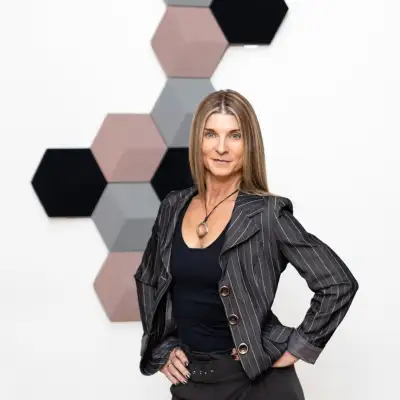
We chat with Donna Still, transformational life coach and author, about personal change, creativity and self-discovery. The conversation touches on the power of morning pages, breaking old patterns, uncovering your unique “medicine” in life and business, and Donna’s own journey as a coach, writer and energy healer.Become a supporter of this podcast: https://www.spreaker.com/podcast/the-women-in-business-radio-show--1228431/support.Created and hosted by Sian Murphy with regular co-hosts Michele Yianni Attard, Kay Best, Rachael Bryant and occasionally Adelle Martin.Find out how to be a guest or patron of the show at https://thewomeninbusinessradioshow.com

Tune in for fun, inspiration and unfiltered discussions as host Sian Murphy interviews down-to-earth businesswomen sharing ideas, tactics and stories.
Regular features include recommended books, tools, lessons learned and top tips for business.
Welcome to the Women in Business Radio Show with Sean Murphy, connecting women in business around the globe. Hello, and welcome into the Women in Business Radio Show studio. I'm Sean Murphy, my my hoe host. Started. Hell, how long did it take? About our thirty seconds? Not even that, my ho host. It's going to be a good show, isn't it. My co host today is Okay Best, who is the course director for Cafe in the Calm and our spiritual teacher and guide and including she's. Not doing a good job. You need to up your game, deer. And our guest in the studio. Our guest in the studio today is Donna Still, who is. A transformational life coach. Well, I'm going to say welcome back into the studio, Donna, because Donna and I have known each other quite a long time now, haven't we. It is a long time and Donna has been on the show. But really it was ages ago. Wasn't it. I think it was. Was it around twenty twelve? No idea, but it was. It was quite a lot, was it that long ago? Oh? Yes, Okay, you can have a slap sip. Put a black mark down for that one. When you're just maker. I like to go back and look at the photos because there's like we took a photo at the channel radio. Then yes, in the reception, now. Yes, and we're in a lovely new studio now where we can get up to all sorts of mischief. So welcome into the studio. Just a little bit of a shout out. The Women in Business Big Show twenty twenty five is on the seventh of August, and this year it's at Wilmington Academy, which is up near Dartford, so it's only just around the corner from Longfield Academy, and it is going to be as big and bright as it has been every year. We have exhibitor space for forty pounds. You can catch up with our sponsors there. So we are sponsored by the Federation of Small Business, that's the FSB, so they are going to be there and I dare say they will have a lovely sign up special membership deal for you on the day. So if you're interested in being exhibit, being an exhibitors, I say, we have exhibitor space from only forty pounds, which is really very reasonable for this sort of event. It's quite a big event, and that means it's really open to everybody as long as you're ensured. It doesn't matter whether you started your business yesterday or whether you've been going for years. It's a safe space. Come along, have really good fun. You don't need lots of banners and brolies and branded gonks and whimsies and pens and things. I don't know about you. I've never bought anything off a branded pe. Have you ever bought anything off a branded pen? No? No, neither of ire you ever smat or something and gone good? Heavens, I must get one of those. I'll go. I'll just go and give them a ring. No, So you don't need lots of that. What you do need is a little bit of imagination. Get yourself down to the range, get yourself some crayons out, get your creativity together and start thinking about what you do and how you work with people, and I don't know, just a little something just to spark interest. So it really is for everybody. If you want to have a chat about that, go and look on the Women in Business Big Show dot com website, or you can call oh seven ninety five one one six eight eight six three and have a chat with us and we will help you decide if it's right for you. So onwards and upwards. We are going to be talking to Donna today about her spiritual journey, what she does, how she has translated her passion her love into working with others and as that being a business. So that is what we're going to be talking about. You might have guessed that we don't actually know. You've not got notes, have you? No that will get you nowhere? Just like was a reminder of what I've told you. What you do. Yes, you are in the right place. I sometimes wonder why do they let us into these places. There knobs, the buttons, there's, there's all sorts. It's it's going to go wrong at some point, you know, honestly. Nevertheless, here here we are loose. I do wish this thing. Sorry, the studio lights keep turning off. I have to keep pressing buttons and knobs to get them going again. With these nails, it isn't always so easy I have. However, you may be pleased to know managed I've worked out how to put my phone on mute. I've got I've got a new phone. I've got it. I asked a man and we found out how to mute my phone, certainly. Yeah, so it'll stop binging and bonging whilst whilst we're on it. Obviously I can't be without it. I mean that goes without saying. I can actually put it in another room. But at least now it won't be intruding on our conversation. So let's get started, shall we do it? So you're a transformational life coach and author. You're the founder of the Gift, and so i'm reading I'm reading stuff here you might have you might have guessed you. With over twenty years in leadership, mindset and energy work, she now supports individuals to break old patterns, reclaim their power, and create lives that truly feel like their own. Oh okay, you know there are some things in there, so breaking old patterns. I'm just making a few notes here, Breaking old patterns. Sometimes that can be so difficult to do, can't it. Yeah? I think sometimes the hardest thing is we don't actually realize that we're in a pattern. We don't realize that we're stuck in a groove, and so you can't you don't know that there's anything to. Break before you even start breaking it. So you are you are also a conscious breath work facilitator, an integrative an integrative energy healer, and the author of five books, Ditch the Scales The Art of Effective Communication in the Digital World one hundred and one quotes to Think and Grow Rich, the Divine Nature of Being and the Essence of being. Wow. Yes, there's quite a lot, isn't it lot? Have you brought any of them with you? Actually, they're in the car and I forgot to bring them in. Heng they're in the car. Do you know what they're so? Hopefully? So what am I supposed to do? I suppose you brought them. You brought them, which is more than I would have done. The I think because writing comes easy, and the publishing of the books was really easy. It was like, they don't have that massive importance, and so I don't take them around and don't carry them around. And for a long time I was quite embarrassed that I'd written books on poetry and stuff like that, because it's quite fit with the image that I had of who I was. It was like the transition, like because the poetry ones are very like poetical well, they're more like spiritual downloads, and they're. Like, okay, right now, I understand. Okay, years ago I had a poetry book published. Nice. Yeah, what was it called? Untitled? Literally, that's what I called it, untitled, And it was written up as life is untitled because there's so many differentts. Where is this book? I'll tell you what this thing is that you know about? People were just excuse us a moment while we just tot off into a little side, a little side quest here. Where is this book? Well, I've got a copy of it at home. Okay, what was a long time ago? And Shakespeare was a long time ago, and we're still making brand new films about his you know, his stuff, if he if he wrote them, whoever it was wrote them, we're still making films about them. Well, you need to bring it in. We need to do something with it. I don't suppose it's even in production anymore, but you can. Put it into production now. You can self red. We not retitle it, but read. Well, it was it was untitled, it was led. Actually you could you can and update it with like what you've learned since then. I'll tell you what you want to do. You want to try and sell it at one of those weirdo events that happened, you know, those odd woo woo events that happen in different spaces, and. I don't know, maybe you know someone who runs one. I don't know. It's just an idea. Oh dear, oh dear, dear. Right, Okay, so your job for next month is to republish your book and bring it along to cafe in the. Carm I'm trying to finish my kids one of all the different. Okay, right, Okay, that sounds amazing. That actually doesn't. I'm really really excited about it. Yeah, I did get on with it. Okay, you want to spend less time faffing around in radio studios, right then? Okay, let's get back on track here. So breaking old patterns. There was something else that you just said about the writing of the books, that it comes easy to you and so you don't really think of it as being this great big thing. And but isn't that so often the case is that there were things that we find really easy, and so we assume that everybody else finds it really easy, so we don't add a lot of value to it, correct without realizing that actually other people just can't do this stuff, and everybody has one of this. It's not an arrogance thing. Every single person out there will have something that for them, it just flows, It just flows, and every and everybody else will struggle with it. And yet the person doesn't appreciate that what they have, that this is their thing. Other people cannot do this certainly not like that, certainly not as easy as that, and that it does actually have a huge amount of value, you know. Yeah, yeah, And it's what I was going to say then, completely out of my mind. But the like so when I the first book that I wrote was I was doing morning pages at the time. We're going to we'll mention that again, you carry on. I was doing morning pages and one morning I just instead of writing my usual three pages, I just carried on. And then before I knew it, it was eleven o'clock and I'd started around six, So literally for five hours straight, I was just like writing, and I had no idea at the time what I was actually writing. And I had the thought which I hadn't which actually hadn't occurred to me ever before that time. And I'd been doing morning pages for probably about three or four years by that time, and I'd never reread or never read over and never looked back at any of the content that I'd written. It was just purely and simply a place to just do what was in my head. And it just went through my hand on the page and then gone. So because it was like so much time had elapsed, I then thought, well, maybe I need to read it. So then I read through it and thought that sounds quite good. I wonder if it'd be useful for anybody else at the time, because it was more about a my journey, but also there was lots of really practical stuff in there. So I typed it up and then sent it to a friend who had a book publishing company, and she was like, can you prove that this can work for others? So then I spent a whole year and took over one hundred women through and a couple of men actually, but through this process and then put the feedback that they gave me on the process into the book. But at the time I made it so a lot of them became very comfortable in their own skin, being themselves. But in my mind that book was about weight loss. Okay, yes, no, I get that, So. I made it mean that it wasn't right, but I still published the book. And when I was invited to go out to Bermuda and invited to go and do different things, and then one day I just had a big meltdown that I wasn't doing the right thing. I wasn't, you know, like I was this big fraud and all of that. So then I'd stopped marketing myself and stopped even promoting the book. And it's taken me a long time to get to that stage where I actually there are the books, and hence. I've left there in the car. So it's so hard done it. Let's just go back and just do a quick recap of morning pages just in case you don't know what they are, because they're a really really useful tool. So morning pages is a process, a thing developed by a lady called Julia Cameron, who is the author of The Artist's Way. So now she may well disagree. This is just my quick explanation of what I think morning page, which is it's a way of dumping stuff out of your head, getting into a lot of the clutter and rubbish, spinning around so that you can start to reach some clarity. And what it is is it's almost like automatic writing. You're not thinking about what you're writing. You do it ideally in the morning. Everybody can do that in the morning. If you've got a three year old that's wants some wait to bix, that is probably going to be more important immediately than actually sitting down and doing this. You do six sides of a four by putting pen or pencil to paper, not typing it out, and you do it without thought, so you just blurge out. The idea is that you clear up the clutter out of your brain. But also what you may find is that in the last in the last sort of paragraph or so on the very last page, that actually some pearls of wisdom come out, some things that you've been thinking, things that may be holding your back, ideas that you're having that sort of thing. So it may well be that you want to to read back and just pull out some real sort of little thought nuggets out of the last bit of it. Some people keep them, some people chuck them away. Fortunately Donna decided to keep them. You do not do less than six pages, because if you do less the stuff, the real interesting stuff isn't going to come out. If you do more than six pages, it starts to get a bit over indulgent or self indulgent. You start sort of focusing on yourself. So six pages every day, that's it does That sounds about right. It does sound about right. And actually since then, I still journal every day and have done that for over twenty years now. And the book The Divine Nature of Being and the Essence of Being all came out of those journal writings like the because as I've looked back over them, I've like, wow, that's really interesting, and so I just created that into just just brought the. Little interesting bits together. It's really quite important that this is just a stream of writing. You're not thinking about it, you're not editing it, you're not spelling it. It could be that you just spend the six pages going I don't know what to write. I don't know what to write. I don't know what to write. What's important is that you just write something and eventually something will come out. I actually used to start a lot of mornings like that and other times where you know, I used to start off with just making a note of my dreams. So if I'd woken up in the night with a dream or broken up with something on my mind, first thing in the morning, you know, that could be something that I needed to do that day, or it could have been the answer to a question I'd been asking for the last three weeks and struggled to get the answer. So morning pages are brilliant for that. Yeah, they are. You know, if you're feeling confused, if you're feeling overwhelmed, it doesn't really matter, to be honest, it doesn't matter profession you're in. It just matter if you're no profession at all. It's it's a really good way I think of getting some of your ideas and your your gifts out of sort of discovered. I don't like the discovering who you are because people I don't know. It all sounds really naft, doesn't it. But it sort of is, isn't it. It's about getting some of the things that you may not have realized were in there out. Yeah. It helps to really bring clarity sometimes when when you've got a lot of chaos in your liea. I think it really helps to bring the clarity. Because sometimes the chaos isn't real, it's imagined exactly. No idea what that means. We are all a center of divine operation, which sounds a bit like we we weent out there, but actually it's a statement that I am Thomas trow had made in his book, which the name just escapes me right now, But what he says is that we're all a center of defining operation, meaning that we create our world from our thinking. And interestingly, I'm doing a course on it's called the Modern Medicine Woman or medic Women Practitioner Trainings and wherever I've. Got modern Sorry to say that again, what's it. Called medicine woman, medic Medicine woman, Yeah, Medicine Women Practitioner. And really it's about really stepping into your own medicine, the medicine that you bring into the world, rather than you know, like, I'm not serving medicine. I'm not doing medicine. I'm not doing any of that. It's more about uncovering and revealing and really stepping into the medicine that I bring into the world. And so I'm doing on this journey for the next twelve months with nine other women who are also doing the same thing. But it's very interesting because the whole part of that is is that it's also includes some of the shamanic more shamanic influences, and one of this we had to sort of connect with an ally and an animal ally, and I was in the supermarket with my mum and these snake earrings really caught my attention. And then a few days later I was sitting in the pub with some friends and they were talking about grass snakes and you know the adders that we have in the UK. And then suddenly realized that it was like, ah, so that's like that speak, that energy speaking to me, and sort of recognizing that everything around us is always speaking to us and given us clues and. Sort of we have but we have to listen to them. Yeah, we have to be open to be able to hear all of that conversation going on and and yeah, so I started to really connect with snake. So where I'm going with this is if you're wondering, because it's probably like, we got no idea what it's not a problem. Yeah. So so I started to do a lot of research on snake symbolism and how it works in different cultures around the world, and and particularly what drew me was Apep, which is the from the Egyptian cosmology, and Apep is a is the primordial potential basically, and for some translations have made it like it's evil and it's dark, but it's the chaos and and so from that whole, it's the big cosmic soup from which everything comes from. So and our thoughts and the things that we you know, like that is driven by our desires comes from that cosmic soup basically and is then thought into being. So we then manifest it into being. And I'm probably not making much sense. Of Well, do you know, as I'm watching this, I'm thinking we need to have video because you're explaining things with your hands, as do I. So, and we are in the process of sorting out video. But things would actually be clear from all of us if we could actually see the gestures that we're making, but today we can't. So I think, I think what one of the things that I'm thinking that I'm getting is something that I see quite a lot. It's something it's a it's an issue that I have, which is, it can sometimes be very difficult explaining to people, potential clients, because we're business women, what we offer and what they're going to get potentially by working with us, and what we're doing and how we work, and it is it can be really difficult, can't it. I mean, just looking just looking at sort. Of what you at what you do. I mean, you've got a great long list of qualifications, so certified Thinking into Results facilitator, Peak Performance Coach, n LP, Master practitioner, and trainer. I think a lot of people might may know what that is now, conscious breathwork facilitator and a transformational life coach and author. I mean so so often now we bring it's like a party compendium pack of. Stuff. I feel like that something, but but the other. You see, I'll tell you what we needed to add the video in here, But it's it is, it's like it's it's like a party compendium pack of things that we sometimes hang qualifications on because there's no other way of doing it. But actually it still doesn't describe what we do. And it's a really difficult thing, isn't it. It's really odd, especially when what you're doing is unique. Yeah, because you know, you. Say, okay, well I'm I do coaching. I'm a life coach of transformational coach. I may say, well I run events or I work with business people, but that actually doesn't explain what I do because nobody else does anything like it. Yeah, No, it definitely doesn't explain life coach it always feels a bit instagrammy yeah, yeah, I mean life coach is an umbrella term. Yeah, but it doesn't really go into the. It doesn't, doesn't it It doesn't, And it's and it's really difficult, and I think it's one of the challenges that we take on when we do do things that are different. You know, I think if you said, okay, I'm an accountant or I'm a solicitor, people at least have you may do things differently to everybody else. It is true, you may work in a different way, but we sort of get an idea that somewhere along the lines, you're going to be fiddling with our numbers and our money and working out what goes where We have that, don't we you know, we we have that broad overview of or understanding of what you do, of what somebody who says I'm an accountant does, but it's not quite the same when you're doing what you do. So I'll tell you what I think. Let's talk about why might people come and see you, What symptoms might they be experiencing, how might they be feeling before they reach you. Quite often there they could be stuck. I do a lot of breath work, so run regular breathwork circles. I do a full moon breathwork release circle on a on the full moon. Let me just write that down, the full moon. I do it on a full moon is because for me, it's all that period of time is about releasing and letting go so that like in that next period of time, you can then cultivate whatever it is you need to do. I forgot what the question was. Ask me, now, I forgot. I forgot the question. That was it? It was it's going, well, isn't it? You could take and see why we never get anything done? Oh? It was that, How what might no, no, what no, No, You don't have to explain yourself. What might people be experiencing? How might they be feeling to bring them to your door. It's a really good question because sometimes that it's so varied. Sometimes it's they're stuck. Sometimes they can't quite put their finger on it, can't quite like they know they want to make a change, but they don't really know what change they want to make. They're just they're not settled. Yeah, yeah, a lot of them. So I've had a few that have come because they know I've got a varied tool bag and can pull on different things and work through it and work a lot sematically rather than. Can you just explain what that means to work sematically? Yeah, So I work with the body and the energy as opposed to working with whatever the challenge or issue is on an intellectual basis. So there's only so much talking that we can do about a challenge or an issue. Sometimes we know intellectually what we need to do, but we don't actually take the action. So breath work. The way I use the breath work with client sessions is help them to integrate the past experiences so that they no longer have to be distracted by them, so they can then use that. They can use their intellectual knowledge and then know how and actually put it into action, because the body stops you, stops distracts us and stops us doing stuff, and the body acts first, and then we try to make sense of it with our mind. Okay, So if we were to talk about this, we're going to try and simplify this. Would a way of doing it be to say that, sometimes you know, we might get butterflies in our tummy, or our throat might feel tight. Sometimes we know why. Sometimes we know why we're scared. Sometimes we know why we're unable to talk or our throat is getting tight. Other times we don't. Our brain doesn't know what's you know, our mind hasn't gone hey, this is something you need to be scared about. But our body is Our body is sending signals to go hello, alert you know, Will Robinson, if you're my age, you know what that was. You know, wake up. There's something here that you need to pay attention to. It may be a real fear, or it may be I don't know, an exaggerated fear, but it's our body is going please pay attention to this. Yeah, our neurology and. So sorry just to just to sort of go on a little bit further. And so it's also acknowledging that that talking endlessly round and round and round a problem and then visiting it again and going a bit deeper and talking about it even more can actually be quite traumatic without solving. All it does is keep you actually in the. Issue, revisiting it, revisiting it, revisiting it without you ever coming out of it, and it's still there in your body, the trauma, the abuse, or the situation or whatever it was that happened. You haven't got rid of it, You've just spoken about it and possibly actually made it go deeper and worse. Yeah, and that's so that can be the challenge. And so what we're doing with the somatic work is down regulating the nervous system and giving the ability to be able to reset the I mean, obviously it doesn't change the past, it doesn't change what happened or how, but it does change your response to it. So instead of it disempowering you, you can use it as a way to get under the get up. Yeah, I mean, it's not even getting under it. It's just you can then use that experience as something that's positive that can help empower you to move forward with a bit more ease and a bit more wisdom. So you're sort of stopping living in it all the time and going round and around in circles with it, to actually coming out of it and maybe letting it go even if you're not even if you're not saying, hey, this didn't happen or it wasn't an issue, you're just saying, well, it's not happening now. Yeah, this is what we've learned. Thank you very much. Let's not talk about it anymore. Let's move on. Yeah, okay, I just had this visual image when you was just talking about the you know, like the person being in a boat with just one or you're rod you know, like not really getting anywhere. So, you know, it's being able to integrate the experiences from the past gives us that in a knowledge and wisdoms. Then we're rubbing with you toward then. And you're actually moving forward. And sometimes I think some of the problems that arise are not I'm not saying don't go to counselors or anything like that, but sometimes it's it's always sort of you know, revisiting, going round, regurgitating, looking at a situation from a different viewpoint is forever keeping us in it. But also sometimes other people in our lives quite like to do that, don't they do They always you know, oh yes, but remember you did or you had or this happened, and so they can always be dragging you back into a situation and effectively not letting it go on your behalf. Absolutely, and we we're all guilty of doing that for ourselves and for others. Yes, So it's it's about sort of listening to your body to perhaps the messages that are coming through switching your mind off a little bit, stop going around around your circles and just moving forwards. Okay, thank you. So if somebody comes to see you, I mean, you have you've got this big sort of you've got this varied toolbox things that you can you can pluck out. What might accession look like? Initially we'd have a conversation, and then I would in agreement with them. I would have previously looked at their astrology, so what their natal a snapshot of the heavens the moment they were born. I would look at that. I would look at listen to what they had to say. I would then decide with them how best to move forward. So, whether that's through standard coaching, whether that's through implementing you know, like some breath work, whether that's doing past life regression, that's you know, like any of those tools. I just pull out whatever's needed at the time. So one of the other things we do ask our guests to give us a little bit of background information and sometimes we use it and sometimes we don't. But one of the things that Donna has provided we ask other questions that your client that people should ask you but don't. And one of the things that Donna has put in here is something that certainly I think when you're starting out in business, and I'm not sure if it's more important if you're providing sort of personal support or not. I just think it's important is what kind of clients aren't a good fit for your coaching? And I think that's such an important question because initially, very often we start out and we want everybody. Everybody that comes our way, we want them, we want them on board and whatever it is that we're doing, you know, whether we're offering technical services, it's just it bring me clients, bring me clients. And it can be really difficult to go to recognize somebody that isn't a good fit, to see those those red flags. Sometimes they're not a good fit for you. Sometimes they're not a good fit for anybody, and you wouldn't be you wouldn't be suggesting that they go and see anybody else either, because they're just not going to be a good client. How long did it take you to recognize that actually there are people that I should not be working with. How long into your business journey did it take you? Probably about ten years at least ten years. Yeah, it's such a tricky one, isn't it. It's something that we always kay and I try and build into our training people. Is you know, if you're a hypnotherapist, you're offering those sorts of services. You know, what are the things that people may be saying and doing and that you actually need to go this is not right for you? And how do you say that? Just say yeah, because you know. But it's quite difficult, isn't it. Somebody you could be their last hope. They could see you as their last hope. But sometimes people do, don't they. And now you're saying, I don't think that, you know, you and I should be working together. So it can be a tricky It can't. It's not. It's certainly not an easy situation. But I think one of the best lessons I ever learned in business was to recognize people that I shouldn't be working with, and no matter how hard it might be for them and me, is to find a way of kindly saying no, we should not be working together. Yeah, And that's yeah, and I totally agree, And it's just definitely something that you have to consider. And I think that's one of the best business lessons that anybody can learn when they're stuff. Cutting out is identifying you shouldn't be working with because about a client that isn't a good fit could basically drain all of your energy and resources for the next year. Yeah, and also could potentially damage your reputation, damage your business. Also, they won't have a good experience, and neither will you. Yeah, I just say, and I just ask how you chose to come to me and sort of go from that and see did they feel drawn to me or was it just because they'd given my name or something? Yeah, so you know, and if I mean, a big red flag for me is always something on the lines of, well, well, you're the tenth person I've been to. You're the tenth person i've been to. Well, and I'm hoping you're going to be better than the other nine because they were all useless. That is somebody who is being nasty about previous people in red flag, big, big red flag. Whe whether you're in a personal service, you know, whether you're dealing with somebody directly doing for counseling, or whether you are or coaching or support, or whether you're in sort of delivering websites or that sort of thing. I'll tell you what for us, if somebody starts going, oh and then they did this, Oh and then they did that, and then this happened, and that happened, it's like, okay, okay, my next in line here of a bunch of useless web developers, am I the next the next useless person they're going to take on and try and get away with not paying or moaning or just you know, no. Yeah, it is a challenge trusting yourself enough. So, yes, you're trusting your instincts. Yeah, and I think you definitely have to trust your instincts. There are definitely people that you just don't align with, that don't align with you, that you should definitely not be working with. And it's just about asking the right questions, isn't it, and using your spider sense. I mean, I speak to everybody before I book them in for an event as an exhibitor, something along those lines, because then I get a feel for what they want and I may not be able to deliver that somebody else may be able to. You know, they may just want a different type of event. Their expectations may be a lot higher than I can manage. And one of the things that you've put you know you've put down here in one of your ways of working is somebody may be expecting your wanting a lightning result. They're going to come and see You're going to flick a switch and they're going to go away, and magically they are inverted. Commascurte, We're all good to go. I always make sure that everyone knows that I'm not doing anything. Yeah, it's always their responsibility at all times. Yes, because it is, isn't it. You can help as much as you like, but if they refuse to take any action or change or look at things, something's going to have to change. If somebody's stuck, it doesn't matter what you do. You don't have a magic Wand they are going to have to take some action, aren't they. And if they're not prepared to, then it ain't going to work. No, they have to be coachable. They have to be able to go away. And what does have to be coachable mean to you? What does it mean to me? It means that when we have a discussion and they agree to to some outcomes and they want to achieve that, they then listen. They listen to themselves, mostly because they often will already know the answer to the question that they've asked, but they just don't trust themselves enough. So for me, they need to be coachable, not only in the two way relationship that we're having that interaction, but also with themselves in terms of they need to listen to their own advice as well. Yeah. Sometimes, you know, like we're very good at dispensing it to other people, but don't always it. And I yeah, and I I think you know, one of those things, you know, I think this is a question that maybe every one of us should ask ourselves. Is am I coachable? So? Do I actually want to take advice? Do I want to listen to myself? Do I actually want to make a change, or do I just want somebody else to validate what I'm already saying? Yeah, and you know and agree with me that I can't. Nothing can be done. It's not my fault. Somebody else should have done it. You know. If you're not coachable at all, not only is there no point in going to see somebody else, but that needs to shift because there's nothing that you will always be stuck there, won't you? Yeah, yeah, absolutely, And it's it's an interesting situation being coachable because sometimes I personally will resist as well, Like if someone gives me advice, I like. I need to say, how very what do you mean? I mean, like with clients, it's I can see it. Yeah, do you know what I mean? Yeah. So one of the other things that could be particularly tricky, it's something that you've highlighted as well, is about success, is that you know, you may have an idea of what success looks like, and your client may have an idea of what success looks like. But how do you arrive at How do you arrive at something and define that success? And I think it's something that we have generally in business as well, isn't it? It's what is what? You know? What is success? Is it a number of clients? Is it money? Is it? You know? What is it? And that that needs to be defined somewhere along the line. So how do you do that with How do you establish I suppose or would it be agree on criteria for success with your clients? So whatever the outcome is that they want to achieve, sometimes the outcome is so they might say, for example, you know, they want to ditch the scales, right, So this is a really good example. This is. My first book that I wrote was called Ditch the Scale. So that's around weight loss, is it? So that was around weight loss. So the way I defined success for clients was that they lost weight. The way the clients defined success was they were comfortable in their own skin, and the weight became I don't know, I can't think of the word. You know, the insignificant wasn't the issue. The number on the scale was irrelevant. They just wanted to go out without thinking does my bum look big? In this? It was more than that. They wanted to just be comfortable in their skin, being themselves. So, you know, while you know, culture and society puts was pointing them towards like they had to lose weight, when they were comfortable in their own skin, they didn't need to use food in the same way because they were then looking at the world through a different lens. So then the weight just drops off. It just happens, yes, because they're thinking differently about themselves and they're not using the same devices to sabotage themselves. So did you realize through working with people that as you were going through that program of sort of developing that program to work with clients, that you're the way that you were measuring success was different to how they were measuring success totally. Yeah, Because it's like, when you're coaching clients, you have to work from their model of the world in terms of the what success means to them, and then coach them and draw out of them the necessary information and the necessary actions for them to achieve the outcome they want, because otherwise it's like why are they playing to come to a coach? You know that? Yeah, and I suppose it's sorry, but there's accountability as well. The is the accountability. So it's how it's keeping them on track because life is busy. Life happens, and for all best intents purposes, we you know, like we have the intention of getting to be but we're stuck at a and then we're like, all this stuff happens and we get sidetracked and go off on different routes all the time. So the weight, the weight becomes effect. The weight is like a symptom of a deeper problem and in itself becomes irrelevant. Yeah right, yeah, so yeah, I mean I'm not a weight loss coach, by the way, and I'm not a. Uh okay, why would you say, why would you say that because if you're helping people be comfortable, But yeah. So I'm not like everything I do and have done for them since I first started coaching is all about helping people to be comfortable in their own skin, so that with who they are. That is just a really important distinction for you. And then isn't it so? Was that did that arrive as like a moment of clarity? Yeah, some time ago. Yeah, because it's like I suppose, because I have that fundamental belief that everybody has something of value to offer the world, no matter who they are and what the experience they've had. I believe that they, you know, if they were comfortable in their own skin, they'd be able to use all of those experiences and live life on their own terms and they wouldn't have to keep listening to the BS that's going on around them all the time. Talking talking about the BS one of the things I very often ask people, and I don't often actually come back and allude to it in the show. I'd just like to have a little bit of background information. But I like what you've filled in as what business tip did you believe follow us share that turned out to be total rubbish because I think it's something that we hear so often. I don't. Don't worry I'll tell you what you put in. Don't worry me, I will. I will tell you. I'm an advantage you because I've got it printed out and sat in front of me, and I don't I don't often fer back directly to stuff as I am now, but this is actually really interesting. It's really useful what Donn has written down here. So what you've said is if you want it badly enough, you'll make it happen, And that is something that we hear so often, don't we. It's it's like an Instagram moment as well, isn't it. It's like a little snippet of something that somebody throws out. It's like a little rubbishy bit of positive thinking that leaves people thinking, well, I obviously I don't want it that much. Still I'm not, you know, And it is complete rubbish, isn't it. Why do you think it's complete rubbish? I think it's rubbish because, like I've already said, life happens, and sometimes you have to put other things as a priority. And even though you've still got that dream, that thing that you really want it's still there, it's still in the background, but there are other things that are a much more immediate priority to be dealt with. M you know. And also it's I don't know. Sometimes I think people have a tendency to want something they actually can't have. They don't want it, really, they just can't have it. So I, you know, I am probably never going to be a hurdler, a championship hurdler. I'm not. I'm five I'm five foot one, all right, and I really don't enjoy running. So setting myself for you know, saying well, okay, I want to be a championship hurdler and going for it simply, but simply because somebody has told me I'd never be one. It's actually really quite dark, isn't it. And to be it wouldn't matter how much I wanted to do that, it wouldn't happen because I'd be useless at it. I might be a hurdler, but I'd never be winning competitions. And so it is. It's rubbish advice, isn't it. Yeah, totally just pointless memes. Yeah, yeah, it is. The sad thing is is that people do believe it and then lump this onto themselves that this is a reason why they haven't been able to achieve that. I obviously didn't want it enough. So what would be your advice in those circumstances if somebody came to you and said, well, I want to be a whatever and really it just isn't going to happen. Yeah, I mean immediately, I wouldn't want to destroy dreams, right, So we would explore the possibilities, and then we would look at capacity, how they could possibly expand their capacity to get something similar. But we'd also explore what's really driving that, what's behind it, Yeah, whether it's I always tell people to tune into their heart and to really like is that what you really want? And I'm always doing it that shut your eyes, shut the world down, just like put your hand on your heart and just really like feet flat on the floor and just tune in. Is that what you really want? Or is that so? For me? I spent ten years at university because somebody said I'd never get there. I mean, when I you got capric lot of Capricorn in your chart. No, I don't know, I'm a Taurus, but actually what that is a really stupid thing to do isn't it me? Because that's a big chunk of my life. And I'm not saying I didn't enjoy it, but the hmmm. It's fascinating. The driving Yes, But. Yeah, so I was driven by being told I couldn't do something. Actually, that's stupidly stubborn when I think about it. That's a ridiculous way to behave in many respects because it's not driven by me or who I am. It's that's ego. Somebody said I couldn't do it. Therefore I am going to show them. I used to be like like that. Wheah, I was younger. Now I just go. Can't see a game, can't wait? Actually was really rude. But yes, it's about Okay, why do I want this? You know, sort of what's behind it? And if it really isn't achievable, then if it's really not what you want, if the driving force behind it is not about you and not about your passion, then I'm what a release to be able to Actually, this is this is just nonsense for me? What what is my where am I going? Where is my gift? What am I brilliant act? And what am I really going to enjoy? And let's release that because it was never real. And that's you know, for a lot of people, that just opens them up to do the things that were seek They were secretly wish they could do that, they just didn't dare even voice in any ways. Yes, so they were meant to do but for whatever reason got derailed. Let's just talk a little bit more about how people can contact you. So if people want to work with you, how can they get hold of you? You can get hold of me by my website. So that's uh, Donna at Donna Steel dot co dot UK. There's a contact page there, or they can find me on Facebook or LinkedIn. It's just my obviously, just look, just search for my name, you'll find me. And obviously Donna and her details on this show is going to be up on the Women in Business Radio show dot com. So let's do a little bit of a quick fire around here, very very quickly. So to be fine, fine, don't look so scared. Listen, I've got to get refund somewhere. So, well, what's your kryptonite? Superman? You know Superman and kryptonite? What what makes you go weak at the knees and not in a good way? Mm hmmm, Wow, I can't think of anything right now. But let's go with the other one then, which is what's your superpower? Superpower? Superpower? I didn't even think about these questions before. Yeah, I should have thought about it. You should have listened, shouldn't. You should have listened in to another show, you know, get to the end. Oh that says a lot, then, doesn't it? There? You got distracted, right, So the best way to do this is I'm going to ask you the question again and you're just going to You're going to open your mouth and something is going to come out of it, and that will be the truth. However weird it seems. Ready, what's your superpower? Ah? Though I don't know. The loads of people tell me that it's I just am able to help them see the truth of who they are. That's your superpower. Thank you? So, what's your top tip for being in business? Trust yourself? And what do you know now that you wish you would have known when you started out. That if I trusted myself and just followed my heart. All right, and. Listen to the previous radio Okay, I'm going to say thank you so much to Donald Stiere, who Transformational Life Coach for being on the show, having a laugh and sharing what you do. Also to my co host or my home host, OK, thank you so much for listening everybody and. Being a pleasure. We will we will see you all again soon. Tune in next week to the Women in Business radio show for more stories, ideas, and it's operation to help you grow your business.