Subscribe
Share
Share
Embed
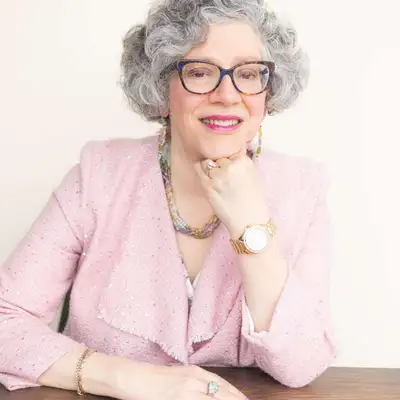
In this episode of The Real Retirement Show, hosts Yasmin and Kathleen welcome Joanne Waldman, a pioneer in retirement coaching with over 30 years of experience. Joanne shares powerful stories and strategies for helping clients transition into retirement, focusing on emotional and personal growth beyond financial planning. From reframing fear to visualization techniques, Joanne provides practical methods to navigate the complexities of retirement. The episode dives deep into her unique approa...
In this episode of The Real Retirement Show, hosts Yasmin and Kathleen welcome Joanne Waldman, a pioneer in retirement coaching with over 30 years of experience. Joanne shares powerful stories and strategies for helping clients transition into retirement, focusing on emotional and personal growth beyond financial planning. From reframing fear to visualization techniques, Joanne provides practical methods to navigate the complexities of retirement. The episode dives deep into her unique approach, her pivotal life moments, and the significant impact of curiosity, love, and open-ended questions in coaching. Joanne also offers insights into the common challenges faced by retirees and emphasizes the importance of planning and communication. Listeners gain valuable tips for making a fulfilling and joyful retirement transition.
00:00 Client's Journey from Fear to Footwork
01:01 Welcome to The Real Retirement Show
01:44 Introducing Joanne Waldman: A Trailblazer in Retirement Coaching
03:26 Joanne's Personal and Professional Journey
06:38 Unique Approaches to Retirement Coaching
09:10 Challenges and Niches in Retirement Coaching
11:54 Signature Exercises and Frameworks
18:11 Powerful Client Transformations
21:49 Qualities of a Great Coach
26:49 Top Tips for Retirement Planning
30:27 Final Thoughts and Contact Information
About Joanne Waldman
With more than 30 progressive years in the career transition field, Joanne is a trailblazer in the retirement coaching world. For 18 years she served as the Director of Training with Retirement Options and has an extensive background as a webinar leader with the International Coach Academy, and Coaching Cognition. She is the owner of New Perspective Coaching where she works with clients to plan their second or third reinvention into retirement. A Professional Certified Coach through the International Coaching Federation, a Board-Certified Coach through the Center for Credentialing and Education, and through the National Career Development Association in 2009, she was selected as their Career Practitioner of the Year. In 2021, Joanne was honored with the Retirement Catalyst Award from the Retirement Coaches Association. Joanne received a retirement coaching certification through Retirement Options. She is also a licensed professional counselor in the state of Missouri, a nationally certified counselor and a nationally certified gerontological counselor. Joanne is a co-author of "Out of the Box Retirement-Creative Ideas, Role Models and Possibilities" and has been quoted as a retirement expert in Kiplinger’s, Forbes, Wall Street Journal/Market Watch and Where to Retire magazine.
Resources
LinkedIn: https://www.linkedin.com/in/joanne-waldman-0002281/
Website: https://www.newperspectivecoaching.com/
Email: joanne@newperspectivecoaching.com
Facebook: https://www.facebook.com/joanne.waldman
Real Retirement Video Podcast: Real Retirement - YouTube
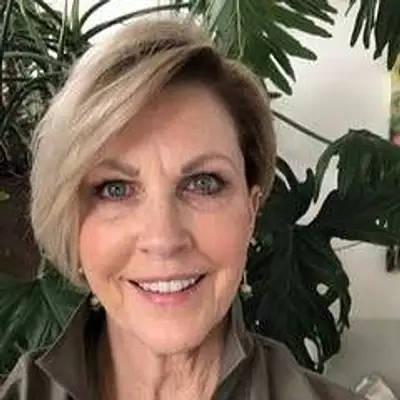
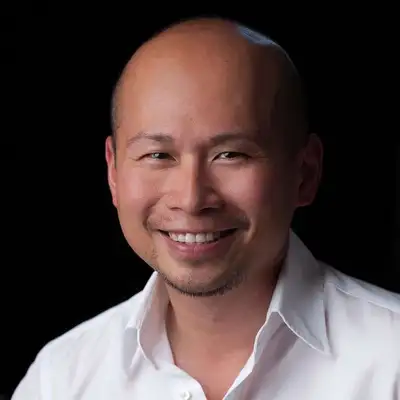
Welcome to "Real Retirement," a groundbreaking podcast where your hosts, Yasmin Nguyen and Kathleen Mundy, delve into the multifaceted world of retirement beyond the numbers. This isn't your typical retirement discussion; it's a vibrant journey into what retirement truly means in today's world.
Each episode of "Real Retirement" brings you compelling conversations with guests who bring a wealth of expertise and authentic retirement life experiences. Our goal? To inspire and educate our listeners to approach retirement with intentionality and a broader perspective.
But "Real Retirement" is more than just a podcast. It's a community for those navigating the uncharted waters of retirement, whether you're just starting to plan or are already on this deeply personal journey. We explore a wide array of topics, including:
What sets "Real Retirement" apart? It's our commitment to authenticity. We bring you real stories from real retirees, discussing real challenges, surprises, joys, heartaches, and the myriad emotions that come with retirement. From addressing family dynamics to confronting identity shifts, we tackle the issues that truly matter to retirees.
Join Yasmin and Kathleen as they journey through the honest and often unspoken aspects of retirement. "Real Retirement" isn't just about ending a career; it's about beginning a new, exciting chapter of life with all its complexities and joys. Tune in and be part of a conversation that redefines retirement in the most real way possible.
Joanne Waldman: I had a client
who was a single person, got
laid off experiencing a lot of
fear.
So I asked her to come up with
another word using the letter F
to replace fear, and she came up
with footwork and she said,
every time I feel fear, it tells
me I have footwork to do.
I have something to do.
I.
So using things like that to
help reframe a perspective.
The other thing I have is a
visualization that I do, and I
can use it specifically for
retirement and it's called from
frustrating to fascinating, and
I take them through this
visualization of this
frustrating situation.
It could be their retirement and
how they feel and what they see
and what they think around it.
And then we reframe and we
switch.
And now it's fascinating.
And what changes, what shifts?
It's pretty phenomenal.
If they can do it.
Yasmin Nguyen: Welcome back to
The Real Retirement Show.
My name is Yasmin.
Here with my co-host Kathleen.
Whether you're retired or
thinking about retirement, we
delve into the multifaceted
world of retirement beyond the
finances.
This isn't your typical
retirement discussion.
It's a vibrant journey into what
retirement truly means in
today's world.
We bring you real stories from
real retirees and experts
discussing real challenges,
surprises, joys, heartaches, and
the myriad of emotions that come
with retirement.
From addressing family dynamics
to mental and physical health,
to finding purpose, we tackle
the issues that truly matter to
retirees and those thinking
about retirement.
Our special guest today is
Joanne Waldman.
With more than 30 progressive
years in the career transitions
field, Joanne is a trailblazer
in the retirement coaching
world.
I.
For 18 years, she served as the
director of training with
retirement options and has
extensive background as a
webinar leader with the
International Coaching Academy
and Coaching Cognition.
She's the owner of New
Perspective Coaching where she
works with clients to plan their
second or third reinvention into
retirement.
A professional certified coach
through the International
Coaching Federation, a board
certified coach through the
Center of Credentialing and
Education, and through the
National Career Development
Association in 2009, she was
selected as the career
practitioner of the year.
In 2021, Joanne was honored with
the Retirement Catalyst Award
from the Retirement Coaches
Association.
Joanne received a retirement
coaching certification through
retirement Options.
She's also a licensed
professional counselor in the
state of Missouri, a nationally
certified counselor, and a
nationally certified
gerontological counselor.
Joanne is a co-author of Out of
the Box Retirement Creative
Ideas.
Roles, role models and
possibilities, and has been
quoted as a retirement expert in
Kiplinger's, Forbes, wall Street
Journal, market Watch, and Where
To Retire Magazine.
We are so delighted and honored
to have you here, Joanne.
Thank you for joining us.
Joanne Waldman: Thank you for
having me.
I'm really excited to be here
too.
Yasmin Nguyen: Now, Joanne, I am
just curious how this
illustrious, career started and
what inspired you to explore
retirement as an area of your
focus.
Joanne Waldman: Well, I wanna go
back to when I was 19.
my father was unfortunately
dying and the last conversation
we had was that he couldn't die
because he hadn't done
everything he wanted to do in
his life.
He was 50 and he died a week
later.
And that really sort of stuck in
my head, in terms of its
importance for everyone to do
what they can with the time they
have in their life.
And that I became, a counselor.
and, it propelled me in terms of
the work that I did.
later on, I, I took a lot of
courses in college around, like
aging and, psychology.
And I continued on with that
kind of work.
I actually eventually did a
fellowship at St.
Louis University in gerontology,
which was really interesting.
it was a medical fellowship and
I was the only non-medical
person in the program, so I, I
learned a lot.
I met my mentor when I was in
my, probably mid twenties.
I was the, president of the
Missouri Career Development
Association at the time, and he
was the president of Missouri
Adult Development and Aging
Organization.
We met at a conference and, We
just clicked.
He had done research and was
doing retirement work in the
seventies, way before everybody
else.
So he taught me a lot.
And, I then, eventually went to
work for an organization that
did outplacement.
And, in 1993 I worked with a
company president who retired.
So really my first retirement
client.
And then in 96, Mel and KT in
Monsanto had some big layoffs
and this organization came to me
and said, put together a
retirement program.
So I went to my mentor and he
helped me put together a program
and it goes from there.
He owned retirement options and
when coaching came up and we
were connected and he said, I
think we have a coaching program
here.
That's when we started training
non-financial retirement
coaches.
Yasmin Nguyen: Well you've had a
long career as well too, Joanne,
and I'm curious, has there been
a pivotal moment in your life or
career that's really shaped your
philosophy on retirement?
I.
Joanne Waldman: I think really
back to my dad working, thinking
about him and what happened to
him.
and wanting to help other people
not have that happen to them.
And then meeting Dr.
Johnson, my mentor.
I think those two combined were
pretty pivotal in, in my career
and work I.
Kathleen Mundy: Joanne, you have
a unique approach when helping
retirees.
How did you develop that?
I.
Joanne Waldman: as both a
counselor and a coach, I think I
come at it a little differently
maybe than some people.
And really, I think just my
experience and my training have
helped me develop the way I work
with clients.
I've trained hundreds of
non-financial retirement coaches
and life coaches, and having
that I think also brings a
unique perspective to all this.
Because, I've been, taught them
the foundations of all the work
and I can see how, the neat
thing is how that sort of
ripples out still in, in the
universe today.
Yasmin Nguyen: Joanne, you've
been so instrumental in shaping
the careers of those
professionals that are out there
practicing and helping clients
navigate the non-financial
aspects of their journey.
And I'm curious, what have you
learned in training so many
people through the various
different process of being
professionals in this field?
Joanne Waldman: when I wrote my
own coaching model, what I'd
like to do is take people from
who am I to, who I am.
And I think that's really
important in the work that I do.
what I've learned training
people is that, Sometimes it's
difficult to retrain ourself as
a coach, as opposed as done as a
consultant or giving advice.
so I think that's important.
What I've learned is that
there's no one right way.
I just talked to an old student
of mine who was getting some
additional training.
in this training, they were
telling him he was doing it
wrong.
and I've encountered that on
more than one occasion.
That, there's, my father again
taught me that there was more
than one way to the top of the
mountain.
So we all can take a different
path as a coach, as long as
we're still coaching and not
telling people what to do.
I think there are many ways that
you can do this and many
modalities that you could use.
and it's so interesting, again,
back to when I was training
coaches and they had to create
their own coaching model to see
how people did that.
one person was an artist and did
a piece of artwork and another
was a poet and used poetry and
there's.
every client is unique and we
have to really take them where
they are
Yasmin Nguyen: Speaking of
unique clients, what are the
challenges that your, the
clients that you focus on
experiencing?
what's going on in their lives,
and is there a specific niche
that you focus on?
Joanne Waldman: I'll start with
the challenges.
I think everybody is challenged
with meaning and purpose.
who am I in this world?
One of the questions I love to
ask is, why are you on this
planet?
I don't ask a lot of why
questions.
That's the only one I'll ask.
So to help people figure out who
they are and why they're here
and in their later lives, how we
can help piece all that
together.
Where to live has come up quite
a few times lately.
it's the number two question in
retirement is it's been, an
interesting one for a lot of my
clients.
and, career kinds of things.
I'm a career counselor by trade
so a lot of my clients.
Don't wanna stop working, and
they might not necessarily wanna
do what they were doing before,
or they might wanna do a piece
of what they were doing before,
or they wanna give back in some
capacity, which maybe they
didn't have the ability to do
earlier in their career.
Kathleen Mundy: Joanne, I should
have probably asked this
question a little bit earlier,
and it ties in with the
previous.
What makes your approach to
retirement coaching unique?
I.
Joanne Waldman: being a
counselor and a coach, I can
combine that, it gives me, an
insight into.
Maybe different things that,
that other people don't have.
'cause I trained so many people,
I have a good idea of what's
going on with clients, with,
other people I, supervised over
the years.
understanding what's running the
show underneath for clients, I
think is something I do very
well.
everyone I believe is challenged
with these belief systems that
they have and I think the number
one, difficult belief system
that we all deal with is that
I'm not good enough.
And I think it shows up in so
many ways and helping clients.
Work through that.
I've had so many clients over
the years who had never been
allowed to do what they wanted
to do, and that's been important
too.
They may see this as their last
shot to really do what they
love.
And helping clients get to that
point, is really important.
Yasmin Nguyen: Joanne, when you
talk about this common belief
that I'm not good enough.
How do you help your clients
navigate that and really step
into, the next chapter with,
perhaps a different perspective?
Joanne Waldman: I love doing
that.
you know, my business is new
perspective coaching, so that,
that's really fun.
the number one question is
pointing out, is that the truth?
what's really going on with you?
let's look at who you are, who
you've been, and find the good,
find the positive.
I just did it a few weeks ago
and I'm doing again, I've got a
class that I teach from
stumbling blocks to stepping
stones.
I did it for a group of young
entrepreneurs, 18 to 24, a
couple of weeks ago.
But there's a couple of things
that you can do.
There's some games I play with
clients.
I call it the perspective game
I'll give you an example.
I had a client who was a single
person, got laid off
experiencing a lot of fear.
So I asked her to come up with
another word using the letter F
to replace fear, and she came up
with footwork and she said,
every time I feel fear, it tells
me I have footwork to do.
I have something to do.
I.
So using things like that to
help reframe a perspective.
The other thing I have is a
visualization that I do, and I
can use it specifically for
retirement and it's called from
frustrating to fascinating, and
I take them through this
visualization of this
frustrating situation.
It could be their retirement and
how they feel and what they see
and what they think around it.
And then we reframe and we
switch.
And now it's fascinating.
And what changes, what shifts?
It's pretty phenomenal.
If they can do it.
20% of people can't visualize.
They have to write instead.
So we can journal about it.
and I had somebody one time I
worked with who said as he was
looking at his retirement and
going through his past years.
she took what he called failures
and reframe them to springboards
for future success because
really they were transformative
for him to move forward.
And he was able to say it wasn't
failure really truthfully
anymore.
It was something profound for
him.
Kathleen Mundy: It sounds
though, as though you have,
developed some of your signature
exercises and frameworks that
help your clients and,
particularly go through that,
transformative stage in their
life.
Is there anything that you can
dialogue today about that you
feel works specifically well?
Joanne Waldman: when I was.
With retirement options and
learned to use two non-financial
assessments, the Life options
profile, the retirement success
profile, and that was really the
foundational piece for the work
that I did with my clients.
and there've been some great
exercises over the years, that
through all that, and powerful
questions.
that I have loved.
My favorite, powerful question
is, how can you be creative with
change?
Because I don't think those two
words go together, and I think
it sparks something, at least in
me and on other people.
another exercise I've used, I
used it with, I wanna say it was
Boeing, a group of executives
from Boeing.
And we were looking at what we
call the six life arenas, and
that's career, family,
relationship, self spiritual
life, and leisure.
And this particular exercise
looked at, you have a hundred
percent of your time.
That you're using now and then
how are you gonna use it in
retirement?
So where were they using their
time now?
And what was so fascinating,
these executives realized that
90% of their time was being
spent in career.
What does that leave for?
Everything else?
Not much.
So what did they wanna do in
retirement, but not just wait
till retirement?
What can you change shift right
now to start that process?
So I used that I with a lot of
people for them to say, oh, we
don't really have 120% to, we
have a hundred percent in all
this.
And how you divvy it up is how
is okay for you?
But when you, how it was skewed
if 90% was in one area and
didn't leave much for them, or
family or leisure or, working
with a lot of these people, some
of them never had a leisure
life.
Now, when you asked about my
clients, I've usually worked
with pretty high level
individuals.
Company presidents.
I worked with a four star
general one time, which was
really interesting.
I worked with head of
not-for-profits head, and a lot
of these people just didn't have
time for leisure.
I can remember one client in
particular, I was trying to get
him to think about what leisure
he might like in retirement and
he, he had never.
Thought about equating learning
with fun.
He said, I'm a chemist by trade.
I have an MBA.
Why would I want to be a
lifelong learner?
What would I wanna learn?
He told me he was interested in
wine making.
I guess there's probably some
chemistry and wine making, but I
said, what a, what would be
interesting in terms of wine
making?
you'd never thought about taking
a class and thought, no, that
might be really fun.
I.
The other thing he came up with
was that maybe he would do a
hobby with his grandchild, a way
to connect with his young
grandchild.
that was an aha moment.
Yasmin Nguyen: Those are some
powerful examples.
Then just, the way that you've
helped your clients really not
only reframe, but shift their
perspective.
Right.
That then also really changes
their outlook and the direction
that they can go.
Joanne Waldman: I'd like to
share another story around that
Yasmin Nguyen: Yeah.
Yeah.
Please.
Joanne Waldman: had a client,
who was an attorney in a large
organization.
She was like number five in this
very powerful, well-known
organization.
Unfortunately, her husband had
died 12 years prior, and she
kept saying, I, I can't make a
decision without him.
and, I challenged her a little
bit.
you make these important
decisions at work.
I know you can make decisions.
And one of the things she had
never done was cleaned out his
desk in her house.
She just couldn't do it.
and I do something called a VIP
day with a client where we might
spend the whole day together.
And in this instance we did, and
the goal was to clean out her
husband's desk.
So in the morning we met early,
talked about what she wanted to
do and what the process might be
like and what some of the
roadblocks might be.
And how she wanted to approach
it.
And she decided she needed to
have some fun, again, fun around
doing this.
So she said, I'm gonna make it a
dance party and play my music
that I love and move while I do
it.
And we talked again at noon and
she gotten through some of it
and she found some things that
were upsetting, but she was
making progress.
And then by the end of the day.
When we had our last call, she
had cleaned out his desk and was
able to do this task that had
put off for 12 years.
I think you've, again, take the
client where they are, helped
her figure out a way to get
through it.
We chatted in between when she
found books that he had written
notes in, and she didn't wanna
get rid of that kind of stuff,
but, that was something she
could cherish.
Kathleen Mundy: Joanne, I was
gonna ask you if you could share
a story with us that, a client
had a major breakthrough, but
that certainly is one.
There's no question.
Is there another one you might
be able to share with our
audience?
Joanne Waldman: yeah, I had a
guy a while back who was
probably one of my younger
retirees.
He'd sold a business and didn't
need to work, but he was working
for a friend and really hating
it.
and he wanted to figure out what
to do, and he was a really good
business person and he liked
doing what he called ethical
business deals, and he just felt
like it might be difficult for
him to take money for that.
So I helped him reframe,
ethical, the ethical business
deals.
Not only was he helping himself
in this instance, but he was
really helping the other person
as well.
And he was then able to move
forward making what he called
these ethical business deals and
not feeling guilty about what he
was doing because he had
reframed what it meant to do.
That.
it was a huge breakthrough for
him because he was really stuck
Yasmin Nguyen: with the stories
that you've shared so far, it's
very evident that, you are
indeed a retirement catalyst.
the recipient of the award, but
in many ways, you're activating,
these changes in people that,
wouldn't have happened without
you being an integral part of
that.
I'm curious, you in many ways
have played the role of the
coach of coaches, then you've
trained so many, and from your
experience, what makes the
difference between a good coach
and a great coach?
what are some of the qualities,
what are some of the ways in
which they practice their
profession that, really makes
them outstanding?
Joanne Waldman: I think the
first place that we come, a
great coach comes from is
curiosity.
Always have to be curious.
I.
Second place.
It may sound weird, but I think
the second place we come from is
a place of love.
A good coach comes from a place
of love, that we don't set the
agenda, we don't tell them what
to do.
That a great coach, can shift,
shift in terms of what they're
hearing or sensing.
I heard somebody recently coach
and I thought he did a
masterclass in coaching.
He used some lovely analogies to
help the client understand where
he wanted to take the client.
he checked in with the client,
make sure that.
That they were okay.
he set the agreement, which I
find a lot of coaches don't do
that.
So when the client started to
veer from the agreement, he went
back and said, look, we've had a
fork in the road.
You said you wanna do this, now
you're talking about this.
Go back and choose one today,
we'll do one.
helping the client understand in
terms of.
Giving good feedback and
understanding that feedback is
not opinion.
The feedback is just what we
hear and what we notice.
and the good, I think the great
coaches can dance in the moment
with the client can really move
and aren't stuck in one way of
doing something.
Yasmin Nguyen: It also reminded
me, Joanne, of a previous
conversation that we've had,
which is around how, to ask
questions that may not
necessarily be leading, but
questions that help, reveal and
discover.
Can you talk a little bit about
that?
Joanne Waldman: Yeah.
Asking open-ended questions.
not the, have you, did you,
could you, I.
More or not the, no, getting rid
of the shoulds and all those
kinds of things.
learning how to ask open-end
questions is not easy.
I, sometimes when I'm coaching,
I have to sit and think for a
minute.
'cause what's in my head is the
closed question and how do I
move that around and make it an
open question?
the other thing too, sometimes I
think it's important to use
humor and coaching.
one of the favorite questions I
ever came up with, the client
was upset about something and
having to run a program and
being upset.
And I said, how can you be
elegantly pissed?
and so it, it got a laugh, but
it got them thinking about how
to get through the particular
situation they needed to get
through.
Kathleen Mundy: as you were,
describing how you do this, how
you do your coaching practice, I
had a thought and it reminded me
some of the dialogue you were
using reminded me of what a
shepherd must feel i.
Respond to its charges, And so
gentle and encouraging but
staying on track, but being
flexible enough to move as the
situation demands and still stay
focused on that result and, I
think that's a, for me, that's a
really lovely way to think of it
as opposed to, sometimes the
perception is that it's going to
be difficult and it's going to
mean I have to reveal things and
I'm not ready for all this yet,
Joanne Waldman: Well, I mean,
coaching is not easy.
It's not a straight line.
it goes like this and the
journey brings a lot of learning
for us as well as our clients.
if it was like this, it might be
pretty boring.
I had to confront a retirement
client the other day, in a
gentle way.
I'm not, I didn't wanna be, in
his face.
But he's not doing his
20-year-old a lot of good by,
not teaching him life skills.
Let's put it that way.
And I basically had to say, how
is this helping again, it wasn't
harsh.
but it was something that needed
to be put out there.
And again, you know, trying to
take my opinion out of it, But,
and.
helping clients get out of the
shoulds kind of things and
learning to choose to do things.
understanding also commitment
versus trying.
clients will use certain
language if they're committed
and other language when they're
not as committed.
And sometimes you can say, I
didn't hear your commitment when
you said you were trying to do
X, Y, z.
That's feedback.
That's not opinion, that's not
judgment.
Yasmin Nguyen: Joan, you've got
so many great nuggets of wisdom
to share, and I believe on your
website you have, a resource
that, that you give various
different tips and advice.
And I'm curious, what are, some
of the top tips that you found
most impactful, that, resonate
with people, especially those
who are preparing for
retirement?
Joanne Waldman: thinking about
it, planning for it, and talking
about it.
I have a really good example
that's happening right now.
And somebody's not my client,
but they made this, and I, the
word keeps coming to my mind is
willy-nilly.
That's not the best word or way
to put it, but he made this
snap.
Decision to retire.
didn't think about it much.
Just said, I should retire.
I'm 72.
and when he told the people at
work that he was gonna retire,
they put out, a letter to his
clients and he thought, uhoh, I
didn't even tell my wife.
So I better tell her now before
other people start telling her,
and if he had talked to other
people, I think what would've
happened would've helped to make
a plan that he could have maybe
gone down to three days a week
just to test this out.
put that big toe in the water
and see what retirement is two
days a week, rather than just
saying, I'm done and going and
not having a plan.
So, those I think are really
important things to do.
Have a plan, talk to people, get
a coach.
find somebody who can help you
think through this process.
I think that's really important.
also think about, your leisure
life.
some of the biggest problems are
boredom.
What am I gonna do with all this
time?
figuring out what your meaning
and purpose is, the, that one I
think is just huge for so many
people.
So tho those were some of the
tips on there.
do the gap analysis.
Here's where I am, here's where
I wanna be.
What do I have to do to get from
point A to point B.
Yasmin Nguyen: There's so much
to consider on this journey and
something that's really
difficult to do on our own.
And I think that's why your work
and the way in which you've
trained many others as well too,
to support people on this
journey is so important as, as
is the financial piece of the
planning.
Kathleen Mundy: What I hear is
you're helping unravel all of
those uncertainties.
I think that's really important
It's not a shift necessarily,
without caution, but it's
unraveling all of the
intricacies and we talk about a
holistic approach to the
retirement journey, and so many
people get stuck in the
financial aspect of it and don't
understand.
Or perhaps aren't aware of all
of the complexities.
As you mentioned earlier, 90% of
their time and attention and
focus was on career.
And without that, with all of
those other elements within
their life, certainly
relationships would be one.
If you don't tell your wife that
you're thinking of this, there
might be a little bit of a gap
there.
So I think unraveling all of
those uncertainties is
certainly, from what I've, I'm
listening to is certainly a
talent that you have and a, an
amazing service that you're
offering your clients and the
companies that you work with.
Joanne Waldman: Thank you.
Yasmin Nguyen: there's so much
that we could discuss because
certainly the depth and the
breadth of this retirement
journey is quite vast.
and Joanne, we're so delighted
and honored that you've taken
the time to share with us your
wisdom from many decades of
work.
And so we're so grateful for
that.
how can our listeners connect
with you?
About your work.
Joanne Waldman: They can go to
my website.
at new perspective coaching.com.
They can call me at(314)
469-3288.
Those are probably the best ways
to reach me.
They can also find me on
LinkedIn, Facebook, Instagram.
Yasmin Nguyen: Well, we'd be
happy to share those links and
in, contact information in the
show notes that people can
connect with you directly as we
wrap up this short and powerful
conversation, are there any last
words or thoughts that you'd
like to share with our audience?
Joanne Waldman: one of the
things I like to say is that
change is hard, but change is
beautiful if we're able to work
through it and.
Open new doors or new avenues or
reinvent ourself.
I like taking people on the
reinvention tour.
Kathleen Mundy: Hmm.
That's a nice way to put it.
I love that.
I love that.
And I also love the fact that
you provide and think about
humor through the process.
I.
I think that's really a key
element in having people
understand and diffuse the
anxiety they might have.
So I really appreciate that you
incorporate that.
Joanne Waldman: My mentor taught
me that humor is a healing gift.
Kathleen Mundy: I think you're a
amazing gift to all our
audience, and I'm sure that
they're gonna find lots of
nuggets in this conversation
that we've had today.
And I really wanna tell you how
much I've enjoyed it.
And it's always nice to hear and
learn new tips and tricks.
I'm proud to say that I had the
advantage of having a
conversation with you before,
but certainly this is a little
deeper and I really appreciate
what you've.
Explain to us today.
Joanne Waldman: Thank you.
Appreciate both of you.
Yasmin Nguyen: Thank you for
taking the time to join us
today.
If you enjoyed this episode or
found it valuable, please
subscribe, follow and leave a
comment or view on your favorite
platform.
If you have friends, clients, or
loved ones who are retired or
thinking about retirement, we
invite you to share this show
with them.
Check out this show notes with
links to resources mentioned in
this
episode@realretirementshow.com.
Remember, retirement is a joyful
journey we get to experience
together.
Join us next week for another
real retirement conversation.