Subscribe
Share
Share
Embed
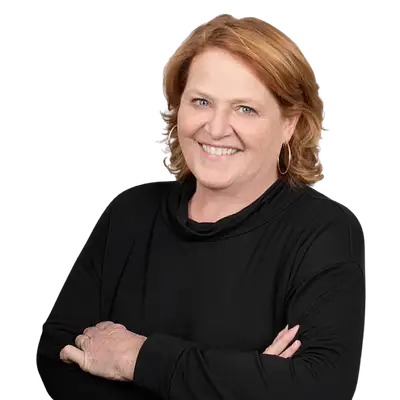
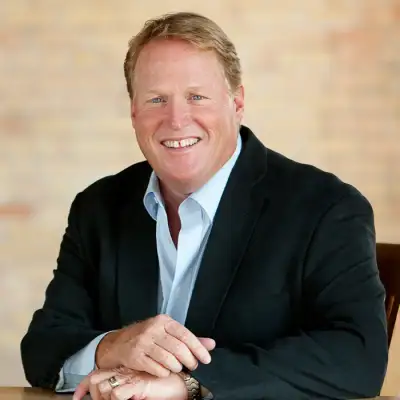

Former U.S. Senator Heidi Heitkamp and her brother, KFGO radio talk show host Joel Heitkamp, engage in animated discussions with newsmakers, elected leaders, and policymakers who are creating new opportunities for rural Americans and finding practical solutions to their challenges. Punctuated with entertaining conversations and a healthy dose of sibling rivalry, The Hot Dish, from the One Country Project, is informative, enlightening, and downright fun.
Heidi Heitkamp [00:00:05]:
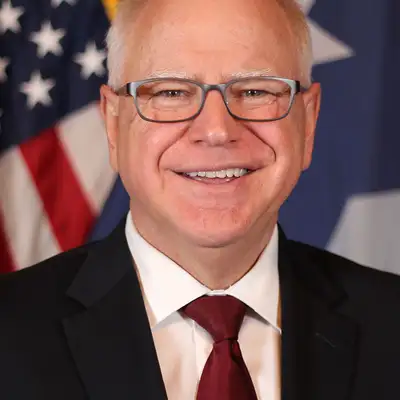
Welcome back to the Hot dish. We are blessed today to have a governor who is not only our neighboring governor, but one of our dear friends. Thanks so much, governor for joining us on the hot dish.
Tim Walz [00:00:19]:
Thanks, Heidi. And a hot dish champion, I might add, in Congress. So, yeah, you know, three time champion.
Heidi Heitkamp [00:00:25]:
You know, I think Amy might not agree with that.
Tim Walz [00:00:29]:
I, I know she's I believe a one time champion. I believe I had a 3 Pete in there at one point with my, with my spam hot dish. So that was a winner.
Joel Heitkamp [00:00:41]:
Yeah. Obviously neither one of you have ever eaten my deer sausage. I can put that in a hot dish too, just for the record.
Tim Walz [00:00:47]:
Well, I would eat that. You know, the year both of us got beat, there was a lot of controversy because Colin Peterson won it with a bear hot dish. The bear was not the controversy. He got it in Wisconsin. That was the controversy. Colin is a cook too, so. Well, it's good to see you both.
Heidi Heitkamp [00:01:07]:
It's good to see you.
Joel Heitkamp [00:01:09]:
Just for a little background, folks, you know, Governor Walz, born in rural country, which is why we love him so much on the Hot Dish. He was in the House of Representatives from 2007 to 2019. I don't even need to tell you about this man. Served on the ticket was a huge part of really what made us so proud here in the Midwest. And not to mention the fact that this guy drives an international Scout. So that's enough for me right there. Governor, you decided to run again. Tell people why.
Tim Walz [00:01:41]:
Yeah, I did. And again, it's great to be with both of you. Look, I, I think I keep saying this where everybody says these are unprecedented times. I want to live in precedent at times. But I still think that time in Congress especially, and I would argue here in Minnesota, I had the most closely divided legislature in the country last year and we passed a budget, cut spending, we're able to cut some taxes, still invested in education, health care, balance the budget. I believe that government is a force of good, but I also believe that compromise is somewhat at the key of this. Now, I'm not going to compromise on people's human rights, but I'll certainly compromise on policies that make a difference. And I think right now with what we're seeing out of dc, what we're seeing out of decisions being made, going over the Congress, you know, things that were appropriated, you know, both of you are experienced in this.
Tim Walz [00:02:30]:
Heidi, you worked on it. When we craft a Farm Bill and have the nutrition title in there, we're not pretending when we put money into SNAP and the President doesn't get to just hold that up. I think here in Minnesota, we're seeing progress on a lot of fronts and I think I've got the experience to get us through one more term. So I've asked the people to give me another opportunity.
Heidi Heitkamp [00:02:51]:
Well, I mean, you're running at a time when the farm economy's looking a little bleaker than it did four years ago, Tim. And I'm sure you're watching that. I'm sure you're thinking about all the soybean farmers and the corn farmers and the, you know, the folks who raise livestock in Minnesota. How when you talk to your colleagues, other Governors, how do you kind of talk about what's happening, happening with the economy in rural America?
Tim Walz [00:03:22]:
Yeah, and, and again, talking to both of you, it's why I really enjoy this. I, I had the privilege, Heidi, of being on a conference committee for a Farm Bill. I think the last one we enacted because they can't get one done, where you were a leader on that. And it was so encouraging to bring these voices and you know, that sitting on those conference committees for a farm bill until this, you know, until what we're dealing with right now, that was super bipartisan, really, really good to work on and always trying to make sure that we were strengthening the world economy. It's a mess right now and it's an unnecessary, it's a man made mess. Farming's hard enough, it's very unpredictable weather, everything else. But creating the situation we had right now, I can't express to people who aren't out here to realize how precarious this situation is. I know people compare it back to the 80s, I think it's probably a pretty fair comparison.
Tim Walz [00:04:12]:
Land values haven't bottomed out like they did in the 80s. But that feels to me to be a bit of a bubble where people are at, people are over leveraged. And this, this trade war that shifted markets. And I think it's really important to understand farmers work really hard with their checkoffs, with their organizations to open these markets, to make sure we have these stable markets. And in Minnesota, North Dakota, America in general was viewed as a, as a good trading partner. That's not true anymore. If people think they're going to take the tariffs off, even if we get a deal with China, they've recalibrated their purchasing to, to South America and that is not coming back. And so you have loss of markets, you have increased production costs because now Brazil went from 80 million acres to 110 million acres.
Tim Walz [00:04:59]:
They need more inputs, they need more tractors, they need more parts. So our folks are dealing with supply chain issues around parts, supply chain issues around inputs, costs increasing on inputs, commodity prices going down, markets being decimated. And then add on top of that, their local hospitals under threat because that's going to close. They're not seeing the funding for their local schools. So rural America right now is as precarious as I've seen it and almost entirely by choice of this administration, not by the work that's been done there, not by the opportunities that still lie in rural America, whether it's sustainable aviation, fuel up in your part of the woods where we're working on, or just new opportunities. So I think it's tough. And when I talk to other governors, I'll just tell both of you, I've told folks in rural that I'm really worried about this because this is an attitude that I think is increasing and I think it's dangerous in our polarization of people saying, well, North Dakota voted Republican. Let them, let them live on that.
Tim Walz [00:06:03]:
That's fine. Let them, let them figure out what happened here. That's a terrible thing. It's terrible to our neighbors. It's terrible for our overall economy. It's terrible if you eat or need power. But this idea of being, you know, well, there's not much we can do about rural America. They voted Republican.
Heidi Heitkamp [00:06:20]:
Yeah. It's not particularly good politics either.
Tim Walz [00:06:23]:
It's terrible. It's terrible. And look, do I think that you should shame people for the. No, but I think it's okay to understand is you were lied to. You can tell people that you were lied to. This guy did a bait and switch on you. He got his tax cuts for his wealthy and he left farm economies, know, stuck. I tell them too, is, is that, look, we're going to need some of this help they're promising as a bridge loan.
Tim Walz [00:06:45]:
Farmers don't want to bail out. They don't want this. They, that is absolutely. You guys know this better than anybody. But they need this money now. They need it because it's the foundational. Because I'll tell you what we're going to end up doing here. We're going to end up forcing these folks out of business and they're going to be bought up by those predators that swoop in and buy it up.
Tim Walz [00:07:01]:
And then we get the consolidation that all of us complain about. So it's a tough one.
Joel Heitkamp [00:07:07]:
The one thing that I would add in all of this is there's, there's a situation you made reference to the 80s. Okay, so let me just say this. The biggest thing that's happening now to farmers versus the 80s, where there's foreclosure and everything that went with it, is they're just not getting their operating loans. You know, the banks are sitting there saying the numbers don't work out. We're not giving you the operating loans. Now there's ranchers in Minnesota, just like there's ranchers all over the areas in the rural areas that are listening to us. So, you know, when a president is on Air Force One and he walks back and he leans into a microphone and says, we're going to buy Argentinian beef. Right after we gave him $40 billion.
Joel Heitkamp [00:07:48]:
And the next day, our boys are trying to sell their feeders at market. And they lost 300 bucks ahead, Governor. 300 bucks ahead. I mean, and that was the one. I get it.
Tim Walz [00:07:59]:
Cattle was the one bright spot there for a while. Everything else is, you know, sugar beets are down. Every, everything's down. But cattle was okay. And then this comes. You're exactly right.
Tim Walz [00:08:09]:
And, and, and when we talked to him, I said, my responsibility as governor is. Is making sure that we're supporting those rural communities. We're doing the things necessary. We keep folks on the land. Because I'll tell you, it may be 1% of the population that's directly involved with agriculture, but every one of our communities is seeing the. The ripple effect through the economy. And, and look, pile on. Losing the markets on snap, which we know is a market for our products.
Tim Walz [00:08:35]:
It's a mess. I do worry about that, Joel, and I don't. I don't know if, because the land values are still high, if that helps get us out of this, but you're right. With no operating loans, people are already thinking, next year's planting season. We just finished up harvest this year. There is so much uncertainty right now, and especially when you get an average age of 56, 57, some of these folks are saying, is it worth it anymore? Is it worth to keep doing this?
Heidi Heitkamp [00:08:58]:
And they don't have a son or daughter who wants to farm. And so they're like, you know, why am I struggling? Why am I risking the legacy of my assets to keep doing this when they don't see any light at the end of the tunnel? The one thing I want to impress upon people, we talk a lot about food deserts or grocery deserts and rural America. When I, when you and I were debating that farm bill and it was a lot of discussion about SNAP, some of the best proponents of keeping the SNAP benefits were those rural grocery stores, because they knew how much of their income, how much of those purchases came from people who were on food assistance.
Tim Walz [00:09:42]:
100%. I remember this, and I actually expanded it. We were talking about some of these, you know, kind of the modern version of the, the convenience store or whatever. Many of these things, like quick trips in my neck of the woods, those are the local grocery store, too, of being accessed to get food, to get, you know, fresh milk, fresh foods, things like that. But it is a, it is a precarious situation in, in states like Minnesota, North Dakota, in the Midwest. Agriculture is still a really big part of our economy. It, it is going to have immense consequences for this country. And so I'm, I'm deeply concerned that people think that there's a quick fix here.
Tim Walz [00:10:18]:
I think that, you know, if Donald Trump thinks he's going to pressure somebody, he's going to win a trade war. This truce we have with China is just simply a truce. The, the, the tariffs are still on, and China's not coming back to our soybean producers. I'm really worried. That's why we're looking at domestic markets. It's why I'm pushing, you know, sustainable aviation, fuel, other markets, because we're going to have to, we're going to think about that.
Joel Heitkamp [00:10:41]:
They did that during the first Administration. We never got back the share of the market that we had before Donald Trump was President. We lost a big part of that share. I think farmers are starting to understand that. But I want to tell you about a guy that called into my show, you two from Manitoba, okay? He calls into my show. He listens to the show along with a bunch of people in Canada. And he said, joel, the problem we have is we're being treated poorly. The is problem that we don't feel welcome.
Joel Heitkamp [00:11:07]:
And then we ended up talking, guys, about Jack Daniels. That's what we talked about. And he said, I can't find it on my shelf. It'd be like gold to me. I like a good bottle of a Jack Daniels, a good glass of it. And he said, we don't have it up here. They're not going to put it on the shelf. In fact, the people up here don't stock a lot of American products anymore.
Joel Heitkamp [00:11:29]:
And I said to him, I said, well, you come on down to my place. You know, I'll get you one. And he goes, I don't feel welcome there. I'm not coming until I feel welcome there.
Tim Walz [00:11:39]:
You know, I, I put out ads out of our Explore Minnesota and, and said, you know, be welcome. You're always welcome here. And, you know, Thunder Bay is right across the border up there from Grand Portage. We get a lot of people come over. They're our closest friends. You know, we're, we're mostly Canadian, if you will, in how, how Minnesotans act. And, and I did that same thing, and I put that out, and I got, I got pushed back from people and said, look, we trust you guys. We trust you, Governor.
Tim Walz [00:12:03]:
We trust Minnesota. But you don't run the border. You don't do the border. You're not these agents that are up here. And, and I think you hit on something, Joel. These trade deals are not as impersonal as you think they are. A lot of this is about relationships on a broader scale, you know, cultural relationship and the sense of Canada being so dependable and being there. Everything's a shakedown operation.
Tim Walz [00:12:23]:
Everything's, at NATO, everything's a shakedown operation. You know, you got to pay more. You got to do. Should the allies maybe have been putting more of their GDP towards defense? Sure. But there's ways to go about that rather than siding with Putin or, or making the case that, you know, Ukraine should give up land to an aggression against them when we're all, all of our allies are right in that same boat. So I got to tell you, in the midst of all this politics aside, and I get it, what people are saying, you know, the Democrats are doing this. The Democrats are focused on making life more affordable.
Tim Walz [00:12:57]:
And Mike Johnson saying, you know, we're going to keep the government shut down and not pay food stamps because you're asking us to help with health care. Yes, because Medicaid is critically important because the subsidies in the ACA have brought down health care costs and asking Congress to follow through with what they appropriated rather than letting this president step over. I don't. Heidi, I would say this: I, people keep asking me, what are the Democrats going to do about this? You know, I think the real question here is what are true conservatives and members of the Senate going to do? You've got two senators and South Dakota's got two senators that I have to, in my heart believe. They, they do not agree with this.
Tim Walz [00:13:36]:
They do not agree with the direction, especially on this issue, around tariffs, trade, and farm opportunities. When are they going to speak up? When are they going to say something?
Heidi Heitkamp [00:13:45]:
Well, they had a chance, Tim, to, to vote against the kind of emergency designation and didn't vote against it. Didn't vote with four other Republicans who Took a stand on trade and then turned around and said, but we really want to make amends and we need to do better with our neighbors. In the meantime, North Dakota, I think tourism, we think is about our third largest industry. It's down 18%. We've been hit almost as hard as Florida with Canadian tourism.
Tim Walz [00:14:21]:
Yeah, our states are really popular with them. We're experiencing the same thing. And folks coming in to shop, spend money and this stuff is going to be, this can be generational. Joel, you said that I had the opportunity. I was up for a couple days for the first time I'd ever been there, up in New Brunswick, crossed over from Maine and went into a grocery store to buy some know, burgers and stuff. We're going to grill out Canadian flags everywhere, which is fine. They had one aisle where they had shifted all the American products to the last aisle in the grocery store and everything else in that grocery store was Canadian and was highlighted on that. And so if you wanted hines ketchup or whatever that was on the very last aisle.
Tim Walz [00:15:01]:
And, and there would nobody shop in that aisle. And, and this is just ridiculous. They're our closest trading partner. Then you can go south of the border to Mexico, the same thing. And then say what you will about this, the Chinese are a major market for us. You got a billion people there that would like to buy well made American goods manufactured by our people. Can't do it. And now you got a massive trade deficit.
Tim Walz [00:15:20]:
You got a massive deficit in agriculture. You've lost trust in the markets. And you tell me what the plan is because I'll tell you what the plan is. Not that other countries will pay the tariffs and America will get rich. That is, that is fairy dust talk. That is, that is no one in the world other than Donald Trump believe that's true. No one.
Joel Heitkamp [00:15:41]:
Yeah. Governor, I want to hit upon this because you hunt. I hunt. You know, hunties in. Hunting is in. Heidi's husband hunts a lot.
Tim Walz [00:15:49]:
You see my pheasant shot?
Joel Heitkamp [00:15:50]:
Here's something I want to hit upon and get your take on, it's, well, I'm not going to say Heidi because I've seen her shoot, you know. You know, there's nothing safer than a pheasant in front of Heidi high camp. But that, that being said, you know, my point is pretty birds.
Heidi Heitkamp [00:16:07]:
Why would you want to kill them?
Joel Heitkamp [00:16:08]:
Yeah. To eat them. So here's, here's the other part that I'm going to put out there. We as Democrats, you know, I think have terrible messaging when it comes to guns and gun safety. I think there's things we can do. We can talk about clip size, we can talk about, about binary triggers. We can talk about, you know, knowledge of who buys what, all of those things. You know, we can have many day waiting period.
Joel Heitkamp [00:16:32]:
I'm okay with all of that. But as Democrats, we don't dig into really just the structure of guns and I think that hurts us in the rural area. Governor?
Tim Walz [00:16:44]:
Yeah, I think so. I think the one thing, Joel, I would say is that I've found that, you know, responsible gun owners are more than willing to make things necessary changes. And look, this is very personal over here. I had my best friend shot and killed our speaker of the House. I had two little fourth graders shot as they sat in the first day of school in their church. That there are responsible things we can do. And you're right, I mean locking these things up, who does not put a trigger lock or put their guns in a safe is beyond me. You're asking for.
Tim Walz [00:17:12]:
We had a little one shot here this week, same thing, 18 guns or something in the House unlocked. You know that's going to happen. But I do think you talk to people, talk with them with respect. But I think we also are afraid to talk about some of these common sense things. I will tell you one thing. In 2023 we passed the extreme risk protection, the red flag laws. We got the first data on that. We saved lives.
Tim Walz [00:17:32]:
Like we're able to show the number of times you go in, you step in. Most people if you're going to die by a gun, it's going to be by suicide. You're going to be in rural Minnesota. That's just factual. Because of the data that we see, we're saving lives in that. I think most responsible gunners are saying, look, you can protect my second amendment rights. You know something about firearms. We know that there's ways to keep them safe and don't allow them to pigeonhole us into this thing.
Tim Walz [00:17:55]:
I'm not interested in taking your guns. I am interested of people who should not have them not getting them. I am interested in making sure you can't shoot 116 rounds in 62 seconds into little body setting in church. I will say that. But I think most people are like, yeah, I'm with you on that. So I agree, Joel. And, and, and not get sucked into the whole thing about this, this cancel culture and the social issues or whatever of, of accusing Democrats or being there. That's the only place Republicans go right now because they don't want to Talk about the price of eggs.
Tim Walz [00:18:24]:
They don't want to talk about what's happening with soybeans. They don't want to talk about what's happening with rural Medicaid and rural hospitals. They want to talk about transgender swimmers or something. And I think for us, we're not going to throw anybody under the bus. But if there's a lesson here, focus on making life more affordable, focusing on allowing people the freedom to live the lives they. We want to. If that's in real western North Dakota, then help them live that lifestyle that way. Give control locally.
Tim Walz [00:18:50]:
The thing I'll go to my grave not understanding is, is the party that prided itself on states rights and local control has totally thrown every bit of that out window. They want to step on us. The president threatened to cut all funding to New York City because New Yorkers elect someone. Can you imagine? Can you imagine us saying, if you don't vote for Kamala Harris, North Dakota is not going to get any money? That is just outrageous that. That none of this makes any sense. That's what this guy's doing.
Heidi Heitkamp [00:19:17]:
You know, Tim, the, the one message point that I think we. We've missed out on is, you remember it was Bill Clinton. The era of Big Government is over. Guess what? The era of Big Government's back. Government's taking over corporate America, government's taking over universities, government's taking over media.
Heidi Heitkamp [00:19:39]:
I mean, what what, what isn't he trying to control right now from the White House?
Tim Walz [00:19:45]:
The U.S. Government owns stake in many companies now, like U.S. steel. You know what you call that when the government owns businesses? That's communism. It's. You know, and the idea of this. I'm out there arguing. And look, Joel, you.
Tim Walz [00:19:58]:
I got hit from some of my supporters on the left because, look, I'm a supporter of capitalism, moral capitalism and free markets. The president is not. He is manipulating markets. He is threatening individual businesses. He's buying individual businesses, and he's putting his supporters in a place. If you build a ballroom, is it just a coincidence that the people who funded that also have $276 billion of, of contracts? Can you imagine me saying in Minnesota, hey, if you build me a bowling alley in my house, I'll give you the contract on this building? My God. I mean, people should lose their minds, and you'd go to prison.
Tim Walz [00:20:34]:
That is happening in front of us. So here's what I want to say. Could Democrats do better at messaging? God, yes. We're terrible at it anytime. But our focus on improving life, of allowing everybody the opportunity to succeed, of making those Investments in things like lead to that is seems to me to be a hell of a lot better than if you're connected to the president. You'll do well into hell with the rest of you. We're going to hold a party while snap benefits expire. That I got to tell you old school conservatives, I need them to rise up that that's what I'm saying.
Tim Walz [00:21:07]:
The Democrats can do better, but there has got to be frustrated conservatives that are saying, look, we can do better.
Joel Heitkamp [00:21:13]:
Yeah, I, I would add this right down to X's and O's is small. You know, it, it goes back to this. I will guarantee you that whoever was running that excavator that tore down the east wing of the White House did not go to the bar and brag about it afterwards. He didn't. But his boss said you got to do it because Donald Trump wants you to do it. And he lied about doing it. And you know what? America doesn't like it. You saw the poll numbers over the weekend, both of you.
Joel Heitkamp [00:21:40]:
And Heidi, you and I were talking about them. And to some degree there's some hope out there that America is starting to say enough of this bullshit. Heidi.
Heidi Heitkamp [00:21:50]:
Yeah, well, you know when you look at it and you say where is the line? And back to your point, Tim, where is the line with conservatives? And people say, oh well, Donald Trump. I said quit focusing on Donald Trump. He is who he is. We know who he is. But how come people are enabling it? How come people you and I know, people that you knew in the House, people I knew in the Senate who would never have tolerated this, even from George W. Bush, they just sit and cower in the corner.
Tim Walz [00:22:21]:
Yes. People who are in this Administration that I considered friends who, who talk more libertarian. Because there's nothing libertarian about this group right now. Like I Joel, this gun thing again, this is an argument that's made. Look, guys, like I've heard this. To me, guys like walls think guns are about hunting and personal safety alone. It's about tyranny of the federal government. Where are those dudes? Where are the don't tread on me guys when the federal government is overstepping state control? And I'll tell you both this.
Tim Walz [00:22:52]:
When the Biden and Heidi, you were there too. The Biden Administration stepped in and without consulting the states against law in the NDAA Council of Governors, which I was a co chair of for, for many years, Donald Trump appointed me when the Biden administration overstepped that and took the space force was going to take the Space Force out of the National Guard. I organized a letter and all 50 Governors signed it and sent it to Joe Biden and say, you must consult with us. National Guard is under the control of the Governors in Title 32. It's under your control in Title 10. You need to consult with us and everything there. And the Biden administration backed off. Well, when Trump did this in California and in Chicago, it's the same argument.
Tim Walz [00:23:36]:
I sent the exact same letter and just changed the name basically from Joe Biden to Donald Trump. Not a single Republican would sign on to it. Not a single one. When it was a states rights issue, every Democrat stood onto it and stood up to Joe Biden in that. We love Joe Biden, thought his policies were good, but not all of them. And when they weren't good, we were there. This group is so fearful. They know, and behind closed doors, they will say, well, this isn't right.
Tim Walz [00:24:01]:
The Governors are in charge of the National Guard and they won't stand up. So somehow Democrats have to figure out our message. Joel, I think you're right. I think the symbolism, like, they got all riled up when they changed the, the Cracker Barrel logo. But apparently it's okay to tear down the East Wing. You know, I think that contradiction is coming home to roost.
Joel Heitkamp [00:24:22]:
The other thing, and this goes directly to a Governor that wasn't good at her job down in South Dakota, but Kristi Noem, you know, America is getting it when you see individuals drugged by their hair out of vehicles that were smashed by individuals that are masked, in many cases without any identification on them. United States citizens held while Noem runs around saying that they weren't held. But here's the thing. They have been held. And these people are beaten. They're beaten in the streets. And Americans are running up with their cell phones, they're taking videos of this. They're pointing out what's happening.
Joel Heitkamp [00:24:58]:
And that is going viral.
Tim Walz [00:25:01]:
Yes.
Joel Heitkamp [00:25:01]:
And I love it. I love the fact that America is seeing how vicious these people are. I love the fact that America is finding out exactly what ICE is doing. And I'll tell you what, you do that stuff in my hometown. I don't care whether you're a Democrat or Republican, there's going to be a fight.
Tim Walz [00:25:19]:
That's that. That's that overreach, Joel. And look, all of us said, heidi, you were there. We did need immigration reform. Shouldn't take seven years to have an adjudication hearing over asylum. Make that 90 days. That's what Biden proposed. You know, put the agents there that you need it, make sure there's a pathway to citizenship, all of those things.
Tim Walz [00:25:37]:
But, but that's not what they're doing. I see advertisements, "$50,000 signing bonus, pay off your student loans, come join ICE." Do that for our teachers! Do that for police officers in Minneapolis, do that for nurses. But now we've got a budget where Kristi Noem has a private jet where she can come visit a friend and then hold some weird press conference on the side to justify why she's in Minneapolis when we're not having any issues, that this is a grift at the highest level. And I think if you're a hardcore old school conservative, the critiques against Democrats of, you know, you're not paying attention to spending, you're overreaching into our personal lives, you are not allowing local control. We are now much closer to their political ideology than what this White House is. And so I think people just need to come true on this. And, you know, I don't know.
Tim Walz [00:26:28]:
I, I don't get in people's grill about their religion. You, you don't need me as a governor to give you a sermon, but I should live one. And I think these folks are certainly not living a sermon and they didn't spend a lot of time trying to give us one. But there's nothing I saw in Matthew 25 that told us, you know, well, I'm going to keep these fishes because it'll make you lazy if I give these loaves and fishes to you. No, nothing up like that. So, look, I think you're right. We need to figure out how to govern. I'm deeply concerned with long term implications of what it's doing to our society.
Tim Walz [00:26:59]:
But I'll have to tell you, I'm super encouraged. A lot of young people getting engaged. Again, not disengaged, which I think would be understandable. And I think, you know, the No Kings rally, people are busy, but you could still put millions of people on the streets just asking for the president to follow the Constitution, to work with us on things that we need to get done.
Joel Heitkamp [00:27:22]:
I've got two more questions. I'll let Heidi close this out. Governor, the first one you're gonna. You won't answer. In the second one you will. Are you ready? All right, the first one is, and I'm not doing my job if I don't ask you this. Are you going to or thinking about running for president?
Tim Walz [00:27:39]:
I am not. I am all committed to whoever we have out there to win that. I am committed to being Governor of Minnesota. And I'm going to do that to best of my ability.
Joel Heitkamp [00:27:48]:
Okay. The second one. Did the Vikings find their quarterback with J.J. McCarthy?
Tim Walz [00:27:53]:
Yes. Yes, I am. I've been out there, Joel. It, JJ's it.
Joel Heitkamp [00:27:56]:
I just, just want to tell you one more thing before I hand the ball off to Heidi. She's a Packers fan. You take it from there, Governor.
Heidi Heitkamp [00:28:05]:
Thanks, Joel. Just. Thanks. You know we did not have a good weekend as Packers fans.
Tim Walz [00:28:12]:
I tell you, son of a gun.
Heidi Heitkamp [00:28:15]:
Well, you know, Kraft from South Dakota. In fact, my cousin who's a family physician, went through residency with his cousin.
Tim Walz [00:28:25]:
I hope he goes.
Heidi Heitkamp [00:28:26]:
That's who Darwin fishes with up in Alaska. And so they're great family and that's tragedy and hopefully you'll be able to come back next year. But it sounds like he tore his ACL. That's what they said anyway. What I would say, Governor, is that we need to keep talking and we need to keep talking common sense in rural America. We need to keep educating people in our party. You know, David Axelrod says it best when Democrats or when liberals approach rural America, they approach as missionaries and not neighbors and friends. That's perfect, isn't it? I mean, it's like, look what I've done for you.
Heidi Heitkamp [00:29:06]:
And you're like, really? Really? That's the persuasion argument?
Tim Walz [00:29:10]:
I totally agree. This one's hard for me, Heidi. I think both of you, it is, too, because I consider myself of that. I watch everybody try and be from rural or try and be that everyday guy. I know in my heart who I am and I watched him spend a billion dollars, you know, to try and tell people that's not who I am or to tell them to vote for the billionaire, not the guy who brags about not buying stock. I not bragging about that. We just middle America, we have a pension and that's a, you know, that's a good thing. So I, I agree with you and I don't think we can give up on this.
Tim Walz [00:29:41]:
And I don't think you can belittle your neighbors. I, I never think it's a good idea to tell somebody they're stupid and then you want them to vote for you. I think it is. I've had this happen to me. People lied to you and you're misled or you might have got this wrong or the situation changed. Give folks, you know, the way out. Because again, I keep telling people this. This is not some theoretical group of people.
Tim Walz [00:30:01]:
These are literally my relatives and my friends. These are the people that we know and grew up with. And I still have great hope that they believe in this democracy. They believe in decency, they believe in kindness. They do expect you to work hard. They do expect you to be honest about things. That's what really gets me. This guy does none of those things.
Tim Walz [00:30:22]:
And, and his family does none of those things. And, and I think that's maybe the way we get folks back.
Heidi Heitkamp [00:30:27]:
Yeah, well, and then he begs for awards. You know, the cream rises to the top. You don't need to brag. Eventually you're going to get recognition. He's out bragging about all these countries who know that all they have to do is nominate him for a Nobel and then he's going to give him some great trade deal.
Tim Walz [00:30:52]:
You are so right. Funny enough, many months ago I said this about Canada. I said look, this guy's easy to read. Canada should make up an award and say Donald Trump won the world's greatest trade war. Here's a trophy. And then just go back to the way it was.
Heidi Heitkamp [00:31:06]:
No no, a crown!
Joel Heitkamp [00:31:07]:
Well, Japan did that, you guys, I mean Japan was smart. They did that. That's what Apple did. They just can't find anybody to dance as bad as he does. You know, that's the key.
Tim Walz [00:31:16]:
Well, look, you guys are doing the work. I'm glad you're out there. You're getting voices on hopefully that are there. I, I'm grateful to it. I think about how different it would be because I said I see you two as kind of the, the archetype of what I see in rural America. Hardworking folks who care about their neighbors, raise a little hell when it's necessary and, and be pretty independent. But understand your neighbors might be down on their luck.
Tim Walz [00:31:42]:
That's who we were. I mean that's, that might be a little towards center on some people's radar, but I also think it's a pretty good spot where we end up helping folks. So I'm glad you're out here making the case.
Heidi Heitkamp [00:31:54]:
Well, continue to pay attention. And Governor, thank you so much for joining us on the Hot Dish. You're a breath of fresh air, good luck on your re-election bid and you know, go Packers!
Joel Heitkamp [00:32:06]:
Thank you, Governor.
Tim Walz [00:32:08]:
Thank you guys. Good to see you both. Fantastic. We'll talk soon.
Heidi Heitkamp [00:32:19]:
Well, Joel, I guess all the problems of rural America are solved since he met with, with the Premier, the President of China, Xi Jinping. So are people happy now? People calling you people happy out there?
Joel Heitkamp [00:32:35]:
You know, I, I think in farm country people are in that wait and see mode, you know, they just got done with harvest. There's still a little bit of corn out there for them to get after. But, you know, they're still in a wait and see mode part because, you know, while some of them are not ranchers, the ranchers are their friends and some of them are ranchers and they're ticked off. And so while they might see some improvement in soybeans, they know it's less than what they would have sold and they know that cattle prices are down because of what he said, Heidi. And so I don't think they're doing the Kumbaya yet here.
Heidi Heitkamp [00:33:14]:
So I think a lot of people are thinking, well, I guess now you know, that they're everybody's happy or they' declared victory against China, that we don't need any kind of trade support for agriculture and for rural America.
Joel Heitkamp [00:33:30]:
Well, that's the big question, isn't it? If they're going to celebrate, then the big question comes along saying, do they need some level of emergency payment? And if you look at the price for soybeans, it's not good. It's not good. The costs have gone up because of these tariffs. Fertilizer has gone up, equipment has gone up. I know guys that ordered equipment that had to back off on buying that equipment. And so if soybeans are at or lower than what the prices were last year, it's not good. Hyde, you know that you grew up here.
Heidi Heitkamp [00:34:03]:
Well, and it's interesting because you can say, well, because the inputs have gone up because of tariffs, then farmers are entitled. But, you know, bank of America came out with a study today, Joel, that basically says 50 to 70% of the cost of tariffs are being borne by consumers. No surprise there. I thought if I were going to run, I would run on, I'll reduce the cost of a cup of your coffee because it'd be pretty easy to do. All you'd have to do is quit tariffing coffee. But people know that their grocery prices have gone up. They know that their cost of living has gone up. And they're getting hit with outrageous, especially if they're small business people, if they're small farmers, or if they're farmers that rely on the exchange.
Heidi Heitkamp [00:34:46]:
They, they're getting hit with huge healthcare premium increases.
Joel Heitkamp [00:34:52]:
You know, and that big slap in the face is here. They're already seeing that. I talked to one individual who spoke to his accountant. The accountant said, get ready, you got a lot of bad news coming. And a lot of, even the smaller farmers have employees. You know, they have farm help. And those farm helpers, they have to provide insurance, too.
Joel Heitkamp [00:35:12]:
If they don't, they're off building bobcats where I live. You know, they're in desperate need of workers as well. And so if they don't get health insurance, they're gone. And so they don't have any choice but to pay for these increases. What they're quietly doing is they're quietly sitting there hoping that the Democrats win while they go to the VFW club and don't admit that they're actually cheering for Democrats. And so I don't know, Heid, this stuff is serious here in farm country.
Heidi Heitkamp [00:35:43]:
Well, it's serious all across the country. Prices are up, the working folks are hurting. And Trump keeps saying it's the best economy since the history in the history of the world, which is what I think he said to CBS over the weekend. BS is probably the operative initials in all of that. But, you know, so, so when you look at kind of where, where these farmers are right now or where middle America, you know, where working people are, they aren't seeing things any better. And guess what? They're saying that when, when people poll them. But when they say, well, what about the Democrats, they are not happy with Democrats either.
Joel Heitkamp [00:36:26]:
Yeah. You know, everybody's saying that. And I get it. You know, it. Polls are polls, and if we're going to believe the ones that we like, then we got to believe the ones we don't like. And so, yeah, Democrats nationally aren't that popular. But that isn't the case of how you poll. In my opinion, you poll the individual races.
Joel Heitkamp [00:36:44]:
And so you can use a brand because everybody's got that other idea of the brand. But I remember when you ran for the United States Senate and won, Democrats weren't all that popular then, and yet you were. And so let's just take a step back, look at some of those races. I mean, we've got some evidence of that from yesterday. But the truth of the matter is this, the individual Democrat that makes their case that goes about and says, look, I'm a Democrat, but here's what I believe. If they're talking to their audience, their audience is connecting with them right now. And that's what got, that's what got these guys a little bit nervous.
Heidi Heitkamp [00:37:23]:
Yeah. Well, Jaime Harrison, I think recently said something that really resonated with me. He said, you know, we want to win their votes, but it's more important to win their trust. And so the question is, are we winning the trust of the voters? Do the voters trust the Democratic Party to advance their interest. And you know, hardcore people always say, oh, you aren't going to change some people's minds. I get that about a third of the people, they're going to be with this president, they're going to be with the Republican Party no matter what. But I think that the other, you know, half of those voters are gettable with the right kinds of policies and message. And I'm not sure that we're there yet as Democrats.
Joel Heitkamp [00:38:02]:
Okay. I'm going to add one other thing. Right. While I disagree with what John Thune is doing and I think he's forgetting where he's from, these farmers do know where he's from and they do know where Chuck Schumer is from. And they like the fact that a rural individual is a leader and in one of the most powerful positions out there. So that matters too. And when you look at the leadership issues, when it comes to all of this, they don't see a lot of rural leaders, Heidi.
Heidi Heitkamp [00:38:33]:
No, not a lot of rural leaders that have a D behind their name.
Joel Heitkamp [00:38:37]:
Right.
Joel Heitkamp [00:38:37]:
That was my point.
Heidi Heitkamp [00:38:39]:
Right. But the other thing is they also are seeing that these so called rural leaders are pledging fealty to Donald Trump and not to rural America. And so when does that set in?
Joel Heitkamp [00:38:51]:
Well, and John Thune should know that all these people's health insurance premiums is about to go through the rough. And lost in all of that is, I hope you don't do this because you're my sister and I want you to be with me playing pinochle again soon. Don't hold your breath until Donald Trump rolls out his plan because they still don't have a plan when it comes to health care. They still don't have a concept.
Heidi Heitkamp [00:39:16]:
Joel, come on. They're working on a concept.
Joel Heitkamp [00:39:19]:
Well, trust me, I said that when I was refereeing college football. We just have a concept of the rules. We just have a concept. We don't, an interpretation. We don't really know all the rules. And yeah, I know how that sells. You know, it's, it's selling now, but when those premiums hit, which they're hitting, the Democrats are on the right side of this issue.
Heidi Heitkamp [00:39:41]:
Well, they are. But, but the question is if this, if this gets fixed for a couple years, do they say, see, it got fixed, everything's fine, I can go back to vote the voting pattern that I was voting and you know, just expect that I'm going to get, you know, that, that my hurt is going to be heard.
Joel Heitkamp [00:40:01]:
Yeah, well, if they don't gain any political, you know, if they don't get any political benefit out of the fight they just picked, that's on the Democrats, that's on their messaging. That's on them to go out and make the case of what they did. You spoke at a recent function in a rural state and that room packed, in fact, it was standing room only and it wasn't a small room. And so there are individuals out there who have had it and they've had it to the brim. And so maybe, I mean, and I stress the word maybe, maybe there's some folks out there that are willing to get off the couch and work and make the case Heid.
Heidi Heitkamp [00:40:37]:
Well, my message was simple, though. You can't just be against Trump. I mean, you got to convince people in North Dakota who voted for Trump that they should try something different. And they don't like being told that they were duped. I know that. You know, a good friend of mine says, well, you should use the word you were betrayed. I don't think that sells. I think what you gotta say is, look, we understand why you voted the way you did, but it hasn't worked out the way you had hoped.
Heidi Heitkamp [00:41:07]:
So don't keep doing the same thing over and over again. Try something different. And this is a different set of ideas and a different set of leaders. And, you know, it can't be about identity politics because even the people that they think they're appealing to in identity politics are sick of it. They want to know how their family and how their lives are going to be better under a different model of leadership. And that's up to the Democratic Party to talk about.
Joel Heitkamp [00:41:36]:
Yeah. Well, I'm going to add one more thing about messaging when it comes to the Democratic Party. And that's why the hot dish is so important. Because of this. I do a talk show. That's what I do now and I have done for a long time. It's heard in Manitoba, it's heard in Saskatchewan. Huge listening base.
Joel Heitkamp [00:41:53]:
Montana, North Dakota, Minnesota, South Dakota and parts of Iowa. Yeah, I'm bragging, but we're number one. Here's the thing, we have a much easier time getting that higher level Republican on than we do a Democrat on. And that's just the truth. Democrats don't get the way that you utilize the tools that you utilize to speak to rural America. Those guys out there getting after the soybeans are listening to either the hot dish or they're listening to talk radio, or it's coming to them through their dash. It's not coming to Them through their tv. And while they might like TV and they might like putting on that suit and tie, if they don't get what farmers, ranchers and rural people are listening to, that's on the Democrats, Heidi.
Heidi Heitkamp [00:42:41]:
Well, I agree. I mean, one of the things that I told the Biden administration when they came in, you know, the new Ag Secretary, the new old Ag Secretary, I guess they should say, is if I were, if I were the Ag Secretary, I'd get up every morning and I'd make five phone calls to rural radio. You know that when people get up in the morning and they put on the coffee pot, they put on their radio station and listen to the weather. That's or, you know, you think, right, the markets, the weather, you know, and I know, Joel, that there are tons of people out there that rely on radio, but yet none of that happened. It was too busy, too busy kind of putting your finger on the scale for identity groups and not enough time actually saying what's the plan to make your life a little easier in agriculture?
Joel Heitkamp [00:43:33]:
Well, and not to blow smoke up you. Anybody who's a frequent listener of the Hot Dish knows that I'm not a suck up. But the truth is this, that's what One Country does. One Country makes sure that people on the east and west coast, this whole flyover country, know about what's going on in the rural area. And so we'll keep plugging away. I'll, I'll keep giving it time, but I'm going back to the messaging. If Democrats can't explain to the nation, to people in the rural areas exactly, exactly who stuck up for them with insurance, then they deserve to lose.
Heidi Heitkamp [00:44:11]:
Yeah. Well, you know, I'm really curious to see if we've made any strides in rural Virginia, in rural New Jersey, take a look at the Pennsylvania Supreme Court vote, what was the rural vote there, and see if there is some erosion. We aren't going to know that until we dig a little deeper in these election results. But you know, you can't overstate the importance of these elections. But they can be, they can be informative in terms of people's mood.
Joel Heitkamp [00:44:42]:
Well, and you see me do it. If I was in a national room where I got a chance to talk to high level, high profile Democrats like I do Republicans, the first thing I do is ask them questions about guns because Democrats don't understand the people that are speaking to it, don't understand how they operate, how they work, what they are, how they look, how they load all of those things because there are things that can be done about guns, guns, about making sure that we have good common sense gun laws. But they don't want to hear it. You know, they don't want to hear it. And, and until Democrats understand that for Democrats here in red states, it's going to be harder and harder to get a message across.
Heidi Heitkamp [00:45:26]:
Well, you know, but the other message is you keep saying Democrats are going to take away your guns. Guess what? There's been Democrats in power. Did they take away your guns? They didn't take away your guns. They have no intention of taking away your guns.
Joel Heitkamp [00:45:39]:
I agree.
Joel Heitkamp [00:45:41]:
I know that. But my point in this is not whether or not they're going to take away their guns or they're going to pass an amendment, they're going to pass a law. All of this, there are things they can pass that can make guns safer and that gun owners will agree with. And I don't mean to take all this time up to talk about guns as much as what I'm saying, that that's a huge separation, rural to urban, is my point.
Heidi Heitkamp [00:46:05]:
Yeah, well, I mean, I will tell you, probably the best hunter in the United States Senate's a Democrat, knows guns better than anyone. Martin Heinrich. You know, they should follow his lead. He understands. Or when Joe Manchin was there. Joe Manchin is great shot. I don't know if you ever saw him, you know, but he's, he, he knew how to hunt. And, and so you can't just draw with broad brush strokes.
Heidi Heitkamp [00:46:30]:
There are people within the Democratic Party who understand, you know, what a gun does and what it, what it could be, you know, what would make sense in terms of gun legislation.
Joel Heitkamp [00:46:42]:
Well, sure, I can, I can absolutely paint with a broad stroke because the messaging at the highest level is wrong. You know, it's wrong. And we can talk about New Mexico, we can talk about West Virginia, we can talk about all of that. The minute that they use common sense to inject common sense into the argument, they lose the room. And so, yes, yes, those guys could shoot. You and I both know a lot of guys can shoot. And you're, you're listening to one right now. The point I'm trying to make is, as Democrats, we need to use our messaging the right way in the rural areas or at least put the right people in front of them talking.
Joel Heitkamp [00:47:24]:
And they're not doing that. That's my point.
Heidi Heitkamp [00:47:26]:
Yeah.
Heidi Heitkamp [00:47:27]:
Yeah. Well, I mean, we've got another year before the Midterms. I think that the conventional wisdom would tell you that the party in power, which is The Republican Party is going to lose seats in the House of Representatives. At some point, this speaker is going to have to seat the new congresswoman from Arizona. And that's going to open up a whole can of worms on, on the Jeffrey Epstein file, as long as all the ones who have signed the discharge petition as Republicans still keep their signature on the discharge position.
Joel Heitkamp [00:48:10]:
I had a great conversation with David Graham from the Atlantic. He writes for it and he talked about Project 2025. He's got a book out on it. You know, the Project. The point is this. As he spoke to it, he was looking at ways that the Trump Administration who know that if you're just at the ballot box, that you're going to basically try to eliminate the chance for Democrats to win during the Midterm. You know, it begins with making sure that you can argue that, oh, man, these elections are all rigged and fake news is helping rig it. You and I both know who Marge Goetke is.
Joel Heitkamp [00:48:47]:
You and I both know who Jaretta Lingan is. They volunteered their time and made about 20 bucks the whole day to sit in those polling places and be election judges. They can't be more honest than those people I just described are. And so, you know, that argument has to be made. But Graham made a great point in the Atlantic, and it shows exactly what you said. Trump knows he's in trouble, but he's already thinking of a way to get around it.
Heidi Heitkamp [00:49:17]:
Well, I mean, after what happened last night in California, level the playing field, but it's kind of a race to the bottom on gerrymandering now.
Joel Heitkamp [00:49:26]:
Yeah. Well, you know, what if somebody punches you in the nose? What are you going to do? You going to sit there and cry or punch back?
Heidi Heitkamp [00:49:32]:
Yeah. Well, we know what Gavin Newsom's going to do.
Joel Heitkamp [00:49:35]:
My hero right now. My hero right now, Heid. It's always good to talk to you, man.
Heidi Heitkamp [00:49:39]:
Yeah. Hang in there, Joel. You know, more to come, and there'll be a whole year of analyzing what the Democrats should be saying, because I think Jaime Harrison has it right. Not enough to win the vote. You got to win the trust.
Joel Heitkamp [00:49:57]:
I agree. And you know, all of this stuff just makes it brutal. Absolutely terrible to do talk radio.
Heidi Heitkamp [00:50:03]:
Yeah, I bet. No, controversy is not good for talk radio, is it?
Joel Heitkamp [00:50:07]:
Never really works. It never gets those phone lines going.
Heidi Heitkamp [00:50:15]:
Thank you for joining us today on the Hot Dish, brought to you by the One Country Project, which is trying to make sure that the voices of all of us are heard in Washington D.C.
Joel Heitkamp [00:50:25]:
You know, learn more at onecountryproject.org. That's onecountryproject.org. We'll be back next week with more comfort food for rural America.